


Embrace God's truth with our new book, The Lies that Bind

6 Easy Ways to Conquer Holiday Stress

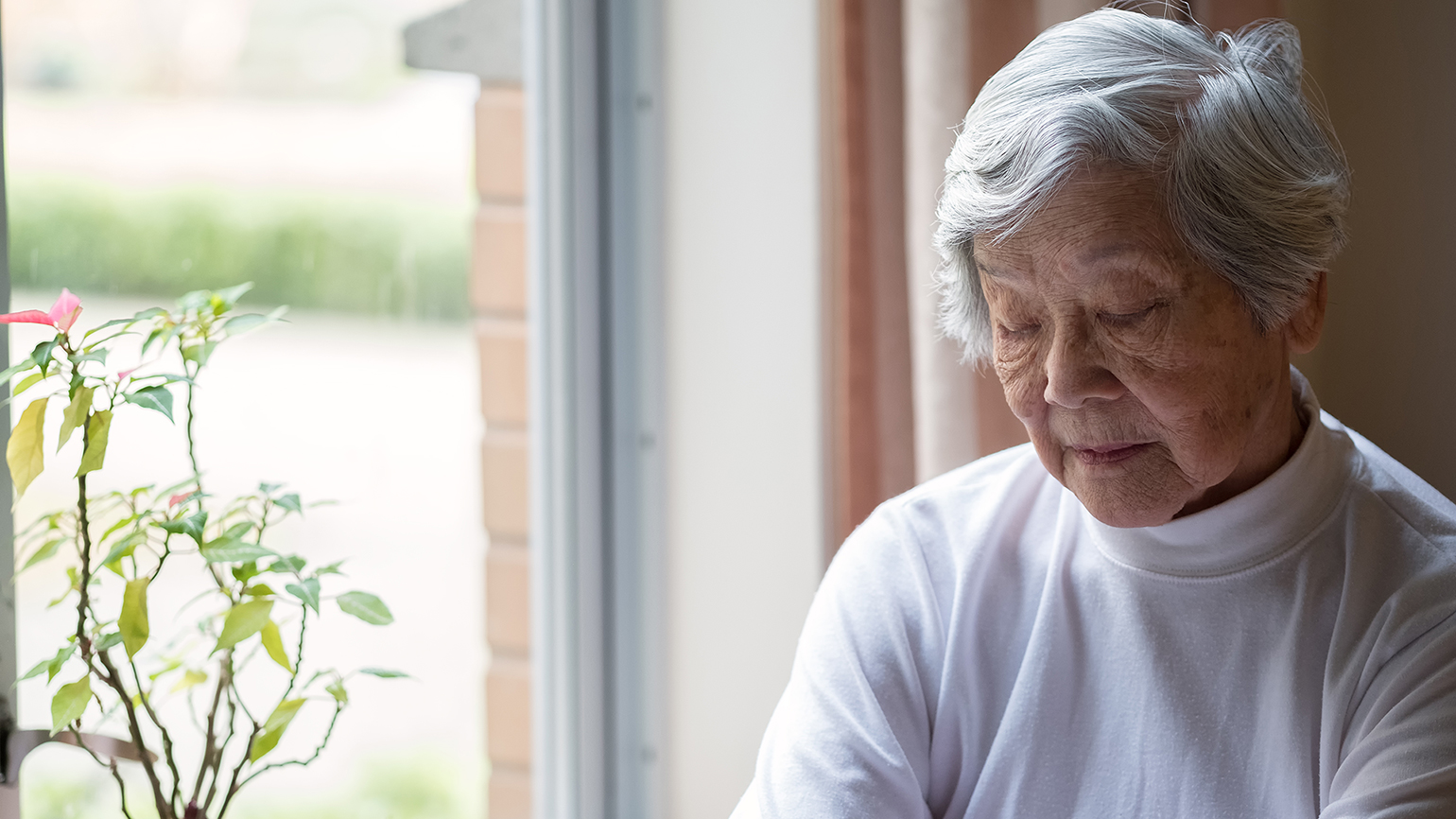
From the decorations to the gift-giving to the family get-togethers in between, we strive to make the holiday season as magical as possible. It’s no wonder then that the stress of planning an idyllic Christmas leaves many feeling overwhelmed and overworked. According to a Healthline survey, over 60% of people report elevated stress levels during the holidays.

Guideposts.org spoke with Dr. Vaile Wright, Director of Research and Special Projects at the American Psychological Association. Dr. Wright regularly interacts with patients battling stress and anxiety, especially during the holidays. Here are her best tips for avoiding the hassle of the Christmas season and focusing on what truly matters.

1. Manage Expectations

The easiest way to avoid feeling overwhelmed is to recognize the one thing you have complete control over: your expectations. That doesn’t mean preparing for the worst so much as tempering your ideas of perfection.

Dr. Wright says expecting everything to go off without a hitch is a guaranteed way to ensure anxiety and disappointment.

“I think for most people the holidays [are] a pleasant time but we often have some pretty unrealistic expectations,” she told Guideposts.org. “[There’s] this need to have the perfect decorations, the perfect gifts, the perfect meal, to hit all the parties, to have the best time, and for everybody to get along. There’s disappointment when all those things don’t come true, and then there’s this anticipatory anxiety about this strive to meet those unrealistic expectations.”

2. Get Off Social

One way to fight the need for perfection is to dial back time spent on social media during the holidays.

“People who spend a lot of time on social media often report higher levels of stress,” Dr. Wright confirmed. “Social media is a place where people put on their best face. It is not the place that people [show] the poorly wrapped gift or the meal that didn’t go the way you wanted it to. Social media plays a role in setting these unrealistic expectations and those who are prone to feeling stress about that probably should monitor their social media time and maybe take a break.”

3. Take A Break

Speaking of breaks, it’s important to schedule a few in your holiday calendar. Of course, this also means you need to listen to what your body is telling you.

“I think it’s really important that people pay attention to how they’re feeling physically,” Dr. Wright said. “A lot of our stress manifests itself in physical ways—stomach aches or muscle tension or headaches. If you catch yourself feeling these physical signs of stress, you need to pay attention to your body take a break.”

That doesn’t mean you need to check out completely, but it does mean you need to schedule some one-on-one time with yourself and spend it doing something that brings you peace and happiness.

“That could look like taking a walk or doing some sort of diaphragmatic breathing,” Dr. Wright said. “It could be distracting yourself by watching a movie. Whatever the case might be, take the breaks as you need to manage your stress.”

4. Be Kind To Yourself

While many people are blessed with big families to spend the holidays with, some might be prepping for smaller affairs. Perhaps you don’t have many distant relations visiting this year or you recently lost a loved one and are worried about getting through this Christmas without them. All of these feelings are perfectly okay.

“You want to really be kind to yourself,” Dr. Wright advised. “I think people have a tendency to judge themselves either for being alone or for feeling sad or for grieving during what’s supposed to be this happy time of the year. It’s okay to just feel how you’re feeling.”

If you do find yourself a bit down or lonely this holiday season, Dr. Wright suggests focusing on making Christmas joyful for yourself by spending time doing things that bring you happiness.

“For those who maybe don’t have a lot of family or are feeling alone, we often encourage them to create traditions for yourself,” she said. “You can still celebrate this time of year and do things that you find enriching. And we often encourage people to go out. Go to the movies or do things where even if you’re not with a specific person, you’re still out with people.”

5. Stick To Your Routine

The busyness of this time of year can throw personal routines off the rails. Making sure you hit every celebration and attend all the festivities can sometimes mean the rest of your carefully planned life becomes chaotic. But for your own peace of mind, it’s important to continue, as best you can, with the routine you’ve enjoyed all year long.

“Just like the rest of the year, it’s okay to indulge a little bit in moderation but don’t drop the other important habits that you have,” Dr. Wright said. “That’s why it’s important to have those habits all year long, like getting enough sleep, getting enough exercise, not isolating and being socially connected to others.”

A routine will help you stay healthy and organized, but it will also go a long way to mitigating the stress of the season.

6. Focus On What Matters To You

Perhaps the best way to manage feeling overwhelmed during the holidays is to check in with yourself. We’re often so worried about pleasing others during this time of year that we put our own needs on the backburner, building up that stress until it boils over and ruins our celebrations. It’s healthy to ask yourself how you’re doing during the season and to adjust your plans according to your answer.

“If we don’t take care of ourselves, then we can’t take care of others,” Dr. Wright said. “We can’t make sure that others are having a good time if we’re always neglecting our own needs.”

Keeping a check on things can also help lessen post-holiday depression. Once the relatives leave and the gifts are open, the joy of the season seems to disappear. Dr. Wright explained the key to avoiding this is to zero in on what you love about the holidays and place less importance on everything else.

“If you don’t overindulge in the holidays, there isn’t nearly that big of a crash afterward,” she said. “If you can approach the holidays, not as this excuse to go crazy, but instead, a celebratory time where you get back to what matters to you. If commercialism and these unrealistic expectations aren’t important to you, what is? Is it reflecting on the year? Is it volunteering? Is it coming back to your spirituality? I think if we can focus on what is it about the holidays that’s most important to us, then that enables us to not get caught into these traps of big highs and then big lows.”


5 Ways to Think Like a Champion

I meet and learn from champions every day. Not just in locker rooms but in classrooms, hospitals, homeless shelters, homes and office buildings.

I’ve learned that to be a champion you must think like a champion. Champions think differently than everyone else. They approach their life and work with a different mindset and belief system that separates them from the pack.

1. Champions expect to win.
When they walk on the court, on the field, into a meeting or in a classroom they expect to win. In fact they are surprised when they don’t win. They expect success and their positive beliefs often lead to positive actions and outcomes. They win in their mind first and then they win in the hearts and minds of their customers, students or fans.

2. Champions celebrate the small wins.
By celebrating the small wins champions gain the confidence to go after the big wins. Big wins and big success happen through the accumulation of many small victories. This doesn’t mean champions become complacent. Rather, with the right kind of celebration and reinforcement, champions work harder, practice more and believe they can do greater things.

3. Champions don’t make excuses when they don’t win.
They don’t focus on the faults of others. They focus on what they can do better. They see their mistakes and defeats as opportunities for growth. As a result they become stronger, wiser and better.

4. Champions focus on what they get to do, not what they have to do.
They see their life and work as a gift not an obligation. They know that if they want to achieve a certain outcome they must commit to and appreciate the process. They may not love every minute of their journey but their attitude and will helps them develop their skill.

5. Champions believe they will experience more wins in the future.
Their faith is greater than their fear. Their positive energy is greater than the chorus of negativity. Their certainty is greater than all the doubt. Their passion and purpose are greater than their challenges. In spite of their situation champions believe their best days are ahead of them, not behind them.

If you don’t think you have what it takes to be a champion, think again. Champions aren’t born. They are shaped and molded. And as iron sharpens iron you can develop your mindset and the mindset of your team with the right thinking, beliefs and expectations that lead to powerful actions.

A great example of this is John Wooden, the legendary UCLA basketball coach who passed away at the age of 99. He was one of my heroes and someone who not only thought like a champion, but lived like a champion, taught like a champion and developed champions. Visit coachwooden.com to learn more about him and his teachings.

Download your FREE positive thinking ebook!

5 Ways to Teach Kids Money Management Skills

No one is born knowing how to manage money.

Our children need a slow and steady introduction to the topic of how to make smart money decisions, just like the process of learning to read. (No one starts out reading War and Peace.) Then, they need practice and increased responsibility–bit by bit, year by year, until they can successfully fly solo.

Don’t worry if your current financial situation isn’t perfect–no one’s is. By involving your children in conversations about money you’ll be able to learn together, impart wisdom, teach them from your mistakes, and ensure that they have the tools to make smart money decisions on their own someday.

Here are 5 ways my husband and I have started teaching money smarts to our children:

1) Review the Family Budget Together

Our kids know that mom and dad work to earn money. They also know that our income goes to pay for things like groceries, clothes, and toys. Recently, we’ve introduced some of the more unseen budget categories like utilities, retirement, car repairs, and Christmas savings.

Seeing what a budget is and how it works gives our kids ownership of the process and an understanding of why we do what we do each month. When we say, “There isn’t any more eating-out money left,” they understand why. When we talk about prioritizing expenses they grasp why we pay for our lights to stay on before we shop for toys.

2) Let Kids Handle Money

There is no better way to learn about money than to actually be responsible for it. Our kids earn a commission on specific chores that are above and beyond the basic requirements of helping our family function. For example, without payment everyone is required to put away their own clothes when the laundry is done. We also all clear our dishes from the table after dinner. These two chores are about being responsible for things we own and cleaning up the messes we make. Chores that earn payment are things that are extra helpful, like organizing projects, emptying the dishwasher, and folding towels.

With the commission they make for extra work, they practice counting, giving, saving, and, of course, spending!

3) Embrace the Fun of Window Shopping

Whenever we go to Target, I let my kids hold my phone and take pictures of things they like. This has eliminated the “I want this!” and “Can we buy this?” talk and has given them a fun focus while I shop for what we actually need. It’s like window shopping 21st century style!

My kids have learned that as fun as it is to buy toys, it’s often just as fun to look at them. It also gives them a starting point when referencing what they would like to save for. Impulse purchases plague our country (hello, credit card debt!) so teaching my kids to walk slowly, make a long list of what they would like, and then practice narrowing it down and saving teaches them skills that will hopefully minimize impulsive decisions now and in the future.

4) Practice Delayed Gratification

My husband and I practice delayed gratification often and talk through our plans with the kids so they see that as a family we are saving rather than borrowing for immediate gratification. Right now they know that Daddy is saving for a new-to-him truck and together we are all working a little extra to fund a trip to Disneyland.

No one likes to wait. That’s just not human nature! But, delaying gratification is a valuable skill that our children can learn. It helps them discover many things are worth the wait.

5) Choose Wise Words When Discussing Money around Your Kids

We must be careful with the words we use when describing money. We don’t want to instill a mentality of scarcity in our kids or turn them into tightfisted little misers.

Talk about money as a tool – it works for us and does exactly what we tell it to. We own it, it doesn’t own us. Make sure they know that money is something we can give to those in need and trustworthy organizations. In our family, we use the “Open hands”approach, meaning that money comes in and money goes out. And that’s just the way it is supposed to be. And, just like a well-tended garden, money is something that can grow. Just getting by month to month isn’t the goal. We want to practice and teaching our children about wise investments. Money is important, obviously, or we wouldn’t be discussing it, but it should never be the focus.

How are you teaching your kids to make smart money decisions?

5 Ways to Stay Positive as a Caregiver

There is perhaps no harder job than that of a caregiver. To give tirelessly to another, often without compensation, is the work of angels. However, as caregivers know all too well, this role can be exhausting, frustrating and disillusioning, especially when there is little appreciation returned for efforts expended.

How do caregivers continue to feed, clothe, and perform a myriad of other responsibilities without resentment seeping in? I asked a few experts to weigh in on strategies for sustaining optimism, while caring for another. Here are a few ways and tips for caregivers to stay upbeat.

1. Spot signs of burnout

“An important step toward being a conscious caregiver is recognizing your current state of being,” writes Linda Abbit in her book The Conscious Caregiver. She lists a series of questions to help you determine if you’re encroaching on burnout. Among them are these:

  • Have your sleep patterns changed?
  • Do you feel increasingly worried or anxious?
  • Do you feel constantly irritated? Are you snapping more frequently at your care recipient?
  • Have you become isolated or less social?
  • Have you increased unhealthy behaviors, like drinking or smoking?
  • Are you fatigued most of the day?
  • Are you getting headaches, stomach aches, or frequent colds? Are you experiencing chronic pain?

2. Accept help

According to Abbit, lowering one’s stress, both immediately and long term, is the most important thing caregivers can do to prevent burnout. How to do this? Accept help! She writes, “Family caregivers often have a blind spot when it comes to their own needs and accepting help from others. It’s not a sign of weakness to need or accept help. In fact, it’s actually a sign of self-knowledge and wisdom.”

Analyze your caretaking needs ahead of time and separate them into smaller tasks that can be divided among siblings, friends, and neighbors. Write out detailed instructions for jobs like grocery shopping or running errands, so that you have a specific assignment ready for the next person who asks you, “How can I help?”

3. Attend to self-care

Dr. Robert J. Wicks specializes in working with caregivers and has written several books for caregiving professionals, including The Resilient Clinician; Overcoming Secondary Stress in Medical and Nursing Practice; and The Inner Life of the Counselor. During a presentation to helping and healing professionals, and nonprofessional caregivers, he notes, “One of the greatest gifts we can share with others is a sense of our own resilience and inner peace, but we can’t share what we don’t have.”

His point is that for caregivers self-care is not a luxury. Having an ambitious, but realistic self-care protocol is not simply a nicety, but a necessity for quality of life for both those receiving and offering care.

In his book, Bounce: Living the Resilient Life, Dr. Wicks indicates what a comprehensive self-care approach looks like in great detail but indicated to me in our interview that it must include periodic breaks from service, time with friends, a short walk outside each day, time alone for reflection, and other physically, psychologically and spiritually renewing activities.

Mindful self-care of the caregivers themselves translates into a better healing presence to those being cared for as well.

4. Construct proper boundaries

Exhaustion and resentment happen more easily when the needs of the care recipient have no borders. They bleed into all aspects of the caregiver’s life, from her relationships to her sleep and hobbies. If a caregiver doesn’t erect some serious boundaries, she runs the risk of relinquishing control and living her life according to the beckon call of her care recipient.

According to Wicks, people being cared for feel better when those who care for them feel better about themselves. Their presence to those in need is based on a healthy lifestyle, rather than simply the compulsion or duty to do good work. In other words, care recipients are happier and healthier when their caregivers establish firm boundaries and are disciplined about self-care.

5. Ask God for strength

Carol Bradley Bursack, a veteran family caregiver, supports others like her through her work as a columnist, author, blogger, and consultant. In a recent interview, she told me her faith helps her avoid burnout and remain positive.

“More than once, I was as close to burnout as I could get without declaring myself out of commission,” she explained. “Yet, when in my desperation I practiced what my faith taught me, which is to give my grief, my fatigue, and my frustration over to God and let Him handle it, I found myself able to continue on. When I was faithful enough to travel day by day with God, I even found the occasional moment to take care of myself.

“In reality, of course, I was allowing God to carry the majority of the weight and that was the best kind of self-care that I could practice. Continuing to ask God to for strength and direction helped me stay positive most of the time.”

Caregivers aren’t expected to wear a smile all the time. Anyone who has ever prepared a bath for someone knows the drudgery that’s part of the job. However, with some self-care, faith, and help from others, caregivers may remember the deeper meaning and fulfillment in cooking and cleaning for another human being. As Carl Beuner once said, “They may forget what you said but will never forget how you made them feel.”

5 Ways to Stay Cool in the Summer Heat

If you are feeling the summer heat as a bit too much of a good thing these days, consider this lovely bit of prose from Natalie Babbitt in her classic novel, Tuck Everlasting.

“The first week of August hangs at the very top of summer, the top of the live-long year, like the highest seat of a Ferris wheel when it pauses in its turning. The weeks that come before are only a climb from balmy spring, and those that follow a drop to the chill of autumn, but the first week of August is motionless, and hot.”

If this week is motionless and hot, how are we to stay fluid and cool? Walking a positive path through hot weather can be challenging, but when we cool ourselves physically, our moods can only follow. Try these simple cooling techniques:

1) Breathe your temp down by inhaling sharply through your mouth and exhaling through your nose. Feel the air drawing across your tongue, signaling your brain to cool down.

2) Freeze your pillowcase for a few minutes before you go to bed, for a bit of coolness that will help you rest.

3) Ice your pulse points at your wrists, neck, and behind your knees for a minute at a time to cool down in spots where your blood vessels are closest to the surface of your body.

4) Hydrate properly, with at least eight 8-ounce glasses of water a day. Try one of these healthy flavored waters to boost your beverage.

5) Manage your emotions by taking a deep breath before responding to any triggering situations. Remember that a hot body can lead to a hot temper—if you are feeling extra touchy, ask yourself what you can do to cool off…inside and out.

What are your go-to hot weather tips?

5 Ways to Respond When a Loved One Asks to Speak with Someone Who Has Died

This article is based on information provided by Home Instead Senior Care.

When an Alzheimer’s patient asks to speak to someone who has died, it can be very upsetting for you as a caregiver, especially if the person is someone you also knew and loved. It also presents many challenges. Should you tell the person that the one they want to speak to is no longer alive? The news would be so upsetting to someone who is already in a somewhat fragile state. Consider these tips on how to respond to these requests.

1. Go along with it if possible. You will probably just agitate your loved one if you try to correct or disagree with the request.

2. Tell your loved one that the deceased person has stepped out briefly, is asleep, will visit later, etc.

3. Look at the situation through your loved one’s eyes. If they wake up and think they are 30 years old again and, getting ready for dinner in their hometown with their family, don’t resist the situation. Meet right there and become a part of that reality.

4. Distract your loved one by walking around the yard and looking at trees, turning on the TV, getting an ice cream cone, etc.

5. If your loved one insists on talking to this person, get them on the phone with someone who can pretend to be their mother, husband, sister, etc.

5 Ways to Rebuild Your Life After Caregiving Ends

Sonsyrea Tate was surprised—and delighted—when her 97-year-old grandfather bounced back after the end of his beloved wife’s struggle with Alzheimer’s disease. But moving on after caregiving can be complicated. Former caregivers can suffer from guilt, exhaustion and confusion, among other things.

Caregiving inevitably changes us,” says David Troxel, an internationally known expert on Alzheimer’s and coauthor, with Virginia Bell, of The Best Friends Approach to Alzheimer’s Care. Here’s how to heal and transition smoothly into your next chapter.

Stick with your support group. If you’ve enjoyed the camaraderie of a caregiving support group, consider staying on. “It can benefit you even after a family member has passed away,” Troxel says. “You can act as a kind of mentor and share your wisdom with the group.” Another option: Join a bereavement group (through a church, synagogue or hospice).

Learn a new skill. Studies confirm: Building new skills helps ward off dementia and boosts well-being. Now that you have more time, take up a new activity. What have you always wanted to try? How about taking language classes or music lessons or learning how to knit or sew? “It can be fun and good for your brain, body and spirit,” Troxel says.

Reach out to family and friends. “Even after a formal service, consider gathering with loved ones and talking about your experience, lessons learned and plans for the future,” Troxel says. “If you have a lot of pent-up feelings, don’t be shy. Let folks know how you are feeling; ask for a hug. You’ll be surprised at how many people will be there for you.”

Consider moving. “I tell grieving families: Don’t make any major decisions for at least one year,” says Troxel. “But then be bold! If you’ve always dreamed of moving into the city and living in a small apartment and being within walking distance of coffee shops and theaters, go for it. Moving can open up a lot of new horizons in your life.”

Give back. It’s no surprise to Troxel that the volunteer rosters at the Alzheimer’s Association are full of former caregivers. “It’s so impactful to be able to share what you’ve learned. It is a wonderful way to give a sense of purpose to your years of caregiv­ing,” he says. Or you might consider working as a caregiver with a company like Home Instead. ”It is part of the healing process to be out in the world, helping others,” he says.

For more information about the caregiving journey or caregiving careers, go to homeinstead.com.

Read more: At 100, Her Grandfather Was Still Giving It All Up to God

For more inspiring stories, subscribe to Guideposts magazine.

5 Ways to Keep Hopes and Dreams Alive

Most of us are living through unprecedented changes in our lives, with schools and businesses shut down in response to the Covid-19 virus. During these days of social distancing, we often need to focus on day-to-day needs. Even if there is time to imagine the future, it can be hard to do so.

“The uncertainty is scary,” said Dr. Lea Waters, a positive psychology expert. “Thinking about, and taking steps to create, a positive future is vitally important.”

Dr. Waters is the founding director of the Centre for Positive Psychology at the University of Melbourne, and the author of The Strength Switch. She turns her science and research into strength-based strategies to help organizations, educators and parents build resilience in their employees and children.

She talked with Guideposts.org about the practical steps we can take to nurture our dreams for our lives after this crisis has passed.

1. Use hope to cope

One of the biggest things people are struggling with during the pandemic is feeling stuck in the difficult present and afraid to look to the future. This is where hope comes in: Hope pulls us into the future, Dr. Waters explained, and, by doing so, helps us cope better with the present circumstances. “Allowing yourself to hope doesn’t mean you’re ignoring or whitewashing the hardship we’re going through,” Dr. Waters said, “but that you’re attempting to rise above it and give yourself the motivation to move forward.”

Recent studies show that hope leads us to maximize psychological adjustment by reducing anxiety, increasing motivation, and helping us pursue goal-directed actions. “All of these are outcomes we need to cope right now,” Dr. Waters said.

2. Dare to dream big

According to Dr. Waters, it’s crucial to your emotional well-being to continue planning and dreaming for the future, even when that future looks uncertain. She suggests making bucket lists of things you’ve always wanted to do or accomplish. “Suspend your reality for the moment, and allow yourself to feel happy about this imagined future,” said Dr. Waters. “Later, you can focus on mundane realities like budget, but for now just let your brain dream.”

Envision the items on your list in detail and take the time to research the best courses of action. For that long-awaited trip, tap into the wealth of online videos, brochures and itineraries for your desired destination. Or for that redecoration project, get ideas from catalogues, decorating websites and Pinterest.

3. Dare to dream small

On a smaller scale, make plans with friends to meet for a walk or to go for dinner at your favorite restaurant when the all-clear’s sounded. Think of outings you and your loved ones can look forward to, movies or sporting events or even trips to the mall. There’s no need to try to pin down when these things might happen. Positive anticipation can be almost as rewarding as the events themselves.

4. Consider making changes

Use this time of isolation and sheltering-in-place as an opportunity to reflect on any changes you’d like to make in your life. For example, many people are reinvesting in relationships or spending more time with family. “My own family is thinking about how we can restructure our previously hectic lives to intentionally make things slower once the pandemic has passed,” Dr. Waters said. Once you decide what changes would be beneficial, come up with specific steps you can take to enact them when the time is right. You can always adapt your plans as the situation continues to evolve.

5. Look for the silver linings

Even the worst of times usually bring with them some unexpected blessings, and you don’t need to be a Pollyanna to see them. Maybe you’re learning to budget better or to be happier with less. Maybe you’re seeing the benefits of getting back to basics. Whatever it is, acknowledge the new shift and be grateful.

“Because the whole world is going through this together,” Dr. Waters said, “I believe the silver lining is the collective compassion, kindness, sense of connection and common humanity we are feeling towards each other.”

5 Ways to Help Someone with Chewing and Swallowing Problems When They Eat

This article is based on information provided by Home Instead Senior Care.

Mealtimes can be a challenge for someone who has trouble chewing and swallowing due to Alzheimer’s. If your family member needs your assistance with eating, you may want to consider the following suggestions:

1. Make sure your loved one is eating in an upright position.

2. Alternate solids with sips of liquids.

3. As he or she eats, put additional liquids into the foods—for example, pour more milk into the oatmeal.

4. Gently coach your loved one through the meal: “Great, Dad. You can open your mouth…now close…now chew…swallow…”

5. Try touching his or her chin or cheek as a comforting way to stimulate chewing.

Learn more about our Terms of Service

5 Ways to Heal When Grieving the Loss of a Pet

Six days after losing our golden retriever, Brooks, I stood in the church lobby after Sunday’s service, and the tears started to flow, right there in front of everyone. Some people stopped to ask me what was wrong, then patted my shoulder and walked on by. It felt like they were thinking, “What’s wrong with you? It’s just a dog.” But I knew my loss was important, and my pain was very real.

God blesses us with animals to share our lives. When you love a pet, you experience a strong bond, and grieving for a lost pet is normal. While it’s not realistic to “just get over” the loss of a pet, there are some ways to help you through the difficult times.

1. Understand it’s okay to grieve

You may feel embarrassed to admit how much you are hurting. People may offer “helpful” suggestions of when and how to grieve. Your pet was a part of your family. He ate with you, played with you, slept with you, maybe even went on vacation with you. It is natural to feel his loss deeply. When we lost our Brooks to cancer, I was shocked at the intensity of my grief, the actual ache in my heart. My husband understood. He said, “It only hurts so much because what you had together was so good.” Allow yourself to grieve those good moments and grieve for your friend, just as you would anyone else who was dear to you.

2. Consider a tribute or memorial

At the end of December every year, our veterinarian holds a special service for all the pets that passed away that year. Luminaries light the driveway. The veterinarian’s waiting room is dark and reverent. One of the vets reads the beautiful children’s book about pet loss, Dog Heaven by Cynthia Rylant. A big screen projects a slide show of the cats and dogs, while pet parents stand up and share remembrances. When we leave, hearts are lighter.

A memorial can be anything that is meaningful to you. Hold a funeral. Read a poem– many pet parents find comfort in a popular poem, The Rainbow Bridge. Light a candle. My children found meaning in writing a message on a balloon and releasing it to heaven. Writing a letter to a dog in heaven helped a young girl who missed her dog (and she got a touching, surprise response, too.).

3. Remember the good times

After one of our dogs passed, I kept focusing on the last months of his life—how he could barely walk, how much pain he’d experienced. I couldn’t get past those sad images. One night my husband got out an old home video of our dog when he was young and healthy. I watched a strong, active yellow pup run through the woods, fetch a stick, and dive off the end of a dock. His life was more than his disease. He’d had a good life. My guilt and sorrow healed that night.

4. Create a meaningful tribute

Making a special tribute helps create a lasting memory. Plant a tree or perennial flowers in your garden. Frame a favorite picture. We framed a collage with a photo, a lock of fur, dog tags, and a paw print. At holiday time, design a special ornament with your dog’s photo to hang on your Christmas tree.

5. Give extra love to your other pets

If you have other pets at home, they may be missing their companion as well. Although animals don’t grieve in exactly the same way as people grieve, your pet may seem sad, lonely or confused. Keep your pet’s routine as normal as possible. Providing extra walks or play time, if able, is always a good idea. Spending time relaxing and snuggling together can help you both.

God cares about animals, just as he cares about all His creation. Are not two sparrows sold for a cent? And yet not one of them will fall to the ground apart from your Father. (Matthew 10:29) Knowing that your loving Father cares about your pet, you can trust that His plan for your pet is perfect.

5 Ways to Get More Involved with Your Community

Abigail Carney is the Activities Coordinator at Benjamin Rose Institute on Aging’s Gunning Park Rose Center for Aging Well.

As a busy and often tightly scheduled caregiver, carving out time for community activities is likely not a top priority. You may have taken on a volunteer project or joined a social organization out of a sense of obligation. But have you thought about involving yourself in activities that are actually fun and interesting to you? When you interact with others in ways that stimulate and fulfill you personally, it is not only self-gratifying, it can also boost your health. This in turn can allow you to recharge and help make you a better caregiver.

According to the National Institute on Aging, being involved in community activities can increase social engagement and improve the health of the people who partake in them through increasing overall happiness, lessening symptoms of depression, improving thinking abilities and lowering the risk of certain health conditions, such as dementia.

To help you find community activities that are right for you, consider these suggestions:

1. Know what you’re looking for

Keep online searches focused on specifics. For example:

  • Teach an acting class for children
  • Study painting at a local museum
  • Take a dance class
  • Read to people at a nursing home
  • Serve food at a homeless shelter
  • Work the polls on Election Day
  • Join a mystery lovers book club at the library

A good place to start is with newspapers and magazines, as well as community bulletin boards, that list volunteer and social engagement opportunities. The following online resources offer additional ideas and information:

​​2. Plan regular respite time

As a caregiver, your time is already at a premium! Because of this, you should schedule your activity on a regular basis. An evaluation of the National Family Caregiver Support Program showed that caregivers who received 4 or more hours of respite per week reported decreased burden and a higher level of ability to continue their caregiving responsibilities. Respite will help you reset and be the best caregiver you can be to your loved one. It has the added benefit of giving you something to look forward to each week.

3. Think of opportunities for interaction

Placing yourself in situations that allow you to meet and interact with other people is a great way to combat the isolation you may feel as a result of daily caregiving. Socializing with others, developing relationships and receiving support can give you an outlet to unwind.

4. Pick up a new skill or go back to one you loved

It’s easy to get so involved in everyday life that we drop the things we once hoped to learn or accomplish. Now is the time to try something you have always wanted to or return to an activity that you used to love!

5. Enjoy yourself!

Keep in mind when deciding what to do, that it should be something that excites you. It’s okay to test out different activities until you arrive at the right one. There are only so many hours in your busy day, so have a good time!

15 Ways to Form a Positive Reading Habit

If you are hoping to read more often, you are not alone. Whether it’s a new habit for the New Year or a commitment to learning more about the world, starting positive reading habits is a big item on people’s to-do lists. According to YouGov, 11% of Americans hope to read more in the year 2023. That’s approximately 36 million people!

However, it can be difficult to set aside time and find a quiet place to open a good book, web article, or magazine. Between busy schedules and the allure of binge-watching, starting a reading habit might feel impossible. Luckily, there are simple steps we can take to make reading habits a part of our life.

Why Start Reading Habits?

Woman with glasses looking over her book cover while doing her reading habit

Benefits of Positive Habits

Positive habits can be a great way to bring more joy and hope into your day-to-day life. They can be done on a monthly, weekly, or even a daily basis, depending on how you include them in your schedule. Positive habits should affect your life in a way that improves it—whether that’s making you happier, healthier, more hopeful, connecting you with others or giving you a sense of purpose. For many people, reading is a way to do this. But how?

Benefits of Reading

There are various benefits to regularly reading. According to Healthline, reading books can reduce stress, help with sleep, improve brain connectivity, and increase vocabulary and comprehension.

Taking the time to read is a good way to slow down in a busy world. It gives us the chance to sit down in a quiet space and take a break from the screen. It lets us feel our emotions and look inwardly to see how we truly feel and react to different stories.

Reading can also take you on journeys to interesting worlds, all without leaving your living room. It can put you in someone else’s shoes, show you different perspectives, and increase your sense of empathy towards others. It can also be a source of comfort. Reading a story that we relate to can help us feel more seen and connected to the world around us.

How to Start Good Reading Habits

Smiling woman drinking tea writing down her reading habits in a journal

1. Put Your Reading Habits on Your Calendar

Finding the time to read is one of the major obstacles people face when they commit to reading more. After a stressful day at work or running errands, you might want to plop in front of the TV or open your phone. Make reading a part of your schedule by adding it into your calendar. Find a time during the day when you have downtime—in the morning while you drink your coffee, during your lunch break, or at night before going to bed. Adding it to your calendar, whether your daily planner or on your phone with an alarm, will remind you to slow down, sit comfortably, and crack open a book.

2. Start Small

If you are committing to reading more with reading habits, there’s no need to jump into an epic novel or a lengthy nonfiction book. Let yourself start small. Pick an easy read, like a short novel, a collection of short stories, or a magazine with short articles. Also start small with the amount of time you spend reading. If you don’t have the time to read for hours, set aside fifteen minutes. If you want to do it for longer to really dive into your book, increase the time as you go. Soon, you’ll be so pulled into a story, you’ll spend more time reading than you imagined possible with your busy schedule.

3. Go Chapter by Chapter

Another way to stick with a reading habit when you don’t have much time is to take your book chapter by chapter. Commit to reading one chapter a day, or even one chapter a week if you are especially busy. Set a schedule that makes sense for you. Don’t overdo it, or you run the risk of burning yourself out or stopping altogether. Remember that reading is not a race. The joy and knowledge you get from it is for you to have at whatever pace works for you. Habits stick when you focus less on doing them quickly and more on doing them consistently.

Woman in a chair does her reading habit

4. Make a Reading Spot

Who doesn’t love a reading nook—a quiet, cozy space where you can snuggle up and enjoy a good book. Make a reading spot for yourself in your home. It can be in your living room, a corner of your bedroom, in the kitchen, or outside on your porch. Here are a few characteristics that make for a great reading spot:

  • Make sure the spot is filled with light so you can read easily
  • Add pillows and blankets to make it more comfortable
  • Personalize the spot with your favorite scented candle, flowers, artwork, shelves of books, etc.

Do whatever you want to the spot that brings you joy so you are excited to return and continue your reading habit.

5. Use a Reading Habits Tracker

A reading habit tracker is a tool that helps you keep track of the books you’ve read, plan to read, and are currently reading. It’s a great way to figure out your reading goals and catalogue your accomplishments. If your goal is to read a certain number of books, add them to the habit tracker and mark them complete as you go. There are various digital habit trackers you can use, such as websites like Libib and BookSloth, or apps like Goodreads and Bookly. You can also make your own reading habit tracker in a spreadsheet or a journal.

6. Have Multiple Reading Options

Don’t be afraid to read more than one thing at a time. The same book might not capture your interest every day, and that’s okay. Include a different kind of book or magazine in your mix, so you have something else to grab during your reading time. Just like bibliophile Rory Gilmore, from the show Gilmore Girls. As she said in one episode: “Sometimes when I’m on the bus, I’ll pull out a biography and think to myself, ‘Well, I don’t really feel like reading about a person’s life right now.’ Then I’ll switch to the novel. And then sometimes when I’m not into the novel, I’ll switch back.”

Woman sitting on the ground doing her reading habit at the library

7. Use Your Local Library

One of the drawbacks of taking up a reading habit is how expensive it can get. Multiple trips to the bookstore or online shops can get pricey. Sometimes you need to read the first few chapters of a story to see if it’s something you want to continue, which is hard to do in a bookstore aisle or online. Luckily, libraries are filled with books, eBooks, audiobooks and magazines you can check out for free. Now you can sample books to your heart’s content until you find one you want to commit to. You can even use the app Libby to check out eBooks and audiobooks and track them as you read. All you need is a library card!

8. Mix Things Up with a New Genre

If you are used to reading one kind of book, pick out a book in a genre you don’t usually read. For example, if you are a lover of fiction and novels, think about what your favorites have in common. A particular time in history, region of the world or type of character may emerge as a theme. That can send you down a glorious rabbit hole of non-fiction books that will illuminate your understanding of times, places and people who already live in your imagination.

9. Add a Treat to Your Reading Habits

If you are having trouble motivating yourself to stick to your reading habits, try doing something to treat yourself during your reading time. Many people enjoy a relaxing cup of tea as they read. Some like to pop a bag of popcorn and munch as they read, just like at the movies. Maybe you have a sweet tooth and want to nibble on some chocolate as you turn the pages. Just be sure to keep your hands clean so you can avoid smudges.

Man lying in bed does his reading habit with a book

10. Try Habit Stacking

Habit stacking is adding a new habit onto an already existing habit, such as making a daily to-do list while you drink your coffee or doing slow breathing exercises while getting ready for bed. If you are having trouble adding reading habits into your routine, make them a part of your current habits. Think about something you do on a daily or weekly basis that you could also read during. Some examples include:

  • Listen to an audiobook during your morning commute
  • Read a magazine while you wait for your laundry to dry
  • Listen to an audio book while you wait for dinner to finish cooking
  • When you lay in bed before going to sleep, put down your phone and curl up with a good book

11. Give Old Favorites a Re-Read

There is a particular kind of pleasure that comes with easing open a well-worn book, flipping through pages you have thumbed before, maybe multiple times. Re-reading favorite books can do more than bring you back into beloved worlds and stories—it can bring you back to the time in your life when you last met those characters. You’re left with a rich reflection on who you were, who you are and where you turn for meaning and inspiration. Re-reading a favorite a great way to keep yourself committed to your reading habits when you aren’t feeling up for anything new.

12. Let Your Finished Book Help Choose the Next Book

If you finish a book, don’t lose the momentum in your reading habits. After you’ve digested what you’ve read, be sure to pick out something new to read soon. You can use your previous book to pick the next book on your list. If the book is in a series, go to the next one. If you liked the author you read, look up what else they’ve written. If there was a subject in the previous book that intrigued you, research a good book to read about it. You can also make a list of books you hope to read beforehand, so you always know what to pick up next.

A group of smiling people do their reading habits in a book club

13. Join a Book Club

Book clubs are positive on so many levels, not least of which is that they open your mind to books you might not otherwise consider. Many neighborhoods, towns and cities have book clubs you can find online and join. Even if you don’t belong to one, try to think about your reading choices in a communal way. Ask friends what they are reading and go with any recommendations that intrigue you. Maybe even consider starting your own book club with them.

14. Share Your Reading Habits Journey

Nothing can make you commit to a habit more than announcing you are going to do it. Wanting your friends and family to see you successfully complete a goal can be great motivation. Tell people in your life that you are starting a reading habit. You can do this in person or on social media. Keep people updated on how your habit is going by talking about the books you’ve read, asking for recommendations, or making posts about how your reading habits are progressing.

15. Give Yourself Permission to Move On

Sometimes you just can’t get through a book—and that’s okay. Just like living positively means acknowledging when it’s time to let go of something that isn’t serving you well, reading positively means giving yourself permission to close a book that isn’t keeping you interested or inspired. There are infinite choices to turn to instead, after all. The positive pleasure of reading is indeed un-ending.

Inspiring Quotes About Reading Habits

Woman with glasses in yellow shirt does her reading habit in bed

Find inspiration by reading these quotes about reading habits, some of them from great writers and novelists. Write a favorite at the time of your reading list to keep you motivated. Put one on a sticky note in your reading spot so you always remember the joy that you can find in reading.

  • “The habit of reading is the only one I know in which there is no alloy. It lasts when all other pleasures fade.” —Anthony Trollope, novelist
  • “Read every day and learn from what you read.” —Octavia Butler, writer
  • “To acquire the habit of reading is to construct for yourself a refuge from almost all of the miseries of life.” —W. Somerset Maugham, writer
  • “A fondness for reading, properly directed, must be an education in itself.” —Jane Austen, novelist
  • “Any book that helps a child to form a habit of reading, to make reading one of his needs, is good for him.” —Maya Angelou, memoirist
  • “That’s what I love about reading: one tiny thing will interest you in a book, and that tiny thing will lead you to another book, and another bit there will lead you onto a third book. It’s geometrically progressive — all with no end in sight, and for no other reason than sheer enjoyment.” —Mary Ann Shaffer, writer and librarian
  • “I can’t imagine a man really enjoying a book and reading it only once.” —C.S. Lewis, writer
  • “The greatest luxury I know is sitting up reading in bed.” —Eleanor Roosevelt, former First Lady and diplomat
  • “You think your pain and your heartbreak are unprecedented in the history of the world, but then you read.” —James Baldwin, writer
  • “Children are made readers on the laps of their parents.” —Emilie Buchwald, editor and teacher
  • “My favorite books are the ones that make me smile for hours after reading them.” —Sarah Addison Allen, author
  • “It is not true that we have only one life to live; if we can read, we can live as many more lives and as many kinds of lives as we wish.” —S.I. Hayakawa, former U.S. Senator and professor

READ MORE ABOUT POSITIVE HABITS: