Embrace God's truth with our new book, The Lies that Bind

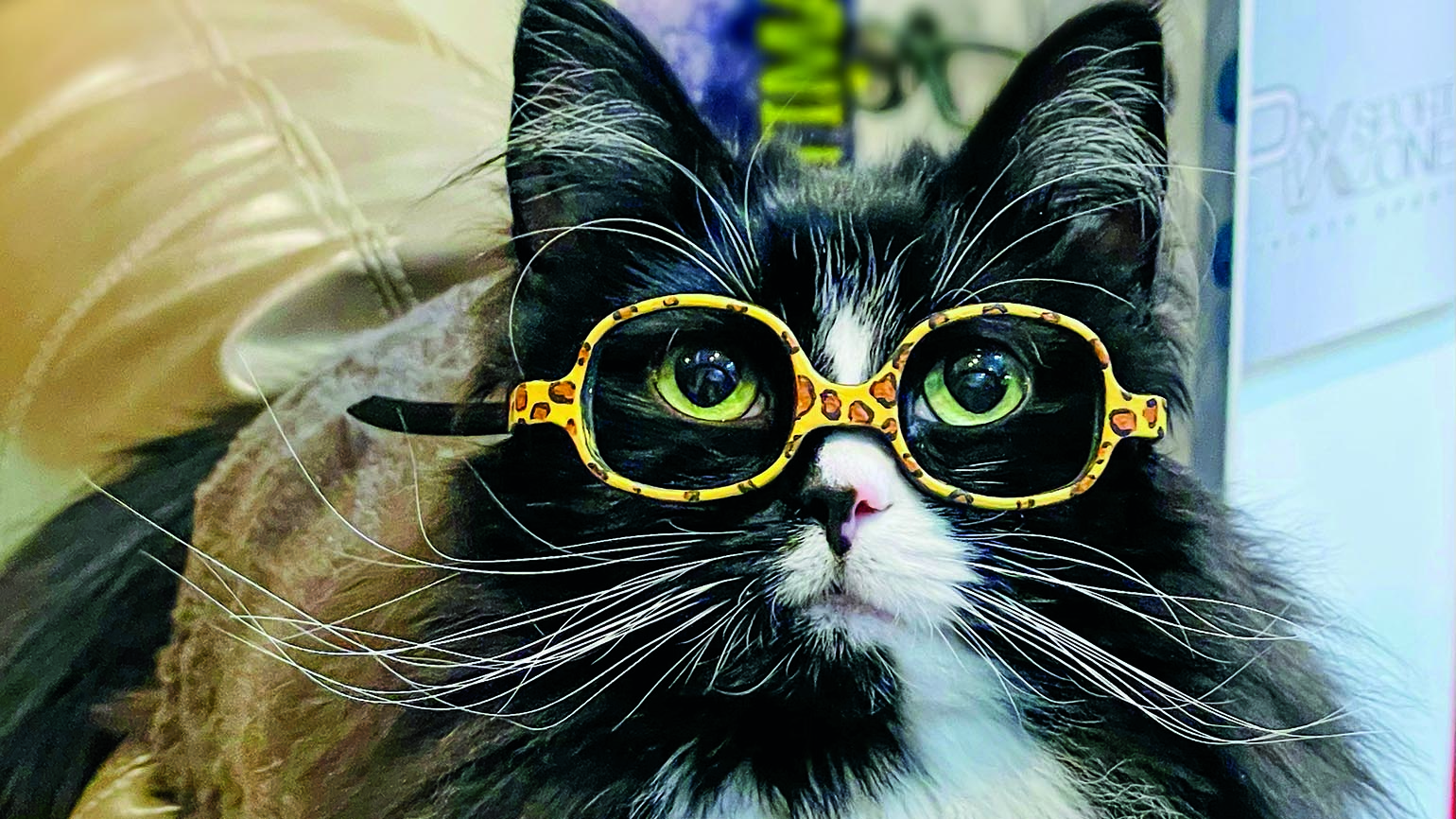
How Truffles the Cat Helps Kids Who Need Glasses

Imagine being a child, unable to see well. Your eyes are tested, dilated, puffed with air or squirted with liquid, and now you’re told you’ll need to wear glasses. Or perhaps, an eye patch. It can all be very scary.

Enter master optician Danielle Crull, who started her practice in Mechanicsburg, Pennsylvania, specifically for youth—infants through teens—who need glasses. In 2002, she opened A Child’s Eyes, the first independent optical shop of its kind in the United States, and now runs the practice with the help of her husband and their three children, who are all in their twenties and board-certified opticians.

Wearing glasses as a kid prompted Danielle’s interest in the field and she jumped in with an apprenticeship right out of high school, before earning her national certifications. Her work with a pediatric ophthalmologist gave her hands-on experience and made her see the need for child-focused opticians.

While her practice was her priority, Danielle also made time to sing in the family band at a nearby church camp. They were a big hit—and not just with people. Stray cats and their kittens would roam around as the band jammed. After one gig, her kids begged her to keep the last kitten from a litter. They already had two cats at home, “but of course they wore me down,” says Danielle. “She was this little growling furball who didn’t want to be held.”

Yet Danielle and the Maine Coon, Truffles, bonded quickly, and the kitten revealed her treat-motivated personality. “That discovery showed me she could be taught very easily,” Danielle says. Truffles quickly learned to sit, stand, high-five and wave. “I’m no cat trainer. She’s just really smart,” Danielle admits.

Truffles first accompanied Danielle to A Child’s Eyes in 2018, joining a bird and hermit crabs Danielle describes as her “weapons to get kids distracted and comfortable.” She fit the fuss-free feline with glasses (without lenses), sizing her frames just as she would for a child.

“She is magic with the kiddos,” says Danielle, whose customers range from four months to 18 years old. “The young children are especially leery after all the testing they’ve gone through. I’ll say, ‘Truffles wants to show you her glasses,’ and she normalizes it for them within just a few minutes.” Truffles also uses her super smarts to allay kids’ fear of testing. She demonstrates how to do a shape test, identifying an apple and a circle with a tap of her paw.

Just like a growing kid, Truffles had to be refitted after a few years. She’ll bat her glasses off when she’s tired but has also been known to fall asleep in them. If a child suffers from amblyopia (a weaker eye) and needs an eye patch, Danielle adds a patch to Truffles’ glasses. And for kids who can’t visit the office, Truffles stars in a series of videos about eye exams and glasses care on trufflesthekitty.com.

“Every day I see Truffles fulfill her purpose through these children,” says Danielle. “If God had a plan for Truffles, then there isn’t anyone on this earth that he doesn’t have a plan for.”

For daily animal devotions, subscribe to All God’s Creatures magazine.

How Trouper the Raccoon Changed Her Life

One hot June morning in 2009 a friend phoned me from the golf course near my North Carolina home. He had seen a golfer beat a baby raccoon with a golf club. It wasn’t unusual for me to get these types of calls. A licensed wildlife rehabilitator, I took in and cared for injured animals until they could be released back into the wild. The kit—just eight weeks old—was in bad shape. His face was so swollen I could barely find his eyes. I didn’t think he’d live through the night. But I took him home and put him on a heating pad inside a crate. I gave him fluids and cleaned his wounds, hoping for a miracle. He didn’t move for four days. I fed him formula with a dropper, but I had to massage his throat to help him swallow it. I can’t release an animal like this back into the wild, I thought. How would he forage for food?

On the fifth morning, I made the decision I always dreaded as an animal rehabber. This raccoon had no quality of life, and I was qualified to end his pain. I held the kit in my arms and looked into his beautiful black eyes. “I’m sorry,” I whispered. Just then, he opened his mouth and yawned. He stretched his legs. Then he shook himself. It was as if he were saying, “I’m still fighting!” Maybe there was a chance he could bounce back. I knew he had to strengthen his limbs. I put him in a bathtub full of water. Immediately, he started kicking. That was the confirmation I needed that he was going to be okay. But a few weeks later I was helping him practice walking when a wind slammed my back door shut. The kit didn’t jump. Oh no, I thought. He’s deaf. He couldn’t see or smell either. My own vision was failing. I knew what it felt like to be without all your senses.

My mind went back to the day I had prepared to say goodbye. Maybe this life is just too hard for him. Maybe… “Don’t do it!” a voice said. I lived alone. Was God talking to me? I looked down at the raccoon. “You’re a real trouper, you know that?” In that moment, I promised both myself and Trouper that I was in it for the long haul. “No human will ever hurt you again,” I told him. Knowing I wouldn’t be legally able to keep a raccoon in North Carolina, I researched states where I could. There were only two. Virginia and Florida, my home state. Six weeks later, with my dog in the back seat and Trouper beside me in his crate, we crossed three state lines to start a new life. (I stopped driving a year later.)

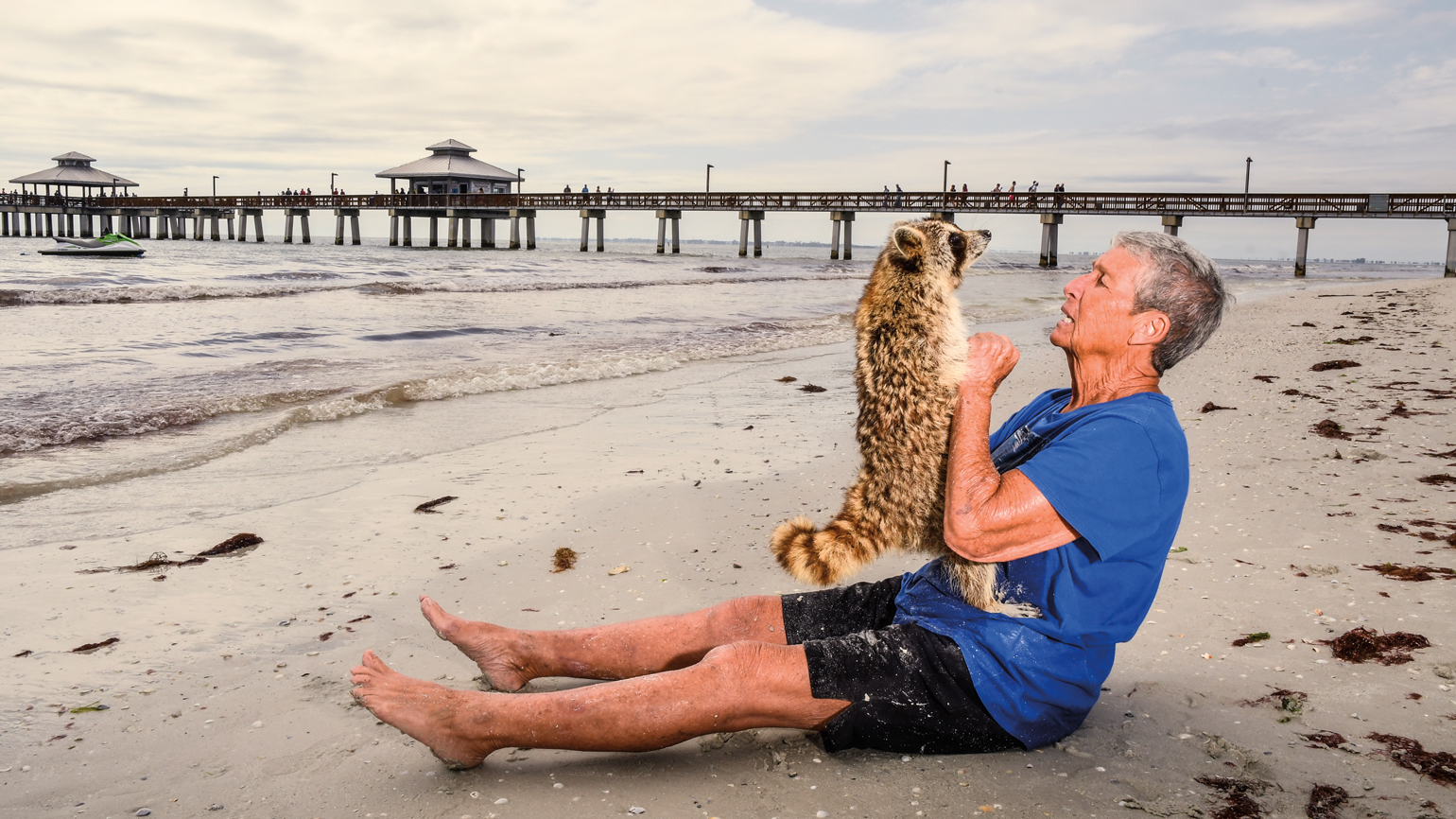
Trouper, now 10, is a licensed wildlife ambassador and service animal. I take him to schools, churches and community centers to teach about the importance of respecting all life. People ask if he’s my raccoon. I say we take care of each other. I’ve healed many animals in need, but Trouper has helped me share that work with others. He’s a constant reminder that every creature deserves a chance. What’s more, he’s captured my heart. Every night I hold him in my arms and say, “Thanks for coming into my life and making it better.”

For more inspiring stories, subscribe to Guideposts magazine.

Advice for Newlyweds from Happily Married Couples

While not all married couples have wonderful relationships, those who have achieved the magic of a deeply happy marriage have much to share with us. Most will admit that marital joy isn’t magic at all, but a lifelong commitment to building and sustaining a meaningful life together in ways both big and (seemingly) small. Whether you’re about to celebrate your wedding anniversary or just about to walk down the aisle, this advice for newlyweds from the happily married may make a difference in your relationship.

READ MORE: How to Increase Joy in Marriage

Community Newsletter

Get More Inspiration Delivered to Your Inbox


7 Pieces of Advice for Newlyweds:

Newlywed couple hugging each other in their home

1. Greet Each Other Every Day

Claudia, who lives in California with her husband of 36 years, shares a daily routine that fosters connection first, life stresses second. “Unless the house is on fire, don’t greet one another at the door with a complaint about the job, kid, parent, in-law, or spouse,” she says. “We have a routine where the first person home greets the second one with ‘Welcome back.’ The other answers, ‘Glad to be back.’” This is her advice for any newlyweds looking to start a daily positive habit. “It’s like saying goodnight. If you don’t say it, you miss it. If you do, it provides completeness to the day.”

READ MORE: 6 Positive Habits for Your New Marriage

Newlywed couple giving each other advice during their coffee date

2. Have a Daily Date

Lisa and her husband meet every morning at the Starbucks in their hometown of Deerfield, Illinois after they get their three teenaged girls off to school. It’s 20 minutes for coffee and conversation before they get into their days. Their phones are off, and everything is on the table. “Even if we are [angry] at each other, we meet there and work it out,” Lisa says. “This special time—more than trips to Tuscany and the South of France—has been the secret of our deep love and friendship.”

Wife riding on her husbands back and smiling at some newlywed advice

3. Assume the Best of Each Other

Over 27 years of marriage, Mary and her husband, who live in Moraga, California, have learned not to take personally quips and quirks that don’t have to do with the relationship at all. This is their tip for newlyweds as well. “My husband and I were taking turns destroying each others’ sleep with our snoring,” Mary recalls. “I was so whacked out from lack of sleep, I convinced myself he was doing it to me. He, in turn, had been putting up with my snoring without complaining. We agreed to a gentle pillow tug to turn the snorer’s head. If snoring goes on, one of us volunteers to sleep in the guest room for a night or two. The spirit of compromise and the understanding that we aren’t out to get each other is vital.”

Newlyweds holding each other hands giving advice and comfort

4. Be Present to Each Other’s Pain

Stacey, who lives in Los Angeles, lost her mother recently. She worries about how her grief might be affecting her husband of 8 years—and he is heartbroken that she is in so much pain. Their advice for newlyweds during difficult times like this? Simply be present to each other through it all. “We’re hanging on tighter to each other,” Stacey says. “Right now I’m picturing how he held me in the driveway of my mother’s now-empty home Saturday afternoon while I wept.”

Parents discussing financial advice with the teen son on the laptop

5. Build on Your Common Values

Wendy and her husband, who live in San Francisco, “bring our values into everyday interactions,” she says. The couple’s oldest child is in high school, and as he grapples with making college decisions, Wendy enjoys how she and her husband are approaching their advice-giving from the same perspective. They encourage their son to take the time to find and pursue his life’s passions. “If we didn’t agree on this approach,” she says, “we’d be playing out our values battle through our son. Instead, we’ve grown closer.”

READ MORE: A Devotion to Help Strengthen Your Marriage

Young newlywed couple on the beach making a heart with their hands

6. Compliment Each Other—in Public

Telling others about your spouse’s strengths reinforces the things you most love about each other. Keith, who lives in Santa Cruz, California, gives this advice to every couple, both newlyweds and the long-time married. “Once I was in a large meeting explaining to a testy customer that if we planned correctly, we could meet their entire demand. He responded by asking me, ‘Are you telling me you have infinite capacity?’ I answered, ‘Sir, the only thing in this universe I am sure has infinite capacity is my wife’s patience.’ Everyone laughed, but I was serious. I’m fully aware every single moment of the day how thankful I am for her patience and love.”

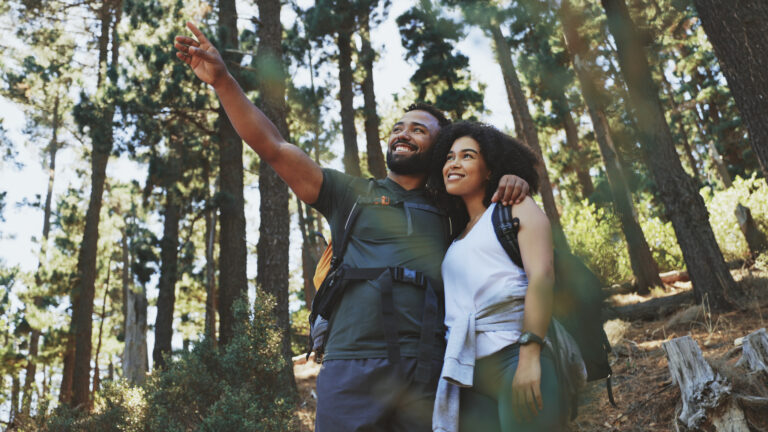
Happy couple hiking together in the woods after getting some advice

7. Learn and Grow Together

Wendy and her husband, who live in West Orange, New Jersey, celebrate their 48th anniversary this month. Her advice for newlyweds to attain long-term happiness is to cultivate a spirit of growth and learning in their relationship. “Do something surprising and adventurous together—going to a yoga retreat, whitewater rafting, taking different courses, traveling, and having other learning experiences,” she says. “One of the best things my husband and I did was to go to Omega Institute, a holistic learning center, to take workshops. He initially didn’t want to go, but later he became a big proponent, and we went maybe 10 times. We brought the kids!”

7 Bible Verses for Newlyweds:

Newlywed couple dancing in their kitchen
  1. I am my beloved’s and my beloved is mine. —Song of Solomon 6:3
  2. And over all these virtues put on love, which binds them all together in perfect unity. —Colossians 3:14
  3. I found the one my heart loves. —Song of Solomon 3:4
  4. Mercy, peace and love be yours in abundance. —Jude 1:2
  5. Be devoted to one another in love. Honor one another above yourselves. —Romans 12:10
  6. My command is this: Love each other as I have loved you. —John 15:12
  7. Two are better than one, because they have a good return for their labor: If either of them falls down, one can help the other up. —Ecclesiastes 4:9-10

READ MORE ADVICE FOR NEWLYWEDS:

How to Stay Connected with Your Grandchild While Social Distancing

“Aubree’s school has closed,” my granddaughter Kaitlyn wrote in an email. “I’m working from home.”

“We’re sheltering in place,” I responded. “I wish I could hug you guys.”

This time away for my six-year-old great-granddaughter Aubree from her teacher and classroom would be hard for Aubree. And being separated from her, without physical interaction, would be hard for me too. How could I stay connected with Aubree?

I knew Aubree was missing the projects and affirmations she got every day at school, so I asked Kaitlyn if it would be okay if I sent some assignments. With her permission, I came up with a few projects for Aubree.

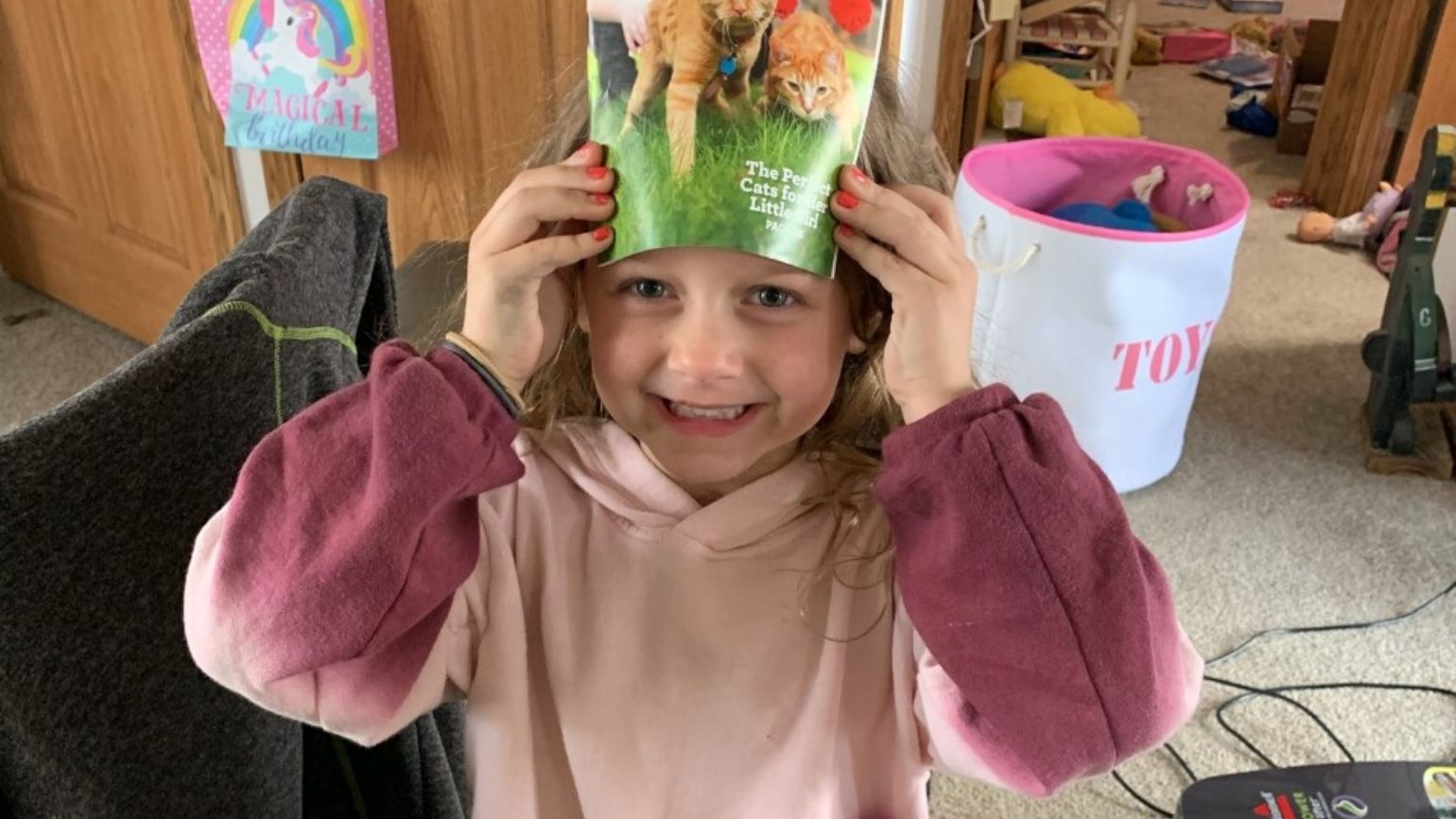
The next day I sent Aubree (through her mommy’s cell phone) a selfie of me with a paper birthday cone hat on my head and asked her to send back a picture of herself with something on her head. Her mom helped her respond by sending a picture of Aubree wearing the All Creatures magazine I had gifted her proudly perched on top of her head. Her big smile made me smile too. “Thank you for the cute picture,” I texted back.

The following day I sent this message: “Your next assignment is to take a picture of a blank page in a coloring book and send the picture to me. Then tomorrow, send me a picture of that page colored in by you. Take your time. Make it pretty and your best work. Grandma is going to save every picture you send me. Love you!” I ended with a red heart.

Kaitlyn texted back. “From Aubree: “I love you Grandma.” Attached was the uncolored picture.

About 40 minutes later my phone pinged. There was Aubree holding a beautifully colored picture. Kaitlyn texted, “You gave her an assignment and she was determined to get it done today!”

I’ve prompted her with photos, like the one I sent of a rainbow-colored sheep I keep on my desk. My text told her the picture reminds me that I’m different, and it’s okay to be unique. I told her to take a picture of her favorite animal and tell me why she likes it so much.

Other tasks have included sending a picture of herself helping mommy wash, dry and put away the dishes. Or organizing all of her stuffed animals into neat rows in her room and all of her baby dolls and clothes into plastic bins.

To step it up a notch, I asked Aubree to put together a puzzle, then to take a photo with it and send it to Grandma.

In every reply, I’m sure to express my admiration with an emoji high five, a “good job” or an “awesome.. Instant over-the-internet encouragement.

Right now I can’t see Aubree in person and get a warm hug or stand at the kitchen counter, bake a cake and lick the beaters after we frost it. But with a little creativity and intention, I’m staying connected to my granddaughter—and helping mommy keep her busy too!

How to Shake Grumpy Mom Syndrome

An elderly woman in the grocery store smiled at my children and sweetly said, “Aren’t they just precious.” Through clenched teeth, I smiled back and said, “Thank you!” But in my head, my answer was, “No. No they are not!”

My cherub angels melting the hearts of strangers were quite the opposite of precious that day. They’d tested the boundaries of my patience so severely, that my sweet mama voice had transformed into sounds straight out of The Exorcist.

I love them. I know this. But those fuzzy feelings had gotten buried under frustration, fatigue, anger and other emotions that made it difficult to be the mother I want to be that day. I was suffering from Grumpy Mom Syndrome, or as I call it, GMS, and I needed to get it under control. So when I feel myself in its grip, these are some of the things I do to shake it off.

1) Pray.

Taking a moment to pray in a quiet place and collect your thoughts is always a great thing to do. But often I’ll ask my boys to pray for me. I let them know I’m having a hard time and I could use some intercession. It helps them understand that I’m human. I’m flawed. It allows them to know it’s okay to ask for help when needed. They get to witness my faith when I say I know God can make it better. Usually they’re happy to take part in being a solution to my problem, and after I hear their sweet voices speak to the Lord on my behalf, my restoration is already half way there.

2) Get Silly.

When I find myself barking off a list of instructions, sometimes I’ll just go into a Scottish accent. I have a variety of accents I pull from, and soon enough, saying “Put on your socks, go find your shoes, pick up your toys,” doesn’t make me sound like such a nag anymore. They’re cracking up, I’m chuckling at myself, and they’re doing as they’re told so they can hear the next instruction in “Valley Girl”, “Old lady from Jersey”, or “Southern Belle”. It’s hard to be a grump when you’re being a clown!

3) Dance it out.

Sometimes I’ll put on some fun music and dance around – release those endorphins (chocolate helps too). Turn clean up time into a dance party or a game with your kids. Commit to just turning the atmosphere around and have fun with it.

Shop Guideposts Mother’s Day Gifts!

4) Make some “me time.”

Instead of a quick shower before bed, draw a bath and light some scented candles for a bit of aromatherapy. While this is much harder to do with a newborn, when they’re older, make sure you carve out quiet time for yourself to decompress and de-stress before falling asleep, to ensure you get a higher quality of rest and wake up feeling refreshed.

5) Ask for Help.

Reach out. Don’t isolate yourself and try to do everything on your own. Let the people in your life help you with the areas in which you’re struggling. I’ve learned that most people are not just willing to help, but happy for the opportunity to be a blessing. Go ahead! Make their day!

6) Make a Life Change

If your GMS is chronic, it might be time to step out in faith and make a radical change in your life. After a career change last year, my life drastically changed for the better. It was a scary move, but it taught me that sometimes playing it safe is often more dangerous for you and your family than taking a chance. Seek outside help to get to the root of what’s keeping you unhappy and come up with a plan for how to change your life for the better.

Grumpy Mom Syndrome will happen. We won’t always respond to our children in ways that make us proud. But we must also remember this – we are not alone. We need to forgive ourselves ask our kids for forgiveness, and keep moving forward. With a little patience and grace, we’ll remember that even in those moments when our children don’t seem so precious…they absolutely are.

How to Rekindle a Friendship

There is a saying that people come into your life for a reason, a season—or a lifetime. But what if you’re longing for a friend from your past to be a part of your present life? Friendships dissipate for a number of reasons.

Sometimes there’s a big falling out and the relationship ends with a bang. More often, people drift apart due to time and circumstances. “Friendships ebb and flow,” says Adam Smiley Poswolsky, author of Friendship in the Age of Loneliness.

“Maybe you are roommates, but then one of you moves across the country and you don’t talk as often.” Or maybe the pandemic has shrunk your social circle.

Whether your friendship was put on pause by Covid or you want to reconnect with an old buddy you haven’t spoken to in decades, you should get crystal-clear on why you want to re-establish the bond before reaching out.

“Is it coming from a positive place?” psychologist and friendship expert Marisa Franco asks. “Or are you feeling lonely and caught up in nostalgia for a happier time? Really evaluate if this friend will add something to your current life.”

Once you’ve decided to move forward, stay positive. “It helps to think of it as a dormant relationship instead of one that’s over,” Franco says. “Assume that the other person wants to hear from you. You can open up the connection again.”

It’s natural to be nervous about the possibility of rejection. Forge ahead anyway. As Franco says, “We all have a tendency to underestimate how enjoyable our social interactions will be”—and how much other people like us.

Are you hesitant to reach out because you’re mired in doubt and guilt for letting the relationship lapse? “People think it’s awkward because they haven’t spoken in so long,” Poswolsky says. “Just let it go. Be the first to reach out and say, ‘Hi, I miss you. Can we talk?’ Try breaking the ice with a funny picture or a happy memory.”

A phone call can be overwhelming, notes psychologist Kyler Shumway, the author of The Friendship Formula. “Start small by sending a text or email or even a letter,” he suggests. “It’s a way to send a simple, non-threatening message. The other person can sit with the message while they decide how to respond—or even if they want to respond at all.”

How about a friendship that’s dissolved due to a conflict? “It’s easy to think about what the other person has done wrong,” Shumway says. “But are you willing to reach out and own any hurt you may have caused and ask forgiveness? It goes a long way if you can say, ‘I prioritize us over the disagreement.’”

Your message should depend on the level of friendship you’re seeking, Franco says. “Do you want to be in an intimate friendship with them? Then you need to be able to talk through the conflict.” Which means sooner rather than later, you’ll have to move beyond text or email and talk on the phone or in person.

If your friend doesn’t respond to your initial overture, Shumway suggests following up—once. Still no response? “They are not ready, and you have to respect their need for space,” he says.

And what if you never hear back? “Rejection can sting,” Shumway says. “Let yourself feel hurt. Then give yourself some grace and compassion. You can rest easy knowing you planted a seed by trying. They can think on it, pray on it. Then maybe they will feel in a place where they will come to you.”

Poswolsky says acceptance is key, no matter what the outcome is. “You can’t control how somebody responds. It doesn’t mean they hate you. It just means they don’t want to reconnect right now. That’s it. Maybe you’ll hear from them in three months or three years.”

If your bid to reconnect is successful—“It’s common that people who reach out are surprised and delighted to hear: ‘Oh my goodness, I’ve been thinking about reaching out to you!’” Shumway says—then it’s time to shift into maintenance mode. Poswolsky is a big proponent of regularly scheduled meetups.

“I like having rituals that you return to,” he says. “I have a boys hike with my closest college friends each year where we go off the grid for a few days. I have a monthly game night with some other friends.”

“It’s important to prioritize working on friendships. They’re crucial to our well-being. The stronger our connections to others, the happier and healthier we are. “You have to have intention; you need to take initiative,” Franco says. “Science tells us that people who see friendships as a matter of luck are lonelier. Sometimes we get too busy and take our friendships for granted.”

She has found that pulling back from social media has given her time to become a more thoughtful friend. “Social interaction is a muscle. The more you use it, the stronger it becomes.” So go flex that muscle!

For more inspiring stories, subscribe to Guideposts magazine.

How to Pray for a Friend Who Has Angered You

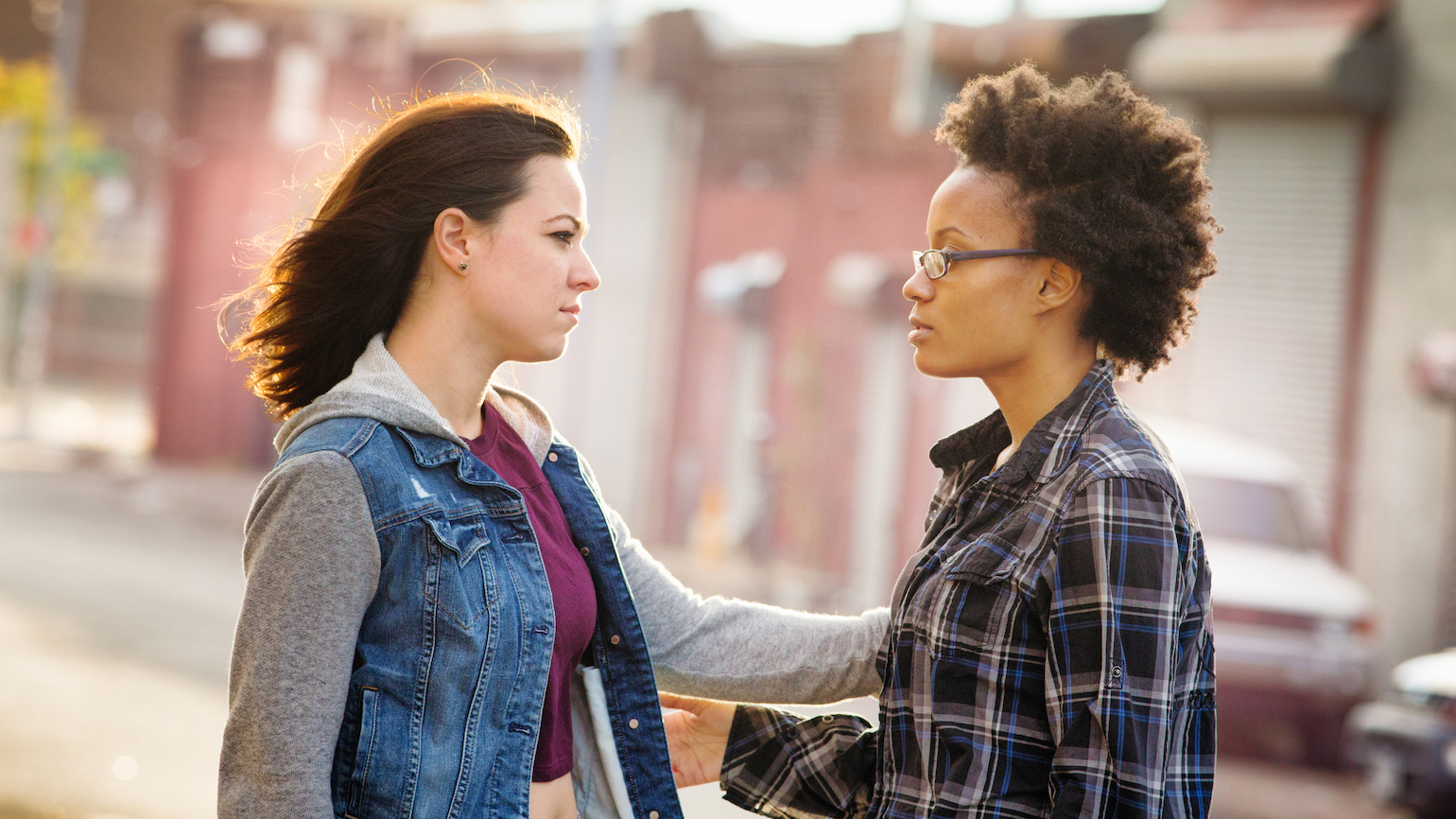
Not long ago a trusted friend said some very unkind things to me. She was suffering physically and struggling emotionally. So, although I wanted to scream, “How can you treat me this way?” I also understood there were extenuating circumstances. But wow, I felt abused.

Fortunately, holidays intervened, and we didn’t see each other for a couple of weeks. My rawest emotions subsided, though I remained hurt. She didn’t apologize, and in fact seemed unaware she had done any harm. Before saying anything to her about it, I decided to pray. I find that when someone hurts me, they feel like an enemy even if they are someone I love. Jesus had good advice on that: “Love your enemies and pray for those who persecute you” (Matthew 5:44).

Jesus didn’t say to pray about our enemies, but to pray for them. My take on that is that we’re meant to pray for their good. Haltingly at first, I prayed blessings upon my friend each morning for a week. I asked God to shower her with the grace she needs to grow in love of Him. I asked Him to fill her with the Holy Spirit and guide her into all truth. I asked Him to open her heart to being His servant.

I do not know the details of how those prayers played out in my friend’s life, but I do know how they affected mine. As I centered my prayers on what was good for my friend’s soul, my heart shifted to a better place. By the time we met up again my temporary wounds were less important to me than how she was doing—and how to resume our friendship.

How to Maintain Long-Distance Friendships

In my 20s, I left Kentucky and moved to Ohio. Then California. Then Colorado. And then back to California before finally returning to my hometown. Every relocation meant there would be friends I’d have to leave behind to set off on my next adventure. Over the years, I’ve learned a lot about keeping the lifelines to a friendship intact no matter how many miles are between you.

1) Manage Expectations

You and your friend might not be able to hop on the phone every day or even every week. We’re all busy and there are probably in-person friends and family making demands on your pal’s time. That doesn’t mean they care about you any less. It just means when you do get time on the phone or a chance to video chat, you must make the most of those moments. I had a friend move to China for work. Sometimes when she called me, it’d be 1 a.m. my time, but I’d stay up and chat with her because I knew how hectic her expat life was.

2) Be ready to go the extra mile.

If you or your friend travel anywhere remotely near each other, go out of your way to get together. A friend of my mine flew from Orange County to Nashville for a marathon. I drove three hours from Kentucky to spend time with her. When I lived in California, I had friends who extended business trips so that we could spend a couple of days together.

3) Schedule time to chat

My best friend from high school was a new mom and I was in a different time zone in grad school. But she made an effort every few weeks to call me on her drive home from work. We’d have a good 30-40 minutes of uninterrupted chatting. This continued even after she had a second baby. When I moved back home our friendship felt like I’d never left.

4) Vacation together

Most people have a limited amount of vacation time and funds. If you don’t live someplace vacation-worthy, why not plan a trip with your buddy? One friend and I hadn’t lived in the same state in 5 years, but I saw her on a trip, whether it be to Costa Rica or a quick weekend trip to Vegas. Not only were we staying in touch, we were creating new memories together.

5) If you feel it, say it

When my friends are far away, I make a point to remind them of how special they are to me. When there’s distance, it can be harder for people to see how they’re contributing to your happiness. Sometimes after I’ve vented to a friend on the phone, I’ll send a quick follow up text thanking them for their time. I’ve received cards and “just because” gifts in the mail from friends who want me to know they’re thinking about me.

6) Connect over little things

If you’d read our text messages you’d think some of my friends and I saw each other all the time. We text each other about the mundane things like having to work late or losing an earring. By being able to connect over little, casual things and not just the big life events, we’re creating a more steady, constant presence in each other’s lives. Another friend and I maintained our connection over a TV show we both watched each week. We always had an excuse to text each other.

7) Use Social Media

Social media has been such a blessing when it comes to keeping my long-distance friendships going. It’s allowed me to not only keep up with my friend’s lives passively, but I’ve also come to learn more about their other friends in the comments section and that makes me feel more deeply connected to them.

8) Know when to hold ‘em and when to fold ‘em

Not every friendship is a friendship that can survive long distance. Some friendships are solely dependent on your proximity to that person – and there’s nothing wrong with that. It’s kind of like that work pal you stopped eating lunch with when you got a new job. When I lived in Denver I had a friend I saw several times per week. Shortly before she moved to Atlanta, we realized we didn’t have much in common besides our desire to move to new cities. So, we didn’t stay in touch.

Keeping friendships alive after a big move takes work. But as we get older it can be harder to make new friends and there’s something deeply gratifying about having someone in your life whose known you for many, many years. So, make the effort! Your kindness and commitment will be rewarded by having more people in your life that care about you – and a couch to crash on anytime you’re in your friend’s city!

How to Have Joy: A Lesson from Grandkids

I’ve spent a lot of time with all six of my grandchildren the past few weeks. We’ve had pool parties, sleepovers, picnics, and birthday parties. And in all the hours we’ve spent together, I’ve been reminded of something: Children are sheer joy.

I know for sure that they bring me joy. Simply seeing their sweet faces always makes me smile—and I suspect that every grandparent will agree with me that grandchildren are one of God’s best inventions.

One night recently as I sat and watched them play and run with delight in the field behind my son’s house, my heart melted as I watched my grandchildren’s happiness at being with their cousins. I thought about some of the life lessons about joy that we can learn from the little ones:

When’s the last time that we slowed down long enough to truly appreciate the beauty of a sunset, the perfection of a dew-covered rose, or the blessing of a loved one’s hand clasped in ours?

God has given us some reminders—some precious verses about joy in His Word.

Weeping may endure for a night, But joy comes in the morning. Psalm 30:5

A merry heart does good, like medicine . . . Proverbs 17:22

Now the God of hope fill you with all joy and peace in believing, that ye may abound in hope, through the power of the Holy Ghost. Romans 15:13

Rejoice in the Lord alway: and again I say, Rejoice. Philippians 4:4

. . . ask, and ye shall receive, that your joy may be full. Acts 16:24

What could you do today to bring joy into your life—and to give it away to someone else?

How to Find Hope and Joy in the Face of Tragedy

Most of us have watched news footage of crimes that been committed against innocent folks and had our hearts ache for what they went through. We care, but after a few moments of empathy, we go back to our daily routines.

But for those who have been touched by those horrific events, life is never the same again.

I remember thinking about that a number of years ago when I watched a movie, Nightmare in Columbia County.

It was the tragic story of 17-year-old Shari Smith who’d been abducted from her driveway, leading to national media attention and the largest manhunt that had ever been conducted in South Carolina.

After murdering Shari, her abductor placed eight phone calls to Shari’s family, often talking with her sister, Dawn, in chilling, heart-rending conversations. The murderer eventually gave Dawn directions to Shari’s body.

I couldn’t imagine the depths of grief and fear the Smiths went through, and I’d often wondered what happened to them in the years after that. So I looked forward to meeting Dawn Smith Jordan when I discovered that she’d do the music for the worship sessions at the Carolina Christian Writers Conference where I’d also be on faculty.

When Dawn stepped onto the platform, I immediately noticed her beauty. No surprise since she was crowned as Miss South Carolina (1986) and was 2nd runner-up to Miss America.

But what struck me was her joy. She literally glowed as she sang. Where so many people would have been bitter, allowing those horrible moments to ruin their lives, Dawn chose joy—and because of that, God’s been able to use her life in an amazing way.

Read More: Mornings with Jesus Devotional

I spent a little time with Dawn later that day at the conference. I asked her how she’d survived those awful days, and I loved her reply: “The marvelous thing about God is that the deeper the tragedy, the greater the grace.”

Dawn said that part of the healing came from her sister, Shari: “Shari’s murderer allowed her to write a letter of farewell to us, saying: ‘Please don’t let this ruin your lives. Just keep living one day at a time for Jesus. Remember, everything works out for the good to those that love the Lord. Some good will come of this.’”

Dawn and Shari’s words are a vivid reminder that none of what we live through goes to waste. God can use all of it for His glory if we’ll tell others about what He’s done for us.

That’s what Dawn has accomplished, sharing her testimony across the country, proving that God can bring joy in the midst of our darkest days…if we’ll just let Him.

How could God use your life story to help someone else?

How This Veteran Discovered the Son He Left in Vietnam

I scooted up to my computer desk that April afternoon in 2016 and logged on to Ancestry.com. At 66 years old and retired from my job as an engineer, I figured I could use another hobby besides golf. The previous year, I’d mentioned to my wife, Debbie, that I was curious about my family tree. She’d hopped on that idea (apparently I’m hard to buy for) and given me a DNA kit for Christmas.

I’d sent in a small vial of saliva. The initial results showed I had British and Nordic ancestry. I wasn’t surprised. Dad’s heritage was Scandinavian, and Mom’s was mostly British. Now I had new e-mails, automatically generated, showing who else on Ancestry .com might be related to me. I scrolled through the results.

Most of the people listed were distant relatives—cousins I’d never met who’d also submitted DNA samples. But one message knocked the breath out of me. We have found a very high probability of a father-son relationship between you and Son Vo.

I stared at the monitor and reminded myself to breathe. A name like that could mean only one thing: Vietnam. A time in my life I’d spent the past 46 years trying to forget.

I’d done well enough in high school to earn a scholarship to North Dakota State in the fall of 1967. But I wasn’t mature enough to handle the freedom of being away from home for the first time. I partied too much, studied too little and blew my scholarship. My hardworking parents couldn’t afford to pay for my education.

The draft was in full swing. I thought about signing up. Dad had been a Marine, and I had three uncles who’d served in World War II. A cousin of mine had been killed in Vietnam earlier that year. I could enlist in the Army, then go back to college on the G.I. Bill. If I volunteered to serve in Vietnam, the Army would knock five months off the tour. So in January of 1969, I went to basic training at Fort Lewis, Washington.

I wanted to be on the front lines and thought I’d signed up to be a medic. Somehow I marked the wrong box and ended up as a preventive medicine specialist. I did my advanced training in San Antonio. We flew out to Vietnam in July 1969, the day after Neil Armstrong took his first steps on the moon. My first six months in country, I was assigned to Bien Hoa Air Base. Conditions were usually primitive on the Saigon-area firebases, where the Army set up artillery in the jungle to support infantry patrols. During the rainy season, we tried to make it better for our troops by flying missions to spray the bases for flies, mosquitoes and other disease-carrying insects. I became known as the mosquito man, examining bloodsucking pests in the lab and determining whether they carried malaria. I was proud of the work we did.

Then I was transferred to Long Binh, the main Army post, some 20 miles outside Saigon. My assignment was on the night shift, inspecting retrograde cargo going back to the U.S. I hated it. I felt dead tired all the time, and it was stressful dealing with other soldiers who were dead tired.

News from the States filtered to us troops. We heard about demonstrations and rioting, how so many Americans objected to the war. We soldiers began to feel that people back home didn’t support us or appreciate how we were putting our lives on the line for our country. In my case, depression took hold.

My only escape was Saigon. Sometimes I was lucky enough to make a delivery there. The city was alive. I had every third or fourth weekend off, and my buddies and I would go to our favorite haunts. We blew off steam, drinking, partying, doing our best to try to forget the war.

Thirteen months later, I was back in North Dakota. There was no hero’s welcome at the airport or anywhere else. Dad gave me back my old job as a laborer and truck driver for his house-moving company. After a month, I moved out of my parents’ house so I could be alone. A few months later, I moved away from my hometown altogether. I just didn’t fit in anymore. Being around people made me jumpy. I had panic attacks. Was I losing it?

I’d joined the Army as a confident young man. Watching peace rallies and protesters on the nightly news, I lost my self-assurance, my conviction that I’d done the right thing by enlisting. I’d given up almost two years and risked my life only to discover that the general public thought this was a war we shouldn’t be fighting. My parents and family were proud, but I had a sense that they too wondered if the war was worth the price.

My brother tried to get me to start a band with him. We both sang and played a couple of instruments, a talent that came from our dad, who could play anything with strings. We’d had a band in high school. Now I was too nervous to even get onstage.

Hoping a change of scenery would help, I moved to Kansas to work in the oil fields. I met a woman and we married. I returned to North Dakota State to get a degree in engineering, then landed a job in Alabama, where we settled down. We had four wonderful children, but things fell apart. We divorced after 13 years.

My depression deepened. Suicidal thoughts scared me into seeking help. I was diagnosed with PTSD and got treatment. Slowly I began to feel like myself again. Then, in 1988, I met Debbie. Like me, she was divorced and had children. We fell in love and married. These 28 years I’d had with her and our blended family—my four kids and her two sons—had been the best. I had put Vietnam behind me: a dark, wasted time in my life.

Now a simple DNA test showed I’d left not only memories behind me but a son. I stood up from my computer desk and paced, trying to picture the streets of Saigon, the people I’d met. I’d been only 20 back then and single. So young. So naive. I’d had a few brief relationships. But there was no one whose name or face I could remember.

I found Debbie in the kitchen. “You need to see this e-mail I got from the ancestry site.”

I sat at my computer desk again, Debbie peering over my shoulder.

“How do you feel about it, Bob?” she whispered.

I was an engineer. I trusted science. “DNA doesn’t lie.”

We looked up the name Son Vo on Facebook. There were several. A 45-year-old professional musician in California caught my eye. Is that him? I stared at the profile photo of a dark-haired man on stage with a guitar. I checked the birthday listed on his page. He was born in 1971, five months after I’d come home. It was entirely possible he was my son. But how did he end up in the U.S.?

My mind swirled with questions. Should I contact him? He would have gotten the same automatically generated e-mail that I did about a father/son connection. Had he looked me up on Facebook too? Did he want to meet? To have a relationship? Was he angry? Would he understand about the circumstances, that I didn’t even know I’d gotten someone pregnant?

Debbie and I talked about it. We decided to let Son Vo make the first move. If he wanted a relationship, he could e-mail me through Ancestry.com.

A few weeks went by. I heard nothing. But there wasn’t a day that passed that I didn’t wonder about the son I never knew.

Then in May, I got an e-mail. Son wrote that he was surprised “about our DNA match and my high likelihood of being your child (son) from Vietnam…I just want to say hello and welcome you to contact me anytime you please. Or not. I’m not looking for anything. I do think it would be very interesting to communicate.”

I responded immediately, my fingers flying across the keyboard. “I wasn’t sure you’d want to hear from me. I am just as surprised as you are but eager to find out more about you.” I told him a little bit about myself and what I’d done in the years since Vietnam, then signed off: “I truly hope that you’ve had a good life.”

We e-mailed back and forth. Son told me his mother had married an American in 1973 and they’d emigrated from Vietnam when he was four—just two weeks before the fall of Saigon. Three years later, his mom had died of a brain tumor. Son went into the foster care system. He said he’d yearned to find me his whole life but didn’t have enough information. About a year before, he’d finally given up the search. His wife, Julie, had bought him the DNA kit. He never dreamed he’d actually stumble upon me.

After a couple weeks of e-mailing, I suggested a phone call. We both were extremely nervous, so there were a lot of awkward silences. Then Son mentioned that he played the bass. I told him that I used to play the bass too and that my dad had always wanted to be a country singer. From there, the conversation flowed.

I invited Son and his wife to come to Huntsville for Fourth of July weekend. That Friday, July 1, 2016, Debbie and I sat in the car, waiting in the arrivals lane at the airport for Son and Julie. What if we don’t hit it off in person? I wiped my sweaty palms on my pants.

I recognized Son right away from his photos on Facebook and from the guitar slung across his back. The moment I saw him, I was flooded with joy.

I got out of the car. Though I’m normally a pretty reserved guy, I opened my arms wide, and we hugged right there on the sidewalk.

“I’m so sorry I wasn’t there for you when you were growing up,” I said. “I missed out on having a son, and you missed out on having a dad.”

“I understand,” Son said, looking me right in the eye. “There wasn’t anything you could have done about it.”

I took Son to meet his half-siblings—Mandy, James, Audrey and Justin—and their families. With his easygoing nature and great sense of humor, Son hit it off with everyone.

“Oh my goodness, your noses look like they’ve been cloned,” Audrey exclaimed, looking at Son and me.

“And you both have the same cadence to your speech,” Mandy said.

A little later, Son pulled out his guitar for an impromptu jam session. I marveled at his confidence and talent. I’d always wished that my kids shared my love of music. I was so glad that here I had one who did. We even sang harmonies together, and Son said he could hear his own voice in mine.

All these years, I’d thought of my service in Vietnam as a dark period, a negative experience. But sitting next to my newfound son and hearing my voice join with his, I was finally able to lay those feelings to rest. Something good had come out of my time in Vietnam, something amazing.

“This is nothing short of a miracle” is how Son puts it. Even though I’m not particularly religious, I have to agree. Getting to know and love my oldest child, my son Son Vo, is an unexpected blessing God has bestowed upon me, for which I am eternally grateful.

For more inspiring stories, subscribe to Guideposts magazine.

How This Service Dog Came to Comfort Crime Victims

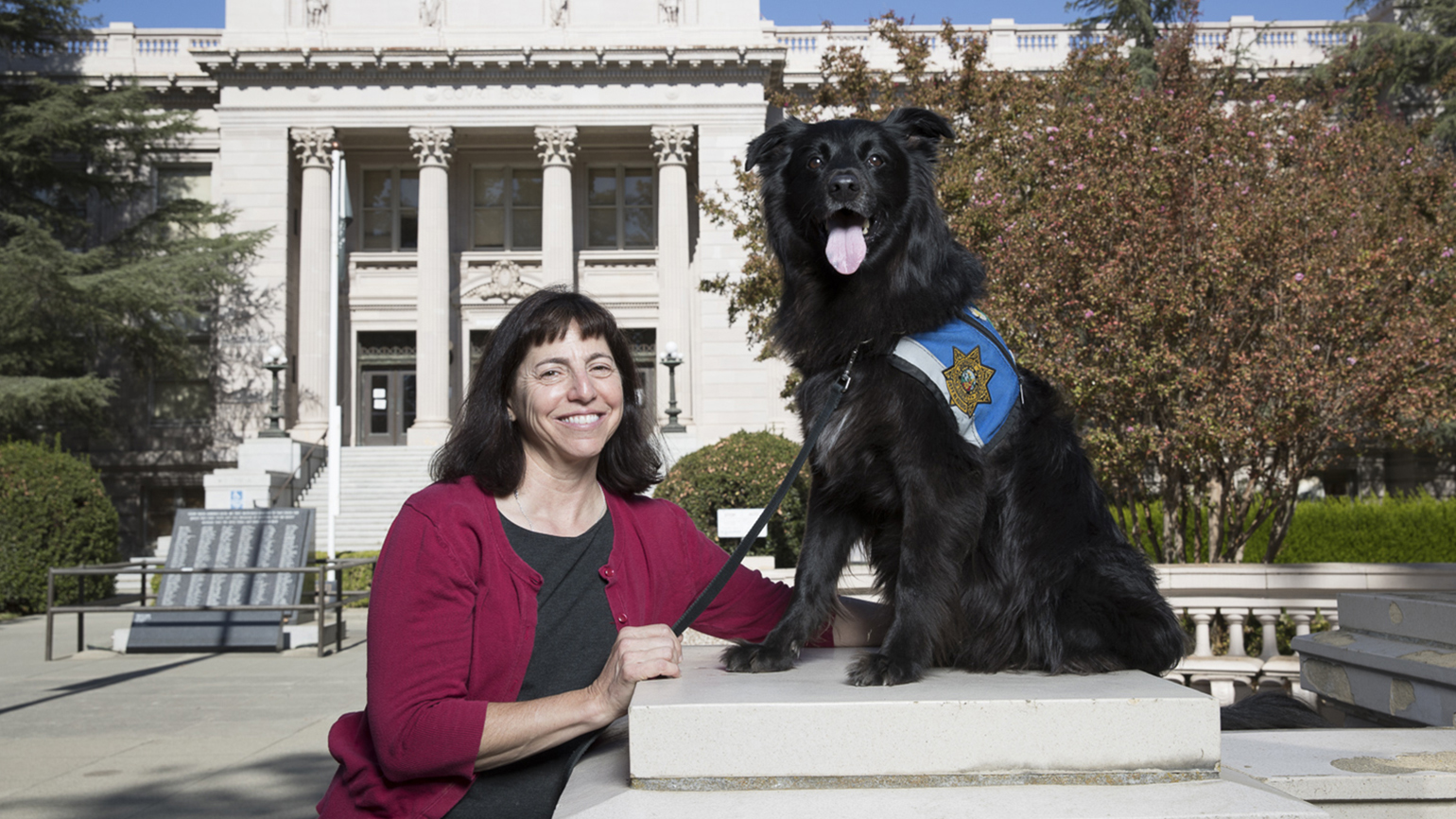
There’s a Jewish concept that Lori Raineri tries to live by: tikkun olam. It means repair the world, do what you can to make it a better place. Lori’s a doer. Type A squared. So even picking out a new puppy at the shelter that day in 2006, she was looking for more than a pet to keep her company.

The Davis, California, resident is single. No kids. When her two senior dogs died, she couldn’t help but think of how their lives had touched only hers.

“I want a dog that helps other people,” she told a friend who’d come with her.

VISIT OUR SHOP FOR MORE BOOKS ABOUT HEALING ANIMALS!

“Have you heard about the therapy dogs they use in hospitals?” her friend, who’s a nurse, said. “They comfort patients. Children especially love them.”

Wonderful. Tikkun olam.

The shelter manager led them to a pen where six puppies, Border-collie mixes, were tumbling about. Except for one. She sat alone in a corner. Lori reached into the pen and lifted her up.

“Hey, baby girl,” she cooed. The pup stiffened. Lori had never seen one so shy.

“You might like this other puppy better,” the manager said. “See how playful he is?”

Lori looked down at the pup in her arms. She seemed like Lori’s opposite in every way, but there was something about the way her eyes took in everything. “No, this is the one,” she said. The puppy’s expression reminded Lori of the dog in the Blondie comic strip. “I’m going to call her Daisy.”

READ MORE: HOW SERVICE DOGS SUPPORT OUR VETERANS

Lori threw herself into raising her new dog. She has a small consulting firm that works with public agencies like school boards to issue municipal bonds that fund new buildings and other public infrastructure. She works 70 to 80 hours a week and always has one or two volunteer gigs—coaching youth sports, teaching Sunday school, community work.

She took Daisy with her everywhere and arranged her schedule to give her blocks of time for bonding and puppy classes. For the first six months, she fed Daisy only out of her hand as a reward for good behavior. The puppy quickly learned that the surest route to a treat was to be calm and patient.

Lori wondered how well Daisy would do with people in the hospital since she was so reserved around strangers. She was determined to make it work. A friend at synagogue recommended a therapy-dog training school run out of an Episcopal church.

There Daisy learned how to approach a person in a wheelchair, to ignore food dropped on the floor, not to react when people were yelling, rushing around or behaving erratically. Soon she’d be ready to work in a hospital.

READ MORE: OUR HEROIC MILITARY WORKING DOGS

One night Lori was talking dogs with a business acquaintance when the woman mentioned a magazine she really liked. “It’s called Bark,” she said. “You should check it out.”

Not long after that, Lori’s assistant came into her office. “You should see this,” she said. “It came in the mail.” She held up a copy of Bark.

Lori couldn’t resist glancing through it. Her eyes landed on a story about how therapy dogs were used in a courthouse in Seattle to help comfort crime victims. How amazing!

She contacted the district attorney, Jeff Reisig, one of the few local officials she’d never met. “I read an article about dogs working in courthouses,” she told him. “I have a dog trained to do therapy, and I think we should have this in our county.”

Long silence. “Funny, I’m just now reading an article about courthouse dogs in my prosecutors’ association magazine,” he said. “Can we meet?”

A few days later, Jeff ushered Lori and her dog into his office. “I’m interested in Daisy working with children, victims of sexual assault,” he said.

“I’m guessing that would only be an occasional thing,” Lori said.

“No,” Jeff said. “Sadly, we see children every day.”

READ MORE: GINGERBREAD FOR DOGS

The enormity of what he’d said hit her. This was serious. Daisy had been training to work with hospital patients. What if she wasn’t ready for this?

“Let’s go and meet everyone,” Jeff said. He led them to another building. “This is our Multi-Disciplinary Interview Center,” he said. “Sexual assault victims go through in-depth interviews here. They also come for therapy sessions and other meetings.” The name sounded familiar. Then Lori remembered. She’d helped arrange the building’s financing.

There were several people waiting in the spacious lobby. Jeff and Lori went over to a cozy array of couches, where he introduced her to Cameron Handley, the director of the MDIC.

Daisy lay calmly at Lori’s feet, observing everything around her. Lori explained how the dog was trained not to react even in stressful situations. “She’s been around children a lot at my synagogue.”

Cameron nodded. “We’d see this as being a kind of pilot program,” she said. “A lot of our children are very fearful. It will be important that Daisy not do anything that might frighten them.”

A woman and a young girl came into the lobby. Even from across the room, Lori could see that the girl was nervous, her steps tentative, her head down. Then she looked up and saw Daisy.

READ MORE: COMFORT DOGS BRING HOPE TO SANDY HOOK

“Would you like to meet my dog?” Lori asked. The girl nodded.

“Her name’s Daisy,” Lori said. “She shakes hands.” Daisy extended a paw and the girl shook it. Lori showed the girl how to get Daisy to do more tricks.

Then another child came in with her parents.

“Would you like to meet Daisy?” Lori asked, moving closer.

“No,” the child said, stepping back.

“I like Daisy,” the first girl said. Unprompted, Daisy returned to her, lay down and rested her head atop the girl’s foot.

Lori looked at Cameron, whose eyes were fixed on the scene unfolding in front of them. In the space of a few minutes, they had witnessed the possibility of what Daisy could offer along with evidence that she wasn’t for everyone. The children would decide if they wanted Daisy’s company.

Soon Daisy was on the job. The DA’s office had planned to spend several weeks acclimating her to the center and its investigators and therapists before putting her to work. But shortly after she began, an eight-year-old boy came in for an interview and refused to be separated from his aunt, who had brought him.

Children are only allowed to be interviewed alone. The boy clung to his aunt with one hand; with the other, he petted Daisy. The investigator decided to bring Daisy into the interview room. The boy agreed to go without his aunt. Daisy spent the entire time leaning against the boy’s leg, comforting him as if she’d been doing it for years, while he described his experience.

Each morning, Cameron would pick Daisy up at Lori’s house. Lori would tell Daisy where she was going the moment they awoke. The dog sprang from her bed fully alert, as if she was saying, “I’m ready to work.” One night, when Cameron brought Daisy back home, she said, “I want to tell you how great Daisy was today. There was a girl who—”

READ MORE: DOGS IN THE OFFICE — MORE HELP THAN YOU’D THINK

Lori stopped her. “I’m sorry,” she said. “It’s too hard for me to hear about what these children have gone through. But I’m glad Daisy can be there for them.”

In time there was no way for Lori to avoid hearing about what her dog was doing. There were stories in the newspaper. Lori and Daisy made appearances at community events to raise awareness. People would come up to them at the mall and tell Lori they knew Daisy, what she meant to them.

She couldn’t help but be moved by the stories she heard. Like the two siblings who were so traumatized that they couldn’t sit for an interview or therapy. They’d cry and scream uncontrollably. Until they met Daisy. They’d pet her and give her treats, and she loved them back. Slowly, they opened up.

It’s not only children that Daisy comforts. One day a man whose child had been assaulted brought the child to the center. The man was extremely upset. This time Daisy stayed with the father in the lobby. He sat and stroked her, settling down some. Then he stretched out on the couch. By the time the interviewer returned with the child, the man was asleep, Daisy right next to him.

The investigators all spend time with Daisy. She comforts them as much as she does the children. She’s become an indispensable part of the center’s work. Lori had her trainer customize Daisy’s lessons to focus on children, teaching her to lay her head in the lap of someone feeling stress.

READ MORE: A DOG’S NOSE KNOWS HOW TO SNIFF OUT DISEASE

Not to move away if a child is crying or trembling. But really, Lori believes that Daisy, with her cautious, observant nature, was made for working with abused children. Daisy senses their boundaries and their need for the comfort and affection only a loving dog can give.

For several years, the two of them visited the hospital on weekends. That’s when Lori got to see Daisy in action with patients. They perfected a skit in which Daisy answered questions and did impressions. “If we go to Lake Tahoe, what might we see?” Lori would ask. Daisy would stand up on her hind legs. “That’s right, a bear,” Lori would say. “What does Lady Gaga do?” Daisy would sing. And everyone would laugh.

It’s been eight years now since Daisy began working as a therapy dog. She’s touched the lives of thousands of people in ways Lori could never have imagined. Looking back, Lori says there was a reason she was drawn to the puppy whose first instinct wasn’t to play with the others but to try to figure out what she was supposed to do.

Lori and Daisy have figured it out together. Daisy is a gift to everyone she meets. And a reminder to Lori that the world is being looked after—and made better—by someone way busier and, of course, far wiser, than even she is.

Did you enjoy this story? Subscribe to Guideposts magazine.