“I’m assigning Pippy to you,” Mr. Shippy, one of the guards, said. Oh no, I thought. Pippy hadn’t been here long, but she already had a reputation.
I’d heard her snarls and barks echoing through the halls of the dog dorms of Indiana’s Madison Correctional Facility. I’d seen her from a distance, a hound mix with a droopy expression and a quick temper. She’d instigated every dog fight that had broken out since she’d arrived six months earlier. Several other trainers in the dorm—my fellow inmates—had attempted to work with her. They hadn’t made any progress.
Pippy was the worst dog in the prison’s program.
“Keelie, I’ve seen what you’ve done with your past dogs,” said Mr. Shippy. “You’ve got this.”
I wasn’t so sure. Some of Pippy’s trainers hadn’t lasted more than a few days.
Mr. Shippy brought her to my cell and officially handed her over. I was surprised. Pippy wasn’t the angry, intimidating dog I’d been warned about. She was smaller and older than I’d expected. About 10 years old. The tumors on her body, which the vet said were benign, looked painful.
“Hey, girl,” I said, in a positive, friendly tone.
 Her tail gave a hesitant wag, but she stood stiffly. Pippy wasn’t mean, I realized. She was just afraid.
I knew the feeling.
No one ever plans on ending up in prison. I certainly didn’t when I started abusing prescription anti-anxiety meds at 15. I was struggling with severe anxiety and depression. So many things scared me and stressed me out—school, social situations, my parents’ divorce. The pills numbed my feelings.
As I got older, I traded pills for heroin, then meth. I knew my mom was worried to death, but that didn’t stop me. By the time I was 22, my life revolved around my addiction. Work was just a way to support my habit. I hung out with other drug users. My party-hard lifestyle came to an abrupt end when the police raided my place and found my stash. I was sentenced to three years for drug possession.
Prison was a shock. Despite my years of drug abuse, I’d never been in trouble with the law before. But here I was in an orange jumpsuit, confined to an eight-by-eight cell. Alone and scared. I didn’t have drugs as a buffer anymore because I’d been forced to detox.
Madison Correctional Facility is minimum security. You can’t just sit in your cell. You have to work. Some inmates pick up trash along the side of the road. Others help keep the prison running, working in the kitchens or the laundry room.
I was assigned to the cleaning staff. My first day, I spent eight hours scrubbing the stairs with a toothbrush. That night I lay in my cot, aching and exhausted. I’d never given the future much thought—when you’re an addict, all you care about is your next high—but I knew I couldn’t do this every day. Not for three years.
After a few weeks, I was allowed to choose a new assignment. The only one that interested me was the ADOPT program—A Dog On Prison Turf. It paired inmates with sick, aggressive or shy shelter dogs that no one wanted. Here in the prison dorms, they were trained and socialized until they could be adopted out to their forever homes.
I’d loved dogs since I was a little girl, but I’d never had one of my own. Unlike other jobs, there was no time off —a dog was with its trainer 24/7. Could I handle this? Could I take care of a dog when I was no good at taking care of myself? My anxieties faded when I was assigned my first dog, Lady. I connected with her, the kind of connection I didn’t have with anyone else, human or animal.
We trainers spent every moment with our dogs—taking them for walks around the yard, playing, teaching them basic commands. They slept in crates in our cells. It was hard not to get attached. On adoption days, the dogs were transported from the prison to events outside. We couldn’t go with them, so we had no way of knowing which dog had been adopted until they didn’t return. It was nerve-wracking.
One day Lady didn’t come back. I called my mother in tears. “I’m quitting the program,” I said. “I can’t work with another dog, just to give them up. I can’t.”
“You’re doing good there, Keelie,” Mom said. “The dogs need you. And maybe the best way to help them is to learn to let them go.”
Was Mom right? Was I capable of doing something besides getting high? I didn’t really care about me, but if the dogs needed me, I had to be my best self to take care of them. I stuck with the program and trained two more dogs that got adopted.
Then I was assigned to Pippy, the program’s problem dog. She was reactive toward dogs. Standoffish with people. The shelter didn’t have much information on her, but I knew she must have suffered some kind of trauma to act this way. Evenings she’d curl up in her crate and I’d read up on dog behavior, trying to understand her better.
A few weeks into our partnership, it was the Fourth of July. Fireworks lit up the sky, close enough that we could see them from the prison yard. But Pippy was not having it. She cowered in her crate, terrified by the noise.
“Come here, darlin’, sit with me,” I said. But Pippy wouldn’t leave the safety of her crate. I sat right at the door, slowly reaching my hand inside and resting it at the base of her neck. “It’s okay, darlin’.”
Scared as Pippy was, she didn’t lash out. I gave her neck a gentle stroke. Then another. She let me pet her. By the time the fireworks ended, she was leaning into my touch. “That’s it, darlin’.”
Darlin’…Darlin’…Darla! The name fit her better. I had it changed in her records the next day.
From then on, Darla and I were inseparable. I saw a lot of myself in her. Driven to unhealthy behavior by fear. Low self-esteem. Someone people didn’t think well of or expect much from.
Over the next few months, Darla underwent several surgeries, one to get her spayed and a few to remove her tumors. The head of the program was too scared of Darla to take her to the vet alone so I accompanied them. It was embarrassing to be seen in public in my orange jumpsuit, my hands cuffed in front of me, but I did it for Darla.
On one of these outings something caught my eye. The vet’s office was in the middle of nowhere, nothing around but open sky and Indiana cornfields. Across the street, however, was a store: Darla’s Second Chance Furniture.
I believed Darla deserved a second chance. Here was confirmation from something greater than me, some kind of higher power in the universe. And if Darla deserved a second chance, maybe I did too.
Adoption days came and went. Some dogs found homes. Every time, I’d say goodbye to Darla. But she always came back. No one wanted her.
I was scheduled to be released in a few months. There was talk about what to do with Darla once I was gone. None of the other trainers felt comfortable taking her on. She’d have to be put down.
I couldn’t let that happen. I made a dollar a day as a dog trainer and I needed $60 to adopt Darla. I didn’t visit the commissary. I didn’t buy a thing. I saved every penny.
 On Christmas Eve 2014, Darla and I walked out of prison. As we exited the gates, I looked back at our prints in the snow. We’d come a long way together. “Come on, girl!” I shouted. “Let’s go!”
Life after prison was hard. Broke and on parole, I moved back in with my mom. Without the structure of prison, I worried I would go back to using drugs.
Except Darla needed me. She trusted me. I could repay that trust only if I stayed clean. I enrolled in a voluntary outpatient rehab program. I worked at an animal rescue, which kept me focused on what I loved doing. I did an internship with a professional dog trainer. That gave me the experience and confidence to start my own dog training business—Click. Treat. Repeat. Canine Coaching. Soon business was booming. I married a great guy I met in rehab, someone as committed to sobriety as I was, and we bought a house.
Darla and I had eight wonderful years together before she passed away at 18. It might seem like I saved Darla. Really, I think she saved me. She taught me so much about trust. Perseverance. Love. And the power of a second chance.
For daily animal devotions, subscribe to All God’s Creatures magazine.


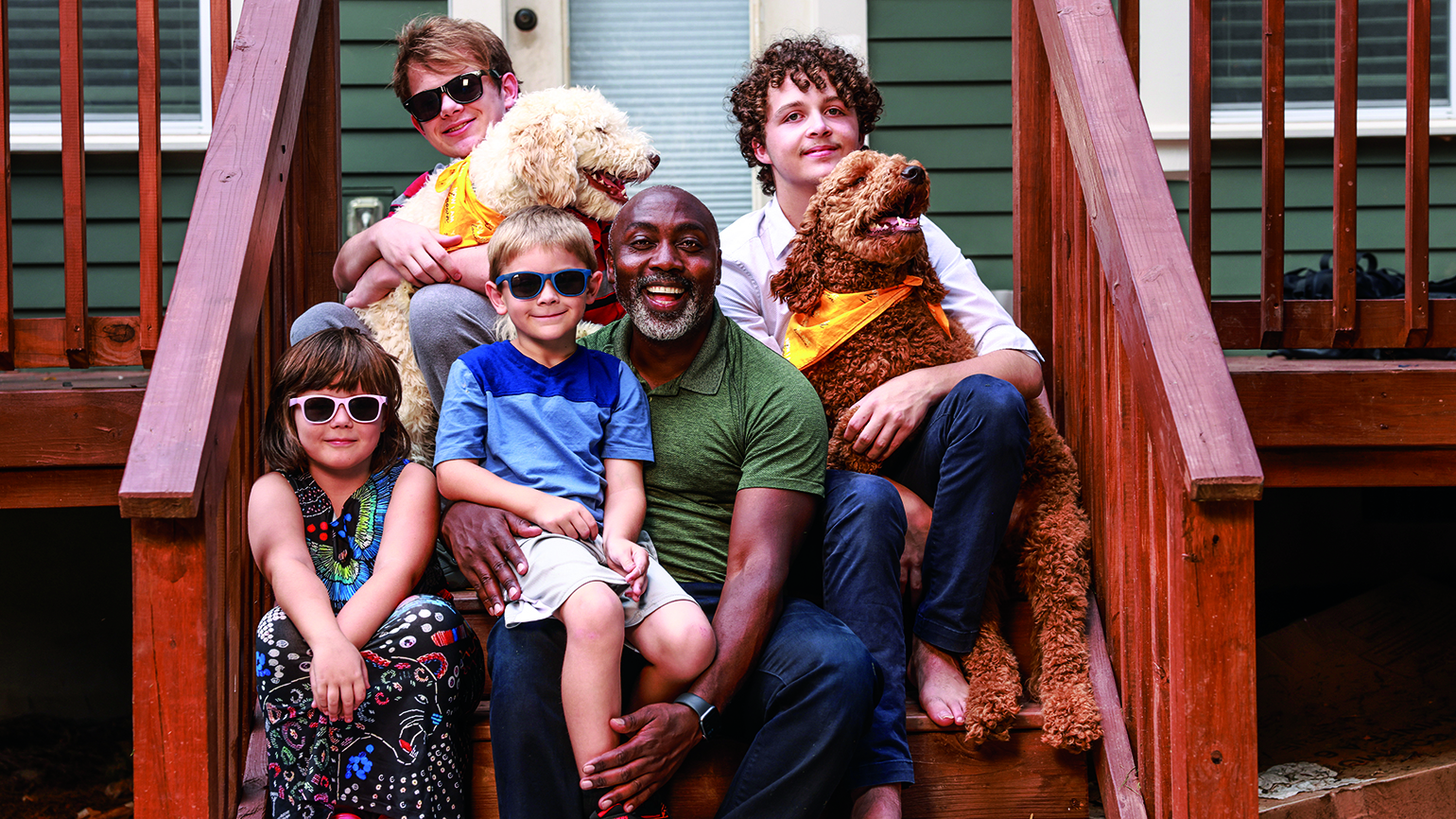
 Two months earlier, a couple from Texas had reached out to me on social media. Their goldendoodle was pregnant, and they wanted to give us one of the puppies as soon as they were weaned. I wasn’t sure. As a single dad, I had my hands full. I had been struggling with getting Anthony, whom I’d recently adopted, to trust that I was his forever family. Besides, I hadn’t grown up with pets. I hadn’t grown up with much of anything.
 Anthony came to see that not only in Simba but in me as well. People can truly care about you—a message he wanted to pass on to other foster kids.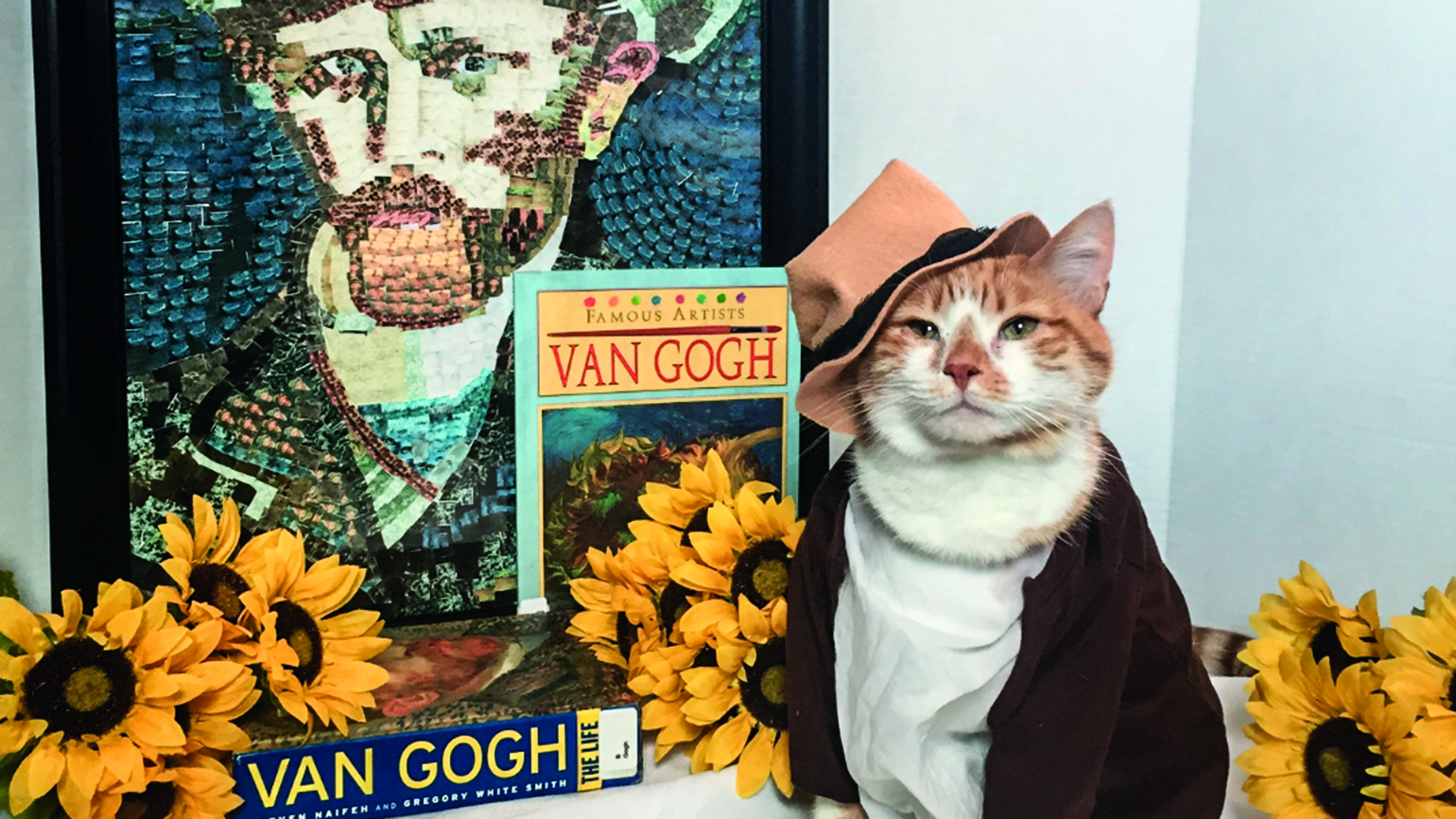
 Lisa wondered what would happen if she created simple costumes for the cats and used some props in the photos. She started with a post featuring
  To date, Lisa’s most labor-intensive Caturday post featured the Iron Throne from George R.R. Martin’s novel series, Game of Thrones. Lisa spent seven-and-a-half hours making the throne out of cardboard. “I’ve used it three times now, so it was worth it,” she says.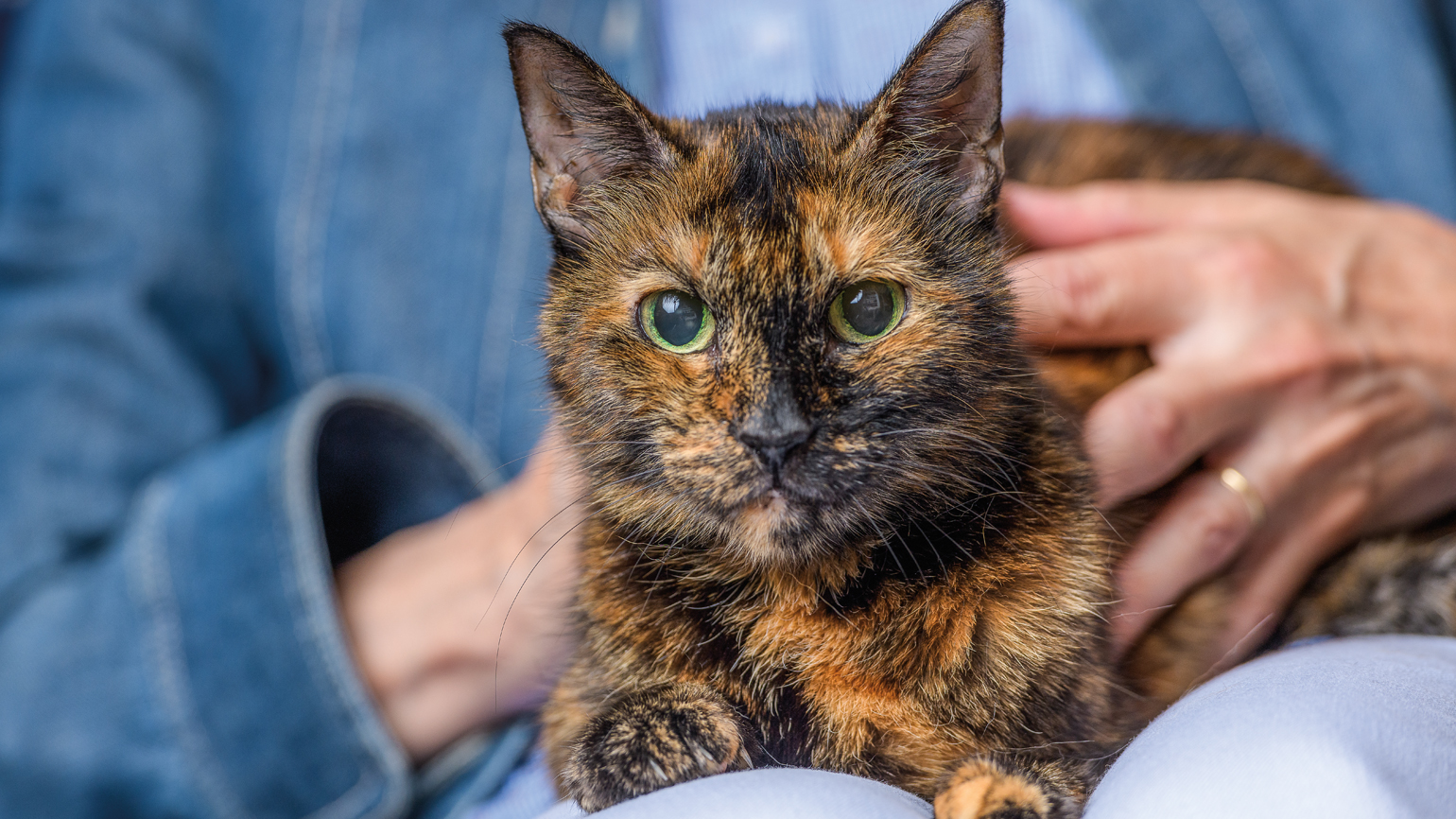
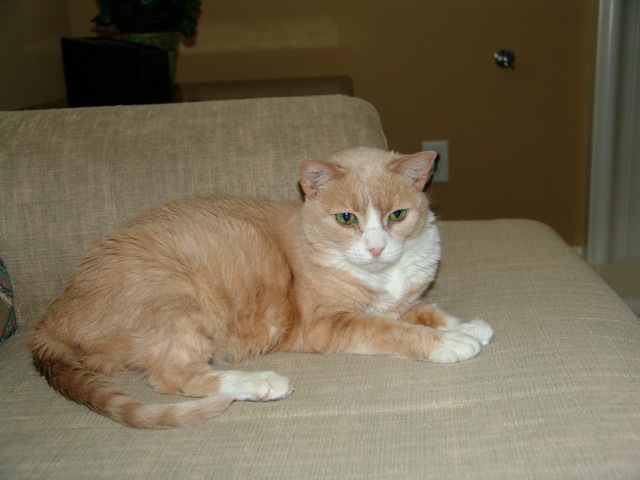
 At first, both Ginger and I did everything we could to avoid each other. She hid under the bed and only came out when she thought I was asleep. If I happened to catch her looking my way, I would shoot her a mean look. But one day as I was sitting on the couch watching television, Ginger ventured out from her hiding place. She sat by the couch looking up at me, innocently.
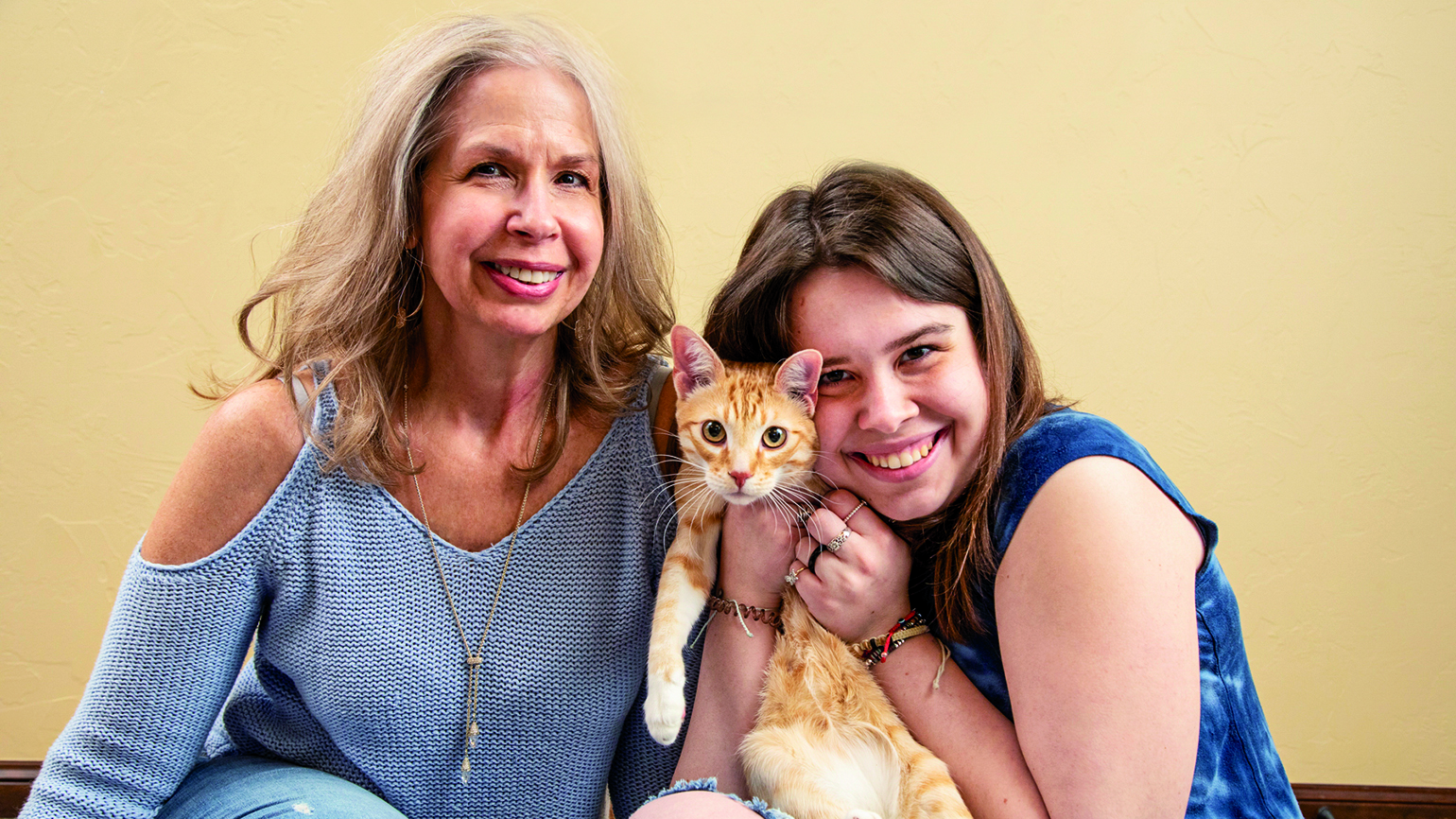
 In the car, Micah nuzzled the kitten under her chin. I’d never seen such a tender look in her eyes. She posted selfies on Instagram as I drove to the pet supply store. Normally embarrassed to shop with me, she cradled the kitten and walked by my side down the aisles.
 When I reached the window to pay for my food, I asked what was going on. Thinking there might have been a robbery, I was shocked to hear, “Young guy went in the bathroom, shot up, and OD’d.