Embrace God's truth with our new book, The Lies that Bind

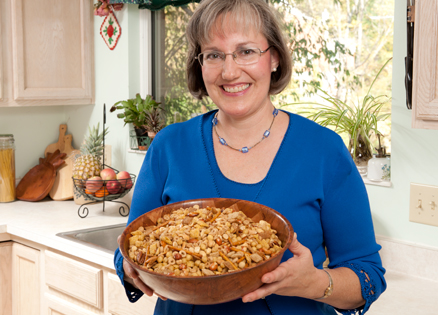
Mom’s Clutter (and Comfort) Recipe

Teachers’ days are jam-packed, and in December my schedule got even crazier than usual because I’m a music teacher. There were extra practices and lessons to gear up for our middle school’s holiday concerts, plus rehearsals and performances with the handbell choir at church.

Everything I did at home that month was all about efficiency. One Sunday evening I was thumbing through my old recipe box for a dish that would feed my husband, Gary, and our three kids for a few nights when I came across an index card, yellowed and stained, ingredients typed on a typewriter with a familiar dark ribbon. Mom’s clutter recipe!

I pulled out the card, my original purpose forgotten. My mind drifted back to my childhood. I could see Mom at her oven with Grandma, baking a batch of their signature holiday snack. Clutter was a party mix they made only at Christmastime, and it had something for everyone—sweet cereal, salty pretzels, crunchy nuts, tangy spices.

It was more than the world’s tastiest party mix. Clutter meant family. Grandma lived in Idaho, far from our Kansas City home, and we only saw her once a year. She’d fly in right after Thanksgiving and stay until New Year’s. Every afternoon I’d race home off the school bus to see what she’d been up to. The house was filled with heavenly just-baked smells. Chocolate chip cookies, orange rolls, yeast bread…and, of course, clutter.

Grandma made huge batches using our big enamel roasting pan. She basted the mix every 15 minutes for four hours until it was just the right shade of golden brown. Mom and I helped. I loved gabbing and laughing with them as much as I loved devouring the clutter with my friends. My teachers got bags of it for Christmas. The five of us—Grandma, Mom, Dad, my brother and I—would sit around the kitchen table playing Rack-O, Scrabble and Rook and munching on clutter. It was a tradition.

A tradition that had died with my mother and grandmother. Mom died young, of breast cancer, when I was a newlywed. Grandma passed away a few years after that. Work brought Gary and me to Cincinnati, 600 miles away from my remaining relatives and childhood friends, anyone who might have shared my memories of clutter.

What holiday memories have I given my kids? I wondered.

Just then Gary wandered into the kitchen. “What do you have there?” he asked, glancing at the worn card. “An old Christmas recipe of Mom’s,” I said.

“You still miss her, don’t you,” Gary said gently.

I nodded. “I was remembering the traditions I grew up with,” I said. “Do you think our kids’ main Christmas memory is of the mom who wasn’t there because she had another gig?”

“Of course not,” Gary said. “Besides, they know concerts are part of your job.”

“I want them to have something they can pass along to their children,” I said.

I brought Mom’s recipe to the grocery store the next weekend, more as a guide than for exact measurements. Who knew what “half a small box of Kix” amounted to these days? I could see the boxes of cereal lined up on her kitchen counter but I couldn’t picture how much went into the mix. I filled my cart with the ingredients Mom had typed out.

Back home, I lined up all the boxes on my kitchen counter and got out my biggest roasting pan. I called to my 11-year-old daughter, Lauren, “Want to help me make something we had for Christmas when I was your age?”

We experimented. Our hands got sticky with melted butter. Spices stained our aprons. We stuck a batch in the oven, and each time we opened it to baste the clutter, the kitchen grew toastier.

I told Lauren our family history of clutter, and we gabbed and laughed just as I had with Mom and Grandma. Four hours went by like it was nothing. Finally we pulled the pan from the oven. The clutter was the right golden brown.

“Now for the moment of truth,”

Lauren said, grinning. We each scooped up a handful and had a taste. “Is it as good as you remember?” she asked.

“Better,” I said. “Because I got to share it with you.”

That was the just first batch we made that year (the kids didn’t mind “babysitting” a batch if I had to dash to a gig). Everyone got clutter for Christmas: the kids’ teachers, my coworkers, my handbell choir at church. And our family got a renewed tradition we’ve been known for ever since.

Make the Clutter Snack Mix!

Mom’s Cinnamon Rolls

For me, Christmas morning is about helping others. And it all started with these gooey, sweet cinnamon rolls.

Ingredients

1 loaf of frozen bread dough, thawed, not risen

5 tablespoons butter or margarine, softened to room temperature

5 tablespoons sugar

3 teaspoons cinnamon

Topping

1 cup powdered sugar

1 tablespoon milk

Preparation

1. Preheat oven to 350°F. Mist 9-inch round or square pan with cooking oil spray.

2. Roll out dough to about 12×14 inches.

3. Spread butter evenly on top of dough. Sprinkle with sugar and then with cinnamon.

4. Roll up jelly-roll style, tightly pinching ends so sugar/cinnamon doesn’t fall out.

5. With a sharp knife cut into 1-inch sections and lay in prepared pan. Allow dough to rise to double its size (around 2–4 hours).

6. Bake for 15 to 20 minutes. Top will be golden brown when done.

7. Allow rolls to cool slightly while preparing topping.

Topping

1. Mix powdered sugar and milk to make a thick paste.

2. Add more milk or powdered sugar as needed.

3. Spread on still-warm rolls, allowing the frosting to melt slightly.

4. Serve warm.

For the story behind these cinnamon rolls, read A Rolled Up Christmas Tradition.

Mom’s Blue Ribbon Chocolate Chip Cookies

Everyone loves chocolate chip cookies, and this recipe will soon be one of your very favorites.

Ingredients

¾ cup white sugar

¾ cup brown sugar

½ cup butter

½ cup shortening

3 eggs

1 teaspoon baking soda

1 teaspoon salt

2¾ cups flour

1 bag semi-sweet chocolate chips

Preparation

1. Preheat oven to 350°F. Cream sugars, butter and shortening. Add eggs, one at a time. Stir after each addition.

2. Add soda and salt. Sift in flour. Stir. Be careful not to overmix. Fold in chocolate chips.

3. Place large heaps on baking stone. Bake for eight minutes. Remove while they still look soft (they’ll continue to bake on the stone).

Makes 12 cookies

Read the story of how these cookies won the blue ribbon in County Fair Cookies!

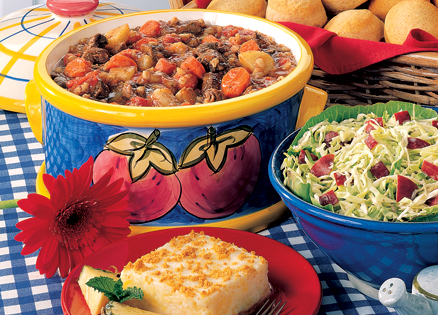
Mom’s Beef Stew

This stew of mildly seasoned staples like barley, potatoes and carrots in a tomato-beef broth hits the spot on cold days.

Ingredients

2 lbs. meaty beef soup bones, beef shanks or short ribs 6 c. water
5 med. potatoes, peeled and cubed 5 med. carrots, chopped
1 med. onion, chopped ½ c. med. pearl barley
1 can plum tomatoes, undrained 1 to 1 ½ tsp. salt
½ tsp. pepper 2 garlic cloves, minced (optional)
1 bay leaf (optional) 3 Tbsp. cornstarch
½ c. cold water

Preparation

1. Place soup bones and water in a soup kettle or Dutch oven, and slowly bring to a boil.

2. Reduce heat; cover and simmer for 2 hours.

3. Set bones aside until cool enough to handle.

4. Remove meat from bones; discard bones and return meat to broth.

5. Add potatoes, carrots, onion, barley, tomatoes, salt, pepper, garlic cloves and bay leaf if desired.

6. Cover and simmer for 50 to 60 minutes or until vegetables and barley are tender. Discard bay leaf.

7. Combine cornstarch and cold water until smooth; stir into stew.

8. Bring to a boil; cook and stir for 2 minutes or until thickened.

Serves 10

Mitford Author Jan Karon Shares the “Prayer That Never Fails”

For more than 25 years, Jan Karon has been delighting millions of readers with her New York Times bestselling Mitford novels. Her new book Bathed in Prayer: Father Tim’s Prayers, Sermons, and Reflections from the Mitford Series is her last entry in the series.

In an essay introducing the book, Karon recalls the moment at age 10 she knew with absolute certainty she was supposed to be a writer. It would be more than 40 years before she published a book. She went on to have a career in advertising. It wasn’t until her mid-forties that she began pondering her childhood dream. But was it too late?

A simple tool helped her tune in to God’s will.

“I kept a journal very faithfully for two years,” Karon told Guideposts.org. “I put everything—all my fears, my high expectations, my prayers about how to make the right decision—into the journal.”

It took years, but when God’s direction came, Karon had no doubts about what to do.

“When the green light came, it was simply a peace that I knew to interpret as ‘go and don’t look back.’ And I did,” Karon said.

She sold her house and moved to North Carolina. She’d never written a novel before (besides the 14-page book she’d written as a child when she first felt her call to be a writer). It took months of false starts before she saw a vision of a priest walking down the road. This priest eventually became Father Timothy Kavanagh, the lead character in her series.

She felt unqualified to write the character that came to her: a middle-aged, diabetic priest. So how did she do it?

“Bathing my work in prayer,” she said. “I wouldn’t sit down without lifting up the whole thing.”

Karon had her protagonist and setting, but the journey was just beginning. She began writing Father Tim’s story as installments in the local paper. At the end of two years, she had a novel. However, it took another two and a half years after that to find a publisher.

It was faith—and reading back through her prayer journal—that kept her going.

“There were months when I didn’t know how I was going to pay the mortgage,” Karon said. “God always provided. As He does when He sends any of us on a mission, He will absolutely provide.”

At Home in Mitford, Karon’s first book, was a surprise hit. She went on to write 13 novels set in the town of Mitford. For years, fans have asked Karon to compile Father Tim’s prayers and sermons. Going back through 25 years of her writing was an experience similar to re-reading her journals. One prayer in particular stuck out to Karon as she was compiling the book.

“I wrote about something that I like to call the prayer that never fails,” Karon said. “It’s a biblical passage: thy will be done. When I pray, God already knows what’s on my heart. But I talk about the person or thing I’m praying for and how I think things should go. Then I always add with great sincerity, deepest sincerity, ‘your will be done.’ That’s the most satisfying prayer of all.”

As her journey in Mitford comes to an end, Karon is contemplating yet another career change. She’s not talking publicly about her new adventure yet, but it involves her love of art. She’s not worried about starting over. Her faith gives her confidence that it’s never too late for anyone to chase their dream.

“I believe that God gives each one of us creative gifts,” Karon said. “It’s kind of like how we send our children off to school with a packed lunch. God sends us into the world with a packed lunch. Everybody gets one. What you do with it, well you know, that’s up to you. But age doesn’t matter.”

Bathed in Prayer is available wherever books are sold.

Mira Sorvino Has Faith in “Like Dandelion Dust”

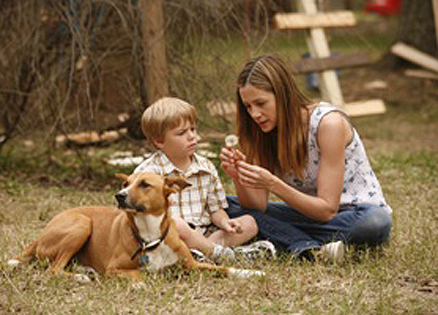
Oscar-winner Mira Sorvino tapped into her real-life role of mom for the new movie, Like Dandelion Dust, an independent film based on the book of the same name by The New York Times best-selling inspirational author Karen Kingsbury.

Mira plays Wendy Porter, a woman who finds out she’s pregnant right after her husband, Rip (played by Barry Pepper), is jailed for domestic abuse. Seven years later, when Rip, now rehabilitated, is released, he tells Wendy he wants to start a family. She confesses that she gave birth to their son, but gave him up for adoption.

Rip discovers a loophole in the paperwork and sets out to re-claim his boy, who’s being raised by well-to-do, loving parents. Things get complicated as both couples fight for custody of six-year-old Joey.

Mira says the role of Wendy intrigued her for personal reasons. “I tried to base her on someone I had known, who had a rather similar life and whom I loved very much when I was young. I wanted to make this my homage to her. Even though, as this character, she was unable to really fend for herself, she was full of love for others.”

Mira and her husband, Christopher Backus, have three children—Mattea, Johnny Christopher and Holden—whom she calls her “blessings.” “You don’t know what joy is until you hold your child in your arms. It is the best thing I’ve ever experienced. ”

Still, Mira can understand her character’s motivation. “Wendy gives up her baby because she feels like she can’t provide him with a safe home and because she doesn’t have any financial means at the time. She’s scared and doesn’t know what to do. But she’s tried to do what’s best for the baby, and that’s admirable. But when she’s given a chance to see the baby again, it’s like a miracle. For her, it’s a redemption, a second chance.”

She adds: “Both couples love this boy. The birth father loves the boy but he’s unable to control his temper. He has a problem with violence which is largely brought on by terrible crises of self-doubt and alcoholism. But he still loves his boy. They all love the boy. But the point is to love unselfishly.”

Mira hopes viewers take away the message that children need to be treasured. “I think a lot of films don’t give the proper due to the importance of children and their love and care. Movies nowadays show us mostly smart-alecky mother/child relationships.” But Like Dandelion Dust is different, she says.

“The movie is evenhanded. You end up rooting for both couples in an odd sort of way. In a perfect world, there’d be two Joeys and both couples could end up with one of them, and everybody would live happily ever after. But it’s not a perfect world and they’re not perfect people. No one is. They’re all imperfect. They’re all trying to become better human beings and humbling themselves before the Lord.”
Mira sees the film as a modern twist on the biblical story of Solomon. “In the simplest of terms, it’s which mother loves the child more, the one who wants to keep him or the one who’s willing to give him up so that he stays whole? I think that was probably Karen Kingsbury’s starting point. I know she also was inspired by her own experience as an adoptive mother of children from Haiti.”

Mira believes the movie’s universal themes of forgiveness, love and redemption will strike a chord with the audience. “Everybody loves this film. People just ‘get it’ because of the themes of family and children and [the characters] striving to become better under the yoke of our imperfection.”

Who could not love a movie about “just being a human being and having a heart”?

Like Dandelion Dust is out on DVD January 25, 2011. Check out its website for more information about the movie.

Find more stories on hope.

Miley Cyrus’ The Climb

Now just hold on. Wait a minute. Hear me out. If you know who Miley Cyrus is thanks to a pre-teen in your life or simply by seeing her face, well, everywhere, then you might be tempted to quit reading. We are inspired by Miley Cyrus? Bear with me.

If you don’t know who Miley Cyrus is, welcome to the world above your rock. She is the daughter of country singer Billy Ray Cyrus, but more importantly, Miley is the reigning teen queen.

As the star of Disney television show Hannah Montana, about a student who is secretly a pop superstar, Miley has ruled the ‘tween world with albums and films as Hannah, Miley and both.

The first hit single from her latest movie, Hannah Montana: The Movie is called “The Climb.”

Now believe me, I was just like you. A month ago at an all-girls birthday weekend in Maine, a few friends with pre-teen daughters played “The Climb” and sang their hearts out to it while the rest of us looked on in horror. But then I stumbled on “The Climb” video one too-early morning, and, now actually hearing the lyrics, I thought, Wow. This is good. Really good.

The refrain?

“There’s always gonna be another mountain/I’m always gonna wanna make it move/Always gonna be an uphill battle/Sometimes I’m gonna have to lose/Ain’t about how fast I get there/Ain’t about what’s waiting on the other side/It’s the climb.”

Inspiring words for someone born in 1992!

—Alina Larson

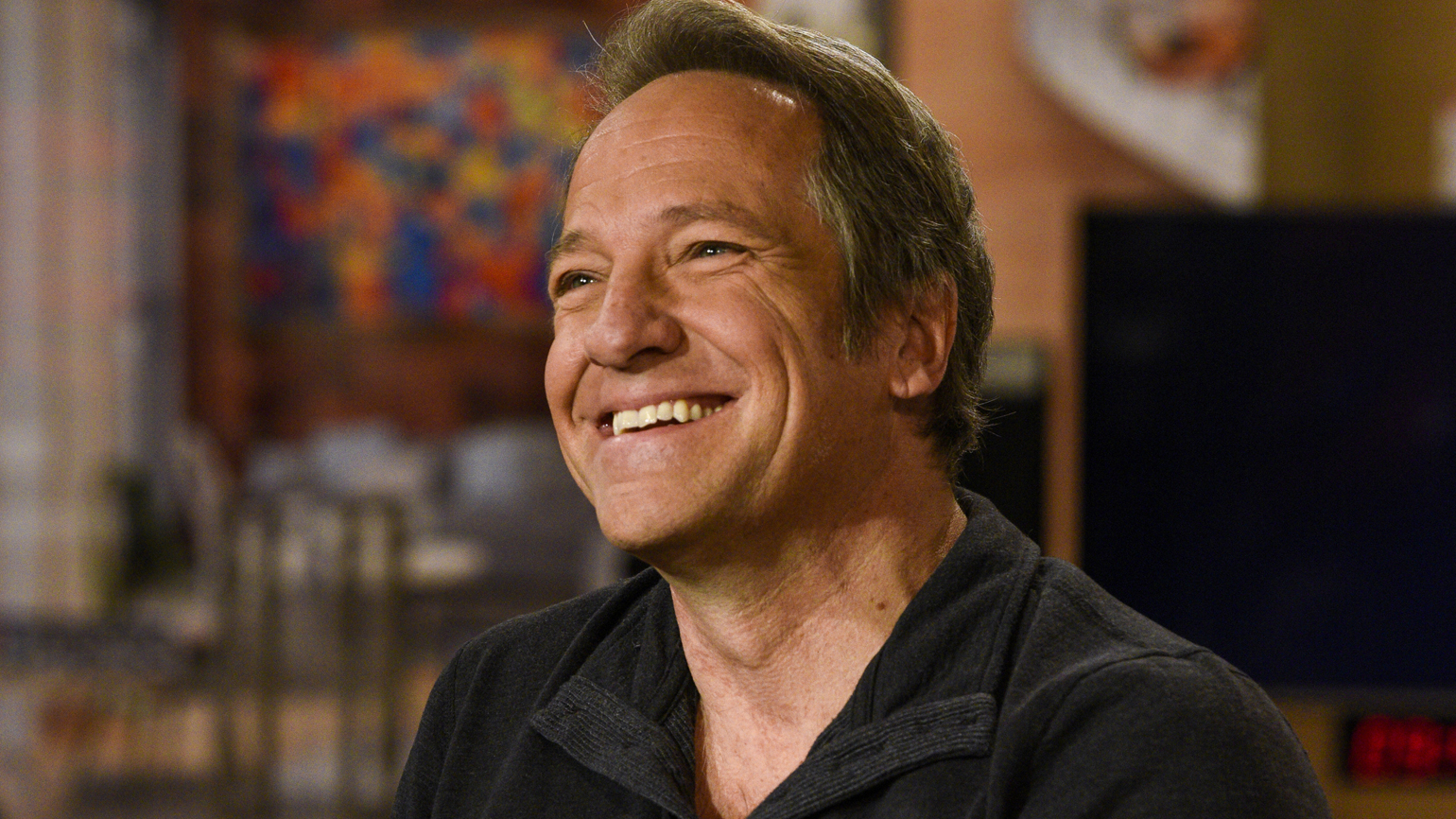
Mike Rowe’s ‘Somebody’s Gotta Do It’ Shows the Value of Hard Work

When it comes to highlighting hard-working people of America, ones who do “dirty,” thankless, dangerous jobs, TV host Mike Rowe knows, Somebody’s Gotta Do It.

That’s the new title of Rowe’s docuseries on Trinity Broadcasting Network. Formerly known as Dirty Jobs on the Discovery channel, Somebody’s Gotta Do It will now air its half-hour episodes on Saturdays. Rowe, a former Guideposts magazine cover star, has been open about modeling his career as a TV personality after his grandfather, a salt of the earth kind of man who loved to work with his hands and instilled in Rowe an appreciation for grunt work – jobs that took a skilled hand and determined mind.

Each week, Rowe turns the spotlight over to everyday people like military aircraft carrier workers and the road crews in California, traveling two-lane highways up the sides of mountains creating avalanches on purpose so loose rocks won’t come down randomly and smash cars.

“Ultimately, with Somebody’s Gotta Do It, I just look for people who wake up agitated because the world isn’t the way they want it, or because they’re just so intuitively helplessly purpose driven. They have no choice but to do what they do,” Rowe explains.

Of course, moving to a new network meant reexamining the show’s themes to fit a new audience. Rowe was worried he’d have to drastically alter episodes to squeeze in more faith. He didn’t need to be.

“It’s funny, it really wasn’t difficult to do at all,” Rowe says.

In fact, blending more faith into the show allowed the series’ host to contemplate the nature of passion versus purpose, something he discovered was integral to what the show was trying to accomplish.

“Faith is, I think by definition, inherently spiritual. Passion is not. You can be not a religious person, or maybe not even a faithful person, but you can be passionate,” Rowe explains. “I typically wind up talking about the trap of pursuing your passion, as opposed to passionately pursuing an opportunity. In other words, passion is not honest always. There’s nothing inherently great about passion.”

Instead, it’s purpose he hopes to highlight to a new audience on the network.

“When you find people with purpose, they’re almost always interesting. Because they’re taking their marching orders from someplace else, and I’m always curious about where that place might be.”

This idea of purpose is something that’s taken up Rowe’s thoughts for a long time. The TV show host regularly gives talks about the value of vocational training and the growing problem we’re seeing in younger generations joining the workforce. According to Rowe, it’s not that they’re lazy or entitled, it’s that they’ve been fed a misleading narrative on what it means to succeed.

“We’ve said that people who are happy in their work have successfully identified their passion, pursued it, caught it, and lived it. Likewise, people who find their soulmates went on some great epic search for love, and through some miracle found the one person on the planet with who[m] they can be happy. This is a very basic way of thinking, and I believe it’s a trap,” Rowe says.

In fact, Rowe encounters the exact opposite when he meets people on his show.

“I meet people who by and large don’t follow their passion. They’re passionate people, but what they do is they look around and they say, ‘Where is everyone going? I will go in the other direction,’ and they do. Those people find success, by identifying opportunity, then figuring out a way to become passionate about the jobs that exist, and then finding a way to be great at them,” Rowe continues. “I think the key to being happy isn’t to sit in a vacuum and try to imagine what your passion is. I think the key is to get out into the world and try as many things as you can with an open mind and do everything passionately. Identify an opportunity, and then put your heart and soul in it.”

A simpler job Rowe has taken on with Somebody’s Gotta Do It is to just provide some quality entertainment to families tired of the slog of bad news they see on TV.

“I sold Dirty Jobs in the exact same way I sold Somebody’s Gotta Do It 10 years later,” Rowe says. “I walked into the executive’s office in 2003 and said, ‘Look, this is exhausting. Every time I turn on cable television I see bulging veins and spittle flying, and angry people screaming at each other. I get it. There’s great money in dividing the country and keeping people angry, but I don’t want to do that. I want to do a show that celebrates hard working men and women who do the kinds of jobs that make civilized life possible for the rest of us.’”

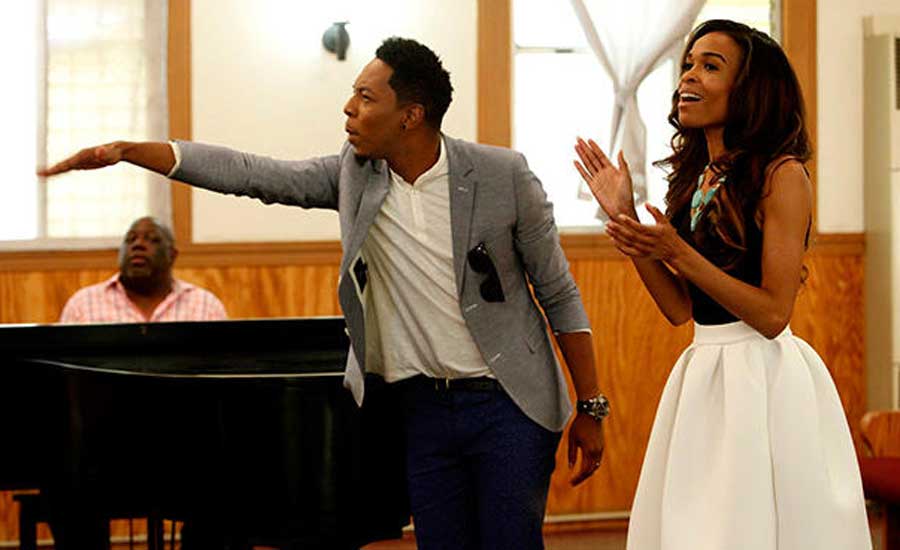
Michelle Williams and Deitrick Haddon Are Saving Gospel Music, One Choir At A Time

For some gospel groups, finding harmony takes a miracle. For the ones featured on Oxygen’s new show Fix My Choir, it just takes Grammy-winning artist and Guideposts cover star Michelle Williams and Preachers of LA star Deitrick Haddon.

This week, the network debuts its latest installment in faith-based reality entertainment with a new series that follows Williams and Haddon as they travel across the country in search of choirs that need a little help in reaching the right notes. From churches who can’t afford to keep singing to groups that are more interested in hitting each other than hitting the right key, Fix My Choir is entertainment at it’s best. You’ll never get tired of Haddon’s over-the-top personality and Williams’ mothering words of wisdom and most of all, their methods prove effective.

But what really stands out about the series is the fact that it’s paving the way into new musical territory. Gospel choirs are a staple in churches everywhere, but rarely do we get to see their inner workings—the blood, sweat and tears that each member sacrifices in order to bring their congregation the beautiful songs they’ve come to expect every Sunday morning.

For Haddon and Williams, two talents who’ve reached the top in their respective industries, being involved in a show focused on music was a no-brainer. “Music is used to spread a variety of messages,” Williams said. “So anytime that we could use a message to spread God’s love, His hope, His healing, His restoration, and it can be done through music, I think it’s the best way for me to share it. Before I had a Grammy or a passport, I was in the church, so I’m just going to go back to those things that I still am passionate about.”

Haddon shares her passion for the work and his fun personality and tough-love style of mentoring is the heart of the show. “Music has power,” Haddon said. “I decided to sing gospel music because I wanted to inspire people and to spread the love of Jesus Christ and I’m still on that mission.”

It’s a mission both stars hope their show can bring to mainstream audiences. From barbershop quartets, inner city youth choirs and choirs in middle class suburbia, the diversity of the groups featured on the show doesn’t change the stars’ ultimate goal: to spread gospel music beyond the church. But to do that means pushing through traditional boundaries. “I would love for the music to continue to hit mainstream in some kind of way,” Haddon said. “But that means we have to shift the music a little bit and that’s one of the things we were doing with the choirs this season—taking them out of their comfort zone and showing them how they can be effective singing songs other than the Sunday morning [favorite], ‘Amazing Grace.’”

Fix My Choir premieres Wednesday, Nov. 5 at 10 p.m.

Meet the Athletes Behind the Amazons in ‘Wonder Woman’

Wonder Woman continues to make box-office history, becoming the first female superhero blockbuster film, but the titular character Diana Prince isn’t the only role-model worthy character worth watching.

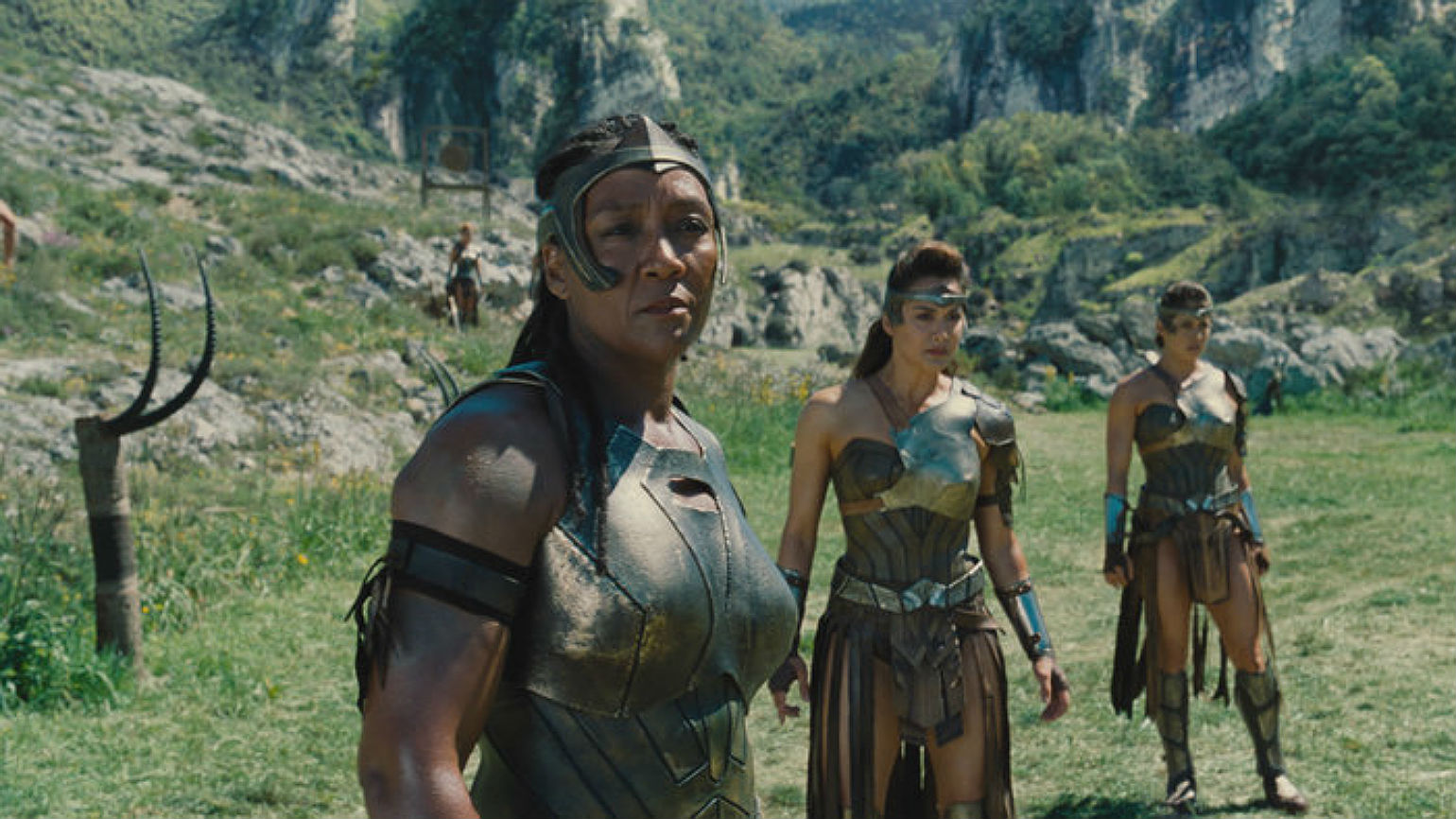
The Amazon warriors who trained Wonder Woman on the island of Themyscira also provide to young people everywhere an image of powerful women supporting each other on screen. Guideposts.org caught up with three of the real-life athletes who brought the Amazons to life: martial arts fighter Samantha Jo (who plays Euboea), boxing champ Ann Wolfe (Artemis), and Swedish Thaiboxer Madeleine Vall Beijner. (Egeria) They share their experience on set, how sports have impacted their lives, and how they hope the film can inspire girls (and boys) everywhere.

Samantha Jo

Samantha Jo already has an impressive resume as a stuntwoman. The martial arts fighter has been in some epic battles, like 300: Rise of an Empire and Man of Steel, but Jo says filming Wonder Woman was a once-in-a-lifetime experience.

“Everybody knew that we were a part of something really special and we knew it was groundbreaking,” Jo tells Guideposts.org.

The actress grew up adoring the character: “When my brothers were playing with Batman and Spiderman, I had to beg my mom to get a Wonder Woman doll,” she says. She also grew up in a family that valued discipline and a good work ethic.

Jo’s mom had a black belt in Jiu-Jitsu and taught classes in the sport. Too young to fight, Jo watched her brothers train while teaching herself some moves.

“I was like the little Diana in the movie,” Jo says. “I was punching and kicking on the side and my mom had to keep telling me to get off of the mat because I was going to get hurt.” Eventually she was allowed to train and discovering her love for the sport has changed her life – professionally and personally.

“That hard work and that sweat equity is such a big part of my life, and I’m excited for it,” Jo says. “I’m so thankful that my mom put me into that and I understood from a very young age that hard work pays off. Not only that, but it feels good, and you can feel proud of yourself and feel like you earned the opportunities that come.”

Opportunities like Wonder Woman, a film Jo hopes teaches girls the importance of strength, commitment, and sisterhood – values she learned from her mother and from the women she fought with in the film.

“I think it’s the fact that they’re represented as not only these strong women but a strong united community,” Jo says when asked how the Amazons inspire her. “There are so many different types of women from different walks of life. I think that was the most interesting part and the most inspiring to other people. Everybody has somebody they can relate to.”

Ann Wolfe

Boxing phenom Ann Wolfe never acted until director Patty Jenkins personally requested she play Artemis in the film, but she’s definitely fought enough battles in her own life to be worthy of the role.

Wolfe grew up in poverty, lost her mother, father, and brother in just a short span, and found herself homeless with two children depending on her. She’d often take her kids to the emergency room on cold nights so they’d have somewhere warm to sleep while waiting in the lobby. That’s where she saw a professional boxing match on TV between two women, sparking her interest in the sport.

She trained for a year, putting on her first pair of gloves at age 25 and going on to hold three world titles simultaneously.

She wants Wonder Woman, and her role in the film, to set an example for young people to follow.

“Girls get told they’re beautiful, pretty, and whatever. When can someone say to a little girl, “You’re strong and you’re worth something; you can do it,” Wolfe tells Guideposts .org. “I don’t want my son to look at girls as objects. I want him to know they’re just as smart, just as strong…they’re your equals.”

She thinks having someone like Diana Prince on screen, a superhero not afraid to show emotion, goes a long way in proving strength can take many different forms.

“What I liked about the Amazons, they didn’t go out to look for a battle,” Wolfe explains. “They didn’t go out to look for a fight. They were not bullies. You saw Diana cry because she was hurt. You saw Diana be strong. You saw her be angry. You saw her be sad. You could see every single emotion that makes a woman strong and it lets you know you can be strong when you need to be strong. You can cry. Then you have people like your Amazon sisters or your family to depend on.”

Madeleine Vall Beijner

Madeleine Vall Beijner was once ranked as the third best Thaiboxer in the world in her weight class. She competed in the sport for years before switching her focus to film and stunt acting. Her role as Egeria in Wonder Woman marks her first big action gig and the experience has been one she won’t forget.

“It’s hard to know what will happen with a movie, but we had a universe-changing feeling on set,” Beijner tells Guideposts.org.

The boxer spent months training with her fellow Amazons, giving A-list actors like Robin Wright fighting tips and spending days filming exhausting fight sequences on the beaches of Italy. All that hard work and bonding helped the women get into character.

“To us, it was real,” Beijner says. “We became those Amazons.”

The athlete never read the Wonder Woman comics growing up, preferring to have real-life role models from the sports she enjoyed, but she hopes young girls might discover something worth admiring in the superhero.

“It has been both a really cool and emotional journey to befriend Wonder Woman as a grown woman,” Beijner says. “I think Diana stands for everything women are in general: smart, powerful, funny, loving, compassionate and curious. She just happens to have a greater [reach]. One of my favorite quotes from the film is when Antiope [Robin Wright] tells Diana: ‘You are stronger than you believe. You have greater powers than you know.’ I think that’s an important message to young girls.”

Meet 8 Inspiring Winter Olympians Representing Team USA

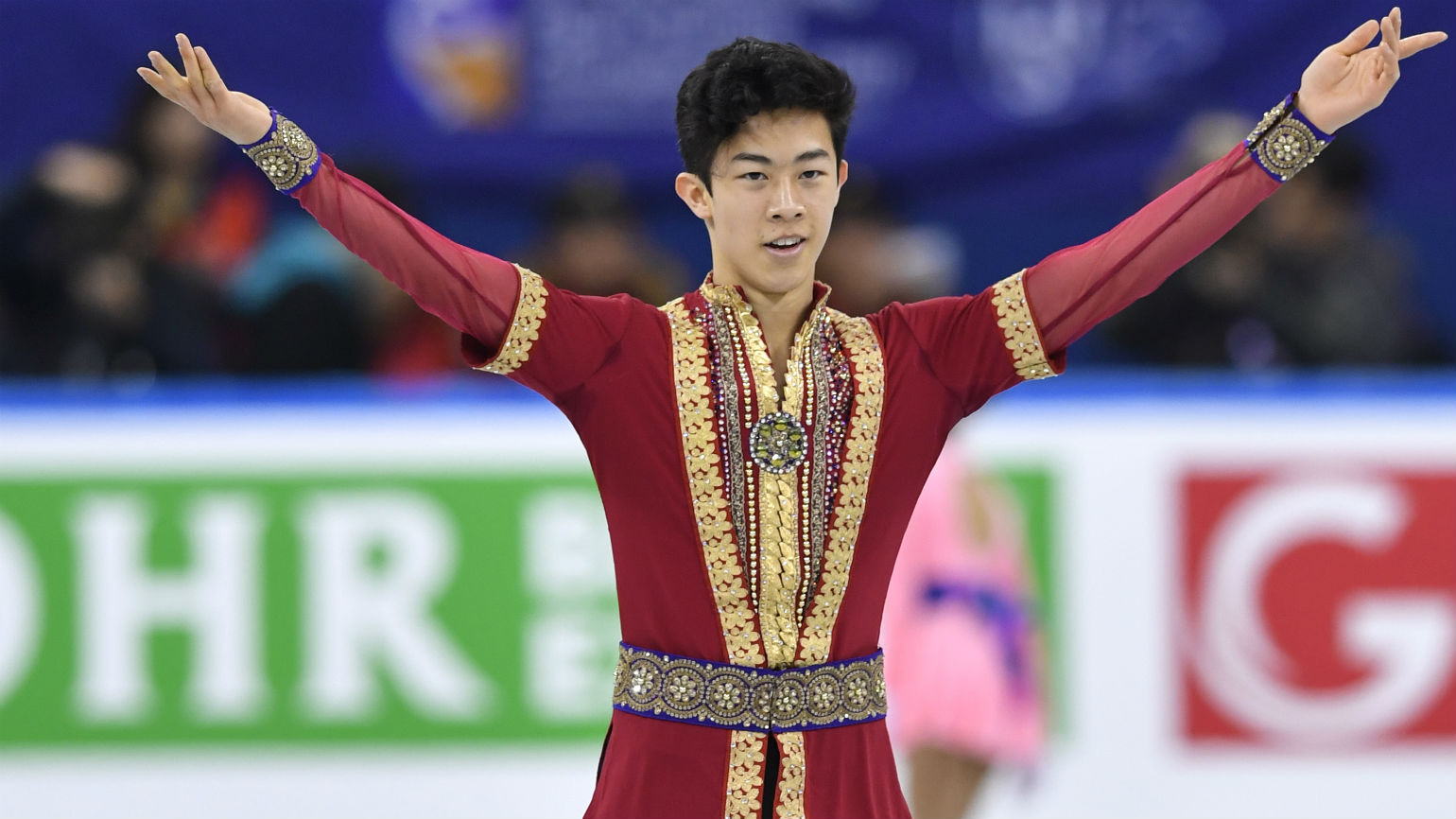
When the 2018 Winter Olympics kick off in South Korea this year, Team USA will be represented by plenty of talented athletes, most of them with inspiring stories to tell. Before the Games begin, we’re highlighting eight men and women whose personal journeys to a potential place on the podium are a testament to the strength of the human spirit and the beauty of the American dream. From figure skaters battling injuries to hockey players busting through barriers, and a couple of speedskaters poised to make history, here are the 2018 Winter Olympians we can’t wait to watch.

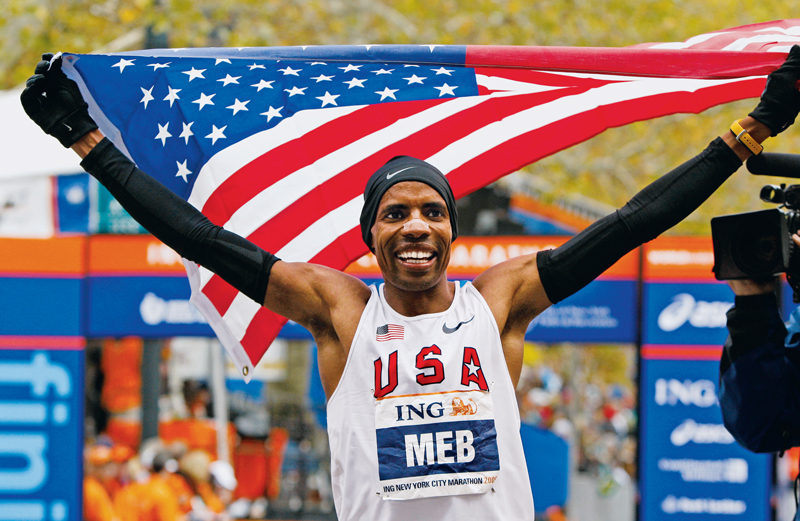
Meb Keflezighi Keeps Running Towards Success

I was one of the favorites to win the race that cool November day in New York City, the marathon to qualify for the U.S. Olympic team.

I’d won the silver medal in Athens, and now my sights were set on Beijing 2008. All I needed was to finish in the top three here. I got off to a good start, looping around Central Park. I was in the front of the pack, right where I wanted to be. I felt good.

READ MORE: HOW DANELL LEYVA IS CONTINUING A LEGACY

Suddenly there was pain in my calves followed by a sharp pain in my right hip. Run through it, I tried to convince myself. Ignore the pain. But it got worse. By mile 12 I knew I couldn’t win the race. If I kept going, doing the best I could, maybe I could hang on to second place.

One runner passed me. Then another. And another. By the end, guys were going by me like I was standing still. I came in eighth. No chance of making the Olympics, even as an alternate. I hobbled away from the finish line. The pain was excruciating.

A friend rushed up to me. His face looked serious, and I assumed he was worried about me. Instead he asked, “Did you hear about Ryan?” Ryan Shay was a good friend, one of my training partners. He’d been right next to me on the bus ride to the race. I shook my head.

“Ryan collapsed maybe five miles in,” he said. “A heart attack. They couldn’t do anything for him. He died.”

My mind refused to accept it. No, not Ryan. How could Ryan be dead?

He and I had trained together in Mammoth, California, with Running USA, racing through the hot dry summer, the autumn when the aspens shimmered, the winter when we raced over snow.

He was one of the strongest, toughest guys I knew. He’d just gotten married. He had so much to live for. And now…

I went to pieces. Tears came so hard I couldn’t stop them.

My friend helped me to a taxi and took me back to my hotel. The pain in my hip had grown so bad I had to crawl around my room on my hands and knees. But the emotional anguish of losing my friend, that was even worse.

My wife, Yordanos, tried to comfort me. “Meb, you don’t have to keep running. You have a college diploma. There are other things you can do.”

True, I had a degree in communications. I could find a job in that field. But I kept thinking of something my father told me when I was growing up, “God has great plans for you.”

Only God could have brought my family safely from Africa to America, only he could have given me my talent for running. Was I wrong to believe he wanted me to make something more of that gift?

READ MORE: DAGMARA WOZNIAK’S OLYMPIC JOURNEY IS THE AMERICAN DREAM

If it hadn’t been for the grace of God, I wouldn’t have been running for America, or even running at all. I might still be in the farming village where I was born in Eritrea, a small country on the horn of Africa.

We lived in a stone hut with no running water, no electricity, no TV, no phone. All my family had were a few cows, donkeys, sheep and goats. And the six of us children had the faith our parents nurtured in us.

My father had been a freedom fighter in the war against Ethiopia and it wasn’t safe for him in Eritrea. When I was five, he had to flee for his life. “How long will it be until we see you again?” my oldest brother asked. My father couldn’t answer. He hid his face, not wanting us to see him crying.

After spending two years in Sudan, he settled in Italy and found work. For five years, our only connection was the letters and gifts he sent. Shirts, sweaters, pants, shoes.

“I told the salesman how old my children are,” my dad wrote. “He thought these would be the proper sizes.” The shoes were always too big.

At last Dad saved enough money to send for us, but Italy was only a stop on our journey. Our destination was America, the land of freedom and opportunity, the country of my father’s dreams.

“It is a beautiful place,” he told us. “Everybody can go to school and get an education. You can become whatever you want to be.”

I was 12 when we arrived in San Diego, California, on October 21, 1987–a date I will never forget. A new sister had been born in Italy, so we were now a family of nine.

We crowded into a small apartment. We walked everywhere, trying to understand this new land of big cars, tall buildings and fast food.

One day my brothers and I went to the park near our apartment to play soccer. We saw dozens of kids running across the grass. A few years later I would find out it was the national high school crosscountry championships, but back then it just seemed strange to me.

What are those crazy people running for? I wondered. What are they chasing? There was no ball, like in soccer. Just a trail through the eucalyptus and palms.

What my father told us made much more sense to me. “The only way you’ll get ahead is through education,” he said. “You must work very hard and get the best grades.” An A minus or a B plus would not do. It had to be an A.

To make sure we learned English and did our homework, he woke us up at 4:30 in the morning to study. Yes, 4:30. It was the only time he had to help us between his night job cleaning offices and his day job driving a taxi.

“Switch on the light,” he said. “Time to study.” There was no argument. We sat at the kitchen table and worked until 6:45, then went off to school.

“I was not able to stay in school past seventh grade,” he told us. “I want you to go further. I want your life to be better than mine. That is every father’s dream.”

Every week in seventh grade we had races in gym class. One Friday the teacher said, “Today we’re going to do the mile. Do your best and I’ll give you an A or a B. But if you just mess around, you’ll get a D.” I had never done a mile, but I knew I had to get an A, so I ran as hard as I could.

I beat all the other boys. The teacher stared at his stopwatch. “You just ran a 5:20 mile…without any training!” he said. He called the high school coach right away and told him, “We’ve got a future Olympian here.”

That had to be part of God’s plans. It was something I never would have dreamed myself! I joined the cross-country and track teams. I won races. Senior year, I was one of those kids running at the park in the high school championship.

Bob Larsen, the track and field and cross-country coach at UCLA, gave me a full scholarship (he is still my coach today at Mammoth Track Club). I won four NCAA titles, but it wasn’t just about doing well on the track. I did well in the classroom too.

I was proud and grateful to receive my diploma in 1998, as proud and grateful as I was to become a U.S. citizen later that year.

I knew my father spoke the truth: In America, my education would take me where I needed to go, even when my legs no longer could.

Yet here I was in a New York City hotel room, nearly a decade after college, grieving the loss of my friend Ryan, nursing my battered body and wondering what I should do with my life.

I’d had an excellent career as an elite distance runner. Had the moment come when my legs could no longer carry me? Was it time to retire?

Finally I said to Yordanos, “Let’s pray.” We took each other’s hands and closed our eyes. “God, thank you for the gift of running,” I said. “I have tried to do my best with it. If it is time for me to move on, please tell me.”

I thought of the many miles I had run with Ryan, stride by stride, seeing the sunlight coming through the trees, the breathtaking mountain views. I loved getting to know a town with each step I ran through its streets and parks and woods.

Just thinking of how more of the world opens up when I’m out running–that filled me with joy, a joy that could only come from God. A joy that I wasn’t ready to give up.

I opened my eyes and looked at Yordanos. “I don’t think I’m meant to quit,” I said. “Not yet. I have to keep trying.” I believed that was what God wanted. I knew it was what Ryan would have wanted.

I needed a year of rehab and physical therapy to recover from what turned out to be a stress fracture of my hip. But eventually I was training again on the trails I’d run with Ryan.

Last fall I went back to New York for a race that would take me through Central Park, where I’d gotten the terrible news of his death. This time I was running the New York City Marathon. No American had won since Alberto Salazar in 1982.

This time an American did, a man who was born in a tiny village halfway across the world. A man who did not make his long journey alone.

He had a mother and father who taught him the power of faith and education, coaches and teachers who helped him believe in himself, good friends who trained with him, a wife who understands him in a way that goes beyond words and, most of all, a God who has boundless love for him.

That cool November day last year, I turned into Central Park with two miles to go and pulled away from my closest competitor. On the homestretch, I passed the spot where my friend Ryan fell. I said a prayer and made the sign of the cross. Then I crossed the finish line first.

Did you enjoy this story? Subscribe to Guideposts magazine.