

Embrace God's truth with our new book, The Lies that Bind

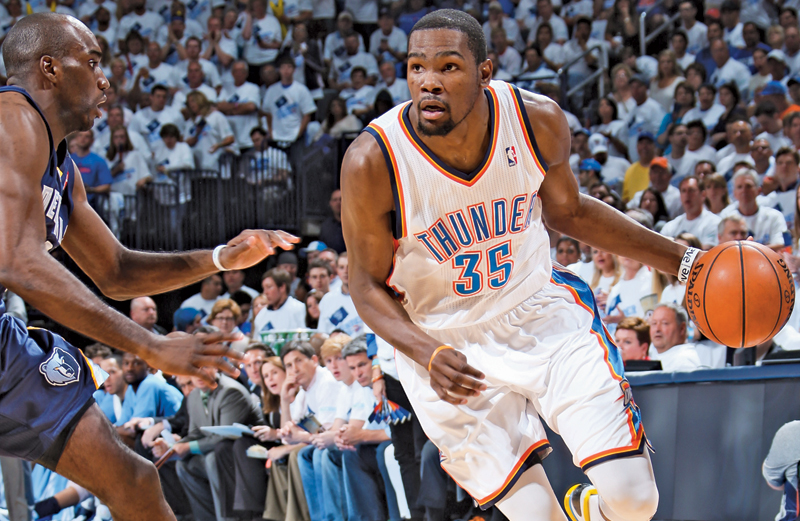
Kevin Durant’s Greatest Inspiration: His Mother

Editor’s Note: Kevin Durant was named NBA Finals Most Valuable Player, after the Golden State Warriors won the NBA Championship on June 12, 2017. Enjoy this inspiring story he wrote for Guideposts when he was playing for the NBA’s Oklahoma City Thunder.

You wouldn’t know it to look at me. I tower over most people at six-nine, a lean and mean 240 pounds. The size comes in handy in my line of work: I play forward for the NBA’s Oklahoma City Thunder.

On the court I’ve got my game face on. I’m focused on doing whatever it takes for our team to win—shooting a jumper, slashing to the basket, mixing it up with other big men. But I don’t get too loud or emotional, not even when I take charge of a game.

Off the court, though, it’s a different story. I’m still not loud, but I don’t mind letting my feelings show. Especially my feelings about my greatest coach and biggest inspiration—my mother, Wanda Pratt.

No matter how far my career takes me from our hometown, Seat Pleasant, Maryland, I’ll always be my momma’s boy.

I told you, you wouldn’t guess it looking at me. But it’s true. Mom has been there for me from Day One, when I first picked up a basketball and fell in love with the game, and she’s still there cheering for me from her seat (that’s if she stays in it!) across from the Thunder bench.

The lessons she taught me have made me a better player and, more important, a better person.

1. You Get What You Give.
Mom put my older brother, Tony, and me in sports early to keep us off the streets. We pretty much lived at the rec center. I loved basketball and when I was all of 11 years old, told Mom I wanted to play in the NBA.

She could have laughed. After all, there are fewer NBA players than there are Fortune 500 CEOs. But she didn’t. She wanted Tony and me to know it was worth following the dreams God gave us. She also wanted us to understand that it takes hard work and sacrifice to achieve them.

She showed us that each day. Her dream was to give us every chance to succeed in life. For a single mom that was tough. She needed a good, steady job to support us, but she wanted to be home when we got back from school.

So she worked the overnight shift at the post office, loading 70-pound mailbags onto trucks. She’d leave for work while Tony and I were getting ready for bed. Sometimes I’d see exhaustion in her eyes when she kissed me goodnight. Not that she ever complained.

The biggest thing Mom gave up for us was her time. She didn’t have a social life like other women in their twenties and thirties. She was working when her friends went out. The rest of her time she spent with us—at home, at church, at our practices and games.

Once I asked Mom why she didn’t date or at least go out with her girlfriends. She loved to dance. She’d put on music at home and show off her moves. “God gave me you and your brother,” Mom said. “You guys are my life.”

That made me think. If Mom was giving up everything for us, then I’d better work as hard as I could to make her sacrifice worth it. From then on, I practiced as much as I could.

Long after my teammates left the rec center, I stayed and did drills till my muscles ached. Then it was home, for dinner and homework.

On weekends Mom would get me out of bed late at night. “Time for sit-ups and push-ups.” I’d whine, “Ma, I did my workout already.”

“I know,” she said. “But to get where you want to go, you’ve got to do extra.”

Mom could have been getting some rest herself instead of pushing her boys to be better. Thank the good Lord she kept at it, even when I resisted.

2. Never Say Quit.
The day in freshman year that the basketball coach at my high school told me I made the team, I was flying high. But I was quickly brought down to earth. At our first scrimmage, I broke free near the basket and put my hand up for the ball. I’m open! Our point guard passed to someone else.

Guess he didn’t see me. Next time, I thought. Next time never came. I’d get open, but no one would pass me the ball. I knew what was going on. These guys had been the team leaders and they didn’t want a freshman horning in.

After the scrimmage, I found my mom and told her I didn’t want to play with guys who treated me like I was lower than dirt. “I’m quitting,” I said.

“If you quit,” she said, “they’re never going to pass you the ball.”

I was back on the court the next day. I kept showing up, working hard, and you know what? They passed me the ball.

3. You Gotta Believe.
I didn’t have a positive self-image as a kid. Part of it was my personality. I’m a little shy until I get to know you. But the real problem was my height. By middle school, I was already over six feet. Taller than all my classmates, and most of my teachers. Plus I was super skinny.

When you’re that age, you just want to fit in. And I stood out, literally. My mom had to ask the teachers to let me stay at the back of the line whenever the class went anywhere—even the cafeteria.

That all changed when I started to make a name for myself on the basketball court. I saw that being tall was a blessing. But it didn’t stop me from doubting myself.

Flash forward five years. I’d played one season at the University of Texas and been named national player of the year. The Seattle SuperSonics made me the number two pick in the 2007 NBA draft. The message I took from that was: We’re counting on you. You’re going to carry us to the finals.

My first season we had the second-worst record in the league, even lower than where the team had finished the year before, without me. “It’s on me,” I told my mom. “I was supposed to make the team better.” I felt like I’d let everyone down.

Like always, Mom picked me up. “Give it time,” she said, reminding me of those rough first weeks on my high school team. “Trust yourself and your coaches. Trust your faith. You’ll turn it around.”

She was right. The team moved to Oklahoma City and became the Thunder in 2008. Two years later we made the playoffs for the first time.

4. Do Your Happy Dance!
Game Four, 2011 NBA Western Conference Semifinals. We were playing Memphis on their home court, down two games to one in a best-of-seven series. Mom was in her usual seat—front row, across from our bench, where I could see her and she could see me.

I wished she couldn’t. I was having a terrible game. My shots just weren’t falling. A loss would put us deep in a hole. I tried to talk myself out of my funk. But I was still beating myself up when we came out for the third quarter. That’s when one of my teammates pointed to the giant video screen.

There was a woman up there, dancing up a storm. Waving her hands in the air, shimmying to the music, the hugest smile on her face. Mom! I knew she had those moves, and she liked to dance during time-outs. But we were losing. How could she be having the time of her life?

I looked at my teammates. They were cracking up. I busted out laughing too. Mom’s happy dance was her way of telling me, Look where you are, Kevin. You’re living your dream. Have fun with it!

The tension melted away. Wouldn’t you know, my shots began to drop. We caught Memphis and then beat them in triple overtime. We went on to win the series and advance to the conference championship.

5. Always Keep Growing.
Last year the Thunder lost to the Miami Heat in the finals. It hurt. I couldn’t hold back my emotions when I hugged Mom after the game. I cried in her arms.

Then I got to thinking. Each year, I grew as a player, we grew as a team, and each year, we got closer to winning it all. Which totally fit with the message of one of Mom’s favorite Bible verses, Romans 8:28: “All things work together for the good of those who love the Lord and are called according to his purpose.”

I’m keeping that in mind as I work on taking my game to another level, becoming a complete player. And as I work on growing spiritually, walking even closer with the Lord and becoming the person he’s called me to be.

Watch Kevin Durant’s MVP heartwarming and inspiring acceptance speech!

For more inspiring stories, subscribe to Guideposts magazine.

Keshia Knight Pulliam Shares Why She’s A ‘Changemaker’ With Her Kamp Kizzy Foundation

You probably already know Keshia Knight Pulliam. You watched her grow up on TV as the loveable, youngest Huxtable, Rudy, on the hit TV classic, The Cosby Show. Since the series ended, Pulliam has more than made her mark on Hollywood.

From Emmy nominations and People’s Choice Awards to sharing the big screen with A-listers like Tyler Perry and Queen Latifah, the New Jersey native who resides in Atlanta, GA., has proven to be a star in her own right. But what really makes the actress shine isn’t what she does in front of the camera, it’s the work she’s doing behind it.

Five years ago, Pulliam had a calling that she just couldn’t ignore. After taking a step back from show business in order to get her degree at Spelman College, the actress knew that cranking out hit TV shows wasn’t the only thing she wanted to do with her life. “At Spelman, I was an honors scholar, which is a community service based scholarship,” Pulliam told Guideposts.org. “If you’re familiar with Spelman, it’s located in an area of Atlanta that has a lot of lower income neighborhoods surrounding it. I always knew that my niche was with kids and I had always known that I wanted to do my own nonprofit, so I decided to start the Kamp Kizzy foundation.”

That was five years ago. Today, Pulliam’s foundation–which caters to girls ages 11-16 and offers a summer camp that helps young women from all socioeconomic backgrounds empower themselves through curriculum based workshops–is gaining plenty of awareness, and her dream of offering a safe place for girls to grow and discover their own individual power is about to get even more attention, thanks to a new TV series called Changemakers.

Premiering tonight on the ASPiRE network, Changemakers is a half hour reality series that features celebrities who are making a difference and giving back to their community. The first episode spotlights Pulliam and her foundation. She said, “I’m excited they’re bringing on air shows that inspire people and show people that are helping others because you don’t really find that a lot on TV. I hope it inspires other people to see how they can be an agent in their community.”

For Pulliam, aiding her community meant reaching outside of her comfort zone in order to start her own nonprofit. “I just jumped in with both feet,” the actress said. “I knew it was what I was supposed to do and I just went for it. It’s something I wanted to do for a long time and what I’ve found, just in life, when you’re living your purpose and doing what you’re supposed to do, it kind of comes together for you.” From creating the curriculum taught in the camp’s workshops to raising funds and recruiting family members to help run the organization, Pulliam has been hands on since day one. “It’s very near and dear to my heart,” the actress said, “and it just grows steadily every year.”

The camp is now able to host over 100 girls every summer, inviting them for a five day stay on the campus of the Atlanta University Center. While there, the teens attend workshops on topics ranging from body image and social media etiquette to health and well being and the girls get involved in community service projects in order to give back.

Pulliam said that it wasn’t just her desire to help others that launched Kamp Kizzy, faith played a big role in her journey as well. “It’s part of my everyday life,” she said. “We’re blessed to be a blessing to others. That’s something that I know. It’s about how you give back and how you uplift other people. I know I’ve been given this amazing platform and it’s not just about me, it’s really about how I can help others with the visibility.”

Pulliam is planning on using her notoriety in the acting world and her partnership with ASPiRE’s Changemakers series to bring attention to the work her foundation is doing and viewers can expect to see everything when it comes to the behind-the-scenes operations at Kamp Kizzy. “They were there, they got to see Kamp Kizzy in action,” Pulliam said of the new show. “They got to talk to the girls so you’ll get a real in depth look into Kamp Kizzy and what we do.”

Apart from Kamp Kizzy, the actress has plenty of other projects lined up. From working on getting her curriculum in schools to hosting workshops in the Bahamas and starting a boy’s version of the camp called Project James, Pulliam plans on being busy, but the star shared her own secret for staying grounded and fulfilling her life purpose. “I always stay centered with what’s important in my life,” Pulliam said. “I’m very much about family. I meditate daily. It’s all a part of just doing things that I absolutely love doing and moreover, doing things that just feel right. Sometimes you have to quiet yourself to hear the whispers of your angels that are trying to guide you.”

ASPiRE’s Changemakers series premieres tonight at 8 p.m. EST.

Kellie Pickler’s Getting Personal on New Season of ‘I Love Kellie Pickler’

Who am I today?

That’s a question country music darling Kellie Pickler has been asking quite a bit recently. Between recording new music for a yet-to-be-announced album, filming the third season of her hit CMT series, I Love Kellie Pickler, and preparing to make her hosting debut on a daytime talk show produced by Faith Hill, the singer and reality star is donning more than her fair share of hats these days.

Staying busy is good but it’s forcing her to come up with creative ways to keep life normal. It’s one reason she was so excited to film her reality show with her husband, Kyle Jacobs.

“We have a great time,” Pickler tells Guideposts.org. “These are short little 30 minute episodes that we get to document memories that we make with our friends and look back on down the road. Working on a project together enables us to actually spend more time together, so that’s been lovely.”

Those memories include adopting a kangaroo, completing ice bucket challenges, Go-Kart racing, and catfish hunting, but Pickler’s also happy to use her show to spotlight things that matter to her, like supporting our troops.

“Obviously I don’t serve wearing a uniform, but I can serve those that serve,” Pickler explains. “I feel like it’s important for all of us to do our part. There’s always something that we can do, no matter who you are, where you come from, what you have or think you don’t have. Everyone can do their part.”

The show’s third season follows Kellie and Kyle as they visit troops on the ground in Iraq during the holidays, performing for them and delivering Christmas gifts.

“When we partnered with the USO 11 tours ago, it was the right thing to do,” Pickler says matter-of-factly. “They gave us an opportunity to take [a bit of] home to our service men and women around the world and we said yes because it would have been wrong not to. I feel like we were just blessed with a wonderful opportunity to do something that mattered and we get to shine a light on that with the show.”

Besides her extensive charity work — which includes running a rock-n-roll marathon for St. Jude’s Children’s Research Hospital in Nashville, something Pickler says was challenging because she usually only runs “if it’s an emergency” – the new season of the show focuses on more on the singer’s family life, including her relationship with Jacobs and the shenanigans they get into. Their latest? Planning to put up their Christmas tree a few months ahead of schedule.

“I said, ‘Babe, I think if we are going to put a Christmas tree up this year, we might have to put it up in September because I’ve only got three days off for the rest of the year,’” Pickler says recounting a conversation with her husband a few minutes earlier. “We’re going to have to knock out Halloween, Thanksgiving, and Christmas all at the same time. We’ll just have a Christmas tree with turkey ornaments and Halloween decorations too.”

Pickler says fans shouldn’t be waiting to see any drama on the new season of the series.

“We ain’t really got nothing juicy,” she explains.

But viewers can look forward to some fresh music from the star. The show follows Pickler as she records a tribute song titled “If It Wasn’t For A Woman” to her late Grandma Faye, the woman who raised the artist and who has had a lasting effect on Pickler’s life.

“That’s always a tough day for me,” Pickler says, recalling the anniversary of her grandmother’s passing this past January. “We’ve all lost loved ones, and those days can be a little tough I think for anyone.”

The song came to her as she was sharing stories about her grandmother with husband Kyle and their good friend, songwriter Brian Bunn at the kitchen table one morning.

“It was weird. I was on the phone with my Great Aunt Jean, which is Faye’s sister,” Pickler says. “I said, ‘Aunt Jean I just hope she visits me today.’ She said, ‘Oh she will baby.’ We hung up and I walked in the kitchen, and Brian and Kyle and I just started [talking] and this song just came from it. It’s like, ‘All right, there you are grandma.’ She pretty much wrote it.”

The song, speaks to the strength, courage, and wisdom Pickler’s grandmother passed down to her. It’s something the singer is constantly trying to show her fans – the value in living a good life and helping others.

“It is important to live by example,” Pickler says. “I think people pay more attention to what you do versus what you say. The actions speak louder than words.”

And though she loves filming for TV and is excited about her latest talk show project, music will always be her greatest form of storytelling.

“Being able to capture her love and put it in the form of a song, and honor her was really special,” Pickler explains. “I think that’s what country music is about, telling a story. It’s about life.”

I Love Kellie Pickler Season 3 premieres on CMT at 11/10c.

Kathie Lee Gifford on Following Her Dream to Create Inspirational TV

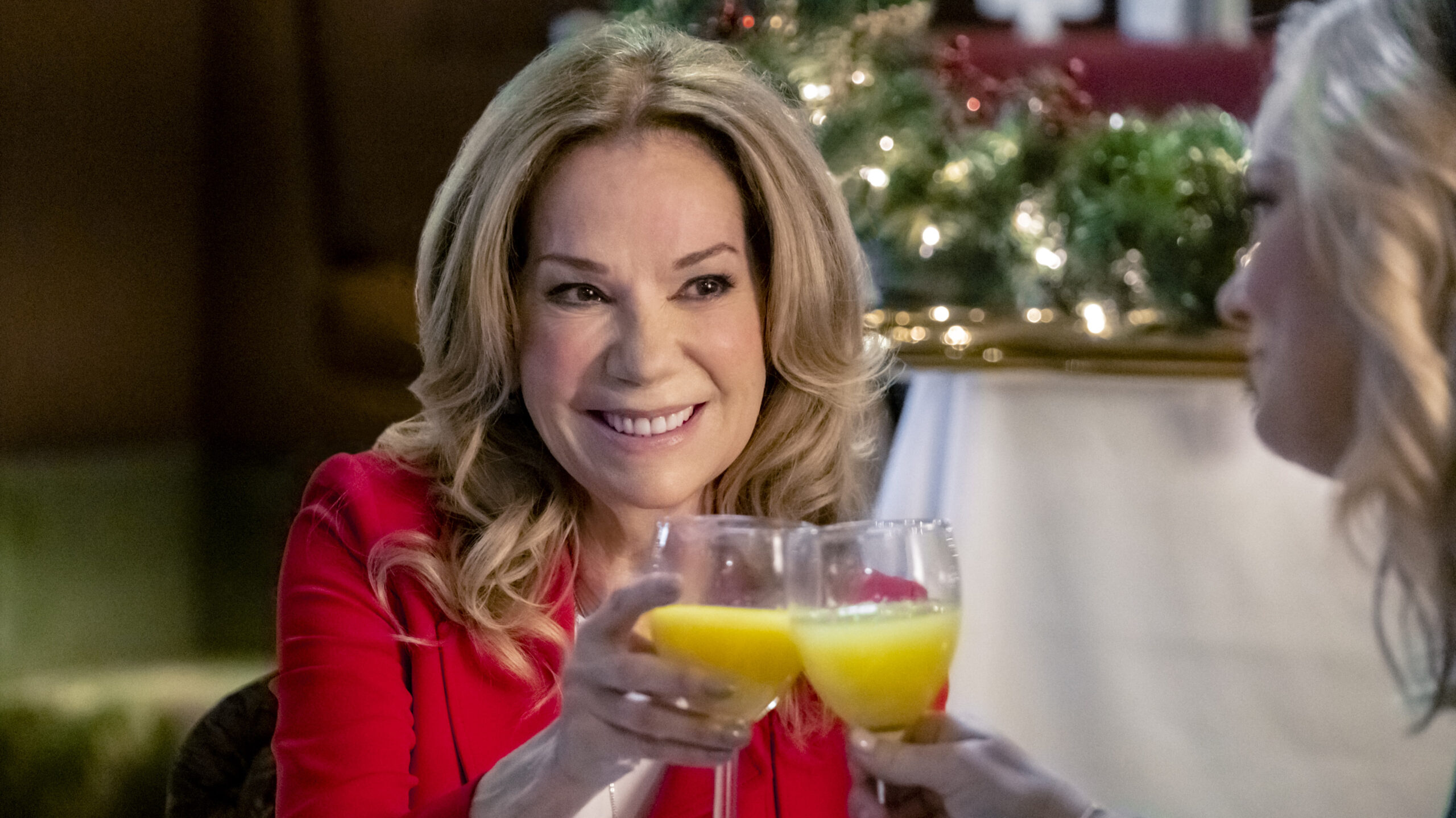
Kathie Lee Gifford returns to television with another “Hallmark Movies & Mysteries” film, this time with A Godwink Christmas: Meant for Love, a new holiday film based on a true story.

Gifford said it’s an incredible story. “It’s not just one God wink in this one,” she said, referencing the term coined by author and the producer of the film, SQuire Rushnell. “It’s chock full of Godwinks.”

The film chronicles a series of “Godwinks” that bring Alice (Cindy Busby) and Jack (Benjamin Hollinsworth), two strangers, together for a wedding and eventually a romantic relationship.

Gifford plays Olga, Alice’s mother, a “feisty and fiery” character who encourages her daughter to open up to the possibility of love, she said.

The movie is the continuation from Gifford’s 2018 Hallmark hit, A Godwink Christmas, a project she described as a journey years in the making. It took three years for Gifford to convince Hallmark to take a chance on the project.

This was also years after she met Rushnell, while working at Good Morning America. Gifford said the two teamed up to create A Godwink Christmas and the rest is history, fulfilling her dream of bringing inspirational content to television.

“We believe as producers that there’s no such thing as coincidence in this world,” Gifford told Guideposts.org. “In fact, there’s no word for it in the Hebrew language, there is no word for coincidence because it doesn’t exist.”

Rushnell coined the term “Godwink” to describe these moments of divine intervention.

“A Godwink is when [God’s] divinity intersects with our humanity,” Gifford said. “God reminds us, ‘I got you, I see you. I’m the architect of all of this.’”

Gifford has experienced these moments in her own life numerous times, she said, most notably in 1982 when she was walking down a hall and made a joke about eye surgery to a man putting in contacts.

“It turned out to be Frank Gifford,” Gifford said. “I was supposed to be in that hallway at 4:00 in the morning preparing to do a commercial with a stinky basset hound. Instead, I got the love of my life.”

Kathie and Frank were married for 29 years, until he passed away in 2015. Faith was the cornerstone of their marriage, and remains the cornerstone of Gifford’s career and source of her joy, as she described in her January 1996 Guideposts story. Gifford relished the opportunity to bring some of this faith to Hallmark.

A Godwink Christmas: Meant for Love can be seen on Hallmark Movies & Mysteries.

Kate Mulgrew’s Toughest Role: Alzheimer’s Caregiver

“Kitten,” my mother said to me one day, “you should be my mother.”

I was all of 14 years old, the oldest girl in a family of eight kids. I had dreams of becoming an actor and was painting a rhapsodic picture of my future in the theater when Mother offered her outlandish suggestion. “You’re strong, capable, sturdy,” she said. “You would be a great mother.”

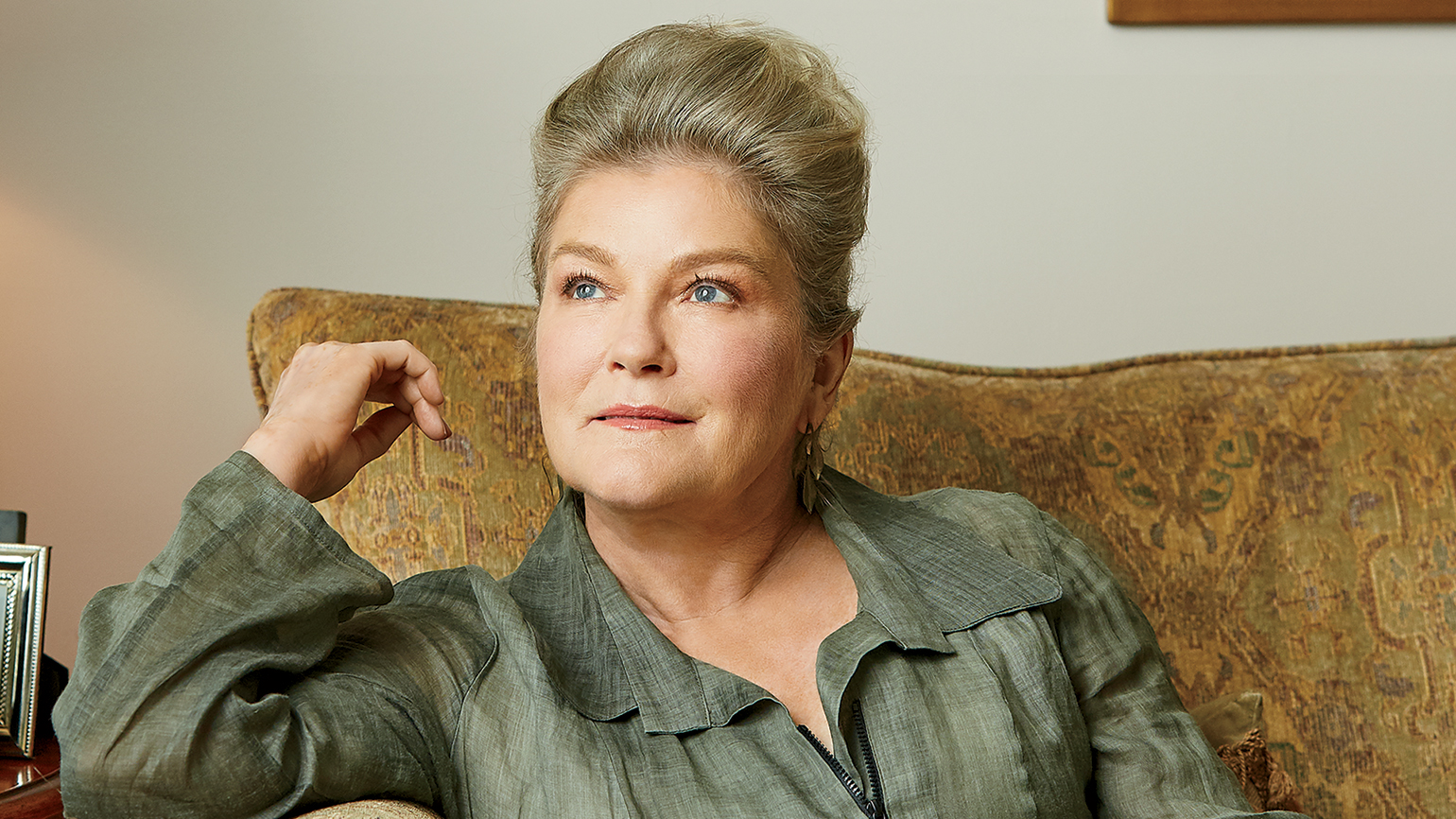
Actress Kate Mulgrew on the cover of the November 2019 issue of Guideposts
As seen on the cover of the November
2019 issue of Guideposts

We both laughed at the absurdity of it, the sheer eccentricity, but she went on to say how much she missed having a mother. Hers had died when she was very young. “You can’t get over it,” she said. “It’s a gap you never fill.”

She herself was a wonderful mother, though not much of a housekeeper—the laundry proliferated on top of the washing machine, there was never enough toilet paper or soap, and she hardly looked at what she was cleaning. But she was full of laughter and creativity.

An artist at heart, she converted a bedroom in our rambling house on the outskirts of Dubuque, Iowa, into a studio. The bookshelves were filled with biographies of great painters and plenty of opera tapes: Puccini, Verdi, Bellini, Berlioz. The room smelled of varnish, acrylics and coffee. On top of an old trunk were Mason jars filled with brushes, tubes of oil paints, boxes of pastels. On the walls were quotes written in Mother’s loopy script. “Glory be to God for dappled things,” said one, a line from Jesuit poet Gerard Manley Hopkins.

Mother naturally chose him for inspiration—it suited her fascination with the mystical. She’d go on retreats and have deep conversations with the abbess, Mother Columba, looking for answers. She prayed when times were hard, as they often were, and disappeared into her studio. She could be witty and playful, but then a serious or lost expression would appear on her face, as if she were a million miles away.

Formal and traditional in many ways, Mother could also dispense with rules. “Kitten, let’s go see a movie today,” she’d say and take me out of school for the afternoon. She’d pick me up in the family station wagon, and we’d head to downtown Dubuque for a matinee in a half-empty movie theater—Doctor Zhivago, The Sound of Music, Butch Cassidy and the Sundance Kid. “You look like Katharine Ross,” Mother would say, “only prettier.”

I never would have tried being an actress if not for her belief in me. Other parents might have scoffed at my dreams or pushed me toward a more practical path, but Mother encouraged me all the way. When the opportunity came for me to move to New York City for acting school, she was behind it 100 percent. There I got my first big break, a starring role in the soap opera Ryan’s Hope, and Mother became my frequent guest, the two of us doing up the town.

She instilled in me strong values that have proved immutable: honesty, decency, persistence. I might be hyperbolic, but I am incapable of lying. My greatest drive and my greatest pleasure are my work. But I would give it all up if I couldn’t share the fruits of success with those I love—especially my mother.

Sometimes I would come upon her in the kitchen, standing at the sink, staring out at the cornfields, the apple orchard, the evergreens and the statue of Saint Francis—her hands, her entire body, a veritable still life. She would return to the present when I came in, but I yearned to know where she had gone and what she had been thinking.

Tragedy hit our family hard when my younger sister Tessie was diagnosed with inoperable cancer at age 12. Mother nursed her in those last months, hardly leaving her bedroom. One hot July morning, Mother opened the window so Tessie could listen to the birds singing in the orchard during her final hours. It was the last thing she did for her dying daughter. After the funeral, Mother took herself off to the abbey and more time with Mother Columba. She came back gaunt and pale, never quite the same.

If at times she needed a mother, I was glad to fill the role. I wanted to comfort her, reassure her, give her relief. Then many years later, long after I left home, there came a time when the role reversal became more serious and more daunting than either of us could ever have imagined.

I was in Los Angeles, nearing the end of the sixth season of Star Trek: Voyager when Mother called. I could hardly hear her on the other end of the line. “Kitten, I think something’s wrong,” she said. There was a long pause.

Kate with her mother, Joan

“Take your time,” I said. “I’m here.”

“I think I may have had a series of small strokes.” Her voice was small and hesitant. “I fell out of bed, and my glasses broke.”

“Why do you think you had a series of small strokes?”

“It felt like electricity zapped my brain six or seven times…and then I fell out of bed.”

“How are you feeling now?” I asked.

“I think something came out of the wallpaper. Spiders…black spiders.”

I scribbled the words spiders and hallucination on a scratch pad, promising I’d be there as soon as I could.

Did I think Alzheimer’s? Did I suspect something as drastic as that? I couldn’t let my imagination go that far. But I called my youngest brother, Sam, who still lived in Dubuque, and he made an appointment with the best neurologist in town. Mother was calm enough in the waiting room, nestled between us. I just wanted the dread in my stomach to disappear.

In the examining room, the doctor went through a series of questions. What day of the week was it? What year? Who was our president? At one point, Mother glanced down at her right hand, where she had scribbled some notes in pen.

“Are those crib notes, Joan?” the doctor asked. We all laughed. How like our mother to think that she could outsmart a neurologist. The laughter subsided, and the doctor continued. At the end of the questions, he rose from his chair and faced all three of us. He waited until he had my mother’s full attention. “Joan,” he said, “I think there’s a very good chance that you are in the early stages of Alzheimer’s disease.”

He conceded that doctors had yet to fully understand the exact nature or progress of the disease—this was 1999. It was very hard to diagnose with precision, but judging from his experience he was sure she had atypical Alzheimer’s, meaning it wasn’t the hippocampus—the memory part of the brain—primarily being attacked but other parts, which explained the hallucinations.

That night, after a dinner of meat loaf and mashed potatoes, I suggested that Mother might want a bath. We went upstairs, and I poured some bath salts into the tub. Mother immersed herself in the warm water, and then I brought up the issue of her having someone she could trust, a health-care guardian, to protect her and see to her best interests.

She gathered her knees to her chest and rested her cheek there, like a young girl. She dipped her hands in the water and then pointed a finger at me. “You,” she said.

Me. I had a lawyer draw up the papers, and it was done. Something that had been almost a joke between us, a little secret, was now becoming all too true. I would be her mother. I would look after her.

In Alzheimer’s circles, the period between diagnosis and death is sometimes called the long goodbye, and with Mother it was the beginning of a very long goodbye: nine years of watching her decline. There were moments of joy when she seemed quintessentially herself, all her outspokenness and humor prevailing. In one of those early years, we went on a cruise together. On our first evening aboard, we received an embossed envelope with an invitation to dine at the captain’s table. I was seated next to the captain while Mother held court at the opposite end of the table, charming everybody.

Shortly before dinner was served, the captain lifted his glass and launched into a long monologue. Mother yawned loudly. “Mother!” I mouthed. She looked straight at me and said, “But he’s so boring.” She was right too!

On trips home to Dubuque, I’d take Mother for walks. One time, she asked to see new houses being built down the road, her natural curiosity alert and intrigued. But more often there was that sad gaze and the lost expression on her face that I remembered from when I was a child. Her personality would assert itself—then disappear. The last few years she was confined to her bed, her memory completely gone by then.

I had to believe that she knew me and remembered my promise to look after her, but when it came to her final days we called in another mother, Mother Columba, who would be able to say more than I ever could. Wearing her tunic, scapular and cincture, she sat on my mother’s bed and leaned forward, taking my mother’s hand in her own.

“Now, Joan,” she said, “I think you’re very tired and it’s time to rest. You’ve stopped eating and drinking, so you’re showing us that you’re ready to let go of life. Just think, Joan, you’re going to see what you and I have talked about for 30 years. You’re going to see God. You’re going to understand what you’ve been longing to understand your entire life. So don’t worry anymore. Your children are here, and they want you to rest. They want you to know it’s time to say goodbye.”

Maybe Mother would finally find whatever she was searching for those times I’d caught her staring out the window, looking beyond the statue of Saint Francis.

She was laid to rest in a casket that had been designed by Sam and handcrafted by Trappist monks.

Since then, I have become an advocate for others who see their loved ones suffer from this terrible disease. I have become friends with Dr. Karen Ashe, a professor of neurology at the University of Minnesota, who’s doing critical research on Alzheimer’s. It’s slowgoing, but little by little we’re learning more. I give what I can, and I urge others to give so that we may come up with a cure.

I also urge anyone who has a loved one with Alzheimer’s to join a support group. The Alzheimer’s Association has groups meeting all over the country. It’s important to know that you’re not alone, to share stories, to talk about treatment, to become part of a larger caregiver community.

No caregiver ever does it alone—I hardly did. But I feel lucky that I had the chance to show my mother how much I loved her. To give back what she gave me and then some.

For more inspiring stories, subscribe to Guideposts magazine.

Kate Bosworth’s Inspiring New Film

Actress Kate Bosworth stars in the upcoming movie 90 Minutes in Heaven (opening September 11), based on the bestselling book by Don Piper, a pastor who underwent a near-death experience following a horrific automobile accident. Kate portrays Eva, Don’s wife and caregiver, in the film.

Kate Bosworth on Faith and Her New Film

Acting is about connecting. Connecting with your audience. Which can’t happen without connecting with the character you’re playing. You need to know what makes her tick. You want to hear her tone of voice. You want to get inside her skin, her head, her heart. You want to feel what she feels and think what she thinks.

Sometimes, if you’re lucky, there will come a moment, almost an out-of-body experience, when you become one with the person you’re portraying. For me, in the movie 90 Minutes in Heaven, that moment was a turning point not only for the character but for me.

You might know something of the story behind 90 Minutes in Heaven. It was a hugely popular book by Don Piper, a Baptist minister. One cold January day, Don was driving home from a conference when he was hit head-on by an 18-wheeler going 60 miles an hour.

WANT MORE OF THE STORY? OWN DON PIPER’S 90 MINUTES IN HEAVEN

EMTs said he was dead at the scene. There was nothing they could do except wait for the Jaws of Life to cut his body out of his mangled car. But Don was not trapped in the wreckage. He was on a dazzling journey that took him to the gates of heaven, a light-drenched place of enormous peace.

The 90 minutes that he spent there would ultimately change his life forever, but the struggles he faced after he returned to earth were so overwhelming, he wouldn’t talk about his experience for a long time, not even to his wife, Eva.

Another minister came upon the accident and pulled over. He felt compelled to pray over Don’s lifeless body and started singing “What a Friend We Have in Jesus.” The next thing the EMTs knew, Don’s heart was beating again. He was alive, singing along with the minister.

He was cut out of the car and rushed to the hospital. Almost every bone in his body was broken. His recovery was grueling: 34 surgeries, 122 days in the hospital, then 13 months in bed at home. Eva was the one who held the family together. She had to be wife, mom, caregiver, breadwinner.

Guideposts: Kate Bosworth and Eva PiperI play Eva in 90 Minutes in Heaven. When a movie is based on the lives of real people, you feel an enormous responsibility to get their story right. Fortunately, the director felt the same way. I know because he’s my husband, the filmmaker Michael Polish.
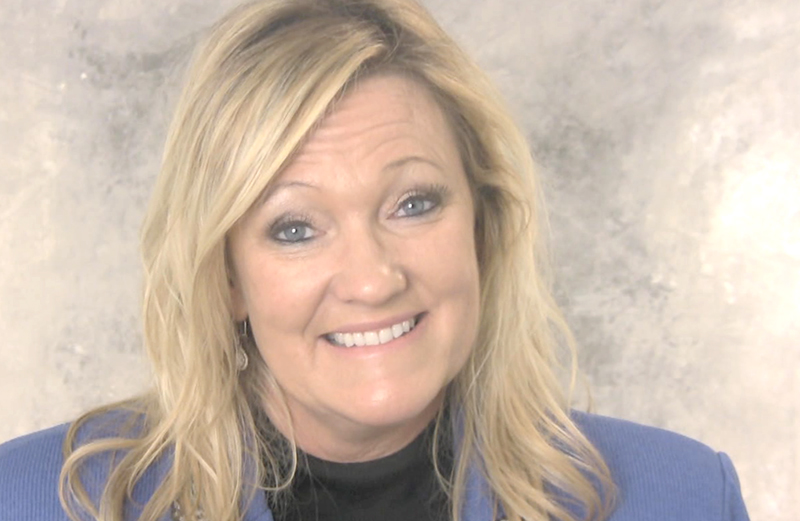
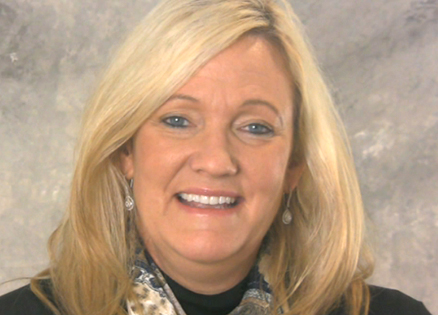
We’d just started dating when Michael was asked to adapt Don’s book for the screen. Looking back, I don’t think it was a coincidence that the book came into Michael’s life around the same time I did. We loved the Pipers’ story. We were drawn to the dynamics of their marriage, perhaps because we saw something of ourselves in them.

LEARN MORE: DON PIPER ON PRAYER

Michael, like Don, is a very patient person. I’m a lot like Eva. We’re both strong-willed, practical, energetic women who just want to go and get things done.

But it takes time to bring a story to the screen. For us, it took four years. What a test of faith—and patience. Michael was able to trust that the right people would come together for the movie to happen. Eventually, when Rick Jackson—who believed in the story the way we did—came on board as producer, they did.

The first night on location, the Pipers joined the whole cast and crew for a kick-off dinner. Rick set the tone. “There will be times in the next weeks when we’ll be tired and cranky and everyone will feel stretched to the limit,” he said. “What I challenge you to do then is, make this not about yourself. Make this about sharing a real-life story that will inspire others.”

Inspiring others…that was Eva. She was such a saint, tirelessly taking care of Don and their three kids, working long days as a schoolteacher. How can I make her someone the audience can relate to? I wondered. Did she ever feel like giving up? Did she ever blow up at her husband, at God?

Before filming, Eva and I talked so I could ask her all my questions. I admitted that I was nervous about playing her. “I keep putting you up on a pedestal,” I said. “You seem like you don’t have flaws the way the rest of us do.”

She laughed. “You don’t have to worry about that,” she said. “I’m very human.”

She told me about the time not long after the accident when Don was undergoing major surgery, a very risky operation that doctors warned her he might not wake up from. She had a moment alone with him before he went into the operating room. “He looked dead lying there on the gurney,” she said. “Not like my husband at all.”

READ MORE: PROOF OF LIFE AFTER DEATH

That was when she broke down and cried out to God. “I’d prayed my whole life, but I didn’t really understand the pure necessity of prayer until that moment, when I felt like I had nothing else left,” she said.

Eva told me that Don was impossible when he came home from the hospital. His pain was so excruciating, it was like hell on earth. Such a contrast to his time in heaven that he questioned why he was even alive.

Instead of talking to Eva, he withdrew. He was self-pitying, irascible, sometimes downright mean. For months she’d been trying so hard to hold their family together, and that didn’t even register with Don.

Finally she let him have it. “Don’t you want to see our kids grow up?” she demanded. “Don’t you want to grow old with me?” Her words shook Don to the core. And they resonated with me. I could imagine saying the same things to my husband.

Eva and Don had gone through a trial that would break many couples, but she said there were always bumps in the road of a long marriage.

“You’re driving along and you’ll go way up, and you think, This is so exhilarating and thrilling and amazing! Then, all of a sudden, you’ll come down and you’re losing your stomach and going, This is terrible! I don’t know how to bounce back from this.

Yet she did bounce back. What made that possible was prayer—specifically the prayer she said when she broke down at the hospital. I knew it would be the hardest scene in the movie for me, my biggest challenge.

Eva and I got into texting each other. She was open to me asking anything. How were you feeling when you were driving to the hospital that day? Was there a song playing on the radio? She gave me the details I needed, but how was I going to show her praying? It’s one thing to talk about or read about, but how would I make it real on film?

LEARN MORE: DON PIPERHOLDING THE HAND OF AN ANGEL

She made me a video of herself saying the exact words she’d prayed. They were from the Bible, Jeremiah 29:11–12: “For I know the plans I have for you, says the Lord, plans for welfare and not for evil, to give you a future and a hope. Then you will call upon me and come and pray to me, and I will hear you.”

“You know, Kate, people often leave out that last part,” she said. “But it’s really important because it’s all about prayer. We call on God and he hears us.”

I memorized those words. They weren’t in the script, so I didn’t expect to say them aloud on camera. I would just hold them in my heart.

The day to film the scene finally came. In making a movie you don’t usually shoot things chronologically, so you have to be ready to go forward or backward in time. Like I said, this was shortly after the accident. Don had to go into surgery. Eva went to the hospital to see him. Doctors said it was not only possible but probable that he wouldn’t survive the operation.

I’d felt really comfortable being the pragmatic Eva. But this was Eva at her most spiritually vulnerable. She hadn’t had a light-infused journey to heaven and back. She didn’t even know about Don’s experience yet. She was here on earth, standing over her husband, who looked like the life had been drained out of him.

She’d never felt so desperate, so far from God. How could I show that?

I kept repeating the passage from Jeremiah, then asked Michael, “What if I say that verse on camera?”

He nodded. “Let’s try it that way.”

I was still in my dressing room when I got a text from Eva: You’ve been on my mind all morning. What’s going on?

READ MORE: A SNEAK PEAK OF HEAVEN

She knew. Something had told her that this was the day.

You’re going to do great, she said.

Finally I stepped onto the set. We began filming. That’s when it happened, that out-of-body experience actors hope for, the moment when you and the person you’re playing become one. I was Eva. I didn’t have to pretend that Hayden Christensen, who plays Don, was my husband. I knew it. Just as I knew Eva’s anguish, deep in my heart and soul.

I was in the moment. “For I know the plans I have for you, says the Lord….”

That was the turning point for Eva. She would have countless challenges ahead, but she knew that God had heard her. He would never leave her. The assurance gave her understanding when Don finally told her about his 90 minutes in heaven.

That scene was a turning point for me too. Becoming Eva so fully gave me a new sense of how trust works—in the artistic process, in relationships, in hardships giving way to breakthroughs, and, perhaps above all, in the power of connection.

DID YOU ENJOY THIS STORY? SUBSCRIBE TO GUIDEPOSTS MAGAZINE.

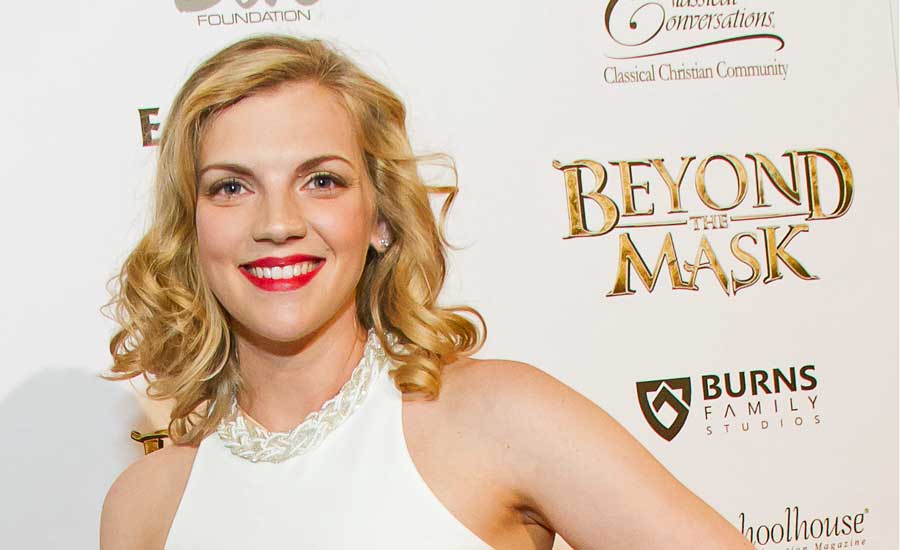
Kara Killmer On ‘Beyond The Mask,’ ‘Chicago Fire’ and Faith in Film

Picture this: a faith-based, action-adventure romance film set during the international turmoil of the Revolutionary War. That’s the best way to describe the genre-busting new film, Beyond the Mask. Sound interesting? Kara Killmer certainly thinks so.

The actress, who’s been gracing our TV screens this year as Sylvie Brett on NBC’s hit show Chicago Fire, is making personal and professional history with Mask, starring in her first major motion picture in a film that’s blazing a new trail in the faith-based genre.

READ MORE: AN INSPIRING ROLE MODEL

When Beyond the Mask opens in theaters June 5th it will be the first live-action Christian family-adventure film to ever hit the big screen.

In Mask, Killmer plays Charlotte, a woman of strong faith and conviction who finds herself pulled into danger when the man she loves (Andrew Cheney) attempts to thwart a British plot.

“The verse that comes to mind for Charlotte is ‘Gentle as a dove, shrewd as a serpent,’” Killmer tells Guideposts.org.“That was one of the things I really appreciated about her. I think she is very strong in her faith and she’s very rooted in her moral compass.”

It’s a swash-buckler to be sure, but it comes with an inspiring message.

“It has the whole package,” she says. “I think people who aren’t in the faith could watch it and it sort of be a conversation starter about redemption but I also think that people in the Christian community can get a lot out of it because the theme of the movie really is that there’s no point to which you can strive without the Gospel.”

Killmer also appreciated the chance to join the ranks of women inhabiting the kind of leading roles in Hollywood that just haven’t been available before.

“This is a great time in entertainment for heroines,” the actress said of being able to contribute to the conversation on feminism in film. “There’s a lot of material being written for leading ladies and for women saving the day, but at the same time, I feel like there’s a continual redefining of what feminism is. What I liked about Charlotte is that she is very strong, but some of her strength comes from her obedience and faith, her perseverance and compassion and different things like that, that people don’t necessarily view as being the top tier of feminine strength.”

READ MORE: EDUARDO VERASTEGUI CHOOSES GOD OVER HOLLYWOOD

Besides fulfilling her dream of acting in a period piece, becoming a leading lady and donning a corset – spoiler alert: those things are tight – the actress has also enjoyed starring on Chicago Fire this season, calling the show one of the most rewarding and eye-opening experiences of her career.

“It was wonderful,” Killmer says. “The cast was so kind, nobody was pretentious, nobody treated me like the newbie. Everyone was so inviting. There wasn’t a single person that made me feel like a new kid.”

Killmer was also able to discover a new appreciation for the men and women her show depicts on screen.

“Of course we’ve gotten to meet a lot of real Chicago firefighters and real paramedics and they’re just the salt of the earth. They’re wonderful and so dedicated and it’s very rewarding to be able to work on a show that’s putting the limelight on our civil servants.”

But if you think working on one of the hottest series on TV right now gives her more insight into the next season of the show than the rest of us, think again. The actress admits even she was in the dark about her character’s new romance with Officer Sean Roman from Chicago P.D.

“They really keep those things close to the vest, even from us. I had no idea that they were putting Brett and Roman together until the day before we started shooting the episode. They gave me nothing for where it’s going to go. They’re revising and reshaping things as we go to fit the chemistry of the actors and to see where the performance takes it, so it’s really like a living organism.”

With so much success, Kilmer credits her faith and her family for helping her stay grounded.

“There’s always somebody ready to praise and there’s always somebody ready to criticize so I just think, as long as my mom isn’t calling saying ‘I’m really concerned about this’ then I’m okay.’”

‘Beyond The Mask’ hits theaters June 5th.

Just Like His Father

Creating wholesome entertainment in Hollywood isn’t always easy. Neither is following in the footsteps of one of the most beloved, recognizable father figures in TV history. But that’s just what director Michael Landon Jr. has done, crafting a career out of telling stories that parents can feel good about watching with their kids—like the new family-friendly movie The Velveteen Rabbit.

Landon had the kind of childhood so many kids dream about. “I grew up on the sets of Bonanza and Little House on the Prairie,” he says. “They were magical times for me.” He was especially enchanted with the Bonanza visits: “I mean, my dad was playing a cowboy! Riding horses, shooting guns, getting bad guys. I have these amazing memories of seeing all this stuff unfold.”

By the time Landon Sr. was appearing on Little House, his 9-year-old son started showing an interest in his profession. “My father wore several hats; I got to see him as a writer, director, producer and actor. And it was definitely the directing part that interested me the most.”

These early happy experiences profoundly affected Landon, and much of his professional life has been dedicated to making the kind of movies that would fit right in to the Little House world.

Take his most recent project, The Velveteen Rabbit. In this film, Landon has created a fresh interpretation of an iconic children’s book. While Margery Williams’ novel, first published in 1922, centers on the plush toy’s quest to become real through the love of a boy, Landon’s movie instead tells the story from the boy’s perspective.

This half-live-action, half-animated adaptation (which is more “inspired by” than “based upon” Williams’ book, says Landon) imagines the boy—named Toby—”sent away by his very busy father to spend the holidays with his stern, cold grandmother.” He feels unloved in the real world, but Toby discovers a “magic attic” where he can escape into an imaginary world full of love.

“In the Margery Williams classic, [the lesson is that] the more you are loved, the more real you become. What I took from that was the basic theme that love makes us real.”

Landon’s own storybook childhood came to an abrupt halt when, at age 15, his parents went through a bitter divorce. “It was devastating,” he says. “I think it was heightened by the fact that I had, not only in my mind, but in the audience’s minds, the perfect father.”

Angry and confused, he went into a tailspin of drug and alcohol use. “The teenage years are rebellious for everyone,” says Landon, “and some take it further than others. The difference in a broken home is that you don’t come home to the same stability anymore. So as you’re trying to spread your wings and test things, there’s no haven to come back to, because the parents are going through their own crisis. There’s no foundation.”

For the next three years, as he went off to film school to pursue his dream of becoming a director, Landon continued to struggle with substance abuse. During that time, his mother began having some life-changing conversations with her manicurist, Lois. While working on his mother’s nails, Lois “would give her tidbits of wisdom; she would apply them to her situation and realized they worked.” When his mother asked the source of this wisdom, Lois told her, “Let me take you to church.”

And so his mother began attending church services. She got so much out of them that she encouraged Michael to go as well. “She knew I was in a lot of pain,” Landon explains. “But I refused, had no interest whatsoever. Finally, just to appease her, I told her I would go. I can’t remember what the pastor was talking about that day, but he spoke to my heart.” Even then, Landon resisted regular church attendance—until one day “finally I surrendered and turned my life over to Christ.”

Healing the hurt and recovering from drugs and alcohol, however, did not happen overnight. “It was definitely a process—an onion,” says Landon. That process included letting go of his anger toward his father; the two found some peace before Michael Landon Sr.’s untimely 1991 death, at the age of 54.

Like his father, Landon has had success producing wholesome entertainment—much of it set in bygone eras—including Jeannette Oak’s Love Comes Softly TV-movies for the Hallmark Channel.

“One of the reasons I love period [The Velveteen Rabbit is set in 1910] is that no one is expecting language and nudity. I feel responsible for what it is that I’m showing.”

He finds this brand of entertainment to be disappointingly rare in Hollywood, especially in TV programming. “It’s an audience that is underserved. When you tell a good story, even if it doesn’t have all the dollars and the talent behind it, people still will come and see it. It’s either teaching them or affirming how they see the world, what they want for themselves and their families.”

As blessed as he’s been, Landon’s greatest success is his family: He’s happily married, to actress Sharee Gregory, and they have three children (Ashley, 17; Brittany, 14; and Austin, 10). “I’ve been married for 20 years now, been faithful to my wife, have three amazing children, but I don’t take credit for any of that because without God, I would’ve messed it up by now, there’s not a doubt in my mind. At the end of the day, it’s definitely not me. I take no credit. There’s nothing else but grace to me, nothing else.”

Julian Fellowes: The Inspiring Creator of Downton Abbey

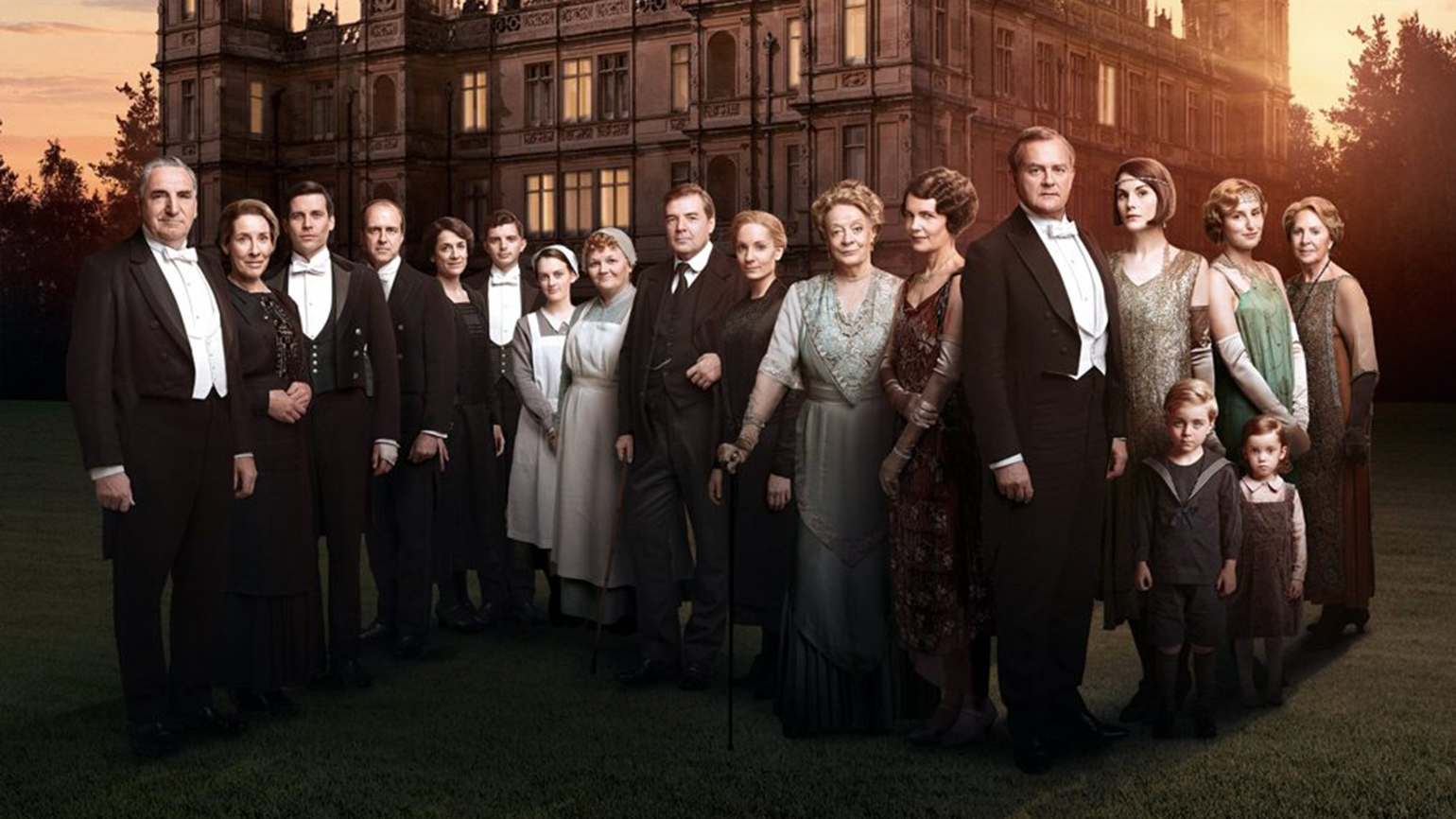
I don’t watch much TV but my wife, Carol, and I eagerly awaited every episode of Downton Abbey, and we look forward to the movie. Maybe that’s because we have a vested interest. You see, the writer who created Downton Abbey got a little inspiration from Carol.

Julian Fellowes is a marvel with his own inspiring story. I wouldn’t say he was born with a silver spoon in his mouth, but he went to good English schools and came from a solid family. No fancy title but a fine heritage including an ancestor who was the founder of the short-lived Downton Agricultural College. (Would that be where he got the name for his TV series?)

He started out as an actor. Worked in theater. Went to L.A. and auditioned for a slew of movies and TV shows. He got work, no doubt about it, in the States and in Britain, but you’d hardly call Julian Fellowes a Hollywood star.

To buy a copy of Rick’s latest book, Prayer Works, click here.

It was only when he took his hand to writing that his gifts came to light. He wrote the screenplay for the brilliantly clever film Gosford Park and won an Oscar for it in 2004. Pretty impressive.

Even more impressive to me is to think of the dogged persistence it took to discover the depth of his talents. Hollywood might always seem to reward the young and restless. Well, Fellowes was well into his fifth decade when he won that Oscar.

Turned out it was only a warm up for the absorbing travails of the Crawley family and their servants. Downton Abbey was a huge hit from the day it launched and all through its 6 seasons.

Before the second season came out in England, some reporter asked him where he got the idea for Downton. He said that he’d read this book called To Marry an English Lord, about the American heiresses who married into the British aristocracy at the turn of the century. He wondered what one of those heiress’s life would have been like 20 years down the road. The rest is TV history.

Here’s the hook. My wife, who writes under the name Carol Wallace, was the co-author of To Marry an English Lord. When she reached out to Julian, he couldn’t have been more gracious. In fact, he provided a blurb for the reprint of To Marry an English Lord that led to it selling thousands of more copies.

I’ve only met Julian once, and he was a delight, as you can imagine. Kind, witty and charming. But I think it goes back to what he learned on his own journey to success. To give credit where credit is due. And to never give up. Never.

That’s the inspiring story behind Downton Abbey. Enjoy the movie. We certainly will. Thanks Julian.