

Embrace God's truth with our new book, The Lies that Bind

Dolly Parton’s Memorable Guideposts Moments

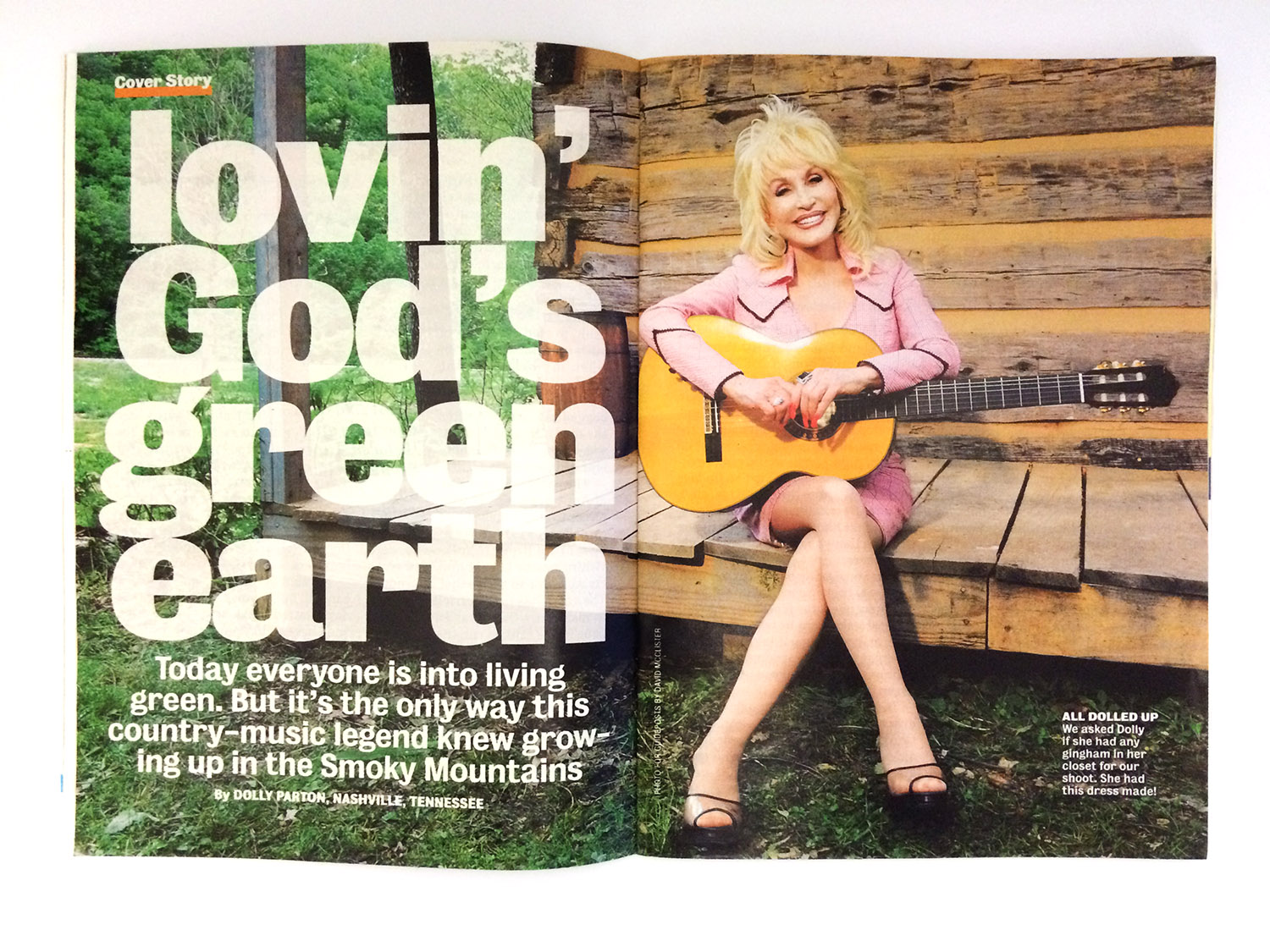
She’s the Queen of Country music. A living legend. A Medal of Freedom honoree. A woman of deep faith. And she’s been featured on the cover of Guideposts magazine three times! Come along with us as we look back at some of the memorable stories Dolly Parton has shared in Guideposts. Thank you, Dolly, for inspiring us through the years!

Dolly Parton’s Home in the Mountains
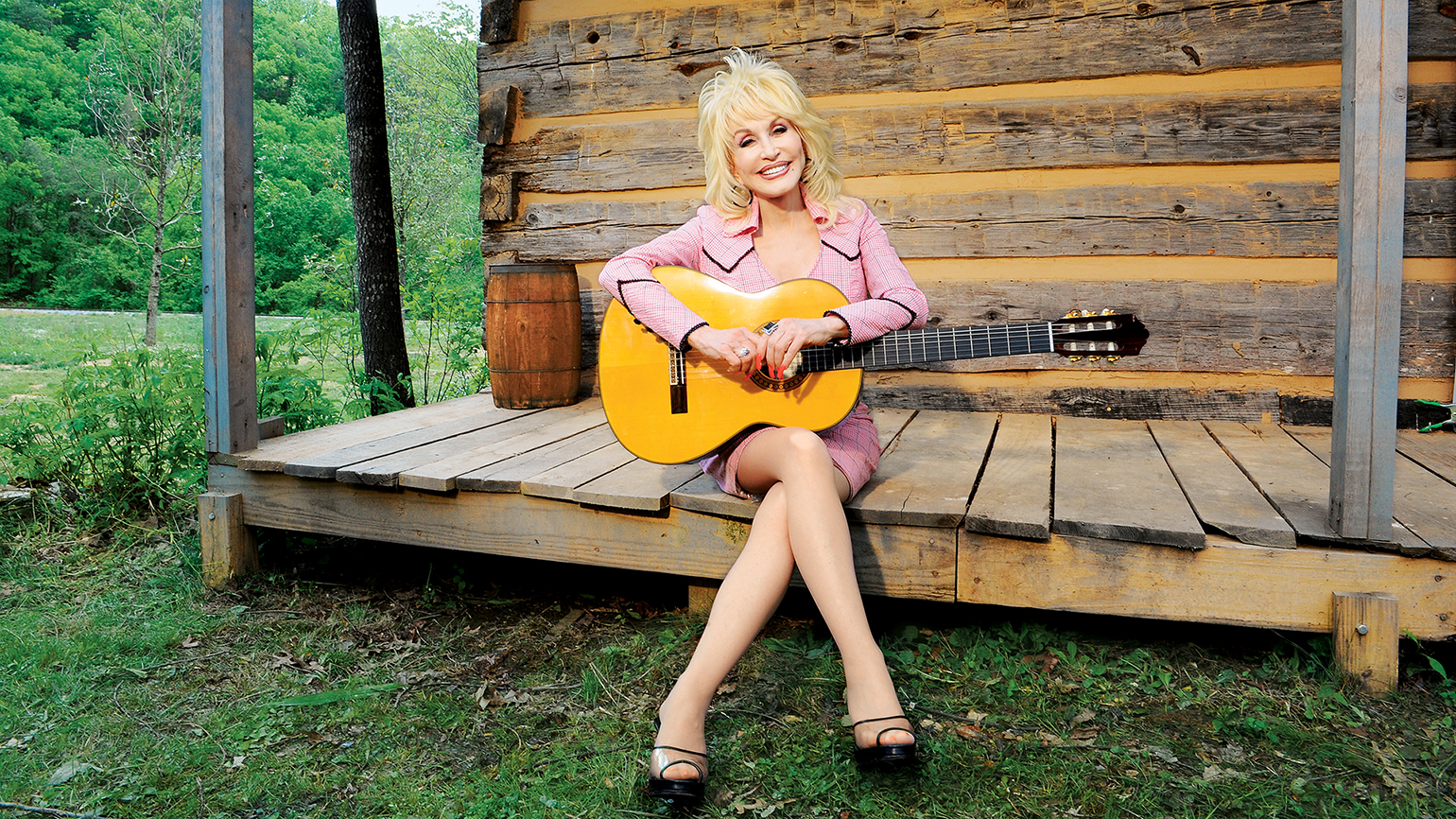
Did you hear? I got a new job this year, one I’m thrilled to pieces about.

It’s the 75th anniversary of the Great Smoky Mountains National Park, and they’ve made me their ambassador.

Don’t look so surprised! I know I don’t seem like much of a nature girl and, okay, I probably won’t be going hiking in my heels anytime soon. But the Smokies…they touch my soul. Let me tell you why.

All that I am comes from those mountains where I was born and raised.

If I close my eyes, I can see the mist on the peaks, the bluebirds on the fencepost, the meadows filled with purple ironweed and wild daisies.

READ MORE FROM DOLLY PARTON: DOLLY’S DREAMS

I remember chasing butterflies and hummingbirds and tying June bugs to a string to make what we called ’lectric kites (don’t worry, we released them).

I loved running barefoot in the hills, my feet tender in the spring then brown and tough by summer’s end. Just hearing the word “barefoot” still conjures up a sense of wonder and freedom for me because that’s what I had growing up.

Not that life in the Smokies was easy by today’s standards. I was the fourth of 12 children of a sharecropper and his wife.

It was so cold the day I came into the world that when the kitchen in our one-room cabin was mopped, the water left a film of ice on the floor. The doctor rode up on a horse, and I like to think God guided their steps along the snowy mountain ridge leading to our cabin, much the same way he guides my every step today.

The land Daddy farmed then belonged to an old woman named Martha Williams. We called her Aunt Marth. She had an old spinning wheel that seemed as big as a Ferris wheel, and I’d watch her make yarn. It was magical to me, like spinning dreams out of thin air.

Aunt Marth would put me up on her knee and sing: “Tip toe, tip toe, little Dolly Parton, tip toe, tip toe, ain’t she fine…” I was amazed that she knew a song that had my name in it, never thinking that you could put anybody’s name there.

Later on, Daddy bought us our own place way back in a mountain holler. It was overgrown, the fences were down, the roof leaked, but he worked day and night and made something of it.

I like to joke that we had two rooms and a path and running water—if you were willing to run to get it.

In all seriousness, though, we had everything we needed. I should say, God gave us everything we needed, and almost all of it came right from his good green earth.

Everyone’s into living green now—for good reason—but that was the only way we knew how to live back then in the mountains.

Daddy planted beans, corn, pota­toes and turnips. He hunted, so we’d have meat—bear, turtle, rabbit, squirrel, groundhog. We went fishin’ and froggin’ and ate whatever we could catch.

Sometimes people will say to me like they can’t believe it, “You ate possum?!” and I tell ’em, “We ate what we got and we were glad to have it.”

We raised chickens that peered up through the cracks in the floorboards for bits of bread and crackers. We picked berries from the bushes, fruit from the trees. Mama canned everything and put it up for winter. About the only things we had to buy from the general store were coffee and sugar.

Mama was a great cook and taught us all her tricks. But she was always cooking for 12 growing kids, so even now when I get a hankering for chicken and dumplings, I can’t make just a little bit for my husband and me. I make a huge pot, enough to feed a family of 14, and then I’ll have company over or put the leftovers in containers and freeze ’em for later.

Finding a way to put everything to good use, that was a way of life in the Smokies. It wasn’t just about taking care of what we’d been given. It was about survival, about trying every day, every minute, to make things a little bit better.

Our whole family would work for days to clear trees and move rocks just to scratch out enough land to plant one more row of corn. Our labor was worth it. There was gold in that fat ear of corn and the home-churned butter we rolled it in.

We kids never had any store-bought toys, but we made up plenty of games to play with each other. One time I decided we should dig a hole to China. We picked a spot and started digging with tin cans and knives and forks, just about anything that moved a little bit of dirt.

One of my brothers insisted that if we got to China we would all be standing on our heads, but the rest of us pooh-poohed that notion. Even if we never did make it to the other side of the world, we learned how to dig for our dreams…kind of like the way people put feet to their prayers. We discovered that powerful combination of imagination and hard work.

My sisters and I played house with moss. There was a kind of thick, luxurious green moss that grew in the shady places up in the hills. We’d use it to cover stumps and pretend they were upholstered chairs and sofas or we’d lay it on the ground for carpet.

Even today I’d be hard-pressed to find anything more beautiful in a store. Spend a little time in nature, and you just have to marvel at the wonders of God’s creation.

Take pokeberries. They’re dark purple and when you mash them up, the juice is like a dye. We painted our skin with pokeberry juice so that it looked like we were wearing bracelets or wristwatches.

Sometimes we would paint what we called Jesus sandals on our feet. We would dress up in gunnysacks for robes and carry tobacco stakes as our walking sticks and go gallivantin’ through the holler pretending we were the disciples. We felt real holy, but somehow our kinship with Jesus was lost on Mama when we came home covered with those awful purple stains.

I don’t know how he found the time, but Daddy made us little toys, cars that he whittled out of branches. He’d use old thread spools for wheels and rubber bands to make them run. You’d wind them up and off they’d go, clattering across the front porch.

Mama made us things too. Once she made me a doll out of a corncob with a corn-shuck dress and corn silk for hair. I named her Little Tiny Tasseltop, and she inspired my first song.

Daddy said that I sang before I even talked. That might be something of a tall tale (we mountain folk love a good yarn), but music ran deep in me, that’s for sure. I could latch on to anything that had a rhythm or tune and make a song to go with it.

I would hear two notes of a bobwhite or the sound of Mama snapping beans, and before I knew it, I’d be tapping on a pot with a spoon and singing. I loved it when wild geese flew overhead. I would get into their honking and snap my fingers to their cadence and sing with them, yearning to fly myself.

Life in the mountains wasn’t always blissful. There were scary things too. Bobcats that let out blood-curdling screams in the middle of the night. Panthers that supposedly could reach through a crack in the wall and grab babies from their cribs. I never actually saw a panther, but I knew the cracks in the wall existed.

Once a tornado swept through the holler. We heard the wind howling and we could even feel it through the cracks in our walls. Mama had us all on the floor, praying “that the storm will pass over us and leave us unharmed.” Those of us old enough to know what was really going on prayed like we’d never prayed in our lives. We—and our house—survived the tornado pretty much unscathed.

That was just one of the miracles of my childhood. Another came every year—Christmas. The mountains looked so stunning in the winter. Snow had a way of making even our humble house beautiful…the glow of the fire through the windows, the crackle of a pine knot burning, even the smoke that curled in the clouds.

We’d bring in fresh snow and mix it with vanilla, milk and sugar to make snow cream, the closest we ever got to ice cream. Daddy would go out to find a tree, a cedar with an old bird’s nest in it. We added to nature’s ornaments with strings of popcorn and Mama’s gingerbread men.

There was an unspoken truce among us that allowed the gingerbread men to hang in peace until Christmas Day. After that, forget it. We’d be looking at a tree decorated with gingerbread heads.

I knew there was a world beyond the Smokies—the geese and butterflies had to be flying somewhere, after all—and I wanted to see it for myself. So I moved away after high school. But I always came back for what I discovered growing up there: wonder and wisdom, music and inspiration, freedom and faith.

Even today, in these hard economic times, I think, well, if the worst happens and I lose everything, I can always go home to the mountains, plant a vegetable garden, maybe raise a few chickens.

I’ll go back to God’s green earth and he’ll give me everything I need, just like he always has.

For more inspiring stories, subscribe to Guideposts magazine.

Dolly Parton: Dream Big, Pray Big
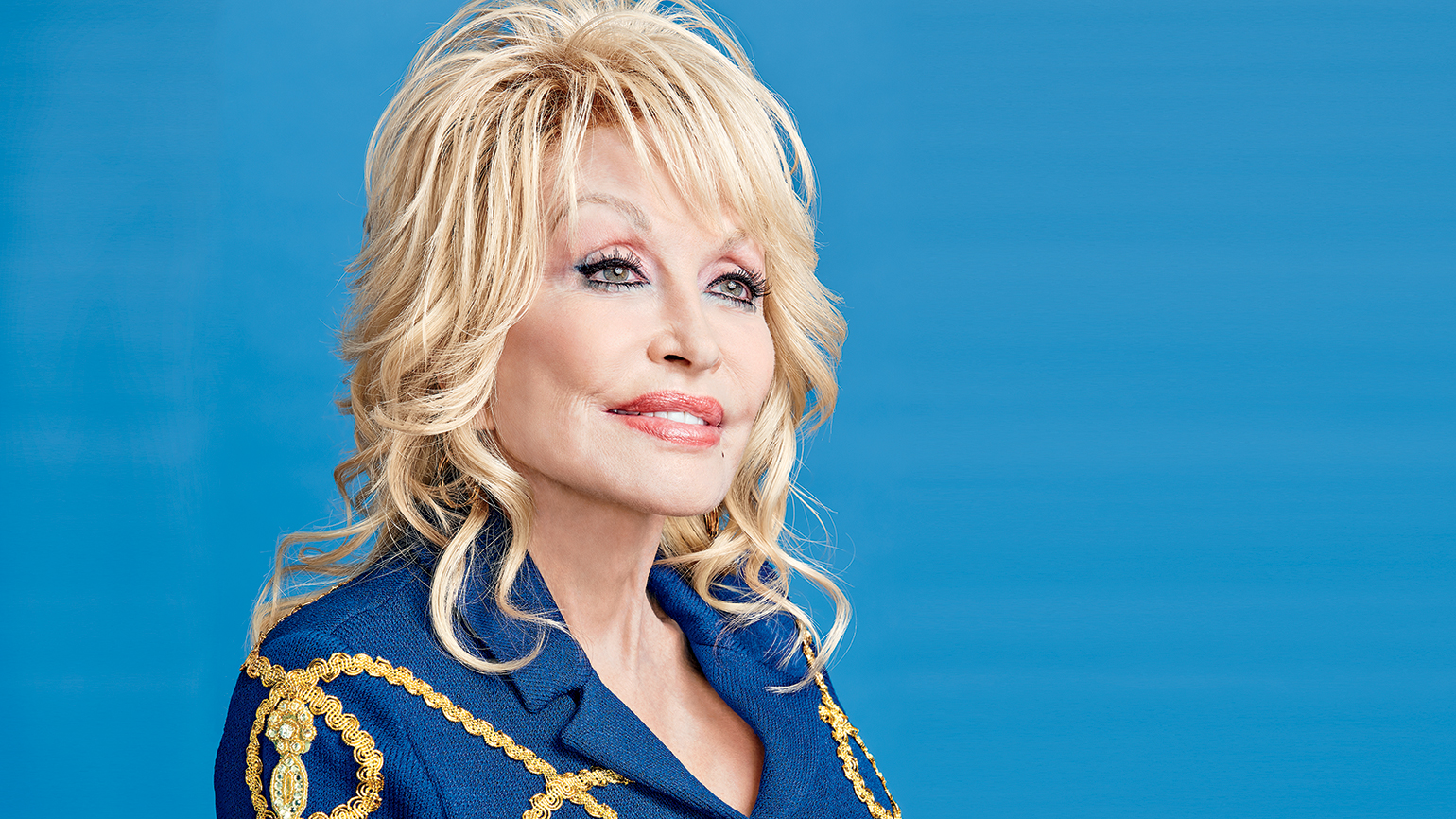
How did someone like me, born in a cabin on the banks of the Little Pigeon River in the Great Smoky Mountains of Tennessee, end up where I have in life? The answer is both complicated and simple. I like the simple part. I dreamed big and I prayed big. Then I worked like the dickens at the opportunities the Lord put before me.

Dolly Parton on the cover of the june-July 2020 issue of Guideposts
As seen on the cover of the June-July
2020 issue of Guideposts

We didn’t have much back then in that one-room cabin with the dirt floor, even less than that most times. Daddy was a sharecropper and later a farmer, a man who worked in the fields until his hands bled to provide for us, his 12 children. He couldn’t read, but he was still one of the smartest men I ever knew.

Community Newsletter

Get More Inspiration Delivered to Your Inbox


I was the fourth child in the lineup (you could say almost all of us were middle children!), and when I was trying to make my grand entrance, Mama was having a lot of trouble with the process. Back then in the hills with us rural folk, you didn’t go to the hospital. You had your baby at home. But with me they needed a doctor quick.

Daddy got on a horse and galloped into town, where there was an old church and a Methodist minister who happened to be a doctor. Dr. Robert F. Thomas rode back with Daddy and got to Mama just in time. There’s a good chance I might not be here without him. I’m pretty sure I came out crying big. I bet I could have hit high C even then! Which brings me to my first dream.

I Want to Sing
I wrote my first song at age five. Mama had made me a corn cob doll with beautiful corn silk hair, a dress made of shells and black eyes Daddy had put on with a fire poker. “Little tiny tassel top,” I sang to it, “I love you an awful lot / Hope you never go away / I want you to stay!”

I would take a tin can, put it on a tobacco stake, stick it in a crack on our porch and serenade the pigs and chickens and ducks in the yard. At first my siblings guffawed, but then they noticed something: I could sing. I took notice too.

We Partons sang in church and played our own instruments too. My uncle gave me a guitar when I was eight. I strummed it till my fingernails cracked. I learned to play fiddle, like most everyone in the family did. More and more, music felt like what I wanted to do for the rest of my life. It became my first big dream, and naturally I asked God if I was on the right track and if he would help, to make this dream ours together.

I knew I couldn’t just stay in the hills. The minute I graduated from high school, I moved to Nashville, ready to launch my career as a singer and songwriter. I was only 18 years old. Sure, it took a lot of grit and determination, all those qualities I’d learned from growing up where I did.

That hard life—or at least what some might call it—was a blessing. I learned if you didn’t get something the first time you tried again and again until you did or something else came along that you probably were supposed to get in the first place!

Eventually my blessings came in bundles. I wrote and published more than 3,000 songs. Imagine, it all started in a little old country church and singing to a bunch of barnyard critters. Who could have dreamed that it would lead to the Country Music Hall of Fame? Plus Oscar nominations for a couple of movies you might remember.

You know what I found? One dream is just a stepping stone to another.

I Want to Give Back
As I said earlier, my daddy couldn’t read. A lot of his generation in our neck of the woods couldn’t. That didn’t mean they weren’t smart. Heck, they were some of the smartest. But I learned that reading not only opens up new opportunities for folks; it opens up whole new worlds. Reading puts your imagination into hyperdrive, like Spock and Captain Kirk do with the Enterprise. You just go light years!

So what did I do with this dream? Again, I started with prayer, making sure the Lord didn’t think I was off my rocker. Then an idea came. I started something called the Imagination Library.

My wish was for every child who yearned for a book—like me—and didn’t have one or the means to buy one to be able to get a copy of their own. We could give away books all around the world. There is nothing so empowering and liberating as a book given to a child who has none.

I partnered with thousands of local organizations who knew how to get something like this done. In the past 25 years, we’ve given away more than 130 million books all over the world to children who might never have had any. Think of that! Think of the power of a book to fire the imagination. To ignite learning for years to come.

A book can be like a seed leading to a lifetime of growth. Back when I was growing up in the backwoods of Tennessee, a book was a rare commodity for a young ’un. But once I got one and learned to read, I never stopped. To this very day, I’m always in the middle of one book or another, keeping my imagination in hyperdrive. Which leads to my third dream.

I Want to Create Something Wonderful for Families
“How can you use me?” I ask God. “What can I do today?” I’m a light sleeper, and I get up in the wee hours of the morning. That’s my prayer time, the easiest time to reach out to God, in the quiet and calm before everybody has woken up and phones start buzzing and e-mails ding.

I’m alone with God and can ask for his direction. Dreams flood in, dreams so big they seem unattainable. How can I do that? How is that possible? I’ve learned over the years to trust the dreams to God. No telling what will happen. And it will happen if it’s supposed to happen.

Like the crazy idea that I’d build a theme park based on family and fun. Good wholesome fun. You know how it came to me? I was out in Hollywood one day and I looked up at that famous sign in the hills and thought to myself, If I could only change that letter H to a D, I wonder what would happen. Dollywood. That’s what would happen! [Note: Dollywood is currently closed due to the pandemic; for updates, visit Dollywood.com]

There it was, an idea for the girl from the backwoods to go home and build something, a destination for all those folks who come to the Great Smoky Mountains. When I talked to my advisers, they told me I was out of my mind (you can be sure they’re not my advisers anymore).

Somehow we made it happen. I got a lot of encouragement from my husband, Carl, behind the scenes. (In fact, to celebrate our fiftieth anniversary in 2016, my wedding dress and his wedding suit were put on display in the Chasing Rainbows Museum at Dollywood.)

Yes, there are roller coasters, which you won’t ever see me on—I get a little motion sick—and great local food like the funnel cakes and barbecue that I loved as a kid and still do. I have to tell my wardrobe folks to add an inch or two in my costumes when I’m at Dollywood.

By the way, can you guess what one of my favorite places in the park is? It’s a little country church we named for the mountain doctor and preacher who delivered me. We moved pieces of it, like the windows and doors that date to the late 1800s, from the hills of Sevier County, my home county, to Dollywood and built the Robert F. Thomas Chapel.

To my mind, it is the heart of Dollywood. People can come in to write down their prayer requests. They can have some quiet and make sure their prayers are as big as their dreams and most of all to make God a partner in them. I couldn’t have done anything good in my life without God by my side.

It’s been a while since Dr. Thomas brought me into this world, but the dreams don’t stop and neither do the prayers. That’s what keeps me going. To dream big, pray big. No reason why you can’t too.

For more inspiring stories, subscribe to Guideposts magazine.

Dogs, Faith and Mystery

Has there been a dog in your life that felt put there for reasons beyond simple, loving companionship? For reasons perhaps known only to God? For me that dog was a golden retriever named Millie, whom many of you know from my blogs and devotionals, and for whom so many of you prayed when she was fighting her final battle with cancer.

I’ve written a new book, Always By My Side, Life Lessons from Millie and All the Dogs I’ve Loved, about how Millie and my other dogs influenced my personal and spiritual development in ways that are not only surprising but profound, as if they were instruments of heaven sent to guide me at life’s most challenging moments.

Read an Excerpt from Always By My Side

Did you know a dog introduced me to my wife? That another dog stopped me from taking a step that could have cost me my life? That my boyhood poodle, Pete, would sit up with me at night after night as I fought asthma? If there was a single reason I wrote the book, it would be to show that my dogs have helped me become a better human being.

Ostensibly my book is about dogs, but really the book is about love, the love that God mysteriously brings to us through the creatures I believe he sends to teach us life lessons in loyalty, bravery, sacrifice, compassion, tenderness, empathy and joy. A dog has been at my side at nearly every important turn in my life, even if I wasn’t always aware of it at the time. Only when I look back, as I do in this book, do I see God’s hand in the presence of those extraordinary animals.
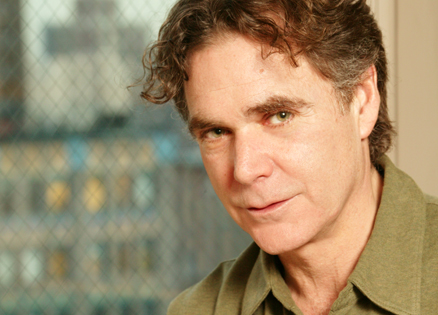
Order Your Copy of Always By My Side by Edward Grinnan

I can’t imagine life without a dog to love and be loved by. Yet the heartache of loving dogs is that we outlive all but the last one. And so my dogs have taught me about letting go when letting go is the hardest but kindest thing of all. They have given me the gift of acceptance. And the profound possibility that someday God will reunite us.

When Millie was sick, you Facebook fans poured out your prayers by the thousands. Every day I received some note or post that lifted my hurting heart. I knew then that I would have to repay you for your love. I would have to write a book about it, because the experience changed my life. This is that book.

Click here to read an excerpt of Always By My Side.

Does God Really Care About Pro Football?

A fellow football fan sent me a cartoon the other day. It showed a downtrodden player speaking to the media: “First I’d like to blame the Lord for our defeat …”

Isn’t it consistent, my friend teased, that if Broncos quarterback Tim Tebow, a devout Christian, thanked the Lord for victories, players should also blame heaven for their losses?

I don’t think my provocative friend really expected an answer so I just responded with a sarcastic little smiley face. But his question deserves some thought. Does God care about football? Is he really in the huddle with Tim?

First, let’s be fair. Tebow thanks the Lord just as profusely after a loss. He thanks him for the opportunity to play pro football, to escape serious injury and for the chance to praise him publicly, win or lose. But it is that now-iconic pose called Tebowing that has fused with the national consciousness and our obsession with football. Check out YouTube. People are Tebowing everywhere, both mockingly and earnestly. Will it be long before we have streakers kneeling in the end zone and Tebowing?

Given all the inane celebratory choreography players perform after scoring touchdowns (admittedly some of them are pretty entertaining), Tebow’s display seems low-key by comparison, even respectful. He is young and exuberant in his faith, and some might say a bit exhibitionistic. Maybe he just gets a little carried away. But is it worse than miming a roll of the dice, dancing the salsa or performing CPR on the ball? What about the jump-and-bump?

I might argue that former coach and TV commentator Tony Dungy demonstrates his faith in a more effective and mature manner. But Tony has been around for a long time. He has a truly inspiring life story and has made his faith felt throughout professional sports as both a player and a mentor. It’s hard not to respect how Tony Dungy carries himself. He’s had a lot of practice.

I have a feeling Tim Tebow might pull back a little on the Tebowing thing next season, if only to avoid the appearance of trivializing his faith by linking it to scoring a touchdown. Most folks I know think God couldn’t give a heavenly hoot about pro football. They’re right. Meanwhile I’m curious to know what you think of Tebowing. Please post below. And while I’m at it I’d like to thank the Lord for helping me write this blog today. Let me strike the pose….

Director Amma Asante Is Empowering The Next Generation

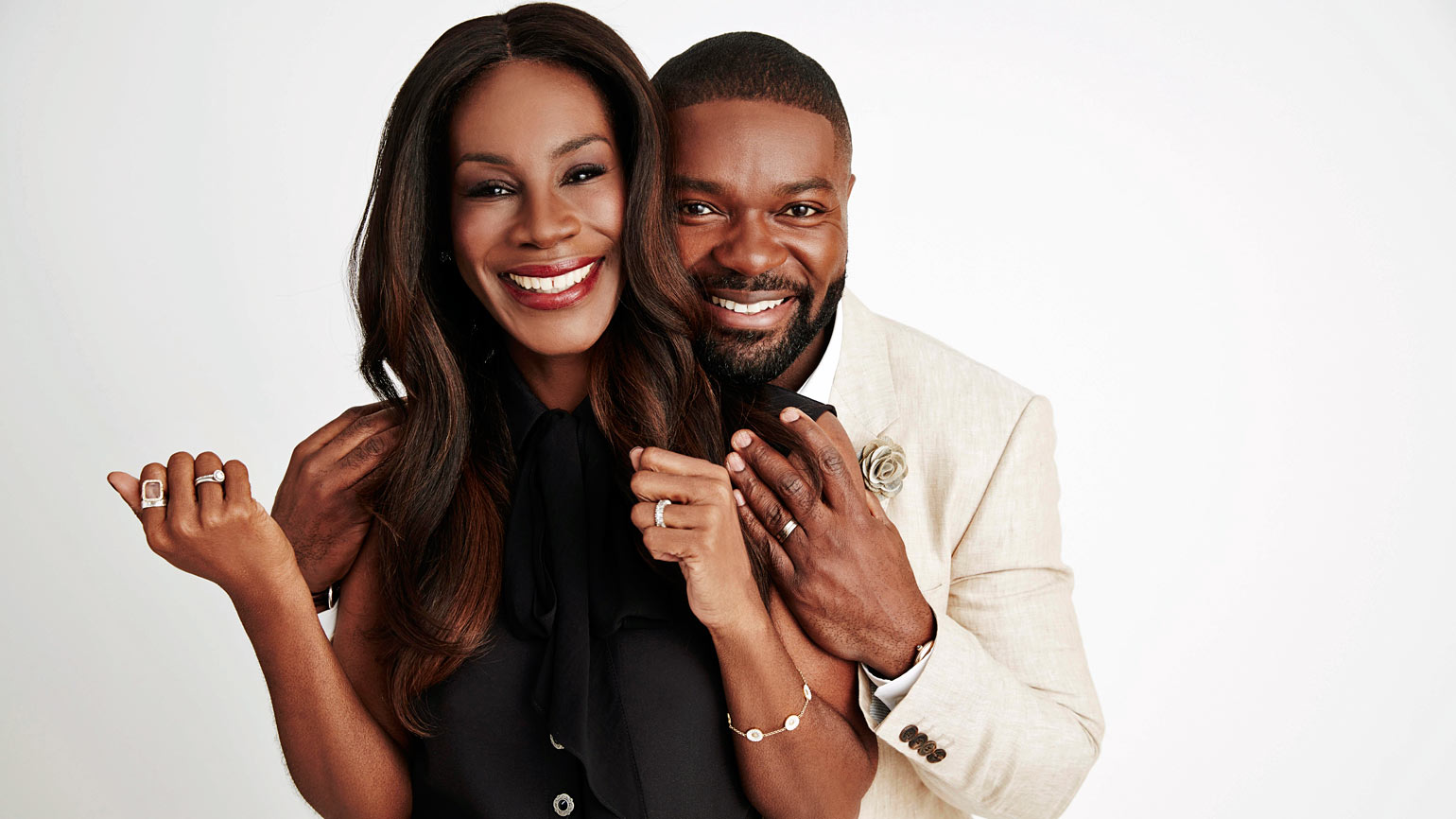
Critically acclaimed director Amma Asante’s latest film, A United Kingdom, is in theaters now, and it’s a milestone worth noting. She’s beating the odds as a Black woman filmmaker who has released four feature-length films in the past 13 years.

Asante is not only celebrating her success, she’s committed to sharing it. She made a personal decision to mentor aspiring women directors.

“It shouldn’t be a privilege in the world we live in today, but it is,” Asante tells Guideposts.org of her directorial success. She shares her story at a New York press junket for her latest film, which stars Guideposts’ cover star David Oyelowo and Rosemund Pike.

“Simply being a female film director is a privilege,” she says, “but when we hit the intersection [of race], understanding what it takes for any female film director to get to a third film yet alone a fourth , is almost tantamount to winning the lottery.”

According to a recent study by the University of Southern California’s Annenberg’s Media, Diversity & Social Change Initiative 80 percent of female directors made just one film in the past ten years. For female directors of color, the odds are even greater at 83.3 percent. It’s not for lack of talent that women and women of color directors are able to make so few films, it’s lack of support.

That reality was simply unacceptable for Asante, whose experience creating critically acclaimed films would be invaluable to any aspiring director.

In addition to A United Kingdom, she directed the award-winning film, A Way of Life in 2004. Her critically acclaimed second film Belle followed almost 10 years later in 2013. The 47-year-old BAFTA award winner has just wrapped production on her fourth film Where Hands Touch, starring teen icon Amandla Stenberg, which will be released later this year.

READ MORE: David Oyelowo on Faith and Family in Hollywood

Her commitment to helping others began 3 years ago.

In 2014, the director found herself on stage in New York, accepting an award alongside Katie Couric and Barbara Walters. The women were honored by Gloria Steinem’s organization for their exemplary work in media and for being strong role models for women in the industry. That experience, and the mantra of Steinem’s organization, “Each One, Teach One,” resonated with the director.

“I made a commitment to myself that whenever I could, I’d bring an aspiring female director to shadow me in order to offer the universe gratitude and to pass on the opportunity,” Asante said.

She made good on that promise during filming of A United Kingdom in Botswana where four aspiring female directors, two from California, one from Uganda and one from the U.K. were invited on set to watch Asante work and learn from her leadership abilities.

READ MORE: Lupita Nyong’o Inspires In ‘Queen of Katwe’

“I’m privileged and I want others to share in that same privilege,” Asante said. “I cannot show a person how to make a film over the period of eight weeks. It’s just not possible. What I can do is show them what a Black female look likes in leading, to allow them to hold that vision in their head as they move forward. I can allow them to see what it takes to stand up to a lot of men when it comes to insuring that your vision is projected on screen and allow them to absorb that same power so that they can carry if forward themselves.”

Now that filming has ended, Asante keeps in touch with the women, excited to see where their careers take them and ready to step in to offer whatever help she can in bringing their own visions to life. For the director, it’s all about leaving a positive legacy and advancing progress – something she has in common with the heroes of her films.

“I don’t have children, I have my films and I have whatever is left of what I give of myself to other people,” Asante says. “I hope that when I’m gone, my legacy will be the films and also whatever I’ve been able to offer to these women.”

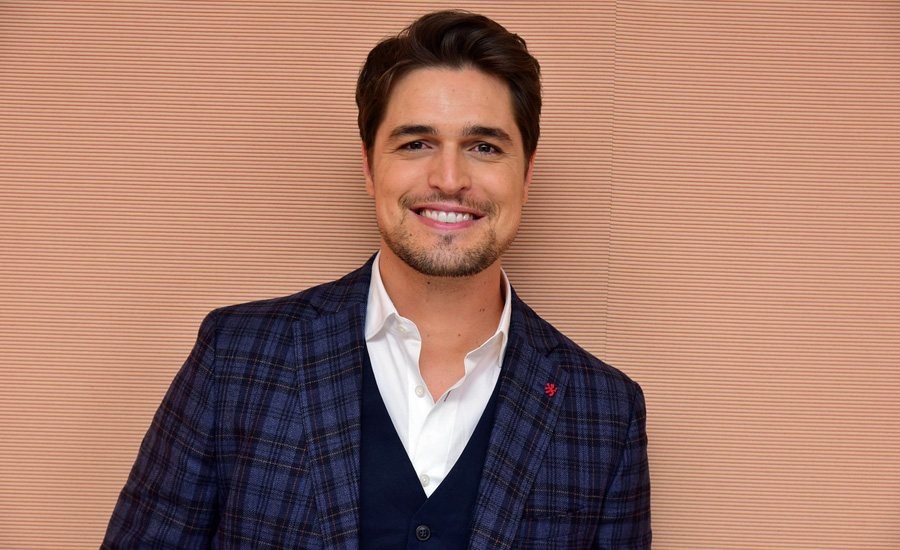
Diogo Morgado on Playing Jesus in “Son of God”

Diogo Morgado Is Acting with a Purpose

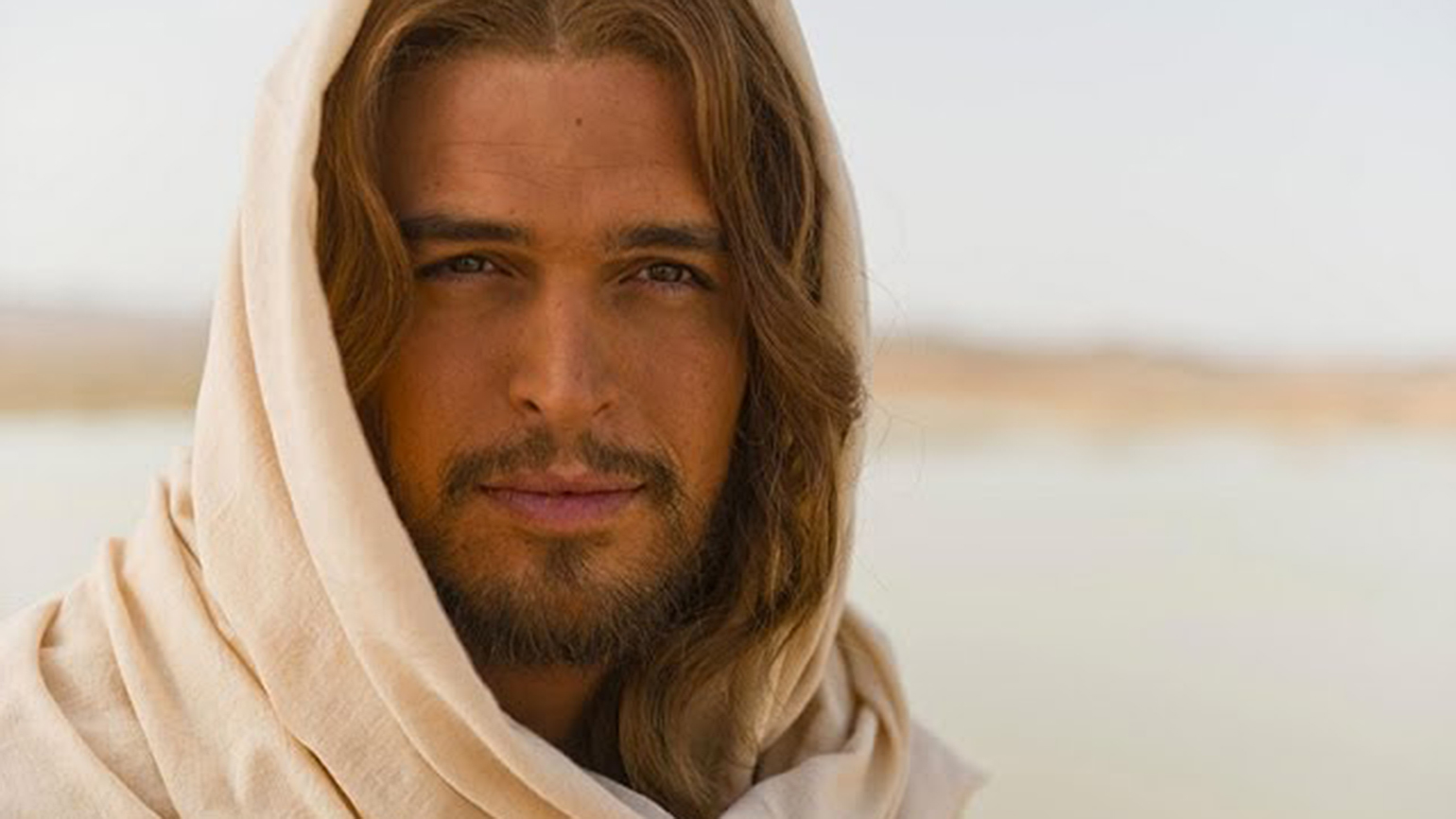
Actor Diogo Morgado — who shot to stardom thanks to his role as Jesus in the 2014 film Son of God — is taking his talents to the small screen, starring in the latest UPtv-produced movie, Love Finds You in Valentine.

“I want [to be a part of a story] where people were overcoming obstacles and where, at the end, people would have an uplifting, hopeful feeling about life,”Morgado tells Guideposts.org.

The inspiring TV movie does just that.

FIND MORE ABOUT LOVE FINDS YOU IN VALENTINE

Morgado plays Derek, a man with a troubled past who was forced as a kid to survive on the streets of Chicago before finding a home with his adoptive family in the small town of Valentine, Nebraska. One Tree Hill actress Michaela McManus stars as the film’s protagonist Kennedy Blaine, the heiress to a large piece of land in a town she’s never been to that comes with a complicated legacy. The two find a connection in a place called Circle Cross Ranch.

For Morgado, it was important that his character be more than just the hunky love interest.

“We made sure we brought something deeper and more meaningful than your generic love story,” Morgado says of himself and director Curtis Grey.

The actor spent weeks prepping for the role, pulling from the book the film is based on for inspiration. He also had to get a bit dirty. Playing a ranch foreman and cowboy meant Morgado spent plenty of time outdoors learning to overcome a great fear of his: riding horses.

“I can do anything you want, I’ll fall from tall buildings,” Morgado jokes. “Just don’t give me a horse.”

As a 12-year-old kid, Morgado was hit and injured by a horse while trying to ride, causing the actor to forever lose his desire to saddle up again.

But the challenge of horse riding ended up bringing him even closer to his character.

“To be honest, the fact that I was afraid of horses and I had to overcome that, it was true of Derek as well,” Morgado explains. “He was afraid of life. He was lost as a kid and he had to take a leap of faith with this ranch and he found his salvation. As an actor, I was overcoming my fear in order to honor this character. It became personal for me.”

Morgado — who has been vocal about his faith – says the opportunity to be a part of a story with a positive message was another draw for him.

“It’s not like I need to be a hero that saves the day, as long as that story keeps being told and reminding people that that’s what life is about,” Morgado explains. “If the message that comes out of the story is something I believe, I’ll be a part of it, regardless of the role.”

He hopes his commitment to honest, inspiring storytelling will come to define his career.

“I would love for people to go back and say ‘He tried, as hard as he could, to portray the wide aspects of human beings and of life.’”

Love Finds You In Valentine premieres Feb. 14th at 7 p.m. on UPtv.

Dietrich Bonhoeffer’s Love Story Explored in New Book

The German theologian and martyr Dietrich Bonhoeffer became a hero of faith after he was executed by the Nazis in 1945 for his vocal resistance. He is also known around the world for his theological model of “costly grace.”

Like many people, writer Amanda Barratt became fascinated by Bonhoeffer through reading about his remarkable life. But when she found out that Bonhoeffer had been engaged to Maria von Wedemeyer at the time of his death, she became obsessed with the woman who stood by him while he was imprisoned. My Dearest Dietrich, Barratt’s newest novel, is the result of her fascination.

Guideposts.org spoke to Barratt about answering God’s call, weaving history into fiction and how working on the book challenged her own faith.

Guideposts.org: Many books have been written about Dietrich Bonhoeffer. How is My Dearest Dietrich different?

AB: It’s a love story between Dietrich Bonhoeffer and Maria von Wedemeyer. It tells their story in a narrative format. There’s been many wonderful biographies, and books and documentaries about Dietrich Bonhoeffer, but this takes us deeper into his life through this fictional format, and also introduces us to the woman that was right at his side, during [the] most pivotal years of his life, when he was imprisoned.

Guideposts.org: Why did this story appeal to you?

AB: I first discovered Dietrich Bonhoeffer through Eric Metaxas’ book, Seven Men: And the Secret of Their Greatness. A few months later, I came across a quote from a book called Love Letters from Cell 92, which is the correspondence between Dietrich Bonhoeffer and Maria. Immediately [after discovering] that there was this woman in his life, I wanted to know what kind of a woman would capture the heart of a man like Dietrich Bonhoeffer.

The more I thought and prayed about it, the more inspired I became. So one day decided I’m going to tell this story. From then on, Dietrich, Maria and I were a team.

Guideposts.org: What drew you to tell this particular story from Bonhoeffer’s life—of his relationship with Maria?

AB: The thought of writing the story of a man that’s so revered as Dietrich Bonhoeffer was very daunting to me, but eventually, I just felt that I needed to tell this story, that people needed to hear this story, and that Maria’s story needed to be told. We don’t know a lot about her.

Eberhard Bethge, Bonhoeffer’s best friend, [published] the first biography that’s ever been written about Dietrich Bonhoeffer. It’s over 1,000 pages long. Maria is mentioned on four of them. I was like, “Why? We need to know about this woman.” She was an incredible person, and Dietrich Bonhoeffer obviously thought so. The more I read about her, the more I [realized she was] a hero in her own right.

Guideposts.org: Was there anything you came across in your research that you found particularly surprising?

AB: I was able to come across some unique resources, that I don’t believe other people who have written about Bonhoeffer discovered. One of them was an interview that Maria did in 1974, from Malcolm Muggeridge’s television documentary A Third Testament. I was actually able to listen to her talk about [the time] after Dietrich had been taken, and no one knew where [was]. She was traveling across Germany on foot, and she arrived at Flossenburg concentration camp, but she arrived there in February, and he didn’t get there until April.

There was intense emotion in her voice, as she shared about what this meant had meant to her—and this was 30 years later after she became a successful businesswoman.

I also loved discovering Dietrich, not only as the author, pastor, theologian, and man of resistance, that many of us know him to be, but as a very human, and even flawed man. I think it’s a temptation to consign [him] to a pedestal, but I feel like that makes him distant and unrelatable. He did live out costly discipleship, he did serve God with all his heart, but he was also very human. He struggled with raw emotions of fear during this imprisonment. He fell in love at the most unlikely time of his life, and he fought that falling in love. That’s the Dietrich Bonhoeffer that I came to know, and I came to share in my book, not some cardboard cut-out, labeled brilliant theologian and martyr.

Guideposts.org: How did working on this project affect your faith?

AB: This is the most transformative project I’ve written. The faith that these two people lived…totally changed me.

A Bonhoeffer quote I love is: “Who stands firm? Only the one…whose life will be nothing but an answer to God’s question and call.”

[I try] to let that be my prayer, to let my life be nothing but an answer to God’s call.

This interview has been edited for clarity and length.

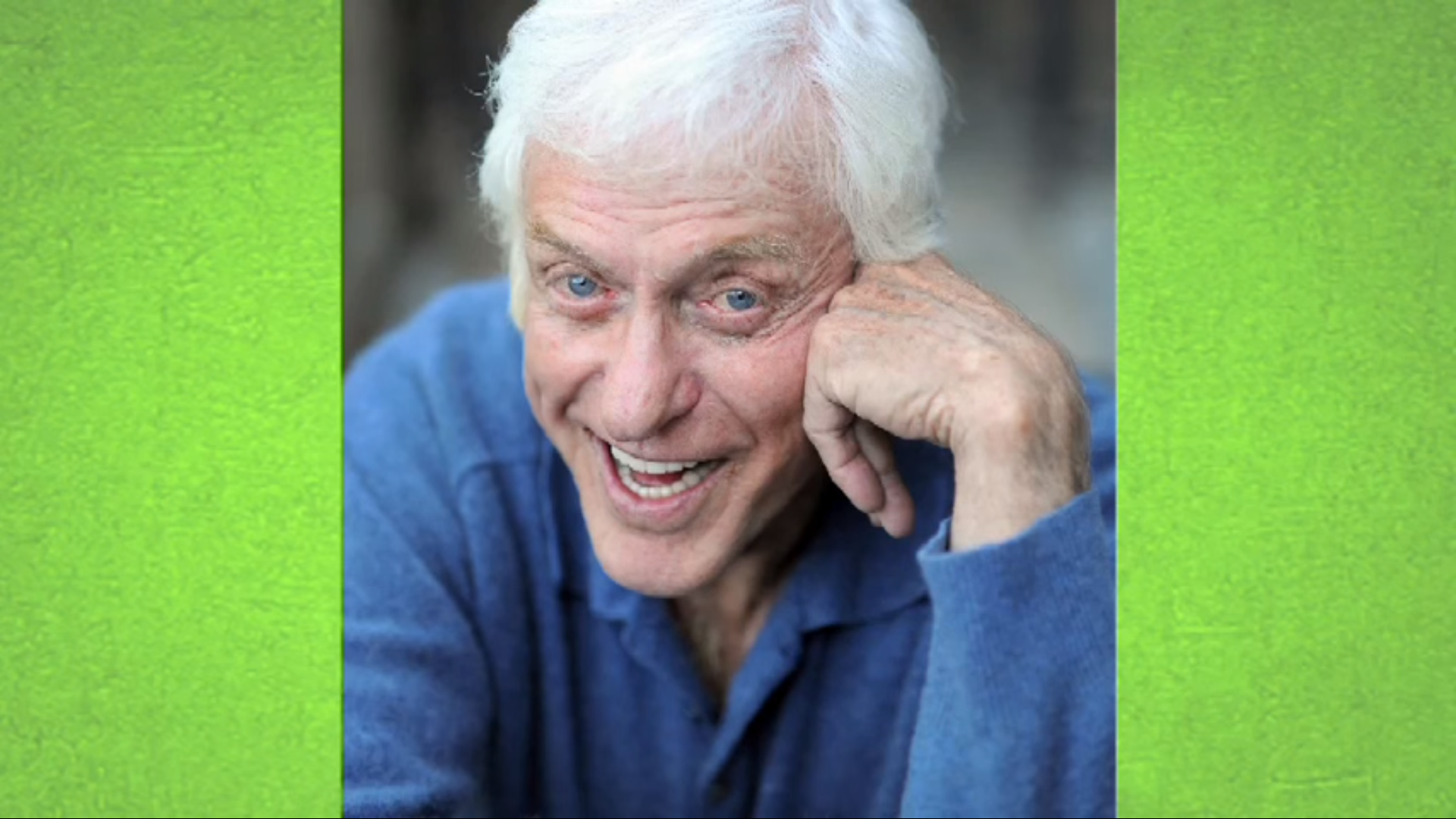
Dick Van Dyke reads “Let’s Keep Christmas”

Devoted Dad

One day, when Melvin Mora, the third baseman for the Colorado Rockies, was a young boy, he was walking with his dad in front of the family’s home.

Suddenly, a man approached, pulled out a gun, pointed it at Melvin’s father, and pulled the trigger. Mora’s father stumbled into the house and collapsed on a couch.

“I was six years old,” Mora recalls. “I didn’t know how to react…I saw my sister crying, so I began to cry. The thing I most remember was that he was lying on the couch. I saw blood…And then he died.”

The Moras, who lived in a gritty neighborhood in the Venezuelan town of Agua Negra, about 150 miles west of Caracas, were poor but never went hungry when Melvin’s father was alive. He worked as a trash collector and farmer and always brought food home for the family table.

But after the shooting, which was a case of mistaken identity, poverty gripped the family. It was difficult for Mora’s mother to provide for a family of six boys and four girls. Melvin was moved from relative to relative. But one thing stayed constant for him: sports.

“I was one of those kids who was always looking for a sport to play,” he says. He started boxing but more naturally gravitated toward soccer, by far the most popular sport in Venezuela. He became very good, so good, in fact, that he was named to the Venezuelan national soccer team as a teenager.

But soccer players, even extraordinary ones, did not make much money in Venezuela in the late 1980s. An athletic coach, who became something of a surrogate father to Melvin, steered him to baseball. He told the youngster that more money could be made in that sport. He was right.

Fast-forward to 2010. Mora, 38, is a two-time All-Star and just made the switch to Colorado after 10 seasons in Baltimore with the Orioles.

But for Mora, baseball is his career, his avocation; his passion is fatherhood. The man who lost his own father at the age of six now has six children of his own, including eight-year-old quintuplets.

“The most wonderful thing is to be a father,” the ballplayer says. “When you have a lovely life, and you grow up without a parent, you want to have nothing happen to your kids. You just want to be there for them.”

His wife, Gisel, says he has devoted himself to his children, to Tatiana and the quintuplets—Genesis, Rebekah, Jada Priscilla, Christian and Matthew David.

“My friends can’t believe what he does as a father,” she explains. “He often comes home from the ballpark well after midnight. But he gets up at 6:30 in the morning, makes the kids their breakfast, takes them to school, and then goes back to bed. He wants to be a part of their lives, because he knows what it’s like to not have the influence of a father.”

As a major league ballplayer, he is away for much of the spring and summer. When he’s not on the road, though, he wants to be with his children.

“A friend of mine,” Mora says, “who lost a daughter to a car accident always tells me, ‘No matter what, before your kids go to bed, give them a kiss because you never know when the last time might be when you will see them.’ So every night I have the opportunity to kiss them goodnight, I do it.”

Mora didn’t have much time as a child to develop a loving relationship with his father. He wants to be sure that Tatiana and the quintuplets have that opportunity.

“I don’t want anything back from my kids,” he says. “They love me, and that’s fine. That’s enough for me.”

‘Desert Dancer’: Not Just Another Dance Movie

Desert Dancer is a movie about dancing, but you shouldn’t call it a “dance movie.”

That title conjures up more familiar genre fare, like Kevin Bacon bringing the barn down in Footloose or Patrick Swayze sweeping Jennifer Grey off her feet in Dirty Dancing. Richard Raymond’s film chronicling the true story of exiled Iranian dancer Afshin Ghaffarian may have equally stunning choreographed numbers – it would be hard not to with Akram Khan, the same man responsible for choreographing the opening of the London Summer Olympics, behind the scenes – but it has something else too: purpose.

RELATED: REECE RITCHIE ‘INSPIRED TO DANCE’

The film sets out to do justice to Ghaffarian’s struggle and the struggle of an entire nation yearning for the same rights and freedoms much of the rest of the world enjoys. A tall order, but one the cast, including Reece Ritchie — who’s given the enormous task of bringing Ghaffarian to the screen — and Slumdog Millionaire star Freida Pinto have dedicated themselves to for the past three years.

Produced on a shoestring budget, the film is raw and often unfiltered. Ghaffarian’s life plays out before our eyes. From a small boy secretly attending a Utopian art school in his hometown to a university student, conspiring with his friends to create an underground dance company in a country where dance has been outlawed, each scene on screen moves with intention.

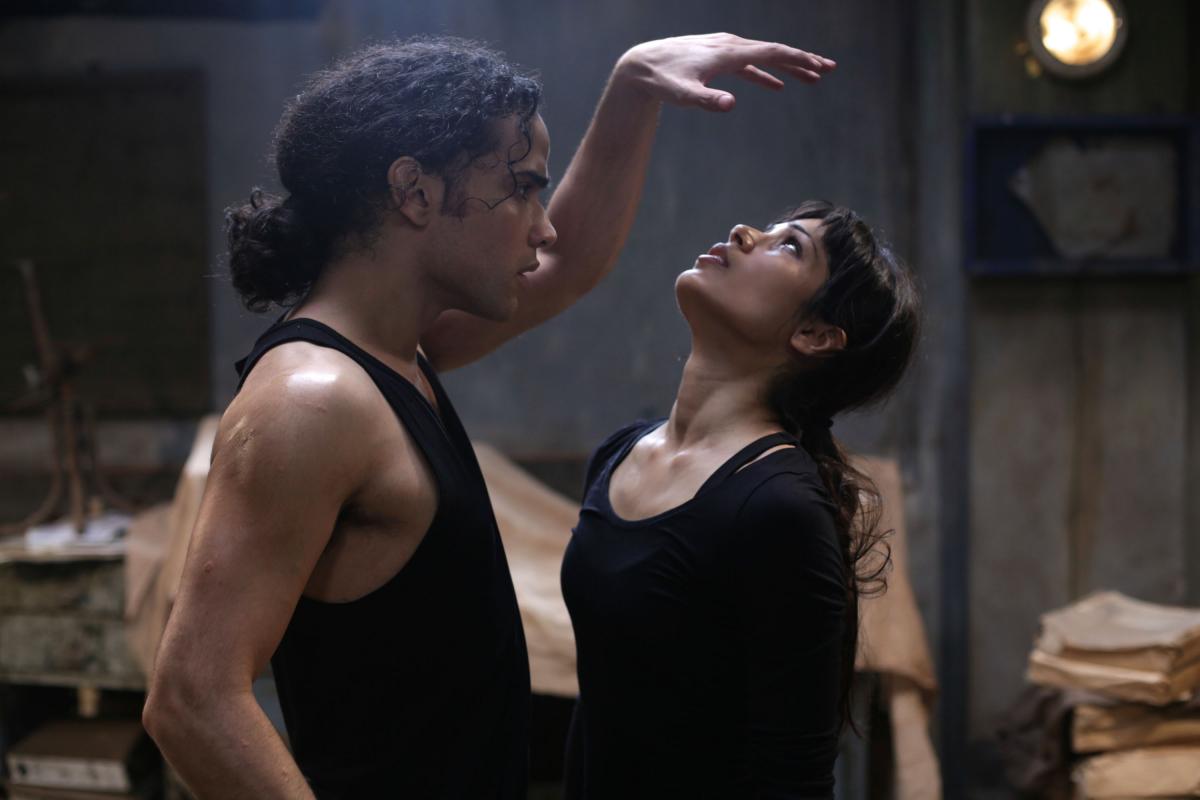
Ritchie plays Ghaffarian for the better part of the film. A young college student, Ghaffarian is introduced to things he couldn’t find at home; peers with free-thinking ideas, unrestricted access to the Internet, Youtube. He soon discovers his passion; dance, but because it is outlawed (and severely punished by men who dub themselves the morality police) he and his friends must do it in secret. In a dingy room of a decrepit building, the group finds freedom, not just from the government and those trying to limit their rights, but freedom within themselves.

This is especially true for Pinto’s character – a woman who deals with her own personal demons in destructive ways. Pinto’s performance is gripping and hard to watch at times, but it brings an integrity to the film. These aren’t just a bunch of kids wanting to imitate Michael Jackson dance moves they pick up off the internet; they’re real people with real struggles.

And though we’re hesitant to label this a dance movie, the dancing is one of the most beautiful parts of the film. From Pinto’s mesmerizing audition to Ritchie and Pinto’s dance in the desert and finally Ritchie’s protest at the end of the movie, it’s easy to see why the actors needed to put in months of training in order to prepare for their roles. For their characters, dance isn’t just fun, it’s something that could cost them their lives and so, the only time to dance is when there is a purpose behind it.

Besides educating its audience on the political climate and the limitations on freedom that the people of Iran face to this day, Desert Dancer also succeeds in reminding us of what true passion is and the importance of finding it in your own life.

Desert Dancer opens in theaters April 16.