
Embrace God's truth with our new book, The Lies that Bind

Toys for Ecuador: Humble Beginnings Inspired This Non-Profit Organization

In a small coastal community in Ecuador known as La Isla, I looked out at the children standing in a long line in their schoolyard. They’d gathered that Christmas morning in 2010, likely wearing the only decent clothes they owned. They were quiet, polite, eyes bright with excitement.

I had returned to La Isla, where my aunt lived, to hand out clothes and toys we’d collected through our nonprofit organization called Toys for Ecuador. I noticed one boy in particular, about nine years old, trying hard to contain his enthusiasm. When he reached the front of the line, I handed him a toy truck. He looked up at me in disbelief and ran to his mom, hugging his truck, crying as she hugged him.
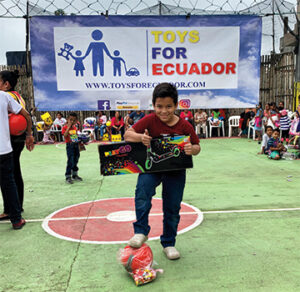
Children with Christmas gifts given to them by Toys For Ecuador; Photo Courtesy Toys for Ecuador

He was the reason I was visiting La Isla and other poverty-stricken communities in my homeland. I got a shiver watching the scene play out, my mind flashing back to a day I’d never forget.

I was five years old that Christmas Eve in 1988, growing up in Biblián, Ecuador, with my parents and older sister. My father came into my bedroom, his hands behind his back. “I have something for you,” he said. I thought it might be a cookie or a piece of fruit. Instead he extended his hands to reveal a plastic figure like nothing I’d ever seen. A cowboy about 12 inches tall, his hat and pants painted brown, vest and boots black, shirt a clean white. Like the boy in La Isla, I’d never owned a real toy of any kind. My family didn’t have much. My mom stayed home, caring for my sister and me. My dad drove a food delivery truck and was on the road for days at a time.

“I hope you like your toy,” my father said. He knelt down and held me close. I felt the strength in his arms, the warmth of his body. As if in giving me this toy he was also giving me a part of himself. Even at age five, I realized that too had been a gift.

I didn’t play with my cowboy the way children in the United States would have. I never roughhoused with him. I kept my cowboy in a drawer where he wouldn’t get scratched or dirty. Often I’d just hold him in my hands, amazed that I could own such a treasure. For two months I enjoyed my cowboy in the familiar surroundings of Biblián.

Then I learned my family was moving to the U.S. I hardly understood what it meant. The night before we left, I put my cowboy atop my clothes in the suitcase. We were in America when I asked my mother where it was. She explained that we had overpacked, and she had to rearrange things at the last minute to save room. In the rush, my cowboy had been left behind.

Newark, New Jersey, was our home now. My lost cowboy soon became the least of my concerns. So much had changed, I had trouble adjusting. I barely spoke English. I had trouble making friends. I missed Ecuador terribly. But even in this new land, I looked forward to Christmas. And when it came, I was especially thankful for the love of the family I had around me. Christmas had not changed, even if almost everything else in my life had.
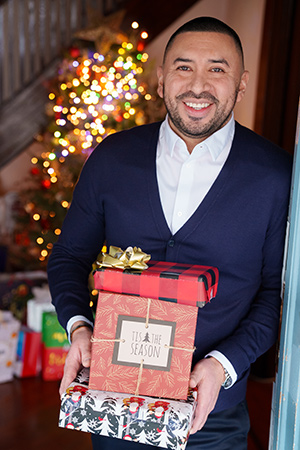
Byron holding Christmas gifts; Photo by Todd Plitt

By sixth grade I’d found my footing, and life got easier. I excelled in high school. Every good grade was a thank-you to my parents for all they’d done for me. Making the most of educational opportunities seemed like the least I could do. I went on to college, and in 2006, with my degree in hand, I became a pharmacist. I was finally able to buy nice gifts for my family, but I could never give in equal measure the love I’d felt from that first, unexpected gift I’d received as a boy in Ecuador. I wished every child could know that feeling.

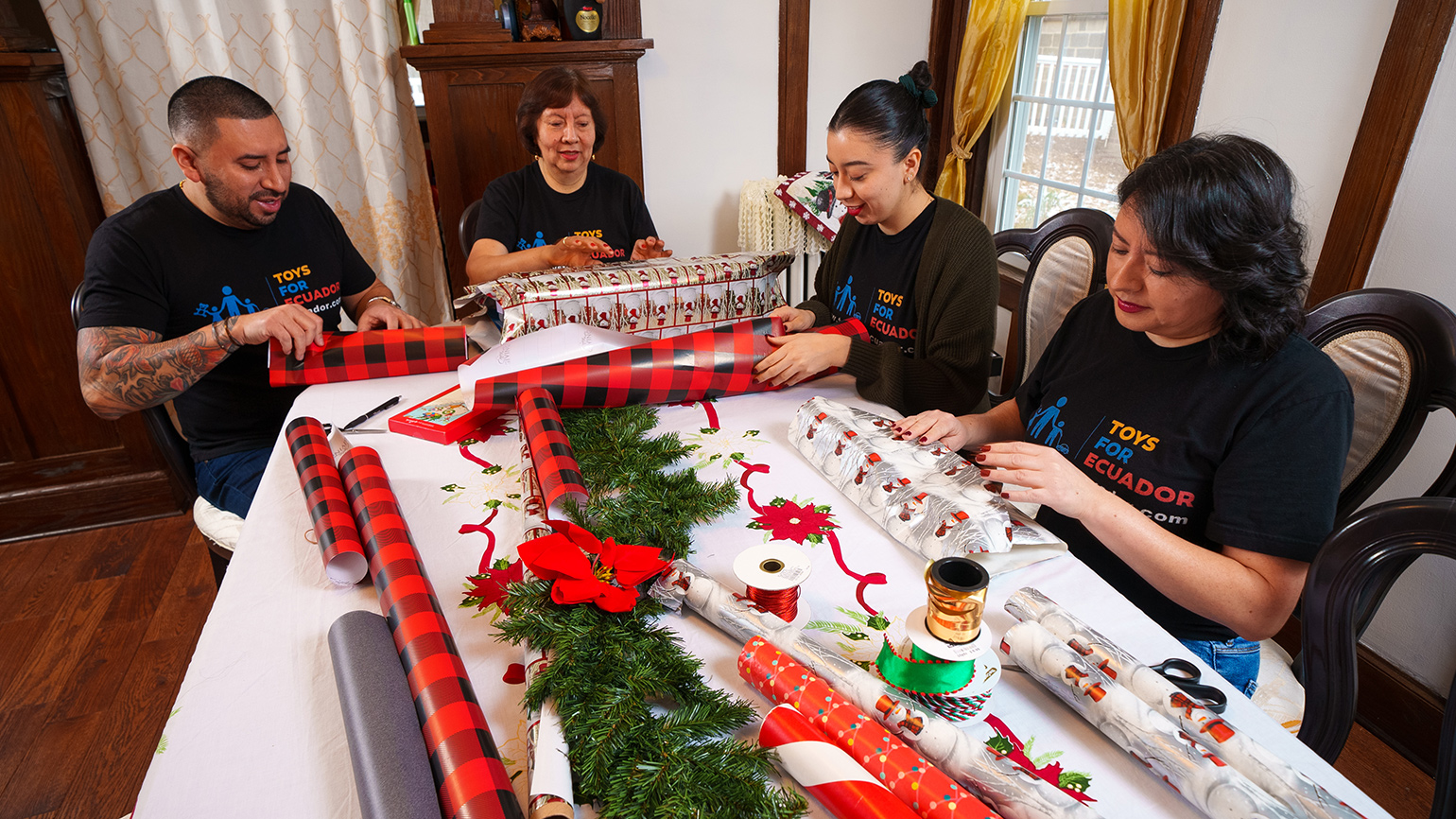
Two years into my career, I made my first trip to La Isla to visit my aunt for Christmas. She had a tradition of handing out goody bags to children, and I added simple toys to her offerings. The kids’ smiles filled my heart with so much joy, I had to find a way to keep it going. I returned to La Isla in 2010, this time with Toys for Ecuador up and running. My parents, and now two sisters and I traveled to towns all across rural Ecuador with sacks of Christmas presents for children and gift baskets for seniors. My father’s long-distance driving experience came in handy, and we’ve since added food and necessities to our deliveries.

Covid has limited our travels, but it hasn’t stopped the giving through Toys for Ecuador. Even when I can’t look into the wide eyes of a boy like the one in La Isla, who cried when he got his toy truck, I share in the excitement of all the children. Giving is the gift that keeps the memory of my long-lost cowboy and all he represented fresh in my mind always.
This Christmas Baking Tradition Became an Answered Prayer

My beloved grandmother, Nanny, has been gone now for 50 years, but she lives on in my heart. And never more so than at Christmastime, when we took part in a cherished tradition I was afraid we’d almost lost.

I was a senior in college that Christmas Day I visited her in the nursing home where she’d been living for three years. Her mind and body were failing her.

How I missed the warmth of her house, the overstuffed armchair I grew into over the years, the smells of each room, especially her kitchen at Christmastime, when we baked batches and batches of snickerdoodle cookies for neighbors, friends and family. That had all stopped when Nanny could no longer manage on her own, and it felt like the end of so much more than a simple Christmas tradition.

Today I wondered if Nanny would even know who I was. On the drive to the nursing home I’d prayed that God might awaken her spirit, just briefly, so I could see some spark of recognition in her eyes. I’d brought a plate of fresh-baked snickerdoodles, hoping the cookies would somehow prompt a memory.

We sat together in the visiting area, our silence awkward. I extended the plate.

“Have one, Nanny,” I said. She hesitated, appearing puzzled, then took a cookie, held it for a moment and took a bite. She put the cookie back on the plate.

“Good?” I asked. She nodded, but her expression remained blank.

I showed her some photos. There was one of me as a little girl sitting in her lap in the big armchair, a shot from a family reunion when I was older, another of us each holding a plate piled high with snickerdoodles at Christmas. One by one, I handed them to Nanny.

Nanny set the pictures on the little table between us. She didn’t understand. I took her hand in mine, and she smiled. Maybe her smile is miracle enough.

I stared at the plate of cookies and felt a rush of memories. No matter what day of the week December 18 fell on, Nanny and I went shopping for cookie-baking ingredients. The first Saturday after that, I ran to her house early. She met me at the door and wrapped me in a hug. Then, as if following a script, she gave me my apron and put her hands on her hips.

“Shall we bake cookies today?”

Her words sent a shiver of excitement through me. Standing as tall as I could, I sang out, “Absolutely!”

Nanny measured the ingredients and cracked the eggs. I stirred the bowl until my arms ached. We lined cookie sheets with parchment paper and rolled out the dough. We used Nanny’s cookie cutters to make stars and snowflakes, bells, Christmas trees and angels—and slid the full pans into the oven to bake. Meanwhile, Nanny set out colored icing and piping tips. I took charge of the sprinkles.

An intoxicating aroma filled the kitchen. The cookies came out to cool, and we talked and giggled like conspirators. Nanny told me about her childhood Christmases and how her grandmother had be-gun the cookie-baking tradition with her. In between stories, we decorated our snickerdoodles and divided them up for delivery. Friends and neighbors expected our “Merry Christmas!” at their doors.

Now Nanny and I sat in the visiting area in silence, the sweet aroma of fresh-baked cookies replaced by the smell of institutional food. “Let’s take a walk outside in the sun,” I said.

Nanny nodded absently, and I slipped on her coat. We walked the grounds a bit and sat in the gazebo near a pond. The daylight brought a glow to her wrinkled features. Nanny had yet to speak a word.

“How’s school?” she suddenly asked.

I was stunned. Every detail I could think of poured out of me. Courses I was taking, friends I’d made, even the guy I was dating…. I kept talking, not wanting to lose her, hoping God’s answer to my prayer could go on and on. Nanny listened until I finally paused to take a breath. Her eyes met mine, a look of quiet determination on her face, as if she was forcing something from her mind.

“Shall we bake cookies today?” she said, her voice clear and strong. I gasped and kissed her on her cheek. Then I stood, straightening up, hands on my hips. “Absolutely,” I said.

That Christmas visit was the last time my grandmother was able to speak to me or even recognize me. But to this day, on December 18, I gather the ingredients for a tradition that links generations and fills me with joy and awe, and the love of Nanny that will never die.

This Amazing Horse ‘Doctor’ Can Detect Cancer and Tumors

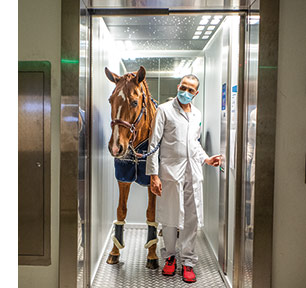
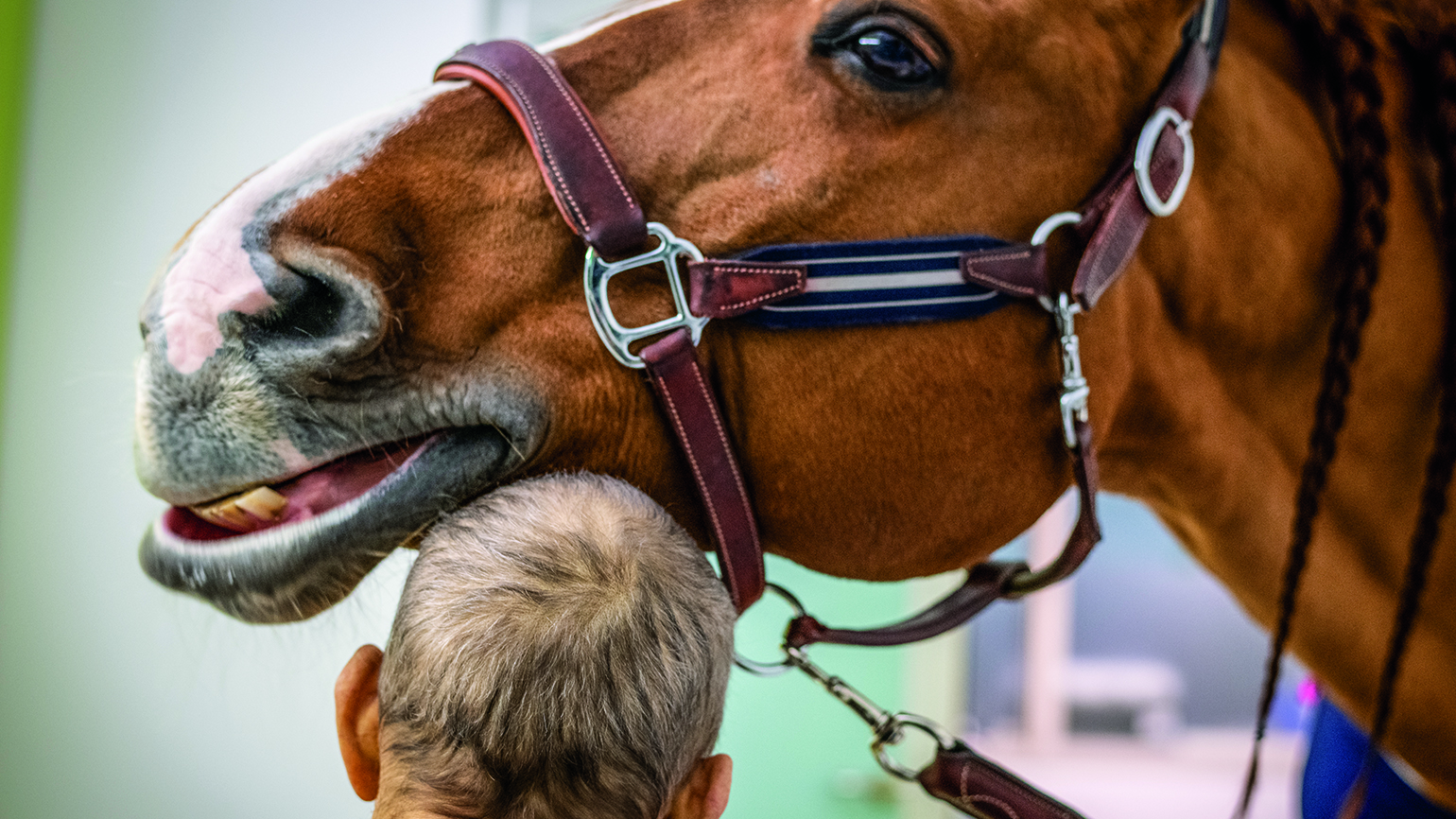
You expect to hear beeps, buzzes, even shrieks from machines and monitors in a hospital, but not clip-clop, clip-clop. And definitely not a neigh or a whinny. Yet those are common sounds in the hallways of Calais Hospital in northern France. Why? Because towering over the doctors and nurses in white coats and scrubs, you’ll find the sweet chestnut-brown face of Peyo the horse, accompanied by his owner and handler, Hassen Bouchakour.

Peyo, a Barb stallion, now 17 years old, didn’t always work under fluorescent lights, surrounded by the smell of antiseptics and those incessant machine alarms. He had a remarkable career in the show ring, where he was accustomed to the roar of applause and the flash of photographers’ bulbs. The competitions and exhibitions, known as dressage, require a symbiotic relationship between rider and horse as the horse performs a series of precise movements. After the shows, Peyo would, independently, approach certain people in the audience and remain by them. Over time, Hassen realized his show horse was not simply signaling that he wanted more human contact. Peyo was pointedly seeking out people who were physically or mentally fragile.

Peyo and Hassen; photo by Jeremy LempinIn 2011, researchers at Les Sabots du Coeur (Hooves of the Heart) began a study to determine if Hassen’s hunch was correct, and after four years, the team found that, indeed, Peyo’s brain is wired differently from most horses. Not only can the horse detect illness, but also he has the empathy and drive to help those in need. According to the Les Sabots du Coeur website, Peyo is the only horse out of the 500 they tested to be able to “detect cancer, tumors and support the end of life.” Even Peyo’s foals didn’t inherit his gift.
“It took me a while to accept it,” Hassen told The Guardian. “It put an end to my successful career as a sportsman, and as a showman. It was very complicated to no longer be the master, and to be forced to admit that when [Peyo] detects someone [is sick], I am no longer in control. When he decides, I cannot hold him back; it’s a need, it’s visceral, it is in him, he needs to go and cling onto the specific person he has chosen.”

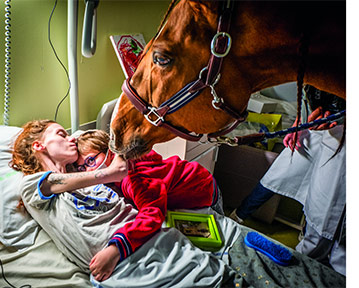
Hassen is referring not only to Peyo’s unique behavior from his days in the dressage arena, but also to what he has done since 2016, when he began making rounds in the palliative care unit of Calais Hospital. Peyo will indicate which patient they are to see next by approaching the door of the person’s room and lifting up his leg. Once he’s inside the room, he will connect with the patient, nuzzling and comforting them, letting them pet him. Sometimes he assumes a guarding stance to protect the infirm.

“What really pushed scientists to take an interest in him and open the health establishment doors to us was this [seeming] ability to greatly reduce [the patients’ dosage of] all hard drugs and thus allow a more peaceful departure,” Hassen told The Guardian.

Family members let Peyo visit; photo by Jeremy LempinDoctor Peyo, as he has been nicknamed by the medical team, has to scrub in before tending to the sick. Hassen, adhering to the hospital’s hygiene restrictions, spends about two hours preparing Peyo for each visit, using disinfectant wipes. As for bathroom time, Peyo knows to signal when he needs to go outside.
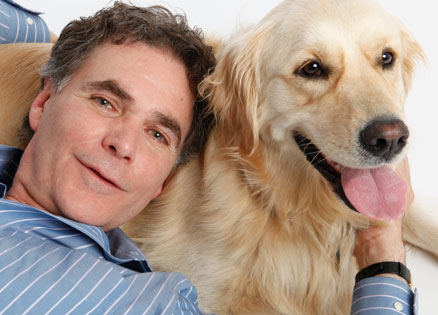
Whether it’s a child or an elderly person, a patient or their family members, Peyo brings delight and peace. The staff also looks forward to his visit; his presence reduces the stress of a difficult job. Each month, Hassen and Peyo visit about 20 people who are at the end of their life. They’ve supported well over 1,000 patients since the horse’s journey of compassion began.

Hassen reflects in The Guardian, “It is a unique experience to look after a person who is facing death, to stay with them and tell them: ‘Don’t worry, you can go in peace, you won’t be forgotten.’”

To support the work of Peyo and Hassen, visit lessabotsducoeur.org.

For daily animal devotions, subscribe to All God’s Creatures magazine.

The Warmth and Hope of Light at Hanukkah and Christmas

It’s no coincidence that two religious festivals that focus on light—Hanukkah and Christmas—take place at the darkest time of year.

In the case of Hanukkah, which is literally referred to as the Jewish Festival of Lights, light builds, day by day, from a single flicker into a sparkling blaze of a full Hanukkah menorah.

At Christmastime, the story is told of baby Jesus being born under the Star of Bethlehem, whose light guides the Magi to his side. And today, on trees, on mantles, and on the outside of many homes, twinkling lights are a bright and inviting symbol of Christmas.

I think a lot about light every December. I think about how warm and calm I feel in the presence of a beautiful holiday light display. I think about the fragility of a single light, like that small first candle on my Hanukkah menorah, and the collective power of a group of lights all illuminated together.

And I think about courage—the courage it takes to kindle a spark of light; the strength required to summon light when the short days beckon us to hibernate in the darkness; the bravery we need to keep our lights shining, day by day.

Do you feel the connection between holiday lights and the act of bravery you use to illuminate yours? Do you feel your inner light fueling the brightness you will put out into the world this holiday season? How can you build on the sparks that start your journey through this time of year?

The Top 10 Inspirational Stories of 2010

Everywhere you look the world is filled with inspiration, even a world full of problems.

AA cofounder Bill Wilson famously said the world is a problem place because it is filled with problem people. I think the same can be said for inspiration. The world is likewise an inspiring place because it is filled with inspiring people, many of whom appear in Guideposts magazine and on Guideposts.org. At the risk of sounding presumptuous, I believe we are the national experts on inspiration, a clearinghouse of hope. At least that’s what our readers and users say we mean to them.

What constitutes inspiration? To turn another well-known phrase on its head, I’m not sure but I know it when I see it.

Inspiration is a very personal, almost intimate experience. An inspirational story moves us in a way other stories don’t; they make us feel more than think, perhaps, and touch us deep in a place most experiences never reach. They can send a shiver down our spines and a ripple through our souls. They can swell our hearts with joy and reaffirm our faith in our fellow human beings (and animals, too). They can deepen our connection to God. Inspiration can motivate us, comfort us, even change us. It can make us laugh or cry…or both. But a great inspirational story never leaves us feeling the same.

Everybody loves end-of-year lists. This year the editors tried to pick the 10 most inspiring stories from the hundreds we’ve published in 2010. There was a lot of back and forth. Ten seemed like far too small a number but lists are supposed to be short. Somehow we all finally agreed on 10. What surprised me most was the number of celebrity stories that made the final cut. Yet who could forget actress Glenn Close’s brave and honest personal telling of her family’s struggle with mental illness.

I don’t have a favorite among these 10. I love them all. Take a look and see if you don’t agree.

Here’s to a truly inspiring 2011.

Which of these stories did you find most inspiring? Comment below!

Telling Stories of Hope
Find out why Ann Curry says journalism is an act of faith and how she finds stories of hope among all the suffering.

No More Secrets
Mental illness in actress Glenn Close’s family has inspired her to campaign for awareness and hope.

What Inspires Emily Procter
The CSI: Miami actress recounts the story of how she finally found happiness in Los Angeles, and who helped her get there.

A Super Dog
The inspiring story of a disabled dog whose zest for life can lift the spirits of everyone around him.

The Town That Saved Their Bakery
The French bakery had given their town hope. This inspiring story about a motivated community proves anything is possible if you try hard enough.

Operation Haiti
Meet a surgeon who found hope in the devastation of an earthquake.

Ike Ditzenberger, Not Your Average High School Football Player
The inspiring story of a high school football player’s shining moment.

Advice for Life: Repurpose!
Working in the town dump wasn’t inspiring, until one woman decided to change her thinking and “repurpose” her life.

“I Lost 600 Pounds”
One of the most motivational stories you’ll read about losing weight and finding faith.

Gram’s Faith
A desperate single mom returns to the home where she was fostered as a child, finding hope and strength again.

The Surprising Origin of Christmas in July

Growing up, I’d never heard of Christmas in July. My family always celebrated Christmas every December. There were the road trips down to North Carolina to visit family, cooking tasty Southern foods in my grandma’s kitchen, singing along to my all-time favorite Christmas carol, “Christmas Time is Here” from A Charlie Brown Christmas. I associated all things Christmas with the wintery months. Christmas in sweltering July didn’t make any sense to me. So, I decided to do some research. What was the origin of Christmas in July?

The term “Christmas in July” is believed to originate from a French opera written in 1892 called Werther. It then gained some popularity in 1940, with the release of the film Christmas in July, starring Dick Powell and Ellen Drew. Yet the idea of actually celebrating Christmas in July came from the South, in the very state where I spend my own Christmases: North Carolina.

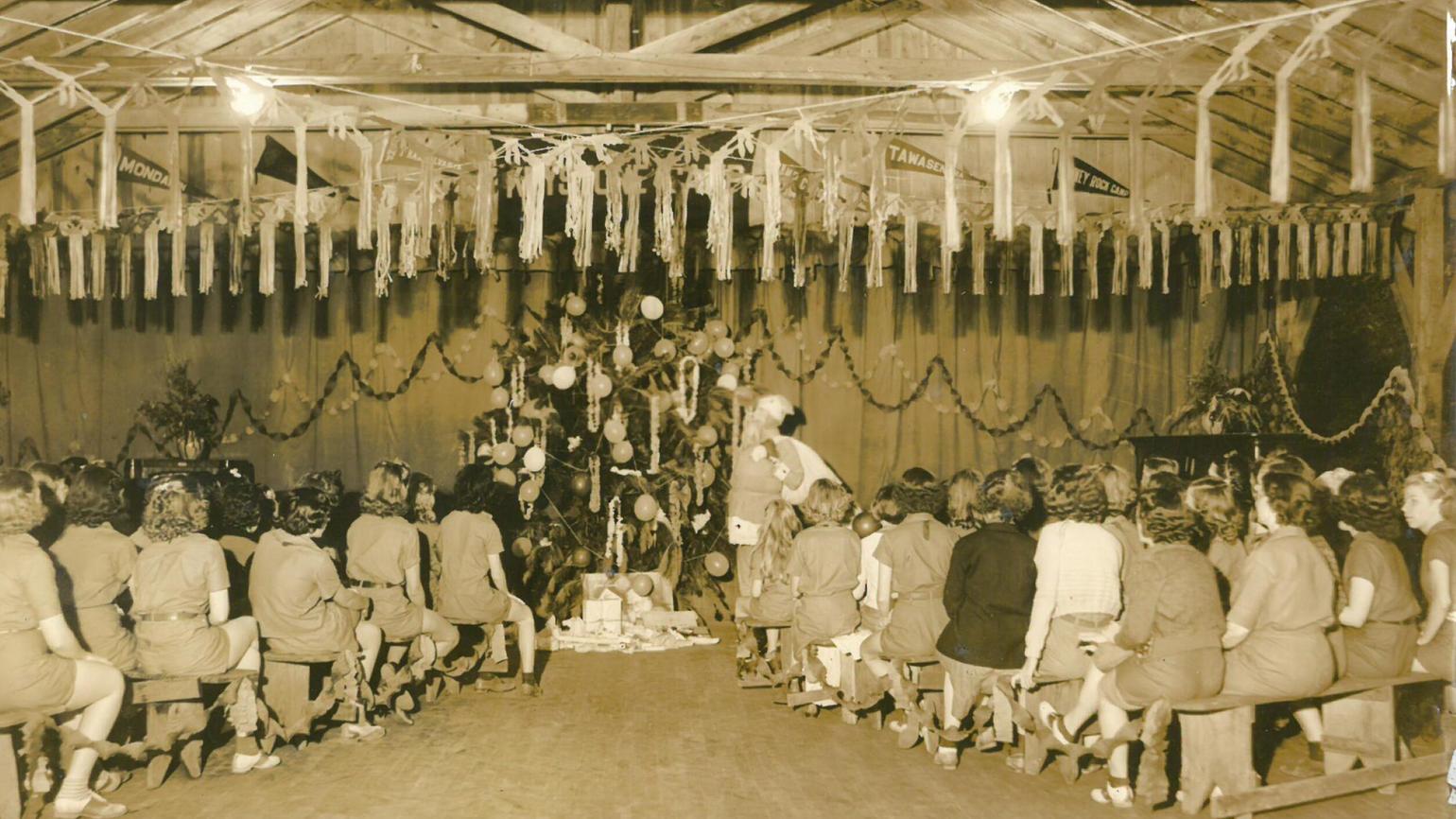
Keystone campers celebrate Christmas in July origin
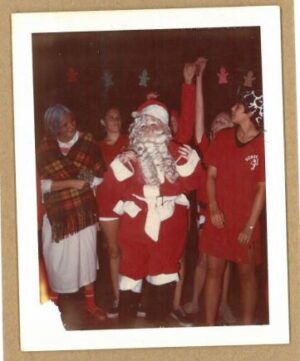
Campers celebrate Christmas in July in 1970 (photo courtesy Keystone)

Keystone Camp in Brevard, North Carolina, has been around since 1916. Nestled in the Blue Ridge Mountains, the camp hosts young girls and teaches them everything from canoeing to horseback riding. In the summer of 1933, Keystone co-founder Miss Fannie Holt came up with the idea of having campers enjoy a little of the Christmas spirit during their stay.

“Fannie was known for always creating whimsy and magic at camp,” says Page Imes Lemel, the executive director of Keystone and a fourth-generation owner of the camp. Some of the whimsy Fannie made included Christmas traditions, both familiar and new. According to Lemel, campers would decorate a Christmas tree, host a secret Santa, and carol together. “Campers would put their laundry bag outside their cabin door and Santa would fill the bag with candy.”

Nowadays, Christmas in July is still very much celebrated at Keystone. Last year, Santa came down the camp’s big slide in a kayak. They now include a Hanukkah celebration, as well, with an electric menorah. Even if some of the activities change, the essence of the holiday season is always there. “You don’t mess with tradition!” says Lemel.

So I’d found the surprising origin of Christmas in July— so why keep celebrating it? For Keystone campers and staff, and people all over the world, Christmas in July is a chance for us to feel the Christmas spirit— that sense of wonder, togetherness, and giving— in a month that maybe otherwise wouldn’t have any of those things. I remembered my favorite Christmas carol and the words I sang to myself every December, and realized I had my answer as to why Christmas in July is important. Christmas time is here, families drawing near. Oh, that we could always see such spirit through the year. 

‘There Are No Bad Days’: The Inspiring True Story of JT Jester

JT Jester, from Grosse Point, Michigan, was born with VATER/VACTERL syndrome, a serious, life-threatening disorder that affects many of the body’s systems. He also suffered from extreme dyslexia and short-term memory loss. Even when he was told he would never learn to read or write, Jester refused to be limited by these challenges. A graduate of High Point University, Jester is now an inspirational speaker, podcaster, philanthropist, as well as an experienced mountaineer, extreme skier, and adventurer. He established the JT Mestdagh Foundation to bring encouragement, joy, and laughter to people with physical and learning disabilities and their families.

His new book, No Bad Days: How to Find Joy in Any Circumstance, tells his inspirational true story and encourages people to move past their limitations and live full, passionate lives. He talked with Guideposts.org about his story, his new book, and what it truly means to have no bad days.

GP: In your life you have dealt with many challenges. What were they? How does your story begin?  

My journey started at birth. My parents thought they had a healthy pregnancy. But when I was born, I went right to the NICU. I spent the first 10 days of my life there. I was born with something called VACTERL syndrome, which is a birth defect that can affect many parts of your body. For me, it affected my gastrointestinal system and my spinal cord.

My medical journey began with multiple surgeries to correct my gastrointestinal system. As I continued to grow, other parts of VACTERL syndrome, which we were warned about, started to pop up. I had more surgeries in middle school and high school to repair my spinal cord. I was dealing with different symptoms, like a limp, loss of bladder control and things along those lines.

So the medical journey was obviously a priority in my family’s life, but then I had an education piece that was a challenge too. I was born with severe dyslexia and short-term memory loss. I had difficulty learning to read and write, but that’s all I wanted to do.

GP: In your book, you talk about how your parents relied on their faith during this time. Can you tell me about that?  

They were not expecting to have this hiccup in the road. Their faith played a big role in their life but it became even stronger. I think when we’re going through hard times, sometimes we become stronger in our faith. That’s when we rely on the good Lord more.

My dad told me a story about the day I was born. That evening, when he went home, he was worried about the [difficult] times to come. He picked up his Bible and it fell open to a very important passage. It was Mark 10: 13-16, which is about how God takes care of all his children. It was the first thing he saw, and it was a powerful message.

They also relied on each other during that time. There were other people in their life of course, like family and friends. But when you don’t experience [having a sick child] yourself, sometimes you don’t know how to react to it. So, they stayed strong in their faith together.

GP: How did your experience of growing and living with physical and learning challenges affect your own faith?  

One important thing I learned on my journey was finding my tribe. To be able to do that, I needed to put the right people into my life. Early on, it was my doctors, my educators, my parents and family. Nowadays, I’ve been blessed to be a part of a church that has been very influential in my faith journey. I’ve had amazing people along the way that have given me that ability to continue to grow. I build my tribes from the top down and created a stronger relationship with God.

My trials taught me a lot too. We are all going to fall and we’re all going to have those challenges in life. It’s those experiences that build our relationship with the Lord.

GP: What role has the power of prayer played in your life?   

I’ve been blessed to have so many people in my life praying for me, so prayer is one of the biggest things in my life. I think that prayers are truly answered.

Prayer has also been important for myself, to build and grow my relationship with God. I think that is why I love the outdoors so much. Prayer goes everywhere with us, but for me it’s [strongest] in nature.  Whenever I’m in nature, I call it God’s country. I’m able to connect with Him in the beauty of what He has created. I can escape from the challenges I face, or those naysayers in life that didn’t believe I could do different things.

READ MORE: 10 Bible Prayers for Comfort and Hope

GP: One of your many accomplishments was climbing to the peak of Mt. Kilimanjaro. What did you learn from that experience? 

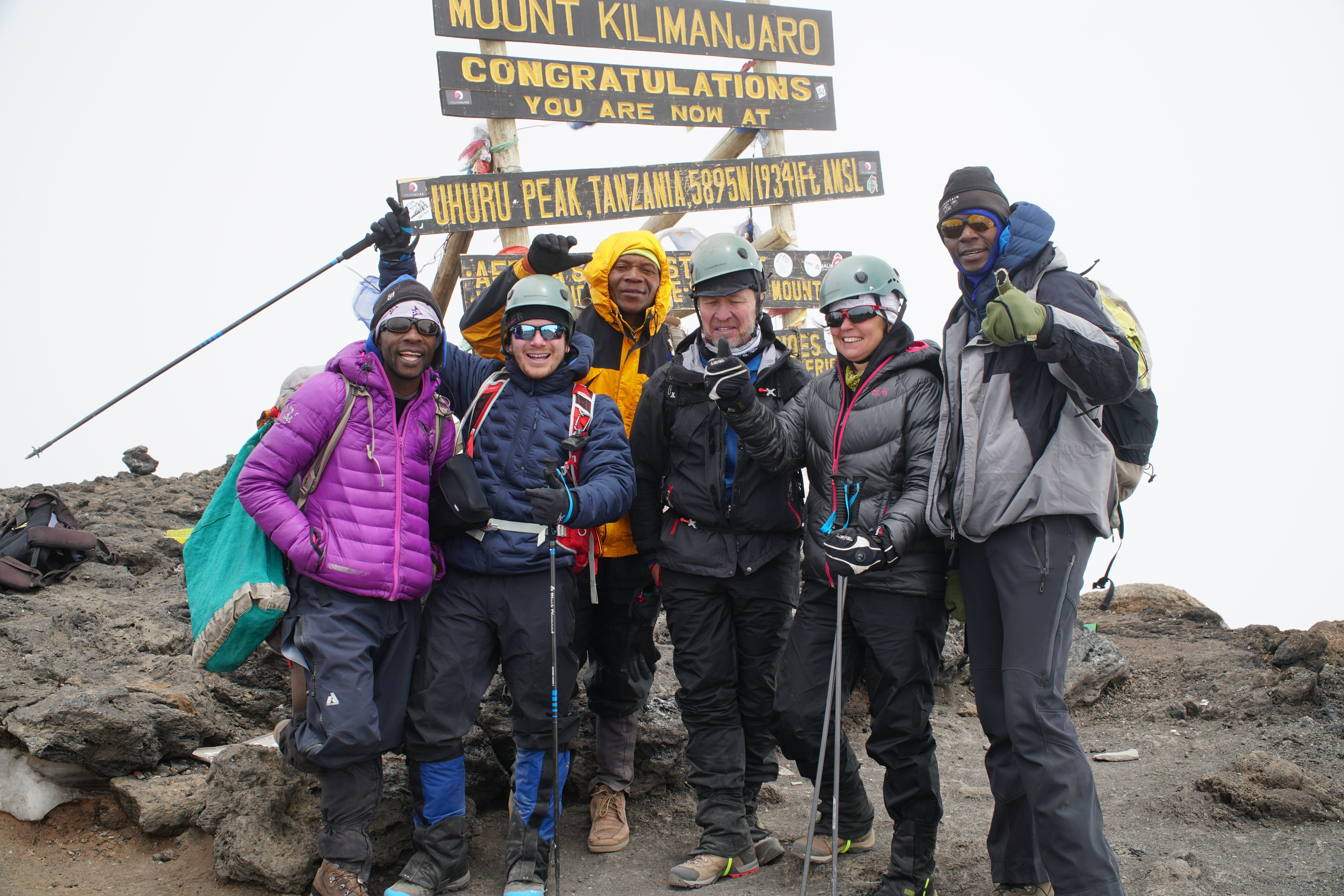
It came with its challenges, but when I made it to the top, it was such an amazing spiritual moment. Reaching that [summit] was a great joy and a huge success. Because of my medical [history], this was something no one thought I’d be able to do. It was something I never thought I’d be able to do.

It made me realize that if you put your mind to it, you can accomplish anything. In my book, I talk about how we all have our mountain to climb in life, and how getting up to the summit and then continuing is so important.

JT Jester and others on the summit of Mount Kilimanjaro (photo courtesy JT Jester).

GP: Speaking of your book, I’m very struck by the title, “No Bad Days.” Where does that title come from and what does it mean to you?

The phrase “no bad days” came from when I was seven- years-old, in the hospital having one of my spinal cord surgeries. My dad came into the room and said, “JT, I’m so sorry for what you’re going through.” He told me that I looked at him and said, “Dad, it’s okay. There are no bad days. There are only hard days. And we get through those.” I know that was the good Lord speaking through me. It became a life slogan for my whole family.

When people see the book, they ask me, “How do you not have any bad days?” For me, every day is a blessing. We can wake up, breathe the air around us, see the people in our lives and see the way God’s working throughout our world. We are going to have our discomforts, our pains, our challenges in life. There are going to be hard days, but we get through those with the people in our life.

GP: What do you hope people will get out of your book? 

The book talks about my life journey, but it also brings in other people’s journeys. Whether that’s the loss of a loved one, living with learning challenges like dyslexia, or medical challenges. The book encapsulates all these different people’s stories and their tactics of how they have overcome hardship.

The book also talks about storytelling and how important it is. We all have challenges in life and being able to express them to others is so crucial. It allows you to be open to people that you trust, and then in return, they trust you and express what’s going on in their life. You can support them and help them, and they will be there to support and help you.

And it’s not just having someone there for you in challenging times, but someone there to motivate you and push you and to make you grow even more. My book is about how we all have to share our stories and continue in helping each other. We all have a story that God is writing for us.

GP: What advice would you have for people who are looking to find more joy in their lives? 

Find your passions in life. For me, being in nature is where I find a lot of joy. And find the people to do those passions with. Having good, strong, faithful relationships are so important to finding joy.

My second tip is to just get outside and get moving. Be active in some way. Some days that can be very hard to do, but it will help get your mind motivated.

READ MORE: A 10-Word Prayer When You’re Out of Options

GP: What about those days when someone just is not able to do this? What advice would you give to people who are having very hard days? 

In the hardest of days, having your tribe is important. That’s something that you can rely on and lean on. When I have a hard day, I will sometimes call one of my very close friends who has been a great teacher to me.

This is also why your relationship with God is so important. Knowing that you’re not alone because He’s there to support and love you. We are all going to have those very hard days, so being able to rely on our relationship with the Lord is the most important.

This interview has been lightly edited for clarity and length. 

The Power of Unconditional Love

Love is not just a warm fuzzy feeling. It is a deep and strong affection we feel for another person, expressed through words and actions. Without it, our lives would be hollow and shallow. To love and be loved by others is what we want above all else. It is the lifeline of humanity.

We seek love from friends, family members and a romantic partner, but sometimes we tend to place too many conditions on these relationships, causing us to miss out on the power of love. For example, we may feel that we are only able to love those who love us in return or only until they are no longer meeting our expectations. But true love is unconditional. When we truly care for another individual, we must continue to do so in the good times and the bad. All relationships face obstacles and limitations, but if we overcome them, we experience the amazing gift of love.

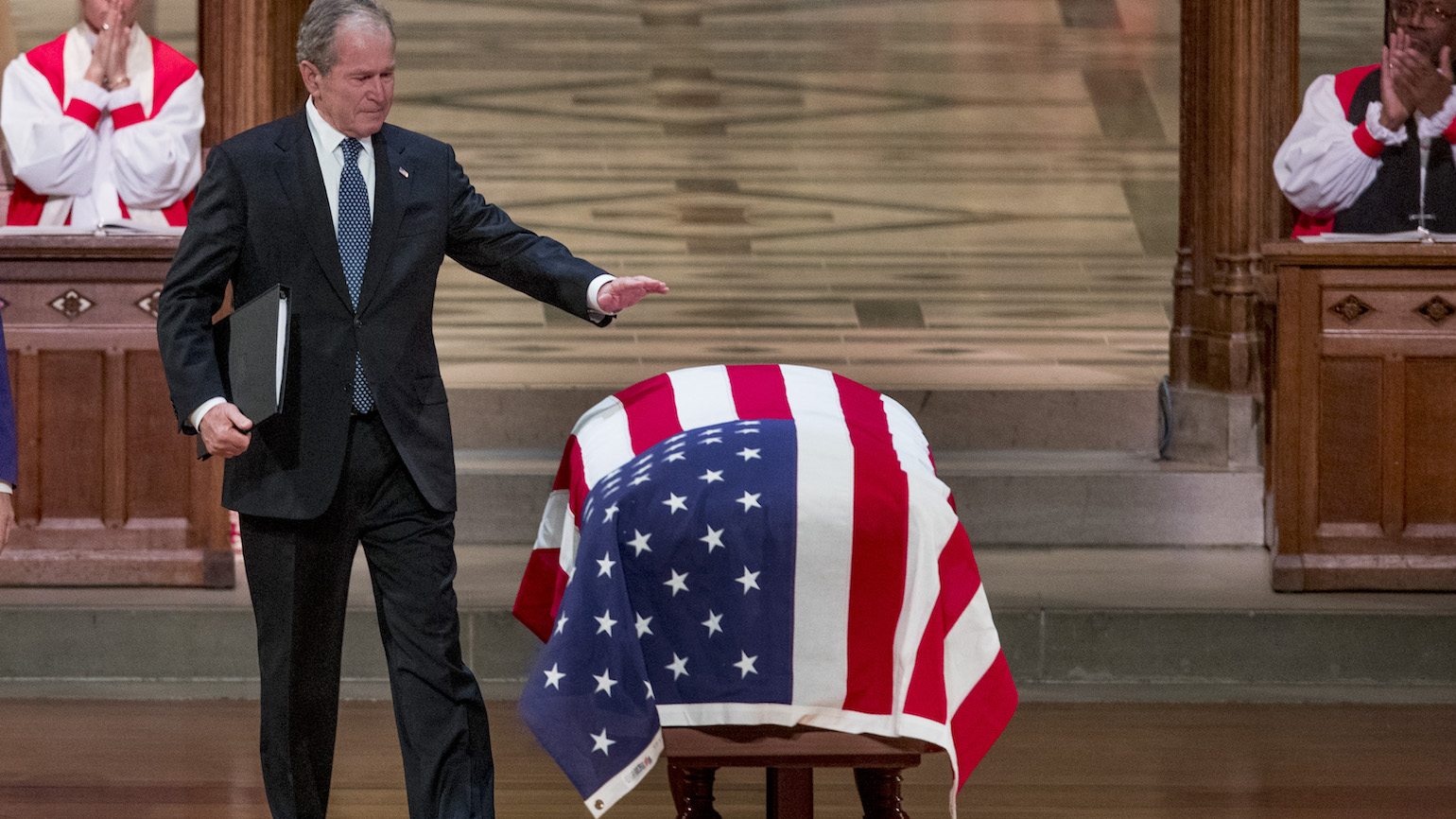
Recently, many of us tuned in to watch President George W. Bush give a eulogy at the funeral for his father, President George H.W. Bush. During this speech, he expressed what could only be defined as his true love and admiration for his father. Towards the end of the speech he said, “He taught us what it means to be a wonderful father, grandfather and great-grandfather. He was firm in his principles and supportive as we began to seek our own ways. He encouraged and comforted but never steered. We tested his patience. I know I did. But he always responded with the great gift of unconditional love.”

In listening to this speech, many of us were deeply moved as a son spoke highly of his father and the love his father had for family, life and others. Bush’s speech told us what laid heavily on his heart, his unconditional love for his father.

God, please teach us to express our love to those we care for and to love unconditionally.

The Mysterious Timing of a Guideposts Devotional and a Delayed Wedding

Sometimes the timing of a Daily Guideposts devotional can surprise even us editors. Take the one I wrote that appeared on Sunday, September 19.

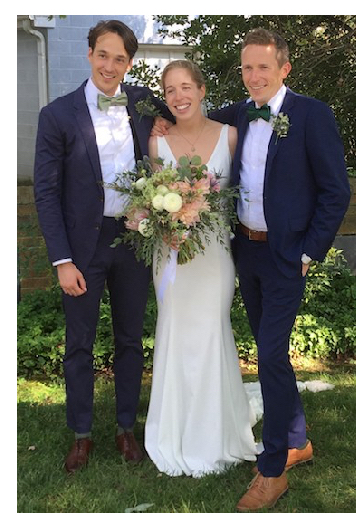
That was a festive weekend for us because we had celebrated our son Tim’s wedding with his beloved Henley. It was one of those Covid-delayed events, something that was supposed to happen last year but then got cancelled months beforehand.

Tim and Henley's weddingIn the meanwhile, last year, the bride and groom pledged their troth and exchanged rings in a very private ceremony with the New York skyline in the background—letting God know who they were to each other. They’d just moved to New York where Tim began his schooling at seminary in preparation for his calling as a minister. What a blessing.
And the blessings multiplied —as they do—when their son Silas entered the world this July. Tim and Henley moved into an apartment half a block away, so we babysitters are close at hand. Just call me Gramps, my new name.

By then, vaccinations had made the prospect of a wedding, with guests coming from far and near, much safer. The date was picked and settled on, September 18.

September weddings seem to be a family tradition. My parents were wed on a September day back in 1948 and three years ago our older son William got married to his wife Karen in California on a luminous September day, a wedding I had the honor of presiding over.

And now this one.

All the events would be outside on the Eastern shore of Maryland where Henley grew up and her family lived. We stormed the heavens in advance, praying for a rain-free day. Sure enough, we were greeted with spectacular weather, dry and cool.

At the ceremony I had the privilege of reading the prayers. (Truth to tell, I was so happily distracted—blissfully unaware—that I had to be reminded during the service that it was my turn.) William stood by his brother, the best man. And when husband and wife were presented to the crowd we burst into applause. Some of us wiped away a tear or two.

The reception was by the water’s edge under a large tent and goodness knows, we all snapped photo after photo with our phones, posting them on social media. Let everyone celebrate with us.

It was only the next morning, Sunday, that a friend commented on Facebook how appropriate my devotional was for that day, September 19, because I’d written about Will and Karen’s wedding, with the accompanying Bible verse from Song of Songs, “Set me as a seal upon your heart…”

Now you must know that the 2021 issue of Daily Guideposts was printed long before we knew when this wedding would happen. Or even if it would happen. We editors like to time things just right, but this was an instance of God’s timing. Divine providence.

Happy Day. Happy bridal couple. Blessed and blessed and blessed we are.

The Miracle in an Old Class Photo

I’m very much a worrywart. I worry about all sorts of things, from whether or not the diet coffee I ordered at Starbucks was actually diet to whether or not I’ll ever have kids. (Perhaps I’ll be the kind of person who doesn’t have a family of her own but comes to regard her handbags as her children…okay, fine, I already do that!).

If I think back on all the wonders of my life, though, none of them came about from worry or planning. Instead, they all came unexpectedly from God.

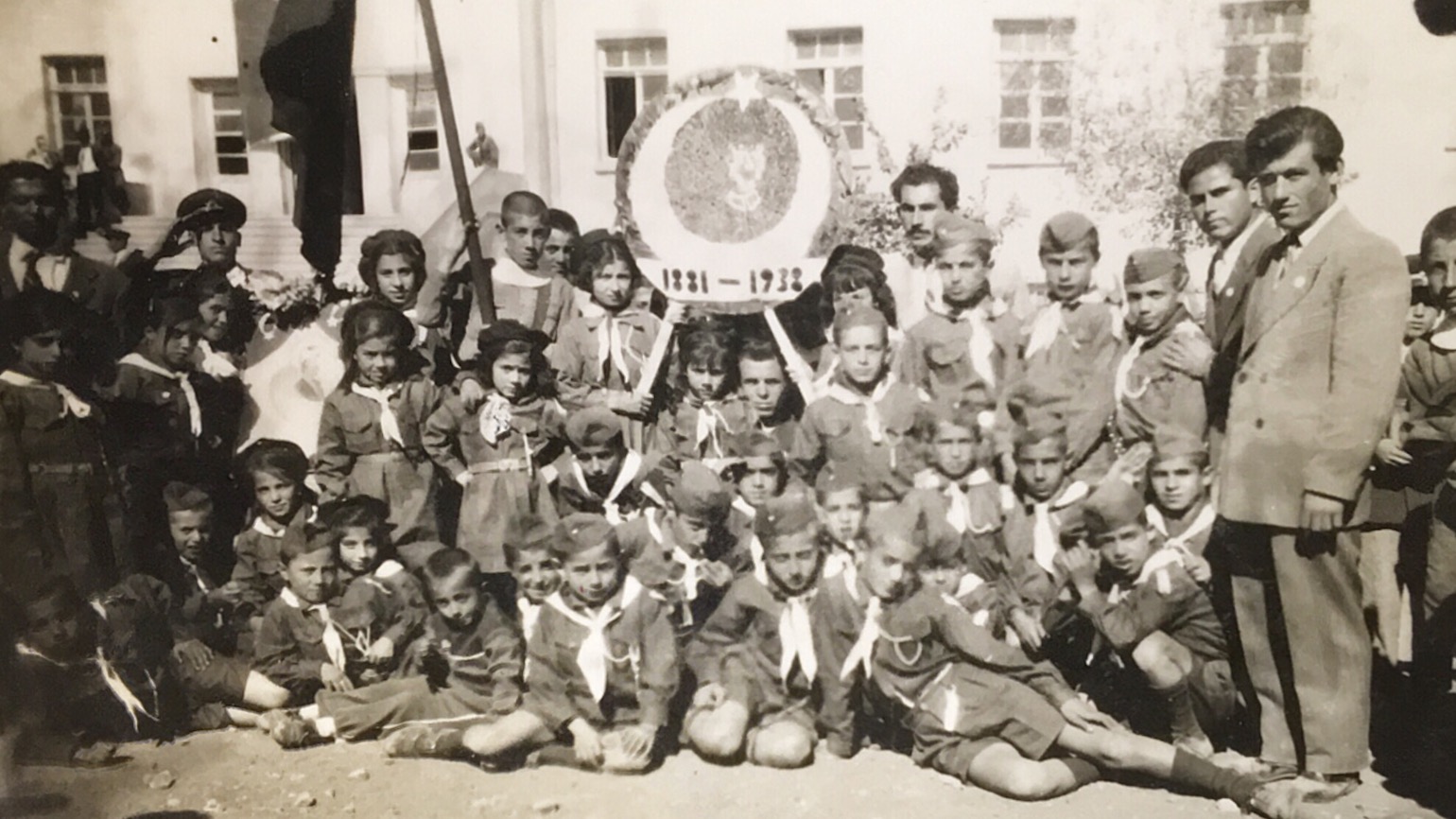
It’s like this photo I came across at my parents’ house over the holidays last year. It was sitting on my mom’s dresser. A class photo about the size of a business card, black and white. I asked my mom about it. She said it was taken on Children’s Day when she was in the third grade in Midyat, Turkey, where my parents were born. “Your dad and I are both in it,” she said.

Read More: Standing Tall with a Heaven-Sent Spouse

I was instantly intrigued. My parents met in the first grade. Apparently, my dad came home from his first day at school and told my grandmother he’d found his future wife. They attended elementary school together, went to different high schools and eventually my dad went off to the U.S. for college. It wasn’t until he graduated and returned home one summer that they reunited.

I squinted at the photo, hoping to find some evidence that they were meant to be. But the photo was too small for me to make out the faces. I found a magnifying glass. When I finally spotted my parents, I couldn’t help but laugh. Their personalities seemed so much the same! There was my mom on the left side of the photo, her hands on her hips, as sassy as ever. And my dad, on the opposite side, striking a pretty fierce pose of his own.

There weren’t any clues that they were destined to end up together, though. It’s not like my dad was staring at my mom across his side of the photo, making heart-shaped gestures with his hands. And yet the fact that there was no clear sign they were meant to be made it all the more amazing to me. Who could’ve known when that photo was taken that those two fierce-looking kids would one day get married? Or that the photograph would travel all the way from southeastern Turkey in my dad’s suitcase when he moved to the U.S. in 1965?

I know my dad hoped for those things (he always says he had three goals growing up: to marry my mom, to move to the U.S. and to become an engineer). But there was no guarantee any of that would ever happen.

When I look at that photo I’m reminded of how beautifully complex life is. How you never really know what miracles God has in store for you. Even if there’s no evidence, no sign, no clue that your hopes and dreams will ever come to pass, God is working things out in way that’s too wondrous to even comprehend.

That’s something I’m going to try to remind myself of the next time my inner worrywart comes out!

The Manicurist Who Changed Her Life

I wrapped my hands around my coffee mug and sank into my sofa, trying to let the stress of dealing with my mountain of troubles seep out of me. Instead, my eyes landed on my fingernails. They were ugly and ragged. As ragged as my spirit was these days. My long-awaited retirement wasn’t working out the way I had planned.

A series of medical crises had left me dependent on prescription opioids and deep in debt. Though I’d finally conquered the addiction, I remained buried in debt—and shame. I’d never felt so hopeless.

Maybe a manicure would give me a little lift, make my day better. I hadn’t been treating myself to anything lately, but it was one indulgence I could still afford, even on my strict budget. I didn’t want to run into anyone I knew and have them ask how I was doing, so I made an appointment at a salon I had never been to. Annie, the owner, answered the phone and said that she would be taking care of me.

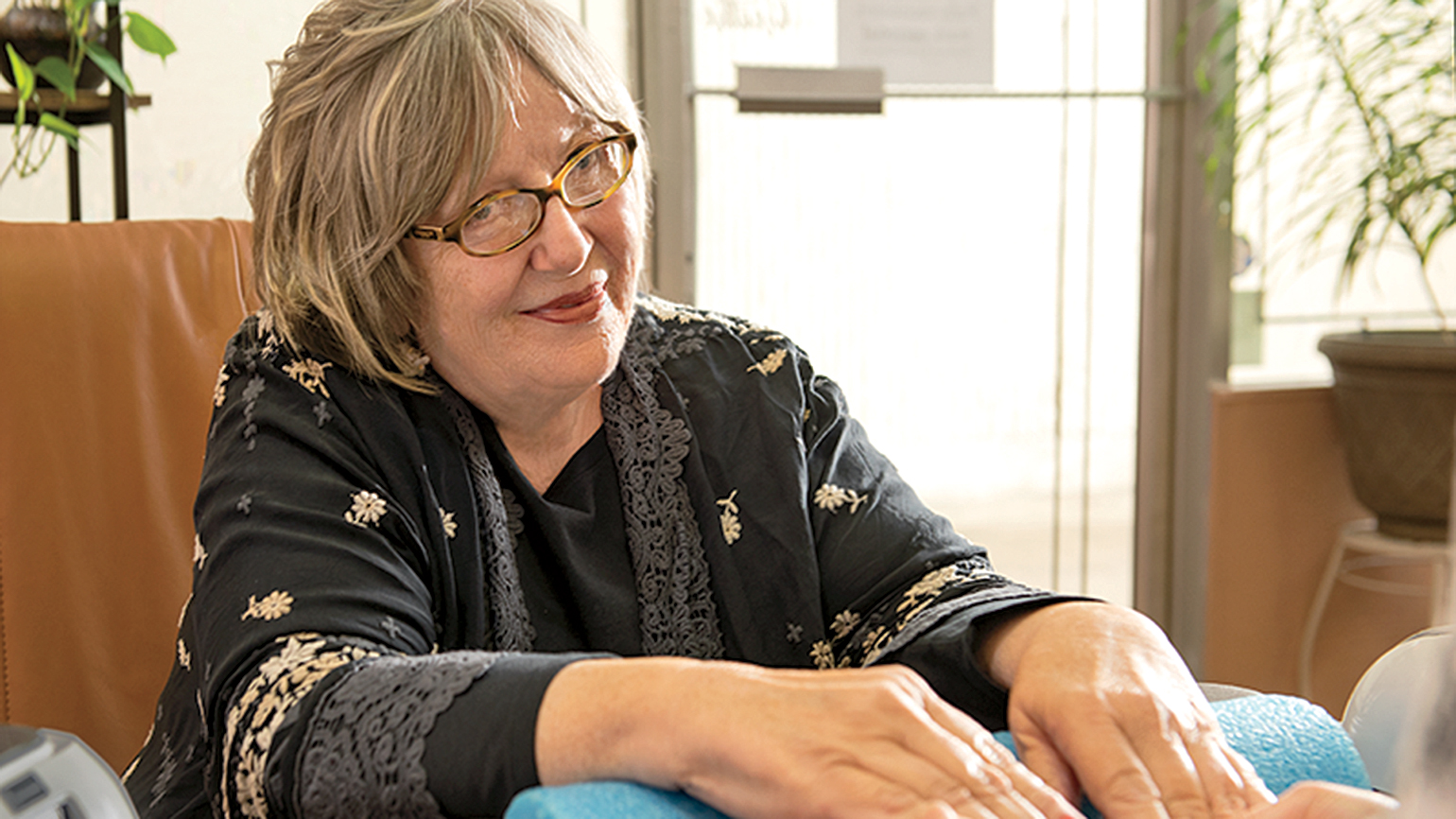
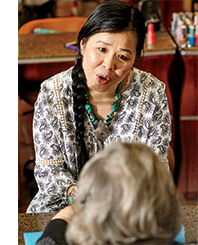
Roberta's friend and manicurist, Annie
Roberta’s friend and
manicurist, Annie

With a name like Annie, I wasn’t expecting the Asian lady with the silky black braid who came up to me and introduced herself. “So happy to meet you, Roberta,” she said, leading me to her workstation. It wasn’t just her smile that was radiant. It was her whole being. She seemed overjoyed at the prospect of painting my nails. She must really like her job, I thought.

While Annie was gathering her supplies, I overheard a conversation between two of her customers. The one who was recovering from a stroke showed off her icy blue nail color. “Annie says this is fit for a queen,” she said, beaming. The other had nails painted in a shimmering pink. “I couldn’t have made it through my cancer treatments without Annie,” she said. “Or my Debutante Pink.”

Annie reappeared at her station, brandishing a bottle of vibrant red polish. “This is you, Roberta,” she said. “Lucky Red!

She’s picking my color for me? I thought. That’s weird. Then again, I’d always loved red polish, and I could use some good luck for a change.

Annie took my hand and went to work. As she clipped, filed and buffed my nails, she told me a little about herself. She and her family were from Vietnam. They’d immigrated to America when Annie was nine and settled in California. While still in high school, Annie studied the nail tech trade at her mother’s urging. “What do you do, Roberta?” she wanted to know.

A lady waiting for her appointment called out from behind a magazine. “If Roberta won’t tell you, I will. She was head of infection control at the VA hospital. Whenever anyone had a question, Roberta knew the answer.”

I cringed, shrinking down in my chair. How had I gone from being a high-ranking nurse with a private office and a phone ringing off the hook to the messed-up life I had now?“

I’m retired from nursing,” I said at last. “Now I write little stories. All by my lonesome at my kitchen table.”

“Stories?” Annie exclaimed. “Favorite thing! I tell you my story.” She leaned in and applied the polish. “People used to ask what I do. When I say, ‘Nail Girl,’ even their eyes frown. One day, a man say he plucks chickens. Next time someone ask what I do, I say to them, ‘Chicken Plucker.’ Frown worse. Went back to Nail Girl. Best. Nail. Girl. Ever.”

I fanned out my fingers and checked out my manicure. My nails shone, beautiful now. The red Annie had chosen was bright and bold. Exactly how I wanted to feel. I left the salon smiling for the first time in months.

Three weeks later, I returned. I found myself studying the little sayings Annie had tacked on the walls. I zeroed in on one of them: Don’t look back. You’re not going that way. How I wanted to escape the prison of my regrets and make those words mine! As Annie set everything down on the worktable, I said, “It’s hard not to look back.”

Annie nodded, encouraging me to continue.

“You see, I was hooked on prescription painkillers,” I said, keeping my voice low. “I don’t need the pills now. But I can’t get rid of the shame.”

“Oh, Roberta!” Annie said. “Don’t hold that to your heart. Ball and chain no more!”

She cradled my hands in hers for a moment before lowering my fingers into a bowl of acetone remover. I watched as the flecks of old polish floated away, imagining that they were my yesterdays.

Annie told me more about her own battle with shame. She’d hated being a manicurist at first, feeling inferior to the affluent clients who seemed to have it all. “I look in the mirror. My forehead was wrong, my eyes wrong, my mouth wrong,” Annie said. “I added up all the places I need surgery so that I look like I belong in America.”

Still, she’d forged ahead, following a friend here to Huntington, West Virginia, where she set up her own shop two decades ago. “I had no money, but I work and work and work,” she said. As Annie built her clientele, her attitude shifted and she found her calling to become the best nail girl ever. “At beginning, you’re all just clients. Then you learn from me and I learn from you,” she said. “Now if someone give me $20,000? I don’t have surgery. I buy new kitchen.”

I’m a devout Christian. But when Annie talked about how embracing her Buddhist principles—particularly the idea that everything in life is impermanent—had helped shape her sunny disposition, I listened intently. It made me think of what Jesus told his disciples the night before his crucifixion: “In the world you will have tribulation. But take heart; I have overcome the world.”

I grew so comfortable with Annie that one day I told her about my struggle to whittle down all my medical debt. And how depressing it was not to be able to do anything nice for myself anymore except get the occasional manicure.

Annie listened with no judgment in her eyes, only compassion. When she spoke, it was of pleasures that don’t cost a dime. “No need to go to mall. People stuffocate.

I chuckled. Annie’s command of English might not be perfect, but she made perfect sense.

“Go for walk, Roberta. Every evening, I walk in park. Talk to everyone’s dogs. Park and dogs are free.”

Her words shifted something inside me. For weeks, I’d been coveting a leather case for my pens. I’d circled the one I wanted in a fancy catalog and kept staring at the picture even though I knew I shouldn’t spend the money. That evening, after getting home from the nail salon, I stumbled upon an old, oversize eyeglasses case. Hmm… Its red and black pebbled leather was every bit as lovely as the pricey case in the catalog.

I loaded the old glasses case with my writing implements. They fit just right. I set my “new” pen case beside my journal, contentment washing over me. Annie would be proud.

One afternoon at the salon, one of the regulars was going on about the doom and gloom on TV. The atmosphere in the salon grew dark. Suddenly Annie bounced up from her perch at the worktable and ran to the front door. She used her hands to literally sweep out the negativity and usher in positive vibes.

“Best. Day. Ever,” Annie proclaimed. We all burst into laughter. At my next appointment, a new saying adorned the salon wall, complete with a huge smiling heart: If you can’t be positive, at least be quiet.

One time, I told Annie how I was having trouble with a story I was working on. “It’s about a painful time in my past,” I said. “But most of the details are gone. There’s a lot I just don’t remember anymore.”

Annie gently massaged herbal-scented lotion into my hands. “Some things we’re not meant to remember, Roberta,” she said quietly. “So we can move on.”

I thought of one of my favorite Bible verses, from Psalm 118: “This is the day the Lord has made; we will rejoice and be glad in it.” I’d recited it countless times, but until meeting Annie I’d never really lived those words, had never awakened each morning alive to the abundant blessings that God intended just for me. If anyone had told me that a Buddhist angel in a nail salon would change my life, I would have said, “No way.” But that’s exactly what happened.

“It’s the funniest thing,” I told Annie recently. “Since knowing you, I realize I could be younger, prettier, smarter, thinner. A whole lot wealthier. But not richer. And there’s not one person on this earth I would trade places with.”

Annie squeezed my hands. “Me either, Roberta,” she said. “I love the Annie and Roberta we’ve become. They are enough.”

Some folks might attribute my new way of thinking to a polish called Lucky Red. I say it wasn’t luck at all. It was Annie, who’d pointed the way to my Best. Life. Ever.

For more inspiring stories, subscribe to Guideposts magazine.

The Joys of True Inspirational Stories

Today’s guest-blogger is Angels on Earth associate editor Tanya Richardson.

Five o’clock on a Friday evening and I still had a pile of work on my desk that had to be done by Monday morning—most importantly reading our annual Christmas issue before it was shipped off to the printer.

“I’m on my way home,” I emailed my husband. “I have some work I need to bring with me, though.” I thought about how Michael and I usually spent our weekends: walking through the city or along the Hudson River, attending a yoga class, chatting over coffee at our local hangout, meeting up with friends, seeing live music. This weekend one of those would have to wait.

I put my proofs of The Joys of Christmas 2012 into my bag and turned off my computer. I didn’t mind taking work home. It was a rarity for me at Guideposts. And besides, I thought, I’ll have the whole weekend to get it done.

Except that once I got home I kept putting it off. Sunday morning I made breakfast and went to church. When we got home Michael sat down at his computer to do some work, and I knew there was no more escaping my own responsibilities. I sighed and sat down to start reading.

Then a funny thing happened. Almost instantly I became lost in the true inspirational stories: a dad who manages to fly to his son’s base in Afghanistan for a surprise Christmas reunion, a community that rallies around an ill child, a camel that is able to reach a struggling adolescent. As I read page after page, I realized there was nothing else I would rather be doing on a Sunday afternoon. I couldn’t imagine an activity more joyful or comforting or inspirational.

I hope you like reading The Joys of Christmas 2012 as much as I did. It was a joy to work on, too.

Click here to order The Joys of Christmas 2012.