
Embrace God's truth with our new book, The Lies that Bind

What Our Faith Calls Us To: Sam Collier

This interview is part of our What Our Faith Calls Us To series.

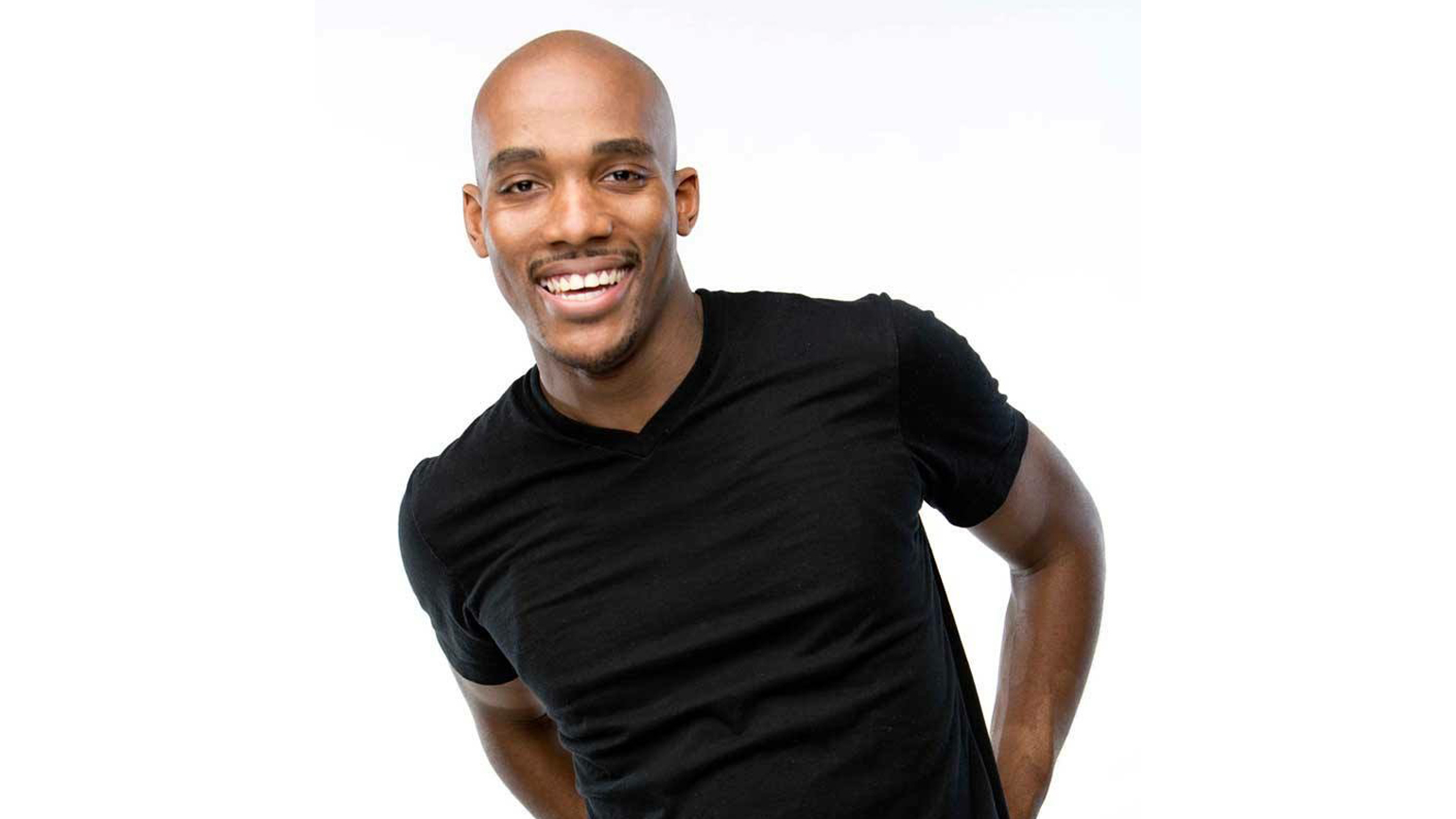
Sam Collier, a pastor, speaker, and author, has discussed race relations with some of the world’s most influential leaders, including Mark Zuckerberg and Sheryl Sandberg. He has counseled the family of Dr. Martin Luther King, Jr. and works with other faith-based leaders to get them thinking and talking about race. In his new book A Greater Story, Sam reflects on how his incredible life story—he and his twin sister were adopted from foster care and were later reunited with their birth mother on The Steve Harvey Show—shaped his faith and unique outlook on racial reconciliation. Collier, who lives in Atlanta, Georgia, with his wife and daughter, suggests ways we can all use our faith in the fight against racism.

GP: What was it like growing up the South?

SC: I grew up in Atlanta, the birthplace of the Civil Rights movement and a Black mecca in the U.S. My father owned a barber shop right across the street from where Martin Luther King, Jr. is buried. I remember walking down the street and seeing murals of great Black leaders like John Lewis. I even have a picture of myself sitting on John Lewis’ lap when I was six after my dad cut his hair.

For me, racism is like the weather. It’s a normal part of your routine, you build your wardrobe around it. You adapt to this environment. But when I would experience opposition, I would look up to those Black leaders. I would see that mural of John Lewis and know that he did it, so I could do it.

GP: What are you currently doing in your community to bridge the gap between races?

SC: I consult with a lot of faith-based leaders on the issue of race and diversity. I start conversations and try to be a voice of reason during this time of civil unrest. I’m also working with large predominately white churches to help them staff in a more diverse way and create a culture of diversity.

I’m working with a lot of organizations who are trying to respond to the Black Lives Matter movement. Organizations are recognizing there is a problem. They realize they haven’t taken the conversation seriously enough; I work to help with that.

GP: What inspired you to devote your life to this work?

SC: This is something I stumbled into. I grew up in all Black neighborhoods and environments. I didn’t have my first experience with a [predominately] white environment until I was 21 and a close friend invited me to join a white ministry. Growing up in a Black church and moving into that white space….it took me four years to become relevant there.

In ministry, everyone has different problems; you have to understand everyone’s plights. Being in that space, people started asking me, ‘How did you do this? How did you leave a Black church and move into a white ministry? That threw me into a lot of conversations about race. From there, with my unique perspective, it started opening doors for me. Doors to speaking about race. To consult. To have unique moments and opportunities and conversations. People asked for my perspective. I found that I had a specific disposition for it that allowed for me to succeed in this.

GP: You’ve had conversations with some of America’s most influential leaders regarding race relations. What are some of the biggest lessons you wanted to teach?

SC: The main thing I have seen is a lack of understanding, a lack of exposure, and a lack of relationship.

We’re constantly asking, why are we still facing this issue? There are good people on both sides. But the narrative for Black people has become that white people know— and don’t care. At the same time, white people don’t actually know our plight at the deepest level. That basic premise, while very simple, leads to massive tension and lack of systemic change. But when you get Black people to understand that the majority of whites don’t actually understand the struggles, and you get white people to believe that they didn’t know the whole story, you can change the conversation.

GP: You have provided counsel to Dr. Martin Luther King Jr’s family. What did you learn from this?

SC: They mentored me for four years; I still have holidays with them. I’ve had the opportunity to open doors for them in white spaces. Being able to bridge the gap there has taught me the power of proximity. The closer we get to something, the clearer it becomes. It is easier to make assumptions from afar, but our assumptions are flawed. When we get close to something, we can see what it is and how to approach.

GP: What do you feel is the connection between faith and racial justice?

SC: I think of the Parable of the Good Samaratin, which underscores the great commandment: love they neighbor as yourself. The man in the story asks Jesus, “Who is my neighbor?” He is trying to find a loophole because, historically, Samaritans and Jewish people were not supposed to associate with each other. But loving your neighbor, this requires us to put down what our culture says we should do. There is a wrong that needs to be made right. It always leads me back to this question: What does love require of me?

GP: What can people of faith do in their community to help support and educate each other?

SC: I think there’s a lot that can be done. First, we need to start at the foundation. Obviously, there’s systemic change that needs to happen on the economic and legal levels. But all of that starts by asking that question: what does love require of me?

I have found that for people of faith, we consistently put the cart before the horse. We want those in positions of power to change things. It’s the reason we keep hitting a brick wall. The only way to bring those in power into understanding is through relationships.

The heart of the Civil Rights movement was relationships. People saw the protesting, heard the songs, heard the speeches, but what is often left out are the conversations. It is during those one-on-one meetings that change happens. The protests, the songs, the social media posts, they are all important, but they need to lead us to that conversation, that relationship, that reaching down and picking up our neighbor. Otherwise we will keep doing the same thing.

We need to start those conversations. To actually schedule times to do them. There’s are fantastic groups, such as Be the Bridge, that offer structure and discussion guides for having these conversations.

If the pastors, the people in power, get every person in their church to care about this issue and to live their life with people different than them, they could easily change their community. Every leader has a sphere of influence that can create systemic change. Every person has influence that can create cultural change. What I have seen from my experience, is that when people get in real relationship with people who are different from them, they automatically begin to carry their burdens. Then, change is inevitable.

This interview has been lightly edited for clarity and length.
What Mary Did–And Didn’t Do

My friend Kelly came to town this week, and somehow as we walked down 42nd Street we ended talking about Mary, the mother of Jesus.

Kelly said that, as a mom herself, the most amazing aspect of Mary is that she didn’t run screaming into the road at Calvary, trying to change the outcome and save the day. Mary knew that her son’s life was His own, and she didn’t try to force Him down a different path. She tolerated her own distress–and His, too. This, in Kelly’s mind, was heroic. I thought so, as well.

“For me, what’s astonishing is that the angel Gabriel only came once,” I told Kelly in reply. “Mary got a single visit and had to hold onto that truth and message all those years.” There were no weekly reminders, no brush-up visits from heaven, no friends who were there when it happened and could reassure her it was real. All that not-knowing, and still she kept going, faithfully. Kelly nodded.

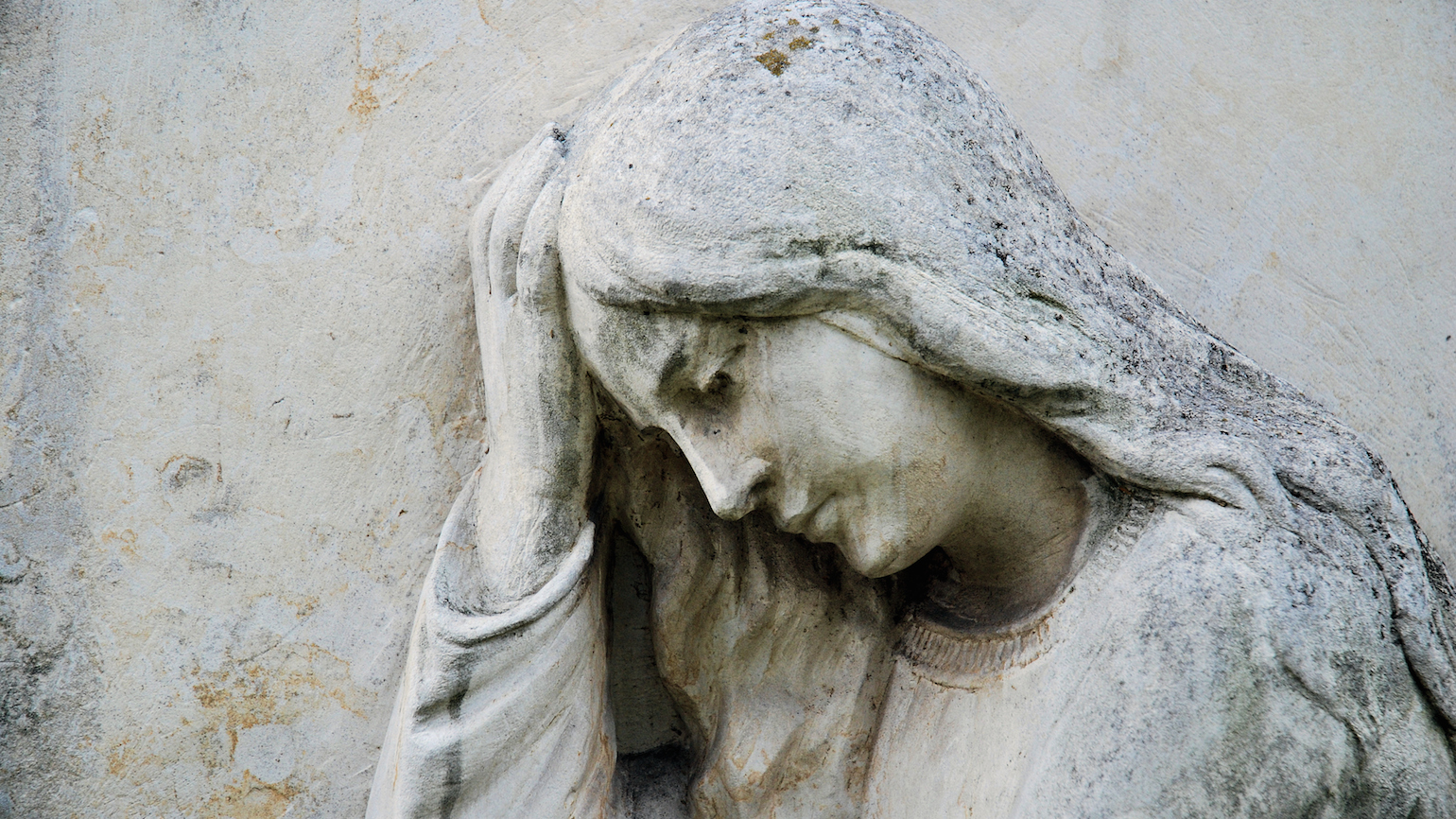
Later we headed up to the Metropolitan Museum of Art, and saw many paintings and statues depicting Mary holding her infant son and lamenting Him at the crucifixion. The limited range of circumstances in which she was shown reminded me there isn’t a whole lot that we know about what Mary did. Perhaps, then, it’s helpful to ponder what she didn’t do, too: She stayed faithful in difficult circumstances. That tells me something about what God wants of me, too.

We All Carry the Torch—and Can Pass It Along

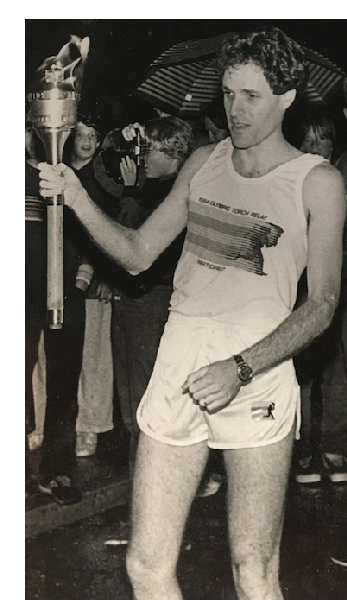
I carried the flame in 1984 in the torch relay as it made its way across the country to the Olympics in Los Angeles.

Wow. What an honor that was. I’m tempted to go into a thousand disclaimers: I wasn’t some budding Olympic athlete. I only carried it through a corner of Connecticut. My dad was working for the Olympics that year, and he thought it was something I would enjoy.

Rick carries the torchStill. It makes me realize that all sorts of honors can come our way unexpectedly. It’s for us to savor them, give thanks, make something of them. And then pass along that burning flame.

Let me go back to that May night in 1984. The flame had just begun its circuitous route across America, covering 15,000 kilometers. That first day it inched its way up the coast from New York, each runner carrying it for a kilometer.

Some of the runners were legendary. People like the grandson of athletic star Jim Thorpe and the granddaughter of gold-medaled Jesse Owen. Others were folk like me, pure amateurs. Supporters of the cause.

Mom and Dad had made a donation to the YMCA back home. I was sent a uniform, and the official aluminum torch. I held it as I stood waiting in the dusk for the flame to arrive.

Part of me wondered if it would even arrive. The plan seemed so ambitious. Would they ever find enough runners to cover that enormous distance? And who would really care? Other people were huddled in the dark on the sidewalk. What would they see?

All at once it happened. A runner appeared out of the gloom, lit my torch, and I was sent on my way. Jogging down the highway. If I had worried about finding my way in the dark, there was no question now. People lined the road, clapping and shouting as I passed.

Not for me. For the cause that I represented. The free expression of athletic prowess; the celebration of talent, dedication, discipline; the event that would be inaugurated at the end of July.

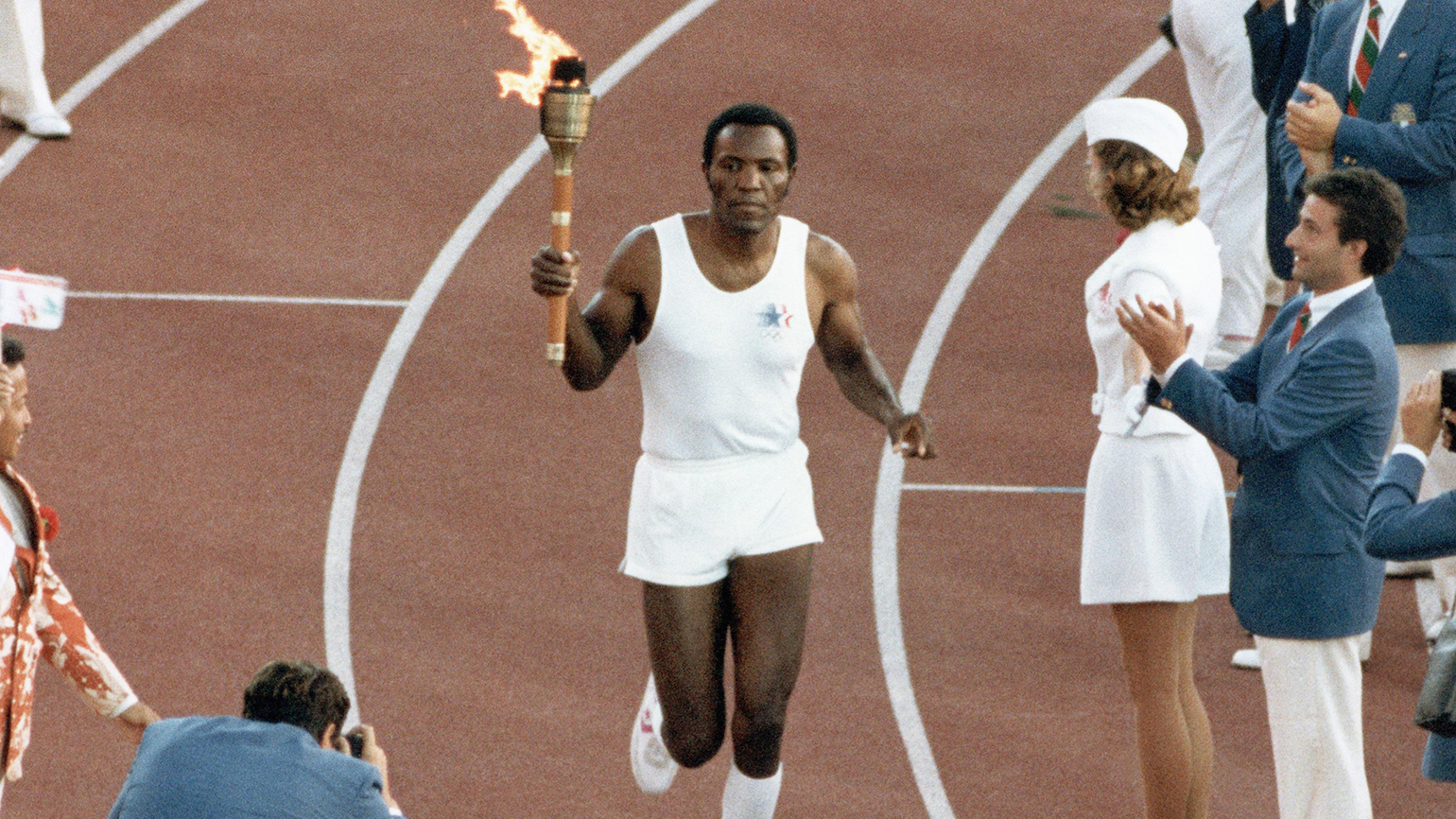
All too soon it was over. But not really over. I passed the flame on to the next runner, who would pass it along to the next and next until it finally reached gold medalist Rafer Johnson who would carry it into the L.A. Coliseum.

How lucky I was to play a part. Blessed. But like I say, I think we all have these opportunities to carry the torch. Of our faith. Our values. Our beliefs. “You are the light of the world,” Jesus said. We are.

We might feel unsure—like I did that night in 1984. We might wonder if what we have to do or say or show will even matter. We step out, illuminated by our faith. And meet the crowd that was waiting for us all along.

Let your light shine.

Was She Suited to Be a Pastor’s Wife?

I was 27 years old and living the life I always wanted…or thought I did.

I was married to a youth pastor. We had two daughters, and I was pregnant with our third baby girl. My husband, Daniel, was busy at church (very busy), and our family was beloved by the congregation.

We were like the youth group families I’d idolized growing up, with their stay-at-home moms, cheerful kids and involvement in church.

My own family was the opposite. My dad had walked out while my mom was pregnant with me. My mom worked long hours but couldn’t afford much beyond the necessities. I was a self-proclaimed Jesus freak, riding my bike miles every Sunday to attend church by myself, where I’d sit in a pew with my middle school friends and long to belong to one of the families around me.

For years, I’d prayed for the kind of family I had now.

Why was I so unhappy?

It wasn’t just that I was struggling emotionally with an exhausting third pregnancy or that I had recently been diagnosed with gestational diabetes.

I felt totally unsuited to being a pastor’s wife and stay-at-home mom. I’m not the most organized person, and my days at home with the kids did not remotely resemble the sprightly, creative families I saw on social media—let alone the relaxed, can-do moms I remembered from youth group.

I wanted to support Daniel’s ministry, but more and more I found myself resenting how much time his job required. Not to mention the master’s of divinity he was completing on the side. Much of his work happened during afternoons, evenings, weekends—exactly when my energies flagged and I yearned for Daniel’s help and companionship.

I’d studied communications when I was in college, and I hadn’t anticipated how much I would miss writing professionally after the kids arrived. The more my parenting duties expanded, the more I wished I could work part-time to supplement Daniel’s modest income.

Our family was God’s answer to my prayers. Why couldn’t I be grateful? What was wrong with me?

Everything came to a head when I got the diabetes diagnosis. A routine blood test came back showing elevated sugar levels. My doctor said I needed more tests right away.

Daniel was at church, overseeing a youth event. I called to tell him, but he couldn’t leave the kids at the event unsupervised.

It was nearing bedtime for Penny and Georgia, our four- and two-year-olds. I recruited one friend to stay with the girls while another, Lauren, took me to the hospital.

Lauren helped me into her car. I struggled to fasten the seat belt. “I wish Daniel were here,” I said. She squeezed my hand.

By the time I returned, late that night, Daniel still wasn’t home. I knew something had to change.

“Why couldn’t you at least come to the hospital?” I demanded when he arrived. “This isn’t what I thought our family would be like.”

Daniel held me and told me he was sorry. In his voice, I heard how torn he was between his obligations. I knew it was unfair to blame him. It wasn’t his fault that the life I’d always wanted was making me unhappy. I didn’t even know how to express what was wrong, and I was afraid of what might happen if I did.

Daniel would never walk out on me the way my own dad had. But would he be upset if I upended our family balance just so I could work? Would I be honoring God if I chose work over my family? Was that even a fair question to ask?

Mom told me my dad had never been particularly reliable. He wasn’t a doting husband even while my mom was pregnant. By the time I was born, it was just my mom and me.

Mom moved in with her parents for a while when I was born. I often spent weekends and time after school with my grandparents. Though Mom worked as a train station agent, often on evenings and weekends, money was tight. Everything felt precarious.

I found the security I craved at a church youth group. Mom signed me up for vacation Bible school. I kept going. I wished my family could be like those youth group families: two parents, mom at home, financially stable, involved in church. I asked God for a family like that.

A family like Daniel’s. He and I had met during college. Daniel’s father owned a business, and his mom stayed home, raising three kids and taking care of the household, where Daniel and his friends liked to hang out—looting the fridge and piling on the sofa to watch TV.

Daniel’s only rebellion was embracing a stricter version of Christianity than his parents had. For Daniel, an old-fashioned family felt like part of God’s call. For me, it felt like the safe harbor I’d always wanted.

Four months after we married, I learned I was pregnant with Penny. Our perfect family was on its way. It didn’t take long for my idealism to wane. As a new pastor, Daniel was paid little but expected to be available day and night. We lived in a basement apartment, barely affording groceries. I felt alone, constantly exhausted.

When Penny was five months old, we dressed her up as a puppy and took her to the church Halloween carnival.

“Where’s Daniel?” a friend asked. Her husband was holding their baby. My back ached from carrying Penny.

“Daniel’s here helping with the carnival,” I said. “I’m not sure where.”

Late that evening, Daniel and I were still at church while Penny slept in her car seat. I helped clean up the mess, long after other families had gone home and tucked their kids into bed. I kept thinking about my friend’s husband holding their baby.

Not long after Daniel got a job as a youth pastor at a different church, our second daughter, Georgia, was born. Daniel’s new job was even more demanding. The youth group was large, and Daniel had high hopes for the students he worked with. He left the house every morning and sometimes didn’t get home until late at night.

A restlessness built inside me. I’d assumed that a key part of the family I yearned for would be a mom who stayed home with the kids. But in my heart of hearts, I wanted to do more than parent. I wanted to be a freelance journalist, to have responsibilities outside the house, to contribute to the family income.

Making that desire a reality would require everyone to change. It felt risky. How could I pray to God for help when I was turning my back on what he’d already provided?

I made friends with a woman at church named Franchesca. She had two kids and was a graphic designer. I tried to convince her not to return to work after maternity leave. I couldn’t bear my days without her. Who would I meet for park dates and long walks?

Franchesca said she enjoyed working, and I had to admit her kids did fine in day care. I could tell by the way she talked about her job that she found something in her workplace that she didn’t at home.

“Why did we even decide that only you can work?” I asked Daniel one night while I loaded the dishwasher.

“Of course you can work,” he said. “It’s just that day care is so expensive.”

Daniel had encouraged me to write before, but this seemed like a more direct invitation. He and I worked out an arrangement. I would write while the kids took their naps. If I got paid, we could afford some child care. I sold a few articles and decided to put the girls in day care two days a week. It felt momentous. Then I got pregnant with Eloise. Was God trying to tell me to stop working?

I remembered my mom and how she would agonize over who would watch me while she worked. Eventually I told her it would be easier if I just looked after myself.

Though my mom and I were close, our relationship was complicated. It must have wounded her every time she heard me say that I wished I had a “normal” family.

I thought about all those afternoons by myself. Somehow things ended up working out. I found the youth group, went to college, married Daniel.

Maybe it wasn’t quite accurate to say that God had rescued me from a bad situation so I could become a stay-at-home mom.

I had learned to be resilient growing up. God had been present at each stage of my life, helping me move forward, loving me through the hard parts. The expectations I’d placed on myself were rooted more in fear than faith. I should have remembered: One of God’s favorite messages is “Do not be afraid.” What would happen if I listened to God without fear?

Eloise was born healthy. When she turned one, I enrolled her in a half-day child-care program and wrote every day. Gradually I was able to build a successful freelance career. The kids were fine, and my life began to look more like my friend Franchesca’s—busy and fulfilling.

Daniel was promoted to lead pastor of a new branch of our church. At one time, I might have taken that as a sign for me to step back and do everything to ensure he succeeded.

I told Daniel I was proud of him and wanted to support him. I also said, “I don’t want to feel pressured to be the perfect pastor’s wife.”

“I would never expect that of you,” Daniel said.

We’re still figuring out what it means to balance work, family and church in a clergy household. That task is so much more straightforward now that I no longer let fear guide my thinking.

It’s not the life I always thought I wanted. It’s better—the life God wants for us.

For more inspiring stories, subscribe to Guideposts magazine.

Waiting on the Lord

Wait for the LORD; be strong and take heart and wait for the LORD. (Psalm 27:14, NIV)

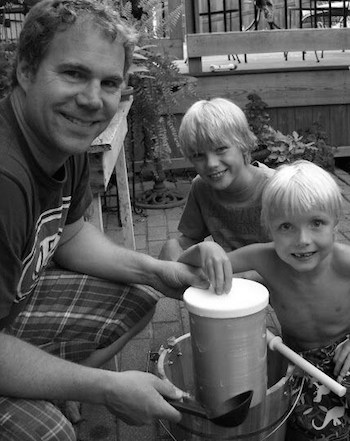
Several years ago, for Father’s Day, the boys and I bought Lonny an ice cream maker. It has a hand crank and an electric motor and the smaller boys turn the crank until their arms grow tired.

The ice cream machine has become the staple of many summer nights, and tonight we are on the patio, all of us gathered, waiting for it to deliver a good thing.

Blogger Shawnelle Eliasen's husband and sons waiting for ice cream“Is it almost done?” Isaiah asks. His eyes are wide and hopeful.
“Not quite,” Lonny says. “But it’s close. Want to toss the football while we wait?”

Isaiah shakes his head. The machine is turning slower. The motor is pulling. The ice cream is thicker, closer to being ready inside.

“It takes so long,” Gabe says. He looks to a bowl of berries, sliced and covered with plastic wrap. He’ll make a sundae, lean on the chocolate but heavy on the fruit.

“I know,” Logan says. “Not too much longer. But it is hard to wait.”

Gabe continues to watch the berries. Isaiah glances at the machine and then slides onto a brother’s lap. And I think about this moment–the desire, the not-quite-yet, the anticipation, and the hope of a good thing.

It’s like our spiritual lives.

In a household of many, the wants and needs are steep. One longs for a relationship. Another for the resolution of a tough project. Others wait for the opportunity to do something new. For physical mending. Emotional healing.

Waiting can even be as simple as longing for keys to the car or being a part of the “are we there yet?” backseat chorus on a long, family trip.

Waiting is hard.

But sometimes we’re called to wait.

It’s during these times, I believe, that the Lord molds our character. We learn to trust Him with our needs, desires, and futures. We learn a measure of self-control–leaning into His timing rather than reaching for things, prematurely, on our own. We learn to feel His presence, see His grace, and experience His compassionate care and provision while we wait.

And we’re refined. We’re molded deeper. We’re stretched and we grow closer to the likeness of His Son.

Samuel and Grant are growing restless. They pick up the football and move to the yard to play catch. The rest of us stay around the table. We listen. We wait.

And the machine whirs and churns.

It’s the sound of patience.

The sound of learning to wait.

A song of anticipation–the steady, gentle hum of good things to come.

Lord, help me when I’m in a season to trust, be still, and wait. Amen.

Visitations of Christ

Not long ago I got a letter from a woman who said she had always loved angels, always felt the angels hovering around her, surrounding her with love. But recently it was not angels but Jesus. She said that the presence of Christ felt entirely different, although she could not describe the sensation or difference. I sympathize.

Once Christ came to me. I had been praying with all my heart to see Him, to have a true relationship. It was Easter Sunday when I looked out the picture window of my little house and saw Jesus walking toward me across the lawn. He was dressed in a long white robe and sandals, and had a beard, just as in the pictures. He walked toward me, and he was shining with a joyous luminence.

I saw that He saw I saw Him. He smiled. I don’t remember if He slowly faded or vanished suddenly, but one moment He was there and the next gone, and I went back to my book, thinking, That was Jesus Christ.

What’s interesting: I didn’t fall to my knees in worship, or change my life—I just went on. But with a happy heart.

Another time I saw a ragged, long-haired hippie walking up my street in Washington. He was barefoot, and carrying a backpack. I couldn’t take my eyes off him. I crossed the street to catch up to him and as I passed, I offered him some money.

He waved it away.

“I don’t need it,” he said, or “No, thank you.” I remember only that he spoke. And then he passed on. I opened the door to my house, but I was quivering. Was he an angel? In my heart I thought, “I’ve just seen Christ.”

In a strange way, this encounter was more compelling than the vision on that Easter Sunday. To this day I wonder about it. What happened? Why was I so moved by this young man? Was it my imagination?

I wish I had more stories of present-day encounters with Jesus Christ. I wish I knew what usually happens and whether those to whom He comes are changed.

If you’ve encountered Christ, please comment below.

—–

Read more Inspirations and Angels!

Sophy Burnham is the author of 12 books. She is best known for her ground-breaking books on the spiritual dimension of life, including A Book of Angels, The Ecstatic Journey and The Path of Prayer. She is a frequent public speaker and gives workshops worldwide.

Find out more at SophyBurnham.com.

Unexpectedly Finding the Bread of Life

I don’t know about you but as much as I enjoy looking at art in a museum, I get tired sooner than I expect and need to sit for a few minutes to clear my head. Otherwise I get too groggy to look at anything.

This happened the other day when I was at the Metropolitan Museum. It’s a fabulous place and living in New York, I appreciate the luxury of being able to dart in and dart out. This was a Sunday, and I was killing time before meeting someone.

I was in the middle of Renaissance Italy, taking in some exquisite scenes, beautiful paintings in rich colors, most of them Biblical. Sensory overload finally hit, and I sat down on a bench. (Thanks for those benches, Met Museum!)

I took out my Kindle and turned to the Gospel of John. Just so you don’t think I’m too holy I should confess that this was part of an assignment for a class I’m taking. I ended up poring over that wonderful passage where Jesus compares himself to bread.

“I am the bread of life. Whoever comes to me will never go hungry, and whoever believes in me will never be thirsty,” Jesus said.

I was thinking about how tangible that must have seemed to the disciples, especially after seeing Jesus turn a few loaves and fishes into a feast for thousands.

Rested, I got up from the bench and looked again at pictures. The first one I saw was a Nativity scene, Joseph and Mary hovering over Jesus in the manger.

And there, right beneath him was a sheaf of grain. The bread of life at the feet of THE BREAD OF LIFE. “That’s it!” I wanted to say.

Too bad I didn’t have one of my old art history professors nearby because I would have asked for extra credit, remembering how Renaissance and Medieval art could be rich in symbolism.

Restored, I walked out of the museum and because I’d been thinking of food I bought a knish from one of the sidewalk vendors.

I said a prayer of thanks for good art, good food and the bread of life.

Trapped in an Ice Cave: Would They Be Rescued in Time?

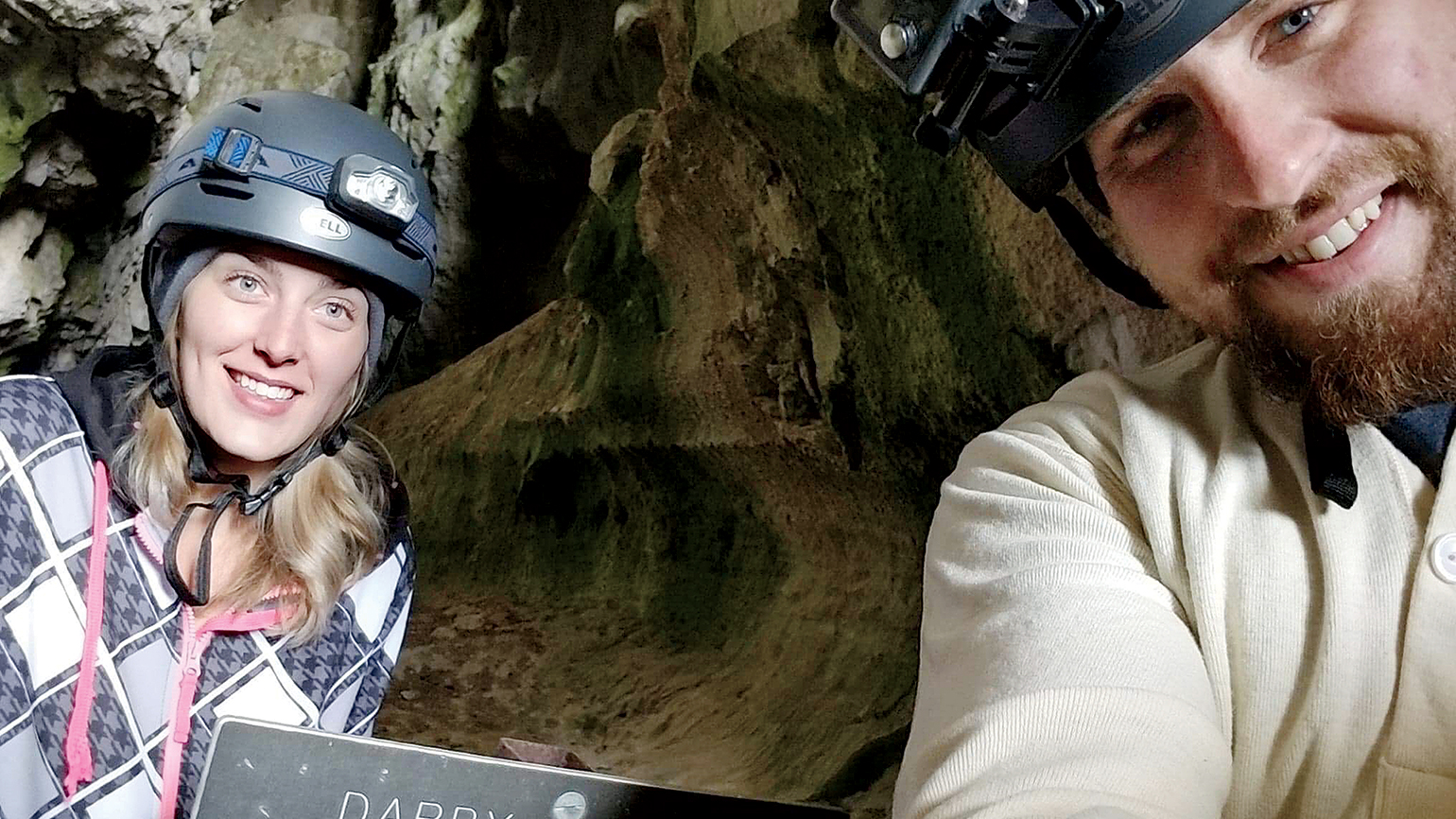
Had we finally found a way out? I watched from a ledge, shivering, as my husband, Spencer, free-climbed the slick rock walls to the top of a waterfall. We’d been lost in the Darby Ice and Wind Caves in the Tetons for more than 24 hours. He had to be as cold and tired as I was, yet he kept going. Ten feet, 20, 30… There, he made it to the top. He pointed his fading flashlight at the spot where the water gushed from. Was there an opening we could squeeze through?

Exploring the caves was supposed to be a present for Spencer’s thirty-first birthday. We planned a big adventure like it every year—skydiving, hiking Table Mountain—to celebrate. We’re experienced outdoors people. We even got engaged on top of 12,662-foot Mount Borah, Idaho’s tallest peak. We’ve been rock climbing for more than five years, and we’d spent several weeks researching the caves. We couldn’t find much information, but there were consistent reports of a two-mile underground route linking the caves, with rappels, waterfalls, streams, narrow passages. All the things that our adventure-junkie personalities love. Our plan was to enter the ice cave and exit the wind cave, which we’d read could involve six to 12 hours of hiking, climbing and rappelling, depending on conditions underground.

Safely within our abilities, which was especially important now that we had our one-year-old daughter, Aurora, to think about. We’d taken her to stay with my parents on August 10, two days before Spencer’s birthday. Early the next morning, we told my mom to call for help if she didn’t hear from us by midnight that night. Telling someone where you’re going and when you expect to return is a standard backcountry precaution.

Spencer and I drove to the trailhead and hiked the five miles up to the ice cave. By the time we reached the entrance, it was around noon and we were sweating in the midsummer heat. The blast of cool air from the ice cave felt good.

The first rappel, 40 feet over an ice cliff, looked a little scary. “You’ve got this, Jess,” Spencer said. “Keep that back brake locked.” Gripping my rope, I took a deep breath and slid backward, dropping into the dark cave. Spencer went next, letting out a whoop. “Yippee ki-yay!”

This is it, I thought. There’s no turning back. The cliff was too steep to climb up. We’d have to hike through to the wind cave. Let our adventure begin!

Everywhere we turned, ice shimmered on the cave walls. Beautiful. We made our way forward with our helmet lamps, climbing over slippery rocks, squeezing through passages, wading through frigid water. We followed bolts left in the walls by other hikers, using them as guides.

Underground, minutes leaked into hours without any change in light. Around the five-hour mark, I started to wonder if we were still going the right way. There were a lot of offshoots from the main cave.

We were soaking wet from wading and from water dripping onto us, and chilled from wind blasts, by the time we reached a big cavern—maybe 50 feet wide. The rocks were blanketed with ice. We searched. No bolts anywhere. No obvious way out. A waterfall poured from a hole in the ceiling, collecting in a pool at our feet.

We were tired and hungry, so we sat down to eat some energy gels. I treated some water with our purifier. As I took a drink, my headlamp shone on a nylon rope dangling from near the top of the waterfall. I pointed at the rope. “Look!”

“Babe, what if we’re supposed to climb that rope to get out?” Spencer said.

It seemed crazy that a four-foot rope was our way out. Then again, it meant someone had been here and gotten out. The end of the rope was 10 feet above our heads. We had to give it a shot.

I climbed onto Spencer’s shoulders—he’s six foot two—and grabbed for the rope, standing as tall as I could. “You can do it!” he said.

I tried again and again. Every time I managed to grasp the rope, it slipped out of my hands.

We stopped to regroup. Spencer and I sat on the muddy ground, huddling together for warmth. My mind went to Aurora. What if this morning was the last time I would ever see my baby girl? Don’t go there, I told myself. We’re going to make it.

To warm up, we made a fire, burning whatever would burn from our backpacks. Food wrappers. Baseball caps. The leather cover of our binoculars. I looked at my watch. It was 12:03 a.m. Spencer’s birthday. We’d been in the cave for 12 hours. “Happy birthday,” I said. “This is one you’ll never forget.”

Spencer hugged me close. A lot of people would have prayed at this point. We’re not religious, so we just held each other through the night and tried to stay positive.

“We’re gonna be okay, babe,” Spencer said.

“I know,” I said. “Help is coming.” My mom must have called search and rescue by now.

Around 6 a.m., we tried the rope again. No luck. The cold felt as if it were creeping into my bones. We did jumping jacks and squats, but the wind whisked away our body heat faster than we could create it.

We made another fire. We kept our rope, climbing harness and one backpack with a few essentials. Everything else—the other pack, Spencer’s knee brace, our extra gloves and hats, our wallets—went into the fire. I even used a dry piece of my hair as kindling.

I let the warmth of the fire seep into my body. The sound of the water burbling over the rocks and the wind whistling through the cave was like meditative music. It was odd, but I felt an incredible peace in that moment, as if I would be okay, no matter what happened. It was like a reassuring presence.

Around noon, we decided to give the rope one more try. We were out of food, out of things to burn. The batteries for our lights were dying. Spencer hoisted me onto his shoulders. I’m going to get it, I told myself, lunging for the rope. My hand wrapped around the end. Yes!

That’s when I saw a bolt in the cavern wall that we hadn’t noticed before. Holding on to the fixed rope with one hand, I maneuvered myself toward the bolt. I looped and tied our climbing rope through it. Spencer and I came up with a pulley system to lift me another 15 feet to a ledge where I could secure our rope. It took me two hours to get up there. Spencer pulled himself up using the rope I’d set. “We’ve got this, babe,” he said.

The ledge was at the base of another waterfall. Was that an opening up at the top? No bolts. We’d have to free-climb. Slowly I made my way up. I grabbed a shelf in the rock wall, only to have it crumble in my hand. I fell 15 feet and bounced off a boulder. The next thing I knew, Spencer’s arms wrapped around me. Somehow he’d caught me!

Then it was Spencer’s turn to attempt a free climb.

He pointed his flashlight at the top of the waterfall. Then he turned and looked at me. I’d never seen such bleakness in his eyes. I knew without asking that there was no way out.

“It’s just a crack,” Spencer confirmed once he climbed down. “Not big enough to go through.”

My teeth chattered violently, and my whole body was shaking with cold. We’re not going to make it, I thought. Aurora, I’m sorry….

Then I heard something. Voices. Was it just wishful thinking?

“Jess, do you hear that?” Spencer asked.

I heard someone shout my name. I blew my safety whistle. Spencer yelled.

Lights from flashlights filled the cavern below. They’d found us!

The search and rescue team helped us rappel down into the cavern we’d been in earlier. They told us we’d been on the right route, but recent flooding had made it almost impossible to find the exit. All of us waded deep into the pool of water at the foot of the waterfall to find a four-inch gap between the water and the rock above—just enough room to keep our heads tipped to breathe. No wonder we hadn’t seen this route during our searches. We passed through the gap, and our rescuers led us the rest of the way out of the caves.

Thirty-three hours after rappelling into the ice cave, we emerged into the hot air of night. We hiked down to the trailhead. Our friends and family were waiting. Everyone burst into singing “Happy Birthday” to Spencer. Everyone except Aurora, who was fast asleep. Seeing my baby girl and knowing I would get to watch her grow up made my heart full.

A week later, I was in our backyard, picking apples. Spencer mowed the grass. Aurora lay in our hammock with a lap full of apples. I watched her take bites out of every single one, giggling, and I thought back on our adventure in the ice cave. It hadn’t been just Spencer and me down there for those 33 hours. I couldn’t shake the memory of a third presence. Like I said, I’m not a religious person. Still, when we were wading through chilly water, climbing icy walls, making fires—there had been someone with us. Protecting us in the dark.

For more inspiring stories, subscribe to Guideposts magazine.

Though Sometimes Lonely, She Learned She Was Never Alone

I sat at one end of my couch with my dinner for one: toast with a bit of cheese. The sound of each bite—had I always chewed so loudly?—seemed to echo around my new apartment. I glanced at my phone. Nearly 8 p.m. I’d had a long day at my new job. I’d been looking forward to getting home.

Now that I was here, though, I didn’t know what to do. Play music? Watch TV? Do some vacuuming? There was so much…silence. I set down my plate and picked up the phone. Should I text my older sisters, Kristin and Priscilla? “It’s too quiet. Please send help, stat!

I put down my phone, knowing that request would never fly. I could imagine their reply: “You’ll get used to living on your own. Just give it time.”

It had been two months since the three of us had gone our separate ways. If anything, I was even more lonely. My sisters and I had been roommates for nearly a decade in New York City. Sure, we’d squabbled over whose turn it was to load the dishwasher and take out the trash. But there was nothing like coming home from work to two people asking, “How was your day?”

Things changed after Kristin got married. At first, she and her husband, Ciaran, lived in the apartment with us. When our lease ended, they moved out. By then, Priscilla was getting married too. Our lives were clearly going in different directions. Almost overnight, it seemed, I went from seeing my sisters every day to having to make plans to get together.

Priscilla lived more than an hour away in New Jersey. Kristin was a subway ride away, not close enough that I could just drop by. And they were busy with their own lives. I didn’t want to bother them. Priscilla and her husband were house hunting. Kristin and Ciaran were expecting a baby. And me? I was experiencing empty-nest syndrome…in my thirties.

Our old place had been a constant blur of activity. Game nights. Impromptu fashion shows with our latest salesrack finds. We were always laughing. One night, Kristin and I came home from a Zumba class and found Priscilla in the living room, eating dinner. The perfect audience to show off our newly learned choreography, even if we both had about as much dance talent as Elaine on Seinfeld.

“Play the music!” I instructed.

Priscilla blasted the Zumba song on her cell phone. Kristin and I put on our best professional dancer faces and moved in time, arms swaying. Left hip, right hip. Then we walked with wide, exaggerated steps, circling around. Priscilla howled.

“I want to try!” she said. She jumped up from the couch and joined us. We were laughing so hard, we could barely take a step.

Those days were over. I hadn’t giggled like that since I’d moved in. At first, I’d been excited to live on my own. I had a busy social life, a good group of friends and hobbies like my improv class. How hard could it be living alone? But I was so used to operating as one of a trio. Everyone knew me as Diana and her sisters. When I talked about what I was up to, I always said “we” and “our,” as if I were part of some clandestine government unit.

Now, even when I was out with friends or at improv class, my stories fell flat. Without Kristin and Priscilla, I felt lost. Unsure. Uninteresting. And no one wanted to hear about how much I missed them.

It didn’t help that I was new at work. I’d been at my old company for nearly six years. There had always been someone to grab lunch with. Not anymore. I found myself pulling away even from the people I did know. Somehow even God felt missing and my prayers lost in the unfamiliar silence.

Everyone had been so supportive when I told them I was going to be living on my own. “Once you get settled, you’ll love it,” they all said. I looked around my living room. The pictures were hung. The Wi-Fi installed. The furniture where I wanted it. Nothing needed to be done. There wasn’t anything I could buy or rearrange to fill the emptiness. I leaned back into the couch and closed my eyes. “Please, God, just help me out here,” I said. “Can’t you see I’m lonely?”

No response. No still small voice. Just the silence.

That weekend, I pulled out my laptop and did what everyone does to find answers. I typed “loneliness” into Google.

Up popped an assortment of articles, a few videos and links to a couple of scientific studies. I clicked on one. Loneliness was an epidemic, the researchers said. Nearly half of Americans reported feeling sometimes or always alone. But those very feelings caused people to withdraw, to grow depressed and discouraged, to view even friendly faces as threatening. There were significant health consequences. Loneliness, research had found, was as bad as smoking 15 cigarettes a day!

Whoa. This was serious. I could see all the ways loneliness was dragging me down. I had to do something, or it would only get worse. “Surround yourself with people,” one article advised. “Go where you can meet others. Make conversation. Keep at it!”

The idea of putting myself out there, by myself, was terrifying. Even at office holiday parties, my sisters had come with me. At my improv shows, they would sit in the front row, laughing loudly even when I bombed. I needed to know someone was there for me, if just in spirit.

God? We hadn’t exactly been buddy-buddy lately, but it struck me that putting myself out there meant taking a leap of faith. If I couldn’t do that with God, there was no chance of success with anyone else. I’m trusting that you’ll be by my side, Lord, I prayed. In social situations, I would think of him as my plus-one.

I started with improv. At my next class, I sat in my usual spot in the corner of the room but, during break, pulled out a bag of chips I’d brought. “Anyone want some?” I asked, holding out the bag. “Ooooh, yes,” one woman said. The guy next to her took some too. We munched away silently, and that was that. They turned around, and class resumed. I’d accomplished absolutely nothing.

I tried again. The following Monday, I texted the class on our group chat: “I’m going to a comedy show tonight if anyone’s interested.” An hour passed. Then another. It was almost showtime, and no one had replied. I felt embarrassed. Rejected. Should I still go? I wondered. I remembered the advice from the article, to go where there are people. Besides, I had to do things I enjoyed—activities that made me feel like myself again.

I walked into the theater. Would people judge me for being alone? “You can take a seat there,” the usher told me, pointing to an area by the stage. I glanced around. There were plenty of people sitting by themselves. Like me, they were just there to laugh. By the time the lights went down, the place was so packed I forgot I was there by myself. Everyone cracked up at the same parts.

I left the theater feeling confident. I’d connected with people even if I hadn’t talked at length with anyone. And the show was great. It had been months since I’d laughed that hard. At my next improv class, I had something to share besides chips.

A few days later, I got an e-mail at work: “Charity bake sale volunteers needed.” I signed up, figuring some others from my department would go too. But when I got to the event, I didn’t recognize a soul. I was assigned to a registration table with two other volunteers. One of them was an older woman with the funkiest eyeglasses. I said the first thing that popped into my head.

“I love your glasses! I’ve been searching for a good pair since forever.” She and I gabbed like old friends, discussing the pros and cons of shopping for eyewear in New York City. The time flew by. At 2 p.m., my shift ended and I got up to leave.

“What’s your name again?” the woman said. “You seem like a delightful person. I’m so glad to have met you.”

I beamed. She didn’t know anything about me. I hadn’t regaled her with tales of living with my sisters. I’d just been me.

“I’m Diana,” I said. “It’s so nice to meet you too.” Thanks, God, I thought. For having my back.

With every encounter and experience, I felt my world expand. I pushed myself to do things I enjoyed, and the more I did, the more comfortable I felt striking up conversations with strangers. Best of all, I felt good about being on my own. Being myself. Even with my sisters, I wasn’t shy about making the first move.

“Let’s get dinner,” I’d text. Hanging out with them was different now. We didn’t know every detail in each other’s lives. But that meant there was so much for us to catch up on.

“You’re so busy!” Kristin said when I told her and Ciaran all that I’d been up to—shows, happy hours, dates, even church shopping—over dinner one night.

“Seriously,” Ciaran said. “You’re more social than any of us.”

I smiled. I liked the way they saw me. Really saw me. Not just as a sister or a roommate. But as me. Someone living on her own and loving it

For more inspiring stories, subscribe to Guideposts magazine.

This Rocket Scientist Relied on Faith and Family to Reach Her Goals

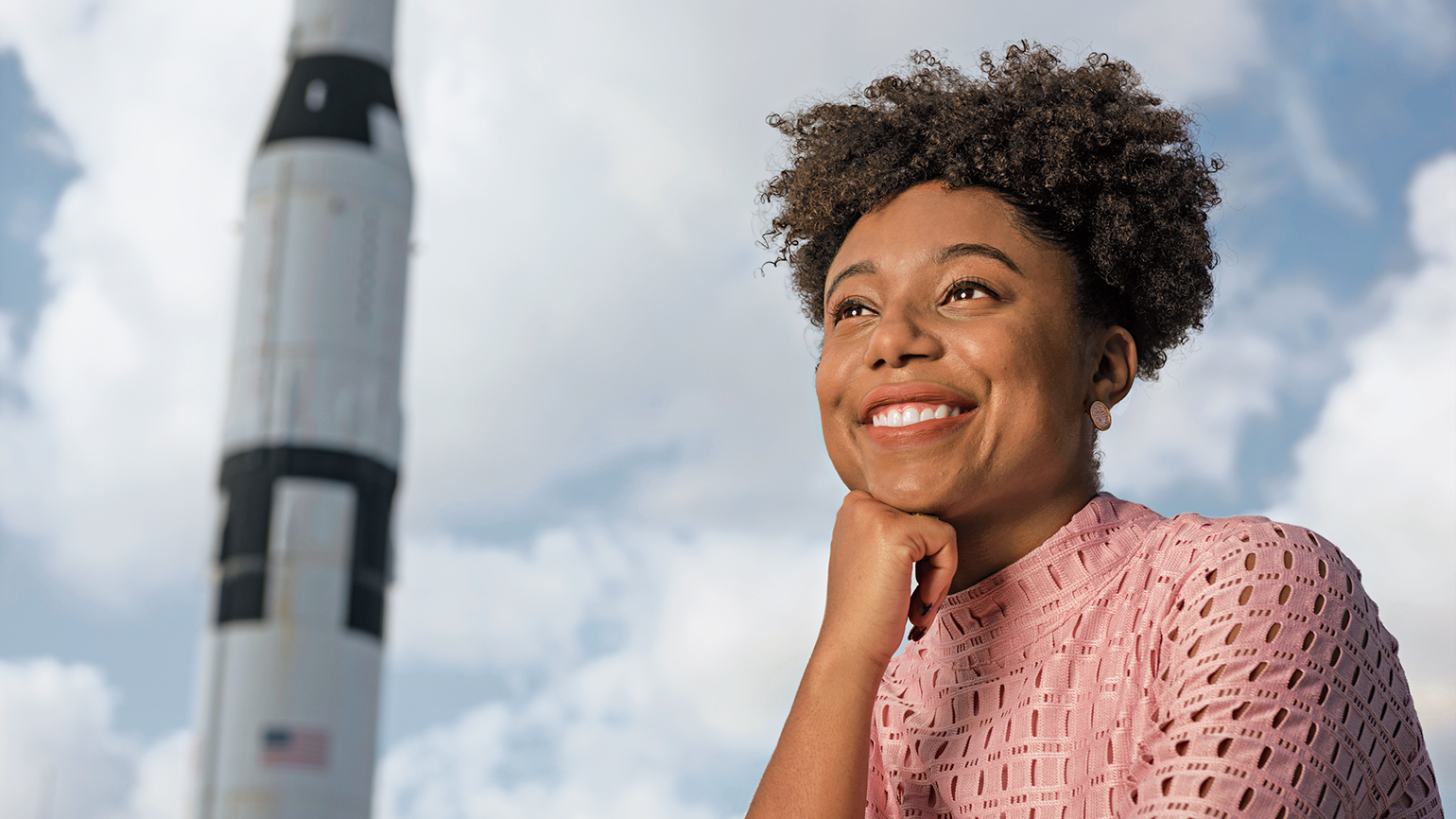
One thing I do a lot of, as a structural analysis engineer working at Boeing for NASA, is perform calculations to verify the strength and durability of parts for the Space Launch System. Because women—and in particular, women of color—are underrepresented in science, technology, engineering and mathematics, I’m often asked about my own strength and durability, my own trajectory. How did I get here? How did I become a rocket scientist?

I guess you could say it all started in the grocery store.

When I was a little girl, growing up outside Atlanta, I looked forward to Saturdays. Mom, Dad, my brother, my sister and I would get up early and go grocery shopping, but never to just one market. My mom was an accountant, and she saw finding the best deals as both a mathematical and spiritual imperative. As she explained it, God expects us to be good stewards, and therefore, we should spend our money the wisest way possible.

Mom studied the store circulars for sales and clipped coupons, tucking them in our organizer. We’d go from store to store, finding the best deal on each item on our shopping list. “Tiera, I need you to calculate how much we are going to save,” she’d tell me. She’d noticed early on how much I liked puzzles and Legos, so she saw these grocery trips as a learning exercise. I’d figure out in my head the sale price of each item, minus the coupon, plus the tax, keeping a running total as we walked up and down the aisles.

Dad took care of pushing the cart. Even though he was a construction worker and got up every morning at four or five to work, he never sent Mom, my siblings and me to the store without him so he could sleep in. Mom had been Dad’s high school sweetheart, and he never stopped seeing her that way. He just wanted to be wherever she was. Grocery shopping on Saturdays wasn’t a chore; it was special family time for the five of us.

When we got to the register, I’d give the exact total. My parents wouldn’t gape in amazement and announce to everyone in the store what their daughter could do. They’d just say, “That’s great, Tiera. Try it again at the next store.” That was Mom and Dad: not really cheering me on as much as pushing me forward. It worked. I fell in love with math at age six, and my confidence in my abilities grew.

As I got older, life got busier. You name it, I did it. Every day, Dad would pick me up from school and take me to music lessons (piano, saxophone, violin, xylophone) or athletics (softball, dance team, jump rope club).

Sundays were for church. I learned my Bible verses, taught Sunday school to the little kids with Mom and helped with plays and a dance ministry. I liked being active, and I wanted to do absolutely everything. In fourth grade, I wanted to be a scientist, a mathematician, an inventor and an architect!

I was blessed with parents who encouraged me to become all of these things I dreamed of. Mom taught me how important mathematics is for everyday life; Dad taught me other practical applications—measuring objects, calculating the square footage of different rooms in our house. One day, I saw a plane fly by and the thought struck me, I can design planes! I told my parents, and they’d sign me up for aerospace engineering or robotics camps in the summer.

But despite my success and the positive reinforcement my family and friends gave me, in middle school I started doubting myself. Could I really do all the things I wanted? Could I really grow up to be whatever I put my mind to? Elementary school had been fun—I’d even had Mom pack a math activity book in my backpack in case I ran out of work at school. But my middle school’s gifted program was much more rigorous. Sometimes I felt overwhelmed.

Whenever she sensed me doubting myself, Mom would have me recite one of our favorite Bible verses, Philippians 4:13: “I can do all things through Christ who strengthens me.” I believe God put mentors along my path to do just that, strengthen me academically, mentally, spiritually. My middle school science teacher, Mr. Newsome, was one of them. He pulled out my creativity and taught me to be solution-oriented. He kept animals in his classroom—snakes, birds, tarantulas—and really opened my mind and made science fun.

Once, in eighth grade, I was asked to give a speech. I was terrified. Dad said, “Never give up, never give in, never give out. Tiera, I want you to remember that as you take all these hard classes. In high school, in college and in your career, there’s no reason to ever give up.”

I got through the speech, and I tried to hang on to Dad’s advice and the promise of Philippians 4:13. But high school was even harder—and not just academically. I was terribly self-conscious about my skin. I’d had severe eczema all my life, and as a little girl, I hated to play outside: I was embarrassed to wear shorts or short sleeves in the Georgia heat because of the spots and scars on my arms and legs. The other kids called me Cheetah Print.

I’d never minded being called a nerd; I knew my nerdiness would help me become something someday, but when boys told me I had the ugliest legs they’d ever seen, that stung. Mom did her best to make me feel better. “Those boys are doing you a big favor,” she told me. “Someday, you’ll find the one who will love every piece of you, and these boys are saving you time by showing you they are not the one!”

I went to a magnet school that specialized in science, math and technology. Academics were more challenging than ever. I kept reading my Bible and putting my trust in God. Sometimes you can get so lost in your own mind that you forget there’s something greater than you. I’d pray, “Lord, I am giving myself to you, releasing myself to you, submitting myself to you.”

I had to remember that I couldn’t control everything, that my plans might not be his. And God sent people to lift me up. When I was preparing to take my AP Calculus exam, I was so stressed. My engineering teacher, Mr. Williams, reminded me, “Tiera, you can do this. Don’t waste your energy worrying. Use that energy to prepare for the exam.”

Getting into the Massachusetts Institute of Technology, my dream school, was a joyous experience. It was also humbling to be among the most brilliant engineering minds in the world. At first I wondered, Do I really belong here? Then I realized that even though I might not be the smartest person in the room—and I probably never would be for any class I took at MIT—I still had my own God-given strengths to bring to the table. I had to believe in myself before anyone could believe in me. That meant going for it even if I might fail.

Once again God brought people into my life to help me develop my strengths. Take structural mechanics, for example—which is a make-or-break course for engineering majors. I was struggling. So was everyone else. Professor Radovitzky stepped in to lead the class and talked through our questions with us. Even though this man had a full load of his own classes to teach, he took us on too. How could I let him down?

I pushed through my studies. I also did internships, including one at Boeing in Huntsville, Alabama, in the summer of 2015. That’s where I met Myron Fletcher, a rocket propulsion engineer. He was the one Mom had told me about all those years before. No, she hadn’t known Myron personally, but she’d told me that the right one would love every part of me, spots and all. Turns out, that person was Myron. Like me, he loves the Lord and rocket science. Like Dad does with Mom, Myron always wants the best for me. We fell in love.

When my internship ended and I went back to MIT, we stayed committed long-distance, doing daily joint devotions, growing closer to each other and to God. The summer of 2017 was a big one for us. Myron graduated from Duke in May with a master’s in engineering management. I graduated from MIT in June with a bachelor’s in aerospace engineering. And in July, we married at the U.S. Space and Rocket Center here in Huntsville, under the Saturn V rocket that sent astronauts to the moon.

Now I’m part of NASA’s Space Launch System, working with a group of rocket scientists—including my own husband—toward the next great frontier in space: sending humans to Mars. How did I get here?

There are so many variables that influence a person’s trajectory. God has blessed me with incredible mentors who have helped me make the most of my abilities and soar, starting with my parents at the grocery store. The biggest obstacles I’ve faced have been my own doubts. But like my dad taught me, I won’t give up, give in or give out. Can we make it to Mars and even beyond? I believe we can. I believe that, with a firm foundation, all things are possible.

For more inspiring stories, subscribe to Guideposts magazine.

This NY Fireboat Saved Hundreds of People on 9/11

I heard lots of stories on 9/11. I was a reporter at People magazine in New York City then; that day we scrapped the weekly issue that was slated to close that night and put out a special commemorative 9/11 issue instead. I reported on the phone, hearing harrowing tales of regular people on hijacked planes calling to say goodbye to their loved ones. I reported from the streets in midtown Manhattan, where dazed New Yorkers milled about telling me about narrow escapes, missing loved ones and amazing stories of strangers taking people into their cars and their homes. By the time I left the office at 5:30 a.m. the following day, the sun was dawning on a city—and a world—that would never be the same. My mind was full of incredible stories of unimaginable tragedy, as well as unimaginable heroics.

But until recently, I had never heard a story about an amazing boat that rescued hundreds of people on that fateful day. The Fireboat John McKean, a 129-ft. boat, first commissioned by the FDNY in 1954, ferried hundreds of wounded and desperate survivors from lower Manhattan to safety in New Jersey. It then spent the next few days supplying desperately needed water to firefighters on the ground.

The McKean was put out of service in 2010. But now, just in time for the 20th anniversary of the terrorist attacks, many people will have the opportunity to learn its incredible story. Over the last few years, the boat—now owned by the non-profit Fireboat McKean Preservation Project—has been lovingly restored with thousands of hours of volunteer labor and will take part in this year’s official 9/11 services. After that, there are plans to turn it into a museum.

“This boat has an important story to tell; there is a lot of incredible history,” says longtime volunteer and Fireboat McKean Preservation Project spokesperson David Rocco, noting that the refurbished ship will be docked at Pier 25 in Manhattan until October.

“People are going to want to get on the boat and experience it for themselves. But after October, the goal is that it will be a floating museum that goes up and down the Hudson and stops wherever there is a dock,” he said. “Hopefully, we can work out arrangements with local school districts.”

The September 11th attacks are just part of the McKean’s storied history. In 2009, the boat also rescued passengers from U.S. Airways Flight 1549—the Miracle on the Hudson—which famously made an emergency landing in the river. The McKean ceremoniously welcomed runners to the New York City Marathon with a water display every year, assisted the USS Intrepid into its mooring, supervised the annual Macy’s Fourth of July Fireworks display barges and hosted numerous dignitaries, including President Bush in 2002.

Read more inspirational and miraculous 9/11 stories.

Retired fireman Tom Sullivan, who was assigned to the Marine 1 unit in 2001, had worked a 24-hour shift and was due to head home from the McKean at 9:00 a.m. on September 11, 2001, when he heard the first plane hit the North Tower at 8:46.

“Boom! So I stayed on, we didn’t really know what was happening and we sailed down to the World Trade Center area. We were tying up the boat when the second plane came in over the Statue of Liberty. Boom! Right into the South Tower. In that instant we all knew this was no accident; we were under attack.”

Chaos ensued. Sullivan walked into the streets to try to find a hose connection, but within minutes he heard a deafening rumble as the South tower collapsed.

Suddenly encased in complete darkness, he struggled to find his way back to the boat. But soon a steady stream of what Sullivan calls the “walking wounded” boarded the boat. “Many of them were cut up and burned. We learned later that a lot of the jet fuel had gone down the elevator shafts and spewed out into the tower lobbies.” The crew ministered to the wounded, rescued two women who were floundering in the water and headed to Jersey City. They were helping around 150 people disembark when the second tower fell. “We immediately turned around and headed back to the same spot. When we got there, you really couldn’t see anything,” says Sullivan. “It was like someone had taken a bag of cement and dumped it over your head.”

But it was the boat’s amazing ability to pump river water that made the biggest impact for the next few days.

“We could pump about 20,000 gallons a minute; that’s the equivalent of probably 18 or 20 fire engines,” says Sullivan. Most of the local water main pipes had burst, rendering most fire hydrants completely useless. The boat—joined by two other NYFD fireboats—stayed at the seawall for days, hooking up to as many fire engines as possible.

“I think about 9/11 every single day,” says Sullivan, noting that 343 firemen were killed in the attacks. “This boat has done a lot for so many people; it’s nice that its finally getting some recognition.”

The Workshop

Hey there.

It’s Sunday and I’m writing this from the Atlanta airport hoping to beat the storms out of here and get back to New York. But even if I get stuck the trip will have been worth it. I’ve spent the weekend at Stone Mountain helping with a GUIDEPOSTS writers workshop. Do you know about the GUIDEPOSTS workshoppers? They are the editorial eyes and ears of the magazine. Without the workshoppers we would have a hard time finding all the material for GUIDEPOSTS, ANGELS ON EARTH, DAILY GUIDEPOSTS and Guideposts.com. So how do you get to be a workshopper?

Every two years we hold a contest for people who’d like to learn how to write for GUIDEPOSTS. From the five thousand or so entries we get we chose 15 to join us in Rye, New York, for a week-long workshop where we share inspirational first-person stories. Now you are officially a workshopper and that entitles you to attend our mini-workshops, which we hold two of around the country every year. You bring a story and we work on it for publication in the magazine.

Workshoppers are quintessentially GUIDEPOSTS. They write their own personal stories and scour their communities for stories that will inspire readers. They account for nearly a third of the material in every issue of the magazine. Marion Bond West started out as a workshopper. So did Sue Monk Kidd. But most remain semi-anonymous…so I’d like to say thanks to this workshop’s attendees: Karen Barber, Mary Lou Carney, Ricki Distin, Shawnelle Eliasen, Julie Garmon, Jennifer Gentlesk, Jennie Ivey, Sharon Mangas, Monica Morris, Joyce Nutta, Ginger Rue and Stephanie Thompson. You all worked hard and we had a great time. Also I promised Marion Bond West I’d correct something we got wrong in her story in the May issue: She uses Medicare and NOT Medicaid. Sorry, Marion.

All right. It looks like we are going to take off. I guess I’ll make it home after all. But as I said, I wouldn’t have missed this weekend for the world.

Edward Grinnan is Editor-in-Chief and Vice President of GUIDEPOSTS Publications.