Embrace God's truth with our new book, The Lies that Bind

The Words of the Dying–Part 1

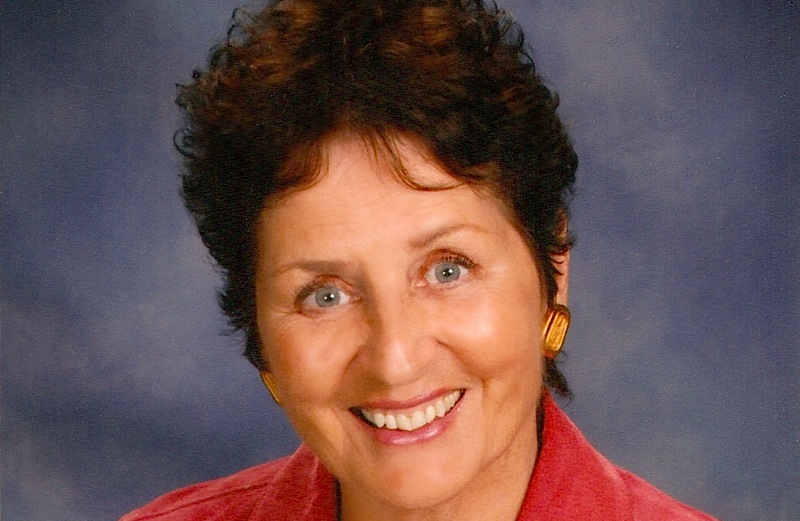
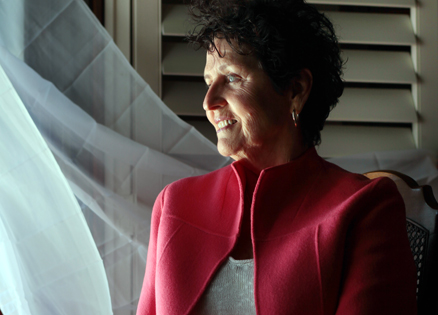
About a year ago, I wrote an article for Mysterious Ways magazine about the last words of the dying. I’ve been fascinated by the topic ever since, especially since many last words are so cryptic. So I was thrilled to recently talk to Lisa Smartt, a linguist and founder of the Final Words Project. She’s analyzed almost 2,000 “end-of-life utterances” to make sense of the words of the dying. Her book, Words at the Threshold, based on data collected with Dr. Raymond Moody, is coming out March 2017.

Here’s what Lisa had to say about final words and her own personal connection to the field of research. Stay tuned for parts 2 and 3 of our interview, coming soon!

How did you get into studying the last words of the dying?
I have always had a love for language. I studied linguistics at UC Berkeley, and my career as a literacy and learning specialist involved analyzing how people acquire and process language. Plus, my dad was a psychologist and poet. We shared a love for words and ideas.

Lisa SmarttIn 2012, my dad was diagnosed with prostate cancer. He started radiation and, due to complications from the treatment, only lived for three weeks after that. I found solace during that time in writing down everything he said. I was able to track his consciousness in those final days.

There were so many things that baffled and touched me. After he died, I was left with so many questions. That’s what led me to research last words and start the Final Words Project with Dr. Moody.

Read More: Dreams Bring Peace After a Loved One’s Death

What about your dad’s last words was so fascinating?
I was especially drawn to his use of metaphors and symbols. He talked about needing help to “come down,” as if he were floating. He said things like, “I am in the green dimension” or “I need maintenance…there is nothing for this.”

A day before he died, he was on the phone with his secretary, Alice, and he said, “This is very interesting, Alice, I’ve never done this before.” What was the “this” he spoke about? Why didn’t he just say “dying”? Was he undergoing something else for which he had no words?

He also spoke of all the people crowding the room, even though there was no one there. There was a kind of sacred quality around my father, much like the energy in a room of a woman who’s just given birth. It’s not that his dying was beautiful and easy. But I became convinced that something was happening that was sacred and holy.

Did anything strike you as particularly out of character for your dad?
One day, as I sat beside him, his eyes popped open and his eyes tracked the edges of the ceiling. “Lisa, Lisa!” he said. “You were right about the angels!” He had never talked about or believed in angels before.

Ten days later, he announced, “Enough…the angels say enough…only three days left.” These were all words from a man who was once so lucid and very bright. It seemed to signal that his mind was in transition. His mind was seeing and feeling things outside the usual narrative of our ordinary life.

Read More: Two Angels Led the Way

Why did you take your dad’s “nonsense talk” seriously?
I’d been trained to take all language seriously. Not to judge language, but to transcribe and then understand it. As a linguist, if you hear a language or a dialect that is very different than your own, you don’t think, “That language is all wrong. That dialect is bad.” You think, “How fascinating, I want to understand the patterns and structure of that language.”

There is organization in all language, no matter how nonsensical it is. On the surface, the language of the dying may seem like “word salad,” but there are actually patterns that appear to be unique to dying and seem to track the pathway of consciousness in a person’s final days.

What were your dad’s very last words?
They were uttered privately to my mother–“Thank you. I love you.”

Have a question for Lisa? Ask away in the comments below!

The White Bird That Brought Them Peace

A very spry 98-year-old woman was shopping in the mall one day with her daughter and granddaughter. After walking around for a while, she became tired and wanted to sit down.

They passed several chairs with women having back massages. Her granddaughter talked her into getting one, and after 15 minutes she felt decidedly better. The massage therapist was a sweet woman; she explained that she was a nun who belonged to a Franciscan nursing order whose particular ministry involved caring for people and making them feel better. She mentioned that she even goes to the homes of those who ask her. Since I received my nurse’s training from Franciscans in New York, I was thrilled to hear this story as I know well how loving and caring they truly are.

The woman’s daughter was a bit hesitant, wondering if this was a scam, and tried to dissuade her from giving the nun personal information. But she would not be deterred and set up an appointment for the next week. Needless to say the daughter thoroughly researched the therapist and discovered she was exactly who she said she was and that she had done this kind of work for a long time. She and the therapist developed a wonderful friendship over the next several years that brought comfort and joy to both of them and she got free massages until the day she died.

All the family was gathered at the wake together when the nun shared an Indian legend with them. She said when good people die, their casket is often seen with a white bird flying above it during the funeral, indicating the soul is going home to God and is now at peace. During the drive from the funeral home to the church, a large, beautiful white bird flew just above the casket and stayed nearby during the service and all the way to the cemetery. When the service ended, the bird flew away.

Once again we hear of loved ones comforted by the unseen heart of our Creator—remember he promised that he would remain with us until the end of time, and he does!

The Sergeant’s Boots

Fort Bragg, North Carolina, summer of 1988.

I was a sergeant and one of 500 soldiers signed up for one of the Army’s toughest tests: a six-month-long Special Forces Qualification Course to become a Green Beret. Most of the guys were infantrymen—macho, football-player types, with the kind of build you see on the cover of a fitness magazine. They were used to hoofing for miles with heavy field packs.

I was chunky and out of shape. My background was military intelligence, where I basically sat at a desk all day and analyzed information. In high school, I was first string…on the chess team, if that helps you get the picture.

I wasn’t surprised when no one would give me the time of day. Why bother with someone who had “washout” written all over him?

So I was startled when Sergeant John Hall came up to me the day after the grueling land navigation test, a sort of preview of what lay ahead. Each of us had to hike alone in the dead of night in full gear, through miles of rough hills and swampland without the benefit of trails or even a flashlight, and finish just after dawn. John had been one of the first finishers. Naturally, I’d been practically last. I was still exhausted from the ordeal.

“My name’s John,” he said, sticking out his hand. John looked to be in his early twenties. He had a down-hollow accent; later I’d learn he was from deep in the hills of West Virginia. A trainee like me, he was the most gung-ho soldier in our outfit. His uniform fit like a custom suit, and his black, standard-issue combat boots were buffed like a new pair of dress shoes. I could tell he felt pity for me and I wanted none of it.

“I’m Dixon Hill,” I said. “You don’t have to talk to me. I understand why guys are ignoring me.”

I figured it was pointless to try to change people’s minds about me. But I knew the truth. I bled Army green. As a kid, I loved listening to my dad’s stories about serving as an Army engineer in the Philippines after World War II. I joined the Arizona National Guard at 18. I had always dreamed of being a Green Beret.

Of course, John didn’t know all that. But I relaxed a little when he smiled and said, “You’ll be here tomorrow, and the day after, and the day after that until you graduate. You got it in you. I can tell. Just keep doin’ the right thing.”

Training school was even tougher than advertised. And there was more to it than just physical strength. One day, I had to make camp in the woods, then kill and cook a caged animal that would feed me two days. I chose rabbit. I attempted to roast it with little success. “You should have picked a chicken,” John told me. “And you should have boiled it—boiling’s faster. I learned that from my daddy when we went hunting.” He hiked back to his campsite and brought me some of his meal. I was chagrined but grateful.

People dropped out left and right. Some failed the field tests, others collapsed from physical strain and some flat-out quit. At the halfway point, just 175 of us remained. One day, after parachuting into a drop zone, one of the football types eyed me and snorted, “Hill, you’re still here?”

I was, barely. I still wasn’t in very good shape. During one brutal full-gear hike through the North Carolina hills, I slumped against a tree. I wanted to sleep for a solid week. John sat down. “How you doing?” he asked.

“This is the hardest thing I’ve ever done,” I said. “I’m not sure I can make it.”

John looked at me, and then he did something funny. He bent down and patted his shiny combat boots. “We all use little tricks to keep us going,” he said. “Mine are these boots. They ain’t made for standing still. They’re God’s reminder to me to keep moving when times are tough. You need to just keep doing the next right thing.”

Pretty soon I felt myself getting stronger. I looked forward to physical tests. Guys began to eat with me and shoot the breeze. Slowly but surely, I sensed that I was being accepted, and that I belonged.

Now that I could keep up, I ran with John in drills. One of our last was the rucksack run test—a torturous, 15-mile sprint through hill country wearing heavy backpacks. We had three and a half hours to finish. John ran directly in front of me. All day, I passed guys who’d collapsed in their tracks. But you were supposed to keep running, no matter what.

I cleared the last rise. The finish line was 15 yards ahead. “Made it!” I started to say. Then suddenly, John went down like he’d been shot. I have to stop. I have to help him up. But then I remembered our orders. I jumped over John and completed the race.

It was only then that I looked back. John was still lying there. A medic raced down the path. I prayed as the medic administered CPR. Come on, big guy.

John didn’t revive. He was dead of a massive heart attack.

My grief turned to guilt. The bottoms of my boots were probably the last things John had seen. I should have stopped.

The Army flew John’s body home to his family in West Virginia. Our unit held its own memorial service. I marched into Fort Bragg’s Special Warfare Center chapel, my mind spinning. If I had stopped to help, could I have saved him? The medic told me no. Still, I couldn’t forgive myself.

The pastor put John’s boots—spit-shined to a mirror finish—on the chapel altar. An M16 rifle stood upside down between them. A green beret rested on top of the rifle. The army had awarded it to John posthumously. Lord, I prayed, I can’t live with the possibility that I didn’t do the right thing.

The pastor spoke movingly, but my mind drifted. I thought about that time John shared his boiled chicken with me. The company commander rose. We stood at attention as the captain called roll. “Here, sir!” soldiers barked back, as we went down the line.

Then the captain shouted, “John Hall!” Silence. The captain paused, then continued. “Dixon Hill!”

“Here, sir!”

On it went until the last name was called. Again the captain said, “Is Sergeant John Hall of West Virginia here?”

Once more, silence.

His voice wavering, the captain shouted, “Last call! Sergeant John Hall!” I stood ramrod straight, trying to ignore the stinging in my eyes. My friend is gone. Do I have the strength to go on?

Just then a flash of light came. Brilliant light. The light reflected from John’s boots, on the altar. It was so bright I couldn’t tear my eyes away. The effect made the boots glow, and its glow engulfed me. I heard John say again, “God had the Army issue us these boots to keep us moving, even when times are tough.”

Fifteen years have passed since that day at the base chapel. I’m out of the Army now, retired from the Green Berets. I’m 40 years old and in college, studying for a new career. Sometimes, in the middle of a tough assignment, I think of John.

The other day, I dug my old Army boots out of the closet. I can’t wear them anymore; they’re faded and cracked, and the leather is splitting. But they are there to remind me: Yes, times can get tough. But the tough get through tough times. They just do the next right thing.

The Science Behind a Broken Heart

“Call me home.” That’s what Joe Auer whispered to his 94-year-old wife, Helen, after she died, on the evening of October 15, 2014.

They’d been sweethearts for more than 70 years. According to their youngest son, Jerry, they met at a church dance in Cincinnati, Ohio. They were married in 1941, right before Joe went off to World War II. Afterward they raised 10 children. In later years, Joe still wrote Helen love notes signed “your secret admirer.” They rarely left each other’s side.

Even, apparently, in death. Twenty-eight hours after Helen passed away, Joe died suddenly from an aneurysm. He was 100 years old, but “was as healthy as a horse,” according to Jerry.

Was there another cause of death? Could Helen and Joe, so deeply connected here on earth, have followed each other into eternity?

It’s a romantic notion, popularized by movies like The Notebook, in which the main characters not only die at the same time, but in the same bed, holding hands. Stories about elderly couples who pass away days or hours apart—or, in the case of one British couple, within 10 minutes of each other—seem to go viral all the time. After all, who can resist an eternal love story?

Research suggests that longtime couples dying together—or nearly together—is a very real phenomenon. According to a 2013 study from the Harvard School of Public Health, widows and widowers over the age of 50 are more likely to die than people whose spouses are still alive. It’s called the widowhood effect. While modern medicine has identified potential physical triggers, many unknowns remain.

Take the puzzling condition takotsubo cardiomyopathy, aka “broken-heart syndrome,” first documented in Japan in the 1990s. Doctors observed an unusual phenomenon among patients who came to them with chest pain, shortness of breath, low blood pressure—all the hallmarks of a heart attack. Tests showed that their left ventricle had temporarily ballooned in size, due to an excessive release of stress hormones, even though the patients had no history of heart disease.

“These people were coming into the emergency room with very weak heart muscles, but their arteries were wide open,” says Mimi Guarneri, a cardiologist and the author of The Heart Speaks: A Cardiologist Reveals the Secret Language of Healing. Doctors queried the patients about recent events in their lives. “Cardiologists realized that there was a pattern—all the patients had recently had an emotional shock, like the death of a spouse.” They could actually die of a broken heart.

Why would the body react so suddenly, so profoundly, to a nonphysical trigger? The stress of a spouse dying can wreak havoc. “All of these stress hormones raise your blood pressure, your heart rate, your blood sugar,” Guarneri says. “You don’t sleep as well. You can’t focus, you don’t think as clearly.” Perhaps, she suggests, the body breaks down in response to the soul losing its mate.

Barbara Karnes, the author of The Final Act of Living: Reflections of a Longtime Hospice Nurse, has witnessed couples dying together in her professional and personal life. Her mother and stepfather died five months apart. She believes that the more one’s purpose is tied to another person, the more likely it is that one will die soon after that person. Others just as deeply in love, who lose their partner and continue living happily and healthfully, may do so because their earthly work is still unfinished.

“If they came into life to be together, to learn together, then when one dies, the other may die,” Karnes says. “Life has a purpose, which we may never understand, and when that purpose has been accomplished then death comes.”

According to Dr. Guarneri, the death of a spouse can be especially difficult for couples who have spent many years together. Soul mates who are so bonded that they finish each other’s sentences and even resemble one another. Guarneri points out that this bond is quantifiable: A 2003 study from the HeartMath Institute found that married couples’ heartbeats sync up during sleep.

“Couples at night, their heart rhythm goes into a synchronized pattern, which raises some very interesting issues,” Guarneri says. “What happens when that pattern is broken? Or if it’s not there?”

That heart-to-heart connection has the power to extend life as well. Guarneri recalls one patient with a severely weakened heart muscle. His wife had breast cancer, but it was unlikely he’d survive her. His heart’s ejection fraction, a measurement of its pumping ability, was just 16 percent. The normal range is 55 to 70. And yet his heart continued to beat.

“He said, ‘Don’t worry, I am not leaving my wife. I am not dying before she does,’” Guarneri says. “Every textbook would have said she would outlive him.”

He died one day after his wife did.

Jerry Auer believes something similar happened with his parents, Joe and Helen. In the later years of their marriage, Joe took care of Helen, who struggled with mobility. Perhaps Joe died so soon after Helen not because he couldn’t bear to live without her, but because he’d postponed his own death to support her.

“He was going to live as long as he could to take care of Mom,” Jerry says. “When she passed away, it was like what Christ said on the cross: ‘I am finished.’”

That’s not to rule out one explanation that’s easier to feel than to prove. Jerry says, “I want to believe that Mom called Dad home.” Just as he’d hoped.

The Scenes from His Near-Death Experience

Hawija, Iraq. June 2004. Clack! Clack! Clack!

Bullets whizzed by. Everyone ran for cover. The gunfire had come out of nowhere. I ducked behind a concrete wall and looked for the rest of my unit. They were more than 45 feet away, too far for me to get to. “Hold position!” my sergeant yelled over the gunfire.

We were in a bad spot. We needed backup and couldn’t move until another unit got to us. I took a deep breath and reloaded my gun.

BOOM!

The ground exploded, shrapnel blasting through the air. Pain seared through my side. I was flat on my back. Was I hit? Breathing fast, I ripped open my body armor and stuck my hand inside. When I pulled it out, it was covered in blood.

I lay there, helpless and alone, as bullets ricocheted around me. Rockets shrieked overhead. I clenched my teeth, bracing against the pain. My breaths came in ragged gasps. Suddenly, there were hands on me, dragging me. One of my fellow soldiers had managed to get to me. He pulled me to a spot with more cover and yelled for a medic.

“Everything’s going to be okay, Evans,” he said. “We’ve got you.” His words came to me through a fog.

I fought to keep my eyes open. I struggled to breathe. The medic applied pressure to my side to stop the bleeding. “You have to stay awake,” he said. Still, I felt myself drifting. “Stay with us, Evans.”

Everything went black.

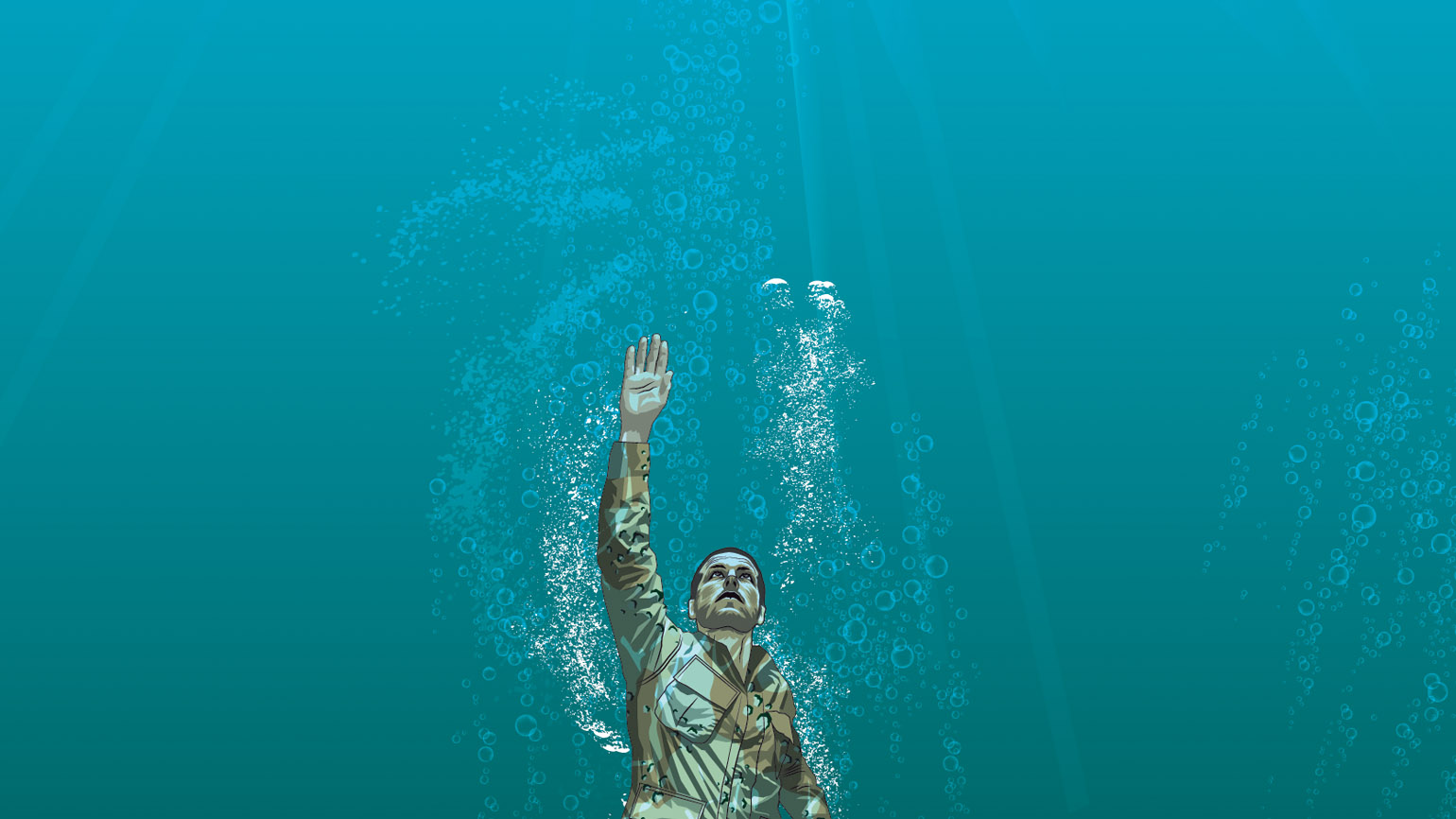
I woke up in another place. It felt as if I were underwater, but I wasn’t holding my breath. Everything was cool. There was no pain. I felt weightless, drifting through this space, so different from the hot, dry Iraqi desert. Where am I? I looked up. Light rippled down, refracted beams from the surface reaching past me. Though I didn’t know what was beyond it, I was overcome with the urge to reach it. I kicked my legs and paddled with my arms. I floated up with ease, as if propelled by an unseen force.

I’m dying. I was not afraid. In fact, I felt more at peace than I ever had before. My life leading up to my military career had been hard. My parents were addicts. My father was abusive; my mother, neglectful. I’d fought against the odds to avoid ending up like them. I struggled to pass my classes in high school and to drown out the criticism from peers—that I was too dumb to make a career in the military. Right out of high school, I’d completed basic training and gotten my orders for a one-year tour in Iraq. I felt meant for the job. Combat was nothing new; I’d been fighting my whole life.

Now I felt total surrender. My struggles were over. If this was death, then I was willing to accept it. I’d signed up for the military knowing that this could be my fate. I was okay with it. Then something caught my eye.

An image appeared before me as if projected on glass. It was my mother on the day I was born. She held me close, something I never remembered her doing when I was a little kid. Still, I felt comfort in that moment. Then another image appeared. This time, it was something that didn’t happen: my mother giving me up for adoption. I saw myself being taken away from her. What is this? It took me a moment to understand. This was what could have happened. This was the avenue my life didn’t take.

I swam higher. More images appeared. I saw when my mother finally left my father and he was out of our lives for good. I saw the day she married my stepfather and started to pull our lives together. I saw the day I enlisted in the military. I saw my grandfather, a veteran, telling me he was proud of me. Important moments that made me who I am.

With each image, I went back to the emotional place I’d been in as I lived them. Pain. Relief. Fear. Expectation. And with each scene came a counterscene, images of what could’ve happened if different choices had been made. If my mother had never left my father and he remained a toxic presence my life. If I hadn’t joined the military. I shuddered when I saw I could have ended up either dead or in jail if I hadn’t enlisted. I knew that I was meant to understand that my life had direction and that each step along the way had been shaped by the choices made.

Now I was close to the surface. I heard something.

“I love you, Babe.”

“We love you, Daddy.”

I stopped swimming. I couldn’t see anything. No images anymore, just voices. Somehow I understood that these were the voices of my wife and children. But how was that possible? I was 19, far from fatherhood. I didn’t even have a girlfriend. Yet I was absolutely certain. My wife’s voice was filled with warmth and patience. The voices of my children—a girl and a boy—were sweet and trusting. I felt wrapped in the most incredible love. It was intense, as if all the love I’d feel for my future family was concentrated into this one moment. This role—of being someone’s husband, someone’s father—just felt right.

In that moment, something changed. I was no longer complacent about dying. I wanted to experience this love. I wanted to see my wife’s face and hug my kids. I made the choice: I was going to live.

At that instant, I became acutely aware of crushing pressure. My body ached. My lungs burned for air. I started fighting to get to the surface, to breathe. It was the way back to life. I kicked my legs as hard as I could. My arms raked at the water in desperation. I wanted to stop, to rest, but I knew I couldn’t. Keep going, I thought. For them.

My hand broke through the surface, but I couldn’t push myself any higher. I sank down, past all the images I had passed on the way up. The surface faded away. I was sinking into darkness. Then the water whooshed downward in a whirlpool, as if someone had pulled a plug. It swirled around me and out an unseen drain.

“EVANS, YOU HAVE TO WAKE UP!”

I sucked in a huge gasp of hot desert air.

“Stay with us!” Hands slapped my face. My eyes shot open. The medic and the other soldier were leaning over me. I was still on the ground where I had lost consciousness. The medic had just drained the blood from my lungs. I could breathe again. I was alive—for now. I could hear a helicopter overhead. I was getting out of there. I grabbed hold of the medic’s shoulder and clung for dear life as I began my transport to the nearest medical base.

The road to recovery was long and difficult. I was stuck in bed for months. The doctors warned me I might be medically discharged. The idea of a future family, the reason why I’d wanted to live, felt unattainable without a career. I wondered if what I experienced was real or just some product of my oxygen-deprived brain. I fell into a deep depression.

Then my mom and stepdad introduced me to their friend’s daughter, Jen. She had offered to chat with me after hearing that I was going through a hard time, and my mom thought speaking with someone my own age might help cheer me up.

What began as a once-a-week phone call with Jen turned into talking every day. She was an incredible woman. She was so full of patience and hope and faith. She told me about her life, how she was in school to become a teacher. Over time, I opened up to her too. With Jen’s encouragement, I made a full recovery. But I decided not to reenlist in the military. I knew the path my life needed to take, and I knew with absolute certainty who would share that path with me.

Jen and I just celebrated our thirteenth wedding anniversary. We have two children—a girl and a boy. And when they say, “We love you, Daddy,” their voices are more familiar to me than anyone will ever know.

The Sacred Gift of Friendship

A dear and precious friend of mine was very, very sick about seven years ago and it appeared as if she might soon die. She had suffered on and off for years with stomach ulcers and this time it was more than serious. Surgery removed a large part of the ulcerated portion of her stomach and her recovery was difficult. The nausea she had suffered for so long reared its ugly and unrelenting head, and she received no relief from any medication.

Needless to say she was unable to eat or drink much at all and she lost a great deal of weight, which she could ill afford to lose, getting thinner and thinner by the day. Her spirits were tested on a daily basis, as she wondered: Can I get well? Is it worth it to get well? She begged me to ask her friends to all pray for her but not to visit. She had no energy left and even speaking was a struggle.

Community Newsletter

Get More Inspiration Delivered to Your Inbox


One night I was sitting in the chair next to her bed with my head resting beside her. When she made a move, I sat up. She weakly leaned forward, looking me straight in the eye, and taking a tight grip on my shirt collar she said, “Trudy am I supposed to go on now or am I supposed to stay? What am I supposed to do?” She looked as close to death as anyone I have ever been with who did not die.

Pale, frail, weak with no energy left, she said she felt like she was right on the edge of having to let go and she simply wanted to know if I thought this was her time. Nose to nose, we sat just looking at each other while I thought about her importance to me, her many other friends and her family.

“No, I don’t think this is your time,” I answered with tears rolling down both of our faces. “We still have lessons to learn, things to do and places to go.” We laughed and cried together for a moment, and then she lay back down and fell asleep.

Slowly but surely she recovered, over a period of months, and I thank God every day that she stayed—she still had so much life and love in her and has made a difference to the world around her every day since. Friendship is something God arranges for his own reasons; it is a sacred gift.

The Presence of the Holy Spirit as We Die

It has been a running joke for years between me and my husband that if he sees me coming toward him with my hands raised, he will run like crazy.

He says it’s because I have told him often of placing my hands on a terminally ill patient as they are declining and if God is calling them home, they become immediately peaceful and often die within a few minutes.

I learned early on in my hospice career that the Holy Spirit, the very Spirit that dwells in all of us, is present to all people as they leave this Earth and enter the reward promised to them through the life, death and resurrection of Jesus Christ. Nurses, social workers, volunteers, doctors and nursing assistants caring for those who are about to die know this well. In the hospice center where I worked, it is the practice to spread the word about patients about to enter heaven and to pass by their rooms and pray to the Holy Spirit for their peaceful and comforted death.

On one occasion, I was called to visit a patient at home who had just been admitted into the hospice program. His wife rushed past me without a word when I arrived at their apartment, to go to temple to prepare his services.  After a few moments I found Ira, a tall, thin, unresponsive man resting quietly in his bed. Looking about the very large room, I realized Ira had played a prominent role in the early motion picture business; his walls were covered with accolades and awards. I was praying the entire time that the Holy Spirit would enlighten me so as to bring comfort and peace to this very weak and declining man, about whom I knew nothing.

Holding his hand gently, I reviewed everything in site, all without any response from Ira at all. When I realized his breathing and color were changing, I began to speak to him about the fact that God was getting ready to take him home and was preparing his place in heaven. I spoke of his Jewish ancestry and of Abraham, Isaac and Jacob of the Old Testament. “Their father is your father and mine as well,” I said to him.  “I know my God by the name of Jesus; he is the one our heavenly father sent to bring us safely home to him.” He did not move.

When I heard the door open, I told Ira his wife was back now and that I would pray for him until I heard he was safely home with God. This man who had not responded the entire time squeezed my hand tightly as I tried to get up to leave. Sitting back down on his bed, I saw the tears streaming down his face. He died peacefully before I arrived at my office, ten minutes away. The Holy Spirit was present to Ira the entire time, I am more than sure. The peace he had defies all human understanding—now who told us that?

The Near-Death Experience That Brought Him Clarity

Three-thirty in the morning. I lay awake in bed, bleary-eyed from a night of drinking, exhausted yet unable to sleep. I hated living like this but felt powerless to stop.

I was a 27-year-old physical therapist who worked with burn victims at a hospital in central Florida. From the outside, I seemed on my way to success. I owned a boat and rented a three-bedroom cottage by the dock. But I was drinking myself to sleep every night. I’d begun showing up for work with traces of the previous night’s party on my breath. I’d recently crashed my friend’s car. If I kept going like this, I would soon be drinking around the clock. I could lose everything.

I’d grown up watching my dad’s drinking become a problem after my mom and youngest brother, Toby, had died in a horrific house fire 11 years earlier. I vowed I’d never end up like him. But had I, despite myself?

I held my head in my hands, feeling helpless and ashamed. It wasn’t supposed to be like this. Everything was supposed to be part of God’s loving plan. God had told me so once.

The night of the fire, Dad was away on a business trip. My mom, my four younger brothers and I were asleep upstairs. Suddenly I awoke, smelling smoke. I bolted out of my room and screamed at the top of my lungs to wake everyone up.

My brothers Tim, Danny and Patrick managed to get out. My mom and six-year-old brother Toby were trapped. The last thing I remember is trying to reach them, but the flames and smoke were too thick. Firefighters found me lying unconscious, suffering severe smoke inhalation, more than half of my body covered in burns. Mom and Toby didn’t make it.

Doctors stabilized me, and I went into surgery for my scorched skin. Something went wrong. I was paralyzed but conscious. I could feel everything—every scrape and cut—but couldn’t move or say a word. I screamed inwardly, wishing for something, anything, to make it go away.

“We’re losing copious amounts of blood,” I heard someone say in a clipped, urgent voice. “Blood pressure is low—let’s hold up.”

Suddenly, the pain was gone and I was floating, suspended on a cushion of air above the operating table. I could see the surgeons working frantically yet felt no pain. I was calm, content, awash in well-being.

I was approaching a threshold, about to cross into some new and wonderful place. Unconditional love, forgiveness and acceptance flowed over me. I was so happy, I wanted to laugh out loud.

With utter certainty I knew: I was in the presence of God. In that presence, everything—even my trauma and the deaths of Mom and Toby—was part of God’s perfect intention.

No suffering is ever in vain, God explained. All pain has its purpose and is part of the plan.

Beings surrounded me, ushering me along. Mom and Toby were there, alongside Grandpa Larry, Dad’s father who had died when I was a baby. I felt them with all of my senses combined. I knew they loved me and all would be well.

Lord, it’s so amazing! I thought.

I stopped moving toward the threshold. A new feeling welled up. I was needed back home with my dad and my brothers. This was not my time. I would survive the surgery. I would recover and move on with my life. I would play my role in God’s perfect plan.

I returned to my body and woke up in the intensive care unit.

That encounter with God gave me the strength I needed. Through years of additional agonizing surgeries, daunting rehabilitation and grief and trauma from the fire and losing Mom and Toby, at the core of my soul I felt confident knowing that all things are part of God’s plan.

I felt more than secure. I had endured horrific loss. I had come close to dying and broken through unimaginable walls of pain. Even when Dad’s drinking spiraled out of control, I held on to the conviction that God cradled me—and everything else—in his hand.

That conviction was so strong, it became the bedrock of my faith. Eventually, I let supreme confidence take the place of actively seeking God. Life would have its challenges, but with God’s help I believed anything was possible.

So why did I start drinking? I wasn’t unaware of the danger. Dad’s dad had also been a problem drinker, and I knew alcoholism runs in families. I vowed I would not become the next McDonough alcoholic.

Instead, I believed I could keep my drinking under control. In high school, I enjoyed the way alcohol eased my lingering physical pain and helped me overcome self-consciousness about my burns. I drank socially but made sure alcohol didn’t interfere with my studies. I tried to maintain the same balance in college, working hard during the week so I could party hard on weekends.

Little by little, the drinking escalated. “Weekends” expanded to include Friday, then Thursday. Pretty soon I was drinking every day. I knew where this would end, but I didn’t want to admit it.

Dad entered recovery while I was in college. I drove him to the addiction treatment center at a Catholic hospital in Cleveland. He clearly needed help. I convinced myself I was different.

Now, staring at the phone, at 3:30 A.M., it was impossible to deny I had a major problem. How did my wonderful confidence in God’s provision turn into this awful reality?

I ransacked my memory, searching for the decisive moment when everything began spiraling out of control. Maybe there was no decisive moment. Maybe the problem ran deeper than that. Maybe the bedrock of my faith—that confidence in God’s plan, a gift of my encounter during surgery—had been whittled down by alcohol into a self-serving justification of my own bad choices. Yes, God was there for me. I was part of his plan. But I hadn’t been doing my part.

When was the last time I’d prayed? Really asked God for help and thrown myself on his mercy?

I couldn’t remember. I tried it.

The next thing I knew, I was dialing Dad’s number.

“Dad, it’s Mark,” I said. “I think I’m an alcoholic.”

Dad was wide awake. His voice was calm and loving. “Thank God,” he said. “Don’t worry, son. It’s going to be okay. So much more than okay.”

He was right. With his encouragement and prayers, I checked into a detox facility in Orlando and started attending 12-step meetings, which I continue to do to this day.

Now 33 years sober, I know that my experience with God in my moment of near death was anything but a spiritual blank check. It was an invitation. An invitation to make God’s plan, not mine, the center of my life. An invitation I finally started to accept the night I picked up the phone.

‘The Miracle Man’ Who Went to Heaven and Came Back

It was just after 4:00 a.m. on Thursday, March 15, 2007 when Darryl Perry died.

The former University of Florida fullback-turned-financial adviser and his wife, Nicky, had settled down to sleep around midnight after an otherwise normal day. Perry usually worked 16-hour days, Monday through Saturday. The father of three also coached his then-8-year-old son’s baseball team. A deeply spiritual man, Perry usually awoke around 4 a.m. to read the Bible and pray for his wife and children before starting his day. Though the forty-year-old’s sudden cardiac death was a shock to his wife, family and friends, Perry knew it was coming.

Six months before, during his morning prayer time, he says God gave him a message. Alone in his room, Perry felt a hand touch his shoulder and a voice say, Son, you’re going to have to die on my behalf.

Shaken, Perry asked, “Who’s there? Is somebody in here?” He felt a calming presence and believed it was God. Unready to face the fate of death, he pushed the moment out of his mind and carried on with his day.

Things were going well for Perry, his wife and their three kids. They were happy. Life was good. He had never heard a message from God like this before. It couldn’t have been true.

Then, the Wednesday before his death, Perry heard the voice again. He had just dropped his two youngest children off at school. Son, it’s time, the voice said. This time, there was no denying what he’d heard. He sat in his truck in front of his children’s school and cried for 30 minutes, not wanting to leave them.

But he made it through the day, and the night, and a whole week, as usual. Until the morning his wife awoke to the sound of his unusual snoring. Then, Nicky says, he was gasping for breath and foaming at the mouth before he stopped breathing.

“My spirit was in the air looking down on Nicky giving me mouth-to-mouth,” Perry tells Guideposts.org. “I watched the whole thing.”

There was no journey from his bedroom to Heaven that he can recall. The next thing he knew, he was just there, in a space of incredible brightness, warmth and indistinguishable colors.

“An angel God sent to receive me was named Gabriel,” Perry says. “He was huge.” The 6’2, 230 pound-Perry says Gabriel towered over him. With brown skin, a muscular frame, locs in his hair and an immeasurable wingspan, Gabriel never said a word to Perry and Perry never had any fear. When Gabriel pointed to his back, Perry climbed up to rest as Gabriel flew him through Heaven to see his loved ones who had passed on.

“I saw my uncle, my granddaddy, my wife’s grandmother,” Perry recalls. And then, he says, he saw God.

“God in Heaven is a bright light,” he says, as he was unable to make out any distinguishing features, only the presence of complete peace.

Perry began to celebrate, saying over and over to himself, “I made it! I made it in!”

Discover new books from Guideposts with amazing stories of those who have visited heaven and returned

*****

Back in the hospital, Perry’s body was hooked up to a life support machine. The neurologist told Nicky that the only brain activity registering on the EEG machine was seizures, signs of dying brain cells. After an episode like Perry’s, she was told, irreparable brain damage and death happen within 4-6 minutes of the brain being without oxygen. It had taken paramedics 7 minutes to restore Perry’s heartbeat.

Perry’s body was transported to Orlando Regional Medical Center and he was placed in a chamber to induce hypothermia to prevent any more brain damage while Nicky prayed for a miracle.

The neurologist suggested she prepare herself to take her husband off life support. Instead, she sought the second opinion of Dr. Ira Goodman in Central Florida.

******

In the presence of God, Perry says, there is no fear, no anger, only peace. In the middle of his celebration, Perry says God spoke to him.

“My people have forgotten my power,” he heard God say. “He said, ‘Son, go back.’” Perry couldn’t believe what he was hearing. He didn’t want to go back. He refused. He said, “No!”

Then, he says God pulled back the veil between Heaven and earth and let him see his family. They were smiling, frozen, like in a picture. The same peace he felt when he realized he was in Heaven remained as he accepted returning to his body on earth.

*****

For days, Dr. Goodman would examine Perry, give him commands to obey and nothing would register. Perry would lie still in his bed, with no sound or movement beyond the whirring of machines. On March 27, day 11 of Perry’s comatose state, Dr. Goodman came into his room, giving the same basic commands. “Open your eyes,” Dr. Goodman told Perry. That day, Perry opened them.

Dr. Goodman had warned Nicky that even if Perry ever regained consciousness and could breathe on his own, he would be severely impaired, have no memory of himself or his family. He would never walk or speak again, he warned.

But when Perry opened his eyes, one of his nurses, named Missy, rushed to his side and asked him “Can you hear me?” Perry seemed to nod his head. “I’m Missy. Can you say Missy?” She asked him and he mouthed the word Missy. By this time, Nicky had rushed in from the hallway and was on the other side of Perry, holding his hand. “Who is that beautiful woman standing on the other side of you?” Missy asked and Perry turned his head and saw his wife. “I love you,” he mouthed to her.

His doctors still have no explanation for his recovery, other than the nickname they gave him: “The Miracle Man.” For Perry, his return to earth is less of a mystery.

God’s words to him in Heaven, stick in the back of his mind: “My people have forgotten My power.” When asked why he thinks God sent him back he says, “Just talking to you [is] why I’m here.”

“They said I would never talk, never know my family,” Perry says, 10 years after that early prognosis. “Well, I have proven them all wrong. I’m riding a bicycle. I walk every day and my memory is off the charts.” Nothing but God’s power could bring all this to pass, he says.

Still, Perry continues to be in recovery. After his cardiac episode, he was diagnosed with cerebral hypoxia, a chronic brain illness caused when he lost oxygen to his brain. Perry has learned that being a walking, talking miracle doesn’t always mean total healing or frustration-free days.

“I have accepted the fact that I am always under a spotlight. People are always watching me,” he says of life after death. “It gets hard sometimes. It’s like I feel like I have to be perfect all the time.”

Perry takes his moments of frustration out on a punching bag he uses for therapy. Some days, he cries. Though his life will never be what it once was, Perry has no anger about returning in an altered state or about having to leave the most peaceful, beautiful place he’s ever experienced.

“I can’t be angry. I always ask God, ‘What would You have me do?’ I’m here because He sent me back for Him. But I will say, be careful what you ask God!” He says with a laugh.

Though the charismatic motivational speaker now has a slower, slurred speech, his message is as strong as ever.

“I’m not a quitter. I will never quit,” he says. “As long as God gives me breath, I’m in the game.”

The Man Who Visited Heaven Speaks

Peter Panagore was a college student ice climbing on his spring break when mistakes on the mountain caused him to die from hypothermia. His first-person account of his journey to heaven—and back—was featured in Mysterious Ways. We asked Peter some questions about the aftermath of his near-death experience, or NDE…

How does your journey to heaven and back continue to affect your life?

Every moment of every day God is present to me. I feel less isolated, but there are times that I know that my thinking and eccentric behavior makes me the strange one. I like to be out in nature, because out in nature, the purity of God’s spirit pervades all things, plants, water, sky, stone, and animals. Out there, I feel most at home.

One day when I was in Manhattan for a few days of work, I went out for a long walk and I prayed. I began to feel the spirit of peace, of contentment and presence that I feel when I walk in the woods and I realized that it was coming from the people around me on the sidewalks. They were nature and radiating the presence of as a tree would, as stone might, as a songbird’s song does.

I walked for hours though the mass of humanity as if immersed in the wilderness where the spirit of God is strongest.

How has your experience in heaven influenced your prayer life?

After I came back from my NDE, the Catholic charismatic prayer group that I had been a part of was not enough any more. I practiced meditative prayer everyday for decades until my prayer became burned into my mind so deeply that it now it plays as an endless loop inside my subconscious. Sometimes it rises up on its own and I find my mind in prayer without my intention making it so.

In this way, as Paul said, I have learned to pray ceaselessly. Prayer is my only way back to God while I am here on earth. Prayer is my refuge and my strength. My NDE drove me in desperation to find a way or ways to let more light in, to create more space for God inside me, to sit as close to God as I could.

Can you share a story from your work as “midwife to the dying”?
There was a man, the father of one of my daughter’s friends, who contracted Hepatitis C. He was a rough man, but loving to his family, and not a churchgoer at all. One afternoon the hospital called me, because I knew the whole family, and because he was dying. I met with the family in the hospital’s waiting room to speak with them about their grief.

A nurse popped into the waiting room and asked me to please come with her. I went and she closed the waiting room door behind us. She asked me to put a gown on, a mask and gloves, because the man was convulsing with fear and pain. He asked for me. He was afraid of death, of God.

MORE FROM PETER PANAGORE: HEAVEN—A FIRSTHAND ACCOUNT

He leaned up against me, and he was saying how he had been a bad a man, how he’d done awful things, and that he knew that he was dying, and feared judgment. I quieted myself in prayer, and whispered into his ear, that God loved him, and already knew all and everything about him, nothing was hidden, and if he was remorseful, which he was, and carried that remorse with him when he died, that surely God would welcome him home and forgive him.

I calmed his fears, he relaxed and quieted down, and believed me. He died with a look of peace upon his face.

Have you experienced a dream or event that you believe was a message or messenger from heaven?
One Friday, night I was an on-air auctioneer on Maine Public TV’s annual fundraiser broadcast until close to midnight. I drank a lot of coffee off camera all night long, which means that when I finally go to bed around 2 a.m., I could not sleep a wink. The next morning, when the whole family got up around 7 a.m., I got up, too, and in order to be civil, I drank more coffee, even though I was exhausted.

The kids were doing homework at the kitchen table with my wife and I went to lie down on our sofa in our sunroom and closed my eyes to meditate and many rest a little. As soon as I began my prayer, “Lord Jesus Christ, son of God, have mercy on me, a sinner,” my soul was plucked by God and taken from body. I was taken into a level of heaven.

READ MORE: A JOURNEY TO HEAVEN

I don’t know what else to call it, but I was just like I had been when I was dead, only this time I was moving rapidly toward the light of God above. This heaven was full of music, of cosmic sound, of the choir of angels; it was the most beautiful sound that I had ever heard—an incredible beauty.

The whole thing took about three hours, and when it was over, I was lost in this world again, just like that night on the mountainside when I had first come back and was dangling on my harness. I saw my wife standing in the door, but I did not know who she was. My wife saw my disorientation on my face and in my jangled body movements and she said, “Your name is Peter Panagore. I am your wife. You are in your home.”

Later on in the day, when I was more myself in this world, she said that she knew something was going on and that she was concerned because there were times during those three hours I was unresponsive in a way that indicated that I was not asleep.

How have your relationships with other people, family members, spouse, been impacted by your journey to heaven and back?
I asked my wife to help answer this question, and she said that on the positive side I see more deeply into the complexities of emotions and psychologies that make up individuals, and am from her point of view much less judgmental of the motivations and sins of others. From my point of view all sins are equal when compared to the majesty of God, so who am I to judge another? And who knows what private pain had driven them to make the choices that they made?

READ MORE: SURPRISING FACTS ABOUT NEAR-DEATH EXPERIENCES

She also said that my years of work with the homeless and the poor arise from my seeing humanity very simply. We are all souls equally encased in bodies and all are beloved of God, and those who suffer the most need the most care. I see the rich and the poor with the egalitarian eye of my heart. No one is greater or lesser, and I am no better and no worse then the best or worst of humanity.

On the negative side, I live life with what are generally considered eccentricities because I see what isn’t seen by others. For instance I insist on keeping part of our yard as a micro-habitat in which birds, bees, insects, wild flowers and mammals can thrive. My neighbors only see an un-mown lawn.

The biggest negative is my non-attachment to time. I see all things, even relationships, as temporary, because, in the end we all die and go home.

Is there anything else you would like to share with our readers?
Throughout my life, I kept reflecting on what happened to me that night and in those reflections God keeps unfolding more truth and understanding to me, about what I experienced. And yet it made me rebellious against God after my NDE. God gave me the choice to come back or stay but in choosing to come back here, I lost myself, I lost my own life, or the life that I would have had had I not died.

With the gift of the NDE came the curse of being separate, estranged from, and outside of all humanity (except, I later learned, from those like me who have had an NDE.) I could never explain to anyone what I was feeling, or how I thought, or what I experienced. And then I wrote this book, and it was a healing process to finally get it out of me.

READ MORE: REVEALING HEAVEN

I expect that there will be more learning for me, more truth to come, and more understanding. All in all, I am gratified that I came back. I have beautiful and loving children, and a tolerant and loving wife who has long endured my strangeness, my eccentricities, my distance, and my otherworldliness.

But mostly, I see now that my calling, my “not living my own life,” is to do my best to point at God and in my own small way try to point the way home for those with ears to hear, and a heart to seek. Speaking about God’s eternal love and reality is all that I want to do here in this life.

I live life seeking fun and adventure as distractions, as thrills, with the blessing of knowing that in the end I get to go back to where I came from, thanks be to God who was, who is, and who shall be evermore and eternally, love.

Their Shared Near-Death Experience Formed an Unbreakable Bond

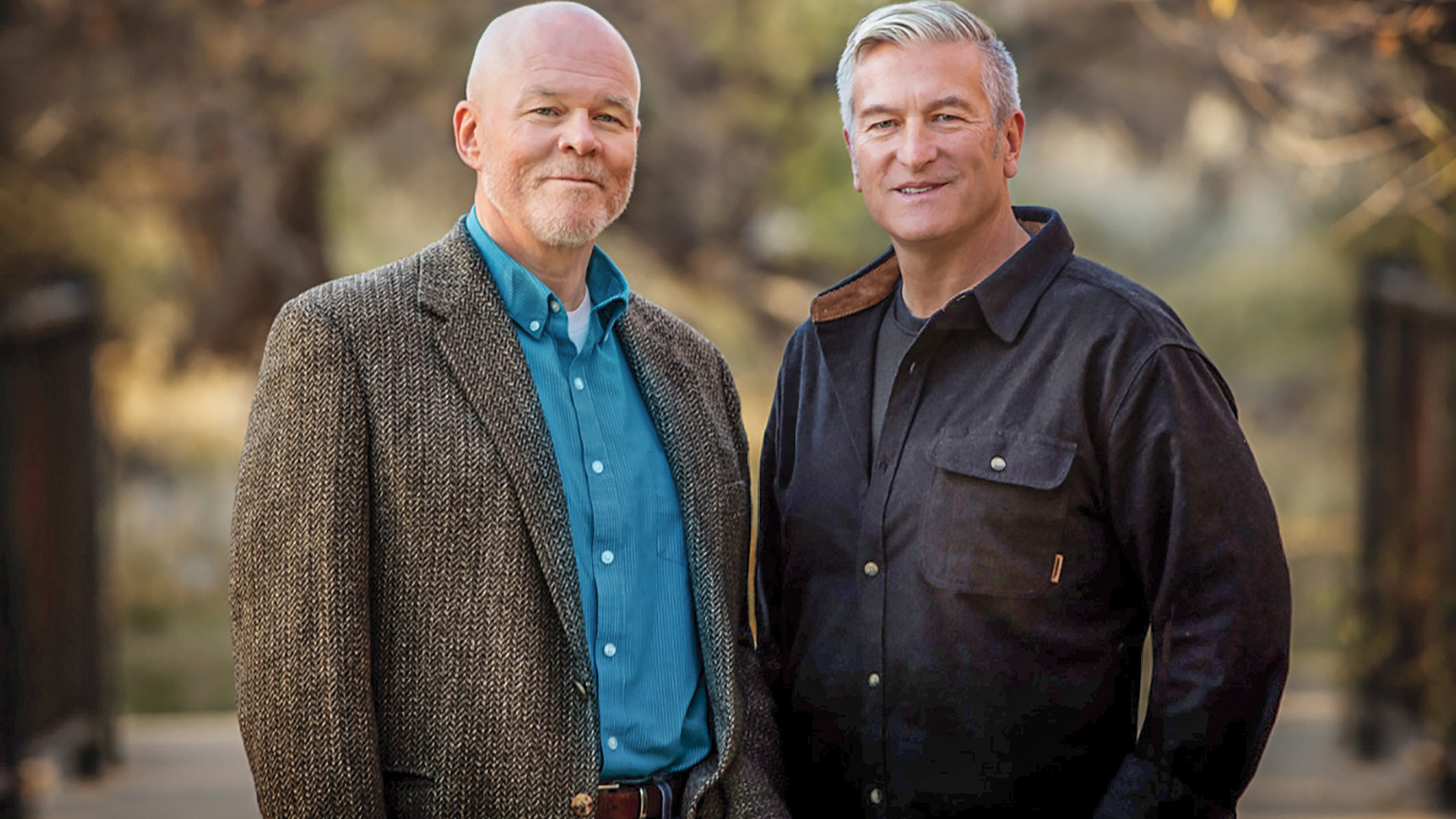
JEFF OLSEN: The accident happened while we were driving back to our home in Bountiful, Utah, from a visit to relatives in the southern part of the state. My wife, Tamara, was asleep beside me. Our seven-year-old son, Spencer, was in the back seat, playing with his toys. Our toddler, Griffin, slept in his car seat. The road stretched out ahead, and my eyes grew heavy. It felt as if I’d blinked for just a second.

That was all it took.

I lost control. The car rolled, windows exploding, gravel flying, as we spun over and over until I lost consciousness. I woke only for a second after we stopped. I felt horrible pain and heard Spencer crying in the backseat. Everything went black again. I was terrified. Where is my family? Are they safe?

Then, suddenly, I was calm. The pain was gone. I looked around. I was floating above our car accident. Before I could react, I felt a presence near me. It was Tamara. We were encircled in a bubble of light that was emanating complete peace. I knew then she was gone, but it was as if my grief were suspended. All I could feel was serenity. I wondered if we were on our way to heaven.

Tamara looked at me, her face serious. “Jeff, you cannot be here,” she said. “You have to go back.” How could I? She was here. Then I remembered Spencer’s cries. He was still alive. He needed me. I knew I had to make a choice. I pulled Tamara close to me. “Goodbye,” I said. I let go. Then I felt myself drifting away from Tamara and the comforting light…

DR. JEFF O’DRISCOLL: I’d just finished my rounds in the emergency room when I heard about a patient being brought in. Car accident. The older son had minor injuries. The father had serious injuries and needed surgery. The mother and toddler hadn’t made it. That’s when Rachel, an ER nurse, grabbed my arm.

“Come see this,” she said. “His wife is…here.”

I knew exactly what she meant. Rachel and I had discovered that we had something in common. After we’d known each other for a couple months, Rachel confided that sometimes she saw or heard things she couldn’t explain. Things that didn’t make any logical sense, that showed a divine hand at work—and I revealed that I did too.

I was used to keeping these experiences to myself, out of concern that my colleagues might question my credibility. But Rachel was a confidante with whom I could discuss some of the miracles we witnessed.

For me, these encounters began long before I became a medical professional. The first time it happened, I was 16. I was a rebellious kid. I was out with a few friends one night, driving too fast down narrow country roads. As we approached a sharp turn, I heard a clear voice in my head. “You need to slow down.” I braked just as another car came around the bend. We collided, but because I’d slowed down, no one was injured. Afterward I knew whose voice I’d heard. The one person I would listen to—my older brother. Stan had died five years before in a farming accident, but I’d recognize his voice anywhere.

Since then, I’ve had more of these experiences. They’d helped me as an ER doctor a few times. Like the time a man came in from a motorcycle accident with minor injuries. We were about to release him, but something told me he needed a CT scan. There was no medical explanation for it, but the feeling was so strong that I finally ordered one. The scan showed bleeding in his brain. My mysterious hunch—or something more—likely saved his life.

I’d gotten used to these moments and when I needed to listen to them. The man in the car accident wasn’t my patient. Other doctors were already working on him. But I knew when Rachel came to get me that I should go.

OLSEN: Suddenly, I was in a hospital. I was not yet back in my body—I was still weightless, without pain. I moved freely through the halls, observing the people around me. Somehow, I was able to see their whole lives as I looked at them. Their stories, their fears, their experiences. I felt no judgment toward any of them. I was filled with the most incredible love and oneness with each of them.

I finally reached a room and a body to which I felt no connection. The patient was in terrible shape, and doctors were rushing around him. His legs were crushed, his ab-domen a mess, his right arm had nearly been torn off. Wait, I thought. Is that me? I recognized my own face now. I was horrified. I couldn’t go back to that! Then I remembered what Tamara had said. I thought of Spencer. I couldn’t leave him alone.

I let go and chose to move toward the gurney. The heaviness was the first thing I noticed, then came the horrific pain. But the worst part was the guilt. It hit me like a tidal wave. Tamara and Griffin were gone. Even as I sensed the doctors over me, working furiously to save my life, the only thing I could think was: This was my fault.

O’DRISCOLL: Rachel and I stood in the doorway. The room was loud. A team of doctors worked to stabilize the patient. As I watched, the sounds around me faded out. I couldn’t even hear Rachel speaking next to me. I sensed a divine presence in the room. And then I noticed a light. In it was the form of a woman, floating above the patient’s bed. She had flowing, curly blonde hair and was dressed in various shades of white. Her form was almost transparent, and the look on her face was serene. She looked vibrant, otherworldly—I knew innately that this was the man’s wife. The divine presence in the room was allowing me to view her eternal soul.

She smiled at me, as if she’d known me forever. I sensed her immense gratitude toward the doctors who were working to save her husband. She looked directly at me and back at her husband, then back at me. Her eyes were intent.

Then everything slowly returned to normal. I could hear the doctors speaking, and I could hear Rachel again. “Did you see her too?” she asked. I looked again. The patient’s wife was gone. The trauma surgeon took the man to surgery.

When it was all over, I told Rachel what I’d seen but, other than that, kept quiet. I hoped the man would recover and be reunited with his son. I didn’t realize then that it wouldn’t be the end of our story.

OLSEN: After a few months and 18 surgeries, I finally moved to the rehab wing. One night, just days before my release, I fell into a deep sleep and had a dream that was more powerful than any I’d ever had. I was standing in a big field. The serenity I’d felt in the bubble of light on the day of the accident returned. My body was healed, and I could walk freely. I felt light and started running. I noticed a corridor appear on my left. I entered and followed it to the end. I found Griffin there, asleep in his crib. He looked perfect. Tears filled my eyes as I picked him up and held him close. I could feel his breath on my neck as I rocked him. I don’t think I’ll ever be able to forgive myself, I thought.

Then I felt a divine presence behind me. It exuded pure love. It felt like the love I’d experienced for the people in the hospital the day of the accident, free of judgment. I now understood that I’d been shown a glimpse of the kind of complete love that God had for me. I felt two arms wrap around Griffin and me, enveloping us. A reassuring voice said, “There’s nothing to forgive.”

O’DRISCOLL: Rachel eventually encouraged me to share what I’d seen with this patient. I was reluctant—I’d never told patients what I’d seen before—but ultimately agreed.

As we entered his room, I saw his leg had been amputated, and I knew he was still fighting a serious infection. On top of that, he seemed emotionally exhausted.

I let Rachel do most of the talking. She told him everything. My experiencing a divine presence, then seeing his wife floating above him in the room, her appearance, her feeling of gratitude toward the doctors. Tears streamed down his cheeks.

“That sounds just like Tamara,” he said. “Thank you for telling me this. I had my own experience on the day of the accident.”

I listened as he described having an incredible out-of-body experience. As he spoke, I started to get an intense feeling that we’d been brought together and that we were meant to stay in touch. I wrote down my name and cell phone number to give to this man.

“If you ever need to talk to someone, please reach out,” I said. “I’m Jeff O’Driscoll.”

“Jeff Olsen,” he replied, shaking my hand.

OLSEN: After I was released from the hospital, I stayed at my brother’s house to continue my recovery. I didn’t forget the remarkable experience I’d had while in the rehab wing, but I felt that no matter what that divine voice had said, I’d done something that was unforgivable. The way I saw it, I had destroyed the lives of everyone in my family. Didn’t I deserve to carry this burden?

One afternoon, I got a call. It was Dr. Jeff O’Driscoll, the man who had visited me while I was in the rehab wing. I hadn’t heard from him in some time, and I hadn’t reached out to him; I’d been too overwhelmed. He told me he wanted to stop by and see how I was doing. Touched, I accepted.

As soon as Jeff walked in the door, I felt at ease. I knew I could trust him because we’d both been part of the same strange divine experience. We began talking. I shared the dream I’d had with him, and he listened quietly. I’d been keeping everything I’d encountered to myself, and it was such a relief to have someone to talk to.

When I got to the part where I mentioned the voice telling me there was nothing to forgive, Jeff stopped me.

“Jeff,” he said. “That voice? You need to find a way to listen to it.”

O’DRISCOLL: Since that day, Jeff Olsen and I have become friends. There were certain times during his recovery that I felt a nudge to reach out to him and did. It wasn’t until years later that he told me how important these moments were.

OLSEN: Months after the accident, I was faced with the daunting task of unpacking our suitcases from the accident. They had been sitting untouched after being removed from our car.

I didn’t think I could bear seeing Tamara’s things, unfolding all of Griffin’s clothes. I couldn’t talk to my family about stuff like this. They already treated me as if I were fragile. Plus, it felt unfair to unload my troubles on people who’d also lost Tamara and Griffin. Just then, the phone rang. It was Jeff. “Hey,” he said. “I just wanted to check and make sure you were doing okay.” I told him what I was doing, and Jeff stayed on the phone with me, talking me through the barrage of emotions that was hitting me.

Eventually, I went back to work. I was still struggling to reconcile with myself. Some days were worse than others. Driving home from the office one evening, I felt myself slipping deeper into depression. I hate to admit this, but I thought of ending it all. Going back to that painless place I’d visited, being with Tamara and Griffin. But when I pulled up to the house, I saw a book sitting on the porch. It was from Dr. Jeff . He’d written a note saying he thought I’d like it and wanted me to read it. That book felt like a lifeline. It gave me another reason to stick around.

Jeff continued to reach out. He always seemed to show up right when I was at my lowest points, a reminder that I was not alone. Each time, it seemed to confirm that we shared a divine connection.

In the years since, Jeff has helped me make sense of what I couldn’t explain. Talking through my experience with him helped me recover and grieve—eventually I did forgive myself. As time passed, it became clearer and clearer that we’d been brought together for a reason.

O’DRISCOLL: Jeff and I have stayed close. We meet up often to talk about our lives and discuss what we’ve experienced. My friendship with Jeff helped me realize that I should share my stories, because they can help show others the hidden hand at work in our lives.

Twenty years after the accident, Jeff was preparing to move out of town. One evening, I was in my house getting ready for bed when I felt God’s presence, followed by a voice. I recognized it as Tamara’s voice, though I’d never heard her speak. “Don’t lose touch with him, Jeff ,” she said. “Don’t let anything interfere with your friendship.” Another message from heaven, reminding Jeff and me of the profound connection we share.


The Holy Spirit at Work

When God begins to draw one of his children home to himself, he does so in the way that he knows they will best be able to receive him.

Sometimes his love and words come through a pastor, rabbi or priest. Sometimes a friend forgives a long ago hurt and they experience the healing hand of God.

At times he surrounds a person with himself through friends, loving children and grandchildren. But when wounds are deep and dark secrets dwell in a soul, he often comes as the Holy Spirit to enlighten from within. God literally speaking to a soul, wooing, comforting, forgiving and placing peace where only pain and hurt once lived.

You can see it in the eyes of an imminently dying patient who has experienced a quiet reverie of unresponsiveness. During these times, the patient does not respond to anyone or anything and appears to be in a coma. Then, upon awakening, a loved one will ask the question, “Where have you been?” The answer is often, “ I have been with God.” A new peace surfaces that defies all human understanding and once again you can see clearly the compassionate heart of Jesus at work.

I invite you to share your story of a “glimpse of heaven” experience or ask questions related to end-of-life situations by emailing me at glimpsesofheaven@guideposts.org. I envision this “Glimpses of Heaven” blog evolving into an interactive sharing of life and death experiences through which we come to understand that the face of God is as close to us as we are to ourselves.