

Embrace God's truth with our new book, The Lies that Bind

The Angel in the Hospital

Over the last years I had prayed many times after visiting my folks, “Dear Lord, I don’t know how this can end well. Mom is in the nursing home and Dad, who has always been there for her, is now failing fast. His memory problems are becoming so much more apparent. You know how fearful Dad is of Alzheimer’s disease. He’s always been a bad patient and now he dreads the possibility of having to be dressed, fed, bathed, and becoming dependent. I’ve seen this many times before with others, I don’t see how this can end well. Help us, Lord.”

In the weeks after Dad had the stroke, he remained in a coma. My brother Marty and his wife, Mary, agreed to share the vigil. I took the day shift and they took the nights. The time seemed to fly, with pastors, church members and people from the nursing home coming daily. I passed the days reading to Dad from the Bible and singing. I especially liked singing his favorites, “How Great Thou Art” and “Heaven Is My Home.”

At night, when my brother came in for the switch of shifts, Mary said. “I’m so glad to be here for Dad. I never was able to do this for my folks.” After a week, the hospital sent a nurse from hospice to talk to me and give me papers to fill out before transferring him to a hospice unit the next morning.

Standing there with the doctor who had come from intensive care because he had heard that Dad was “someone important,” I said, “Yes, he was a pastor.”

I asked the doctor, “How long can a person last like this without food or water?” The doctor took a long look at Dad, the still clear urine in his drainage bag and lack of respiratory distress and said, “It’s going to be a few days yet.”

After the doctor left, I was determined to get down to that paperwork, because we needed it the next morning. But realizing that it was now after 6:00 p.m., I decided to call my sister, knowing she would be home from work and waiting for the day’s update. I went over to the large window ledge and leaned toward the window, where I knew I would have the best reception with my cell phone.

As I was telling her what the doctor said, I sensed a movement behind me. I turned around, knowing Dad had stopped moving several days before. The door was closed, no one had peeked inside to see if I wanted anything, and Dad was lying there just as still as before. I turned back to stare into the night sky and that’s when I saw a reflection in the window of something behind me. I wanted to see if there was an obvious or natural explanation for the heavenly phenomena I witnessed in that hospital room.

I quickly looked down the five floors to see if there was any way something was shining up to that room. Below I saw only the typical street traffic coming and going to the hospital. Nothing unusual there. As I turned and looked behind me, my first thought was, "Oh, it’s you." The memory came flashing back.

In October 1987, I was the night nurse on a Medicare floor, sitting there at 4 a.m. charting. I looked up at various times to watch the three nursing assistants walk back and forth across the dimly lit hall in front of me as they went to change linen and turn debilitated patients. The next sight was strange. I watched the three come out of one room, cross the hall in single file and go into the next room. They did this several times, but I looked up and there were four of them. The fourth figure was much taller than the other three and towered above them. He was a man, but he didn’t so much walk as glide across the hall. I can’t describe him, but he was extremely tall and slow moving.

As I sat there, I thought, "They walk with angels and don’t know it. Should I tell them?"

I didn’t say anything that night. But over the years that sight never diminished from my memory. Whenever I had a chance to do so, I would tell caregivers, “You know you walk with angels.” They may not have grasped what I meant, but I knew. In the back of my mind I often wondered why God had allowed me to see the angel that night, but as I sat beside my father, I suddenly understood.

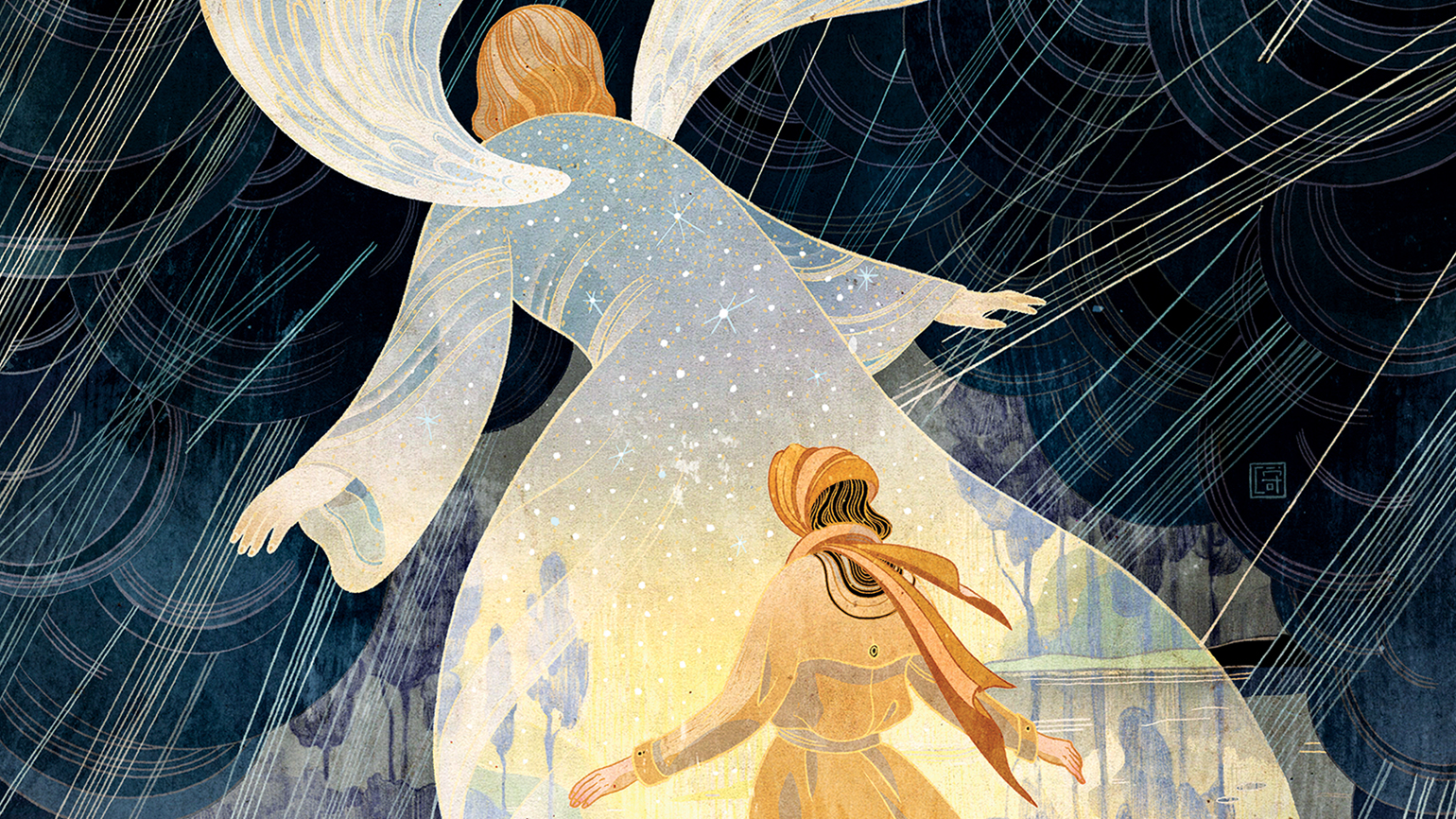
It was so I wouldn’t be afraid and I’d be clear about what I was seeing. As I watched, that tall man from years earlier was there. I knew it was an angel; and as he passed directly over Dad, I was once again caught up in his large size and the slow graceful movements. I now knew why I saw what I had seen in 1987, and why I saw it now. It was for my comfort.

I felt a great sense of peace. As the angel appeared to pass right through the wall, I knew I wouldn’t be able to see it again. I turned back to the window. I didn’t tell my sister what I had just seen but said simply, “Dad will be gone tonight.” She never questioned how I knew.

When Marty and Mary came for their nightly vigil, I also told them, “Dad will be gone tonight.” I knew that God had not only spared Dad from the life he had been so much dreading, but He had given me what I didn’t know I needed—comfort and deep-settled peace.

I left those hospice papers untouched on the night stand. I took a last long gaze around the room so I would always remember the look and feel of that night. Marty sat in his usual place next to the bed. Dad was peaceful and still, his breathing regular as though he were sleeping. Mary leaned over him, whispering, “Take Jesus’ hand, Dad. Take Jesus’ hand.”

I said “Good-bye, Dad,” for the last time and left. He died shortly after I left the hospital. The90-minute ride home that night was different from the previous seven.

The feeling of comfort, peace, and knowledge of how senseless worry is has stayed with me every day for the past six years since Dad died. When trouble comes, in whatever form—standing next to my car with a flat tire, hearing of a loved one diagnosed with cancer, or family conflicts—I take it to the Lord and leave it there because I know He can and will handle it.

After Dad died, I didn’t tell everyone I had seen an angel. Just like many years earlier, I would mention it whenever someone seemed to need to know. As time passed, I read Bible passages referencing angels and read a few books about people seeing angels. But I consciously didn’t want to be caught up in the pursuit of angels. However, I have taken much pleasure in the thought that nurses are referred to as “angels of mercy."

The Angel in Running Shorts

Few things in my childhood were more fun than getting together with my cousins from Canada. One summer break, when I was about eight years old, we traveled to the “Great White North” to visit my relatives. We decided to take a day hike to Jasper National Park in Alberta to see the glaciers.

Our older cousins and my brother Chris and I took off ahead of our parents along a snow-packed trail up into the mountains. We ran a good mile or two up the path. An iced-over lake was to the right of the path.

We stopped for a breather and scanned the frozen surface next to us. “I want to go ice skating,” one cousin said.

“Me too,” said another. “But the ice might crack,” my brother said. “How do you know it can hold you?”

“We’ll just have to test it, that’s all,” someone else reasoned. “Who’s the smallest one here?” I volunteered. I was the smallest one, so who else should test the ice, but me? Not only was I a bit of a show-off, I was also the youngest in the group and felt the constant need to be accepted.

As my cousins and big brother cheered me on, I slid one tentative foot onto the ice. It was holding. I slid my foot out a bit farther and stepped off the snowy pathway onto the ice. I inched out still farther, waved, and yelled, “Come on, you guys, it’s—” Then I screamed as I broke through the cracking ice into freezing water.

A thousand needles seemed to pierce my skin through my clothing as I sank into the glacial runoff. I was already in water too deep for me to touch bottom. My drenched clothes clung to me, weighing me down. I hung onto the edge of the broken ice.

“Help!” I pleaded with my cousins and brother on shore. “Help me out!” “We can’t, Janice! We’ll fall through,” one cousin yelled back to me.

Even as scared as I was, I could see the terror in their eyes. I spun around in the water, clawing at the rough icy surface, trying to grab hold of anything to pull myself out. The ice kept breaking around me into a wider circle.

The more I tried to climb out, the bigger the hole of broken ice became. “Help! Somebody, help!” I screamed, bitterly cold and desperate. “I can’t hold on much longer!”

No adults were around. My cousins and brother wouldn’t leave me but they couldn’t help me either. Just then, a man wearing running shorts and a tank top came around the corner. He must really be cold with no long pants on, I thought.

The man ran to where my cousins and brother stood. He didn’t stop, but he slowed down and walked out onto the ice. He leaned over and grabbed me under the arms.

I stared, unable to believe he was standing on the ice. He dragged me out of the broken hole and back to the pathway. He stood me on my feet. “Are you all right?” he asked. Despite being soaked and totally chilled, I nodded. He backed up a few steps.

I was soaked and began shivering and shaking uncontrollably. My brother and cousins sprang into action, huddled around me and offered me their clothes. The runner sternly looked from one child to another. “Don’t go out there again.” All of us shook our heads. “I won’t ever do that again,” I said.” I promise.” The others also assured the man that they wouldn’t go out on the ice.

The runner smiled, turned, and took off running up the snowy path. He left me standing with the others, dripping wet, in shock, but alive. We all stared after the runner in disbelief. Then reality hit us.

“He walked on the ice,” my brother said. “He . . . he didn’t break through the ice,” my cousin said. “How did he walk out there?” another cousin asked. “Janice broke through and she’s the smallest.”

They tried to figure it out but I stopped them with my frantic plea. “I’m freezing to death!” My wet clothes clung to me and were so heavy I had trouble walking. The rough, frozen denim scratched my legs like a million bee stings as I shuffled back to the path and toward my parents. Painful knots in my muscles took over as I put one foot in front of the other.

They temporarily forgot about the runner and helped me get back to our family. I reached my parents with crunchy, frozen hair. My clothes had rubbed my skin raw while I walked. Dad grabbed my icy hand in his and led me back to the car to find dry clothes. I didn’t have to stick around for the scolding the mothers gave my brother and cousins.

“Dad,” I said, through chattering teeth, “know what?” “What, Janice?” he said hurriedly, trying to get me to warmth and safety. “A man saved me,” I said. “Really?”

My dad kept moving me along at a good clip. I wanted him to carry me because I was so tired and cold, but he forced me to walk to keep me warm. “Yes,” I continued. “A man in running shorts sa-sa-sa-saved me.” My teeth chattered.

“A man in running shorts? Are you sure?” “He walked right out on the ice and pu-pu-pulled me out.” “But you broke through,” my dad said, staring at me. “Yes, kinda crazy, huh?”

I don’t remember much else about that day except that the kids weren’t allowed to run ahead anymore. We eventually saw the source of the glacier we were looking for, but I was to stay only for a few minutes after my long hike.

The name of the glacier we visited in Jasper National Park is called the Angel Glacier. I’ll never forget that adventure.

The Angelic Teacher Who Changed Her Life

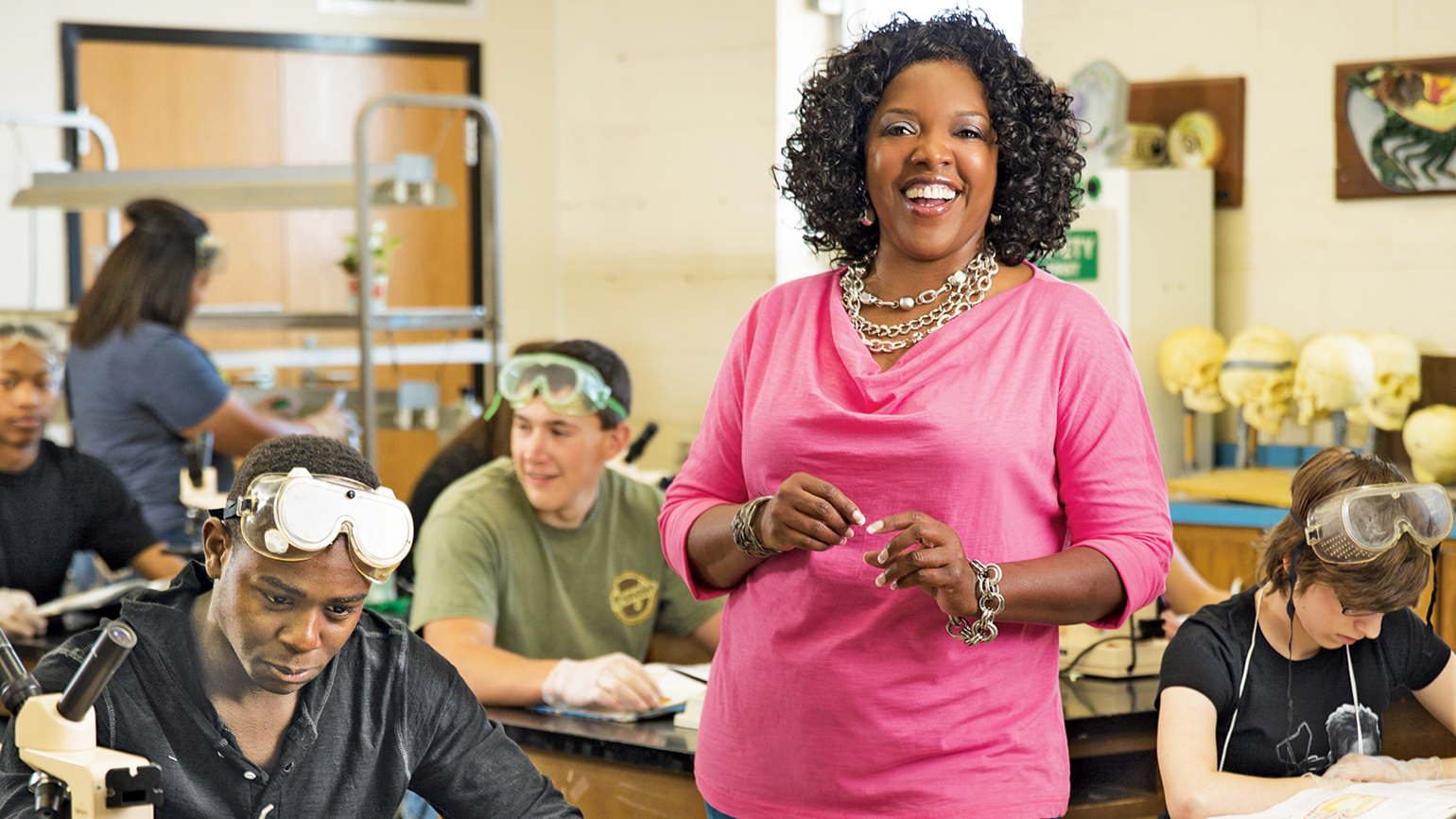
Biology class was over, but I stayed behind until the other tenth graders had left and I was alone with the teacher. “Mrs. Oliver?” I asked timidly. “Could I see my grades for the semester?”

School was important to me, and Mrs. Oliver was the best teacher I’d ever had. Better than any teachers back in Oklahoma, or here in North Carolina. She’d made science—a subject I’d always struggled with—fun. When I didn’t understand something she stood patiently by my desk until I did. I wanted to make her proud of me.

“The last time you asked it was an eighty-eight,” she said, checking her grade book. “I said you could do better—and you proved me right. You brought it up to an A.” I was so happy I could barely speak, but Mrs. Oliver wasn’t finished. “Duke University holds a summer academy,” she said. “I nominated you and just found out you’ve been accepted.”

Sign up for Guideposts free e-newsletters and get inspiration delivered to your inbox

For a split second I was on top of the world. Then reality crashed back down on top of me. “Mrs. Oliver, I can’t go to college,” I said, my cheeks heating with shame. “I have two kids.”

Everybody in school knew I wasn’t like them. I got up before dawn every day to take my babies to the day-care center before school. Then I picked them up on the way home. I did my homework in between changing diapers. There was no way I could make it to college. My mother had sent me to live with my father, and he predicted I’d never finish high school.

“Kim, you’re college material,” said Mrs. Oliver. She sounded almost surprised that I didn’t agree. “I don’t want you to miss this opportunity.”

“I’ll think about it,” I promised, but I already knew it was hopeless.

As I left Mrs. Oliver’s room, I remembered a day last year. It was near the end of ninth grade, while I was pregnant with my second child. I watched a girl in front of me in algebra class pass a note to her friend. Then I scribbled my own note. Not to another student. I had no time for friends.

My note was to God: Please help, I wrote, just as I had every day. The baby’s father had abandoned me. My father had ordered me to drop out of school. Mom was far away back in Oklahoma. There was nowhere else to turn.

I headed down a quiet street and climbed the well-worn concrete steps of the little church. The same steps I’d climbed every day since learning I was pregnant again. I fished my note out of my algebra book and slid it through the mail slot in the church door. It was the most logical way I could think of to get my prayer to God.

As I turned to go, I noticed a sign by the door. No TRESPASSING. Strange. No trespassing at a church? I stepped back and took a good look at the building for the first time: peeling paint, weather damaged door, weeds in the flower beds. This church was abandoned! Just like me.

I ran all the way home, half-blinded by tears. All those desperate prayers I’d slid through the mail slot were just lying in a heap, unread.
Unanswered. I’d asked God for help and God wasn’t even home. I was on my own.

I was determined to stay in school as long as I could. With the help of a new public day care near my house, I convinced my father to let me continue after my second baby was born. I got good grades, followed all the rules. I never gave my father an excuse to make me quit. Mrs. Oliver’s class was the bright spot in my life. And now she wanted me to dream an impossible dream.

Of course my father laughed at the prospect of my attending a college summer program. Instead, my children and I went back to Oklahoma to live with my mother. When I graduated high school I worked two or three jobs to make ends meet. We were still only barely getting by.

One evening, after the kids were in bed, I lay down on the couch and propped up my feet, sore from a long shift as a waitress. I tried to focus on the news, but my eyelids were too heavy. I’ll just listen tonight, I thought.

“Today the President welcomed this year’s National Teacher of the Year recipient to the White House,” the announcer on the television said. “Mrs. Donna Oliver from Burlington, North Carolina.”

Donna Oliver? From North Carolina?

I opened my eyes and struggled to sit up. There she was. Mrs. Oliver! Shaking hands with the President! I felt a surge of pride for her. Then I heard her voice in my head. “Kim, you’re college material.”

It had been years since I’d thought about school, much less college. But seeing Mrs. Oliver on TV seemed like a sign. If the Teacher of the Year said I could do more with my life, maybe I ought to listen!

That fall, I enrolled in college. I worked out a deal so I could pay for it a little at a time, then got financial aid. I took morning classes while the kids were in school, getting myself there on a used 10-speed bike. I majored in biology, which is still my very favorite subject.

Sometimes in my classes I thought back on my days in high school, writing my desperate notes to God. Prayers I thought God couldn’t hear, but that he’d answered beyond the most impossible dreams.

I became a science teacher, like Mrs. Oliver. In my classes I look out for kids who need extra encouragement. I know that sometimes a teacher is more than just a teacher. Sometimes she’s an angel.

Did you enjoy this story? Subscribe to Angels on Earth magazine.

The Angelic Light That Took Away Her Fear

Great-aunt Anna loved to tell humorous stories that highlighted the joy she found in everyday life. Sitting in her kitchen drinking tea, laughing over her latest tale, I looked at her in wonder. As a young woman during World War II, she had fled Ukraine on her own and managed to get herself out of Europe. Then she spent time in South America before my mother was able to sponsor her to come to Canada, where we lived.

“How did you manage in those war-torn years?” I finally asked out of the blue. “I imagine it must have been so scary.”

Aunt Anna took a sip of tea. “I used to be afraid of so many things,” she said, turning serious. “But that was before.”

“Before what?” I asked.

She shook her head. “It’s a very long story.”

“Please, tell it,” I said.

I tried to imagine what could make her hesitate. Maybe she was embarrassed. Like the story about the first time she took a taxi. Aunt Anna heard two men speaking in the front seat, she was sure of it. But there was only one man there, the driver. “He was on a radio phone,” she’d explained to me. “Silly me! I’d never seen one before and thought I’d lost my mind!”

“Don’t be shy, Aunt Anna,” I tried again. “What took away your fear?”

“If I told you,” she said, “you might not believe me.”

“Of course I would.” I had never known her to make things up. Aunt Anna was always practical and matter-of-fact. Exaggerations and fairy tales were definitely not her style. “I will believe you,” I said. “I promise you.”

Aunt Anna let out a deep breath. “It was three weeks before Christmas, 1944,” she said. “I was a refugee in Yugoslavia living with a host family in an old house up in the mountains. There was a lot to be afraid of there. Not just during the air raids, when bombs dropped from the sky, but any time. People were desperate, many were hostile to foreigners. It wasn’t safe or smart to walk alone. But people get restless. One day with a friend—another refugee like me—I walked all the way to the train station for a trip to a nearby city.”

I tried to picture Aunt Anna as a young woman far away from home, still determined to enjoy an outing. The women planned to be home before dark, but by the time they pulled back into the station the sky was nearly black and sleet was pelting the train.

The friend looked out the window and decided to spend the night with her son, who lived right by the station. “You’re welcome to come with me,” she offered to Anna.

“I was tempted,” Aunt Anna told me, “but I knew the family I was staying with would worry if I didn’t come home and I had no way to reach them. They had no telephone.” What could she do but walk home alone? I didn’t know if I’d have been so brave.

“As soon as I stepped out of the train, the icy wind tore at the thin kerchief on my head and seemed to slice right through my threadbare coat. The sleet stung my face. I had a four-mile walk ahead of me. There were barely any houses along the mountain road, and I had no flashlight. Plus there was a rushing mountain stream to cross. In this rain it was likely to be swollen, the water foaming white.”

My tea sat on the table, my hands cupping a mug that was no longer warm. But I dared not move. This was like no story Aunt Anna had ever told before. “I would have been terrified.”

“I was terrified,” she said. “I thought there was no way I would make it.”

“What did you do?”

“I prayed,” she said simply.

“Father, I’m so scared. Take away this terror. Walk with me. Right at that moment a light fanned across the sky.”

“Oh, no!” I said. “An air raid?”

Aunt Anna put her hand on my arm. “I thought it was,” she said. “And I knew bombers targeted train stations, so I hurried away from there. The strange thing was, the light moved with me. There were no bombers overhead. I couldn’t tell where the glow was coming from, but wherever I went, it went with me. It was almost like being covered with an umbrella as I followed the path into the mountains.”

What was this illumination? Where had it come from? I listened, spellbound, waiting for her to tell me.

When she got to the stream, the water glistened like diamonds in the mysterious light. My aunt had no trouble stepping on the flat rocks to cross over. Safe on the other side, she realized the wind had completely stopped. So had the rain. Her threadbare coat no longer felt too thin to protect her. On the last mile to her friend’s house, she felt as warm as a summer’s night.

Aunt Anna walked up to the little mountain house and knocked. When the door opened a sudden gust of wind nearly pulled it off its hinges.

“Anna, come in!” the family yelled as they pulled her inside. “Such a storm! Weren’t you afraid?”

But as far as Aunt Anna was concerned, there was no storm. Then she stopped and listened. The sounds of the storm were all around them. The howling wind, the sleet pelting the windows, the old house creaking and moaning under the onslaught. Had she somehow imagined the balmy weather she walked four miles through?

“I was about ready to tell the family I mustn’t be well,” Aunt Anna said. “That maybe the war and all my fears were getting to be too much for me. What else could explain what had just happened to me?”

Aunt Anna looked at me as if she’d just now come home from that walk. How confused she must have been!

“The family took my coat and passed it around so they all could feel it. My coat was completely dry.”

“So it was real,” I said. “The illumination. The ‘umbrella.’”

Aunt Anna nodded. “It was proof. God walks with all of us no matter where we go in the world,” my aunt said. “Knowing that, why should I ever be afraid? Why should anyone?”

Did you enjoy this story? Subscribe to Angels on Earth magazine.

The Angelic Chaplain from Heaven

Bouts of pneumonia and severe asthma had dogged our child since birth—but never like this. Sitting in the hospital waiting room, my husband and I didn’t know if he’d survive the night. We’d been at Grandma’s house when his lungs suddenly seized up. Epinephrine injections didn’t help. Now he was on a ventilator.

The nurse checked in on us from time to time to see if we needed anything. Otherwise, we were alone with our worries. Until a chaplain entered the room. I expected him to say the obligatory prayers, wish us well, and move on to others in need. And indeed, he sat across from us, leaned forward and bowed his head. But he said nothing.

Perhaps he doesn’t want to intrude, I thought. Still, I was grateful for his presence. His silent prayer was comforting. I tried to sleep. Each time I briefly opened my eyes, I saw the chaplain there, deep in meditation.

After a restless night, the first rays of dawn finally crept through the window blinds. The nurse entered the room. “Your son is out of danger,” she said. “He’s going to be fine!” My husband and I raced to his bedside.

Afterward, we asked the nurse how we could thank the hospital chaplain for waiting with us so long during the night.

“The chaplain?” the nurse said, puzzled. “He’s on vacation.”

“So who was sitting in the waiting room with us?” I asked.

“I checked on you all night,” the nurse said. “You were alone.”

The Angel Arrived Right on Time

Lights from the Christmas tree still winked from my living room. I couldn’t bring myself to take down the decorations. The holiday was over, but it hadn’t felt like Christmas at all. Not without Kamryn, I thought. The telephone rang, interrupting my thoughts.

It was my daughter, Kathleen. She had to take my granddaughter to the hospital for some routine blood work, but five-year-old Kristyn was refusing to get in the car.

Of course, I knew exactly why she didn’t want to go to the hospital. Kristyn wasn’t just being cranky and she wasn’t just afraid of needles. After a long battle at St. Jude’s Children’s Hospital, we’d lost her 10-year-old sister, Kamryn, to a malignant brain tumor in October. Losing her had robbed Christmas of its joy, and it made Kristyn associate hospitals with her real pain about her sister. How could she ever feel safe there herself? Especially so soon after spending our family’s first Christmas without her sister?

We all tried to use the holiday to honor Kamryn’s memory. Kathleen had even bought an angel doll online. A company called Personal Creations only made the angel doll around Christmastime. It seemed like the perfect way to remember Kamryn, who would be with the angels herself.

We had Kamryn’s name engraved on the doll and planned to put it in her Christmas stocking, which was hung as always with her two sisters’. We hoped it would remind us—and show her sister—that Kamryn wasn’t really gone. She was with God, whole and healthy. Healed at last.

The angel doll was supposed to arrive by Christmas morning, but it hadn’t. Kathleen called the company, but they couldn’t locate the doll, not even with the FedEx tracking number. Kamryn’s stocking was empty Christmas morning.

“I’m on my way,” I said to Kathleen. “Maybe I can assure Kristyn that it will be okay.”

I hopped into the car. I tried to be optimistic about my chances of calming Kristyn down, but I knew it would be a long time before Kristyn would associate doctors and hospitals with healing instead of sadness. Chances were my coaxing wouldn’t be much help. Kristyn needed more reassurance than I could give. Send your comfort to her, Lord, I prayed as I pulled into the driveway. Maybe I needed some reassurance myself.

“Grannie!” Kristyn raced out to my car. “The mail came!”

Kathleen appeared at the door, the angel doll cradled in her arms.

“I thought it was lost forever,” Kathleen said. “I’d given up hope. No explanation of why it took this long.” She held out the angel doll to me, Kamryn’s name glistening in gold on the hem of the angel’s white dress. Kristyn reached up and ran her finger over her sister’s name. For the moment, at least, she wasn’t thinking about the hospital.

“Maybe the angel doll can come to the blood test with us,” Kathleen suggested. “You can hug her real close the whole time.”

Kristyn considered it. “Okay,” she said. She was no longer afraid. And to think, I hadn’t even said a word. I didn’t need to.

I had to wonder, was the angel doll late to arrive or did it arrive just in time?

Did you enjoy this story? Subscribe to Angels on Earth magazine.

The 3 Angels of Quito

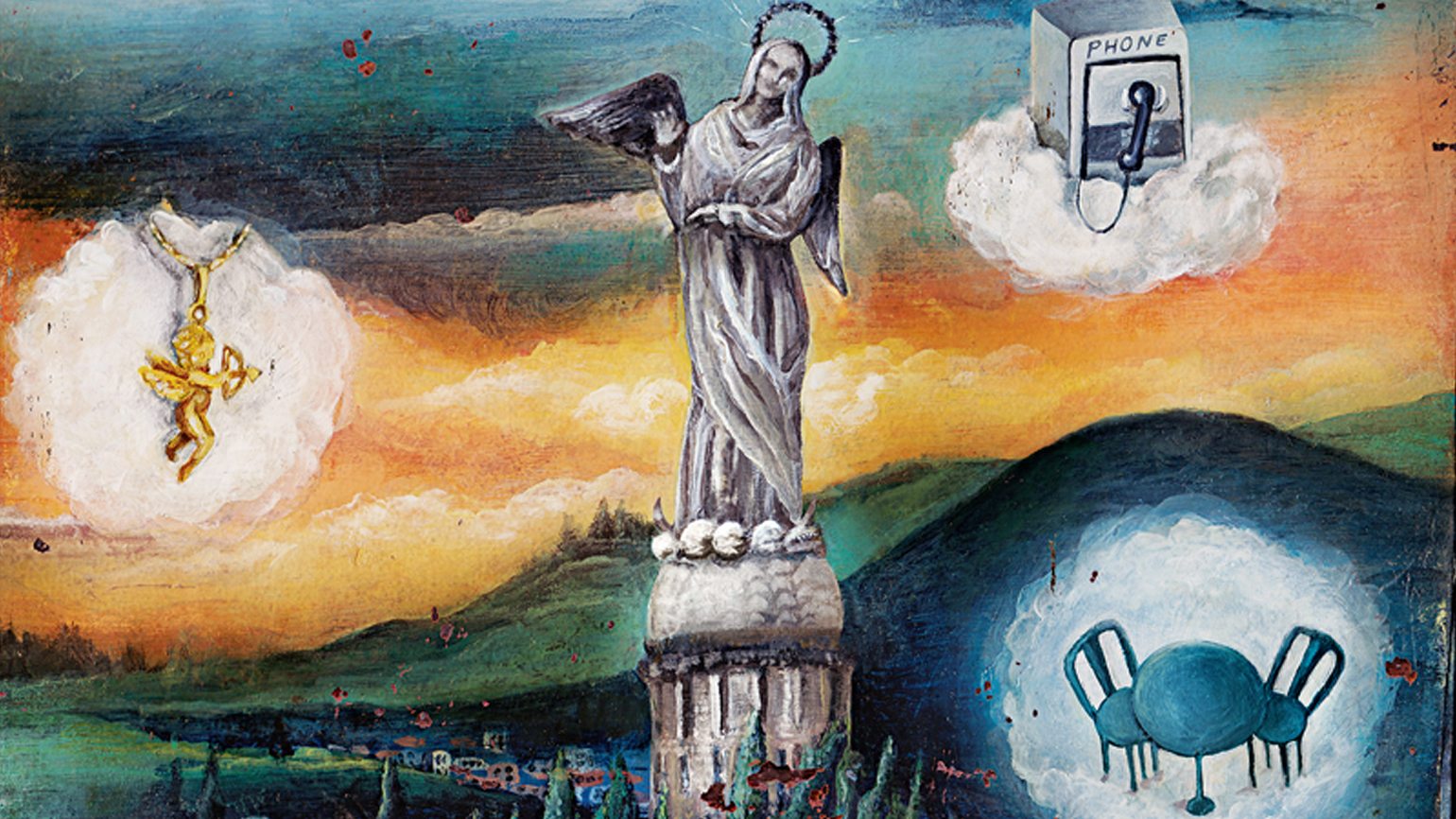
From her perch atop El Panecillo hill, the 148-foot winged Virgin kept watch over the city of Quito. I lingered in her shadow long after my classmates had snapped their photos and left. When the coast was clear, I stuck a crumpled note into a crack at the base of the statue.

I’d scribbled five simple words across it, my heart’s deepest desire: Please send me an angel.

It was week two of my college study abroad semester in Quito, Ecuador, 6,000 miles from my home in Norway, and I was desperately homesick. Maybe I wasn’t cut out for travel. In fact, at 21, I still really didn’t know what I was cut out for.

My parents were very logical, by-the-book people. They wanted me to pursue a practical career in economics or finance. While I studied numbers, I dreamed of becoming an artist, writing and painting, but I couldn’t tell my parents. I didn’t want to disappoint them.

Grandmother thought a semester in Quito might be just the thing—a complete change of scenery, a whole new culture, an opportunity to assert my independence. “Follow your heart,” she always said. “God has so much in store for you.”

But I didn’t know how to do that. Especially not in Quito, surrounded by American exchange students, unable to speak much Spanish with the locals. I couldn’t even get a good night’s sleep in this strange city.

If ever I needed an angel, it was now. Not a giant angel like Quito’s. A tiny angel would be enough for me.

I walked back to the tour bus, hoping no one had seen me leave my note. As we pulled out, I took one last look at the statue. A beam of sunlight caught on the metal, and Quito’s angel sparkled back at me, as if to say, Give our city a chance. I guessed that she and my grandmother had something in common.

The next day I determined to get to know the city a little better. I visited a market with some girls from my class. We found stalls brimming with treasures. I bought a turquoise scarf for my mother and a carved wooden jewelry box for my aunt. Just as we got ready to leave I noticed one last booth at the back. I had to see it. “Lina, where are you going?” one of my classmates called after me.

“I’ll be right back,” I said, not sure what drew my attention. Follow your heart, I reminded myself as I reached the run-down stall selling silver bangles, flasks and rings. I was examining a bracelet when the vendor shook her head and placed something else in my hand instead.

Para usted,” she said with a cryptic smile. It was smooth and cool to the touch—a little guardian angel! “For me?” I wished I could tell the woman just how perfect the angel was, but my Spanish was too poor for that. When I pulled out my wallet to pay, she waved me off.

Muchas gracias,” I managed to whisper. I looped the angel on the chain around my neck. That night, for the first time since arriving in Quito, I slept like a baby.

Instead of going to class the next day, I followed my heart to Quito’s historic center. I fingered the angel necklace and walked the cobblestone streets. In the distance, I could make out the winged outline of the Virgen de Quito. From a café, I watched the locals going about their business while I took a lunch break. As I was about to dig in, someone approached me.

“That’s a beautiful necklace you have there,” a young man said. He was tall and blond, and he spoke with an American accent. “I’m Ty.”

“I’m Lina,” I said. “Would you like to join me?” My own words completely shocked me. I never spoke to strangers. But today my heart—or my angel—had other ideas.

Ty asked me what I was doing in Quito. Before I knew it, I’d told him my life story. We talked about my grandmother and my secret dream of pursuing a career in art, despite my parents’ wishes.

“It’s your life,” he said. “You have to live it.”

“I dunno…” Ty really didn’t know me at all. How could he imagine I could do something so brave?

“You’re much stronger than you think, Lina,” Ty said, getting up from the table. “Your dreams are what make you, well, you.

And with that he said goodbye and left me to finish my lunch.

I returned to my dorm feeling like a new person. Before I lost my nerve, I ran to the pay phone outside. Was I ready to do this? I’d never be more ready! Gripping my angel charm, I called home. Mother answered.

“Mom,” I said, “I’d like to make some changes in my life.”

We talked for over an hour. Really talked. I explained that I was bored and lonely at my college in Norway, that I didn’t like my financial studies. “I want to transfer to a new school, switch majors, do something artistic,” I confessed. Everything tumbled out.

“Do you think that’s possible?” Mother was quiet. Was she upset? Disappointed? Was she crying? I waited anxiously. But when Mother finally broke the silence, there wasn’t a trace of sadness in her voice. “Lina, your father and I just want what’s best for you,” she said. “But in the end, only you know what that is. We would never want you to give up your dreams.”

In my remaining weeks in Quito, I took every advantage of my adventure so that I had many stories to tell when I got back home. Since then, I’ve traveled all over the world, just like Grandmother imagined.

Today, I live in India with my husband and write children’s stories. No matter where I go, though, I’ll always have a special spot in my heart for Quito. Right over my heart, in fact—that little angel charm given to me in the marketplace still hangs around my neck, a reminder of my answered prayer. And angels who gave me wings to follow my heart.

Download your FREE ebook, Angel Sightings: 7 Inspirational Stories About Heavenly Angels and Everyday Angels on Earth.

Thanksgiving Restored

Normally, I’m the first one to be in the Thanksgiving spirit, but as I pushed my cart through the grocery store I wished we could skip it this year. I passed the turkey, stuffing and pumpkin pie without a glance. Mom wouldn’t be with us, and neither would anyone else. What kind of Thanksgiving was that?

Mom was in the hospital and not doing well. Our two sons were living out of state and wouldn’t be able to make the long drive. Friends had invited us over, but I wasn’t feeling up to it. “I’m just not very good company right now,” I’d told them. Distraught was more like it, with not much to feel thankful for.

I tossed a head of lettuce into my cart to go with the roast I had at home. Turkey and fixings could wait till next year. With just Dale and me to cook for, why make a feast?

I wheeled my cart into the checkout line. The woman bagging groceries chatted with the couple in front of me. “Y’all havin’ guests?” She sounded genuinely interested. Friendly and warm. For a minute, she almost made me forget about my troubles.

“Hi, there!” she said, smiling when it was my turn. “You plannin’ on cookin’ at home today?”

“Yes…yes, I am,” I said.

“Hmmm…say, do you like turkey?”

“Love it,” I answered.

“How ’bout cranberry salad?”

“Yes, that too.”

“And pumpkin pie?”

I nodded. “My favorite.” She was describing one of my usual Thanksgiving spreads to a tee. But I won’t be having any of that this year, I thought.

“Well, how would you like to have all of those things and more, already cooked—ready for you to eat and enjoy? And it’s on the house!”

Huh? “Why me?” I asked.

“Just come this way,” she said, avoiding my question entirely. Together we walked over to the manager’s office. “I’ve got a taker!” she shouted. Into my cart went two large boxes brimming with food. Dale and I would have a feast after all.

“I didn’t mean to make you cry,” she said.

The words tumbled out before I could stop them. I told her all about Mom. How Dale and I would be eating alone and that I just wasn’t up to cooking a traditional Thanksgiving dinner. And worst of all, how I’d lost sight of the fact that we can always find something to be thankful for, even in tough times.

“Aww, c’mon now,” she said, wrapping me in a big hug. “Obviously, you needed this gift today. And I’ll be sure to say some prayers for your mama.”

By the time I got back home, I was so excited about our dinner that I practically ran through the front door. “Dale! Dale! You won’t believe what I’ve got!”

I told him all about the woman bagging groceries at the supermarket. We fixed ourselves a couple of plates. I said the grace before we dug in: “Lord, thank you for this food and for the kindness of strangers.”

A few weeks later, I drove to the same supermarket to tell the woman what a delicious Thanksgiving we’d had. She wasn’t there. I tried describing her to the manager, but he didn’t seem to know who I was talking about. In fact, I’ve shopped there nearly every week since, and I’ve yet to see her again.

I like to think of her as my supermarket angel. She filled more than my cart that Thanksgiving. She filled my heart with thanksgiving.

Did you enjoy this story? Subscribe to Angels on Earth magazine.

Thanksgiving Promise

Our family needed to come together more than ever that fall. I decided to have Thanksgiving at my house.

I hadn’t fixed a formal dinner in months, and I had a full set of white stoneware in my china cabinet just begging to be used: plates, salad plates, cups and saucers, creamer, sugar bowl, butter dish—the works. A week in advance, I made out my grocery list, including ingredients for my special fruit punch. It had been my granddaughter’s favorite.

Amanda, 20 years old, had lost her life in a car accident in the spring. She had visited with me the very evening before she died. Amanda was in heaven, I had no doubt. But would anything ever seem right in this world? Not without any more visits from Amanda.

The entire family was bereft. She was my daughter’s only child, and we were all very close. I hoped our holiday together would be of some comfort.

I busied myself with shopping, then turned my attention to our Thanksgiving table. I removed the dishes from the china cabinet—every last one—and ran them through the dishwasher. It took me two loads to fit all the pieces of my service for 12. When the dishes were dry, I set them out on the table.

I fussed for a while, arranging the centerpiece, the place settings and serving pieces just so. The salt and pepper shakers and the gravy boat had to be within easy reach. I prepared the side dishes, cooking and freezing them, returning to the table now and again to admire it.

Early Thanksgiving morning, with the turkey already in the oven, I made a final inspection of my table. Soon my guests would arrive and our whole family would be seated around it.

Everyone but Amanda, I thought. Tears filled my eyes. God, let me feel your comforting presence today.

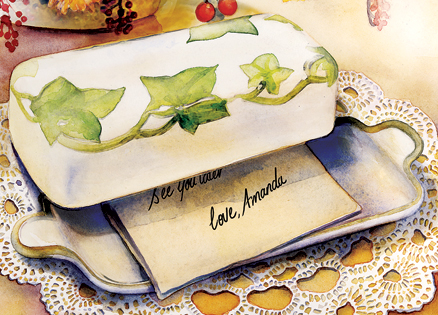
I dried my tears and laid the rolls out on a baking sheet. I took a stick of butter from the fridge. I lifted the lid on the butter dish. A folded piece of paper lay inside, a letter dated 1997. How did this get in here? I had to catch my breath. The letter was from Amanda.

“Dear Grandma…” I could hear Amanda’s sweet voice as I read. “Promise to keep my secret about Mom’s surprise.” I remembered. My generous granddaughter had spent too much money on a special Christmas gift that year. I had kept my promise to her to this day.

Then I reached the end of the letter. “Well, I hate goodbyes, so I’ll just say, See you later. Love, Amanda.”

I folded the letter and held it to my heart. I can’t explain how it made its way into the butter dish on Thanksgiving Day. All I know is I received the exact message I needed to hear, at the moment I needed it most. I had much to be thankful for. I’d kept my promise to my granddaughter, and God would see to it that she kept her promise to me. It’s his promise to us all. “See you later,” Amanda said. I’m counting on it.

Thanksgiving Dinner at Our Place

Centerpiece. Place settings. Tablecloth. Thanksgiving was days away, but everything had to be just right. This year the gang would be coming to my house—my sisters, my brother, my nieces and nephews, my parents.

I’d been testing recipes for weeks and finally had the menu set. Tomorrow I’d start my cooking. I was setting up little miniature pilgrims around the cranberry dish when the phone rang. It was Dad.

“Change of plans,” he announced. “Your mother and I are taking everyone to Shoney’s for Thanksgiving.”

Obviously I’d been working too hard. I thought my dad said we were spending Thanksgiving at Shoney’s.

“Seven o’clock reservation. You’re going to love the place!”

I hung up stunned and mortified. I was going to spend Thanksgiving at Shoney’s? Me, the woman with a collection of decorative gourds and multiple recipes for pumpkin pie. It was unthinkable!

Mom and Dad never ate out much in the old days. But now that both of them were in declining health, cooking was difficult. Dad had been mentioning the local Shoney’s a lot lately, and the people who worked there.

“Oma called us at home last night,” Dad reported one day. “When your mom and I didn’t show up for dinner she got worried.”

“Who’s Oma?” I asked.

“One of the waitresses,” said Dad. “I’ve told you about her. She always saves potato soup for your mother when they’re running low. She knows it’s her favorite!”

She sounded like a nice lady. Just not nice enough that I wanted to spend Thanksgiving with her eating the pressed turkey and cardboard rolls that were sure to be on the menu.

But Dad had his heart set. So there I was on Thanksgiving, climbing out of a car in the Shoney’s parking lot. Mom and Dad aren’t well, I thought as we headed for the door. This might be our last Thanksgiving together—and it’s all wrong!

“Look, there’s our next-door neighbors!” Mom said, waving to a couple across the parking lot.

Oh, no, I thought, hiding behind Mom. What must they be thinking to see us? How I wished instead of my tasteful dress I’d just worn a billboard declaring: I Offered to Cook Thanksgiving Dinner!

“I don’t know what you’re so worried about,” Mom said, stepping aside so her friends could see me. “They’re not cooking either.”

Dad pushed open the door to the restaurant. Waitresses popped up like toast all around us, begging to be introduced.

“I have a reservation for the big table in the back,” Dad said when he’d shown us all off. “With Sherry.”

My cheeks burned as I followed Dad to the big table—which was really three tables hastily pushed together. Dad looked so proud to have requested a special waitress for the evening. I just knew everyone was laughing at us.

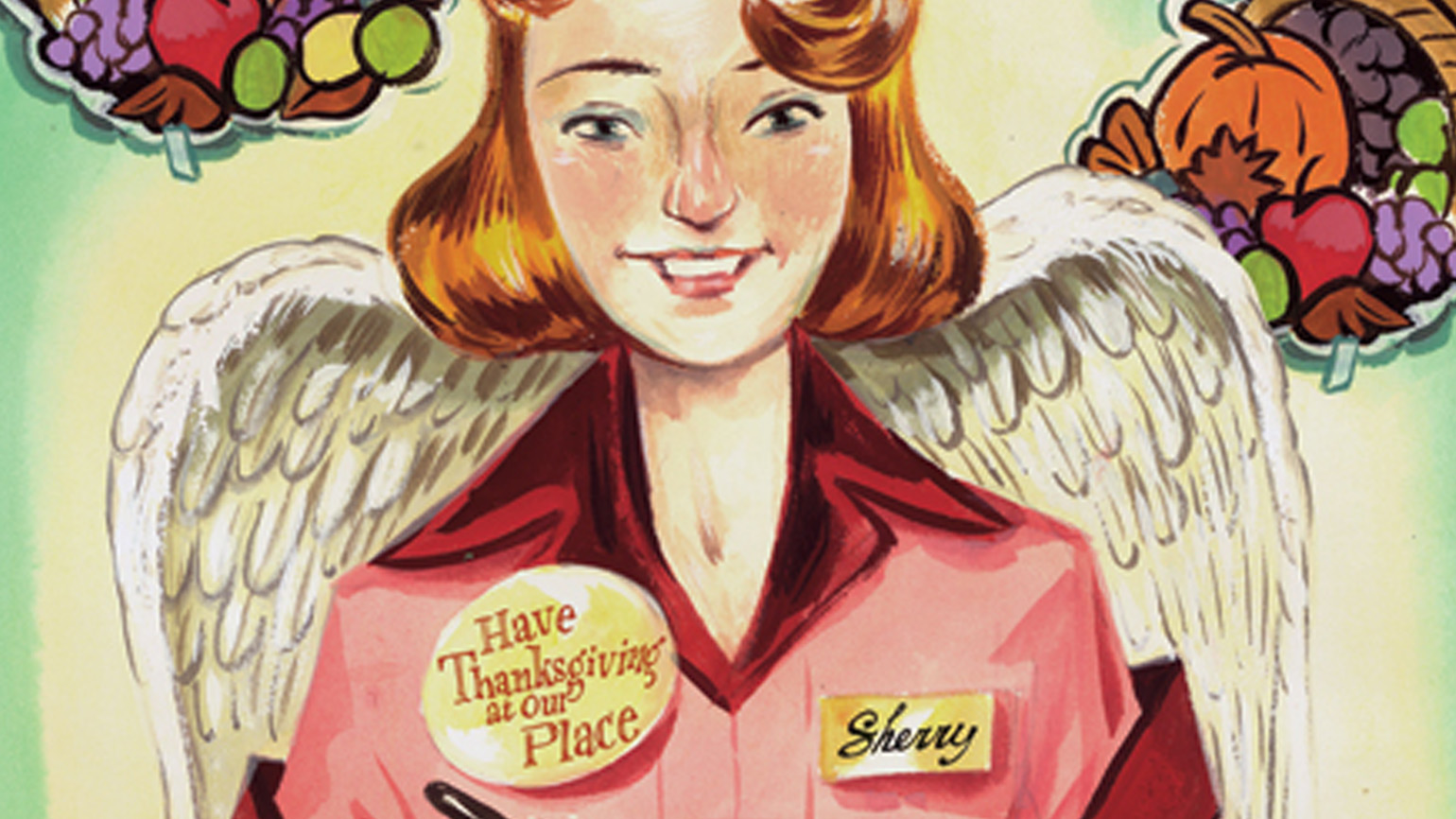
Sherry, our waitress, arrived in uniform—and a big blue badge that said “Have Thanksgiving Dinner at Our Place.” The minute she saw Mom she took it off and pinned it on her like a corsage. “For your badge collection,” Sherry said.

“Roberta, you remember Sherry?” said Mom. “You two went to church together when you were kids.”

“Nice to see you,” I mumbled, wanting to run and hide.

“Let’s all hit the buffet,” said Dad. With a snap of his suspenders he led the way to the long table festooned with cardboard turkeys and streamers. A waitress patted his silver head as she went past. “You’re looking so much better these days,” she said. “Keep holding onto God.”

“Isn’t she something?” Mom whispered. “And she’s not putting on for strangers either.”

I got to the buffet just as another diner scooped a mound of mashed potatoes on Dad’s plate. “Can’t have you wasting away,” she said.

I studied them critically. I’m sure they’re nowhere as good as Mom’s oyster dressing, which we’d be eating now if we were at home, I thought. I put some mashed potatoes on my plate anyway, then added some steamed veggies. I was surprised to see that the turkey legs looked juicy and tender. I took two.

Dad’s thunderous laughter filled the room. He and another diner were holding up the chow line telling jokes. Back at our table, Dad retold his famous yarn about the time he was playing his fiddle at a flea market and wound up on national television.

“I convinced that reporter the fiddle was the star of the whole bluegrass band,” he said. “They set the cameras right up in front of me!” Dad slapped the table with his hand.

People at other tables had turned around to listen. Now they were laughing too! Well, I didn’t see anything to laugh about. When Sherry returned to fill our water glasses, I kept my eyes on my plate.

“Hey, Tinsel Teeth,” Sherry said, motioning to my sister Rachael. “Remember when I had braces when I was a kid? You wanted them so bad you came to Sunday school with tinfoil on your teeth.”

A lady at the next table burst out laughing. So did Rachael’s two children. “Tell us more funny stories about when you were little, Mom!” one of them begged.

Rachael looked at me, a glint of mischief in her eye.

“Once your aunt Roberta spent a week sewing a green kettle cloth dress with these darling leg-of-mutton sleeves to wear in the youth choir concert. I was so jealous of that dress. So when she was drying her hair for church I snatched it myself and wore it to the concert.”

“You hadn’t counted on those sleeves just being basted in, though!” I shot back. “They popped loose before you got off that platform.”

Rachael and I both burst into giggles. It felt good to laugh, like I was letting out all the tension I’d been feeling since Dad changed our Thanksgiving plans. Maybe we were being a little loud, but the memory of Rachael in those green mutton sleeves was too much.

“My favorite Thanksgiving before this one,” my nephew said, “was the year Aunt Roberta forgot to take out the little bag of turkey parts before she cooked the bird.” I’d nearly died of embarrassment when that happened. Now it just seemed hilarious.

Soon the table was overflowing with funny memories—and desserts. Everyone told a story, each one overlapping and inspiring another. By the time Sherry returned to the table with our bill I’d forgotten we weren’t all back home around the table.

I put on my coat feeling silly—not for being at Shoney’s, but for taking so long to enjoy myself. I looked at Mom, with her big blue badge, and Sherry, the waitress who’d really helped make our Thanksgiving one to remember. If there was an angel at Shoney’s, she was it.

As we got up to leave, the lady at the next table tapped me on the shoulder. “This is my first Thanksgiving away from home,” she confessed. “I wondered how I’d ever get through it. But having you all here was like being with my family.”

I smiled. I actually felt thankful for our change of plans. “Dad,” I said, “we just might have to make this place a tradition.”

Did you enjoy this story? Subscribe to Angels on Earth magazine.

Suzanne Spaak’s Courageous Acts Saved Hundreds of Children During the Holocaust

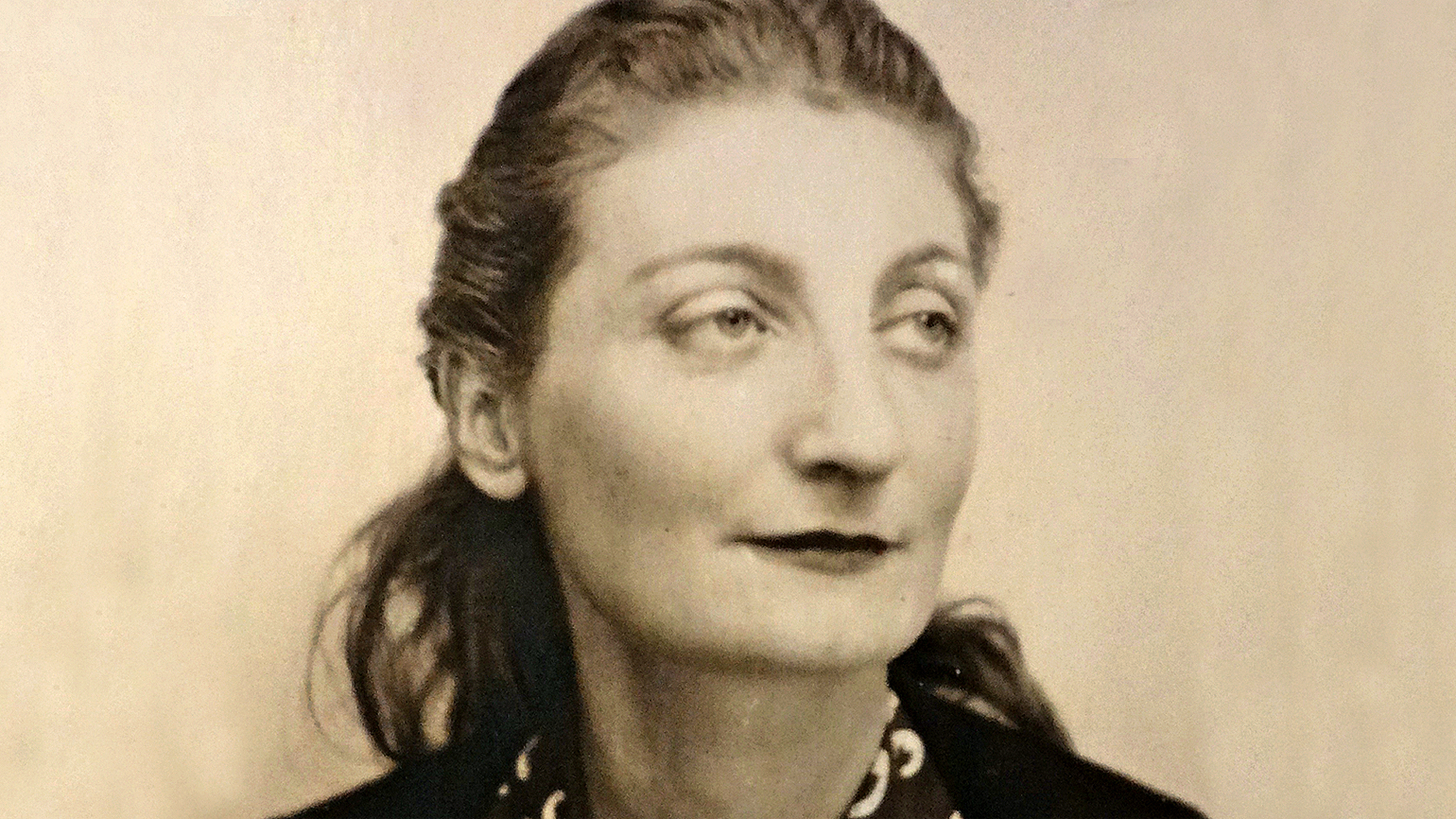
One day, deep into my research for a book about World War II, I encountered a photo that stopped me cold. Suzanne Spaak was a lovely woman in her 30s with a soulful gaze. Who are you? I wondered, searching the photo for clues. The caption linked her to an espionage ring in Paris, but that didn’t give me much to go on. What was the story behind this mysterious woman?

In 2009 I finally tracked down her daughter Pilette, an 80-year-old knitting instructor in suburban Maryland. I gave her a call. “Everyone thinks Mama was a spy,” Pilette told me, “and I wouldn’t care if she was, but she was actually something very different.”

It turned out that her mother’s principal activity was organizing a network that rescued hundreds of Jewish children from deportation to Auschwitz. But amid all the publications about World War II, Suzanne Spaak’s story had never been told.

She was born into a wealthy Catholic family and married into a political dynasty that was Belgium’s version of the Kennedys. Her brother-in-law, Paul-Henri Spaak, was Prime Minister and a wartime leader. His writings were published and collected in the national archives. But as a wife and mother, Suzanne was omitted from the archives, and as a member of the Resistance, she worked in secrecy.

A few months after we spoke on the phone, I met Pilette in person. She was a spritely grandmother. She’d been through more ordeals by the age of 20 than many experience in a lifetime, but she maintained a puckish sense of humor and an indomitable spirit. I got into the habit of buying her lunch on my trips to Washington, scribbling notes as she ate.

Her mother Suzanne received an education in embroidery and household management, but she pursued her own passions for literature and social reform. She was especially moved by the plight of penniless immigrants. As a young wife in Brussels, she joined a women’s group and met Jewish women who had fled persecution in Eastern Europe. One of them, a social scientist named Mira Sokol, shared her love of reading and reform, and needed her support. The two became close friends.

Suzanne’s husband, Claude, was a difficult man with a short fuse, who moved the family to Paris in 1938 to advance his playwriting career. Mira and her husband moved to Paris a little later, and Suzanne found comfort in Mira’s friendship. When the Germans invaded in 1940, the Spaaks joined millions of Parisians fleeing the city. They planned to leave for New York, but German forces cut off their route to the sea and they returned to Paris.

The Spaaks’ money and privilege shielded them from the worst hardships of the Nazi occupation. Mira and her husband were not so lucky. Over the course of the occupation, Suzanne watched with dismay as Jews were deprived of the right to use public parks, go to the movies, own a bicycle or a radio. Suzanne offered her help to the Jewish underground, even though she had to convince them that as an outsider, she was sincere. When the Germans arrested Mira and her husband, it increased Suzanne’s determination.

Because Suzanne was not Jewish, she could travel freely, knocking on doors and asking for funds and assistance for the targets of the arrests. She listened to BBC broadcasts illegally and shared the news with friends. She sheltered Jewish fugitives in her home, employing them as “tutors” and “maids.”

Suzanne enlisted her children in her efforts. Pilette, 15, joined her mother in the kitchen to forge documents. She learned how to lift the old signatures from the ID cards with a hot iron and a damp cloth, leaving a space to write in the new identity. Her little brother, Bazou, carried messages to members of the French Resistance.

Things got worse, much worse. The French police began by registering immigrant Jews, then arresting them and finally deporting them to an unknown destination in “the East.” The French were used to deportations. Millions of French prisoners of war and workers had been shipped on railway cars to work on German farms and in factories. At first, the public assumed that the immigrant Jewish men were experiencing the same fate. Then, in July 1942, the Nazis ordered a massive arrest of over 11,000 Jewish men, women and children. It was obvious that something more dire was going on. By October 1942, the Jewish underground had begun to receive credible reports of the extermination camps, though the details were far from clear.

In February 1943, Suzanne learned that the Nazis were planning to make a mass arrest of children in Jewish orphanages, and deport them to Auschwitz. She had heard that Pastor Paul Vergara, from the Protestant church near the Louvre, had preached stirring sermons denouncing the persecution of the Jews. She showed up at his office and told him what was about to happen.

Pastor Vergara was joined by Marcelle Guillemot, who ran the church soup kitchen. The trio hatched a plot. The next Sunday, Marcelle Guillemot slipped a note to female members of the congregation she regarded as most trustworthy. On the morning of February 15, some 25 Protestant women and 15 Jewish women showed up at the orphanages singly or in pairs, volunteering to take the children for a walk. The children would never return.

That morning Suzanne told Pilette she would be skipping school; her mother needed an extra pair of hands. They headed to the Protestant soup kitchen at dawn. Gradually the women arrived with the ragged, hungry children, 63 in all, ranging in age from 3 to 18. Those over the age of six wore the required yellow star. Suzanne and her friends briskly registered their names, preparing records for relatives who might claim them after the war. They received a hot meal and a change of clothes, and their yellow stars were burned in the stove. Next came temporary lodging. Pastor Vergara called his parishioners to take children in, and welcomed a group into his own family. Suzanne sent a dozen children to her country house in Choisel. The grand Countess de la Bourdonnaye took in five, and so did a humble concierge.

In the days following “le kidnapping,” Suzanne rode the trains across France. Her practice was to find a village with a Catholic church, go into confession, and ask the priest for names of families who might host a child on a long-term basis. Then the children would be shuttled from Paris to the countryside. Suzanne took the lead in organizing the funds to pay for their upkeep until the end of the occupation.

I spent nearly eight years piecing together the story of Suzanne Spaak and her network. I found two of the rescued children—now in their 70s—a few weeks after they had left a wreath at Suzanne’s grave, unaware that she had children of her own. I introduced them to Pilette more than 60 years after she helped her mother save their lives.

Pastor Vergara and Marcelle Guillemot are also long dead, but I visited their soup kitchen and sanctuary. Each spot bears a small plaque recognizing their efforts. But when I told the pastor I was writing a book about these acts of courage and compassion, he looked at me quizzically. “Why?” he asked. “It was the natural thing to do.” His congregation was guided by love, in fellowship with Suzanne Spaak.

For more angelic stories, subscribe to Angels on Earth magazine.

Star of Wonder, Star of Light

"Maybe we should skip putting up the lights this year,” I told my kids over breakfast.

“No way!” Janna said.

“You have to put up the lights!” said Alysha.

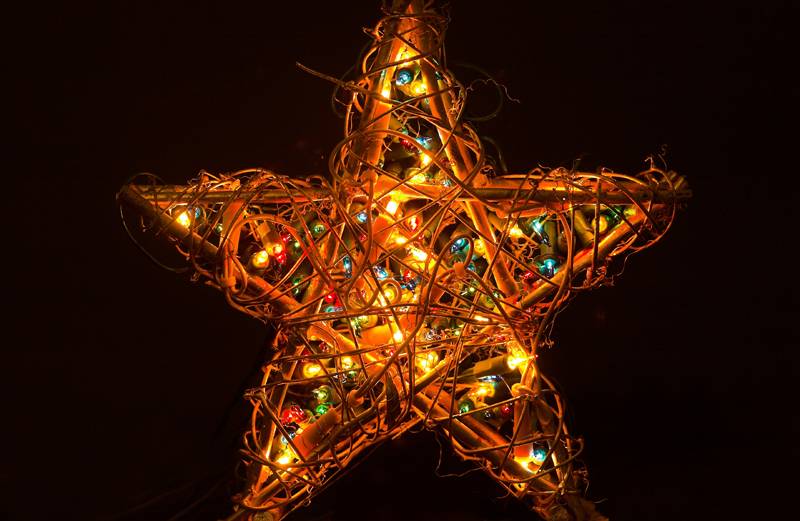
Easy for them to say. They weren’t the ones stringing 8,000 lights around our yard, and along the border of our seven-foot-tall Christmas star. We had a nice-sized property next to a state-owned game reserve.

The lights did look stunning amid the backdrop of all that nature. That star could almost light the way to Bethlehem it was so big. But putting the lights up was exhausting and the electricity bill in January was out of sight.

My wife, Becky, smiled over at me from the stove. I couldn’t let the kids down. So out I went, braving the cold.

I was dragging at work the next day, and the guys at the firehouse where I volunteered knew what I’d been up to. “Now all you have to do is take them down!” they joked.

The lights were a comforting sight when I drove up to the house that evening. In the dark woods, the temperature had plummeted to five degrees, and we were in for a subzero night. As I got out of the car I saw Becky talking to two hunters on the front porch.

“You fellas lose your way?” I asked. They looked shaken up.

“We thought we wouldn’t make it out there,” one of the men said. They’d wandered around lost for the better part of the day and knew they wouldn’t survive the night without protection from the elements.

“Then we saw it,” the other man said. “A glow in the east.”

The two of them lifted their eyes to the giant star in my yard. “Your star saved our lives.”

The kids were right about putting up the lights. Especially that Christmas star, a guide we can all follow.

Download your FREE ebook, True Inspirational Stories: 9 Real Life Stories of Hope & Faith