

Embrace God's truth with our new book, The Lies that Bind

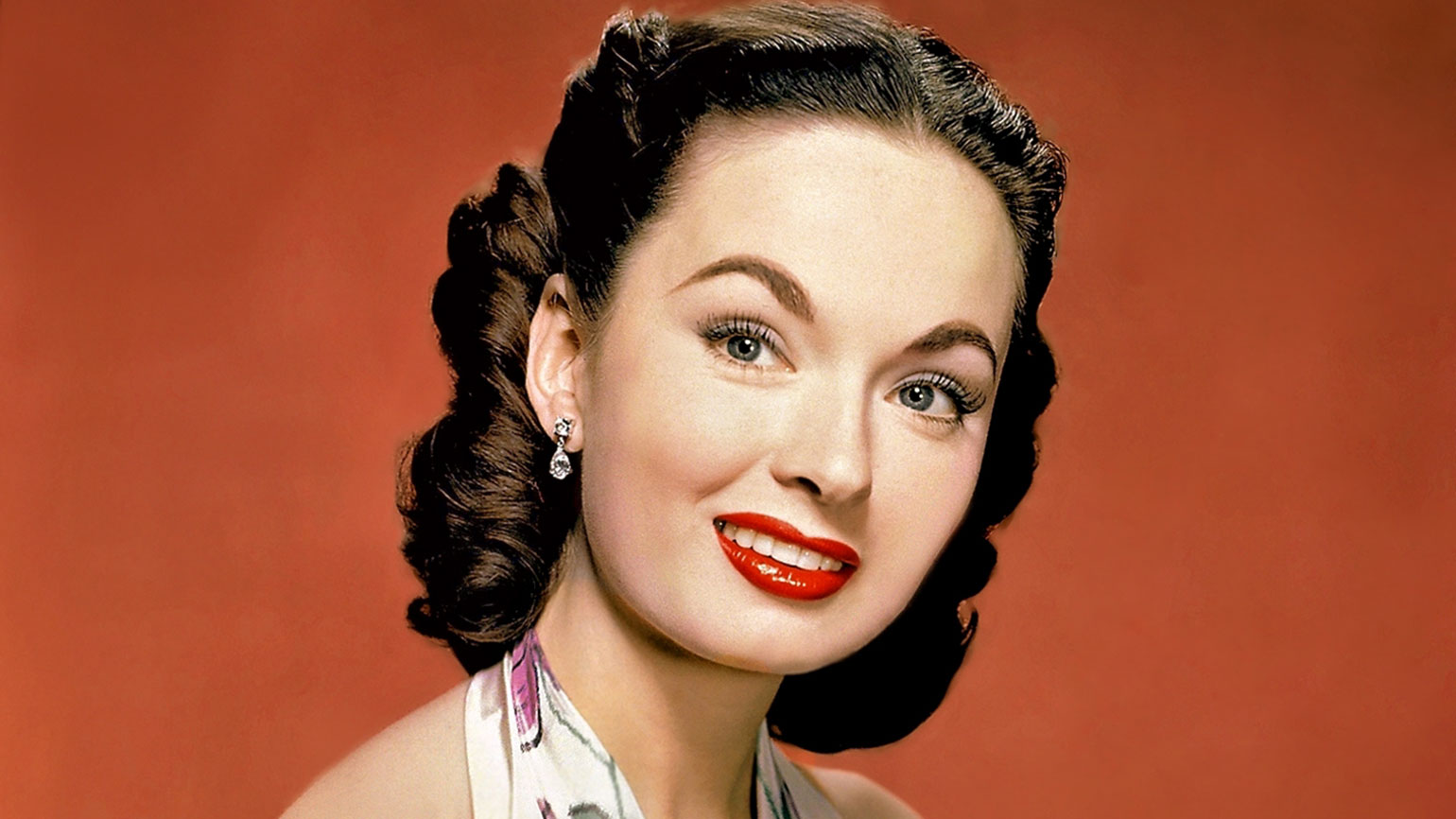
Guideposts Classics: Ann Blyth on Her Personal Faith

When I was a very little girl I remember praying fervently for a pair of red wings. After several days of watching and waiting I took my shaken faith and spread it out before my mother.

“Why?” I demanded. “Why don’t I get red wings?”

My mother had, skillfully balanced with her sensitive Irish wit, an enormous respect for a serious problem. Together we examined mine. “Faith, my darling,” she told me, “is believing that God is very wise. Wiser than you. Somehow you must be praying wrong.”

As I grew older I was filled with gratitude that I need not walk through life wearing red wings. But, I was equally grateful for her gentle lesson.

Mother worked very hard and her tiny body wasn’t nearly as big as her heart. Yet I never heard her complain. In our walk-up flat on New York’s east side she would jubilantly finish a batch of ironing for her select Park Avenue clientele and call to us to admire its crisp freshness.

Sometimes it was a close shave when it came to scraping together the money for my singing, dancing and dramatic lessons but she never told me of it. Instead, she let me know constantly that faith was the foundation for lasting joy, the chief cornerstone for building a whole life.

She dreamed dreams about my wonderful future as an actress and at eight, nine and ten, I began getting radio and stage bits. When I tried for something better and failed, she would smile her wonderful warm smile, put a pert new feather in my hat, and together we’d go to St. Boniface’s to pray.

“Just have faith, my darling,” she’d say cheerfully as we walked home in the fading light. “Something better will come.” And it did. It came so fast it was like riding a giant roller coaster clear to the top. We two looked out over the whole world.

At thirteen I was on Broadway as Paul Lukas’ daughter in Watch on the Rhine. At fourteen I had dinner at the White House. At fifteen I came to Hollywood and was given the coveted role of Joan Crawford’s daughter in Mildred Pierce.

Overnight life was glamorous, exciting, completely wonderful.

Yes, we went up so fast that when we hit the first giant dip it shook my faith. But it didn’t shake my mother’s on that tragic day in a hospital room, where doctors told me I might never walk again.

We had finished Mildred Pierce and Mother took a group of us to Snow Valley, a spot in the San Bernardino Mountains. While my friends and I were tobogganing, it happened.

One minute we were sailing down the hard-packed icy hillside like snow birds, then there was a crash and I fell on my back with a sickening thud.

I didn’t cry out. The feeling was too big for that. Involuntarily, from long habit, my spirit reached out for faith and halting prayers rose to my lips. At the hospital the doctors were grave; my back was broken.

My glowing world tumbled all about me! It seemed like the end of everything.

At first I couldn’t look at my mother. When at last I raised my head, I was startled. Those warm hazel eves under her crown of auburn hair were actually smiling.

“Have faith, my darling,” she said. “You’ll walk.”

Together my mother and I planned cheerful, busy days. In a cast, with my head and feet toward the floor, my back raised high, I concentrated on high school work, determined to graduate with my studio class.

But still there were those long periods of just lying there. The busy exciting world I had known faded away and my life slowed down to little things. But even here I found myself blessed, for a new sense of prayer began to unfold to me.

Now there were not the busy times of telling Him what I needed but, rather, times of listening communion, of gathering strength, when my human strength and courage seemed to ebb away.

In seven months they told me I could walk. Not walk really, but take those first important few steps on the long road back to complete freedom. As I had gotten to know Him in my time of trial, I knew Him now in thanksgiving.

I took those steps, and then more. I graduated with my class from a wheel chair.

There were seven mouths in and out of that wheel chair, but every one was another step forward. There was my first swim. The preview of Mildred Pierce. My first game of golf. And then I made my first picture since the accident.

Now, at last, life was again the same. Only, not quite the same. I found within me an immense gratitude for simple things. An acute appreciation of all I might have lost, all the things I had accepted unconsciously before. And one more difference, I had grown up.

At first I had clung to my mother’s faith, leaned on her, step by step as she showed me the way. Now, I had found my own rock. Nor did I find it too soon.

Before I finished that first picture after my accident I was standing alone. My mother, beloved companion, was gone. A little unsteadily I clung to my rock.

But I missed her. There was an aching emptiness. Until it came to me, almost in a revelation, that she had not left me. She had prepared me for her going as she had prepared me for everything else I’d met in life.

Reaching out again for my faith came the assurance that she would be by my side in every good, beautiful and true experience, wherever l might go; a part of every decision, every success and every happiness–for they all stemmed from her inspired teaching.

They would become the flowers of the mustard seed of faith she had placed in my heart.

For more inspiring stories, subscribe to Guideposts magazine.
Following Her Son’s Stroke, Could She ‘Let Go and Let God’?

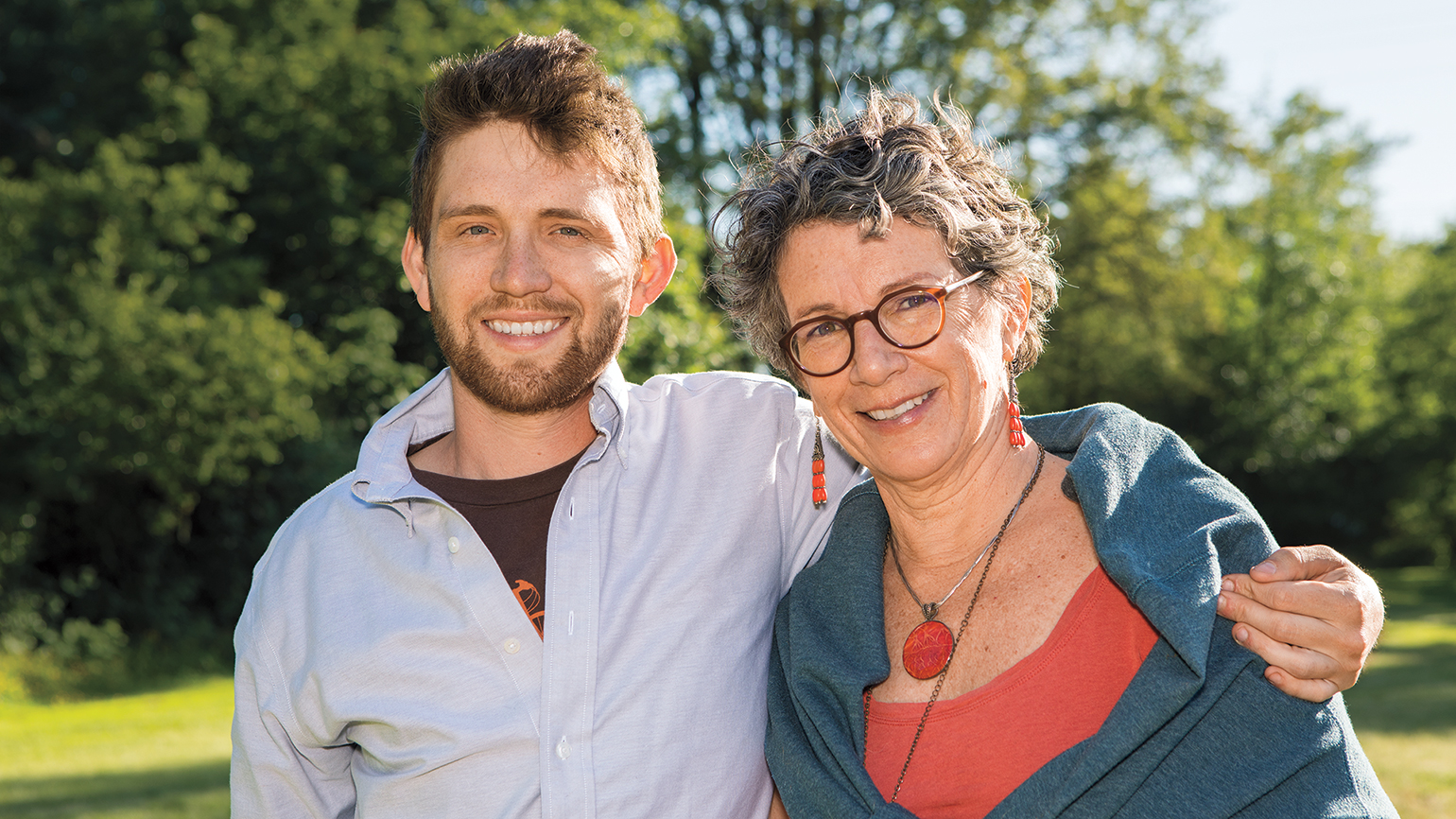
I walked alongside the gurney, gripping my 22-year-old son’s hand. The orderly stopped me at the operating room doors. “This is as far as you can go,” she said. I leaned over and kissed Spencer’s forehead. “I love you, Spoon.”

“I love you too,” he whispered back. I watched helplessly as he was wheeled away from me. Would I ever see my boy alive again?

Four weeks earlier, my strapping mountain biker son had suffered a stroke while he was camping with friends in Canada. He ended up being airlifted to Harborview Medical Center in Seattle, and I arrived from my home in San Diego the next morning. Spencer was asleep when I got there, his limbs anchored to the bed rails by restraints. When I touched his cheek, his eyes opened but he gave no sign of recognition.

That afternoon, Spencer would intermittently wake and talk gibberish. “I’m going to buy a goat farm,” he announced to his dad, Steve, who’d driven from Bellingham, Washington. Steve and I had divorced years ago. I laughed nervously at these outbursts, stroking Spencer’s long curly locks until he drifted back to sleep. Then without warning, he jerked upright, pulled free of his restraints and ripped out his IV.

He was having a seizure. It took four of us to hold him down, the nurse shouting for a crash cart. Dr. Louis Kim, Spencer’s neurosurgeon, arrived and told us that Spencer had suffered a second cerebral hemorrhage. After an emergency craniotomy to relieve pressure caused by the bleeding in his brain, Spencer fell into a coma.

Those first few days, I asked questions of every member of the medical staff who entered the room. Hundreds of questions. I researched everything I could find about Spencer’s condition on my iPhone. I didn’t leave his side. I didn’t sleep. I barely ate. One nurse took me aside. “Remember the wisdom of the flight attendant,” she said. I gave her a puzzled look. “You must put on your own oxygen mask before helping others with theirs.” Something clicked in my head: I couldn’t keep up my bedside vigil for the long haul. I couldn’t simply will my son to live, a revelation that brought equal parts relief and despair.

I asked family and friends to take shifts with Spencer. His older brother, Stuart, flew in from California, and a flurry of college buddies camped out in the neuro-ICU lounge. One of them stood next to his bed for an hour recounting every detail of their favorite bike trail for a comatose Spencer. At long last, I took a friend up on the offer to stay in her apartment downtown. I forced myself to spend a few nights there, even though I couldn’t really sleep. I didn’t know what to do with my “time off.” I tried walking to Pike Place Market or numbly roaming the Seattle Art Museum, indifferent to works that once would have moved me.

I did find an old-school Italian restaurant that was a welcome respite from the hospital cafeteria food. One evening, as I was walking back to the hospital from the restaurant, it started pouring. I didn’t have an umbrella. I ran to take shelter in the nearest building, the imposing St. James Cathedral. Although I had been raised without religion, my mother was a lapsed Catholic. I remembered as a child asking her why she still kept her rosary. “Even though I don’t go to church,” she said, “I sometimes feel the need to pray when bad things happen.”

“Can you show me how to pray?” I asked her.

“Wait for a scene to come to life in your imagination, then begin your prayer,” she told me.

Now, drenched to the bone, I knelt in a back pew of the cathedral and did as she had instructed. The air was cool and smelled of candle wax. I emptied my mind and waited for a scene to emerge: Spencer on his mountain bike “ripping” down the face of a snowcapped mountain. “God, if it is your will, please allow Spencer to have these adventures again,” I said. I rested my head on my folded hands and let the hush of the sanctuary wash over me. Ever so perceptibly, I felt a weight begin to lift.

On Day 14, Spencer emerged from his coma but was in the throes of what’s called ICU delirium—confusion linked to long hospital stays. In many ways, it was scarier than the coma, as if the son I knew was gone. Dr. Kim asked to meet with our family. “You have a decision to make,” he told us as we gathered in a corner of the ICU. Spencer’s strokes were caused by the rupture of a cluster of veins deep within his brain. So deep that removing the veins would entail cutting through brain tissue that controlled vital functions, including memory.

Dr. Kim explained that removing the cluster would eliminate the possibility of future strokes but that the surgery was extremely risky. There was a chance Spencer might not even survive. If he did, he might never be able to walk again or even function independently. Our options were either to let Spencer recover to whatever degree possible but with the lifelong risk of more—possibly fatal—brain hemorrhages or let Dr. Kim operate.

Dr. Kim allowed this information to sink in. We were silent for a long time.

What would you do if this were your child?” Spencer’s dad finally asked.

“I’d do the surgery,” Dr. Kim replied. That made up Steve’s mind.

“What are the chances of complications?” I asked.

“You’ll go crazy trying to figure that out,” Dr. Kim counseled. “It’s the future, and unfortunately none of us can predict it. We’ll never know more than that until we go through with it.”

I didn’t know if Dr. Kim was a man of faith, but that was exactly what he was asking me to take: a leap of faith. But first I went to the hospital chapel to pray. I closed my eyes and waited for a scene. This time I saw Spencer as a towheaded toddler frolicking in the ocean surf, without a care in the world. This vision of him unburdened was so powerful that I said yes to the surgery. I felt certain that this procedure was Spencer’s only chance to return to a full life.

Now after I kissed my son on the forehead and watched him being wheeled into the operating room, the panic of second-guessing set in. I wondered how I could have let him go. Was it the right decision? Almost paralyzed by fear, I walked down the hallway, the longest walk of my life, each step taking me farther and farther away from my son. Eight of us gathered in the hospital cafeteria to wait out the operation. We made small talk and bought round after round of coffee. After almost seven hours, a wan Dr. Kim appeared, still in surgical scrubs. His expression was unreadable.

“The surgery was a success,” he said. “However, we won’t know the extent of possible brain damage until Spencer begins to recover.”

Soon Spencer was brought back to his room. A pronounced S-shaped scar traversed his skull. Over the next several days, we kept watch at his bedside as he slept on and on. I tried to pray, to picture scenes of Spencer hiking through dense forests. Spencer snowboarding. Two weeks after the surgery, one of Spencer’s favorite songs, “Arabella” by Arctic Monkeys, was playing on the Bluetooth speaker in his room and his lips began to move.

“Are you singing?” I asked.

He opened his eyes, gave me a great big smile and said, in the raspiest, most beautiful voice ever, “Yeah!”

In the coming weeks, Spencer was able to stand, then take his first wobbly steps with help. Finally, holding tight to a walker, he made his way down the ICU hallway to the rousing applause of staff members. Dr. Kim moved Spencer to the rehab unit of the hospital, where he relearned life’s simplest tasks—showering, brushing his teeth, writing his name. Though his progress was steady, Spencer’s fine motor skills were compromised, he walked with a limp and, above all, his memory had not recovered as we’d hoped.

Fortunately, he still recognized his friends and family. He could remember everything about his prestroke life, but his short-term memory was nonexistent. He couldn’t remember what he’d had for lunch or who’d visited him earlier in the day. In late October, 56 days after he’d been admitted, Spencer was discharged from Harborview and came to San Diego to live with me.

We were able to get him enrolled in one of the top brain injury day programs in the country. Spencer was assigned to physical, occupational, speech and mental health therapists and a neurologist who specialized in brain injuries. But even with this dream team, after seven months, his case manager pulled me aside, a sheaf of doctors’ reports in hand. I held my breath, waiting for the news. “Spencer probably won’t ever be the same,” she told me. “We’ve exhausted our bag of tricks, and it’s time to discharge him.”

I couldn’t believe it. My beloved son would never fully return? I drove to a nearby beach. I perched on a rock and closed my eyes, just as I once had in the cathedral, waiting for a scene to come to life. This time, all I saw was my own clenched fist. What was the message? That I was desperately holding on to the old Spencer? That I still hadn’t learned to let go? To allow God to take care of Spencer? Moving toward acceptance of the new Spencer had always felt like a betrayal. I’d fought and fought against it. Against the facts. Against reality. Against God. But my son was in his hands, not mine.

Later that day, on our drive home from the rehab program, I asked Spencer, as I did every day, “What did you have for lunch?”

“Chicken tenders and a cookie,” he answered, without missing a beat.

I pulled the car over to the curb and began to cry.

Startled, he asked, “What’s wrong, Mom?”

“Today is the first day you remembered what you ate for lunch.”

Spencer broke into a crooked smile. “Well, there is that to hold on to,” he said.

Two years have passed since Spencer’s surgery. Surpassing all his doctors’ expectations, he has returned to college in Bellingham, where he lives with his dad and his emotional support dog, Moon. He’s ripping mountain trails again with his friends. He is every bit the son he’s always been and more.

I had finally learned to let go, with God’s help. Spencer was right: There is that to hold on to.

For more inspiring stories, subscribe to Guideposts magazine.
Faith Far Beneath the Surface

That Tuesday in January 2010, the Hotel Montana, with its white columns, layered terraces and open-air lobby, was a welcome sight after a long day on the streets near Port-au-Prince, Haiti.

With a videographer and an interpreter, I’d interviewed families living in the shacks clustered around the city, gathering video footage for Compassion International, a Christian nonprofit that helps disadvantaged children throughout the world.

It would go on a website showing our health-care and education programs for new mothers and their children. My notes had almost filled my small Moleskine journal. Now, after a long, bumpy ride back in our SUV, I looked forward to dinner and a good night’s sleep.

I’d only been working for Compassion International for 18 months. Normally I gathered stories created by others. This was my turn to be on the scene. My wife, Christy, worried about the trip. Because of her concerns, I downloaded a first-aid app for my iPhone, just in case.

“I’ll be fine,” I assured her. When I traveled I worried more about her and our boys, six-year-old Josh and three-year-old Nathan. Working for a nonprofit fit my values, but it was challenging for us financially.

Right now things were strained at home. I wished I could believe everything would work out for us, but I hadn’t been able to focus much on my faith lately, and was praying less often. I felt out of touch with God.

I slung my camera around my neck and climbed out of the SUV, waving goodbye. I glanced at my watch: 4:52. Walking through the lobby, I turned to catch one more glimpse of the city.

Boom! It sounded like a thunder­clap, but so close it shook the ground beneath my feet and I stumbled. The walls rippled like liquid–then exploded, sending splinters of concrete, wood and glass flying. There was a rumble I recognized from my boyhood in California: earthquake!

I bolted for the outdoor stairs. An archway swayed and collapsed. A wall crumbled and part of the ceiling fell, striking my head. Everything went black. Pulverized concrete and mortar clogged my throat. I gasped for air. More crashes. Screams, sounding far away.

I couldn’t see a thing. I felt my face. My glasses were gone. Had something gotten in my eyes and blinded me? Pain shot from my left leg and I realized my foot was pinned under debris. I tried to yank it free, but that made the pain worse. I touched the back of my head. Warm, sticky. Blood?

I’m alive, but for how long? Any second, an aftershock could level the pocket I was in. I dug through the debris and finally wrenched my leg free. Putting my weight on my good leg, I stood. Something bumped against my chest. My camera!

I fumbled for the power button. The display lit up–I wasn’t blind, I was buried. I pressed the shutter down halfway and used the red focus light to get my bearings. I looked around. No way to get out. But about 20 yards away was something that looked like a shower stall–the elevator.

With a deep breath, I dragged myself under a fallen beam. Glass and concrete tore at my legs. On the other side, I hopped on my right leg into the elevator. Not a moment too soon. Another rumble. Debris rained down. The pocket I’d been in disappeared in an avalanche of dust.

I pulled my pants leg up. My ankle was bloody and swol­len–something felt broken. A gash ran from my knee to just above my ankle, bleeding heavily. Now what? I didn’t want to die because of this wound.

I felt my pockets. My iPhone…the first-aid app! Thank God I had downloaded that. I pulled the phone out. No cell signal, but I could launch the app. I looked up what to do. Excessive bleeding: apply constant pressure. I unbuttoned my shirt and wrapped it tight around the gash.

I took off my right sock and folded it into a compress for my head. I couldn’t let myself pass out. What if I didn’t wake up? I set the alarm on my phone to alert me every 20 minutes. Would I ever see my family again?

I pictured Christy’s smile, the one that hooked me the day I met her. I could almost hear Josh asking when I’d be home to play with him, Nathan hugging me tightly before I left, shouting, “I love you as big as the whole wooorld!” They’d hear about the earthquake and fear the worst.

In the U.S., emergency workers would’ve been on the scene in minutes. But this was Haiti. All the people I’d met here had their own families to worry about. Who would know I was still alive?

If there was ever a time to reach out to God, it was now. Lord, I haven’t been in touch with you much lately, I prayed. Now I need you more than ever. I heard a faint sound. “Who’s there?” I shouted. “Jim,” a man answered. He and five others were trapped…several yards away, it sounded like.

I explained my surroundings as best I could. Jim did the same. We talked about why we were in Haiti. But as the minutes stretched into hours, the chatter died down.

A scraping noise. Was somebody digging us out? “Hello!” I yelled. “We’re down here!” The scraping stopped. “Hello?” It was a new voice, close. Not a rescuer. A hotel worker, trapped in the next elevator. I could hear the disappointment in Jim’s voice when I told him.

I knew we needed to hold onto hope. “Would you like to pray with me?” I called. “Yes, we would,” Jim answered. “Me too,” the hotel worker said. I said aloud what I’d been praying silently. “We ask you for a miracle, Lord. Rescue us.”

Jim and the others repeated my prayer. “Thank you for that,” Jim said.

Night came, and with it, silence. Again I thought about Christy and the kids. If I didn’t make it, I wanted them to know my last thoughts were of them. I shifted and felt something dig into my side. My journal was still in my pocket, along with a pen. I used the camera flash to find an empty page.

If found, please give to my wife, Christina. I love you. I have never stopped loving you or even slowed down. Don’t give up, Christy, no matter how hard it is. God will make a way. To the boys I wrote, Don’t be upset at God…. He always provides for his children, even in hard times. He will always take care of you.

I wrote my will and lists of practical things–email passwords, how to access our online banking. By the time I was done, I was exhausted. I put the notebook down. I turned my iPhone off to save the battery. I drifted off.

Rhythmic thumping above woke me. Helicopters! But all day we waited, and no rescuers came. I felt drained. No food and no water for more than 24 hours, and I needed a doctor, badly. I closed my eyes, not sure I’d ever open them again.

I saw Josh and Nathan. But they were taller, older. We were on a camping trip. Then, in a flash, I was at Josh’s high-school graduation. I lifted my camera, but when I looked through the viewfinder, the boys were already adults, posing with their own children.

“Dan!” a voice shouted. I jolted awake. Everything was dark. It took me a moment to realize where I was. I lit up my phone: 10 p.m. on Thursday. I was still in the elevator. Had my dream been wishful thinking? Or something else: a promise? Lord, I pleaded, please let me see my boys grow up.

“Dan!” It was Jim. “I’m here,” I shouted back. “We hear voices,” Jim said. I listened. People were talking in French. One of the survivors had made contact with a rescue team through a small hole, Jim told me.

I didn’t believe it until I heard the thrum of jackhammers and power saws. Around midnight, Jim shouted, “Dan! We’re free! You’re next!” This is it! I thought. An hour passed. Then two. Things got quiet again. I banged on the wall. No response.

My phone said 3:30 a.m. The rescuers were gone. They weren’t coming for me. I’m going to die here, and there’s nothing I can do.

Then a thought came into my mind. Worship me. I began singing “Great Is Thy Faithfulness.” I choked on the chorus, “Morning by morning, new mercies I see.” Next I sang “Be Still, My Soul.” After that, another song.

Old hymns. Praise songs. Songs I loved, reaching out to the only one who knew exactly where I was. I lost track of time. I felt God’s presence stronger than I ever had. I heard his voice whisper, Trust me, with everything.

Finally I did. I let it all go. The fear of dying here. The financial stress. The worries about Christy and the kids. I knew God would take care of them. Let your will be done, Lord, I prayed, whether that means rescue or death.

“Hello! Is anybody down there?”

“Yes!” I shouted. “I’m here!”

A few hours later, a team of rescuers from Fairfax, Virginia, came down the twisted elevator shaft and hoisted me and the hotel worker in the car next to mine to safety. I was flown to Miami and admitted to a hospital at 4:53 p.m., exactly three days after the earthquake. It felt more like three years.

Christy was there. She’d never looked more beautiful. We kissed, and all the pain faded. “I thought you were dead,” she said, trying to hold back the tears. “I thought I was too,” I whispered.

I would have been, if it weren’t for the things I had with me in that dark place–faith most of all. A faith that was more alive now than ever.

Download our free ebook of more inspirational stories.

Elvis’ Kiss Answered Her Prayer

There it was, splashed across the front page of the newspaper: “Elvis Coming to Vegas!” It was the summer of 1970 and I was on break after my first year of teaching.

My friend Barb—a fellow teacher in New York—and I had just checked into our hotel room in Denver, Colorado, the starting point of our three-week Greyhound bus tour through the Western United States.

I’d been looking forward to this trip all year. But seeing Elvis perform live? My heart did somersaults. Now that was something I’d dreamed about nearly my whole life!

“Barb! Elvis Presley is doing a concert in Vegas in two weeks!”

“Yeah, so?” Barb said. “I’ve never really cared for him.”

I was shocked. Who didn’t love Elvis?

“He’s my favorite!” I exclaimed, grabbing a pen and rerouting our trip on the hotel memo pad. “Instead of going to Albuquerque, the Grand Canyon, L.A., San Francisco, Reno, Salt Lake City and back to Denver, let’s reverse the order and scoot to Vegas after L.A. Wouldn’t that be fun?”

Barb looked at me as if I’d lost my mind. “Oh, please, Barb,” I begged. “Just think about it.” Although I didn’t understand what there was to think about. I mean, this was Elvis. The King of Rock and Roll!

I’d been an Elvis fan for as long as I could remember. I wasn’t even sure how it started. Maybe it was when I was in grade school and an older cousin plastered Presley’s picture all over her closet door. Soon, everyone who knew me knew about my obsession.

When I was in high school, the girl who sat in front of me in homeroom brought me magazine clippings about Elvis. “I know you like him,” she said. Like was an understatement. His songs were catchy, his voice full of emotion, and his stage presence was magnetic—even on my grainy black-and- white TV.

More than all that, Elvis was everything I wasn’t: Bold. Confident. Extroverted. I was so shy that I got tongue-tied in groups. Sometimes I ducked into empty classrooms in school to avoid speaking to someone coming down the hall.

My shyness persisted in college. “You’ll never really make it as a teacher, Aline,” one professor told me. “You just don’t—how should I put this?—bubble enough.” Please, God, I’m begging you, I prayed. Help me to loosen up and learn to talk to people. Help me to not be so shy and self-conscious.

I managed to do all right in front of the classroom for a first-year teacher, but nothing like Elvis. He owned the stage. He looked like he was having the time of his life, swinging his hips before thousands of screaming fans.

How did he do it? And what about those girls in the audience? They’d mob the stage, crying and wailing, vying for his attention. I daydreamed about attending one of his concerts. I looked at the newspaper headline and sighed.

“All right,” Barb said, relenting. “If it means that much to you, let’s do it.” And that’s how we ended up on the Vegas-bound Greyhound, aka “the Gamblers’ Express.” We checked into our motel and got ready.

Glamorous Barb had a killer wardrobe. She dressed in minutes and looked terrific. I tried on half a dozen outfits before finally settling on a short-sleeved lavender dress I had made myself.

We took a cab to the International Hotel. “Going to see Elvis, huh?” the cabbie said.

“Yes!” I said. “I can hardly wait.”

“Well, I’ll tell you girls a secret,” he said. “Give the maître d’ a tip, and he’ll give you a better seat.”

I winced. I couldn’t imagine doing something so…bold.

The ticket line wound up a long ramp overlooking a maze of slot machines. Finally we reached the theater. The doors on the right read General Admission. The other doors were for Invited Guests Only.

The maître d’ led us through the doors on the right and up to the balcony. Way up. Our seats were so far from the stage we might as well have stayed in New York! I wanted to cry. This wasn’t what I had dreamed about.

Then I remembered our cabbie’s advice. Quickly, before I could feel self-conscious, I opened my purse and pulled out a ten-dollar bill.

“Do you have any better seats?” I asked.

The maître d’ feigned surprise. “What’s wrong with these?” Lord, help me out here.

“They’re too far away. We can’t see the stage.” My throat was dry and my hands shook, but I looked him straight in the eye. “The theater is full, miss,” he said. “This is all we have left.”

The place was packed. Still, that cabbie had sounded pretty sure. So I just stood there looking unhappy, the ten clutched in my fist. Please, Lord, I’m trying…

The man glanced at my money and led us back downstairs. Aha! It worked! Only the new seats were in the last row under the balcony. Still too far away.

“Nope,” I said. “These won’t do either.” My voice sounded so confident I almost didn’t recognize it.

The maître d’ sighed loudly. “Follow me,” he said, leading us through the Invited Guests doors. Then he marched us straight down the center aisle to a double row of linen-covered tables set perpendicular to the stage. I couldn’t believe it. These were the best seats in the house!

I gave him the ten just as the house lights dimmed.

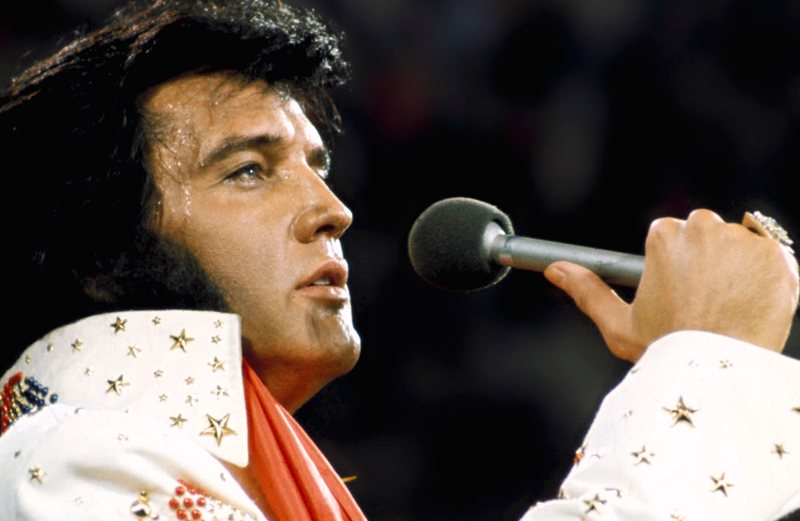
A loud drumroll, then girls screamed and Elvis walked onstage. He wore a big-collared white jumpsuit with a wide macramé belt. A bandmate handed him a guitar, and he stepped up to the mike. He smiled that adorable crooked smile and began belting out “That’s All Right (Mama).”

My knees went weak. The hard-driving “Polk Salad Annie” made my heart dance, while “You’ve Lost That Lovin’ Feelin’” nearly tore it in two. This was even better than I had dreamed.

Fans tossed handkerchiefs and scarves for him to mop his brow with. Then Elvis announced that he was going to sing the title song from one of his movies. The orchestra struck up “Love Me Tender,” and girls mobbed the stage. Between bars, Elvis kissed them.

Barb and I stayed meekly in our seats. Suddenly Elvis was right there in front of us. Close enough to touch! Barb nudged me. “Stand up.”

Did I dare?

“Go on, Aline,” Barb said again. It’s now or never, I told myself.

Just as I rose from my chair a brazen blonde with a big bouffant plowed over me and jumped at Elvis. She flung her arms around his neck and kissed him hard on the mouth. Elvis peeled her off and straightened up. Was he leaving?

I was about to sink down into my seat again when he leaned forward and looked right into my eyes. “Stay there,” he whispered. “I’ll catch you on the way back.”

Now I was sure my heart was going to beat right out of my chest!

Elvis reached the far end of the stage as the song ended. I was the only girl left standing. He forgot me! Lord, why did you let me act like such a fool?

Just then, the orchestra launched into “Love Me Tender” again. Elvis walked over to me, knelt and took my hand. Right then and there Elvis Presley serenaded me in front of a thousand people. This time when he finished singing he leaned closer and kissed my cheek.

I guess you could say I was kissed by a king, thanks to the King of all kings. The one who made me shy, but gave me persistence in abundance. Enough to make even my wildest dreams come true.

Listen as Elvis sings "I Can't Stop Loving You" in 1970 at the International Hotel in Las Vegas!

Download your FREE ebook, Rediscover the Power of Positive Thinking, with Norman Vincent Peale

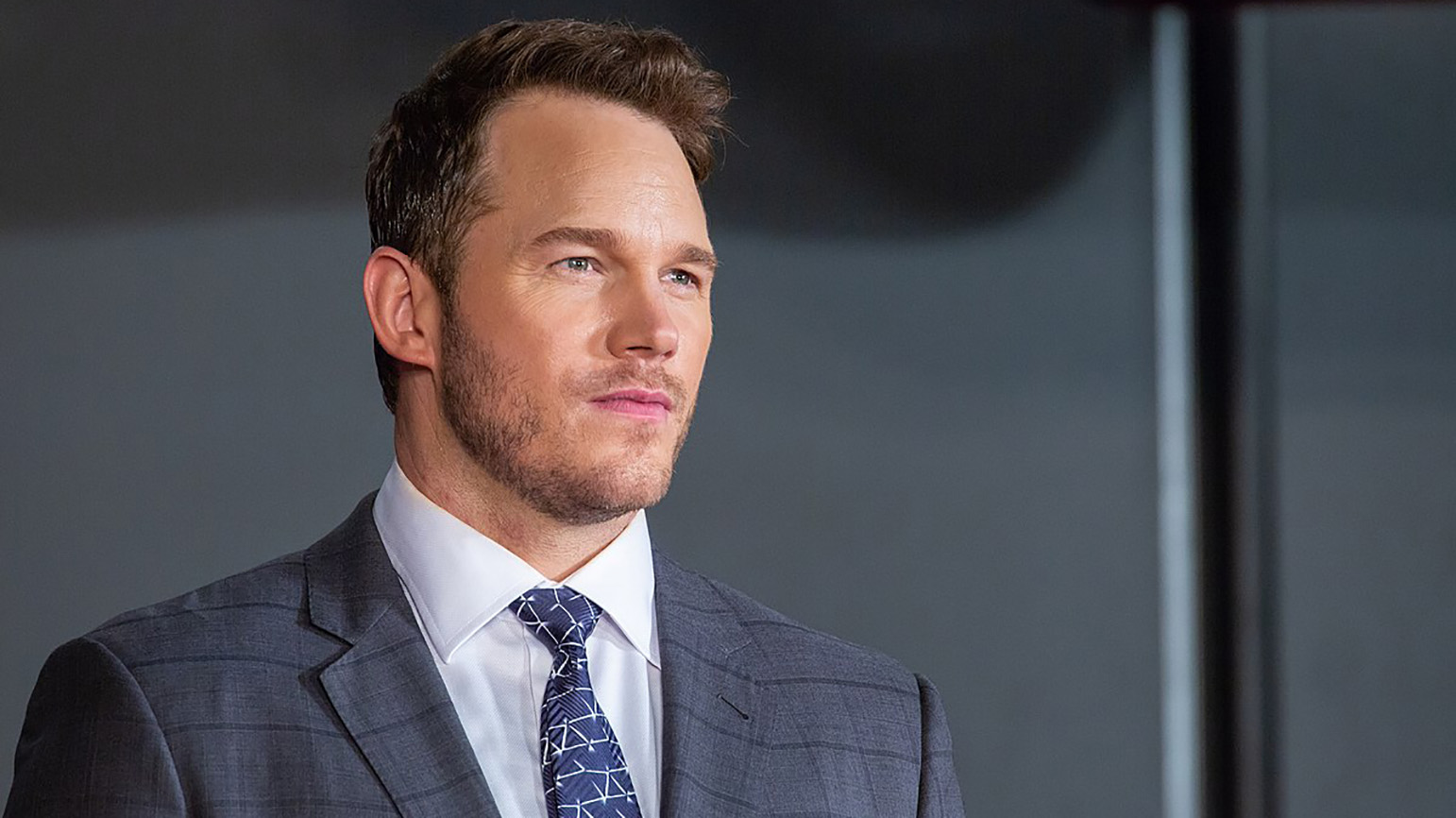
Chris Pratt: His Faith Journey and Recent Engagement

Jurassic World star Chris Pratt recently proposed to Katherine Schwarzenegger. In his announcement of their engagement he told Schwarzenegger he was “proud to live boldly in faith with you.” Their relationship is the culmination of a decades-long faith journey for Pratt.

Pratt has been open about how a chance encounter in a parking lot in Maui opened his heart to God. At the time, Pratt was living in a van and hadn’t yet decided to pursue acting. A man stopped and told Pratt that “’Jesus told me to stop and talk to you. He said to tell you you’re destined for great things,’” Pratt said in an interview with Esquire.

Pratt says he became a Christian that night. Four weeks later, he moved to Los Angeles to pursue acting.

His faith journey continued when his was son, Jack, was born nine weeks premature. In his family’s time of need Pratt turned to prayer.

“It restored my faith in God, not that it needed to be restored, but it really redefined it,” Pratt told People.

After a month in the hospital, Jack was able to go home. Pratt credited the “power of prayer” for saving his son and became more vocal about his faith in the following years.

When he received a star on the Hollywood walk of fame he referenced Psalm 126:3 “The LORD has done great things for us, and we are filled with joy.” While accepting an award at the Movie & TV awards he told the audience “God is real. God loves you, God wants the best for you,” and “Learn to pray. It’s easy, and it is so good for your soul.”

In early 2019, Pratt posted a video explaining that he was doing the Daniel Fast, a 21-day biblically inspired diet that focuses on prayer and fasting.

Pratt knows that his faith might make him stand out in Hollywood, but says he feels called to share his love for God with other people.

“That kind of message, it might not be for everybody. But there is a group of people for whom that message is designed,” he told the Associated Press. “And nothing fills my soul more than to think that maybe some kid watching that would say, ‘Hey, I’ve been thinking about praying. Let me try that out.’”

Belief has been the foundation of Pratt and Schwarzenegger’s relationship. They went to church together many times while dating and make faith a priority.

Pratt knows exactly who to credit for their relationship.

“Thrilled God put you in my life,” he said.

A Treasure Hunt of Answered Prayer

Our Heart of the Father Ministries’ staff Christmas party was going to include a gift exchange. I suggested a Christmas treasure hunt instead. “Everyone prays for simple clues,” I explained. “Then we put all those clues together and go find our treasure—the special person the Holy Spirit has led us to.” Crazy, right? But we’d seen what the Bible calls “a word of knowledge” provide clues before.

My wife, Carla, and I got the job of following the prayer clues. The next morning we set off with a list of words: red, backpack, penny, Plymouth, food, library, and mother with child. “The most logical place to start is the Plymouth library,” Carla said. Plymouth is a town a few minutes away.

“Look!” I said as we pulled into the library parking lot. “There’s a Cub Foods across the street. That’s three clues down already.”

Sure we were on the right track, we marched into the library. “Excuse me,” Carla asked the first woman we saw, “is your name Penny?”

RELATED: ONE MAN’S PERSISTENCE AT CHRISTMAS

She shook her head. So did the next woman. And the next. “The librarians probably think we’re stalkers,” I said.

We took a break to get lunch. “Maybe we need to try somewhere else,” I said. But the words had barely left my mouth when the urge came to me to return to the library. Carla went inside. I stayed in the car to finish eating. I looked up in time to see a mother and child heading inside. The woman was carrying a red backpack!

“Is your name Penny?” I asked, hurrying after her.

“No,” she said. I followed her inside. Carla asked her the same question. “My name isn’t Penny,” she repeated. “But I think I have a penny in my backpack. Does that count?”

“Good enough!” I just about shouted.

Carla and I explained our treasure hunt. When we handed her a card with the money we’d collected at the party, she burst into tears.

“My husband and I didn’t know how we were going to afford Christmas gifts for our children,” she said. “Last night we prayed over which bills we’d have to go without paying.”

We’d found our treasure all right, clue by clue.

READ MORE: SIMPLE PLEASURES OF THE CHRISTMAS SEASON

A Timely Answer to Prayer

Has God ever impressed on you to do a big project for Him, and you worked hard on it for years—and yet it seemed like nothing was happening, and God was a million miles away?

That’s where I’ve been lately with a huge dream God placed on my heart. Some good things have happened, but the big provisions from Him haven’t arrived yet. I’ll be honest, I’ve been a bit discouraged.

Then during my devotions recently, I read a verse in Isaiah 7:11, “Ask a sign for yourself from the Lord your God.” Those words glared from the page at me. So I prayed, “God, I’m weary on this journey you have me on. Could you send me a sign—a word—that You’re still in charge of what You’ve asked me to do, that You’ve got it under control?”

I prayed that prayer for several weeks, and then one morning this week, the answer arrived in a way I’d never have expected…

Back in 2005, my husband and I took a group from our church on a mission trip to Costa Rica. It was a life-changing trip for all of us. Paul and I had gone hoping to be a blessing to the Costa Rican people and to our missionary friends—but we were the ones who were blessed beyond words.

Michelle's husband their Costa Rican friend, Fernando, who helped answer a prayer!One of the highlights of our trip was meeting Fernando Herrera Gomez. He’d been such an encouragement to our missionary friends, and he traveled with us that week as we visited orphanages and nursing homes, worked on building projects, and went sightseeing. Our whole group loved Fernando. He’s a gifted man, fun, and he has a huge heart for God.

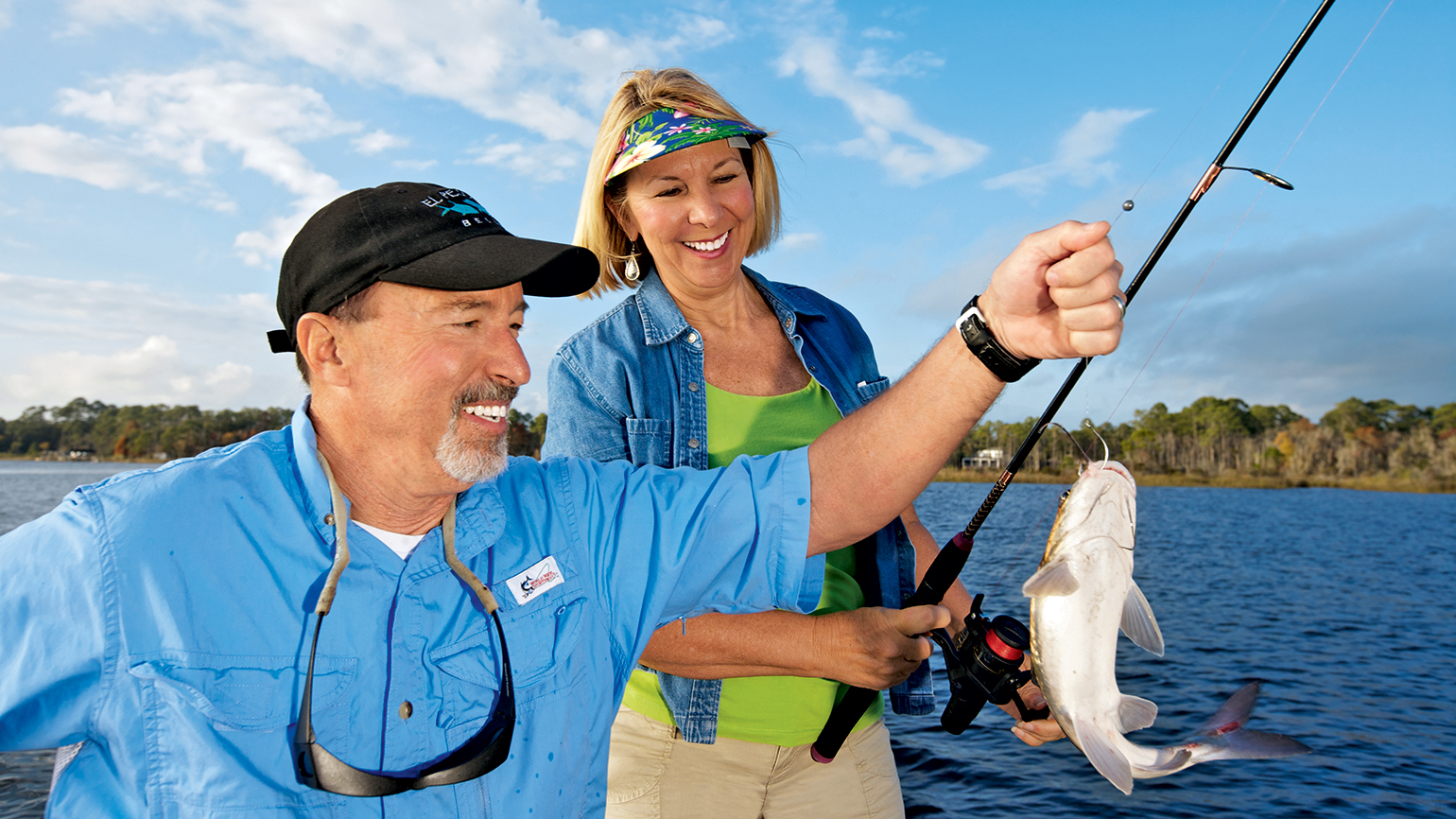
We’ve stayed in touch over the years, but it had been months since we’d last talked. Then I received the message from him on Facebook this week that made me cry.

It read, “Good morning, dear sister. I’ve been praying for you during this week. This is kinda weird but for some reason I’ve been feeling you have to make decisions, and God has told me He has the control, and He is with you. Love you, dear friend. Have a wonderful and blessed day.”

I literally had goosebumps.

At the moment I received that message, I was trying to decide whether or not to squeeze a few days of a film conference into an already packed trip. I was making decisions about which publishers I needed to make appointments with at the publishing convention I’ll attend. Both decisions were tied to this big dream God’s placed on my heart, the one I’d been discouraged about.

READ MORE: WHEN PRAYERS GET ANSWERED

Fernando didn’t have a clue what I’d been praying. He didn’t know I’d been asking for God’s reassurance that He was in control of my project, but God used him to send the word of encouragement that I needed—from a country more than 1,700 miles away.

Thank you, God (and Fernando). Message delivered, right on time.

A Sign of Answered Prayer

JB Bookstore—named for my brother—was more than a coffee shop with books. In Bayombong, the town in the Philippines where I grew up, it was a beloved gathering place. People came to talk, get news and enjoy a tasty merienda. It was busy every day. JB wasn’t just the family business; we lived above it. When my mother wasn’t teaching school, she ran the shop with my aunt; my father operated a printing press in the back. When I was 11, my family got bad news: The landlord canceled the lease and gave us a couple of months to move out.

“My husband has big plans for the area,” the landlord’s wife told my mother. She could see how upset my mom was at the news. “When I’m facing a big challenge,” the landlady said, “I say a novena to Saint Therese.”

My mother went to church every day, but she had never heard of this.

“Say this prayer for nine days,” the landlady said, writing it down for her. “You ask Saint Therese to join you. When God has answered your prayer, you’ll receive the sign of a rose.”

“What kind of rose?” asked my mother, more puzzled than reassured.

“It can be anything. A dream, a picture or a rose itself. Anything.”

The landlady had advised her to pray for strength to face the changes in our lives. Instead Mom asked for God to change the landlord’s mind so we could keep the store.

On her ninth day of prayer, Mom still hadn’t gotten a sign. At church that morning there were flowers on the altar. They were verbena, not roses, but they were very pretty. “Are you going to throw these away?” Mom asked one of the altar boys afterward. “If so, could I have some to plant?”

“I’ll bring them by the store,” he said.

The next day, the vase appeared, a big bouquet of verbena flowers and—

“What’s this?” Mom said. A single red rose tucked right in the center! Where had it come from? There had been no roses in church.

A week later, Mom was still puzzled—until she heard the news: The landlord had suddenly changed his mind. He wanted to extend our lease. His big plans had changed too. He didn’t know it, but he was following God’s plan now.

Did you enjoy this story? Subscribe to Guideposts magazine.

A Reel Inspiring Love Story

It was the last place I expected to be—on a fishing boat in the middle of Choctawhatchee Bay at six o’clock on a Saturday morning.

I didn’t even like fishing. I’d gone once before and that was enough. Sitting for hours holding a pole, staring at the water? What a waste of time! I did like Chuck, though. Smart, kind, funny Chuck. I couldn’t say no when he asked me on this trip. We’d been dating for three months…well, I thought we were dating.

It had been a while since I’d been so interested in someone. Seven years earlier I’d gotten divorced and shortly after that I lost my job. I decided I needed a fresh start, so I left Marietta, Georgia, for a new job based in Niceville, Florida.

Shortly after I moved I found a great church and made friends. But love? At my age it seemed all the good men were married or dead!

I signed up for a popular online dating site only to receive an e-mail stating, “There is no one that meets your criteria.” Talk about a bruised ego. Was I destined to be single? Still, something inside me wouldn’t give up hope. I kept praying, Lord, I want someone to share my life with. Please send me the right man to love.

Two years (and many bad dates) later I met Chuck at church. He was a widower, retired from the Air Force, who loved boating and fishing. He had the kindest smile. I remember thinking, Wow! That’s the kind of man I could marry.

We’d talked a few times at church, but I didn’t get my hopes up. Six months later he finally called and asked me out to dinner. I was ecstatic.

Soon we were going out every week to the movies, plays, concerts. Spending time with Chuck felt so right—we talked and laughed for hours. And he was always a gentleman. Maybe too much of a gentleman. Weeks then months passed and he had yet to kiss me. Did he just want to be friends?

One night after dinner we watched a movie back at my place. Chuck sat rigidly on the sofa. I waited for him to reach for my hand, inch closer to me, put his arm around me…some sign of affection. Nothing.

At the end of the night I walked Chuck to my door and looked into his warm eyes. He leaned closer. This is what I’ve been waiting for, I thought. Our first kiss!

“I had a really great time with you, Marilyn,” he said, wrapping his arms around me in a big, brotherly hug.

Still, when Chuck asked me to go fishing a week later, I said yes. I had to know where our relationship was going.

So here we were in a boat on the bay on a clear May morning. The sunrise painted the sky pink and yellow. Ospreys soared above us and great blue herons strolled along the shore. Not far from our boat pods of dolphins rolled through the water. It was breathtaking. Romantic.

I hoped so, anyway. Lord, I’m really falling for Chuck, but I’m not sure how he feels about me and I don’t want to get hurt again. Help me to know if he’s the right man for me.

“Sooo, Chuck, how do I cast my line again?” I asked.

“Like this,” he said, stepping behind me and putting his arms around mine to demonstrate. “Aim right over there.”

I pulled the rod back and swung. Missed. My second try wasn’t much better. I caught my line on everything—docks, boats, trees. Each time Chuck smiled and untangled the line. “Don’t worry; everyone does that sometimes,” he said.

I sat down in the back of the boat and watched Chuck cast like a pro. Soon he reeled in the first catch of the day. He unhooked the fish from the line and held it up for me to see. “It’s a speckled trout,” he said. The he brought it up to his face and kissed it. Kissed it!

I was incredulous. “Why did you do that?!” I exclaimed.

“Do what? Release it?” Chuck asked.

“No! Why did you kiss it?”

“Oh, that’s just for good luck. A lot of fishermen do that.”

“Well, that makes me feel great. Guess I should be a fish!”

He looked at me, puzzled.

So that’s it, I thought. He finds a fish more attractive than me. Great! Not only was my self-esteem shot, but if Chuck was clueless as to why I was upset, what did that mean for our relationship?

The rest of the fishing trip was uncomfortably quiet.

“So, I’ll pick you up for dinner at seven. Is that good?” Chuck asked on our way back to the marina.

“Sure,” I agreed, if only to get an answer if he had feelings for me too.

Dinner was lovely and Chuck was sweet and funny, as always. Back at my house we chatted over coffee. “Let’s take a walk down to the dock,” Chuck said.

He probably just wants some fresh air, or worse he’s going to tell me it’s been fun but he just wants to be friends.

We walked to the dock side by side but not hand in hand. Finally we came to a stop under the glow of the full moon. Chuck stood behind me and wrapped me in his strong arms. “What a nice evening it’s been,” he said, turning me to face him.

I looked into his kind eyes. He leaned down and kissed me…with such passion it took my breath away. “I love you, Marilyn,” he said. “I just wanted to be sure before I kissed you.”

I didn’t wait a second longer to tell him how I felt. “I love you too, Chuck.”

After that we went fishing almost every Saturday morning. I even got to like it, although I couldn’t bring myself to kiss a fish.

One Saturday in August Chuck insisted we go out on the bay even though there were threatening skies. We were the only ones at the boat ramp. “Are you sure you want to fish today?” I asked.

“We’ll just go to our lucky spot,” he said. He drove the boat to where we’d caught fish before. Within minutes something was tugging at his line and he handed it over to me. I reeled it in.

“What do you have there?” he asked.

“I have no idea,” I said, staring at the black lump dangling from the hook.

Chuck reached for it. “It’s a plastic bag,” he said. “There’s something inside.” He cut it open and pulled out a small velvet box. A ring box. He got down on one knee. “Marilyn, will you marry me?” There was a flash of lightning.

“Yes!” I shouted. We made it back to the dock just before the deluge.

Chuck and I have been married for over two years and nearly every Saturday morning you can still find us fishing. On a boat in the middle of the bay at six o’clock in the morning with my husband? There’s no place I’d rather be. After all, fishing is a lot like love. It takes patience and faith to land a great catch.

A Prayer from the Lady in the Tollbooth

The slide had a tunnel covering the top. None of the other kids played on it, so I decided to hide in the tunnel. We had just moved to Illinois because my dad had been asked to pastor a local church. I was not adjusting well to the small, rural school where I was now enrolled. At my old school I had been the vice president of my class. Here, the other girls laughed at me and teased me about my clothes and shoes. At my old school our teacher had stood at the back door of the classroom and hugged us goodbye every day. Here my teacher was strict and gave so much homework that my dad called her “the queen of the worksheets.” I don’t think she liked me. However, I was not in the tunnel to hide from the Worksheet Queen or the other girls in my class. I sat in the cool, dark tunnel to mourn.

My mom had been extremely sick. She would just lie in bed. She didn’t say much or get out of bed. The only time I ever saw her was when my dad made some soup and said, “Here, honey, give this to your mommy and maybe she will feel better.”

Well, she didn’t get better. Finally, a family friend helped my dad get my mom into the car and drive her to the local hospital. The doctor immediately put her on a helicopter and sent her to Deaconess Hospital in Evansville.

The next several days were a blur. I didn’t care that nobody wanted to play with me or that my teacher didn’t like me. I just sat in the tunnel and thought, Where did Mommy go? Is she ever coming back? My ninth birthday would be in a few days. How could I have a party without my mommy? In class I couldn’t pay attention. I looked out the window, wondering why this strange school only had cornfields outside the classroom.

My little sister, Amy, was only 6 years old but she also knew something was terribly wrong. She and I talked. We decided we had to ask. Hand in hand, we walked into our parents room and said, “Daddy, is Mommy going to die?” Then we heard that awful word: Yes.

Amy said, “Daddy, what does that mean?”

My dad has a master’s degree in theology and had even taken a graduate course in the theology of death and dying, but nothing could have prepared him to look into the face of a 6-year-old and answer that question. He started to cry so hard that we could barely understand him when he said, “It just means that she gets to go to heaven first.”

He wrapped us in his arms and the three of us cried. It seemed like our tears would never stop. Mom had been in a coma eight days by the time he told us this.

On the ninth day Grandma and Grandpa came. I guess they were coming for the funeral. They didn’t go to the hospital that day. They came to the school in the middle of the cornfield. When my grandma came to meet me at my classroom door, I took her hand and walked out of that room full of strangers. I was comforted by her cool, wrinkled hand that connected me somehow to my mommy.

On the 10th day a board member from our church and his wife drove to the hospital in Evansville. As they stopped to pay the toll before crossing the river, the deacon said to the lady in the tollbooth, “Ma’am, do you believe in the power of prayer?” She replied, “I certainly do.” He then asked her if she would pray for his pastor’s wife, who was dying. She asked for my mom’s name. When he told her, the lady in the tollbooth said, “Oh, sir, I am already praying for her.”

The lady in the tollbooth and many other people who had never met my mom were praying. Pastors in our own denomination as well as pastors in the local ministerial alliance asked their congregations to pray. Catholics, Baptists, Methodists, Pentecostals and Presbyterians all offered heartfelt prayers and called their families and friends to ask them to pray for my mom. The lady in the tollbooth had received one of those calls and so she prayed.

On the 11th day, while Amy and I were still in school, my grandparents went to the hospital. While they were in my mom’s room, Mom opened her eyes and said, “It’s my little momma. What are you doing here?”

The 12th day was the day I turned nine. My mother was still in the hospital, but she was off the ventilator and her doctors told us she was going to live. It was the first and only birthday I have ever spent apart from her, but she gave me the best present I have ever received.

On the 14th day she came home. Her battle with pneumonia had left her so weak that she could barely walk from the couch to the bedroom. She could not cook or do laundry or even blow-dry my hair. She had been given so much medicine that she was sometimes confused and could not remember even simple things such as our telephone number. However, she was home and Amy and I could snuggle close to her side again as slowly she got stronger and stronger.

We have stayed at her side for more than eight years now. We’ve been at her side walking on the sand at Virginia Beach. We’ve been at her side as we toured the battlefield at Gettysburg, the museums in Washington, D.C., and the ships at Jamestown. We have camped in a cabin in the mountains of West Virginia. We have been to Niagara Falls and climbed the steps at the Cave of the Winds and sailed by Horseshoe Falls in the Maid of the Mist. We have been trapped in an ice storm and spent Christmas Day in a heated pool covered by a glass dome, watching the snow fall.

More important than the memories of the great trips we have taken are the everyday memories of her helping us with our homework or taking us on shopping trips. What if my mother had not been here to tell me about love and marriage? What if I had missed out on her advice about how to find a husband? (Study hard. Go to college. Find a husband. In the library.) I do not know how many times I have laughed about that little formula. I plan to spend a lot of time at the library.

Who is responsible for her amazing recovery? Some people say it was the great team of doctors who never gave up. Others say that it was the lady in the tollbooth and all of the others in and beyond our new community who prayed. I believe God can use anybody, and everybody, and in this case, I think he did.

Download your FREE ebook, A Prayer for Every Need, by Dr. Norman Vincent Peale

A Prayer for Protection

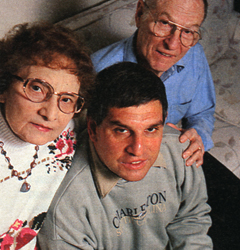
Last year our children, Mike, Kathleen and Bill, Jr., planned a big party for our golden wedding anniversary. “That’s really something to celebrate,” Kathleen said, “50 years together.” Eyes twinkling behind his glasses, my husband added softly, “Good years, too.”

Bill was right about that. When I looked back on the long, happy life we’d had together, though, I started wondering about what lay ahead. Worrying about what might happen to the kids when we weren’t around to look out for them. It’s what mothers do, even when their children are grown.

In my case, there was a real reason: Mike, our oldest, has autism, a neurological disorder that is associated with developmental disabilities, unusual repetitive behaviors and difficulties in social interaction. Back when Mike was growing up, autism was even less understood than it is now. Bill and I could only pray and try to figure things out as we went along.

People with autism often remain locked in their own worlds, so we were grateful we found ways to reach Mike. He worked hard to learn to get along in a world that often didn’t make sense to him. Though he lived with us, he led a fairly independent life. He had a steady job as night-shift custodian at a nearby high school. He managed his own finances, drove his own car. For fun, he liked to read up on area history, then explore the small towns he’d gotten to know from his books.

Despite all his progress, at age 48, Mike remained in many respects as naïve and innocent as a child. We were constantly trying to prepare him for the obstacles he might face, the problems he might run up against. But the ordeal he went through last year was something no one could have planned for.

Late one night, not long after we’d talked about our anniversary party with the kids, a phone call came from the police. Somehow I slept through it, and Bill hadn’t wanted to disturb me. When he filled me in the next morning, the whole thing sounded so bizarre I didn’t believe it at first. Police investigators from Ontario County, an hour’s drive from us, had picked Mike up from work and taken him in for questioning about a bank robbery that happened in their area a week and a half earlier, on Thursday, April 15, at around noon.

“There’s no way Mike could have robbed a bank,” I said, bewildered. “Besides, Thursday’s his day for housecleaning.” Like many autistic people, our son rarely strayed from his routines. “He was here with me, doing his chores.”

“That’s what I tried to tell the police,” Bill said. “They won’t take my word for it, since I wasn’t there with you. They released Mike last night, but they want you to call right away.”

I told the Ontario County police that on April 15, Mike had been home with me until he left for work around 2:30 p.m. When I explained that he could never have committed a bank robbery, the investigator said, “Well, you’re his mother. Of course you’d say that.”

“But it’s true!” I exclaimed. “Mike is not capable of planning and pulling off something that complicated. He’s autistic.” Then, to clarify, I used a term we tried to stay away from. “He’s impaired.”

“I realized that, talking to Mike,” the investigator replied. “Personally I don’t think he did it. But he confessed, so I have to present this to the District Attorney.”

“Confessed?” My mind was reeling. “He was nowhere near that bank!”

“He was in another branch of the bank a week later,” the investigator said. “A teller thought he was acting suspicious and took down his license plate number.”

Then it hit me. Mike had been on vacation last week. He’d spent his time off doing what he loved best—visiting small towns in our area and looking around. He liked to go into banks and get change. Had his autistic quirks been misinterpreted as criminal behavior? I hung up the phone, and prayed, God, let people see Mike for who he is—a good man, a gentle soul.

Later that morning Mike, in his halting way, told Bill and me what had happened with the police. Three officers had shown up where he worked. They read him his rights, handcuffed him and brought him in for questioning.

“Oh, Mike… ” I sighed, my heart aching at how frightened he must have been.

Bill asked, “Why did you confess to something you didn’t do?”

“They kept saying, ‘You know you did it, Mike. I said I didn’t know what they were talking about, and I wanted to go back to work. They said I could, if I told them what they wanted. So I did.”

That was Mike. He just wanted to do what he thought was expected of him. He always tried to please people. Surely the police and the D.A. would see that.

They didn’t. We were told Mike would have to appear in a lineup. We talked to a lawyer, who advised us that it was in Mike’s best interest to cooperate with the authorities. So on a Friday morning three weeks after his interrogation, Mike returned to the Ontario County police station.

Bill and I waited on a bench in the hall while Mike stood in the lineup. Our lawyer came out looking grim. “The teller picked him.”

“She’s wrong!” I nearly shouted. Bill’s arm tightened around me.

That afternoon in the courtroom, the nightmare continued. The judge set Mike’s bail at $50,000 cash or $100,000 bond. Even our lawyer was stunned at the amount.

Police officers handcuffed Mike; standard procedure, they said. I had to stifle a cry. He looked so lost—and scared. God, don’t you see how hard Mike tries? I asked. He believes in you. Why aren’t you protecting him?

“Don’t worry,” Bill told Mike as he was led away to the county jail. “We’ll get you out.”

We had to! Mike wouldn’t be able to handle spending the weekend in jail. The stress of being locked up would send him retreating into that inner world he’d worked so hard to get out of.

Bill and our lawyer made frantic phone calls to try and raise the bail money. I talked to family and friends. “Please pray for Mike,” I asked everyone. “He’s in need of protection, now more than ever.”

Just before five, our broker told us his firm would loan us the money. We rushed to the county jail. Kathleen was waiting for us, looking worried. “I don’t think Mike knows what hit him,” she said. It took a while to get through the red tape, but at last we were able to take Mike home.

The nightmare wasn’t over. Our lawyer warned us, “The case has to go back to the D.A. There may be a grand jury and a trial.” Day after day, every time the phone rang, I jumped, terrified that our lawyer was calling to tell us Mike would have to go back to court, maybe back to jail.

Kathleen tried to get my mind off of it by talking about our anniversary party, coming up in a few weeks. I couldn’t think about what we were going to have for dinner, what I was going to wear. All I could think about was, What will happen to Mike? I didn’t feel like celebrating, but the invitations had gone out, and relatives had already made plans to come in from out of town.

Bill and I went to the park one afternoon to try and relax. We sat by a lake for a while, watching gulls soar overhead. Lord, as these creatures are free, I prayed, keep Mike safe and free. Protect him.

Mike went about his usual routines. He seemed to be handling the whole thing better than Bill and me. God, I know you love Mike as much as we do. I’ll try to trust that love.

One Sunday evening the three of us were sitting in the living room reading. I glanced up from my magazine and noticed Mike, engrossed in a history book. The look of wonderment on his face reminded me of when he was a six-year-old, fascinated by lights. That later led to our first big breakthrough with our son. Bill made up alphabet flashcards, and each time Mike identified a letter correctly, he got to switch on a string of Christmas lights. The “light game” captured Mike’s interest like nothing else we’d tried before. From then on he began to speak, learned to read and write. And pray.

Remembering these and all the other breakthroughs over the years, I felt ashamed that I had ever doubted God. You’ve brought Mike this far, Lord. I know you’ll see him through whatever comes next.

Two days before the party, our lawyer called. “I just heard from the D.A.,” he said. “A man confessed to the April 15th robbery, and a string of others. The charges against Mike will be dismissed.”

“Thank you,” I whispered, overwhelmed. Thank you, God.

That Saturday at our party, Bill and I had much more than our golden anniversary to celebrate.

Mike hasn’t said a lot about the ordeal, but not long ago he told Bill and me, “I still thank God for helping me last year.” I still thank God for helping our son—our whole family—all the years of our lives. I worry a little, like any mother, but in the end, I trust they will be good years, every one of them.

A Prayer for a Soldier’s Dog

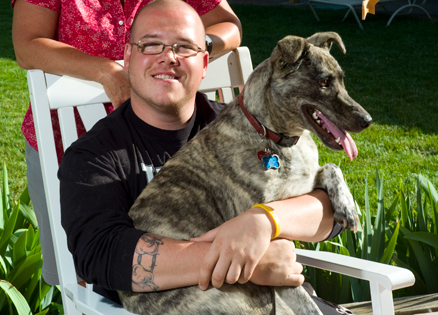
The brindle dog cowered in the back of her kennel, her dark chocolate eyes peering warily up at me. I couldn’t blame her. She’d just arrived here at Denver International Airport after what must have been a terribly disorienting two-week journey all the way from Iraq.

I knelt down and reached my arm out to her, slowly, so I wouldn’t scare her. “It’s okay, Heidi,” I told her. “You know my son, Shawn. I’m going to take care of you until he comes home.”

If he comes home. That fear had preyed on my mind ever since my Shawny deployed to Iraq with the National Guard seven months earlier. Every night he’d been gone, I’d begged God to watch over him and bring him home safely. I missed going out for ice cream and shopping with him, the long talks we’d have. I could always pour my heart out to him.

He’d be the first to admit he’s a mama’s boy. That’s why I was so excited when he called a few weeks earlier. He wasn’t able to call often, so it had to be big news.

Was he coming home? No. He wanted to tell me about Heidi, a stray that his unit had unofficially adopted and Shawn had fallen in love with. His unit was transferring and couldn’t take her with them. The new troops coming in didn’t want the responsibility of caring for a dog. “I have to find her a home, or who knows what will happen to her,” he said. “Can she stay with you for now?”

Like this story so far? Subscribe to All Creatures magazine!

Even though I love dogs, and already had a Lab, Sophie, I hesitated to take in a dog I’d never met. But I could tell it meant a lot to Shawn: The cost of sending Heidi home through an organization called Operation Baghdad Pups was two thousand dollars.

Now my husband, Tom, and I were here at the airport, meeting Heidi, even if I wished I were bringing my son home instead. I gently stroked Heidi’s scruffy coat, trying to reassure her. Funny, you know more about Shawn’s life over the last seven months than I do, I thought.

In Shawn’s occasional e-mails and even rarer phone calls he wasn’t allowed to give many details. What was his day like? Was he afraid? Had Heidi comforted him, as I wanted so badly to do?

I coaxed Heidi out of the kennel and clipped a leash to her collar. I took her for a quick walk outside the cargo area before Tom and I got her into the car. Heidi was jittery the whole ride. The shadowy mountains and forests that she saw out the car window as we drove through the Colorado countryside to our small town probably frightened her even more than the plane—she’d never seen any place like it.

Finally we pulled into our driveway. I clipped Heidi’s leash on again and let her sniff around our front yard a little. She was still anxious. “Come on,” I said, leading Heidi into the garage. I hoped that getting her inside and feeding her some dog food or some bacon would settle her a bit.

Suddenly, Heidi jerked the leash. She lowered her head and backed away, so hard that she slipped out of her collar. I grabbed for her, but she turned and ran…right out of the garage. The empty leash and collar dangled in my hand.

Heidi paused at the end of the driveway. She looked back at me, tilting her head as if deciding whether to run off or not. “Get a snack or something,” Tom quietly called. I ran inside and quickly grabbed a slice of bologna from the fridge. But just when we got close, Heidi bolted. I raced after her. She was too fast.

Out of breath, I bent over, hands on my knees, and watched helplessly as her furry form disappeared into the darkness. Tom and I ran up and down our street calling her name. Then our daughter, Sarah, came out to help. She and Tom got into the car and drove around the neighborhood, shouting at the top of their lungs. I stayed home, in case Heidi circled back. But she didn’t.

Tom and Sarah saw no sign of her either. I couldn’t believe it. Heidi hadn’t even set a paw in my house and already I’d lost her. She was used to the desert…how could she navigate our area?

“Let’s look for her again in the morning,” Tom finally said. “It’ll be easier to find her when it’s light out. She can’t have gone too far. She’ll be fine.” I wished I could believe him.

Dear God, I prayed, I know I’ve been praying overtime lately and there are a lot of people in this world who need your help. But please bring this poor dog safely back to us. My son would be so heartbroken if anything happened to her. In a way, my prayer for Shawn became one for Heidi.

First thing in the morning, I searched again. Nothing. Not even a passing jogger had seen her. I came back home and called Operation Baghdad Pups, crying so hard I could barely speak when a woman finally picked up. Somehow, I managed to tell her about losing Heidi.

“You should call your local media,” she said. “Get the community to help.”

I felt a flicker of hope. My neighbor offered to contact some TV stations and newspapers. They were all interested in the story—Soldier’s Rescued Dog Needs Rescuing. My twin sister, Jo, and I drove around town, putting up flyers we’d made with Heidi’s picture. Dozens of people in my town volunteered to help. The search was on.

I dreaded telling Shawn. Heidi had been gone 48 hours when the phone rang, and I just knew it was him. I took a deep breath, but I already felt the tears welling up. “Hi, Shawny,” I said.

He must have heard it in my voice. “What’s wrong, Mama?”

“Oh, Shawn. It’s Heidi. She ran away. I lost her.” I told him about the news stories, the flyers, the neighbors searching for her. “Everyone’s looking but…I don’t know. I’m so sorry…” I broke down.

“It’s okay, Mom. Don’t worry. You’ll find her,” he said, trying to console me. “Listen, tell everyone that she loves blueberry Pop-Tarts.”

“Blueberry Pop-Tarts? I thought bacon…”

“Not a lot of bacon in a Muslim country, Mom,” Shawn said. “But for some reason we’re fully stocked on blueberry Pop-Tarts. She gobbles them right up.”

Only Shawn could make me smile at a time like this. He told me that his tour of duty was nearly over, but I knew that every day he spent in Iraq was another chance he could get hurt…or worse. And now, on top of everything else, he would be worrying about a missing dog too.

I bought a few boxes of blueberry Pop-Tarts and let everyone know about Heidi’s odd food preference. Soon searchers were out trying to lure Heidi with her favorite treat. Even animal control officers baited cages with them.

But a day later, still no Heidi. A reporter from Channel 4 broadcast from our front yard, updating viewers, showing pictures of Heidi and Shawn to urge people to keep looking. Three days had passed already. I feared the worst. I had all but given up. A dog from Iraq, lost in Colorado for so long? We had wolves and coyotes and mountain lions around here. What chance did she have?

The reporter had just finished her segment when the phone rang. Tom answered it. “You just saw Heidi’s picture on the news? She’s in your driveway?” I overheard him say. I snatched up a box of blueberry Pop-Tarts and one of Shawn’s Army hats for a familiar smell. Tom hung up the phone. “They live about eight miles from here,” he said. “Let’s go.”

But by the time we got there, Heidi had run off again. We searched late into the night. No luck. Had Heidi really traveled this far? I couldn’t imagine how scared, hungry and tired she must be. If she was still alive. That night, before I went to bed, I prayed again over Heidi and Shawn. Keep them safe, Lord. Bring them home.

The next morning, Tom and I decided to go back to the neighborhood where she was spotted the night before. We parked our car in front of the tipster’s house.

“Where should we go from here?” I asked Tom.

“Look behind you.”

I turned. Heidi! She was crossing the street and hadn’t noticed us. Thank you, God. We quietly followed her until she came to a chain-link fence. She turned to face us. Please, Lord, don’t let her run.

I sat down near her and slowly unwrapped a Pop-Tart. Heidi licked her chops. She was clearly hungry, but looked all right. I broke off a piece of the pastry and tossed it. She crept closer and wolfed it down. I bet this is how Shawny got you to trust him, I thought.

Soon, she was eating the Pop-Tart out of my hand. I held Shawn’s hat out and she sniffed it. I put my arms around her. “You miss him too,” I said to Heidi, my tears wetting her fur. “I know you do. But he’ll come home to us soon.”

Sometimes all a mother has are her prayers, her trust in the Lord and a blueberry Pop-Tart. I slipped the leash onto Heidi and led her to the car. I couldn’t wait to tell Shawn she was home. Soon, I knew, he’d be home too.

Learn how adopting stray pets helps some soldiers cope and stay positive.

Did you enjoy this story? Subscribe to Guideposts magazine.