Embrace God's truth with our new book, The Lies that Bind

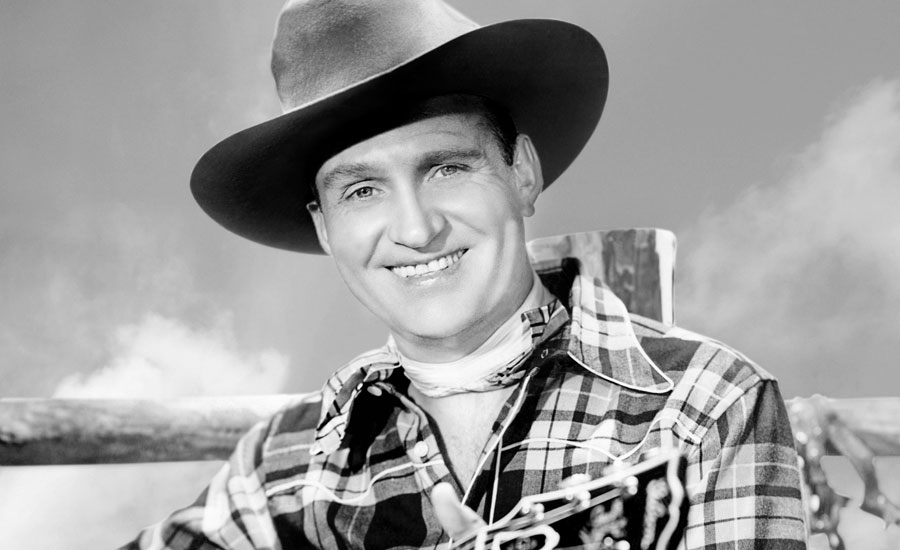
Guideposts Classics: Gene Autry on Three Types of Faith

While thinking about the word “faith” as it applied to my way of life, it occurred to me that I’d better look it up to make sure that it means all I think it means. “A firm belief without need of proof,” says the dictionary.

Faith to me means “belief,” “trust” and “loyalty”; good solid words which I, as a little tike in Oklahoma, was brought up to recognize and try to live by. My folks were good, church-going people.

My granddaddy was a sort of preacher back in Texas, where I learned to sing by being taught the old-time hymns in a country church, but my idea of faith isn’t completely wrapped up in religion or formal dogma. I think the Lord meant a man should have faith in himself and in his loved ones as well as in Him.

READ MORE: ROY ROGERS ON FINDING FAITH

If somebody else has faith in you, it will go a long way toward making you a success. This has been proven to me in my own life. The first round-up that’s necessary is the people who have faith in you. Listen to them. At least three persons showed belief in me when I wasn’t sure about myself.

I left my father’s Oklahoma ranch to work for the Frisco Railroad as telegrapher at a whistle-stop station, Chelsea, near Claremore. I was playing my guitar and singing one quiet night in that little station when an inconspicuous man entered.

He wore a soft felt hat pulled down over his eyes. I didn’t observe him closely. While he was writing, I went on singing.

“Say,” he said suddenly, “you don’t sing so bad. Why don’t you go into show business?”

I laughed. I had seen very few shows and never gave much thought to the theatre.

This fellow smiled and drawled, “I think you have talent, son. You keep on singing and playing that ‘gittar’ and have faith in yourself, and you’ll be a real entertainer one of these days.”

He left the station, and the minute he had gone I knew there was something familiar about him. I looked at his message, and it was signed, “Will Rogers.

Have faith in myself, he had told me. I thought about that in the next few months. What was having faith in oneself? Was it cockiness or egotism? I decided that, for me at least, faith meant that I should realize the Lord gave me health, fair intelligence, a liking for singing songs, and a capacity for hard work.

If I combined all four I might get somewhere besides a telegrapher’s job in a little Oklahoma town. I liked the idea of singing for my supper. If people wanted to listen, so much the better.

READ MORE: JOHN WAYNE ON TRUE COURAGE

I started out as “Oklahoma’s Yodelling Cowboy.” It was tough. Sometimes I sang, but didn’t get my supper. The Depression had started.

I still had faith; otherwise I would have been completely discouraged. I wanted to make phonograph records, so I went to New York, an ignorant country kid, because I thought that was where you started in the recording business. I got the brush-off for sure when I struck Manhattan.

I don’t blame them now, those busy executives whose offices I stormed. I wore my “store” clothes, tried to seem like another Rudy Vallée, and it just didn’t go over.

A kindly gentleman finally listened to me. He was Arthur Satherly, who was, and still is, in charge of “Country Music” for Columbia Records. He’s a sort of talent scout for the hill and prairie belt.

He told me that I should stick to the songs I knew best, and if I did so, he believed I could become a successful exponent of Western tunes.

I didn’t think much of that idea, but I recognized he had faith in my field. I returned to Tulsa and eventually, as he had advised, landed a sustaining spot on a local radio station. I specialized in the songs of my childhood. Soon I was making records.

The culmination of Art Satherly’s faith in me occurred just a few months ago. On behalf of his company, he presented me with a gold phonograph record of one of my early songs, mounted on a plaque; it was a proud moment, to stand beside Art, shake his hand and thank him for believing in me those long ago days.

When I got my own sponsored radio program in Chicago, I married Ina Mac Spivey, a girl from back home. We set up housekeeping in Chicago. I didn’t make a lot of money, though it seemed a great deal to me.

READ MORE: WALTER BRENNAN ON PERSEVERANCE

One day an executive of a new Hollywood film company offered me a chance to make a “musical Western” movie.

Now, I wasn’t and still am not an actor in the artistic sense of the word. I was never trained in speech or stage business. I liked the Hollywood proposition, but I was scared to pull stakes and go out to California. I discussed it with Ina. She’s a forthright person with a world of faith.

She said, “Honey, of course we’ll go to California, and you’ll be a success.”

So we went. I shall never forget the rushes of that first movie I made. They were terrible. I sat in the comforting darkness of the studio projection room, holding Ina’s hand for dear life and wishing I’d disappear into the floor. For once, it seemed that you could carry this faith in yourself too far.

I whispered to Ina, “Let’s go back to Chicago. I’ll never make a go of this.” And she whispered back, “Let’s not. Let’s stay. You WILL be a success. I believe in you.”

Her faith fanned mine when it was at low ebb, and helped me over the biggest hurdle—my own lack of self-confidence.

In the long run faith is a rule or creed which a man adopts for himself. It has bolstered me all my life, especially when I’ve had to make decisions or have been mixed up and confused, like in the war when we went overseas, or when faced with a business crisis, or the hundreds of tough situations that arise each day.

Faith in what you know you want to do can take you a long way, but I think there are a lot of others besides myself who would have bogged down along the way if it hadn’t been for those who believed and had faith in us.

Did you enjoy this story? Subscribe to Guideposts magazine.

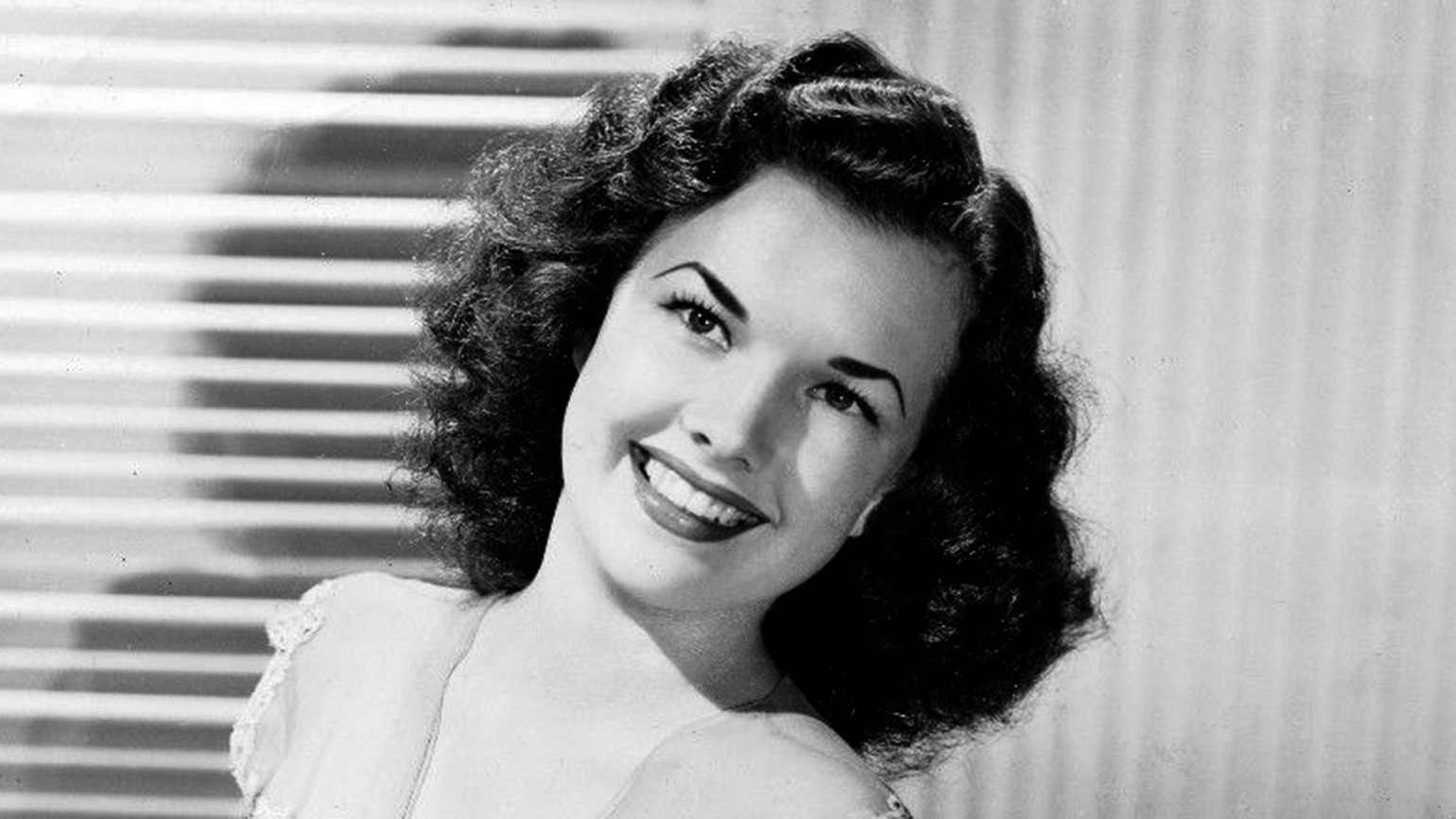
Guideposts Classics: Gale Storm on the Importance of Faith

Religion can and should give you a workable approach to life. In order to interest children (and most adults), it should deal with tangibles—with theories that apply to daily problems. The principles that Jesus taught centuries ago are not dated. They are as applicable to modern life as they were when He first taught them.

Lee Bonnell, my husband, and I belong to a progressive church, one that believes in combining normal social functions with your religious life. And that’s the way I want my boys to feel about their religion, that it enters into every phase of living.

Before our third son, Peter, was born, I taught Sunday School at the Hollywood-Beverly Christian Church for three years. I started with a nursery class, ages 2 1/2 to 4 1/2, for six months and then took over the beginners, 4 1/2 to 6, for well over two years.

Then Lee and I worked with a high school group that met at night. The boys and girls elected their own governing board, which decided what they would do with their meetings. For the first eight weeks, we had a drama group, rehearsing and staging a non-religious play.

Then the young people wanted a class in the development of charm and personality. We called it: “Charm, Good Manners and a Christian Personality,” and Lee and I led the discussion groups.

The change in attitudes in the age groups was very interesting. Actually, there was little natural curiosity about religious theory exhibited in any of the classes. But great interest was aroused as they watched the actual application of Bible teachings to the problems they daily faced. They were interested in how to get along with others. They were seeking a religious approach to everyday living.

The younger children, although they didn’t ask questions, were greatly influenced by Sunday School. They accepted almost without question what they were taught, proving the importance of proper early religious training. These children accept the Lord as Father, Friend and Guide. Phillip, our oldest son, talked about Sunday School throughout the week, indicating that a definite impression had been made on his mind.

In our high school group, we tried to bring religion into the discussions by illustrating that good living is merely applying religion to your daily contacts with others.

Luck was with me when I married, for Lee is a very avid churchgoer. He recently appeared in 16 millimeter short subjects, entitled: “Simon Peter, Fisherman” and “Stephen, First Christian Martyr,” which were expressly made for church showings.

It was this matching of spirit that maintained and increased my early interest in religion. Many people with the same interest in the church marry those who do not share the same feelings, and the desire dies.

Lee and I try to work together both in our home life and in our religious life, for we feel that the two are inseparable. And that’s how we want our boys to feel when they are grown up and have their own families.

For more inspiring stories, subscribe to Guideposts magazine.

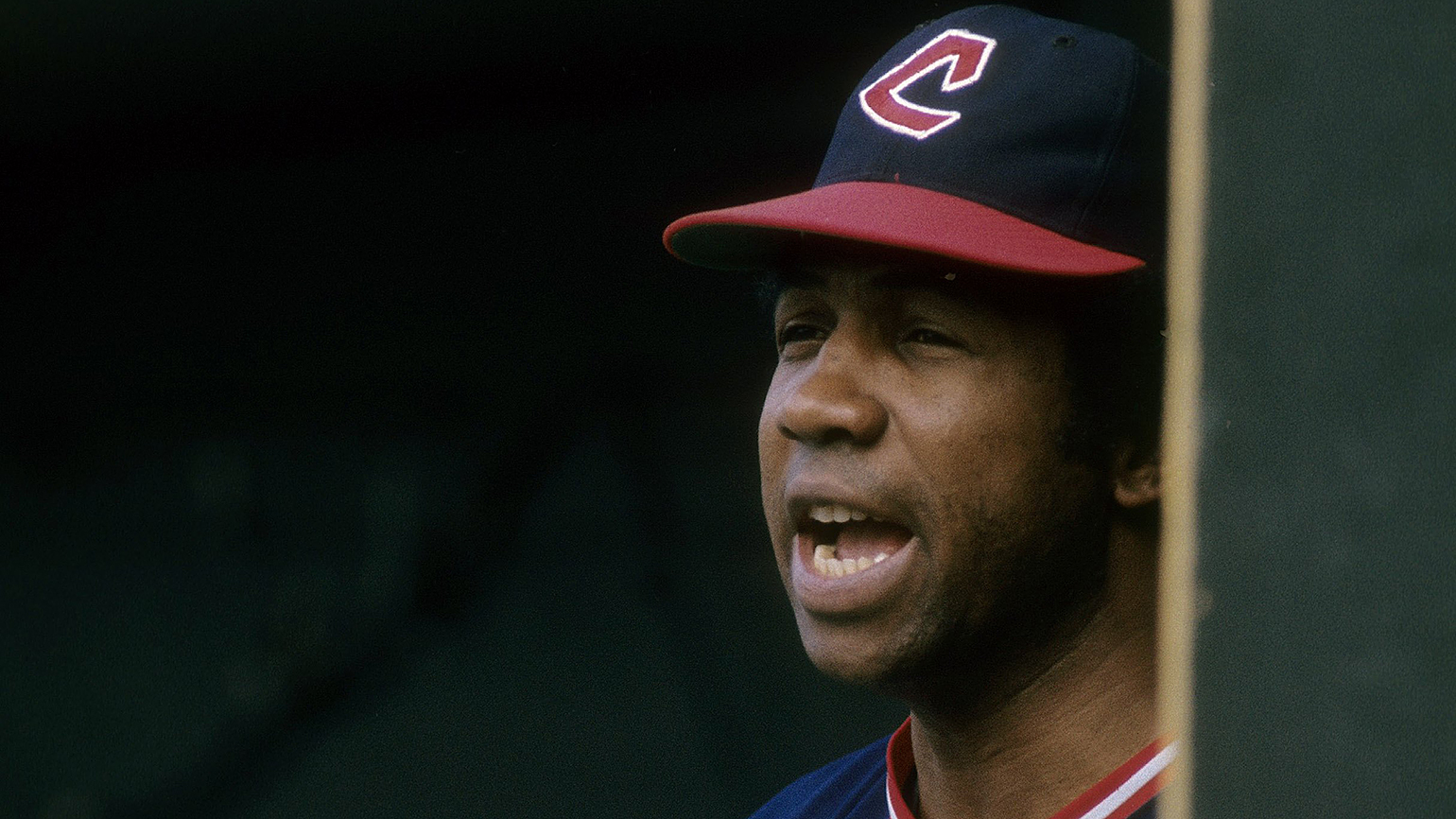
Guideposts Classics: Frank Robinson on Caring, Sharing and Communicating

This is going to be a big year for me. After more than six years of shooting for a chance to manage a major-league baseball club, I’ve finally got one and I’m very happy about it. I’m grateful that the Cleveland Indian organization has enough confidence in me to let me lead its team on the field this year. Now it’s up to me to do the job.

That job, successful managing, is to me mostly a matter of caring about people and helping them to make the most of their own abilities. In that way, I suppose, managing baseball is not much different from any other job—or any other part of life actually—where working and living with other people is involved.

To me, no man did the job any better than Birdie Tebbetts, who was managing Cincinnati when I broke into the majors in 1956. Birdie is the best example I know of a man who cared deeply about the members of his team and wanted the best for them. And how he was loved by his players! The Bible says that love is kind and patient, full of hope and trust; if you believe that, then Birdie was a guy who really loved his players, too.

I remember my rookie year; I was 20 and scared stiff, though I tried not to show it. Birdie put me in left field for the opening game of the 1956 season against the Cardinals, and I got two hits in three at-bats. Though we lost, 4-2, on Stan Musial’s two-run homer, I came away from the game feeling good. Then I went into a tail spin, getting only two hits during my next 23 at-bats. I was really confused and beginning to doubt I was ready for the big leagues.

Before a Tuesday night game at old Crosley Field in Cincinnati, Birdie put his arm around me and said, “Frank, this guy they’re pitching tonight is one of the best, and he fools some of the veterans. I’m taking you out of the line-up tonight so you can watch him. You’ll be able to do the job against this pitcher eventually, but I don’t want you to get discouraged. I don’t want you to lose faith in yourself. You’re going to be a great player, but it takes time. I’ve seen too many players ruined by rookie slumps; I don’t want that to happen to you.”

And so I watched from the bench that night, secure in the knowledge that my manager was doing something for my own good, that he really cared about me. A few games later, Birdie put me back in the line-up, and I got a couple of hits. From then on, I started to play well. I hit .290 for the season and finished second in home runs in the National League, hitting 38. Birdie’s sensitive handling of me at a crucial time, I’m convinced, was the key. If he hadn’t really cared, and shown it, he would have let me play my way right back to the minors.

I want my players to know I care about them as people. And people who care about one another support one another; they work, hope and dream together.

Another thing about Birdie was his readiness to share his experience with the players. Always surrounded by rookies on the bench during a game, Birdie was constantly teaching.

“Now watch the runner, boys. He just got the sign to steal.”

“Let’s move our third baseman and shortstop back. This guy couldn’t drag a bunt with a thirty-foot bat.”

“Watch the pitcher. He’s telegraphing his curve ball.”

Anyone who sat beside Birdie for a whole game couldn’t help but learn something new. And that’s the way he wanted it.

George Powles, the manager of the Oakland American Legion baseball team on which I played as a teen-ager, was another manager who knew how to share himself with others. I was the youngest of ten kids in my family and fatherless after the age of eight, so I was ripe to respond to a man like George, who saw some potential in me. On weekends we would begin playing ball at nine o’clock in the morning and continue until dark. After practice, as if we hadn’t had enough baseball, George would invite us over to his house for sandwiches and baseball talk. What a student of the game he was!

One of the most memorable, and practical, things George told me came one day when I struck out on a fast ball because I wasn’t ready for that pitch, and it was by me before I could get the bat around. Afterward, George took me aside and said, “Always anticipate the fast ball. That’s the one that arrives at the plate the quickest. If the pitch isn’t a fast ball, you can adjust.” It was several years later in the major leagues before I heard that simple bit of logic repeated.

Another thing I believe is important in dealing and working with people is good communication, keeping those lines open all the time. Misunderstanding can almost always be traced to a lack of openness, directness between people.

Fred Hutchinson was one of my managers at Cincinnati early in my career, and although he knew the game as well as anyone, he was a tight-lipped leader. More than once, that lack of communication created some problems.

Once I got hit on the arm with a fast ball, and my arm swelled to twice its normal size. I had trouble swinging a bat; my arm hurt whenever I tried. Finally Fred told me he was taking me out of the lineup; he wanted to give my arm some rest.

The trainer worked on it and I did rest for a couple of games. I was improved enough to play, but because Fred didn’t engage in conversation easily, his players, especially one as young as I was, kept their distance and were often reluctant to volunteer information.

We were playing Houston and had fallen behind by two runs. In the last of the ninth, when we loaded the bases with one out, Fred needed a right-handed pinch hitter, and I figured he would ask me. Instead, he motioned to another player. That player, not a particularly good hitter, grounded into a double play and we lost the game.

Afterward, a reporter wondered why I hadn’t pinch hit. “Does your arm hurt too much?” he asked me.

“No,” I told him. “I could have batted, but I wasn’t asked.”

He wrote that in his story, and the next day Fred called me to his hotel room to tell me, very forcefully, what a mistake I’d made. The whole affair taught each of us a lesson, I think, for we seemed to get along better after that, and I came to appreciate Fred’s other qualities that made him a good manager.

Since then I have made a vow to myself to stay in touch with my players. Hearing from them is as necessary as their hearing from me—just as keeping communication lines open between parent and child, worker and employer, neighbor and neighbor, is important.

As a matter of fact, it’s really remarkable how much managing a team of ballplayers is like managing one’s own life—caring, sharing and communicating with others. And I’m sure that it’s because getting along with other people is such an important part of both. That’s why I think everyone should know something about managing.

For more inspiring stories, subscribe to Guideposts magazine.
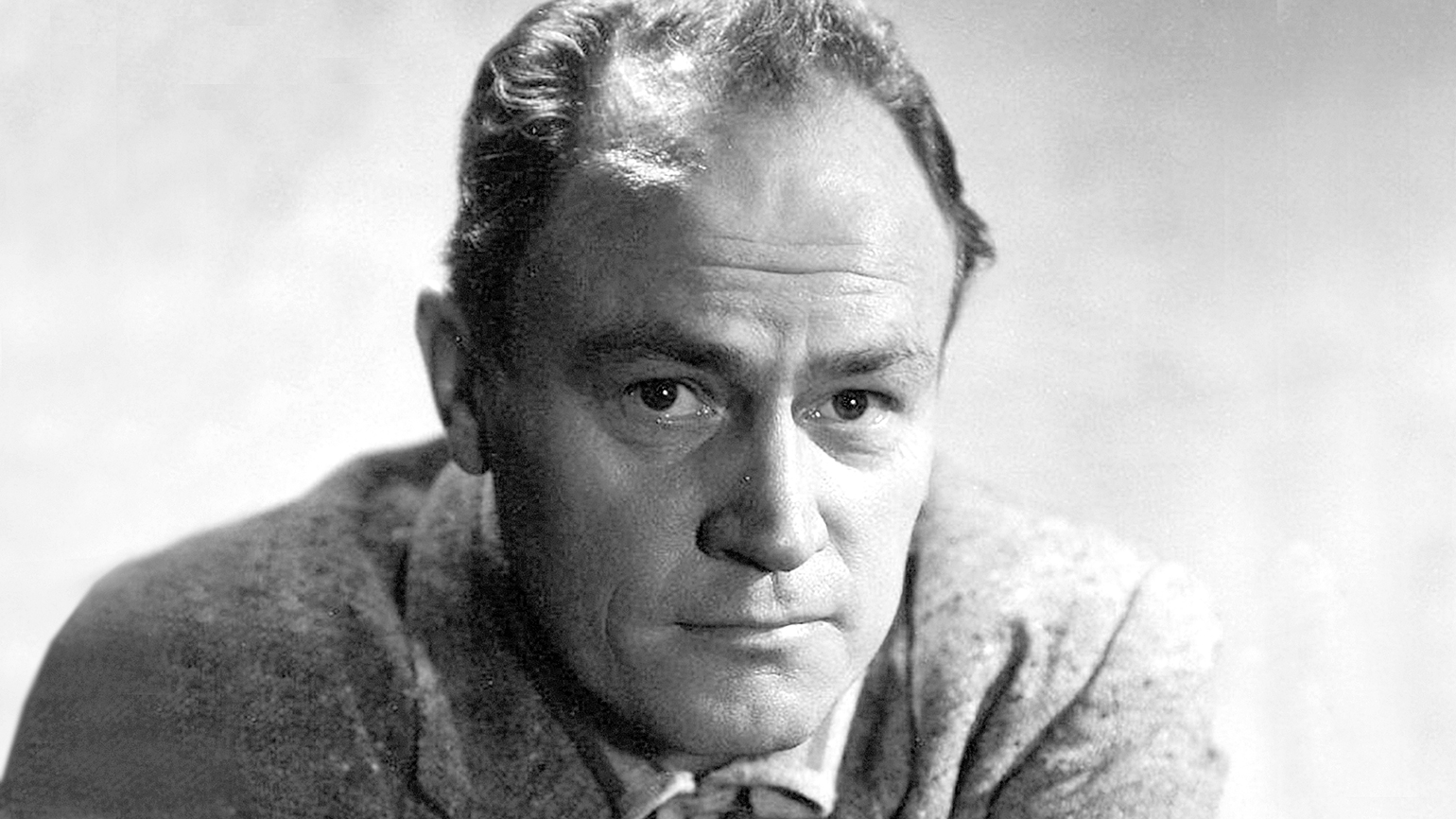
Guideposts Classics: Ernest Borgnine’s Inspiring Good Friday Vision

Back in 1975 I was offered a part in the film Jesus of Nazareth, which through the years has been shown at Easter time on NBC television.

Our cast, directed by the renowned Franco Zeffirelli, included Anne Bancroft as Mary Magdalene, and Olivia Hussey as Mary, mother of Jesus. I played the part of the centurion who was present at the crucifixion, the one whose servant had been healed by Jesus.

Much of the film was shot in Tunisia on the Mediterranean during January and February of 1976. A cold, damp wind continually knocked over floodlights and stung us with desert sand.

I was uncomfortable in my thick leather uniform. My neck ached under a ponderous metal helmet, and I even began to pity those ancient Roman soldiers who were called centurions because they commanded 100 men.

When it came time for my scene during the crucifixion, the weather was chill and gray. The camera was to be focused on me at the foot of the cross, and so it was not necessary for Robert Powell, the actor who portrayed Jesus, to be there.

Instead, Zeffirelli put a chalk mark on a piece of scenery beside the cameraman. “I want you to look up at that mark,” he told me, “as if you were looking at Jesus.”

“Okay,” I said, moving into position and looking up at the mark as instructed.

“Ready?”

I hesitated. Somehow I wasn’t ready. I was uneasy.

“Do you think it would be possible for somebody to read from the Bible the words Jesus said as He hung on the cross?” I asked.

I knew the words well from the days of my childhood in an Italian-American family in Connecticut, and I’d read them in preparation for the film. Even so, I wanted to hear them now.

“I will do it myself,” Zeffirelli said. He found a Bible, opened it to the book of Luke and signaled for the camera to start rolling.

As Zeffirelli began reading Christ’s words aloud, I stared up at that chalk mark, thinking what might have gone through the centurion’s mind.

That poor Man up there, I thought. I met Him when He healed my servant, who is like a son to me. Jesus says He is the Son of God, an unfortunate claim during these perilous times. But I know He is innocent of any crime.

“Father, forgive them; for they know not what they do.” The voice was Zeffirelli’s, but the words burned into me—the words of Jesus.

Forgive me, Father, for even being here, was the centurion’s prayer that formed in my thoughts. I am so ashamed, so ashamed.

“Verily I say unto thee, today shalt thou be with me in paradise,” said Jesus to the thief hanging next to Him.

If Jesus can forgive that criminal, then He will forgive me, I thought. I will lay down my sword and retire to my little farm outside of Rome.

Then it happened.

As I stared upward, instead of the chalk mark, I suddenly saw the face of Jesus Christ, lifelike and clear. It was not the features of Robert Powell I was used to seeing, but the most beautiful, gentle visage I have ever known.

Pain-seared, sweat-stained, with blood flowing down from thorns pressed deep, His face was still filled with compassion. He looked down at me through tragic, sorrowful eyes with an expression of love beyond description.

Then His cry rose against the desert wind. Not the voice of Zeffirelli, reading from the Bible, but the voice of Jesus Himself: “Father, into Thy hands I commend My spirit.”

In awe I watched Jesus’ head slump to one side. I knew He was dead. A terrible grief welled within me, and completely oblivious to the camera, I started sobbing uncontrollably.

“Cut!” yelled Zeffirelli. Olivia Hussey and Anne Bancroft were crying too. I wiped my eyes and looked up again to where I had seen Jesus—He was gone.

Whether I saw a vision of Jesus that windswept day or whether it was only something in my mind, I do not know. It doesn’t matter. For I do know that it was a profound spiritual experience and that I have not been quite the same person since.

I believe that I take my faith more seriously. I like to think that I’m more forgiving than I used to be. As that centurion learned 2,000 years ago, I too have found that you simply cannot come close to Jesus without being changed.

* * *

Faith and prayer have been a part of Ernest Borgnine’s life ever since he was a boy growing up in Connecticut.

His grandmother taught him a little prayer in Italian that began with the words Signore, ti ringrazio per il giorno che mi hai datto (Lord, I thank You for the day You have given me), which he repeated every morning and evening.

Prayer continued to be part of his life—during 10 years in the U.S. Navy (which included serving as a gunner’s mate in World War II), and in the postwar years as he labored in warehouses, attended acting school and appeared in plays and television dramas.

It was especially important to him during a lonely moment in 1951 when he was desperate for work. He’d heard that a film company was casting, so he showed up for a screen test.

But there were 40 people ahead of him, and so the casting director said, “Go and lose yourself for a couple of hours.”

With only 15 cents in his pocket, he walked down Fifth Avenue and came to St. Patrick’s Cathedral. He climbed the wide stone steps and sank down in a back pew. “Please, Father,” he prayed, “I need the work. If You can possibly help me, I would appreciate it very much.”

He got the part. It was Ernest Borgnine’s first movie, The Whistle at Eaton Falls. That launched him on a career that saw him play the part of villainous Fatso Judson in From Here to Eternity and the lovable hero in Marty, for which he won an Academy Award in 1956.

Borgnine has never forgotten the prayer his grandmother taught him. It has stayed with him. Over the years, he has added to it prayer for those close to him.

And today he continues to maintain the daily routine of morning and evening prayers from which he says he feels refreshed and derives a sense of inner peace.

For more inspiring stories, subscribe to Guideposts magazine.
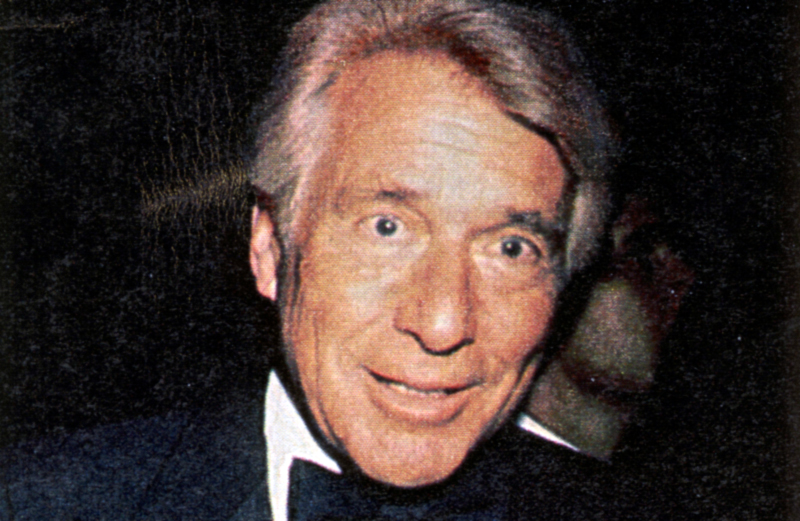
Guideposts Classics: E. G. Marshall on Reading the Bible

If I hadn’t been an actor, I might well have been a preacher. Growing up in Minnesota, I was a choirboy in our Episcopal church—and I loved it. I loved the music, the atmosphere, the liturgy—everything. I was so interested in the church that our pastor decided I belonged there and urged me to become a minister.

In less trying times I might have taken his advice. But in those days the dead hand of the Depression was heavy on the land. Divinity school meant more time and more expense and no guarantee of employment. Somebody offered me a job in a radio station, singing and playing the guitar—and that was my introduction to show business.

But I always had a desire to communicate with people more directly, and soon I found myself with a group of hungry but enthusiastic young Shakespearean actors touring the country under the auspices of the Federal Theater. Today’s youngsters think they invented long hair and patched clothing and communal living, but believe me, they didn’t.

We had to share everything. I remember one fellow in our company worked part-time and without pay in a grocery store, just so he could bring back semi-spoiled fruit and overripe tomatoes to the rest of us.

Our clothes were patched because otherwise we’d have been arrested. We couldn’t afford the wigs we needed for our Shakespearean roles, so we let our hair grow down to our shoulders. I can still hear the jeers and laughter that used to follow us down the street.

But a few hardships when you’re getting started are good for anyone. The years went by and the theater was kind to me, and then came television, where I’ve appeared in over 500 shows and hope to appear in 500 more.

So I never became a minister, but my early interest in religion laid the moral foundations of my life. I still think the solution to the world’s problems lies in Christ’s exhortation to all of us: “A new commandment I give unto you, that ye love one another.” —John 13:34

I still read the Bible, because reading it can bring solace or instruction or inspiration, or whatever wisdom you need at any given moment. I know that people don’t read the Bible as much as they used to, but it’s their loss. Let a young lover try reading the Song of Solomon aloud to his girl. Let a politician take time out to read the epistles of St. Paul. He’ll see what I mean.

So I read the Bible aloud to our three children—all of whom, incidentally, have Biblical names: Samuel, Sarah and Jedidiah, which means “beloved of the Lord.” I try to implant in them the concern for others that Christ was talking about when He gave us His new commandment. I try to teach them to live by the Golden Rule.

This, I must say, isn’t always so easy. I remember one time when two of them were squabbling about who should swing in a swing. Samuel had possession; Sarah wanted a turn. “Come on, now,” I said to Samuel, “remember the Golden Rule.”

“I am remembering it,” said Samuel happily. “If Sarah would just do unto me as she wants me to do unto her, she’d let me have the swing!” I still haven’t quite figured out the answer to that one!

Will this early religious training stay with my children? I think so. It stayed with me. Maybe it will reveal itself in different ways, but that’s all right. The basic principles won’t change.

The other day I was with some friends my own age who were complaining about today’s youngsters. They said they couldn’t understand their lifestyle and their attitudes. They said a lot of them would never amount to anything because they weren’t interested in making money or getting ahead.

But you know, I think perhaps these youngsters are wiser than we are. They’re convinced that learning to care about people is the best of all preparations for getting along in life (“a new commandment I give you”). They know that religion has the answers to the meaning of life where science and technology do not.

They’re not so much interested in controlling or dominating nature as in getting back into harmony with nature. They’re looking for Christ and trying to find His attributes—love, forgiveness, kindness, compassion, self-sacrifice—in themselves. They may not ever make much money, but they may be far richer than their critics will ever be.

Not long ago one of these young people said earnestly to me, “If God is good, then good is God—so when you struggle to increase the good and diminish the evil in the world, then you’re believing in God and working with Him no matter what your formal creed may be.” I told him that I thought so, too.

For four years, in The Defenders, I played the role of a lawyer, Lawrence Preston. Currently, in The Bold Ones, I am a doctor, David Craig. Someday I would like to find myself playing the part of a minister in a television series, a minister who becomes involved with these young people, who shares their lives and their problems and who, in the process, reaffirms and reestablishes his own relationship to God.

I don’t know whether I’ll ever find the writers or the producers to help me turn this dream into a reality. But I know that if I ever do, I’ll feel, somehow, as if I’ve come home.

For more inspiring stories, subscribe to Guideposts magazine.
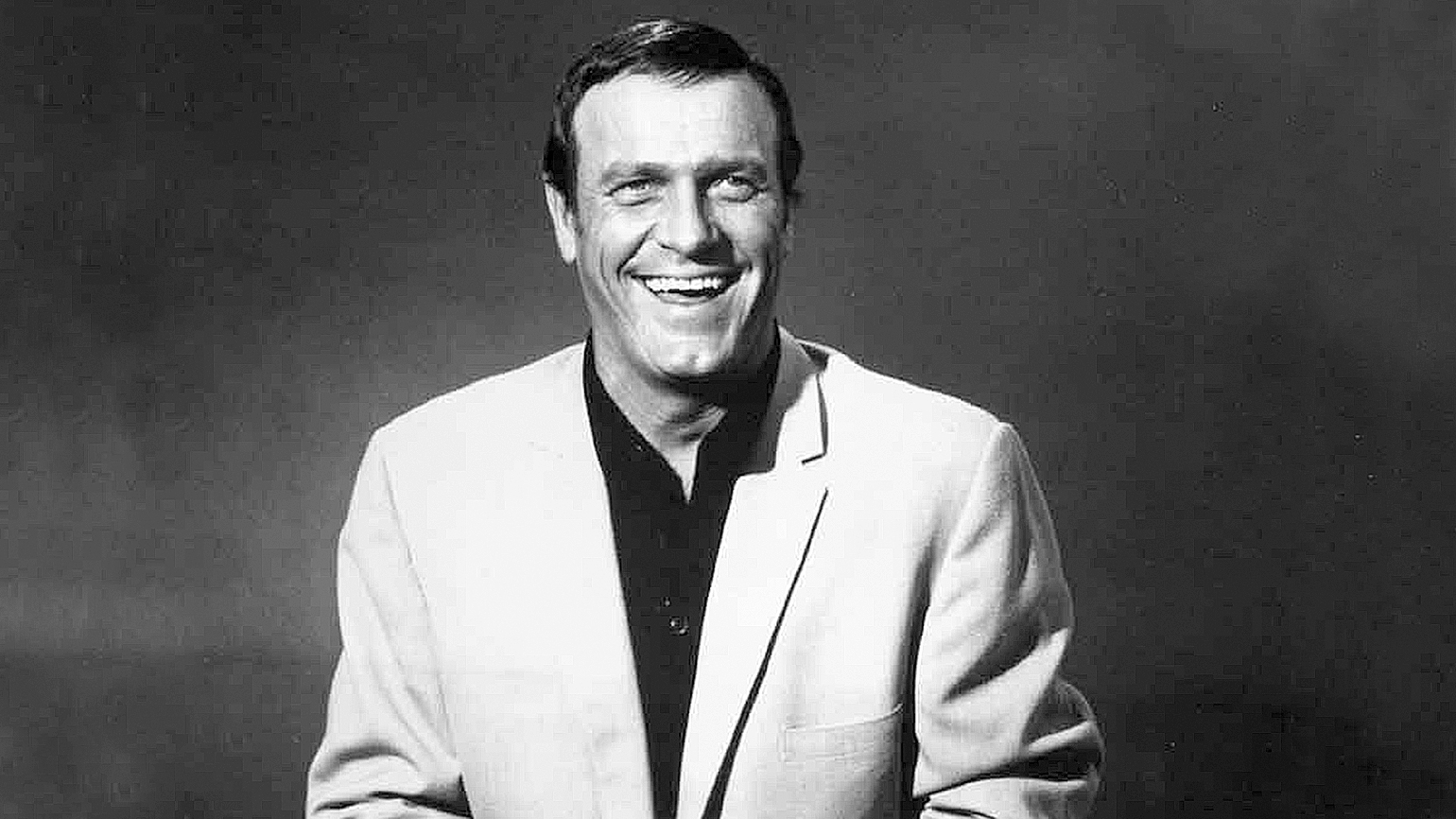
Guideposts Classics: Efrem Zimbalist Jr. on Asking for Help

Would you believe four flat tires on one car in one day? Well, listen to this.

Back in 1953 I was planning an easy little trip from my home in Connecticut to Pennsylvania. I had four brand new tires for my car. And that was no ordinary car–it was (and is ) the motorized love of my life.

It’s a 1934 Packard, a tan and chocolate brown beauty, with long sleek lines and highly finished grillwork up front. The top lets down, and there’s a sturdy running board on either side of the chassis, which rests on gleaming wire wheels. More about those wheels later.

Life was unsettled for me back at that particular time. Emily McNair, my first wife, had died of cancer. Emily and I had bought that Packard together. It had been an old wreck of a car sold to us by a New Englander with a thick Maine accent.

We had hired a mechanic to restore it, but Emily died before the car was finished. So there I was with our two small children, Nancy, 7, and Efrem III, 4. And the Packard.

I withdrew from acting for a while to give myself time to heal, and in the interim I began composing music.

I come from a musical family. Mother was a beautiful soprano known on the opera stage as Alma Gluck; and my father, a celebrated violinist and composer, was then director of the Curtis Institute of Music in Philadelphia.

Now my first work was going to be performed! It was definitely a thrill, the prospect of going down to Merion, on the Main Line outside of Philadelphia, to hear it presented,

I’d written a motet, a choral work sung without instrumental accompaniment. It was based on a sacred text, Psalm 150, an unusual sort of composition for me since I wasn’t all that religious. At the time, that is.

But I’d put my all into that piece, and it was one of the numbers to be performed on a Sunday afternoon program of religious music by a very distinguished group. My father would be in attendance, too.

The plan that Sunday was for me to drive down to New York, park the Packard, then continue by train to Philadelphia, where I would meet my father. Together we would make the short commute by train to Merion. But if I had known then what awaited me. I might never have ventured out that Sunday.

I drove a short distance down Route 202, following the Aspetuck River, then turned off onto Route 37 for a shortcut into New York. There were dark clouds overhead, but the day started off happily.

“Tah, dah, tah, tum, Praise ye the Lord … Praise Him with the timbrel and dance, dah, dab, dah, dah,” I sang, lustily, snatches of my choral work that soon would be magnified by many voices. “Oh, Prai-i-i-se Him upo-o-o-on–” POW! My left tire. My new left tire.

“What in the world?” I exclaimed. “I just bought those tires.” The flat had come just as I entered the small town of Sherman, Connecticut, and it posed an immediate dilemma for me.

There were two spares sitting grandly in the side-wells along the running boards, but they were there mostly for show. They were old and couldn’t be trusted. So I ran around trying to find a service station–one open on Sunday. The one I finally found had to call Litchfield, 22 miles away, and have a tire delivered.

Well, I figured, that’s okay. I’d allowed an extra hour and a half traveling time.

Annoyed over the delay but glad that I’d started out early, I drove the Packard back onto the highway. “That tire shouldn’t have blown. What bad luck,” I brooded. Soon, though, I was humming to myself and fantasizing about the reception I’d get for my motet.

“Praise Him with the sound of the trumpet: praise Him with the psaltery and harp …” HONK! HONK! Someone waved at the Packard. (The Packard always gets a lot of attention.)

The dark clouds had now opened up, and rain pelted down. Then I heard a second Pfffft, flop, flop. My right rear tire!

“This can’t be happening!” I said out loud. There I was, in the middle of a downpour on the Saw Mill River Parkway. Straining under the Packard’s weight, I began jacking up the car; but the jack broke and splattered me with mud. My temper smoldered.

With good leather shoes sinking in the ooze, I tromped off to find a farmhouse and a phone. A wary woman answered my knock. Through the cracked door, she stared suspiciously at my wet suit, the hair plastered to my forehead, the splotches of mud on my face and clothes.

“Strangers ain’t allowed here,” she said brusquely. Slam went the door. Click went the latch. Precious time was lost as I persuaded her through the door to call a service station to come and fix my flat. By this time my head start had eroded

The tire changed, I was back at the wheel, sitting damply on the leather seat, spinning down the Saw Mill, trying desperately to make up for lost time. And then, the third tire went. The Packard limped into a nearby service station.

Through clenched teeth, I called my father in Philadelphia and told him to go on to the concert without me, I would meet him as soon as I could get there. Dad tried to soothe me, but it was no use.

Back in the car, my blood pressure was boiling. My moment of triumph had been lost, all because of those miserable tires. I no longer puzzled over the oddity of their going flat. I was too infuriated.

And so, when the fourth one blew, I was a dangerous man. I banged shut the door of the Packard. Not even the rain could cool me off. And where was I this time? On the Henry Hudson Parkway. I could see the city, but I couldn’t get to it.

Cars whizzed past, barely missing the Packard, parked precariously on the shoulder just at the end of a curve. No one stopped to help; people only honked and yelled warnings and shook their fists.

But I was too angry to give up. I was going to complete this trip if it killed me! Then I heard it, a chug-chug-sputter-sputter, and a jalopy, driven by an old white-haired man, pulled up behind me. Off went the engine, and the man’s head slumped against the steering wheel.

Minutes passed, nothing happened. Still seething, I stomped over to the old car and asked gruffly through the window: “Hey, what are you doing here?”

When the old fellow looked up, I caught my breath. I hadn’t expected the serene, compassionate gaze that met my angry glare. His face was almost, well, beautiful; and although he must have been near 80, his eyes seemed ageless.

In a feeble voice, with frequent pauses, he explained, “I’m a little tired, and I thought I’d take a rest.”

“A rest!” I yelled. “On the Henry Hudson Parkway?” Could this man be pulling my leg? I wondered. I was beginning to think I was going gaga.

“And what are you doing here?” the old man asked in a singsong voice.

“I have a flat tire,” I snapped. “In fact, it’s my fourth flat tire of the day!”

No reply. Then, after a long wait, he said, “There’s a garage a mile and a half down, at the next exit. They’ll fix it.”

“Don’t you understand,” I fumed, “I have a flat. I can’t drive that far on the rim!” Why, I wondered, was I standing here in the rain talking to this old guy?

After another minute’s pause, he asked, “Then why don’t you fix it?”

I wanted to shake this man until his teeth rattled, I was so mad. “Because my jack broke!” I replied, exasperated by this slow-motion conversation.

Looking at my mud-spattered watch, I realized that the concert would be starting soon.

“I have a jack,” said the old man, and he handed me the keys to his trunk.

“Why didn’t you say so in the first place?” I said huffily, as I got the jack. As quickly as I could, I changed the tire, then returned the man’s jack and keys. Neither of us spoke.

I went back to the Packard, whacked on the hubcap. Then, feeling guilty about my rudeness, I turned back to thank the old gentleman. And I gasped! Jalopy and man had vanished. Without a sound. I remembered the sputtering of his engine when he pulled up behind me. There was no way to sneak off in that car.

I ran up the Parkway and looked into the distance, cars zooming and screeching around me. No trace of him. “I am losing my mind,” I said out loud.

Then I began to wonder. Was that man real or wasn’t he? The spare tire in place on the front of my car was proof that he’d lent me a jack. But he couldn’t have disappeared in those few seconds–20 at the most–while my back was turned. It was weird. I felt a shiver down my spine.

On the train ride down to Philadelphia, I continued to puzzle over the old man.

Of course, I thought, if it hadn’t been for him, I’d still be standing helplessly on the Parkway. But on the other hand, he wasn’t all that helpful. He didn’t do anything, in fact, until I told him point-blank what I needed. And yet, he gave it–a jack, that’s all I needed And then he disappeared. Just who was he?

All those flats, I later found out, occurred because the mechanic failed to put on the boots with the Packard’s new tires. The boots would have protected the tires from the Packard’s spoked wheels.

But, you know, I never forgot that old man, and years later, when I drew closer to God, I felt–and I believe now–that that old man was sent to help me. As exasperating as he was, he gave me the help I needed. But he made me ask for it.

“Ask, and it shall be given you; seek, and ye shall find…” (Matthew 7:7)

But wait, there’s more to the story of that day. I walked into the concert in Merion, two hours late, just as the choral group burst into “Praise ye the Lord … Praise Him for His mighty acts …” The 150th Psalm–my motet! Knowing I was delayed, the conductor pushed it back on the program until he felt he could not hold off any longer; and at that moment, I pushed wearily through the doors.

I sat there, muddy and wet, and listened humbly, as the choir’s voice swelled at the end: “Let everything that hath breath praise the Lord. Praise ye the Lord.”

Read more Guideposts Classics!

Guideposts Classics: Eddy Arnold on the Value of Aiming High

When I was a kid growing up in the hills of Tennessee, we farmed 200 acres with mules, and the most headstrong, stubborn, cantankerous one of them all was old Tobe. On Sundays, the animals’ day of rest was well as ours, Tobe had to stay in the barn while the other mules were turned out to pasture, or else he’d jump the fence and run off.

When anyone asked Dad why he put up with him, his answer was always the same. “Behind the plow,” he’d say, “Tobe comes up to standards.”

That was Dad’s philosophy in a nutshell. He wasn’t bothered by surface differences and idiosyncrasies in people or mules. Standards, that’s what he cared about.

Dad died when I was 11, and we had to sell the farm, staying on as sharecroppers. Those were hard years, but Mother’s smile and her indomitable faith never wavered. She gave me my first music lesson, teaching me how to pick out Sweet Bunch of Daisies on a borrowed guitar. Before long I was performing at most every picnic or church supper around. Our hill-country neighbors liked my songs so well I decided I would make a career of singing.

At 17 I left home for the radio station in Jackson, 18 miles away—and discovered how awful I really was. I didn’t come up to even minimum musical standards, but I made up my mind I would practice until I did. In order to eat, I took a job driving a hearse for a funeral home. I was given a room and 25 cents a run, and the rest of the time I could practice my music. Occasionally I’d make a dollar playing at a square dance.

After Jackson came Memphis, St. Louis, Louisville; but the type of taverns and clubs and dives which booked me were wrong for my kind of singing. The clientele was usually loud and bawdy, interested in off-color lyrics, while I specialized in country ballads. I’ll never forget the night a drunk dumped a stein of beer into my new guitar because I wouldn’t play his favorite barroom song.

But you see, I couldn’t play that kind of music because of those standards. And finally when I was good enough some of the right folks took notice and I began playing for audiences who liked what I had to give.

By now, though, my wife, Sally, and I had two kids and I worried about being away from home so much. I knew what a family is without a dad, and so when Jo-Ann and Dick reached their early teens, I quit the circuit to spend more time with them—and entered the most frustrating few years of my life. We couldn’t seem to see eye to eye on anything—clothing, hair, school work, hours, duties around the house. The more I cracked down, the more mulish they became.

And that’s when I got thinking about old Tobe. He was an aggravating critter all right, headstrong and self-willed, ill-disposed to restraint. But out in the field, where it mattered, Tobe came up to standards.

And so I stopped preaching and started doing some listening—and made a discovery about my kids and a lot of others today. Externally their life style may be different from my generation’s. But where standards are concerned—for things like honesty, perseverance, courage to stand up for what they believe is right—they often do better at reaching them than some of us.

Not long ago I saw an example of this. My son Dick told me he was going to apply for a job in the news department of a TV station. “That’s great, Dick,” I said. “I know the general manager. I’llgo down and put in a good word.”

He frowned. “I’d rather go alone,” he said. “If I’m not good enough yet to do the job, I shouldn’t get it.”

At first I was a little hurt. Then I realized what he was saying. He wanted to be up to standards. I felt as proud of him that minute as when he came home shouting, “Dad, I got the job!”

For more inspiring stories, subscribe to Guideposts magazine.
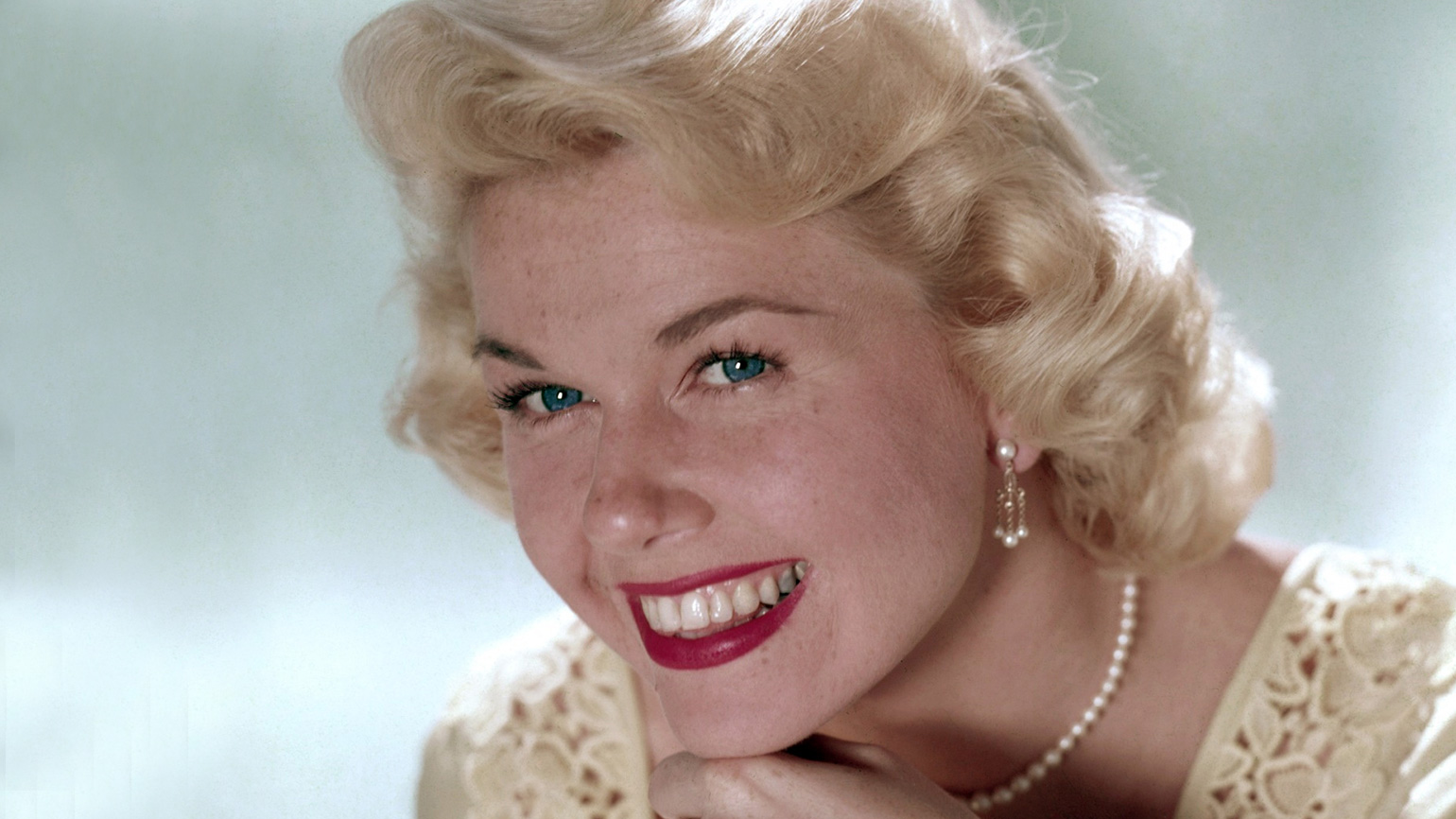
Guideposts Classics: Doris Day Finds Harmony in Faith

About eight years ago, just before I became Mrs. Martin Melcher, a man I once knew well, phoned and asked to see me. I hadn’t seen John in a long time, and didn’t want to now.

When Marty said I ought to, I argued back: “But he always works so hard at being a character; he’s in the hell of constant failure and he drinks too much.”

“All the more reason why you should see him,” Marty reproached.

I did. It was the best thing that ever happened to me.

John always had been tense, mixed up, going nowhere, and in a hurry to get there. But now he was calm and sure. He’d stopped drinking. There was a strange, new peace in him.

“Say, you’re different,” I finally said. “What’s happened to you?”

“I’ve discovered that none of us can do anything alone,” he said.

At first I didn’t get it. “Who’s the fellow who helped?”

“God,” he said simply.

I stared at him, and then begged: “Tell me. I need the same thing.”

It seemed that one night he knew he had reached the end of his road, the road he’d been on. He was friendless, terribly alone, and empty with the thought that the next day, like all his tomorrows, held only the anguish of bitterness, of more whiskey. He searched his mind for someone to turn to, something.

He opened the window and looked out at the night, and tried to reach out for its quietness, its harmony. And from somewhere in a dim, forgotten corner of his heart, he remembered a similar night as a boy, when he and his father had tried to touch the night, and he heard the echo of his father’s voice:

“There’s quiet and harmony out there; without them, we’re nothing.”

John closed the window and went out to find it. He started by walking the streets, repeating to himself all the disharmony in him, then muttering little supplications that it might end. With the dawn he went into a church and prayed.

“In finding a faith in God I found myself, new friends, a new life. I’ve just started living. I wasn’t before.”

What John said held me from then on, without letting me go. I tried to figure it out. John might still have been called a “failure.” But was I a success? Seemed I had everything—including a lot of fears I couldn’t put my finger on. Everything but peace. John had that. Why couldn’t I?

“You’ve been searching a long time for the same kind of peace I found,” he had said, “only you don’t know it. That’s why I wanted to see you.”

Those fears in me? Where did they come from? Not from my childhood. Those were sunny days back in Cincinnati when I was Doris von Kappelhoff. I loved to sing and dance. Oh, I knew I’d be in Hollywood one day—as a dancer.

When I was 14 three friends and I drove over to pick up my mother at a party. None of us saw the train that hit us and sheared off the whole front of our car. When I crawled out I tried to stand up, but one leg dangled, and I asked myself:

“How can I dance with this?”

Then I fainted.

One boy was unhurt, the other had a broken leg, and the girl had a concussion. But we were all alive. I was in the hospital for over a year. Dancing was out. So I learned to sing.

I got my first singing job while still on crutches. Then I began leading the punishing life of a singer with touring bands … those long, lonely, one-night stands.

I married a musician and had a son, Terry, when I was 18. We tried keeping him with us on our tours but it didn’t work. Marriage didn’t work either. That’s probably where my confusion started. I don’t know.

Out on the West Coast, feeling completely crushed, I was asked to test for movies.

“Stop kidding,” I said. “Me? Dramatics? The only part I ever played was a duck in a Mother Goose play in school.”

But they first asked me to sing a song. While singing, all my troubles crowded in on me and I began to cry and couldn’t stop.

“Fine,” they said. “We’ll test her.”

Well, after a number of movies, there I was in 1948 with all that a successful movie career meant, and floundering—until I met Marty Melcher. He was the head of the agency that represented me.

He seemed matter-of-fact, calm, secure. Actually he was muddled too. He was an expert at handling my business affairs, but was unhappy with his own. And he had these inside fears too.

I came back from meeting John and told Marty all about it. I think I was not very clear, but the wonderful thing was that Marty understood. Probably because we both needed what John had.

So what we were both searching for alone we began to search for together. When we were married, Marty adopted Terry legally. That’s when I think I became a mother, a wife, and a grown-up girl for the first time.

We joined a church and began attending regularly. Together we discovered a harmony and a sense of peace we didn’t know before. Then we tried to apply what we found to our daily lives.

For instance, we taught ourselves not to think of yesterday or tomorrow. So we never have any regrets or expectations. We just believe in “nowness,” of what we can do best today.

It was no great, blinding flash of light. We muddled it through, slowly, sometimes painfully.

One of the first constructive results of our beliefs was that Marty dissolved his partnership and went out on his own.

His contention was that lack of harmony in business could lead to lack of principle, and if you’re really principled in your faith, you can’t be without it in your business relationships, or any relationship for that matter.

Our new-found faith also taught us that whatever we do individually should in some way benefit someone else. Harmony is not a solo. So we try never to quarrel with directors, writers, a contract, or with any role I am assigned.

We want the same feelings inside our home as we do out of it. Our housekeeper had a cold recently. A small thing, you say, but it strikes a discordant note. So it becomes our concern beyond just feeling sorry for her.

The lack of harmony in anyone around us diminishes ours; when it’s missing it can lead to anxiety and anguish.

When Terry wanted a learner’s permit to drive, we felt he wasn’t ready for it. We reasoned it out, not by scorn, or by shouting orders, but by the love in our thinking. That’s harmony.

Both my men are big. Terry is getting pretty tall now and recently, I watched them wrestling. Holding my breath, feeling fearful but wonderful too, I heard Marty beg Terry: “Kid, this is one of the last times I’ll be able to floor you. Let me.” Terry let him. Both my men are kind of special.

Marty and I are both pretty strong-minded. There are differences between us. Bound to be. But when we clash our faith helps. Helps? Faith is the only way a marriage really sticks. Everything else in it depends on what you believe.

Marty used to be sensitive about being the husband of a Hollywood actress. Well, we’d argue, starting with something about a script, or food, or clothes, but ending on the same note. Who’s the boss? Pointless.

The argument would end quickly when we reminded each other there was only one real Boss. One mind—God’s mind.

The biggest argument we ever had was when Marty and I got into our first independent production, a movie called Julie. Up to then, he was my husband and manager, and I’d come home nights and tell him all my troubles.

But with Julie I came home to a producer, a worried producer who was way behind schedule, and I suppose I was as much to blame for that as anyone. I’d get home at night and we’d argue.

It got worse and worse. He was too kind to tell me that as a producer he couldn’t cater to a “star.” Not with so many others involved. There just wasn’t any peace then, on the set or at home.

One night the argument really reached the boiling point. We both knew if we went one hair-step further we’d even threaten our respect for each other.

“Marty,” I said, unable to say what I wanted to.

“Yes,” he said. “We’re forgetting.”

In forgetting harmony we were losing the only real way to communicate with each other. But soon we were able to do so by putting God between us, and using His love.

No one can fight that. Try it. It makes your heart sing.

For more inspiring stories, subscribe to Guideposts magazine.
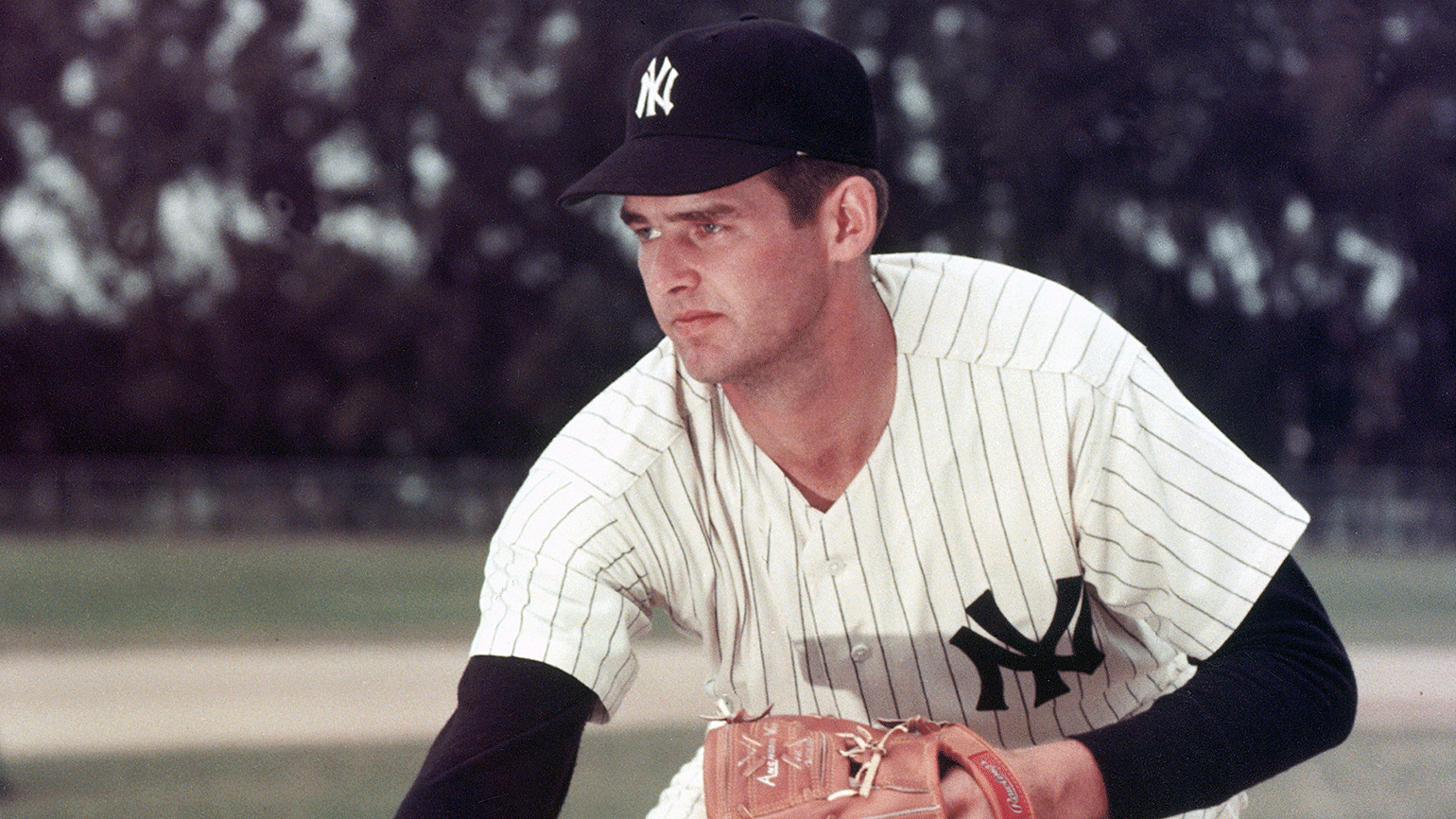
Guideposts Classics: Don Larsen on His Baseball Miracle

On October 8, 1956, I pitched the most famous game in baseball—a perfect game against the Brooklyn Dodgers in Game 5 of the World Series.

Twenty-seven batters up, twenty-seven down, the only perfect game in Series history.

What few people realize is, just my pitching that game was a miracle.

Five days earlier I had started Game 2 of the World Series and gotten pounded. My New York Yankees teammates had staked me to a 6-0 lead, and in less than two innings I squandered most of it. I thought Yankees manager Casey Stengel would never trust me with the ball again.

It was my turn to pitch, but I was so certain he’d go with someone else that I didn’t even prepare like I normally did. I could hardly believe it when I entered the clubhouse and saw a crisp, clean baseball sitting in a baseball shoe in my locker. That was Stengel’s way of letting me know I’d be pitching after all.

Right from the start, I knew this game was going to be special. That day I had the kind of control pitchers dream about, better than I’d ever had before. Catcher Yogi Berra would signal for a fastball low on the outside corner, and I’d put it right on the mark, like I was handing him the ball.

I still can’t explain it. It was just one of those days. I believe everyone is entitled to a good day, and the Man Upstairs decided this was mine.

For most of the game, I wasn’t even thinking of throwing a no-hitter. I was just trying to win. Sal Maglie, the Dodgers pitcher, was throwing almost as well as me. He didn’t allow a hit till the fourth inning, when Mickey Mantle clubbed a solo home run. We scored just once more.

Three times my no-hitter almost slipped away. In the second inning, Jackie Robinson hit a liner that ricocheted off third baseman Andy Carey’s glove directly to shortstop Gil McDougald, who threw Robinson out at first base.

In the fifth inning Gil Hodges lashed a ball to the left-centerfield gap. Mantle sprinted after the ball. I held my breath. He made a great backhanded catch. Saved me again, I thought. Three innings later Dodgers leftfielder Sandy Amoros drove a ball out of the park—just foul.

The first time I allowed myself to think about a no-hitter was the seventh inning, as I walked off the field after retiring the side. Mantle jogged past me. “Hey, Mick,” I said, turning to the scoreboard. “Wouldn’t it be something if I could do it?” Mantle didn’t say a word.

Mantle’s reaction wasn’t surprising. Ballplayers are superstitious, especially about no-hitters. Nobody wants to cast a jinx. I took my seat in the dugout. No one would sit near me. No one said a word. It made me so nervous I walked to the tunnel leading from the dugout to the clubhouse and had a smoke, hoping it would calm me. It didn’t.

By the ninth inning, the tension was almost too much. I got the Dodgers’ first batter, Carl Furillo, to fly out to left. The next batter, Roy Campanella, grounded out to second.

I took a deep breath. One out to go. Pinch hitter Dale Mitchell stepped to the plate. Mitchell, a good hitter, rarely struck out. Trying to gather myself, I turned and stared out at centerfield. Oh Lord, get me through one more, I prayed.

My first pitch to Mitchell was a fastball. Low. Ball one. I fired two strikes, then another ball. Mitchell fouled off the next pitch. With the count 2-2, Yogi signaled for another fastball. I threw it high in the strike zone. Mitchell took a half swing—and the ump called him out.

I remember thinking, Thanks, Lord, you got me through it. Then Yogi raced from behind the plate and jumped in my arms. My mind went blank after that.

At that point I didn’t realize I’d thrown a perfect game. In the clubhouse afterward, a reporter approached Stengel. “Is that the best game Larsen has pitched?” he asked. “So far,” Casey answered.

I never had that kind of magical game again. But those nine innings changed my life. It gave me my identity. Not a day goes by that I don’t wonder, Why me? because in my career I lost more major league games than I won.

But over the years, this is what I’ve come to believe: If you try your hardest, if you never give up, if you live an honorable and humble life, sometimes the Lord lets you exceed your wildest dreams.

For more inspiring stories, subscribe to Guideposts magazine.

Guideposts Classics: Dolly Parton on Happiness

I hear it from folks all the time: “Gosh, Dolly, you seem so happy!” Well, my smile’s pretty hard to miss, considering I’m a gal who likes her lipstick—the redder, the better. Take it from me, though, the fancy makeup is just highlighting what’s for real. And that’s true happiness, the kind that comes from the inside.

Lately I’ve been giving it some thought and I’ve come up with five things that make mine a happy life. Five things that make just about anyone’s life joyous. Yours too, I bet.

1. I love my friends and family.
I grew up poor, so poor my daddy paid the doctor who delivered me with a sack of cornmeal. Yet my family was rich in so many ways too. Each and every one of us 12 kids knew we were precious in the sight of God and cherished by our mother and father.

Maybe you’ve heard my song “Coat of Many Colors,” about a girl who wears her coat of rags proudly. That came right out of my childhood in the Smoky Mountains in Tennessee. Someone gave us a box of rags, and Mama sewed them together to make a coat for me. The kids at school teased me, but I knew Mama put her love into every stitch. I felt proud to have that coat, and blessed.

Blessed as I felt the day I met Judy Ogle in third grade. My family had just moved to Caton’s Chapel from another town in the Smoky Mountains. I walked into school, the new girl, too shy to make a peep. Until I noticed someone else quietly looking on. A girl with bright green eyes and a copper-colored ponytail. Something told me to go over and say hi.

Almost 50 years later, Judy and I haven’t stopped talking. (Just ask my husband, Carl, who’s always shaking his head at how we tie up the phone line.) If I get an idea for a tune while I’m picking at a guitar, Judy’s there to write everything down before it goes out of my head. Whenever I need a dose of country air, Judy’s there to drive out to the mountains with me.

At the heart of every close friendship I have, there’s what I discovered with Judy back in third grade—the magic of having someone in your life who understands where you’re coming from and where you’re going, who just knows.

2. I love what I do.
My daddy likes to say I was singing before I could talk. That might be a bit of a tall tale, but I can barely remember a time I wasn’t making music. At age six, I was shaking the rafters at church. But our little country church could only fit so many people, and Sunday only came once a week.

Mama said God had put his hand on me and given me my voice, so I decided he must have bigger plans for me.

Boy, did I want to be ready for them. I took up guitar at age seven, making my first instrument out of an old mandolin and two bass strings. I put on concerts right on our porch. To look the part of a glamorous singer, I used Mercurochrome for lipstick, crushed pokeberries for rouge and a burnt match for mascara.

I’d collect my brothers and sisters who were too young to run away, sit them down in the dirt, then get up on the porch and belt out songs into a tin can on a stick like I was at the Grand Ole Opry. If I couldn’t round up any of my brothers and sisters, there were always the pigs and chickens to serenade.

READ MORE: 6 DOLLY PARTON RECIPES WE LOVE

I landed my first professional gig on the Cas Walker Radio Show in Knoxville (I’ll tell you all about it later). I was 10. I’ve been making a living doing what I love ever since. Is it any wonder that I feel incredibly fortunate? Not to mention grateful.

3. I love to laugh.
People often compliment my voice, my songwriting, my business acumen, and yes, my distinctive fashion sense. But I’ve always felt that my greatest gift is my positive attitude and sense of humor (they go together like biscuits and gravy). It’s like the Bible says, “A merry heart doeth good like medicine.”

These past 38 years with Carl have been one fun ride. He should hire himself out as a professional practical joker. I never know what he’s going to pull next, but I do know it’s going to leave me laughing.

I remember one concert in Louisville, Kentucky. My backup singers sounded kind of off. I glanced over my shoulder to see what was the matter. There was Carl at one of the microphones! And he had the audacity to wink at me. I decided to do him one better.

I sauntered over to a policeman working security. “That man back there in the white shirt isn’t part of our group,” I told him. The cops hauled Carl away. It was all I could do not to crack up. (Don’t worry, someone from our crew let the officers know who Carl was before they got too far.)

Having a live-in personal humor trainer like Carl is a big help. There are things I do on my own too, to keep my attitude in shape. I close my eyes and picture angels surrounding me. I tell them whatever’s troubling me, then I envision them trampling those burdens to powder.

If my attitude needs more adjusting, I visualize God holding me upside down and shaking all the negative stuff—fears, doubts, insecurities—right out of me. Try it. Ask God to turn you upside down! It’s a surefire pick-me-up.

4. I love to pray.
Getting up close and personal with God is something I learned in his house. Not the way you’d expect, though. I used to explore the old church my town, Caton’s Chapel, was named after. It was a ruin—shattered windows, buckled floor, graffiti-splattered walls. Saturday nights teenagers partied there.

Mama was aware of the not-so-wholesome goings-on and warned us to steer clear of the place. But for some reason I was drawn to it, during daylight hours anyway. I’d hunt for doodlebugs in the cool earth under the floorboards, daydream at the broken piano in the corner.

And I’d pray. I would tell God how I wanted to see the world that lay beyond the Smoky Mountains. To make it as a country music star and have a whole building full of folks to sing to. To do Mama and Daddy proud.

Was God listening? I couldn’t quite tell. Then one day I was sitting in a pew, talking to him, when suddenly, something changed in the very air around me. Something changed inside me too. I felt like I would bust with happiness.

READ MORE: DOLLY PARTON’S DREAMS

God was right there with me. I was absolutely sure. I didn’t have to jump up and down or shout or even sing to get his attention. I could just whisper. He heard every word.

Something I would have done well to remember in the early 1980s, when I was going through the darkest time. Not that I had any real reason to be unhappy. I had a strong marriage, tons of family and friends, a well-established career. But a movie I’d made hadn’t turned out well. I had some serious medical issues.

Judy was going through a crisis of her own, so I couldn’t lean on her like usual. And poor Carl was so worried about my health I didn’t want to put any more on him. For the first time in my life, I felt all alone. Like no one was listening, not even God.

It was more an act of desperation than inspiration, but I grabbed for the only lifeline I could think of. The Bible. I sat down and read it cover to cover, a little every day. Pretty soon verses jumped out at me. Like that line in I Thessalonians that always had me stumped: “Pray without ceasing.” How on earth was anyone going to do that?

Coming out of that dark time, that’s when I finally got what those words meant. No matter where I go or what I’m doing, a part of me is talking to God. And a part of God is listening.

5. I love you.
I believe God put the dream in my heart to become a country music performer so I could share the love he poured into my life with as many people as possible. I know you might think, That’s just Dolly being outrageous again, but why else would God have let me discover what I did the first time I sang in front of an audience?

READ MORE: CHRISTMAS WITH DOLLY PARTON

This gets back to that first gig I mentioned. I landed it thanks to my uncle, Bill Owens. I was 10, and he took me to Knoxville to meet Cas Walker, the host of a live music radio show. Cas said hello and stared down at me like he expected me to say something back. Well, I did. I said, “Mr. Walker, I want to work for you.”

He shook my hand and said, “You’re hired. A lot of people come to me and say, ‘Mr. Walker, I want a job,’ but you’re the first one that ever said, ‘I want to work.’”

The show was recorded in an auditorium that seated maybe 60 people. I walked up to the microphone and looked out at the audience. All those strangers! Whoa, this was a whole lot different from getting up in front of the pigs and chickens on our farm. The first notes were kinda squeaky. Pretty soon, though, the sheer joy of singing took over.

I finished with a flourish. Everyone clapped and stomped their feet. They wanted an encore, but I didn’t have one. I looked over at Uncle Bill, and he mouthed, “Sing it again.” So I did—and they cheered all over again, even louder. I never knew I could feel so close, so connected, to a bunch of strangers.

That was the moment I fell in love with the people I sing for. With you. I’ve loved y’all ever since.

I am a happy person. That is my greatest blessing. It can be yours too. Think about it. Friends and family, work, laughter, prayer, love. They add up to joy. For you, for me, for anyone.

READ MORE: DOLLY PARTON SHARES THE STORY BEHIND ‘MARY, DID YOU KNOW?’

For more inspiring stories, subscribe to Guideposts magazine.
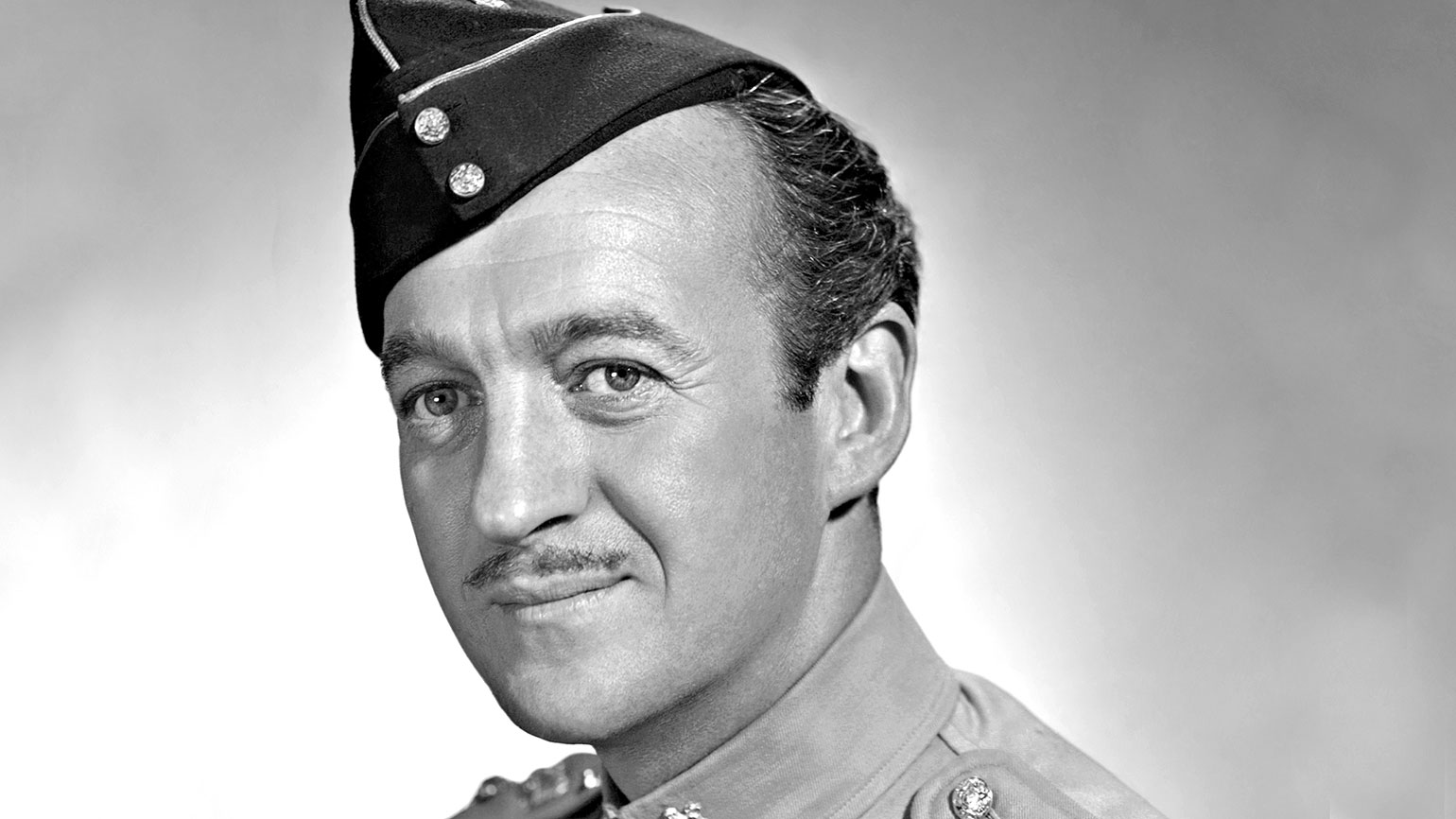
Guideposts Classics: David Niven’s Christmas Prayer

It took place on Christmas Eve 1939. I had just arrived in England from Hollywood to volunteer for the British Army. Having had some previous military experience, I was commissioned a second lieutenant and given command of a platoon.

We were about to be sent to France and no one was very happy about it. Most of the men had been conscripted from good civilian jobs; this was the “phony war” period before the big German attack of the following spring and it all seemed a big waste of time to most of them.

Being commanded by a Hollywood actor was an additional irritant for them and made the whole thing seem even more ridiculous. The men were not mutinous—but they were certainly 40 of the least well-disposed characters I ever have been associated with, let alone been in command of.

We were not permitted liberty on that Christmas Eve because we were due to leave England and our families the next day—a fine prospect for the holidays. The entire platoon was billeted in the shabby stables of a farm near Dover.

I could sense the hostility in every soldier. The air was thick with sarcastic cracks about my bravery in various motion pictures.

It so happens that every night of my life I have knelt down by my bed and said a simple prayer. But that night I was faced with a difficult decision. If I suddenly knelt in prayer, here in front of these men, it occurred to me that 40 tough soldiers would take it as a final evidence of Hollywood flamboyance.

On the other hand, I have always felt it wrong to avoid saying my prayers because the situation was not convenient. Besides, here it was the eve of Christ’s birth.

Finally I summoned up my courage and knelt by my bunk. As I prayed there was some snickering at first, but it soon died away.

When I finished and lay down on the straw, I looked rather sheepishly around the stable and saw at least a dozen soldiers kneeling quietly and praying in their own way.

It was not the first time God had entered a stable—and touched the hearts of men.

For more inspiring stories, subscribe to Guideposts magazine.
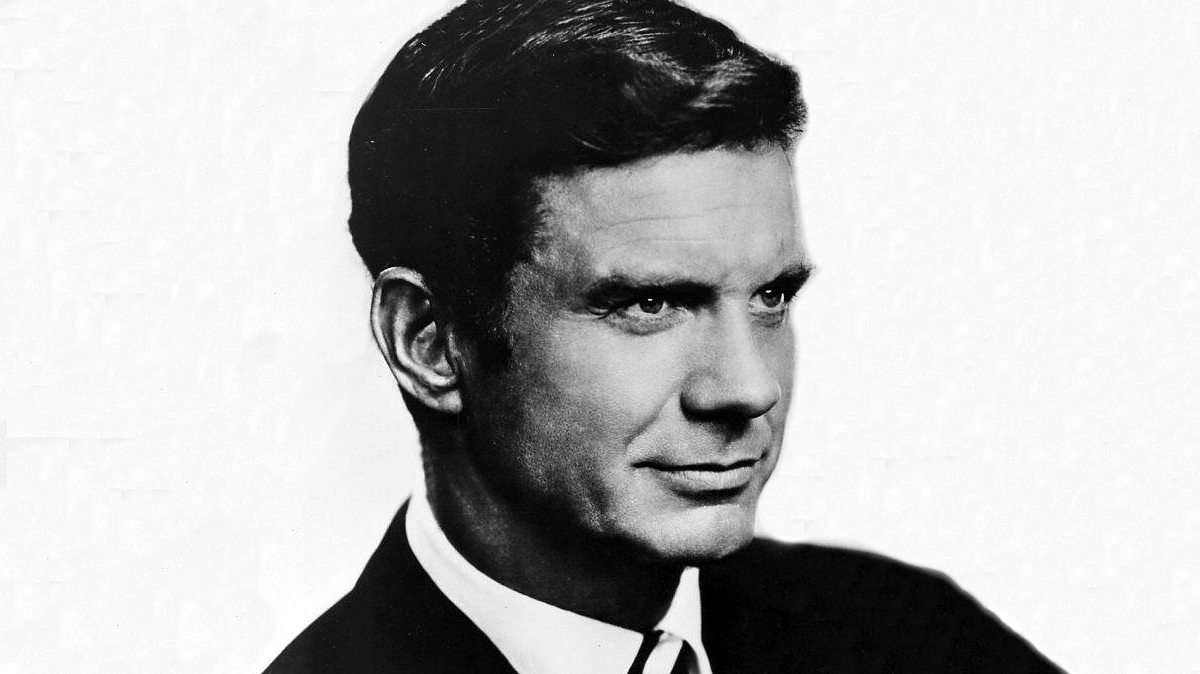
Guideposts Classics: Cliff Robertson on Perseverance

Back in 1960, a role that I played in the television drama, The Two Worlds of Charly Gordon, began an unusual chain of events that has affected my life to this day.

The script was based on Daniel Keyes’ short story—and, later, novel—Flowers for Algernon, the fictional story of Charly Gordon, a mentally retarded man who undergoes brain surgery and blossoms into a genius only to learn that he is doomed to slip back into his former retarded state.

To prepare for the part of Charly I wanted to learn firsthand about retarded people, to try if possible to put myself into their shoes. Actually I wasn’t very eager about the prospect. I’d always thought of the retarded as rather scary people to be around. They made me feel uneasy.

A friend directed me to what is called a “sheltered workshop” in lower Manhattan, one of a number of centers where retarded adults like Charly Gordon perform useful work for pay. Carefully supervised, the workers usually do simple, repetitive tasks such as assembling shopping bags, filling containers, stamping envelopes.

READ MORE: ROBERT DUVALL ON FAITH AND INSPIRATION

“You’ll be surprised how well they do,” said my friend.

Even so, on my first visit to the workshop, I was a very skeptical and wary man. 1 went into a big workroom where several dozen men and women were sitting at their stations, some of them folding boxes, some simply staring into space. There was a certain amount of muffled giggling, a shuffling of feet, and the odd slurring sound people make when they cannot form their words.

I watched for a while, chatting with the supervisor, all the time feeling odd and out of place myself.

However, I began to learn from her that there are many different types of mental retardation. There are those people suffering from Down’s syndrome, caused by a genetic disorder, others whose problems stem from a disease affecting them prenatally, and some who are brain damaged at birth. Their IQs vary in a fairly broad range.

Pointing across the room, she added, “Now that man in the corner is one of our brighter workers.” For some time I had been noticing this man stuffing envelopes with furious energy. He was about my size and age, and there was something about his clear blue eyes that I liked. I decided to take the plunge.

“Would you introduce us?” I asked the supervisor.

And that’s how Johnny Doherty came into my life.

“This is Mr. Robertson, Johnny,” said the supervisor. For a moment Johnny Doherty didn’t see my outstretched hand. Then, when he did, he grabbed for it vigorously.

“Oh…uh…uh…glad to know you, Mr. Robinson.”

“Just call me Cliff,” I said.

“Okay, Mr. Robinson.”

I smiled.

The two of us began to talk. Johnny’s speech was somewhat slurred and he often strained at his words, giving undue emphasis to some, skipping over others. To my surprise, we actually carried on a conversation.

Johnny told me about the room he lived in on Staten Island, that he kept it clean and neat all by himself, that he loved Sundays when his cousin took him for drives in Central Park and visits to the zoo. He loved the seals.

At closing time, I asked Johnny if I could walk with him to the subway. I could tell that this pleased him. As we picked our way along the broken sidewalks, he proudly told me about the job he had recently been given. His cousin had found him work as a messenger.

“I know…I can do it…Mr. Robinson,” he said. “Lots of people…tol’ my cousin he was crazy, but Jack…he’s my cousin…he knows I can do it.”

“And so do I,” I said, and when I left Johnny at his subway station, I told him that I’d like to come see him again.

“When?” he shot at me, pinning me down.

“Sometime when I can accompany you on your job.”

Johnny smiled, and thrust out his hand, “Good-bye, Mr. Robinson.”

READ MORE: ED ASNER ON A LIFE-CHANGING ROLE

The strange thing about it was that I was looking forward to seeing him again.

Shortly after that, I started joining Johnny on his rounds from time to time. He liked working. He liked the adventure of subways and buses, and he was proud and careful of his responsibility for getting letters and packages delivered safely and speedily.

On our first day together we hadn’t been out on the street very long when Johnny stopped and began puzzling over the envelope in his hand. He was confused by the address. “Here, let me help you;’ I said, but he shook his head. We went to the address on the envelope, but Johnny was correct, it was wrong.

Again I offered to help, but again Johnny declined. “This is my job, Mr. Robinson,” he said earnestly, “and I got to get it done right.”

His second try was an office up a long flight of stairs where the receptionist looked at the envelope and impatiently thrust it back at him. Once more Johnny furrowed his brow and examined the envelope closely. “Maybe the person who wrote this meant two-six-nine instead of two-five-nine” he said.

I watched him, admiring his doggedness in seeing his job through. I thought of the many so-called “normal” people who, by now, would have given up. But not Johnny Doherty.

On the third try, he successfully delivered the letter. It was two-six-nine.

Johnny didn’t like people staring at him. it bothered him. Sometimes, if we were riding on a bus and somebody began looking at him as if he were a freak, Johnny would suddenly get up and move to another seat. But what people said about him in his hearing was another story.

One afternoon I waited in the background while Johnny placed a package on the counter of a small office on Bleecker Street. “Hey, now,” said a girl behind the counter as she looked up from filing her nails, “here comes the dummy again.”

“Sh-h-h…” said another girl.

“Him? He doesn’t know from nothin’…he’s one of those, what you call …?”

I couldn’t believe what I was hearing.

As time passed I was to find that even beyond people saying cruel and thoughtless things, there were those who pointed and laughed and even played tricks on him.

But more and more I discovered how guileless and open Johnny and other retarded people were. They were endowed with a purity of heart that made me wonder if this was what was meant in medieval days when the retarded were referred to as “children of God.”

Surely Johnny and the others I had come to know were blessed with some rare innocence, some personal security that most of us lack. I began to wonder if the truly handicapped are not those “normal” people afflicted with greed, trickery, rancor.

Johnny was pleased with the idea that I was an actor preparing for a television drama and that he was somehow a part of it. When the show went into production, I took him to the studio with me one morning and positioned him safely behind one of the cameras. I asked him to stay there where he’d be out of the way.

Several hours later we broke for lunch, and I was at the door of the cafeteria before I realized that Johnny hadn’t come with us. I rushed back and found him in the darkened studio dutifully standing behind the camera.

The Two Worlds of Charly Gordon was well received and I was happy about that, but the most important reward for me was my new appreciation for these gallant human beings who yearned to be useful but who were often feared or misunderstood. The TV play about Charly Gordon was a touching drama that helped people understand the retarded.

Wouldn’t it be wonderful, I began to think, if its message could reach millions of people around the world through a full-fledged movie production?

Soon I did something that surprised even me. I secured the film rights for the story. Now I was a committed man. 1 began contacting film people in New York and California, but it didn’t take long to find out that nothing I could say or do had the slightest effect in convincing a producer that Charly Gordon was a sound investment.

READ MORE: JAMES STEWART ON FAITH AND FAMILY

One day in 1967, after seven long years of trying, I went to see still another Hollywood producer. He leaned back in his leather chair, staring at me across a gleaming mahogany desk. “You want to make a film about a retarded man?” He shrugged. “Sweetheart” he said, drawing on a cigar and spewing out a blue cloud of smoke, “it’ll never make a nickel.”

“Why?” I said, though I anticipated his answer from experience.

He waved his cigar, swung his chair around and flipped through some files.

“Here,” he grunted, “listen to this.” Pulling a file, he reeled off the financial losses of a film dealing with retardation made years before. I started once again to explain that it all depends upon the recipe, the blending of talent, script and direction, and then I just stopped. At last I’d had it. I was ready to give up.

That night I drove south to the house I owned in La Jolla, the little Pacific Coast town where I’d grown up. My mother had died when I was two years old and I was raised by my Grandmother Willingham.

How I wished that my grandmother—I’d always called her Willin’ham—were alive now. She was the one I always took my problems to. She would have understood Johnny Doherty and why I wanted to make a picture about Charly Gordon.

When I turned out the light that night 1 lay in bed listening to the crashing of the surf on the beach nearby. That producer is right, I thought. No one wants to invest in a money-loser. For a long time I tossed and turned. Sleep wouldn’t come.

Outside, the waves went on pounding the shore, rhythmically, steadily. Lying there wide awake, I found myself thinking about my boyhood days. I thought of an afternoon when I was building a sand castle.

I could hear Willin’ham tell me that the sand in my shovel had once been solid rock: “Like those cliffs back there,” she’d said, “but the waves pounded at them until the rock crumbled into tiny pieces of sand. It’s persistence that did it, son.”

And then, as she often did, Willin’ham told me a story that Jesus had told first. “Late one night a man had an unexpected guest but didn’t have any food for him. So he knocked on a neighbor’s door. The neighbor stuck his head out of a second-story window and said, ‘Go away! It’s too late for me to get up, and my family is all asleep.’

“But do you know what he did, Clifford?” I shook my head. “He kept knocking and knocking until finally that man took pity on him and came down with the food he needed. So as God told us, if we keep asking, keep on looking, we’ll keep on finding …” (Luke 11:5-10)

I lay in bed, gazing at the glimmer of reflected light wavering on the ceiling.

Persistence.

It had been seven years, but I could see my old friend Johnny Doherty relentlessly pursuing the correct address on a mislabeled envelope. I could see his steadfast stance behind the camera as he waited for me. Persistence…the attribute that had helped see him through a life that otherwise might have been tragic.

If Johnny could persevere, then so could I. Besides, I thought, what would he say if I told him I was giving up on the movie? I’d promised him that he and I would see the very first screening of it alone, just the two of us.

I turned over and went to sleep, knowing what I had to do.

The very next man I saw was Selig Seligman, of Selmur Productions, a top-ranking producer. When I left, he kept a copy of my story and a tape of the television show, and a week later he called me in. Heavy drapes shielded the intense Hollywood sun. Selig sat at his desk, thoughtfully examining his folded hands, then he turned to me.

“Cliff, I may be crazy, but I’m going to take a chance. Anybody who has stayed with a project as long and as determinedly as you have probably has something.”

Charly was made on a very low budget; few people wanted to invest in it. It was finished in the fall of 1968, but Johnny Doherty was not there to see its first private screening. A week before we were to see it together, he was out riding in the car with his cousin. There was a crash. Johnny was killed.

I went to the premiere knowing that Charly wouldn’t have happened without him. It was still another of this gentle, loving, retarded man’s achievements in a world of limited opportunity.

A lot of good things came out of that picture. I’ve heard it said by many mental health professionals that it has helped people everywhere look at the retarded with compassion instead of apprehension. Needless to say, I derived much personal satisfaction from the film, but especially from two telephone calls. One call came from that cigar-smoking producer.

“Sweetheart,” his voice rasped on the phone. “Let’s you and me do a sequel. There’s more money to be made.”

I declined politely. Charly was very special to me; I didn’t want to exploit him.

And the other call came from Selig Seligman. “Cliff,” he said, and it sounded as though he were close to crying, “I’ve got a son in college who confessed last night that he’d never thought too much of the pictures I made. He thought I was just doing them for the money. But when he came home from Charly last night, he put his arms around me and kissed me.” Then Selig hung up.

I stood holding the phone to my ear. Was it the broken line or could I faintly hear something in the background like, “I’m glad…uh…you kept tryin’, Mr. Robinson.”

Did you enjoy this story? Subscribe to Guideposts magazine.