


Embrace God's truth with our new book, The Lies that Bind

Guideposts Classic: Finding Her Faith

The other night I was sitting alone in my room at Wellesley College trying to write on the subject, “Why I Believe in God.”

After hours of walking in circles—both mentally and physically—I decided to try out my ideas on some of the other students in the dorm. A lively argument began. I sensed in those girls the same confusion which I’ve felt so often. Yes, and the same need for answers.

Perhaps it’s different in the adult world. But it seemed to me last year in high school—and now in college too—that when we young people set out to find God with our reason, we reach a dead-end every time. For me, truth is like a parakeet let out of its cage. I chase it around my room, across the campus, into the chapel itself, but it flies farther away all the time.

And then when I’ve stopped racing after it, perhaps when I’m not even thinking about it, it will come gently and light on my shoulder.

I had one of these inexpressible nudges from something outside myself the day before the Junior Miss Pageant began in March 1963. I was driving into Louisville late that afternoon on some last minute errands. Suddenly a rabbit was under the wheels of the car—before I could even begin to use the brakes. I knew I had hit the animal although there was no impact. I drove on.

Then, inexplicably, I was blinded by tears. An impulse that was not my own said, “Stop. Go back. Don’t leave the rabbit on the road.”

“That’s silly,” my rational self replied. “You just don’t stop to pick up a rabbit. Besides, it wasn’t my fault.”

But the tears blinded me so that I hardly could see ahead. “I won’t turn around,” I repeated. Everything human in me said “drive on.”

Yet that something stronger kept insisting. And finally I obeyed. I turned the car around and drove back to the spot where the rabbit had streaked from the underbrush. There it was, lying beside the pavement. It was dead. Gently I picked it up and laid it beneath a bush, well back from the road.

And with that act the tears stopped just as suddenly as they had started.

What was the truth that had touched me so compellingly? Was it a message about the oneness and importance of all God’s creation? At a moment when my own plans and affairs loomed very large, hadn’t a whisper come to me from the love that included rabbits—and even the two sparrows which were sold for a farthing?

After the exciting experience of winning the pageant in Mobile, there was a lot of travel. One Sunday in a large city, my chaperone and I slipped into a church near our hotel. The sanctuary was almost full—not quite. When it came time for the announcements, the pastor solemnly stood up and here is what he said as best as I can remember:

“I have witnessed the disunity resulting from recent attempts of Negroes to worship in a nearby church. In order to avoid what happened down the street, I called a special meeting of the board of directors. We have informed the ushers to tell any of these Negro agitators who come and try to attend our worship service, that we haven’t room enough for our own members.”

That was all. Just a simple announcement. I looked around at the people. Theirs was a routine reaction. Again, I know that the emotion I felt was larger than my own.

I am no crusader. I think I understand some of the complexity of this problem. But suddenly I knew that I could no longer take up this pew space that was so valuable.

The minister was reading some more announcements, but the words that crashed in my ears were different: Though I speak with the tongues of men and of angels and have not charity, I am become as sounding brass….*

It was that other voice impelling me to action once again. With my astonished chaperone gathering gloves and pocketbook, I got up and walked from the church—wondering if I ever would be able to explain it to her, or to myself.

Back in the hotel room I tried to describe it. It was as though something more concerned and more dedicated than I had reached down and made a decision for me that I might not have reached by myself. For I often had wrestled in my own mind with this question of integration without reaching a very clear-cut conclusion.

A friend to whom I told this experience said he had no doubt that it was the Holy Spirit. He believes that the Spirit daily tries to reach each one of us with his perfect counsel. “The key,” he said, “is our obedience. As long as we obey that subtle prompting, it will come ever clearer and more frequently. But if ever we begin to stop our ears, it will grow faint and then disappear.”

That made sense to me, because nine or 10 months before there had come a moment when I was sure the Holy Spirit had revealed a new truth to me. It was during a period in my life when I had pulled away from the religious training I’d received as a child.

I think most teenagers go through a time like this, and when adults ask why, the nearest I can come is the word embarrassment. Teenagers are terribly self-conscious. And Jesus represents a kind of simplicity and humility that is not at all attractive if you’re primarily concerned with what people think of you.

Furthermore, I’d use the word vulnerability. There is something about Christ’s life of sacrifice and service that made him totally vulnerable to people. Whether we admit it or not, young people pull away from situations where we can be hurt. And so we pull away from identifying with Christ who was hurt.

I hadn’t realized how far it had gone in my own case until one of the boys in high school said some things that bothered me. He, too, was reared in a Christian home, yet he had become a doubter.

“I could step on a Bible right now and not feel a thing,” he said. Then he scoffed at church ritual and the idea of a divine Christ.

I tried to talk to him, but inside I was more upset than I showed. What bothered me was not as much his attitude as mine. For I’d realized suddenly as he talked that I could not counter his disbelief with a really strong faith of my own.

That night I could not sleep. A feeling of despair surrounded me. Why must I be so confused? It was nearly 4 a.m. before I dropped off to sleep.

The next night it was the same…a great feeling of depression…inability to sleep. I was tortured by questions about Christ. Was he a myth? Was he God? Did he really perform those miracles?

My thoughts seemed to start off in one direction and end up back at the starting point. There the big question was always waiting: was Jesus who he said he was?

I’ve wondered since why I did not turn to my parents for answers when I needed them so badly. Mother and Dad are the kind of Christians who live their faith and had tried to teach my sister and me to live it too. Perhaps that was just the trouble. What faith I had had been given to me, with no effort on my part. Perhaps it was time to earn a faith of my own.

For five nights the torment lasted…sleeplessness…emptiness…straining to know…reaching out for something. On the fifth night it happened. I can’t describe it in any other way than to say that a cloud about me seemed to lift, the answer of faith formed a pathway to light: He was! He is!

I got up and began to read the New Testament. I had read the entire Bible through twice before, but never like this. Once I’d read it as a lover of literature, once for its history. Now I read as a seeker. Words leapt at me from the page, thrilling and true. I read on and on, excited, with a feeling of great joy.

When I arose the next morning—to the same breakfast of eggs, the familiar school routine—the feeling of elation and belief was still there. But I had no idea as to how to share it or use it.

There have been other whispers from God, not as loud nor as clear as that night’s revelation, but enough to keep me remembering that he seeks us even more fervently than we seek him. Sometimes in my search for truth I feel as if I’m climbing a ladder up the side of the Empire State Building. At the 100th floor there is great vision and wisdom for the climber. Right now I’m up to the fifth floor and sometimes when I look up and see the distance to go, my heart sinks.

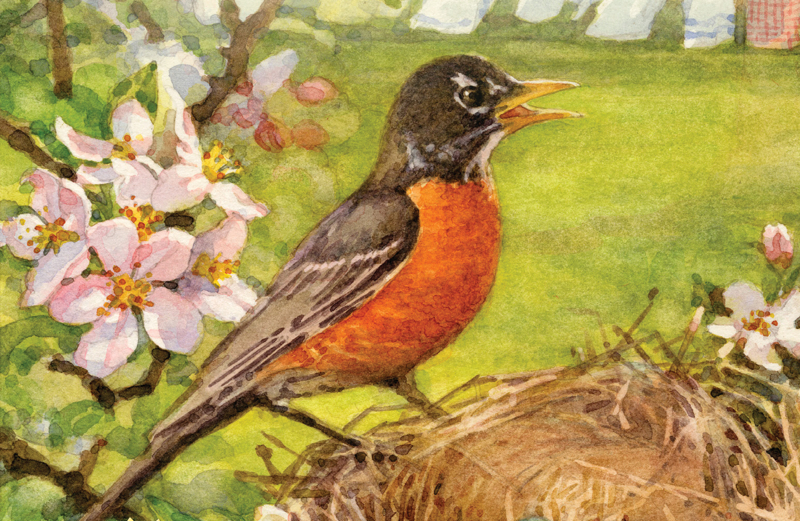
Then a bird lights on my shoulder and I remember that it’s really not like this at all. It’s not a long climb that we must accomplish alone. The distance was overcome when Truth came down to our level. Now he stands outside each separate heart, and we must only be ready to fling wide the door when we hear his gentle knock.

*1 Corinthians 13:1

Greetings from Small-Town America: Round Top, Texas

From the time I tagged along with Daddy to flea markets, I’ve adored antiques. Yesterday’s treasures ground us in what’s lasting and true.

Then I heard about a fabulous antiques venue: the tiny Texas town of Round Top. Antiques dealer and show promoter Emma Lee Turney invited the best dealers to show off their American Country antiques for one week in October 1968. Some 6,000 vintage devotees flocked there.

In 1995, I went to see what all the fuss was about. The B&Bs were booked, but I found a little cottage on a ranch. The rancher’s wife insisted I check out Royers Round Top Café. Bud “The Pieman” Royer led me to a crowded table. “Hold on to your forks after dinner,” one lady said. “The best is yet to come—the pie!”

Bud’s son Jona­than and daughter-in-law, Jamie-Len, run the café now. His daughter, Tara, opened Royers Pie Haven in a tin-roof house adorned with quirky art and pie tins. “Folks show up in Round Top with a wrestling in their soul,” Tara says. “They lean in and listen to the whispers of God’s gifts on their lives.”

Highway 237, a two-lane country road, was packed with vendor tents. I hadn’t gone four yards when I spotted a brown-and-yellow terrier teapot. Majolica! I’d only seen the European china in magazines.

Two tents down, a seen-better-days farm table called to me. I felt a kinship with its battered top and carved initials. “Chips and dents are where the story is,” the vendor said.

I rubbed shoulders with shoppers who snagged folk art, salt-glazed stoneware, turquoise and silver rings. I loved it all so much, I returned five years ago.

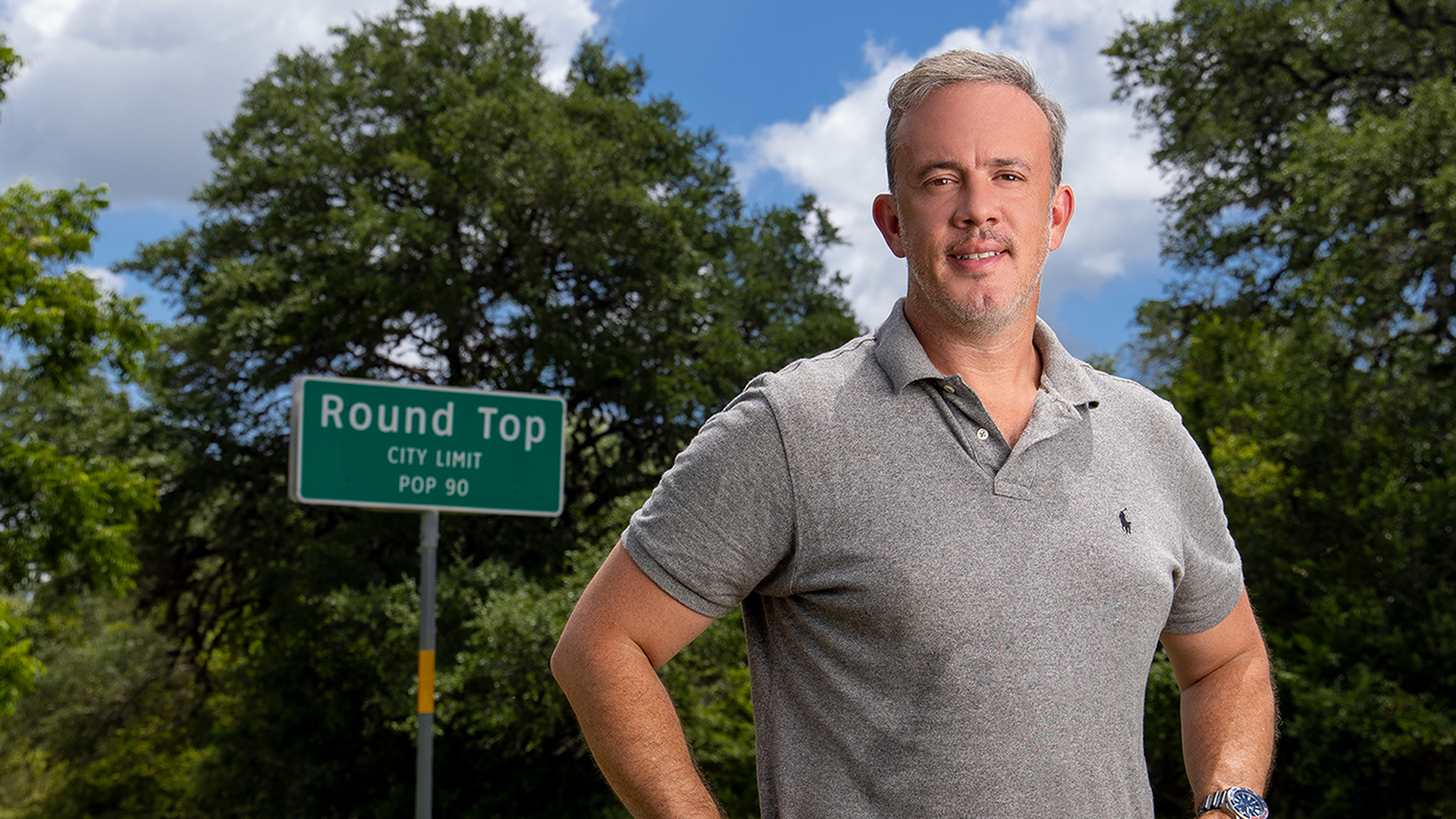
Emma Lee Turney died this year, but she lived to see her idea become a global attraction, with thousands of antiques vendors. And to witness Round Top elect a 40-year-old mayor, Mark Massey, whose campaign slogan was Keep Round Top, Round Top. “People come here to reboot and leave with a second chance,” he says. The sign welcoming visitors says Round Top’s population is 90, but attendance during Antiques Week in April and October swells to 90,000.

“The whole world comes here twice a year,” says Jolie Sikes, who with her sister, Amie, owns the Junk Gypsy vintage store. Their eclectic array of old advertising memorabilia, cowboy boots and vintage jewelry took my breath away.

“This here’s a sanctuary of the world’s finest junk,” Amie told me with a Texas-size grin. I’d come for vintage finds. But something swelled in my spirit that couldn’t be stowed in a suitcase: the assurance that there’s nothing that can’t be repurposed for greater glory.

The magic of Round Top includes me. Ninety-one people can’t be wrong!

For more inspiring stories, subscribe to Guideposts magazine.

Greetings From Small-Town America: Poteau, Oklahoma

I couldn’t have asked for a better childhood, growing up in Poteau, Oklahoma, a town of 8,000 near the Arkansas border. Dad was a state representative; Mom was a high school teacher; my maternal grandfather, Sherman Floyd, was the high school principal, football coach and a city councilman; and my maternal grandmother, Linda Floyd, taught first grade. Most everyone in town knew my family.

In a state filled with Native American place names (Oklahoma comes from the Choctaw words for “red people”), Poteau is French for “post.” French explorers established trading posts in the area in the early eighteenth century.

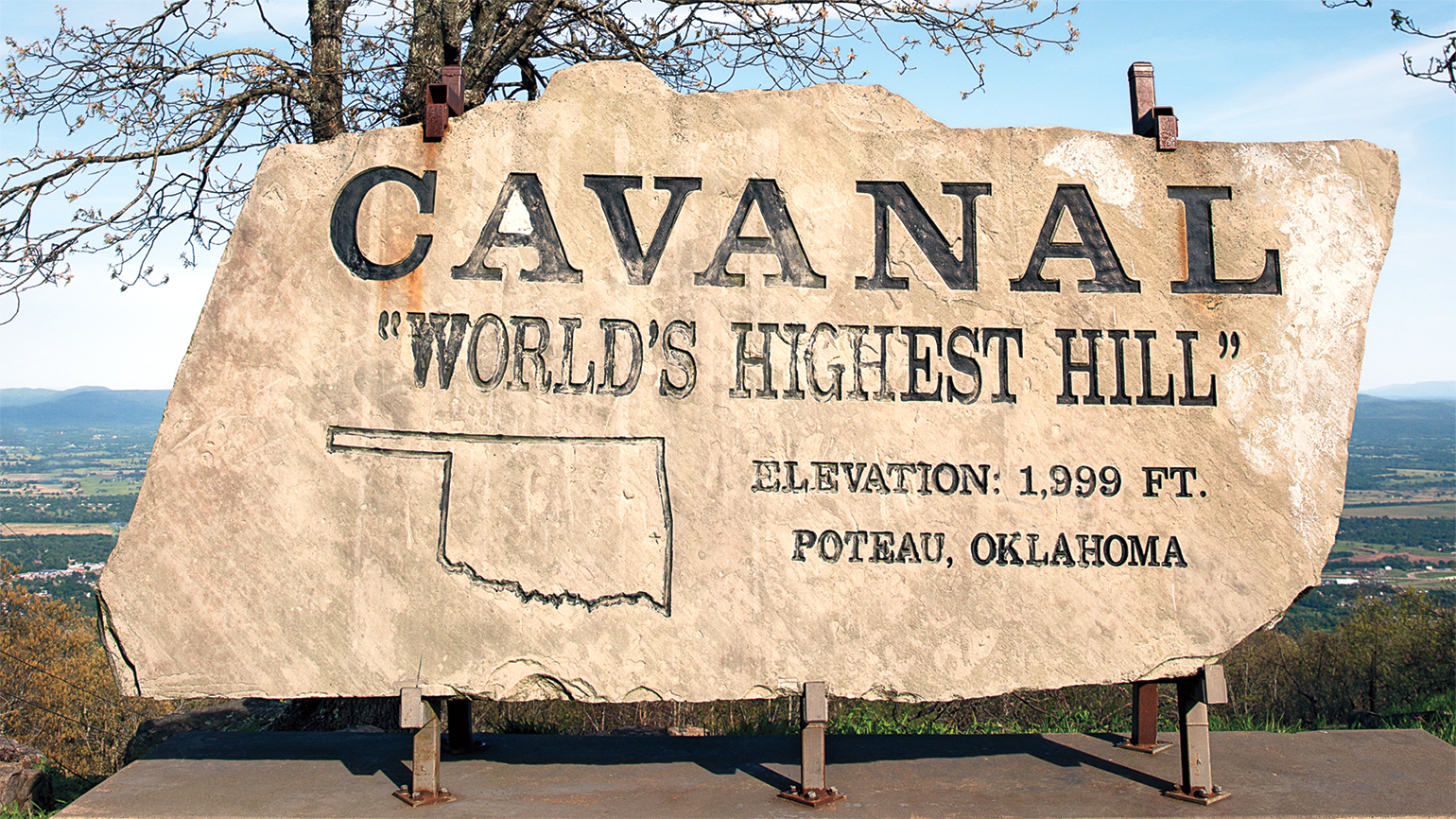
Poteau’s topography differs from typical Oklahoma plains. I spent my boyhood exploring Cavanal, dubbed the world’s tallest hill (elevation: 1,999 feet). I’m a country boy at heart, and nothing brings me closer to God than being in nature. The view from the hill of valley-nestled Poteau is breathtaking!

Another great way to get close to God is at Green Country Cowboy Church. Its motto? “Come as you are.” Jeans, boots and cowboy hats are welcome. The rustic sanctuary features beamed ceilings, and a steel horse trough was once a baptismal font. Pastor and founder Victor Sweet says, “We want people to know they don’t have to clean up or change their clothes, literally and metaphorically, in order to come to God.”

One of my favorite places to eat is Warehouse Willy’s. The steak house owner, Terry Williamson, a former highway patrol officer, couldn’t shake his love for restaurants after working at the Chicken Hut in high school.

“Some people thought I was crazy for giving up a state job,” he says. “When I said I wanted to open a restaurant in an abandoned building in a dying downtown district 25 years ago, they really thought I was crazy.” Warehouse Willy’s sparked the revitalization of historic Poteau. Now colorful shops are housed in buildings erected by early pioneers.

You’ll find more ancient history 25 miles away, at Spiro Mounds Archaeological Center, on 150 acres along the Arkansas River. Grade-school field trips taught me about the Spiro people, who lived there from about 800 to 1450 A.D. They led the Mississippians, a Native American culture that flourished in the Midwest and Southeast.

Agricultural communities featured large earthen mounds, and extensive trade networks crossed much of what became the United States. “The Mississippian leaders presided over a confederation of more than 60 tribes, 30 language groups and over three million people,” says the center’s executive director Dennis Peterson, who has studied the Spiro for decades.

Our family moved to the state capital for Dad’s job after I graduated high school, but I’ll always consider myself a son of Poteau. Come see what a wonderful place it is!

For more inspiring stories, subscribe to Guideposts magazine.

Greetings from Small-Town America: Monroeville, Alabama

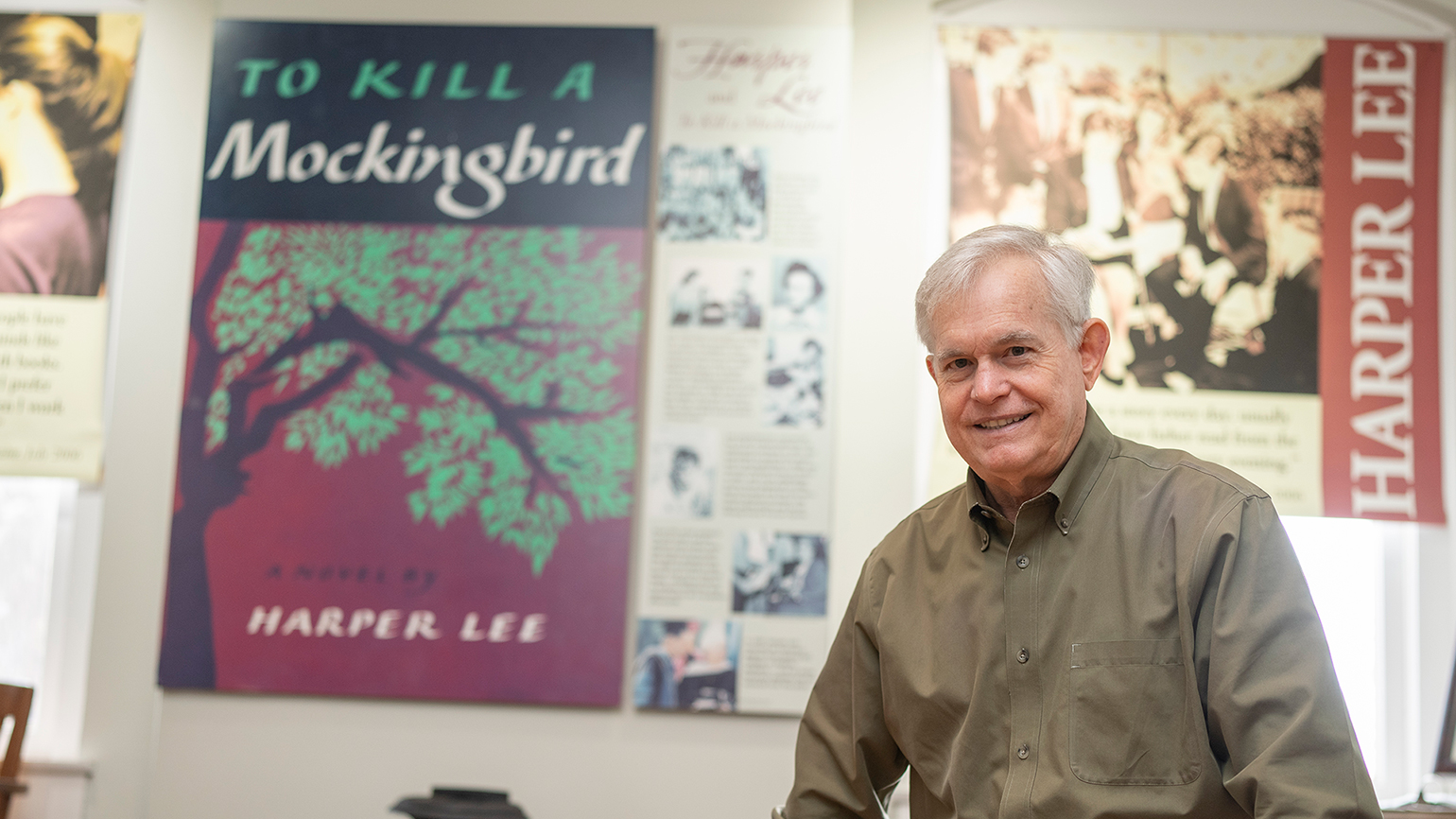
I’ve lived in Alabama and loved books my entire life. As an English teacher, I showed my students the joys of literature, including To Kill a Mockingbird, by Alabama’s own Harper Lee. Somehow, though, I’d never visited Lee’s hometown of Monroeville (population: 5,900), known as the state’s literary capital.

Lee modeled the book’s setting on Monroeville. A reproduction of its courtroom appears in the 1962 film. Today the old courthouse is a museum. Standing inside, I could imagine Gregory Peck, as lawyer Atticus Finch, the father of protagonist Scout, trying to clear the name of an innocent Black man before an all-white jury. Local historian Rabun Williams pointed out the courtroom’s unusual feature: The person testifying sat in front of the judicial bench, with their back to the judge.

Outside is Scout’s neighborhood: Sets for the annual spring production of To Kill a Mockingbird, starring the townspeople, stay up year-round. Director Carly Jo Martens played Scout at the age of 10. “I love seeing what my neighbors bring to the roles,” she says. “They really get to know and understand these characters on a deep level.”

I met World War II veteran George Thomas Jones, who still writes a column for The Monroe Journal. The 99-year-old was a contemporary of both Lee and writer Truman Capote, her friend and neighbor. We talked about Nelle (Lee’s first name) and her father, for whom Jones used to caddy as a teen.

Back then, the town churches had weeklong summer revivals. Each day, his church, First Baptist, would hold one service at night and one at 10 a.m. “Every store on the town square closed from ten to eleven to show reverence,” he says.

Monroeville still has faith at its core. Charles Andrews, the first Black mayor, is a deacon at Antioch Baptist Church #3. “My father passed when I was five,” he says. “The men in the church mentored me.” Andrews returned to town after years as a state trooper and ran for office. “I prayed, ‘Lord, if this is for me, please give me the knowledge and wisdom to make the right decisions to benefit this community,’” he recalls.

There’s much more about Monroeville to love. The library was once the LaSalle Hotel, where Gregory Peck stayed while researching his role. Outdoor sculptures and murals by area artists beckon. After a stroll, why not refuel with Southern catfish or barbecue? David’s Catfish House and Big D’s Butts ’N Stuff are just a short hop from downtown.

At Cole’s, a coffee and ice cream shop, I chatted with resident Stephanie Rogers. “In To Kill a Mockingbird, Miss Nelle says that ‘neighbors bring food with death and flowers with sickness and little things in between,’” she told me. “I love that line because it is still so very much a part of our lives today.”

For more inspiring stories, subscribe to Guideposts magazine.

Greetings from Small-Town America: Madison, Indiana

I recently visited Madison, Indiana, to see the 1880s Eagle Cotton Mill that my brother, Ron, had restored into a gorgeous hotel overlooking the Ohio River. I admired the painted brick row houses nearby. This neighborhood, Georgetown, had been a major stop on the Underground Railroad. An online search revealed Georgetown was home to a thriving Black community before the Civil War, even though the city of Madison had pro-slavery residents.

I talked to Jefferson County Public Library’s local history and genealogy coordinator, Camille Fife. The energetic 81-year-old told me about one of our nation’s most famous free Black freedom fighters, George DeBaptiste. The onetime White House steward and Madison barber would “borrow” horses from the sheriff’s stable to transport more than 180 enslaved people to freedom.

Camille sent me to John Staicer, executive director and president of Historic Madison, Inc. John met me at a plain redbrick structure, one of the oldest AME church buildings still standing in the United States. As a preacher’s daughter, I am intrigued by churches, but I’d never experienced this: I had stepped into history.

“It was the early free African-American community members who, through their hard work and faith, persevered to establish a neighborhood with enough sympathetic people, both African-American and white, to support the dangerous mission of the Underground Railroad,” John says. His favorite Underground Railroad conductor? Brickmason William J. Anderson. Born free in Virginia, he was sold into slavery as a child but learned to read and write.

He escaped and settled in Georgetown, building and pastoring the AME church. “My freed spirit could now sing a new song,” he wrote.

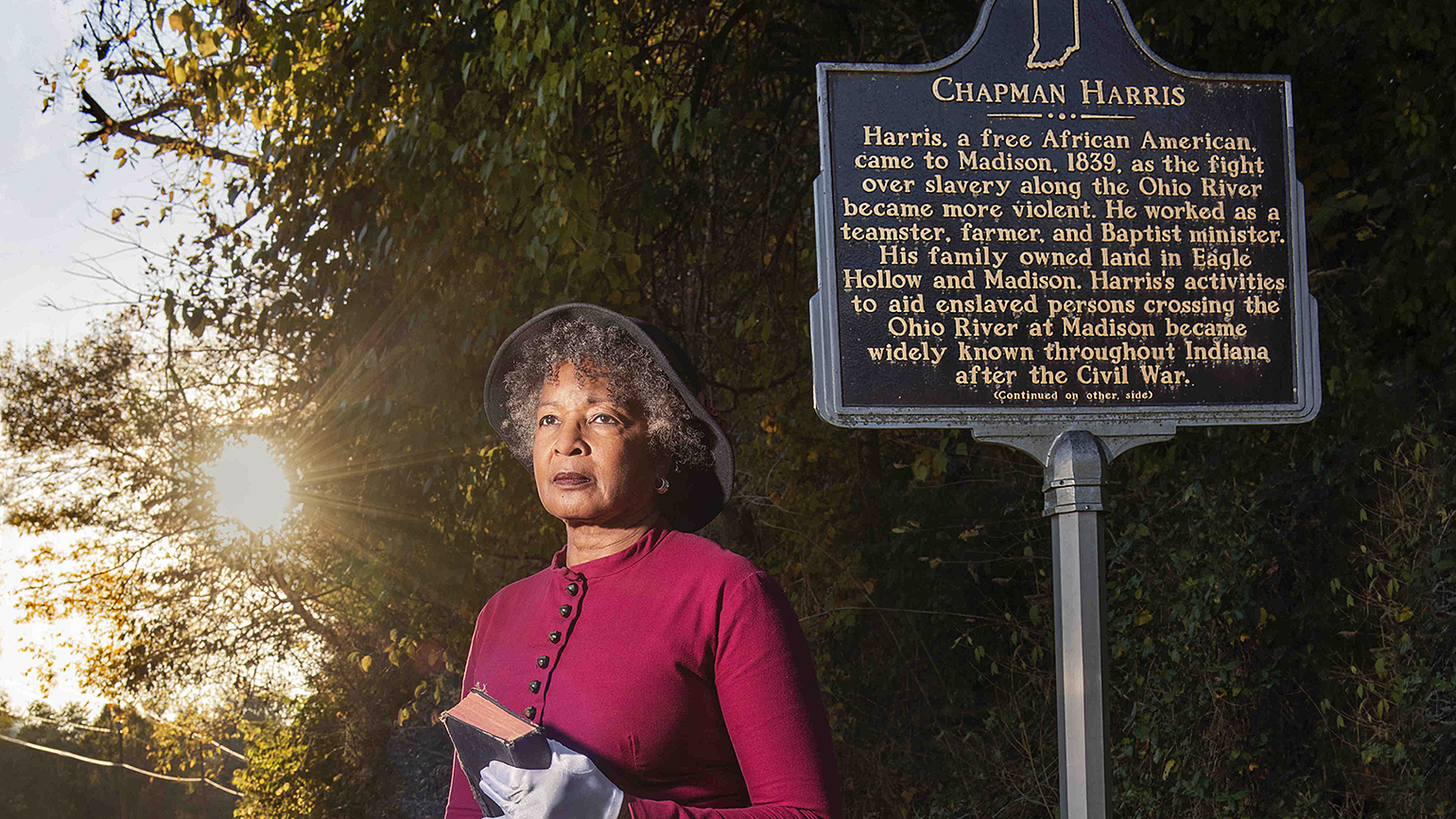
Next, I met Sue Livers, a distant relative of teamster and minister Chapman Harris, another conductor. In 1999, Sue began performing historical reenactments as Chapman’s wife, Patsy, wearing a floor-length, tailored dress and white gloves. “I become Patsy Harris,” she says. “I actually feel I can hook up a team of mules and drive a wagon to the next city. Slaves are often depicted as uneducated, poor and content to work at menial jobs on someone else’s property. I want people to see and understand how African-Americans helped shape America, especially Indiana.”

I ended the day with a walking tour of Georgetown, part of the National Park Service’s National Underground Railroad Network to Freedom. I saw the stable where George DeBaptiste borrowed horses. How many stories are hidden in these buildings? I will listen for them as my journey into Georgetown’s past continues.

For more inspiring stories, subscribe to Guideposts magazine.

Greetings from Small-Town America: Casey, Illinois

Casey, Illinois, is a small town—population: 2,700—but we’re home to some really big things. Literally. We’ve got 12 attractions that are the world’s largest, according to Guinness World Records.

How did that come about? It goes back to my wife and daughter wanting to open a tea shop. I wanted to draw more people to Casey to support our local businesses. One night, the sound of wind chimes gave me the crazy idea to build some that were tall enough to break the world record. My family owns Bolin Enterprises Inc., a pipeline and tank maintenance company. Between jobs, our employees and I recycled old pipeline and built a 54-foot-tall wind chime in the middle of town.

There’s a cross at the top. I’m a man of faith, and I wanted the wind chime to point people to God. The welder who worked on it used religious symbols—the ichthus and the Star of David—for the braces that stabilize it. My wife wanted to include a piece of Scripture, and we chose Romans 1:16.

We assembled the wind chime in November 2011. In order to qualify for a Guinness World Record, the object has to be able to perform its intended function, so the chimes had to, well, chime. It takes wind of six miles per hour or greater to move them, but they work. And that’s how tiny Casey, Illinois, set the record for the World’s Largest Wind Chime. I put signs along I–70, advertising the record-setting chime. It wasn’t long before traffic in town got busier, especially with out-of-state cars.

I thought the wind chime would be a onetime project. Little did I know. In 2012, to publicize the town’s golf course, my crew and I built a 30-foot-tall, 6,659-pound golf tee. In 2013, Guinness representatives verified it as the World’s Largest Golf Tee.

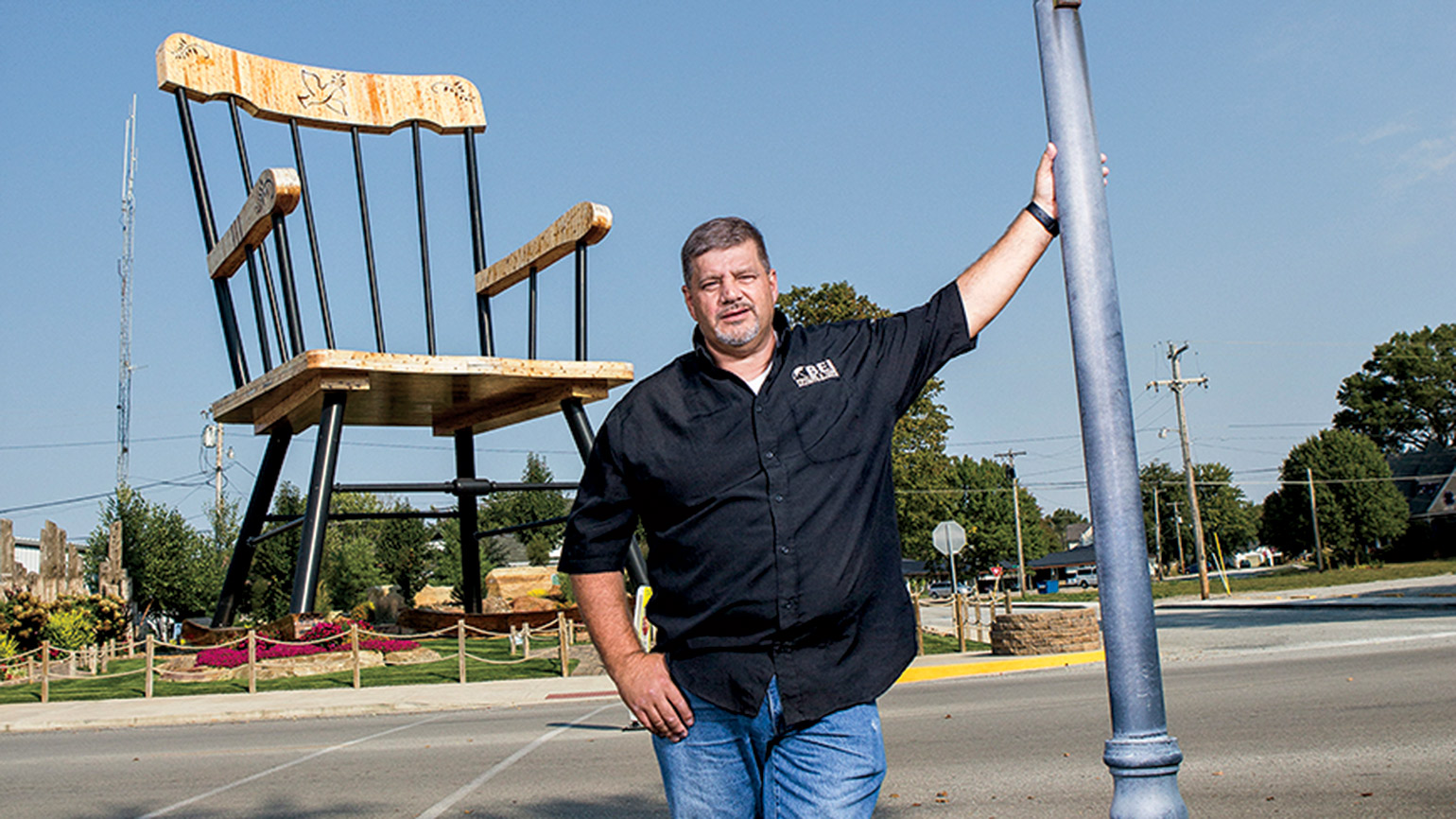
When you walk up Main Street, you’ll come across 12 record-setting objects. You can mail a letter from the World’s Largest Mailbox. It takes 10 men to rock the World’s Largest Rocking Chair! We’ve got the World’s Largest Wooden Shoes, the World’s Largest Barbershop Pole and the World’s Largest Teeter Totter.

You’ll also see about 20 items that don’t set a record but are still big. Really big. You and your family can pile into our giant hanging birdcage and take pictures in front of our enormous mousetrap or super-size pizza slicer. There’s a behemoth bookworm by our library and a huge toy glider plane at our airport. I used a lot of recycled materials, including telephone poles, to construct the attractions and kept putting Scripture on each. And I plan to build more.

Come to Casey and see these big things for yourself! You’ll find that folks in our small town have big hearts too. We love visitors!

For more inspiring stories, subscribe to Guideposts magazine.

Greetings from Leavenworth, Washington

Rob: Hi Guideposts. I’m Rob.

Nancy: And I’m Nancy.

Rob: We’re the Johnsons in Leavenworth, Washington at the Enzian Inn.

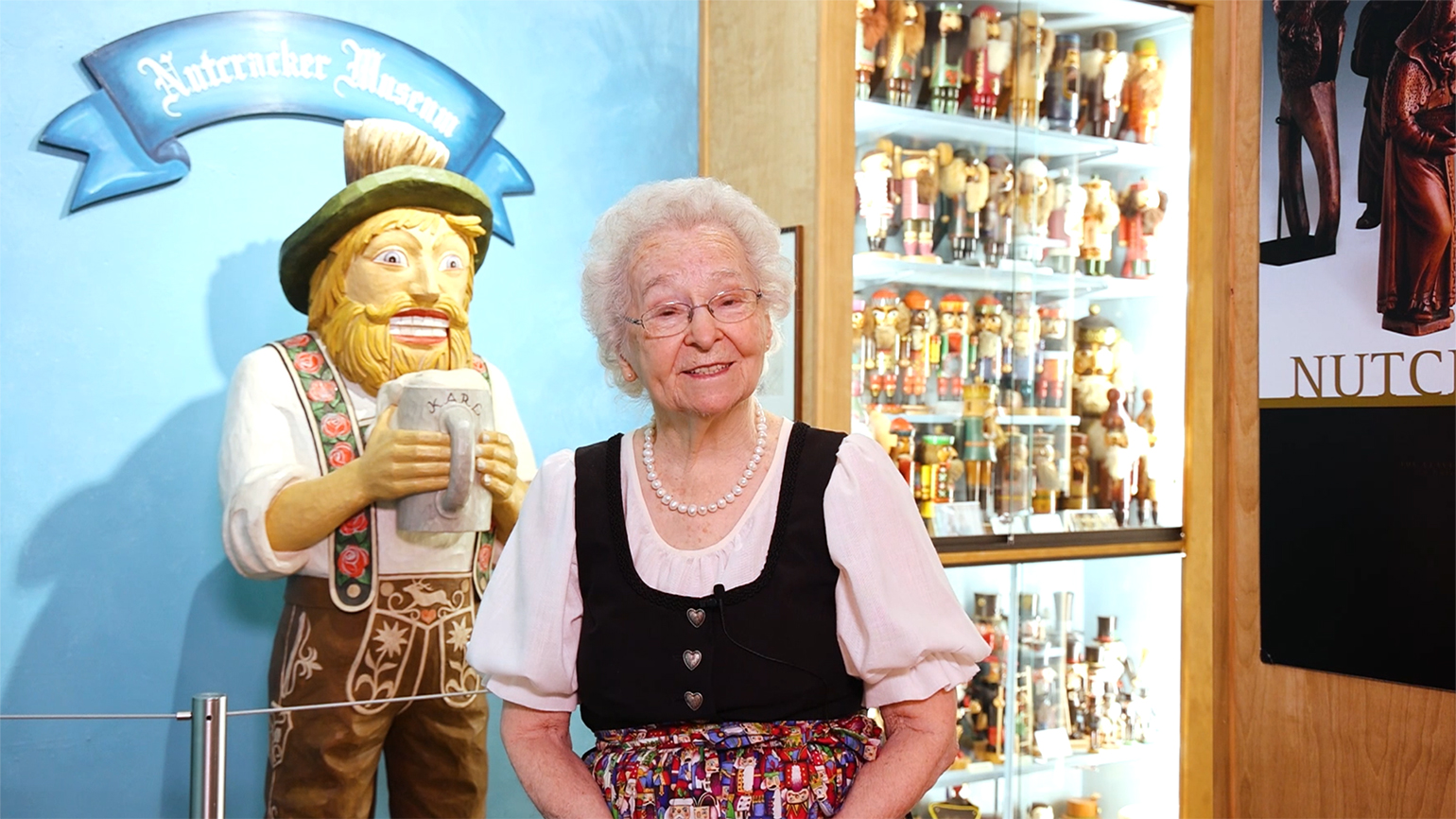
Arlene: Hello, Guideposts. My name is Arlene Wagner and I’m here at the Leavenworth Nutcracker Museum.

Rob: So the town became a Christmas theme town partly because it looks like a Norman Rockwell town inside of a snow globe. People just love to come here and enjoy the snow. And we usually do have snow on Christmas Lighting.

Nancy: We’re not too far from Seattle or Spokane. It’s a quick beautiful drive, but you feel like your worlds away.

Arlene: The Nutcracker Museum opened its doors in 1995. And I have been in charge of it ever since then. It started with a collection that my husband and I had, and it was so popular with the visitors that we thought we would like to have it as a museum so that everyone could enjoy it.

Nancy: My faith has had a part in building the Christmas theme in Leavenworth in that the church that we go to has had a living Nativity going on for at least 20 years. People dressed up like Joseph and Mary, shepherds, animals. We had a baby Jesus, and actually we use a real live baby every year. So each Christmas lighting then we have a living Nativity downtown. And so tens of thousands of people get to see that during the Christmas season.

Arlene: We have over 7,000 nutcrackers in the museum. People are always asking me which is my favorite. There is no way I could pick out just one.

Rob: So the Alphorn which we see behind me here, actually it started as a way of communication in the Alps. And because the mountains are so echoe-y and this was centuries ago, if they were being attacked, a small village was attacked or there was a fire. They had certain tones and little rhythms that they would play, given what was happening. We have people that are part of the Enzian family here, and they blow a horn every morning. It will vary, but usually 8:15 to 9:15 every day. And you can hear it throughout the whole town.

Arlene: Let me introduce you to Karl. This is the museum mascot that was carved by Karl Rappl of Oberammergau, Germany. This nutcracker was carved in Norway about 1700. It has a delightful crown that came unbroken. However, he lost his feet a long time ago.

Nancy: It’s kind of funny when you walk downtown and you see people in town that are visiting, probably 70% of them are holding hands. So I think it kind of brings families together and people together. And I kind of think that’s the atmosphere that we have here in town.

Green Velvet Cake

Grandmamma Lucille is allergic to red food dye, so when we make a red velvet cake, we make a green to go alongside it! But the best part is how festive the cakes look side by side!

Ingredients

Cake
2½ cups all-purpose flour

1 teaspoon unsweetened cocoa powder

1 teaspoon baking soda

1 teaspoon salt

1½ cups sugar

1 cup buttermilk

1½ cups vegetable oil

2 eggs

1 teaspoon vinegar

1 teaspoon vanilla extract

1 1-ounce bottle green food coloring

Icing
1 8-ounce package cream cheese, at room temperature

½ cup (one stick) margarine, at room temperature

1 pound confectioner’s sugar

1 teaspoon vanilla

1 cup chopped pecans (optional)

Preparation

Cake
1. Preheat oven to 350°F and grease and flour two 9-inch cake pans.

2. In medium bowl stir together flour, cocoa powder, baking soda and salt. In large bowl mix together sugar, buttermilk, oil, eggs and vinegar. Add dry mixture to wet. Beat on medium speed until well blended. Add vanilla and food coloring and beat on low speed till blended.

3. Pour into cake pans and bake until a toothpick inserted in center comes out clean, 25-30 minutes.Allow to cool 10 minutes in pan before turning out to cool completely.

Icing
Cream together cream cheese and margarine. Add confectioner’s sugar, vanilla and nuts. Mix till spreading consistency. A few drops of milk can be added if needed. Frost the cake.

Serves 12

Read how green velvet cake became a family tradition across generations!

Green Bean and Edamame Stir Fry

The soybeans (edamame) and green beans give a protein and fiber one-two punch with 16 and 11 grams each!

Read more about soybeans and other nutrient-packed ingredients in Rebecca Katz’s Quick Bites from the Healthy Cook.

Community Newsletter

Get More Inspiration Delivered to Your Inbox


Ingredients

1 lb. green beans, trimmed 1 Tbsp. fresh ginger, minced
¼ c. fermented black beans ¼ tsp. crushed red pepper flakes
½ c. mirin 1 c. thawed, shelled edamame
1 Tbsp. brown miso paste 2 tsp. extra-virgin olive oil
½ c. scallions, chopped 2 c. cooked rice
1 Tbsp. garlic, minced

Preparation

1. Bring 1 gallon water and ½ cup salt to a boil in a large stockpot. Blanch green beans for 5 to 7 minutes, till tender but not mushy. Drain and cool.

2. Combine black beans, mirin, miso, scallions, garlic, ginger and red pepper in a bowl. Stir until miso dissolves. Cut green beans into 1-inch pieces.

3. Combine with edamame in a medium bowl. Add olive oil then bean mixture to a cold wok. Turn heat on high. Stir-fry to heat green-bean mixture then add black-bean mixture. Cook until sauce sticks to beans. Remove from wok. Serve with rice.

Serves 4

Gram’s Yams

Sisters Nova and Wanda have a family feud every Thanksgiving over who has the best yam recipe. Which do you prefer?

Ingredients

6 medium sweet potatoes 1 Tbsp. cinnamon
1 stick oleo or butter ½ c. chopped pecans
1 c. light brown sugar

Preparation

1. Preheat oven to 350°F. Bake sweet potatoes until soft, about 1 hour. Refrigerate overnight.

2. The following day peal the potatoes and slice lengthwise into 4 slices per potato. Place slices in a glass baking dish that has been prepared with a light coating of cooking spray.

3. Melt oleo and brown sugar in the microwave and pour over the potatoes. Sprinkle cinnamon on top and cover with chopped pecans.

4. Bake uncovered for about 25 minutes, or until potatoes are hot. Remove from the oven, and prepare to be transported to heaven!

Serves 8

Try Wanda’s Memaw’s Sweet Taters.

Read about the Great Yam War.

Grace Chapel Inn’s Sisterly Inspiration

One of my favorite things, since becoming a Christian fiction editor at Guideposts, has been discovering the wonderful novels Guideposts has published over the years. And one series has quickly earned a special place in my heart—it’s a series about sisters, and it always makes me think of my own.

Tales from Grace Chapel Inn focuses on Alice, Louise and Jane, who turn their father’s beautiful Victorian home into a bed and breakfast. They live in the town of Acorn Hill, Pennsylvania, which is so charming and inviting that I wish it were a real place! I would love to stay at Grace Chapel Inn for a weekend with the Howard sisters and meet all the townspeople (like Aunt Ethel, whose sassy comments always make me laugh). The stories about faith and family are relaxing and fun, and every time I start another book in the series, I smile.

I truly connect with the relationship among the sisters. Alice, Louise and Jane all have very different personalities, and at first living and working together is not easy. Once they realize how to make the most of their strengths, though, the sisters discover that together they make a fantastic team.

My younger sister lived with me for a few years when she was beginning her career, and I will always cherish that time we had. There is something special about the relationship between sisters—you understand each other in a way not even your parents or spouse can understand you.

There is no one I am more comfortable with (and no one who makes me crazier). We live two time zones and almost 2,000 miles away from each other now, but reading a Tales from Grace Chapel Inn book always inspires me to write her an email or pick up the phone and give her a call.

Two more Tales from Grace Chapel Inn books just went on sale on ShopGuideposts.org—Talk of the Town and The Kindness of Strangersand I can’t wait to read them again.

And I can’t wait to talk to my sister.