


Embrace God's truth with our new book, The Lies that Bind

‘There Are No Bad Days’: The Inspiring True Story of JT Jester

JT Jester, from Grosse Point, Michigan, was born with VATER/VACTERL syndrome, a serious, life-threatening disorder that affects many of the body’s systems. He also suffered from extreme dyslexia and short-term memory loss. Even when he was told he would never learn to read or write, Jester refused to be limited by these challenges. A graduate of High Point University, Jester is now an inspirational speaker, podcaster, philanthropist, as well as an experienced mountaineer, extreme skier, and adventurer. He established the JT Mestdagh Foundation to bring encouragement, joy, and laughter to people with physical and learning disabilities and their families.

His new book, No Bad Days: How to Find Joy in Any Circumstance, tells his inspirational true story and encourages people to move past their limitations and live full, passionate lives. He talked with Guideposts.org about his story, his new book, and what it truly means to have no bad days.

GP: In your life you have dealt with many challenges. What were they? How does your story begin?  

My journey started at birth. My parents thought they had a healthy pregnancy. But when I was born, I went right to the NICU. I spent the first 10 days of my life there. I was born with something called VACTERL syndrome, which is a birth defect that can affect many parts of your body. For me, it affected my gastrointestinal system and my spinal cord.

My medical journey began with multiple surgeries to correct my gastrointestinal system. As I continued to grow, other parts of VACTERL syndrome, which we were warned about, started to pop up. I had more surgeries in middle school and high school to repair my spinal cord. I was dealing with different symptoms, like a limp, loss of bladder control and things along those lines.

So the medical journey was obviously a priority in my family’s life, but then I had an education piece that was a challenge too. I was born with severe dyslexia and short-term memory loss. I had difficulty learning to read and write, but that’s all I wanted to do.

GP: In your book, you talk about how your parents relied on their faith during this time. Can you tell me about that?  

They were not expecting to have this hiccup in the road. Their faith played a big role in their life but it became even stronger. I think when we’re going through hard times, sometimes we become stronger in our faith. That’s when we rely on the good Lord more.

My dad told me a story about the day I was born. That evening, when he went home, he was worried about the [difficult] times to come. He picked up his Bible and it fell open to a very important passage. It was Mark 10: 13-16, which is about how God takes care of all his children. It was the first thing he saw, and it was a powerful message.

They also relied on each other during that time. There were other people in their life of course, like family and friends. But when you don’t experience [having a sick child] yourself, sometimes you don’t know how to react to it. So, they stayed strong in their faith together.

GP: How did your experience of growing and living with physical and learning challenges affect your own faith?  

One important thing I learned on my journey was finding my tribe. To be able to do that, I needed to put the right people into my life. Early on, it was my doctors, my educators, my parents and family. Nowadays, I’ve been blessed to be a part of a church that has been very influential in my faith journey. I’ve had amazing people along the way that have given me that ability to continue to grow. I build my tribes from the top down and created a stronger relationship with God.

My trials taught me a lot too. We are all going to fall and we’re all going to have those challenges in life. It’s those experiences that build our relationship with the Lord.

GP: What role has the power of prayer played in your life?   

I’ve been blessed to have so many people in my life praying for me, so prayer is one of the biggest things in my life. I think that prayers are truly answered.

Prayer has also been important for myself, to build and grow my relationship with God. I think that is why I love the outdoors so much. Prayer goes everywhere with us, but for me it’s [strongest] in nature.  Whenever I’m in nature, I call it God’s country. I’m able to connect with Him in the beauty of what He has created. I can escape from the challenges I face, or those naysayers in life that didn’t believe I could do different things.

READ MORE: 10 Bible Prayers for Comfort and Hope

GP: One of your many accomplishments was climbing to the peak of Mt. Kilimanjaro. What did you learn from that experience? 

It came with its challenges, but when I made it to the top, it was such an amazing spiritual moment. Reaching that [summit] was a great joy and a huge success. Because of my medical [history], this was something no one thought I’d be able to do. It was something I never thought I’d be able to do.

It made me realize that if you put your mind to it, you can accomplish anything. In my book, I talk about how we all have our mountain to climb in life, and how getting up to the summit and then continuing is so important.
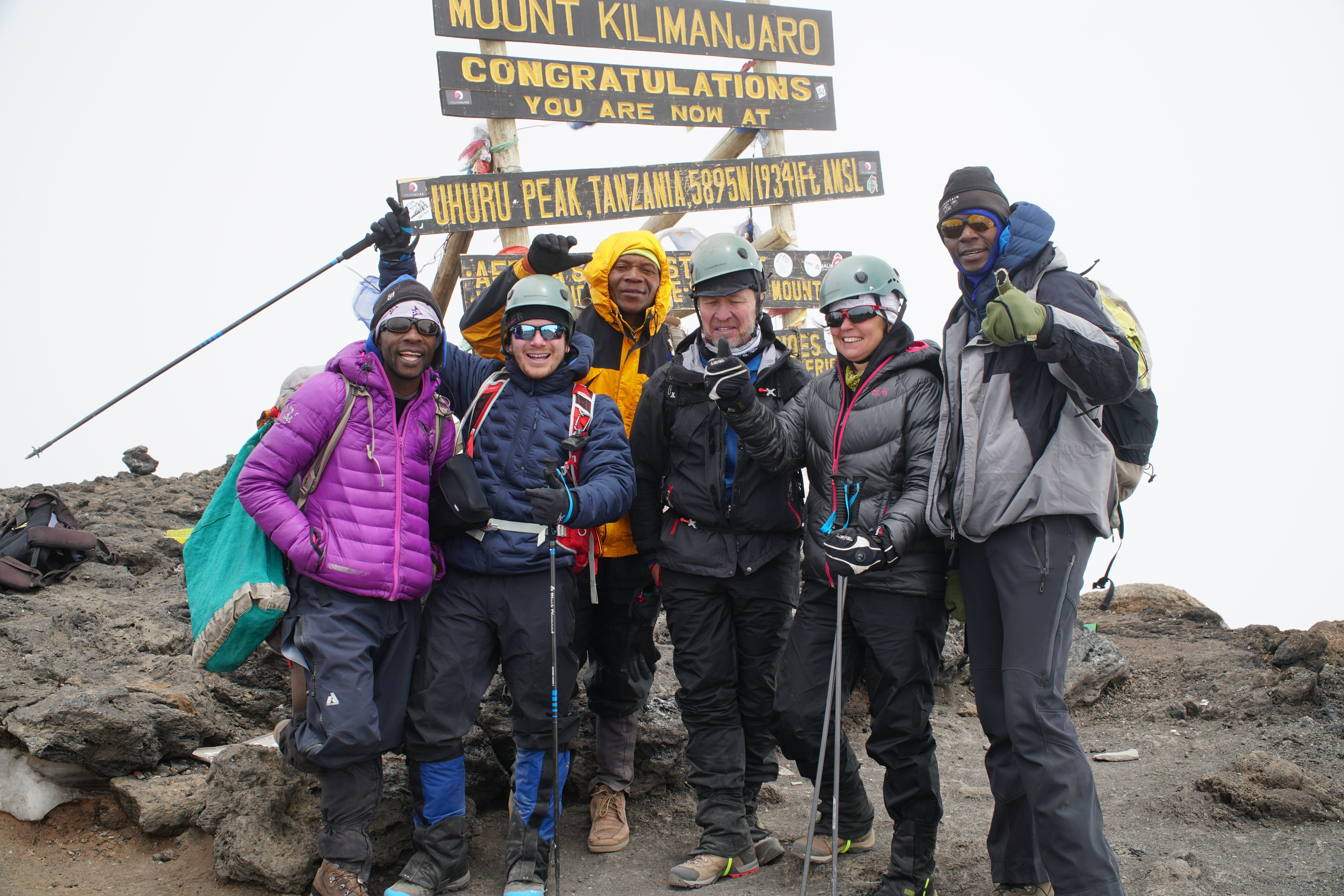
JT Jester and others on the summit of Mount Kilimanjaro (photo courtesy JT Jester).

GP: Speaking of your book, I’m very struck by the title, “No Bad Days.” Where does that title come from and what does it mean to you?

The phrase “no bad days” came from when I was seven- years-old, in the hospital having one of my spinal cord surgeries. My dad came into the room and said, “JT, I’m so sorry for what you’re going through.” He told me that I looked at him and said, “Dad, it’s okay. There are no bad days. There are only hard days. And we get through those.” I know that was the good Lord speaking through me. It became a life slogan for my whole family.

When people see the book, they ask me, “How do you not have any bad days?” For me, every day is a blessing. We can wake up, breathe the air around us, see the people in our lives and see the way God’s working throughout our world. We are going to have our discomforts, our pains, our challenges in life. There are going to be hard days, but we get through those with the people in our life.

GP: What do you hope people will get out of your book? 

The book talks about my life journey, but it also brings in other people’s journeys. Whether that’s the loss of a loved one, living with learning challenges like dyslexia, or medical challenges. The book encapsulates all these different people’s stories and their tactics of how they have overcome hardship.

The book also talks about storytelling and how important it is. We all have challenges in life and being able to express them to others is so crucial. It allows you to be open to people that you trust, and then in return, they trust you and express what’s going on in their life. You can support them and help them, and they will be there to support and help you.

And it’s not just having someone there for you in challenging times, but someone there to motivate you and push you and to make you grow even more. My book is about how we all have to share our stories and continue in helping each other. We all have a story that God is writing for us.

GP: What advice would you have for people who are looking to find more joy in their lives? 

Find your passions in life. For me, being in nature is where I find a lot of joy. And find the people to do those passions with. Having good, strong, faithful relationships are so important to finding joy.

My second tip is to just get outside and get moving. Be active in some way. Some days that can be very hard to do, but it will help get your mind motivated.

READ MORE: A 10-Word Prayer When You’re Out of Options

GP: What about those days when someone just is not able to do this? What advice would you give to people who are having very hard days? 

In the hardest of days, having your tribe is important. That’s something that you can rely on and lean on. When I have a hard day, I will sometimes call one of my very close friends who has been a great teacher to me.

This is also why your relationship with God is so important. Knowing that you’re not alone because He’s there to support and love you. We are all going to have those very hard days, so being able to rely on our relationship with the Lord is the most important.

This interview has been lightly edited for clarity and length. 
The Power of Unconditional Love

Love is not just a warm fuzzy feeling. It is a deep and strong affection we feel for another person, expressed through words and actions. Without it, our lives would be hollow and shallow. To love and be loved by others is what we want above all else. It is the lifeline of humanity.

We seek love from friends, family members and a romantic partner, but sometimes we tend to place too many conditions on these relationships, causing us to miss out on the power of love. For example, we may feel that we are only able to love those who love us in return or only until they are no longer meeting our expectations. But true love is unconditional. When we truly care for another individual, we must continue to do so in the good times and the bad. All relationships face obstacles and limitations, but if we overcome them, we experience the amazing gift of love.

Community Newsletter

Get More Inspiration Delivered to Your Inbox


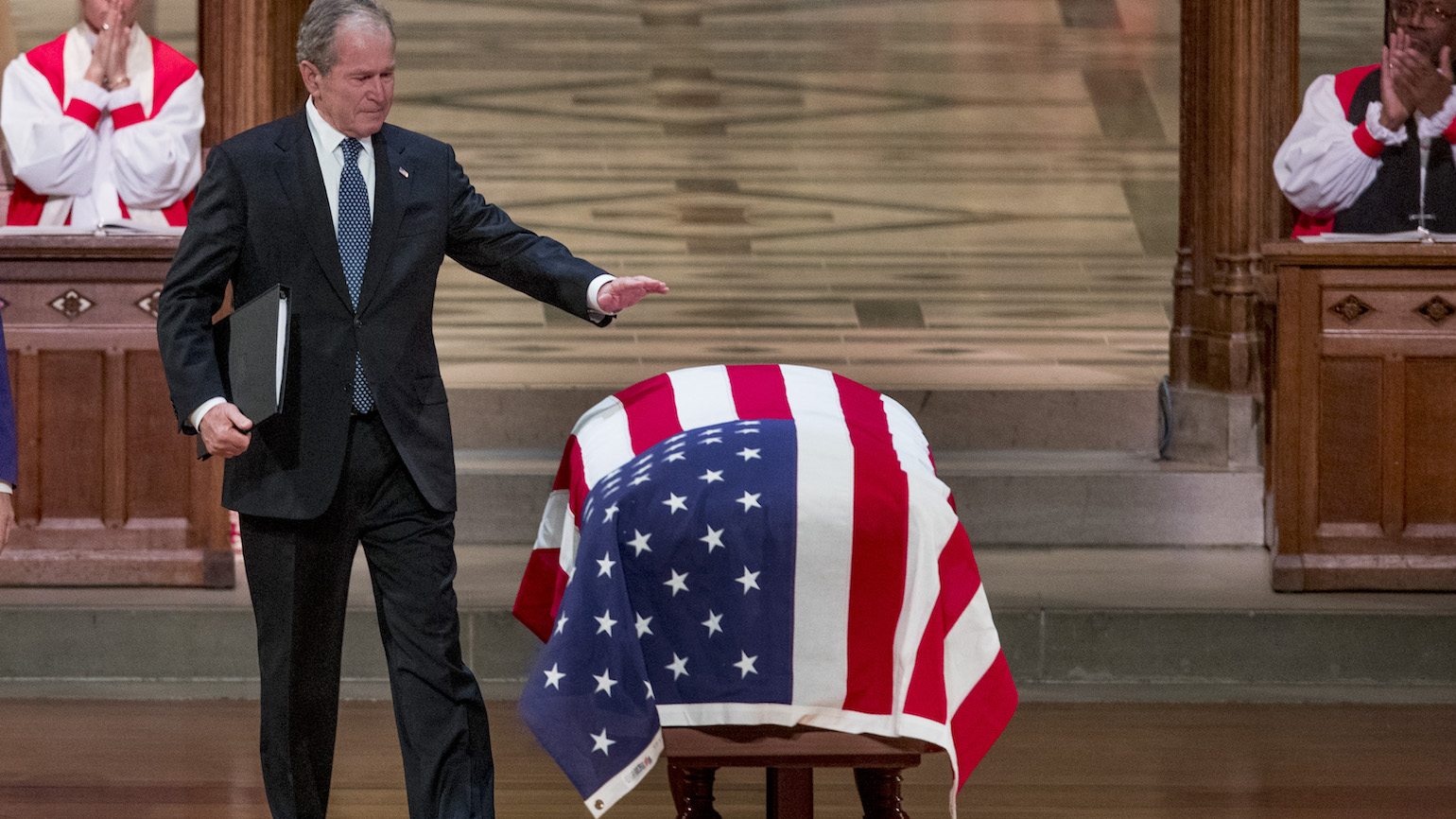
Recently, many of us tuned in to watch President George W. Bush give a eulogy at the funeral for his father, President George H.W. Bush. During this speech, he expressed what could only be defined as his true love and admiration for his father. Towards the end of the speech he said, “He taught us what it means to be a wonderful father, grandfather and great-grandfather. He was firm in his principles and supportive as we began to seek our own ways. He encouraged and comforted but never steered. We tested his patience. I know I did. But he always responded with the great gift of unconditional love.”

In listening to this speech, many of us were deeply moved as a son spoke highly of his father and the love his father had for family, life and others. Bush’s speech told us what laid heavily on his heart, his unconditional love for his father.

God, please teach us to express our love to those we care for and to love unconditionally.

The Mysterious Timing of a Guideposts Devotional and a Delayed Wedding

Sometimes the timing of a Daily Guideposts devotional can surprise even us editors. Take the one I wrote that appeared on Sunday, September 19.

That was a festive weekend for us because we had celebrated our son Tim’s wedding with his beloved Henley. It was one of those Covid-delayed events, something that was supposed to happen last year but then got cancelled months beforehand.

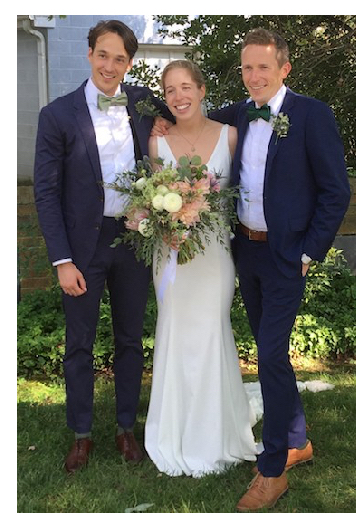
Tim and Henley's weddingIn the meanwhile, last year, the bride and groom pledged their troth and exchanged rings in a very private ceremony with the New York skyline in the background—letting God know who they were to each other. They’d just moved to New York where Tim began his schooling at seminary in preparation for his calling as a minister. What a blessing.
And the blessings multiplied —as they do—when their son Silas entered the world this July. Tim and Henley moved into an apartment half a block away, so we babysitters are close at hand. Just call me Gramps, my new name.

By then, vaccinations had made the prospect of a wedding, with guests coming from far and near, much safer. The date was picked and settled on, September 18.

September weddings seem to be a family tradition. My parents were wed on a September day back in 1948 and three years ago our older son William got married to his wife Karen in California on a luminous September day, a wedding I had the honor of presiding over.

And now this one.

All the events would be outside on the Eastern shore of Maryland where Henley grew up and her family lived. We stormed the heavens in advance, praying for a rain-free day. Sure enough, we were greeted with spectacular weather, dry and cool.

At the ceremony I had the privilege of reading the prayers. (Truth to tell, I was so happily distracted—blissfully unaware—that I had to be reminded during the service that it was my turn.) William stood by his brother, the best man. And when husband and wife were presented to the crowd we burst into applause. Some of us wiped away a tear or two.

The reception was by the water’s edge under a large tent and goodness knows, we all snapped photo after photo with our phones, posting them on social media. Let everyone celebrate with us.

It was only the next morning, Sunday, that a friend commented on Facebook how appropriate my devotional was for that day, September 19, because I’d written about Will and Karen’s wedding, with the accompanying Bible verse from Song of Songs, “Set me as a seal upon your heart…”

Now you must know that the 2021 issue of Daily Guideposts was printed long before we knew when this wedding would happen. Or even if it would happen. We editors like to time things just right, but this was an instance of God’s timing. Divine providence.

Happy Day. Happy bridal couple. Blessed and blessed and blessed we are.

The Miracle in an Old Class Photo

I’m very much a worrywart. I worry about all sorts of things, from whether or not the diet coffee I ordered at Starbucks was actually diet to whether or not I’ll ever have kids. (Perhaps I’ll be the kind of person who doesn’t have a family of her own but comes to regard her handbags as her children…okay, fine, I already do that!).

If I think back on all the wonders of my life, though, none of them came about from worry or planning. Instead, they all came unexpectedly from God.

Community Newsletter

Get More Inspiration Delivered to Your Inbox


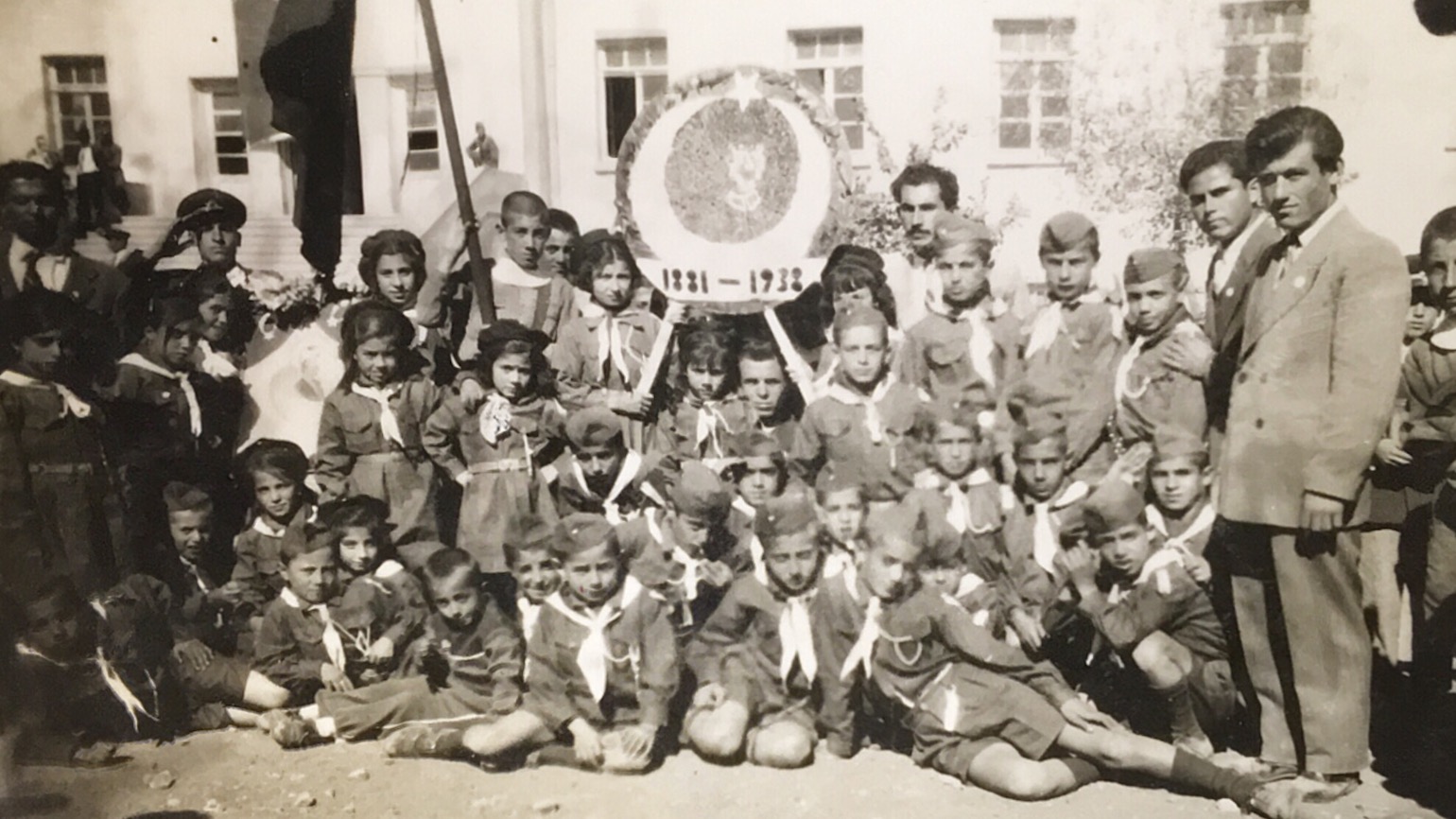
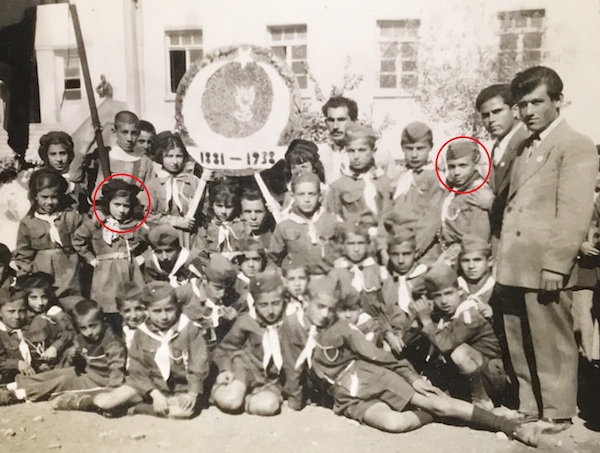
It’s like this photo I came across at my parents’ house over the holidays last year. It was sitting on my mom’s dresser. A class photo about the size of a business card, black and white. I asked my mom about it. She said it was taken on Children’s Day when she was in the third grade in Midyat, Turkey, where my parents were born. “Your dad and I are both in it,” she said.

Read More: Standing Tall with a Heaven-Sent Spouse

I was instantly intrigued. My parents met in the first grade. Apparently, my dad came home from his first day at school and told my grandmother he’d found his future wife. They attended elementary school together, went to different high schools and eventually my dad went off to the U.S. for college. It wasn’t until he graduated and returned home one summer that they reunited.

I squinted at the photo, hoping to find some evidence that they were meant to be. But the photo was too small for me to make out the faces. I found a magnifying glass. When I finally spotted my parents, I couldn’t help but laugh. Their personalities seemed so much the same! There was my mom on the left side of the photo, her hands on her hips, as sassy as ever. And my dad, on the opposite side, striking a pretty fierce pose of his own.

There weren’t any clues that they were destined to end up together, though. It’s not like my dad was staring at my mom across his side of the photo, making heart-shaped gestures with his hands. And yet the fact that there was no clear sign they were meant to be made it all the more amazing to me. Who could’ve known when that photo was taken that those two fierce-looking kids would one day get married? Or that the photograph would travel all the way from southeastern Turkey in my dad’s suitcase when he moved to the U.S. in 1965?

I know my dad hoped for those things (he always says he had three goals growing up: to marry my mom, to move to the U.S. and to become an engineer). But there was no guarantee any of that would ever happen.

When I look at that photo I’m reminded of how beautifully complex life is. How you never really know what miracles God has in store for you. Even if there’s no evidence, no sign, no clue that your hopes and dreams will ever come to pass, God is working things out in way that’s too wondrous to even comprehend.

That’s something I’m going to try to remind myself of the next time my inner worrywart comes out!

The Manicurist Who Changed Her Life

I wrapped my hands around my coffee mug and sank into my sofa, trying to let the stress of dealing with my mountain of troubles seep out of me. Instead, my eyes landed on my fingernails. They were ugly and ragged. As ragged as my spirit was these days. My long-awaited retirement wasn’t working out the way I had planned.

A series of medical crises had left me dependent on prescription opioids and deep in debt. Though I’d finally conquered the addiction, I remained buried in debt—and shame. I’d never felt so hopeless.

Maybe a manicure would give me a little lift, make my day better. I hadn’t been treating myself to anything lately, but it was one indulgence I could still afford, even on my strict budget. I didn’t want to run into anyone I knew and have them ask how I was doing, so I made an appointment at a salon I had never been to. Annie, the owner, answered the phone and said that she would be taking care of me.

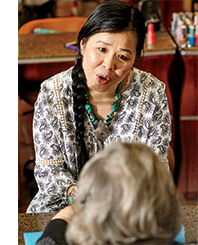
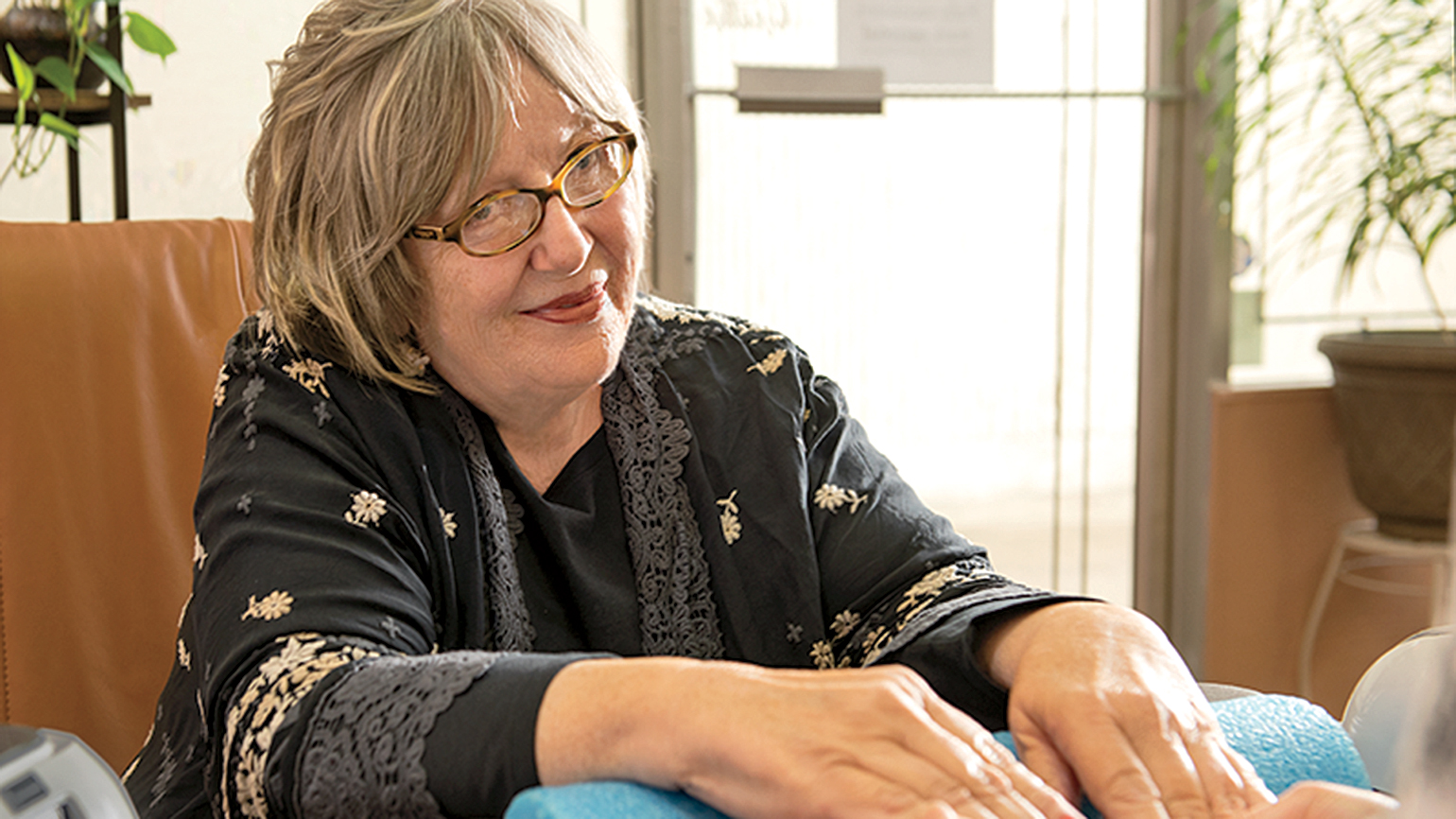
Roberta's friend and manicurist, Annie
Roberta’s friend and
manicurist, Annie

With a name like Annie, I wasn’t expecting the Asian lady with the silky black braid who came up to me and introduced herself. “So happy to meet you, Roberta,” she said, leading me to her workstation. It wasn’t just her smile that was radiant. It was her whole being. She seemed overjoyed at the prospect of painting my nails. She must really like her job, I thought.

While Annie was gathering her supplies, I overheard a conversation between two of her customers. The one who was recovering from a stroke showed off her icy blue nail color. “Annie says this is fit for a queen,” she said, beaming. The other had nails painted in a shimmering pink. “I couldn’t have made it through my cancer treatments without Annie,” she said. “Or my Debutante Pink.”

Annie reappeared at her station, brandishing a bottle of vibrant red polish. “This is you, Roberta,” she said. “Lucky Red!

She’s picking my color for me? I thought. That’s weird. Then again, I’d always loved red polish, and I could use some good luck for a change.

Annie took my hand and went to work. As she clipped, filed and buffed my nails, she told me a little about herself. She and her family were from Vietnam. They’d immigrated to America when Annie was nine and settled in California. While still in high school, Annie studied the nail tech trade at her mother’s urging. “What do you do, Roberta?” she wanted to know.

A lady waiting for her appointment called out from behind a magazine. “If Roberta won’t tell you, I will. She was head of infection control at the VA hospital. Whenever anyone had a question, Roberta knew the answer.”

I cringed, shrinking down in my chair. How had I gone from being a high-ranking nurse with a private office and a phone ringing off the hook to the messed-up life I had now?“

I’m retired from nursing,” I said at last. “Now I write little stories. All by my lonesome at my kitchen table.”

“Stories?” Annie exclaimed. “Favorite thing! I tell you my story.” She leaned in and applied the polish. “People used to ask what I do. When I say, ‘Nail Girl,’ even their eyes frown. One day, a man say he plucks chickens. Next time someone ask what I do, I say to them, ‘Chicken Plucker.’ Frown worse. Went back to Nail Girl. Best. Nail. Girl. Ever.”

I fanned out my fingers and checked out my manicure. My nails shone, beautiful now. The red Annie had chosen was bright and bold. Exactly how I wanted to feel. I left the salon smiling for the first time in months.

Three weeks later, I returned. I found myself studying the little sayings Annie had tacked on the walls. I zeroed in on one of them: Don’t look back. You’re not going that way. How I wanted to escape the prison of my regrets and make those words mine! As Annie set everything down on the worktable, I said, “It’s hard not to look back.”

Annie nodded, encouraging me to continue.

“You see, I was hooked on prescription painkillers,” I said, keeping my voice low. “I don’t need the pills now. But I can’t get rid of the shame.”

“Oh, Roberta!” Annie said. “Don’t hold that to your heart. Ball and chain no more!”

She cradled my hands in hers for a moment before lowering my fingers into a bowl of acetone remover. I watched as the flecks of old polish floated away, imagining that they were my yesterdays.

Annie told me more about her own battle with shame. She’d hated being a manicurist at first, feeling inferior to the affluent clients who seemed to have it all. “I look in the mirror. My forehead was wrong, my eyes wrong, my mouth wrong,” Annie said. “I added up all the places I need surgery so that I look like I belong in America.”

Still, she’d forged ahead, following a friend here to Huntington, West Virginia, where she set up her own shop two decades ago. “I had no money, but I work and work and work,” she said. As Annie built her clientele, her attitude shifted and she found her calling to become the best nail girl ever. “At beginning, you’re all just clients. Then you learn from me and I learn from you,” she said. “Now if someone give me $20,000? I don’t have surgery. I buy new kitchen.”

I’m a devout Christian. But when Annie talked about how embracing her Buddhist principles—particularly the idea that everything in life is impermanent—had helped shape her sunny disposition, I listened intently. It made me think of what Jesus told his disciples the night before his crucifixion: “In the world you will have tribulation. But take heart; I have overcome the world.”

I grew so comfortable with Annie that one day I told her about my struggle to whittle down all my medical debt. And how depressing it was not to be able to do anything nice for myself anymore except get the occasional manicure.

Annie listened with no judgment in her eyes, only compassion. When she spoke, it was of pleasures that don’t cost a dime. “No need to go to mall. People stuffocate.

I chuckled. Annie’s command of English might not be perfect, but she made perfect sense.

“Go for walk, Roberta. Every evening, I walk in park. Talk to everyone’s dogs. Park and dogs are free.”

Her words shifted something inside me. For weeks, I’d been coveting a leather case for my pens. I’d circled the one I wanted in a fancy catalog and kept staring at the picture even though I knew I shouldn’t spend the money. That evening, after getting home from the nail salon, I stumbled upon an old, oversize eyeglasses case. Hmm… Its red and black pebbled leather was every bit as lovely as the pricey case in the catalog.

I loaded the old glasses case with my writing implements. They fit just right. I set my “new” pen case beside my journal, contentment washing over me. Annie would be proud.

One afternoon at the salon, one of the regulars was going on about the doom and gloom on TV. The atmosphere in the salon grew dark. Suddenly Annie bounced up from her perch at the worktable and ran to the front door. She used her hands to literally sweep out the negativity and usher in positive vibes.

“Best. Day. Ever,” Annie proclaimed. We all burst into laughter. At my next appointment, a new saying adorned the salon wall, complete with a huge smiling heart: If you can’t be positive, at least be quiet.

One time, I told Annie how I was having trouble with a story I was working on. “It’s about a painful time in my past,” I said. “But most of the details are gone. There’s a lot I just don’t remember anymore.”

Annie gently massaged herbal-scented lotion into my hands. “Some things we’re not meant to remember, Roberta,” she said quietly. “So we can move on.”

I thought of one of my favorite Bible verses, from Psalm 118: “This is the day the Lord has made; we will rejoice and be glad in it.” I’d recited it countless times, but until meeting Annie I’d never really lived those words, had never awakened each morning alive to the abundant blessings that God intended just for me. If anyone had told me that a Buddhist angel in a nail salon would change my life, I would have said, “No way.” But that’s exactly what happened.

“It’s the funniest thing,” I told Annie recently. “Since knowing you, I realize I could be younger, prettier, smarter, thinner. A whole lot wealthier. But not richer. And there’s not one person on this earth I would trade places with.”

Annie squeezed my hands. “Me either, Roberta,” she said. “I love the Annie and Roberta we’ve become. They are enough.”

Some folks might attribute my new way of thinking to a polish called Lucky Red. I say it wasn’t luck at all. It was Annie, who’d pointed the way to my Best. Life. Ever.

For more inspiring stories, subscribe to Guideposts magazine.

The Joys of True Inspirational Stories

Today’s guest-blogger is Angels on Earth associate editor Tanya Richardson.

Five o’clock on a Friday evening and I still had a pile of work on my desk that had to be done by Monday morning—most importantly reading our annual Christmas issue before it was shipped off to the printer.

“I’m on my way home,” I emailed my husband. “I have some work I need to bring with me, though.” I thought about how Michael and I usually spent our weekends: walking through the city or along the Hudson River, attending a yoga class, chatting over coffee at our local hangout, meeting up with friends, seeing live music. This weekend one of those would have to wait.

I put my proofs of The Joys of Christmas 2012 into my bag and turned off my computer. I didn’t mind taking work home. It was a rarity for me at Guideposts. And besides, I thought, I’ll have the whole weekend to get it done.

Except that once I got home I kept putting it off. Sunday morning I made breakfast and went to church. When we got home Michael sat down at his computer to do some work, and I knew there was no more escaping my own responsibilities. I sighed and sat down to start reading.

Then a funny thing happened. Almost instantly I became lost in the true inspirational stories: a dad who manages to fly to his son’s base in Afghanistan for a surprise Christmas reunion, a community that rallies around an ill child, a camel that is able to reach a struggling adolescent. As I read page after page, I realized there was nothing else I would rather be doing on a Sunday afternoon. I couldn’t imagine an activity more joyful or comforting or inspirational.

I hope you like reading The Joys of Christmas 2012 as much as I did. It was a joy to work on, too.

Click here to order The Joys of Christmas 2012.

The Joys of Summer

I have said before that fall is my favorite season. I like the crisp weather and the feeling that the world is on the move again.

I feel most energetic in the fall, most creative and productive and inspired. I fall in love in the fall. Not every fall, of course, but always in the fall. Now that it’s Labor Day, I say bring it on!

But there are certainly things that I will miss about summer (not that it’s totally over yet): fireflies; bullfrogs and toads; hamburgers on the grill, and Millie napping in the tall grass nearby while I cook them; long, lovely sunsets; shorts.

I don’t want to keep any of us from getting on with this last long weekend of summer. So just tell me: What joys will you miss about summer? Post below. Have a great Labor Day and not too much rain on the Gulf Coast.

The Joys of Jury Duty

Jury duty.

The words strike dread in the bravest heart, right along with root canal and tax audit. Some people simply ignore the summons and risk facing the consequences (which include…what? Have you ever known anyone arrested for not appearing? Really?). Most of us show up hoping and even trying not to get picked. We hope and pray and have faith that we won’t be assigned to a trial. That would mean days down here.

By now you’ve correctly surmised that I am at jury duty, called to civil court in downtown Manhattan, where I sit and sit…and sit. No inspirational or uplifting stories here. Just people complaining about how much work they have to do and how mad their bosses are at them. Some just hate the whole idea of serving even if they have nothing else going on. Now there’s a positive attitude. I mean, this wouldn’t be so bad if I wasn’t so busy.

Okay, so it’s really not as awful as all that. First we got to watch a nice informative video with Ed Bradley and Diane Sawyer (a three-time Guideposts cover, I might add) that actually is a pretty inspiring video, with interesting and even uplifting stories about the history of the jury system (I particularly liked the scenes where the archaic punishment of dunking was reenacted). Moreover the clerks and court officials are exceedingly diffident since they know how much people hate coming here…a positive attitude I appreciate.

Last time I was called I remember feeling dissed because I WASN’T put on a jury. Why bother going through all this for nothing? In fact working for an inspirational magazine like Guideposts can apparently get you disqualified. My colleague and positive thinking blogger Amy Wong says she was once rejected from a jury when the lawyer defending a large corporation learned who her employer was. “Oh, you work for that magazine that publishes all those real life David and Goliath stories, all those inspiring articles about people beating the odds and achieving their dreams. I don’t want you on my jury!”

Apparently that is not going to happen for me today because it looks like I’ve been—gulp—chosen, and I am sworn not to say anything about the case so I won’t. I have no reason now to complain about being rejected. Well, maybe the parties will come to their senses and settle before this goes any further.

The fact is, though, once I’m down here—and it’s only every seven years in New York—I become fascinated with the workings of the justice system, especially the human workings. What is more basic to human society than our search for justice? It is an amazing albeit confusing and imperfect system, and when I stop and force myself to think about it, contributing to the process can be a very inspiring experience. Because the system is made up of people, with all their strengths and frailties, trying to do the right thing. If ever you want to experience real life and real life stories, come to the courthouse.

Last time when I complained about not being picked for a jury, I said to a lawyer friend, “What’s the point?” He told me the point was that I showed up, and that alone helped make the system work, even if I didn’t get put on a jury. “Just show up when called,” he said.

It’s either that or go back to dunking.

The Inspiring True Story Behind “Silent Night”

My husband and I were staying in the little village of Oberndorf, Austria, when the letter reached us that December.

“You picked the right Christmas to be away!” our friend began.

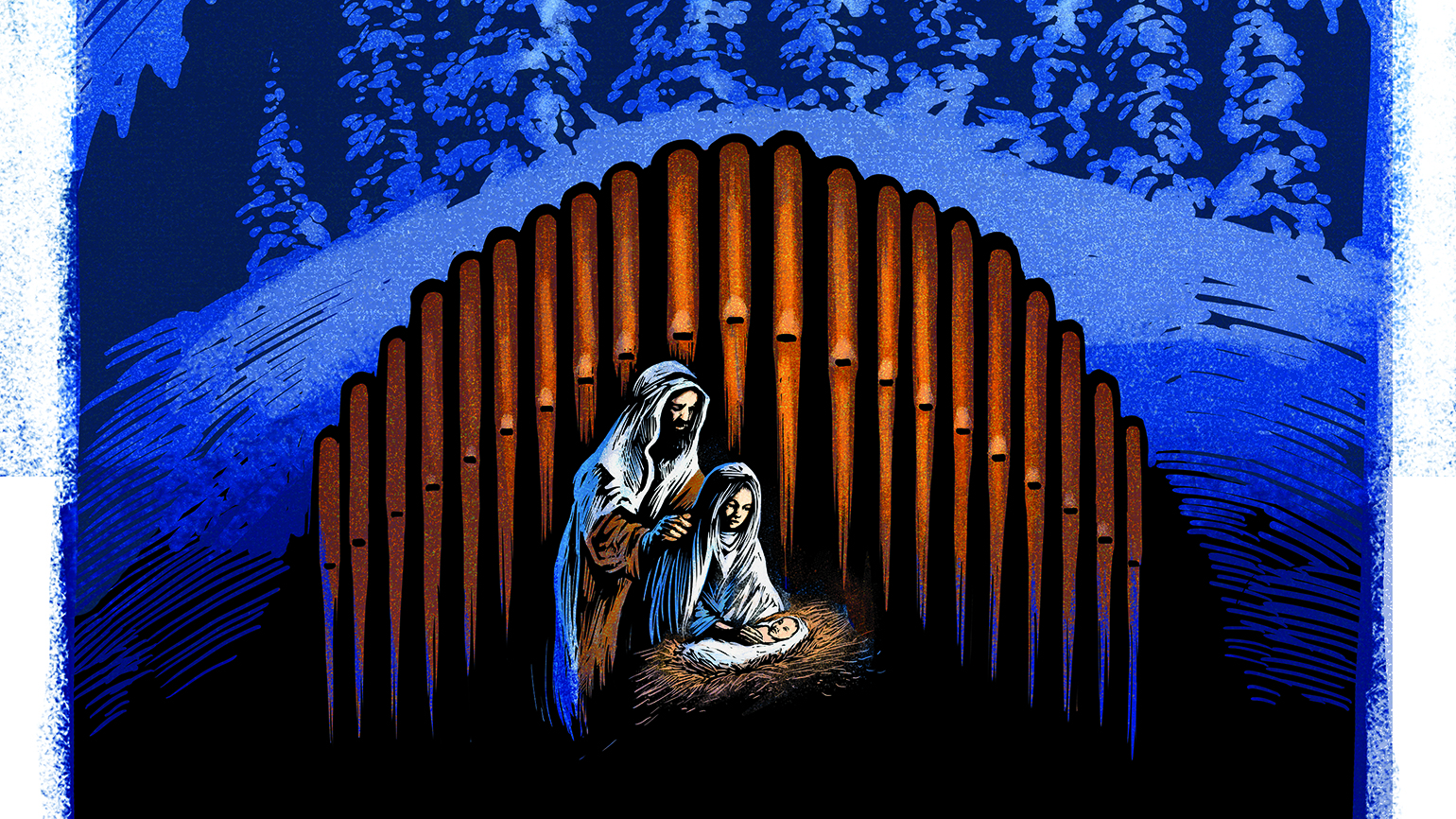
Our church back home—St. Mark’s in Mt. Kisco, New York—he went on, was having the asbestos insulation removed from the heating pipes in its basement. Since the air intake for the organ was also in the basement, this meant that as long as asbestos dust was being created, the instrument could not be played. If the job wasn’t finished by Christmas Eve, our friend continued, he and his wife would have to go to church elsewhere.

“Can you imagine the midnight service without the organ?” he wrote.

I put the letter on the windowsill and looked across the swirling gray water of the Salzach River to the distant Alps. The Salzach takes a horseshoe loop at Oberndorf, and where the river curves, a church used to stand. High water had eaten away its foundations, and eventually the building was torn down. But I wanted to tell our friend about that vanished church. Because there too, one Christmas Eve, the organ had been silent.…

Dampness from the river had corroded the pipes until by Christmas Eve of 1818, the organ in Oberndorf was emitting only a wheezy whisper—and the itinerant organ mender was not due in the village until the following week.

The bad news especially affected two young men. One was the 31-year-old church organist, Franz Gruber. As a boy, Franz had often been beaten for sneaking away from his linen loom to take music lessons. Now he had worked hard rehearsing the village choir for the midnight service. But to ask them to sing the elaborate Christmas chorales unaccompanied was out of the question, and Franz was in despair.

Equally distressed was the 25-year-old pastor, Joseph Mohr. A child born out of wedlock, educated for the priesthood on the charity of the church, Joseph had only recently been ordained. He’d dreamed of making this Christmas celebration an especially glorious one, but here it was December 24, and no organ!

Joseph did own a guitar. But a guitar could hardly substitute for the organ on a night like this, with its tradition of elaborate fugues and cantatas. If only there were some melody simple enough for a guitar to carry by itself, with homely words to capture the holiness of this special night.

Even as the wish formed itself, words began to come, words based on a poem he’d written two years before. The priest seized a scrap of paper and began to write, his quill pen racing across the page.

It was the afternoon of Christmas Eve when Joseph showed the little poem to the organist. Could Franz set the words to a melody for the guitar? Franz Gruber said he would try.

The choir was assembling by the time he finished. It was too late to teach them the whole piece, so Joseph and Franz decided to sing the song as a duet, with the choir repeating just the last line of each verse.

And so it was that the disgruntled church congregation, muttering over their mute and useless organ, heard instead the new pastor’s tenor voice and the bass voice of their organist, singing a song to the plucking of a guitar, the choir echoing the final words.

The words stuck in the worshippers’ minds, and so did the tune; many were humming it as they left that night.

They were still humming it when the organ mender arrived in Oberndorf a few days later. He liked the song so much he committed both the words and music to memory and played it as he journeyed from town to town. In the Tyrol, a group of traveling singers added it to their repertoire.

Joseph Mohr and Franz Gruber never knew the end of the story. Neither man guessed that the song they had created the night the organ failed was to become the world’s most popular Christmas carol.

But it was about that original organless service back in 1818 that I wanted to write our friend. There must have been many in that congregation who’d been tempted to go somewhere else that night. And that would have been too bad. They would have missed a chance to see what God can do with bad news. They would not have been in Oberndorf to hear the very first singing of “Silent Night.”

The Inspiring Moment Josh Speidel Scored in a College Basketball Game

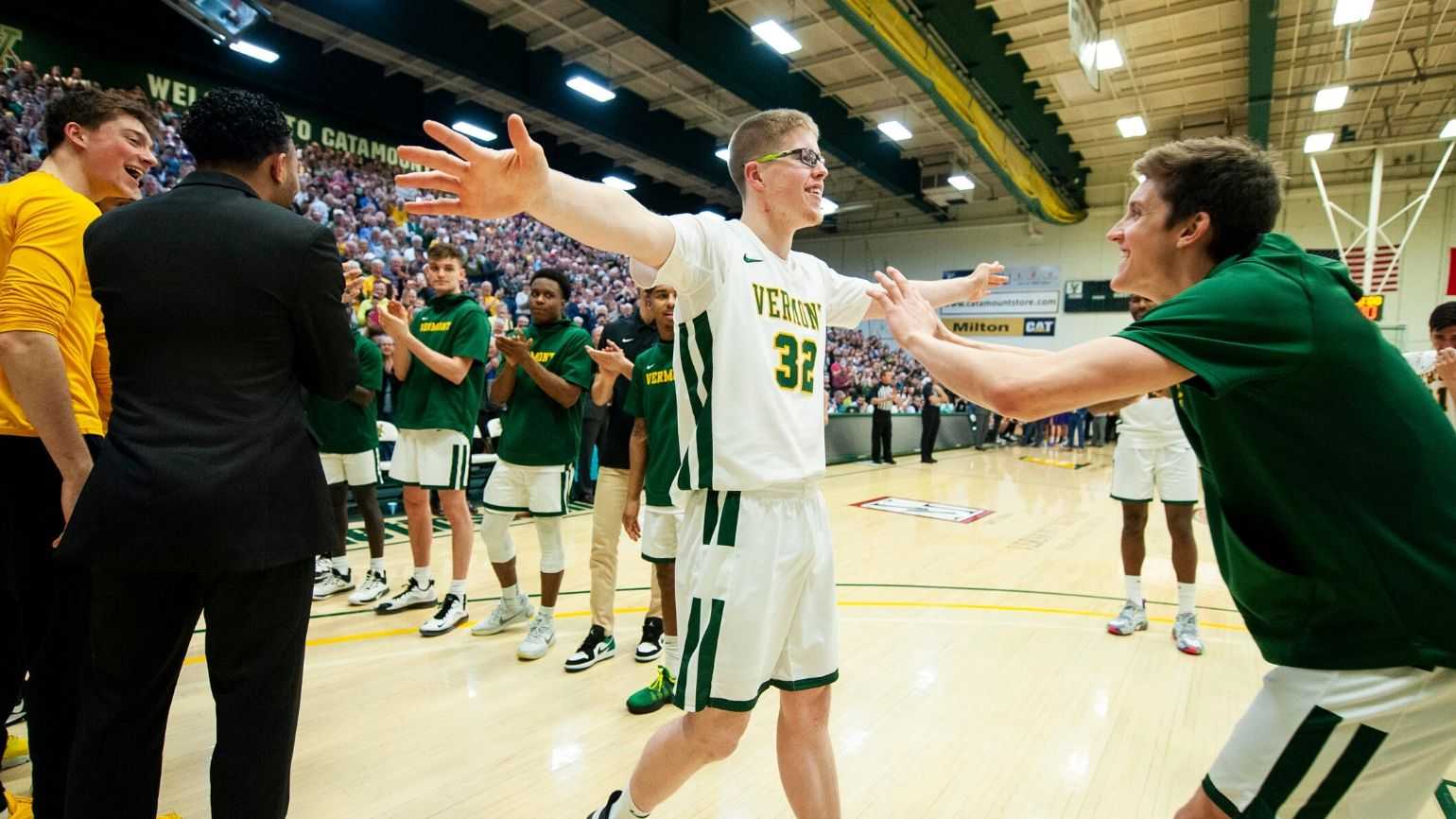
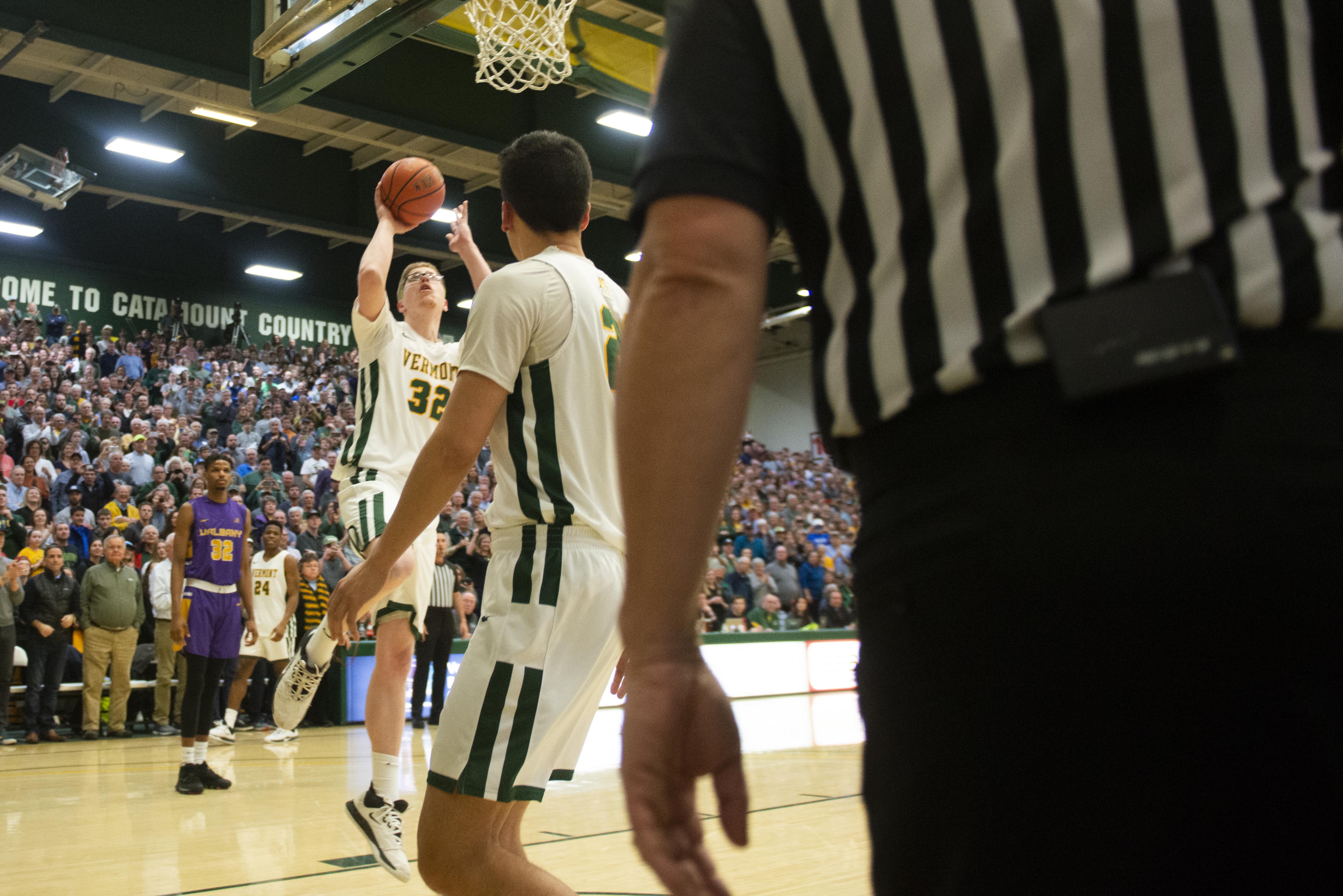
With 19:40 on the clock in the first half of the University of Vermont’s match-up against Albany in March, Josh Speidel caught a pass and scored. The crowd went wild, and the coaches and players of both teams hugged the 6’7”senior. According to ABC News, Josh announced, “I did it! I’m a college basketball player!”

Making a single lay-up would be no big deal for the average player. But five years ago, Josh suffered a traumatic brain injury in a car accident, only months after signing with the UVM Catamounts. The star forward of his Columbia, Indiana high school team, Josh had offers from 15 universities, but playing for UVM had always been his dream.

After the accident, he went into a coma and the doctors told his parents, David and Lisa Speidel, that he might remain in a vegetative state or need round-the-clock care for the rest of his life. But his parents never lost faith that their son would wake up, and agreed they wouldn’t tell Josh his terrible prognosis when he did. Not if, but when. “We knew God had us,” Lisa said.

Four weeks later, Josh proved them right. Not only did he learn to walk and talk again, soon he was even working out. But as much as the goal of playing basketball was a driving force in Josh’s recovery, the most important thing was his unwavering faith in God to see him through.

Photo by Brian Jenkins

“Faith has always been instrumental in my well-being and having that relationship with God has always been first in my life,” Josh told the Burlington Free Press. “Sticking with that through the ups and downs, my parents never wavered in their faith, they never took a step back and questioned God.

Just a year and a half after the accident, he headed off to Burlington, Vermont to start college. With periodic arm tremors and short-term memory loss, Josh knew he would never play for UVM, but he watched every practice from the sidelines and became an integral part of the team. UVM associate head coach Kyle Cieplicki, who’d been Josh’s lead recruiter, said, “He’s shown me and the whole team how to handle adversity.”

Now 24, Josh will graduate from UVM in May with a 3.4 GPA. He’s majoring in education and social services, and plans to work with kids. “Wherever God takes me,” he said, “I’m keeping my options open.” Josh tells people who are struggling with their own challenges, “Always have a goal in your head and chase after it as hard as you can. And whenever you need help, ask.”

But in the end, Josh told an Indiana news station, “It’s a God thing.”

The House That Helped Him Find Love

I first noticed the house in the summer of 1958. It was on East Sixteenth Street in the suburb of San Diego where I lived. A new through street had been completed that spring, and I now passed by the house occasionally on my way home.

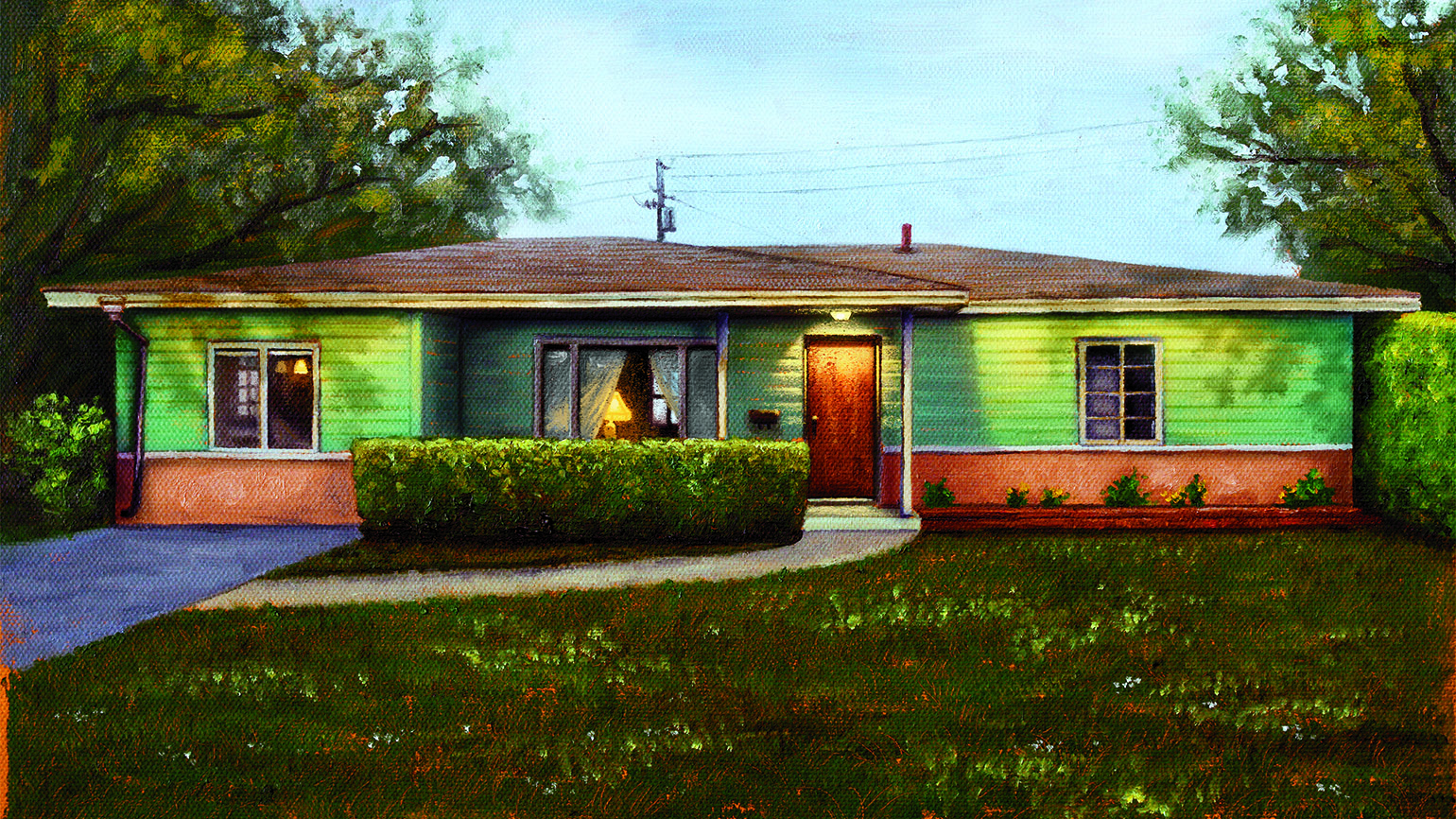
The house was unremarkable. Pale green and on the north side of the street. A compact, one-story home, no different from the others on the block. So why couldn’t I keep my eyes off it when I passed by? I felt drawn to it.

Summer turned to fall. I started studying photography at San Diego Junior College. The house and its peculiar pull faded from my mind as something else caught my attention—a pretty, red-haired classmate named Ruth. Halfway through the semester, I finally got the courage to ask her out.

“Les Brown and his orchestra are playing at the Balboa Park Club,” I said to her one day after class. “Would you like to go with me?”

“That sounds like fun,” she said.

Neither Ruth nor I could drive, so I convinced my younger brother to bring his own date to the dance. That way, he could give us a lift. On Friday night, we drove to the address Ruth had given me. “Should be coming up on the next block,” I said.

I counted the numbers as we went: 2215, 2217, 22… “There it is!” I said. My brother pulled into the driveway. “This is your home?” I said when Ruth answered the door.

“Yes, my father lives here,” she said. “I’m staying with him while I go to college.

Now I knew what was so special about that ordinary, pale green house on the north side of East Sixteenth Street. It was the young lady inside. She’s now been my wife for 60 years.

Did you enjoy this story? Subscribe to Mysterious Ways magazine.

The Great Outdoors Is Her Sanctuary

On Easter morning, I will celebrate the glory of the Resurrection—but not in­side a church.

I’ll be standing by a cross on a hill­side, surrounded by sagebrush and ce­dar trees, miles from civilization in the foothills of northwest Colorado. With a handful of other early risers, I will brave the cold as the sun ascends over the distant snow-capped mountains.

After a Scripture is read, I will join in the singing of a hymn and feel a spe­cial closeness to the Creator as I em­brace the familiar comfort of this Eas­ter sunrise service. This is the church I have called home for many years. My church of the great outdoors.

Looking at the high desert foothills, you might think, “There’s nothing here.” I’ve had visitors ask, “Why do you live in the middle of nowhere?”

I could tell the long story of how I left the place where I grew up and drove hundreds of miles to this lone­some hillside, surrounded by thou­sands of acres of unpopulated public land. I could talk about my lifelong search for love, healing and belonging. Mostly I just say, “This is my church.”

Mama said the first word out of my mouth was “outside.” That’s where I went—outside—when I was seven years old and Mama walked out on our family, leaving my three siblings and me in the care of my dad.

I ran to the creek and hid amid the blackjack trees. I found something there I would keep chasing for many years.

Except for a brief stint in Vacation Bible School and a summertime visit to my grandmother’s church, I had no real concept of God.

What I did know is that, whenever I was outside, playing by the creek or sitting on the schoolhouse steps, listening to the wind in the grass, I did not feel alone.

I grew up, married young, divorced and found myself raising a five-year-old son named Scott who suffered from asthma.

One night, I was desperate enough to attempt something I’d seen other people do. “Lord, how do I help my son?” I whispered.

Scott took a dozen medications daily. I’d lost my job as an orthodontic assistant because no day care would accept a boy with severe asthma. I cleaned houses, propping Scott in front of a TV while I worked.

A strange idea came to me in re­sponse to my novice prayer: “Go see Dr. Bob.” He was the family doctor who’d made house calls at our farm when I was growing up.

“I’d get him out of Oklahoma,” Dr. Bob told me. “Take him out west to a high, dry climate.”

So much for prayer. What was I supposed to do with that advice? It had taken me a year just to scrape to­gether enough for the old pickup truck I drove. No way could I afford to move to a different state and start over.

Another unexpected thought came to mind. I remembered an aunt and uncle in Rangely, Colorado, near the Utah border about 90 miles north of Grand Junction. I had spent a summer with Alma and Slim after high school.

I called Aunt Alma. “We have two empty bedrooms,” she said. “You can stay with us until you get a place of your own. Bring that boy and come.”

The prospect of moving terrified me. And yet, as Scott and I drove through Kansas wheat fields and into the Colorado mountains, a comfortably famil­iar feeling took the place of fear.

Outside, in the big sky and big land­scape, I was not alone.

If you’re imagining Rangely as some Colorado ski town, think again. It’s high desert, mostly sagebrush, cedar trees and oil derricks. I was homesick and regretted moving.

Three months after we arrived, I awoke one morning and real­ized I hadn’t gotten up in the night in response to Scott’s wheezing. I ran to his room. He slept peacefully. Dr. Bob—and the Presence who had directed me to him—was right.

I wanted to get to know that Pres­ence. I began attending a small com­munity church in Rangely. Everything I heard made sense to me, and I decid­ed I was a Christian.

Four years later, Scott was a happy and healthy elementary school stu­dent. I found work in construction, training as a welder’s helper. I got remarried. Everything seemed to be coming together.

One day, Aunt Alma called. “Your dad’s gone,” she said.

I sought solace at church. To my bewilderment, instead of comfort, I received questions and judgment. “What church did your dad attend?” everyone asked. “Was he saved?”

Dad believed in a divine power, but he did not attend church. Plenty of ornery farmers are like that. The congregation grew chilly toward me. The pastor quoted Bible verses suggesting my dad was now in hell.

I fled that church and cast aside my newfound faith. I started going to bars. My second marriage unraveled, and my drinking escalated.

One night at a bar in Rangely, I com­mented bitterly to someone about the judgment cast on my dad. A stranger beside me turned and said, “No man can determine that.”

“Who are you?” I demanded.

I was shocked to learn the man was an Episcopal priest. “The state of your dad’s soul is known to God alone,” he said. “Don’t let anyone tell you they know more than God.”

Right there in that bar, I broke down. The priest and I talked for a long time about God’s mercy and all-knowing ways.

The next Sunday morning, and for many Sundays afterward, Scott and I were at the Episcopal church in town.

I recommitted myself to God. I cut back on my drinking, read Scripture and, for the first time in my life, felt truly welcome in a Christian commu­nity. I even allowed myself to forgive that other church.

A few years later, an oil bust sent Rangely’s population and finances plummeting. Like so many other places of worship in struggling rural towns, our little church had to close, and the priest took a position in an­other community.

I joined an informal Bible study with women in town. We met to dis­cuss Scripture and agreed not to argue over differing interpretations.

Life moved on. Scott graduated from high school, went to college, married and moved to Boise, Idaho, where his wife’s family lived and there were more work opportunities.

The Bible study group drifted apart. Slim and Alma died; their house was sold. After years as a single mom, jug­gling work and parenting, I was alone.

Another of those strange thoughts came to me. If I stayed in Rangely, un­anchored and unhappy, I would be back in the bars in no time. Something pulled at my soul, directing my gaze out of town, toward the hills.

This time, I knew where those thoughts came from. I bought a house 12 miles from town in Blue Mountain, a small, desolate parcel surrounded by acres of public land.

It was a lonesome spot. I couldn’t help wondering why God had directed me here. I explored my new territory. Every afternoon, my dogs and I took long walks through the hills.

We meandered through scrubland and unusual rock formations. I saw ancient fossils and evidence of the Na­tive Americans who’d once lived here.

This place was not desolate. Once I set aside my preconceptions and opened my eyes, I could see beauty everywhere.

That’s how it is with God. The more I walked, the more I soaked in the hills’ muted colors and ever-changing vis­tas, the more I listened to the voice of the wind in the sage, the closer I grew to my Creator.

I guess I’m like my dad in some ways. A little ornery. Single-minded. People like me don’t always fit in at church. For this stage of my life, God gave me this wilderness as my church.

Family and friends try to persuade me to return to Oklahoma. “You moved out there for Scott. He’s well now. Why don’t you come home?”

No, thank you. Here on Blue Moun­tain, God has sustained me through the losses that come in the second half of life. My older brother died, and my younger brother took his life.

Both times, I plunged into depres­sion. Just when my doubts felt over­whelming, I would take the dogs for a walk and suddenly feel lifted up by a powerful sense of consolation.

God was here. I was home.

The deepest lesson God has taught me in this church of the outdoors is that, however close I feel to him here, he is everywhere.

My life story confirms it. God was with me by the creek in Oklahoma. There in Dr. Bob’s office. Even in that bar where the priest helped rescue my fledgling faith.

This Easter, surrounded by the sage and cedar I’ve grown to love, I will give special thanks for my home in the wil­derness and my relationship with my Creator. I’ll take comfort in his pres­ence here. And everywhere.

For more inspiring stories, subscribe to Guideposts magazine.