Embrace God's truth with our new book, The Lies that Bind

Unexpectedly Finding the Bread of Life

I don’t know about you but as much as I enjoy looking at art in a museum, I get tired sooner than I expect and need to sit for a few minutes to clear my head. Otherwise I get too groggy to look at anything.

This happened the other day when I was at the Metropolitan Museum. It’s a fabulous place and living in New York, I appreciate the luxury of being able to dart in and dart out. This was a Sunday, and I was killing time before meeting someone.

Community Newsletter

Get More Inspiration Delivered to Your Inbox


I was in the middle of Renaissance Italy, taking in some exquisite scenes, beautiful paintings in rich colors, most of them Biblical. Sensory overload finally hit, and I sat down on a bench. (Thanks for those benches, Met Museum!)

I took out my Kindle and turned to the Gospel of John. Just so you don’t think I’m too holy I should confess that this was part of an assignment for a class I’m taking. I ended up poring over that wonderful passage where Jesus compares himself to bread.

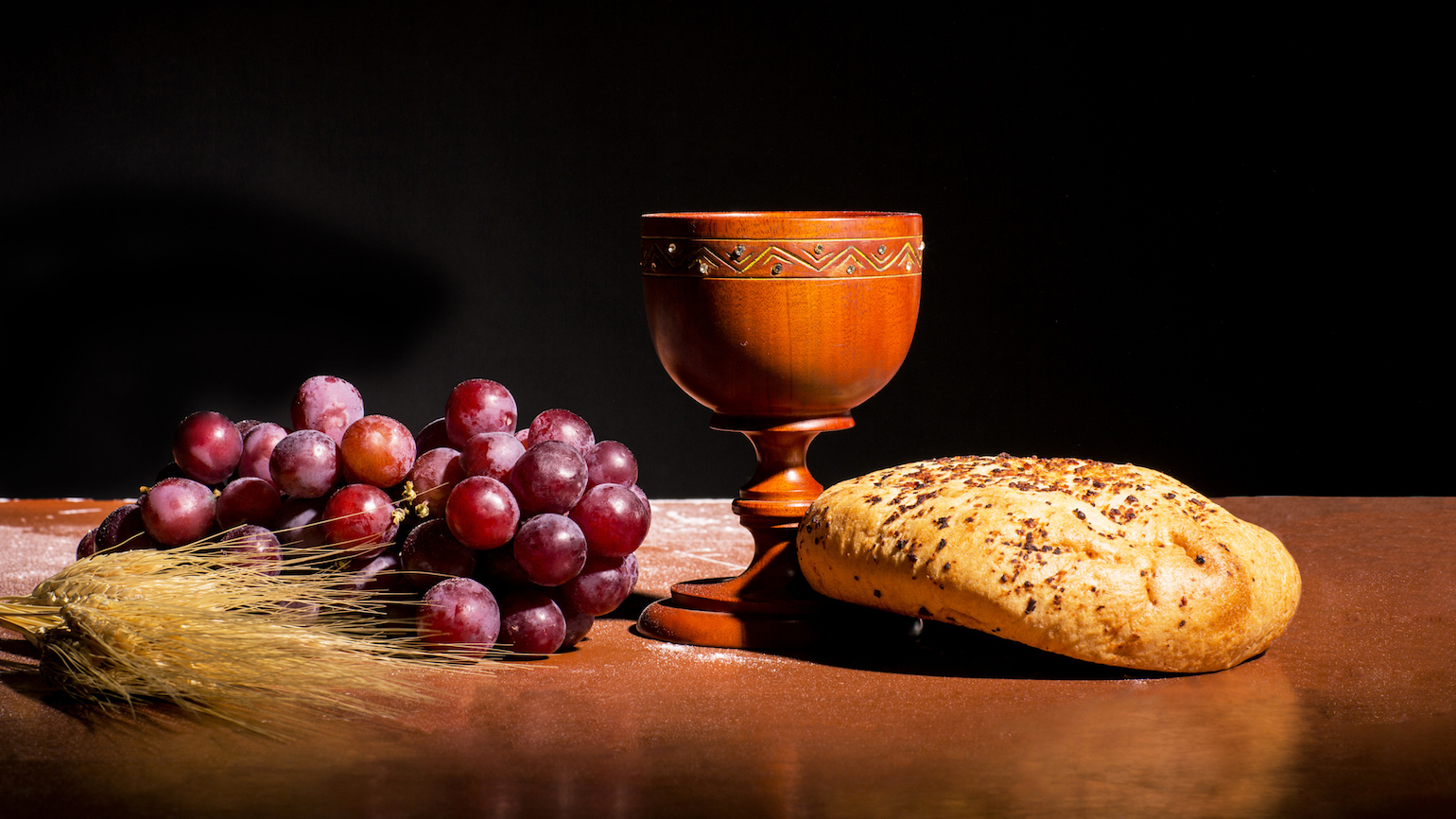
“I am the bread of life. Whoever comes to me will never go hungry, and whoever believes in me will never be thirsty,” Jesus said.

I was thinking about how tangible that must have seemed to the disciples, especially after seeing Jesus turn a few loaves and fishes into a feast for thousands.

Rested, I got up from the bench and looked again at pictures. The first one I saw was a Nativity scene, Joseph and Mary hovering over Jesus in the manger.

And there, right beneath him was a sheaf of grain. The bread of life at the feet of THE BREAD OF LIFE. “That’s it!” I wanted to say.

Too bad I didn’t have one of my old art history professors nearby because I would have asked for extra credit, remembering how Renaissance and Medieval art could be rich in symbolism.

Restored, I walked out of the museum and because I’d been thinking of food I bought a knish from one of the sidewalk vendors.

I said a prayer of thanks for good art, good food and the bread of life.

Trapped in an Ice Cave: Would They Be Rescued in Time?

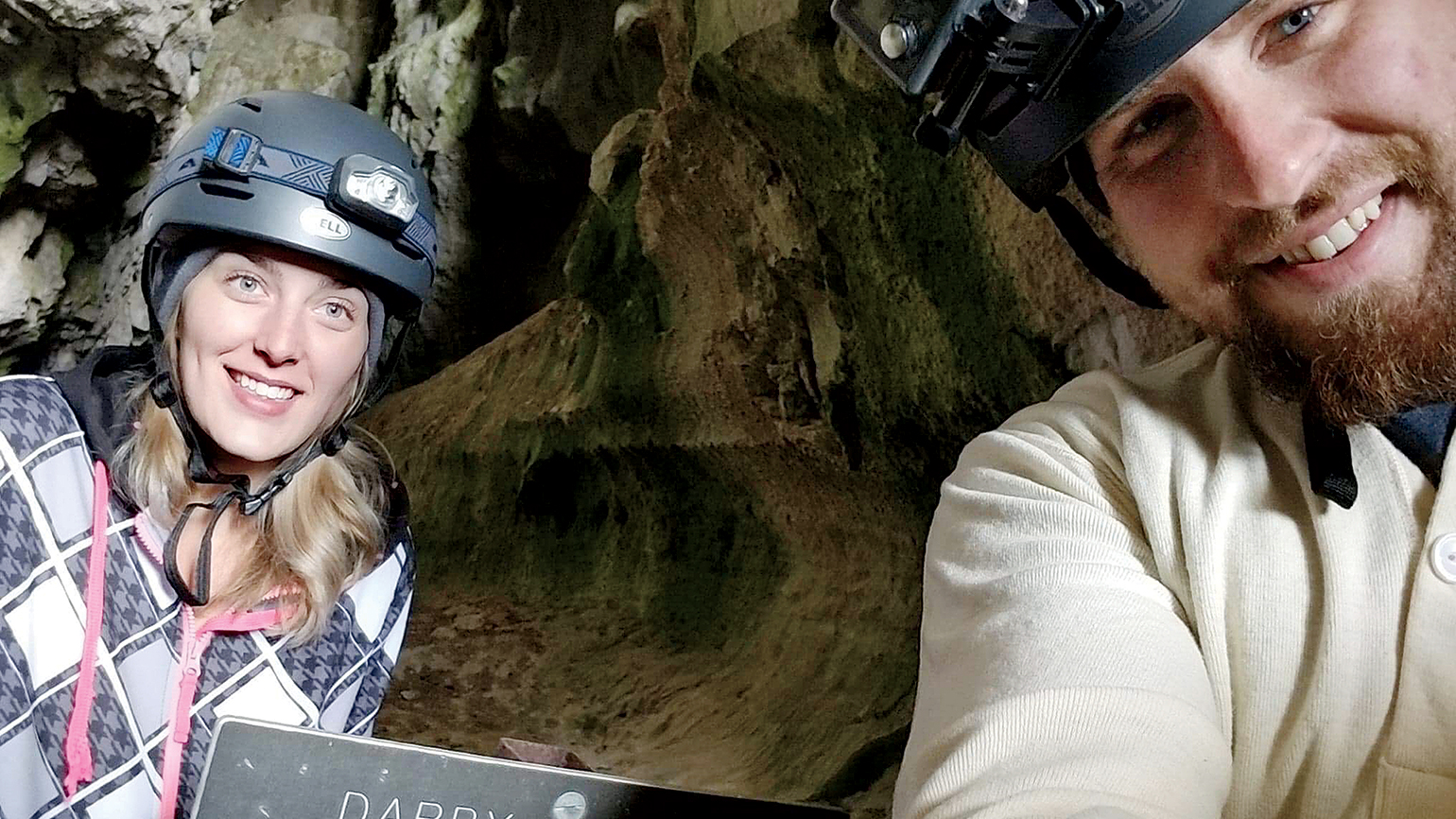
Had we finally found a way out? I watched from a ledge, shivering, as my husband, Spencer, free-climbed the slick rock walls to the top of a waterfall. We’d been lost in the Darby Ice and Wind Caves in the Tetons for more than 24 hours. He had to be as cold and tired as I was, yet he kept going. Ten feet, 20, 30… There, he made it to the top. He pointed his fading flashlight at the spot where the water gushed from. Was there an opening we could squeeze through?

Exploring the caves was supposed to be a present for Spencer’s thirty-first birthday. We planned a big adventure like it every year—skydiving, hiking Table Mountain—to celebrate. We’re experienced outdoors people. We even got engaged on top of 12,662-foot Mount Borah, Idaho’s tallest peak. We’ve been rock climbing for more than five years, and we’d spent several weeks researching the caves. We couldn’t find much information, but there were consistent reports of a two-mile underground route linking the caves, with rappels, waterfalls, streams, narrow passages. All the things that our adventure-junkie personalities love. Our plan was to enter the ice cave and exit the wind cave, which we’d read could involve six to 12 hours of hiking, climbing and rappelling, depending on conditions underground.

Safely within our abilities, which was especially important now that we had our one-year-old daughter, Aurora, to think about. We’d taken her to stay with my parents on August 10, two days before Spencer’s birthday. Early the next morning, we told my mom to call for help if she didn’t hear from us by midnight that night. Telling someone where you’re going and when you expect to return is a standard backcountry precaution.

Spencer and I drove to the trailhead and hiked the five miles up to the ice cave. By the time we reached the entrance, it was around noon and we were sweating in the midsummer heat. The blast of cool air from the ice cave felt good.

The first rappel, 40 feet over an ice cliff, looked a little scary. “You’ve got this, Jess,” Spencer said. “Keep that back brake locked.” Gripping my rope, I took a deep breath and slid backward, dropping into the dark cave. Spencer went next, letting out a whoop. “Yippee ki-yay!”

This is it, I thought. There’s no turning back. The cliff was too steep to climb up. We’d have to hike through to the wind cave. Let our adventure begin!

Everywhere we turned, ice shimmered on the cave walls. Beautiful. We made our way forward with our helmet lamps, climbing over slippery rocks, squeezing through passages, wading through frigid water. We followed bolts left in the walls by other hikers, using them as guides.

Underground, minutes leaked into hours without any change in light. Around the five-hour mark, I started to wonder if we were still going the right way. There were a lot of offshoots from the main cave.

We were soaking wet from wading and from water dripping onto us, and chilled from wind blasts, by the time we reached a big cavern—maybe 50 feet wide. The rocks were blanketed with ice. We searched. No bolts anywhere. No obvious way out. A waterfall poured from a hole in the ceiling, collecting in a pool at our feet.

We were tired and hungry, so we sat down to eat some energy gels. I treated some water with our purifier. As I took a drink, my headlamp shone on a nylon rope dangling from near the top of the waterfall. I pointed at the rope. “Look!”

“Babe, what if we’re supposed to climb that rope to get out?” Spencer said.

It seemed crazy that a four-foot rope was our way out. Then again, it meant someone had been here and gotten out. The end of the rope was 10 feet above our heads. We had to give it a shot.

I climbed onto Spencer’s shoulders—he’s six foot two—and grabbed for the rope, standing as tall as I could. “You can do it!” he said.

I tried again and again. Every time I managed to grasp the rope, it slipped out of my hands.

We stopped to regroup. Spencer and I sat on the muddy ground, huddling together for warmth. My mind went to Aurora. What if this morning was the last time I would ever see my baby girl? Don’t go there, I told myself. We’re going to make it.

To warm up, we made a fire, burning whatever would burn from our backpacks. Food wrappers. Baseball caps. The leather cover of our binoculars. I looked at my watch. It was 12:03 a.m. Spencer’s birthday. We’d been in the cave for 12 hours. “Happy birthday,” I said. “This is one you’ll never forget.”

Spencer hugged me close. A lot of people would have prayed at this point. We’re not religious, so we just held each other through the night and tried to stay positive.

“We’re gonna be okay, babe,” Spencer said.

“I know,” I said. “Help is coming.” My mom must have called search and rescue by now.

Around 6 a.m., we tried the rope again. No luck. The cold felt as if it were creeping into my bones. We did jumping jacks and squats, but the wind whisked away our body heat faster than we could create it.

We made another fire. We kept our rope, climbing harness and one backpack with a few essentials. Everything else—the other pack, Spencer’s knee brace, our extra gloves and hats, our wallets—went into the fire. I even used a dry piece of my hair as kindling.

I let the warmth of the fire seep into my body. The sound of the water burbling over the rocks and the wind whistling through the cave was like meditative music. It was odd, but I felt an incredible peace in that moment, as if I would be okay, no matter what happened. It was like a reassuring presence.

Around noon, we decided to give the rope one more try. We were out of food, out of things to burn. The batteries for our lights were dying. Spencer hoisted me onto his shoulders. I’m going to get it, I told myself, lunging for the rope. My hand wrapped around the end. Yes!

That’s when I saw a bolt in the cavern wall that we hadn’t noticed before. Holding on to the fixed rope with one hand, I maneuvered myself toward the bolt. I looped and tied our climbing rope through it. Spencer and I came up with a pulley system to lift me another 15 feet to a ledge where I could secure our rope. It took me two hours to get up there. Spencer pulled himself up using the rope I’d set. “We’ve got this, babe,” he said.

The ledge was at the base of another waterfall. Was that an opening up at the top? No bolts. We’d have to free-climb. Slowly I made my way up. I grabbed a shelf in the rock wall, only to have it crumble in my hand. I fell 15 feet and bounced off a boulder. The next thing I knew, Spencer’s arms wrapped around me. Somehow he’d caught me!

Then it was Spencer’s turn to attempt a free climb.

He pointed his flashlight at the top of the waterfall. Then he turned and looked at me. I’d never seen such bleakness in his eyes. I knew without asking that there was no way out.

“It’s just a crack,” Spencer confirmed once he climbed down. “Not big enough to go through.”

My teeth chattered violently, and my whole body was shaking with cold. We’re not going to make it, I thought. Aurora, I’m sorry….

Then I heard something. Voices. Was it just wishful thinking?

“Jess, do you hear that?” Spencer asked.

I heard someone shout my name. I blew my safety whistle. Spencer yelled.

Lights from flashlights filled the cavern below. They’d found us!

The search and rescue team helped us rappel down into the cavern we’d been in earlier. They told us we’d been on the right route, but recent flooding had made it almost impossible to find the exit. All of us waded deep into the pool of water at the foot of the waterfall to find a four-inch gap between the water and the rock above—just enough room to keep our heads tipped to breathe. No wonder we hadn’t seen this route during our searches. We passed through the gap, and our rescuers led us the rest of the way out of the caves.

Thirty-three hours after rappelling into the ice cave, we emerged into the hot air of night. We hiked down to the trailhead. Our friends and family were waiting. Everyone burst into singing “Happy Birthday” to Spencer. Everyone except Aurora, who was fast asleep. Seeing my baby girl and knowing I would get to watch her grow up made my heart full.

A week later, I was in our backyard, picking apples. Spencer mowed the grass. Aurora lay in our hammock with a lap full of apples. I watched her take bites out of every single one, giggling, and I thought back on our adventure in the ice cave. It hadn’t been just Spencer and me down there for those 33 hours. I couldn’t shake the memory of a third presence. Like I said, I’m not a religious person. Still, when we were wading through chilly water, climbing icy walls, making fires—there had been someone with us. Protecting us in the dark.

For more inspiring stories, subscribe to Guideposts magazine.

Though Sometimes Lonely, She Learned She Was Never Alone

I sat at one end of my couch with my dinner for one: toast with a bit of cheese. The sound of each bite—had I always chewed so loudly?—seemed to echo around my new apartment. I glanced at my phone. Nearly 8 p.m. I’d had a long day at my new job. I’d been looking forward to getting home.

Now that I was here, though, I didn’t know what to do. Play music? Watch TV? Do some vacuuming? There was so much…silence. I set down my plate and picked up the phone. Should I text my older sisters, Kristin and Priscilla? “It’s too quiet. Please send help, stat!

I put down my phone, knowing that request would never fly. I could imagine their reply: “You’ll get used to living on your own. Just give it time.”

It had been two months since the three of us had gone our separate ways. If anything, I was even more lonely. My sisters and I had been roommates for nearly a decade in New York City. Sure, we’d squabbled over whose turn it was to load the dishwasher and take out the trash. But there was nothing like coming home from work to two people asking, “How was your day?”

Things changed after Kristin got married. At first, she and her husband, Ciaran, lived in the apartment with us. When our lease ended, they moved out. By then, Priscilla was getting married too. Our lives were clearly going in different directions. Almost overnight, it seemed, I went from seeing my sisters every day to having to make plans to get together.

Priscilla lived more than an hour away in New Jersey. Kristin was a subway ride away, not close enough that I could just drop by. And they were busy with their own lives. I didn’t want to bother them. Priscilla and her husband were house hunting. Kristin and Ciaran were expecting a baby. And me? I was experiencing empty-nest syndrome…in my thirties.

Our old place had been a constant blur of activity. Game nights. Impromptu fashion shows with our latest salesrack finds. We were always laughing. One night, Kristin and I came home from a Zumba class and found Priscilla in the living room, eating dinner. The perfect audience to show off our newly learned choreography, even if we both had about as much dance talent as Elaine on Seinfeld.

“Play the music!” I instructed.

Priscilla blasted the Zumba song on her cell phone. Kristin and I put on our best professional dancer faces and moved in time, arms swaying. Left hip, right hip. Then we walked with wide, exaggerated steps, circling around. Priscilla howled.

“I want to try!” she said. She jumped up from the couch and joined us. We were laughing so hard, we could barely take a step.

Those days were over. I hadn’t giggled like that since I’d moved in. At first, I’d been excited to live on my own. I had a busy social life, a good group of friends and hobbies like my improv class. How hard could it be living alone? But I was so used to operating as one of a trio. Everyone knew me as Diana and her sisters. When I talked about what I was up to, I always said “we” and “our,” as if I were part of some clandestine government unit.

Now, even when I was out with friends or at improv class, my stories fell flat. Without Kristin and Priscilla, I felt lost. Unsure. Uninteresting. And no one wanted to hear about how much I missed them.

It didn’t help that I was new at work. I’d been at my old company for nearly six years. There had always been someone to grab lunch with. Not anymore. I found myself pulling away even from the people I did know. Somehow even God felt missing and my prayers lost in the unfamiliar silence.

Everyone had been so supportive when I told them I was going to be living on my own. “Once you get settled, you’ll love it,” they all said. I looked around my living room. The pictures were hung. The Wi-Fi installed. The furniture where I wanted it. Nothing needed to be done. There wasn’t anything I could buy or rearrange to fill the emptiness. I leaned back into the couch and closed my eyes. “Please, God, just help me out here,” I said. “Can’t you see I’m lonely?”

No response. No still small voice. Just the silence.

That weekend, I pulled out my laptop and did what everyone does to find answers. I typed “loneliness” into Google.

Up popped an assortment of articles, a few videos and links to a couple of scientific studies. I clicked on one. Loneliness was an epidemic, the researchers said. Nearly half of Americans reported feeling sometimes or always alone. But those very feelings caused people to withdraw, to grow depressed and discouraged, to view even friendly faces as threatening. There were significant health consequences. Loneliness, research had found, was as bad as smoking 15 cigarettes a day!

Whoa. This was serious. I could see all the ways loneliness was dragging me down. I had to do something, or it would only get worse. “Surround yourself with people,” one article advised. “Go where you can meet others. Make conversation. Keep at it!”

The idea of putting myself out there, by myself, was terrifying. Even at office holiday parties, my sisters had come with me. At my improv shows, they would sit in the front row, laughing loudly even when I bombed. I needed to know someone was there for me, if just in spirit.

God? We hadn’t exactly been buddy-buddy lately, but it struck me that putting myself out there meant taking a leap of faith. If I couldn’t do that with God, there was no chance of success with anyone else. I’m trusting that you’ll be by my side, Lord, I prayed. In social situations, I would think of him as my plus-one.

I started with improv. At my next class, I sat in my usual spot in the corner of the room but, during break, pulled out a bag of chips I’d brought. “Anyone want some?” I asked, holding out the bag. “Ooooh, yes,” one woman said. The guy next to her took some too. We munched away silently, and that was that. They turned around, and class resumed. I’d accomplished absolutely nothing.

I tried again. The following Monday, I texted the class on our group chat: “I’m going to a comedy show tonight if anyone’s interested.” An hour passed. Then another. It was almost showtime, and no one had replied. I felt embarrassed. Rejected. Should I still go? I wondered. I remembered the advice from the article, to go where there are people. Besides, I had to do things I enjoyed—activities that made me feel like myself again.

I walked into the theater. Would people judge me for being alone? “You can take a seat there,” the usher told me, pointing to an area by the stage. I glanced around. There were plenty of people sitting by themselves. Like me, they were just there to laugh. By the time the lights went down, the place was so packed I forgot I was there by myself. Everyone cracked up at the same parts.

I left the theater feeling confident. I’d connected with people even if I hadn’t talked at length with anyone. And the show was great. It had been months since I’d laughed that hard. At my next improv class, I had something to share besides chips.

A few days later, I got an e-mail at work: “Charity bake sale volunteers needed.” I signed up, figuring some others from my department would go too. But when I got to the event, I didn’t recognize a soul. I was assigned to a registration table with two other volunteers. One of them was an older woman with the funkiest eyeglasses. I said the first thing that popped into my head.

“I love your glasses! I’ve been searching for a good pair since forever.” She and I gabbed like old friends, discussing the pros and cons of shopping for eyewear in New York City. The time flew by. At 2 p.m., my shift ended and I got up to leave.

“What’s your name again?” the woman said. “You seem like a delightful person. I’m so glad to have met you.”

I beamed. She didn’t know anything about me. I hadn’t regaled her with tales of living with my sisters. I’d just been me.

“I’m Diana,” I said. “It’s so nice to meet you too.” Thanks, God, I thought. For having my back.

With every encounter and experience, I felt my world expand. I pushed myself to do things I enjoyed, and the more I did, the more comfortable I felt striking up conversations with strangers. Best of all, I felt good about being on my own. Being myself. Even with my sisters, I wasn’t shy about making the first move.

“Let’s get dinner,” I’d text. Hanging out with them was different now. We didn’t know every detail in each other’s lives. But that meant there was so much for us to catch up on.

“You’re so busy!” Kristin said when I told her and Ciaran all that I’d been up to—shows, happy hours, dates, even church shopping—over dinner one night.

“Seriously,” Ciaran said. “You’re more social than any of us.”

I smiled. I liked the way they saw me. Really saw me. Not just as a sister or a roommate. But as me. Someone living on her own and loving it

For more inspiring stories, subscribe to Guideposts magazine.

This Rocket Scientist Relied on Faith and Family to Reach Her Goals

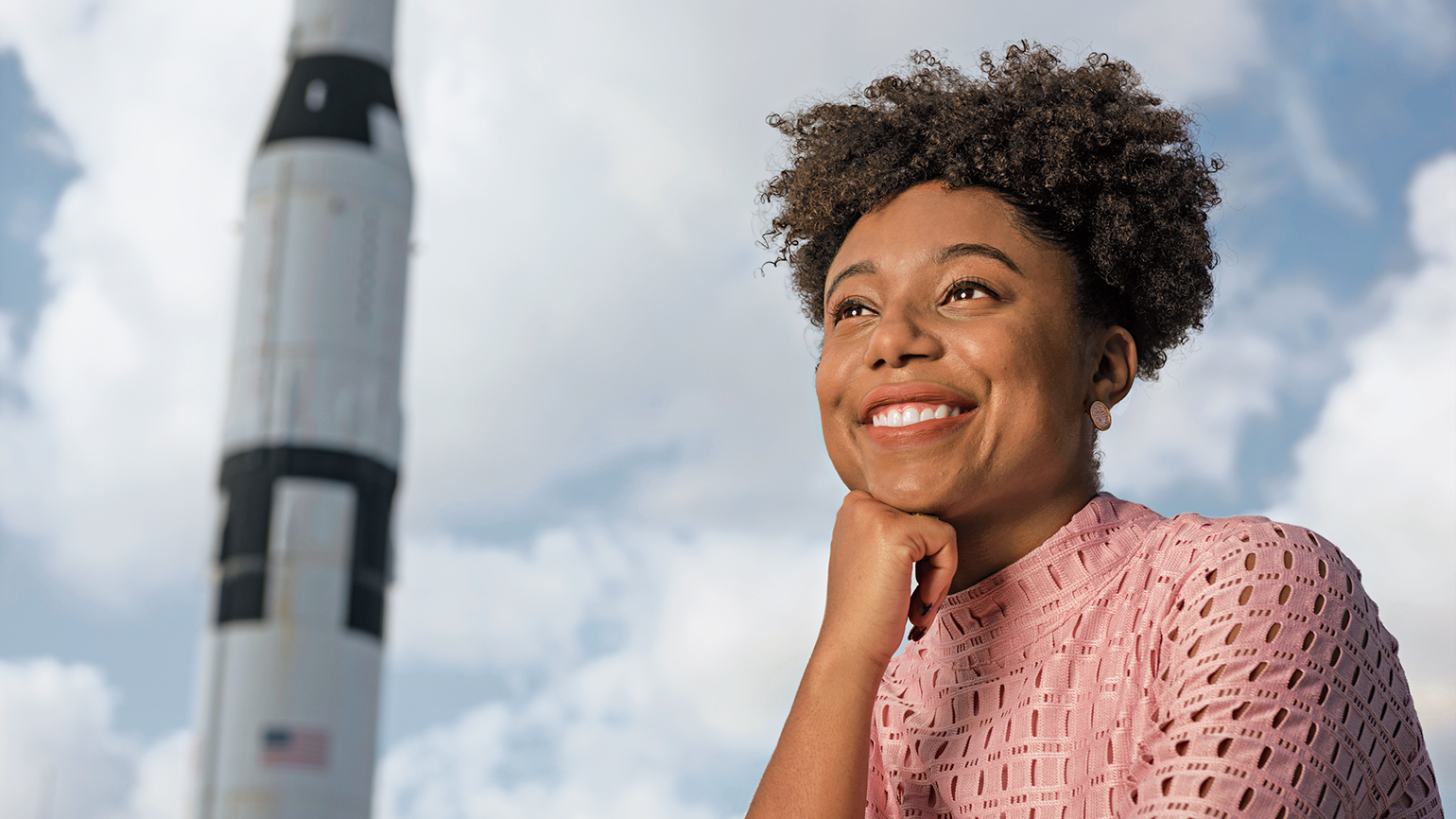
One thing I do a lot of, as a structural analysis engineer working at Boeing for NASA, is perform calculations to verify the strength and durability of parts for the Space Launch System. Because women—and in particular, women of color—are underrepresented in science, technology, engineering and mathematics, I’m often asked about my own strength and durability, my own trajectory. How did I get here? How did I become a rocket scientist?

I guess you could say it all started in the grocery store.

When I was a little girl, growing up outside Atlanta, I looked forward to Saturdays. Mom, Dad, my brother, my sister and I would get up early and go grocery shopping, but never to just one market. My mom was an accountant, and she saw finding the best deals as both a mathematical and spiritual imperative. As she explained it, God expects us to be good stewards, and therefore, we should spend our money the wisest way possible.

Mom studied the store circulars for sales and clipped coupons, tucking them in our organizer. We’d go from store to store, finding the best deal on each item on our shopping list. “Tiera, I need you to calculate how much we are going to save,” she’d tell me. She’d noticed early on how much I liked puzzles and Legos, so she saw these grocery trips as a learning exercise. I’d figure out in my head the sale price of each item, minus the coupon, plus the tax, keeping a running total as we walked up and down the aisles.

Dad took care of pushing the cart. Even though he was a construction worker and got up every morning at four or five to work, he never sent Mom, my siblings and me to the store without him so he could sleep in. Mom had been Dad’s high school sweetheart, and he never stopped seeing her that way. He just wanted to be wherever she was. Grocery shopping on Saturdays wasn’t a chore; it was special family time for the five of us.

When we got to the register, I’d give the exact total. My parents wouldn’t gape in amazement and announce to everyone in the store what their daughter could do. They’d just say, “That’s great, Tiera. Try it again at the next store.” That was Mom and Dad: not really cheering me on as much as pushing me forward. It worked. I fell in love with math at age six, and my confidence in my abilities grew.

As I got older, life got busier. You name it, I did it. Every day, Dad would pick me up from school and take me to music lessons (piano, saxophone, violin, xylophone) or athletics (softball, dance team, jump rope club).

Sundays were for church. I learned my Bible verses, taught Sunday school to the little kids with Mom and helped with plays and a dance ministry. I liked being active, and I wanted to do absolutely everything. In fourth grade, I wanted to be a scientist, a mathematician, an inventor and an architect!

I was blessed with parents who encouraged me to become all of these things I dreamed of. Mom taught me how important mathematics is for everyday life; Dad taught me other practical applications—measuring objects, calculating the square footage of different rooms in our house. One day, I saw a plane fly by and the thought struck me, I can design planes! I told my parents, and they’d sign me up for aerospace engineering or robotics camps in the summer.

But despite my success and the positive reinforcement my family and friends gave me, in middle school I started doubting myself. Could I really do all the things I wanted? Could I really grow up to be whatever I put my mind to? Elementary school had been fun—I’d even had Mom pack a math activity book in my backpack in case I ran out of work at school. But my middle school’s gifted program was much more rigorous. Sometimes I felt overwhelmed.

Whenever she sensed me doubting myself, Mom would have me recite one of our favorite Bible verses, Philippians 4:13: “I can do all things through Christ who strengthens me.” I believe God put mentors along my path to do just that, strengthen me academically, mentally, spiritually. My middle school science teacher, Mr. Newsome, was one of them. He pulled out my creativity and taught me to be solution-oriented. He kept animals in his classroom—snakes, birds, tarantulas—and really opened my mind and made science fun.

Once, in eighth grade, I was asked to give a speech. I was terrified. Dad said, “Never give up, never give in, never give out. Tiera, I want you to remember that as you take all these hard classes. In high school, in college and in your career, there’s no reason to ever give up.”

I got through the speech, and I tried to hang on to Dad’s advice and the promise of Philippians 4:13. But high school was even harder—and not just academically. I was terribly self-conscious about my skin. I’d had severe eczema all my life, and as a little girl, I hated to play outside: I was embarrassed to wear shorts or short sleeves in the Georgia heat because of the spots and scars on my arms and legs. The other kids called me Cheetah Print.

I’d never minded being called a nerd; I knew my nerdiness would help me become something someday, but when boys told me I had the ugliest legs they’d ever seen, that stung. Mom did her best to make me feel better. “Those boys are doing you a big favor,” she told me. “Someday, you’ll find the one who will love every piece of you, and these boys are saving you time by showing you they are not the one!”

I went to a magnet school that specialized in science, math and technology. Academics were more challenging than ever. I kept reading my Bible and putting my trust in God. Sometimes you can get so lost in your own mind that you forget there’s something greater than you. I’d pray, “Lord, I am giving myself to you, releasing myself to you, submitting myself to you.”

I had to remember that I couldn’t control everything, that my plans might not be his. And God sent people to lift me up. When I was preparing to take my AP Calculus exam, I was so stressed. My engineering teacher, Mr. Williams, reminded me, “Tiera, you can do this. Don’t waste your energy worrying. Use that energy to prepare for the exam.”

Getting into the Massachusetts Institute of Technology, my dream school, was a joyous experience. It was also humbling to be among the most brilliant engineering minds in the world. At first I wondered, Do I really belong here? Then I realized that even though I might not be the smartest person in the room—and I probably never would be for any class I took at MIT—I still had my own God-given strengths to bring to the table. I had to believe in myself before anyone could believe in me. That meant going for it even if I might fail.

Once again God brought people into my life to help me develop my strengths. Take structural mechanics, for example—which is a make-or-break course for engineering majors. I was struggling. So was everyone else. Professor Radovitzky stepped in to lead the class and talked through our questions with us. Even though this man had a full load of his own classes to teach, he took us on too. How could I let him down?

I pushed through my studies. I also did internships, including one at Boeing in Huntsville, Alabama, in the summer of 2015. That’s where I met Myron Fletcher, a rocket propulsion engineer. He was the one Mom had told me about all those years before. No, she hadn’t known Myron personally, but she’d told me that the right one would love every part of me, spots and all. Turns out, that person was Myron. Like me, he loves the Lord and rocket science. Like Dad does with Mom, Myron always wants the best for me. We fell in love.

When my internship ended and I went back to MIT, we stayed committed long-distance, doing daily joint devotions, growing closer to each other and to God. The summer of 2017 was a big one for us. Myron graduated from Duke in May with a master’s in engineering management. I graduated from MIT in June with a bachelor’s in aerospace engineering. And in July, we married at the U.S. Space and Rocket Center here in Huntsville, under the Saturn V rocket that sent astronauts to the moon.

Now I’m part of NASA’s Space Launch System, working with a group of rocket scientists—including my own husband—toward the next great frontier in space: sending humans to Mars. How did I get here?

There are so many variables that influence a person’s trajectory. God has blessed me with incredible mentors who have helped me make the most of my abilities and soar, starting with my parents at the grocery store. The biggest obstacles I’ve faced have been my own doubts. But like my dad taught me, I won’t give up, give in or give out. Can we make it to Mars and even beyond? I believe we can. I believe that, with a firm foundation, all things are possible.

For more inspiring stories, subscribe to Guideposts magazine.

This NY Fireboat Saved Hundreds of People on 9/11

I heard lots of stories on 9/11. I was a reporter at People magazine in New York City then; that day we scrapped the weekly issue that was slated to close that night and put out a special commemorative 9/11 issue instead. I reported on the phone, hearing harrowing tales of regular people on hijacked planes calling to say goodbye to their loved ones. I reported from the streets in midtown Manhattan, where dazed New Yorkers milled about telling me about narrow escapes, missing loved ones and amazing stories of strangers taking people into their cars and their homes. By the time I left the office at 5:30 a.m. the following day, the sun was dawning on a city—and a world—that would never be the same. My mind was full of incredible stories of unimaginable tragedy, as well as unimaginable heroics.

But until recently, I had never heard a story about an amazing boat that rescued hundreds of people on that fateful day. The Fireboat John McKean, a 129-ft. boat, first commissioned by the FDNY in 1954, ferried hundreds of wounded and desperate survivors from lower Manhattan to safety in New Jersey. It then spent the next few days supplying desperately needed water to firefighters on the ground.

The McKean was put out of service in 2010. But now, just in time for the 20th anniversary of the terrorist attacks, many people will have the opportunity to learn its incredible story. Over the last few years, the boat—now owned by the non-profit Fireboat McKean Preservation Project—has been lovingly restored with thousands of hours of volunteer labor and will take part in this year’s official 9/11 services. After that, there are plans to turn it into a museum.

“This boat has an important story to tell; there is a lot of incredible history,” says longtime volunteer and Fireboat McKean Preservation Project spokesperson David Rocco, noting that the refurbished ship will be docked at Pier 25 in Manhattan until October.

“People are going to want to get on the boat and experience it for themselves. But after October, the goal is that it will be a floating museum that goes up and down the Hudson and stops wherever there is a dock,” he said. “Hopefully, we can work out arrangements with local school districts.”

The September 11th attacks are just part of the McKean’s storied history. In 2009, the boat also rescued passengers from U.S. Airways Flight 1549—the Miracle on the Hudson—which famously made an emergency landing in the river. The McKean ceremoniously welcomed runners to the New York City Marathon with a water display every year, assisted the USS Intrepid into its mooring, supervised the annual Macy’s Fourth of July Fireworks display barges and hosted numerous dignitaries, including President Bush in 2002.

Read more inspirational and miraculous 9/11 stories.

Retired fireman Tom Sullivan, who was assigned to the Marine 1 unit in 2001, had worked a 24-hour shift and was due to head home from the McKean at 9:00 a.m. on September 11, 2001, when he heard the first plane hit the North Tower at 8:46.

“Boom! So I stayed on, we didn’t really know what was happening and we sailed down to the World Trade Center area. We were tying up the boat when the second plane came in over the Statue of Liberty. Boom! Right into the South Tower. In that instant we all knew this was no accident; we were under attack.”

Chaos ensued. Sullivan walked into the streets to try to find a hose connection, but within minutes he heard a deafening rumble as the South tower collapsed.

Suddenly encased in complete darkness, he struggled to find his way back to the boat. But soon a steady stream of what Sullivan calls the “walking wounded” boarded the boat. “Many of them were cut up and burned. We learned later that a lot of the jet fuel had gone down the elevator shafts and spewed out into the tower lobbies.” The crew ministered to the wounded, rescued two women who were floundering in the water and headed to Jersey City. They were helping around 150 people disembark when the second tower fell. “We immediately turned around and headed back to the same spot. When we got there, you really couldn’t see anything,” says Sullivan. “It was like someone had taken a bag of cement and dumped it over your head.”

But it was the boat’s amazing ability to pump river water that made the biggest impact for the next few days.

“We could pump about 20,000 gallons a minute; that’s the equivalent of probably 18 or 20 fire engines,” says Sullivan. Most of the local water main pipes had burst, rendering most fire hydrants completely useless. The boat—joined by two other NYFD fireboats—stayed at the seawall for days, hooking up to as many fire engines as possible.

“I think about 9/11 every single day,” says Sullivan, noting that 343 firemen were killed in the attacks. “This boat has done a lot for so many people; it’s nice that its finally getting some recognition.”

The Workshop

Hey there.

It’s Sunday and I’m writing this from the Atlanta airport hoping to beat the storms out of here and get back to New York. But even if I get stuck the trip will have been worth it. I’ve spent the weekend at Stone Mountain helping with a GUIDEPOSTS writers workshop. Do you know about the GUIDEPOSTS workshoppers? They are the editorial eyes and ears of the magazine. Without the workshoppers we would have a hard time finding all the material for GUIDEPOSTS, ANGELS ON EARTH, DAILY GUIDEPOSTS and Guideposts.com. So how do you get to be a workshopper?

Every two years we hold a contest for people who’d like to learn how to write for GUIDEPOSTS. From the five thousand or so entries we get we chose 15 to join us in Rye, New York, for a week-long workshop where we share inspirational first-person stories. Now you are officially a workshopper and that entitles you to attend our mini-workshops, which we hold two of around the country every year. You bring a story and we work on it for publication in the magazine.

Workshoppers are quintessentially GUIDEPOSTS. They write their own personal stories and scour their communities for stories that will inspire readers. They account for nearly a third of the material in every issue of the magazine. Marion Bond West started out as a workshopper. So did Sue Monk Kidd. But most remain semi-anonymous…so I’d like to say thanks to this workshop’s attendees: Karen Barber, Mary Lou Carney, Ricki Distin, Shawnelle Eliasen, Julie Garmon, Jennifer Gentlesk, Jennie Ivey, Sharon Mangas, Monica Morris, Joyce Nutta, Ginger Rue and Stephanie Thompson. You all worked hard and we had a great time. Also I promised Marion Bond West I’d correct something we got wrong in her story in the May issue: She uses Medicare and NOT Medicaid. Sorry, Marion.

All right. It looks like we are going to take off. I guess I’ll make it home after all. But as I said, I wouldn’t have missed this weekend for the world.

Edward Grinnan is Editor-in-Chief and Vice President of GUIDEPOSTS Publications.

The Words of C. S. Lewis Helped Him Reclaim His Faith

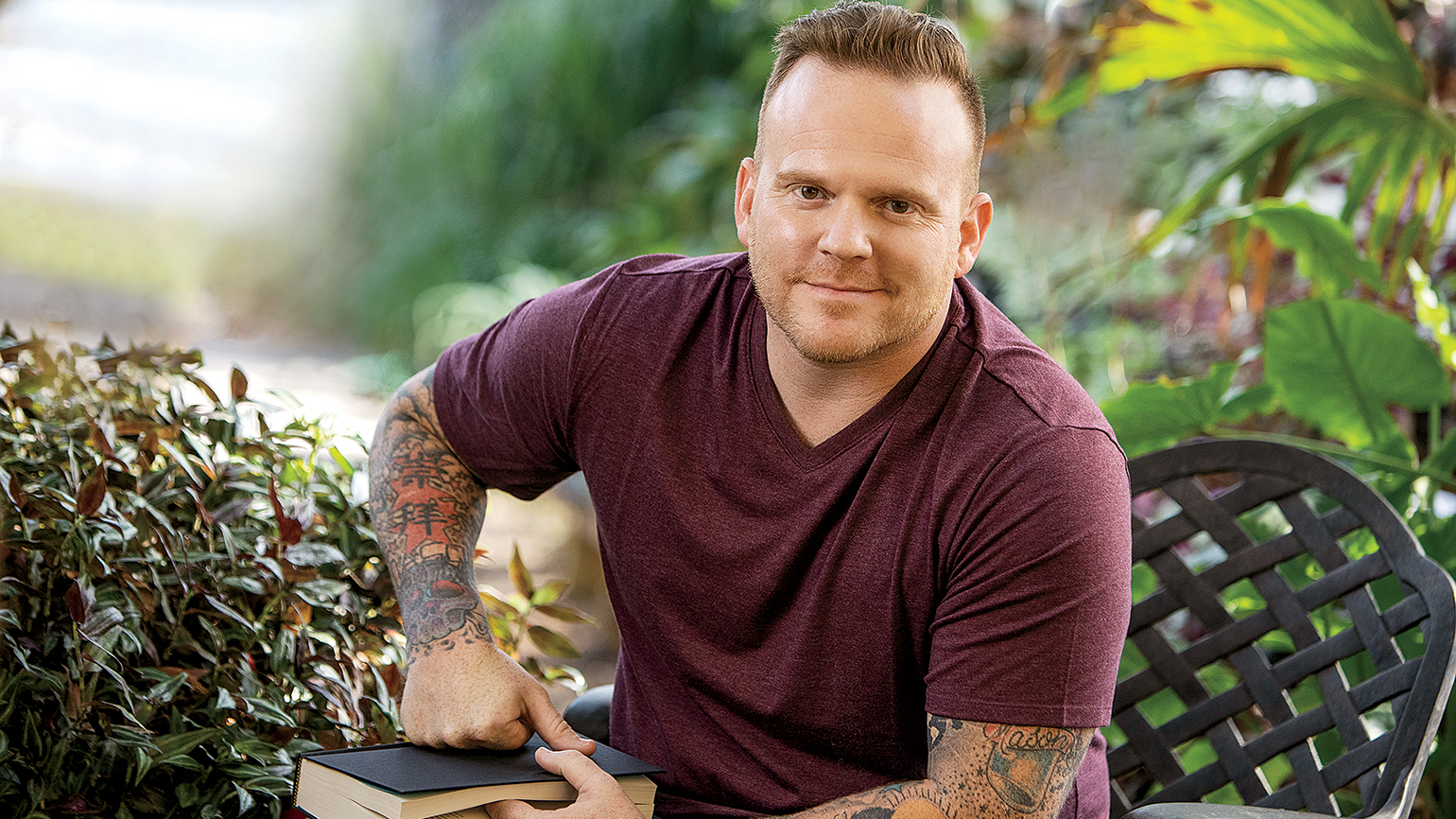
For much of my life, I have assumed that I was a spiritual failure.

How can that be? I’m a pastor. A father. A Marine veteran.

I run a ministry that provides church services to inmates in Oklahoma prisons. I do my best to make God real to people desperate for something to believe in. How could a spiritual failure do all that?

Wind back the clock 12 years. I was transitioning to civilian life after eight years of military service, including combat duty in Afghanistan. My marriage was falling apart. I’d pretty much abandoned my faith during my time in the service. I suffered from depression. I was convinced God saw me as a worthless failure, and I agreed.

You know what pulled me out of all that? A quote I saw on Facebook. It was one of those random inspirational quotes people post. It read: “I have found (to my regret) that the degrees of shame and disgust which I actually feel at my own sins do not at all correspond to what my reason tells me about their comparative gravity.”

The language was complicated and formal, like something an Oxford don would write. I heard a simple message: Maybe my feelings of spiritual worthlessness weren’t the final word about me. Maybe I wasn’t the best judge of God’s attitude.

Maybe I had a chance after all.

The author’s name? C. S. Lewis.

Was that the same C. S. Lewis who wrote the Chronicles of Narnia books I’d read as a child? Was he a Christian? It was like he knew exactly what I felt and exactly what I needed to hear.

Who was this guy?

Answering that question changed my life. Along the way, I learned something about C. S. Lewis—a military veteran like me—that strengthened my reawakening faith.

C. S. Lewis was a best-selling Christian writer, a professor of medieval English literature at Oxford (his alma mater) and Cambridge universities and, yes, the author of The Lion, the Witch and the Wardrobe.

More than a century after his birth, in 1898, he remains beloved by millions. I encourage readers with a military background to give him a try.

Lewis was raised in a church-going Irish family but began to question his faith during his teens. At age 19, he was sent by the British Army to the front lines of World War I and fought as an infantryman in the hideous trenches. He was wounded by shellfire and returned home a committed atheist. More than a decade passed after his military service before he rediscovered his faith.

Lewis knew the psychic wounds soldiers carry. He also knew how God can redeem all of that.

Thanks to Lewis, I now know too.

I can’t quite pinpoint the moment I lost my childhood faith. I grew up around church, but things got complicated after my parents split up and my mom joined what turned out to be a Christian cult.

My two older brothers and I went to live with my dad, who was a great man but not a churchgoer. My brothers and I attended church anyway, absorbing our congregation’s strict interpretation of Scripture that focused on God’s righteous anger toward sinners—no matter how small the sin. I was haunted by that anger, so convinced of God’s dislike for me that I turned away from faith as a teen and doubled down on bad behavior.

I enlisted in the Marines after high school and discovered a world totally alien from my Oklahoma upbringing. I met all kinds of people—other Marines, civilians in Afghanistan, military interpreters—who never gave Christianity a thought.

Did God condemn them? He probably condemned me too for my many doubts. I saw them as de facto sins.

While serving in a mortar squad, I witnessed hopelessness and despair. Where was God?

I drank to deal with my feelings and figured God hated that too. I married and had a son. Another deployment put more stress on the marriage than it could handle, and eventually my wife and I divorced. So that was it. I ended my enlistment.

I was a single father. It was just me and my son.

During my last months at a Marine base in California, my military buddies and I took turns feeding my infant son and changing his diapers, holding him in our beefy, tattooed arms. It’s a sweet image in retrospect. At the time, I felt like the worst dad ever.

I moved back to Oklahoma with my son. This might sound counterintuitive, but I sought work at a church. I barely believed in God, yet church felt safe. Maybe if I acted like a Christian, I could earn God’s approval.

I found a position leading a youth group. I was terrible at that job and, less than a year later, let go.

I tried to repair the relationship with my son’s mother. No success there either. I was just too spiritually immature.

I looked for a college. Still conflicted about God, I enrolled in a class at Southwestern Baptist Theological Seminary in Fort Worth, using G.I. Bill money. I thought maybe I could study my way back into God’s good graces. It didn’t take long before a professor told me I shouldn’t bother thinking about ministry because of my divorce.

It was at this low point that I stumbled upon the C. S. Lewis quote on Facebook. I looked up the quote’s origin. It came from a book called Letters to Malcolm, Chiefly on Prayer. I found the book in the library and devoured it. It was as if Lewis had been living my life, feeling my feelings, asking my questions. Difficulty praying? He’d experienced it. Intense self-doubt? Same. Confusion? Check. Guilt? Check. Spiritual loneliness? Check.

I hungered for more. I read Lewis’s classic Mere Christianity, which explained the faith I had grown up with in a way that made me want to be a Christian. Until then, I thought I had to be a Christian—or else.

I read The Screwtape Letters, correspondence between two devils on how best to tempt a man of faith. How did Lewis know so much about my own temptations?

Then I got my hands on Surprised by Joy, Lewis’s spiritual autobiography. I came to the chapter called “Guns and Good Company,” about his military service. Lewis describes “the frights, the cold, the smell of [high explosives], the horribly smashed men still moving like half-crushed beetles, the sitting or standing corpses, the landscape of sheer earth without a blade of grass.”

Upon his return to England, he was determined to banish all thoughts of God from his mind.

Lewis retraces the emotional and intellectual journey that returned him to faith and a new understanding of God. Recounting the night he “gave in, and admitted that God was God,” he calls himself “the most dejected and reluctant convert in all England.”

Most dejected and reluctant convert. That was me. Why would God welcome someone who had turned his back on him in so many ways? Half a page later, Lewis answers my question: “The hardness of God is kinder than the softness of men.”

Reading those words, I broke down. Lewis experienced a God who was not the angry punisher of my childhood. Could I meet that God? Would he welcome me too?

There was no dramatic moment when I gave in and experienced God for the first time, the way Lewis did. Instead, I spent three years reading pretty much every word Lewis wrote. I enrolled as a full-time student at Southwestern and earned a master’s degree. I am finishing up a doctorate at Fuller Theological Seminary.

Student life on the G.I. Bill was great for finding my feet as a parent. Lewis was even better for building a new faith from scratch. Contrary to my professor’s warning, I did eventually find a job at a church, where members worship a loving and merciful God. I gravitated to the prison ministry because, even though I’ve never been convicted of a crime, I know exactly how those inmates feel.

They feel God could never love someone like them. They are prisoners of their doubt and shame.

One overlooked fact about military service is that it’s not just combat wounds that leave emotional and spiritual scars.

Many soldiers are like me when they enlist: young, looking for direction, inexperienced at making big life choices. They’re shipped all over the world and given enormous responsibilities. They find intense camaraderie—which vanishes as soon as they return to civilian life.

There are so many ways to mess up. So many opportunities to let someone down. It can be hard to become a mature, spiritually confident person with a healthy family life and a solid plan for the future.

If you’re like me, you can leave the service feeling like an even bigger failure than when you went in.

Reading C. S. Lewis, I realized God is okay with all of that. God knows my faults and loves me anyway. I’m a work in progress. God’s work in progress.

While still a student, I had an opportunity to enroll in a study-abroad course about C. S. Lewis hosted by Oxford and Cambridge, where Lewis had taught for more than three decades. (I’d guessed right—he was a don.) The class was held at St. Stephen’s House, an Anglican college not far from Magdalen College, Lewis’s academic home.

Soon after arriving, I learned that Lewis often walked to St. Stephen’s to say confession in the chapel.

I had to see that chapel.

During a tea break (yep, England), I slipped out of the classroom and tried to find my way to the chapel. I promptly got lost, wandering halls that might as well have been from the Middle Ages.

A student pointed me in the right direction. I walked through a heavy wooden door into a small, white-painted chapel with wood seats along the sides. Dust floated in shafts of sunlight shining through the windows. The room was silent.

I sat in one of the straight-backed seats along the wall. I pictured Lewis sitting there, getting down on his knees to ask for God’s forgiveness.

I recalled a line from a letter Lewis wrote: “I think that if God forgives us we must forgive ourselves. Otherwise it is almost like setting up ourselves as a higher tribunal than him.”

I had memorized that line because I wanted so badly to believe it. I closed my eyes. I slid off the wooden seat and got on my knees. I folded my hands.

I asked God to forgive me.

I knew in my heart that he already had.

For more inspiring stories, subscribe to Guideposts magazine.

The Wonders of Winter: An Inspirational Winter Story

Here is an inspirational winter story to cheer you up: All last week, I couldn’t stop thinking about the beach. And talking about the beach. (If you’re one of the poor souls I cornered into discussing the many wonders of the seashore, I apologize!)

READ MORE: 5 Winter Prayers to Keep You Positive

My beach talk was inspired by the weather we’d been having in New York, which varied from don’t-you-dare-leave-the-house cold to your-hair-will-never-forgive-you rain. Through it all, I couldn’t help but dream of summers at Coney Island. Weekends spent relaxing in a beach chair, soaking up the sun and contemplating the next ice-cream cone.

Those days are a long way off. But on Wednesday of last week, when the weather finally cleared, I jumped at the chance to walk outside umbrella-free. I wasn’t really sure where to walk during my hour-long lunch break until the South Street Seaport popped into my mind. It’s just a short walk from the office and, although it was chilly out, it seemed to call out to me.

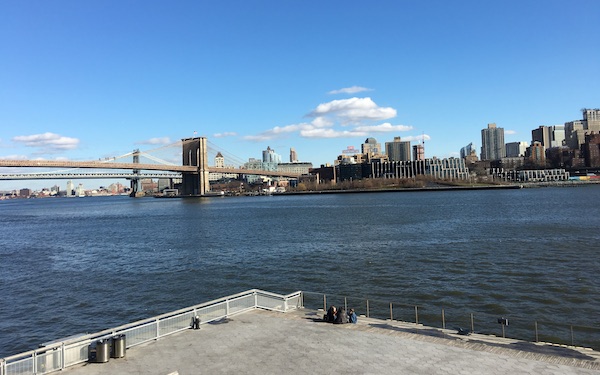
The more I walked, the better the weather got. By the time I made it to the seaport, the sun was really shining. I spotted a ramp by the water that appeared to lead to a sun deck. I walked up it and was floored by the view that greeted me. The Brooklyn Bridge in all its glory. There were Adirondack chairs strategically positioned all over the deck to take in the postcard-like scene.

Photo of the Brooklyn Bridge in an inspirational winter story

I made myself comfortable in one of the chairs, then stretched out my legs and closed my eyes for a minute, soaking up the sun. That’s when I realized I was doing exactly what I would’ve done if I were at the beach. Except, of course, I was wearing a big, puffy winter coat and there was no ice cream in sight!

Still, the thought filled me with happiness. You never know what wonder awaits you after a storm. Like a beach day in the middle of winter in the middle of a work day in the middle of New York City.

Do you have your own inspirational winter story that keeps you warm this winter?

The Wisdom of Taking One Step at a Time

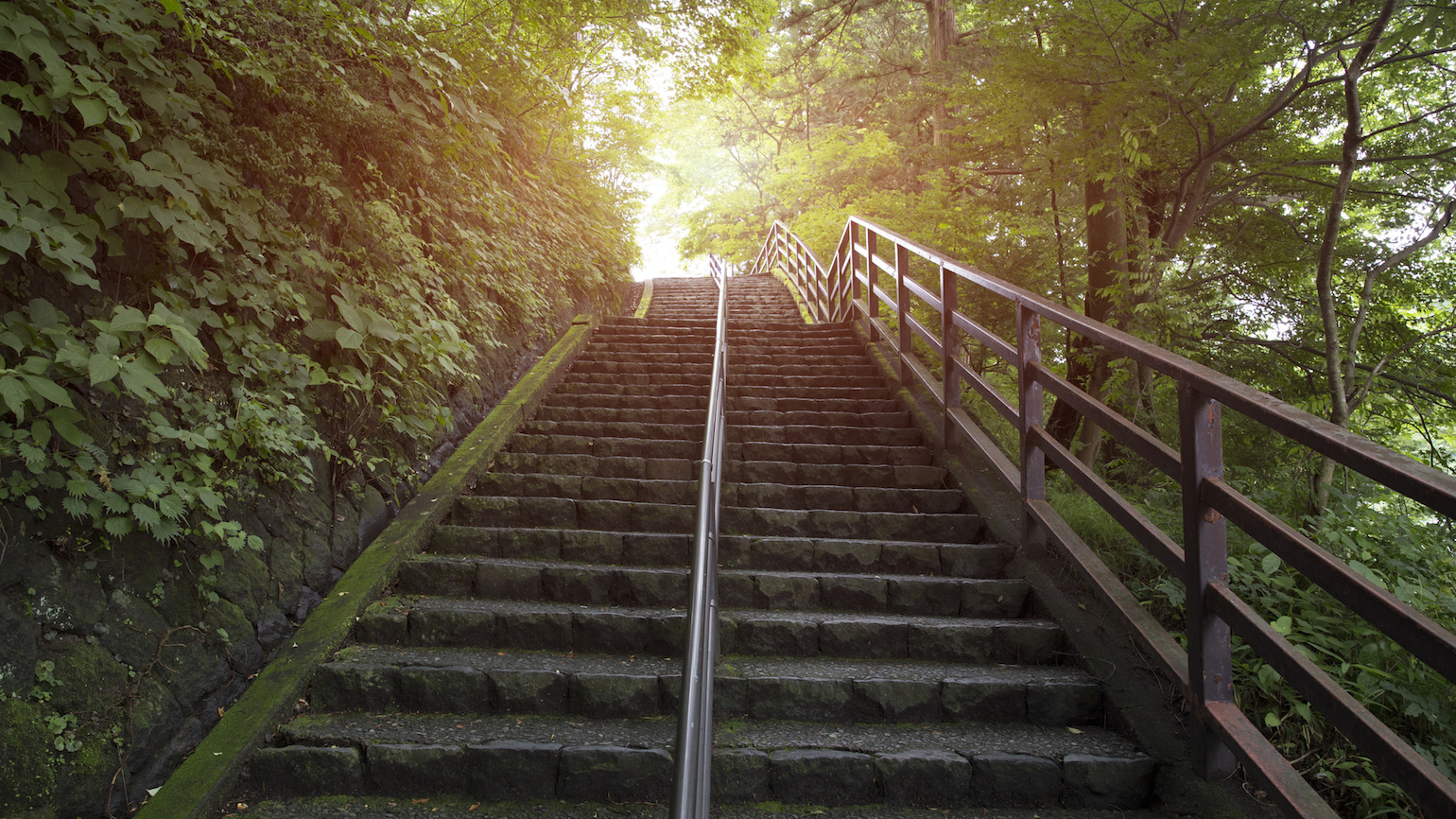
This morning I read about the annual run up the Niesenbahn Funicular stairs in Switzerland–the world’s longest staircase. Then I did my Bible reading for the day, which included Matthew 6:34, “Do not worry about tomorrow, for tomorrow will worry about itself.”

Oddly, the two seemed connected. You see, if I ever had to climb 11,674 steps, I would absolutely shut down if I looked too far ahead. I might glance up occasionally to take in the lay of the land, but my attention would have to be fixed on where my feet were going next or I’d stumble and fall. I’d have to take things one step at a time, one ache at a time, one breath at a time.

I know this, because the times I become overwhelmed are when I look further into the future than I need to. Humans aren’t designed to see that far. When we’re confused, the brain tends to fill in the blur with dire predictions.

Read More: 12-Step Sayings for Everyone

Jesus knows this. He knows it doesn’t work to worry about step number 8,000 when we are on number 872. We get so weighed down by what we don’t know that we progress more slowly. We trip over a future that may never be and trip over things that may not exist.

There really is enough pain and struggle for today, and we don’t need to add tomorrow to our woes. We do better when we take one step at a time and take the steps only when we get to then.

The Wisdom of Taking One Small Step

Now’s about the time when folks may be struggling to stick to resolutions made for the New Year—losing weight, exercising, finances, keeping the house organized, etc.

The reality of a resolution sinks in when we realize we don’t like giving up our cupcakes and favorite snacks; when we have to climb out of bed 30 minutes earlier to fit in a workout.

Frankly, I don’t like change. But one of the few benefits of getting older is that I’ve discovered a few things. One is that I have to just go ahead and get started, whether I want to or not. Another is that a little bit done consistently will eventually result in some real change.

Read More: Inspiring New Year Quotes

I had a visual reminder of that this past week. I always dread putting away the Christmas decorations. It’s fun pulling everything out and making the house look festive. Putting it all away? Not so much. And since I do a lot of decorating, it’s a big job.

I reminded myself that all the decorations didn’t go up in a day. In fact, with my crazy schedule, it had taken a couple of weeks. Since my schedule is still crazy, why should I expect everything to be packed away in a day? So I’ve been packing boxes between deadlines and other tasks. And each day, the pile has dwindled.

The same is true spiritually. I often don’t like change—even though I know it will make me a better Christian or draw me closer to God. That’s when I have to dig deep and determine that I’m going to get started.

I know the results won’t be perfect on day one, but if I listen to God’s voice and make those changes consistently, I’ll be a different—and better—person before the next year rolls around.

Dear Lord, this is the one resolution I don’t want to break. Work on me consistently until real change occurs, until others can look at me and see You reflected in me. Amen.

The Uplifting Freedom of Passover

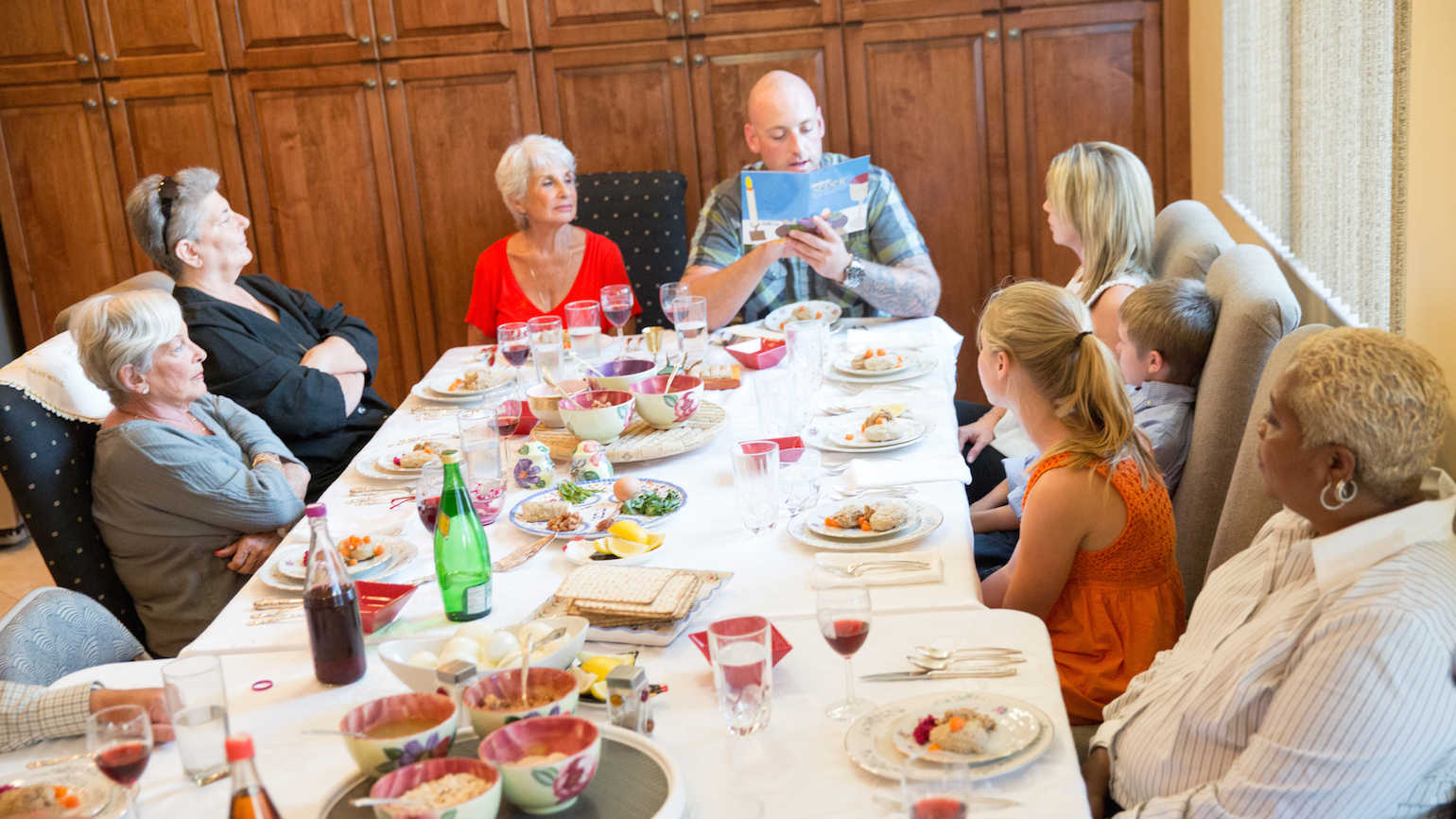
Passover is my favorite Jewish holiday. It involves an exciting story, delicious food, and a downright inspiring message—no matter how long you have suffered, there is hope that redemption and freedom lie ahead. I happen to be Jewish, but this idea is something that people of any faith can connect with and take comfort in.

I had a professor in graduate school who distinguished between two types of freedoms. One was “freedom from…,” meaning liberation from something that holds us back. This could refer to slavery, as it literally does in the Passover story, or personal struggles like addiction, depression or unhealthy relationships.

Read More: Comfort for Passover

The other type of freedom was “freedom for….” This referred to the purpose and opportunity true freedom offers. In the Passover story, the Jews were liberated from slavery for the purpose of being free to follow the laws God would provide. If you were freed from the issues that challenge you, what would you use that freedom for?

I like to reflect on this question throughout my family’s Passover celebration. Here are three ways I feel “freedom for…” this year:

1. Freedom for Family
One of the sweetest moments of the traditional Passover seder meal is when the youngest person at the table asks the Four Questions, giving the adults an opportunity to educate the next generation about the lessons of the holiday. My six-year-old son will ask the questions this year, and I’ll be filled with gratitude that I am free to guide him toward becoming a force for good in the world. Being part of a family means we get to have an impact on those we love.

Read More: One Rabbi’s Passover Blessing

2. Freedom for Comfort
There’s a custom during the seder to recline in comfortable chairs. We do this because reclining is a privilege afforded to free people—and making the effort to find physical comfort ensures we never take for granted the pleasure of being at ease in our bodies. It is also a reminder to nurture ourselves throughout the year, to make choices that boost our well-being and health.

3. Freedom for Hope
I have always wondered what it felt like to walk through the parted Red Sea, with Pharaoh’s army bearing down from behind, and a mysterious landscape ahead. The hope and faith the people must have had to put one foot in front of the other in that moment is profound. Freedom is neither easy nor fast. But if we keep our eyes focused on what lies ahead, we have the chance to help those walking beside us keep a positive outlook—and reach the other side together.

The Texas Pie Queen on Love, Pie and Jesus

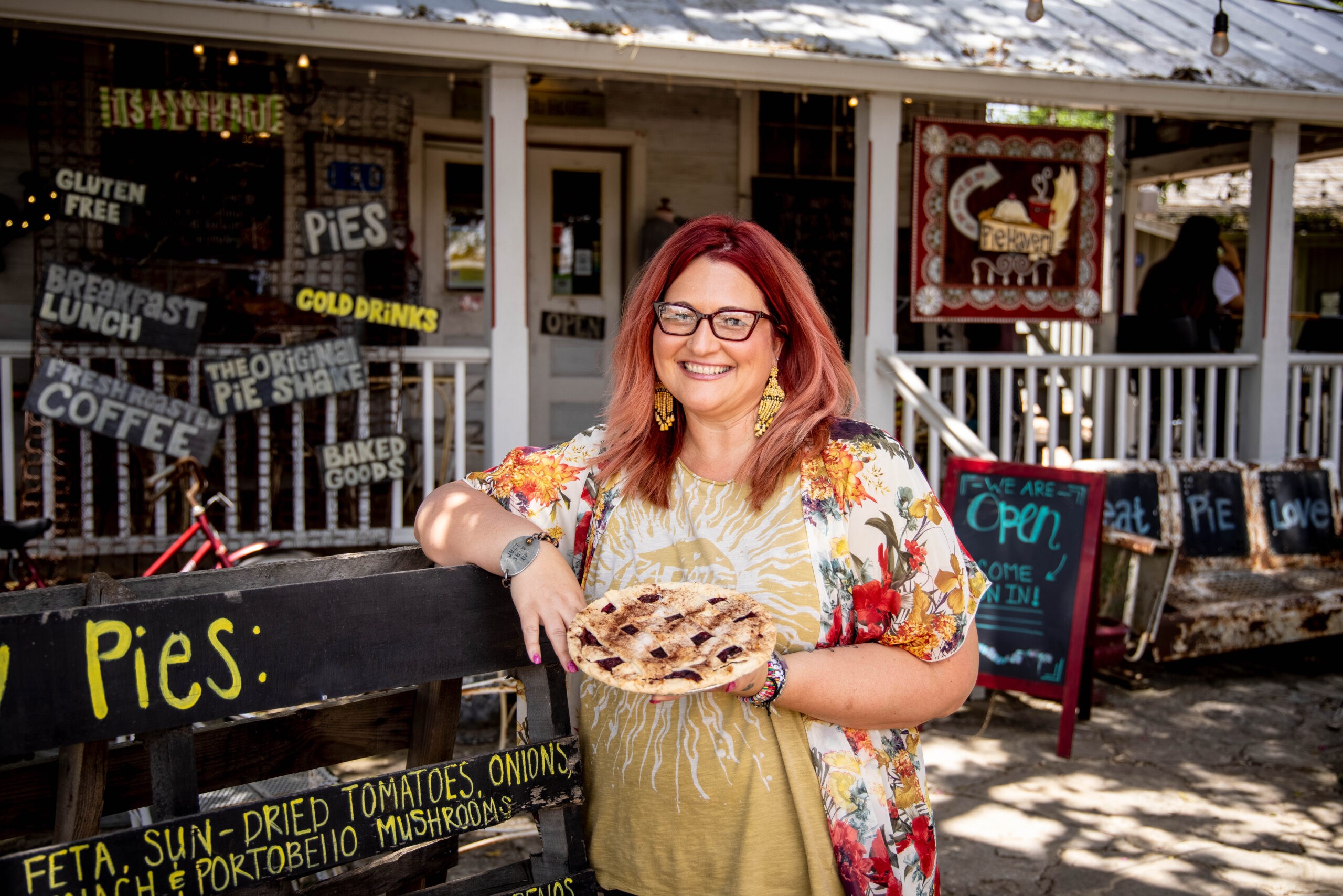
I’ve visited Round Top, Texas, several times during one of their fabulous annual spring or fall Antiques Week. On my very first trip there in 1995 I met Tara Royer Steele. After shopping the tiny town’s endless vintage venues, on the recommendation of umpteen people, I visited Royers Round Top Café, owned and run by Tara’s family. Her dad, Bud “The Pieman” Royer, hollered at me from where I sat waiting on a bale of hay and pointed to a huge round table filled with diners. As I stared at the solitary empty chair, Tara, then barely out of her teens, welcomed me. Her downhome charm eased my misgivings about sharing a meal with folks I didn’t know.

Amidst a sea of turquoise-studded hats and boots, I learned that stranger is a word you don’t hear in Round Top, especially at Royers. Within 30 seconds, Tara had us all talking. Judy from San Francisco went on about her cousins who lived in my “almost heaven,” West Virginia, and five-time visitor Mary Ann gave the rundown on the pies. “I’m warning you, we all share!” she said, her fork in midair. “So it’s a good thing we’re family.”

Even as a child, Tara always imagined having a bakery. Every Sunday she’d deliver her loaves of homemade breads and cookies to church. But life was not easy as pie for her hard-working family in Katy, Texas, a little town on the outskirts of Houston. In the 1980’s when her dad found himself out of work due to the oil crash, he picked up small jobs while her mother taught piano and did whatever else was needed to keep things going. When she was 11 the family started making and selling wooden jewelry. “Looking back I see I was learning to be an entrepreneur at a really early age,” she says.

For a change of scenery, Tara’s family would sometimes make the one-and-a half-hour trek to Round Top, a town of just about 80 people. (It’s now home to 90 people!) In 1987, one of those jaunts proved to be life changing. “There was a little hole-in-the-wall café, a burger joint,” she says, “and the owner of the place didn’t want it any longer.” When the lady noticed Bud jumping up and bussing tables, refilling drinks, and thoroughly enjoying himself, she felt a divine nudge to ask if he wanted to take over.

Faith-filled locals learned of the Royer family’s God-given opportunity and taped gas money to their door. The family soon opened Royers Round Top Café, which served up piles of Texas comfort food and mouth-watering pies. “We had no idea what we were doing, but we all dug in. I waited tables and my brothers did whatever they could to make it work,” says Tara who was 12 when the eatery opened. When weekenders noticed the café was changing, the family added higher-end items to the menu.

It was then that a second miracle occurred. Tara found out that the eatery was voted the “Best Country Café in Texas,” by readers of the Houston Chronicle. “We got a call one day telling us we’d won, and come to find out, this group of ladies we didn’t even know had stuffed the ballot box,” Tara say. It didn’t take long for the word to get out and it snowballed from there.

Tara ended up taking over the café in 1997. When marital strife and an eventual divorce rocked her world, she learned to rely on God as never before. “I’d always gone to church and earned all the badges,” she says. “Now I trusted my Heavenly Father as my source for absolutely everything. Jesus became my best friend,” she says.

A year after her divorce, Tara met Rick Steele. The two married, eventually had two sons, and worked together in the business before selling it to her brother and sister-in-law in 2016. But Tara wasn’t done with the restaurant industry—and she was certainly far from done with pies. In 2011, Tara and Rick had opened Royers Pie Haven, a little bakery next to Royers that served only coffee and pie. “I always like to find where the need is, figure it out, and be part of the solution,” Tara says. Her philosophy is richly reminiscent of Dr. Norman Vincent Peale’s maxim: Find a need and fill it. “When an old house with big oak trees turned up for sale next to the café, it just seemed crazy right,” she says “The idea just totally worked. I mean, who doesn’t want to get a slice of pie and a cup of coffee and sit under the breezy Texas sky and a wonderful tree?”

Sounded pretty havenish to Tara!

Tara filled the walls with old ceramic pie plates with recipes on them. And whenever she’d happen upon a vintage item at Round Top’s spring or fall Antiques Week she thought would fit in with the quaint ambience, she’d snag it and figure out a spot for it later.

“I’d think, I’m gonna write on the walls too,” Tara says, describing how she hung chalkboards with inspiring quotes and Scripture. Customers did the honors in the bathroom, covering the walls with encouraging, brightly-colored sticky notes that remind folks they are loved, seen, and valued. One of her favorite scribbles is the verse from Ecclesiastes 3:11: “He has made everything beautiful in his time.”

At the beginning, Tara and Rick only sold sweet pies. Then the menu evolved to include savory pies like Margherita Chicken Pizza Pie and Hee-Haw Pie in a crust with herbs. Texas Trash—a gooey mix of caramel, coconut, chocolate chips, pretzels and more—and Not My Mom’s Apple Pie are perennial favorites for those with a sweet tooth. Tara loves to watch for facial expressions and oohs and aahs when visitors are enjoying her creations. “It’s that whole nostalgic thing,” she says. “Like going to your granny’s.”

When the pandemic hit in March 2020 Tara had another opportunity to fill a need. Royers Pie Haven had 2,500 pies—and empty pie crusts aplenty—in the freezer ready to go for Round Top’s then-cancelled spring Antiques Week. Tara heard of folks in surrounding communities who couldn’t get out and had nothing to eat. The crisis became an opportunity to reach out to an ever-new family. In addition to their pie deliveries, they hosted a drive-through for kids and fed others in need. Their Facebook page, called Feed His People, offered a menu of budget-wise casseroles, cookies, and the like. By the end of the first week, the pandemic had forced Royers Pie Haven to pivot. It ended up being a win-win; they had 500 grateful new customers.

When “snowmageddon”—the Great Texas Snowstorm of 2021— hit in February it was yet another opportunity for outreach. “When we put out on social media that we had free food, it was shared hundreds and hundreds of times,” Tara explains. “Somebody in North Dakota read the post and called her brother who was only five minutes down the road from us. He’d been shot, couldn’t get out of bed, and had no electricity or food. That’s how it’s done, God, I thought. All of this happened because of pie and You.”

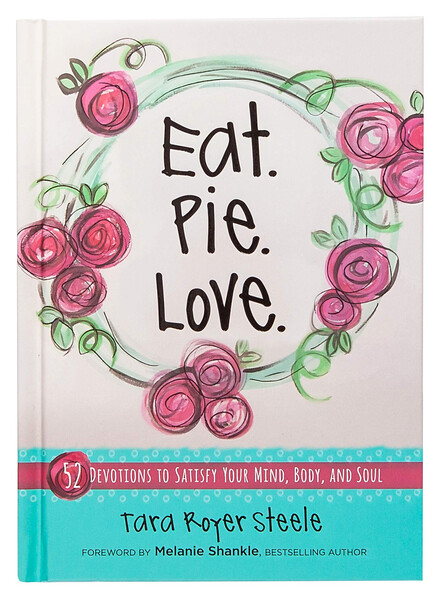
In 2021, Tara’s tiny little eatery was named one of the South’s best bakeries by Southern Living magazine. That honor landed Tara a June 2021 appearance on Live with Kelly & Ryan where she made her famous and fun Junkberry Pie. Tara hasn’t let her new celebrity status go her head; while she and Rick are expanding into other ventures she remains committed to celebrating Jesus through pie and sweet treats. In 2020 Tara published Eat. Pie. Love. The book is comprised of 52 devotions, plus recipes, designed to satisfy the mind, body and soul. (Tara illustrated the book herself.) As I move forward in my life I try to always keep in mind what Tara wrote in the book’s forward: 1 dash of love + 1 heaping scoop of grace = life sweeter than pie.