

Embrace God's truth with our new book, The Lies that Bind

Stand Down in San Diego

As a retired military chaplain and the military liaison for Guideposts, I have the honor and privilege of visiting far-flung military camps, posts, and stations. As I travel across the US, I almost always catch a glimpse of down-and-out folks at nearby intersections with tattered cardboard signs that read, “Homeless veteran. I need help. God bless.”

San Diego has a moderate climate that’s similar to the Mediterranean, and a large number of people live on the streets. It also has a reputation for being military-friendly. Whether walking downtown on Harbor Drive near the Embarcadero, passing by the homeless encampments in Old Town Park by historic Fort Stockton, or taking the on-ramp to Interstate 5 from Pershing Drive near the San Diego Naval Medical Center (where clusters of flimsy pop-up tents sit), it’s easy to spot fellow citizens, many who are veterans, living in hard times.

Each summer, San Diego is also home to a three-day event called Stand Down, which has become a model for veterans’ homeless programs across the country. Stand Down started in 1988, but I discovered it in 2014 while visiting the Veterans Village of San Diego (VVSD), a residential facility designed to empower displaced veterans as they return to society. Chaplain Darcy Lovgren Pavich, chaplain of VVSD and director of Stand Down, is the strong, wise, and compassionate point person for the brigade-sized community of heroes who make Stand Down possible.

Enjoy more remarkable true stories of heroes who answered the call. Get your copy of Guideposts New Free eBook, THEY SAID YES!

Stand Down engages thirty-five hundred volunteers and one hundred fifty federal, state, and nonprofit agencies that annually aid and assist between eight hundred and one thousand homeless or nearly homeless veterans and their families. During the three-day Stand Down event, San Diego High School’s upper athletic field is transformed into a military-style base made up of over fifty tents erected by Marines from nearby Camp Pendleton, Miramar, along with a host of other volunteers.

The Stand Down program offers what Chaplain Darcy calls, “A hand-up and not a handout.” Booths, clinics, and gathering spaces are staffed by providers who offer everything from meals, clothing, showers, laundry, housing solutions, education, job training, medical support, and legal services.

“Our three-day Stand Down event is based on the idea that veterans have answers and the community has answers, and we’re going to bring them all together in one place and help homeless veterans find the answers they need,” Chaplain Darcy says.

Stand Down begins on a Friday morning. Homeless veterans and those in need start to line up outside the San Diego High School athletic field-turned-military-tent-city for days, and sometimes even a whole week, in advance.

When the gate opens, Chaplain Darcy explains, “Someone will greet the veteran, welcome them to their home for the next three days, and say, ‘Hey, you need something to eat? We have some sandwiches, some breakfast, juice or coffee. Let’s get you situated, and then we’ll get you signed in.’ ”

Veterans are then assigned to a tent. These platoon-sized tents house nearly thirty veterans each and are named using the military spelling system; for example, Tent Alpha, Tent Bravo, Tent Charlie, and so on. Tent leaders assign each veteran to a cot and then ask, “What do you really need today?” The leader then makes a list and helps find the things they need. Some of the homeless say, “I need a shower and I need sleep.”

“If that’s what they need today, that’s what we’re going to let them do. They determine their path,” Chaplain Darcy says. “Practically anything a veteran needs—a haircut, a dentist appointment, a pair of eyeglasses—is offered. Even more, Stand Down provides legal representation. Homeless and family courts come on site to deal with warrants, fines for loitering, and other barriers that prevent folks from getting a job. Family court works with families on child support and associated fees. The Department of Motor Vehicles helps reinstate a veteran’s driver’s license. Social Security and the Legal Aid Society are on hand. We have the entire gamut of services.”

The veterans choose their own squad leaders, and in a supportive environment, they are encouraged to once again make key decisions about their lives and futures. Empowerment is encouraged. VVSD Chief Executive Officer and President Kim Mitchell says, “The three-day Stand Down intervention is an absolutely fabulous thing and is about getting veterans back on their feet for the long haul—restoring the hope and pride that we know is in all of our veterans. Success stories are exactly why we exist.”

Chaplain Darcy, an ordained pastor in the Reformed Church in America (RCA) and a member of RCA’s Chaplain’s Group, has led the charge to create an atmosphere in which success stories are possible. She has a subtle, yet powerful approach to ministry. “Most of the veterans I serve have been wounded by life long before they were wounded by war. The church, to them, if they had any experience with it, has rules they’ve already broken too many times to be deemed worthy of admission. They may sit outside the door of the church and beg for money, but they feel like damaged goods, unworthy to go inside. Others have been abandoned by misguided representations or promises of religion.

“Most of them don’t know me as a chaplain. They know me as Darcy. As Darcy, they allow me the privilege of knowing them—their hopes and dreams and tragedies. Our goal is to feed, shelter, clothe, visit with them, and let the Spirit do the rest. When my fellow veterans at Stand Down are safe and bathed, clothed and fed, they begin to be able to see what their lives can be. And miracles occur.”

Miracles take place in the veteran participants—citizens of the street who experience a renewed sense of pride and identity, enabling them to once again walk tall, as they did when they were in the military.

The miraculous is evidenced in people such as Charles, a post 9/11 combat veteran who’s courageously adjusting to life outside the Marines without a checklist and structure. Or Bill, a former medic who refuses to allow the soldier inside to surrender, even as he deals with difficult medical issues. Couples such as Marguerite and Chris, who steadfastly face each new day as they get back on their feet after the ups and downs of deployed life in the Army.

Then there’s the veteran who’s been a Stand Down regular for years. Darcy says, “I have known this veteran for seventeen years. For seventeen years he’s been at Stand Down and homeless . . . pretty much a mess. Outspoken, out of control. For seventeen years our tent-leader coordinators, myself, and anybody who knew him was saying to him, ‘Please, do something different this time. Get your life together, get clean, get sober and do something else.’ After seventeen years he finally decided to do just that.

“Two years ago he entered our Veterans Village of San Diego program. Within six months we watched him change—the haircut, the healthy food, dressing up, standing up, and being proud of himself.

He started working. And his wife got into treatment programs somewhere else. And when he checked out of here, he had a job and a place to live. And I’ve seen him come back for alumni meetings, and it’s been almost two years.”

Another group of champions in the Stand Down galaxy are the volunteer providers. They’re individuals from organizations like the Allied Gardens Optimist Club, who are Friday morning greeters, and the District One Veterans of Foreign Wars, who serve lunch. Volunteers from DLA Piper, one of the largest law firms in the world, cook up a healthy dinner. And Sodexo Food Services lays out a chicken cordon bleu feast with all the trimmings.

Enjoy more remarkable true stories of heroes who answered the call. Get your copy of Guideposts New Free eBook, THEY SAID YES!
Then there’s the U.S. for Warriors Foundation (USWF), an organization that was formed by three former Navy submariners sitting in a bar. On a napkin they wrote down their plan to create an organization that would help active military veterans and their families who “fell through the cracks” of existing programs. USWF’s battalion of trained volunteers dress in distinctive baseball caps and T-shirts, and work security for gates, bag checks, and the general well-being of all Stand Down participants.

Over thirty-two years ago, the Veterans Village of San Diego founded the Stand Down program, but the mayor’s office and the police were initially opposed to it. Darcy recalls that they said, “ ‘There will be riots. It will be terrible. Out-of-control chaos.’

“But that was just fear and people still ask me about riots and problems. And I say, ‘Welcome to Stand Down, the safest place on the planet.’ I’m surrounded by people who have served their country. Where else could I be safer? If you’ve served in the military, you’re a part of a family that only one percent of society belongs to. They’re not gonna hurt anybody. The people they’re going to stand up for and stand beside are the people who stood beside them. We’ve all worn the uniform together.

“San Diego now? Stand Down is the poster child! Anytime the mayor’s office talks about homelessness in San Diego, they show pictures of Stand Down. If it’s the media [saying,] ‘Oh we need something on homelessness,’ they pull up a picture of Stand Down.”

Connecting with a community and creating a network of support where veterans are helping veterans becomes the goal, Chaplain Darcy says. “Our motto is ‘Leave no one behind.’ At Stand Down, the line between volunteer and veterans goes away. It’s people helping people.”

The next time I am in a busy stoplight intersection and see a ragged “Hungry, please help” sign, I’ll swiftly pull to the side (traffic allowing), lower the window, and say a quick but explicit “We’re all God’s children; we’re all in need of help.” Then I’ll hand out a ten-dollar McDonald’s gift card.

But I’ll also thank the Lord for the “hand-up” that Chaplain Darcy and all of the heroes—veterans and volunteers alike—provides. A community of heroes in action, they expect miracles to happen.

Enjoy more remarkable true stories of heroes who answered the call. Get your copy of Guideposts New Free eBook, THEY SAID YES!
Someone Cares: Secret Support During Lent

What are these? I wondered, looking at the slips of paper in a basket in the vestibule of my church. I took one and saw that it asked for a name and address. At the end of Mass, the reader announced that we were trying something new for Lent: secret prayer partners. “Fill out the slip and turn it in,” she said, “so next week you can pick the name of someone you’ll pray for until Easter.”

We’re a close-knit congregation, so when I saw the name of an acquaintance on the slip of paper I picked the next week, I was able to offer prayers for her health concerns and difficult family situations. Some days I simply said a Hail Mary and asked God to watch over her. Knowing that someone was praying for me was wonderful!

For Easter I sent a card to my secret prayer partner to reveal my identity. I received a beautiful one from the woman who had been praying for me. Our church has had secret prayer partners for Lent for 10 years, and it’s helped our congregation grow closer.

READ MORE ABOUT THINGS TO DO FOR LENT:

Learn more about Someone Cares greeting cards!

Did you enjoy this story? Subscribe to Guideposts magazine.

Someone Cares: From Bags to Blessings

Did you know plastic bags take decades to decompose in landfills? That’s why a few of us ladies at church have found a way to turn those burdensome bags into blessings for homeless people.

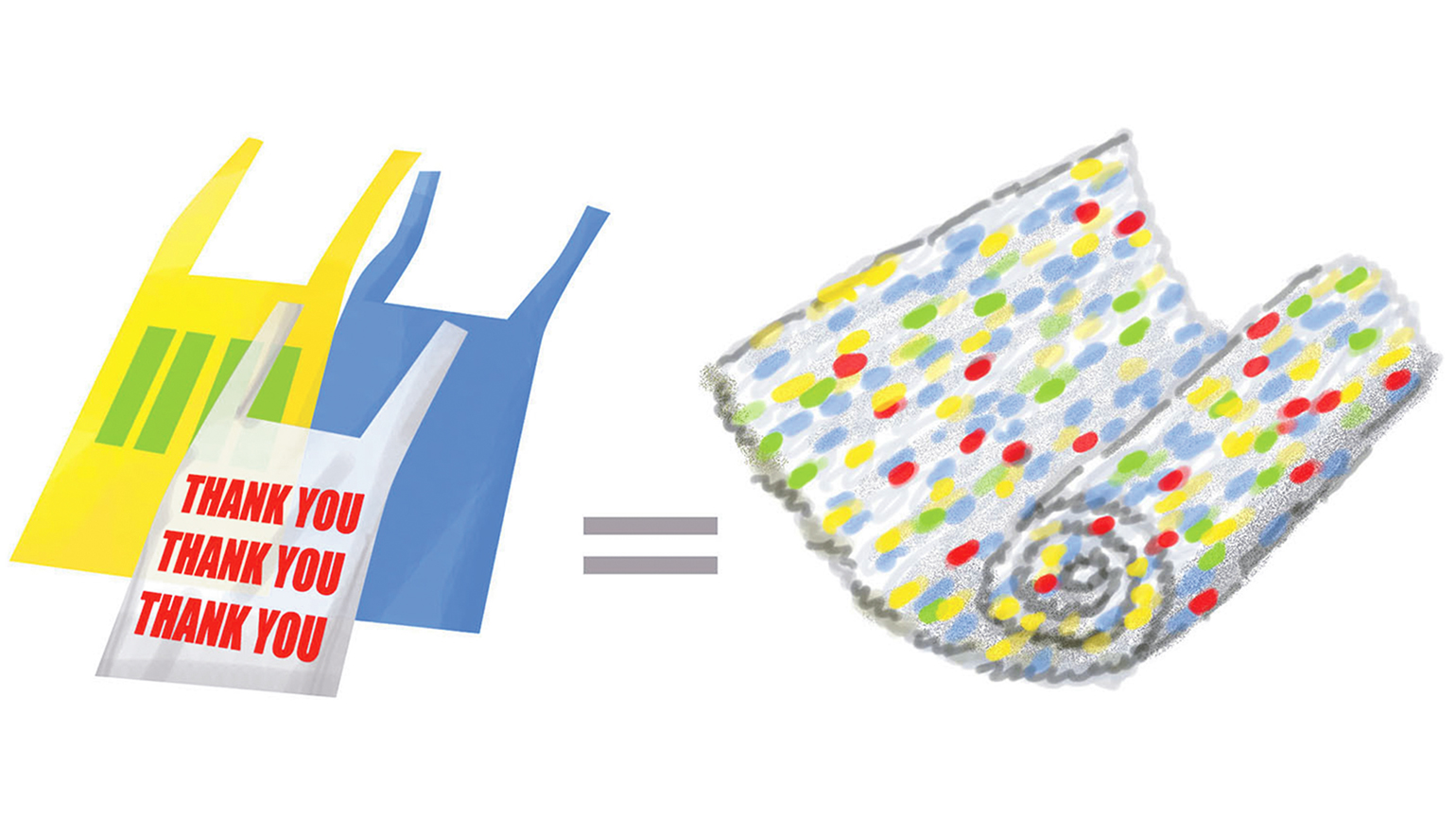
We cut the shopping bags into two-inch strips, loop them together end to end and roll them into a ball— just like we’d do with a skein of yarn. With a big hook (size 10 or 11), we crochet the strips (using the basic single crochet stitch) into three-bysix- foot sleeping mats.

The mats are sturdy and soft, and they don’t hold moisture, making them an ideal barrier between a bedroll and the hard floor or ground. They’re also easy to wash, and they dry quickly in the sun.

Besides being so practical, the mats are surprisingly eye-catching too. A ball of strips cut from yellow and orange newspaper sleeves, grocery bags with red and blue print, and department store bags in various colors combine to make a lively variegated pattern.

It feels good to help the environment and, at the same time, people in need.

Learn more about Someone Cares greeting cards!

Did you enjoy this story? Subscribe to Guideposts magazine.

She Started a Unique Thanksgiving Tradition

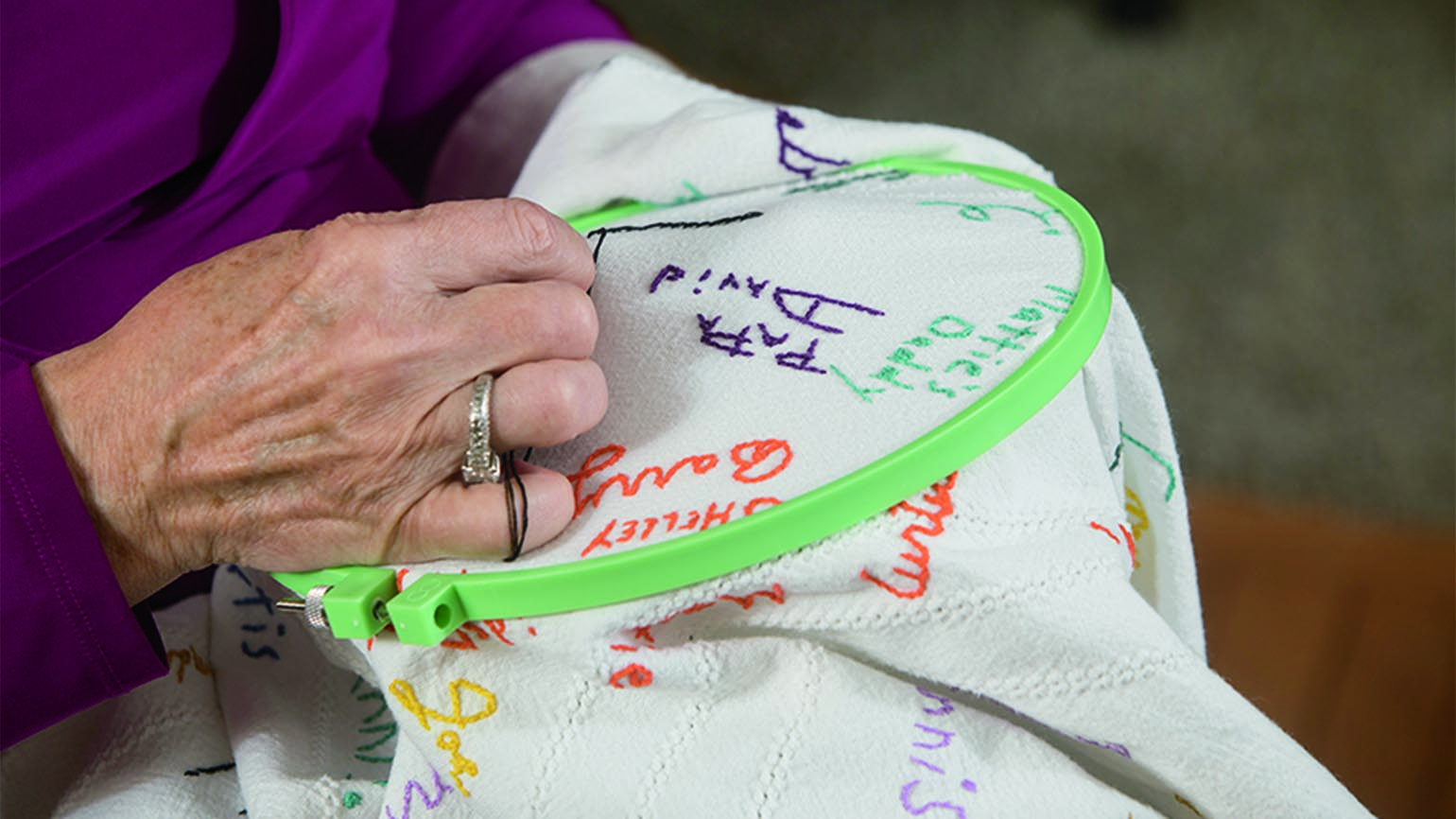
I kept it in a special box stored with the other holiday decorations and pulled it out on the day my brother was to arrive with his wife for Thanksgiving. I carried it to the dining room. When I unfolded the simple white tablecloth, its colorful adornments popped to life. The signatures of all the family and friends who’d ever shared a Thanksgiving meal at our table were hand-embroidered on top.

I’d started my embroidery tradition 20 years ago, on our inaugural Thanksgiving together as a blended family. My husband, David, and his five children. My daughter and me. I wanted a tradition that was uniquely ours. Something we could look forward to.

The first time I laid out the clean white cloth and asked the kids to sign it, my family looked at me as if I were crazy. Write on the tablecloth we hoped to protect from gravy and cranberry sauce spills? Yes! And these days, David and I have grandkids to do the spilling.

Each year I used a different color embroidery thread, so we could relive the highlights of particular gatherings. I saw my grandkids’ signatures go from scribbles to print. We added drawings for milestones—a baby’s handprint, a graduation cap. Everyone left a mark, including boyfriends and girlfriends, who came and (often) went. A teenage grandson showed some concern one year: “Will you remove her name if we break up?”

“She was a part of our Thanksgiving, so her name stays,” I said. (Although I strategically placed our dishware when there was a broken heart at our table.)

Now I smoothed out the tablecloth, my fingers running over the threaded ridges. I lingered over our daughter Mary’s name. I wish you could be here with us, Mary. I had lost her to an aneurysm when she was 44. It would be our eighth Thanksgiving without her, and it never got easier for me.

The doorbell rang, and I ran to let in my brother, Tom, and his wife. They’d traveled from North Carolina for their first Thanksgiving with us. After greetings and hugs, I led them into the dining room. Tom looked wide-eyed at the tablecloth he had seen only in pictures. He traced over our mom’s signature, and I put my hand on his. “I’m thankful to have started this while she was alive.”

“It’s almost as if she’s with us here still,” he said. “Same for Mary.”

More than something to look forward to, our tradition holds memories to look back on. Everyone we love is at our table when we sit down for Thanksgiving dinner.

She Prayed for Guidance After a Difficult Move

My family moves a lot. We’ve lived in 10 different houses in the last 19 years. My husband Mike’s career had taken us from Puerto Rico to Pennsylvania, and to our newest home near San Antonio, Texas, to name only a few of our stops. I have relocating down to a science, with garage sales before and after each move, letting go of anything that isn’t practical. Even so, with each house, there’s an adjustment period, a time for settling in and hoping the place will feel like home. Reality can be cause for second-guessing.

That was the case two moves ago, to a house in New Hope, Pennsylvania. With our many addresses, I wondered if God even knew where to find me anymore. I was having trouble reaching him to get some direction.

I’d had my heart set on living in New Hope, an artsy, cute-as-a-button town of only 2,500 people on the banks of the Delaware River, not far from where Washington made his famous crossing. There weren’t many houses for sale in the area, and none seemed suited to raising a family.

“I have one more house,” our real estate agent said. “Two stories and a basement. But it needs some work.” We went to check it out.

On first sight, I could see that this was a house with “good bones.” Mike agreed. The structure was sturdy and reliable, built to last, with real care and attention to detail. I loved how the kids’ bedrooms were across the hall from the spacious master bedroom, upstairs. I imagined tucking our two children into their beds and padding right across the hall to sleep soundly, within earshot of a call for Mommy in the night. The huge basement would be perfect for a comfy couch and the television, a place where we could all hang out together.

Sure, the carpet needed replacing; the walls begged for a fresh coat of paint. I considered the dated kitchen with its green Formica counter. The unfinished basement. But none of that mattered to me. I focused on the hand-drawn growth chart on the pantry door. Its measurements were faded, as though the owners had begun the process of erasing it but couldn’t quite bring themselves to complete the task. I imagined measuring our own kids, Olivia, 13, and Evan, 10, against the same door. The thought alone made me teary-eyed. I imagined the home-cooked meals I would make in the quaint kitchen, all of us sitting down for family dinner in the comfortable dining room.

I weighed the fixer-upper against the other options and lobbied for us to choose “the house with good bones.” We bought it. It didn’t take long for reality to set in.

The kids and I moved on our own for the start of the school year. Mike was still tying up loose ends with his job in Puerto Rico. He flew to Pennsylvania every weekend he could, but our brief days together as a family were filled with renovation projects and endless trips to the hardware store. We managed to paint a couple of rooms. I saw Mike off one Sunday after his visit had passed in a blur. I waved to him and prayed to God. This isn’t turning out the way I’d thought. I know I’m late in asking, but please help me get some clarity before I talk to Mike.

But no guidance was forthcoming. The kitchen appliances were a challenge with every meal I cooked. The basement, while it did become our family hangout space, remained more of a cave. The carpet had yet to be pulled up.

Even with Mike’s work finished in Puerto Rico and him home for good, we saw that we’d taken on too much. The kids were only getting busier as they made new friends and joined extracurriculars. Our do-it-yourself repairs were put on the back burner. And so began a parade of contractor appointments, reviewing quotes and plans, which was nearly as time-consuming as the work we managed to do ourselves.

As the school year came to a close, Mike and I still hadn’t committed to a contractor. “It’s been a year,” I said one night after dinner, “and we’re getting nowhere. I think maybe we should start looking for a new house. One that requires less work and allows for more family time.”

“I see your point,” Mike said, “but are you sure?”

That was the problem. I wasn’t sure of anything. Hiring a contractor would mean we’d live with disruption for months. It seemed less and less practical. But could we walk away from this house with “good bones”? If we were going to move, summer was the best time to do it. My head was spinning with indecision.

“I’m going to have a garage sale,” I told Mike. Decluttering was always a good idea, no matter what we decided to do. Maybe it would help me sort out my feelings.

I woke early the next day to begin the daunting process of laying out items on tables at the top of the driveway. Everything needed a fair price. I marked a tag and felt silly. Was I really counting on a garage sale to give me direction?

Mike walked out to add something to our wares. “I want to sell my drill,” he said. “I think I could get 10 dollars for it.”

“Ten dollars? Really?” Maybe I wasn’t the only silly one throwing this garage sale. The drill was ancient. It would be a miracle if someone would pay a dollar for it. But Mike insisted the right person would see it for the deal it was.

All morning long, people streamed up and down the driveway, looking for treasures. I watched with amusement at each shopper who inspected the drill and then put it down again.

By early afternoon the tables were picked over. I started boxing up the unsold items. While I worked, an older man parked in front of the house. He walked up the driveway, scanned the tables and went straight to the drill. He picked it up. I was sure he’d put it back down, just like everyone else. Instead he approached me, drill in hand.

“I’m Dave,” he said. “My wife and I have dreamed of moving to this neighborhood, but it seems like there’s never a home on the market.” He waved the drill and reached for his wallet. “I would like to take this off your hands.”

Could this be the message I’d been praying for? “Would you and your wife like to see the house?” The words slipped out of my mouth before I even knew what I was saying.

“That would be wonderful,” Dave said. I explained that the house wasn’t officially on the market, that we had only been considering selling it. I confessed that our plans to fix it up had overwhelmed us. I didn’t want someone else to make the same mistake.

That afternoon, Dave returned with his wife to tour the house. As we walked through it, I saw it as I had originally: its charming, homey, inviting layout. The well-lit rooms. I pointed out the walls we had painted and shared our vision for the unfinished basement. Could I let it all go? God, I wish I knew what to do for sure, I thought. I didn’t want to string this couple along.

I led them up the stairs, the couple several steps behind. Their whispers floated up to me, and one remark changed everything. “Honey, this house has good bones,” Dave said.

It was as if God himself was speaking to me. He’d found the perfect buyers and used our garage sale to do it. Dave bought the drill that day and the house two months later. As I handed him the keys, he gave my hand a squeeze. “Time to put that drill to use,” he said.

That summer, we moved to a home with nearly an identical layout, but one fully updated, perfect for our busy family. And of course that wasn’t our last house. Chances are we still have another move in our future. I’ll be ready for that next relocation, because as I said, I have my system down to a science. But I’ve added a spiritual step at the very beginning: Pray about it first.

For more angelic stories, subscribe to Angels on Earth magazine.

She Overcame Her Stutter and Shyness to Appear on ‘America’s Got Talent’

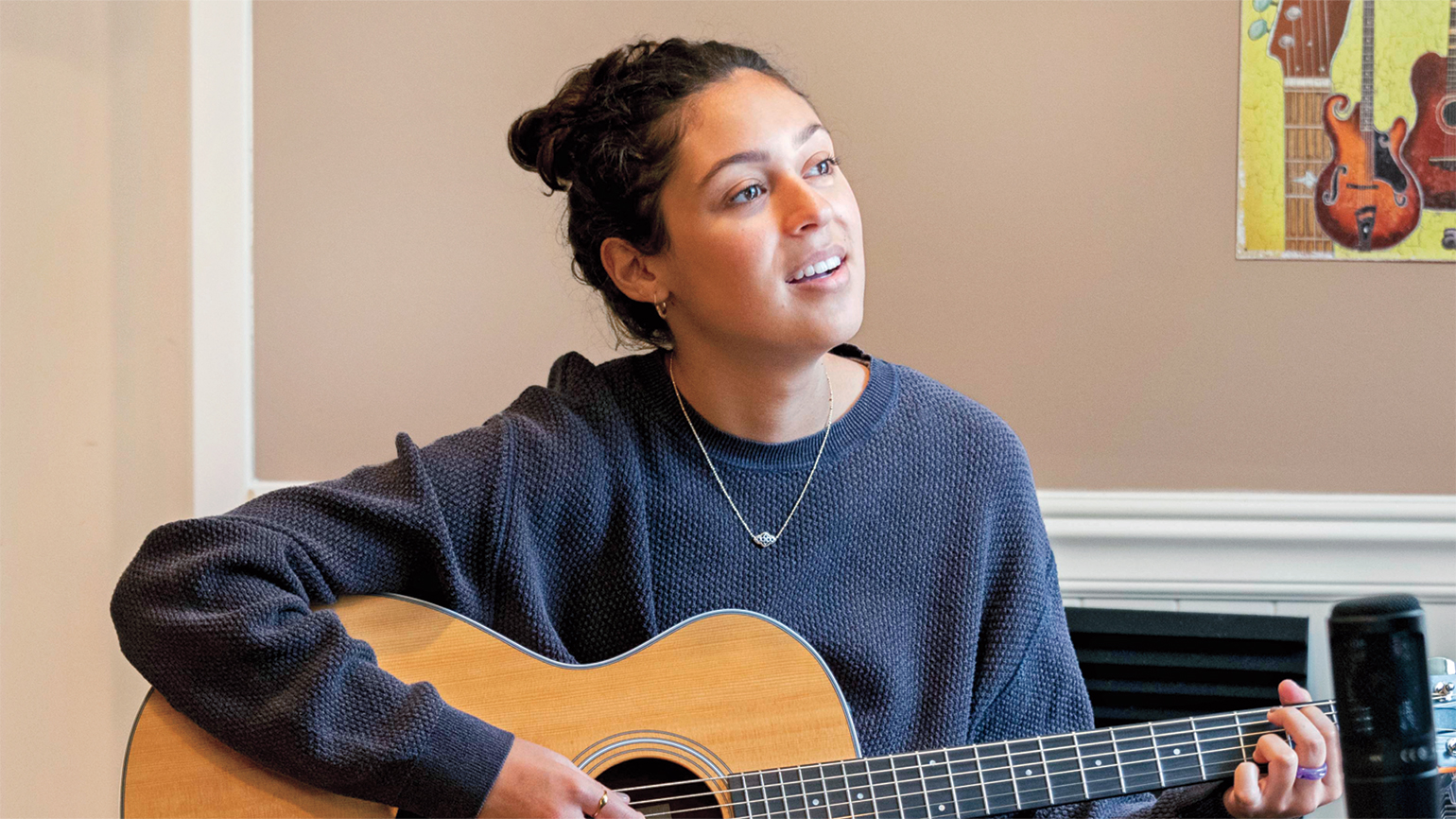
They call America’s Got Talent the biggest stage in the world, and it definitely felt like it that day last April. I stood on that huge, brightly lit stage in Pasadena, California, with my guitar, my throat dry, palms sweating, stomach in knots. I had flown in for the audition the day before from my home in Trumbull, Connecticut. As I stared out at the audience of thousands, it hit me that this moment could change my life forever.

When judge Howie Mandel asked my name and I tried to speak, nothing came out. The crowd fell silent, as silent as I was, waiting for the words to come. Finally I stammered my name and then my age, 19.

“As you can probably tell,” I haltingly explained, “I have a bit of a speech impediment….”

I’d always loved to sing and had already signed up for the school talent show in fourth grade when, out of the blue, I started stuttering. No particular event brought on the impediment; it just happened. I went from being an extroverted, carefree 10-year-old to a shy and insecure one. I dreaded speaking in class, ordering at restaurants, even introducing myself. Fortunately, most of the kids at my small Christian school were kind, and I was rarely picked on.

My dad told me that he’d also had a stutter when he was young. He’d gone to speech therapy, and the techniques he was taught worked for him. I tried speech therapy as well. It didn’t help, though I did learn how to relieve some of the tension in my throat and how to breathe properly.

I pleaded with God to rid me of my impediment, but nothing changed. I was angry with him and very confused. Why did you give me this stutter, Lord? I asked. Why won’t you take it away?

If I couldn’t bring myself to speak in class, how would I be able to sing in the school talent show? I decided to practice at home, where no one could hear me mess up. To my amazement, the words came smoothly when I sang. My stutter vanished. I felt so free onstage performing in the talent show. After that, I joined my church worship team and began learning how to play the guitar.

By the summer I was 16, severe anxiety and depression set in. My stutter had become my entire identity, and I was afraid to talk at all. I didn’t tell anyone how I was feeling. I didn’t want to appear weak or vulnerable. But I couldn’t stop worrying about my future because my present was so discouraging.

One steamy August afternoon, I retreated to the coolness of the basement, where I kept my musical equipment. I sat down and sobbed, overcome by the hopelessness and frustration I hadn’t been able to express. My eyes lit on the acoustic guitar I had gotten for my thirteenth birthday. I picked it up and started strumming. Then I opened my mouth, and the words came flooding out.

On the spot, I wrote a song I called “I Will Trust.” I sang about how lost I felt, how the pain I’d experienced weighed me down—everything I hadn’t been able to voice because I was afraid of showing my vulnerability. I sang about the Lord’s goodness and my acceptance of whatever he had in store for me. It was part prayer, part promise.

I cried again, this time for joy, thanking God for granting me the inspiration to give voice to my deepest feelings. The next day, I filmed a video of myself performing the song and posted it on YouTube. Hundreds of complete strangers left comments that I had uplifted them with my music. Ever since, I’ve been writing songs, not necessarily worship songs, but they all have inspirational lyrics that explore the human condition.

Last year, I started college at Liberty University in Lynchburg, Virginia, where I’m majoring in music production. When I saw the America’s Got Talent audition announcement pop up on my computer, I felt called to give it a try. I signed up and did an initial audition by Zoom.

A couple months later, there I was—standing on that enormous stage in Pasadena, trying to calm my nerves as I introduced myself to the America’s Got Talent judges and audience.

“I have a bit of a speech impediment,” I told everyone there. “It was definitely something that caused me to…” I took a long pause to find the words. “…to shy away, to hide. But I found that I don’t stutter when I sing.”

Then I launched into a new song I’d written, titled “Back to Life.” I tried to focus on the music, not all the eyes on me. And just as I’d said, there was no stutter at all. Not a hitch.

When I finished, the whole crowd was on its feet, and so were the judges. I couldn’t believe it! Judge Simon Cowell told me I had a pure and beautiful voice. He and the other judges gave me the four votes I needed to advance to the next round of the competition. I couldn’t hold back my tears. My wildest dreams were coming true, dreams I’d never thought possible.

For my second performance on America’s Got Talent, I sang another original song, this one called “Worth Fighting For.” The lyrics resonated with every fiber of my being:

I’ve waited long enough
For what I thought was impossible for me
For me
I’ve walked through fire
But I’ve come out higher
Cause inside me there’s a fighter.

This time, the voting was up to the public. I placed fifth in my round of the semifinals and didn’t advance. I definitely felt sad about being eliminated. But I had discovered something about myself: I do really well under pressure and with the adrenaline pumping.

Since the show aired, I’ve been playing in different churches and coffee shops. I even performed in the half-time show at a Miami Dolphins game. Being on America’s Got Talent opened many doors for me, but I realize the music industry is not easy to navigate. Still, after the experiences of the past year, I’m more comfortable putting myself out there, taking the risk that I might get denied or rejected. So far the risks have been rewarded: I recently signed with Next Records, and I’m beyond excited and grateful.

I’ve learned to embrace the paradox of my condition. I continue to have difficulty speaking, yet God has given me the gift to speak eloquently through my music and to share his love. I still find myself worrying about the future I can’t control, but I know that God will take me as far as he wants me to go. As I sang in my audition, “What if I could go back in time and change the way I felt about my life? But then would I still have inside everything that brought me back to life?”

My answer is a resounding no. The hard times I’ve been through, the struggles I’ve endured, are what make me me. I won’t go back—I’ll keep moving forward. In the silence of the pauses as I’m trying to find the words, I pray, Okay, Lord, help me. And he always does.

For more inspiring stories, subscribe to Guideposts magazine.

She Celebrates Christmas with Her Hens

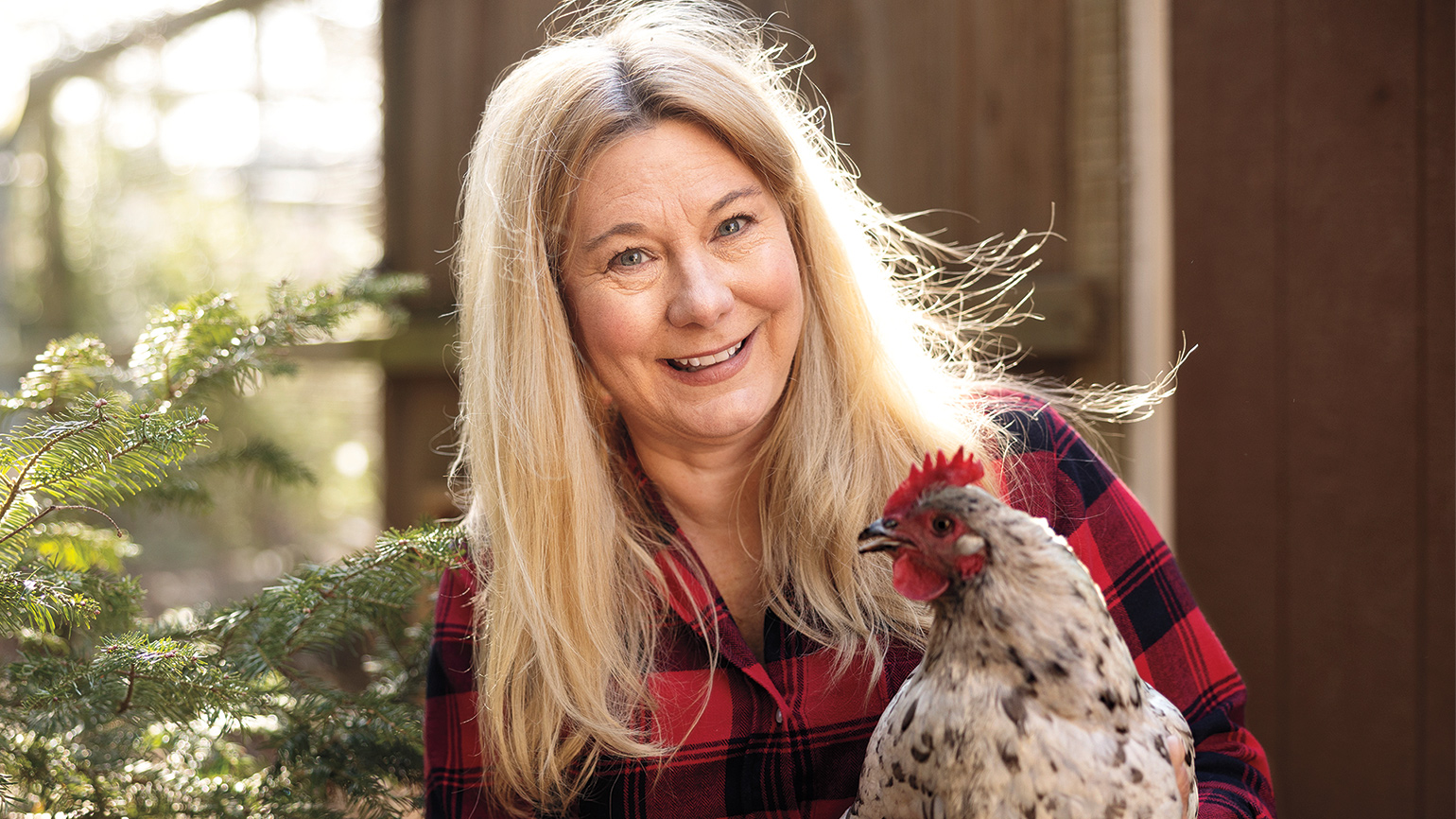
Which came first: the chicken or the egg? For me, there’s no question. My chickens came first, and in many ways, they still do. You see, my “girls,” as I call the hens, changed my life. And not only by giving me more eggs than I knew what to do with.

Before they came along, I’d worked on Wall Street and lived the big city life, a blur of five-star restaurants and cocktail parties, but it wasn’t for me. I’d grown up across the street from my grandparents’ chicken farm in Massachusetts, and my parents had kept a few chickens in our own backyard.

My great- and great-great-grandparents had been chicken keepers in Finland. So when my husband, Mark, and I decided to move to a farm in rural Maine and raise 12 hens of our own, I finally felt at home.

Hens require a certain amount of sunlight to lay eggs, and some farms expose their hens to artificial light to keep them laying year-round. I prefer to do things naturally. That means I cook a lot of egg dishes while the hens are laying at full capacity during the longer days of spring and summer.

I preserve cartonfuls to use while the girls are on holiday—because I need my Christmas eggnog! I’d love to tell you I use an old family recipe brought over from Finland, but the truth is, I used tips from magazines and TV chefs to create my own egg-cellent version.

Other family traditions endure. When my grandparents emigrated to the United States, they continued to honor Saint Lucia’s Day on December 13 as the start of Christmas season. Saint Lucia was said to have visited persecuted Christians hiding in the catacombs, lighting her way with a candlelit wreath on her head, her hands laden with provisions.

Our family wove the Saint Lucia custom of girls in white dresses carrying candles and wreaths into our Christmas celebrations. As a girl, I sang in the choir at the candlelit Christmas Eve service at my grandmother’s church. My favorite hymn was “O Holy Night,” when one star stood out among the others.

That first Christmas in our new home, I decorated with the candles and wreaths of Saint Lucia. We strung garland inside and lights outside. The only house in sight had to say merry Christmas! I had an extra wreath and hung it on the chicken coop.

Mark and I sat down to enjoy a glass of eggnog at the window, our handiwork complete. I looked out at the chicken coop and that one extra wreath. “But we can’t see our Christmas lights from in here,” I said.

Problem solved when I strung the coop with twinkling lights. My girls clucked a little bit but didn’t seem to mind my sprucing up the place. It seemed a shame not to have a tree in their run. So I cut down a sapling from the woods and decorated it with apples, a nutritious chicken treat.

In Finland, it’s tradition to feed wild birds on Christmas morning. Families don’t eat until the birds do. My chickens definitely benefit from my heritage. One year, I spent an entire afternoon stringing a long garland of popcorn, grapes, raisins and walnuts. I won’t do that again: It took the girls exactly four seconds to peck the precious garland to the ground.

Now I stick to hard-boiled eggs, radishes, cranberries and Brussels sprouts, which are much easier to string and last a lot longer to keep the hens entertained. For hardy tree decorations, I fill pine cones with peanut butter and roll them in sunflower seeds. Sometimes I make edible coconut oil ornaments with pops of color from fruits and veggies.

My hardworking girls have as merry a Christmas as Mark and I do. A walk out to the coop on a snowy day is magical. Even better on a clear night. Mark was in the Navy and knows how to navigate by the stars. He points out the constellations. We talk about the wise men who let the heavens guide them to the straw-filled stable where Jesus was born that “O Holy Night.” I like to imagine that chickens were there too.

Try Lisa’s recipe for Spiced Eggnog at home!

She Bought Naomi Judd’s Chair for $5

In the early 1980s I lived in the tiny town of Sweet Run, West Virginia. It’s right on the border of Kentucky—the intersection of struggles, stories, and songs.

Judd Country.

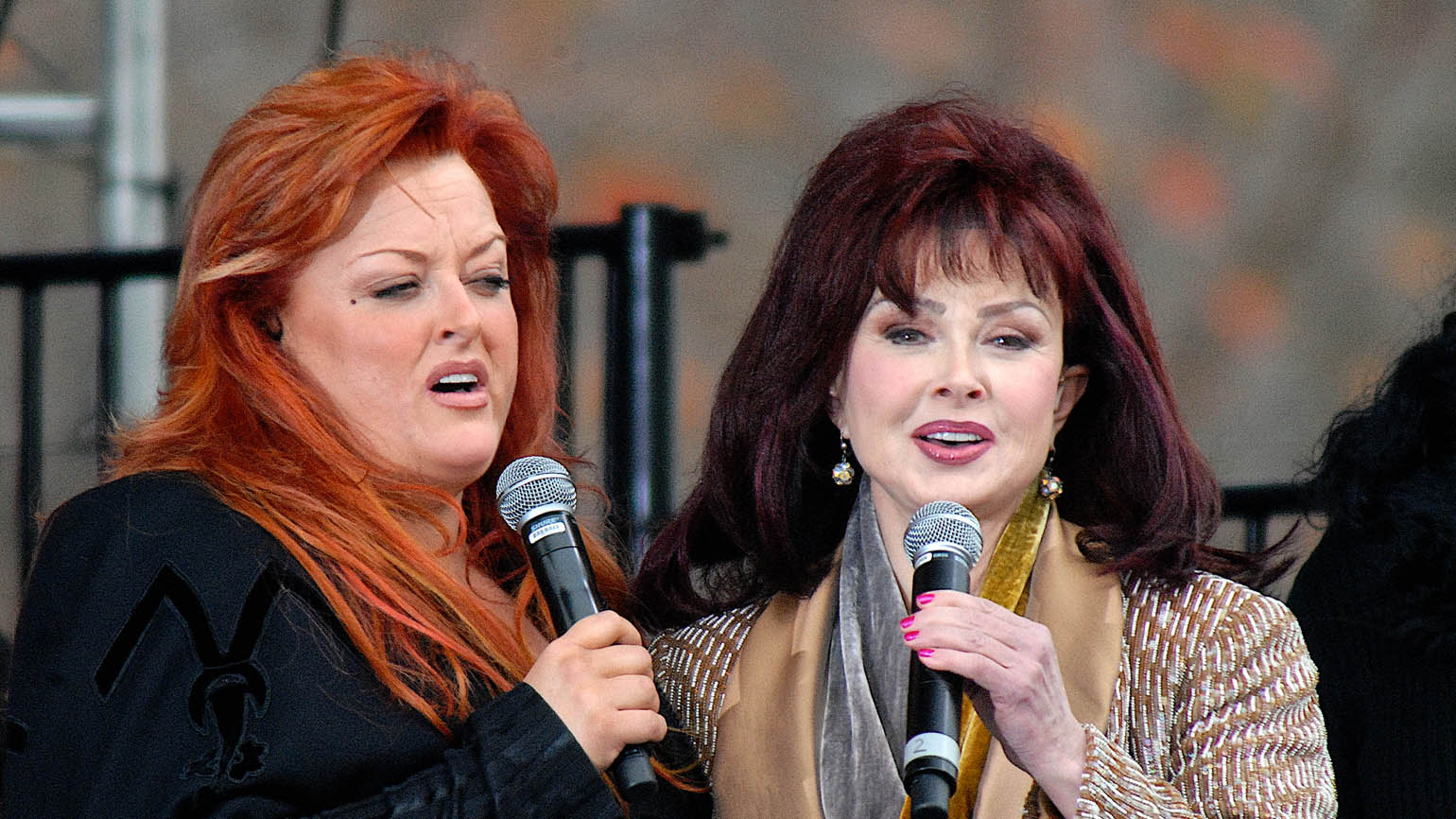
The first time I heard Naomi and Wynonna Judd was in a field somewhere near Ashland, Kentucky, the place of their roots. I was so mesmerized by their sound I don’t recall the specifics. Only that I stood so close to the stage I could see their eyebrows rise and fall. “Those two blend like flour in a cake,” a man bellowed as I sipped Coca Cola from a wax paper cup. “Mark my word. They’re gonna make it big!”

He was right. But this mama and daughter duo were more than their music.

I soon learned that Naomi was a nurse—like me. Every nurse I knew was enchanted with this news. Naomi was one of us, cared passionately about the same things we did. Her eyes told of a longing for people everywhere to overcome what life had dealt them. But when she sang or spoke, it seemed to be just for me. Encouragement from a friend I’d never met yet somehow knew me well.

I needed that encouragement as I battled chronic illness. The Judds might have been performing in Kalamazoo or Phoenix, but I could slip a cassette tape into my car’s stereo system and feel Naomi’s heart. During my hardest days, she was a long-distance companion. As the years went on and she began to reveal her personal history, I saw that the lyrics she penned and sung were hard-won. Revealing things about herself—family dysfunction, mental illness, hepatitis C—was a risk, but if her challenges might help someone, she was down with it.

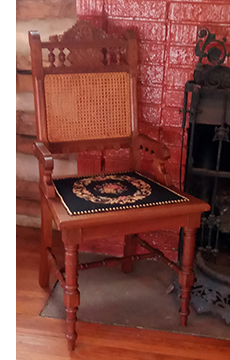
My most meaningful Naomi memory arrived about ten years ago in the form of an estate sale at a white, two-story Ashland, Kentucky home. Naomi’s mother was moving and downsizing. It was the sale’s final hours; everything was marked at 75 percent off, and a friend had told me about some wonderful, never-used bedsheets that hadn’t yet sold. But it was an item upstairs—in a room rumored to be Naomi’s bedroom—that caught my eye. There sat a forlorn oak side chair with hand carving across the back. The antiquing community knew my fondness for downtrodden chairs, so I wasn’t surprised when the lady in charge whispered, “No one’s paid any attention to it, Roberta. If anyone could do something with that seat, it would be you. Five dollars and it’s yours.”

The broken caned seat spoke to my spirit. A symbol of former-nurse Naomi and of me. Our dreams that stretched beyond nursing. I knew immediately what would be my remedy for “Naomi’s chair.” A large piece of needlepoint that I had stashed in the back of a dresser drawer. I’d worked on it—its flower-garden design vibrantly splashed against a background as black as the darkest night—in countless doctors’ waiting rooms.

When I’d first spotted that chair, a line from River of Time, a song Naomi co-wrote, haunted me: “The future isn’t what it used to be.” But redemption, I was to learn, tells a different story. I think often of the hauntingly beautiful lyrics from the Judd’s popular song Love Can Build a Bridge: “I would swim out to save you in your sea of broken dreams. When all your hopes are sinkin’ let me show you what love means.” Now when I look at that beautiful chair, I think about a woman who provided love, inspiration and comfort to so many—especially me. Thank you, Naomi. You may never know how you saved me in my own sea of broken dreams.

Read how her faith helped Naomi Judd face a devastating diagnosis.

Sharing Our True Inspirational Stories

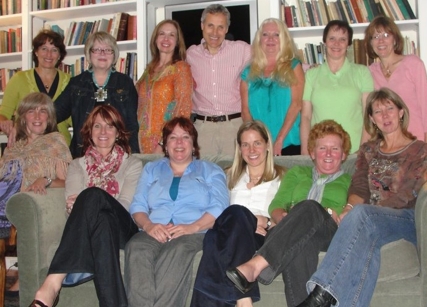
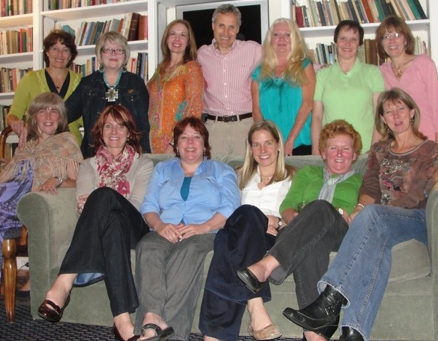
We’re still getting thank-you emails from the workshoppers who were invited to our full-day session in Rye, New York, this past weekend.

We all learned a lot (yes, even us teachers) about telling inspiring real life stories in an exciting and memorable way. We also got to catch up with one another about what’s been happening in the rest of our lives. Of course there was plenty of good news: A son got married, a daughter and son-in-law moved closer to home, new pets are acclimating to the family routine. And there were pictures to prove all of it among the group of far-flung Guideposts friends.

The first email I sent out when we got back to the office was to Roberta Messner, a longtime friend and Guideposts workshopper (that’s her in the dark jacket, second from the left in the back row). I was pleased to tell her she has earned the title of Angels on Earth Contributing Editor! Congratulations, Roberta! We know you’ll continue to write your own wonderful Angels on Earth stories, and to find people who need your help to share theirs. Watch the table of contents for Roberta’s byline to appear, and look for her name on every masthead beginning with the July/August issue of the magazine. Roberta started her Guideposts career by submitting one of her own true inspirational stories to the biannual Guideposts Writers Workshop Contest. Today she writes stories for both Angels on Earth and Guideposts, and contributes devotionals to Daily Guideposts.

Does that sound like a dream come true to you? If so, it’s time to submit your true first-person story to the Guideposts Writers Workshop Contest 2012. You can submit your manuscript online or by snail mail. Tell your own story, or ghostwrite a story in the first person for someone else. And it doesn’t have to be an angel story … but if it is, that would be heavenly!

Seven Sweet Words That Changed Her Life

I grew up knowing I was different, and I hated it.

I was born with a cleft palate, and when I started to go to school, my classmates—who were constantly teasing—made it clear to me how I must look to others: a little girl with a misshapen lip, crooked nose, lopsided teeth, and hollow and somewhat garbled speech. I couldn’t even blow up a balloon without holding my nose, and when I bent to drink from a fountain, the water spilled out of my nose.

When schoolmates asked, “What happened to your lip?,” I’d tell them that I’d fallen as a baby and cut it on a piece of glass. Somehow it seemed more acceptable to have suffered an accident than to have been born different. By the age of seven I was convinced that no one outside my own family could ever love me. Or even like me.

And then I entered second grade, and Mrs. Leonard’s class.

I never knew what her first name was—just Mrs. Leonard. She was round and pretty and fragrant, with chubby arms and shining brown hair and warm, dark eyes that smiled even on the rare occasions when her mouth didn’t. Everyone adored her. But no one came to love her more than I did. And for a special reason.

The time came for the annual “hearing tests” given at our school. I was barely able to hear anything out of one ear, and was not about to reveal yet another problem that would single me out as different. And so I cheated.

I had learned to watch the other children and raise my hand when they did during group testing. The “whisper test,” however, required a different kind of deception: Each child would go to the door of the classroom, turn sideways, close one ear with a finger, and the teacher would whisper something from her desk, which the child would repeat. Then the same thing was done for the other ear.

I had discovered in kindergarten that nobody checked to see how tightly the untested ear was being covered, so I merely pretended to block mine.

As usual, I was last, but all through the testing I wondered what Mrs. Leonard might say to me. I knew from previous years that the teacher whispered things like “The sky is blue” or “Do you have new shoes?”

My turn came. I turned my bad ear to her, plugging up the other solidly with my finger, then gently backed my finger out enough to be able to hear. I waited, and then came the words that God had surely put into her mouth, seven words that changed my life forever.

Mrs. Leonard, the pretty, fragrant teacher I adored, said softly, “I wish you were my little girl.”

For more inspiring stories, subscribe to Guideposts magazine.

Remembering an Act of Kindness from Roger Mudd

In an editorial meeting the other day there was a suggestion I really liked: Let’s find stories about an act of kindness or empathy the person on the receiving end never forgets. Not a huge, life-changing act but a simple, decent gesture that stays with you, maybe for the rest of your life.

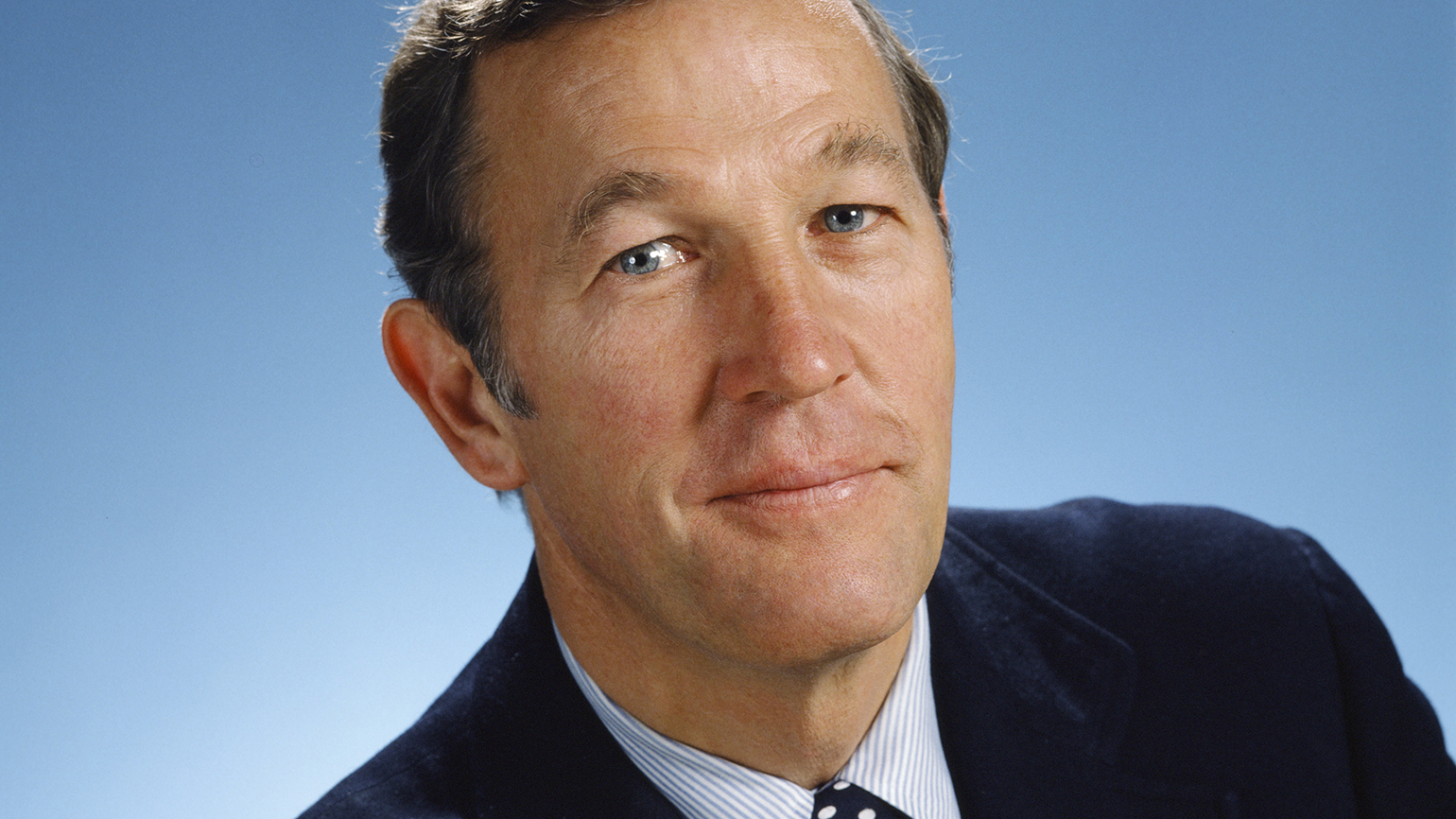
I hadn’t given it much thought until I heard about the passing of the great TV journalist Roger Mudd, a man whose tie I once ruined.

This was in September of 1976, and I was a young reporter on a small newspaper in Ann Arbor, Michigan. President Gerald Ford, a proud Michigan alum, was kicking off his presidential campaign against Jimmy Carter with a speech at the University of Michigan’s Crisler Arena. I applied for press credentials and got them (it was a lot easier back then). There had been two attempts on Ford’s life so understandably the Secret Service was on high alert—which was why when they saw the Swiss Army knife in my satchel next to my notebook and cassette recorder, they seized it. It would be the last I ever saw of it.

The press area was crowded with national media, including all the major network correspondents. I swung my satchel over my shoulder and looked for a place to work. Except my satchel collided with something or in this case someone—Roger Mudd. Worse, it collided with the cup of coffee in his hand just as he was moving into position to do an on-air “stand up,” a quick live shot that sets up the event being covered.

As they say, if looks could kill. I was too mortified to apologize. Someone rushed over with paper towels to sop up the coffee on Mudd’s shirt. Meanwhile, he was trying to borrow a tie which elicited a round of heckling from his fellow journalists until someone came up with one. “Here’s the ugliest we could find, Roger.”

I don’t remember much about Ford’s speech. I was too busy dying of embarrassment. On the way out I tried to retrieve my Swiss Army knife from the Secret Service. It was a college graduation present from my brother the year before, and I wanted it back. While I was haggling with the agents, I felt a hand on my shoulder and turned around, wondering if I was about to be arrested. It was Roger Mudd. “Don’t worry about the coffee, kid. No big deal.” He smiled and walked away.

It was a classy, considerate thing to do, and it made me feel better about my blunder. It still makes me feel good to think about it, a kind word when I really needed it. RIP, Roger Mudd.

Do you remember being shown an act or gesture of kindness that has stayed with you? Let me know at egrinnan@guideposts.org.

Remarkable Stories of Inspiration and Compassion

A dedicated pastor, a nonprofit organizer and a compassionate stranger are among the amazing people inspiring our readers this week.

Cheryll Harris-Gaddy Warner writes about a pastor who continues to tend to his flock even when he himself is very ill: “I am inspired by Bro. Jeff Harless, the pastor at Living by Faith Freewill Baptist Church in Bristol, TN. He never waivers in his dedication to God, family and his parishioners. Even when he was near death and in the hospital this summer, he was still ministering to others. Bro. Jeff is a true inspiration, not only to me but to everyone he meets!”

“I am inspired by my niece, Sami Tolson, who started a new nonprofit this week called Face Yourself,” writes Susan Wittich Chaney. “Her motto is, ‘Follow your dreams. We were created equally, to love and be loved. Nothing less.’ She is encouraging people to be themselves and will be speaking on local Toledo, OH, radio stations and at area schools.”

And then there was this remarkable story, from Kim Avery: “I am inspired this week by my friend Terri. She and her husband, Mark, were on vacation in Hawaii and were cooking out when Terri noticed a homeless guy and asked if he would like to join them.

He did, and Terri began a conversation with him. She learned where he was from, why he was homeless and eventually his name. Mark went up to their hotel room and got shampoo, shirts, underwear and socks for him. The man told Terri he was homeless because of drugs and bad decisions, and Terri prayed with him.

She recently got back home, searched for his parents in Texas and found them! She called them and told them she had met their son. Terri explained to me, ‘I’ve just been used as servant for the Lord and I am so happy and blessed.’

That really inspired me this week not to judge people and to always find a way to minister to those who need to hear ‘God loves you.’ ”