
Embrace God's truth with our new book, The Lies that Bind

5 Acts of Kindness Bringing Communities Closer Together

Although it could feel like anxiety and stress are a constant in the world today, there are hopeful and inspiring things happening still; strangers are coming together to bring joy and optimism to each other in any way they can.

Here are five people that demonstrate how a simple act of kindness can go a long way during these difficult times.

Landlord Waives Rent for 200 Tenants Amid Pandemic
A New York City landlord is being recognized for his kindness, after waiving rent for the month of April for more than 200 tenants. Mario Salerno, 59, said he decided to help after noticing the financial burden most of his tenants were carrying, due to the widespread, Covid-19 related job loss and business closures.

On March 30, the Brooklyn native posted notices on the front doors of his 18 buildings throughout the Williamsburg and Greenpoint section of Brooklyn, New York that read: “Due to the recent pandemic of Coronavirus Covid-19 affecting all of us, please note I am waiving rent for the month of April.”

Salerno, who also owns a gas and car service station, spoke to NBC News about the reason behind his grand gesture.

“For me, it was more important for people’s health and worrying about who could put food on whose table,” he said. “I say don’t worry about paying me, worry about your neighbor and worry about your family.”

Salerno hopes his act of kindness will encourage other landlords to do the same.

Couple Donates Flowers to Nursing Homes After Postponing Wedding
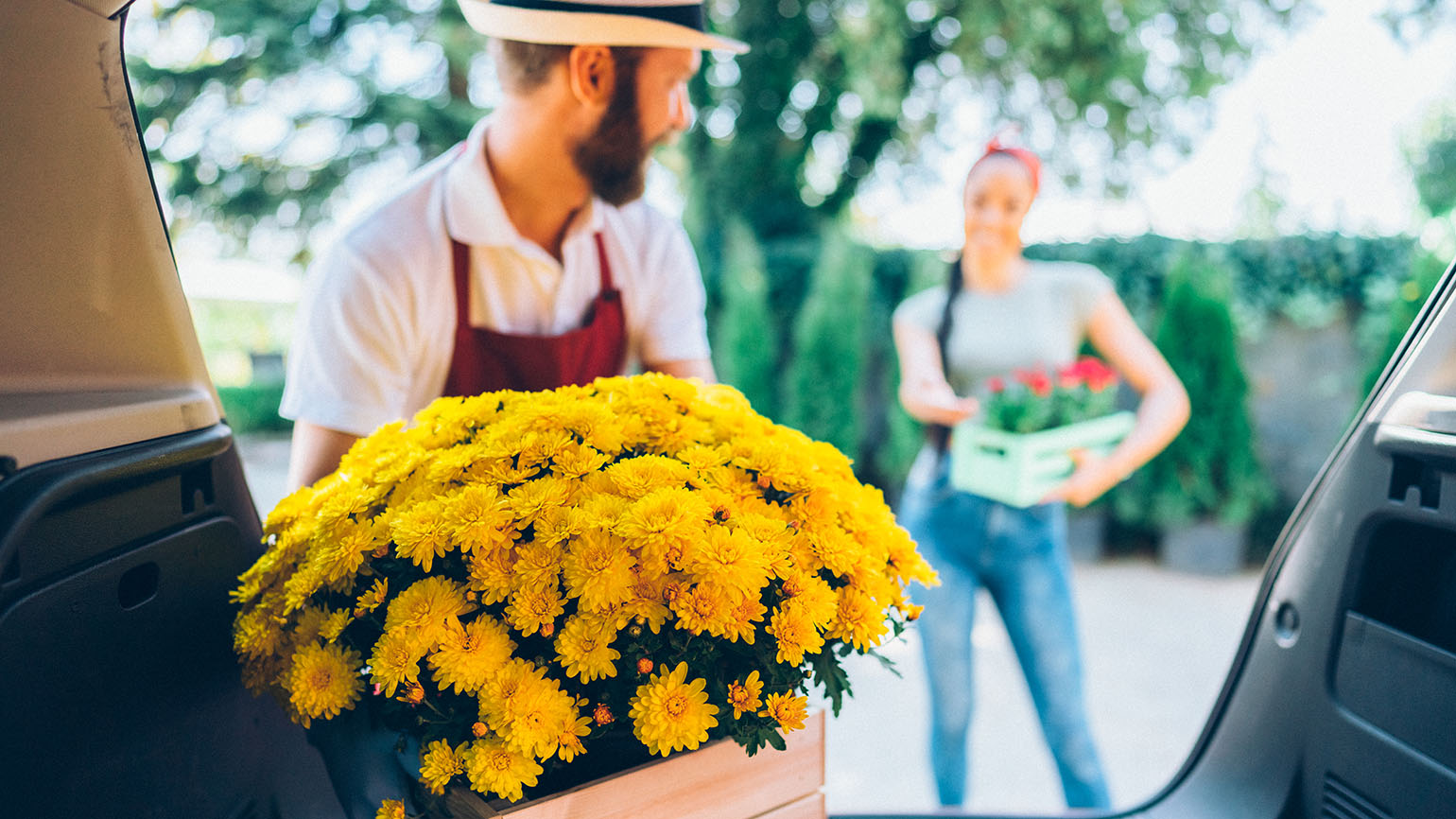
Engaged couples around the world have been forced to postpone their upcoming weddings due to Covid-19, but one Texas couple decided to turn their heartbreaking experience into a joyful one by repurposing their wedding flowers.

After Kristall Goytia and Jason Oswald were forced to cancel their March 21 wedding, they learned they couldn’t cancel their flowers, so they delivered their 500 roses, 300 hydrangeas, and assorted greenery to senior citizens in their community.

With the help of her church, Goytia located three assisted living homes in San Antonio that would accept the fresh flowers and dropped them off at their front doors with staff, who handed them off to the residents.

“We knew that so many people were being impacted by Covid-19 but we knew the people it was affecting the most were elderly and healthcare workers,” Goytia told Business Insider. “We wanted somebody to be able to enjoy our flowers since we wouldn’t be able to.”

Math Teacher Brings Lesson to Student’s Front Porch
Like many students across the country, 12-year-old Rylee Anderson is adjusting to the sudden shift to remote classes due to the pandemic. After emailing her math teacher, Chris Waba, for help with an assignment, she was pleasantly surprised moments later when she saw him on her porch with a whiteboard in hand.

Waba, 52, who lives across the street from Anderson in Madison, South Dakota, spent the following ten minutes helping his student complete the graphing problem—at a socially safe distance.

“I’m a better communicator face-to-face than (on) the telephone and I think students learn better that way,” Waba told CNN. “Teachers all across the nation have been thrown into a situation like this. I think we’re all more comfortable being in front of our classes and that’s where we’d rather be.”

The young girl’s dad, Josh Anderson, expressed his appreciation towards Waba on Twitter, sharing a photo of the special moment that garnered thousands of retweets and likes.

“The picture just shows the length that which teachers will go to help their students at any cost during these times,” Anderson wrote.

100-Year-Old British Veteran Raises Millions for NHS
A British World War II Veteran raised more than $34 million in donations to support the staff and volunteers of the U.K.’s National Health Service. Captain Tom Moore vowed to walk 100 laps in his backyard in Bedfordshire before his 100th birthday on April 30 to reach his target goal of approximately $1,245 for Britain’s publicly funded healthcare system.

Within 24 hours, Moore not only surpassed his target, but the donations continued to pour in. After just 11 days, he raised more than 18 million pounds, or about $20 million, and gained thousands of followers on Twitter. With assistance from a walker, Moore reached his goal of 100 laps on April 16, with two weeks to spare.

More than one million people donated to the JustGiving fundraiser, including Prince William, who praised him for being a “one-man fundraising machine.”

Although he met his goal, Moore told his Twitter followers he doesn’t plan on stopping.

He wrote, “Today I completed my final 10 laps, and although the mission is complete—I am going to keep on going.”

FedEx Worker Disinfects Package for Girl With Autoimmune Disorder
A delivery driver is being celebrated after a doorbell camera captured his good deed. Justin Bradshaw, 28, was dropping a delivery off at a Florida home when he saw a sign on the door that alerted mail carriers to leave packages on the doorstep because “someone in the house has an autoimmune disorder.” Bradshaw took time to sanitize the package with a wipe before returning to his car.

After seeing Bradshaw’s kindhearted gesture through their front door camera, Carrie Blasi, whose 11-year daughter has Type 1 Diabetes and therefore more likely to contract Covid-19, praised his actions on Twitter.

“Our Federal Express delivery guy wrote this on our box ‘I sanitized your box once I’ve seen the note on your door’- and you can tell that he used sanitizer wipes on the box,” she wrote. “Amazing!!”

According to the NBC affiliate in West Palm Beach, the two met virtually on a Zoom video chat where Blasi and her daughter thanked Bradshaw for his kindness and for giving her family “a more positive outlook on life.”
40 Years Later, an Act of Kindness Continues

In Mother Teresa’s “Anyway” poem, one of the lines is “If you are kind, people may accuse you of selfish, ulterior motives; Be kind anyway.” Yes, there will be some people who question or judge our motives, but that shouldn’t stop us from being friendly, generous and considerate to others. Sometimes we are the giver of an act of kindness. Other times, we are the recipient. It doesn’t matter. Kindness makes everyone feel good.

My daughter shared this story. Many years ago a man who lived in New York City decided to visit his parents two hours north. As he approached their small town, his car broke down. A woman stopped to offer a ride to a mechanic in town, and as they chatted on the way in, he learned that she was a local realtor. He shared that he was from the city visiting his parents. They went their separate ways, but he never forgot her kindness.

Forty years later, his parents now deceased, the son needed to sell their house. He remembered the realtor who had helped him all those years ago and called her office. Unfortunately, the woman had passed away, but her daughter and granddaughter were running the business and ended up being his realtors. As it turns out, they sold the parents’ house to my daughter and son-in-law! A simple act of kindness had a ripple effect decades later.

In most cases, we never know the long-term effect of our acts of kindness. But the recipient often never forgets. So don’t let fear or judgment get in the way of being kind to someone. As the Greek philosopher Aesop once said, “No act of kindness, no matter how small, is ever wasted.” And sometimes, in a strange way, it might even come back to us.

NFL Great Kurt Warner on ‘American Underdog’

Former National Football League star Kurt Warner overcame years of challenges —he was an undrafted free agent, worked as a night-shift grocery stock clerk to make ends meet, and was even practically homeless at one point—to become a Super Bowl champion and Hall of Fame quarterback. Kurt remains the only undrafted player to be named both NFL MVP (twice!) and Super Bowl MVP. His real-life story of how the support of his wife, Brenda, as well as family, coaches, teammates—and his faith —helped fuel his success is the subject of the inspirational new movie American Underdog.

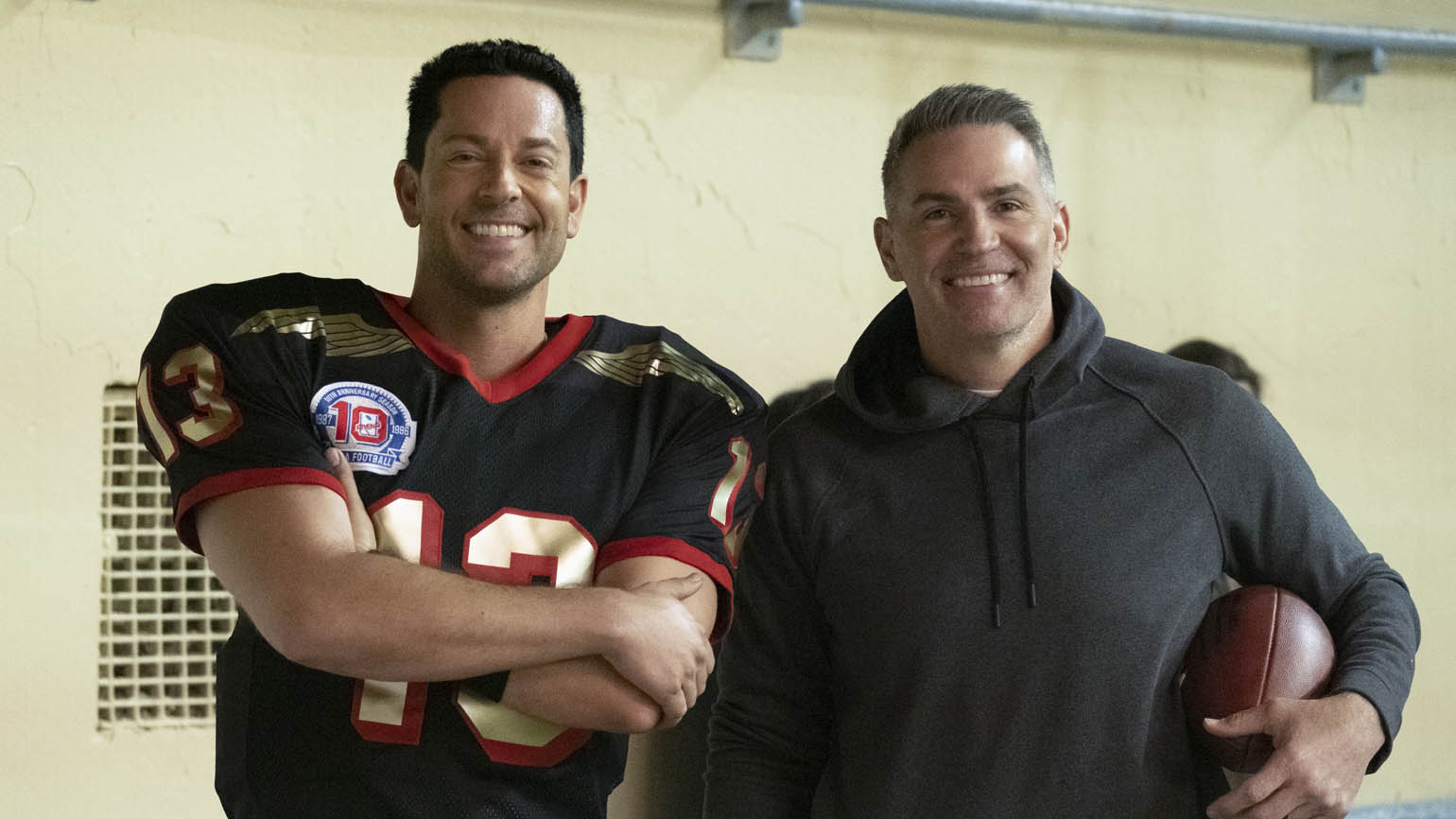
Kurt (played by actor Zachary Levi, above, left) talked with guideposts.org about what it feels like seeing his life played out on the big screen, his real-life hero and the best advice he’s ever gotten.

Q: What does it feel like seeing your life unfold on-screen?
A: It is pretty amazing to think someone felt our story could impact other people. It’s been very interesting getting comfortable with the idea that the movie is not a documentary, and it’s not the whole story, but simply the snapshot we chose to share. Once we got comfortable with that idea, it has been fun to embrace the journey and hear the positive responses from so many.

Q: What’s your favorite scene? Why?
A: There are so many great scenes. But I would probably say the initial meeting with Zack [Brenda’s son from a previous marriage who is developmentally disabled]at Brenda’s parent’s home. That scene to me is a microcosm of the story. Seeing a young man’s dream and connecting it to my own. Watching a young man capture my heart and break down some walls I had up, while at the same time breaking down some walls for Brenda. This story only happens because of that precious young man and it all began in that moment.

Q: What do you hope viewers take away from the movie?
A: I believe American Underdog will hit people differently depending on where they are in life when they watch it. As long as people are touched by the story, a particular scene, or one of its characters in a unique way, I feel we have done our job with this movie.

Q: You’re a hero to so many. Who’s your real-life hero?
A: My mom who raised my brother and me in a single-parent home—even though my dad was very present throughout my life. She showed me what love and hard work are all about. I learned and took so much from her that has shaped the person and the parent I am today.

Q: You have a strong faith. Do you have a favorite Bible verse?
A: Matthew 6:33. “Seek first his kingdom and his righteousness and all this will be added unto you.” I feel this is the key to everything. Life is about getting your eyes off what you want and focusing them on what God created you to be and the work he has called you to do. As long as you are living according to that, you won’t worry about ‘stuff’ in the same ways.

Q: What’s one thing you do for your spiritual well-being?
A: I try to be conscious of God all day long in all the different areas of my life. Instead of going to church for an hour or setting aside time each day for prayer, which is all great stuff, for me, it’s more important to make sure I stay aware of God’s presence in my life all day long. Even small acknowledgments or brief moments of recognition matter.

Q: Where’s your go-to place to pray or meditate?
A: My go-to prayer spot is usually my bed or my car—two places—where I can be alone in the quiet and truly focus on what’s most important.

Q: What’s the best advice you’ve ever gotten?
A: I have gotten a great deal of great advice over the years, but two things stand out. First, never let your circumstances define you. Too often we shape our definition of ourselves by where we find ourselves in life. Or we allow others to define us instead of knowing who we are and defining ourselves by what we know to be true, what we believe we are capable of and who God created us to be. Number two, receive the blessing. This advice truly impacted me because it allowed me to step into true happiness and not feel guilty for having something that I wasn’t sure I deserved. That advice helped me to see life through a different lens and to become content in the different moments of my journey.

American Underdog is available now on DVD, Blu-ray and streaming.

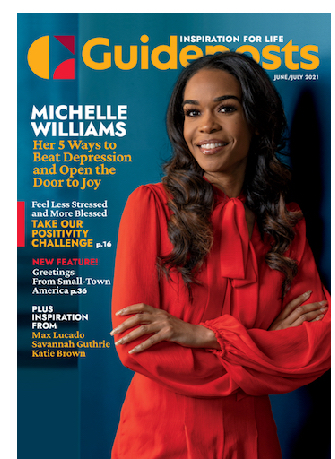
Meet Your New, Reimagined Guideposts Magazine

These are exciting times at Guideposts, perhaps the most exciting I’ve known in all my years here. Really, I feel incredibly blessed to be part of this organization.

Have you seen the new, reimagined Guideposts magazine? Starting with the June/July issue, we’ve moved to a bimonthly publication schedule (six issues a year instead of 10) while at the same time making major investments in the magazine so many of you love. Each issue will now be at least 100 pages, an increase of some 30 pages with no appreciable increase in ad pages. And that’s just for starters.

We’re printing all these pages on vastly improved paper and in a better, more readable typeface. That lets us do more visual storytelling, like photo essays and uplifting photo features that will delight your eyes as well as your soul. In fact, we’ve given the whole magazine a visual makeover. I think you are going to love the beautiful redesign—contemporary yet accessible and always in the service of the great storytelling that has been the hallmark of Guideposts for more than 75 years.

We’ve added new content that readers have been asking for—columnists like Rick Hamlin, Bob Hostetler and Ty’Ann Brown as well special guest writers (hey, maybe you can write something for us!) and a new devotional page.

We’ve developed regular features on prayer, Scripture and spiritual well-being. Each issue features a Q&A with a faith leader; in June/July it’s our friend Max Lucado. There’s also a piece from lifestyle expert Katie Brown. Our positive thinker profile is another friend, Savannah Guthrie of the Today show. The cover story is by singer Michelle Williams, who shares her experience with depression and how she finds joy in spite of it.

My favorite new feature? Our Positivity Challenge. Take it and see how you can live more positively, then continue the challenge online. In fact, magazine content is being more closely aligned with digital content so that you can learn more about the stories and the amazing, inspirational people behind them.

One thing I can assure you is that Guideposts will always feature the true, first-person stories of hope and inspiration readers have loved for generations in our convenient, digest-sized format. If you’re not a subscriber—and that’s hard for me to believe—enjoy a preview of the exciting new Guideposts by watching the video below.

This is a time of great upheaval in the magazine business and many publishers are pulling back from print. Not Guideposts. We are recommitting ourselves to our print flagship while continuing to build our digital presence through our website, our apps, our social media platforms and through the development of digital products, services and communities.

Sometimes life feels like one big Positivity Challenge. That’s why we are here for you, and you for us. I thank you for being our trusted partners in making the world a better place through the power of faith, hope and prayer. Let me know what you think of the reimagined Guideposts by emailing me right here.

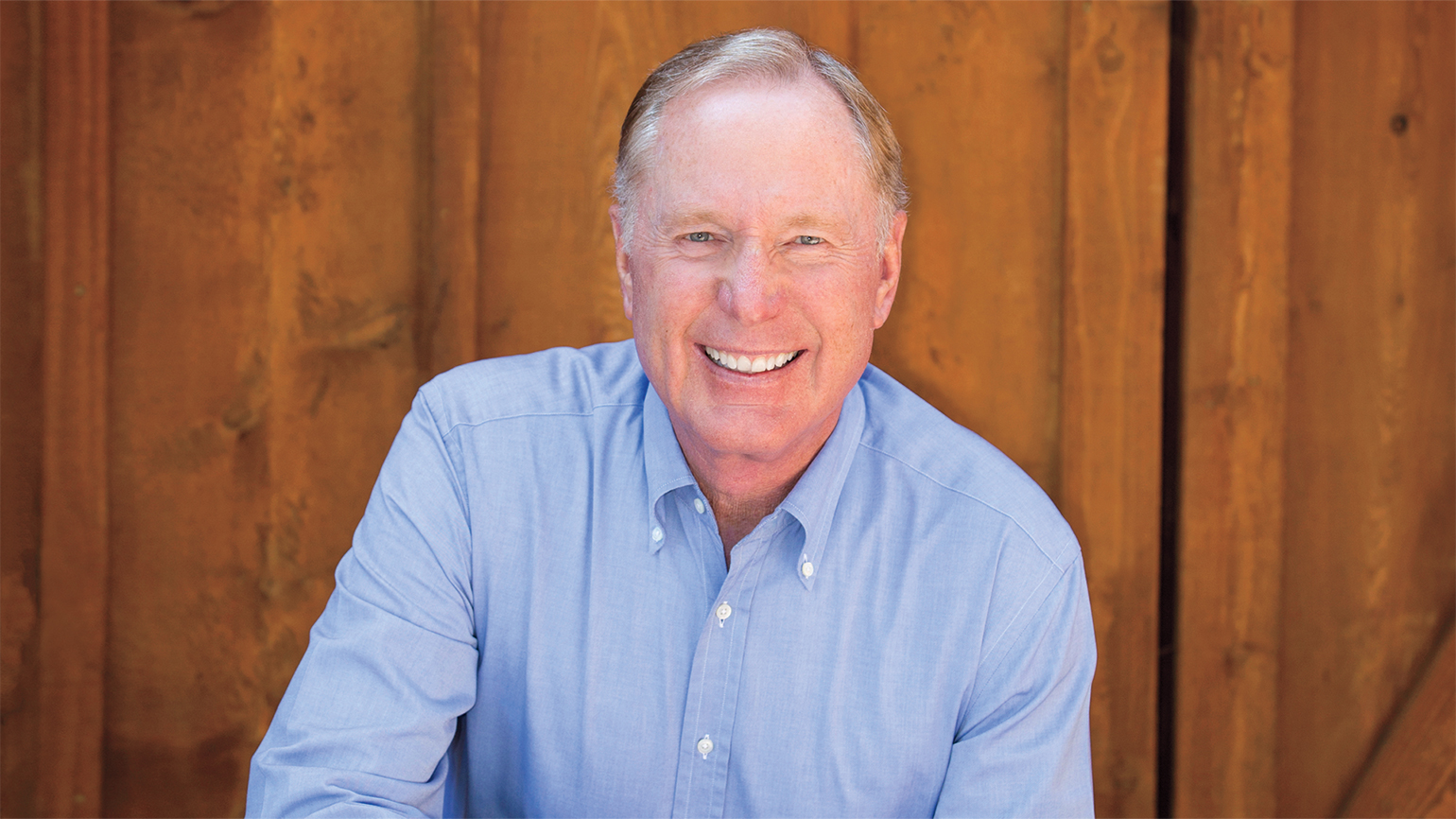
Max Lucado on the Holy Spirit

Pastor Max Lucado is a speaker and best-selling author, with more than 145 million copies of his books in print. He currently serves the people of Oak Hills Church in San Antonio, Texas. His latest book is Help Is Here: Finding Fresh Strength and Purpose in the Power of the Holy Spirit. He and his wife, Denalyn, have three children and two grandchildren.

1. How can the Holy Spirit become a practical help in our daily lives?

The idea that the Holy Spirit can help us on a day-to-day basis stirs a lot of questions for many people. Who is the Spirit? For whom does the Spirit exist? Does the Holy Spirit have a purpose? What exactly does the Holy Spirit do? I think we start by opening our minds to the possibility that we have a heaven-sent helper, the divine helper.

The presence of God seeks to be our friend. And for many people that’s a whole new idea because we’re trained in our culture that it’s me, myself and I. If I’m going to succeed, it’s because I pull myself up by the bootstraps. So for many the first step is opening yourself up to the possibility that you have an unfailing friend in the Holy Spirit. And that Holy Spirit is the presence of God active on earth today, who is ready to guide you and give you strength.

2. How can the Holy Spirit bring us peace?

The Holy Spirit descended at the baptism of Jesus. In the Gospel of Luke, it says the Holy Spirit came as a dove. I cannot think of a bird more peaceful, more calming. I believe the Holy Spirit comes like a dove to remind us that he is here to calm the world.

The first reference in the Bible to the Holy Spirit is in the very first book, the very first chapter: Genesis 1:2. The Spirit of God hovered over the deep. The creation had yet to begin. The world was just a teeming mass of fury, but the Spirit of God came and hovered, like an eagle hovering over a nest of eaglets to calm them down.

The Holy Spirit is ever present to calm us and help us. If we welcome the Holy Spirit’s work in our lives, then we can develop the habit of talking to the Holy Spirit throughout the day, trusting in his leading, learning to hear his voice. That calming presence will help us, especially these days, when we deal with so much anxiety.

3. How does the Holy Spirit guide us?

On the night before his crucifixion, Jesus talked about the coming of the Holy Spirit and said, “The Holy Spirit will guide you into all truth.” The Holy Spirit guides us by verse and voice, of which there are two types. Sometimes it’s that inner voice, that inner knowing. He may guide us through thoughts that we have, maybe through impulses. I realize this gets a bit mystical, but that’s the nature of the Holy Spirit. We have a voice within us. It’s more than a conscience. This is a voice within us telling us to turn this way or that, or to avoid this or to pursue that.

The second type is the voice of trusted friends, colleagues, family. People who wish you well, who desire what’s best for you, may contact you to say, “I’m thinking of you today. I’m praying for you.” Just today I felt an impulse to tell someone that they are very important in God’s plan. And it was so strong in my spirit to say it that, had I not said it, I would’ve felt as if I’d been disobedient. So I was that voice in the life of a friend.

For more inspiring stories, subscribe to Guideposts magazine.

Love Thy Neighbor: He Made His Dream of Community Come True

I sank down in my canvas camp chair at the end of the driveway, our new home—our first house—looming behind me. A folding table with snacks and drinks sat a few feet away. What if no one shows? Upstate New York was quite different from my native South Africa. Maybe people thought it was strange for us to throw our own welcome party. I stared at the two sloping sections of the corn hole game I’d set up. The whole thing suddenly felt embarrassing. How long should I sit here, I wondered, before packing up?

The idea had come to me the day we moved in, literally as we turned down our new street a month earlier, in June 2021. With each basketball hoop and swing set we passed, my excitement grew. Families! I could picture us all hanging out together. At last, a real community, something I’d been searching for since moving to the United States after law school.

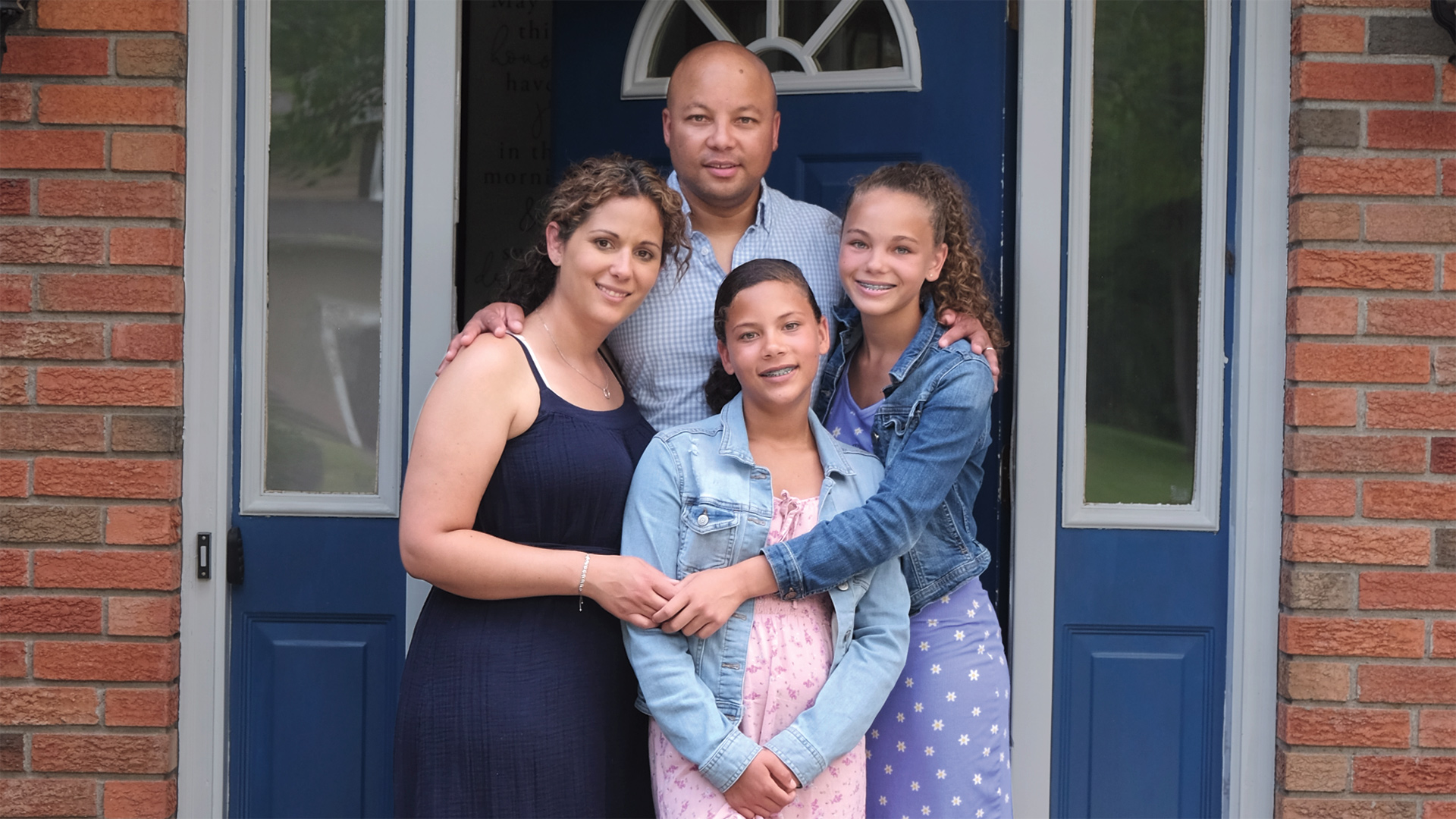
“Let’s invite the neighbors to a get-to-know-you party!” I announced to my wife, Sarah, and our 11-year-old twins, Olivia and Holly, as we pulled into the driveway. In retrospect, perhaps I’d gotten ahead of myself.

In Cape Town, where I grew up, our whole neighborhood would spill outside in the evenings to socialize, kids and adults both. There were no fences, no sense of where one family’s yard ended and another’s began. People set out long tables. My father grilled fish, enough to share. A neighbor offered biltong (similar to beef jerky) and biscuits. Mom handed out juice boxes, and all of us kids grabbed for our favorite flavor, lychee, a sweet tropical fruit.

One night, I stayed outside after the other kids had gone home. I sat on the grass and listened to the adults talking around the fire. An amazing feeling wrapped around me, a sense of belonging to something bigger than my family. Of being blessed to have neighbors I could depend on if I ever needed anything.

It was like my godparents, Benny and Joyce, said. They were always looking out for their neighbors, watching kids, fixing a broken-down car. “Following Jesus starts with the house next door,” they told me. That stuck with me. A belief in longer tables, not higher fences.

In 2005, I took a break after my third year of law school in South Africa. I found a job at Wanakee, a summer camp in New Hampshire, drawn to its mission to help people grow in their faith and share God’s love. That’s where I met Sarah, another counselor. The next year, I got invited back. Sarah and I spent more time together. We fell in love and decided to make a life together in the U.S. after I finished my degree.

My parents were happy for me yet concerned that I’d miss our family and our close-knit community in Cape Town. But I figured I could make friends anywhere. In 2007, I landed an internship with an investment firm. Two years later, Sarah and I married and moved to upstate New York. I passed my licensing exams to be a financial adviser. Sarah worked in finance too. We rented apartments, saving money for a house, a dream that felt more important after Olivia and Holly were born.

When the girls were seven, we rented a small duplex, hoping it would feel more like a home, with neighbors we’d become friends with. What we didn’t realize was the neighborhood was made up of renters who came and went. It wasn’t the kind of place where people planted roots. The woman who shared our duplex was older and cared for a disabled son. We were friendly but didn’t socialize.

The people in the house behind us fought constantly. We could hear them arguing from inside our duplex. Sometimes I stared at their door, thinking of my godparents’ advice that following Jesus starts with your neighbors. But I couldn’t find the courage to knock and ask if there was anything I could do.

At last, in late summer 2020, Sarah and I had a big enough nest egg to look for a house of our own. We toured a dozen homes, but none felt right. One night, I was looking at listings online when I found a split-level that was appealing. “I think we should check it out,” I told Sarah. The next day we went to see it. We drove down a street named Whitney Drive.

“Look at all these trees,” I said. There were swing sets, children outside playing, bicycles in driveways, people working in their yards—yards that ran one into the next. I wasn’t surprised that the house itself was just as welcoming. It was as if God was saying, This is the one!

I’d been reading a book about the importance of creating strong neighborhoods. The author encouraged spending time in the front yard, where neighbors could see you, of nurturing relationships with the people on your street. I knew from our experience at the duplex how easy it was to close yourself off. The thing I hadn’t understood as a kid in Cape Town was that neighbors didn’t mix together by magic. Someone had to be the first to step out in faith and open up.

All that was on my mind the day we moved into our house on Whitney Drive. I wasn’t going to wait around for neighbors to reach out. That’s why I’d blurted out my idea right there in the driveway. Sarah and the girls were all for it.

Now, a month later, here I was at the end of that driveway, sitting in my camp chair, having serious second thoughts. Would it have hurt to wait a couple more months to hold a get-together? Actually get to know a few folks first?

Sarah rearranged bags of chips and popcorn in a basket she’d set out. “I hope we have enough,” she said. Was she just trying to make me feel better? Olivia and Holly tossed the beanbags to pass the time. A week earlier, Sarah had designed the invitations: Hello! We’re new to the neighborhood. The Sprout Family. We’d love to meet you. Monday, July 5, anytime between 6 and 8 p.m. We’d wanted to keep it simple, so no RSVP.

She and the girls had gone house to house, putting an invitation in each of the 12 other mailboxes on Whitney Drive. But we hadn’t heard a word since. Wouldn’t at least one family have told us they were coming? I checked my watch. 6:10. Maybe I’d misjudged. Maybe this was a keep-to-yourself kind of neighborhood.

Sarah had had her doubts a few days earlier. I noticed her looking out the window, her brow furrowed. “What if we look silly sitting all alone in our front yard?” she said. “What if no one shows up?”

I put my arm around her and drew her close. “We have to have faith,” I said.

Where was my confidence now? God, let us be a blessing today, I asked. Help me to be the kind of neighbor I want to have.

I slid two bottles from the cooler I’d stocked with juice boxes and cold drinks. Sarah and I clinked them together. “To our new neighborhood,” I said.

Another 10 minutes dragged by. Down the street something caught my eye. A couple pushing a baby carriage. I slid to the edge of my seat.

“Someone’s coming!” Holly and Olivia called out, jumping up and down.

Was the couple coming? Or just out for an after-dinner stroll? I watched until they crossed the street. And headed our way. I sprang out of my seat and practically ran to them. “Hi! I’m Clem. Thank you for coming!”

“I’m Kyle,” the husband said. I gave him a fist bump. “And I’m Emily,” his wife said. I peeked into what I now saw was a double carriage. Two babies smiled back at me. Twins! Already we had something in common.

The tension released from my body. More neighbors came. A young family. An older couple. A single woman. They kept arriving all night. Twenty people altogether.

“This is such a great idea,” I overheard someone say. “I can’t remember us ever having a neighborhood party.” Other neighbors introduced themselves to each other.

We met our next-door neighbors, Jim and Jenny. They were so friendly and genuine, it was as if we’d known each other for years. “If you need anything at all, let us know,” Jim said.

Olivia and Holly were running around with a group of kids, crossing into neighbors’ yards as if they were one giant field. For a moment I just watched, taking it all in.

Everyone stayed well into the evening. Had they all been longing to connect without even realizing it? I’d hoped for a chance to meet a few neighbors, but it felt as if we’d been part of something much bigger. All of us part of God’s family.

I started a Facebook group called Whitney Drive Shenanigans to organize future get-togethers—like a marshmallow roast we hosted one chilly October evening, with 100 percent attendance. Jim and Jenny have become close friends. Folks drop by just to say hi. Those are my favorite moments. Upstate New York is a long way from Cape Town, but I’ve learned that it’s not a place that builds community but the people. People willing to do something daring: Love their neighbor.

For more inspiring stories, subscribe to Guideposts magazine.

Looking for Signs of Jesus in Everyday Life

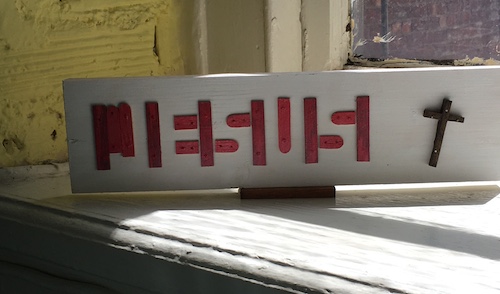
The sign was sitting on the shelf in the junior high Sunday school room at church. I’d seen it before. It must have been there when I taught Sunday school to my own group of rowdy 5th and 6th graders, including my two sons.

I must have made a lesson out of it. That’s what Sunday school teachers are supposed to do, isn’t it? “Sometimes it’s hard to see Jesus in the midst of our busy lives,” I would say. “And sometimes His presence is very clear. You can’t mistake it.”

Then I showed them the sign. You can see it here. Does it say anything to you? Some people see the words immediately, “JESUS” spelled out in all caps. Some people stare at the sign for the longest time and only see blocks of painted wood.

Even when they’re told that “JESUS” is there, they can’t see it. Can you?
Seems to me that Jesus was pretty clear about where He could be seen. He could be found among the poor and lonely, the hungry and thirsty, the sick and suffering, the lost and imprisoned. He made his ministry among “the least of these.”

Sometimes–to be frank–you can’t always see Jesus there. I think about when I volunteer at our church’s soup kitchen and instead of always feeling loving and kind, I find myself irritated by one of the guests. For instance, there’s that lady who always complains about the food. Where does she think she is? The Four Seasons?

But then there are moments when God feels vividly present. Not just at the soup kitchen either but in everyday life. I’ll get a nice note from someone out of the blue, or I witness something outrageously kind or I see a beautiful sunset or hear a beautiful passage of music. Jesus is there.

That would be my prayer. To see Jesus’ presence always. To be constantly aware of His abiding love. Remember that lovely prayer that was put to music in the musical Godspell.

“Day by day, oh dear Lord, three things I pray. To see thee more clearly, love thee more dearly, follow thee more nearly, day by day by day.” That’s my prayer.

Here’s what I’ve noticed about that little sign. That once you see “JESUS” it’s hard not to miss Him. Take a look. Keep looking. Jesus is here.

Knitting as a Way of Giving Back

We’ve got a group at our church that takes out their knitting needles after worship services and knits. They might call themselves the Knit Wits as they produce hats, scarves, beanies, vests for a very worthy cause, but every stitch is a prayer.

The other day I went to the Port of Newark and boarded one of those humongous container ships to get a glimpse of just what the Knit Wits’ good work is for. Under the sponsorship of the Seamen’s Church Institute we met some of the mariners who serve on these ships, enduring long days at sea, separated for many months from their families.

To buy a copy of Rick’s latest book, Prayer Works, click here.

The Knit Wits’ work reassures them they are cared for, appreciated and supported by many stitches—and prayers—from folks on shore. We depend mightily on the goods that come in the ships they sail on. Knitting is a way of giving back.

So is knitting with just the right patterns. The Christmas at Sea program offers over a dozen patterns for warming items that the mariners can wear. Hats and vests need to fit under protective gear. No pom-poms, tassels or fringe because these can be a safety hazard.

Bright colors are fine though. Evidently seafarers and mariners like bright colors and as the guide points out, “safety gear is usually fluorescent.” Just avoid pastel colors because they show the dirt and grime.

Got an urge to knit something for the mariners and seafarers—if not in time for this Christmas, surely in time for next year? I urge you to check out the information and patterns available on their website. There are some great pictures of what those finished garments look like. Makes me think I should learn how to knit someday.

When I walked by the knitting room at church this Sunday after worship I heard a lot of laughter and merriment. The Knit Wits at work again, every stitch a prayer.

Jesse Hutch: How His Faith Overcame His Fear

I stood on a rock ledge overlooking a section of the Ottawa River, right on the border between the provinces of Quebec and Ontario. I was wearing my work gear: white helmet, blue life jacket and shorts, Teva sandals. The thunderous crashing of the water filled the air. The clouds shifted and blocked the afternoon sun.

I stared down into the roiling water at a rapid I knew well. Maybe too well.

Coliseum—one of the trickiest rapids on the river. There was a series of three standing waves, each six to 15 feet high, their size and intensity changing depending on water level. Nobody knew I was out here except for the head of river safety at the Ontario resort where I worked as a whitewater raft guide.

It was one of the biggest resorts in my native Canada. I was 21 and had been working there for the past three years to pay my way through college. I was pursuing a degree in outdoor tourism and business. Being an outdoor guide was how I wanted to make a living. I’d already gotten search and rescue, wilderness first aid and swift-water rescue technician certifications.

I liked knowing that I could handle myself in any situation that life threw at me. I grew up quickly due to the fact my parents divorced when I was 11. Even before that, my mom had pretty much raised my younger brother and me as a single parent. My dad was a long-haul truck driver. He came and went—mostly went. On the rare occasions he was around, he didn’t have much to say to us kids. After he and Mom split up, we didn’t hear from him at all. Mom worked three jobs to support us, and I became the man of the house overnight, helping look after myself and my brother.

The only father figure I had was my Heavenly Father, the God my granny had taught me to pray to, the God in the Bible she’d given me. I pushed away male teachers, youth pastors and the men my mom dated. I didn’t need them or anyone else. I was tough. Strong. Afraid of nothing.

At least I had been until recently.

Rain began falling as I stood on that ledge. The sky darkened. The vibe was ominous. I tried not to let it freak me out. Okay, I’m back here again….

That day on the river three weeks earlier had started out like any other. Twelve people, six on each side, in a 12-foot Maravia raft. Each of them was wearing a helmet and a life jacket. The guests—a couple of whom were pretty jacked them-selves—paddled hard. They’d all done our training session, going over what to do if they fell overboard: float on their back, head and feet up, to the bottom of the rapid, where the water was calm, and we’d pick them up.

My spot as their guide was on the back lip of the raft with a single paddle setup. I told guests which way to paddle so we’d have the best chance of hitting any wave straight on. The Ottawa is a pool-drop river: Deeper, calmer pools separate shallower, fast-moving rapids, so you usually have time to prepare for the drops. We rode a few rapids, no problem. The guests were having a blast, cheering when the raft got tossed hard enough to catch air.

We dropped into the top of the Coliseum rapid. Boom! We hit the first wave. Whoa! It was really big that day, 15 feet or so. Just as we were about to crest it, my guests cheered, which meant they stopped paddling and we lost speed. The two jacked guys up front fell off the raft. One flew by me and hit the water. No worries, I thought. We’ll pick him up at the bottom.

Then the second guy, trying to stay on board, grabbed the back of my life jacket. I’d trained for this kind of scenario. I felt for one of the raft’s safety straps and slipped my foot under it. I figured I would shake him off and we’d pick him up at the bottom of the rapid too.

But I couldn’t get free of his grasp. He didn’t mean to, but as he clutched my life jacket, he yanked me off-balance over the back of the raft, pulling my head underwater. He’s not letting go and I’m being waterboarded, I thought. I’ve got to bail off the raft and swim free.

I slipped my foot out of the safety strap and hit the water upside down. I went left, right, every which way. All of a sudden, my ears popped. I must have gone down further than I’d anticipated…to a place I’d heard of but never thought I’d experience.

There are two currents in this part of the river: the surface current and what veteran guides call the green room, roughly 12 feet under. Everything looks green because of the way the sunlight hits the water. It’s almost impossible to see clearly. The strong undercurrent makes it a dangerous place for even the most experienced swimmers.

Don’t panic, I told myself. Save your energy and your breath, and ride the current out. Maybe I’d have enough oxygen left in my bloodstream to make it to the surface then.

The problem was, my mind knew I was underwater, but my body demanded to take a breath. Logic fought instinct. Instinct won.

I gasped for breath. It felt as if liquid concrete rushed into my nose and mouth and immediately hardened. My body convulsed. The whole time I’d been under, I could hear the sound of the water and the sound of my heartbeat. Now my heartbeat was slow, slower, gone.

I’m done, I thought. I’m in your hands, Lord.

The sound of the water disappeared, and everything went black. I disconnected from all physical sensation. Was this my soul leaving my body? I felt immense fear yet, at the same time, inexplicable peace. I’d never known such fear was possible. Or such peace…

Then came blurry images. People hitting my chest. I heaved water. Darkness. The roof of a vehicle of some kind. I blacked out again.

I woke up in the hospital, in a hyperbaric chamber that’s used for divers who come to the surface too quickly.

I learned that another rafting group had found me floating, unconscious, two miles downriver. They dragged me into their raft and got me to shore, where river safety shuttled me out. No one knew exactly how long I’d been underwater. They estimated I’d been without oxygen between 11 to 22 minutes. Permanent brain damage occurs after only four minutes without oxygen; four to six minutes after that, you’re dead.

I shouldn’t have survived. And even if I had, I should have been too severely brain-damaged to walk or talk again.

Yet in less than a day, I was home. I walked out of the hospital. No brain damage. My eardrums hadn’t even ruptured. My nasal cavities had been crushed, and I would eventually have surgery to reopen them. My vocal cords were slightly damaged, though not to the point that anyone else would really notice.

I was fine physically. Emotionally and spiritually, though, I was questioning myself. What am I doing? Is this the proper trajectory of my life? Is this what I was made for? The thing that confused me most was that I was suddenly afraid of the water. Deathly afraid.

Conveniently, I was supposed to avoid swimming for a while. The managers at the resort assigned me to the kitchen. I kept thinking about this new fear of mine. Scripture says we haven’t been given a spirit of fear but of power and love and a sound mind. How do I get that back? I wondered. Did I ever have it?

Over the next days, it came to me what I needed to do. I talked to Rieger, the head of river safety at the resort. He’d trained all the raft guides. No one knew the Ottawa River like he did. He was real old-school, no messing around. Even though I didn’t have much use for male authority figures in the past, I respected Rieger. Maybe that’s why I was able to admit my fear to him.

“I need to go back to that rapid and swim it,” I said. “Would you come out there with the Zodiac?”

He named an afternoon when he was free. “We’ll go then,” he said.

This was the afternoon. I met Rieger at the end of the dirt road that led to the Coliseum rapid. I parked my car and got in his truck. He had the safety Zodiac raft on the trailer. He drove all the way down the dirt road to the riverbank. We unloaded the Zodiac and put it in at the bottom of the rapid. It had a high-powered motor, and Rieger could go upriver, against the current, to retrieve me if I got in trouble. “When you get up there,” he said, “give me a signal.”

I walked up the rocky bank to the ledge overlooking the top of Coliseum.

Now I stood there, the smell of rain all around me, and tried to psych myself up to get in the water. You can do this. You did it in training. Rieger was waiting downriver. I raised my arm to signal him. He held up his paddle to signal back.

It was an eight-foot drop to the water. Normally I would have jumped off the ledge. But I couldn’t bring myself to jump. I was too scared. All I could do was step off the edge.

I hit the water messy, came up to the surface. You’re in it now. The only way out is through.

In whitewater, you don’t want to swim at the speed of the current. You want to go either faster or slower. I did an aggressive front crawl, legs kicking, arms slicing through the water, swimming as hard as I could to the middle of the river.

Then I hit the first of the three standing waves. I went upside down.

Just like the day I almost drowned. Not again, God! Not the green room.

But there was no pressure in my ears this time. I popped up to the surface. I’d made it!

No time to celebrate. I swam hard, punching through the second wave, then the third.

I got to the bottom of the rapid, spent. Rieger picked me up in the Zodiac and steered us to shore. We put the Zodiac back on the trailer and drove out on the dirt road. Neither of us said a word. He dropped me off at my car. I thanked him with a nod. He shook my hand and drove away.

That’s when I broke down crying. I felt such relief and gratitude that I was no longer bound by my fear. Lord, now I have given you everything.

Just as I heard the sound of the water the day I nearly drowned, I heard a response. No, you haven’t.

Hadn’t I demonstrated my faith by doing the thing I feared most?

A picture entered my mind of a massive piece of wood, the size of a redwood. Then I envisioned God breaking it in half as though it were nothing more than a toothpick.

At last, I understood. All these years I’d been trying so hard to be strong—training to get into top shape, pushing away anyone who wanted to help—that I never let myself fully rely on the Lord, the only one who was powerful enough to watch over my life. My deepest fear wasn’t the water. It was vulnerability. I’d confused it with weakness.

I promised myself—and God—that from then on, I would be open to wherever he was leading me, to whomever he put in my path. I think he was getting me used to the idea by showing me what happened when I stopped putting up walls and opened up to Rieger.

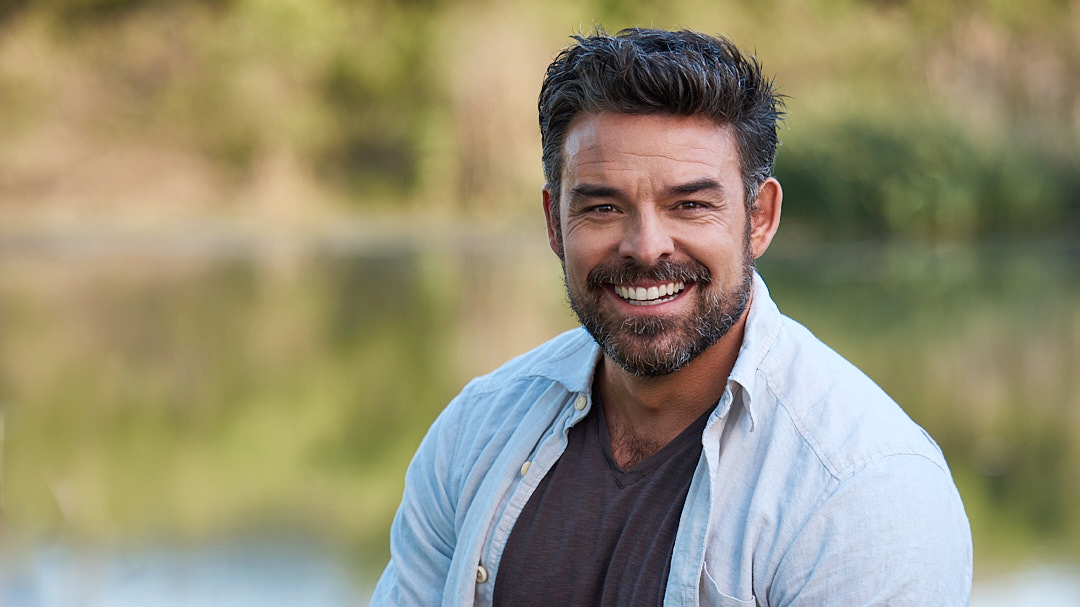
Even more amazing surprises were in store. No more than three weeks later, near the end of summer, I heard an ad on the radio at work. Something about a talent search and 20th Century Fox. I like their movies, I thought. I took a leap of faith and followed the manna and went to the event, where I met a casting director. That’s how I embarked on my acting career, and I’ve been blessed to do what I love for almost 25 years now.

Learning to be vulnerable has allowed me to connect with the emotions of characters very different from myself. It allowed me to fall in love with my wife, Loreili, who is beautiful inside and out, and build a family with her.

Life is so much bigger and better, so much more wonderful, when you’re rooted not in fear but in faith.

For more inspiring stories, subscribe to Guideposts magazine.

Jenny Doan: Faith and Family Helped Her Build a Quilting Empire

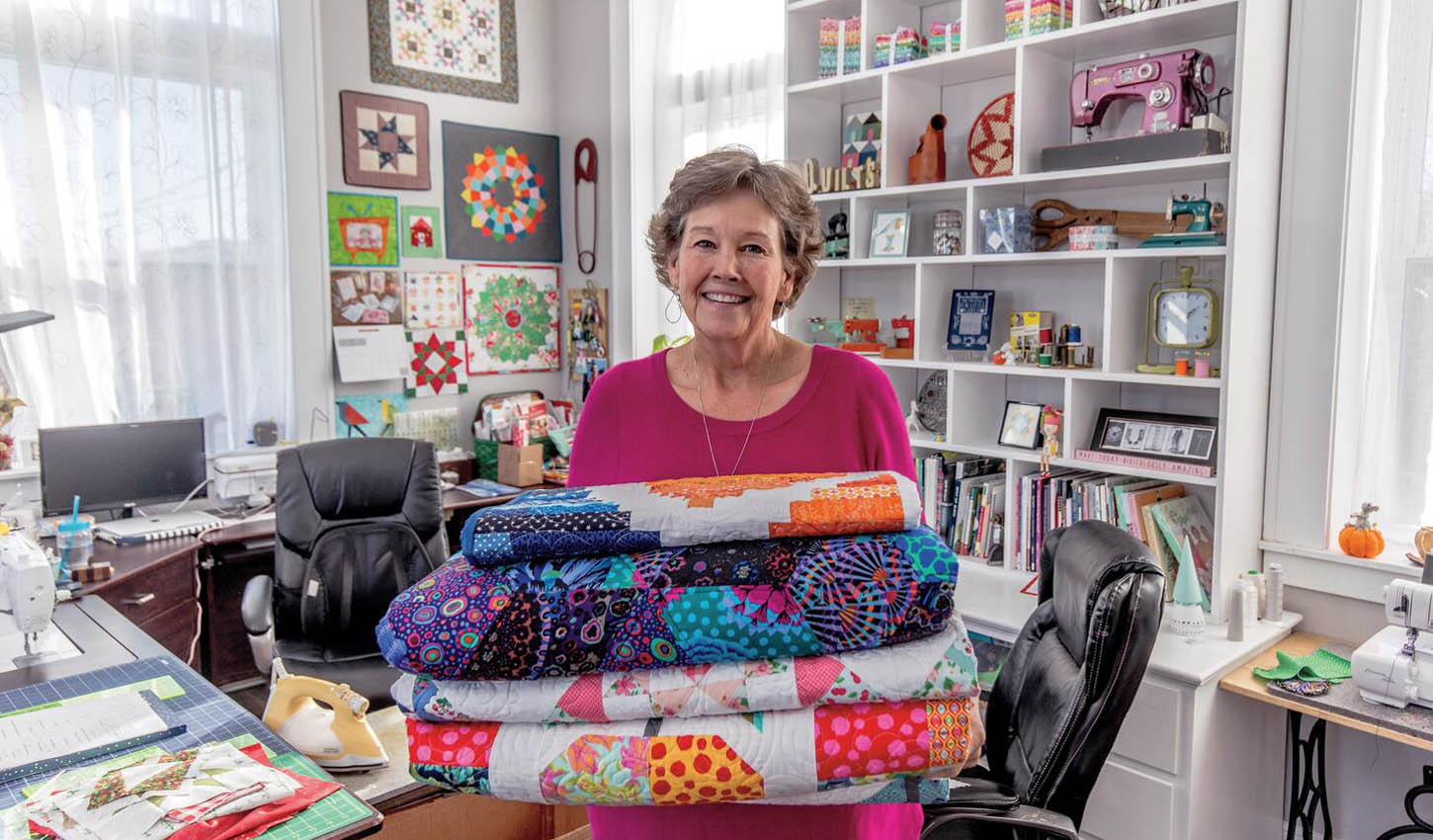
Jenny Doan is arguably the most famous quilter in the world. But the co-founder of the Missouri Star Quilt Company believes that everybody can benefit from the power and the peace that comes from quilting.

“Every quilter has a story and every quilt has a story and it generally involves some type of healing,” says Jenny. In How to Stitch an American Dream, Doan outlines her own amazing healing journey, which took her from being an unemployed 50-something with no retirement savings to an international YouTube sensation and public face of a quilting empire. Today, Jenny and her family have transformed their hometown of Hamilton, Missouri, into Quilt Town USA. Busloads of quilting enthusiasts from around the globe pour into the town to shop at one of the company’s thirteen stores or take a quilting class.

Doan attributes her success to three things: her loyal, hardworking family, her Pollyanna personality—“I wake up singing,” she says—and her unshakeable faith. “I pray regularly—at meals, in the morning and at night, in the car—everywhere. Even if I don’t understand why I have to go through something I know that God has a plan and I know that his plan is better than mine.”

Doan has faced her fair share of hardships. For the first time in the 2021 book, Doan shares the story of her abusive first marriage and subsequent divorce. In her early twenties, Doan—a single mother of one, with another on the way—moved back in with her parents in California. A few years later she met her current husband, Ron. The couple—who celebrated their 40th anniversary in 2020– went on to have five more children of their own. “Money was often tight,” says Doan, who was a homeschooling mom for decades. “But we were happy.”

After one son faced surgery for a tumor, the family started searching for a cheaper place to live. In 1995, Jenny says that she was divinely lead to move her family to Missouri—sight unseen. Ron took a job as a mechanic at the Kansas City Star. But the newspaper industry was in rapid decline; then, the 2008 stock market crash wiped out virtually all of the couple’s retirement savings. “We needed a plan,” says Jenny. Still, when her son Alan set her up with a long-arm quilting machine in a small storefront later that year, Jenny thought she could make a little cash, but still insisted that quilting was just a hobby.

Alan thought otherwise. He started making YouTube videos of his mom giving quilting tutorials—and the company took off from there. “When I started teaching and then doing trunk shows, I shared a lot of funny stories. It helped people feel less intimidated,” she says. In 2015, the Missouri Star Quilt Company, which by that time had 180 employees, was honored by the U.S. Small Business Administration as the country’s top “Small Business Persons of the Year.” By 2020, MSQC employed 400 people. Jenny is proud that despite the slowdown in visitors to Hamilton during the coronavirus pandemic, they did not have to lay anybody off.

Today, four of Jenny’s children are involved in running the business. Jenny and Ron take time away each month to travel together. “My relationship with him is more important than any of my other relationships,” says Jenny. “So we bought a little trailer. I love camping and hiking and backpacking and Ron’s idea of roughing it is Motel 6. So this our compromise.”

But don’t expect this workaholic to retire anytime soon. Jenny remains energized by the power of quilting to change lives. “When I started out I thought I was just teaching people how to sew. But as time went on, people started sharing stories—everything from ordinary stuff to just unbelievable hardship. But all of a sudden their whole life had changed because they had taken on this new skill. It’s then I realized that creating is healing.

Jenny remembers one woman who told her: ‘I never thought I could ever do anything like this. But you said I could, so I believed.’ She went to pull a block out of her purse to show me and she had no hands. Things like that would happen and I was just so stunned. When you create something that doesn’t exist before—it’s a divine act.”

But making it is just part of the magic–sharing is equally as important. “After someone learns to quilt, that they start giving them away—to their children, their grandchildren, to charity. You are literally changing the world because your quilts comfort people. They fill them with love, they give them hope. You are part of a powerful movement.”

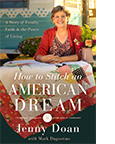
The cover of Jenny Doan's How to Stitch an American Dream: A Story of Family, Faith and the Power of Giving

Jenny Doan is the author of How to Stitch an American Dream: A Story of Family, Faith and the Power of Giving from Harper Horizon.

Inspiring Summer

It’s turning out to be a busy summer around here (or maybe it just seems that way to me after returning from a week in the country and a close call with a bear).

First off, we finished up the premiere issue of our exciting new magazine, Mysterious Ways. If you love stories about a divine hand at work in our lives, touching us in fantastic and unexpected ways, you will definitely want this magazine. And we’re hard at work on the second issue (though it would help if senior editor Adam Hunter would hurry up and get back from his honeymoon!). Don’t forget to let us know if an example of Mysterious Ways has happened in your life. I’m almost positive it has, if you’re like most Guideposts readers.

We’re almost finished with The Joys of Christmas 2012. I know, I know. It’s hard to think about the holidays when we’re still planning summer vacations, but we work far ahead here… and it’s beginning to feel a bit like Christmas already. This will be the fourth edition of our popular annual Christmas special, full of inspiring and heartwarming stories of holiday cheer past and present, mouthwatering recipes and all your favorite magazine departments and features, plus our beautiful photography and illustration (and a little story Millie helped me write). So if you’re one of those early-bird shoppers, it’s not too early to cross one present off your list: The Joys of Christmas 2012. This full-size, keepsake special edition makes a perfect gift for yourself and for those you love.

Finally, what little time we have in between editorial projects (and I only told you about a couple) we editors spend reading the thousands of story submissions for our Writers Workshop coming up this fall (the deadline has passed for this year but start thinking about the story you’ll write for our next workshop, in 2014). These stories simply amaze me. Their honesty and faith are truly inspiring. And though we can only choose 15 winning writers to bring to the workshop I am incredibly grateful to everyone who sent in a story. What tremendous courage it takes to share these personal and intimate accounts of facing life’s steepest challenges and emerging stronger and more faithful. That’s what makes a great Guideposts story and you’re all winners in my book.

Yep, we’re busy. But it’s all good.

Inspiring Stories from People Like Us

Adapted from Edward Grinnan’s Editor’s Note for the June 2018 issue of Guideposts. If you’d like to subscribe, click here.

Have you had inspiring mentors? Have you struggled with debilitating physical pain? Have you had a dream of doing something so improbable that only God could be behind it? Have you learned to forgive the people in your life who were supposed to love you but hurt you the most? Have you wondered how far you could travel if only you gave yourself the permission to start off? Do you know someone who has overcome addiction, or have you fought that battle yourself?

These are some of the inspiring stories you will read in your new issue of Guideposts. I identify with so many of our narrators this month.

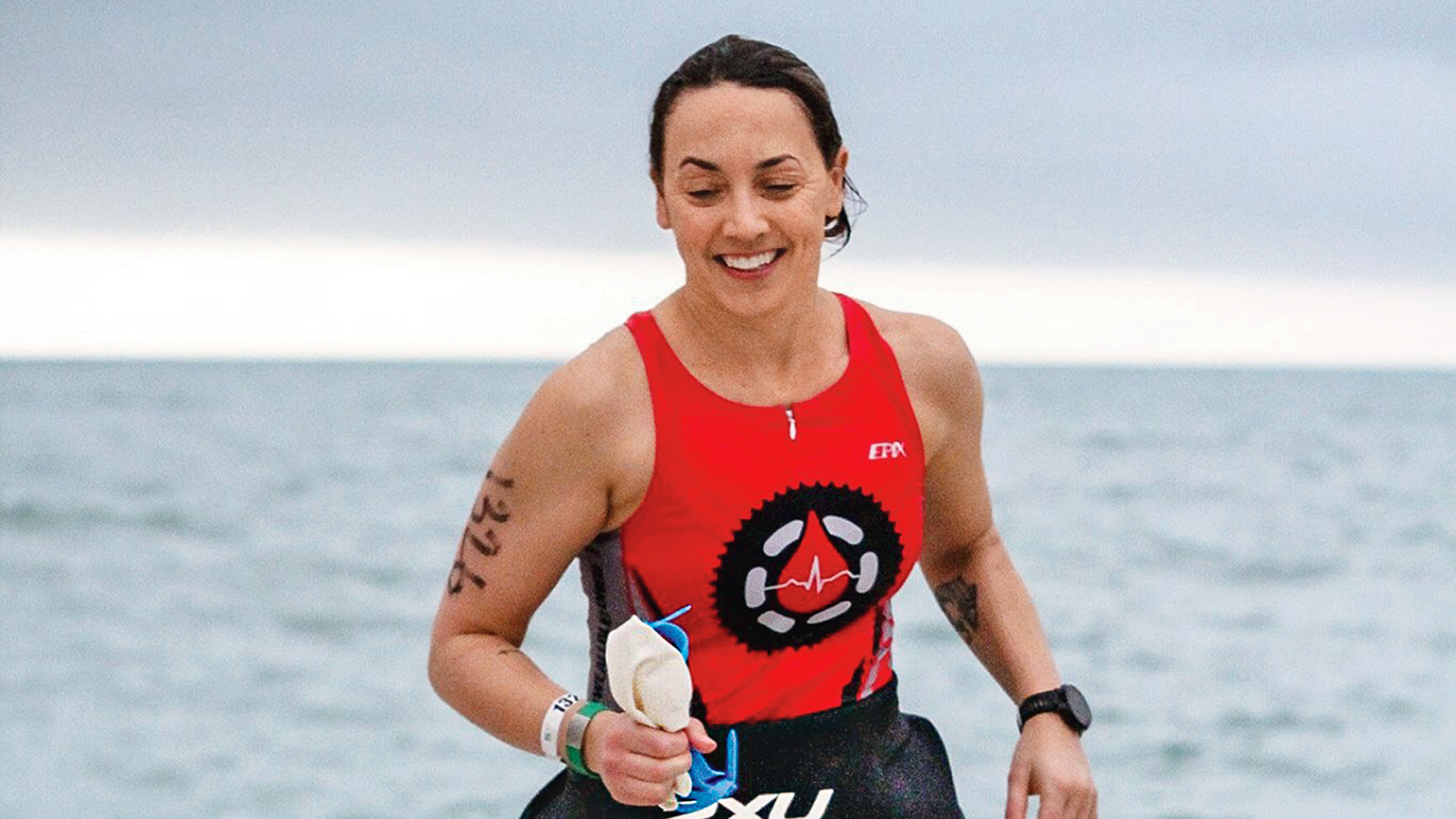
Colleen Kelly Alexander was hit by a truck while riding her bike home from her job. She suffered horrible injuries and endured a long, agonizing recovery. I was hit by a car while on my bike when I was 12. I lay flat on my back for two months with a broken pelvis and a fractured skull. I didn’t have to face quite the ordeal Colleen did, but I know what she means when she says there were times she thought the pain was insurmountable. Today Colleen competes in triathlons.

Like sisters Lindsey and Lee Ellen Fulmer, I traveled far and wide in my twenties with no itinerary, only to learn that my destination was actually myself. With faith I have achieved dreams that I could once scarcely allow myself to dream, like cop-cum-Broadway-playwright Christopher G. Smith. Like Linda Maher, I have faced addiction only to experience the miracle of recovery, a day at a time.

I love Guideposts stories for the same reason you readers tell us you do: I can identify with true stories of faith in action told by real people like me. Do you have such a story? Send it in to the Guideposts Writers Workshop contest by June 10 and you could join us for a weeklong workshop in Rye, New York, all expenses paid. You don’t have long, so get started. But read your new issue first. It will show you what kind of great story we’re looking for.

Find out how to enter our writing contest at guideposts.org/wwcontest.