Embrace God's truth with our new book, The Lies that Bind

A Brief History of the Heart Shape

The heart has been a powerful symbol for centuries, used in spiritual texts and religious art—particularly within the Christian faith—and as a sign of emotion and love across popular culture. But where did the heart shape come from?

While the Catholic Church often points to Saint Margaret Mary Alacoque’s 1673 vision of Jesus’ Sacred Heart as the origin of the heart-shape, evidence suggests the heart-shape was in use prior to her vision. Archaeological artifacts uncovered from the Indus Valley civilization—a Bronze Age society that flourished from 2600-1900 BCE in what is now Pakistan and western India—include a pendant embossed with a heart-shaped fig leaf.

Although the use of the heart shape predates Christianity, it is within this religious space where the symbol grew in popularity. It continued to gain momentum in Europe during the Middle Ages, becoming increasingly popular through works of art, such as stained-glass windows and sculptures found in churches or monasteries. It was during this period that various authors began making reference to the heart shape when discussing themes like courtship and marriage.

Lady Mary Wroth, some suggest, was one of the earliest adopters, referencing hearts in her 1621 piece, The Countess of Montgomery’s Urania. Similarly, William Wordsworth penned lines like: “Oh! How do I love thee? Let me count thee way; I love thee with a love that grows ever stronger day by day.”

The Heart Shape from Christian Iconography to Today

The Heart shape has been used for centuries across many cultures. What once served primarily as religious iconography has become one of today’s most iconic symbols; representing everything from faithfulness and devotion to compassion and joy—all with just one simple gesture: drawing a heart.

READ MORE ABOUT LOVE AND VALENTINE’S DAY:

A Dog Named Blue Taught Her a Valuable Lesson at Christmas

Lectures. Term papers. Finals. Grades. College was nothing but pressure on top of pressure. I was carrying a full course load at Bauder in Arlington, Texas, the fall semester of my sophomore year and feeling like I had a weight the size of the Lone Star State on my shoulders. The fact that it was Friday didn’t matter one bit. I was looking at a weekend of studying. I wondered where I would find time even for church on Sunday.

I drove my usual route home to my parents and hoped the familiar sights along the way would ease my stress. But the big old weeping willow I’d watched grow from a skinny sapling, my high school alma mater, the garland-wrapped streetlights downtown—that day they didn’t do a thing for me.

I turned onto North Center Street and drove by the lawn with the big plastic Nativity figures. The crib was empty, and the light in the cow had burned out. I slowed the car while some tall boys moved their football game out of the street.

Up ahead was the weather-beaten two-story house that always stuck in my mind. The paint was chipped and peeling, the steps to the front porch sagged, and I imagined big empty rooms inside. The frail old man who lived there was sitting out front, as usual, his black Lab lying lazily in the tall grass at his feet.

He’s got his Bible out again, I noted. Once I’d heard him reciting passages to the dog! A couple times I’d felt the urge to stop and say hi, just talk to him for a few minutes, see if he was all right, but I was always too busy. I glanced in my rearview mirror. “Reading the Bible to a dog,” I murmured, hitting the brakes. “How lonely can a person get?”

In the next open driveway I turned the car around, breaking up the boys’ ball game again. I parked in front of the run-down house and got out of my car. “Hi,” I called to the old man, suddenly feeling awkward. “Nice day, isn’t it?”

“Come on and sit a while,” he said, scooting over on the steps to make room for me. “I’m Diggs,” he said, “and that’s my dog, Blue.”

“Pleasure to meet you, Mr. Diggs. Everybody calls me Misty.” We shook hands, and I took a seat. Up close the man didn’t seem so frail. His eyes were soft and content. “I’ve often seen you out here reading,” I said, reaching to pat Blue’s head.

Mr. Diggs smiled. “Mostly I read the Bible. I have plenty of time for reading these days.”

“You live alone?” I asked.

“I wouldn’t put it that way exactly,” Mr. Diggs said. “My wife and most of my friends are gone from this world, but I’m never alone. Not as long as I have my faith.” Blue let loose an expressive whine and nosed Mr. Diggs’s shoe. “Yes, yes, boy,” he laughed, “and I’ve got you too. But that goes without saying.” He leaned over to rub Blue’s back, and I saw how much he loved him.

“Blue likes to listen to me read,” Mr. Diggs said. “You have time for a story, Misty?”

“Maybe just one,” I said, getting a little nervous about everything I had to do.

The old man turned to the story of the first Christmas in Luke. I hope this doesn’t take too long, I thought. Blue rested his chin on his crossed paws as if pleased to sit and listen all day. I scratched my knee and tried to sneak a peek at my watch.

‘Behold,’” Mr. Diggs read, slowing down as he repeated the angel’s holy announcement, ‘I bring you good tidings of great joy . . . ‘”

Christmas had always been a joyful time for me too, but that year it had taken a backseat to school. Everything had. I stayed quiet, though, till Mr. Diggs finished. When he had, part of me was sorry. He had a way about him that was calming, and while he was reading, his voice a little like a good preacher’s, I’d almost forgotten my worries.

“I’d better get going,” I said. “My parents will be holding dinner, and I have loads of schoolwork.”

Mr. Diggs invited me back anytime. “Old Blue and I will be here. You can count on that.”

I said I’d stop by again, but pretty quick I fell back into my routine of studying, studying and more studying, and worrying about studying in between. On the day before school let out for Christmas break, I drove down North Center Street again. Mr. Diggs was there on the porch, head in his hands.

Something was wrong. I stretched my neck to look into the tall grass. Blue! He was gone! No way could I stop. What would I say? I sped by. At home I threw myself onto my bed, feeling guilty.

When I refused my mom’s meatloaf and mashed potatoes, she figured I had a flu bug. I knew different. I was sick of myself. It was time to get my nose out of my books and do something that wasn’t about me.

On Christmas Eve I drove the familiar route toward school. I didn’t have class; Mom had said I could invite Mr. Diggs over for Christmas dinner. I turned down North Center Street, passed the big Nativity scene and parked in front of the old house. Why isn’t he outside on a nice day like this? I wondered, walking up to the porch.

I knocked hard on the door and heard shuffling footsteps inside. Mr. Diggs pulled open the door and smiled. “Come on in, Misty,” he said. “What a surprise.”

I stepped inside, and when he closed the door, the house fell quiet. Blue was nowhere to be seen, except in pictures scattered all around the den. There were other pictures too, of Mr. Diggs and his wife, waving from a ship, sharing a beach umbrella, sitting at a tiny table in a fancy restaurant. But mostly there were pictures of Blue.

Mr. Diggs saw me staring at the one of Blue swimming with a big stick in his mouth. “He played fetch in the gulf for two solid hours that day,” he remembered. “There was a bit of an undertow, but Blue was a mighty strong swimmer.”

Was? I looked at Mr. Diggs.

“Blue’s disappeared,” he said, his voice shaky. “I can’t hardly sit out on the porch these days. It makes me miss him all the more.”

“I’m sorry, Mr. Diggs. Really I am. Your wife, your friends . . . now Blue.” I began to cry. He’d lost everything.

Mr. Diggs handed me his hankie. “Don’t forget, Misty, I’ve got my faith. That’s the constant in my life. Hard as they may be, the rough patches pass. I’ve prayed for Blue to come home, and now it’s up to the Lord.”

I sniffled. “But what if Blue doesn’t come back . . . ever?”

“He’s in the Lord’s capable hands. So am I. So are you too, Misty.”

I was amazed that even now he was ready to accept whatever God had in store.

“Do you believe in Christmas?” Mr. Diggs asked. “In the promise of Jesus’ birth? God never leaves us. No matter what else may be happening in our lives, happy or sad, Christmas is coming. And Christmas always comes, Misty. You can count on that.”

I dried my eyes. “That’s why I stopped by, actually. To invite you to spend tomorrow with my family.” Mr. Diggs accepted, and I raced home to tell Mom to set the extra place at our table.

When I arrived on Christmas Day to pick him up, Mr. Diggs was wearing an old gray suit and a tad too much aftershave. He offered his arm and escorted me to my car. As he held open my door I noticed something in the distance: a parade of children coming up the street.

I recognized the tall boys whose football game I’d disrupted. Younger kids led the pack. A black spot next to one of the kids started to take shape as they moved toward us. Could it be?

“Blue!” Mr. Diggs shouted, and his friend came running. The kids caught up and gathered around us, telling how they’d seen the dog several blocks away and knew he belonged on North Center Street. We all petted Blue and welcomed him home.

“How ’bout taking a nap till I get back?” Mr. Diggs said. Blue circled a few times, then lay down in his spot in the tall grass. The neighborhood kids promised to keep an eye on him while they played outside with their new bikes and roller skates.

Mr. Diggs waved to them as we drove down North Center Street past the lawn with the big Nativity. The baby lay in the manger, and the light in the cow had been replaced. “See what I told you, Misty?” Mr. Diggs said. “Christmas always comes.”

We enjoyed our day together, and when I brought Mr. Diggs home, Blue was there waiting.

Driving to school the first day classes resumed, I saw the old man at his usual post. This time, though, Blue wasn’t the sole audience for his Bible reading. At Mr. Diggs’ feet were 9 or 10 kids from the neighborhood. I honked and waved. College wasn’t going to get any easier, but the rough patches would pass. And after all, Christmas was only a few hundred days away.

9 Ways Work Is a Blessing

August 5 is “Work Like a Dog Day.” Sometimes we think about work and just see all of the negatives, but there are many blessings we can find in working hard if we just look for them:

1. Work provides for our basic needs. It puts a roof over our heads, food on the table and clothes on our backs.

2. Sometimes it can provide us with the extras—things like buying something special for our spouses or children or taking that long-anticipated trip to an exotic locale.

3. It allows us to give to people who need a helping hand, whether it’s the single mom struggling to make ends meet or senior citizens whose expenses are more than their monthly income.

4. Working hard allows us to tithe. After all, everything that we have comes from God.

5. Work helps us donate to missions at home and abroad. Those funds might help a teen center get kids off the streets, or it might provide food and clothes for an orphanage clear across the world.

6. Working hard makes us feel good. There’s a true pride in seeing the results of our labors, in knowing that we’ve made a difference.

7. Working allows us to be a good example for our children and grandchildren.

8. Work bonds family, friends and co-workers—it’s always more fun when we work together.

9. Work means we have something to do and that we have the physical and mental abilities to do it.

Today would be a great time to move forward with the tasks that God’s called us to do. The best formula for success comes from Colossians 3:23, “Whatever you do, work at it with all your heart, as working for the Lord.”

8 Famous Inventions Inspired by Love

Nothing says “I love you” like a homemade gift. But imagine if this specially-crafted gift actually ended up changing the world! Before they became popular items used by millions of people, these inventions were inspired by incredible acts of love. Each one of them truly gets to the heart of 1 Corinthians 16:14, which says “Let all that you do be done in love.”

  1. Wordle

The simple word game quickly became an online sensation in January 2022. But did you know it was created out of love? Josh Wardle, a software engineer from Brooklyn, New York, originally created the game for his partner, Palak Shah, who enjoys these challenging games. “It’s really sweet,” she told the New York Times. “This is definitely how Josh shows his love.”

  1. Overalls

In 1859, Abigail Carter of Clinton, North Carolina, designed and stitched a pair of sturdy trousers with over-the-shoulder straps for her husband, Homer W. Carter, a railroad engineer. The overalls were so popular that the family started their own business called H.W. Carter & Sons. While other companies, such as Levi Strauss & Co., created similar products, Deseret News states H.W. Carter & Sons was the first manufacturer of overalls in the United States.

  1. Foldable Ironing Board

Elijah J. McCoy (1844 – 1929) was an engineer of African American descent and a prolific inventor, with nearly 60 patents in the U.S. Though most of these patents had to do with steam engines, one of his inventions can now be found in almost every household. McCoy’s wife, Mary, wanted an easier way to iron clothes, so he improved the ironing board to make the foldable version we use today, according to CBS News.

READ MORE: 10 Things That Wouldn’t Exist Without African-American Inventors

  1. Baking Soda

English food manufacturer and chemist, Alfred Bird (1811 – 1878) changed the face of baking forever when he created custard powder and the earliest form of baking soda. According to The Oxford Companion to Food, he invented them for his wife, Elizabeth, who was allergic to yeast and eggs, so she, too, could enjoy delicious baked goods.

  1. Magnetic Shirt Buttons

Maura Horton’s husband, Don, was a North Carolina State University football coach who had Parkinson’s disease. One day, after Don struggled to button his shirt before a game, Horton decided there needed to be a better clothing option for people with disabilities. So, she made it herself. As Men’s Health reports, Horton designed a shirt with magnetic buttons called MagnaReady in 2012.

  1. Garbage Disposal

John W. Hammes, an architect from Wisconsin, is who we should thank for the in-sink garbage disposal, which makes tossing out scraps of food so much easier. An article in Smithsonian Magazine says Hammes got the idea after watching his wife spend time wrapping food in newspaper and throwing it out. To make her work easier, Hammes created and patented the In-Sink-Erator in 1935.

  1. Band-Aid

When Josephine Knight Dickson from New Jersey kept cutting herself while cooking for her family in the 1920s, her husband, Earle Dickson, stepped in. Dickson, a cotton buyer for Johnson & Johnson, according to the company’s website, decided to invent a temporary adhesive bandage for his wife. His creation became the Band-Aid we all know and use today.

READ MORE: 5 Stories of Unexpected True Love

  1. Surgical Gloves

William Stewart Halsted, M.D. (1852 – 1922) was a renowned U.S. surgeon who is often called the “Father of Modern Surgery.” Known for his strict adherence to sterile working conditions, Halsted invented a rubber glove that allowed surgeons to lessen the transfer of germs during their work. Yet the origin of why he created them is more romantic than you would think. Halsted’s wife, Caroline, was a nurse who suffered from dermatitis during her work. According to the Washinton Post, Halsted invented the gloves especially for her and gave them to her as a gift after their marriage.

7 Quick Soothing Guideposts Reads Before Bed

Here at Guideposts, we’re dedicated to inspiring people any time of day with comforting, uplifting content. The next time you’re looking for ways to decompress and end your day on a peaceful note, scroll through some of our calming pieces that are sure to put you in a more relaxed state. Whether it’s life advice, inspirational true stories or a collection of prayers for any circumstance, we’ve got you covered. Try these seven cozy options.

1. 7 Bible Verses for a Good Night’s Sleep

Nightly prayers allow you to connect with God as you reflect on the good moments of your day, sharing your troubles or concerns with Him and thanking Him for all the blessings in your life. God’s word can bring you peace and help you feel calm and relaxed as you drift off to sleep. Try these seven Bible verses to help you rest in His presence.

2. The Transcendent Power of Music

Did you know that music is scientifically proven to sooth your autonomic nervous system? This means that it has the power to control the beating of your heart and the widening or narrowing of your blood vessels. By causing slower breaths and a lower heart rate, calming music such as Gregorian chanting, a style inspired by earlier forms of spiritual songs, can improve your overall sleep.

3. Abbey of Gethsemani: The Meditations of the Monks

If you’re looking for meditative music to help you fall asleep, try listening to the monks of the Abbey of Gethsemani as they offer their Winter Compline, the final psalms and prayers of the day. During wintertime at Gethsemani, it is sung in the dark as an aid to prayer, just before the monks go to bed.

4. 3 Stress-Relieving Techniques from Norman Vincent Peale

It can often be difficult to drift off to sleep after a long, busy day. Chronic stress and anxiety can contribute to lack of proper rest and often lead to insomnia, a common sleep disorder. The next time life has you feeling overwhelmed, try these three stress-relieving techniques from the practitioner of the power of positive thinking, Dr. Norman Vincent Peale.

5. The Blessing of Breath

Breathing is a natural practice; it’s easy to overlook the blessings that come with it. Breathing deeply can slow your heartbeat, lower your blood pressure and reduce stress. Remember to thank God for the air you breathe and embrace every scent, whether it’s the aroma of a cake being baked, fresh flowers in your backyard or the smell of that first cup of coffee in the morning.

6. 5 Flavorful Herbal Teas to Help You Rest and Digest

Tea (with no caffeine) can be a great way to calm your mind and body—they’re made with herbs that improve sleep quality and decrease stress and anxiety. Chamomile, for example, delivers sleep-inducing compounds that help you release your worries, while mint has a relaxing impact on smooth muscle. Try these, along with other flavorful teas, to help you relax.

7. 8 Favorite Psalms for Comfort and Hope

The Psalms offer us the opportunity to rejoice in prayer while finding a renewed sense of inner peace. They allow us to be open and honest with God during trials and hardships but also give us comfort in the hope that God brings us. We asked you, our readers, for the Psalms you turn to for comfort and hope, and these were the Psalms you love most.

7 Attributes of Grateful People

Grateful people make our world a better place. So what are the attributes of thankful people?

This past week, while on the road with my colleague, Bill, we met some humble people. They taught us what it means to live a grateful life. Take John, a farm boy from Ohio who simply planned on attending a state school–until his final year of high school. He received an application letter from a college that was searching for people who grew up on farms in his area to attend their school. When his dad saw the letter, he exclaimed, “Son, you better apply to this school.” Although he had his mind made up to attend a state school, he applied. This school became his second choice…Harvard College. Never did he imagine he’d attend, graduate or become a medical doctor. John is grateful for the unexpected letter that changed his destiny.

John’s wife, Teena, is thankful to God too. She came across Dr. Peale’s booklet, Thought Conditioners, one day while in her accountant’s office. She reads her tatted, marked up copy every day, especially on restless nights. Teena is grateful that she discovered the booklet in the least unexpected place, when she needed it most. John and Teena convey their gratitude through service and giving to help others better their lives.

Across another town, were Gerhard and Margaret, a warm and loving married couple of 46 years. Gerhard recalled listening to Dr. Peale on the radio with his small children and recording his messages. At 67, Gerhard is on dialysis but grateful for his wife, grandchildren and the wonderful life he has lived. He expresses his gratitude through generosity; he supports 15 organizations.

These people and many others remind me of these qualities of grateful people:

  1. Express joy.
  2. Celebrate all of God’s blessings.
  3. Remember who and what helped your life turned for the best.
  4. Endure hardships with grateful hearts.
  5. Serve others with talent, time and money.
  6. Value the small things in life.
  7. Spend time with loved ones and fiends.

READ MORE: How Keeping a Gratitude Journal Can Change Your Life

Someone said, “It is not happy people who are thankful. It is thankful people who are happy.” What is another quality of a grateful person? Please share with us.

Lord, may we discover the gift of grateful living.

READ MORE: How Prayers of Gratitude Can Help You Fight Depression

6 Things I Learned Doing One Nice Thing a Day

This past Lenten season, in addition to giving up my beloved diet soda, I issued myself a big challenge: to go out of my way to do one good thing a day. You know, aside from the usual nice things, like saying “thank you” or holding the door open for people.

It was a pretty incredible journey, and here’s what I learned along the way…

1.  You can do a lot with a little.
I didn’t want to go broke during my Easter challenge, so I only allowed myself to spend money on good deeds now and then. To my surprise, there were plenty of things I could do that were free. I wrote a lot of letters and emails. One day, for example, I emailed my friend Don and told him I was thankful for him. I also reached out to old colleagues on Facebook, mailed postcards to friends and made an effort to strike up conversations with strangers.

2.  Follow your intuition.
At the beginning of my challenge, I wrote down the names of a few people I wanted to do nice things for. But, for the most part, I tried not to plan too much and just followed my gut. Often the name of a person would pop into my head, and I’d take that as a sign that it was time to do something nice for them. I also kept my eyes open for opportunities. One morning on the elevator, I noticed a woman who seemed agitated. I asked her how her day was–I couldn’t believe how quickly she opened up!

3.  Love those around you.
The two people who benefited most from my little experiment were my sisters, and for one very good reason–they’re always around! Since we live together, I could tell when they needed a little cheering up. Sometimes you don’t have to go very far to spread kindness. You can start with your “inner circle”!

4.  Food really does feed the soul.
A large number of my good deeds involved food. Candy, cookies, lots of cups of coffee. None of it was too extravagant (sometimes I’d just give a co-worker a Clementine), but the gifts of food always seemed to do the most good. I guess the way to just about everyone’s heart is through the stomach!

Read More: The Tim-Tam Cookie Chain of Kindness

5.  Ask how you can help.
One day, I ran out of ideas for doing good. So I turned to my sister, Priscilla, and said, “Is there anything nice I can do for you?” Her face lit up. I assumed she was going to ask for something big, like naming my first-born after her. Instead, she asked if I could braid her hair. (I have limited hair styling skills, but I can make a mean fishtail braid). I’ll never forget how delighted she was over a simple braid!

6.  Be prepared for wonder.
Early into my project, I noticed that nice things kept happening to me. One day, a box of my favorite chocolates showed up at work. Another day I received a quilt in the mail. Then sugar cookies. People I’d lost touch with contacted me out of the blue. I was even invited to a free concert! The more good I put out into the world, the more wonder seemed to unfold.

What about you? Did you experience any wonder this Lenten season? Share your stories below!

7 Stories of Unexpected True Love

Does God have the perfect person picked out for each of us? Often it feel like that’s not the case. Let your spirit be lifted by these incredible true love stories of couples who found each other in unexpected ways. Read them on Valentine’s Day, or any day of the year! Each of them is a reminder that God has a plan for us all, even in love.

A bride and groom smiling at the camera telling their true love story

True Love in a Dream

Kristen Grigsby had just drifted off to sleep when a face appeared before her. Handsome, with tan skin, dark hair, bushy eyebrows, light blue eyes and a kind smile. She woke with a start. Why am I dreaming about Kyle? she thought. I don’t even know him. Kristen had seen Kyle only once, briefly, a few weeks before when she was visiting her friend’s business. Kyle was also there visiting his girlfriend. Kristen thought nothing of it. He was in a relationship. Dating was the furthest thing from her mind. So why was she dreaming about an unavailable guy she’d seen in passing? Find out what Kristen’s dream meant and how another dream brought her and Kyle together.  

Illustration of a green house from a true love story

The Story of the Green House

John Brown first noticed the house in the summer of 1958. It was on East Sixteenth Street in the suburb of San Diego where he lived. A new through street had been completed that spring, and John now passed by the house occasionally on his way home. The house was unremarkable. Pale green and on the north side of the street. A compact, one-story home, no different from the others on the block. So why couldn’t he keep his eyes off it when he passed by? John felt drawn to it. Learn why this ordinary green house had a special meaning for John.  

Smiling woman in the woods tells her true love story

Finding Mr. Right

Katherine Hutchinson Hayes held up her bare finger, the one that had once boasted a gorgeous diamond ring. Divorced. For the second time. Katherine was a woman of accomplishment, a school principal. Mother to two beautiful girls. Yet she was a magnet for men who were not what they seemed. Why couldn’t she get marriage right? Were true love stories even real? See how a simple message sent to Katherine’s spirit brought her to Mr. Right.

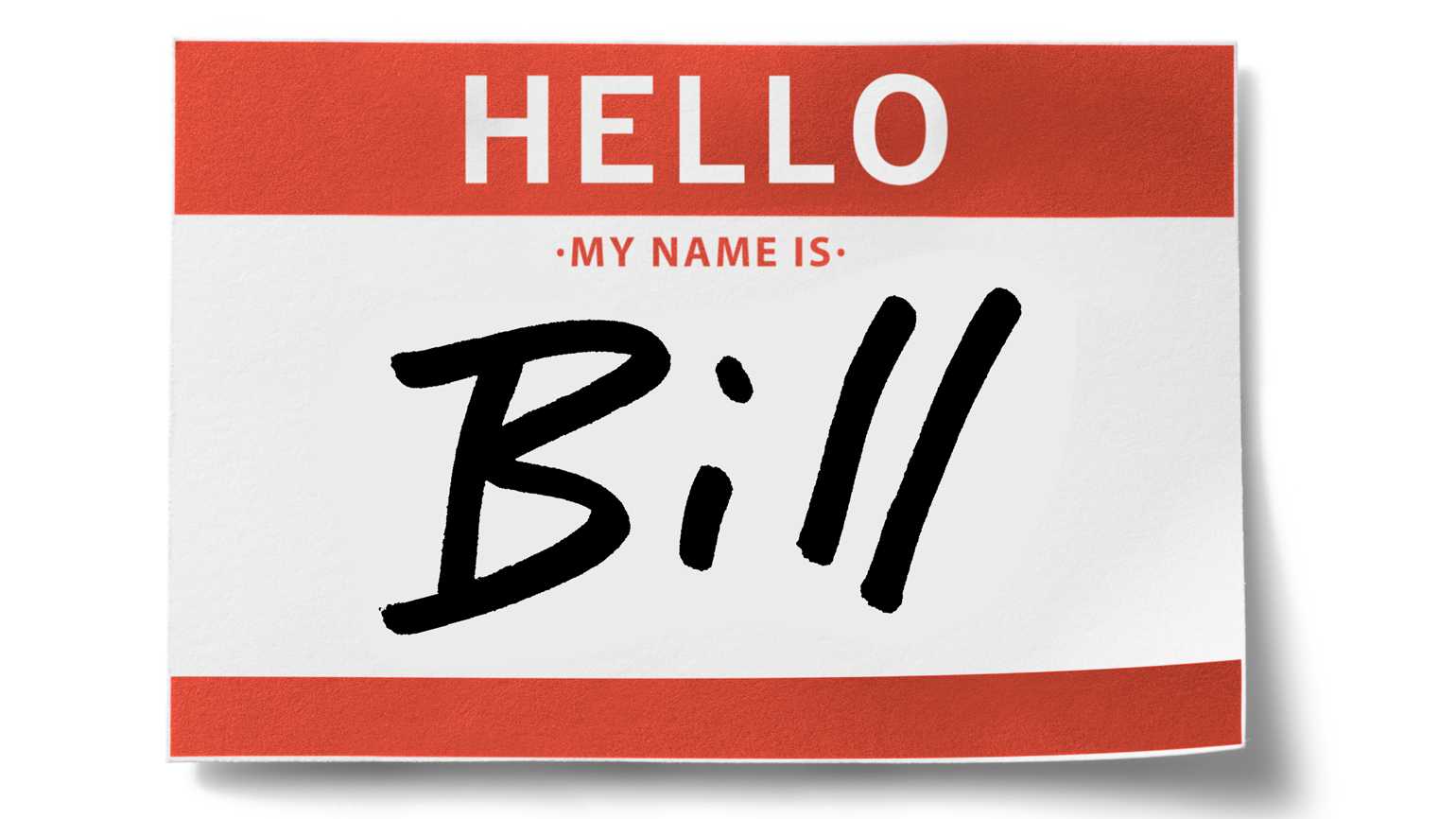
Illustration of a nametag that reads "hello my name is bill" from a true love story

Bill, Her True Love

“Woman seeking man named Bill.” Barbara Wilson stared at her words in print. Her personal ad in the classifieds section of the morning newspaper, complete with a P.O. box address so potential suitors could send her letters. After praying to God for help finding love, Barbara had received a clear answer, whispered to her heart: The man you’re looking for is named Bill. She hoped the personal ad would help her find true love. But when Barbara meets a man named Don who is everything she was looking for, she wonders if she got the message wrong. Learn the true meaning behind Barbara’s message from above.  

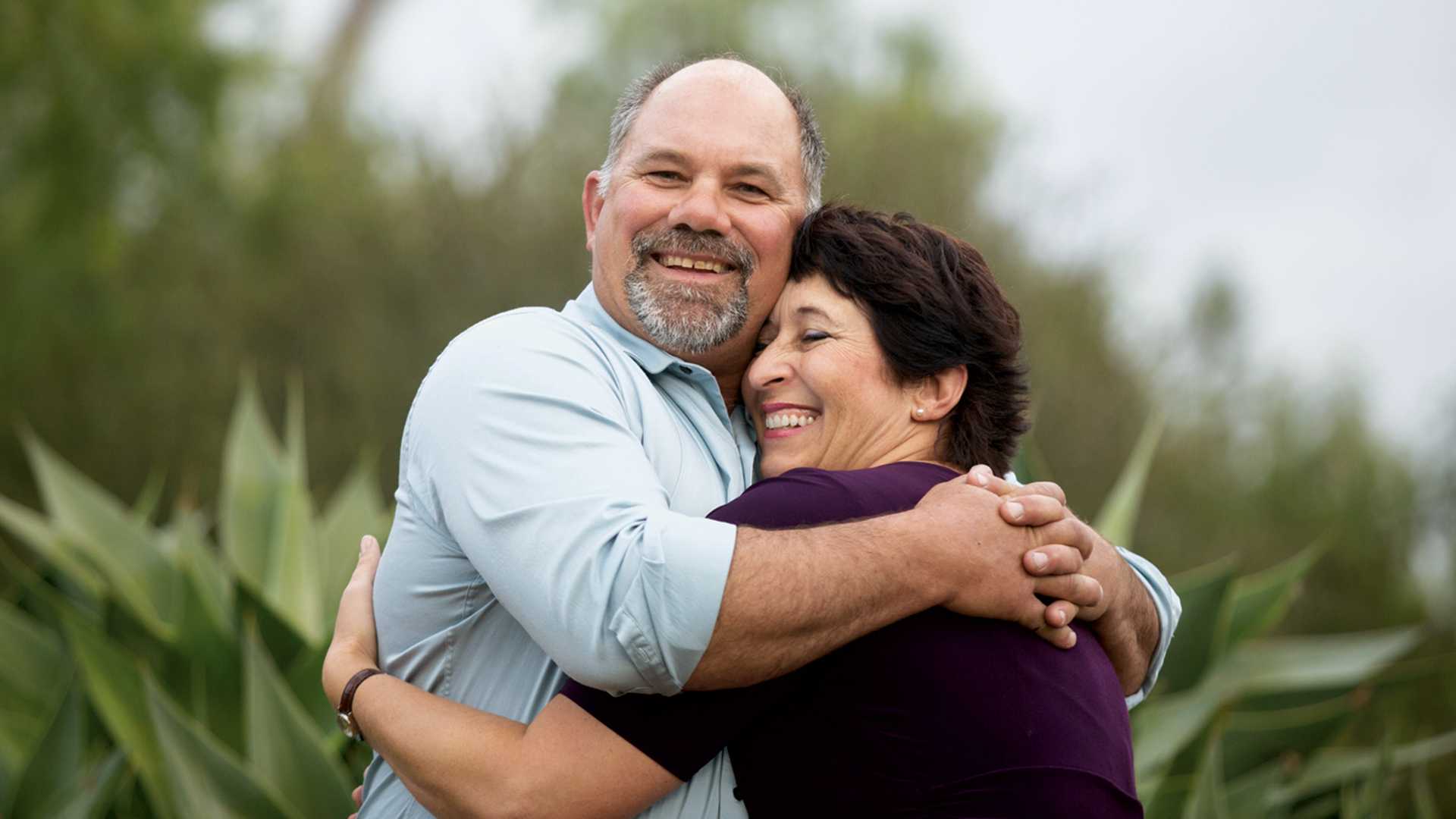
A smiling couple hugs each other in their true love story

Life’s Detours

In high school, Marci Seither spent her summers in the foothills of the Sierras with her grandmother. That’s how she met John. Sitting by the campfire, strumming their guitars, John made Marci laugh. Made her feel special. He was three years older than her and just weeks away from joining the Marines. Before he left, he gave Marci his address and hugged her so close she could feel both their hearts beating. “Someday I will come back for you,” he whispered. Marci wrote to John, but he never wrote back. Years passed and soon Marci was engaged to another man. Perhaps she and John weren’t meant to be after all. Would life’s detours keep Marci and John apart forever?

Illustration of legs square dancing in a story of true love

A Sign of True Love

The typical dating scene wasn’t for Sara Etgen-Baker. She hated going to bars and trying to meet people. Really, she hated dating. The way things were going, she was headed for a life alone with only a cat for company. The only thing scarier than that image was the idea of being trapped in a marriage with the wrong person. Her grandma told her to keep an eye out for a miracle to lead her to the right place.

So when Sara drove home from work one day and felt an inexplicable but overwhelming urge to take a different route, she was extra receptive to it. She went with it, turning right instead of left at the next intersection. She wove her way along unfamiliar backroads, enjoying the change of scenery. Then, out of the corner of her eye, she saw it—a sign-corner board in front of a recreation center. It read: “Tired of the singles bar scene? Try singles square dancing. Inquire within.” Could this unexpected sign be the actual sign Sara needed to find love?

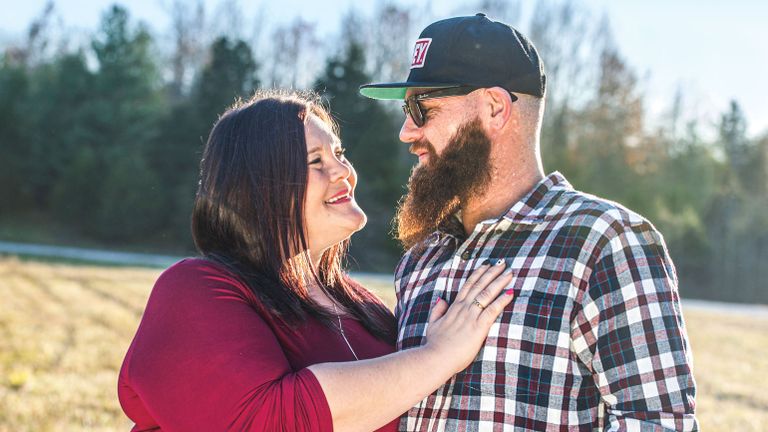
Crystal and Remy. Photo credit: Mary Ann Carter

A Strong Connection

“Are you still planning to meet me in person?” Crystal Dawn stared at the words on her phone. They were from Remy Meyer, a guy she’d been messaging on a dating app for the past two weeks. Remy was from California but had recently moved to Indiana, where Crystal lived.

Crystal felt a strong connection to Remy. He was in recovery from years of drug addiction, as she was. He wanted to find a job and settle down. At least that’s what he said. Crystal trusted no one, especially herself. Would this be like those true love stories, or another big mistake?  See how Crystal and Remy’s relationship changed both of their lives in ways they never imaged. 

READ MORE ABOUT LOVE:

5 Inspiring Stories of Communities Coming Together During the Pandemic

As people around the world practice social distancing in response to the spread of the coronavirus, it can be hard to feel a sense of community. In these trying times, it can be helpful to remember that no matter the physical distance, people are still coming together and being good neighbors. Here are a few examples of neighborhoods that have found creative ways to come together while staying apart.

1. Rainbow I Spy – Brooklyn, New York

Marisa Migdal, a mother of two in Brooklyn, noticed her kids were bored during their daily neighborhood walk. She heard about people in New York putting pictures of rainbows in their windows to spread some joy. Marisa got the idea to make a game out of it! She posted in her neighborhood Facebook group, inviting folks to put rainbows in their windows so kids going for walks could play I Spy. Another neighborhood resident, Anna Grotzky, helped to put all of the rainbow locations on a map to help kids track them down. Now, the Quarantine Rainbow Connection has gone global, with people hanging rainbow pictures in windows all over the world. “It gives the kids something to do and the bigger it grows it’s quite obvious that it’s not only for the kids,” Anna told NY City Lens.

2. Dinosaur Parade – Milwaukee, Wisconsin

Residents of the Bay View neighborhood in Milwaukee found a creative way to entertain their neighbors, kids and adults alike. With a dinosaur parade! Using a ruler to ensure proper social distance, people in dinosaur costumes paraded to a cheering crowd that watched from their porches. Kids brought out their collections of dinosaur toys to watch while their parents took pictures and video of the humorous spectacle. Some kids watched from their car holding signs that read “I [heart] dinos.” We’re sure the rest of the neighborhood must agree.

3. Pots and Pans Cheer – San Francisco, California

Every Monday night at 7 p.m. the Western Addition neighborhood of San Francisco shows its appreciation and support for the essential workers in its community… with a lot of noise! Residents go outside and bang pots and pans together as they cheer for the workers. Organizer Susan Solomon told ABC News,”Without grocery store clerks and health care workers, and janitors cleaning up buildings that people have to go into and transit workers, bus drivers this would be even harder than it is right now.” And people have definitely noticed. “I feel like we gain a lot of strength knowing that people are wanting us to succeed,” said Dr. Ingrid Lim, a local ER doctor. “It makes it a little bit easier to go to work!”

4. Say Cheese! – Spring, Texas

Yuli Vargas, a professional photographer based in Texas, was looking for a way to spread some positivity in her neighborhood of Rancho Verde. She decided to do a photo shoot with a few of her neighbors by having them stand on their lawn (at a safe distance) with the different things that are helping them survive their quarantine. News spread of the hilarious photos and soon Yuli was photographing multiple families in the neighborhood. One neighbor sits in a meditative yoga pose with her children and snacks around her. Another resident has her full baking spread on display. “Maybe this will be something for people to look at that will be positive,” Yuli told the Houston Chronicle, “instead of all the negative stuff that we’re seeing.”

5. Bear Hunts – Murfreesboro, Tennessee

Remember the childhood song We’re Going on a Bear Hunt? Neighborhoods around the world have started putting teddy bears in their windows as a way to bring the song to life and entertain local kids on their daily walks. When Tennessee resident Shanna Bonner Groom heard about the idea, she started it in her neighborhood of Stewart Springs by posting on Facebook. “Within hours, everybody was responding and wanting to join in,” she told Time. Now she says almost half the homes in the neighborhood have participated. She also says kids have started dressing up in safari gear and bringing binoculars on their hunts. “Some families have turned it into a safari instead of a bear hunt because you see other animals,” she says. “People are putting bear prints on their sidewalks with chalk. It’s morphed into more.”

4 Ways to Observe Lent Wherever You Are

I’ve always found Lent to be a meaningful season. On occasions when my home church didn’t offer Ash Wednesday services, I would find a church that did—and wear the ashes on my forehead the rest of the day. If my church didn’t emphasize fasting, I would choose a fast for the season. And though I maintain a devotional habit of prayer and Bible reading all year, I would often alter my habit to make it more appropriate for Lent. Such adjustments can enrich anyone’s experience.

But what to do when, because of illness, travel, or other circumstances, we can’t get to church for Lenten observances? How to observe Lent wherever you are?

It may take a little more intentionality to observe Lent if you can’t gather and worship with others, but your Lenten journey can be even richer for the effort you make. Especially if you emphasize four areas.

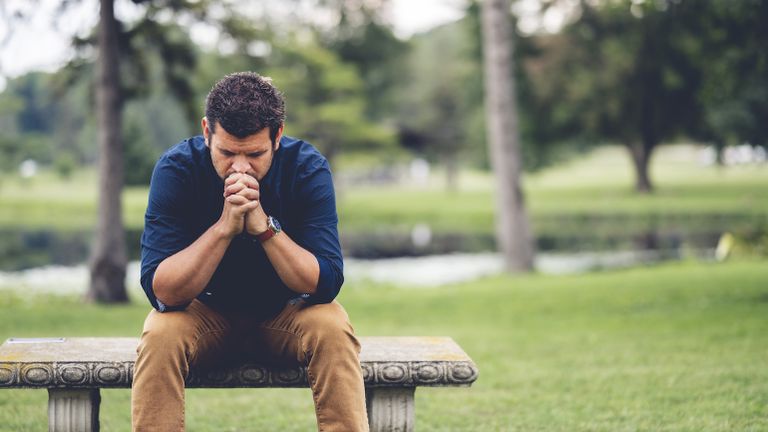
Man humbly praying.

1)  Humble Yourself

Confession and repentance are important facets of this special season. Seek to obey the Scriptural imperative to “Humble yourself in the Lord’s presence” (James 4:10 NCV). Some suggestions:

  • Bow or prostrate yourself as you begin your prayer time each day.
  • Place a handkerchief or napkin on your head (instead of ashes!) as you pray to symbolize your submission to God.
  • Spend some time in silence, head bowed, meditating on a verse such as James 4:10 or Matthew 23:12.
Fasting with a clear bowl of soup

2)  Remove Something

Many Christians abstain from eating meat during Lent or on Fridays through the season. You can do that or choose to give up something else—perhaps something unhelpful—from your daily life (and don’t forget that Sundays don’t count during Lent). For example:

  • Give up something that distracts from your relationship with God or others, such as social media, televised sports, or a favorite video game.
  • Remove tempting sweets from your diet.
  • Try “fasting” from all electronics for a length of time.

READ MORE: What to Give Up for Lent: 15 Meaningful Suggestions

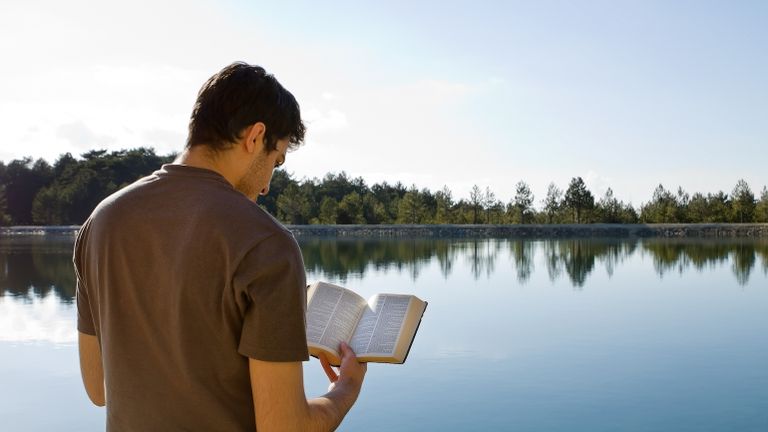
Man reading a devotional outside for Lent

3)  Add Something

In addition to removing something unhelpful, try adding something helpful—something that might strengthen or deepen your faith during this season:

READ MORE: 5 Things to Do (Not Give Up) for Lent

Woman reaching out to someone on the phone
Beautiful woman using phone in house and smiling Getty Images/iStockphoto

4)  Serve Someone

Lent is not only about self-denial but also service. Why not start a new role or routine of reaching out to others? Adding one of these activities might make this Lent a blessed one for you—and someone else.

Before you get overwhelmed with Lent ideas, keep one good rule in mind: start small. Trying to do too much will be counterproductive. Instead, choose mindfully from these four intentions, maybe just one a day.

It’s possible to observe Lent wherever you are. Even if you’re not in church, making just one small gesture on each of Lent’s 40 days can enlarge and prepare your soul for the beauty and blessing of the Resurrection morning that is to come.

READ MORE ABOUT HOW TO DO LENT:

32-Year-Old Conservationist Embarks on a Journey to Save Animals

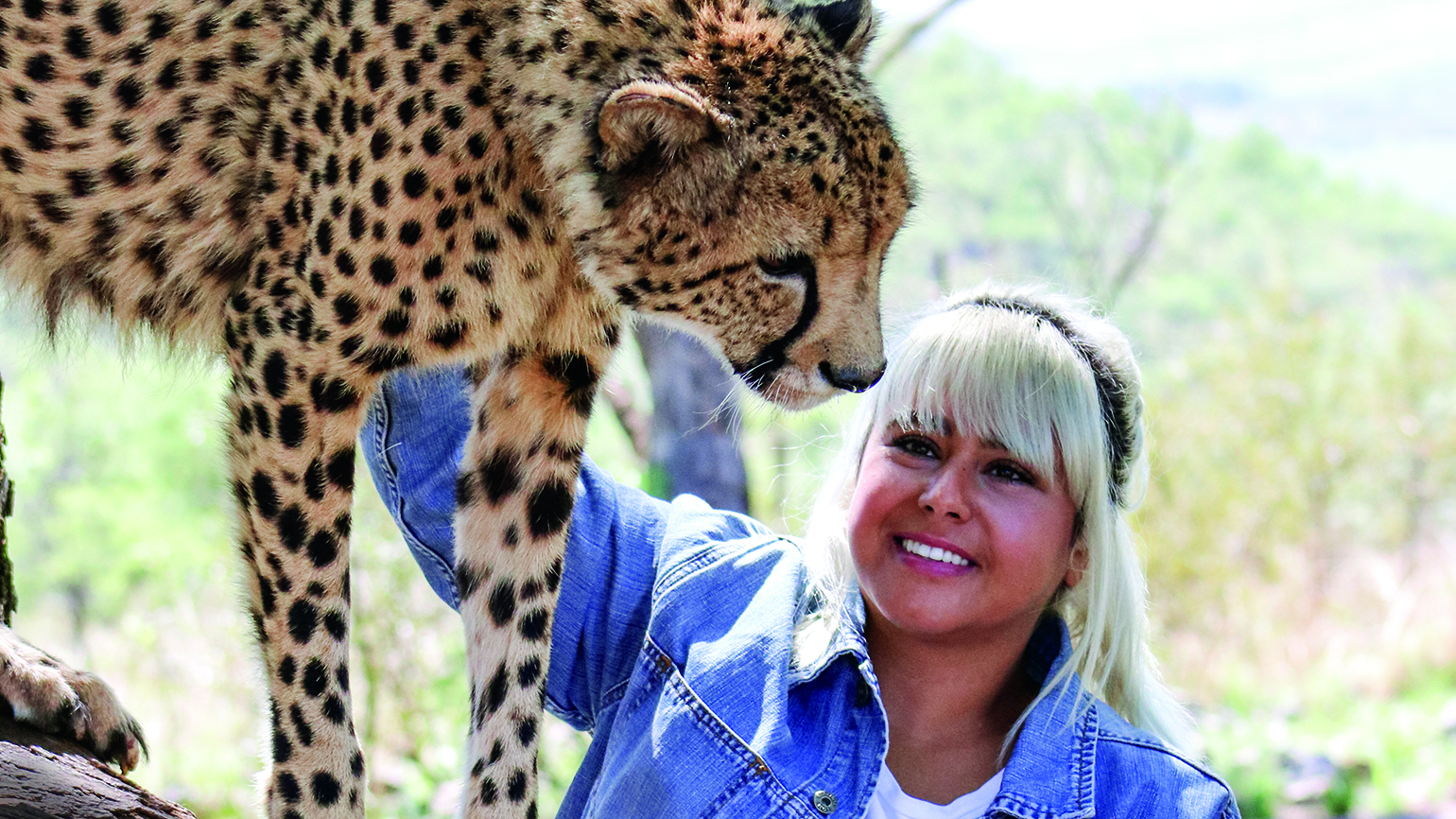
Sonia Perry may have grown up in New York City—in Astoria, Queens, to be exact—but she’s always been drawn to protecting wildlife. It wasn’t until the loss of her father, who first introduced her to animals, that she decided to drop everything and pursue her dream. Now the 32-year-old conservationist is opening her own sanctuary where zebras, elephants, lions and other animals can live safely in a natural habitat.

How did a city girl become an animal lover?

My father would take me to the Queens County Farm Museum to see the sheep, lambs, horses, cows, chickens. I loved it. I watched Steve Irwin and other wildlife shows. I also worked upstate for a friend who had many exotic animals. And I did part-time work with other farmers and master falconers. I wanted to gain experience. Yet, despite loving animals, I went into the corporate world, spending years as a senior project manager.

What made you rethink your career path?

Corporate life wasn’t fulfilling for me. I felt a void. My father’s death in 2017 really woke me up. I wanted to do work that gave me purpose and fulfilled my longtime dream of working hands-on with animals. I had promised my dad that I’d travel to Africa. So I dropped everything and embarked on a journey.

How did that 180-degree turn happen?

I researched online and found a program at a reserve in Zimbabwe. I didn’t even know where that was on a map! But they accepted me for a three-week program, which turned into a year.

What animals did you work with?

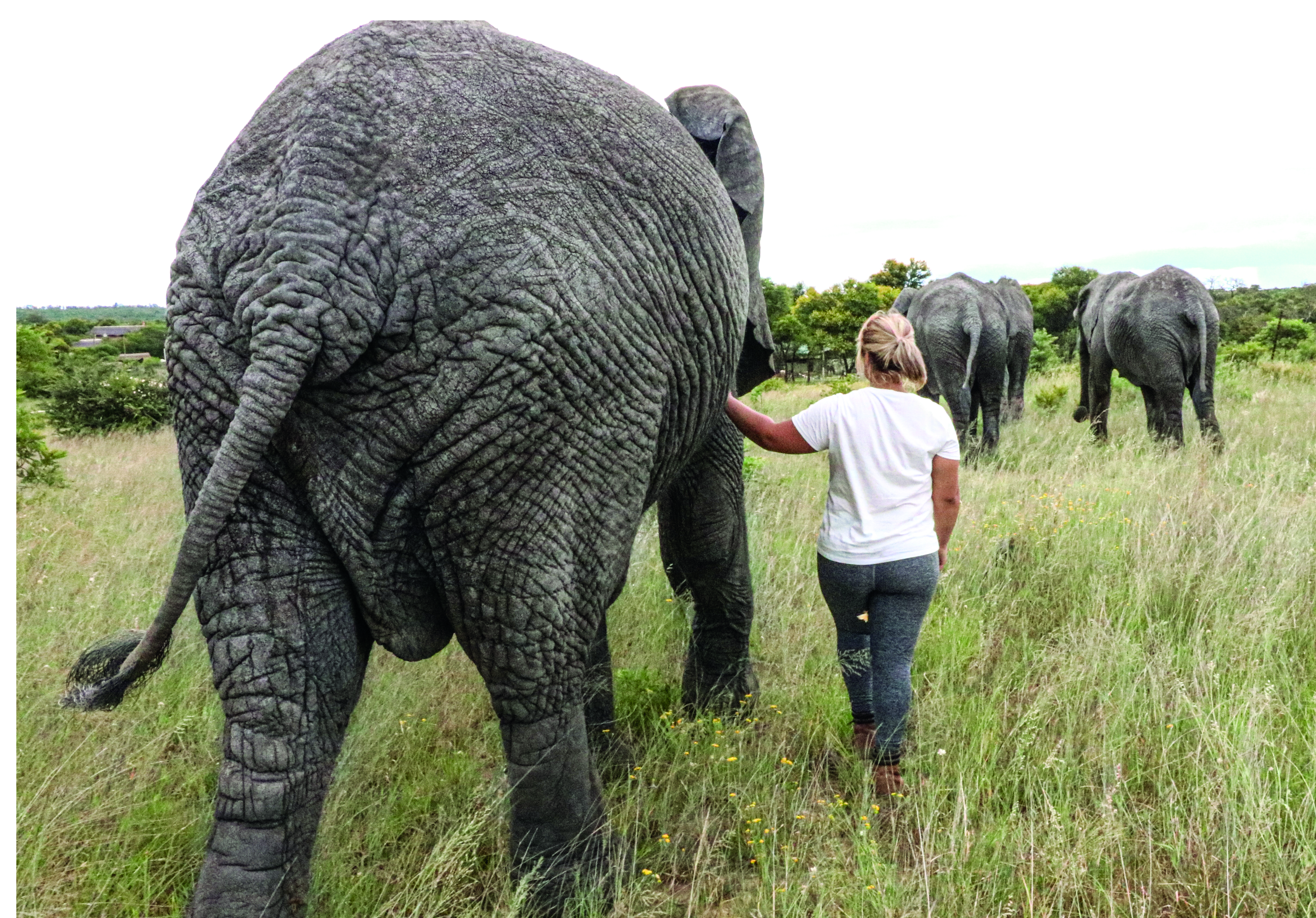
Lions, some as young as three months old; zebras; orphaned elephants; black and white rhinos; wild dogs; spotted and striped hyenas; cheetahs; servals; and leopards.

Wow! And how did you help them?

We were researching and tracking. We’d go out in a truck and make sure they were safe, healthy and uninjured. There were days when we discovered an animal caught in a snare, immobilized and bleeding, and we tranquilized them in order to heal them. Snares can cause serious pain and sometimes even death.

We were caregivers who had to be armed because of poachers. We built bomas—secure enclosures for the animals to sleep—and made sure they were doing well with their cubs. We walked with the white rhinos, taking them to different enclosures and enrichment areas to stimulate their minds with new smells and features. The lions needed enrichment programs too, so we made toys for them from elephant dung and built them play areas. But protection was always the priority. We couldn’t fence hundreds of hectares [one hectare is more than two acres], so we had to protect the area for their safety and ours.

Is poaching a big problem?

Yes, and in many countries. Close friends of mine lost their families in the Congo due to poaching. There, 20 caregivers were killed, along with gorillas and rhinos. A sliver of a rhino horn goes for $10,000. These animals are so smart, and it’s so sad some people are willing to kill them.

Was it difficult to live in the bush, so far from home?

It was rare to meet another American, but I loved interacting with people from all over the world. I cooked and ate with the local people and they became family. It was a lot of learning, improvising, surviving and adapting. Every day was different. There were constant protests. When Robert Mugabe resigned as president of Zimbabwe, people couldn’t buy food or get money. There were some days without electricity. It was an adventure, never routine.

And then you were able to explore another area of Africa?

I traveled extensively through East Africa, camping in Serengeti National Park and Ngorongoro Conservation Area in Tanzania. It was one of the most difficult yet enlightening experiences of my life. I was in extreme conditions with bare necessities, cooking my own meals, hoping I didn’t get attacked by wild animals. But watching a herd of elephants walk nearby was breathtaking.

After a little more than a year in Zimbabwe, I went to a sister reserve in South Africa for about eight months. My favorite animals there were the African wild dogs. I let them slowly get used to me, and by the end of the trip, three of them would sit next to me. Animals want to gain trust, want to know you’re there for their benefit and that they can rely on you. I’ve bonded with so many. I wouldn’t see an animal for months, but when I returned, they came running to me. It was a majestic experience.

What were some of your favorite experiences?

I loved interacting with lions and elephants one-on-one, bathing and feeding them, and creating enrichment programs for them. It felt so amazing when they trusted me, when I walked into a lion enclosure, and a one-year-old cub ran up and hugged me.

What do people need to know about animal preserves and sanctuaries?

There’s a misconception that animals are there in captivity. But this is a natural habitat they’re in because of unscrupulous hunting—up to 20 percent of certain species are being killed, so we need to protect them. They live longer in a preserve. Animals are important to our ecosystem whether you live in Zimbabwe or Queens.

How did you decide to start your own sanctuary?

Seeing these animals living under human care and being able to interact with them, I realized this is what I was meant to do. I was inspired by a younger woman I met during my travels who has her own sanctuary. Meeting “The Lion Whisperer” Kevin Richardson was also incredibly moving. I could see his unmeasurable love for these animals by the way he’d do any and all tasks needed for their care.

It can’t be easy…

The economy in South Africa is so different. You can buy land, but you need to be careful that it hasn’t already been claimed by a local. And you need to make sure you get a permit processed through the government, proving you won’t be breeding or allowing trophy hunting. You need to benefit the country and the animals. Otherwise, they can take it away from you. I’ve had so much help.

When will your sanctuary open?

After extensive work, it will be finalized this year. I can’t wait! I was able to save enough to buy my own private game reserve in South Africa. I’m calling it Hapana Miganhu, which means “no boundaries” in Shona. To wake up and see an ostrich running around, zebras and baby baboons, knowing I get to rehabilitate injured or orphaned animals and perform rescue and release—these things make me feel alive. You have to be empathetic and compassionate to do this work, and that’s who I am. I would do anything for these creatures.

For more inspiring animal stories, subscribe to All Creatures magazine.

10 Things You Might Not Know About Advent Calendars

Today, Advent calendars are among the most beloved of holiday traditions, but how much do you know about their origins? Here are 10 Advent calendar facts that will fill in the gaps.

1. They originated in Germany

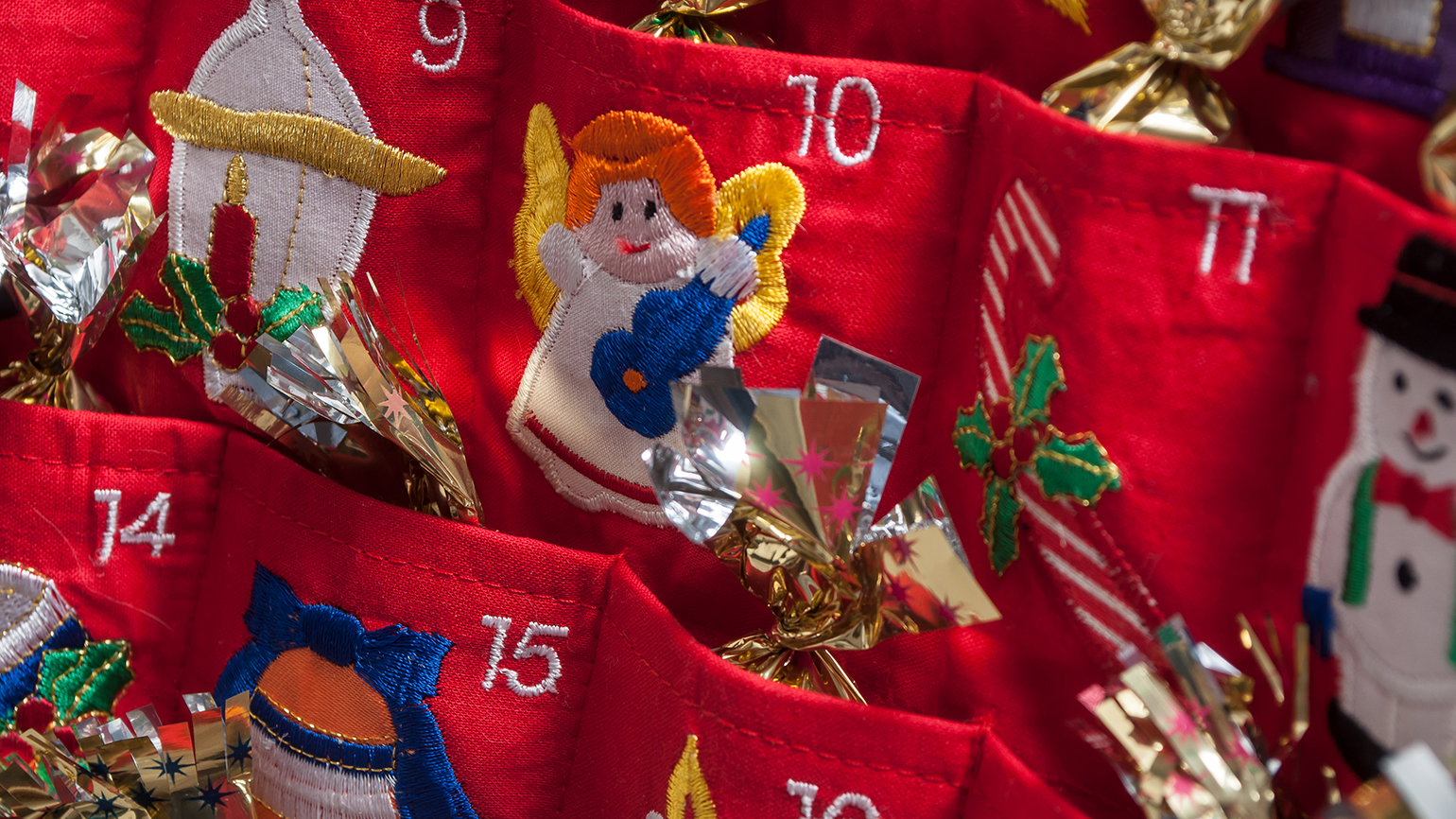
In the 19th century, many devout Lutherans in Germany observed Advent by lighting a candle or making a chalk mark on a wall or door each day from December 1-24. Soon, that practice led to the hanging of a different religious image each day during Advent.

Join us on November 27, 2022, as we observe the 28 days of Advent.

2. Early Advent calendars were made of wood

The year 1851 saw the creation of the first wooden Advent calendar that was crafted by an artisan’s hand.

3. The first printed calendar was a clock

In the early 20th century, a Hamburg bookshop published what it called a Christmas Clock. It was, for all intents and purposes, the first printed Advent calendar.

4. Calendars were given as gifts

In 1904, a Stuttgart newspaper called Neues Tagblatt included an Advent calendar insert as a gift to its readers.

5. An Advent calendar printer got an idea from his mom

In 1908, a printer named Gerhard Lang produced a calendar that comprised small pictures that could be affixed to a cardboard calendar, one per day, throughout December. He got the idea from his mother, who would give him and his siblings one treat a day on during the weeks leading up to Christmas.

CHECK OUT: Our Editors’ Favorite Advent Candles and Holders

6. The windows weren’t added until later

Lang is also credited with the 1920s innovation of a calendar with small doors behind which could be found small pictures or Bible verses.

7. Advent calendars almost ended in WWII

During World War II, the Nazis banned calendars with pictures, which could have ended Advent calendars altogether, but following the war, a printer named Richard Sellmar convinced the U.S. officials who were governing Stuttgart at the time to allow him, despite a paper shortage, to print them again. His company, Sellmar-Verlag, continues to produce the calendars to this day. It’s the only publishing house in Germany devoted exclusively to the production of Advent calendars.

READ MORE: 5 Advent Prayers for Hope, Joy, Peace, and Love

8. President Eisenhower helped make them popular in the U.S.

The popularity of Advent calendars took off in the United States when Newsweek magazine published a photograph of then-President Dwight Eisenhower’s three grandchildren posing with one. The fact that small pieces of chocolate were by then included in many calendars just might have played a role, too.

9. Germany has the world’s largest Advent calendar

The town of Gengenbach in Baden-Württemberg, Germany, boasts what it calls the Das weltgrößte Adventskalenderhaus (the World’s Largest Advent Calendar House). Every December for more than 15 years, the city’s town hall is transformed into a two-story Advent calendar, with the structure’s 24 windows (two rows of 11, plus two more in the roof) each decorated with a Christmas tableau, revealed one per day throughout the season.

10. Germany also has the smallest Advent calendar

In 2007, a trio of German students, members of the University of Regensburg’s micro- and nanostructures group, created what surely remains the world’s smallest Advent calendar, a nano-scale etching that includes depictions of holiday imagery, including Santa Claus, a bell, a snowman and a snow-covered church. How small is it? It would take five million of the calendars to fill the surface area of a postage stamp.

READ MORE: 10 Interesting Advent Facts to Get You in the Holiday Spirit