Embrace God's truth with our new book, The Lies that Bind

How Billy Graham Changed My Life

I’ve been to the Billy Graham Conference Center at the Cove outside Asheville, NC, many times. One of the things I’m always struck by is that the moment I drive through the gates, I feel God’s presence. Each visit has an emotional element because as a 6-year-old child, I met Jesus as a result of Billy Graham’s ministry, and my life was changed. So going to the Cove is a celebration of my spiritual roots.

Read More: Inspiring Billy Graham Quotes

Several years ago, I also visited the Billy Graham Library in Charlotte, NC. That day was Billy Graham’s 93rd birthday, and reporters were there to shoot segments for their evening news programs.

I chatted with one of them and was asked, “We’ve watched millions of people leave their seats at Dr. Graham’s crusades to make a decision for Christ. Do you think those decisions last?”

I replied, “I can’t answer for anyone else, but when I was a 6-year-old girl, I was one of those people who made that decision, and it changed me forever. As a teenager, it kept me from making unwise choices that would impact my life permanently. Being in church affected my life as I met my husband there. As a young mom, it impacted how I raised my children. And now God has allowed me the privilege to write and speak for Him.”

I continued, “But that’s not the end of the story. You see, God gave me the opportunity to pray with each of my three sons as they made a decision to follow Christ. Two of them are now preaching the Gospel and the third is active in music ministry at his church.”

And Dr. Graham’s heritage of faith doesn’t stop there for our family. It’s being passed down to my grandchildren and to the children, teens and adults impacted by my sons and their ministries. None of this would have happened if a man named Billy Graham hadn’t been faithful to serve God.

As we celebrate this season of thankfulness, I’d like to say how very thankful I am that Dr. Graham chose to follow the calling God placed on him. I lead a life that was changed because of that.

How a Singing Fish Gave Her Comfort

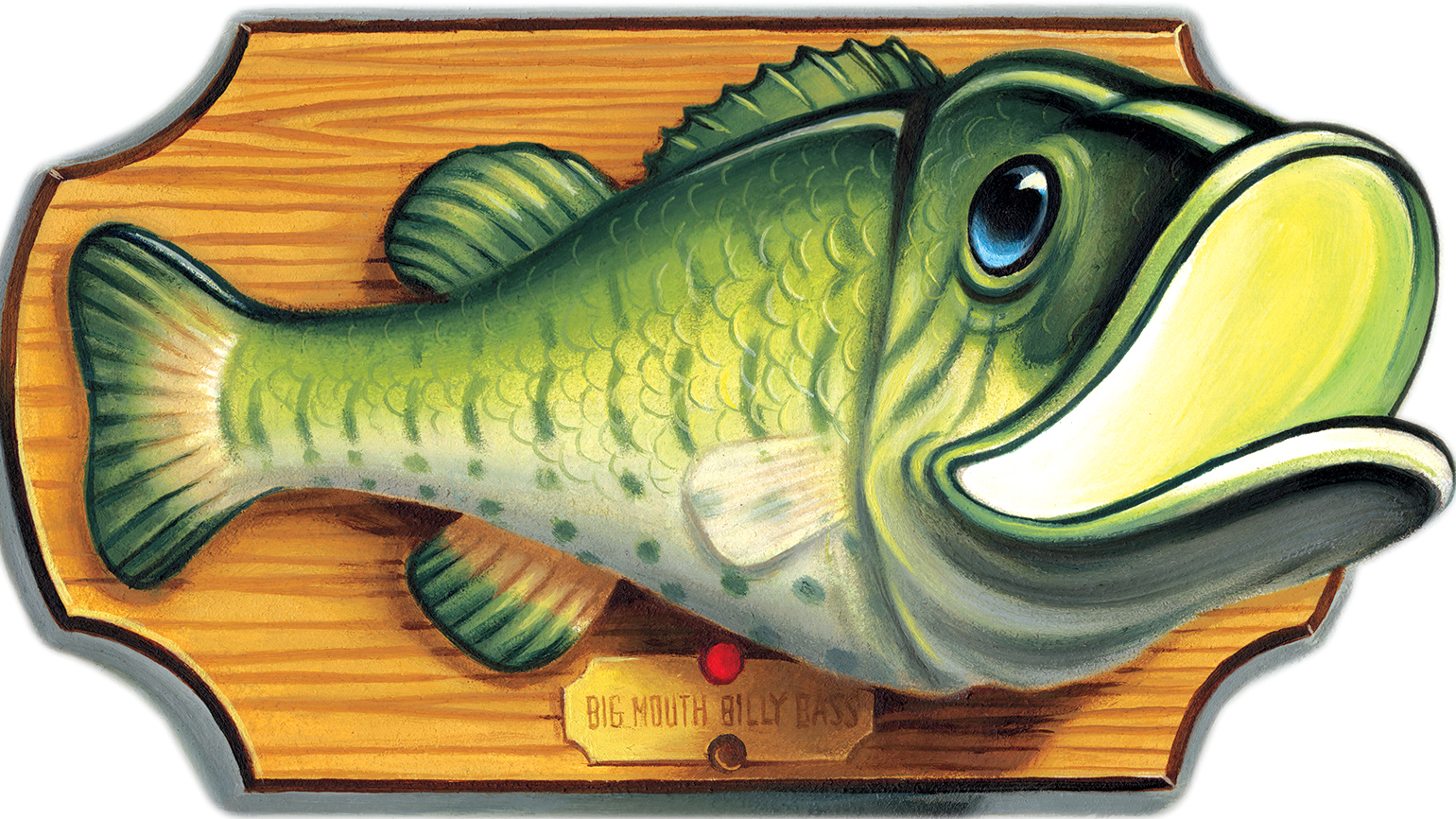
Just a quick Google search and there it was—an eBay listing for a Big Mouth Billy Bass, available to the highest bidder. I matched the asking price and crossed my fingers. It looked exactly like the one my ex-husband had brought home all those years ago, back in 1999.

It was a gag gift. A rubber fish mounted on a plastic plaque. At first glance, it could have passed for a real fishing trophy—until it started to sing. The battery-powered fish would spring to life whenever someone walked by. It would swing its head around, shake its tail fin and move its mouth along to the music blasting from its speakers. The fish performed two songs: “Take Me to the River,” by Al Green, and “Don’t Worry, Be Happy,” by Bobby McFerrin.

Community Newsletter

Get More Inspiration Delivered to Your Inbox


We hung it up in the living room. It was hilarious! …The first hundred times, that is. Then we grew sick of the thing. But our three-year-old son, Kevin, loved it. He’d activate it again and again, shrieking and dancing along. Almost a year later, when the batteries finally died, we didn’t replace them. The Billy Bass was banished to Kevin’s toy box in the corner of the living room.

I didn’t miss hearing the same two songs on a loop, but I did miss the easy laughter the Billy Bass sparked. My husband and I were going through a tough time in our marriage, and it became harder and harder to smile.

We’d fought before but not like this. It didn’t feel like something we could fix. I wasn’t sure how much more either of us could take. I was having trouble sleeping. When the house was dark and my husband and son were asleep, I’d wander from room to room, haunting my own house like a ghost. I prayed then, asking God for guidance and strength. But I still felt so alone.

One day, the crushing weight I’d been carrying became too much. It was early afternoon. My husband was still at work. I could hear Kevin playing outside in the yard. I was in the living room, straightening up a little. The misery that overtook me was sudden, like a blow. I could barely breathe.

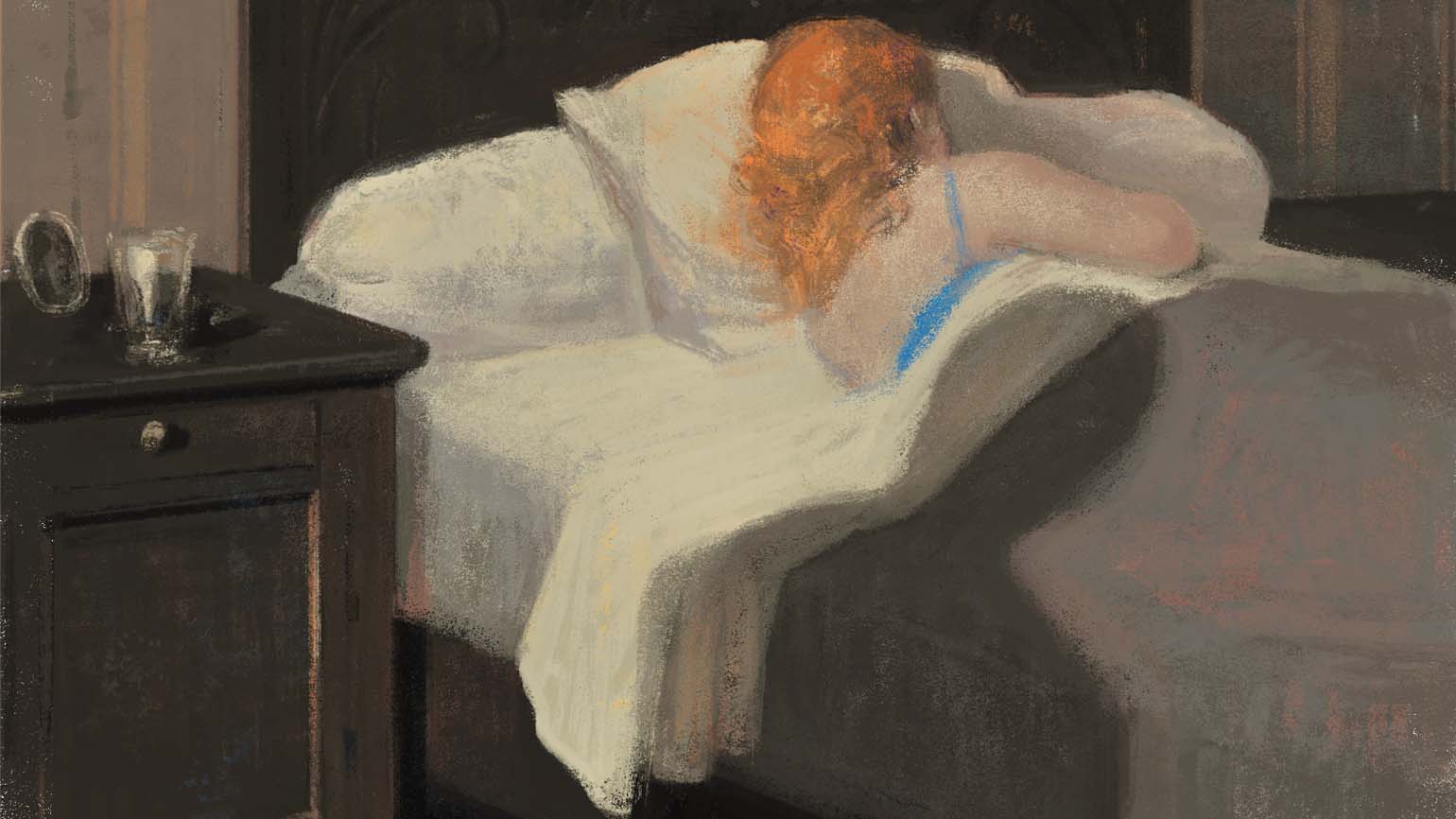
I sank to the floor in front of the couch. I couldn’t stop crying. Not wanting Kevin to hear me sobbing, I leaned forward, burying my face in the cushions.

“Lord,” I whispered, “please help me. I’m so sad.… I’m just so sad, Lord.”

“Don’t worry, be happy!” music blared. “Dooooo, dooo, dooo, dooooooo!”

My head whipped up. Had Kevin wandered back inside and started singing? No, the room was empty; no one was with me. As I listened closer, I could hear the mechanical whir of the Billy Bass from the corner of the room. I got to my feet.

Sure enough, in Kevin’s toy box, the Billy Bass was singing, mouth flapping and body wriggling. “Don’t Worry, Be Happy” played. I watched, stunned. The song finished. Only then did I pick up the animatronic fish.

The Billy Bass had three modes: on, off and motion detecting. Had my husband replaced the batteries at some point? Had Kevin left it on motion detecting? I pressed the button. Nothing. I flipped it over. The Billy Bass was switched on. I pressed the button again.

Nothing. Of course. The batteries were dead.

My tears turned to laughter. I stood there in the living room laughing for quite some time. I felt better than I had in weeks. It was as if the weight of my troubles had been lifted—all because of a silly, singing fish! And yet the relief I felt was real.

Don’t worry, be happy!

Those words became my mantra. Through the ups and downs—through my eventual divorce—whenever I felt low, I’d simply remember that singing fish. How God had used it to show me that I wasn’t alone. That he was always with me.

Over the years, we moved several times, and Billy Bass eventually got lost in the shuffle. But when Kevin, now 22 and living on his own, called to tell me he’d been having a difficult time lately, I knew just what to do.

The new Billy Bass arrived a few days after I placed the order. I wrapped it, ready to give to Kevin the next time I saw him. He knew the story of what had happened to me all those years ago. I included a note. “Pray and trust the Lord for everything,” it read. “When the Lord is involved, expect the unexpected. No batteries needed.”

How a Series of Mysterious Dreams Saved Her Life

A figure loomed in the corner of my bedroom, a shadowy specter the size and shape of a man. It was faceless, yet I could feel its burning gaze on me. As soon as I registered it, the specter was upon me, embracing me with its shadow arms, enveloping me in darkness. I was pinned, paralyzed and helpless.

I woke up to the sound of my own screams, my heart pounding until I realized I was awake. I was safe. Even though the event had felt acute and urgent, it wasn’t real. Just a terrible nightmare. I wasn’t used to having them and usually slept soundly through the night, especially after putting in long days as a nurse.

Eventually, I settled down, telling myself it was an odd, one time occurrence. I went back to sleep.

But the next night, it happened again. I’d drifted off to sleep, only to find myself in my bedroom. Everything looked the same but felt different. There was an inescapable menacing feeling in the air. The hair on the back of my neck stood up. I turned my head to the left, toward the window. The shadow figure had returned. It was on the outside of the glass, staring in. It reached its dark, misty hand toward me. The glass didn’t shatter. Instead, it bent around the smoky fingers in a grotesque, bubbling shape as I squirmed out of its reach. I woke up in a cold sweat, the morning sun lighting the room.

The nightmares continued. They all started with the figure in my bedroom. It would overtake me in darkness and lead me into one terrifying scene or another. Most often, it chased me through my home. No matter which way I turned, I couldn’t escape it.

I dreaded going to sleep at night, struggling to stay awake as long as possible. I knew that as soon as I closed my eyes, the shadow man would be there, waiting.

Then, one night, months into the nightmares, something changed. My dream self reacted differently. When the shadowy specter appeared, my body relaxed into it instead of resisting. Suddenly, I was somewhere else, a place very familiar to me. I was in a hospital ward. Specifically, the cancer ward. And I wasn’t alone. I was in a room with a patient. A woman.

She was small and frail, propped up on pillows, hooked up to machines and an IV. When we locked eyes, I could tell that she was sad. Somehow I knew that this was the end for her. I didn’t know what to do, how to help. I’d never worked in oncology, and I was out of my depth. She stared at me until her eyes closed and she flatlined. I tried calling for help, but I couldn’t. I had no voice. The patient was dead.

I stumbled into the hall, feeling like I couldn’t breathe. Out of nowhere, a nurse appeared at my side, laying a gentle hand on my shoulder.

“There’s another patient who needs you,” she said. “Go help her.” I protested, but the nurse insisted. “There’s nothing to be scared of,” she said, guiding me back toward the same room.

When I re-entered, the dead woman was gone. In her place was the new patient. I recognized her instantly. It was me.

I woke up, tears streaming down my face. It was still dark out, and I was petrified. I couldn’t shake the sense that these were no ordinary nightmares. The scene I’d just witnessed in my dream—actually seeing myself, knowing the fate of the first patient—made all the other dreams seem like a warning that I could no longer ignore. Was my health at risk? Was I headed for the oncology ward?

I was 42 years old. Cancer didn’t run in my family. And what could I do until morning? There was only one thing I could think of. I got up and went into the bathroom to do a self-exam. I flicked on the light, faced the mirror, raised my right arm. My fingers grazed something in my breast. Chills ran down my spine. Was that a lump? Or was I imagining things? Regular mammograms weren’t recommended until age 50 in the UK, but first thing the next morning, I made an appointment to get one.

Thankfully, the nightmares stopped while I waited for my appointment.

The mammogram results appeared to be clear, but I couldn’t shake the feeling that something was wrong. I insisted on following up with an ultrasound, though I was told it was unnecessary. The ultrasound and a subsequent biopsy revealed that I had Stage II breast cancer, on the verge of becoming Stage III. I’d need immediate surgery, followed by chemo. The results surprised everyone but me. I’d been forewarned.

Now, 10 years later, my cancer is in remission. I haven’t had a dream about the shadowy figure since I acted on those mysterious messages and pursued a diagnosis. Even though the dreams were terrifying, I believe they were sent to me with love. Because they got my attention. And ultimately, they would save my life.

How a Pair of Kittens Reunited After 2 Years

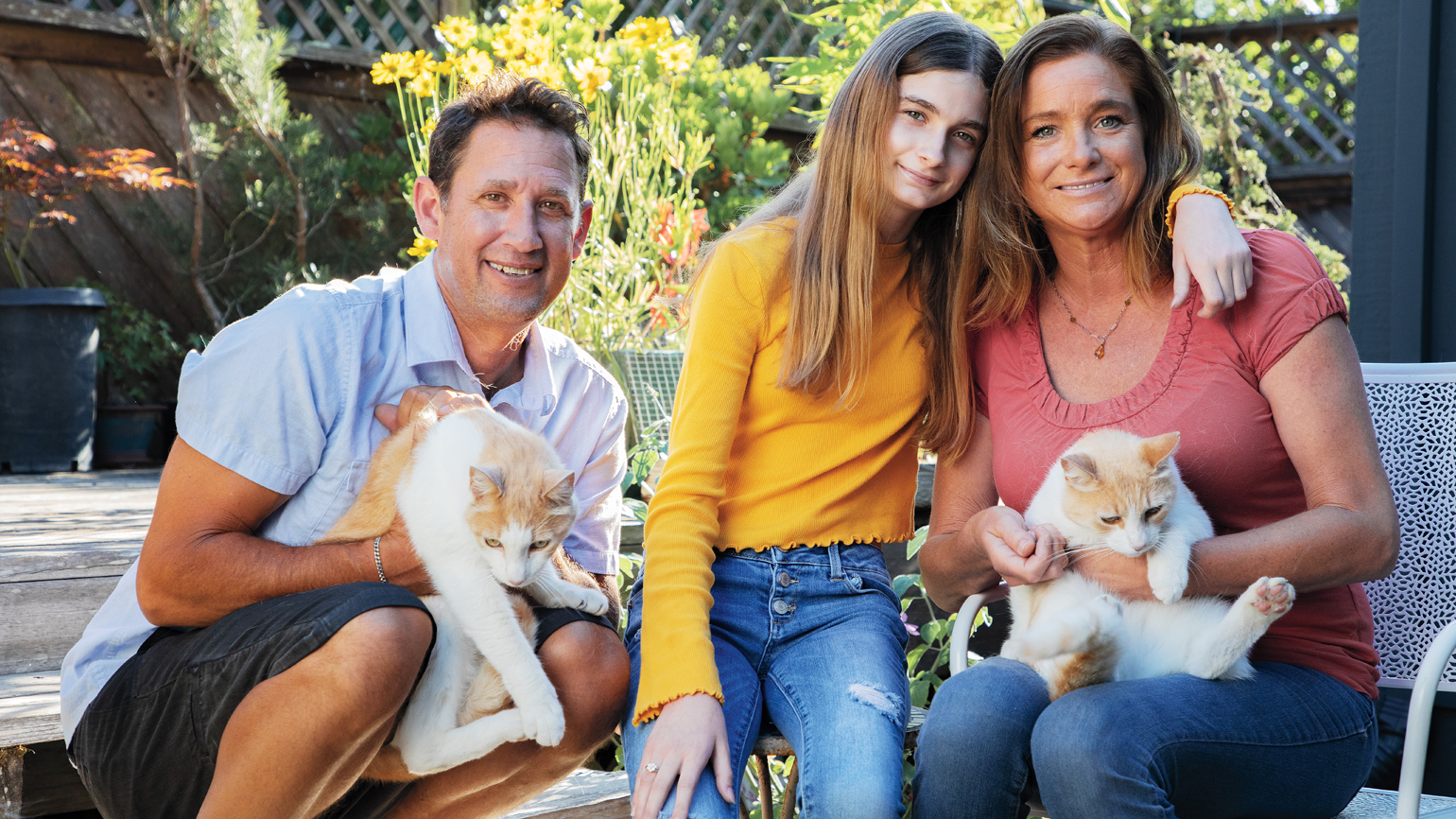
“You can get a kitten,” I promised my seven-year-old daughter, Cali. “As soon as we get settled in our new apartment.” Her life had been uprooted when her father and I divorced, and I wanted to give her something to look forward to. So one Saturday morning, shortly after we unpacked the last box, we headed to North Bay Animal Services to pick out her new pet.

There were plenty of cats to choose from, but Cali had her heart set on an orange-and-white kitten. “Actually, we’ve got two of those,” the attendant told us. “Brothers from the same litter, in fact. A bonded pair. We call them Caramel and Butter.”

She brought the kittens to a private room where Cali and I could meet them. For more than an hour, we tried to choose between them.

“Can’t we just take them both?” Cali asked.

“We have to follow the rules of our new apartment,” I said. “Only one cat, remember?”

“I know,” Cali said with a sigh. “But look how much they love each other.”

I couldn’t deny it. They played like the best of friends. When they tired out, they curled around each other, their identical markings creating what looked like a heart. Still, the landlord had been clear about the rules. One cat only. And as long as both kittens got a good home, they would be fine.

After a long deliberation and a lot of tears from Cali, we decided to bring Caramel home. Cali renamed him Ozzy. That night I watched Ozzy and Cali fall asleep together, telling myself, They’ll forget about the other kitten in no time.

How wrong I was. Ozzy really did seem lonely without his twin. No matter how Cali and I tried to distract him over the next few days, he wandered around the apartment, crying, as if looking for his brother.

I told Cali to give it time, but after two weeks of his mournful howls and Cali’s tears, I broke down. I drove back to the shelter with Cali. I was betting on the kittens looking so much alike that our new landlord wouldn’t even realize that there were two of them.

“I remember you,” the shelter attendant said. “But I’m afraid the other kitten isn’t here anymore. He was adopted four days ago.”

Cali was inconsolable, and I was desperate to calm her down. So desperate that, when I opened my mouth, something foolish came out. “We’ll find Ozzy’s brother,” I said. “One day, we’ll adopt him too.”

“Promise?” Cali said.

“Promise,” I said.

What are you doing? I asked myself. I knew I’d never be able to fulfill that promise. But it was the only thing that seemed to bring my daughter some peace.

With time, Ozzy got used to being on his own. And Cali, thank goodness, stopped asking about the other kitten. Our new life was working out just as I’d hoped. I even started dating again. One guy, Brian, seemed promising. I’d met him online and talked to him for months before we planned a date for a night when Cali would be at a friend’s house for a sleepover. Brian was a widower with a daughter, Ruby, just a year older than Cali.

When we finally met in person, Brian and I really clicked. We had a nice Italian dinner, did some dancing, talked about our kids and the many places we’ve lived. Turns out, we’d spent most of our lives within a mile of each other but never met.

After dinner, we swung by Brian’s house. “Ruby’s visiting her grandmother so I can stay out late,” he said. He gave me a short tour of his home, then led me out into the yard. Out of the corner of my eye, I saw a flash of orange and white. Ozzy? I thought, shocked.

How had he gotten here? Had I just shared pasta with a guy who’d stolen my cat? There were plenty of orange-and-white cats in the world, but not with the exact color patterns as Ozzy. I’d recognize him anywhere, and right now he was strolling across Brian’s backyard.

“That’s my cat!” I blurted out.

“That’s my cat,” Brian said. “Well, Ruby’s cat really. My wife picked him out herself shortly before she died. She knew he would help Ruby when she was gone. Butter’s a part of the family.”

Butter? Could it be? Had I found Ozzy’s long-lost brother at last? Brian and I compared shelter adoption papers. Sure enough, Butter was Ozzy’s twin! Eventually, Brian brought Butter over to reintroduce him to his brother.

“They might not even remember each other after two years,” Brian said. “We should be prepared for a little hissing.”

But there was no hissing. Ozzy and Butter nuzzled each other with enthusiasm, as if to say, “I know you! Where have you been?”

Today Ozzy and his brother are inseparable. As are Brian and I. He and I married last August and are raising our girls together. And that impossible promise of mine to Cali? Somehow it was one I managed to keep.

How an Owl Thanked a Hero

GiGi, a great horned owl, was brought to Wild at Heart Rescue –a wildlife rehabilitation center–in Vancleave, Mississippi, with a massive head trauma back in May. She was in such bad condition that she wasn’t expected to make it.

Luckily, though, Douglas Pojeky, president of the center, stepped in to care for GiGi. Apparently, he has a way with birds. “In all my years of working with birds of prey, I have never seen someone with such a bond with these magnificent birds,” Missy Dubuisson, founder of Wild at Heart Rescue, told The Dodo, a website devoted to animals. “It literally brings tears to my eyes to watch him interact with these birds. They absolutely know him and trust him.”

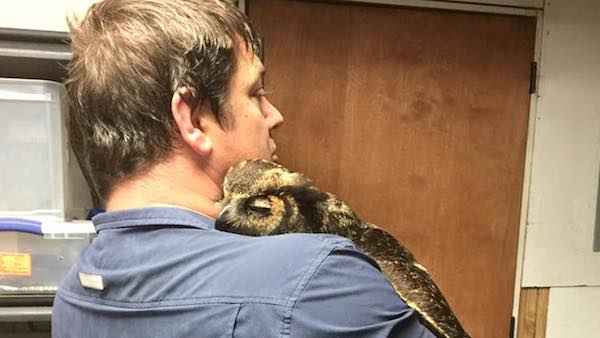
Well, GiGi found a way to thank Pojeky for all his hard work. After he returned to the center from vacation, GiGi “threw both wings around him and gave him an owl hug,” says Wild at Heart Rescue’s Facebook page.

Read More: How a Therapy Horse Helped a Veteran

It’s amazing enough that a bird of prey would hug like a human. But the moment was particularly moving for Pojeky.

According to The Dodo, “Growing up, a great horned owl used to perch on the top of Pojeky’s family barn. While Pojeky’s father often saw the owl, Pojeky and the rest of his family rarely did. However, on the morning of his father’s death, the owl was spotted overlooking the farm house, where Pojeky’s father had passed away, before flying off into the woods.”

It’s no wonder GiGi’s embrace was so meaningful. “For some reason when that bird was hugging me,” Pojeky said, “all I could think of was my dad.”

How a Near-Death Experience Changed Her Perspective

I collapsed onto my bed and closed my eyes. Fifteen family members would be arriving at our house any minute for my husband Tom’s birthday party. I should’ve been greeting our guests. Instead, I was in our room. I was just so tired. If I wanted to make it to the dessert portion of the evening, I’d need to lie down. So I’d snuck off to my bedroom for 10 minutes—15 max—of rest.

Served me right for pushing myself too hard. I’d been in full-blown hostess mode since 4 a.m. First, I’d scrubbed every corner of the house until it was nearly spotless. Then Tom and I put up the Christmas decorations. It was only November 30, but I was so busy these days with my job as spiritual director and retreat leader that now seemed as good a time as any to get the house ready for the holidays. Tom and I hung wreaths on every door and strung lights on the tree. Around 6 p.m., I put the finishing touches on dinner: salad to start, then salmon and broccoli with sweet potatoes, followed by birthday cake and ice cream. I set the table with the good linen napkins, folded elegantly, and put a timer on the food in the oven.

I wanted everything to go smoothly. Better than smoothly—I wanted things to be perfect. I had a lot riding on the evening. Tom’s children and grandchildren were coming. My relationship with them had always been a little awkward. I’d been close to their mom, Betty, be-fore she passed away 12 years earlier. She’d fought a long battle with cancer. I’d acted as her hospice chaplain through it all. After Betty died, Tom and I stayed in touch. Years later, we fell in love and got married.

I knew it was hard for Tom’s kids to see him with someone who wasn’t their mother. His youngest daughter, Denise, especially, seemed to have trouble with it. She was always polite, but holidays and family get-togethers were strained. I wanted us to be a family, and this dinner was an opportunity to make that happen.

I tried to get comfortable in bed. I twisted and turned. I threw the covers on, then off. It felt as if the air were being squeezed out of my lungs. As if I were trapped inside a giant accordion. Perhaps all the stress was getting to me.

The bedroom door creaked open. Tom’s head popped through.

“You okay, Kathleen?” he said. “You got a migraine?”

“No,” I said. “But could you bring me an aspirin anyway?”

Tom returned with the pill. And with his daughter Debby and daughter-in-law Barbara, both nurses, to check on me. I could feel sweat coating my face. My pulse quickened. After a brief discussion, we came to the conclusion that it could be low blood sugar or dehydration. Still, they said, “Kathleen, you don’t look so good. Let’s get you to the hospital.”

Their faces swirled in front of me, going in and out of focus.

“Hospital?” I said, protesting. “No…the party…”

Tom and the girls didn’t listen. They helped me out of bed and into the car.

“Take the salmon out of oven at 7:15….” I struggled to say to the gathered family, then collapsed in the passenger seat.

The next several minutes were a blur. The slamming of car doors. Traffic lights. Unknown hands putting me in a wheelchair, then on a gurney. Beige hospital walls zooming past. Florescent lights flashing above. The sound of beeping everywhere.

This is a nightmare, I thought.

“Oh no, this is very real,” a voice answered. Neither male nor female. Gentle yet firm. “But you will wake up, Kathleen. And you will be just fine….” Then everything went black.

When I came to, I was in another all-white space. This one was filled with light. So blindingly white, it put the hospital’s fluorescents to shame. Where was I?

The space was empty except for clouds. Dozens of them. Large, billowing and towering above me. They were dense yet warm and welcoming. Like a thousand down comforters. I was alone, yet I sensed I wasn’t really.

The clouds swirled around me until I was surrounded. They gathered beneath me. Lifting me higher and higher. I should’ve been terrified. But I was filled with peace, mesmerized by the cloud tower.

“What is this?” I said. My voice echoed in the silence.

“This,” a voice said, “is all the love and prayer being offered up for you.” I knew that voice! The same one from the hospital.

Love and prayer? I thought. For me? But these clouds were huge. As tall as a skyscraper and getting taller by the minute. Just then, faces came to me. All the people who were praying for me at that very moment. Tom. My family. My friends. Tom’s kids. Denise. Yes, even her.

Before I could ask questions, the voice spoke again.

“You can ride this cloud to the other side,” it said. “Or you can go back. The choice is yours.”

I wanted to reach the other side more than anything. But…what about Tom? What about our family? Suddenly my mind felt clear, clearer than it had in a long time. On this cloud of prayer, my worldly concerns seemed so small. The Christmas decorations. The table settings. My worries about Tom’s children. I thought about Tom and the life we’d built together. Had I even wished him a happy birthday that morning?

“Tom isn’t going to lose a second wife,” I said. Just like that, the cloud tower vanished. The next thing I knew, I was in a hospital bed, hooked up to a zillion tubes.

Only later did I learn what had happened. I’d had a heart attack. And not just any kind—a widow-maker. During the time I spent in the clouds, I’d had quadruple bypass surgery. Afterward, I’d bled internally and been rushed back to the OR. I’d coded several times that night before doctors stabilized me.

Tom and his kids took turns at my bedside and never left me alone.

“Kathleen, I don’t know what Dad would’ve done if we’d lost you,” Denise said to me. “I don’t know what our family would’ve done.”

She described the scene in the waiting room, where all our friends and family had gathered the night of Tom’s birthday dinner.

“I prayed every prayer I knew,” she told me. “We all did.”

I squeezed her hand. “I know, sweetheart. I think I saw them.”

The rest of Tom’s children had flown in from all over to be with their dad and with me. Tom’s oldest daughter, Teri, and Denise stayed at our home for 40 days and 40 nights after I was discharged, to care for me. Between bandage changes and shared meals, we all grew close, especially Denise and me. I didn’t try to be perfect in front of her. I didn’t have to. Our relationship was built on something much stronger—a cloud of love.

How An Artist Found Her Purpose Through This Divine Encounter

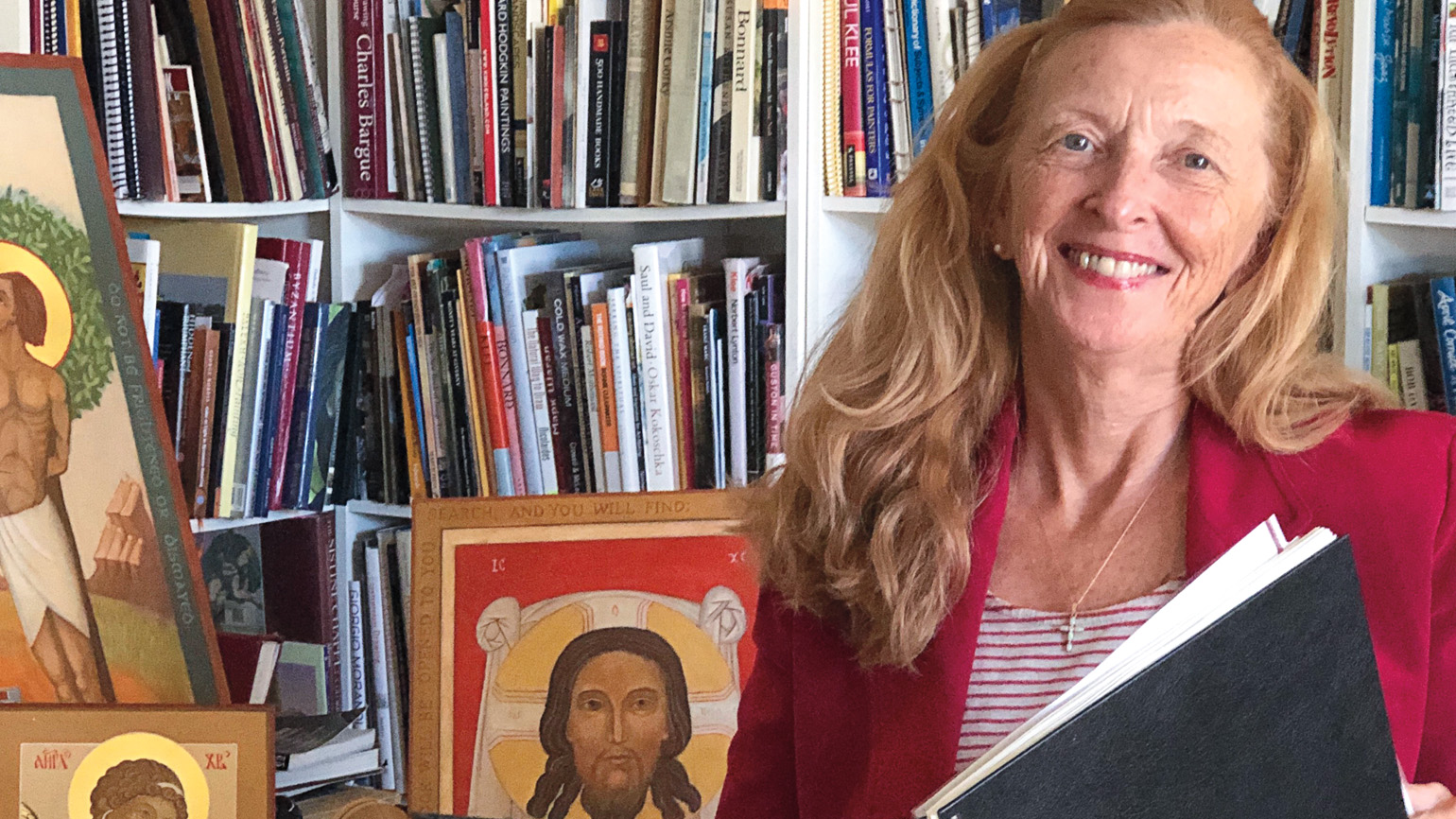
It was the summer of 1994, and my husband, Mick, and I were being shown around the French convent of Saint-Georges-des-Gardes by Sister Jean de la Croix. Mick was a photographer specializing in garden and architectural photography, and he was working on a new book, Monastic Gardens. This convent in western France was one of many we’d visited in the past weeks, so Mick could take photos of the grounds.

I was admiring Saint-Georges-des-Gardes’ stark and unassuming beauty—the bare walls, the simple arrangements of fresh wildflowers on a table in the hallway, the polished, dark gray stone floors—when Sister Jean pulled me aside.

“Your husband tells me you’re an artist from New York,” she said, a glimmer in her eye.

“Yes,” I said. “I’m a painter.”

Even as I said the words, they felt hollow. When I had first picked up a paintbrush as a child, it felt as if I was channeling something bigger than myself onto the canvas. I’d chased that feeling all the way through art school. Then it vanished. I’d hit a creative rut. I’d painted everything under the sun, from landscapes to abstract shapes, trying to snap myself out of it, but none of it spoke to me. I was beginning to think it was time to give up painting.

I’d even started attending graduate school for art therapy in an attempt to shift careers, but so far I still felt I was just going through the motions. I missed that profound and purposeful feeling I’d felt when I started painting. Somehow I’d lost it along the way, and I was left yearning for it.

“If you’re an artist, then you must see Sister Myriam,” the nun said decisively, bringing my attention back to the present. “She is our resident iconographer. She’ll want to meet with you.”

An iconographer? I wasn’t sure what that meant. I vaguely remembered studying icons in art school. The traditional portraits of saints and other religious figures were painted using a technique with ancient origins. I’d certainly never heard of a contemporary iconographer. But I didn’t want to seem impolite after Sister Jean’s hospitality, so I agreed to come back the next day to meet with Sister Myriam.

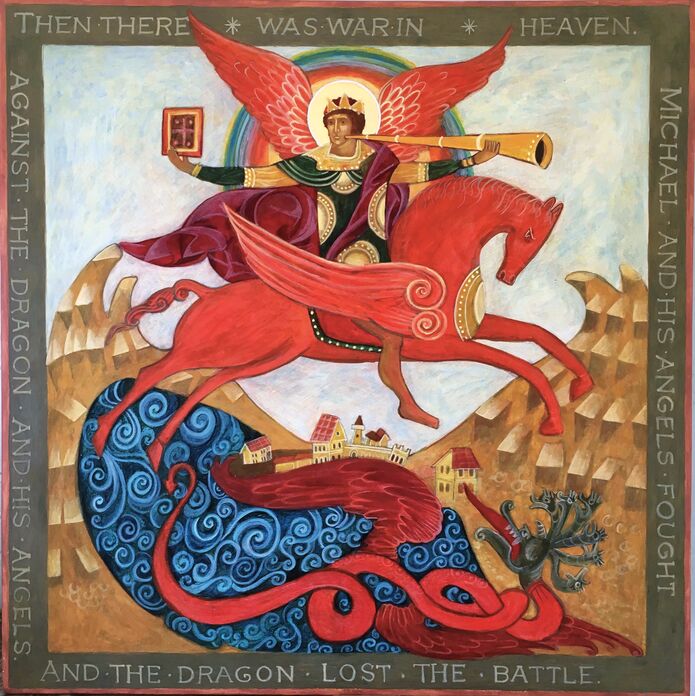
Saint Michael and The Dragon by
Christine Hales

Her studio was a small room in the basement of the convent. Sister Myriam was a tiny, hunched old woman. She beckoned me inside. As I looked around, she pulled out a shoebox. She sat at a wooden table and motioned for me to sit next to her, and I did.

Inside the box were hand-painted postcards, each featuring a different icon. They were absolutely stunning, vibrantly colored and filled with intricate details despite their diminutive size. She took them out one by one, gently passing them to me and describing the painting and her artistic process. She didn’t speak English, and I didn’t speak much French. Yet incredibly, somehow, we were able to communicate. She told me that prayer was a key part of the iconography process, that each icon took hours to create and that the artist spent that time communing with God, reflecting on his inspiration. As she spoke, a feeling overcame me. I’m not sure how to describe it, other than that I felt God’s presence in the room, nudging me toward a realization that this was what I’d been searching for. These icons were everything I’d been reaching for as an artist up to this point. They required the utmost technique, skill, symbolism, meaning. It was a way to capture the spiritual—the ephemeral—in an image. It was faith made tangible.

I spent almost four hours in that studio. I emerged a different person. My husband even noticed it when I returned to our hotel room.

“What happened?” Mick asked.

“What do you mean?”

“I don’t know—you look different.”

I felt different.

When the trip was over and we returned to the States, I immediately met with my graduate advisor to change my focus of study. I was going to be an iconographer.

Over the past three decades, I’ve studied the Russian style of icon painting, along with the Greek, English, Italian and Coptic styles. I’ve learned from them all and used the lessons they’ve taught me to inform my own style. My work has been commissioned by churches and individuals and displayed across the world. I feel a deep sense of satisfaction, knowing that my icons help keep this sacred art form alive for others to experience.

For me, being an iconographer is all about using the knowledge of the past masters to bring that spirit—that faith—into the modern era. Hopefully, my art will inspire others to reconnect with God, the ultimate source of creativity, and affirm their true purpose. Just like my timely encounter with Sister Myriam and her icons did for me.

How an Adopted Cat Saved His New Owner’s Life

Amy Jung of Sturgeon Bay, Wisconsin, didn’t plan on adopting a cat. She only went to the Door County Humane Society on February 8 with her son, Ethan, to play with the animals.

But one feline caught her eye. A hefty orange-and-white furball, lying on a counter. Amy asked an employee about the cat. Pudding was 8 1/2 years old and had two previous owners, a family who gave him up because their son was allergic and an older woman who had passed away.

Pudding instantly bonded with Amy and Ethan. Amy couldn’t explain it. She just felt a strong connection. That day, Amy decided Pudding had to come home with them.

Pudding didn’t act skittish at all when he entered his new home. It was like he belonged there.

Amy went to bed that evening around 9:30. A little more than an hour later, she awoke with a start.

She felt pressure on her chest. Pudding was on top of her. He was swatting at Amy’s face, nipping at her nose. Amy tried to move but couldn’t. She realized that her arms and legs were shaking uncontrollably. A diabetic since the age of four, Amy instantly knew what was happening. She was in the middle of a diabetic seizure.

Pudding was helping her come out of it.

Amy called for help and Pudding leapt off her chest, running out of the bedroom. He ran to Ethan’s room and jumped on the boy’s bed. Ethan woke up and heard his mother’s call for help.

If there had been any type of delay in getting Amy the glucose shot she needed, she could have gone into a coma. Amy’s doctor said Pudding’s quick actions saved Amy’s life.

At her doctor’s suggestion, Amy had Pudding registered as a therapy animal. An official title to go with the one most people are applying to Pudding: Hero.

We know that animals have the incredible ability to detect when something is wrong. Is it something biological? Just instinct? Perhaps. But why did Amy feel so drawn to Pudding at the shelter? Why did she bring her home that day? That’s something to wonder about.

Keep sending your Mysterious Ways stories to mw@guideposts.org. We always love to hear them, and we’ll publish the best on our website and in our Guideposts publications.

How a Mysterious Hospital Visitor Led Her to Believe in Near-Death Experiences

Laurin Bellg has practiced medicine for more than 20 years, specializing in critical care. While working in intensive care units, she has encountered several patients who’ve had near-death experiences (NDEs). Her book, Near Death in the ICU, focuses on the importance of doctors listening to their patients’ mysterious experiences. Her interest in the value of these stories started with two inexplicable experiences: that of one of her first patients—and her own.

The little girl looked familiar. She sat in the corner of my hospital room, staring out the window. She wasn’t looking at me or saying anything. She seemed serene. I found her presence uplifting after a harrowing week of being severely ill. But who was she? And what was she doing here in my hospital room?

I’d been admitted to the hospital a few days before, diagnosed with septic shock from a urinary tract infection. I was in my mid-twenties and too focused on my job in viral research to pay attention to my symptoms. It didn’t occur to me that I had an infection that moved to my kidneys until I became sick. Really sick. My husband, J.C., came home from work to find me barely conscious, with a fever of 105°. I don’t even remember going to the hospital.

The doctors immediately started me on antibiotics and monitored my condition closely. Those first few days, I was improving but still pretty out of it, drifting in and out. One afternoon, I was awake and lying on my side, facing the window. I was hooked up to an IV, the medicine slowly infusing into my veins, the heart monitor making steady beeps. J.C. sat nearby. That’s when I noticed the little girl.

She was about 10 years old. Her short red hair was parted on the side and pulled back with a plastic barrette. She wore a simple cotton dress, cardigan and white ankle socks with Mary Jane shoes. It was similar to outfits I’d worn as a child, growing up in the 1960s.

“Who is that?” I asked my husband.

“Who?” he asked, looking up from his magazine.

“The girl in the corner.”

J.C. glanced over, then looked concerned. “There’s no one there.”

Was I hallucinating? I could see her; he couldn’t. It didn’t make sense. I’m a fairly logical person. It’s what prompted me to go into research, what made me want to be a doctor. I’d just been accepted into medical school at the University of Tennessee. I’d been waiting for the first semester to start when I got sick.

When the doctors heard I was seeing things that weren’t there, they performed various tests and mental health assessments on me. They double-checked my medication to make sure none of it caused hallucinations as a side effect. Nothing appeared to be wrong.

“We’re not sure what could be causing her to see this,” I heard them tell J.C.

The little girl appeared a few more times during my stay at the hospital. Sometimes she’d be sitting at the window. Sometimes she was standing nearby, looking at me, a subtle smile on her face. Even though I didn’t understand what I was seeing, even though it should’ve terrified me, it didn’t. I let go of the need for a logical explanation.

The little girl’s presence actually became a source of comfort. Because I was the only one who could see her, I felt as if she were there just for me. As if she’d been sent to keep me calm and to reassure me in the midst of this scary illness. It got to the point that I would look for her. But why a little girl? And who or what had sent her? Whatever the answers, her presence there just made sense somehow.

Judging by everyone else’s reactions, though, I decided to keep her recurring visits to myself. When the doctors asked how I was doing, I didn’t mention her. Still, it felt as if an important part of my healing process was being ignored.

After about a week, I was released from the hospital. J.C. and I stopped at a diner on the way home. While enjoying my first nonhospital meal in a while, I suddenly saw the girl. She sat curled up alone in the booth across from us, with that same soft smile on her face. I felt a familiar calmness wash over me and couldn’t stop staring at her.

“Everything okay?” J.C. asked.

“Yeah,” I said, returning to my meal. We left the diner for home, and I never saw the girl again.

Memories of my hospital stay and the little girl faded. For the next four years, medical school consumed me. It was grueling and intense. Countless hours of study. Sleepless nights with lots of coffee. A packed class schedule, rigorous exams and shifts in busy hospital wards.

Before I knew it, I’d graduated and was walking into my first day of residency training in internal medicine. It would be my first time taking care of patients outside medical school. Though I was still working under supervision, as a resident I’d be taking on a new level of responsibility. When patients were ill and afraid, when they needed attentive care and their families needed reassurance, I’d be one of the first people they’d see. The encounters were going to be emotional and sometimes messy. But I was excited to help heal people.

One of my first patients was a friendly elderly man named Samuel, who came in with a serious abdominal condition. He needed surgery. As a resident, it was my job to prep him and get his consent. I explained the specifics of the procedure.  Samuel, usually lively and talkative, grew suddenly quiet.

“Sorry, doc,” he said. “Can’t do it.”

Maybe I wasn’t being clear enough. I explained again that the surgery was necessary to save his life. Samuel shook his head.

“If you don’t have this surgery, Samuel,” I said, “it’s likely that you’re going to die.”

He took a deep breath. “I’ll never have surgery again,” he said.

“Why not?” I asked.

“Because the last time I had surgery, I could see the whole thing. I saw them cut into me. I saw it all from up above my body, looking down. I won’t do it again.”

I’d never even heard of anything like that. I’d seen on his chart that he’d had abdominal surgery years before. From what I’d read in the report, everything had gone fine. Had his anesthesia somehow worn off?

“Were you in pain?” I asked.

“No,” he said. “I was floating above my body. I couldn’t tell them to stop. I won’t do it again. I can’t.”

Tears rolled down his cheeks. I sat down with him and patted his arm, comforting him until he calmed down. I didn’t know what to say. I didn’t know how to help him. I felt useless. Why hadn’t my years of medical training prepared me for something like this?

I jumped at my pager going off.

The surgical team was ready. When I told my supervising resident what Samuel had said, he advised me to write that Samuel had refused surgery. “I wouldn’t mention the other stuff,” he said. That’s when I learned it wasn’t safe to talk about such things in medicine.

Samuel remained resolute in his decision not to get the surgery. He died a few days later, his family by his side. Afterward, his wife came to speak to me.

“You know why he refused to have the surgery?” she asked.

“Yes,” I said. “I am so sorry for your loss.”

She nodded. “Have you ever heard of anything like that before? Like what happened to him?”

“No,” I admitted. “But just because I haven’t heard of it doesn’t mean it’s not real.”

“Now that you know, maybe…” she said. “Maybe you can help someone else.”

I pored over Samuel’s medical charts, trying to understand what had happened. But nothing in the file or my medical books gave me any indication of what it could’ve been. I thought back to when Samuel had said no, how scared he had been. He’d had a profound experience, something he couldn’t fully describe. And there was no one to talk to about it. I couldn’t imagine how isolating that felt.

Except, in fact, I could. It all came flooding back. My hospitalization four years before. The little girl with the red hair and Mary Jane shoes. How she’d been there to comfort me as I recovered. And how I’d felt unable to share her repeated visits, isolated from those who could not see her.

Maybe I couldn’t explain what happened to Samuel with my medical knowledge. But if there’s anything I learned from my own experience, it was that maybe I didn’t need to. I’d been steeped in an atmosphere of medical logic for so long that I’d forgotten how to respond when faced with an unexplainable experience.

After all, when I kept seeing that little girl, I had to keep her a secret, afraid of being deemed mentally unstable. And yet she’d been such an important part of my recovery. I wondered if being able to discuss Samuel’s experience with him in a more in-depth way would have changed the outcome for him. I decided that if I wanted my life’s work to be helping people heal, I had to be open to their spiritual process as well.

Over the past 20 years, I’ve listened to many patients’ stories. I’ve seen how acknowledging their experience can be a profound part of helping them heal, not just physically and psychologically but emotionally and spiritually as well. It’s an important part of good patient care. Sometimes my logical self still struggles to make sense of their experiences.

But I don’t have to understand it to acknowledge its importance. I still wonder about my own experience. Who was that little girl in my hospital room all those years ago? I may never know. But I’m forever grateful for her and the lesson she taught me: There’s space for mystery in healing.

Did you enjoy this story? Subscribe to Mysterious Ways magazine.

How a Mysterious Dream Became a Divine Warning

At the end of my first semester of college, my dad and two of my high school friends drove from our hometown in Ashtabula, Ohio, to my school in Richmond, Indiana, to pick me up and drive me back home for winter break.

When I saw Dad’s car pull into the dorm’s parking lot, I felt a flicker of fear. Don’t worry about the dream, I told myself. Dad will be driving for sure. The car was Dad’s pride and joy. It was the first new car he’d ever bought and only three years old. I grabbed my bags and walked down to meet them. My friends jumped out and gave me big bear hugs, joking around and laughing. Dad was the last to greet me with a solid handshake and a tired smile.

“Why don’t you drive?” Dad said. “I woke up early. You’ll be fresher than me.”

I stared back at him dumbly.

“Something wrong?” he said.

“No, I’m fine,” I assured him.

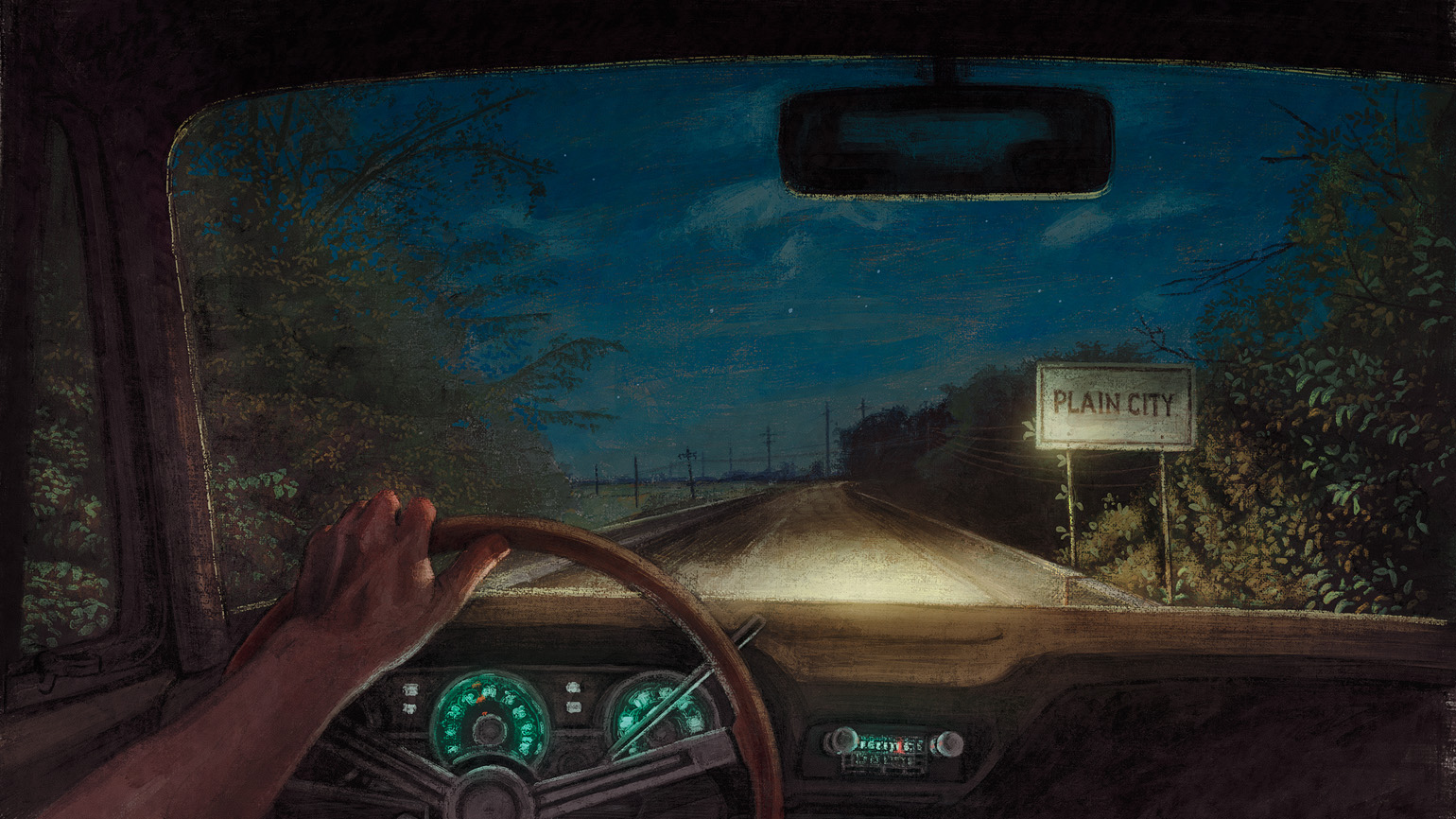
But my hand trembled as he handed me the keys, the dream from the night before still fresh in my mind. I’d been driving this very car. Dad was in the passenger seat, and my two friends had been in the back. It was early evening, and I was on a two-lane road, not the interstate that I typically took home. Rising out of the darkness was a white sign with black lettering that read, “Plain City.” The road curved right onto a large steel bridge, and two cars passed by in the oncoming lane, preceding an approaching tractor-trailer truck.

I steered the car into the turn, but with a sickly thud, the right front and back tires slipped off the road and onto a steep gravel berm. I panicked, turning the steering wheel hard to the left, jerking the car out of the berm and into oncoming traffic. The tractor-trailer was now veering toward me. I felt fear and impending doom. I waited for impact—

I woke with my heart pounding. It had felt so real. Was Plain City a real place? If it was, I’d never heard of it. I calmed down a bit, relieved that it had all been a dream.

“Ready?” Dad said, bringing me back to the present. I nodded, started the car, and pulled out of the parking lot to begin the five-hour drive. I was determined to drive cautiously and responsibly behind the wheel of Dad’s prized vehicle.

We crossed the Ohio state line. We’d been on Interstate 70 for about an hour when Dad said, “Take this exit on the highway. That way, we’ll bypass Columbus and rush hour traffic.”

“Okay,” I said. It was getting dark. I switched on the headlights and exited onto Route 42, a two-lane road. My friends and I shared old stories from our high school football days, and I was feeling more relaxed than I’d been at the beginning of the trip. I drove for about another 20 minutes, miles from any city. The sky was pitch dark. Ahead, I saw that we were approaching a small town. My headlights illuminated a road sign. It was white with black letters: Plain City.

My stomach dropped as the road curved to the right over a steel bridge. Two cars rounded the bend, and I began to turn, then—thud! The right wheels of Dad’s car veered off the road and onto a steep berm, spinning in the gravel.

As if by muscle memory, I didn’t try to correct the car. I knew what to do. I kept the wheel straight, driving partly onto the berm. A tractor-trailer rounded the bend and whizzed past.

After it went by, I methodically steered the car back onto the road and continued over the bridge.

“Wow, it’s good you didn’t overcorrect,” Dad said. “You might’ve hit that truck.”

Finally, it all made sense. That dream. It wasn’t just some sleep-addled craziness. It was a warning, meant just for me.

How a Mysterious Cardinal Became a Divine Reminder

Tap. Tap. Tap.

What is that? I turned to face the glass door in my bedroom.

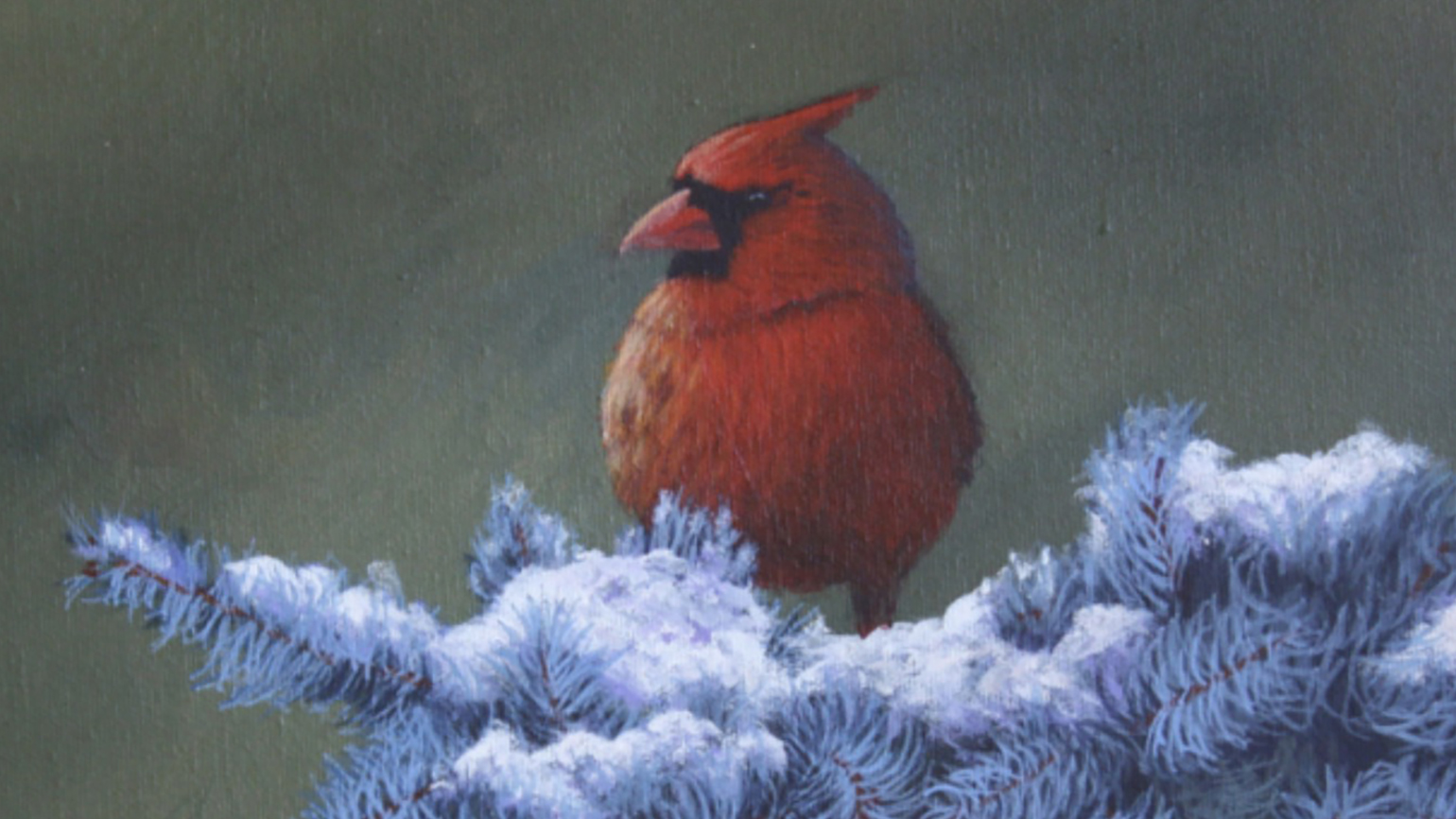
A cardinal, perched on the planter outside, flew up to the glass, bumping its body against it as if trying to get my attention. I’d seen cardinals in the yard before. They were my favorite birds. But in the 25 years I’d lived here, I’d never seen one this close to the house.

My morning visitor was a welcome distraction. For the first time in months, I woke up feeling something besides grief. Exactly two months before, I’d lost Dave, my husband of 40 years, to cancer. We’d married young, and he’d always been my rock. My children and grandchildren supported me the best way they could, but I didn’t know how to face life without Dave by my side.

The little cardinal in the window gave me the first sense of peace I’d had since Dave’s death. It gave me the strength to run some errands. Dave would’ve known how much joy that bird would bring me, I thought as I paid for my groceries at the store.

Dave knew cardinals were my favorite bird. He always used to point them out to me in the yard. An artist, he had even painted some beautiful cardinal portraits for me. I was almost tempted to believe Dave had something to do with it. But it was probably just wishful thinking.

I got home and put away my groceries. When I walked into the bedroom, I heard it again. Tap. Tap. Tap.

The cardinal was back! He cocked his head, his black eyes peering into mine. Could there be something more going on?

For the rest of the week, he woke me up in the mornings from his spot on the planter and appeared again at dusk, as if to say good night. He popped up in various other places throughout the day, usually just when I needed some encouragement.

When thunder shook my house, the cardinal sat out in the rain to comfort me through the whole storm.

One Sunday, when I came back from church, I dreaded walking in the front door. The house always felt so lonely at the end of the weekend, the time Dave and I used to set aside to spend together. But my spirits soared when I noticed the bright red bird waiting for me.

Of course, I told my family all about my new friend. My grandchildren especially wanted to see him for themselves. “I can’t say for sure when he’ll come,” I warned them when they came for a visit. “Don’t be disappointed if he doesn’t happen to be around while you’re here.”

I shouldn’t have worried. The cardinal stayed close by the grandkids throughout the day, as if he wanted to visit.

This was just the beginning. For the next three years, the cardinal continued to make regular appearances. He seemed to know just when my grief would hit me, and would show up when I most needed to be uplifted.

One summer evening, I was taking a walk around my property. I was heading up my gravel driveway when I spotted the cardinal on a power line. He didn’t usually accompany me on my evening walks, but by now, I knew he might appear anywhere, anytime. I wonder why he’s come to me here now, I thought.

The cardinal flew a few feet before landing back on the line. Again and again he flew a few feet and stopped, as if trying to keep just ahead of me. Suddenly, he dove off the power line, swooping down and landing on the dark gravel. He was about 15 feet in front of me and—I gasped when I saw it—one foot away from a snake. I would have walked right into it if the cardinal hadn’t warned me.

I froze in place. So did the cardinal. It didn’t move until the snake had finished crossing my gravel driveway. The cardinal looked back at me, making sure that I was safe, and then, mission completed, flew off into the trees. If there was any doubt about the purpose of the cardinal’s visits to me, they disappeared that warm summer evening.

I smiled, watching him disappear among the leaves. The message was clear. God understood my pain and wanted me to feel his presence in a real and tangible way. Although Dave could no longer be by my side, God always would be.

How a Mislabeled Can of Corn Saved the Day

In just over two hours, I was expecting 100 people at my house for my father-in-law Larry’s seventieth birthday. I was right on schedule, putting the finishing touches on my corn casserole, when I froze. Where was the can of corn? I ran to my pantry, thinking I might have left it there. No luck.

Did I buy frozen corn instead? I rushed to my freezer and rummaged through bags of icy vegetables. Nothing.

Larry’s health wasn’t great, and I really wanted to make this party special for him. I’d planned meticulously, making a list of ingredients I’d need to whip up big batches of Larry’s favorite foods—such as this corn casserole. The original recipe called for peas, but my kids hate them, so I always substituted corn. The finished product is cheesy noodles with chicken and corn, melted to perfection in the oven. I’d made it for dinner dozens of times, and since my in-laws live across the street, they often enjoyed it with us. As I stood there, staring into my corn-less freezer, I could hear Larry’s compliments about the dish. “This is delicious, and the corn really sets it off,” he would say every time. “It gives it just the right texture. It wouldn’t be the same without it!”

I glanced at the clock. No time to run to the store. I considered asking my husband, Eric, to go, but he was setting up all the folding tables and chairs. I scanned my shopping list. I hadn’t even written it down. How could I have forgotten?

I’ll just have to make it without the corn, I thought.

I hated admitting that the party would no longer be absolutely perfect, but I needed to get these casseroles in the oven and move on to the next dish.

As I mixed the cheese and the chicken into the cooked noodles, my five-year-old, Nathan, wandered into the kitchen. “What are you making?” he asked.

“My corn casserole, except I can’t find the corn,” I said. “Would you be a good boy and help me look for a can of it in the pantry?”

To be honest, asking him was more just to keep him occupied and out of the way than anything else. Nathan dragged a step stool in front of the pantry, stood on it and started digging around.

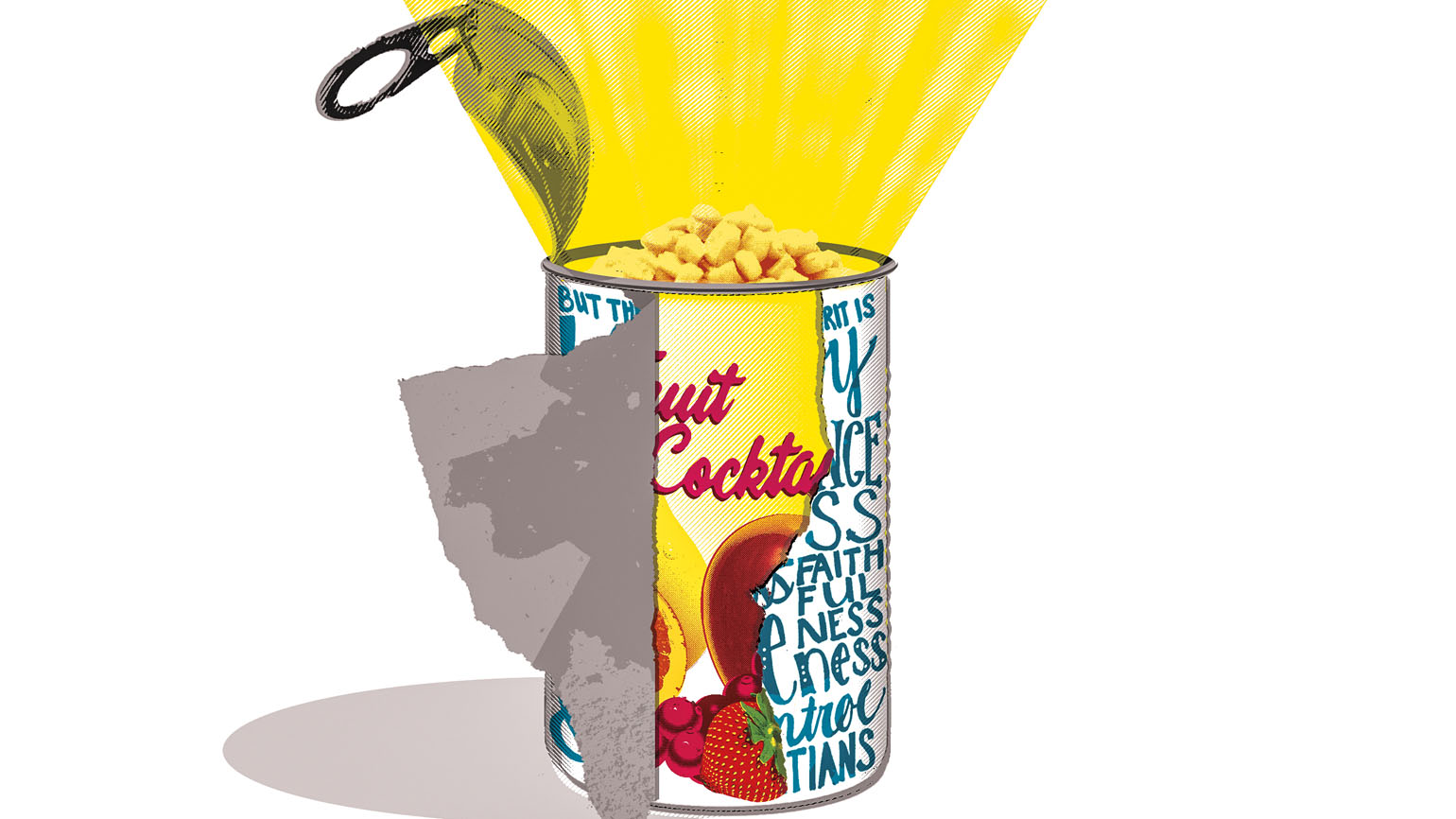
“I don’t see any corn, Mommy. But what’s this?” he asked, holding up a can of fruit cocktail I’d gotten as a gift for helping with my church’s Vacation Bible School. The theme the previous summer had been “the fruit of the spirit,” from Galatians 5, and the can’s label was covered by a decorative paper sleeve listing them: love, joy, goodness, kindness, peace, patience, gentleness, faithfulness and self-control.

“It’s a can of fruit from church,” I said. “Remember VBS last year? When we learned about fruit of the spirit? The folks at VBS gave us real fruit to remind us of that.”

“Can I eat it?”

“No, you’ll spoil your dinner.”

“Pleeeeeaaasse?”

“Fine, I don’t care,” I said, balancing a casserole as I inched toward the oven.

Nathan jumped off the step stool and ran to get the can opener. Moments later, I heard him gasp. “Mom, come here!”

“Nate, I’m really busy.”

“It’s corn.”

What? Nathan showed me the can’s contents. No fruit cocktail. Corn! Apparently, I was the lucky beneficiary of a mistake made by the person in charge of wrapping the VBS cans. She must have accidentally grabbed a can of corn along with all the fruit. Relieved, I poured the corn into the second casserole, then set aside the empty can to show Eric later. I would make sure Larry’s serving came from the second pan at the birthday party. No one else would notice the difference.

The temporarily missing corn was the only mishap of the day. The party went well, and Larry had a wonderful time. More than once, he mentioned how delicious the corn casserole was.

After the guests had all left, I was cleaning up the kitchen and remembered the mystery can. I picked it up from where I’d stashed it and pulled back the decorative sleeve, revealing the manufacturer’s label underneath. I stopped short. Clearly, it was far more than luck that had brought me what I needed that night. In bold red letters, the can was labeled Fruit Cocktail.