Embrace God's truth with our new book, The Lies that Bind

Heaven, Hell and ‘The Garden of Earthly Delights’

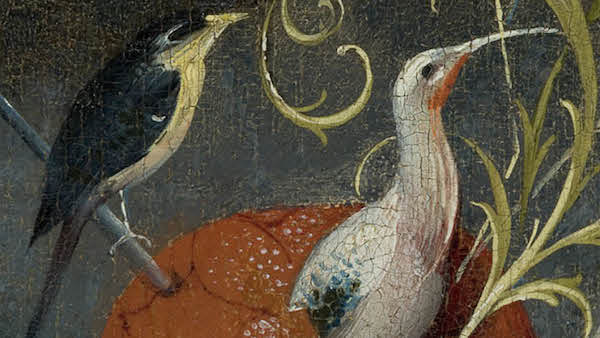
Around the year 1500, a middle-aged Dutch painter created a three-paneled artwork depicting the corruption, and ultimate downfall, of humankind. Dubbed “The Garden of Earthly Delights,” Hieronymus Bosch’s artwork shows the Garden of Eden, the sins of men on Earth, and a terrifying fate in purgatory. To see it, you’ll have to go to Museo del Prado in Madrid… or you can check it out online thanks to the New Yorker magazine and NTR, the Dutch public broadcasting service.

It’s hard to know where to look first, the painting is so rich with imagery—both beautiful and bizarre. Compare the cute, happy bunnies by Eve’s feet in the first panel, with the horrifying, humanoid rabbit in the last. The symbol for “Be fruitful and multiply” has transformed into a demonic torturer.

Garden of Earthly Delights by Hieronymus Bosch, Museo del Prado

Kind of makes you want to be good, doesn’t it? Even after more than 500 years, these brushstrokes still have the power to move our conscience and stir our soul. Take some time to explore the painting and discover what it means to you.

Has a work of art ever inspired your faith? Has your faith inspired you to create a work of art? Share the paintings, sculptures and other incredible creations that have influenced you!

Read more amazing stories! Click here to subscribe to Mysterious Ways

He Asked God How to Cope With His Devastating Parkinson’s Diagnosis

“You have Parkinson’s disease and progressive supranuclear palsy.”

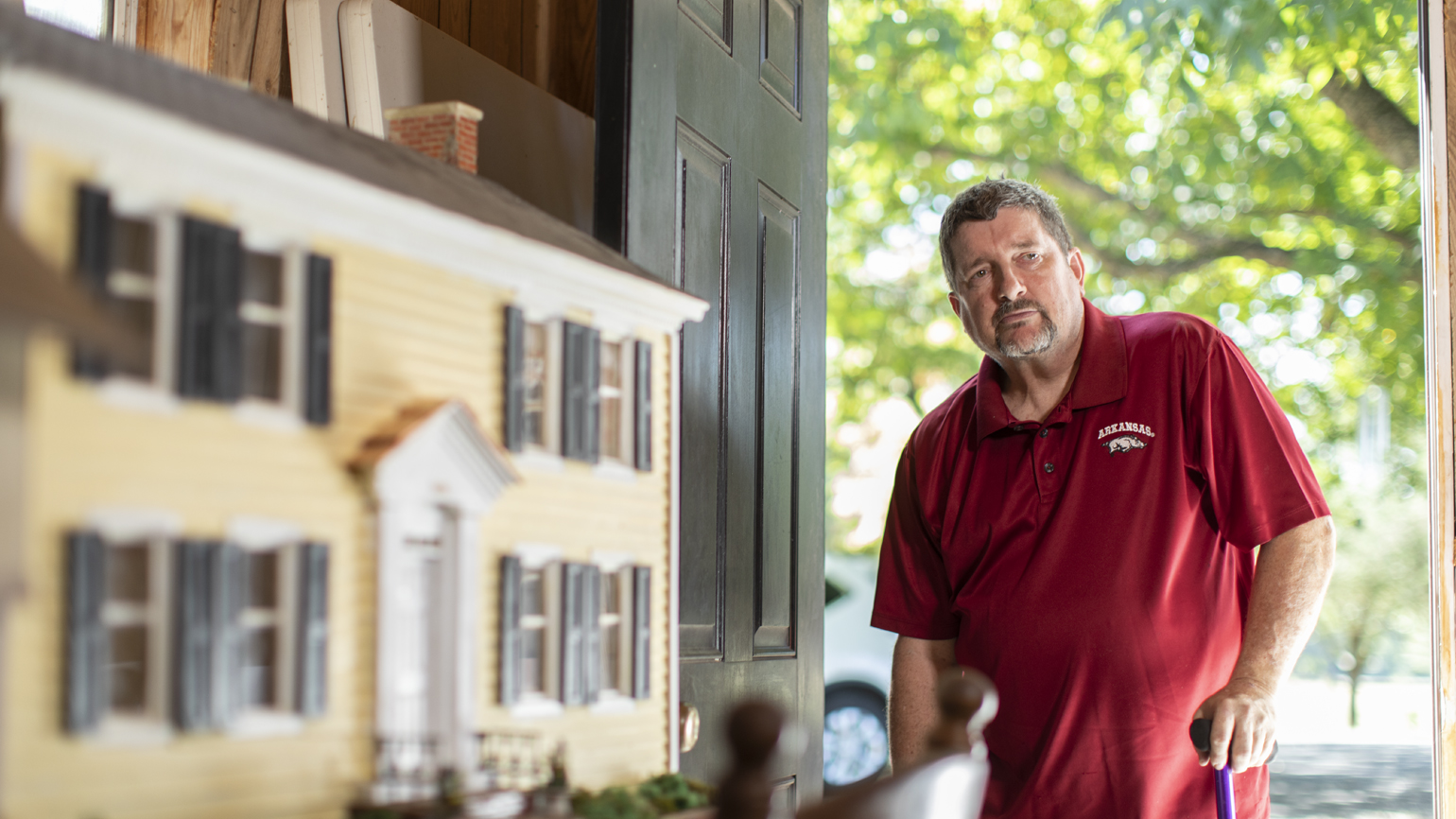
With those words, my life was changed forever. I sat numbly on the examination table as my neurologist explained that, in addition to Parkinson’s, I had an incredibly rare, often fatal, form of palsy that also attacks the body’s motor systems.

“As the diseases run their course, you’ll lose your ability to walk and stay balanced,” she continued. “Eventually, even chewing becomes difficult…. I’m sorry, Mr. Roberson, but you’ve got about four to seven years to live.”

Everything she said after that was a blur. At 55, it felt as if my life was pretty much over. My dad had died of ALS in 2007. I watched him fight that disease for 11 years. He was the most faithful, God-fearing man I knew, and I could never understand why God let him die such a horrible death.

Now I was going to die in almost the same way.

At home, I headed to the hill behind my house, where I go when I want to talk to God. I drove there in a golf cart I’d bought a while back for my grandkids to play around with. When I got to the top of the hill, I sat there and prayed aloud. “What am I supposed to do, God?” I asked. “I’m not that old. I can’t work anymore. I can’t drive. I’m going to die just like my dad. How do I handle this?”

The air was still. As clear as day, I heard the words: “Build dollhouses.”

That could not be right. Was someone hiding in the bushes, playing tricks on me? It was the most ridiculous thing I’d ever heard. I worked for a phone company for 33 years, slowly climbing my way up to the position of sales manager. I knew how to fix stuff and keep an office running. I did not build dollhouses.

“You’ve got to be kidding me,” I said and turned the cart to drive back down the hill.

But what if that had been God’s voice? What if he was trying to tell me something and I misinterpreted the message? I turned back to make sure.

“Maybe I misunderstood, God,” I said. “I’m asking you for some direction. Please help.”

The same voice cut through the silence with resounding authority: “Build dollhouses.”

I’ve been a churchgoing man all of my life. Even after my dad died and my relationship with God became strained, I kept up with church. My wife and I raised our daughters in the church. I sat on church committees. I volunteered. I stayed faithful, no matter what, just as my dad taught me.

But I had never heard God talk to me like that. I wasn’t sure what to make of it.

I had an appointment with my neurologist the next day. “I’m thinking about building dollhouses,” I said, expecting her to laugh.

“That is an excellent idea,” she said. “You need something to keep your hands and your brain engaged. Depression is a real danger with Parkinson’s. Get yourself a kit on the way home and start today.”

Maybe it wasn’t as silly a concept as I’d originally thought. I bought a kit, much like the one I’d bought 15 years earlier for one of my daughters. I remembered thinking back then how boring it must be to build a dollhouse. As I settled in to start working, I didn’t feel much differently.

I fit the pieces together and fastened them with glue. The kit came with some items of furniture and whatnot, and I arranged them inside the finished house.

I called my wife in to take a look. I’d already told her about what happened on the hill.

“Nice,” she said. “You enjoyed it?”

“I’ll be honest with you,” I said. “I have no idea why I’m doing this. It just makes no sense!” I felt my hope slipping away. The neurologist’s warning about depression, it seemed, could easily become a reality.

My wife looked at the dollhouse. “Barry, honey, you’re doing this for the wrong reason,” she said. “You need to build this for someone. Why not give this one to Kate at church?”

She meant the little girl at our church who’d been diagnosed with cancer. I thought about presenting the dollhouse to Kate. Maybe her face would light up for at least a moment and she’d feel special.

“That’s a great idea,” I said.

I went back to work, painting the house and adding extra realistic details. I even painted Kate’s name on the little mailbox out front so it would look as if the house belonged to her.

Parkinson’s had already started to cause my limbs to shake. Sometimes I found it hard to concentrate or remember what I’d done five minutes before. But as I worked, I noticed something. My hands became sure and steady. My mind was focused. The next time I looked up from the work, it was already dinnertime. The day had flown by.

My wife drove me to Kate’s house to give her the dollhouse.

“You made this for me?” she said. “I get to keep it?”

I nodded. Her face lit up. “Oh, thank you, Mr. Barry! I love it!”

Instantly, any feelings of depression I had just melted away. I was indescribably happy to see that something I’d made had given this little girl joy. All I wanted was to get started on another dollhouse. I felt certain now that God would direct me to someone who needed it.

I got to work. This time, I went online and ordered extra pieces of furniture to make the house look even more realistic. Sure enough, by the time I was done, I knew where the dollhouse was going. Another sick child’s face lit up, and I felt convinced I’d found a calling.

I’ve been building ever since. So far, I’ve made 130 miniature structures, including many dollhouses as well as gas stations, woodworking shops and baseball stadiums.

Requests keep rolling in. People find me through word of mouth or through my website or Facebook page. They tell me about a child in need, and I get to work. The materials can cost hundreds of dollars, but I never charge for my work. I prefer to give away the miniature structures to children, to people who have helped me or to those who are just in need of a special pick-me-up.

It’s been seven years since I started. Though my health has gotten worse, I’ve outlived my original diagnosis. I’ve broken bones 37 times by falling, and sometimes my limbs jerk uncontrollably, striking my face and body. But all of it disappears when I sit down to work on a dollhouse.

I think about my dad a lot these days. This whole experience has helped me better understand his faith and my own. When I think of him now, I remember the kind words people shared with me at his funeral. “Your dad is why I came to church. He visited folks and prayed with them, even when he himself was sick. He was an inspiration.”

You never know how God is going to work in your life. I never could’ve guessed that I’d be more fulfilled building dollhouses after my diagnosis than I ever was punching a clock at a nine-to-five. If there’s one thing I’ve learned, it’s not to be ashamed to answer God’s call, even if it’s to do something you never expected. He won’t lead you astray.

Did you enjoy this story? Subscribe to Mysterious Ways magazine.

How Building Dollhouses Helped One Man Cope with Parkinson’s Disease

Hearing God Through Your Dreams

Does God still speak to us in dreams today? Scripture points to the answer: yes. God’s never-changing character (Hebrews 13:8) means he continues to meet with us at night, as he did in the times of the Bible, because sometimes it’s the only time our minds are quiet enough to hear him. Just as Jesus spoke in parables, God uses our dreams to convey messages to us. But how can we figure out what he’s trying to tell us? We asked Charity Virkler Kayembe, who has a doctorate in biblical studies and is the author of Hearing God Through Your Dreams, to share what she’s learned.

How significant are dreams to God? Very! If we add up all the Scriptural references to dreams and visions, and all the interpretations and actions that people took because of dreams, it comes to a third of the Bible. In addition, many important events happened while our biblical heroes were sleeping. For instance, Solomon received his legendary gift of wisdom in a dream. And Joseph, the earthly father of Jesus, received instruction to take Mary as his wife in a dream. Because God values dreams and visions, we should too.

Why are some dreams literal, while most are symbolic? Some people, like creatives, visionaries—really right-brained people—have more literal dreams. But for 95 percent of us, our dreams are usually symbolic, speaking to us in a figurative language we need to learn to understand. Symbolic language does not make the dream any less valid or true. Remember Joseph’s dream in which the sun, moon and 11 stars were bowing before him and all of his family members immediately recognized what the symbols represented (Genesis 37:9–10)? Though the meaning was veiled in figurative expressions, it was a true message to Joseph from God.

Why does God allow deceased loved ones to appear in a dream? As I mentioned, most dreams are symbolic. Therefore every image we see in the dream—including people, living or deceased—is most likely symbolic. Hence, the first question we ask about this person is: What do they mean to us? What is the main characteristic we identify in them? We also consider the main action in the dream, as well as the main emotion. Did you feel peaceful or angry? Were you disappointed or grateful? Finally ask yourself, Where in my waking world am I experiencing this and feeling this way? Once we match up the emotions, we know what area of our waking life God is speaking to through our dream.

What if I don’t recognize anyone in the dream? Remember the principle that most dreams are symbolic and that the symbols are personal to the dreamer. The key may be in what the person in the dream looked like or their name. If you’re talking with them, how did you feel about it? Were you excited to talk with them? Were you anxious? Often it’s less about the people and more about the action going on in the dream. For example, let’s say you just got a new job in your waking life. That night, you have a dream in which you’re talking with people you don’t know yet you feel comfortable with them. God may be giving you peace about the new job you just accepted, reassuring you that you’re going to fit in just fine.

What does it mean if celebrities show up in our dreams? Even celebrities are symbolic! In fact, this helps you not rush to judgment and maybe disregard the dream as unreal. I’d recommend asking yourself these questions about that celebrity: What is the meaning of their name? What is their dominant personality trait? What are they known for? For example, one time I dreamed about Whitney Houston. I couldn’t figure out what she had to do with my life. But as I thought about it, I remembered I had been praying about whether I should go on a mission trip to Texas. Well, her last name was my answer. If I had not looked at her as a symbol, this dream would never have made sense.

Is every element or detail in a dream important to God? Some people have vivid dreams—pages of details you might be tempted to write down. Nobody wants any part of God’s revelation to fall to the ground! But often, if you try tofocus on all the details, you can become bogged down and confused and won’t be able to interpret the dream. What’s helpful is to keep summaries of our dreams, as Daniel did in the Bible. I usually write down just one or two paragraphs.

How will we know if we interpret the dream correctly? All interpretations belong to God, so ask him for guidance first. The interpretation also has to resonate in the dreamer’s heart—and then you’ll know you have the answer. Dreamwork is supposed to be fun! It shouldbe easy enough for a child to do. Ifwe want to get the right answers, we have to ask ourselves the right questions. So the right questions would be: What is the waking-world setting of the dream? That is, what were you thinking about and praying about before you fell asleep? What is the dream’s main action? What is the main emotion? When you overlay these actions and emotions upon your waking world, you are able to match up your dream with something that’s going on in your life right now. All of these secondary things—such as what a person or thing represents in the dream—will shift into focus at that point.

Does everyone dream at night? Sleep studies have proven that we all dream every night. The problem people may have is that they’re not remembering their dreams, but there are several things you can do to help with your dream recall. One thing you can do is to ask for dreams infaith before going to sleep. Just like Scripture tells us: “You do not have because you do not ask God” (James 4:2). You can pray, “Father God, thank you for speaking in dreams. I believe in dreams. In your Word, you promised to reveal yourself indreams and visions. Please make this a reality in my life.”

Are there any other ways we can show God that we want to remember our dreams? Yes. You can put a journal by your bed and leave it open to a blank page so that it’s ready to write in. This is a signal to our hearts that says, “When I have a dream, wake me up! I care about it. I want to remember it.” Another helpful tip is to let yourself awaken naturally. So many of us wake up to loud obnoxious alarm clocks, and that routine shatters our dream recall. But there are alternative devices we can use. For example, I have nature sounds as my alarm. They’re quiet and peaceful and the volume gradually increases, so I’m not jarred awake and I can easily remember my dreams.

Does the amount of sleep we get each night affect how well we recall our dreams? Definitely. When you fall asleep atnight and when you wake up in the morning, you’re experiencing alpha brain waves. It’s this prayerful, reflective, meditative state. You’re notreally sure if you’re awake or asleep, and the veil between the physical realm and spiritual realm is very thin.That’s also the brain wave state we’re in while we dream. Sleep studies using electrodes are able to read people’s brain waves and confirm this. When we reach REM (rapid eye movement) sleep cycle, science knows we are dreaming. The REM cycle happens every 90 minutes. So we will fall asleep and be in alpha, then go down to theta, which is as lower brain wave state, and then to the delta stage. Then we come back up to alpha and have a few more minutes of dream time. Every time we cycle back up to alpha, the period of dream time increases. So if you sleep for a full eight hours, that whole last hour is going to be almost all alpha-level dream-time sleep, full of revelation and messages for us from heaven.

Have You Ever Met a Miracle?

I’ve been thinking a lot about how people can be miracles to other people.

For instance, sometimes when I’m upset about something (like really, really upset), I happen to run into a woman named Esther who works in the same building as the Guideposts office. Whenever I see her, she dishes out wisdom that applies directly to whatever particular problem I’m facing. Sometimes unknowingly.

Like last Friday. I was annoyed about something. It had kept me up all night. I talked to God about it, but wasn’t sure how to handle the situation. Then I ran into Esther at work. I hadn’t seen her in a couple of weeks. She asked how my summer was going. We chatted a bit. And then, all of a sudden, she switched topics and gave me advice on exactly what was bothering me. I couldn’t believe it. I hadn’t even told her I was upset!

“Esther, every time I see you, you know just what to say,” I told her, dumbfounded. She just laughed, like it was no big deal.

But it was to me. I always expect God’s answers to come to me through a loud voice or some huge message written on a billboard. More often, though, God speaks to me through other people. Like Esther, who always seems to pop up out of the blue with a message that’s too “on the money” to ignore.

MIRACLES BIG AND SMALL

I guess you never really know what impact you might have on someone with just your words or how God is using you to change another person’s life. Esther is living, breathing proof to me that we can all be miracles to one another.

What about you? Have you ever “met a miracle”? Share your story below!

Happy Holy Week

Let me be frank. There are things about Holy Week that I dread. There’s some wonderful music, I love carrying palms on Palm Sunday (and seeing them pop up in people’s pockets around town), I love the celebration of the Last Supper on Thursday. But then there’s Good Friday. And it’s so sad.

Do you ever get that feeling? Not really wanting to stick around sadness, wishing it would go away, avoiding that phone call or that visit with someone who’s faced loss, wishing you could skip a certain funeral?

Down times can take the stuffing out of us. They can do that for me. I can understand only too well why Jesus prayed in the Garden of Gethsemane, “Let this cup of suffering be taken away from me.”

I think of the cowardice of the disciples, Peter denying his Lord three times before the cock crowed, the horror they must have felt watching the Crucifixion.

Interestingly enough, it’s the women who really stuck by till the bitter end, “Jesus’ mother and his mother’s sister, Mary the wife of Clopas and Mary Magdalene stood near the cross” according to the account in John.

And who are the ones who first see Jesus’ resurrected self on Easter morn? The women. Mary Magdalene thought he was the gardener at first. Then he says her name, “Mary.” He knows her. She knows him.

So this is what I remind myself at Holy Week. Be present. Be aware. Be patient. Be attentive. Even to the pain of it all. Being open to that allows us to see the bright, brilliant, dazzling, impossible-to-comprehend truth.

The Lord is risen, the Lord is risen indeed. It’s coming. Right around the corner.

Hands of Time

My dad was a very methodical man. Once he retired, every morning he’d get up, take a shower, prepare a breakfast of cereal and coffee, and then draw up his to-do list for the day. The house and the 11 acres of property it sat on needed constant upkeep.

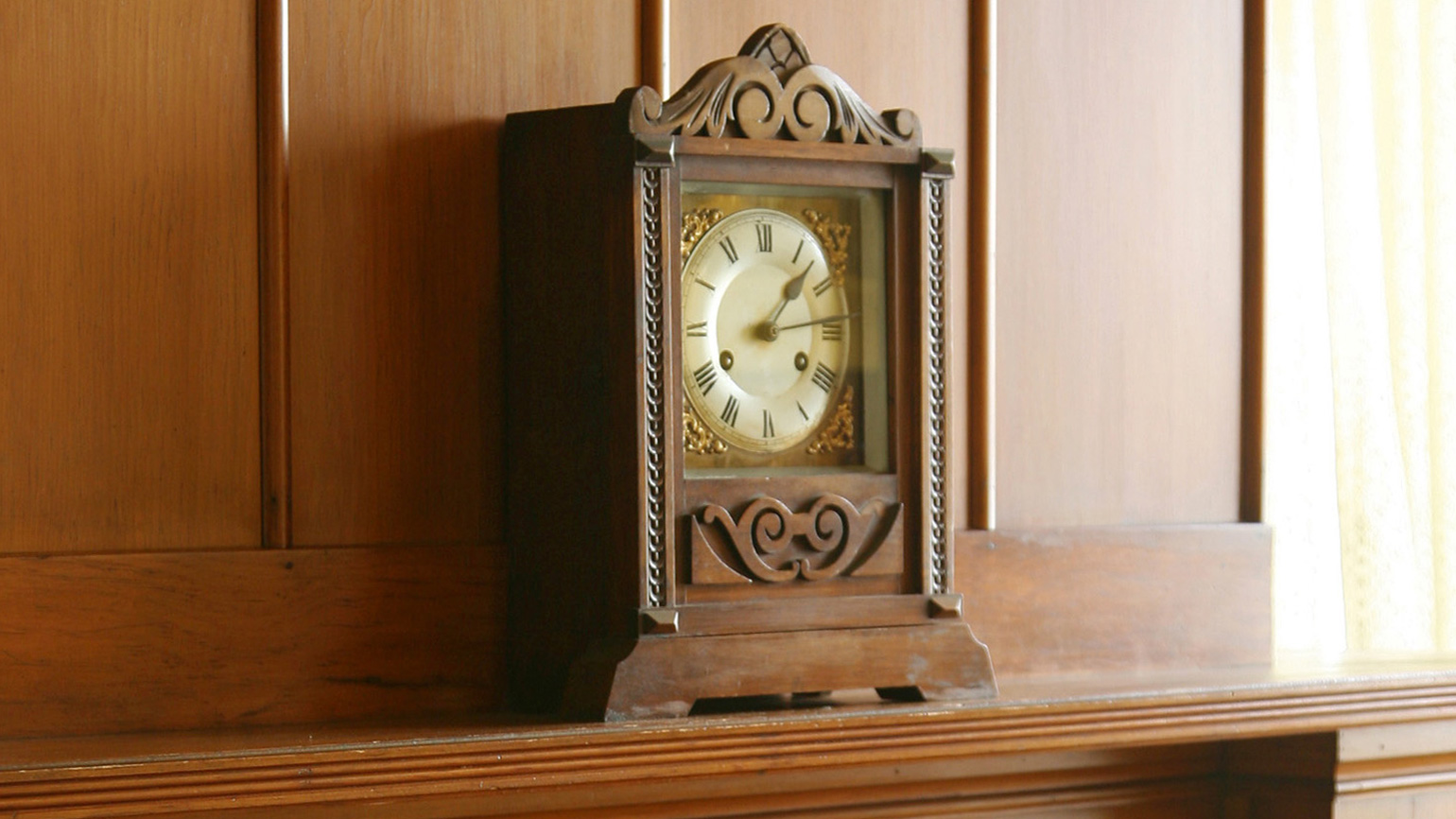
In the summer he planted and tended the garden (keeping the squirrels out was a constant battle). In the winter he made sure the pile of logs for the wood-burning stove never got too small. Even at daylight savings time, he’d make sure to reset every clock in the house, from the digital one on the microwave to the old mantle clock he’d bought Mom on their 15th anniversary.

Dad never let a task slip from his mind. If it was on his list, it got done.

In late October 2006, Dad was hospitalized with a serious illness. He passed away in mid-November. Mom and I walked through the house after the funeral in a daze. It always seemed like without Dad, this place would fall apart. What would we do now?

I looked at the clock. An hour ahead. Dad never had the chance to reset them from daylight savings time to standard time.

Together, Mom and I managed to fix every clock except for one—that anniversary chime. It was a challenge—the chimes needed to match perfectly with the numbers on the face of the clock or it would ring out the wrong number of chimes on the hour. Just as we began our attempt, we heard a loud pop and all the lights went out.

Great. I thought. This place is already falling apart without Dad.

It took the electric company about 40 minutes to come and hook us back up. We were in no mood to work on the clock. “Let’s just wait until tomorrow and try again,” I said to Mom.

The next morning—pop! The power went out again. Thankfully, the electric company responded in half the time it had taken them the night before. With the lights back on we started getting ready for the day. A loud, musical sound broke the silence.

The anniversary chime—now set to just the right time.

Dad may not be here anymore, I thought, but someone is still taking care of us.

Handmade Crafts That Created Miracles

Many of us find joy and comfort in the world of crafting. Whether knitting a hat, sewing a quilt, or crocheting a beautiful pattern, we can find God in every stitch. Check out these inspiring stories about how handmade crafts created unexpected miracles.

1. The Small Hat

When Mandy Haynes tried her first attempt at knitting, she ended up making a hat that was too small for anyone, even a baby. She laughed at her mistake and brought the tiny hat to her work at a children’s hospital the next day to show her coworkers. Mandy stuck the hat in her desk drawer and forgot about it. Until a few days later when a four-year-old girl came in for an echocardiogram. She was wearing a knit cap to cover the hair loss from her leukemia treatment and clutched a baby doll in her arms…

See how Mandy’s tiny, knitted hat became a miracle, one that returned to her in an unexpected way years later.

2. The Flying Quilt

The quilt on Lenice Hansen’s guest bed really brought the room together. Something about the cheerful floral pattern, the fine hand-sewn stitches, and that deep ruby-red border felt homey and welcoming. It invited you to curl up and get cozy with a book and a hot cup of tea or simply take a catnap. But the quilt didn’t belong to Lenice. It had ended up at her home in the oddest way–it had flown there.

Read the case of the mysterious flying quilt and the discovery of its origin.

3. The Crochet Cross

Diane Wallace’s husband, Jeff, an airman 1st class, was checking the life support equipment after a cargo run. Nothing was out of place. Except for a crocheted white cross, three inches long, left behind on one of the seats. No one knew how it got there. Jeff sent it home to Diane, to comfort her as she cared for their newborn and got used to their new home near his base in Washington. But the moment Jeff walked into the kitchen and put the crocheted cross in her hands, Diane had a strong feeling it was meant for someone else.

Read about who received Diane’s cross and how it was a sign, divinely timed.

4. The Perfect Gift

Diana Aydin mentioned to her friend Roberta how her mom is a big quilter and how much Diana loves quilts. That passing remark gave Roberta an idea. She asked God to help her find the perfect quilt for Diana, one that was charming, well-made and full of love. Over Valentine’s Day weekend, Roberta walked into an antiques store in West Virginia and there it was–the quilt she’d prayed for. Made in the 1930s, with a pattern of a girl in a bonnet and hand-stitched hearts. Roberta took those hearts as a sign, bought the quilt and mailed it off. Diana loved the gift. It was beautiful and strangely familiar… About a month later, Diana’s mom saw the quilt and gasped. “The girl in the bonnet!”

See why Roberta’s gift to Diana was more miraculous than she realized.

5. The Family Heirloom

Gloria Urian never knew her grandmother, but she knew all about her quilts. Back in the day, people talked about those quilts for miles around. Her applique and pieced works. Her artistic selection of fabrics. Her intricate, even stitches. They would be cherished heirlooms…if only Gloria’s family had held onto them. One day Gloria, her mom and her aunt decided to track down the long-lost quilts. But where would they even begin? And where would their searching lead them?

Read the incredible story of Gloria’s grandmother’s quilts and how they turned up in the most unexpected place.

Guiding Light

Most Christmas trees are tall and green with pine needles. Not my mom’s.

Ever since she and Dad had retired to their remote farm, she’d been working in ceramics. One of her proudest pieces was an 18-inch Christmas tree, adorned with lights. “It looks great,” she told me on the phone. “Can’t wait to show you.”

My husband, Jim, and I lived about a 2 ½-hour drive away, in Omaha, and that day we were coming to visit. She was concerned about our drive. “Be sure to pack an emergency kit,” Mom said. “The forecast calls for snow. Maybe even a blizzard.”

It didn’t seem likely. The skies weren’t threatening. Jim, our three young children and I headed out the door with just our suitcases and bag of presents.

The first hour, our drive couldn’t have been more pleasant—endless farmland punctuated by gingerbread-like farmhouses lit with cheery Christmas lights. Then from out of nowhere, the weather changed. The snow started and built quickly, accumulating on the fields and roads. Soon it was swirling so rapidly that we couldn’t see. I leaned forward in my car seat, so I could help Jim spot the curves in the road. We turned on the window wipers full blast.

Nothing helped. The road disappeared from sight. So did the lighted farmhouses. We wanted to stop, but didn’t dare. We were miles from the nearest town, without any supplies. Jim tried to joke about our situation, trying to ease the tension. “It feels like we’ve been driving around in circles in this pasture for 20 minutes,” he said. But I was too frightened to be in the mood for humor.

We drove on for a while, not knowing where we were or where we were headed. Then Jim pointed out the windshield. “See those bright lights? That must be a town. I don’t remember any town out here, but I’m going to head for it.”

We drove for I don’t know how long, until we reached the lights. Jim stopped the car. It wasn’t a town at all.

A man and a woman came running out. Dad, and then Mom, uttering a prayer of thanks. I stared in awe at the lights coming from their window, shining almost blindingly bright from Mom’s ceramic Christmas tree.

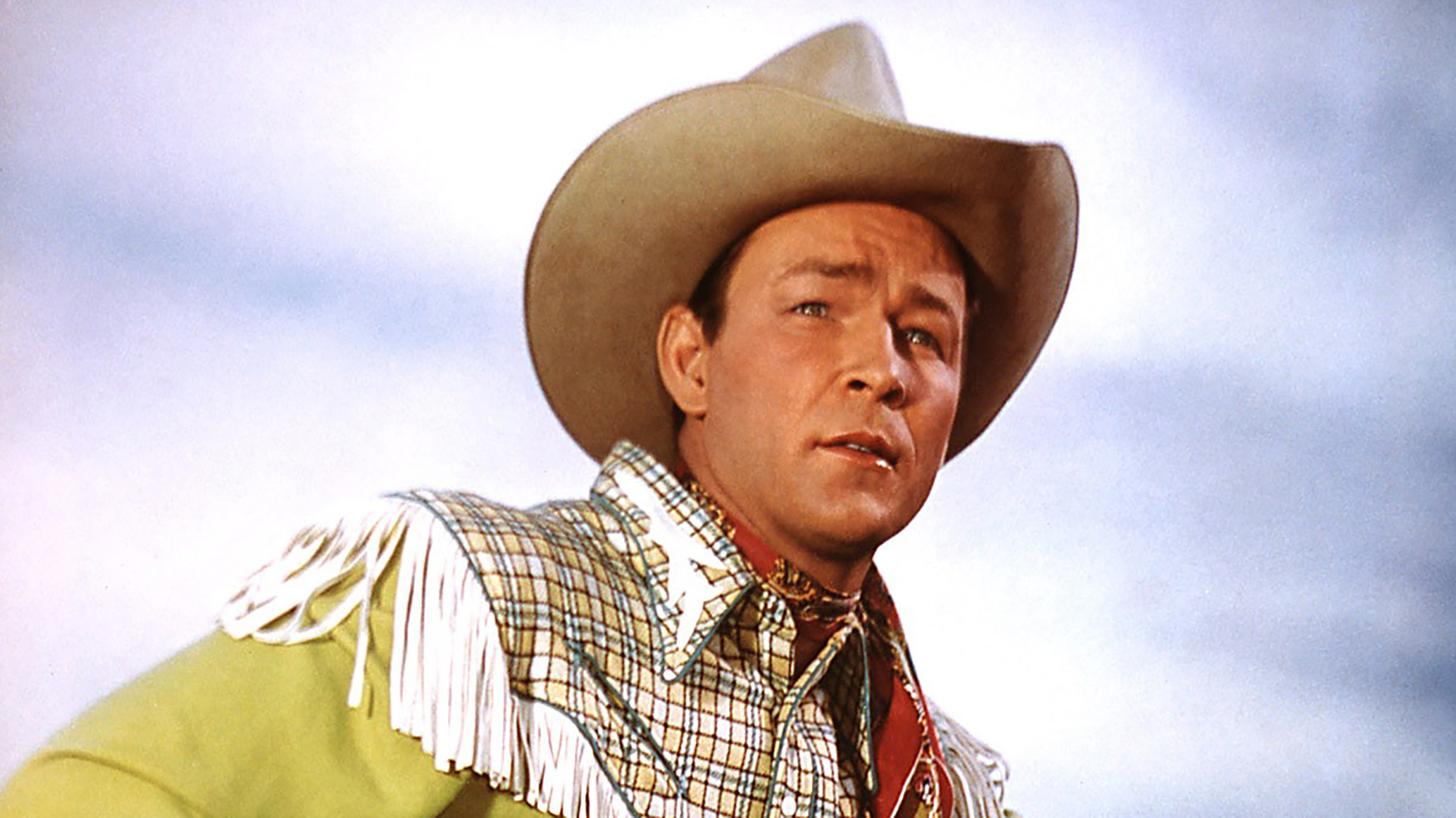
Guideposts Classics: Roy Rogers on How He Found Faith

What’s wrong with a guy who isn’t scared when he nearly breaks his neck filming Western pictures, but gets the shakes when he has to make a simple speech? For years I asked myself this question.

I was shy from my boyhood days when we lived on the Ohio River in a three-room houseboat built by my father. Our family–Mother, Dad, and three sisters–later settled on a farm outside Portsmouth, Ohio. Dad worked in a shoe factory, while my sisters and I helped Mother run the farm.

We kids went to a one-room schoolhouse, which was just an even hundred yards from the Baptist Church. I know because we measured it and discovered it a perfect distance for a foot race.

Our shoes came off after the last snow and didn’t go on until fall. To toughen our feet in the spring, we ran barefoot races from school to church over a course of tough corn stubbles. My feet grew skin an eighth of an inch thick on the bottom.

By the time I was ten I could call a square dance and play the guitar. But to get up and talk before a class, or just a few people, would make me take off across the cornfields.

I earned a dollar a week by ploughing corn on neighborhood farms, later quit school and went to work in the shoe factory to help out the family finances. When the family went to visit my sister in California, I fell in love with the far West.

I drove a gravel truck in Lawndale, California for a while, then during the depression took any kind of job. I helped build a state highway from Newhall to Castaic, later joined the “Okies,” and picked peaches in the California fruit orchards described in “The Grapes of Wrath.”

During my spare time I practiced on my guitar, hoping that some day I could make a living as a musician and a singer. Three of us formed a musical trio called the Texas Outlaws, but it was rough going. Often the three of us lived in one room, where sleeping was done by unique arrangement of daybed, couch and chair. In our travels we often had to go out and shoot rabbits to live.

Then, as often happens to a guy who wanders into Hollywood, I had a lucky break, got a spot in a picture and my film career started. When my wife died during the birth of our third child, I was faced with a demanding career and the responsibilities of raising three fine children.

The story I want to tell begins several years later. Dale Evans, a film star in her own right, and I had been making pictures together for many years. With the unanimous approval of my children, we were married on December 31, 1948.

We hadn’t been married but a few days when she started one morning with “It’s a beautiful day to go to church!”

Now I wasn’t a stranger to churches. I just hadn’t time to get acquainted with very many because of other things I preferred doing. “Honey, I’ve gotta go see Joe Miller this morning,” I said quickly. “Why don’t you go ahead without me?”

This was the first excuse I could think of, but with more advance warning I could have done much better. Dale fixed a firm eye on me, and I knew her nimble mind was working overtime.

She let me get away with it the first time, but going to church soon became the most important thing there was to do on Sunday.

One night before going to bed I noticed a new book on my reading table. “Where did this come from?” I asked, picking up a copy of the Bible.

“Since you lost your old one, I bought it for you this morning,” Dale said brightly. She knew that I knew I never had a copy of the Bible, but what can you do with a woman whose mind is made up!

Grace before meals became a regular thing. Cheryl, Linda and Roy, Jr., (the three children of my first marriage) were quick to take a part. Dale introduced a type of Grace where everyone said a sentence prayer.

I would squirm in my chair a little, hoping they wouldn’t notice me. So it went around the table, then “Why don’t you say something, Daddy?” Linda piped up.

Dale, God bless her, is the smartest and most loving woman in the world. She didn’t press me; but she never lets go of an idea she thinks is right.

Later, when I tried to explain my feelings to Dale, she would say, “The Lord gave you many talents, Roy. Some you use well for yourself, but there are some you haven’t developed at all for Him.

“If you could learn to let God speak through you, honey, you could make a good speech every time–and not die doing it.”

I didn’t know what she meant at first. To some people, religion may come in one big emotional experience. I moved to it a step at a time: regular attendance at church, reading a few passages from the Bible, saying Grace.

A warm quality grew into our family life. It was a spiritual kind of love that makes you want to do something for others.

A group of people in Hollywood began to get together and talk about all these things, people like Tim Spencer, Red Harper, Colleen Townsend, Jane Russell, Mrs. Henrietta Meers, Connie Haines, Joyce Compton, Dale, myself and others.

We would meet at different homes, some of us bringing along extra chairs. There was prayer for the problems of others; several would speak, of religion out of their own experience.

I never had enough education to understand theology, but when a fellow like Tim Spencer [co-founder of the vocal group The Sons of the Pioneers] stands up before a group like this and tells frankly how his belief in Jesus Christ helped him change from a drunk to a hard-working citizen, then Christianity comes alive to me.

One day I discovered that I actually looked forward to saying the blessing at mealtime. It may sound corny, but I could hardly wait for my turn. I began to appreciate the wholesome things that happen in each area of life when you’re right with God. Not that I don’t have plenty far to go.

As I said before, Dale is a mighty smart woman. She helped bring something new into our family life, but not at the sacrifice of other things we enjoyed, like outdoor sports. We still like to ride, fish, hunt and camp out.

The biggest triumph came when I used Dale’s suggestion about speaking in public. The occasion was like many others. The music part I handled without any fear, but when it came time to say a few words, I felt the same old nervous symptoms.

Then I closed my eyes for just a moment and said silently, “Lord, I’ll just make a mess of things on my own. Help me to relax a little so that what I say to these people will really mean something.”

I started to talk and found myself saying things I’d never said before. And they came out as naturally as though I was just standing there and someone else was talking. From that time, I’ve never had more than the normal amount of nervousness.

Somehow it doesn’t make any difference now whether the group is simple farm folk or sophisticated New Yorkers, the things I try to say are the same.

At the Rodeo in Madison Square Garden last fall, I took the opportunity at every performance to reply to a letter I received from a boy who asked, “Is it sissy to go to Sunday School?”

Now there was a question I really enjoyed answering.

“It certainly is not,” I said. “Going to Sunday School and Church is one of the greatest privileges we have. I only wish I had been smart enough to know this earlier in my life.”

For more inspiring stories, subscribe to Guideposts magazine.

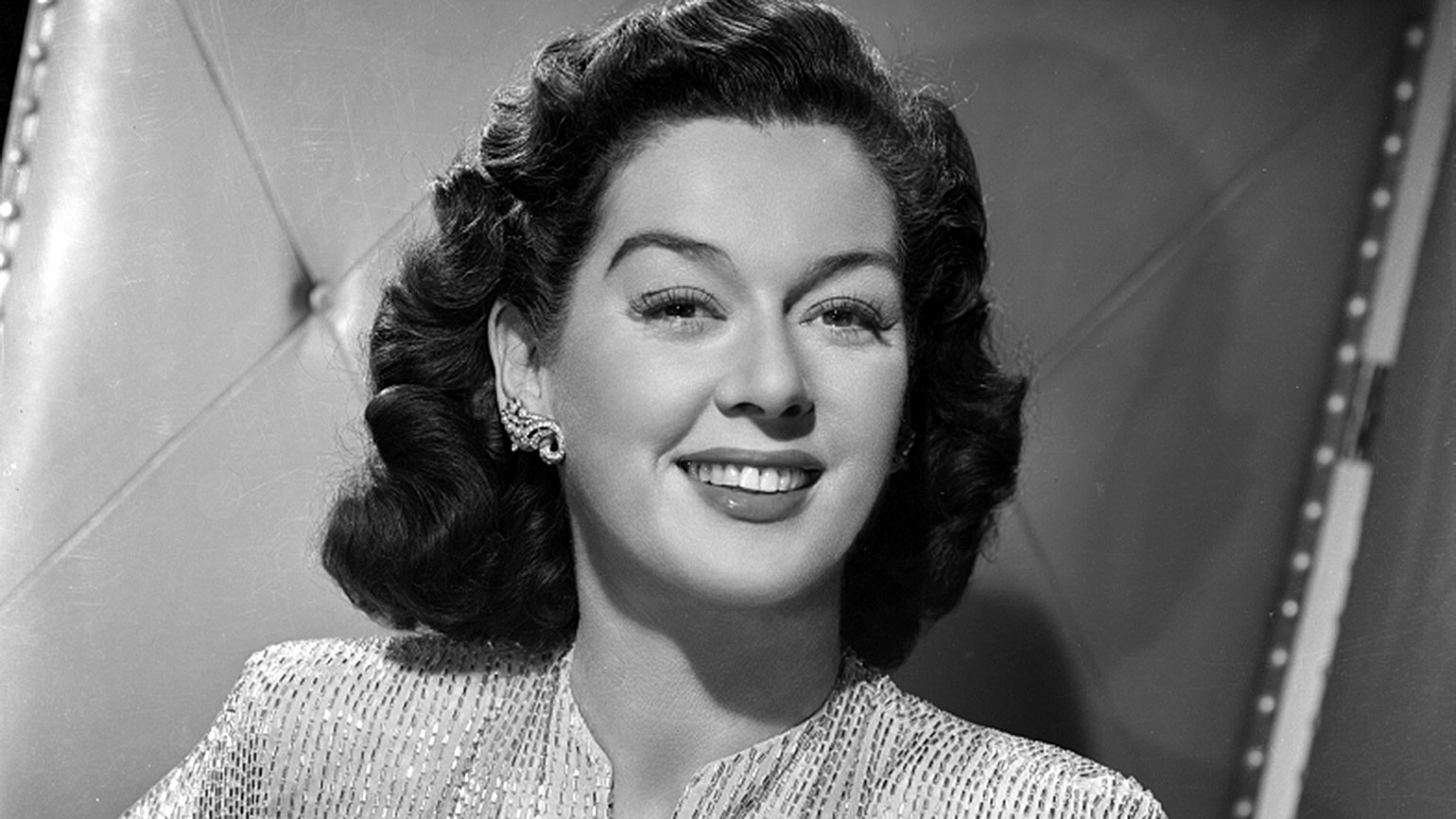
Guideposts Classics: Rosalind Russell on Faith and Heroism

Lanky, graying, Hans Christian Adamson was visiting us in Hollywood when we noticed the first strange turn in our old battle. We were at dinner, back in 1942. It was a long table, I sat at the head of it; Hans Adamson was at my right; and my husband, Freddie Brisson, sat at my left.

We were all chatting, when suddenly Hans reached into his pocket and fished among his coins.

Now, Hans and my husband were close friends in spite of the 20 years difference in their ages. They were both officers in the Air Force. Hans Adamson was one of the best-read men I have ever known, which is why Freddie and I took so seriously his views on religion. Hans was also an agnostic.

Not anti-religious; he was interested in religion, but there were things he could not accept with his rational mind. Back at his home, on the East Coast, he used to attend church occasionally with his wife, Helen, who was an Episcopalian. But we had the feeling it was more out of respect for her, than for her beliefs.

Hans often said he envied people who could believe without understanding. “But that’s as far as I can go,” he would tell us during our long talks about religion. “I try to understand your churches and your little medals and things. But I cannot. So I cannot believe.”

That’s why it struck us as so peculiar when Hans fished among his change that night and brought out a medal.

“Freddie,” Hans said, and it seemed that his voice pitched a note higher than usual, “Freddie, I stopped at the PX and got you one of those new flying medals. St. Joseph of Copertino. I think he flew or something. You’re going to do a lot of flying, and I want you to have this.”

With that, the second strange turn occurred. My hand shot out. I grabbed Hans’ sleeve. I spoke very impulsively.

“No. Keep that yourself.”

“Why?” Hans asked. “I don’t want any medals. I got it for Freddie. He’s a Catholic and he believes in these things.”

I realized I had spoken sharply, and I tried to soften it down. “What I mean is, you keep it for now, Hans. You just keep it for now.”

We all kind of looked at each other, and I tried to change the subject. The dinner party was ruined. But in my mind, I sensed a premonition that actually I had done the right thing… that Hans was trying to tell us something with that medal.

Three months later, Hans phoned my husband that he was going on a secret mission across the Pacific and that he would be coming out to California for a visit.

We all spent the day together in Beverly Hills. Hans kept saying that he felt nervous. He had never talked that way before. There is not a bit of cowardice in Hans Adamson yet he kept saying the trip had a fatality about it.

Frankly, we thought nothing about it at the time. But then, at six the next morning, the phone rang.

It was Hans.

“Will you do something for me? Will you call Helen and say goodbye again?”

I was puzzled why Hans didn’t call his wife himself. At first I thought he was afraid of alarming her by calling so early. But I answered: “Of course I will.”

Then, once more, Hans said something about the trip. And I at last saw that he had really called to seek help. Right out of the blue I sat bolt upright in bed.

“Hans, do you have that medal that you tried to give Freddie some time ago?”

Hans was silent for a moment, as if he didn’t want to answer.

“Yes,” he finally admitted, “I’ve got it in my pocket with my change.”

“Well. Now, mind you I don’t think anything is going to happen. But if it does, if something should go wrong, you take that medal out and put it in your hand and hold on to it.”

There was a prolonged silence. I thought I had offended Hans. When he did answer, it was with the single word:

“Yes…”

After he hung up, I couldn’t get back to sleep.

“What’s the matter?” Freddie asked.

I told him I felt something was going to happen. I wished I had explained more to Hans about the Catholic use of medals, how we don’t claim special powers to the medal itself, how the medal helps us focus our prayers, reminds us of our need for prayer. But I had missed my chance.

We were about to get up when Freddie mentioned: “Oh, by the way, Roz. Hans has a rather famous companion for his trip across the Pacific.”

“Yes?”

“Captain Eddie Rickenbacker…”

It was perhaps the most famous airplane crash in history. Captain Eddie Rickenbacker, Hans, and six others, on a secret mission, went down in the Pacific.

You know the story. Twenty-one days were to pass before their rubber rafts were finally spotted. Twenty-one days of torture for us too… waiting…

From Wednesday, October 21, 1942, through Saturday, we were more or less hopeful. We learned what had happened. The plane had missed its island destination in the night, probably through faulty instruments.

By the fourth day, most of my own personal hope had dwindled. By the end of the first week, I had given up all hope. The chances of surviving the crash for more than a few moments seemed slim to me. A week spent on a flimsy life raft under a tropical sun, with no protection, would surely kill any survivors.

But my husband thought Hans was still alive. Freddie had that simple kind of trust I have seen so often, especially in men.

“You must understand,” I said, “that Hans is not a young man.”

But even as I was saying this, Freddie whispered with great depth to his voice: “He’s alive. I know he is alive. He’s getting strength from somewhere…”

I thought of the medal, and for a fraction of a moment almost believed.

Time began to be counted in weeks. The second week passed, and the third began. The search party was cut down in size. We knew that only a few routine patrol planes were continuing the endless task of searching for the tiny rubber rafts on the ocean. Eighteen days passed. Nineteen and twenty.

And then, suddenly, it was all over.

On the 21st day, the rafts were spotted. The headlines shouted, but we felt strangely quiet. As if we were being drained of the last of some sort of strength.

On the 22nd day, the rescues were made. We learned that Hans was still alive, although from the very first reports he was on the critical list. The men were kept in overseas hospitals for five weeks before they could be moved.

Then, just before Christmas, I got a call at the studio. It was from my husband, at the Air Base. The hospital plane was coming into San Francisco. Hans had sent a message that he wanted me to be there, that he had something that he wanted to tell me.

We saw Captain Rickenbacker first. He stepped off the plane, perhaps the thinnest man I have ever seen. His shirt stuck out inches, literally, from his neck. His 80-year-old mother was there to greet him.

He walked towards her and she towards him for a few paces. Then they stopped. You could feel the pulses of emotion between them. I had to turn away, because it was something I could not watch.

I was told to get on the plane. Freddie and I climbed a ladder and were inside. I had never seen anything like it: so warlike and barren and canvasy. Hans was in bed. He looked worse than Rickenbacker.

I was so upset seeing him and remembering the old Hans, that I tried to keep the conversation on trivial things: welcome home, how good it was to see him alive. I had to say that, rather than how well he looked, because of course he looked anything but well.

Freddie looked at Hans and said: “I don’t remember hearing about your hand.”

The hand was bandaged.

“It’s hurt a bit,” Hans answered.

And with that he slowly removed the bandage.

There, cupped in his hand, was the medal.

From holding it in the same position for weeks, his hand muscles had frozen so that he could not straighten his fingers. The medal had worked its way into his flesh. Hans looked up at me.

“I didn’t even let them take it away in the hospital.”

The plane was silent while with his other hand Hans pried the medal loose. Then, softly, he spoke again.

“It’s all right, Roz. I understand at last… May I give Freddie the medal now?”

For more inspiring stories, subscribe to Guideposts magazine.

Guideposts Classics: Robert Young on Going to Church

When our first daughter was born, twenty-one years ago, my wife, Betty, and I prided ourselves on being enlightened parents. We hoped for a large family, and had decided to be very modern, very intellectual with our children.

They were to have something we called “Christian Standards,” by which I suppose we meant ethics, and to project the children in the right direction, we decided each would be christened in a non-sectarian church.

But no church ties would be forced upon them: they were to be allowed to choose for themselves.

I realize now that it would have been difficult to offer them any other course, since we had never made a choice ourselves.

I had been accepted into the Baptist church at the age of ten, but the only impressions my memory retained were the rite of immersion, the ability to recite the Books of the Old Testament, and a good attendance record at Sunday School for about two years.

A flood in Kentucky had destroyed the church record in the town where my wife was born and her mother could never rightly remember whether Betty was baptized a Congregationalist or a Methodist.

As a young married couple we didn’t worry about this, for we attended church only at the fashionable times of the year, Christmas and Easter. When I thought about it at all, I felt no need for constant church affiliation.

But we did want our children to have those Christian Standards!

Thus, each of our four daughters in order of their appearance—Carol Ann, Barbara, Betty Lou, Kathy—were christened in a lovely ceremony right in our living room by the minister of the Beverly Hills Community Church.

And right there my ignorance was showing; had I entered the church proper, as I have since done, I would have observed on the bulletin board that the denomination was Presbyterian. But I didn’t. Betty and I simply assumed that a Community Church was non-sectarian.

Once the girls were christened, we followed point two of our plan. Their mother and I tried to surround them with a closely knit, loving family atmosphere; we heard their prayers regularly, for we were praying people ourselves.

“You are,” I told my daughters proudly, “free to choose your own religion.” But I was as foolish as I was wrong. No real choice was being offered them, no habit of church going was being developed.

Fourteen years—fourteen long years—elapsed before any one of the children decided upon anything or even mentioned a specific church.

Then from boarding school Carol Ann wrote us a letter. Would we mind, she inquired, if she joined the Episcopal Church?

READ MORE: DONNA REED ON FAITH IN HARD TIMES

“It isn’t sudden,” wrote Carol Ann. “I’ve always had a tremendous respect for our chaplain, and I must admit it was his faith that made him what he is. So I began studying the service, trying to understand the words and the symbolism, and now they have great meaning for me.

“I truly love the service, and it gives me something I need.”

A few weeks later we attended her confirmation.

During that summer vacation, each Sunday while mother and father and all her younger sisters slept, our fifteen-year-old daughter rose quietly and went to All Saints Church in Beverly Hills. Then, out of deference to Carol Ann, Betty and I began attending with her.

The younger girls, still free to make their choice, now chose to get up and go to church school.

In one short summer we became a churchgoing family!

At first I, personally, felt strange; I had not been to church in a long time. Carol Ann’s return to school left us on our own, yet still we went. Why? Because it began to seem important, that’s why.

Then one Sunday morning an Adult Confirmation Class was announced. Here again my ignorance was evident. Somehow, I had thought that after one reached a certain age one was too old to be confirmed … nor was I sure I wanted permanent membership.

I listened to the reassuring statement that the curious, the weary, were welcome, temporarily or permanently.

As Betty and I attended the class we began to learn things, to feel a part of the group, and when the instruction period ended we went right on into full church membership.

We had made our decision.

READ MORE: DONNA DOUGLAS ON GIVING HER BEST

Our three remaining daughters were still offered their freedom of choice, but with this difference—our own choice had given them a real choice, churchgoing had become a reality. It was a thing you did, not something you just talked or wondered about.

How can you teach a child the necessity to make a choice if you haven’t found it necessary to make one yourself? Talk does not place values anywhere.

If we wanted our children to place God in the center of their lives, to have lasting Christian standards, then worship was not a question of forcing something on them but of offering them an opportunity, and of availing ourselves of the same privilege.

Has being a churchgoing family made a difference in our lives?

We feel it has.

There has been no dramatic sinner-to-saint conversion. Fortunately we did not insist on miracles.

But we have grown into a greater unity with one another and our fellow man, and there is a new steadiness and stability in our family life. It has been easier to discuss our problems in terms of our relationship to God.

The first thing it did for me personally was to rid me of a vast store of ignorance—the sly rumors I’d accepted almost unconsciously that “church people” are stuffy, no fun at a party, that Sunday school teachers and clergymen are pompous, dull.

I found our church filled with people much like ourselves, a mixture of problems, good will, humor, shortcomings, but banded together to help one another, and to be helped to do something about our difficulties.

I gained insight into my own shortcomings, and I began to overcome self-consciousness when I thought or spoke in terms of God, Jesus Christ, God’s will, God’s children.

Church membership has meant to me instruction and activity, theory put into practice. I found I had a lot to learn, some of it uncomfortable, but all of it invaluable.

READ MORE: PATTY DUKE ON TRUSTING IN GOD

I think what amazed me most was that I could live all those years with a real need for church and not know it. I have been a church member five short years now and I am still asking, “Why did I wait so long?” I guess perhaps the answer is that Father didn’t know best.

Many legitimate opportunities for activity and service have come to me through church membership, and very often I’ve felt shy, or too new. As, for instance, when our minister tapped me to serve on the vestry.

“I don’t know how,” I said. “I’m a beginner at all this.”

“You’re on the Board of Directors of Bishop’s School, aren’t you?” he demanded.

“But that’s different,” I protested.

“Not much,” he replied firmly. “Here’s your do-it-yourself kit,” and he handed me a neat volume called “How To Become A Vestryman.”

Recently, I was asked to serve as consultant to the Radio and Television Division of the Episcopal Church. Betty has been very active with the church-sponsored Neighborhood Youth Association.

Now none of this has been the dramatic, soul-saving activity I anticipated when I first joined the church, yet from every task which we have undertaken, Betty and I have gotten solid satisfaction and felt very humble to have been offered an opportunity to serve.

In taking stock we became even more fully aware that our lives have been full of blessings and answered prayer. I think my reaction has been much like that of our youngest daughter, Kathy, who knelt to say her evening prayers with us shortly after her ninth birthday.

She asked blessings for everyone—her mother, myself, her sisters, the neighbors, her school teacher, the dogs. Then she started on her request list. That was pretty long, too. It sounded like an enthusiastic letter to Santa Claus.

Suddenly there was a pause and then I heard Kathy say, in a small, meek voice: “And now, dear God, is there anything I can do for you?”

Did you enjoy this story? Subscribe to Guideposts magazine.

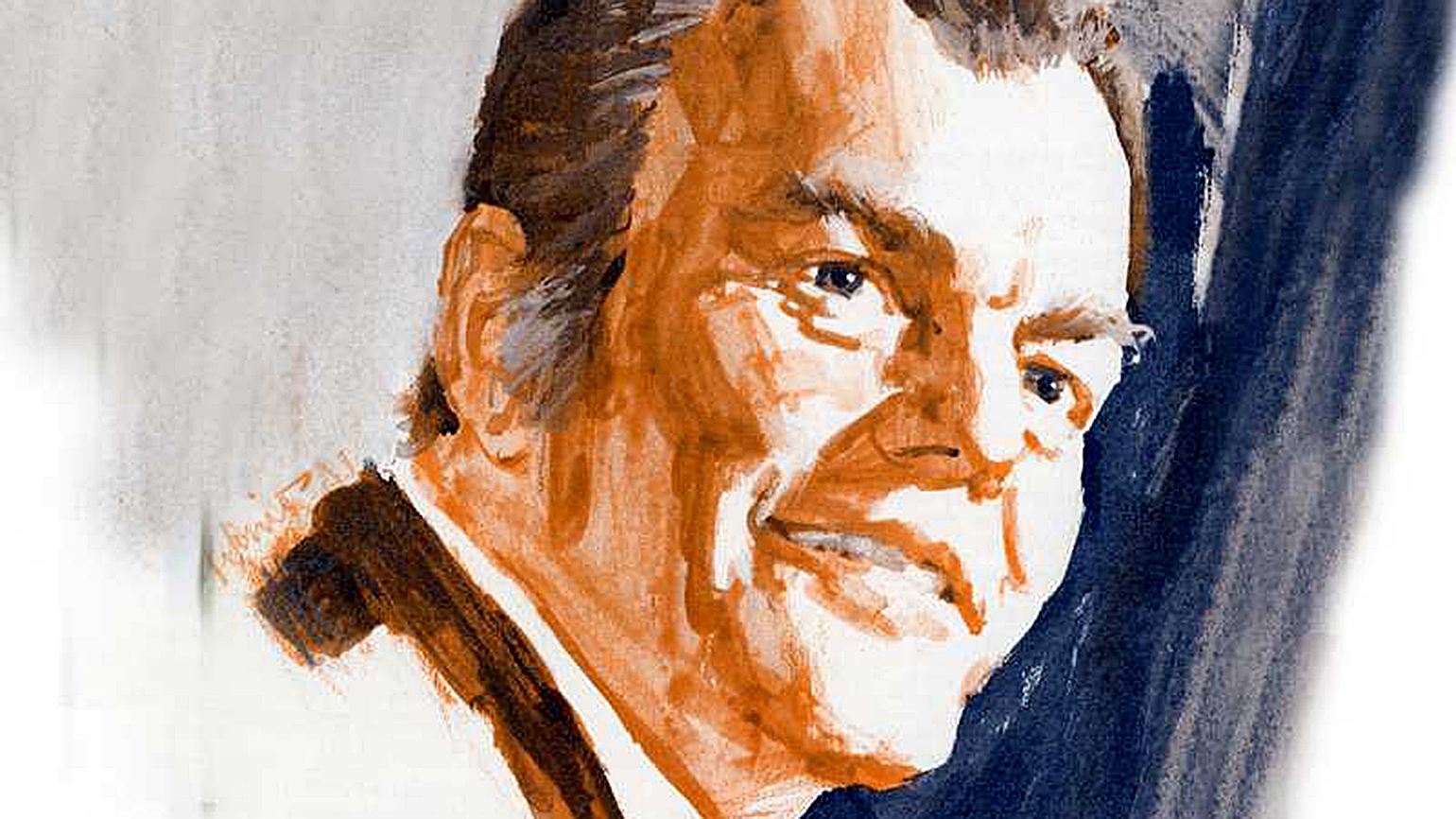
Guideposts Classics: Paul Harvey on Submitting to God

Newsmen are said to have tough hides, cold hearts, “printer’s ink in their veins.” We see so much of tragedy, disaster, the mud and blood that make news. Understandably, we can become insensitive, cynical, hard.

That’s why I’m grateful for what happened to me just about a year ago. It took place up a little mountain road in Cave Creek, Arizona. I think today that all the experiences in my life had been building up to this one.

Celebrating Guideposts' 75th Anniversary

First, the Christmas Eve when I was three, a gunman’s bullet took the life of my policeman father. To provide an income for my sister and me, mother had apartments built in our house. As soon as I was old enough, I, too, looked around for ways to earn money.

ENJOYING THIS STORY? SUBSCRIBE TO GUIDEPOSTS MAGAZINE!

Radio was just coming into its own; by age nine I was making cigar-box crystal sets which I sold for a dollar. A few years later I took part in a seventh-grade class play presented over Tulsa’s KVOO radio station. After that I spent every spare minute hanging around that studio.

Finally they put me on the payroll. I was 14 and I did everything from sweeping, to writing commercials, with a little announcing on the side. I kept remembering what one of my teachers had said, “Paul, in this wonderful land of ours, any man willing to stay on his toes can reach for the stars.”

Radio became my star. At 17 I did some of everything on a local station in Salina, Kansas; then came jobs in Oklahoma City and St. Louis.

In St. Louis at KXOK radio I met a lovely girl who was doing educational programs. We were married and she has been the Angel -that’s what I call her-in my life ever since.

Together we worked hard. By 1945 I had my own network news program. By 1968 I was on television and doing a newspaper column as well.

READ MORE: WALTER CRONKITE ON HONESTY

Seemingly, I had achieved everything for which a man could ask. Everything, that is, except for a quiet heart.

Something was missing. There was a vague emptiness in my life an incompleteness that I could not define.

This emptiness was still with me in March of last year when Angel and I were vacationing near Cave Creek, Arizona. We noticed a small church on an isolated hilltop. On impulse one bright Sunday morning Angel and I decided to attend a service there.

We drove up the mountain road and as we rounded the last turn, the little steeple pierced an azure sky, and white clapboard siding reflected the morning sun.

Inside were a dozen or so worshipers on wooden folding chairs, a scene reminiscent of ones I had seen many times as a youth.

During those formative years, there was one scripture verse I learned that had stayed with me throughout the years: “For God so loved the world, that He gave His only begotten Son, that whosoever believeth in Him should not perish, but have everlasting life.” (John 3:16)

Sometimes I would get to thinking about that–how wonderful it was. I never made it to the altar in any church, but I liked that promise of “everlasting life.” So one night, alone in my room, kneeling at my bed, I offered my life to Christ.

Now, as the upright piano sounded a familiar melody in this unfamiliar little Arizona church, I was reminded of my long-ago expression of “belief.” I did indeed “believe.”

The minister mounted his pulpit. As his eyes swept the congregation, he said, “I see we have visitors here.” He paused for a moment, then added, “I don’t often talk about baptism, but today I’m going to talk about baptism.”

Inside I yawned. But then, for some reason, my attention began to focus on the simple eloquence of this country preacher.

He talked about how alone man is without a heavenly Father, how much we needed to surrender our lives to Him to find any real purpose for living.

But, I thought, hadn’t I done this?

“Now I’m going to assume,” continued the minister, “that most of you here this morning have already made this commitment. But the giving of your life to Jesus is just the first step in your life as a Christian.

“There is another step: baptism–the way Jesus experienced it, by immersion in water. This becomes the outward expression of your inward commitment.

“This baptism,” he continued, “through the symbolic burial of your old self and the resurrection of a new one, is your public testimony to your commitment.” He quoted supportive scripture, paused, let it sink in.

“There is no magic in the water,” he added. “One’s immersion is simply an act of obedience, a sign of total submission to God.”

Submission to God.

I twisted on my chair, new understanding discomfited me. Long years ago I had asked to be saved but had I offered to serve? I began to realize how much of me I had been holding back.

I thought of my prayer time each morning driving to my Chicago studio at 4:30 a.m. Often on the dark, deserted expressway I would seem to hear God’s plan for the day. But by the time I was halfway downtown, I’d be arguing with Him, making exceptions, bending His directions.

Could this be the source of my uneasiness, the inconsistency within me?

Now the minister was looking over his spectacles at the congregation. “If anyone here agrees with me about the importance of this and wants to be baptized, step up here and join me beside this pulpit.”

I found myself on my feet, down the aisle, by his side.

The preacher had said there was nothing magic in the water. Yet as I descended into its depths and rose again, I knew something life-changing had happened. A cleansing inside out.

No longer did there seem to be two uncertain contradictory Paul Harveys–just one immensely happy one. I felt a fulfilling surge of the Holy Spirit.

Afterward, I cried like a baby, a kind of release I suppose. I remember looking at Angel and her eyes were shining. She knew well what this meant to me, for she had been blessed with the same experience as a girl.

The evolving joy has been escalating. Yesterday I was praying for guidance and not really meaning it; today the difference is in a genuine desire to know what He wants and an eagerness to do as He says.

Though I had learned John 3:16 early in life, it took me till last year to learn John 14:15 as well: “If you love me, keep my commandments.” The Christian life is one of obedience, not partnership.

Sometimes I see a similar eagerness in the faces of young people caught up in the growing Jesus movement so prominent in the news today.

I can identify with their joyous expressions as they rise up out of the water after their baptisms. And I see their increasing number of baptisms as irrefutable evidence the Holy Spirit is everywhere He is invited, changing for good all those He touches.

The change this simple act has made in my life is so immense as to be indescribable. Since totally yielding to Him through the symbolism of water baptism, my heart can’t stop singing.

I’ve shaken off a lifelong habit of fretting over small things. A thousand little worries and apprehensions have simply evaporated.

Also, perhaps because baptism is such a public act–and because one’s dignity gets as drenched as one’s body–I’ve discovered a new unself-consciousness in talking about my beliefs.

The other evening, on a speaking trip, I was flying over west Texas into a beautiful sunset.

My heart swelled with joy in my new surrender and I thought how wonderful: If this is no more than what the unbelievers believe, a sort of self-hypnosis, it nevertheless affords an inner peace which passes all understanding. And, if it is what we believers believe, then we have all this–and heaven too!

For more inspiring stories, subscribe to Guideposts magazine.