
Embrace God's truth with our new book, The Lies that Bind

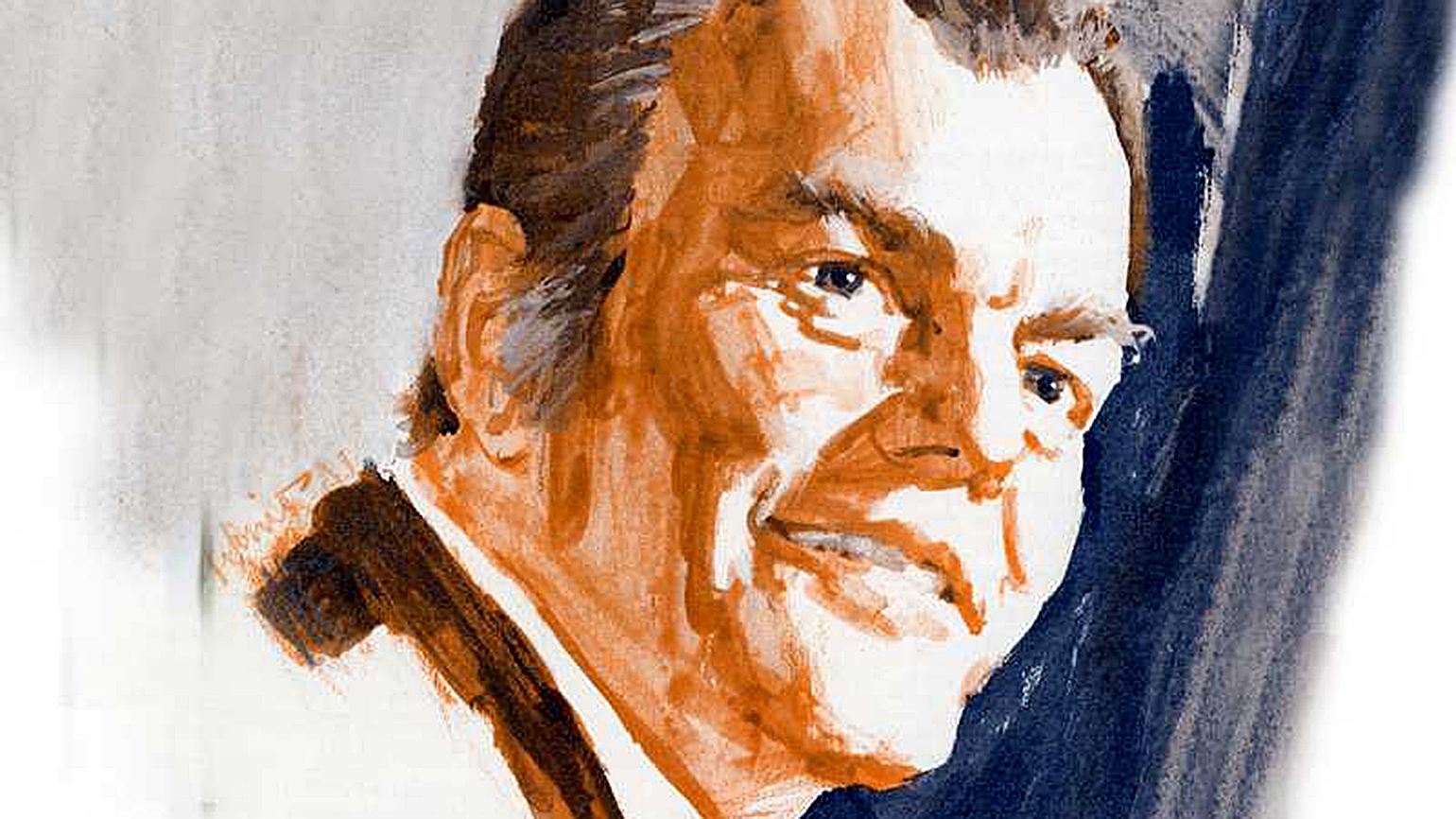
Guideposts Classics: Paul Harvey on Submitting to God

Newsmen are said to have tough hides, cold hearts, “printer’s ink in their veins.” We see so much of tragedy, disaster, the mud and blood that make news. Understandably, we can become insensitive, cynical, hard.

That’s why I’m grateful for what happened to me just about a year ago. It took place up a little mountain road in Cave Creek, Arizona. I think today that all the experiences in my life had been building up to this one.

Celebrating Guideposts' 75th Anniversary

First, the Christmas Eve when I was three, a gunman’s bullet took the life of my policeman father. To provide an income for my sister and me, mother had apartments built in our house. As soon as I was old enough, I, too, looked around for ways to earn money.

ENJOYING THIS STORY? SUBSCRIBE TO GUIDEPOSTS MAGAZINE!

Radio was just coming into its own; by age nine I was making cigar-box crystal sets which I sold for a dollar. A few years later I took part in a seventh-grade class play presented over Tulsa’s KVOO radio station. After that I spent every spare minute hanging around that studio.

Finally they put me on the payroll. I was 14 and I did everything from sweeping, to writing commercials, with a little announcing on the side. I kept remembering what one of my teachers had said, “Paul, in this wonderful land of ours, any man willing to stay on his toes can reach for the stars.”

Radio became my star. At 17 I did some of everything on a local station in Salina, Kansas; then came jobs in Oklahoma City and St. Louis.

In St. Louis at KXOK radio I met a lovely girl who was doing educational programs. We were married and she has been the Angel -that’s what I call her-in my life ever since.

Together we worked hard. By 1945 I had my own network news program. By 1968 I was on television and doing a newspaper column as well.

READ MORE: WALTER CRONKITE ON HONESTY

Seemingly, I had achieved everything for which a man could ask. Everything, that is, except for a quiet heart.

Something was missing. There was a vague emptiness in my life an incompleteness that I could not define.

This emptiness was still with me in March of last year when Angel and I were vacationing near Cave Creek, Arizona. We noticed a small church on an isolated hilltop. On impulse one bright Sunday morning Angel and I decided to attend a service there.

We drove up the mountain road and as we rounded the last turn, the little steeple pierced an azure sky, and white clapboard siding reflected the morning sun.

Inside were a dozen or so worshipers on wooden folding chairs, a scene reminiscent of ones I had seen many times as a youth.

During those formative years, there was one scripture verse I learned that had stayed with me throughout the years: “For God so loved the world, that He gave His only begotten Son, that whosoever believeth in Him should not perish, but have everlasting life.” (John 3:16)

Sometimes I would get to thinking about that–how wonderful it was. I never made it to the altar in any church, but I liked that promise of “everlasting life.” So one night, alone in my room, kneeling at my bed, I offered my life to Christ.

Now, as the upright piano sounded a familiar melody in this unfamiliar little Arizona church, I was reminded of my long-ago expression of “belief.” I did indeed “believe.”

The minister mounted his pulpit. As his eyes swept the congregation, he said, “I see we have visitors here.” He paused for a moment, then added, “I don’t often talk about baptism, but today I’m going to talk about baptism.”

Inside I yawned. But then, for some reason, my attention began to focus on the simple eloquence of this country preacher.

He talked about how alone man is without a heavenly Father, how much we needed to surrender our lives to Him to find any real purpose for living.

But, I thought, hadn’t I done this?

“Now I’m going to assume,” continued the minister, “that most of you here this morning have already made this commitment. But the giving of your life to Jesus is just the first step in your life as a Christian.

“There is another step: baptism–the way Jesus experienced it, by immersion in water. This becomes the outward expression of your inward commitment.

“This baptism,” he continued, “through the symbolic burial of your old self and the resurrection of a new one, is your public testimony to your commitment.” He quoted supportive scripture, paused, let it sink in.

“There is no magic in the water,” he added. “One’s immersion is simply an act of obedience, a sign of total submission to God.”

Submission to God.

I twisted on my chair, new understanding discomfited me. Long years ago I had asked to be saved but had I offered to serve? I began to realize how much of me I had been holding back.

I thought of my prayer time each morning driving to my Chicago studio at 4:30 a.m. Often on the dark, deserted expressway I would seem to hear God’s plan for the day. But by the time I was halfway downtown, I’d be arguing with Him, making exceptions, bending His directions.

Could this be the source of my uneasiness, the inconsistency within me?

Now the minister was looking over his spectacles at the congregation. “If anyone here agrees with me about the importance of this and wants to be baptized, step up here and join me beside this pulpit.”

I found myself on my feet, down the aisle, by his side.

The preacher had said there was nothing magic in the water. Yet as I descended into its depths and rose again, I knew something life-changing had happened. A cleansing inside out.

No longer did there seem to be two uncertain contradictory Paul Harveys–just one immensely happy one. I felt a fulfilling surge of the Holy Spirit.

Afterward, I cried like a baby, a kind of release I suppose. I remember looking at Angel and her eyes were shining. She knew well what this meant to me, for she had been blessed with the same experience as a girl.

The evolving joy has been escalating. Yesterday I was praying for guidance and not really meaning it; today the difference is in a genuine desire to know what He wants and an eagerness to do as He says.

Though I had learned John 3:16 early in life, it took me till last year to learn John 14:15 as well: “If you love me, keep my commandments.” The Christian life is one of obedience, not partnership.

Sometimes I see a similar eagerness in the faces of young people caught up in the growing Jesus movement so prominent in the news today.

I can identify with their joyous expressions as they rise up out of the water after their baptisms. And I see their increasing number of baptisms as irrefutable evidence the Holy Spirit is everywhere He is invited, changing for good all those He touches.

The change this simple act has made in my life is so immense as to be indescribable. Since totally yielding to Him through the symbolism of water baptism, my heart can’t stop singing.

I’ve shaken off a lifelong habit of fretting over small things. A thousand little worries and apprehensions have simply evaporated.

Also, perhaps because baptism is such a public act–and because one’s dignity gets as drenched as one’s body–I’ve discovered a new unself-consciousness in talking about my beliefs.

The other evening, on a speaking trip, I was flying over west Texas into a beautiful sunset.

My heart swelled with joy in my new surrender and I thought how wonderful: If this is no more than what the unbelievers believe, a sort of self-hypnosis, it nevertheless affords an inner peace which passes all understanding. And, if it is what we believers believe, then we have all this–and heaven too!

For more inspiring stories, subscribe to Guideposts magazine.
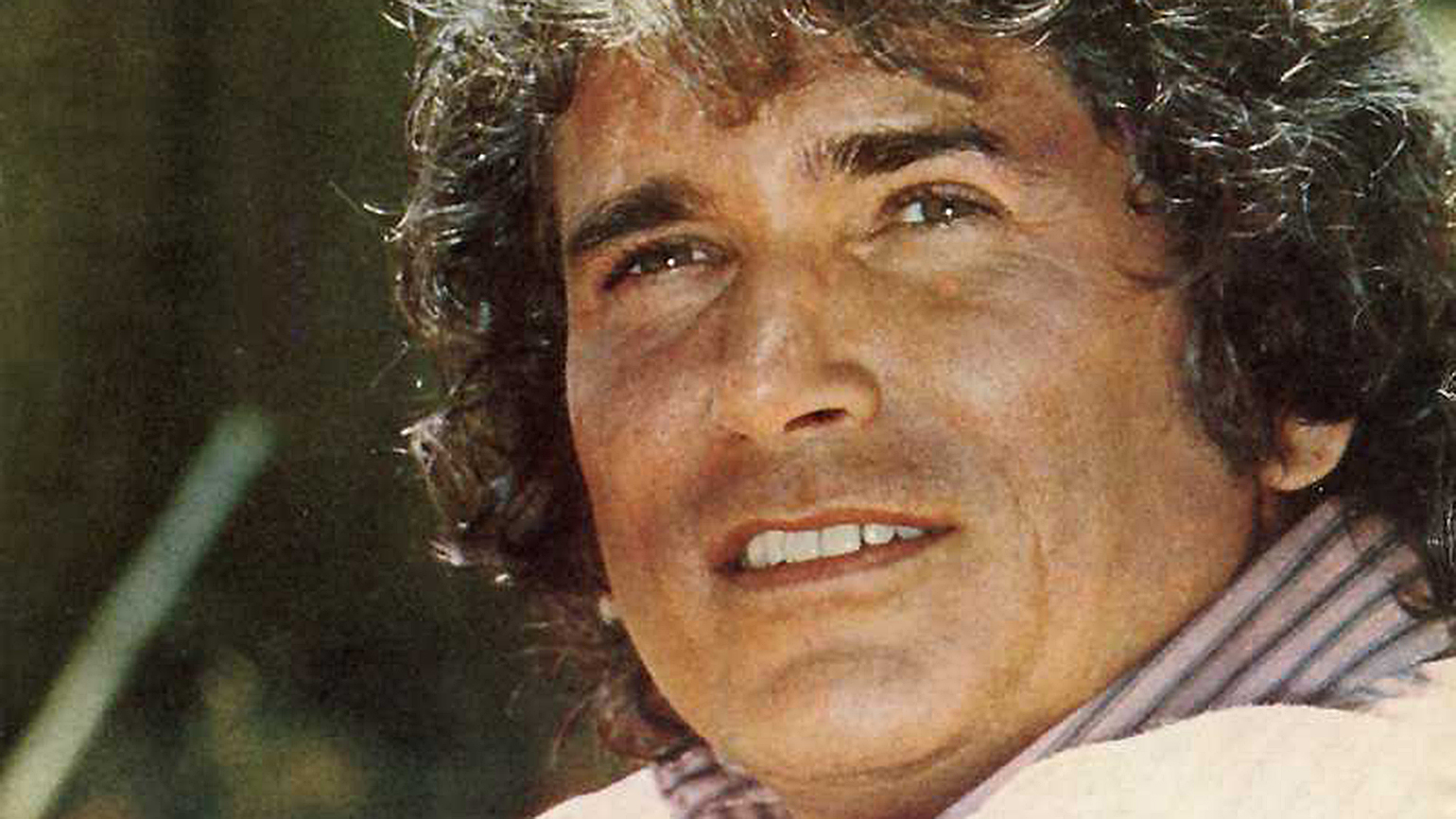
Guideposts Classics: Michael Landon on God’s Blessings

If there’s one thing I can’t stand people saying, it’s, “I’m no good at anything … I don’t have any talent.” I just don’t buy that at all. To me, everyone has at least one talent, and while it sometimes takes you a lifetime to find, it does exist.

There was a time, of course, when I didn’t believe that. What changed my mind was a seemingly small event that took place back in 1953.

At that time I was a skinny little high-school sophomore in Collingswood, New Jersey, a town just across the Delaware River from Philadelphia. At Collingswood High I was a good student, but as far as I was concerned, in just about every other department I was a loser.

READ MORE: ROY ROGERS ON FINDING FAITH

As a funny-looking pip-squeak named Eugene Orowitz, who weighed barely 100 pounds, I desperately wanted to fit in, to be something and do something well. But because I hadn’t found anything I was good at, I looked upon myself as being a total flop.

One sunny afternoon during the spring of that year, our gym class went out to the school’s running track. The teacher was going to acquaint us all with various track and field events. We were shown hurdles, the broad jump, the pole vault. I stumbled weakly through them all.

“Now we’ll try the javelin,” the teacher said.

I watched as he picked up a gleaming metal spear about six feet long and gave it a short toss. Suddenly I was captivated and didn’t know why. Something inside me began saying, “Try it! Try it!”

I had to wait my turn, though, because several others wanted a crack at the javelin too. Shy and scared, I watched them, trying not to look too eager. Finally, when everyone had had a chance to throw–the longest heave going about 30 yards–I looked at the teacher.

“Hey, Orowitz, you want to try?” he asked.

Embarrassed, I looked down, but managed to nod my head.

“Well, come on then,” he said impatiently, and handed me the javelin. Behind me I could hear some of my classmates chuckling.

“Think you can lift it, Ugy?” one said.

“Don’t stab yourself,” another added, laughing.

As I grasped the javelin in my hand, I was seized with a strange feeling–a new-found excitement. Seeing myself as a Roman warrior about to do battle, my fears vanished. For some crazy reason, I was relaxed over what I was about to do, even though I’d never done it before.

READ MORE: JIMMY DEAN ON LEARNING TO FORGIVE

I raised the javelin over my head, took six quick steps and let the thing go. The same voice that had urged me into throwing it, now told me it was a good throw.

I watched as the spear took off. While other students’ throws had wobbled or turned cockeyed in the air, to my surprise, my throw was traveling straight and true.

My heart quickened as I saw it continue to sail, 30 yards out, then 40. As it went past the 50-yard mark, it was still going when it went crashing down beyond some empty bleachers.

For a minute nothing was said. Then someone whispered, “Holy cow!” and others began cheering and slapping me on the back. Nobody could believe what little Orowitz had just done.

Neither could I, really. And when I think back on it, the whole scene must have resembled something out of a grade-B movie.

I ran to retrieve the javelin and when I found it, I saw the tip had been broken off in landing. Expecting a real bawling out, I took the javelin back to the gym teacher.

“Don’t worry about it,” he said, still shaking his head in wonder. “You keep the thing.”

That night I took the javelin home with me and, much to my parents’ astonishment, never let it out of my sight. The very next day I began practicing with it, and every day that summer–for six hours or more–I would throw it in a nearby schoolyard.

The joy of finding something I could do made me determined to do as well in it as I could.

By the time I was a senior and a member of the track team, all my practice paid off. I threw the javelin 211 feet that year, the best throw by any high-school boy in the country.

READ MORE: JOHN WAYNE ON TRUE COURAGE

That record gave me a track scholarship to the University of Southern California. With my eye on the Olympics, I continued to work out until one day in college, after not warming up properly, I tore some ligaments in my left shoulder.

While I still could throw, I was never able to achieve the distance I once could, and so I gave up my track scholarship and my dream of the Olympics.

Though that was a terrible disappointment, I’ve learned since then that as we are developing one talent, others seem to spring from it without our realizing it. While the javelin gave me a chance to go to college, it also provided me with a new-found confidence and the ability to shed my inferiority complex.

I was able to see the importance of that when later, after I dropped out of U.S.C., I took a job in a Los Angeles warehouse. There, a coworker, an aspiring actor, asked my help in learning his part in a small playhouse production of Home of the Brave.

When I began reading the script, I became mesmerized. The same kind of fascination that took hold of me when I picked up the javelin now turned me on to dramatics. Immediately I enrolled in acting school.

READ MORE: HUGH O’BRIEN ON SERVING OTHERS

That led to small parts in movies, which in turn brought me the role of Little Joe Cartwright in Bonanza. That TV series lasted 14 years and while it’s no longer running, it led me to still another area–directing–which I’m now using in my own series, Little House on the Prairie.

I’m convinced that everyone has some kind of hidden talent. God sees to it–it’s that simple. The difficult part for some of us is in finding the talent.

That’s why I feel strongly that we must keep our minds open; we can’t let ourselves be discouraged or depressed when the talent doesn’t readily appear. Yet when it does, we must be prepared to grab hold of it right away.

Whenever I think about what made that scrawny kid pick up that javelin, I know there was a reason. God was on that high-school field whispering to me, “Here’s an opportunity. Take it.” And am I glad I listened to Him–glad I trusted my enthusiasm–for I not only found my talent, but I truly found myself.

For more inspiring stories, subscribe to Guideposts magazine.
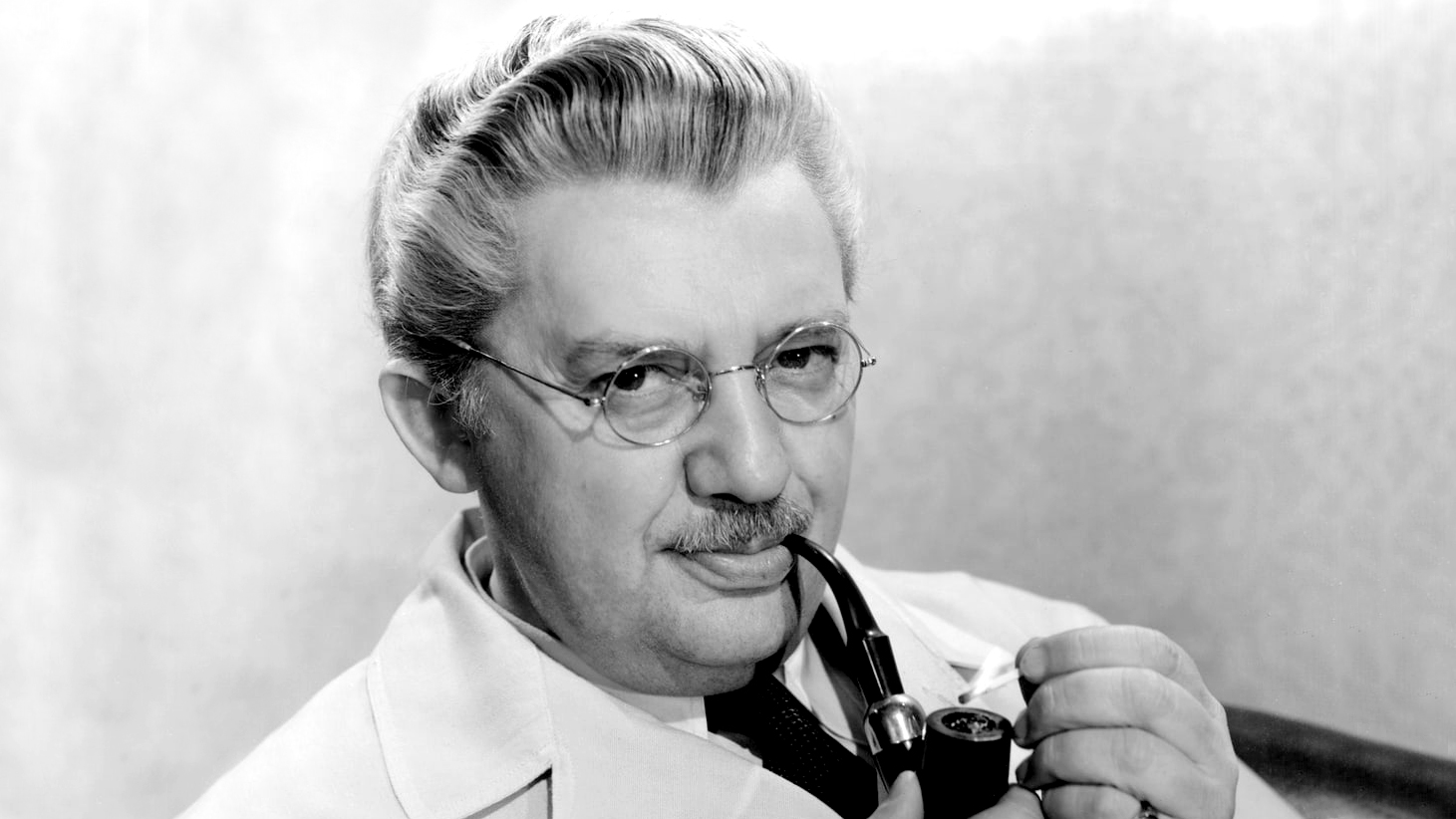
Guideposts Classics: Jean Hersholt on Waiting for Small Miracles

A physician recently wrote me: “I have been impersonating you,” he said. “Badly, I’ll admit. But to the best of my ability. Nor do I offer an apology. It had to be done.”

One of his patients, a small girl suffering great pain, kept calling for Dr. Christian. The frantic mother begged him to assume the role. “I adopted a Danish accent,” the physician wrote, “and tried to dispense solid, cheerful comfort along with prescriptions. The child recovered.”

You see, she had faith in Dr. Christian. And so have I.

ENJOYING THIS STORY? SUBSCRIBE TO GUIDEPOSTS MAGAZINE!

The good doctor who wrote the confession was not, of course, impersonating me. I am still Jean Hersholt. Or am I? Is there a time when the character becomes the man, or the man takes on the substance of the character?

For 16 years now I have been appearing on radio once a week as Dr. Paul Christian of River’s End, Minn., and in the minds of millions of listeners, I have merged with the character I portray.

Even Via, my patient wife now for 39 years, once introduced me as “Dr. Christian.” She says it was a natural slip, as she often feels like a bigamist.

This double life is interesting, but in many ways embarrassing. Once, for instance, I was recognized at an accident and asked to set a broken arm.

Then there was the time I made a speech in a small town near Ogden, Utah. A warm reception was given me by the town’s inhabitants, among them two elderly sisters, one with her neck swathed in bandages, her voice evident only as a hoarse whisper.

“What shall I do about this?” she whispered to Dr. Christian.

“See your local physician,” replied Jean Hersholt, hiding behind his warmest country doctor smile. The two sisters did a sharp about-face, and as they marched off, I overheard one say to the other, “He just won’t serve for nothing.”

It is on such occasions that my favorite fellow lets me down—Dr. Christian simply has not been able to pass his M.D. on to me. But I have found, even without his technical knowledge, that his faith can work wonders.

Every Christmas I get a card from a girl in New York who depended, ten years ago, on that faith. The original letter, one of hundreds sent each week to Dr. Christian asking for all manner of help and guidance, came from a young polio victim, bedridden for many months, deeply discouraged.

READ MORE: ROSALIND RUSSELL ON FAITH AND HEROISM

As with all such letters, I answered it personally. I advised her, as the disciple James once advised in another letter written some 2000 years ago, “Let patience have her perfect work, that ye may be perfect and entire, wanting nothing.” James: 1-4

Back came her answer. She would try—but she did so want to see me. Again I wrote: “If you really want to see me, keep that in your mind. When I come to New York in the spring, I am sure you will be well enough to come to my broadcast. I’ll send you the tickets myself.”

Was I taking a great deal on myself to make that promise? I was standing on the same kind of faith that I have discovered every fine physician knows, for he has seen it work when everything else failed.

Then, too, I knew a good deal about Patience; I had Her as a companion during the uphill climb in my own profession. Yes, I was willing to stand on faith—and so was the child. She came to the broadcast.

Where did he come from, this country doctor who never was, yet who is such a warm reality to so many people, myself included?

I was born in Copenhagen in 1886, the son of actor parents. In 1913 I came to America, worked across the country, and arrived in Hollywood with $20 in my pocket.

I put on my cutaway, invested in a shine, plastered my thick hair down, and went to a studio. The director’s opening remark concerned my suit. “Have you got other clothes like that? You’re hired. Fifteen dollars a week.”

For 20 years it was my duty, in the role of a villain, to make life miserable for such stars as Mary Pickford and Douglas Fairbanks. But expert villainy was against my nature. Via was openly rebellious when an over-eager press agent enhanced my menace with unauthorized, untrue stories that I beat her.

Only occasionally was I permitted a lovable part, one of these as a doctor in Men in White. This role, seen by director Henry King, was to change my life.

In 1935 I was preparing for a role in which I killed four people, when an urgent call came for me to report to another studio.

The part of Dr. Allan Dafoe in The Country Doctor, famous physician and advisor to the Dionne quintuplets, had been left vacant by the tragic death of Will Rogers. I was called in to test for this by director Henry King.

READ MORE: WILL ROGERS JR. RECALLS HIS FATHER’S LESSONS

“But I’m not available,” I protested, feeling sorry for myself. “My own studio will never let me go—we start to shoot our script in tour days.”

That night, however, Darryl Zanuck of 20th Century-Fox conferred with Louis B. Mayer of MGM, which held my contract. Mr. Mayer agreed to release me, and the following night I breathlessly boarded the train for Canada.

When our first daily rushes went to Mr. Zanuck by air his reply sizzled back over the wire. “Quints great. Hersholt terrible. Retake everything.” What saved me then was Dr. Dafoe. Once he began helping me, the going was easier.

Over the next four years we made three pictures with the quints, and the doctor got so he even let me hug them and love them a little.

It was from Dafoe that I learned much of the supreme faith, the confidence in man’s goodness, the kindly humor, the understanding and common sense which make the life of a country doctor one of daily miracles. Our films caught his spirit.

Dr. Dafoe has been dead some eight years. But my personal hope is that a bit of this Canadian doctor’s warmth and wisdom, live on more vibrantly in Dr. Christian, his Danish counterpart.

Today the imaginary town of River’s End has become so real that we have a map for aspiring script writers to follow. And of aspiring script writers we have thousands, for Dr. Christian’s program is entirely written by listeners.

Has Hersholt, personally, brought anything to Dr. Christian’s growth? I should like to think it, yet he is a hard fellow to live up to, the kindly doctor, so patient and wise.

We have come very close, through the years; we enjoy the same things: old friends, old pipes, oft-told tales. But I believe Dr. Christian is still leading—still teaching me how to wait humbly upon God for the small miracles which are a never-ending part of our everyday lives.

For more inspiring stories, subscribe to Guideposts magazine.
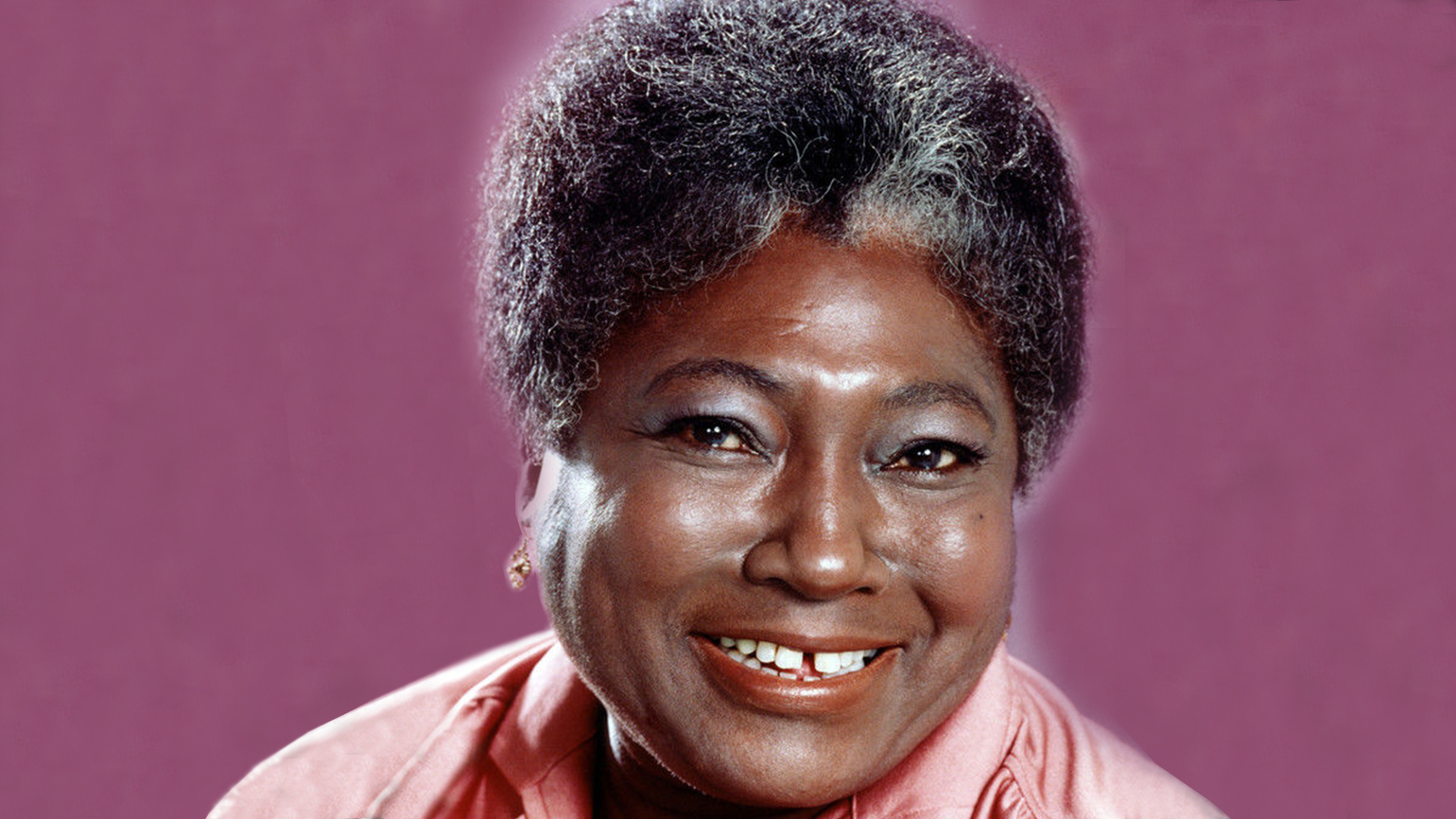
Guideposts Classics: Esther Rolle on the Healing Power of God’s Love

Mama and Papa had started calling me “Black Velvet” when I was a baby, the tenth of their 18 children and the first to be born after they moved to Florida from their Bahamian homeland. When friends from the islands came to visit, they’d say, “Let us see the American one, the one with the velvet skin,” and Mama would proudly hold me up so everyone could admire my flawless nut-brown complexion.

Then, when I was eight, a bouncy little girl with glossy black braids, the dreadful skin problem began. Rough scales and unsightly red patches all over my face.

“Try rubbing her with lemon juice,” one old woman told Mama.

“Boil up pine and chinaberry roots and give her a bath in it every night,” another neighbor suggested.

We soon found that home remedies didn’t work and began going to specialists, one after another. “Never saw anything quite as stubborn as this ailment,” a dermatologist in Fort Lauderdale said, shaking his head.

As Mama and I trudged out of his office with still another eczema prescription, I felt her arm slide around my shoulders and squeeze me tightly. “We’ll just have to keep talking to Jesus, Velvet,” she told me gently. “You know He hears us and helps us.”

Talking to Jesus was a way of life in our family.

“We may be poor in money, but we’re rich in spirit,” Papa would often say. At dawn every Sunday, his “Up! Everyone up!” roused us from our beds. Sleepy-eyed, we knelt together to talk with God, recite Scriptures we’d memorized and sing hymns. Later in the morning, at church, my family filled two whole rows. As I sat in the pew, my legs not yet long enough to touch the floor, I loved to gaze at the beautiful painting of my friend Jesus, holding lambs in His loving arms. It was easy to picture myself as the smallest lamb when I tired of the long sermons.

Though all my family prayed about my problem, it grew worse. The new prescription didn’t help any better than those a dozen other doctors had written for me. By now the rough scales and red patches had spread all over me. Every part of my skin either hurt or itched. The final insult to my small body—and pride—came when a Miami skin specialist told Mama to shave my head. “The lesions will have a better chance to heal if we get rid of her hair,” he said.

I wept, and Mama had a hard job not crying herself as she clipped away at the shining black strands of my hair. When it was over, she drew me onto her lap and held me close. “Velvet, the doctor says you’ve got one of those allergies that just has to run its course. Only Jesus knows when the healing will come.” She began to hum an old gospel song, and I lay in her lap until l dropped off to sleep.

The next day I went to school wearing a little straw hat perched on my head to camouflage my baldness. But my ruse didn’t succeed for more than a few hours. At recess, Big Dora began dancing around me, trying to grab the hat.

“Leave me be!” I shouted at her.

But with a gleeful laugh, she snatched the hat and dangled it out of my reach. “Janie! Bobby! Come see!” she yelled, pointing at me.

Other children dropped baseball bats and jump ropes to run over and stare and taunt. “Go home, else we’ll all catch it, whatever it is you got,” shouted a pigtailed girl I’d thought of as my friend.

Tears made hot little rivers down my cheeks as I darted toward the schoolhouse. The kids had seen it all now. Not only the reddened, itchy patches that covered my small body as a result of the cruelly persistent eczema, but also the supreme humiliation: my poor shaved head.

I fled inside the school, expecting to collapse in my teacher’s arms for consolation. But she hadn’t known the reason for my straw-hat disguise either. As I dashed toward her, I saw her eyes widen in surprise, her hand move to conceal what I took to be a smile. I stopped short, then turned and ran every step of the way to a pine grove near our house, where I sometimes went to pray.

Throwing myself down on the carpet of pine needles, I buried my face in my hands. “Oh, please, God, I want to be Black Velvet again…please.” I got up on my knees and raised my tear-streaked face toward the sky. “At least You can tell me if I’ll always be this ugly. I need to know.”

I waited and listened—for what, I don’t know. Only the low, mournful sound of the wind stirring the long pine needles reached my ears. Wearily, I got to my feet and turned for home.

The next morning, after a restless sleep, I woke up especially early, just before sunrise. I dressed quietly so as not to wake anyone in our crowded little bedroom, then tiptoed barefoot through the kitchen to the rear door. Unlatching it, I stepped out on the porch step—and caught my breath.

The entire ground, as far as I could see in the first morning light, was covered with millions of tiny, jewel-like flowers, some like orchids in color, some with the palest suggestion of purple. Dew diamonds sparkled everywhere on the little lavender blossoms, and the whole yard seemed a fairyland, its wonder enhanced by billows of fog floating just above the lilac-colored expanse.

I looked up and down the sand road. I was the only human being stirring.

Then, as the sun’s gentle rays shone brighter on the fragile blossoms, each quietly folded. In a heartbeat, every bloom vanished. Now there was only the familiar green and brown earth.

Spellbound, I continued to stand on the porch. It was as if the lovely scene had been held in focus just long enough for me alone to catch a glimpse. I had to tell Mama!

In the kitchen’s half-darkness, I found her dressing herself. She listened quietly while I told her about the magical lavender carpet I’d seen outside. “It was so beautiful, Mama. Almost like a miracle.” Her warm brown eyes searched mine as we stood facing each other, holding hands tightly.

Finally, she leaned down and kissed my eager face. With a tender look that I shall always remember, she said, “Maybe it was a miracle, Velvet. God works in wonderful ways. He has the power to call beauty out of nowhere. He’ll call yours out when He’s ready. Today you got a special reminder of that.”

The healing didn’t happen right away. But His answer was real to me. I believed with all my heart I would be beautiful again. And the morning came when I checked my skin and found no new patches of eczema. As weeks passed, the detested blemishes began to disappear; beautiful skin, brown and smooth, replaced them. Slowly, my hair grew out.

The little girl who returned to school that fall was Mama’s Black Velvet.

As an adult, I’ve learned from botanists that they too have seen the phenomenon of brief, massive blooming. But no affirmation has helped me more than the one my mama gave me when I was a little child:

If you look for messages of hope from God, you will surely find them.

Everywhere.

For more inspiring stories, subscribe to Guideposts magazine.
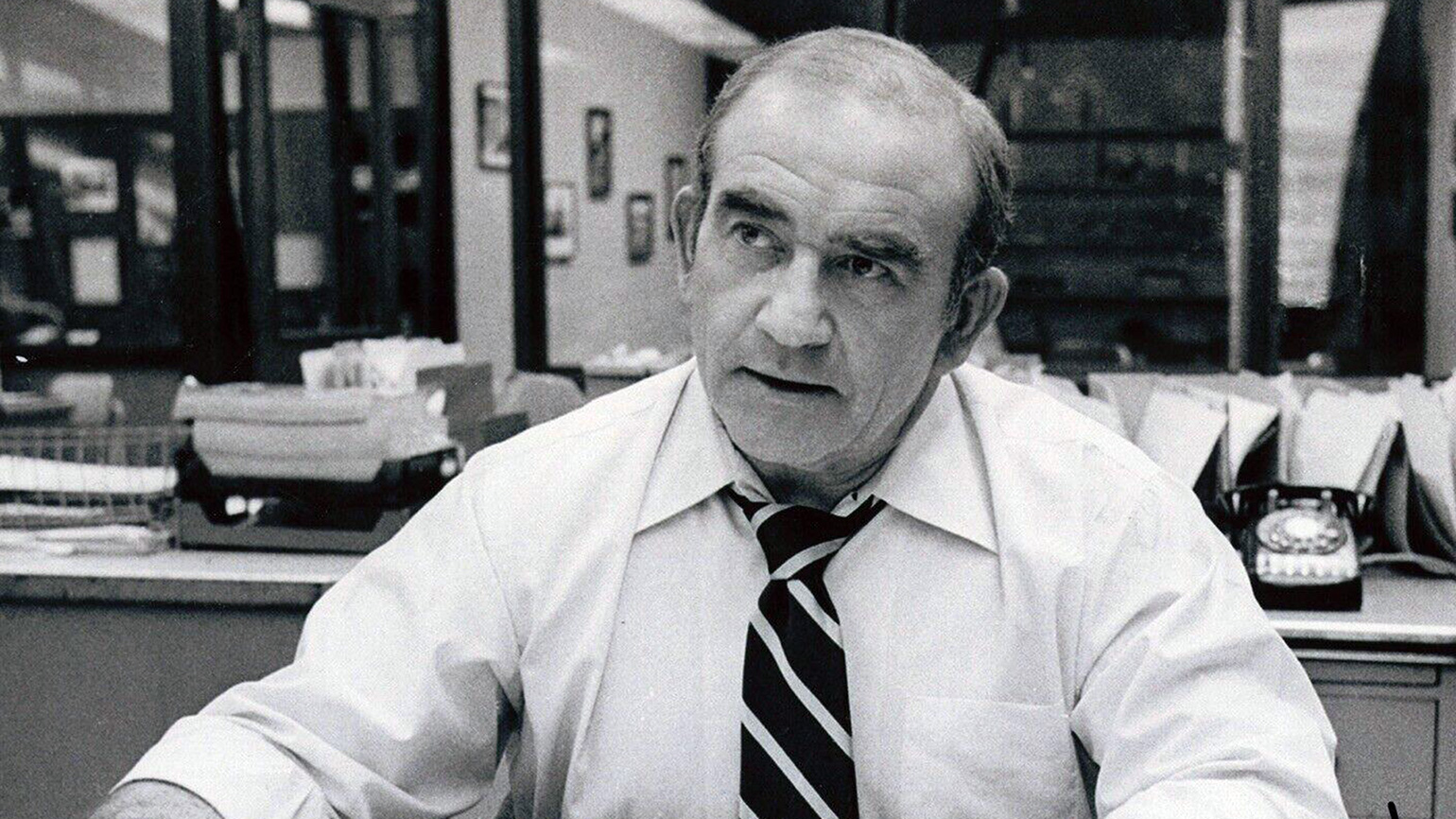
Guideposts Classics: Ed Asner on a Role That Changed His Life

My heart was pounding as I stood in the shadowy wings of the University of Chicago’s theater. It was summer term, August, 1951, and the intermission for our student production of T.S. Eliot’s Murder in the Cathedral was nearly over.

I could hear the sound of the audience returning to their seats. Nervously, I tugged at my belted costume. The musty purple garment was unlined and scratchy.

I was playing the lead role—Thomas Becket, Archbishop of Canterbury in the year 1170. Becket was a Christian martyr, a man who lived and died in 12th-century England, in loyalty to his faith.

So far, the play had gone well—but I was more than a little nervous about the upcoming final act.

Back in high school in Kansas City, Kansas, I had performed in many radio dramas, but this was my first try at stage acting. Since I’d been in college, I had dabbled in a lot of subjects, but acting was the only thing that held my interest.

For this reason, more than any other time in my life, I wanted to do a good job.

Restlessly, I tapped my foot.

Don’t worry, I told myself. You know your lines. You’ll do fine.

But the anxiety I was feeling ran deeper than the usual case of opening night jitters. From the first rehearsal, I had felt unsure about the Becket role.

There was a part of his character—the essence of the man—that I couldn’t grasp. His relationship with God seemed so intense, so personal. I couldn’t understand it.

Hey, I told myself again. Take it easy. But I couldn’t stop worrying. Amid the confusion of backstage activity, I mentally reviewed the script, considering the events leading to the big final scene—Becket’s martyrdom in Canterbury Cathedral.

Under my breath, I murmured his final words of faith, hoping that this time I might somehow experience first-hand what Becket felt. It was my last chance.

“For my Lord”—I paused dramatically, waiting for inspiration—“I am now ready to die.”

But nothing happened. As usual, the words came out flat and empty. In the silence that followed, I flinched with the bitter realization that I would probably never be able to put myself in Becket’s shoes, no matter how hard I tried.

But, I asked myself, how could I be expected to? I was a 20th-century American Jew. What could I possibly have in common with a 12th-century Christian martyr?

The more I brooded about it, the more discouraged I became. This wasn’t the first time my faith had seemed a stumbling block to my hopes, dreams, desires.

Memories of growing up in Kansas City as one of less than 100 Orthodox Jewish families in a city of 120,000 came flooding back…

It was four p.m., on a gray and muggy afternoon. I was a chubby little kid, waiting after school for the city bus (which was late) that would take me to the streetcar, that would take me to another city bus, that would finally drop me off at Hebrew school.

All the other kids were having fun playing football or basketball, and visiting each other’s houses and eating peanut butter and jelly sandwiches.

The sound of laughter caused me to look up as a group of classmates approached, grinning and joking and taking playful punches at one another. When they saw me, they waved hello, and stopped for a minute to talk. Then they moved on.

I liked them a lot—and I think they liked me, too. But they knew I was different.

As I watched them walk away, I tried to ignore the hollow pit in my stomach. My fingers reached deep into my jacket pocket and curled around the soft, flat yarmulke that had been tucked there since morning.

I would put it on this afternoon before entering the synagogue for lessons with the rabbi.

Sometimes I wondered what it would be like not to be Jewish; to be able to play with the other kids after school; not to have to wear a skull cap; to worship on Sunday instead of Saturday.

But then I chased away such thoughts with warm recollections of home and family behind the red brick walls of our two-story house on Oakland Avenue…the sweet aroma of fresh-baked challah wafting from Mama’s always bustling kitchen; the candlelight magic of sundown seders; the mystery and wonder of shared prayers and songs around the dinner table on High Holy Days.

Still, I had to face the fact that when I was away from home, I was lonely. Sometimes a deep fear gripped me—a cold, hopeless feeling that I would never have friends, never be accepted, never be “normal.”

At moments like this, my best friend was my imagination. While waiting for the bus to Hebrew school, I entertained myself by lapsing into fantasy about my favorite Biblical characters.

Like a mighty army of superheroes on parade, they thundered past the reviewing stand of my mind. First came Abraham, wise and faithful patriarch. Then came his son, Isaac, with grandson, Jacob—who later became known as Israel—and great-grandson, Joseph.

Fearless Samson followed, his spectacular mane blowing in the wind. Daniel was there, too, flanked on either side by a pride of protective lions, like so many loyal dogs. All passed by in glorious procession.

Then, finally, came Moses. His face shone brilliant with the light of the Lord. His eyes were ablaze with his vision of the Promised Land—the land he would safely lead his people to, but would never reach himself.

Truly, I wondered, these were all great men of God; men who lived and died in loyalty to their faith…

“Ed!”

I jumped, startled. It was the stage manager.

“Five minutes to curtain,” he said.

“Thanks,” I acknowledged.

At the thought of going onstage, my old anxiety returned with staggering force. I felt like a little kid again—afraid of failing, afraid of being rejected.

Suddenly—and quite unexpectedly—I heard myself saying, “Lord, help me do a good job. Take away my fear. Let me live this role; let me be this man, Becket, who died so bravely so long ago. Don’t…” I hesitated. “Don’t let our differences stand in the way.”

As I took a deep breath and walked on stage for Becket’s final scene, my heart was racing.

Why, I thought frantically, should this time be any different from the rehearsals?

But this time, something was different.

God must have heard me, because suddenly I understood that the God Becket prayed to and died for was none other than the same God of my childhood—the same God Who spoke to Abraham, the same God Moses saw face-to-face.

The differences between Christianity and Judaism were great, certainly. Yet there was this tremendous heritage that we shared; faith in one Father, Creator of us all. Where once it seemed that Becket and I were strangers, now I knew what we had in common.

Finally, I understood the man.

“For my Lord,” I heard my voice ring out with newfound conviction, “I am now ready to die!”

The words shot out like blazing arrows into the darkened theater. They must have hit their mark; the performance earned good reviews. From that night on, I knew I was destined to be an actor.

Most importantly, I knew that never again would my faith be a stumbling block to my hopes, dreams, desires. Rather it would serve as a mighty bridge to meet them.

For more inspiring stories, subscribe to Guideposts magazine.
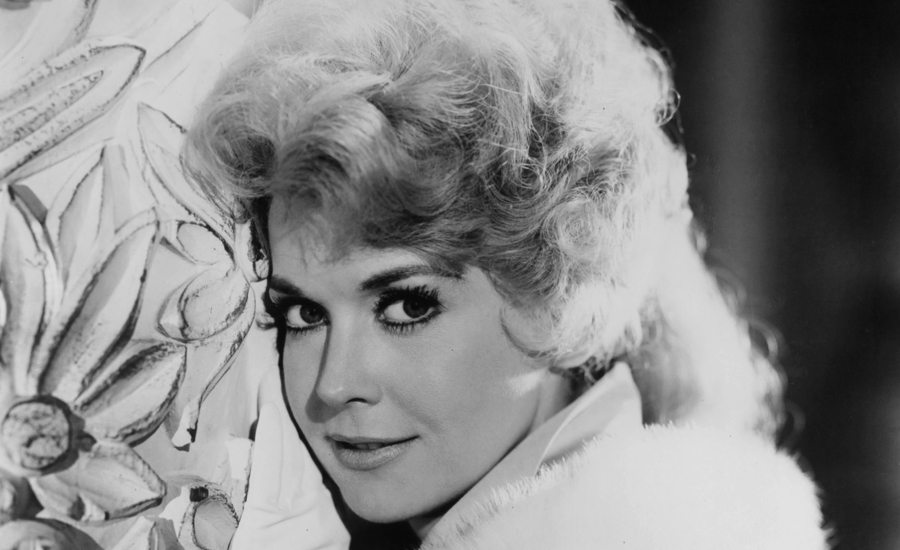
Guideposts Classics: Donna Douglas on Giving Her Best

I stood looking around the airport in Newark, New Jersey, trying not to panic. It was the early 1960s. I was a young girl just arrived from Baton Rouge, Louisiana, hoping for an acting career in New York City. I’d made a terrible mistake.

An acquaintance had promised to meet me at the airport. But nobody told me that three airports served New York City! I’d originally had tickets to La Guardia, but at the last minute the ticket agent switched me to another flight. He didn’t mention I’d be arriving at a different airport.

Believe me, I was afraid. But I had been brought up in the church. I remembered that the Bible says, “Faith is the substance of things hoped for, the evidence of things not seen.”

To me, in plain language, that means faith is when you trust God, even though you can’t see what’s a-coming around the corner.

ENJOYING THIS STORY? SUBSCRIBE TO GUIDEPOSTS MAGAZINE!

So I said a little prayer and I sat down to wait. I was thankful that when I didn’t show up at La Guardia, my friend figured out what had happened and was able to track me down. I had never been so happy to see anybody in my life.

I didn’t know it at the time, but that was just one of the many “comers” that would be upcoming in my life.

A few days later, alone in my hotel room, I was about out of courage. I’d come to New York to find work. But how did I expect to find a job in Manhattan? I hadn’t gone to college and had never had an acting lesson in my life.

I’d done a speck of modeling–in Louisiana. I could throw a mean curve ball (I’d even been approached about playing semipro softball), and had some experience fishing and milking cows, but these were far from talents that would get me hired as an actress.

On top of that, people teased me about my southern accent. I, of course, thought they were the ones who talked funny. Back home in Louisiana, everyone had a drawl like mine.

Fortunately, some photographers decided to give me a break and hired me to do ads for catalogues and magazines. This led to a few TV commercials where I smiled a lot. But I never said a word.

Finally I got a call to audition for a TV game show. The job was as an “elbow grabber,” one of the hostesses who brings the contestants out and presents them to the host.

If I got the position I’d have steady work, “bread-and-butter money,” and national exposure. And once again, I wouldn’t have to say a word.

The day of my audition, I was shown to the office of the show’s producer–and was thrown for a loop by what came next.

“We’re looking for a certain kind of girl,” he said. “Are you willing to, ah, do some extra work after hours?”

Warning bells went off in my head.

“What…what does that mean?” I asked.

“Would you be willing to go out with one of our sponsors?”

“Would the sponsor be married?” I asked.

“What does it matter? You’d just be going out to dinner.”

“No, sir,” I said emphatically, “I couldn’t do that.”

The producer shifted in his chair. Disappointment overwhelmed me. I’d heard there were girls who were willing to do anything to get work. I had tears in my eyes. “Mister,” I said, standing up, “I don’t want your job. It’s not that important to me.” And I walked out.

I was mighty surprised when I heard: I got the job. It turned out there’d recently been a big exposé of dishonest game shows, and the producer had to be very careful about everyone he hired. He’d been trying to find a girl who wouldn’t do anything questionable.

Not long after that, I was asked to go to California to do a screen test at Paramount. The folks back home couldn’t believe it when I told them I got a movie contract. But since I had little experience and was no good at bluffing, I got only small parts.

I wanted to better myself, so I took acting and speech lessons from a coach who taught me to act and talk like anyone from a working girl to a refined lady.

So I hoped I was ready when I went off to be interviewed for a pilot for a new television series. I wanted this part so much; it seemed like everything I’d worked and prayed for.

When I did my reading, the producer smiled and told me I seemed like a real possibility for the part. She said she’d get back to me as soon as possible. I couldn’t speak; I just nodded my head up and down. I was so thrilled I thought my heart would pop wide open.

On my way home, I was scheduled to take my car in for an oil change. I’d arranged for the mechanic at the garage to drop me off at home, then take my car back to service it. He was at the wheel and I was in the passenger seat as we waited at a red light–when a large Bentley rammed into us from behind.

The mechanic was okay, but I ended up in the hospital for 17 days. During that time, the producers of the television pilot interviewed more than 500 girls for that part.

They selected six for screen tests–and I was one of them. It was wonderful news, except for the fact that I was supposed to show up for a screen test in three days.

This was sure one corner I couldn’t see around.

“Please, God,” I prayed from my hospital bed, “let me have a chance at this.”

Woozy but determined, I went to that screen test. On my way over, I couldn’t help thinking of all the sophisticated actresses I was up against–ones who had a lot more experience, and none of whom were wobbly from an accident.

At the studio, the producer Paul Henning explained the series to me more fully. “And for the screen test,” he said, “we’ve got a special request.”

I nodded, desperately hoping I’d be able to remember my recent elocution lessons and theatrical training.

“We’d like you to read the part,” he said, “using a southern accent.”

I couldn’t believe it! The camera started rolling and I read the part in the down-home voice I knew the best–my own Louisiana drawl.

The producer smiled. He seemed pleased. But then the smile left his face. “There’s one more thing,” he said. “Can you milk a goat?”

I looked to the side of the set, and sure enough, there was a little nanny goat! One look told me she had the same equipment as the cows back home.

“Sure, I can milk that goat!” I said.

That nanny goat was the first of more than 500 “critters” I worked with during the nine years I played Elly May Clampett on The Beverly Hillbillies.

There have been ups and downs in my life. But time and again I’ve found it to be true that if you give God your best, He’ll meet you where you are and use whatever you have to offer.

Even when you can’t see what’s a-coming around the corner.

Did you enjoy this story? Subscribe to Guideposts magazine.

Guideposts Classics: Dean Jones on God’s Peace

In the early part of my acting career, I thought that if I could become a star, it would fill the emptiness I felt in my heart—but it did not.

There were other goals that I set for myself—money, security, cars and houses—but each time a goal was achieved, I would say, “There must be something more.” And on to the next target.

More money changed nothing. Pretty, young actresses were momentary distractions. But nothing could ward off the depressions I fell into, sometimes for months at a time. A new picture or play would end the despondency and internal hostility for a short period, but the meaninglessness of life was the reality I lived in.

I would take my sports car up one of the canyon roads leading from the San Fernando Valley to the coast highway, not really caring if I lived or died. As that beautifully balanced machine screamed over the winding roads, my thoughts turned to negative possibilities.

I’m not going to try to end my life but…if I go past the point of my skill or the car’s capacity to stay glued to the road, I won’t care. It would be a relief to die.

I had begun to see life as a joke. I had stopped believing in God, but that didn’t stop me from blaming Him for the dissatisfaction I felt.

I once took a motorcycle trip with two friends into Mexico’s Baja Peninsula, miles from civilization. We stopped at a small shack where a family lived in incredible poverty. We gave our extra dungarees to the young boys, but it was the little girl who really touched my heart.

Open sores covered her face, and there was, in the innocent eyes of one so young, a lifelessness that shook me. I was struck by the thought that she was only one of millions of hungry, diseased children on this planet.

I couldn’t look any longer. I jumped on my bike and sped away. I opened the throttle wide—too wide for the rough terrain.

Shouting at the wind, I screamed, “What kind of God are You? Don’t You see that little girl back there? How can You allow that pain and misery to exist?”

Tears blinded my eyes. The last thing I remember was a small gully ahead of me, triggering the thought, Twist that throttle, Babe, and get that front wheel up.

I didn’t make it. The motorcycle’s foot peg shot through my hip, shattering my pelvis in 13 places. A separated shoulder, a brain concussion and no memory also resulted. My friend, Gary, no more than three minutes behind, saved my life by putting his fist into the wound, stopping the blood.

READ MORE: DONNA DOUGLAS ON GIVING HER BEST

How does a life of hostility, depression and defeat turn into a life of victory? It doesn’t happen with our own strength and it cannot be at all, outside of God.

I began to discover this truth in 1972 when I was in Mexico City with my wife, Lory. We were visiting a Catholic shrine, Our Lady of Guadalupe, as tourists. Standing at the side altar, we were noticing the crutches and other paraphernalia left by those who had been healed, when a priest said, “If anyone has a physical problem, now is the time to pray.”

Though Lory and I were still unbelievers, she caught my arm and said, “Why don’t we pray that God will heal me?”

My wife had awakened that morning with her hands swollen and almost useless from arthritis. It had become a habit for me to massage them into a degree of flexibility. The doctor had prescribed a large dosage of aspirin as the only remedy for the pain. She was taking 30 to 40 a day.

So we prayed. I did not believe in faith healing, but I tried to suspend my skepticism for a moment while I whispered, “Lord God, heal Lory’s arthritis.”

You can imagine my surprise when, three days later, Lory said the pain in her hands had disappeared. Vanished. Her swollen knuckles were back to normal! She stopped taking aspirin and has not been bothered since.

One might suppose that a man who had seen his wife healed of an incurable disease would become a believer overnight. But I’m no brighter than those Jesus spoke of when He said, “Neither will they be persuaded, though one rose from the dead.” (Luke 16:31)

It was eight months before I was born again spiritually.

I had just begun rehearsals for a play on the East Coast. Walking out on-stage, I was prepared to do everything in my power to exalt the name of Dean Jones. I was ready to discipline myself to the grueling schedule and willing to make any sacrifice to get good reviews and standing ovations.

READ MORE: PATTY DUKE ON TRUSTING IN GOD

Maybe some night, I thought, by some magic, acting would somehow fill that emptiness in me. But, deep inside, something seemed to say, “This is never going to satisfy you.”

I went back to the lodge near the playhouse that night and looked out over the sumptuous landscape. I should be happy! I had so much to live for—a beautiful wife who loved me, two wonderful and healthy children and my weekly salary was more than many men make in a year.

Looking back over my life, I suddenly realized how self-centered it had been. Everything I’d done had been with one person in mind—me. Where does all this end? I wondered. For some who worship fame, it concludes with suicide. That thought frightened me.

“Oh, God,” I cried, “there must be something more!” I knelt by the bed and began to pour out my heart. I wept like a child.

During the next three days, whenever I was alone, I prayed, and each time I felt cleaner, more alive. Something extraordinary was happening to me, but I didn’t know what.

Finally, the third night, I realized what I had to do. Give myself to God—end the separation that had existed between us. I said, “God, You probably don’t even exist; maybe I’m just talking to the walls. But, if You’re there, I want to know it. And, if You’re real, I’ll give up myself into Your hands.”

READ MORE: MICHAEL LANDON ON GOD’S BLESSINGS

The moment I said those words, there came a flood of joy and peace into my heart that truly “passed all understanding.” I had never known such a feeling of stillness and contentment. That empty spot, that “God-shaped vacuum” was filled!

I felt as if a weight was removed from my shoulders, a weight that I had not known was there until it was lifted. That was the burden of self.

“My yoke is easy and My burden light,” Jesus said. (Matthew 11:30)

A moment before I had doubted God’s existence, and now, I was sure of His reality. I had not reached an intellectual conclusion. I knew in my muscles and bones that God loved me. The joy and love and peace and hope and faith were the signs that I had asked for. And received—praise the Lord!

How hard it had been to let go of self and make a commitment to seek God’s kingdom first. But what abundant life He gives in return.

“I am come that they might have life, and that they might have it more abundantly,” said our Savior. (John 10:10)

On February 10, 1974, both Lory and I publicly confessed Jesus Christ as the Lord of our lives and we began to learn how meaningful and significant every moment of life can be when you’re not empty any more, but filled and overflowing with the Holy Spirit of God.

For more inspiring stories, subscribe to Guideposts magazine.
Guideposts Classics: Al Roker on the Miracle of Childbirth

You’ve probably noticed—if you start your morning watching me on the Today show—that I don’t take up as much of the screen as I used to. Not since I had my stomach stapled. It’s a very risky operation that I don’t recommend for everyone. But I was willing to take my chances, as much for my family as myself. I want to be around for them as long as I can.

My wife, Deborah—who’s a correspondent on 20/20—and I had been married for about a year when we decided to have a child. We already had an adopted daughter, 10-year-old Courtney, from my previous marriage.

To me, there is no difference between “natural” and “adopted.” My own childhood showed me that when it comes to loving your kids, concepts like that don’t apply. I was the oldest of six, and three of my siblings were adopted. Mom and Dad even took in foster children. “There are no limits to how much you can love,” Dad always said.

ENJOYING THIS STORY? SUBSCRIBE TO GUIDEPOSTS MAGAZINE

Dad would do anything for us. He’d get up early and leave our house in Queens to go to work as a New York City bus driver. He put in back-to-back shifts and took odd jobs to provide for us. But to him it wasn’t work; it was an expression of his love. And the more kids, the more love.

That’s why I wanted to have a child with Deborah. But try as we might—for more than a year—she didn’t conceive. “This is taking longer than it should,” Deborah’s ob/gyn, Dr. Janice Marks, told us. “Let’s get you both tested.”

The problem was me. I was more relieved than anything else. Now we knew for sure what the trouble was. Besides, as a weatherman I’m used to a certain amount of failure.

Dr. Marks recommended we pay a visit to the New York Fertility Institute for a consultation. Deborah hesitated. “Let’s try it on our own just one more time,” she said. “If it’s meant to be, then God will make it happen.”

Dr. Marks pinpointed Deborah’s window of ovulation. “Knowing when should help,” she told us. But it didn’t. Every time I saw one of those commercials showing a happy couple with a positive on their home pregnancy test, I wanted to throw something at the TV.

Three weeks later, Deborah surprised me. “Al, I’m late,” she said. I scrambled off to the drugstore for a home pregnancy test. Deborah went into the bathroom the next morning while I paced in the hall outside. Finally she opened the door, a smile on her face and test strip in hand. Two pink lines. “Positive?” I asked. She nodded. Was this really happening?

These Christian Living Books Will Help You on Your Faith Journey

I wouldn’t let myself get excited. Not yet. We tried another test. That one came back positive too. Oh, man. We’re pregnant! We stayed up almost all night talking. What do we do now? Who do we tell and when? What about Courtney, who had ruled the roost for so long? We decided to wait to give her the news, just in case.

I didn’t sleep much that night. I got out of bed around 3 a.m.—a little earlier than usual—gave Deborah a peck on the cheek while she slept, then left for Studio 1A at Rockefeller Center. “You’re looking mighty chipper, Al,” Katie Couric said. “Really?” I answered nonchalantly.

Inside, I was ready to burst. I wanted to tell Katie, Matt Lauer, everyone. But I kept quiet and gave the weather report as usual. “Nine months from now,” I felt like telling the whole country, “it looks like we’re due for a nice, warm baby. And a high probability of an overly sunny dad.”

It was good I didn’t. A sonogram at two months showed the baby wasn’t growing. Its heart rate was way too slow. “I’m sorry,” Dr. Marks told us. “I know this is going to hurt, but it doesn’t look like the baby will reach term.” Deborah miscarried on Labor Day weekend.

“I’d just started to think of myself as a mother,” Deborah told me. “And now it’s all changed.” I squeezed her hand. I knew just what she meant.

It wasn’t that we weren’t parents already. But ever since the day Deborah showed me that test strip, we’d both felt something new at work in our lives. The incredible mystery of God working through us to create a new life. I think we both knew then and there that there was no turning back.

READ MORE: WALTER CRONKITE ON HONESTY

A few weeks before our second anniversary, Deborah got a checkup from Dr. Marks. She asked about the possibility of trying to get pregnant again. “I see no reason why you couldn’t,” Dr. Marks told her. “You’ve healed well, and you’re in good health. But you’re going to need medical and scientific help.”

We went to see Drs. Majid Fateh and Khalid Sultan at the New York Fertility Institute. Dr. Sultan told us about artificial insemination and in vitro fertilization.

Then he said, “I’m not going to lie to you. If you choose this road, it is a long one. And difficult. For both of you, but especially for Deborah. There will be a lot of work involved, a lot of discomfort and no guarantees. Are you willing to go through it?”

That night Deborah and I talked it over. “It’s your decision,” I finally said. “Like the doc told us, you’re the one who has to do the real work. But…” Deborah took my hand and I knew I didn’t have to finish my sentence. We wanted a baby. Come what may, we were going to try.

We opted for in vitro fertilization. It was a success; Deborah got pregnant again.

This time I was afraid to be too happy. The doctors told us how critical the first trimester was. I prayed every day, asking God to keep my wife and our unborn child in his hands.

Twelve weeks later we went into the sonogram room together. I had years of live TV under my belt, and thought I was well past the butterflies-in-the-stomach phase. But I’d never felt so unsettled before. The doctor turned on the monitor and the screen flickered to life. He ran the wand over Deborah’s belly. “There,” he said.

Deborah and I squinted into the black-white-and-gray image on the screen, trying to figure out what the doctor was pointing out. “Those are the arms,” the doctor said. Then he ran his finger along two thin shapes near the bottom of the screen. “Those are the legs right there.”

He flipped a switch and the room filled with sound. A steady, thumping beat. “Good, strong heartbeat. Congratulations!”

Sign up for Guideposts Free e-newsletters and Get Inspiration Delivered to Your Inbox

In that moment, all my doubts and worries, all my questions about whether or not Deborah and I had done the right thing, completely vanished.

Science may have helped us on our path to pregnancy, but it couldn’t get us all the way to the end. The only thing that could do that was the power and grace of God. He’d been with us on this journey every step of the way. This was his miracle; the beautiful, glorious, humbling mystery of life.

At 9:17 a.m. on Tuesday, November 17, 1998, I heard the most wonderful sound: the cries of our newborn daughter, Leila Ruth Roker. A nurse held her up for Deborah to see. My wife started to cry, and so did I. I held my new daughter and looked into her eyes. Is this how Mom and Dad felt when they held me? I wondered.

I thought back to growing up with my five siblings. They were my brothers and sisters, but to my parents they were much more. Each of us was a miracle.

My little girl wriggled in my arms and all at once I felt warmth surge through me. Love. For Courtney, for Leila and for Deborah. This was the answer to the mystery that had driven Deborah and me to want a child so much. Love without limits, just like God’s love for all his children.

Read More: Al Roker on How Parenting a Child with Special Needs Inspires Him

For more inspiring stories, subscribe to Guideposts magazine.
Guided to Safety on September 11th

That morning I was in my office on the 78th floor of the North Tower of the World Trade Center when the first plane exploded into the building above us.

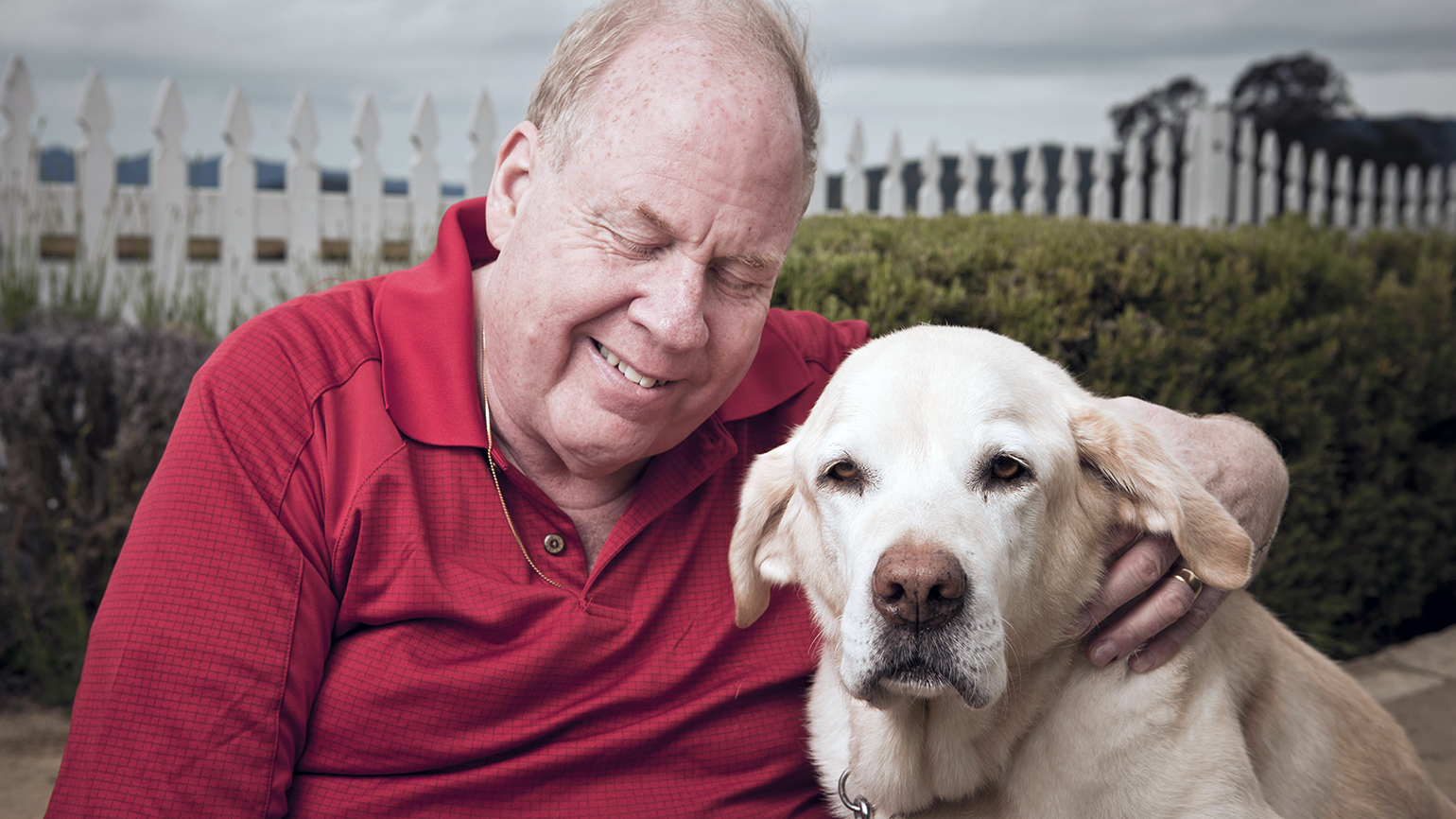
I’ve been blind since birth and my incredible guide dog Roselle led me down 1,463 steps to safety, just minutes before the tower collapsed. I was tremendously grateful to have survived, but questions nagged at my soul.

How could a tragedy of this magnitude happen? Why did Roselle and I survive and thousands of others didn’t?

Only a few days after the attacks, I threw myself back into my work as a regional sales manager for Quantum ATL, a company that provides computer backup systems for businesses. I worked from home and from rented offices in New Jersey. I was also asked by TV stations and newspapers to share my story.

Initially I was hesitant. I walked down a bunch of stairs—that wasn’t heroic. My wife, Karen, said, “The country needs healing, Michael. And so do you. Tell people about what you and Roselle went through. Give them hope.”

I did a few interviews. The more I told my story, the more I realized there was also value in talking about some of the things I learned growing up blind—things that went a long way toward helping me survive that day.

Like the importance of trust and teamwork. The trust I had in God and Roselle, and the teamwork I had with her and the people who were with us all 1,463 steps down.

I began to wonder if I was meant to do something other than work in the computer business. How can I best help people? Guide me, Lord. I’m listening.

In December, 2001, I got a call from Bob Phillips, the CEO of Guide Dogs for the Blind—the nonprofit I’d been getting guide dogs from for 38 years, ever since I was matched with my first dog, Squire, at age 14. “Michael, will you serve as the spokesperson for our San Rafael, California, campus?” Bob asked.

A spokesperson for the organization that had changed my life? And at the San Rafael campus? That’s where Roselle and Squire had gone to school! It was Harvard for guide dogs! Karen and I were both native Californians and had always dreamed of moving back.

But taking the position would mean giving up a comfortable salary. We spent a week in prayer. The more we prayed, the more it was clear: We had changed. I had changed. Money wasn’t as important. I called Bob. “I’d be honored to take the job,” I said.

Working for Guide Dogs was a dream come true. I was bringing people the same confidence, hope and freedom I’d felt having a guide dog. And I got to spend time with Kay and Ted Stern, who had raised Roselle. She was one of the first puppies they’d trained to be service dogs.

“Hearing what you went through gave us validation,” Kay said. “We’re going to continue working with service dogs.”

More folks wanted to know how Roselle and I stayed calm that terrifying day and how we worked together. I remembered what Karen had said not long after September 11, that our story gives people hope. If they want to hear it, why not share it?

So, after six and a half years of working for Guide Dogs, I resigned to tell Roselle’s and my story at schools, corporations and churches.

Roselle passed away this year at age 13. I miss her often, but keep busy with our other dog, our cat and my new guide dog, a yellow Lab named Africa.

I may never know the answers to the questions that plagued me after 9/11. But I know if we lean on God and each other, we will be guided…to a better, brighter future.

For more inspiring stories, subscribe to Guideposts magazine.
Guided by a Divine Navigator

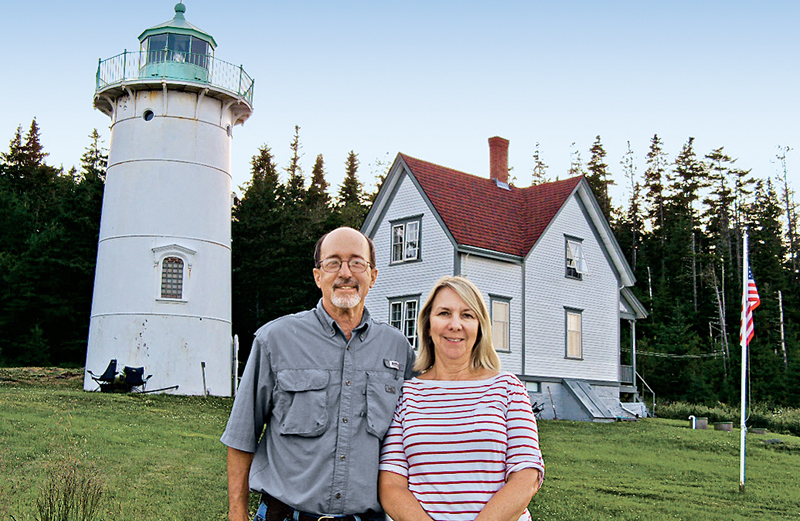
Dense fog shrouded the water. Beyond the dock, where a small skiff was tied up, all I could see was a milky mist. It looked like it was a day better for holing up inside the lighthouse where my wife and I were staying than going out on the water.

There was a reason, after all, why the Little River Lighthouse was here, perched on a tiny speck of land off the coast of Maine, opposite the town of Cutler. The shoreline was rugged, littered with jagged, treacherous rocks.

But I didn’t have a choice. Marilyn and I were volunteering as lighthouse caretakers, a dream come true for lighthouse buffs like us. One of our jobs was to ferry overnight guests to and from the mainland, a mile away. As an experienced boater, I knew it could only be done safely at high tide.

Right now. I’d pushed the loaded luggage cart from the far side of the island, where the lighthouse, the keeper’s house and the foghorn were. Now I maneuvered the cart down the ramp to the 15-foot skiff. Marilyn and our visitors, Gene and Sally, trailed behind me.

They were counting on me to get them back to Cutler. I helped Sally into the boat and handed her a life vest. Gene put on his vest and climbed into the kayak he’d paddled over on.

“Follow close behind us, okay?” I said to Gene.

“Absolutely,” he said.

Gene was the one I was worried about, not me. Granted, we rarely had fog like this where we lived, on the Florida Panhandle. But I had a compass. I knew how to chart a course. I’d been a fighter-jet navigator in the Air Force.

At times like this, when you couldn’t trust your eyes, you had to trust your instruments to guide you.

Gene pushed away from the dock and waited for us to lead the way. I started the engine while Marilyn untied the lines and hopped in.

We crept through the water. Normally it was only a 10-minute trip to Cutler, and we’d have a clear view the whole way of its picturesque harbor, busy with hulking lobster boats, cabin cruisers, sloops and kayaks. Now I couldn’t make out a thing.

“Thank God that kayak is bright yellow,” Marilyn murmured.

Sally nodded. I could tell she was worried about her husband, but as promised, he was sticking close to us.

I shifted my gaze from the compass to the bow, straining to see through the haze.

Brumm. Brummm. Brummmm.

The deep rumble of a boat motor, from somewhere off our port side. My hand gripped the throttle tighter. The lobster boats were coming back from their morning run. If we were in their path they might not see us until it was too late.

I looked down at the compass. We were on track. But should I adjust? Which way? I spied a buoy to starboard, marking the location of a lobster trap below the surface. Too close and our motor could get tangled in a line. I gave it a wide berth, then quickly reset my course. There you go.

The fog seemed to grow thicker by the second. At least when we got to shore we’d be able to hang out in town for a bit, get a bite to eat, do some shopping. Hopefully by then it would begin to clear and the tide would still be in.

I could just barely make out the shadow of a lobster boat, a safe distance away. She pulled ahead, her wake rocking us, and then disappeared into the mist, like a ghost ship.

I inched the skiff forward, watching, listening for hidden hazards. We had to be getting close to shore, hadn’t we?

Finally, I saw the familiar outlines of buildings emerging, about 30 yards away. Hallelujah!

I steered us to the public boat ramp. Gene paddled ahead and got the kayak out first. Three local lighthouse volunteers were there to help us unload. One of them grabbed our line and tied up the boat. Another reached a hand out to Sally. I lifted our guests’ luggage onto the dock and turned to Gene.

“Hope you have a safe trip home,” I said. But Gene didn’t even look up. He was staring at the pile of luggage.

“We must have left one of our bags back on the island,” he said. “And it’s the one that has my wallet in it. Shoot.”

I glanced over my shoulder at the fog. Lobster boats were still coming in. Nuts.

“No problem,” I said. “We’ll go back and get it.”

“I’m sorry,” Gene said. “I can go with you if you’d like.”

I waved him off and helped Marilyn back into the boat.

“Are you sure about this?” she asked me quietly.

“We’ll be fine,” I said, hoping I sounded more confident than I felt. The compass could only tell me which direction we were going. It couldn’t tell me where the island was or, more importantly, where we were.

If I got even a little bit off course, if I took us past that speck of land, we’d be headed straight out to open sea.

Marilyn stood beside me, shivering. From the damp chill or fear, I wasn’t sure. I guided the boat out of the harbor, around one buoy, then another, then a lobster car, a type of holding cage. Resetting our course each time. Nothing but fog everywhere I looked.

It was kind of creepy, how it seemed to cling to us.

“Is this the right direction?” Marilyn asked.

I looked down at the compass. I was gripping it hard. “We’re heading southeast,” I told her. “That’s right.”

“Shouldn’t we be going more to the left?”

Left? We weren’t exactly driving down a road. But something didn’t feel right to me either. Could I have overcorrected?

I heard a roar. A boat practically on top of us. I was afraid to even move. The other boat emerged from the fog, heading away from us, toward the town harbor. Whew. That was close.

“Is that a tree line over there?” I pointed starboard.

“Honey, I don’t see anything,” Marilyn said.

Now I couldn’t see it either. I felt completely blind. Dread rose inside me. We should have been back at the island by now. But I didn’t know where we were. Which way to turn. The compass couldn’t help me. I was totally lost.

It was eerily quiet. Only the rumbling of the skiff engine, taking us deeper and deeper into the fog. Then came a voice. The words were unspoken, but unmistakable.

Listen. Just listen.

I cut the engine to idle. Waited. But there was nothing. What was it I was supposed to hear? I needed to see, not hear!

Then, in the distance, a faint, deep repeating sound. Like someone blowing a…

“The foghorn!” Marilyn exclaimed.

We stared at each other in disbelief. The foghorn could only be heard on the ocean side of the island. We were headed out to sea! How could that have happened? I’d made only the smallest of turns. Kept an eye on the compass. Trusted that I…

In that moment it hit me how I’d gone wrong. I’d been so certain that I knew what I was doing, never realizing that somewhere along the line I’d misread the compass. Every maneuver I’d made after that had taken us farther and farther off course.

It was okay to be confident in my abilities and in my instruments. But ultimately there was only one navigation system that would never steer me wrong. Or maybe I should say, one great Navigator.

I wheeled the boat around and pointed it toward the sound of the horn until the outline of the lighthouse came into view through the fog. Marilyn and I exchanged smiles. I circled the island until we found the dock. Finally we were back.

We tied up. I hopped out and ran the half mile to the keeper’s house. There was the bag, right where our guests had left it. I rejoined Marilyn in the skiff. No worries about making it to the mainland this time. I had all the direction I needed.

Download your FREE ebook, True Inspirational Stories: 9 Real Life Stories of Hope & Faith

Gratitude for Safety

I would have had a heart attack. That was my first thought when I saw my friend Wendy’s pictures on Facebook and read what she posted. The photos were of a large snake. Seriously, it looked like it was as big around as my arm.

“I barely have a voice today after encountering this huge cottonmouth water moccasin late yesterday,” Wendy posted. “It lunged at me with mouth wide open, and I still don’t know how it didn’t bite me.”

The snake was about four feet from their motorhome doorway. Wendy had come around from the side to grab her phone from the outside chair and didn’t see the snake until she turned around. It lunged at her with its mouth open to bite her. “Y’all!,” she contines, “I don’t even remember flinging chairs and losing my flip-flops, but my husband was in the truck with our boys and saw me running and screaming.” He thought bees were chasing her.

And then the line that makes my blood run cold every time, “All I can think about is how much Sam (her little boy) runs around and plays on his bike at our campsite and doesn’t know how to get away.”

I’m so grateful she managed to get out of the reach of that snake and even more thankful that her little guy wasn’t the one who encountered the venomous water moccasin. Her story has made me think about something these past few days: I wonder how many times I’ve faced dangerous situations—didn’t even realize I was in danger?

I call them “almost moments.” The ones where I almost had a wreck, but at the last minute, moved away right before the impact. Or those times I grumbled about a detour or slow traffic, and then realized later with the beauty of hindsight, that what I’d considered an aggravation had kept me safe. Or in Wendy’s case, facing a poisonous snake poised to strike but not being harmed.

Psalm 138:7 says, “Though I walk in the midst of trouble, You preserve my life.” Maybe you’d like to join me today in thanking God for keeping us safe in all of those what-might-have-been moments.

Good Friday’s Ultimate Love on the Cross

People from all around the world observe Good Friday in different ways—by fasting, praying or attending a church service from noon to 3 p.m., the time in which Jesus was hung on the cross. In some countries, churches even re-enact the procession of the cross as in the ritual of the Stations of the Cross, which depicts the final hours of Jesus’ life.

Unlike the celebratory spirit on Easter, Good Friday is a day to reflect and pray. Most people, when contemplating the story of the crucifixion, feel perplexed, confused and disturbed, which is only natural. The crucifixion was a method of capital punishment in which the victim was left to hang until death. However, if we examine the deeper meaning of Jesus’ sacrifice, we find love. In doing so, we discover a new narrative—a transforming and life-changing message of love.

Jesus loved the people He met, served, taught and healed. He surrounded himself with all types of people: the poor, broken, hurting, powerful and religious. Jesus’ love for all people is what leads him to the cross. He said, “Greater love has no one than this: to lay down one’s life for one’s friends” (John 15:13). While Jesus hung on the cross, He expressed His love to the crowd that mocked Him and assured one of the thieves who hung on a cross next to Him that he would soon be with Him in paradise.

Jesus Christ gave His life so that we could live abundantly. His love frees us from our sins, heals us from our hurts and reconnects us with God. The love Jesus expressed at the cross is faithful, steadfast and never ending. It flows from His heart into our lives, changing us and our narrative. No matter how sad Good Friday may seem, let us remember, no greater love can be found than the one we find at the cross. When you think of Good Friday, what word comes to your mind? Please share with us.

Lord, thank You for Your love that changes us daily.