Embrace God's truth with our new book, The Lies that Bind

Sweet Potato Lasagna

Ingredients

Roma tomatoes or 2 c. low-sodium marinara sauce
1 Tbsp. olive oil
1 Tbsp. minced garlic
2 tsp. dried oregano
1 tsp. dried sage
1 tsp. ground dried rosemary
1 lb. 95% lean ground beef
Sea salt and black pepper
1 c. low-fat ricotta cheese
1 egg white, lightly beaten
Olive oil spray or cooking spray
2 large sweet potatoes, cut lengthwise into ⅛-inch slices
1 c. shredded reduced-fat mozzarella
Fresh basil and sliced green onion for garnish

Preparation

1. Preheat oven to broil. Place tomatoes on parchment-lined baking sheet, and broil until outsides are browned and blistered, 6 to 8 minutes.

2. Set oven to 400°F. To a nonstick skillet over medium heat, add olive oil and garlic. Cook for about 2 minutes to flavor the oil, being careful not to burn garlic.

3. Add oregano, sage and rosemary; cook until fragrant, 1 to 2 minutes.

4. Add beef to skillet and cook, breaking it up as you do, until nearly all meat is brown, about 5 minutes.

5. Add tomatoes to skillet and gently mash to create tomato sauce. Stir sauce in with meat and break up meat with spatula until no large chunks remain.

6. Remove from the heat, and allow sauce to thicken. Season to taste with salt and pepper.

7. In bowl, whisk together ricotta and egg white. Spray a cast-iron skillet or 9×13-inch casserole dish with olive oil spray, then add enough slices of sweet potato to cover bottom in a single layer.

8. Add one third of meat sauce to make one layer, then top with half of ricotta mixture. Repeat, using rest of ricotta. Top with remaining sweet potato slices, then a final layer of meat sauce. Sprinkle dish with mozzarella.

9. Cover with aluminum foil and bake until the sweet potato slices are soft and the flavors of the layers have melded, about 50 minutes. Remove foil for the final 5 minutes of baking so cheese browns slightly. Let cool for 5 minutes.

Serves 6.

Nutritional Information: Calories: 340; Fat: 21g; Cholesterol: 75mg; Sodium: 710mg; Total Carbohydrates: 14g; Dietary Fiber: 2g; Sugars: 5g; Protein: 25g.

Read Kevin’s inspiring story from the May 2019 issue of Guideposts!

Reprinted from Fit Men Cook: 100+ Meal Prep Recipes for Men and Women—Always #HealthyAF, Never Boring. Copyright © 2018 by Fit Men Cook, LLC. Photograph Copyright © 2018 BY Kevin Marple. Published by Touchstone, an imprint of Simon & Schuster, Inc.

Super Sloppy Joes

Remember, it’s okay to get messy with these seasoned ground-beef and tomato-sauce sandwiches.

Ingredients

2 lbs. ground beef ½ c. chopped onion
2 celery ribs with leaves, chopped ¼ c. chopped green pepper
1 ⅔ c. canned crushed tomatoes ¼ c. ketchup
2 Tbsp.brown sugar 1 Tbsp. vinegar
1 Tbsp. Worcestershire sauce 1 Tbsp. steak sauce
½ tsp. garlic salt ¼ tsp. ground mustard
¼ tsp. paprika 8 to 10 hamburger buns, split

Preparation

1. In a Dutch oven over medium heat, cook beef, onion, celery and green pepper until the meat is no longer pink and all the vegetables are tender.

2. Drain, and add the next nine ingredients; mix well.

3. Simmer, uncovered, for 35 to 40 minutes, stirring occasionally.

4. Spoon ½ cup meat mixture onto each bun.

Serves 8–10

Sugar-Free Peach Ice Cream

Not only does this homemade ice cream taste great, but it’s perfect for those with diabetes, too.

Ingredients

4 pasteurized eggs 2 Tbsp. vanilla
2 ½ c. Splenda ½ tsp. salt
6 c. 1% milk 1 ½ c. chopped peaches (fresh or frozen)
4 c. fat-free half-and-half

Preparation

1. Crack eggs into blender and blend till light. Continue blending as you add Splenda slowly till mixture thickens.

2. Add remaining ingredients. Pour into ice-cream maker and freeze according to manufacturer’s directions.

Note: For frozen peaches, chop 4 cups fresh peaches and sprinkle with ¼ cup Splenda. Freeze in air-tight container.

Makes 1 gallon

Read the story behind this delicious recipe.

Strawberry Flax Smoothie

Not only is this smoothie delicious, but combined with the flax, it’s chockful of healthy omega-3 fatty acids!

Ingredients

2 cups ice

8 ounces frozen strawberries

1 banana

1/4 cup ground flax

Welch’s Strawberry Breeze juice (enough to fill blender)

Ingredients

1. Put ice, strawberries, banana and flax in blender.

2. Add juice and fill to the top of the blender.

3. Blend until ice is crushed and ingredients are mixed well.

4. Enjoy!

Read how this flaxseed recipe saved one family’s beloved farm from going under in Golden Crop.

Storytelling

I’m reading a strange little book called How Fiction Works. It’s by James Wood, who teaches at Harvard and reviews books for The New Yorker magazine.

Don’t let his pedigree put you off. Wood is an appealing writer and his book is just what it sounds like, a down-to-earth instruction manual for reading stories. Didn’t think you needed instructions? Stay with me.

Wood starts with the idea that everyone knows what a story is but not necessarily how one works. By “works” he means what makes one story good and another bad, or how authors actually tell stories so readers don’t get bored or miss the point.

It’s like painting. You see a painting you love in a museum and you think about the picture, the image, your feelings. What you don’t think about so much is how the artist got the painting to look like that. Wood asks how authors get their stories to look like that.

Why bother with such questions? Well, that’s where it gets interesting. Wood focuses on the mechanics of stories for a reason. Stories, he says, are most successful when they most compellingly mimic reality.

That’s more complicated than it sounds. Some writers—especially modern ones—write things that don’t seem at first to have much to do with reality. They’re abstract or difficult or full of seemingly unrelated ideas and images.

Nevertheless, says Wood, all stories, even the difficult ones, are ultimately attempts to picture and reflect on human life. We like stories best when they help us to understand life in a fresh, interesting and nourishing way. How do we know when a story has done that? We just know. It’s instinctive. And that feeling of enlarged understanding—of having been shown something true enough to be worth remembering—is what keeps us seeking out more stories. We need that kind of knowledge. We almost can’t live without it.

Thus, Wood’s book is really about more than stories. It’s about life. Or, more precisely, it’s about our attempts to understand what is true about life—what we need to know to grasp reality accurately and know ourselves and others. You could say, then, that Wood is interested in the truth. And if he’s interested in the truth, then, at least by implication, he’s also asking questions about God.

Wood himself actually doesn’t believe in God. He grew up a believer but abandoned faith. Yet he is clearly haunted by questions of belief. His best known book, The Broken Estate: Essays on Literature and Belief, examines numerous writers struggling with the implications of faith, particularly in the modern era when faith has become such an embattled—or at least such a lightning rod—term.

For this reason I think Wood would agree that a book about how stories work is also a book about how we try to know God. Wood might say there’s no God to know. But he wouldn’t deny that in telling stories we are trying to get at some larger truth that believers call God and everyone else calls, for lack of a better word, reality.

As a person who spends his workday editing and thinking about stories I find this a very exciting idea. Not because it makes my work sound glamorous but because it raises intriguing questions about how the mind works and how people, no matter their belief or unbelief, acquire knowledge about themselves and the world.

The implication, I think, is that just about everything we know comes to us through stories. Stories aren’t just what we do in our spare time, watching TV or reading books or gossiping. Stories are how we know anything and everything.

It sounds counterintuitive, constructing an understanding of reality using an instrument—stories—that is obviously unreal. But if you think about it you’ll see it’s an unavoidable conclusion. Take your understanding of yourself. It’s a story that begins, “Once upon a time a baby was born….” What’s the structure of that story? The advance of time. What’s time? A carryover from the logic of stories. You can’t escape it. Sometimes I wonder whether everything is a story.

Really? Well, if you’re a person of faith like me it’s not such a stretch. What are the first words of the Bible? “In the beginning….” A story. The first words of the Gospel of John? “In the beginning was the Word.” Another story, this one a story about a story, about a God depicted using the image of language itself.

The implications of all of this are profound and complex. But the bottom line is: Stories are what we have. They are how we know what we know. They are perhaps the closest we will ever come to understanding the creative activity of God. And, miracle of miracles, they are, despite all this weighty significance, available to each and every one of us as an effortless birthright.

After all, who has not sat at his or her child’s bedside and begun, “Once upon a time…?” How does fiction work? I think perhaps we already know.

Jim Hinch is a senior editor at GUIDEPOSTS. Reach him at jhinch@guideposts.org.

Story of a Song: What the World Needs Now Is Love

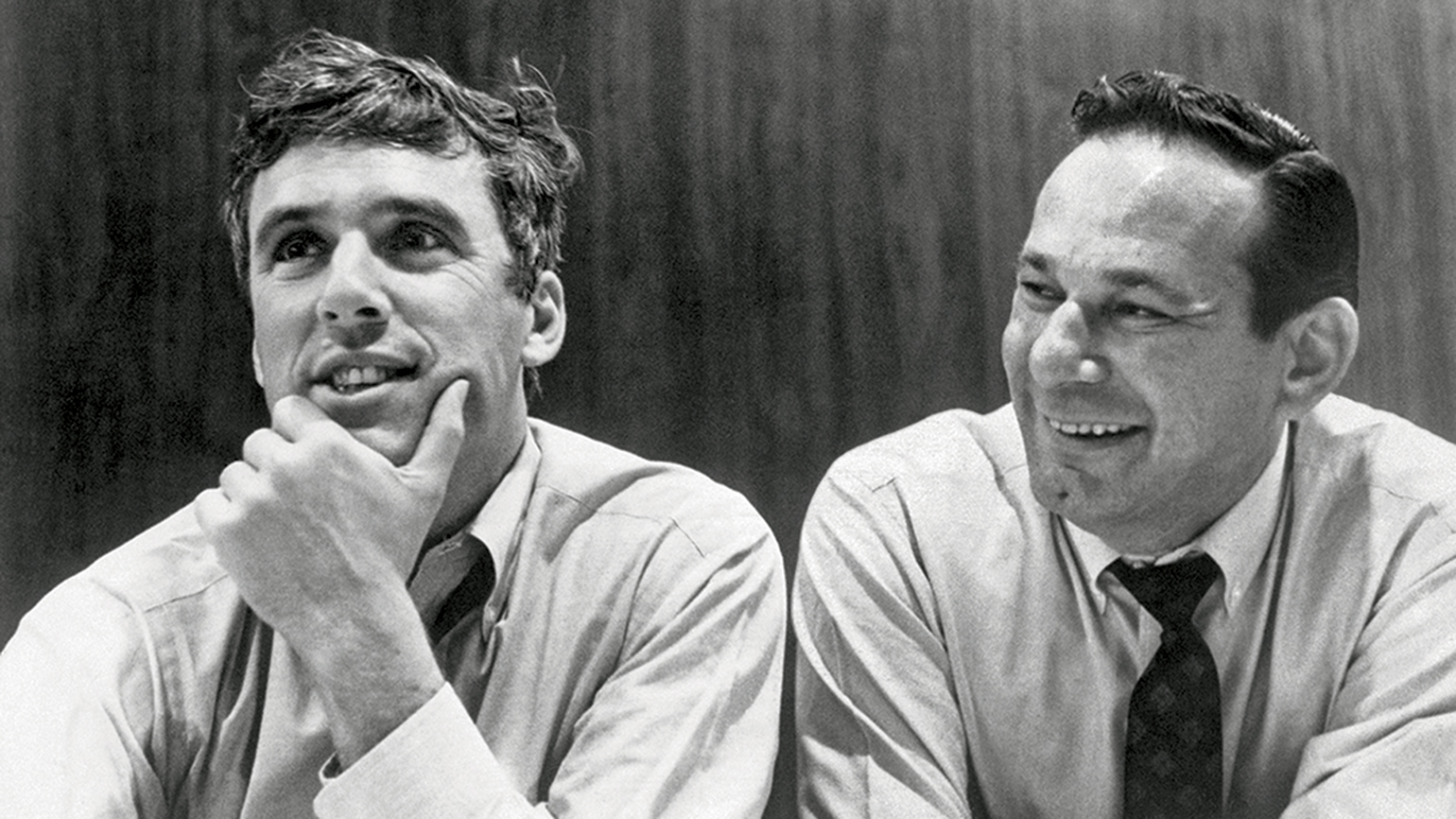
Songwriter Hal David was stuck. It was the early 1960s, and he’d written the lyrics: “What the world needs now is love, sweet love. / It’s the only thing that there’s just too little of.” No matter how many times he tried, he couldn’t come up with the verses to match the chorus and finally set aside the song in despair.

A couple years later, David was driving from his home on Long Island, New York, to Manhattan to work with his partner, Burt Bacharach. Suddenly it hit him: The song was addressed to God! As soon as he could, David wrote, “Lord, we don’t need another mountain,” and the rest of the lyrics flowed from there.

After Bacharach put a melody to the words, the team showed Dionne Warwick, who had already recorded many of their songs.

For the first time, however, Warwick turned them down.

David and Bacharach then offered the song to Jackie DeShannon, who snapped it up and released her recording in 1965. “What the World Needs Now Is Love” reached No. 7 on the Billboard Hot 100 chart.

Warwick changed her mind and later covered the song—as did The Supremes, Petula Clark, Luther Vandross and even Bacharach himself. The uplifting anthem has been performed in more than 220 films and TV shows.

Following the assassination of Robert F. Kennedy in 1968, DeShannon’s version was played over and over on the radio. The world always needs love but, in troubled times, has also needed Hal David’s hard-won song of comfort and inspiration.

Story of a Song: Stand By Me

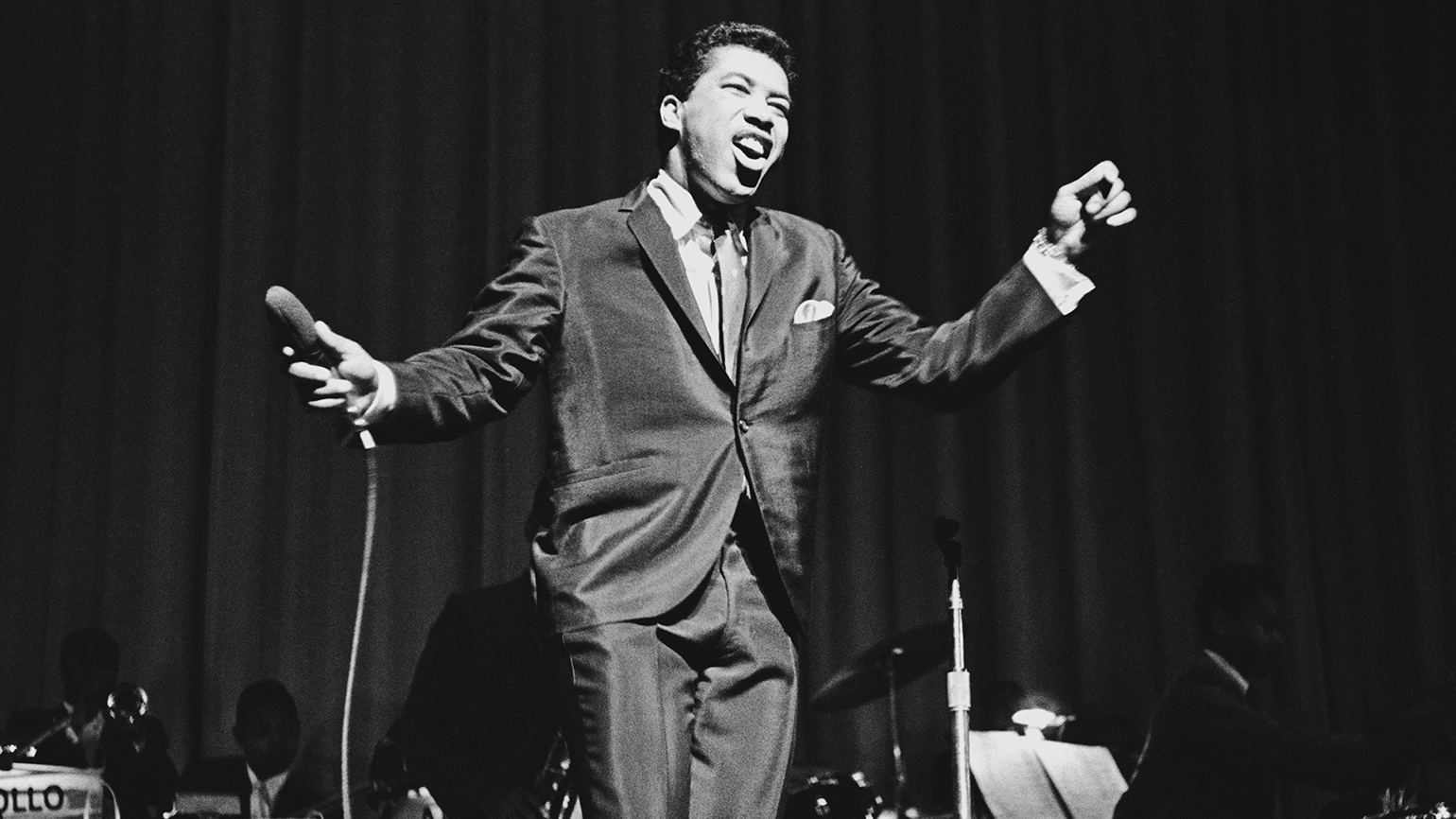
Ben E. King, lead singer of The Drifters, wanted to write a song to honor his wife-to-be, Betty. He drew inspiration from the 1905 gospel hymn “Stand by Me,” by Charles Albert Tindley, which in turn was based on the words of Psalm 46:2: “Therefore will not we fear, though the earth be removed, and though the mountains be carried into the midst of the sea.”

In 1960, King sang the first verses to legendary producers Jerry Leiber and Mike Stoller, who added the famous doo-wop bass line and worked out the rest of the lyrics.

After The Drifters turned the song down, King released it solo the following year. The tune climbed to the Top 10 in the United States and went on to be covered by more than 400 artists, including John Lennon, Otis Redding and, most surprisingly, Muhammad Ali.

When the 1986 film of the same title featured the original recording, the song amassed an even greater worldwide following, cementing its status as a wedding standard. And a national treasure: “Stand by Me” was inducted into the National Recording Registry by the Library of Congress.

Most important? The song has proved as enduring as the love that inspired it: Ben E. King and his wife, Betty, stood by each other for more than 50 years—until his death in 2015.

For more inspiring stories, subscribe to Guideposts magazine.

Story of a Song: Let It Be

“When I find myself in times of trouble, Mother Mary comes to me / Speaking words of wisdom, ‘Let it be….’”

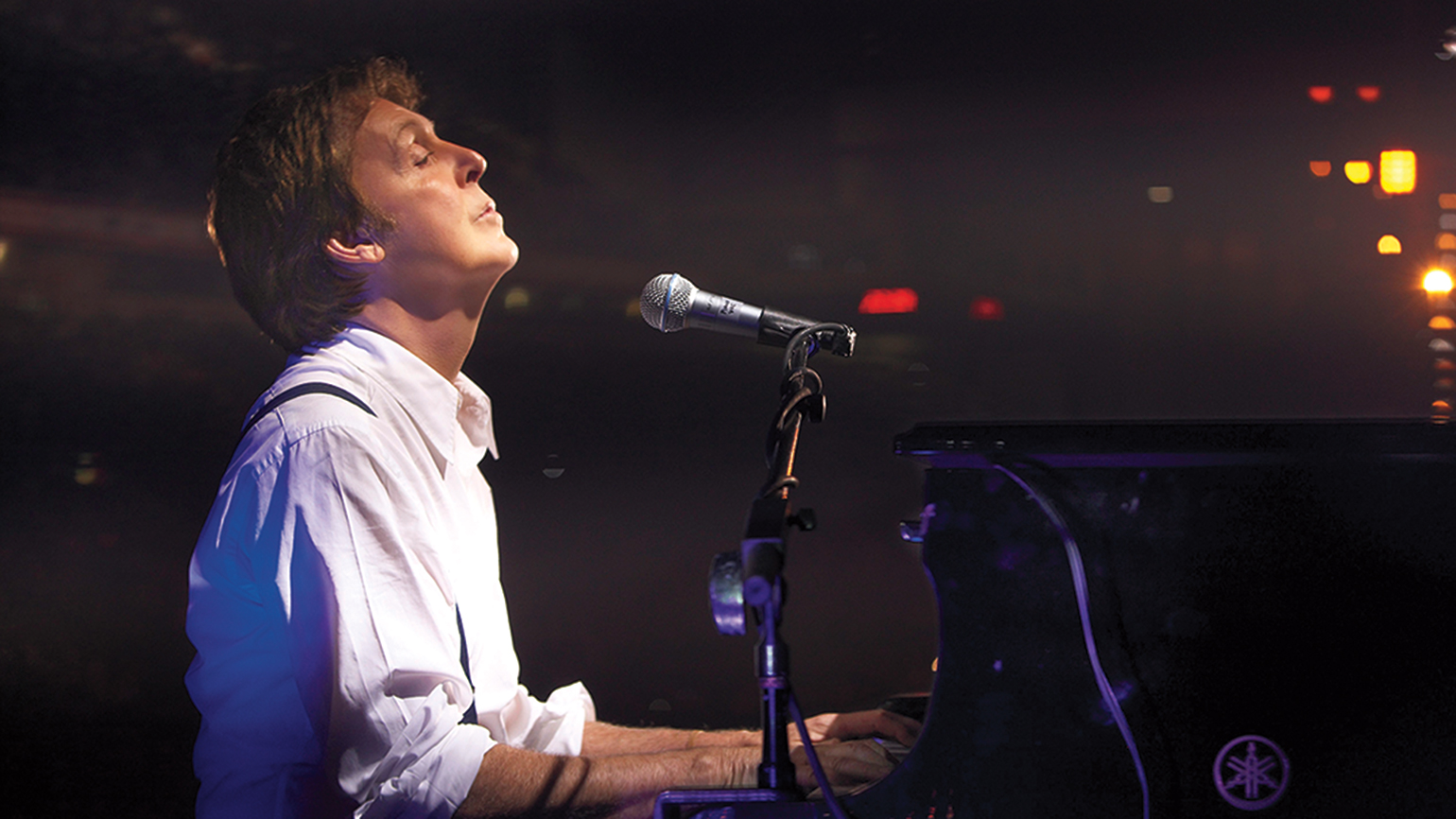
Most people are familiar with the opening line of the classic Beatles song “Let It Be,” written by Paul McCartney. But the Mary in the song might not be who you think it is.

In the fall of 1968, McCartney was 26, still haunted by tragedy. When he was 14, his mother had died suddenly during cancer treatment. It was a loss that drove him to practice the guitar, almost obsessively, and dedicate his life to music. It also cemented his friendship with bandmate John Lennon, who had lost his own mother as a 17-year-old. Despite the Beatles’ success, McCartney was in a dark place. He was doing drugs, partying, not sleeping much.

One night, he had a dream. He saw his late mother, Mary. She offered him comfort and advice: It’s going to be okay. Just let it be.

McCartney woke up, reassured and inspired. He penned “Let It Be” shortly after. It became a modern-day hymn.

“It was really like she had visited me at this very difficult point in my life and gave me this message,” McCartney recalled in Marlo Thomas’s book The Right Words at the Right Time. “‘Be gentle, don’t fight things, just try and go with the flow and it will all work out.’”

For more inspiring stories, subscribe to Guideposts magazine.

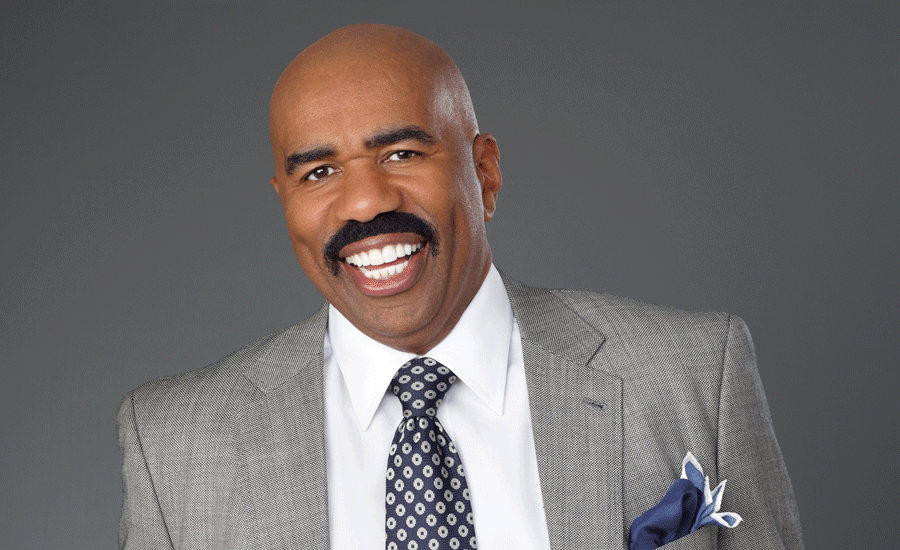
Steve Harvey: Act Like a Success, Think Like a Success

“Your gift is calling, are you ready to answer?” That’s the question multi-hyphenate comedian Steve Harvey posed in his latest self-help book, Act Like a Success, Think Like a Success.

Harvey, who hosts Family Feud, as well as his own TV and a radio talk shows, has taken his personal story and turned it into a powerful tool for anyone ready and willing to answer their true calling.

Act Like a Success book coverIt would be easy to write this book off as just another generic self-help guide (there are plenty of those offered on Amazon.com these days). What makes the New York Times best-selling author’s latest work unique is his story-telling ability. The media mogul who’s earned millions by making people laugh doesn’t shy away from poking fun at himself.

From discussing failed marriages to dead-end jobs and his time spent living homeless, Harvey exposes himself to readers in the hope that they’ll adapt his philosophy on life; namely, that failure is essential to finding their life’s purpose.

The book is chock full of tips and scriptural references for discovering their gift (and everyone has one), channeling it through the right vehicle and eventually turning their passion into something that can make them rich.

And while money is something that certainly does make life easier, Harvey doesn’t define success by the number of zeros in his bank account. Success, he says, is finding “not what you were paid for, but what you were made for.”

Harvey’s guide gives step-by-step instructions, with lessons taken from his own struggles during the early part of his comedic career, for anyone wanting to make a change or pursue a goal in their life. Start small, he says, avoid comparing your journey to others, have a plan in place and lean on your faith and values when times get tough.

By sharing his own success formula and the advice he’s been given by similarly successful individuals, Harvey puts readers on the path to realizing their gift, reinventing their lives and honoring both themselves and God by living the life they were always meant to live.

Act Like a Success, Think Like a Success is available online and in stores now.

Steve Harvey is the author of New York Times bestsellers Act Like a Lady, Think Like a Man and Straight Talk, No Chaser. He’s also the host of his own daily talk show and the game show Family Feud in addition to his nationally syndicated Steve Harvey Morning Show on the radio. The Emmy Award winner is also the founder of the Steve and Marjorie Harvey Foundation.

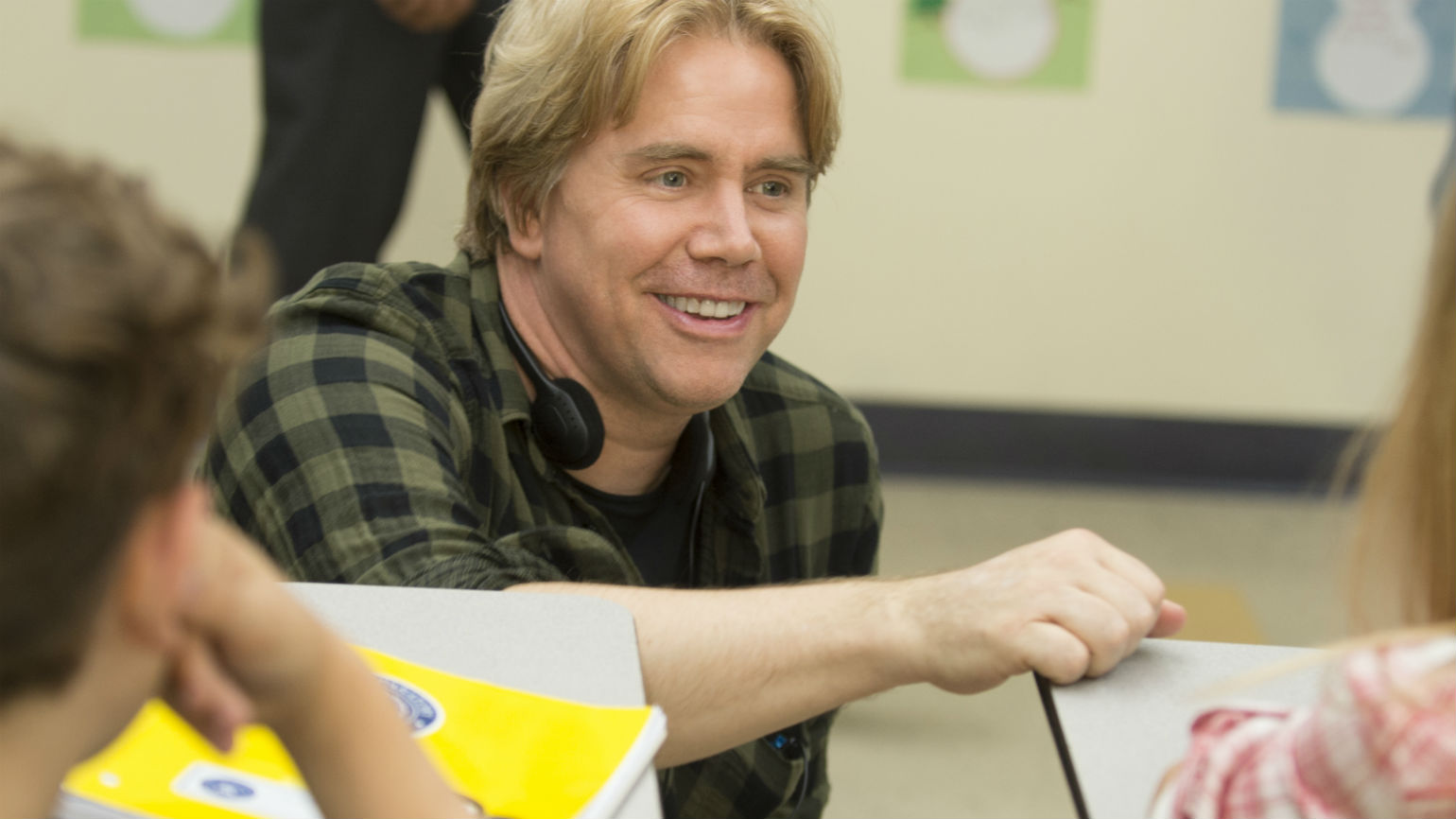
Stephen Chbosky on Making the World Better with ‘Wonder’

When author and filmmaker Stephen Chbosky decided to adapt R.J. Palacio’s best-selling novel Wonder, for the big screen, (available now on DVD) he did worthy goal in mind: to make the world a better place.

The book and the film follow Auggie Pullman (Jacob Tremblay), a fifth-grader going to public school for the first time and encountering bullies who harass him because of his facial deformity. His mother Isabel (Julia Roberts) and father Nate (Owen Wilson) try to encourage their son to give the kids at school a chance and, by the end of the film, everyone’s learned an important lesson about choosing kindness and embracing what makes you different.

“It sounds weird to take on a movie job—and it is a job—but to take it on as a good deed for the world, you know?” Chbosky tells Guideposts.org. “That’s what I did. I wanted to make the world a better place for my children and, I wanted to make the world a better place just in general. In this very kind, elegant, very humble way, not by preaching, but by showing, and that’s what the book does so eloquently.”

Chbosky, who gained fame with his coming-of-age story The Perks of Being a Wallflower (a book he’d later adapted into a critically praised film), first read Palacio’s tale of a young boy with a craniofacial disorder three years ago when his son Theo was born.

“In a very personal way, I hope my kids take away that their dad understood what they were going through,” Chbosky says, expanding on his motivations for doing the film. “I think most children are convinced that the process of getting older means that you forget everything.”

But the filmmaker was so intent on the message of kindness and understanding found in the book, that those themes spilled over into the production of the movie as well.

“I had a rule, and I said it to the entire crew,” Chbosky explains. “I said, ‘Look, we’re not going to yell on this set. It’s never going to happen. We can disagree, but we must be respectful. And nobody has to abide by that rule more than me.’”

Crafting a film like Wonder, one with plenty of emotional, heartfelt moments, isn’t as easy as it seems. Chbosky knew he had to walk a thin line between the more serious moments of the film and humor that actors like Wilson and Roberts were able to bring.

“I knew that with a story this inherently emotional, if we did not fight against the emotion and the sentiment, that eventually it would just burn the audience out and it would be not effective at all,” Chbosky says. “So, it was a tightrope walk.”

He was also careful to give audiences a finished project that the entire family could enjoy. The story may focus on a young boy dealing with bullies, but thanks to Chbosky’s choice to show multiple characters’ points of view, the universal themes of tolerance and acceptance reach any age demo.

“It’s my understanding that there’s no difference between children and adults,” Chbosky says of how he shot the film. “I believe that generation gaps, for example, are nothing but conversations that have not happened yet. We can either accept that these gaps exist, or we can try to bring them together.”

For Chbosky, who knows how difficult it is to bring a book to the big screen, his greatest achievement filming Wonder involves paying his respects to the woman who wrote the story and introduced us all to Auggie.

Chbosky had Palacio come to set on a day they were shooting the film’s graduation scene. She, along with her husband and two sons, served as background actors – a nice Easter egg for fans of the author who would see the film. After actor Mandy Patinkin gave his character’s speech for the scene and Chbosky got the footage he needed, the director gave Patinkin the go-ahead to read a very different script.

“He read this beautiful speech about how R.J. Palacio had changed the world, and how we were all there because of her,” Chbosky recalls. “And, she was shocked, she had no idea it was coming. So, we brought her up on stage for a big standing ovation. It was such a great moment.”

In Chbosky’s opinion, that’s the least the cast and crew could do for a woman who went above and beyond what was expected of her when writing her book.

“Here’s this incredible story about this girl from Queens who has two sons and she’s outside of an ice cream shop. She sees a little girl with a facial difference, and her little three year old son got scared by this girl, and started to cry, and so R.J. whisked her sons away and deeply regretted not just stopping and talking to the little girl, to show her son that just because the girl is different, it’s nothing to be afraid of,” Chbosky explains of what drove Palacio to write the book. “That guilt haunted her, and so rather than just letting it be and promising to do better next time, she wrote this book that made the world a better place. So, we had to honor her for that.”

As a father of two, Chbosky can identify with Palacio’s desire to leave some good in the world for the next generation. He’s hoping to do that with this film.

“On a deeper level, what I want both The Perks of Being a Wallflower and Wonder to do is to not only say that their dad gets it, but that they get it. That they’re not alone in these feelings. That everybody deals with bullies, everybody has something that they have to overcome, but they can. Whatever is wrong in your life can be fixed by whatever is right in your life. That’s a line that I wrote in my new book which will be out in 2019: everybody gets an ending, whether or not it’s happy is up to you.”


Stephan James Is Bringing Life to a Legend in ‘Race’

Stephan James is used to playing great men.

The Canadian-born actor got his big break playing American politician and civil rights icon John Lewis in Ava Duvernay’s Martin Luther King drama Selma just two years ago– a performance which earned him praise from critics and cemented his status as a promising star in the industry.

The movie also served as a catalyst for what might just be James’ career-defining turn – his portrayal of Olympic hero Jesse Owens in this month’s Race.

James learned he’d be playing the fastest man alive while still filming Selma and started preparing for the role soon after receiving the call.

“You don’t play the fastest man alive without training,” James jokes to Guideposts.org.

Two month of intense drilling – running spurts of 20 meters, 30 meters, 50 meters – and preparing his mind and body to inhabit the unique running style that Owens was known for helped James in his preparation. But the actor admits, like many people, he didn’t know the full story of what Owens had accomplished until he committed to playing him on screen.

“I learned a lot about him as a man,” James says. “That was even more intriguing to me than the athlete he was.”

Owens gained fame following his record-breaking career at Ohio State University where he was known as the “Buckeye Bullet,” thanks to his incredible sprinting speed and his abilities in the long jump. The youngest of ten children, the athlete grew up in poverty, working his way through school to support his wife and young daughter.

Stephan James as Jesse Owens and Jason Sudeikis as Larry Snyder in Race.

In 1936, Owens traveled to Berlin for the Olympic Games – an event broiling in controversy thanks to Hitler’s Nazi regime and its racist propaganda. Owens had to contend with racial inequality not only in Berlin – where Hitler’s ideas of a superior Aryan nation were stitched into the very fabric of the Games — but in America, as well.

Owens faced pressure from all sides when it came to attending the Games, but in the end he chose to represent his country and ended up winning four gold medals, shattering world records and breaking down barriers in the process.

For James, who learned a lot about the athlete thanks to Owens’s family – his three daughters were heavily involved in the filming process – it wasn’t until the actor set foot in the actual stadium where Owens made history, and where some of the movie’s scenes were shot, that he understood the significance of retelling the man’s story.

“It gave me chills,” James says of visiting the stadium which now houses its own lounge dedicated to Owens. “To be in that same environment as him 80 years later, knowing what it is he had done there and then to see how much love and appreciation people have for him. That’s one of those moments when I realized I was playing someone much bigger than just an American hero. He was a world hero.”

The timing of the film is also earning it some much-deserved buzz. The glaring lack of diversity in this year’s Oscar nominations has sparked a demand for all-inclusive storytelling in film and television. James thinks his film will only add to that conversation.

“It’s important that people are talking about issues of diversity in the Academy, in film and in television,” the actor says. “I think that Jesse’s legacy is a prime example of why it doesn’t matter what you look like or where you come from. Jesse was great because he was great. If anything, people should take that away from the film.”

He also thinks it’s important to continue to honor people like Jesse Owens, John Lewis and others on film in order to educate the next generation.

“It’s important not to let legends die,” James says. “Iconic figures are such a big part of the fabric of our history. Hopefully we can use their stories to help a whole new generation of people, to inspire them.”

Race opens in theaters Feb. 19th.