


Embrace God's truth with our new book, The Lies that Bind

Tamron Hall: Speaking Out on Behalf of Domestic Violence Victims

You’d think as the host of a daytime talk show, encouraging people to tell their stories, that I would have no hesitation about telling my own. True, there’s a lot I’m willing to talk about. But one of the biggest, saddest, toughest and most important stories I didn’t share for years. I opened up only when I saw that others needed to understand, that they needed to know what I wish I had known back then, that lives could be saved. That my heart need not have been broken.

Tamron Hall on the cover of the February 2020 issue of Guideposts
As seen on the cover of the
February 2020 issue of Guideposts

Renate was technically my stepsister, but that’s not how I would have ever described her. She was my sister, plain and simple. I was eight when my mom remarried. Dad—as I learned to call him—and his daughter came into my life. She was 14 years older than me and the coolest person I’d ever seen. Exuberant and generous and so glamorous. I loved going with her to Eckerd Drugs in our hometown of Luling, Texas, and seeing her work her magic with the drugstore beauty products she bought. She’d come out of the bathroom ready to go out, looking amazing.

When it came time for my senior prom, Renate was my stylist, of course. I cringe now at pictures of me in my big hair and my fuchsia dress with long white gloves—this was the late ’80s, mind you—but I was voted best dressed, thanks to Renate. Later, after I graduated from Temple University with a degree in broadcast journalism and was making my way in the business, Renate would visit and give me pointers on what to wear. Once it was a pair of yellow suede pants. “No way,” I said, looking at myself in the mirror.

“Trust me, you look great,” Renate said. As usual she was right.

Although her taste was impeccable in so many ways, in one area it was flawed, and I couldn’t understand why. Not for years. Even as a kid, I remember overhearing Mom and Dad whispering, “That guy is no good for Renate,” or telling her directly, “Why do you want to be with him?” Late one night when I was in my teens, she came home from a date, her face bruised. She told Dad that the guy she was with tried to attack her and she’d jumped out of a moving car.

How was it possible that someone so beautiful and confident on the outside could also be so insecure, seeking validation? Didn’t she know that God loved her and she deserved to be loved by others? Church and prayer were a natural part of our lives. Dad and Renate went to the AME church, while Mom and I worshiped at Beth Eden Baptist. Then we’d all gather at home for Sunday dinner. We prayed without fail before every meal. At Thanksgiving, when Renate and I would fight over who got the turkey wings, we thanked God for every good thing in our lives—and for me that always included my big sister. Why would she look for love in the wrong places?

One time Renate came to visit me in Chicago, where I was anchoring a morning news show. She brought along the person in her life, someone our family knew, and they stayed with me at my townhouse. That first night we hung out, went dancing and had a great time. The second night, they came to the TV station and she helped choose my outfit for the next morning. They seemed comfortable with each other, relaxed. But later that night, I was upstairs and heard a commotion downstairs. A crashing sound, a thud. I rushed down to see what was wrong.

My glass-topped table was knocked over. Renate stood there, looking disoriented, the area above her right eye starting to swell. I glared at the man. “I didn’t do anything,” he said. “I didn’t do anything.”

“Get out,” I said to him.

“She hit me,” he said, insisting it wasn’t his fault.

“Get out,” I said again and grabbed the phone to call Dad.

Dad said, “Get him out of your house. Right away.”

I picked up a broom and waved it threateningly until he finally left. Then I grabbed an ice pack from the freezer to give Renate.

“You’re too good for him,” I said, sounding just like our parents did. “You’re beautiful and smart and wonderful. You can do so much better. You don’t need a guy like him.” I put Renate to bed and told her to get some rest.

Not until years later did I learn how hard it can be to talk someone out of an abusive relationship. You can’t just snap them out of it with words of affirmation. Mom and Dad and I had tried that many times. Victims of domestic abuse get caught in a cyclical bond of trauma, desperately thinking they can change things or that they’re not strong enough to leave. I wish I’d said something much more direct, something Renate could have responded to, something like “You’re in danger with this man. How can I help?”

I was so upset and afraid for both of us—and frustrated—that the next morning I told her that she had to leave too. I couldn’t have her and that man in my house again, no matter what he said. She could come back by herself but never with him. Renate packed up and left, and we didn’t speak for months. Finally, at Dad’s urging, we reconciled. I’m grateful for that. Without it, the burden of guilt over what happened next would have been unbearable. Still, I ask myself: Could I have handled things differently? Could I have made it possible for her to reach out and talk? Could I have saved my sister?

The call came a couple of months later in 2004. Renate had been found floating facedown in her backyard pool. She had been bludgeoned. The police said there had been signs of struggle, hair pulled out, her fingernails broken. Renate had called Mom the night before and told her that she was ending the relationship. Now my sister was dead.

The police told us to sit tight and not make waves while we waited for them to collect more evidence and arrest the person of interest. Meanwhile that man came to the funeral and sat in front of me, the man I knew killed my sister. In the end, he was never charged due to a lack of evidence. Because of that, I can’t even legally say his name.

Dad’s health went into a precipitous decline. Mom said that he died of a broken heart. He believed that it was his job to protect his girls. With Renate, he felt he’d failed. As for me, I didn’t speak publicly about my sister’s death for years. It was too painful, too devastating to talk about. I turned to the Psalms for solace, and my mom and my aunt texted me Bible verses every day. It was only as I learned more about domestic violence that I started to use my position in the media to help others, to reach out to people like Renate, help them free themselves of an abusive relationship. It can be done.

Mustering all my courage, I finally spoke out about our family tragedy at a press conference in 2014. I expected a slew of questions. Instead a reporter shot me down, moving on to some other topic. I was shocked. Didn’t he understand how many people needed help? The numbers are staggering: One in four women and one in seven men have experienced some form of domestic violence, and nearly half of all female murder victims are killed by an intimate partner. Survivors of intimate partner violence lose nearly 8 million days of paid work each year. Didn’t that reporter see how shrouding the issue in secrecy only made it worse?

After that, I decided I need to be braver, to be fiercely honest. “God has not given us a spirit of fear but of power and of love,” says the Bible. I would tap into that power.

Today I use my voice whenever I can to help victims of domestic violence. If you know someone who’s trapped in an abusive relationship, listen to them. Don’t judge. Don’t jump in right away with advice. Let them talk. Get them somewhere safe. (Many churches offer counseling and a place to stay.) Offer to do the legwork, making phone calls, scheduling appointments. To be connected to a resource in your area, you can call the National Domestic Violence Hotline at 1-800-799-7233. I established The Tamron Renate Fund to aid Safe Horizon, a national organization that offers a variety of programs to support survivors of abuse. I lost my sister, Renate. I don’t want other families to suffer the same.

Every morning I pray before I even leave the house. I check on my infant son, Moses, who is usually still sleeping, kiss my husband and get ready to go to ABC Studios, asking God to give me the right words—words that have meaning and understanding—as I interview people and hear their stories. I say that prayer when I tell my own story, urging others to talk about what they’re going through. Words matter, and the right words can save a life.

For more inspiring stories, subscribe to Guideposts magazine.

Tamron Hall on the People Who Influence Her Faith Life

Hi everybody, I’m Tamron Hall, host of The Tamron Hall Show.

I am so lucky to have a wide range of people who influence me, not only my professional journey, but my personal journey and spirituality.

My mother has always made Sunday and prayer a part of our lives, so it was in me from day one, because it is such an important component that my mother wanted to instill in me.

From people…I worked about 20 years ago in Chicago, and there was a man who worked security and now all these years later, every day since I left Chicago to now, my journey, he sends me a quote, a prayer, in fact, I have my phone with me now, and he sends, every morning, he’s my wake-up call.

Good thing I’m up early, but this morning he just sent me a great blessing, saying “Every new morning gives you an opportunity to make someone’s day better.” I thought that was so beautiful, that he tries to remind me to focus on others.

So it’s a scripture, it’s a prayer, it’s a meditation. But that’s a part of my daily journey, both of those people.

Tamales

Here’s a recipe that requires some effort and dedication, but oh, the rewards!

Ingredients

Filling
Meat
4 lb. boneless pork, cut into 3-5-inch pieces (save broth after cooking) 4 cloves of garlic, peeled
4 lb. venison, cut into 3-5-inch pieces 6 Tbsp. salt
Chilis
12-15 chili pods, stemmed and seeded (combination of ancho, guajillo, pasilla) 1½ tsp. onion powder
3 c. water 2 Tbsp. cooking oil
3 tsp. salt, divided 3-4 c. pork broth (saved after preparing pork)
4 cloves garlic, peeled and mashed 1 c. chili pod water (saved after preparing chilis)
1½ tsp. ground cumin
Masa (Dough)
4 lb. masa harina (corn flour) 1 Tbsp. salt (or to taste)
1 lb. prepared masa (store-bought) ¼ c. chili water (saved after preparing chilis)
2 c. shortening 1 c. each pork broth and water, combined (if you don’t have enough pork broth, just use water)
2 bags of dry corn husks

Preparation

Day One

Husks

1. Clean 2 bags of dry corn husks carefully. Trim husks to about 6 to 8 inches width. Smaller husks can be used by overlapping.

2. Soak the cleaned husks in boiling water overnight. Change out the water several times during the night. Husks must be well softened and supple. We use a cooler as a soaking tub because it helps keep water hot.

Meat

1. Place pork and venison in separate large pots. Add enough water to come above 2 inches above the meat. (Pork broth will be kept; venison broth will be discarded.)

2. Add 2 cloves of garlic and 3 tablespoons salt to each pot. Cover pots and bring to a boil.

3. Lower heat and simmer 3-4 hours, until the meat is tender and falling apart. Replenish water as needed.

4. Remove the meat from broth, saving the pork broth. Shred meats by pulling them apart with two forks. Combine the two meats and refrigerate.

Chilies

1. Combine chili pods with three cups of water and two teaspoons of salt. Place ingredients in medium pot. Bring to a boil, then turn down the heat and simmer for 25-30 minutes until tender.

2. Remove chilies. Save and refrigerate chili water.

3. Remove the skin from the chilies and mash the pulp with a fork. Add cumin, onion powder and four cloves of garlic, peeled and mashed.

4. In a large pot, combine meats and chili pulp mixture with cooking oil, one tablespoon of salt, 3-4 cups pork broth and one cup of chili water.

5. Mix well and simmer 15-20 minutes.

6. Remove mixture from heat and refrigerate until ready to use. Keep leftover chili water and pork broth refrigerated.

Day Two

Masa

1. Put all ingredients in an extra-large bowl or pan and mix with your hands.

2. The masa should be shiny and not stick to your palm when you pat it down. If it does stick, add masa harina, shortening and liquid until it doesn’t. It should not be dry.

3. Keep masa moist by covering with a damp dishtowel.

Assembling Tamales

1. Place drained husks in a large bowl and cover with a damp dishtowel. (If they’re dry, the masa won’t stick.)

2. Place the wide part of the husk in your palm with the narrow part towards your fingertips. Take up about 2 tablespoons masa on the back of a large spoon. Spread masa thinly on the husks. Masa should cover about half the length of the husk and 7/8’s of the width. Leave a little side strip free of masa—that’s what you will grasp when you fold it.

3. Keep masa moist by covering with a damp dishtowel.

4. Place 1-2 tablespoons of meat/chili mixture down the length of the masa.

5. Fold the side of the husk completely covered in masa over the meat, then fold the side with the masa-free strip over. Second edge should overlap the first.

6. Fold narrow top down over the seam and place tamale, seam-down, on a tray. Keep assembled tamales covered with a damp dishtowel.

7. Assemble about two dozen tamales before placing them in a pot to cook, as you’ll be stacking them in a teepee shape.

Cooking Tamales

1. Use large tamale can, Dutch oven, large heavy pot or roaster. Cover the bottom with 2-3 layers of wet, small strips (scraps) of husks.

2. Place a heat-proof cup or a small bowl, inverted (open end down), in the center of the pot.

3. Fill the pot half full with water. Cover with two or three layers of wet, small strips of husks.

4. Cover the pot with a lid. It does not have to be a tight fit; steam should be able to escape.

5. Bring water to a boil, then turn down the heat and steam over low-to-medium heat for 45-60 minutes. Replenish water as needed to avoid burning the tamales.

6. Begin testing for doneness at 45 minutes by gently pulling the folded side away. It’s done when it separates easily.

Note: Tamales may be frozen after they’re filled and folded to be cooked later, which adds 15-20 minutes to cooking time. They’ll keep in the freezer, wrapped in double-duty foil, for two or three months.

Don’t miss Bernice’s inspiring story of her family’s Christmas tradition was preserved!

Swing Low: Memoral Day Rememberance

One morning not long ago down here in Savannah, Georgia, where I live, I drove out to Laurel Grove to visit the graves of my parents and grandparents. Laurel Grove is a very old burial ground on the edge of town, with Spanish moss weeping over tilted headstones and dust motes hanging in shafts of sunlight. The sense of timelessness there is strong.

I always have the feeling that the memory of my forebears lingers in Laurel Grove, but little else. For this notion I have to thank Charlotte, the cook we had when I was growing up. Nothing ever seemed to trouble Charlotte. She presided over her kitchen singing old songs in a rich contralto that came floating up the dumbwaiter shaft along with the marvelous smell of cornbread. One of her favorites was “Swing Low, Sweet Chariot.”

I looked over Jordan, and what did I see,
Comin’ for to carry me home?
A band of angels comin’ after me,
Comin’ for to carry me home.
Swing low, sweet chariot…

It was from that old spiritual I got the idea my ancestors weren’t really in Laurel Grove—they had been transported angelically elsewhere long ago. Still, now and then I like to go out there to make sure nothing has changed.

Passing under the old wrought-iron arch above the entrance, I began looking for the tops of the towering magnolia trees in our family plot. Unless you have a landmark it’s hard to find anything in the maze of winding lanes that make up most of the cemetery. Planted long ago, one at each corner of the lot, those magnolias are now at least 60 feet high. Their gnarled roots have so emphatically displaced the foundations of the iron fence that everything is crooked and the gate barely works. To repair the fence the trees would have to be taken down. But that would be a sacrilege, and certainly frowned upon by the old brown owl who lives in one of them.

A few years ago I tried to compromise by having the rusty fence painted, even though it was askew. But then it looked so shiny and peculiar compared to everything else that I almost wished I hadn’t.

It’s always quiet in Laurel Grove; nobody is ever around. I forced open the reluctant gate and sat on the edge of my Confederate grandfather’s tombstone with its cavalry saber in bas-relief on the marble. I didn’t think he would mind since he wasn’t there. Everything looked familiar and undisturbed. Mother and Father shared a headstone in one corner.

I remembered Mother once making it clear she preferred Bonaventure, a more manicured cemetery across town. “This one seems a bit run-down,” she murmured.

“Never mind,” Father reassured her. “By the time we need it we’ll be a bit run-down ourselves.” It was Father who advised me to regard Laurel Grove as an anteroom to eternity, “a pleasant place to rest until you’re told which way you’re supposed to go.”

While I was sitting there in the warm sunshine it occurred to me that perhaps in the South death is woven more closely into the fabric of living than it is in other parts of the country. I’ve often seen cars stopped on country roads, their occupants standing outside respectfully, hats in hand, while the funeral cortege of some stranger wound by.

Funerals themselves seem to have more flavor, too. I remembered the night in New York when a phone call came from Savannah: Miss Sophie had died. Miss Sophie was truly a great lady, admired and loved by all for her wit and charm. The caller said he hoped I could come back and be a pallbearer. Miss Sophie herself had wished it.

I had some meetings of great importance the following day so I said I was afraid it wasn’t possible. Then I hung up and sat there feeling worse and worse. Finally I called back and said I would get on a plane that night and come down.

And I was glad I did because somehow it was a joyous occasion. As we came down the aisle of the church with Miss Sophie’s coffin the organist threaded a few bars of “Dixie” into the recessional. At the cemetery Miss Sophie had arranged for a bagpiper to be stationed in a nearby grove of trees, playing a wild Celtic lament. She also had the minister read a passage from Stephen Vincent Benet’s John Brown’s Body that seemed just right. Then we all went back to Miss Sophie’s house, where she had carefully planned a festive lunch. We raised our glasses in the old toast: “To absent friends.” But I didn’t feel Miss Sophie was absent at all.

The sun was getting hot; it was time to go. I looked up, hoping to catch a glimpse of the old owl, but he wasn’t there. I found myself listening and I did seem to hear, faint and far away, one more verse of the spiritual as Charlotte used to sing it:

If you get there before I do,
Comin’ for to carry me home,
Tell all my friends I’m comin’ too,
Comin’ for to carry me home.

Nothing gloomy or depressing about that, is there? Just some plans for a long-desired reunion and the arrival of a gleaming celestial conveyance that will take you, absolutely free, from where you are to where you want to be—home.

Sweet Potato Lasagna

Ingredients

Roma tomatoes or 2 c. low-sodium marinara sauce
1 Tbsp. olive oil
1 Tbsp. minced garlic
2 tsp. dried oregano
1 tsp. dried sage
1 tsp. ground dried rosemary
1 lb. 95% lean ground beef
Sea salt and black pepper
1 c. low-fat ricotta cheese
1 egg white, lightly beaten
Olive oil spray or cooking spray
2 large sweet potatoes, cut lengthwise into ⅛-inch slices
1 c. shredded reduced-fat mozzarella
Fresh basil and sliced green onion for garnish

Preparation

1. Preheat oven to broil. Place tomatoes on parchment-lined baking sheet, and broil until outsides are browned and blistered, 6 to 8 minutes.

2. Set oven to 400°F. To a nonstick skillet over medium heat, add olive oil and garlic. Cook for about 2 minutes to flavor the oil, being careful not to burn garlic.

3. Add oregano, sage and rosemary; cook until fragrant, 1 to 2 minutes.

4. Add beef to skillet and cook, breaking it up as you do, until nearly all meat is brown, about 5 minutes.

5. Add tomatoes to skillet and gently mash to create tomato sauce. Stir sauce in with meat and break up meat with spatula until no large chunks remain.

6. Remove from the heat, and allow sauce to thicken. Season to taste with salt and pepper.

7. In bowl, whisk together ricotta and egg white. Spray a cast-iron skillet or 9×13-inch casserole dish with olive oil spray, then add enough slices of sweet potato to cover bottom in a single layer.

8. Add one third of meat sauce to make one layer, then top with half of ricotta mixture. Repeat, using rest of ricotta. Top with remaining sweet potato slices, then a final layer of meat sauce. Sprinkle dish with mozzarella.

9. Cover with aluminum foil and bake until the sweet potato slices are soft and the flavors of the layers have melded, about 50 minutes. Remove foil for the final 5 minutes of baking so cheese browns slightly. Let cool for 5 minutes.

Serves 6.

Nutritional Information: Calories: 340; Fat: 21g; Cholesterol: 75mg; Sodium: 710mg; Total Carbohydrates: 14g; Dietary Fiber: 2g; Sugars: 5g; Protein: 25g.

Read Kevin’s inspiring story from the May 2019 issue of Guideposts!

Reprinted from Fit Men Cook: 100+ Meal Prep Recipes for Men and Women—Always #HealthyAF, Never Boring. Copyright © 2018 by Fit Men Cook, LLC. Photograph Copyright © 2018 BY Kevin Marple. Published by Touchstone, an imprint of Simon & Schuster, Inc.

Super Sloppy Joes

Remember, it’s okay to get messy with these seasoned ground-beef and tomato-sauce sandwiches.

Ingredients

2 lbs. ground beef ½ c. chopped onion
2 celery ribs with leaves, chopped ¼ c. chopped green pepper
1 ⅔ c. canned crushed tomatoes ¼ c. ketchup
2 Tbsp.brown sugar 1 Tbsp. vinegar
1 Tbsp. Worcestershire sauce 1 Tbsp. steak sauce
½ tsp. garlic salt ¼ tsp. ground mustard
¼ tsp. paprika 8 to 10 hamburger buns, split

Preparation

1. In a Dutch oven over medium heat, cook beef, onion, celery and green pepper until the meat is no longer pink and all the vegetables are tender.

2. Drain, and add the next nine ingredients; mix well.

3. Simmer, uncovered, for 35 to 40 minutes, stirring occasionally.

4. Spoon ½ cup meat mixture onto each bun.

Serves 8–10

Sugar-Free Peach Ice Cream

Not only does this homemade ice cream taste great, but it’s perfect for those with diabetes, too.

Ingredients

4 pasteurized eggs 2 Tbsp. vanilla
2 ½ c. Splenda ½ tsp. salt
6 c. 1% milk 1 ½ c. chopped peaches (fresh or frozen)
4 c. fat-free half-and-half

Preparation

1. Crack eggs into blender and blend till light. Continue blending as you add Splenda slowly till mixture thickens.

2. Add remaining ingredients. Pour into ice-cream maker and freeze according to manufacturer’s directions.

Note: For frozen peaches, chop 4 cups fresh peaches and sprinkle with ¼ cup Splenda. Freeze in air-tight container.

Makes 1 gallon

Read the story behind this delicious recipe.

Strawberry Flax Smoothie

Not only is this smoothie delicious, but combined with the flax, it’s chockful of healthy omega-3 fatty acids!

Ingredients

2 cups ice

8 ounces frozen strawberries

1 banana

1/4 cup ground flax

Welch’s Strawberry Breeze juice (enough to fill blender)

Ingredients

1. Put ice, strawberries, banana and flax in blender.

2. Add juice and fill to the top of the blender.

3. Blend until ice is crushed and ingredients are mixed well.

4. Enjoy!

Read how this flaxseed recipe saved one family’s beloved farm from going under in Golden Crop.

Storytelling

I’m reading a strange little book called How Fiction Works. It’s by James Wood, who teaches at Harvard and reviews books for The New Yorker magazine.

Don’t let his pedigree put you off. Wood is an appealing writer and his book is just what it sounds like, a down-to-earth instruction manual for reading stories. Didn’t think you needed instructions? Stay with me.

Wood starts with the idea that everyone knows what a story is but not necessarily how one works. By “works” he means what makes one story good and another bad, or how authors actually tell stories so readers don’t get bored or miss the point.

It’s like painting. You see a painting you love in a museum and you think about the picture, the image, your feelings. What you don’t think about so much is how the artist got the painting to look like that. Wood asks how authors get their stories to look like that.

Why bother with such questions? Well, that’s where it gets interesting. Wood focuses on the mechanics of stories for a reason. Stories, he says, are most successful when they most compellingly mimic reality.

That’s more complicated than it sounds. Some writers—especially modern ones—write things that don’t seem at first to have much to do with reality. They’re abstract or difficult or full of seemingly unrelated ideas and images.

Nevertheless, says Wood, all stories, even the difficult ones, are ultimately attempts to picture and reflect on human life. We like stories best when they help us to understand life in a fresh, interesting and nourishing way. How do we know when a story has done that? We just know. It’s instinctive. And that feeling of enlarged understanding—of having been shown something true enough to be worth remembering—is what keeps us seeking out more stories. We need that kind of knowledge. We almost can’t live without it.

Thus, Wood’s book is really about more than stories. It’s about life. Or, more precisely, it’s about our attempts to understand what is true about life—what we need to know to grasp reality accurately and know ourselves and others. You could say, then, that Wood is interested in the truth. And if he’s interested in the truth, then, at least by implication, he’s also asking questions about God.

Wood himself actually doesn’t believe in God. He grew up a believer but abandoned faith. Yet he is clearly haunted by questions of belief. His best known book, The Broken Estate: Essays on Literature and Belief, examines numerous writers struggling with the implications of faith, particularly in the modern era when faith has become such an embattled—or at least such a lightning rod—term.

For this reason I think Wood would agree that a book about how stories work is also a book about how we try to know God. Wood might say there’s no God to know. But he wouldn’t deny that in telling stories we are trying to get at some larger truth that believers call God and everyone else calls, for lack of a better word, reality.

As a person who spends his workday editing and thinking about stories I find this a very exciting idea. Not because it makes my work sound glamorous but because it raises intriguing questions about how the mind works and how people, no matter their belief or unbelief, acquire knowledge about themselves and the world.

The implication, I think, is that just about everything we know comes to us through stories. Stories aren’t just what we do in our spare time, watching TV or reading books or gossiping. Stories are how we know anything and everything.

It sounds counterintuitive, constructing an understanding of reality using an instrument—stories—that is obviously unreal. But if you think about it you’ll see it’s an unavoidable conclusion. Take your understanding of yourself. It’s a story that begins, “Once upon a time a baby was born….” What’s the structure of that story? The advance of time. What’s time? A carryover from the logic of stories. You can’t escape it. Sometimes I wonder whether everything is a story.

Really? Well, if you’re a person of faith like me it’s not such a stretch. What are the first words of the Bible? “In the beginning….” A story. The first words of the Gospel of John? “In the beginning was the Word.” Another story, this one a story about a story, about a God depicted using the image of language itself.

The implications of all of this are profound and complex. But the bottom line is: Stories are what we have. They are how we know what we know. They are perhaps the closest we will ever come to understanding the creative activity of God. And, miracle of miracles, they are, despite all this weighty significance, available to each and every one of us as an effortless birthright.

After all, who has not sat at his or her child’s bedside and begun, “Once upon a time…?” How does fiction work? I think perhaps we already know.

Jim Hinch is a senior editor at GUIDEPOSTS. Reach him at jhinch@guideposts.org.

Story of a Song: What the World Needs Now Is Love

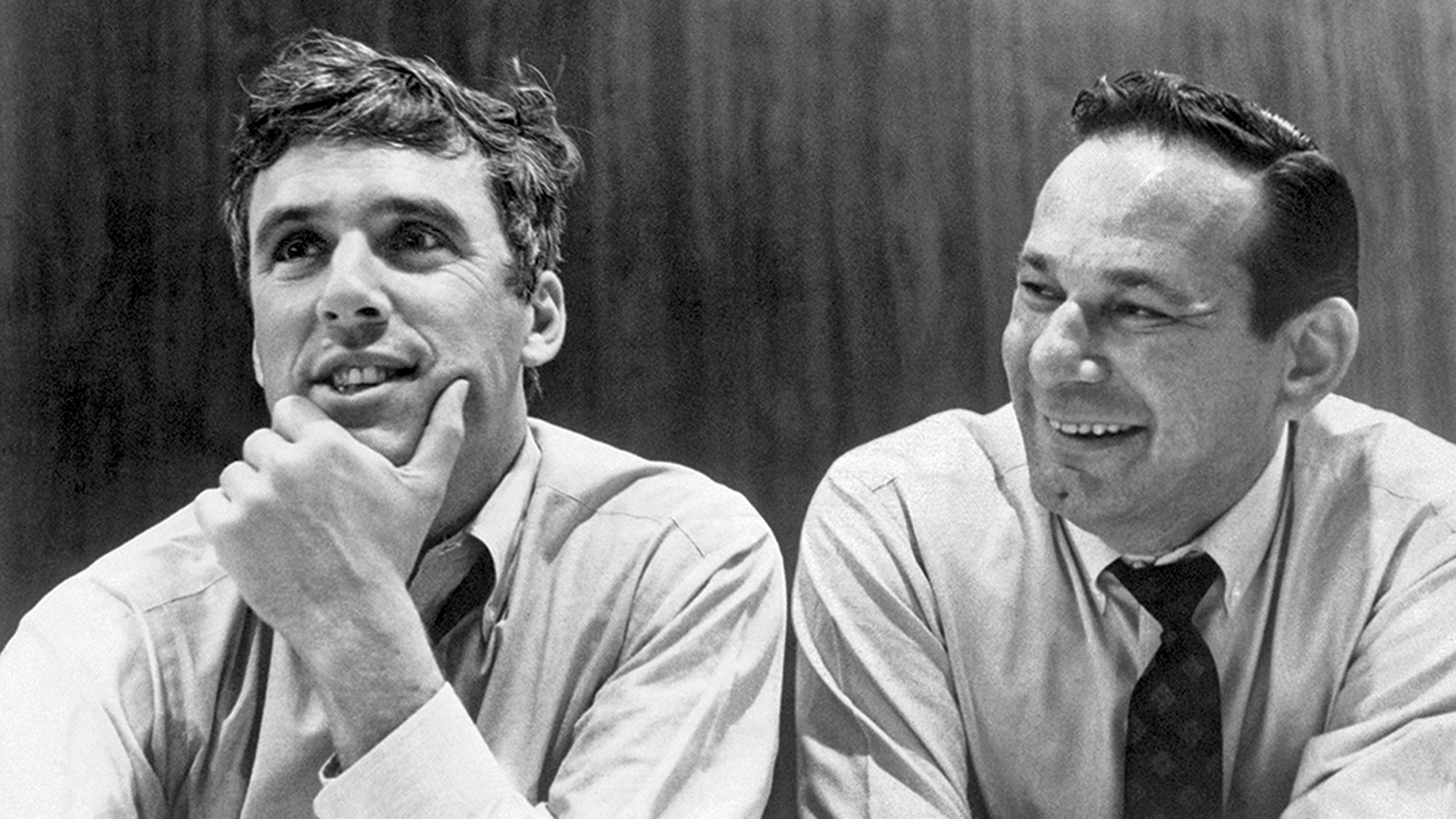
Songwriter Hal David was stuck. It was the early 1960s, and he’d written the lyrics: “What the world needs now is love, sweet love. / It’s the only thing that there’s just too little of.” No matter how many times he tried, he couldn’t come up with the verses to match the chorus and finally set aside the song in despair.

A couple years later, David was driving from his home on Long Island, New York, to Manhattan to work with his partner, Burt Bacharach. Suddenly it hit him: The song was addressed to God! As soon as he could, David wrote, “Lord, we don’t need another mountain,” and the rest of the lyrics flowed from there.

After Bacharach put a melody to the words, the team showed Dionne Warwick, who had already recorded many of their songs.

For the first time, however, Warwick turned them down.

David and Bacharach then offered the song to Jackie DeShannon, who snapped it up and released her recording in 1965. “What the World Needs Now Is Love” reached No. 7 on the Billboard Hot 100 chart.

Warwick changed her mind and later covered the song—as did The Supremes, Petula Clark, Luther Vandross and even Bacharach himself. The uplifting anthem has been performed in more than 220 films and TV shows.

Following the assassination of Robert F. Kennedy in 1968, DeShannon’s version was played over and over on the radio. The world always needs love but, in troubled times, has also needed Hal David’s hard-won song of comfort and inspiration.

Story of a Song: Stand By Me

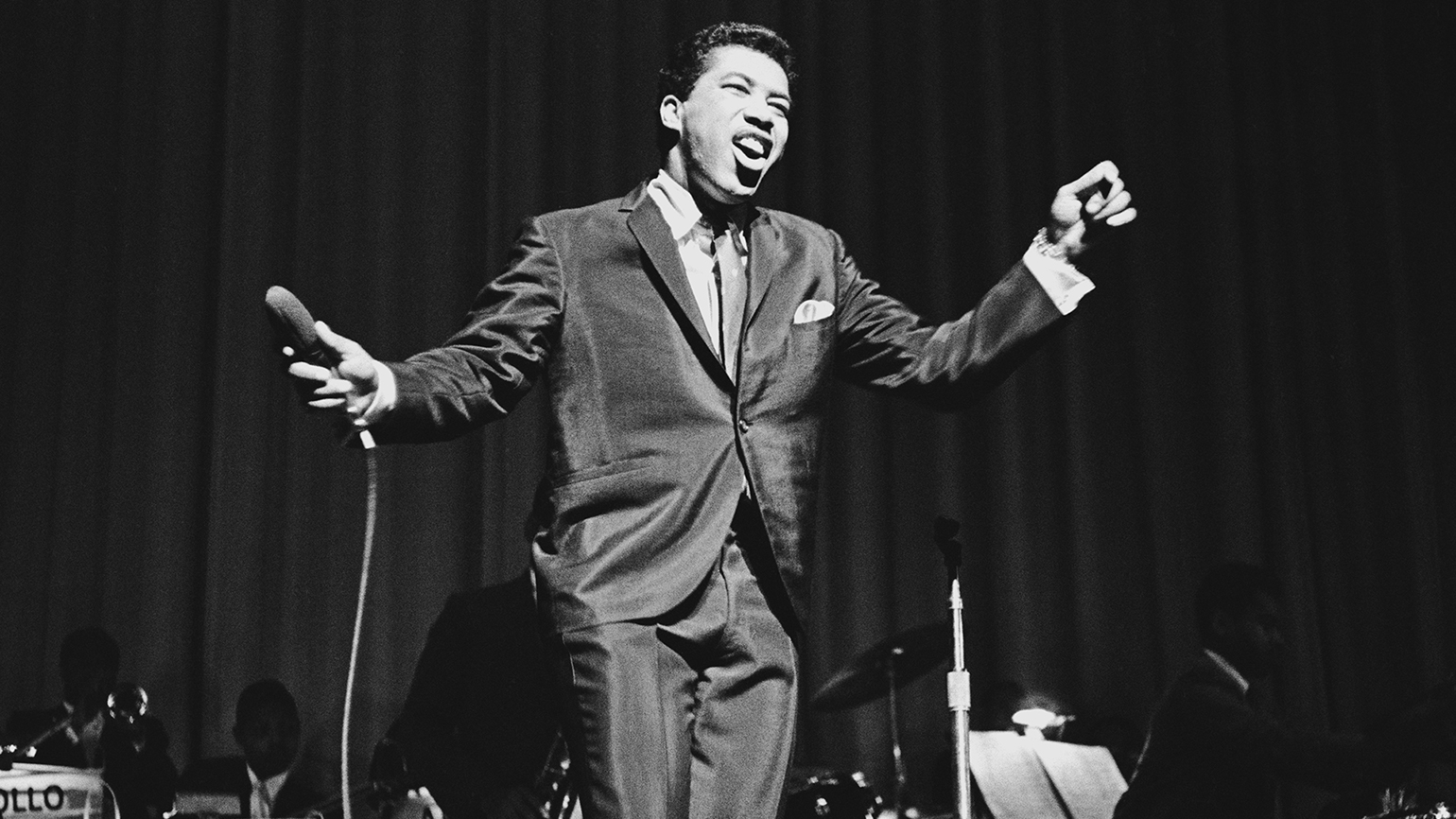
Ben E. King, lead singer of The Drifters, wanted to write a song to honor his wife-to-be, Betty. He drew inspiration from the 1905 gospel hymn “Stand by Me,” by Charles Albert Tindley, which in turn was based on the words of Psalm 46:2: “Therefore will not we fear, though the earth be removed, and though the mountains be carried into the midst of the sea.”

In 1960, King sang the first verses to legendary producers Jerry Leiber and Mike Stoller, who added the famous doo-wop bass line and worked out the rest of the lyrics.

After The Drifters turned the song down, King released it solo the following year. The tune climbed to the Top 10 in the United States and went on to be covered by more than 400 artists, including John Lennon, Otis Redding and, most surprisingly, Muhammad Ali.

When the 1986 film of the same title featured the original recording, the song amassed an even greater worldwide following, cementing its status as a wedding standard. And a national treasure: “Stand by Me” was inducted into the National Recording Registry by the Library of Congress.

Most important? The song has proved as enduring as the love that inspired it: Ben E. King and his wife, Betty, stood by each other for more than 50 years—until his death in 2015.

For more inspiring stories, subscribe to Guideposts magazine.