Embrace God's truth with our new book, The Lies that Bind

Inspired by ‘The King’s Speech’

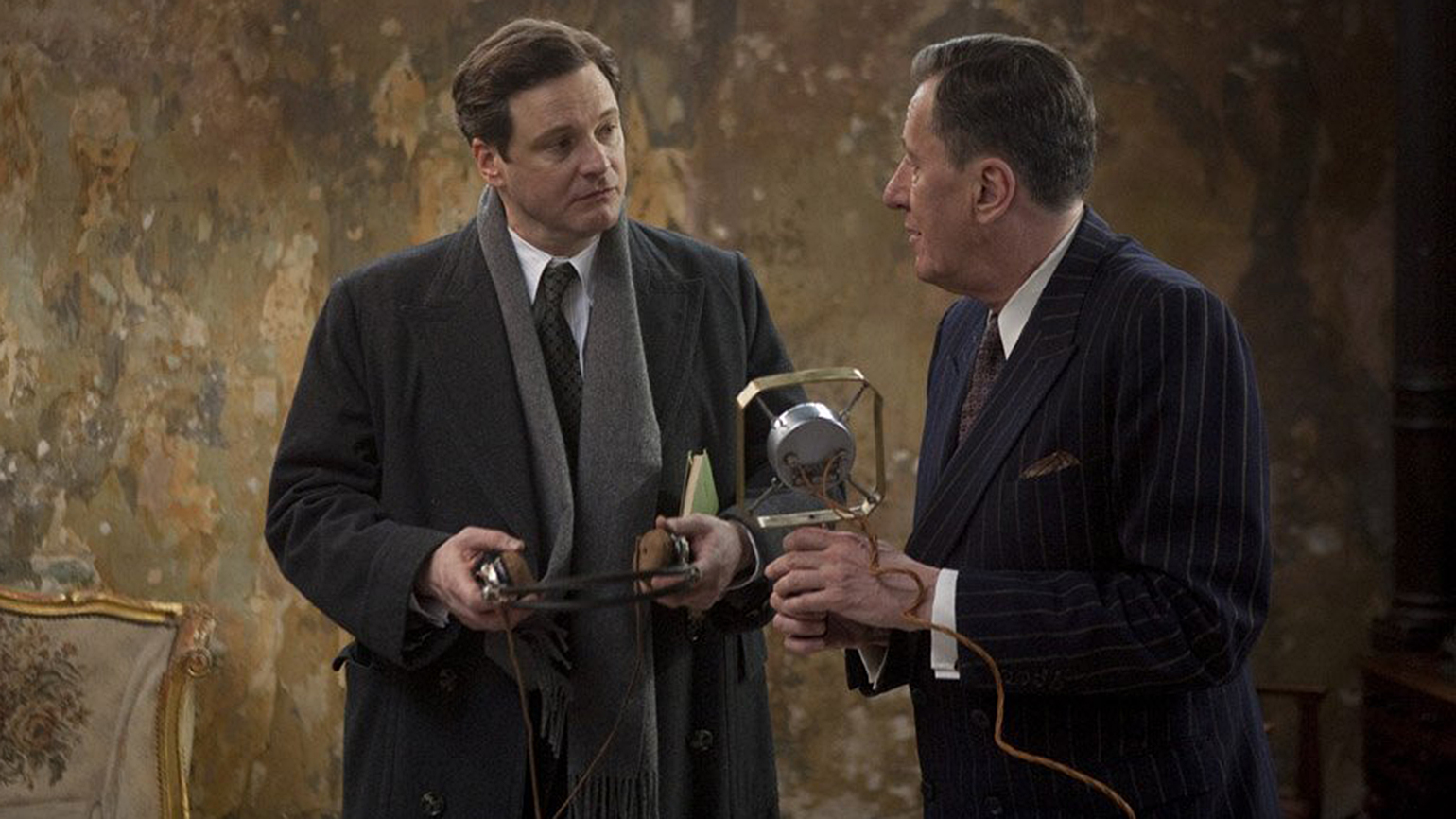
Talk about inspirational! Last weekend I caught the film, The King’s Speech, which will most certainly garner a host of awards. (Colin Firth, who plays the reluctant King George VI who inherits the throne after his brother, Edward VIII, abdicates, has already carried home a Golden Globe Award.)

The movie’s title is a play on words. The king’s speech is both the stammer that plagues the Duke of York as well as the eloquent war-time message that he delivers once he is crowned. While I could wax eloquent about the acting, cinematography, costume design and script, the personal growth element of the story is how someone, who feels so undeserving and indeed handicapped with a debilitating stutter, manages nonetheless to find his voice and rise to the challenge of leading a country, overcoming his disability and fears in the process.

I know that in areas where I feel unworthy, I may shy away from taking on challenges just as the Duke dreaded the inevitable mantle of leadership falling to him along with the task of inspiring a nation battered by war. But through determination, hard work, courage and dignity, he achieved his goal. Of course, he didn’t accomplish the turnaround alone. He was supported by a loving wife (played by Helen Bonham Carter) and an eccentric speech therapist (Geoffrey Rush), with whom he forges a life-long bond of friendship.

Just like the Duke of York who became King George VI, we too can go beyond our limited self-image and realize our potential. We too can be crowned with success by facing our fears and working hard towards our goals—with a little help from our friends, of course.

Ina Garten’s Tuscan Turkey Roulade

Ingredients

Good olive oil
1 ½ c. chopped yellow onion (1 large)
¾ tsp. whole fennel seeds
2 Tbsp. minced garlic (6 cloves)
1 Tbsp. chopped fresh sage leaves, plus 4 whole sage leaves
1 Tbsp. minced fresh rosemary leaves
1 whole butterflied boneless turkey breast with skin on (5 to 6 lbs.)
Kosher salt and freshly ground black pepper
4 Tbsp. (1/2 stick) cold unsalted butter
4 oz. thinly sliced Italian prosciutto
1 c. dry white wine, such as Chablis

Preparation

1. Preheat the oven to 350°. Heat 2 tablespoons olive oil in a medium (10-inch) sauté pan over medium heat. Add the onion and fennel seeds and cook for 6 to 8 minutes, tossing occasionally, until the onion is tender. Add the garlic and cook for one minute. Off the heat, add the chopped sage and the rosemary and set aside to cool.

2. Meanwhile, open the turkey breast on a cutting board, skin side down. Sprinkle the meat with 4 teaspoons salt and 1 1/2 teaspoons pepper. When the onion mixture is cool, spread it evenly on the meat. Grate the butter and sprinkle it on top. Arrange the prosciutto on top to totally cover the meat and filling.

3. Starting at one long end of the turkey breast, roll the meat up jelly roll style to make a compact cylindrical roulade, ending with the seam side down. Tie the roulade tightly with kitchen twine at 2- to 2 1/2-inch intervals to ensure that it will roast evenly. Slip the whole sage leaves under the twine down the center of the roulade.

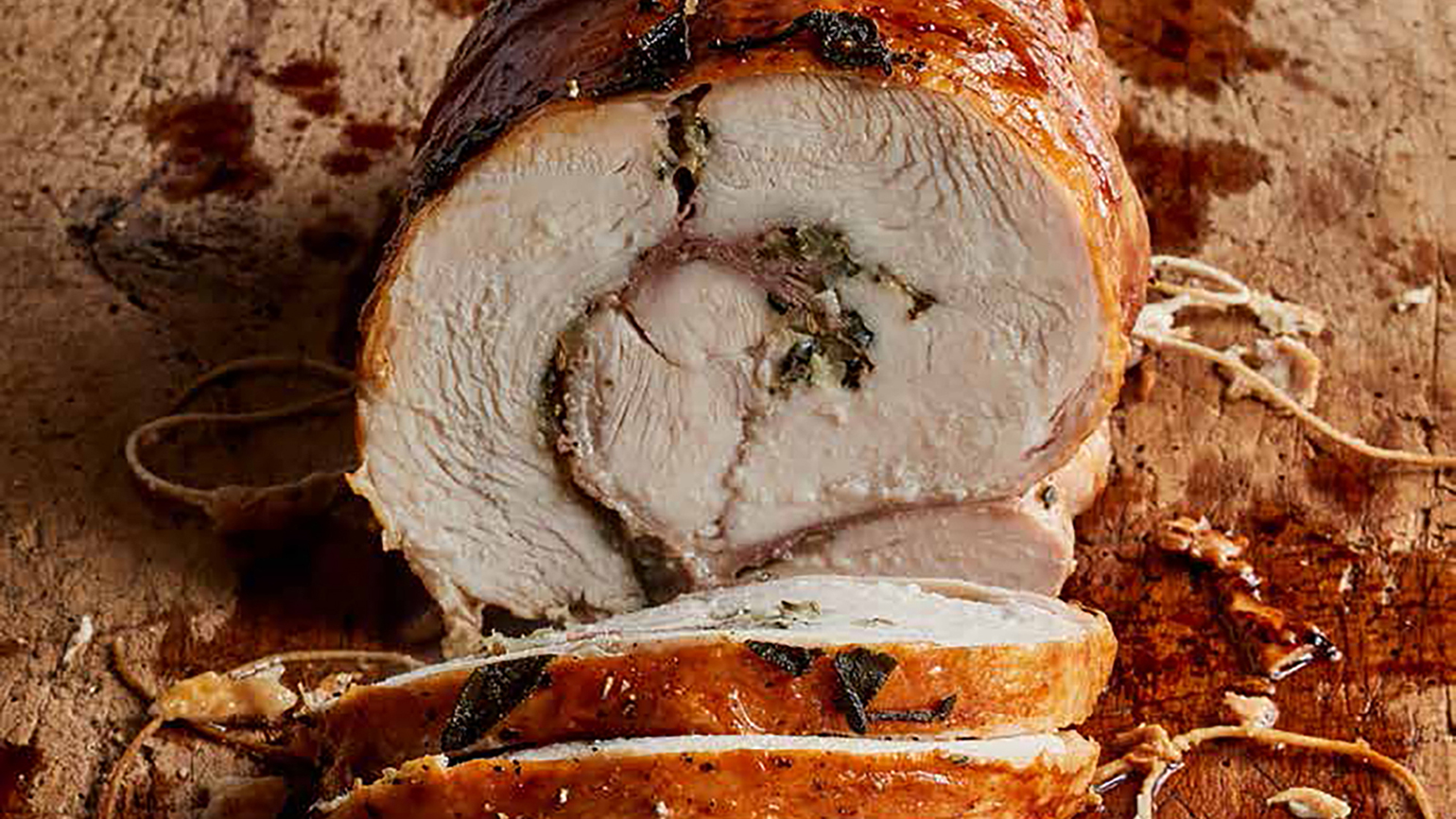
4. Place the roulade, seam side down, in a roasting pan and pat the skin dry with paper towels. Brush the skin with 2 tablespoons olive oil, and sprinkle with 1 teaspoon salt and 1/2 teaspoon pepper. Pour the wine and 1 cup of water in the roasting pan (not over the turkey). Roast for 1 1/2 to 1 3/4 hours, until the skin is golden brown and the internal temperature is 150°. Remove from the oven, cover with foil, and allow to rest for 15 minutes. Remove the string, slice crosswise in 1/2-inch thick slices and serve warm with the pan juices.

Serves 8 to 10.

Nutritional Information: Calories: 450; Fat: 12g; Cholesterol: 140mg; Sodium: 680mg; Total Carbohydrates: 7g; Dietary Fiber: 1g; Sugars: 1g; Protein: 77g.

Read Ina Garten’s inspiring story from Guideposts’ Joys of Christmas 2020!

Recipes courtesy of Modern Comfort Food: A Barefoot Contessa Cookbook. Copyright © 2020 by Ina Garten. Photography by Quentin Bacon. Published by Clarkson Potter, an imprint of Penguin Random House.

Iconic Depictions of Christ Around the World

These grand statues of Jesus span the globe and tower to impressive heights, inciting a feeling of awe and wonder. Located all over the world, these iconic statues of Jesus are popular tourist attractions and inspire millions of people.

TRAVEL TO SOUTHERN ITALY & THE AMALFI COAST WITH GUIDEPOSTS! DON’T MISS THIS AMAZING 12-DAY TOUR.

How to Use Mulling Spices for Cider and Tea

“Mulled” is a warming, comforting word that brings to mind steaming mugs of flavorfully brewed drinks sipped by a cozy fire on a dark winter evening.

But with the myriad “mulling spices” on supermarket shelves, how to choose? For that matter, maybe you could put together your own mulling spices to add a personal touch to winter coziness.

Mulling spices have some things in common. They’re warming, deeply flavorful, aromatic and deliciously pair-able with each other. Here are the most common spices you’ll see in a mulling mixture:

–Cinnamon sticks, broken into pieces
–Star anise
–Whole nutmeg, broken into pieces
–Whole cloves
–Allspice berries

In addition to these classic spices, other flavors can enrich your mulled mixture, such as:

–Dried orange or lemon peel
–Crystallized ginger pieces

To make a mulled beverage, simply set a saucepan over low heat and pour in your choice of base. While many enjoy mulled wine, mulling spices also elevate apple cider into a deliciously warming drink and spices steeped in hot water make a flavorful, comforting tea.

Gather a small handful of your spices together to prepare them for their warm bath. I use loose-leaf tea bags (I like the “T-Sac” brand, which can be composted along with the spices when you’ve finished using them), though you can also use cheesecloth. Add the spices to the bag or cloth, and either twist the top of the bag tightly shut, or use kitchen twine to tie the cheesecloth closed.

There’s no need to shop for special equipment, though. You could simply float your spices in the liquid, using a strainer to remove them when you’re ready to drink, or you could pour your beverage through a fine sieve.

You can simmer mulling spices for a long time, though after 20 or 30 minutes your cider or tea will be infused with a deep flavor and scent. Sometimes I fill a slow cooker with apple cider and leave it on a warm setting all day. This comes in particularly handy if you are hosting people outdoors on a chilly afternoon. If you’re inside, it also fills your home with a profoundly comforting aroma, similar to a stovetop simmer.

What is your favorite way to use mulling spices?

How to Make Baked Rice, Your New Favorite Quick Dinner

Rice was first cultivated more than 10,000 years ago, so to call it a “staple food” is a bit of an understatement. The ways to prepare and serve this simple, nourishing grain are many, and modern technology—in the form of rice cookers and pressure cookers—offer ways to make the dish not only ubiquitous, but easy.

I adore the warm, comforting smell of cooking rice, but I confess that I often struggle with cooking it properly on the stovetop. I prefer to make it there, to save myself from washing up a bulky piece of equipment—an ironic choice, given that cleaning the crusty bits from the bottom of a rice pot isn’t exactly a time-saver.

Recently, baked rice has become a revelation in my house. In the same 20-25 minutes it takes to steam white rice in a pot, I can bake a pan of fluffy, flavorful rice without any sputtering water, chattering lids, or burnt bottoms. I first encountered baked rice in articles and cookbooks by the Israeli-English Yotam Ottolenghi, and many of the flavors I’ve tried so far are Mediterranean and Middle Eastern. The possibilities are endless, however, once you understand the basics.

“The basics” are just that—basic. One cup of white rice to 2 cups of boiling water or broth, some salt, a bit of melted butter or olive oil, aluminum foil, a casserole dish, and a very hot oven (475 degrees). Mix the ingredients in the pan, cover tightly with foil, and bake for 20 to 25 minutes. Uncover the pan to discover perfectly cooked, fluffy rice.

But that’s only the beginning! You can jazz up your rice with any number of flavorings. Here are three I’ve discovered so far:

Spanish Rice
Paprika, chili powder, garlic powder, onions, cumin, and tomato sauce conspire to make this recipe, a fabulous accompaniment to a weeknight taco dinner.

Mediterranean Mint Rice
This recipe from Ottolenghi’s most recent cookbook, Simple, involves topping hot rice with a quick fresh salsa made of bracing mint and briny olives. Some browned ground beef or lamb makes this dish a quick, tasty weeknight meal.

Roasted Tomato Rice
Another recipe from Ottolenghi’s Simple, this dish can be prepped in the morning and popped into the oven in time for a quick dinner. Rich with tomatoes, shallots and garlic, it’s both flavorful and filling.

Have you tried baked rice? What are your favorite easy weeknight dinner hacks?

How Three Kings Day Is Celebrated Around the World

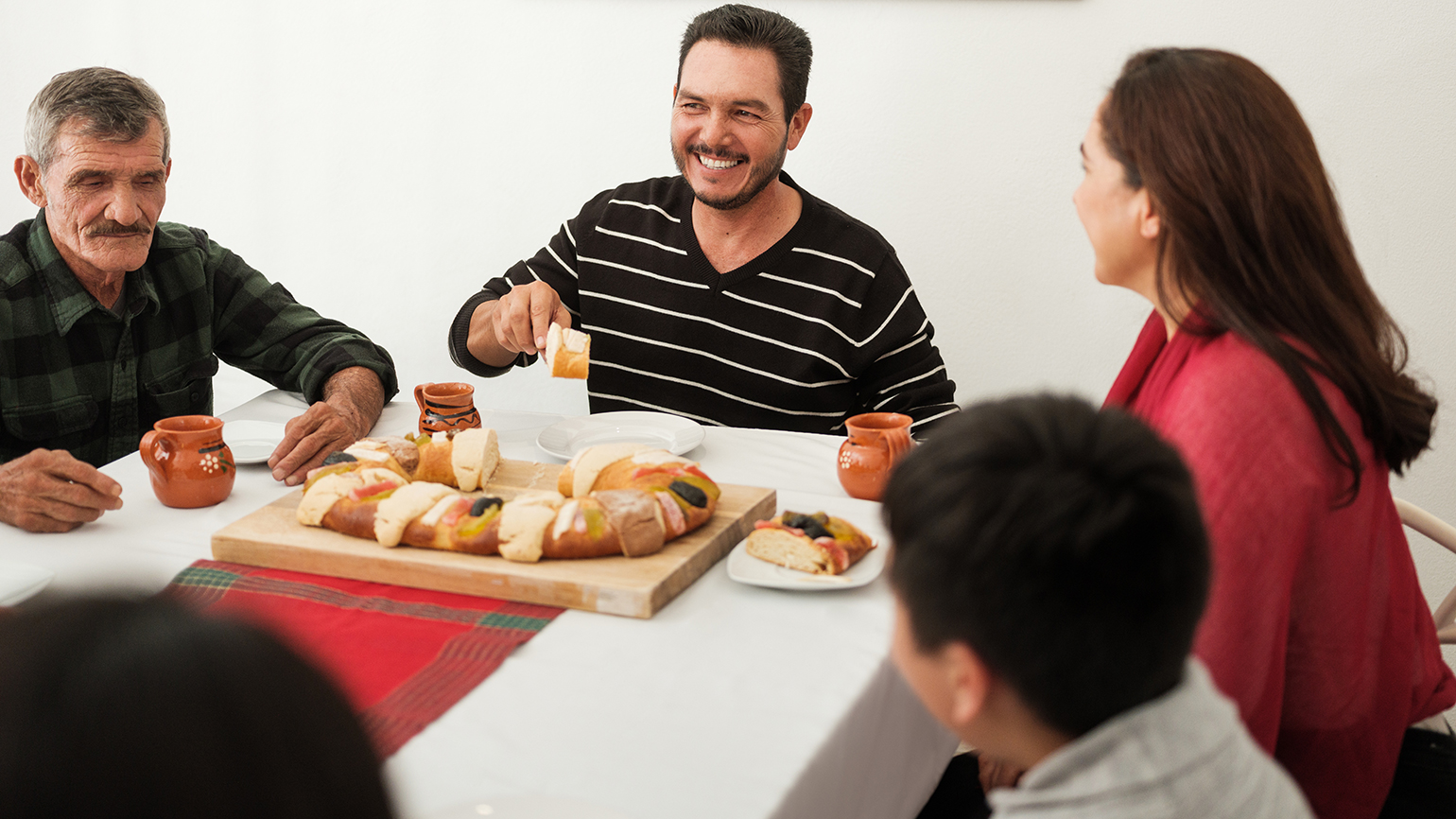
We’ve all heard of the Three Wise Men, aka the Three Kings, but did you know that they had their own holiday, too? January 6th is known as Three Kings Day and is celebrated around the world with a variety of unique traditions. Here are a few of our favorite from across the globe.

How Parents and Adult Children Can Travel Together

Whether you’ve got a big trip planned or you’re spending a day with your family in a nearby town, you may think parents and adult children traveling together could be challenging. After several years of wonderful trips with my parents, I’ve learned traveling with family can be rewarding, fun, and easy. And, I’ve got some practical advice to help make your trips go smoothly too.

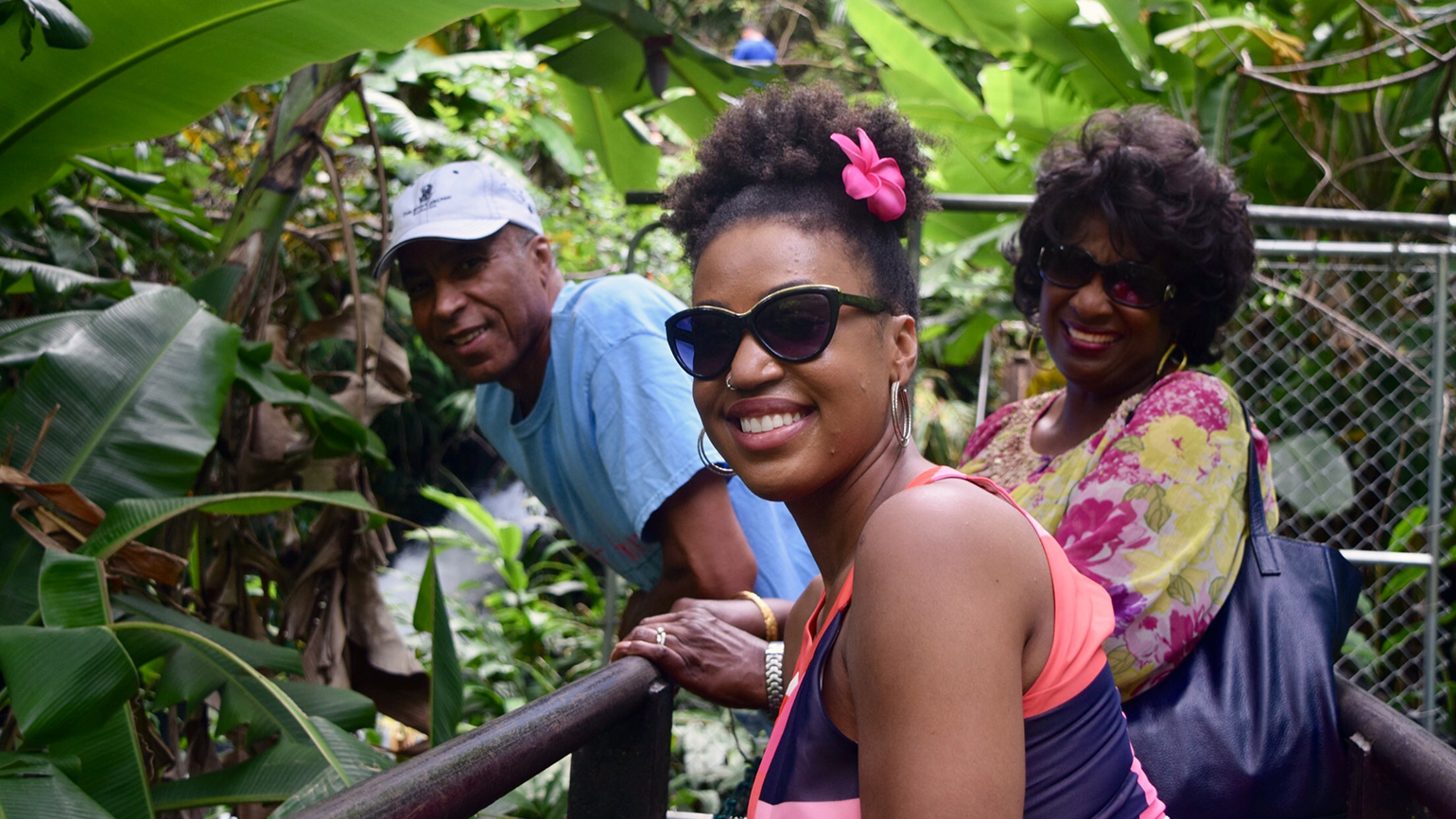
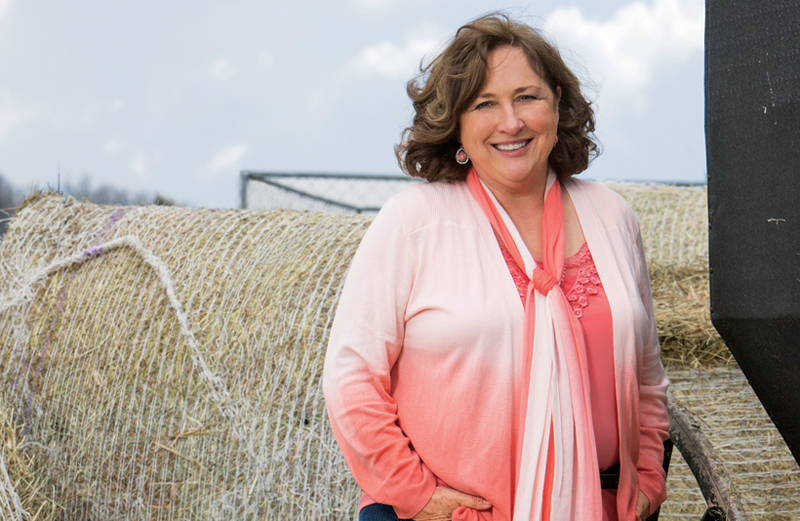
When my parents joined me in Paris for their 30th wedding anniversary back in 2012, we didn’t plan on starting an annual tradition of traveling together. But the next year, around the same time as their anniversary and my birthday, they followed me to New York City to celebrate. Then the next year we wound up on the Vegas strip and took a helicopter down to the Grand Canyon. Then two years in a row we met up for a road trip down to Myrtle Beach. But this year, for their 35th wedding anniversary, we went all out, traveling the farthest we’ve ever traveled together, to my absolute favorite place on earth: Hawaii.

TRAVEL TO SOUTHERN ITALY WITH GUIDEPOSTS!

Through our many treks together, I’ve picked up some tips about how parents and adult children can travel together. Here are 6 ways to ensure you enjoy your intergenerational vacation.

1) Make Sure There’s Something for Everyone

It was easy for my parents and I to decide to go to Hawaii–it’s paradise! But we each had our own ideas about what would make our trip fun. My dad was satisfied to stay in Waikiki–a place he visits for work once a month–but my mom really wanted to venture off of Oahu and onto Maui. So, we split our vacation between the two islands. Since my dad rarely asks to do anything, I knew when he asked for us to take the Atlantis Submarines adventure on Oahu down to the depths of the ocean (ka moana hohonu), we had to do that first. We ventured down to the piers in Waikiki, took a relaxing boat cruise to the submarine in the middle of the ocean, and explored coral reefs, sunken ships and airplanes, and schools of fish 111 feet beneath the sea. The only other thing he really wanted to do was to walk on the beach in the mornings, so we got up early and walked with him.

My mom really wanted to shop, so I took her to a local shop that sold made-in-Hawaii products, and I ventured off on my own one day to see ‘Iolani Palace, the monument of the former Hawaiian monarchy, and learned of the tragic betrayal of Queen Liliuokalani, Hawaii’s last monarch before annexation into the U.S. Though everyone wasn’t up to go to the palace, they enjoyed hearing about what I’d learned later. It’s great to do activities together, but leave some space for people to go off on their own and explore their own interests for a little while. It’ll make the time you’re together even more special.

2) Choose Meaningful Activities

When you choose to share activities you love–and why you love them–with your family, it enhances all of your enjoyment of the experience, as you all learn a little more about each other. Maui is second only to Kaua’i on my list of favorite places in the world, so I was thrilled to put together a Maui itinerary of amazing experiences to share with my parents. When we landed on Maui, the first thing I did was rent a car and drive my parents up to Haleakala Crater, 10,000 feet above sea level. With it’s red-orange clay ridges, ocean blue sky and white puffy clouds, it’s one of the most stunning and serene places on earth, and a breathtaking view of God’s creativity.

That afternoon, we saw Ulalena, the play that shows the tragic and triumphant history of Hawaii through song, dance and jaw-dropping acrobatics. This was my second time seeing the play and its heartfelt performances still moved me to tears and taught my parents a great deal they didn’t know about Hawaiian history. I then took my parents a few doors down the boardwalk from the Maui Theater to the Lahaina Grill for dinner where I had my favorite meal–the pink snapper–and shared with them bread and Lahaina Grill’s signature rosemary and garlic butter. To our pleasant surprise, the owner of the restaurant, Jurg Munch, stopped over to say hello, and we were able to gush about all of our meals. He was so pleased with our enjoyment that he gave us copies of the recipes for our meals so we (meaning, my mom!) could make them back on the mainland.

Next, I checked us into the Ritz-Carlton Kapalua–my favorite hotel on the island–and not just because it’s a gorgeous hotel with a pristine beach. The Ritz is the first hotel on Maui that heeded the protests of native Hawaiians and redesigned their resort so as not to interfere with native sacred burial grounds. They also led the way in hiring Hawaiian icon Clifford Nae’ole as the cultural adviser for the property. Many other resorts in Hawaii followed their lead in creating cultural adviser positions to ensure that the properties are respectful and beneficial to native Hawaiians in some way. King Clifford, as I affectionately call him because of all he’s been able to do to advance Hawaiian people and culture throughout the island and the world, founded and spearheads at the Ritz the annual Celebration of the Arts–which brings together Polynesian ethnic groups from all over to celebrate and share history, culture and art with the masses and each other. I’ve written for Mysterious Ways about how the hiuwai (Hawaiian sunrise cleansing ceremony) I did with Clifford in 2014 impacted my life. So I was excited to share that 5:30 a.m. ritual with my parents.

Though Clifford couldn’t lead the ceremony for us this time, he sent his friends, kumus (teachers) Kalapana Kollars and Anuhea Yagi to lead us in the hiuwai ritual on the beach. To the sound of nothing but gentle waves, my parents and I laid down our burdens in the ocean, reconnected to God, and came out of the water jubillant, giving praise for a new day and the rising of the sun, perfectly situated before us, just over the mountains in the distance. It’s the kind of ritual in the perfect setting that can crack your heart open and giveway to fully loving everything around you, as God intended. Sharing the hiuwai with my parents and then hiking to nearby Makalua-puna Point made for an unforgettable bonding moment.

5 SACRED SITES ON MAUI

3) Google Activities and Accommodations in Advance.

Make sure everyone knows what the accommodations are supposed to look like so there’s no surprise or disappointment when you arrive at your destination. Also, research the activities you’re going to be doing together, to make sure that everyone will be able to participate. My mom had a hip replacement last year, so when I saw that our Atlantis submarine adventure required everyone to be able to climb and descend from a vertical ladder, I checked with her first, to make sure she wore closed toe shoes and felt comfortable on a ladder. When we drove up to Haleakala Crater, I’d packed ginger candy for us to chew on to avoid nausea that can come from driving around the narrow mountain roads’ twists and turns. I also packed bottled water, bread and Surfing Goat Dairy cheese (my favorite and a Maui staple!) to stave off altitude sickness. Unfortunately, my mom didn’t like the snacks and didn’t drink enough water, so she did get altitude sickness and my dad wasn’t properly dressed for the 50-degree weather we encountered so high up. We ended up leaving Haleakala sooner rather than later. Lesson learned: pack a light jacket and something everyone wants to snack on!

4) Get Social

More than 30 years separate me from my parents, but one thing my mom and I both love is posting photos on social media. If you decide as a family that posting vacation pictures is okay with everyone, share them on your social media platforms and tag your family members in them. Come up with a hashtag that everyone posting can use so you can all find your pictures quickly. Ohana means family in Hawaiian, so our hashtag for this trip was #OhanaTour2017. Just another fun way to revel in the memories as you’re making them.

5) Avoid Controversial Topics

Just because you’re family doesn’t guarantee you’ll agree on everything. In fact, at this stage in the parent-adult child relationship, you probably know exactly what might set someone off and jeopardize your fun trip. Avoid those topics like the plague! There’s a time and place for tough and necessary conversations, but your fantastic vacation is not one of them. Resign yourselves to enjoying your trip and enjoying each other. If you see the conversation spiraling into a bad place, steer the conversation back to something pleasant. Resolve to keep the peace and remember the purpose of your vacation: bonding.

6) Embrace Change

​As children transition to adulthood, the parent-child relationship and the expectations and responsibilities of each are bound to change. Embrace it! Vacationing together when all parties are adults and can communicate their wants, needs and expectations with more emotional maturity provides a perfect opportunity to deepen your family bond. Whether childhood was idyllic or volatile, adulthood allows a chance for everyone involved to start again—if all parties agree to do so—and forge a relationship that can be healing and enjoyable. It was a blessing for me that my parents were able to let go of their roles and identities as my providers and to instead allow me to treat them to amazing, once-in-a-lifetime experiences, to teach them something new and to give back in some small way what they’ve given to me my entire life. When you let go of the past and your former roles in each other’s lives, you can get excited about building something new together.

Brooke Obie and her family visited the Ritz-Carlton, Kapalua, Atlantis Submarines Waikiki and Maui Theatre’s Ulalena courtesy of each corporation. Her favorite experiences are highlighted in this article.

How Olympian Mirai Nagasu Fought to Make History

Today Mirai Nagasu is a history-making Olympic figure skater for Team USA. But four years ago, she was eating In-N-Out burger with friend and fellow team member Adam Rippon on the roof of her house while the rest of their teammates were competing at the 2014 Olympic Games in Sochi.

That year, both figure skaters had narrowly missed making the team with the U.S. Olympic committee choosing to send a lower ranked skater in Nagasu’s place despite her fantastic performance winning bronze at the 2014 U.S. Championships.

The experience was heartbreaking for Nagasu, a California native and daughter of immigrants who took to the ice at age five.

“I considered quitting,” Nagasu tells Guideposts.org. “But at the end of the day I thought about how I would be retiring from figure skating without a true defining moment, and I didn’t want to retire based on a decision that wasn’t even mine. I felt like I could still do more and better.”

Better for Nagasu translated to a free-skate during the team competition that would go down in the books as a defining performance, not just for Nagasu and for Team USA, but for women’s figure skating. At the 2018 Games in Pyeongchang earlier this year, Nagasu became the first American woman to land a triple axel (a forward-facing jump that requires a skater to spin three times in the air before landing) in competition and just the third woman in history to achieve the feat. She won another bronze medal with Team USA at the Games.

“I was grateful for every moment of the Olympics,” Nagasu says. “I made it in 2010 and then I didn’t get to go in 2014, and that was how I learned that making the Olympics is not an opportunity that many people even have the chance to experience. To make another team eight years later, it really put things in perspective for me.”

Now Nagasu is competing again, swapping out Olympic ice for a crowded ballroom dancefloor, and going toe-to-toe with a handful of famous athletes, including friend Rippon, on Dancing with the Stars.

“I think that because I am a figure skater, I’m really enjoying dancing to music,” Nagasu says of the competition. “I’m having so much fun.”

It shows in her performance; the DWTS judges gave her and her partner Alan Bernsten stellar scores for their salsa routine last week and a the first perfect 10 score of the season on last night’s episode.

“Alan and I did a little prayer right before our music started and it was kind of a surreal experience,” Nagasu recalls of the pair’s first dance together.

To win the coveted Mirror Ball Trophy, she’s borrowing the same strategy she used for the Olympics on DWTS: hours and hours of old-fashioned hard work and practice.

“When we first learned the number I was like, ‘Oh my god, the music is so fast. I won’t be able to keep up with you.’ But when we performed, it almost felt slow because we had rehearsed it so many times.”

Doing the show with her best friend Rippon, who also scored 10s last night, has made the competition even more memorable.

“I love Adam so much,” Nagasu says, “[But] I think there’s a competitive nature to all of us. As a competitive figure skater, I look at the field and I’m like, ‘I want to be the best.’”

No matter the results of the competition, she knows she has a solid support system in her family.

Her parents, who immigrated from Japan 30 years ago, have worked hard to make sure Nagasu could pursue her Olympic dreams and now, with an Olympic bronze medal to their family name, they’re just enjoying the journey with her, sitting front row as she tries to add another title to the list.

“I owe everything to my parents,” Nagasu says. “My life, my goals, my dreams. To have put my Olympic medal around my parents’ necks, that meant everything because even though I had to put in the hours and work, and I was doing all of it, I wouldn’t have been able to do it without my parents’ support, financially and emotionally. On some tough days I had to learn to push myself and that perseverance didn’t just grow out of anywhere. It was something my parents taught me.”

Nagasu hopes her story can teach others something too. Despite missing an opportunity to compete in Sochi, she continued pursuing her dream. At the age of 24 she was one of the oldest competitors on the ice in South Korea, and when she decided to learn the triple axel, the most difficult jump in the sport for women, she did so knowing that most figure skaters stop learning new jumps in their early teenage years.

In other words, Nagasu shouldn’t have been able to land that triple axel in Pyeongchang. If she were any other skater, she might not have even made it to a second Olympics.

“It’s something that I’m really proud of,” Nagasu says of her comeback and the direction her life has taken after the Olympic Games. “I hope people relate to my story. When people tell you that you can’t, and you genuinely believe that you can, you just have to make it happen. Sometimes, you just have to get up and keep fighting.”

How National Parks Make Positive Family Memories

My dad retired three years ago, and to celebrate, he took my sister and me on a father-daughters trip to the Grand Canyon and two other national parks in Arizona and the Navajo Nation. We had such a wonderful time that we decided to make it an annual tradition. Last year, we went to Mesa Verde National Park; last month, we visited to Death Valley National Park. We’ve already started brainstorming next year’s adventure.

The national parks are famous for their majestic natural beauty—and also for their ability to bring families together in a positive, memory-making way. Different from other types of family vacations, the parks tend to leave an impression on visitors’ hearts. Here are three of the many reasons for that:

1. They are truly “away” places.
Most of the national parks we’ve visited are difficult to reach, and wi-fi is spotty at best once there. This is a very good thing. Life rarely affords parents and grown children the opportunity to be together in a special place without any distractions or demands from work or family. I can easily look past the inconvenience of limited communication with the outside world and embrace the pleasure of spending uninterrupted—and uninterruptable—time with my dad and sister.

Read More: Planning a Trip to a National Park

2. They pair new memories with old ones.
Our initial Grand Canyon trip was a re-creation of a trip we had done together in the late 1980s, when I was a young teenager. My dad brought along a stack of photos from that earlier trip, and we delighted in re-enacting poses and making fun of our acid-washed jeans and other dated fashions. The Grand Canyon is a natural wonder—returning there with the memories of the impression it made on our younger selves only enhanced the already-spectacular experience.

3. They enrich our view of the world.
Each visit to a national park renews my wonder over how immense and powerful the natural world is, from the star-speckled sky over Death Valley to the river-etched depths of the Grand Canyon. These places are alive. They are still being made. They deserve our respect and protection. Their history is our responsibility to learn and process. To behold this enormity with my dad and sister only deepens the meaning of our time together, making it profoundly thought-provoking…alongside being just plain fun.

Have you visited national parks with your family? What positive memories do you have from your trips?

How Mr. Rogers Spread God’s Love Everywhere

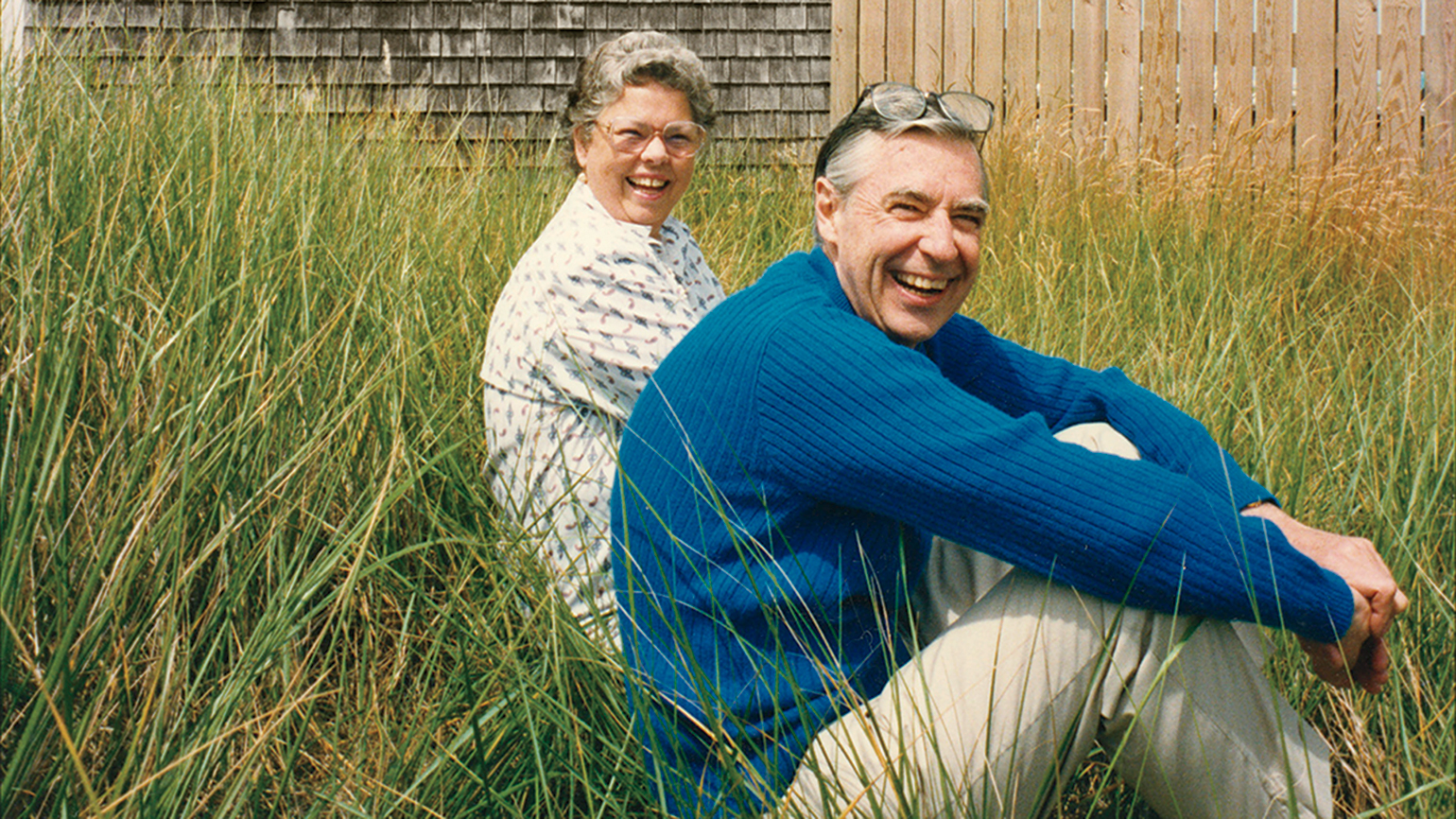
The first time I set eyes on Fred Rogers was in 1947. I was a student at Rollins College in Florida, and he was a freshman at Dartmouth College in New Hampshire, who decided that he wanted to major in music. Dartmouth did not have a music degree program at that time. A music professor there suggested he come down to Winter Park to see Rollins. Our music composition teacher said we should all go greet him, so we piled into a very big, elderly Franklin car to meet this new prospect at the airport. And so it was that this unhappy Dartmouth student was welcomed by a dozen happy Rollins music students!

It must have worked because he decided to transfer to Rollins. We became good friends, then a couple. He impressed us because he could sit at the piano and play all kinds of music by ear that none of us could play without the score. After I graduated in 1950, I went to Florida State University for a master’s degree in music. After Fred graduated in 1951, he moved to New York City to do an apprenticeship at NBC in this new thing called television. I got a letter from him in late spring proposing marriage! I felt he deserved a quick response, quicker than writing back, so I went to a phone booth on campus…. I must have put in a million dimes! “Yes!” I said. “Yes.”

The wedding was July 9, 1952. Fred and I spent our first year together in New York, and Fred continued at NBC. In 1953, he heard from his father about plans for an educational TV station in Pittsburgh—near their home in Latrobe. Fred landed a job with this brave group and joined the first community educational television station, WQED. And so we settled in Pittsburgh.

He worked behind the scenes at first, then in front of the camera. He launched a children’s show in Canada that was called Misterogers—all one word like that—and developed a lot of the characters he would use in Mister Rogers’ Neighborhood, which he produced back in Pittsburgh. People ask if I helped him create any of it or collaborated with him. I have to confess that I was too busy.

I taught piano, gave recitals and was soon preoccupied with raising our two young sons, Jim and John. Sometimes the three of us would go to the studio and see Fred at work, which we loved. When the boys were young, running around the house, and the show would come on, they would point to the TV and the man in the cardigan sweater and say, “Other Daddy.” Their daddy was a father figure for children all over the United States.

That zippered sweater became his trademark on camera. Off camera he was more likely to wear a bow tie. That bow tie once led to an amusing case of mistaken identity. Fred came home from a trip one day with a big smile on his face. “What are you smiling about?” I asked.

“Something that just happened on the trip home,” Fred said.

“What was it?”

“I was getting on the plane, going up the ramp, and the flight attendant kept staring at me. You could almost see the wheels going around. She knew she knew me but was trying to remember how. When I came up to her, I smiled and she said, ‘I just love your popcorn!” They called him Orville (Redenbacher) at the office for a week after that!

Fred was a lot more patient than I ever was, especially with our children. The boys would tell you he never once raised his voice. I’m afraid that wasn’t always true for me. One day, my mother was visiting and the boys were horsing around. They were making such a ruckus that I just let them have it! My mother looked shocked. How could I yell at my own darling children? John saw she was upset and crawled up on the couch, whispering, “Never mind, Nana. It just goes in one ear and out the other.” The boys got their father’s patience and sense of humor.

Fred would get up early in the morning to read the Bible and pray. He was much stronger in his faith than I was, although we prayed together every night at dinner. He’s been gone now for almost 17 years—he died of stomach cancer in 2003—but we still say that prayer when we gather as a family at Thanksgiving:

     Come, Lord Jesus, be thou our guest,
     Our morning joy, our evening rest.
And with thy daily bread impart,
Thy love and peace to every heart.

Fred gave wonderful presents. The nicest present he gave me was a double piano bench for our Steinway, so that I could play duets on it. My piano partner and I loved it. Fred liked to talk about that bench and liked me to mention it. He was like a child that way, enjoying his own generosity.

He named one of his puppets after me, Queen Sara Saturday. Sara is my first name, though I usually go by Joanne. He used McFeely, his middle name, for another character. Of all the characters he created and all the puppets he made, my favorite is Daniel Tiger. Daniel Tiger reminds me so much of Fred. His sensitivity, his thoughtfulness and kindness. That was the most important value of all for Fred. He wanted to spread kindness in the world.

I think about what the show did for the children—and their parents—who watched it over the years. It gave them a safe place, a nurturing place. It reminded me of sitting on my grandmother’s lap. I knew I was loved and cared for. Young children are always going to need that, whether it’s today or a hundred years from now. They need to know they are safe and loved.

A new movie has just come out about Fred, A Beautiful Day in the Neighborhood, the title coming from the song he sang on every show. Tom Hanks acts the part of Fred, and I was grateful to have a chance to talk with him. I found him gracious, outgoing, easy to be with. He did have one question about my husband: Did Fred always talk that slowly?

Yes, I had to say, he did. On TV and off. He wanted to be sure he was understood. I’ve had people come up to me, people who came to this country and didn’t know English, and say they learned our language by watching Fred’s show.

Fred was an ordained Presbyterian minister and a man of great faith, but he rarely talked about it. It was more important to show it. To his family, to the people he worked with, to audiences through the characters he created and the stories he told. That’s what mattered most. He spread God’s love in everything he did. His life was his sermon.

A Beautiful Day in the Neighborhood is now available via streaming services.

For more inspiring stories, subscribe to Guideposts magazine.

How Love Found Me in Sugarcreek

I didn’t know what to say when my literary agent called that summer day a few years ago. It certainly was an interesting proposition. But it didn’t sound like something I could actually pull off.

“We’re looking for someone to write an Amish romance set in Ohio,” she said. “What do you think?”

I lived in Ohio, 30 minutes away from a small Amish community. That hardly made me an expert. If anything, the Amish confused me.

Just the other day, I’d seen a horse and buggy pulling out of the parking lot at Walmart. There was a Jeff Gordon bumper sticker on the back of the buggy. Here was this young Amish guy moving down the road at a sedate 10 miles per hour. In his heart, though, he was a NASCAR racer!

I could relate to wanting a simpler, more faithful way of life. After all, I was the wife of a minister and lived on a farm in Minford–population 693.

But I couldn’t see the harm in going to the beauty salon or having a cell phone. Weren’t the Amish taking it too far? Surely it was possible to connect to God without being stuck in the 1800s.

Still, I couldn’t pass up the opportunity. I’d waited till my sons were grown to pursue my dream of being a novelist. I’d written three books–none published. Was I really meant to be a writer? What was the point if no one could read my books?

“I’ll do it,” I told my agent, eager to prove myself.

I settled on the real-life town of Sugarcreek as the setting for the novel. Not only was the name evocative, but it was at the center of the largest Old Order Amish community in the world. I’d need to connect with real Amish folks, get the inside scoop.

So I booked a weeklong stay at a bed-and-breakfast, wrote a long list of questions in my notebook and tried not to freak out. From what I could tell, the Amish were a severe, closed-off people. Would they even talk to an “Englisch” outsider like me?

Arriving in Sugarcreek was like stepping into an episode of Little House on the Prairie. Rolling green hills. Fat cows. Old-fashioned farm wagons, tepee-shaped corn shocks and children running through the grass barefoot. I could feel it right away–a sense of abundance. Life was full here.

I checked into my room at Oak Haven Bed & Breakfast and chatted with the owners, Joyanne and Clay. Not Amish, they were originally from Texas and had transformed the 127-year-old farmhouse into a charming B and B.

Like everything I’d seen in Sugarcreek so far, the property was tidy and meticulously kept. Intentionally removed from the outside world. No TVs, phones or–heaven forbid!–Wi-Fi.

Clay had started praying for me the moment I booked my stay. He did that for every guest, and his prayer list was updated daily. On the wall near the kitchen was a wooden plaque with Hebrews 13:2 on it: “Be not forgetful to entertain strangers: for thereby some have entertained angels unawares.”

I scribbled the verse in my notebook–something for my novel, perhaps.

On the side, Joyanne and Clay also “hauled the Amish,” driving them on errands, shopping trips and doctor’s appointments in their two 15-passenger vans. They knew the community well.

I was thrilled when Joyanne invited me to dinner with Naomi and Luke, an Amish couple she’d befriended, and their family.

“I’ll get permission for you to attend,” she said. “You can ask questions.”

“That’d be great!” I said, thankful for the “in” to the Amish world.

Until then, I took in the sights and sounds and tastes of Sugarcreek. Many of the original Amish and Mennonite settlers had German and Swiss roots. That influence was everywhere, from the street names–like Edelweiss and Basel–to the chalet-style architecture.

There was even a giant cuckoo clock at the center of town. Every half hour, little mechanical wooden men with instruments popped out. I stopped for lunch at Beachy’s Country Chalet.

The Amish certainly didn’t cut corners. Everything was made by hand, even the wooden booths and the colorful quilts that lined the walls. And the food. Piecrust, thick and flaky. Slow-cooked beef. Creamy mashed potatoes. Gooey apple dumplings. I could actually smell the fresh-churned butter.

I was enjoying myself. But I hadn’t made any progress connecting with the Amish folk in town. At one point, I spotted a little boy manning a produce stand with his father. “How old are you?” I asked, crouching down so I was at his eye level. He didn’t answer.

His father whispered something to him in Pennsylvania German, then turned to me. “He doesn’t speak English,” he explained. “Not yet.” Like many of the Amish I’d met so far, he was polite, but reserved. I imagined he got a lot of questions from the thousands of tourists who visited Sugarcreek every year.

I hoped my dinner with Joyanne at Naomi and Luke’s house would go better. It was my only chance to sit down and talk with a real Old Order Amish family.

Dinner was set up outside on the lawn, since the house had no air-conditioning and would be too stuffy. All the guests were dressed formally in plain suits and dresses. I felt out of place in my blue jeans…and also a little envious.

The women around the table were so lovely even without makeup. Plus they could whip up a dress in one evening. I could barely sew on buttons.

We all bowed our heads and prayed silently. That was new. I was so used to praising God for all to hear. The food was, of course, delicious–I’d really have to get a cow for our farm in Minford, for the fresh milk and cream–and conversation flowed easily.

No picky eaters. The kids cleaned their plates. Best of all, there were no distractions. How long had it been since I’d sat down to dinner without someone’s cell phone buzzing?

After dinner, the adults sat in lawn chairs and watched the kids play volleyball. It was surreal. The girls in simple pastel dresses with their hair pinned up in kerchiefs, the boys with cloth suspenders, all of them running around the backyard and spiking the ball.

Aside from the clothes, something else was odd–the kids were content. No complaints or eye-rolling, not even from the teenagers.

I was so caught up in the game that I hadn’t realized Luke was staring at me. Had I done something wrong?

“Joyanne tells me you are writing a book on the Amish,” he said. His smile put me at ease. “Ask me anything. Nothing is forbidden.”

So I did. We covered the spiritual stuff and the everyday stuff too. The group talked about how Amish dress united the community. How parents measured everything, especially technology, against how it would affect the family.

And how shunning–banishment of members from the Amish community–was actually extremely rare. By question 50 or 60, everyone was starting to get a little goofy.

“When I have trouble getting to sleep, I don’t bother to count sheep,” one of the older men at the table said. “I just try to remember the names of all my seventy-three grandchildren!”

I laughed. The Amish in Sugarcreek weren’t at all what I’d expected. They were warm, welcoming, kind and funny. Reserved, sure, but relaxed and confident in their way of life.

It was almost as if they’d stumbled upon the secret to happiness a long time ago and would do anything to protect it. But they also had to live out their faith in the real world, just as I did.

And their concerns were no different from mine. They too worried about their kids, whether they’d find the paths God meant for them. I could relate.

I went home to Minford changed, somehow. That’s not to say I was going to give up my car for a horse and buggy. But I found myself enjoying quiet time with God more. Taking that extra hour to make piecrust from scratch–and keeping my cell phone turned off while I did it.

And I was inspired. When I sat down to work on my book–Love Finds You in Sugarcreek, Ohio–the words flowed. I owed it to the Amish to portray both their virtues and their shortcomings accurately. Not as outsiders. But as a wonderfully humble and spiritual people. My friends.

Download your FREE ebook, Rediscover the Power of Positive Thinking, with Norman Vincent Peale.

How Kevin Downes Is Pioneering Christian Filmmaking

Kevin Downes probably won’t have another year like 2015.

The actor/director/producer who’s responsible for popular faith-based films like Courageous and Mom’s Night Out says putting out two films in one year – both Faith of our Fathers and the highly-anticipated Woodlawn hit theaters recently – wouldn’t sit well with one important person in his life.

“I don’t think my wife would let me do it again,” Downes jokes with Guideposts.org.

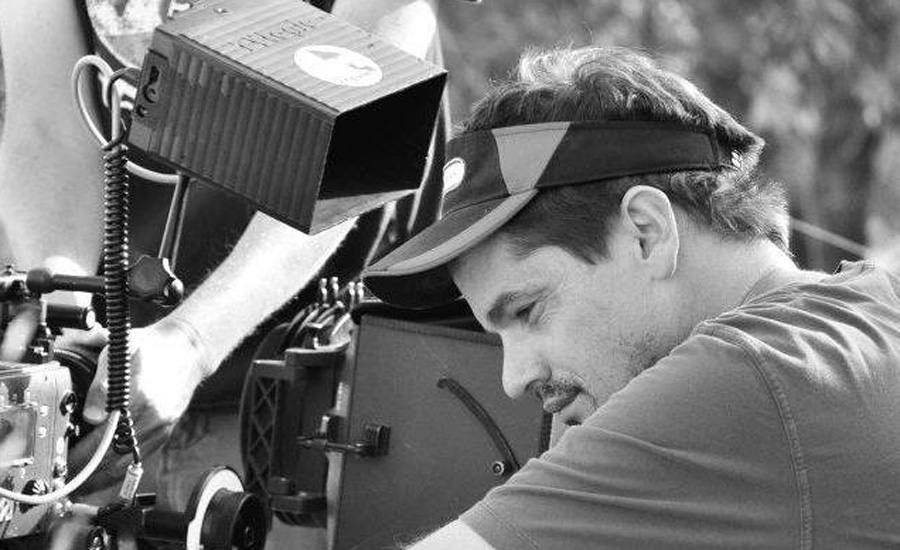
Downes, who strolls into our interview tousled and a bit tired, is promoting Woodlawn a film that chronicles the life of star Alabama athlete Tony Nathan.

It’s a big movie with a big budget and even bigger expectations. It’s something Downes admits he never thought he’d be able to create when he began making films nearly 20 years ago.

The California native grew up three hours north of Los Angeles and moved to LA after college to pursue acting. It was there – after joining a Bible study through his church — that he met friend and producing partner David A.R. White.

The two men bonded instantly, even going on auditions together. One of those auditions proved to be pivotal. “We ended up getting the two lead roles in this Christian youth film,” Downes explains. “It was like ‘Wow, stuff like this exists?’ I was blown away. If you could do this for a living, I’d totally do this! Both of us had that same thought process but those films didn’t exist at the time.”

So Downes and White decided to create them.

For Downes, whose dream was acting, making the shift to producer was challenging.

“We didn’t know how to produce a movie,” Downes admits. “We were just actors acting in our own movies. We brought on friends that were directors and tried to figure it out. It was like going to school and our school was those first few movies we made. We didn’t know what would work, what wouldn’t work or even what people really wanted because we didn’t know there was an audience for it.”

Downes chats with Tony Nathan on the set of Woodlawn.

Before Downes and White, most faith-based films weren’t made with the intention of being released in theaters.

“Back in the 60s you had some Old Testament movies and an occasional Billy Graham film, but other than that, nothing,” Downes says. “I remember after our first film – I went door to door for a year to Christian bookstores talking to their book buyers, hoping they’d take our movie. It seems crazy but that’s what you do.”

Pioneering in any frontier presents obstacles, but venturing into the wild west of Christian filmmaking meant facing doubts about the path and purpose of his life.

“If somebody had told us back then ‘Hey, if you stick to it, one day, Christian movies will be released in theaters all across the country on a regular basis’ then both of us would’ve said ‘Ok, great. We’ll keep going.’ But we didn’t have that. We had people telling us that we were crazy. It was hard.”

Fifteen years later, Downes finds himself behind a project that touts one of the biggest budgets of any faith-based film up to this point and a star-studded cast.

Woodlawn is based on the true story of high-school star running back Tony Nathan – a man who would play in two Super Bowls for the Miami Dolphins. Nathan’s story became legend in the South after the young athlete attended a desegregated Woodlawn High School in Birmingham.

Downes joined the project thanks to the Erwin brothers – the directing duo he worked with during Mom’s Night Out.

The film – whose timing has been a topic of conversation thanks to its focus on racial issues – had been put on hold so the brothers could try their hand at comedy with Mom’s Night Out. When the Erwins and Downes returned to the movie, they did not expect it would be ready for audiences after only 14 months of production.

“The timing is all God,” Downes says. “We should’ve waited another year to make this film. We didn’t have the script finished. We didn’t have all the pieces you’d typically have going into a movie. But we went into this with a lot of prayer and counsel and we just sought out God’s wisdom on whether we should try and do something we’d never done before or wait. The word that we got was ‘Go now.’”

As Downes’ extraordinary year winds down, Woodlawn has been released, but ticket sales and reviews won’t change the way he feels about the film.

“The goal is that you have an impact on people,” Downes says. “You want to make sure that God is honored and that people actually see Him in the work that you do. When you finish a film, you have to release it. You have to give it up to God and let Him do whatever he wants.”

As for the future of Christian filmmaking, Downes remains optimistic.

“We’re having films that are competing with everything else,” he says mentioning hits like God’s Not Dead and War Room. “I think that’s a win. The next step is to continue with those kinds of dramas and maybe take it a step further where you see Bible epics done from a Christian viewpoint. We haven’t quite gotten here yet. Hollywood’s tried it but it hasn’t connected. Once we figure that out, then you’ll see box office results that mirror the comic book stuff. It will take talented Christians to produce and develop those types of movies. You have to invest a lot in it. We’re close to that right now.”