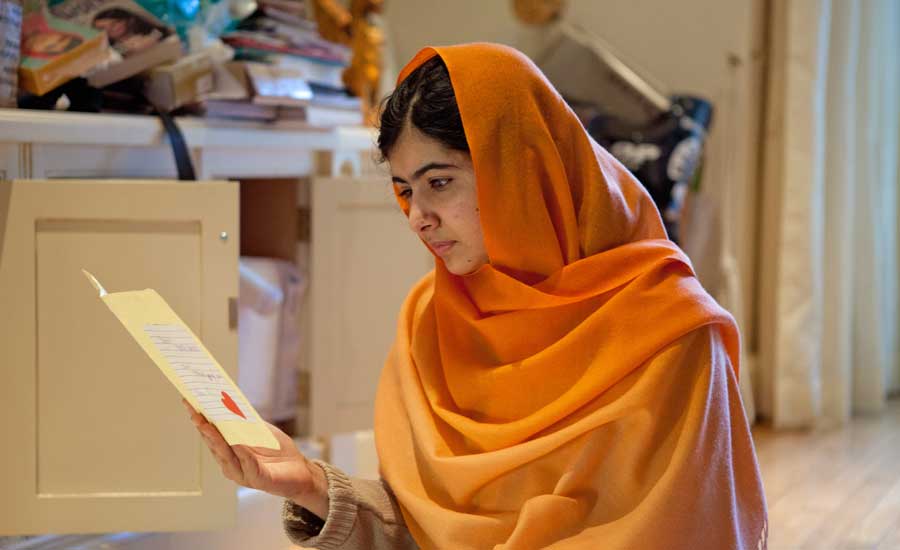
By now, most of the world knows the story of Malala Yousafzai, the young woman shot by the Taliban on her way home from school after lending her voice in support of education for women and girls. She’s become an icon, a role-model and the face of a movement; an education activist who sits with heads of state, visits refugee camps, meets with young children in developing countries and won the Nobel Peace Prize.
She is also just an 18-year-old girl.
That’s the main message of He Named Me Malala, Davis Guggenheim’s hour and a half long documentary on the Pakistani activist. For all of her accolades, magazine covers, TV appearances and memorable UN speeches, Malala Yousafzai is just a teenage girl from the Swat Valley, which makes her courage, her compassion and her defiance so much more compelling.
Guggenheim’s film begins with a beautifully animated story that provides a small glimpse of why Malala was destined to stand out.
She was named after Malalai of Maiwand, a local legend known in the western world as the “Afghan Joan of Arc” who fought alongside local Pashtun fighters against British troops in the 1880 Battle of Maiwand when she was just a teenager, like Malala. Malalai rallied soldiers to their most important victory by giving an inspiring speech atop a mountain before being tragically killed in battle. This is where the two brave young women’s stories part ways. Malala miraculously recovered from her injuries and continues to champion education for women and girls worldwide — all while preparing for college.
In the film, Malala shares the stage with her two younger brothers, who don’t mind exposing their sister for her bossiness and tendency to give them a slap on the face every now and then, all in good fun. She attends school, scrolls through pictures of Roger Federer and Brad Pitt (two of her favorite celebrities) while sitting at her computer, she blushes and hides behind a giggle as she’s asked about boyfriends and her dating life.
Guggenheim’s lens also shows the darker side to Malala’s life and recovery from her traumatic brain injury. The bullet that fractured her skull and left part of her brain tissue exposed also stole hearing in one ear and left nerve damage in the left side of her face and neck. In physical therapy, we see her struggle to catch a ball and form words after her initial life saving surgery. We see her family yearn for home — a place the Taliban has exiled them from with death threats — while trying to adapt to life in a new country with a new set of rules and an entirely different culture.
We see Malala struggle to keep up in school because she’s missing classes to fight for the return of 273 Nigerian school girls kidnapped by Boko Haram in 2014, hand out books and backpacks at refugee camps in Syria, confront the Taliban about its violence against women and girls in a chill-inducing speech at the UN, and meet with President Obama to discuss America’s use of drones.
Still, the heart of the film is the relationship Malala has with the one who named her: her father, Ziauddin–an extraordinary activist in his own right.
Ziauddin shares the story of Malala’s early-morning birth on July 12, 1997, and his insistence that his daughter’s name be written in the book that spanned 300 years of his family’s history–but had previously only recorded the names of the men. The educator and scholar had opened a school in their hometown, and though he stammers when he talks, is a passionate speaker.
While many of Malala’s detractors have claimed her father writes her speeches and influences her words and actions, Ziauddin dismisses such accusations.
“I did not clip her wings,” Ziauddin says in the film, “I let her be, and that makes a big difference.”
Malala echoes that sentiment.
“He named me Malala,” she says, putting the title of the film into context. “He didn’t make me Malala.”
The Taliban tried to silence her with violence on a dusty street in Pakistan, but that shot didn’t give her courage, or bravery or the ability to inspire change and love in people’s hearts. Those abilities were already there and that’s what the world will see in this film.
He Named Me Malala opens in select theaters today.
My friend Mat says this baked apple dish reminds him of an old folk recipe.
When he was little and had an upset tummy, his Russian grandmother would cut up an apple and leave it out on the counter for a few minutes, until it began to brown. Then his grandmother would say, “Come eat, tatellah” (“little man” in Yiddish). Lo and behold, a few minutes later his stomach felt better.
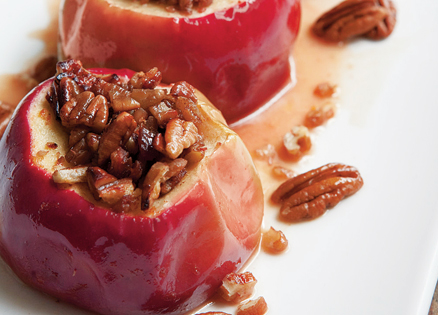
He always figured it was love at work (and, of course, it was), but now we know there’s also some science involved: As they brown—or cook, in this case—apples release pectin, which naturally soothes the belly. Here, the apples are complemented by a whole host of tasty morsels and spices—toasted pecans, dates, orange zest and cinnamon.
Ingredients
¼ cup toasted pecans, finely chopped
¼ cup Medjool dates, pitted and finely diced
Zest and juice of 1 orange
¼ teaspoon ground cinnamon
¼ teaspoon sea salt
4 baking apples, such as Pink Lady, Pippin or McIntosh
1 tablespoon butter (optional)
Unfiltered apple juice, for baking
Preparation
1. Preheat oven to 350°F. Combine pecans, dates, orange zest, orange juice, cinnamon and salt. Stir.
2. Core the apples, leaving half an inch at the bottom and peel top edges. Stuff the apples with pecan filling and dot with butter. Put the apples in a baking pan, pour about 1 inch of apple juice over apples and cover tightly with foil. Bake 40-60 minutes, till apples are tender but not mushy. Poke with a fork to test if done.
3. Serve apples warm, drizzled with the apple juice from the baking pan.
Serves 4
Rebecca’s Notes: Use a melon baller to scoop out the apple core; it’s very important that you keep the base intact. If you don’t have dates or pecans, substitute currants or raisins and walnuts or almonds. If nuts are a problem, simply omit them.
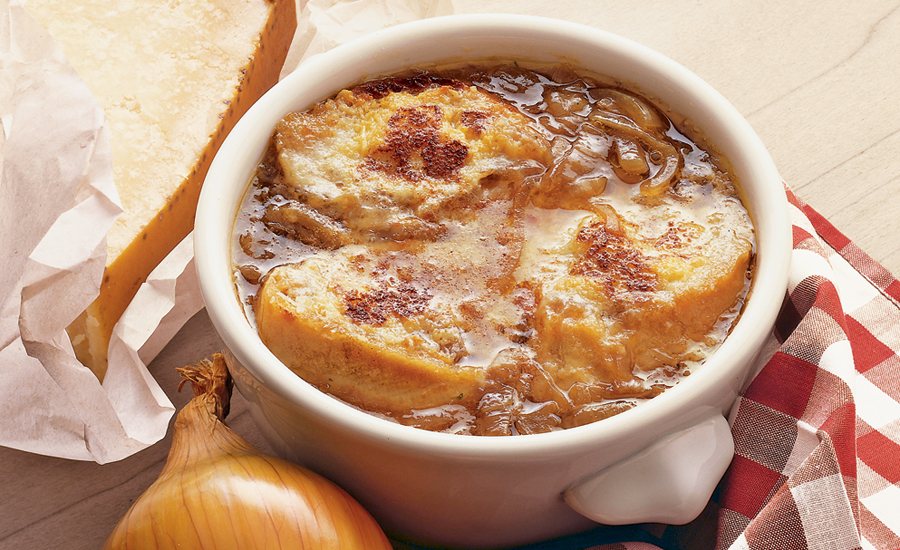
I made this for my young family at Christmas when money and time were tight. Now this soup is one of our best Christmas traditions. Though my children are grown and circumstances are better they still love to come home to share in this delicious meal.
Ingredients
3 lbs. onions, diced
1 Tbsp. instant coffee
1 ½ Tbsp. butter
salt and pepper
3 c. beef broth
croutons
3 c. chicken broth
mozzarella cheese, sliced
Preparation
1. Sauté onions in butter.
2. Transfer onions to large saucepan. Add beef and chicken broths, coffee, and salt and pepper to taste. Simmer for several hours.
3. Then pour soup into individual oven-proof bowls. Top each bowl with croutons, then mozzarella cheese.
4. Bake at 350°F for about 25 minutes.
*Note: To make croutons, slice day-old French bread and broil for 3–4 minutes or until golden brown, turning each minute.
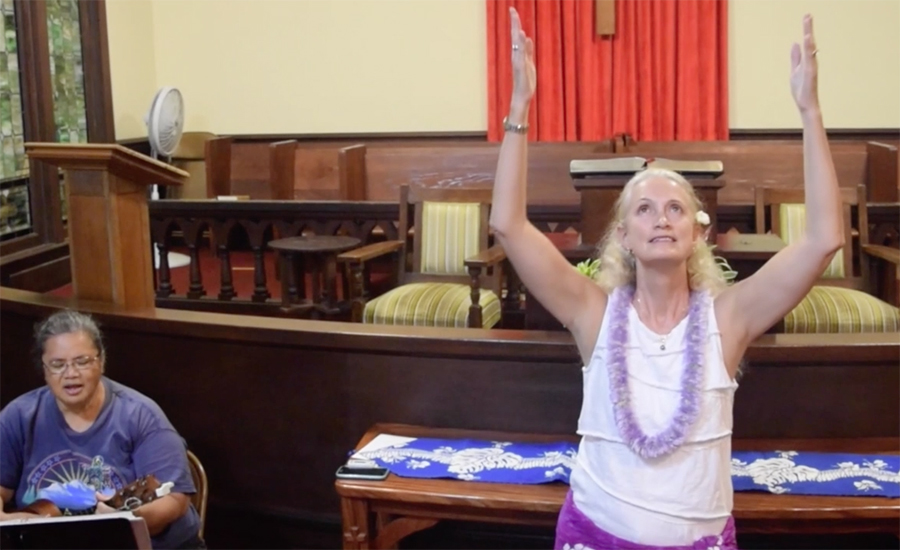
[SINGING IN HAWAIIAN] I’m Naomi Yokotake. I’m the vice moderator as well as the choir director. My grandfather was the music director, and my grandmother sang in the choir, and it is said that she was the musical genius, as opposed to my grandfather. When he passed on, my mother took over for him. Then it was my turn, so here I am.
When Kahu came, he wanted us to have an ukulele band, so to speak, for worship, and so then we started bringing a ukulele. You have to understand that the ukulele and all those things were not instruments that we normally use.
The hula has been a recent addition to the worship service. If our grandparents were here, it would not be a thing that would happen in church.
[SINGING IN HAWAIIAN]
Hula was a religious practice in the old days, and it was done in the heiau, where they worship the temples of the ancient Hawaiians. But it was always in praise of the gods, in praise of notable kings and queens and chiefs and chiefesses. And so in our kupuna, these are our elders. But when they became Christians, they put all those things aside because they were taught that there was one true God, and that those things were not within the realm of the missionaries in Christian faith.
However, we’re a little bit more progressive in saying, well, this is a way to worship God, and this is the way that we can do it from a Hawaiian perspective. And so we do Christian hula, and we do songs that refer to Christianity and to Jesus.
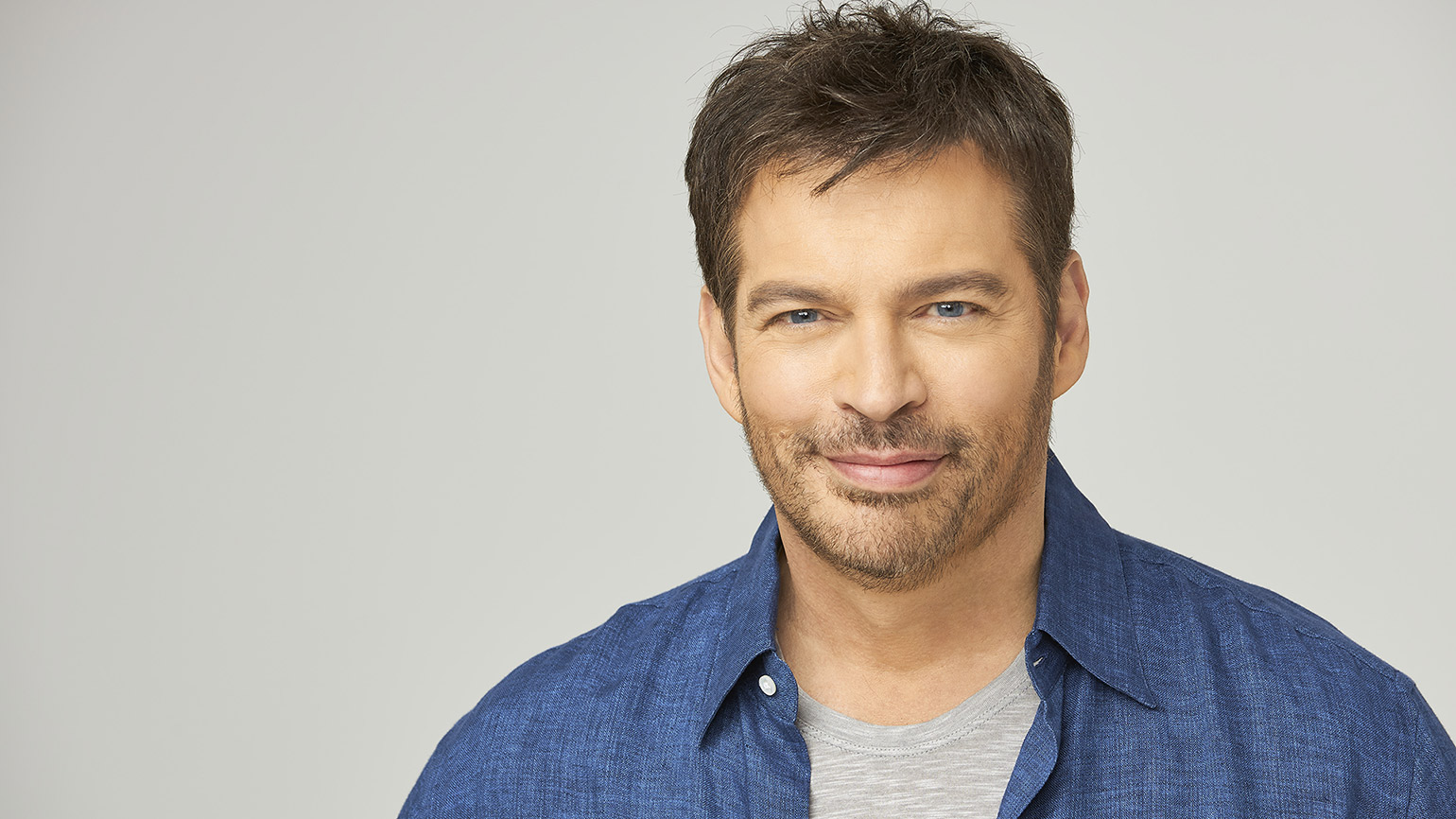
Greetings from the Big Easy, the city where I was born and raised (and hope to be visiting as you read this), a city coming back to life after being hit so hard by Covid. I’m thankful that the worst may finally be behind us, but I won’t forget the pain and disruption we all endured.
This virus made us question everything. I worried about my family, my city, my country, the whole world. For most of the past 30 years or so, I’ve spent my life working—on the stage, in a recording or TV studio, on a movie set—or with my family.
As seen in the Aug-Sept 2021
issue of Guideposts
As much as I love to work, during the pandemic it was the last thing on my mind. I spent a lot of time thinking about the selfless everyday folks who were making our lives livable—or, more accurately, possible. I even got a chance to thank them personally in a CBS TV special I produced in June 2020.
I watched from a distance while New Orleans got hit early, the streets empty, hospitals overflowing. My wife, Jill, and I and our three girls were at our home in Connecticut—we were among the lucky ones—and stayed there when everything locked down. Everywhere you looked, people were getting sick. Our family lost 14 people—10 due to complications from Covid.
A beloved uncle. The priest who married Jill and me. My mentor, jazz musician Ellis Marsalis, patriarch of the brilliant Marsalis family. What made this especially hard was that we couldn’t go through the natural grieving process. Normally there’s a communal event where everyone gets some closure. Then, over time, you merge back into life’s fast lane. The problem with lockdown was that you never got back on the highway. You were just stuck with the loss.
The most painful loss for my family, by far, was that of my mother-in-law, Glenna Goodacre. As many of us know from this pandemic, there’s not much worse than losing someone so close and not being able to do anything about it. No funerals, no memorial services, nothing.
At first, I watched the news. New Orleans itself seemed to be dying, along with all the things that make it great. The city had been through this before with Hurricane Katrina. Now here we were again, struggling to understand how we were to survive another catastrophe. I knew we would, but the devastation was brutal to watch in real time.
New Orleans is a city like no other. The way I was brought up, you were aware of people’s different races, cultures and backgrounds—Black, white, Irish, Italian, Jewish—and we celebrated all of them. The differences were good. Like the different ways people made gumbo. My uncle Ray’s gumbo vs. Miss Leah Chase’s gumbo at her restaurant Dooky Chase’s vs. the gumbo from the kitchen of my friend’s mother, who lived in the projects. All of them different, all good.
But now people couldn’t even go out. It didn’t matter how good your gumbo was—you and your family were the only ones who were going to eat it. You couldn’t go anywhere. Not even church. That was especially hard for my family. Telling my dad he couldn’t go to church was a really serious matter.
I had been on tour when the world shut down. A few weeks into lockdown, I felt the need to play some music. So I started going into my home studio, thinking of new ideas for songs, playing old and familiar ones, just passing time with music, something that’s comforted me my entire life.
Normally when you’re in a studio to record, there’s a schedule. You’re working with other musicians, recording engineers. On big orchestral albums, you record in three-hour chunks—anything over that is extra money. You’ve got to finish the whole project in a set period of time.
Not during lockdown. It was as if there was no end in sight. In my studio, by myself, I’d sit down at the keyboard and start recording something, or pick up my trumpet or guitar or whatever and add a part. Lyrics would come to me, original songs.
The surprising thing was how my faith was running through it all. Sometimes my faith was strong; sometimes I questioned it. I was writing and recording about the entire spectrum of faith I was experiencing and healing myself in the process. Traditional songs popped into my head too, classics like “Amazing Grace,” “How Great Thou Art,” “The Old Rugged Cross.”
I started to put down tracks, one at a time: piano, drums, vocals. Making a record all by myself. My dad loves “Panis Angelicus,” and my stepmom’s favorite is “Old Time Religion,” so I recorded those too. In those hours and days, the dread of the pandemic receded a bit, and I felt a little better. That’s what music is supposed to do, but this time it became so powerful.
It was my dad who took charge of my faith growing up. Mom was born Jewish, but she had no problem with my dad taking me to church. He’s a devout Catholic to this day—he’s 95 now. We’d go to different churches in our neighborhood: St. Louis King of France, St. Pius X or St. Dominic. We’d sing all those wonderful songs during Mass, like “Be Not Afraid” or “Panis Angelicus.”
My dad’s a Navy veteran. He can still tell you the names of everyone who was on his ship in World War II, even their hometowns. His mental acuity is mind-boggling. My mother was a great lover of music and came from a musical family. She played the flute.
My parents were both lawyers, and they helped put themselves through law school by running their own record store. They knew a lot about music. By the time I was born, the record store was long gone. When I was really young, like three maybe, I would plunk out a tune after my sister’s piano lesson. I loved it. Nothing could keep me away from the keyboard.
I was five when my dad was hosting an event and my mom wanted me to play “The Star-Spangled Banner” on the piano. It was the first time I’d ever performed for a crowd. What a powerful feeling, connecting with people, just through some chords and a melody. That stuck with me.
I’m so grateful to my parents for what they gave me—their love and support. To make a kid feel as if he really matters, that he has something to offer the world, that he has something that needs to be developed and explored. That’s the greatest thing a parent can give to a child. I owe everything to them.
At age 14, I decided to get baptized in the Catholic church. My mom wanted my sister and me to wait until we were old enough to choose which faith we wanted to follow. If ever I needed faith, it was then—the year my mom died of ovarian cancer. It was the hardest thing I’ve ever had to go through. It took me many years to get to the point where I was even able to talk about it.
I’m at a place now where, even though I miss her terribly and think of her every day, I’m able to share stories about her. The thought of her brings me great joy.
Grief giving way to healing—that kind of describes my time in my home studio during the Covid lockdown. Sometimes I would start with piano, sometimes with the drums or another instrument. I’d write lyrics. Write down a melody. Just sort of chip away at it. If I had an idea about another song in the middle of things, I would switch gears and do that. It was completely open-ended. I kept recording until I found what I was looking for. No one else was listening. It was like I was journaling—a musical journal.
I’ve recorded a million albums but nothing like this—no recording engineer, no producer, no other musicians. I’d talk to myself, laugh at myself. Speak out loud. Pray—but the song itself could be the prayer. “What kind of believer am I?” I wondered. That turned into a song: Am I a benevolent man? Am I an irrelevant man? I do the best I can.
This was all about living out my faith, living out the questions. You can’t really cry and sing at the same time, but I found myself bursting into tears—something I’ve never done in a formal recording session. I guess I should be uninhibited enough to cry in public, but somehow the distractions of a recording session and ingrained social cues have always prevented me from going there. I’m glad I was able to get to an emotional place I’d never been.
At other times, I would stretch out my arms and raise my hands, as if I were there at Calvary 2,000 years ago and had come upon “The Old Rugged Cross.” Jill and our three girls were upstairs—Georgia, Kate and Charlotte. We’re a pretty loud family and like to tell each other jokes and make each other laugh. Sometimes one of the girls or I would burst into song. Those moments of joy and love, spontaneous moments, kept us going.
Then I’d go back downstairs to my studio. No churches were open. I’d watch Mass on my computer and eventually got on a list to reserve a socially distanced spot at my local church. This was such a strange time. The world was so angry, so uncertain. There was so much political unrest and division.
I remember sitting at the kitchen table, watching the news and coming up with the opening lines to a song. “My life has changed,” I wrote, “My world is uncertain / Everything’s strange / Everything’s new / But I’m not concerned / With what tomorrow will bring / ’Cause I’ve got today / And I’m gonna pull through.”
I didn’t have to search for anything poetic. They were just words that captured what I was feeling. And I knew that everyone else was feeling the same thing. The day I wrote those words, I went for a drive. I got stuck in traffic. I was thinking of those lyrics to my new song “Alone With My Faith” when I noticed the license plate of the car in front of me: FAITH 1. It took my breath away ’cause it was true. Faith won. It always does.
In the end, the music that I recorded during the lockdown became an album, one conceived in isolation but something I had to share, an album I entitled Alone With My Faith. The music came from that place of deep thought and solitude, a place that I’m grateful I had the chance to spend so much time in.
One of the last things we did was a photo shoot for the album cover. Our daughter Georgia is a great photographer, and she had it all worked out. She took an old upright piano, one in such a state of disrepair that it didn’t even play, no strings left in it, all the hammers busted. We hauled it out into the woods. On the front panel, our daughter Charlotte spray-painted the word faith. Just that. Georgia took the photograph.
What did it mean? If I had to reduce this past year to one thing, one lesson, it would be that. Faith. Because in the solitude of the lockdown, in the isolation from the people and even the city and the rituals I love, it was all I had to hang on to, note by note, chord by chord. Or in the words of one of those songs I put on the album, “Amazing Grace”: Through many dangers, toils and snares / I have already come; / ’Tis grace that brought me safe thus far, / And grace will lead me home.
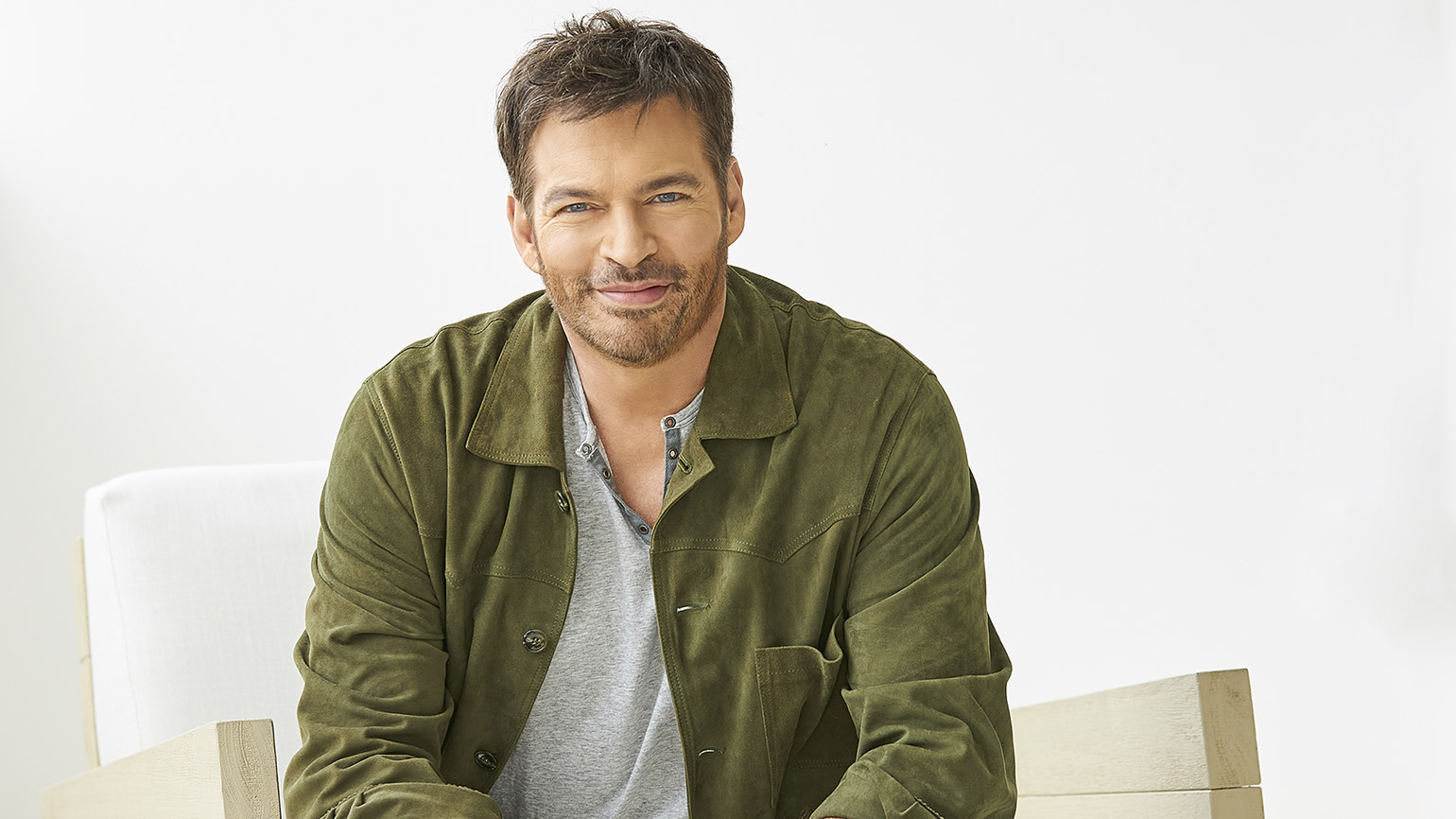
Alone With My Faith is available wherever music is sold. You can catch Harry Connick Jr. live this summer on his Time to Play! outdoor tour. Check out harryconnickjr.com for details.
For more inspiring stories, subscribe to Guidepostsmagazine.
Award-winning singer and songwriter Harry Connick Jr. has collaborated with some of the best musicians in the business. But recording Alone With My Faith, an album of traditional hymns and original pieces, was different. Working at home during the pandemic lockdown, Connick became a one-man music machine: he wrote the lyrics, sang every note and even played every instrument—25 in all!—on the album.
The master musician brought us behind the scenes of the making of this personal album—and even threw in a lagniappe or two.
Community Newsletter
Get More Inspiration Delivered to Your Inbox
Q: There are so many spiritual favorites on this album. How did you choose what to include?
A: For a few of them I picked the ones that popped into my head like “Amazing Grace,” “How Great Thou Art” and “The Old Rugged Cross.” Those were songs that I’ve sung a lot and haven’t recorded so I thought it would be cool to do those. And then a couple of the others were actually suggested to me by people in my life. My dad loves the song “Panis Angelicus” (Bread of Angels) and my stepmom loves “Old Time Religion.”
Q: You’ve lost many people close to you during the pandemic. That’s incredibly difficult.
A: I lost 11 people I knew due to Covid, including my mentor, jazz patriarch Ellis Marsalis. I lost the priest who married my wife, Jill, and me. And we lost Jill’s mom due to a different reason. It was difficult not be able to hold funerals and to mourn the way we had been used to; it’s forced my family and me to live a different way. But we’ve accepted it and try to do our best to be socially responsible and safe and realize it’s not about us as much as other people.
Q: What was it like making this album on your own during the pandemic?
A. I would go in the basement, write lyrics, write the melody and then start recording. Sometimes I’d start with piano, sometimes I’d start with drums or whatever instrument I thought it needed. Then I would add instruments I thought the song called for. I would chip away at it. If I had another idea, I would switch gears and do that. I just kept recording until I got the sounds that I wanted.
Sometimes I would sing, [because] I was alone. There was no recording engineer. Sometimes a lyric or a particular musical phrase would bring me to tears. As an artist that’s all you can hope for: that the music will move you to an emotional place. That happened quite a bit.
Q: With songs on the album like “Be Not Afraid” and “How Great Thou Art,” was prayer a part of your process?
A. I may pray during the song or the song itself may be a prayer. These songs are very powerful and are themselves prayers, like “Panis Angelicus” or “The Old Rugged Cross.” If you’re present and you’re really paying attention to what’s being played and sung they can serve very similar purposes to prayers.
Q: Was your faith strengthened during the recording of the album?
A: In some ways it was tested, let’s put it that way. There were some days that I woke up and I was like, what is happening right now? I just lost a family member and I can’t go to the funeral. We can’t leave the house and we have to wash our groceries outside. What is going on? Some days were harder than others. All I know is we see a light at the end of the tunnel. And I made it. The only thing I can credit for that is my faith and family.
Q: What’s the song “Benevolent Man” about?
A: I ask, in musical form, about my worth and relevance in God’s eyes. I don’t mean the God that loves us and forgives us. I’m talking about when you’re deep inside your own heart and you know that you could have done a little bit more or tried a little bit harder. I’m talking about the God that compels you to think about that.
We know that God loves us, we know that God forgives us. But I’m talking about in those quiet moments when you’re all by yourself, and you wonder: Could I have done more? Could I have helped that person? I could have given of myself a little bit more. Am I trying hard enough? Am I working hard enough?
Q: Who is the audience for this album?
A: I think there are people out there who will like the Christian songs because it will resonate with them. And there are other people who may not believe and may find some comfort in the music just because they realize it’s coming from a truthful and sincere place. I think about some people in my life who don’t really believe in anything and I would think that there are some things that they can take away from this album too. It’s a pretty wide gambit. It’s for whoever it can strike a chord with.
Q: Your album cover was photographed by your daughter Georgia and it shows you on top of an old piano holding a sign that says “Faith.” What’s the idea behind that?
A: I’m standing on top of an old upright piano that was in a bad state of repair. None of the strings were in it, no hammers or anything. We hauled it out to the woods. On the front panel I had my daughter Charlotte spray paint the word “Faith.” And then right at the end of the shoot I pushed the piano over and it just kind of collapsed.
I stood on top and held up that front panel of the piano basically to say even when the whole centerpiece of what I’m doing is gone, I can still hang onto my faith. Being a piano player standing on top of a destroyed piano is a pretty sad thought, but as long as you can hang onto your faith you’ll be okay.
Q: You’ve talked before about a “lagniappe”—a French Louisiana term for a bonus—and what it means to you in terms of your music. Would you please explain?
A: I think the first time I saw that word was in the Times-Picayune. They had a bonus section called “Lagniappe.” The lagniappe to me is to continue to make music that people might enjoy. To do films or Broadway or just to wake up in the morning knowing that I’ve been given this incredible gift of doing what I love to do. That is lagniappe. It is something unexpected. It’s a bonus. And it’s something for which I am infinitely grateful.
I’m aware of how lucky and blessed I’ve been. And that’s what makes me want to keep getting better. If somebody has seen me in concert I want them to come back the next time and say, man, that last concert was nothing compared to this. It’s the humility of realizing that I’ve been gifted with an incredible group of people who are interested in what I do and I take that very seriously.
Alone With My Faith is available wherever music is sold. You can catch Harry Connick Jr. live this summer at his Time to Play! outdoor tour. Check out www.harryconnickjr.com for details. And look for more from Harry in the August-September 2021 issue of Guideposts.
The interview would be difficult for actress Diane Lane. She was booked as a guest on the Charlie Rose show to promote her latest movie. The show had been one of her father’s favorite programs, and he had passed away only a few months earlier. She couldn’t help but get emotional.
Diane’s father, Burt, had raised her alone since Diane was six, and they were close. “Like Siamese twins,” Burt once said. Living in residential hotels in Manhattan, Burt drove a taxicab to keep them afloat, and Diane liked to ride with him in the front seat as he picked up fares.
He got her into acting in Off-Off- Broadway plays because, as he put it, “it was just better than day care.” Diane would wait for him after school or rehearsals, looking out for the yellow cab with his medallion number on top, 6F99.
“Or I would play hooky and be afraid I’d see it,” Diane told O magazine. Her dad sold the cab around the time Diane was 16, but the number stayed with her, indelibly linked to her dad.
Diane and her father grew apart during her late teens, when her acting career took off and she asserted her independence. But they had long since reconciled when Burt called to brace her for some tough news.
“How strong are you?” he asked. He’d been diagnosed with cancer, and it was aggressive. Within five months, he was gone.
Diane tried to keep her emotions in check as a car took her to the studio for Charlie Rose. Stepping out at 59th and Lexington, Diane noticed a yellow cab at the curb, just about to pull away. The medallion number on top lit up: 6F99. She was ready for Charlie Rose.
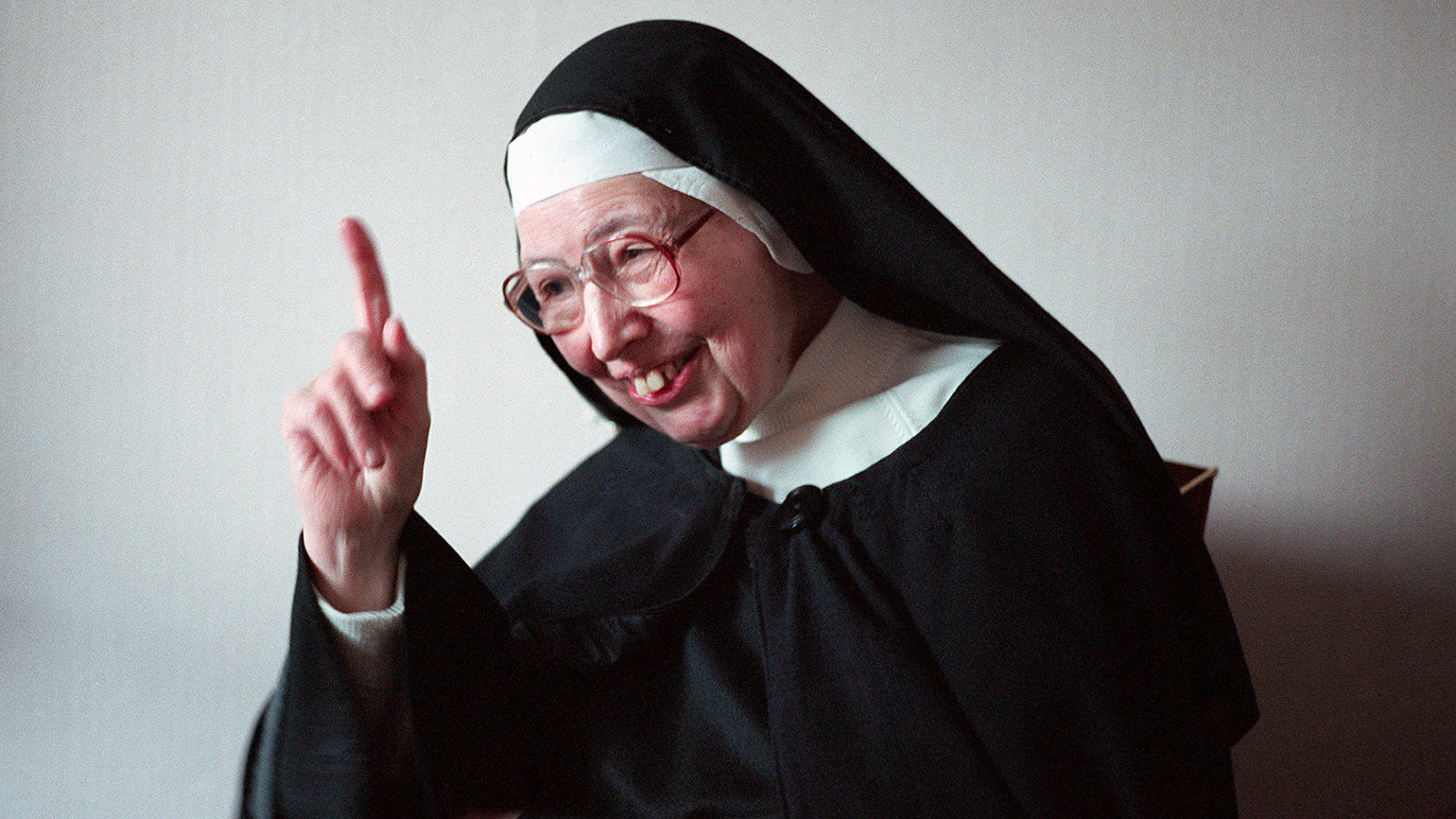
Sister Wendy Beckett, a Roman Catholic nun who became a beloved, if unlikely, art critic and BBC documentary star, passed away on December 26, 2018. She was 88.
I was honored to spend a few minutes conversing with Sister Wendy in 1999, when she agreed to do a telephone interview with me. She was as charming and engaging a conversationalist as one could hope to encounter, but also a challenging one. She didn’t indulge in small talk (not with me, anyway). There were too many larger topics, bigger ideas and compelling theories to be wrestled with. But by the end of our conversation, I felt I had a new friend (though I would never again have the opportunity to speak to her). That’s how engaging—and engaged—a person she was.
Sister Wendy was born in Johannesburg, South Africa, on February 25, 1930, to Aubrey Beckett, a doctor, and his wife, Dorothy. Even as a child, she expressed the intention of devoting her life to serving God, and when she was 16, she joined the Sisters of Notre Dame de Namur. That this order is devoted to teaching seems, in retrospect, entirely appropriate—even prescient—given the direction her life would take years later.
In the 1950s, Sister Wendy studied literature at Oxford. While there, she resided at a convent with a strict code of silence, which she observed. After graduating at the top of her class, she returned to South Africa, teaching at a Cape Town convent and lecturing at Johannesburg’s University of Witwatersrand.
After suffering several grand mal seizures, Sister Wendy was diagnosed with a form of epilepsy. The Vatican gave her permission to stop teaching and devote herself to a life of solitude, and in 1970, she moved back to England, living in a trailer at the Carmelite Monastery in Quidenham.
Her life there was hermitic: Her trailer had no windows, she spoke to almost no one, her diet consisted primarily of skim milk, she prayed several hours a day, and she left her trailer only to attend Mass and to visit a library van for reading material.
She saw no movies after 1945, she visited no museums—the only paintings she experienced during this period were in books—and yet she had developed a passionate interest in art. The first of her books, published in 1988, was entitled Contemporary Women Artists.
Three years later, Sister Wendy was approached by Nicholas Rossiter, a producer for the BBC, to do on-camera work for a documentary about Britain’s National Gallery. She didn’t see the project as life-changing in any way. As she wrote in her 2006 book, Sister Wendy on Prayer, “There was no…‘Am I spoiling my hermit life?’ I really didn’t think it was anything. I thought it was just a weekend here or there.”
That program—and those that followed in the ensuing years—proved to be such a hit with viewers, however, that, in fact, Sister Wendy’s life was altered greatly. Viewers found her insights on art accessible and enlightening, and she would go on to author more than 25 books, including volumes of poetry and meditations, and star in a dozen documentaries, many of them released on DVD.
For someone who had decided to lead a hermit’s life, the sudden fame Sister Wendy experienced must have been jarring, but she told me when we spoke in 1999 that she very much appreciated hearing from people who enjoyed her programs and books.
“I get a lot of very beautiful and encouraging letters,” she said. “I’m sure there must be hundreds of people who think I’m awful, but they don’t write to me. I just get the encouraging letters.”
But there was a downside to this adulation, too, she admitted.
“This may sound very rude, but although it is encouraging [to hear from so many people], it’s a burden. Because I don’t want ever to seem ungrateful, and so there’s postage and the writing of ‘Thank you so much for your letter,’ and I’ve asked [my publisher], if they get any letters for me, please would they answer them and thank the people for writing, but say that Sister Wendy doesn’t really write letters.”
I wondered if she’d ever experienced creative impulses or artistic inclinations of her own.
“No, I’ve no gifts whatever,” she insisted. “I’m almost an astonishingly ungifted woman. I can’t cook, I can’t sew, I can’t garden, I can’t sing, and I certainly can’t paint or draw. I believe that they say everyone can draw, but I’ve never felt the slightest desire to create. I think that’s part of what I do; you know, when an artist sees another artist’s work, they often can’t but think how they would have tackled the theme, what they would have done. Whereas, because I have no creative gifts, I’m able to look at it without any idea of a way of handling the theme. It’s perhaps an advantage to me.
“My gift is to react. It’s a passive gift; it’s a much lesser gift than the creative gift, but that’s my gift and I have to make whatever use I can of it.”
Through it all and despite rubbing shoulders with dignitaries, prime ministers and popes, Sister Wendy remained true to herself and to her God. Having taken a vow of poverty, she kept none of the money she made from her various projects, instead donating all her earnings to the Carmelite order. And she attended Mass every day, no matter where in the world her extensive travels took her.
And in her later years, the Carmelite monastery where she resided, no doubt grateful for all the financial assistance she’d provided, upgraded her trailer and its trappings just a bit.
In a 2010 interview with The Times of London, Sister Wendy said, “I have an electric kettle, fridge, warming oven and night storage heater, so my life is as comfortable as it needs to be.”
I’m grateful Sister Wendy shared a bit of time with me that morning nearly 20 years ago, and that this woman, who sought only solitude and an ever-closer walk with God, so generously shared her passion and insight for art and her deep and abiding faith with the world.
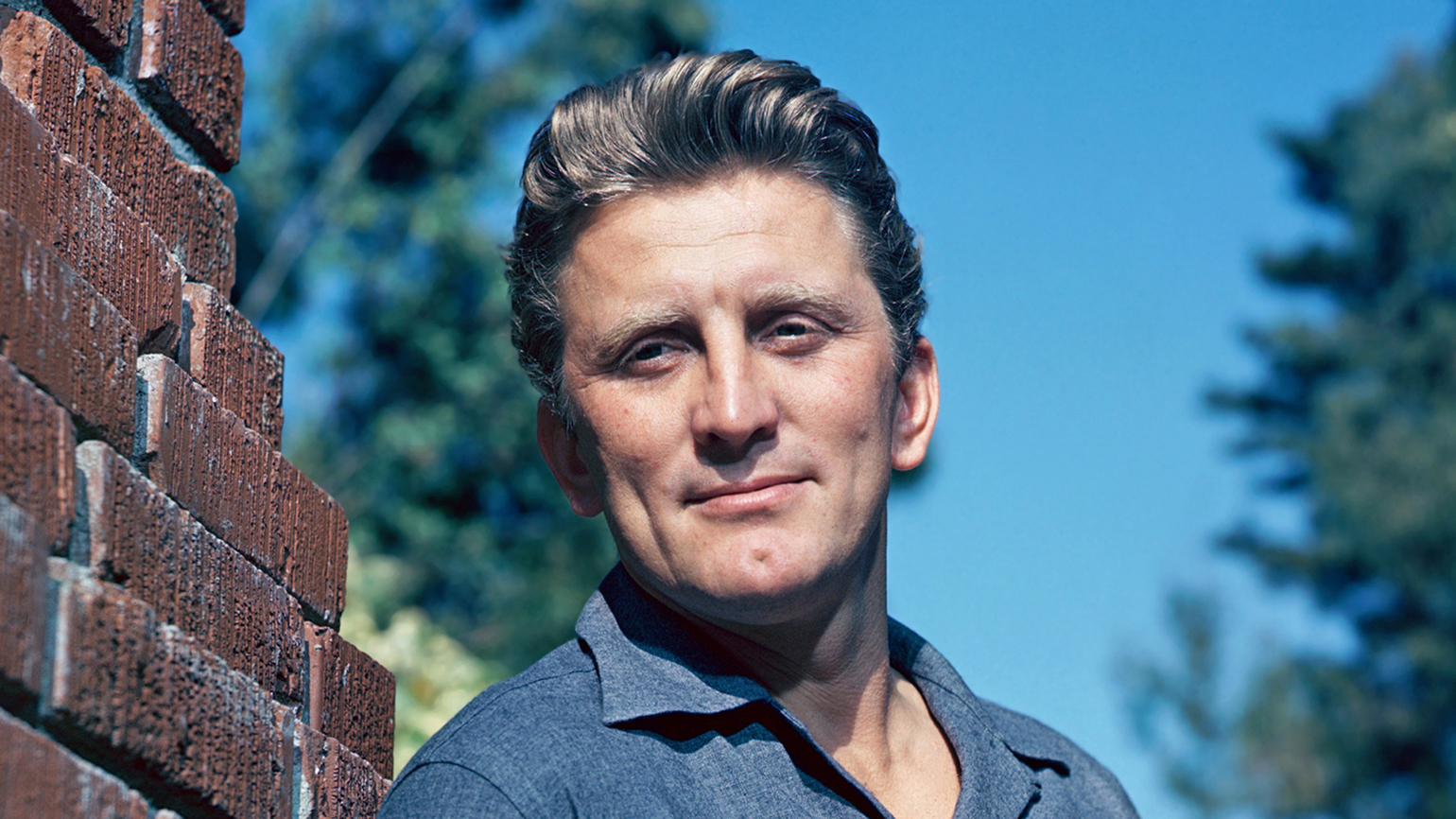
Hollywood legend Kirk Douglas passed away at 103 on February 5, 2020. The actor, who was one of Hollywood’s biggest stars and whose children found their own success in the entertainment industry, began life “in the poorest section of town.”
Douglas was born Issur Danielovitch in Amsterdam, New York. His parents emigrated from what is now Belarus, and Douglas and his six sisters grew up speaking Yiddish at home. His father was a ragman, a peddler who wondered about with a horse-drawn wagon buying and selling old clothes, scrap metal and other discards.
Douglas described the family’s status this way in his autobiography, The Ragman’s Son: “On Eagle Street…where all the families were struggling, the ragman was on the lowest rung on the ladder. And I was the ragman’s son.”
As a youth, Douglas worked a variety of odd jobs until he was accepted on a special scholarship to the American Academy of Dramatic Arts in New York City (one of his classmates there was Betty Joan Perske, who would later become better known as Lauren Bacall).
Douglas enlisted in the Navy in 1941, serving as a communications officer in anti-submarine warfare. He received a medical discharge in 1941, due to injuries he suffered in battle.
Back in New York City, Douglas began to find work in radio, commercials and theatre, including roles on a number of radio soap operas. He made his motion picture debut thanks to Bacall, his former classmate. By then she was a busy actress in Hollywood, and she recommended him to producer Hal Wallis for a role opposite Barbara Stanwyck in The Strange Love of Martha Ivers (1946).
Douglas would go on to notch more than 90 credits in movies and on television, and he was nominated three times for an Academy Award in the Best Actor in a Leading Role category. Though he never took home the Best Actor Oscar, in 1996 he was presented with a special Academy Award “for 50 years as a creative and moral force in the motion picture community.”
Douglas’ legacy in movies continues to this day, as each of his four sons followed him into the entertainment industry, Peter and Joel as producers and Michael and Eric as actors.
Though his life was a long one and he enjoyed a stellar career, Douglas experienced his share of setbacks. His youngest son, Eric, died in 2004 at the age of 46, and Douglas himself suffered a severe stroke in 1996, limiting his ability to speak. He didn’t let the stroke stop him, however, as he worked tirelessly to recover and rehabilitate after the stroke.
When he was awarded his honorary Oscar later that year, he was able to accept in person, delivering an acceptance speech that inspired those in attendance and millions of television viewers watching the proceedings from around the globe. Douglas would later write a book, My Stroke of Luck, about his experiences in overcoming the stroke; he was the author of a dozen books, including seven memoirs, four novels and a retelling of stories from the Old Testament intended for young readers.
In 1964, Douglas and his wife, Anne, founded the Douglas Foundation, a philanthropic institution that is, according to the foundation’s website, “committed to helping those who might not otherwise be able to help themselves”; the couple also participated in other charitable and philanthropic efforts in the United States and around the world.
In January, 1981, Douglas, a Goodwill Ambassador for the U.S. State Department since 1963, received the Presidential Medal of Freedom from President Jimmy Carter.
Douglas once said, “In order to achieve anything you must be brave enough to fail.” It was a philosophy that served him well in a long and eventful life and career.
In difficult times, how do others find hope? Download your free copy of The Power of Hope: 7 Inspirational Stories of People Rediscovering Faith, Hope and Love. You’ll meet real people struggling with issues you hear about on the news every day. And you’ll read in their own words how they were surprised by hope and revived by faith.
“Life often tests us with its challenges and difficulties. But the stories found in the free eBook The Power of Hope: 7 Inspirational Stories of People Rediscovering Faith, Hope and Love are the perfect antidote. Each story dramatically shows how people just like you not only overcome illness and hardships but deepened their faith in the process. In these real life stories of everyday men and women, you’ll rediscover the power of faith and hope,” said David Morris, Senior Editor of GuidepostsBooks.
Download your free copy of The Power of Hope and read true stories that will open your heart and help to bring you hope, faith and healing love into your life. The complimentary eBook is available exclusively on Guideposts.org here.
About Guideposts FREE eBooks
Here are a few more eBooks available at Guideposts.org that aim to provide visitors with inspiring material on popular topics:
Guideposts is a non-profit organization that touches millions of lives every day through products and services that inspire, encourage, and uplift. Its flagship title, Guideposts, has a paid circulation of 2 million. Its website Guideposts.org now offers consumers greater control in choosing content appropriate to their stage in life and key interests. Ideals Publications, based in Nashville, Tennessee, is the retail book sales and distribution outlet of Guideposts; including GuidepostsBooks, Candy Cane Press, Williamson Books, and Ideals. In total, Guideposts has annual direct to consumer and retail book sales of over 5.7 million copies. Through magazines, books, a prayer network and outreach programs, Guideposts helps people connect their faith-filled values to their daily lives. For more information on Guideposts, please visit http://www.Guideposts.org and follow Guideposts on Twitter: twitter.com/Guideposts_org, and on Facebook: facebook.com/Guideposts.
What’s the first name you that comes to mind when you think of Guideposts? Our founder Norman Vincent Peale? Our editor-in-chief, Edward Grinnan?
Legendary film director Alfred Hitchcock?
Ok, that last is a bit of a stretch, though Hitch did write a cover story for Guideposts back in October 1959.
Guideposts has seen many people of prominence from the fields of movies, music and television write for our publication over the years, but the Master of Suspense might well strike many as among the more unlikely contributors we’ve ever featured.
Hitchcock is famous, of course, for the cameo appearances he made in his own pictures. It’s always fun to try to spot him, whether he’s riding a bus in To Catch a Thief, winding a apartment tenant’s clock in Rear Window, or exiting a pet shop in The Birds.
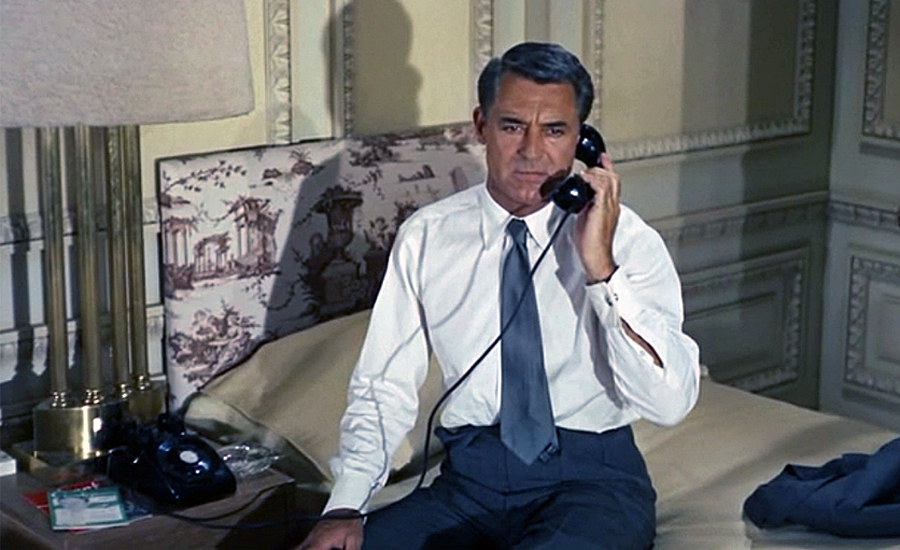
But did you know that Guideposts once made a cameo in a Hitchcock picture? It’s true, and I have the evidence to prove it. Recently I took in a screening of the classic thriller North by Northwest at NYC’s Museum of the Moving Image. In that picture, as you may recall, adman Roger O. Thornhill, played ably by Cary Grant, is mistaken for a fellow named George Kaplan by some very bad men who intend to do away with Mr. Kaplan.
In a desperate attempt to extricate himself from this mess, Thornhill and his mother use trickery to enter Kaplan’s room at the Plaza Hotel, looking for whatever helpful info they can find about the mystery man. As they are snooping about through Kaplan’s effects, the telephone rings, and Thornhill is faced with a dilemma: Should he risk answering the telephone in hopes that he might learn something that way?
He does answer the phone, and that’s where we come in: As Thornhill/Grant reaches for the receiver, there on the bedside table sits a copy of Guideposts (the August 1958 edition, to be more precise, with author A.J. Cronin on the cover). You have to watch carefully to spot it; blink and you’ll miss it. Just like one of Hitch’s own cameos.
In those days, Guideposts had an agreement with many hotel and motel chains to place copies of our monthly publication in hotel rooms, much as Gideons International does with its Bibles, so we simply don’t know whether that copy of Guideposts just happened to be in that room at the Plaza or if it was placed there by a set decorator. Either way, I’ll admit to having gotten quite a kick out of spotting it while watching the movie, which is a favorite of mine, and I like to think that Hitch had the magazine placed there intentionally.




 Alone With My Faith is available wherever music is sold. You can catch Harry Connick Jr. live this summer at his Time to Play! outdoor tour. Check out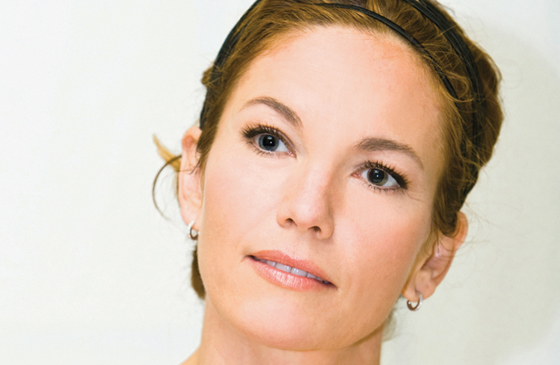

 But did you know that Guideposts once made a cameo in a Hitchcock picture? It’s true, and I have the evidence to prove it. Recently I took in a screening of the classic thriller North by Northwest at NYC’s Museum of the Moving Image. In that picture, as you may recall, adman Roger O. Thornhill, played ably by Cary Grant, is mistaken for a fellow named George Kaplan by some very bad men who intend to do away with Mr. Kaplan.
 He does answer the phone, and that’s where we come in: As Thornhill/Grant reaches for the receiver, there on the bedside table sits a copy of Guideposts (the August 1958 edition, to be more precise, with author A.J. Cronin on the cover). You have to watch carefully to spot it; blink and you’ll miss it. Just like one of Hitch’s own cameos.