Embrace God's truth with our new book, The Lies that Bind

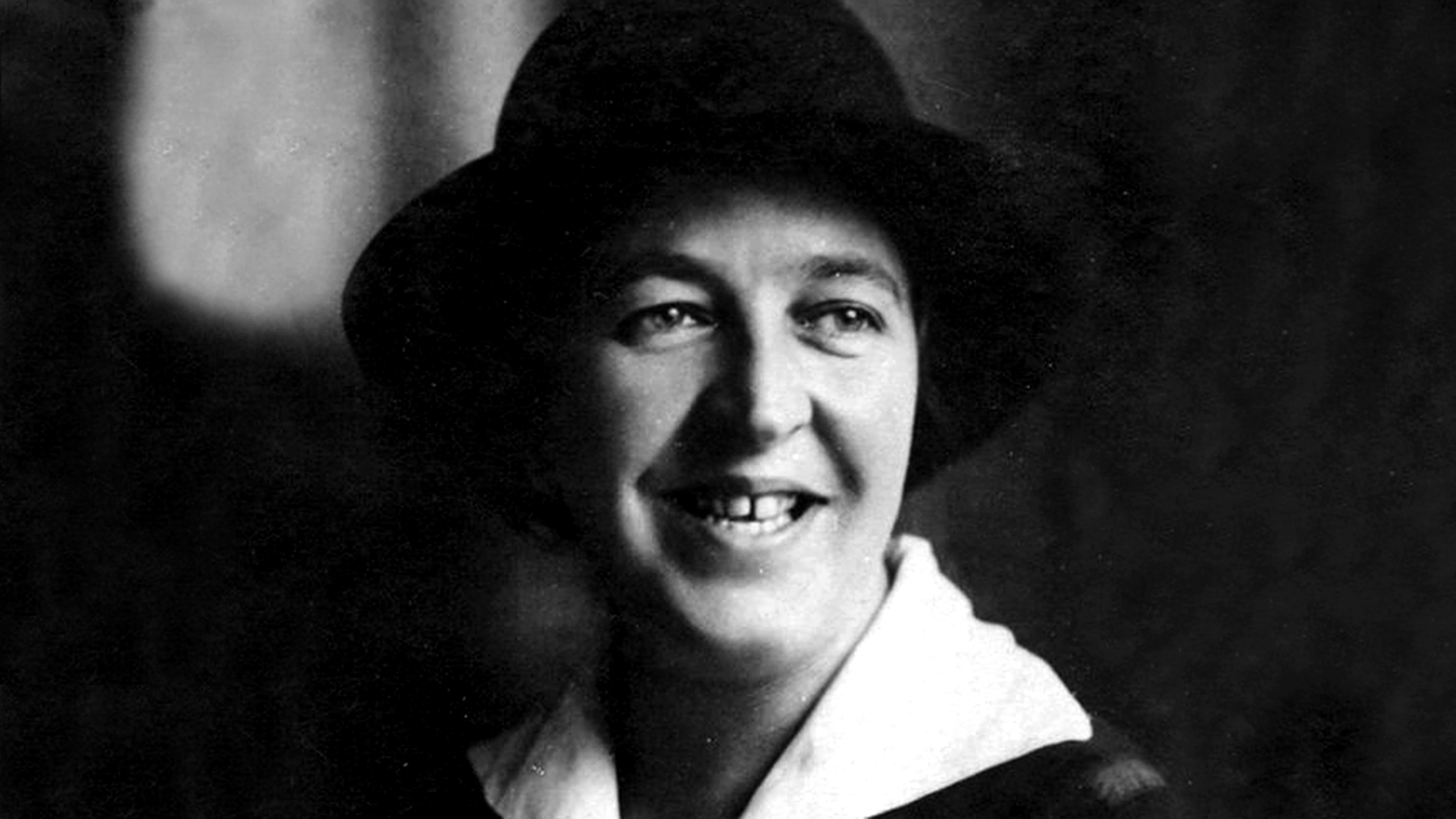
Guideposts Classics: Corrie ten Boom on Trusting in God

Some of my happiest days came when it was decided that I could work in the shop as an assistant to my kindly, bearded father. I loved being with him and I loved the shop itself. It had a very special atmosphere, and gradually I began to overcome my shyness and insecurity in meeting people, and I enjoyed selling the watches and clocks to our customers.

There were many ups and downs in the watchmaking business. Father loved his work, but he was not a money-maker, and times were often hard. Once I remember we were faced with a real financial crisis. A large bill had to be paid, and there simply wasn’t enough money. Then one day a well-dressed gentleman came into the shop and asked to see some very expensive watches. I stayed in the workshop and prayed, with one ear tuned to the conversation in the front room.

“Mmm … this is a fine watch. Mr. ten Boom,” the customer said, turning a very costly timepiece over in his hands. “This is just what I’ve been looking for.”

I held my breath as I saw the affluent customer reach into his inner pocket and pull out a thick wad of bills. Praise the Lord—cash! (I saw myself paying the overdue bill and being relieved of the burden of anxiety I had been carrying for the past few weeks.)

The customer looked at the watch admiringly and commented, “I had a good watchmaker here in Haarlem … his name was van Houten. Perhaps you knew him.”

Father nodded his head He knew almost everyone in Haarlem, especially other watchmakers.

“When van Houten died and his son took over the business, I kept on doing business with the young man. However, I bought a watch from him that didn’t run at all. I sent it back three times, but he couldn’t seem to fix it. That’s why I decided to find another watchmaker.”

“Will you show me that watch, please?” Father said.

The man took a large watch out of his vest and gave it to Father.

“Now, let me see,” Father said, opening the back of the watch. He adjusted some thing and handed it back to the customer “There that was a very little mistake. It will be fine now. Sir, I trust the young watchmaker. Someday he wilt be just as good as his father. So if you ever have a problem with one of his watches, come to me. I’ll help you out, Now I shall give you back your money and you return my watch.”

I was horrified. I saw Father take back the watch and give the money to the customer. Then he opened the door for him and bowed deeply in his old-fashioned way.

My heart was where my feet should be as I emerged from the shelter of the workshop.

“Papa! How could you?”

Father looked at me patiently through his steel-rimmed glasses.

“Corrie,” he said, “you know that I brought the Gospel at the burial of Mr. van Houten.”

Of course I remembered. It was Father’s job to speak at the burials of the watchmakers in Haarlem. He was greatly loved by his colleagues and was also a very good speaker; he always used the occasion to talk about the Lord Jesus.

“Corrie, what do you think that young man would have said when he heard that one of his good customers had gone to Mr. ten Boom? Do you think that the name of the Lord would be honored? As for the money, trust the Lord, Corrie. He owns the cattle on a thousand hills and He will take care of us.”

I felt ashamed and I knew that Father was right. I wondered if I could ever have that kind of trust instead of blind determination to follow my own stubborn path. Could I really learn to trust God?

“Yes, Father,” I answered quietly. Whom was I answering? My earthly father or my Father in Heaven?

For more inspiring stories, subscribe to Guideposts magazine.

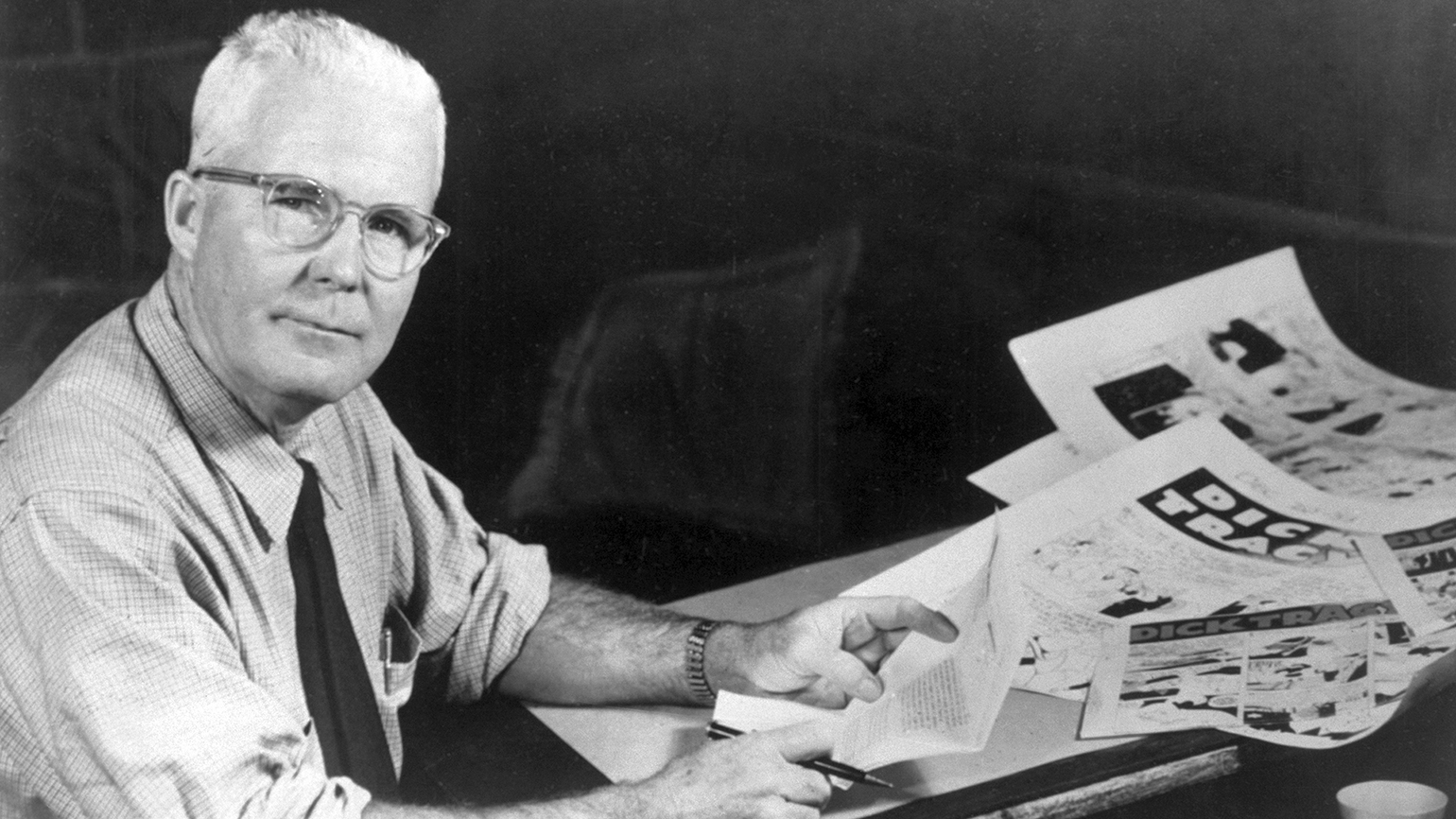
Guideposts Classics: Chester Gould on the Value of Persistence

Quite often friends or fans who follow my comic strip ask me how Dick Tracy came into being. To answer that, I have to go back a long way, to the days of the Depression when a frustrated and unsuccessful young cartoonist sat up late one night before his easel in his very modest home in Chicago, Illinois.

It was 1931, the Prohibition era, and organized crime in Chicago was at its height. Almost every day there were stories of gang “rides” and mob takeovers. It often seemed to me that the forces of good were powerless against this onslaught.

At that point in my life my best efforts to become a successful cartoonist seemed to be standing still. I was making a living as an ad illustrator for the Chicago Daily News. But ambitions die hard—and mine wasn’t dead by a long sight.

Celebrating Guideposts' 75th AnniversaryOn that particular evening, my wife Edna and our daughter had gone to bed. On the couch lay the daily paper where I had thrown it in disgust and frustration—its headlines screamed of another crime massacre. A spring night breeze whispered at the window, and as I sat there leaning back from the drawing board, my mind grappled with the situation.

Who could solve this crime problem? Sherlock Holmes certainly could, I thought. I smiled as my mind drifted back to my boyhood hero. What would he look like today? I wondered. As I thought, my hand automatically began sketching. Yes, he’d be a sharp-looking young man. Instead of a deerslayer hat, a snap-brim fedora. There. The pencil continued—the face: a firm square jaw showing determination; the aquiline nose of a searcher; now the eyes, sharp, analytical.

Suddenly there he was on paper, keen visage staring across the page. A name? Ah, being a detective, he’d be a tracer. That’s it—Plain-Clothes Tracy! Now to put him to work! As enthusiasm flooded me, my pencil sketched furiously.

I did not hear the clock strike the hours—one—two—three—as my hero came to life. There he is crawling over a rooftop on the trail of Big Boy and his gang! He leans over a skylight, trying to catch the words of the gang as they plan their next takeover. Tracy moves closer … Oh no! Crash! He falls through the skylight.

Strip after strip of daily panels seemed to fly off my easel.

As I inked in the final panel of the last strip, daylight filled the sky outside the porch window.

At breakfast I excitedly showed the strips to Edna. She studied them for a moment, then handed them back to me. “It will go.” she gasped. “You’ve got it!”

Artist friends did not agree. “You’re going too far, Gould,” they warned. “This has never been done before in comics.” Editors at the Daily News where I worked said they were “atrocious and impossible.”

I looked at them again. True, a continuing realistic adventure story had never been done before, but there was one newspaper publisher in New York who might just possibly see something in my hero. Without much hope, I packed the five strips and put them in the mail. Months went by—and I forgot about them.

My desire to be a cartoonist went far back into my childhood in Pawnee, Oklahoma, where my father worked for the Pawnee Courier Dispatch. One day he found me sketching on bits of copy paper I had fished from the newspaper’s baskets. “Chester,” he said, “there’s a county Democratic convention going on at the courthouse. How about going over there and drawing some cartoons of some of those people?”

Full of enthusiasm, I rushed over, did my work and proudly took it back to Dad who taped the sketches in the front-office window under the caption: “Convention cartoons by C. Gould.” I stood inside the window and watched the people stop, look and chuckle. “That’s what I’ll be,” I vowed. “A cartoonist!”

In later years, Dad, who thought all artists inevitably starved, suggested law as a more stable profession, and I dutifully attended Oklahoma A & M. However, I felt that I had been given a talent to entertain people with my drawings. And so, at age 21, I headed for Chicago with $50 and a bag full of cartoon ideas.

My target was Captain Joseph Medill Patterson, co-publisher of the Chicago Tribune, who had the reputation for having an uncanny knowledge of what the public wanted. Thanks to him, readers were already laughing over Gasoline Alley, The Gumps and Harold Teen.

But he wasn’t interested in what I had to offer. Undaunted, I attended Northwestern University’s night school and held minor art jobs with various Chicago newspapers and studios. In the meantime I continued to barrage Captain Patterson with ideas. There was never any response.

However, I remembered someone saying that great things are accomplished not so much by strength as by perseverance. And so I decided to keep trying.

Even when Captain Patterson moved East to publish the New York Daily News, I kept mailing him ideas. Where I got my persistence, I don’t know. Maybe it came from my grandfather, a United Brethren preacher, who rode circuit on the plains, fighting storms and blizzards. Dad, superintendent of our Sunday school, kept up the family tradition, and I remembered him saying again and again, “Don’t give up.” He’d pick up his old leather-bound Bible and read from Psalms. “The steps of a good man are ordered by the Lord, and he delighteth in His way. Though he fall, he shall not be utterly cast down, for the Lord upholdeth him with His hand.” (Psalm 37: 23-24)

Through all my failures I did have a feeling that God was there upholding me. That’s why I worked on, and why I mailed my Plain-Clothes Tracy strips to Captain Patterson in New York.

On August 13, 1931, I was working on a rug account, finishing in the details to show the rug’s fibers, when the phone rang. It was Edna.

“A wire came for you,” she said. “It’s from Captain Patterson. Do you want me to read it?”

My brain began to go numb. “Please!”

“Your Plain-Clothes Tracy has possibilities. Would like to see you when I go to Chicago next. Please call Tribune office Monday about noon for an appointment.”

Cold sweat broke out on my brow as I hung up the phone. But the following week, wearing a new suit, shoes and hat, I walked into Mr. Patterson’s office at the Tribune. An Army man, tall and erect, he was dressed with his usual informality—open shirt, coatless, scuffed Army boots.

Holding my comic strips in his hand, he paced thoughtfully around his office. I watched him closely. This was the man who had said, “We want to reach the man on the street.”

Finally he said, “ ‘Plain-Clothes’ is too long. How about a shorter word for detective, like, ‘Dick’?”

By this time I had learned that often a dispassionate outsider can improve your best ideas.

“Yes, sir,” I said.

“Okay, Dick Tracy it will be. Have two weeks of daily strips ready by the first.”

And so it began.

From the start, people predicted the strip would run out of ideas. But I found that the Lord makes each day new. He causes the seasons to change. And if we keep alive to His world by staying alert and allowing our minds to roam through its many wonderful possibilities, new ideas always come up.

One morning while driving to work from my farm in Woodstock, Illinois, I passed abandoned gravel pits that abound in this area. As I looked, I noticed a little shack in the bottom of one cavernous pit. Hansel and Gretel thoughts of my childhood rose and I chuckled. What would happen, I wondered, if one climbed down and found a witchlike creature living there?

As my mind played with the idea, a toothless old hag materialized and a name came to me—Gravel Gertie. She turned out to be a new Dick Tracy character who later married the old reprobate B.O. Plenty, and out of ugliness came their beautiful golden-haired child—Sparkle Plenty.

Today, Dick Tracy has been proving that crime does not pay for 44 years, and he is now seen by millions of readers in hundreds of newspapers around the world.

We reach a lot of youngsters and if we can simply plant in their minds that one reaps what one sows, and that good will always overcome evil, then Dick Tracy will continue doing his job.

Now, at age 75, I hope to keep working as long as the Lord allows me. Every morning at the breakfast table, Edna and I give thanks for our blessings and the chance to do what we’re supposed to do.

Dick Tracy, I’m sure, would join us in that.

For more inspiring stories, subscribe to Guideposts magazine.

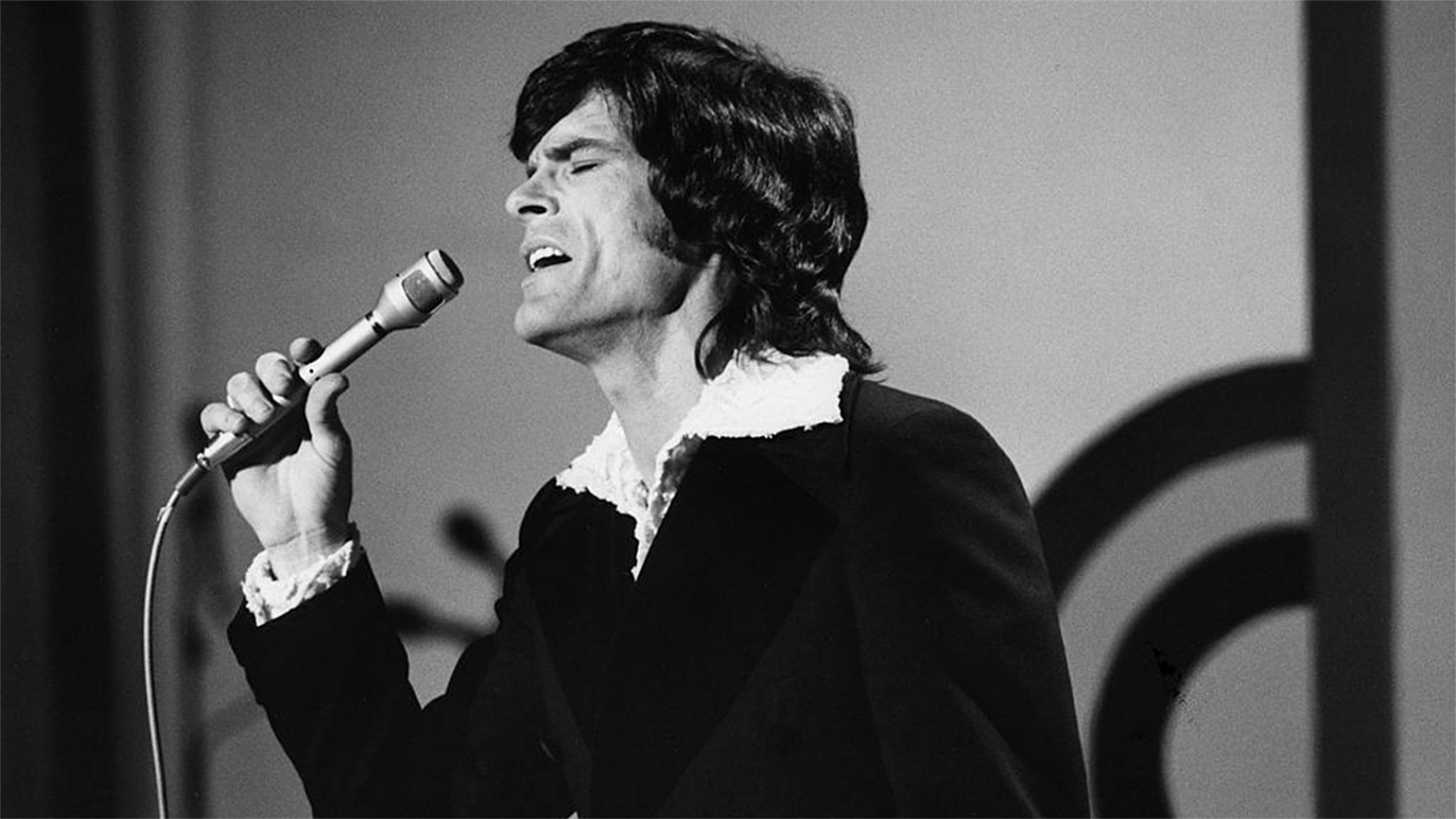
Guideposts Classics: B. J. Thomas on Growing with God

I was feeling great.

Looking out the jet airliner’s window, I marveled at the sparkling emerald waters of the Mediterranean. It was August, 1978, and my family and I were on our way to a long-awaited two-week vacation in the Holy Land. I smiled at Gloria, my wife, who was engrossed in a book, and reached over and wrapped my arm around Paige, our eight-year-old daughter.

We had just completed a four-day crusade in Taiwan that had been successful beyond our wildest dreams. For me, the experience represented a spiritual milestone. More than 100,000 people had attended the four evening services where I performed as the guest singer, and thousands had given their lives to the Lord. I could still feel the joy that emanated from that hot, crowded stadium.

What a difference performing in a Christian concert had been! There were the same hassles, problems, foul-ups as in any other concert—but what a different spirit. There was a time I used to be in a constant state of anxiety and anger while on the road or performing. And my temper, which had been a life-long problem, could explode at any moment into violence.

I had been known to wreck hotel rooms and start brawls; once I even pulled a knife on one of my best friends. Ironically, such stunts were really desperate cries for help; but when you’re the boss, few people have the guts to grab you and say, “Stop.” So the cries got louder, my behavior more bizarre, and soon I was on a downhill slide toward inevitable self-destruction.

Just three years ago I was living in darkness, hopelessly hooked on drugs. Once a top pop singer—a healthy guy with a great future—I had become a walking skeleton, a wasted addict. I had lost everything—my marriage, friends, career and money—to dope. It brought all the dark sides of my character to the surface: self-indulgence, anger, violence.

Then, thanks to Gloria and her Christian friends, I learned about the Lord, and asked Him into my life. He gave me a peace and purpose for living I had never known before. By His grace—that’s the only way I can explain it—I quit drugs cold turkey, and never went back.

That crusade in Taiwan proved to me that I was a new person. I congratulated myself on my success at achieving self-control.

Yup, B.J., I thought, tightening my seat belt as the plane began its descent, you’ve finally got yourself together. For the first time in my life, everything seemed in order. Gloria and I had never enjoyed a better relationship, and Paige was a happy little girl. My records were topping the gospel music charts and I had a new book coming out in the fall.

I was looking forward to this trip to the Holy Land—to the home of the Man Who had so dramatically changed my life. I wanted it to be perfect.

Our first morning in Tel Aviv, we breakfasted on the terrace of our hotel room, which overlooked the beach and sea. Gloria and I excitedly pored over the pile of travel brochures we had collected, planning the day’s activities. Paige, I noticed, was rather quiet—a little bit sulky Figuring she was still tired out from the trip, I didn’t say anything. There was no sense in starting the first day of our vacation with a fuss.

But as the day went on, Paige’s behavior didn’t get any better. She remained moody the entire morning, and by lunchtime, she was downright ornery. Still, I didn’t say anything. It was so rare that we ever enjoyed full days together as a family—I didn’t want to spoil this one.

That evening, we returned to the hotel hot, tired, hungry, and loaded down with souvenirs. Fumbling for the key to the door, I asked Paige to hold a package. She looked the other way.

“Paige,” I said severely.

She turned to regard me with mischievous brown eyes, testing me, trying my patience.

“Paige,” I repeated, “I’m not in the mood.”

She giggled—and I could feel my temper rising.

Then Gloria spoke up. “Honey,” she said, “if you’d straightened Paige out this morning, this wouldn’t be happening.”

That did it. Gloria’s words added fuel to my already hot temper, which shot up like a skyrocket.

“Don’t,” I bellowed, kicking the door open with my foot, “tell me what to do!”

My face was red with rage, and for the next 10 minutes I ranted and raved around the hotel room like some tyrant. Unable to control myself, I couldn’t believe my behavior. Paige started crying. Gloria fell strangely silent.

I glanced over at her, and my heart sank when I saw the expression on her face. I hadn’t seen that look in years; a horrible combination of disappointment and pity.

Suddenly, a million nightmarish memories came flooding back. More than once in the past I’d wake up in the hospital after some drunken brawl. Gloria would always be there, wearing the same sad expression she had now.

I tried to say something, tried to break the tension-filled silence, but no words came out. I felt confused, bewildered, as if a rug had been pulled out from under me. True, my outbursts weren’t public anymore, but this was worse; I had hurt my family, the ones I loved the most. Besides, if I planned to spend the rest of my life “praising the Lord” in one breath, then losing my temper in the next, what kind of example was that?

How can this be? I thought. I’m different now; I’ve changed. I am, supposedly, a new man.

But, it was painfully clear, I was a new man face-to-face with an old problem. My temper, like an old demon in hiding, had surfaced again with a roar.

Finally, I couldn’t stand the silence.

“Gloria?” I said. She was sitting at the desk writing a postcard. Paige was at her feet, flipping through a comic book. Both looked up at me warily:

“I’m sorry,” I said.

“It’s okay,” Gloria said, resting her hand on Paige’s shoulder.

“I don’t know what to do,” I said.

Again, the room was quiet.

“Well,” said Gloria thoughtfully, “we could try praying. I mean, that’s never failed to help us before, no matter what the problem.”

I had to agree.

“Let’s do that,” I said.

The three of us sat cross-legged on the big king-size bed. And a beautiful peace settled over our once-turbulent little family as we joined hands in prayer.

“Lord,” I said, “I confess I’ve got a bad problem here with my temper. I’m sorry, and I want to be rid of it. Please give me the right attitude; give me Your patience, tolerance and love. And please bless this vacation and make it a special time for all of us to get closer to You, just as we originally planned. Thank You. In Jesus’ name—Amen.”

We all felt better. I slept like a log that night, secure in knowing that, now I’d turned the problem over to the Lord, He would somehow take care of it.

I have to admit the next morning wasn’t easy. Little things still annoyed me. We overslept, missed breakfast, and had to rush to get ready to meet our car and tour guide, which we had hired for the day But each time I felt myself losing my cool, I’d quickly say a short prayer. It worked. For the remainder of our vacation I never lost my temper, and each night we returned to our hotel a happy, tight-knit little family.

We did a lot of walking during our days in the Holy Land and with each step—from the dusty path lined with ancient olive trees leading to the Garden of Gethsemane, to the crowded city streets of Nazareth—we felt ourselves growing closer to the Lord. And, by the time our two weeks were nearly over and we were packing to go home, I felt I had come to a full understanding of what had happened that first night in our hotel room.

It’s probably the most important lesson I’ll ever learn. And that is: Once you welcome the Lord into your life, you embark on a journey of Christian growth that never ends. It is a constant step-by-step refining process that works to transform you into the kind of person He wants you to be. Like a spotlight, He shines His healing love on the dark troubled areas of your life and asks that you release them—one by one—to Him.

Looking back, it’s exciting to see how lovingly and patiently the Lord has worked His will in my life. Once I had a problem with drugs; He took care of it. Then Gloria and I had a broken marriage to contend with; He mended it. I’ve still got this problem with temper; He’s working with me on that one, and won’t let me be satisfied until the job’s done. And, when that time comes, you can be sure there will be something else.

That’s fine with me—I’ll be ready and willing.

For more inspiring stories, subscribe to Guideposts magazine.

Guideposts Classics: Beau Bridges on the Mystery of Faith

When was the first time you became aware of God? For me, it happened in an odd way when I was a kid. It was the summer when archery was the craze among my friends. And, of all things, it was an arrow that first led me to think about God.

I was a boy, just 12, growing up in Mar Vista, California. My father, Lloyd Bridges, was a film actor, and my brother Jeff, my sister Lucinda and I did the same kinds of things other kids did—like mowing lawns for extra money and playing softball. We had chores around the house, and we loved hanging out with friends.

In fact, I was hanging out with a bunch of my pals the day this strange thing happened. We had brought our bows and arrows to a field about two miles from my house. We had made our own arrows that summer, gluing colored feathers to the ends and painting the shafts so that each was unique. That day I was using my favorite arrow; it had red dots outlined in black, and I’d stuck black and red feathers on the end. There was no classier and, I felt, no swifter arrow in my collection.

BROWSE OUR COLLECTION OF BOOKS ON MIRACLES

We weren’t using targets. Instead we were playing a game we’d created on our own—one of those crazy, “death-defying” games that boys that age seem to love. We’d played this game many times that summer, and the fact that it was dangerous only heightened the excitement.

We would stand in a tight-knit group in the middle of the field. Each of us would put an arrow on his bowstring, then pull it back and raise the bow so that the arrow was pointing up, perpendicular to the ground. Then someone would call out, “Let ‘em fly,” and we would all shoot our arrows at once.

The arrows would zoom up into the sky, out of sight. Then we’d listen for their return. We knew that, having flown straight up, they would be falling straight down, and we huddled in morbid anticipation, hoping they wouldn’t be hitting us. The object of the game, you see. was to have the arrows land as close to the group as possible, without, of course, hurting anyone. The winner was the owner of the arrow that hit the nearest.

That day when I heard the call, “Let ‘em fly,” my bowstring reverberated with a loud zing and I watched the polka-dotted shaft of my favorite arrow whiz up into the sun’s rays and disappear. Soon we heard, zump…zump, zump, and the arrows began falling all around us. When they stopped, everyone rushed to claim his, and several of the fellows shouted, “Mine is the closest!” I looked around, but mine was missing. It was strange. My arrow should have landed close to the others, but there was no trace of it.

I covered every inch of the field, and my friend Chuck Bylor helped, but we couldn’t find it. Doggedly, I continued searching. I was disappointed, and felt a little silly…and puzzled. Where was it? Mine went up with the rest, it should have come down with the rest. It made me feel, well, kind of eerie.

Earlier I had promised to help Chuck mow a neighbor’s lawn. Chuck was ready to go to our job, but I wanted to search some more.

“Come on,” he yelled at me, “it’s time to go.”

“Let’s look just a few more minutes,” I begged. “It’s bound to be here.”

“Look,” said Chuck, “you promised to help me this afternoon. Now, c’mon, we’ve got to go!”

It’s funny how something as small as an arrow can mean so much to you when you’re 12. But I felt strangely sad, as though I’d lost a kind of friend. A lot of myself had gone into making it. I had shown it to my father and friends, and everyone had complimented me and made a big deal over it.

And now it was gone. Probably buried in the matted grass. I visualized it snapping under the weight of someone’s foot, and groaned. And now I had to go help Chuck; I couldn’t back out of that. I had promised.

Have you ever wished very hard for something, with all your energy, even though you knew it would be incredible if it ever really happened? Well, that’s how it was with me and that arrow. While I was helping Chuck cut grass, I daydreamed about finding it.

When we finished our work, I waved “so long” to Chuck and headed home. Then, for some reason I can’t explain, I was suddenly bursting with energy. I felt good! I wanted to run. And did I ever! I raced at top speed down the street. I charged along not knowing the reason for my elation, and then, out of breath, I slowed down to a walk. Ahead of me was a great tree whose branches reached out across the pathway. My clothes were sticking to my sweaty body, and my breath was coming in great gasps; the tree offered welcome shade from the sun, and as I drew nearer, I lifted my head up slightly and felt grateful for the coolness.

My eyes rested for a moment on the tree’s gnarled branches; the leaves fluttered. Something red and black fluttered, too. I glanced down along the trunk and over to the other side of the tree, but the bit of red and black pulled my eyes back. A bird?… No… My brain did a double take, and I came to a startled halt, I blinked. Yes! There it was! My arrow! Two miles from where I had shot it!

I felt happy and bewildered all at once. The question—how did it get there?—kept turning in my mind. Could it have been carried along on a wind current, then dropped down into the tree? That seemed unlikely. And why this tree, along this path? Could some kids have found it and thrown it up into the branches? Still, no one—not even I—knew I’d be coming down this path; there were other ways home. Why did I choose this one? How did I happen to look up just in time to see the black and red feathers?

I was stumped. The arrow couldn’t have traveled two miles on the power I had used in drawing back on the bowstring when I let it fly. I knew I wasn’t that strong.

“Gee,” I said out loud. I reached up to grab the arrow. Something superhuman, superstrong, Something so immense that I couldn’t understand it was involved here. It made me feet a little weird, a little scared. As I took my arrow in hand again, a shiver ran down my spine.

That was the moment when I had my very first intimation of God.

It was a little thing, my finding that arrow, but it was something that had happened to me—it was my own special mystery. For the first time in my life I had to accept something I couldn’t understand, and I was in awe of it.

From that day on I began attending church and Sunday school with new interest, learning about faith, talking to God, praying the Lord’s Prayer—which became a part of my daily life. As I grew older, I discovered that my experience with the arrow that summer’s day was but a tiny sample of what religion is all about. Faith in God is a mixture of mystery and awe; you cannot see it or touch it; it requires only that we accept and believe.

And that has been my understanding of faith ever since. It is something that I like to talk about to my own sons Casey, 12, and Jordan, eight. Casey is just the age I was when I shot my red-and-black arrow into the sky. Yet I wonder if he can really comprehend my story. I wonder if faith doesn’t come to everyone differently, in some mysterious way.

For more inspiring stories, subscribe to Guideposts magazine.

Guideposts’ 10 Most Popular Videos of 2019

1. Kristy Dewberry offers inspiring and helpful advice based on her own experiences caring for a difficult parent who has Alzheimer’s. Dewberry and her mom had a strained relationship for years, but despite the challenges of caregiving, they eventually forged a stronger bond. “At some point, juggling all of this, I realized that after a lifetime of doing everything I could to avoid Mom, I was figuring out how to work with her,” Dewberry wrote in her story in the April 2019 issue of Guideposts

2. In a Guideposts exclusiveToday show weatherman and co-host Al Roker opens up for the first time about parenting a child with special needs. “Doctors and specialists put him through a slew of tests,” Roker says in the story. “Was it cerebral palsy? Autism? Maybe it was a processing disorder. Now that he’s 17, I can tell you that, yes, he’s somewhere on the spectrum and maybe obsessive-compulsive. But those labels can be frustrating; they don’t begin to describe who Nick really is.” In this video Roker talks about his son’s special connection to their local church, the importance of acceptance when raising a child with special needs and how faith has guided his parenting.

3. Could God be trying to tell you something while you are sleeping? That’s the question this video from the Mysterious Ways magazine team strives to answer. From dreams about deceased loved ones to those foreseeing future healing, this video breaks down the meaning of six spiritually significant dreams.


4.
Surgeon and bestselling author Dr. Mary C. Neal recounts in detail the near-death experience she went through in 1999. When a kayaking accident left her submerged under eight to ten feet of water, she realized she was probably going to drown. Instead, she had a divine encounter. “I had no intention of returning, because I felt like I was absolutely home where we all belong,” Dr. Neal said.

Read Dr. Mary C. Neal’s inspiring story from the July 2012 issue of Guideposts.

5. Before he and Neil Armstrong set foot on the moon’s surface during the Apollo 11 moon landing, Edwin “Buzz” Aldrin led the astronauts in a Christian sacrament: taking communion. In this moving video, Aldrin explains why this ritual was important to him, and what it meant to him to celebrate communion in space.

Read more about Aldrin’s spiritual journey into space in his story from the October 1970 issue of Guideposts

6. All Rachel Webb Turner wanted to do was find a way to communicate with her son, Wesley, who is on the autism spectrum. Despite her husband’s allergy and her own reservations, Turner brought home a dog, hoping it would open her son up to the world. But could a dog really help?

Like this video? Read more about Turner’s story in the October 2019 issue of Guideposts.

7. In our exclusive video, ESPN reporter Lauren Sisler shares how acknowledging her parents’ addictions allowed her to come to terms with their deaths. “It was tough telling people what had happened to my parents,” Sisler says in the video. “And I think the biggest reason, is because I wasn’t honest with how they passed away. I was so ashamed of knowing that both of them had overdosed on prescription drugs.”

8. Mark Porter and his brother were searching for alligator eggs in a swamp when their boat broke down and left them trapped in a swarm of killer bees. “I thought, I’ve lived a good life on this Earth. If it’s my time, it’s my time,” Porter shares in the story. Porter was certain they would not make it out alive, but then he heard a mysteriously familiar voice give him the direction he needed to escape. In this exclusive video, Porter shares who it was he thinks offered a helping hand from heaven.

9. A licensed wildlife rehabilitator, Dot Lee, was afraid the injured raccoon in her care would never recover. But then one kick changed everything, including the trajectory or her life.

10. Guideposts staffer Andrew Kessler shares his personal experience of encountering a spiritual presence in nature. In this video he offers tips for finding “thin places”—rare sacred spaces where the veil between this world and the next is thin. “I like to say that your thin places might not have Yelp reviews written about them,” Kessler shares. “So they really can be very close to home. You just have to know where to look.”

Gratitude is the Key to a Well-Lived Life

For most of us, the holiday season brings a sense of excitement and reflection. Memories began to fill our hearts and minds from the smell of the food, the fun, and the precious time spent with family. However, it is a lot more difficult to find joy when you’ve encountered a season of despair and disappointment. All of us can attest that 2020 has been a year full of surprises. Many of us never imagined that life could be like this. But despite all that has transpired this year, I believe that we must search for an even greater sense of peace and gratitude when we partake in our yearly festivities.

This year, I have been so refreshed and inspired by the simple passage in 1 Thessalonians 5:18: “in everything give thanks; for this is the will of God in Christ Jesus for you.” This verse has touched me tremendously because it has allowed me to understand that even when I face highs and lows, gratitude is a gift from God. With this in mind, I have come to realize that I am grateful because of what God has done for me, through me, and in me. Instead of seeing gratitude as a response to what I have or don’t have, I now see it as a response to God’s faithfulness in my life, even when I didn’t feel like I deserved it. Gratitude begins with God and from there it begins to spread into every area and facet of our lives. How does this happen? I’d like to unpack a few simple keys to maintaining your gratitude, even during difficult times.

Remember past blessings. First, we must remember to be grateful for past blessings. Every time I reflect on the goodness of God during a test or an unexpected situation, I am filled with an immense sense of gratitude. Isaiah 25:1 reminds us, “I will praise your name for you have done wonderful things.” Recently, I was in a meeting and before the meeting began, the moderator asked everyone to share what he called a “glory story.” Despite all that we’ve endured during a pandemic, what’s your glory story? What is something wonderful that has happened this year despite all of the bad news we’ve experienced? When we focus on past blessings, we remember how God continues to answer our prayers. This inspires faith and brings new hope.

Make gratitude a daily practice. Secondly, we must be grateful for present blessings. In our world today, many believe that they have nothing to praise God for. But all it takes is a casual look into where you are right now to see how his hand of provision continues to keep us despite these difficult circumstances. I would encourage you to make a list. Write down the blessings that are yours: life, family, friendships, church, home, etc. Think about all of them. Allow this gratitude to create a positive outlook. Reach out to a loved one on FaceTime, help out a neighbor or friend in need, look to share with others about the goodness of God. Sometimes when my family and I go out to dinner, I’ll say to myself, “Who can I bless today?” Whether it’s an encouraging word or a few extra dollars for the waiter, I am also in a posture to be a blessing. Try it today! It only takes a spark to get a fire going, but once it starts—it’s contagious!

Look to the future. Lastly, we must be grateful for potential blessings. This is extremely important. We must always remember that great things lie ahead! Begin expecting the best. As we embark upon a new year in a few weeks, look to the future with faith and anticipation. Keep seeking, reaching, and expecting the best for your future. This requires praise! Praise God for what He has done, what He is doing and what He is going to do, and you will find gratitude rising out of your heart every single day. This is key to a well-lived life.

Grand Central Cathedral

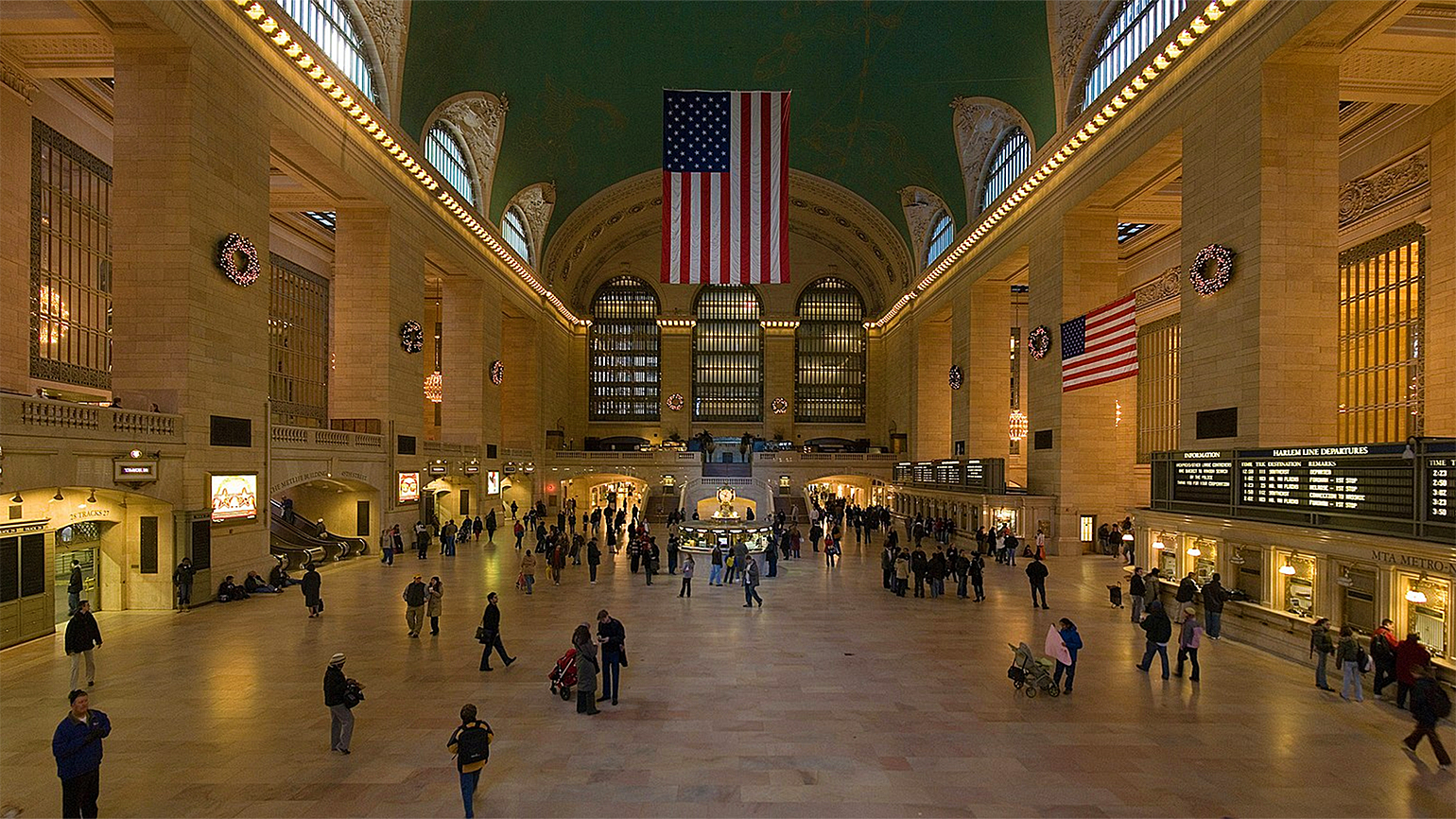
My favorite cathedral in New York City is not St. Pat’s or St. John’s. My favorite New York cathedral is Grand Central station.

No, you’re right, it’s not exactly a church but it is a kind of basilica of humanity, both a terminus and a crossroads for upwards of a million people a day. And there is no place I like to visit more than Grand Central.

My first experience of it was the night before Thanksgiving—the most insane travel night of the year—when I came down from school in New Haven to visit my hospitalized uncle before hopping a plane to Detroit to see the rest of my family (Uncle Eddie was in the city being treated for cancer at Doctors Hospital on the Upper East Side—he survived and is still alive some 30 years later).

It was chaos and madness and I loved the hordes of people, the energy and excitement, the subways arriving from all over the city, the trains from all over the country and the people from all over the world.

I remember my first look at the dazzling jeweled clock above the information booth and the huge, wide angle Kodak sign that then dominated the east side of the great concourse. And I remember looking up at the magnificent ceiling and practically being trampled as I stood there in open-mouthed awe.

I moved to New York a few years later and Grand Central was my office. My roommate at the time was always fighting with his girlfriend so the station became a kind of haven where I could follow up on job leads using the endless banks of pay phones, had plenty of access to cheap hot dogs and fat hot pretzels, and a place to sit and read the paper or just watch the people. I could spend the whole day.

Later, when I finally landed a job, I made sure to cut through the station on my way to the office, going off course a bit just to stay connected. I remember walking a girlfriend to one of the last departing commuter trains and saying goodnight on the platform, waiting till just before the doors closed.

Grand Central is full of secrets. The aforementioned clock could be worth as much as $10 million because of its four opal faces. Deep beneath the Beaux Arts structure is a cavernous machine shop and further uptown below the Waldorph-Astoria is a private rail station used by FDR when he would come up from Washington.

Then there’s the whispering gallery adjacent the Oyster Bar (one of New York’s great old dining institutions) where a hushly spoken word can be clearly heard 40 feet away. The Guastavino tile that covers the vaulted ceiling magically carries the sound.

My favorite secret is the one I recently learned about—all departure times listed on the giant boards are one minute early. Trains leave promptly on schedule one minute after the posted time, a kind of grace period for tardy commuters. Time is not what it seems in Grand Central.

No doubt the most celebrated architectural aspect of the station—technically it’s a terminal and not a station, since most train runs terminate there—is the vast ceiling arching above the concourse, upon which the constellations of the zodiac appear. It’s a glorious depiction of the heavens, except for one little thing: it’s backwards. The artist transposed the celestial map. This cosmic mistake was noticed almost immediately after the station opened and the Vanderbilt family—who were to railroads what Bill Gates is to operating systems today—was extremely embarrassed. So they concocted a quick cover story: the backwards ceiling was meant to be a God’s-eye view of the cosmos. Right. Except the story was so much better than the truth that it has come to be accepted as fact.

What I think of most when I think of Grand Central is movement, swirling masses of humanity funneled through this gorgeous piece of 100-year-old architecture that has seen our city through good times and bad. There is something about the place that stirs the soul and fires the imagination, a sense that it is the heartbeat of a great metropolis.

It is hard to believe that the whole thing was nearly torn down in the early 1970s to make way for a new station, similar to the vulgar insult to the dignity of all New Yorkers that supplanted Penn Station on the west side in the 1960s.

Thanks to Jackie O and friends Grand Central was saved and gradually, lovingly, restored to its original glory (they ditched the Kodak sign that I kind of liked).

In the ’90s the heavenly ceiling was finally cleaned of decades of dirt…what a magnificent unveiling it was! They decided, however, to leave one tiny patch of the reversed sky untouched, as a reminder of what time and grime can do. And as a kind of tribute too, I think, to the staying power of a great cathedral.

That’s my story. What’s yours? Do you have a favorite spot in a favorite city? I’d love to hear about it.

Edward Grinnan is Editor-in-Chief and Vice President of GUIDEPOSTS Publications.

Graduation Inspiration

I couldn’t help noticing something on the dashboard of the cab I was riding in this broiling afternoon in late June: a big snapshot of a college grad, with mortarboard and gown, holding a diploma, smiling proudly, maybe the driver’s son. I couldn’t actually see my driver through the grimy Plexiglas partition so I leaned forward, pointing at the picture.

“Congratulations,” I said. “Your son?”

“No,” he answered, “that’s me.”

I felt kind of a lump in my throat. But he didn’t seem embarrassed or sad, so why should I? I was able to get a better look at him: middle-aged, Middle Eastern.

The photo was a message: I’m not just some dumb taxicab driver. I went to school. I am accomplished. It was right below his hack license photo so more observant riders than I would make the connection without asking. The photo was also a reminder, I imagine, to the driver himself: You are somebody. You have an education. You came to this country willing to do anything to better the life of your family.

The end of graduation season is here. All spring I’ve seen graduates strolling proudly around the city in their caps and gowns, trailed by excited parents and admiring younger siblings. One of the great things about June is its celebration of education and the recognition of its paramount importance in our lives.

An education is one of the great honors in life and I sometimes forget how unbelievably grateful I should be for mine. I should be down on my knees thanking God for the opportunities it has given me. My education—and my teachers—are as much responsible for what I have achieved in life as I am.

If you can’t look back over your life and see at least a couple of teachers who made all the difference in how you see the world and yourself, I would be very surprised. I remember my teachers. That’s how I remember what I learned. And those days when I crossed a stage, received my diploma and flipped my tassel are moments in time that defined me.

There is nothing as valuable as an education, nothing more deserving of respect. That’s what my cabbie was saying. That’s what I needed to remind myself of. That’s what June is all about. As I paid the fare he turned around.

“Want to see my sons?”

He flipped open the glove compartment. Taped to the inside were snapshots of four young men, all in caps and gowns, all smiling with a familiar pride, holding diplomas.

I shook the driver’s hand and said, “Thank you. It was an honor to ride in your cab.”

Got a Question About Love?

Love is one of those things that constantly baffles me, right up there with the questionable nature of chocolate (why does something that tastes so good have to have so many calories?!).

I suppose my wonder about love started at a young age when I first encountered a pair of real-life soul mates. My parents. They met in the first grade in Turkey, ended up separated by thousands of miles and reunited after a chance encounter. My dad says he knew my mom was “the one” even back in the first grade.

I always assumed I’d meet my future husband in similar fairy-tale fashion. Unfortunately, that hasn’t happened…at least not yet. And so I continue to wonder about love.

That’s one reason I was so thrilled to find out my colleague Dan Hoffman will be interviewing Dr. Paulette Sherman, a clinical psychologist and true love expert, for a special video Q&A on Guideposts.org.

Dr. Sherman will be answering questions from readers when she stops by the office. And, since I’m an avid Mysterious Ways reader, I guess that includes me!

READ MORE: ASK AN EXPERT ABOUT TRUE LOVE

Here are some head-scratchers I’d love to get some answers to:

  • Do soul mates really exist?
  • Can you have more than one soul mate? If so, what happens in Heaven? (That’s just one of the many questions I had after seeing the movie Titanic for the first time in the 9th grade!)
  • Will your soul mate always find you, no matter what?
  • Can we do anything on our part to increase our chances of finding a soul mate? Or is that strictly “God territory”?
  • How do you know if you’ve met your soul mate?
  • Why do some people get soul mates and others don’t?

What about you? What questions would you add to the list?

Ask away in the comments below or on Facebook for a chance to have your love questions answered by Dr. Sherman this month.

God’s Love Makes a Difference

When our children were young, my wife and I wanted them to know just how much we would always love them. Our goal was for them to feel loved so that they, too, could learn to love others. Now that they are older, we still show them love, and we know that they, too, love us and others in the same way.

Over time, I have discovered that when people are not shown love throughout their lives, they find it difficult to express it or feel it for others.

My father-in-law always struggled to show his children love, but once I learned that both of his parents passed away when he was 12, I felt compassion for him. Unfortunately, his struggles had consequences for his children; they missed out on their father’s love.

Read More: Your Love Letter to Jesus

I wonder how it would have changed his perspective if he had ever experienced God’s love for him? Does God’s love make a difference? I know it does. When we experience God’s love, we never feel alone or ignored again. He loves us unconditionally.

Mother Teresa said, “When you know how much God is in love with you, then you can only live your life radiating that love.” When we understand this and recognize how much God loves us in spite of our faults, sins, imperfections, rough edges, selfishness, ego and more, we can live a life that radiates love. What amazes you about God’s love? Please share with us.

Lord, may we live a life that radiates Your love to all.

God Blessed This Bike Shop Owner with a New Path

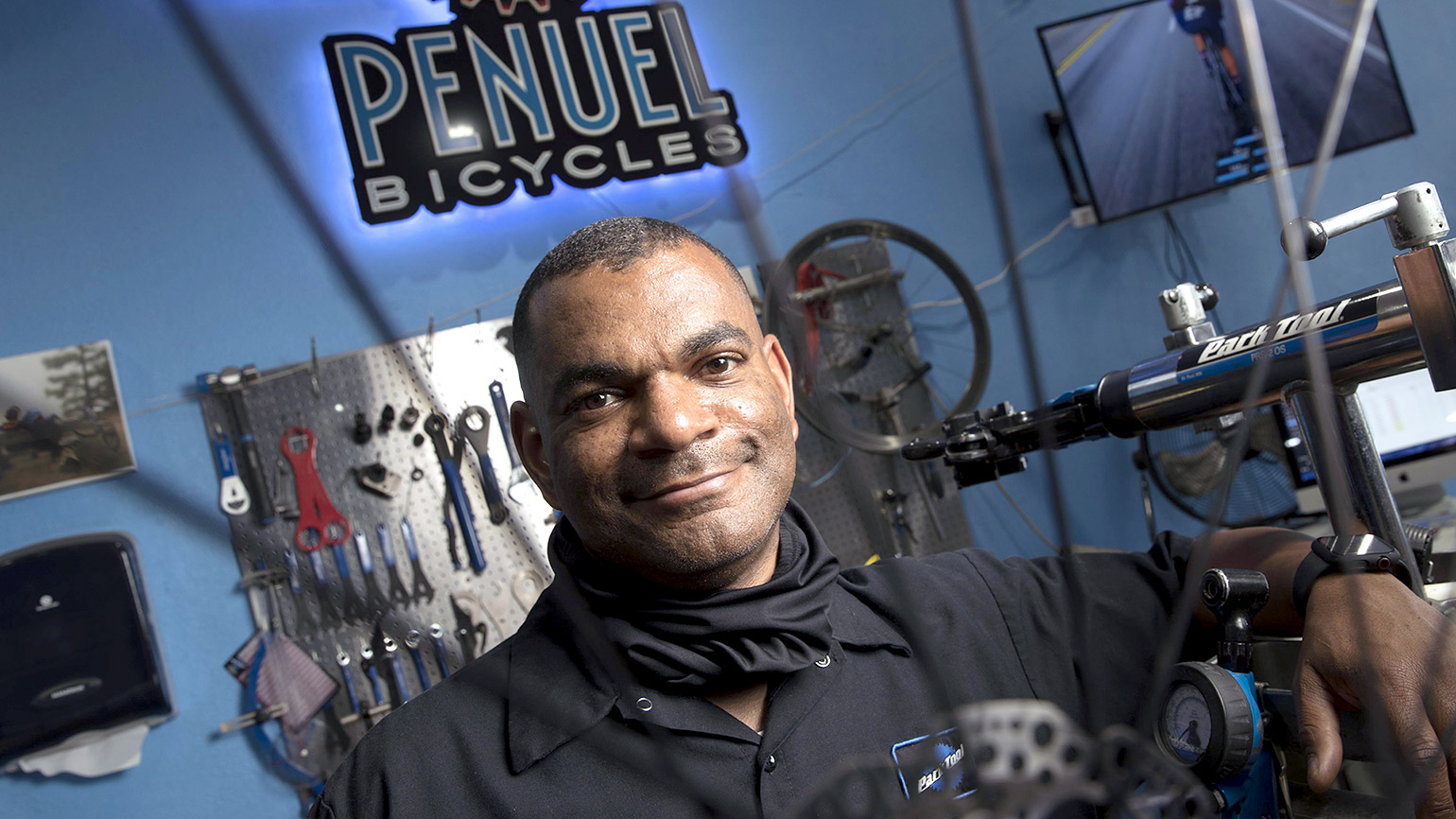
Remember when you learned to ride a bike? George Turner, 48, owner of Penuel Bicycles in Inglewood, Cali­fornia, talks with reverence about his childhood BMX dirt bike. “It was free­dom,” he says. “I did whatever it took to get on that bike, as long as I was home by dark.” George and his friends rode to the beach, the mall and construction sites, where they wedged through fences and dared one another to ride over huge dirt mounds and other obstacles.

Home meant chores, homework, annoying siblings, dressing up for church. A bike meant escape.

George transformed that reverence into a livelihood. He opened his neigh­borhood bicycle shop in 2010. Before that, he had worked for years slinging boxes for FedEx while selling bike gear and accessories online.

The store fulfilled a lifelong dream. George named it Penuel Bicycles be­cause Penuel is the name of the place where Jacob wrestles with the angel in the book of Genesis. George had been wrestling over his future. Spend the rest of his life working for someone else? Or pursue his true love?

Many people harness their passion and start a business. Roughly 60 per­cent of those businesses close after less than a decade, according to the Small Business Administration.

Ten years after opening his shop, George feared he was about to join that 60 percent. Penuel, it turned out, was the place where George struggled after he opened his business. It was also where he learned about God’s business: redemption of what seems irretrievably broken.

Penuel Bicycles is a one-room shop on a busy commercial strip some 10 miles from Hollywood but a world away from the limelight. There are rows of bikes as well as parts and gear for sale, plus a small repair area be­hind the counter.

Inglewood is a working-class city with a diverse population. Historical­ly, the city was a center of L.A.’s Black community. Today nearly a third of residents were born outside the Unit­ed States, and half speak a language other than English at home.

“Bicycles kept me out of trouble,” George remembers. “They were part of my life.”

He figured that was still true for kids when he opened Penuel. Growing up, George had worked at a bike shop on weekends so he could afford accesso­ries for his own bike.

As an adult, he rode racing and mountain bikes up and down L.A. County’s 22-mile beach bike path and on nearby hill trails. After marrying 15 years ago, he taught his three kids to ride bikes.

George opened Penuel expect­ing parents to crowd inside, eager to buy shiny new bikes for their kids. He looked forward to helping boys and girls discover the joy of riding—and stay out of trouble—just as he had. He dreamed of a com­munity gathering place where people could meet for rides and embrace a healthy outdoor lifestyle.

None of that happened.

Kids these days, George learned, have a new love. “Kids don’t want a bike for Christmas and their birth­day,” he says. “Now life is about play­ing video games or with their phone. Instead of getting out and riding, they have the electronic babysitter.”

When kids don’t ride, their parents tend not to ride. Also, many riders in George’s part of Los Angeles commute to jobs at restaurants or warehouses on used bikes. They might come to the shop for repairs but not to buy a brand-new bike.

A low point came one day when George visited his son’s elementary school to give a demonstration about bicycle basics. He asked students how many of them owned a bike. One boy raised his hand: George’s son. “They put him in the school newspaper be­cause he knew how to ride a bike,” George says.

Bike shops in wealthier neighbor­hoods rely on customers willing to spend thousands of dollars on a high-end racing bike. Other stores join chains that are owned by big-budget bicycle manufacturers.

George struggled. Some days, he celebrated if he sold just one bike. At the end of 2019, he asked his pastor to pray for him.

The pastor gave George a searching look. Then he said, “God is going to bless your business in ways that you would never have imagined.”

George was too polite to disagree. But—really? His pastor knew noth­ing about the bicycle business. “I was thinking I might have to close this thing up,” George says. “It was not going well at all.”

Three months later, the coronavi­rus pandemic shut down the nation. George closed Penuel’s doors, put his few employees on hiatus and went home to hunker down.

Bless my business? he wondered.

A few weeks later, he learned that bicycle shops had been classified as essential businesses. Restless at home, he reopened the shop in hopes he might at least get some repair work.

One day, a man walked into the shop. “I’m looking for a bike,” he said. “I’ll pay cash.” He picked out the most expensive bike in the store and put $8,900 on the counter.

Stunned, George hurried to the ATM to deposit the money. He used it to pay that month’s rent.

The phone started ringing. “Do you have any bikes left? I’m in Beverly Hills. I’ll drive there.”

Isolated at home and desperate for something to do, pandemic-weary Americans were buying bicycles. Bike shops nationwide sold out. Many cus­tomers searching for out-of-the-way stores found Penuel.

People in his neighborhood pulled their old bikes out of the garage or the basement and wheeled them to Penu­el to get repaired and ready to ride. “I had to wear long sleeves to work on those bikes,” George recalls. “They had spiders!”

George sold out of bicycles in a month. He ordered what he could to meet customer demand and turned to fixing and tuning up all the bikes that people suddenly were riding. “I went from repairing one bike a day to repairing 30 bikes,” George says. Many days, he worked from 4:30 a.m. to midnight.

Out on his own bike, George saw riders everywhere. Suddenly his long-cherished vision of a community on their bikes, enjoying the freedom of two wheels, was coming true. Bicycles became a rare source of solace during a time of tragedy and loss.

God didn’t just bless George’s shop. He made Penuel Bicycles a truly essen­tial business.

George says he’s still trying to fill or­ders. Backlogged supply chains have kept bicycles and parts hard to find.

When pandemic restrictions are fully lifted, he intends to start that community bicycle club he’s long envisioned. He hopes to recruit more people to a mountain bike club he al­ready established.

In the Bible, Jacob and the angel wrestle through the night at Penuel. At last God gives Jacob his blessing.

George is determined to make the most of God’s gift. “Bicycles are my life,” he says. “I’ll never stop trying to share that.”

For more inspiring stories, subscribe to Guideposts magazine.

Glimmers of God’s Grace

My husband is a strange man. He actually likes getting up early in the morning. Not this gal. I am so not a morning person! The house is quiet after my husband goes to bed, so I often stay up writing until the wee hours, and then I sleep in a bit the next morning to make up for it.

But on those mornings when I do get up early, I love to grab a cup of hot tea and stand at the glass doors in our kitchen, waiting for the light show God puts on each morning in the woods and meadow behind our house.

It’s so beautiful as the sun starts to peek between the trees on the left side of our land. And then as I watch, it progresses across the meadow, lovely glimmers of light shining through until it’s all lit up for the day. That makes me smile because it always feels like God is saying, “Good morning, Michelle.”

Read More: Allow Jesus to Guide Your Life

God does “glimmers” well. And each time I see His wake-up show with the sun peeking through the trees, I’m reminded of how often He’s sent glimmers of grace into my life. I thought I’d share some of those sweet peeks with you:

1) I don’t have to pay for His grace.
For by grace are ye saved through faith; and that not of yourselves: it is the gift of God: (Ephesians 2:8)

2) I don’t have to be hesitant about asking for grace.
Let us therefore come boldly unto the throne of grace, that we may obtain mercy, and find grace to help in time of need. (Hebrews 4:16)

3) His grace provides strength.
Thou therefore, my son, be strong in the grace that is in Christ Jesus. (2 Timothy 2:1)

4) His grace is enough for all that I face.
And he said unto me, My grace is sufficient for thee: for My strength is made perfect in weakness. (2 Corinthians 12:9)

So, today, I’m grateful for the “glimmers” in my life—the sheer beauty of the show as His light peeks through the trees and the sheer wonder of His grace as it shines into my life each day.

What glimmers of His grace can you discover today? Please share in the comments field below.