

Embrace God's truth with our new book, The Lies that Bind

The Four Chaplains

On a frigid February night in 1943, the U.S. troop ship Dorchester surged through rough North Atlantic seas about 150 miles off the coast of Greenland.

Down in the old converted cruise ship’s stifling hold, four U.S. Army chaplains circulated among the frightened young men, some lying wide-eyed in their bunks, others nervously playing cards or shooting dice.

Chatting with the troops, the chaplains eased tensions, calmed fears and passed out soda crackers to alleviate seasickness.

The troops anxiously looked forward to reaching Greenland the next day. They knew that U-boats prowled their ship’s course.

They did not know that by morning nearly three fourths of them would be dead, and that the rest would have their lives changed forever. Nor did they know the magnificent way in which these four chaplains would minister to them.

Father John Washington was from a big Irish Catholic immigrant family in New Jersey. At age 12, near death from a throat infection, he was given last rites. Miraculously he recovered. He told his sister: “God must have something special for me to do.”

Alexander Goode came from a long line of rabbis. He remembered standing in Arlington National Cemetery at age 10 watching through tear-filled eyes the Unknown Soldier being laid to rest. After Pearl Harbor he left his temple in York, Pennsylvania, requesting overseas duty.

Clark Poling, a minister in the Dutch Reformed Church, had turned down a law career to carry on his family’s seven-generation heritage of religious service. “Don’t pray for my safe return,” he told his father before embarking on the Dorchester. “Pray that I do my duty.”

“Old man” of the four was George Fox, who had received the Silver Star, Purple Heart and France’s Croix de Guerre in World War I. On returning home, he entered seminary. Ordained a Methodist minister, he served a circuit of small Vermont churches until December 7, 1941.

“I must go,” he told his wife. “I know what these boys are facing.”

Empathy with the troops came naturally to the four chaplains. They became highly popular, mixing easily with all faiths, counseling, organizing entertainment and praying.

On February 3 the chaplains were still up at 12:55 a.m. when the torpedo struck. The tremendous explosion threw soldiers from bunks; the lights went out and the stricken ship listed to starboard, sinking fast.

Those not trapped below rushed topside. Amid the shriek of escaping steam and frantic blasts of the ship’s whistle, dazed men stumbled about the dark, crowded decks. Some gripped the rails, too horror-struck to head toward the lifeboats.

The four chaplains quickly moved among the bewildered men, calming them, directing them to life rafts, urging them to escape the doomed ship.

Many had forgotten their life jackets. The chaplains located a supply in a deck locker and passed them out. When the bin was empty, they pulled off their own and made others put them on.

Only two of the 14 lifeboats were successfully used in abandoning ship. Soldiers leaped into the icy sea. They clutched the gunwales of the two overloaded lifeboats, clung to doughnut-like rafts or floated alone.

The four chaplains remained on the ship’s slanted aft deck, standing together, arms linked, heads bowed in prayer, as the Dorchester slipped beneath the waves.

Of the 902 men aboard, 230 were rescued by two Coast Guard cutters. A British report had stated that survival would be impossible after one-half hour in such cold waters, but some men, insulated by the ship’s thick fuel-oil which coated them, had floated in life jackets for eight hours.

The heroic Four Chaplains have become legend. Memorials to their “Three Faiths, One God” sprang up around the nation to promote brotherhood, fight bigotry and encourage interfaith and interracial unity. So many years later, we at Guideposts wondered about the survivors. What has happened to them?

Thanks to Colonel Archie Roberts, chaplain of the Chapel of Four Chaplains in Valley Forge, Pennsylvania, I was put in touch with a number of survivors.

No one has been able to find any of the four men to whom the chaplains gave their own life jackets. In the mass confusion, those receiving them might not have realized theirs came off a chaplain’s back.

We do know that when John Mahoney started to rush below for his gloves, Rabbi Goode stopped him and gave him his own. Those gloves helped save Mahoney’s life, enabling him to cling to a lifeboat through the night.

It was exciting to talk with the survivors. All say they’ll never forget the Four Chaplains. Some saw them going down with the ship. Others learned of their heroic acts after being rescued.

Most are now in their 70s, retired from active careers. Practically all suffer from numbed limbs and walking difficulties as a result of exposure. They keep in touch with one another through reunions and newsletters.

With high expectations, I asked each survivor: “Has the memory of the Four Chaplains had any effect on your life?”

“Not really,” was the usual answer. But as we continued talking, I began to see that this initial response was one of modesty. For as we discussed their lives, evidence emerged that the men had been affected significantly: In one way or another they had been giving of themselves to help others.

Henry Arnett, of Newport, Arkansas, visits local hospital patients every day. Despite bad legs, he often drives the 180-mile round-trip to Little Rock to cheer patients there.

Thanks to Charles Macli, who now lives in Peekskill, New York, a lot of youngsters in the Bronx, New York, have learned to box in a wholesome gym atmosphere, with some advancing to the Golden Gloves.

In helping keep the Four Chaplains’ memory alive, Walter Miller of Bristol, Connecticut, has written widely distributed poems that honor all those lost in our country’s wars.

And Anthony Naydyhor of Hellertown, Pennsylvania, has devoted the past 12 years to caring for his wife, who is on kidney dialysis. When I suggested that he was showing real selflessness, he shrugged it off. “No,” he said, “it’s a privilege.”

Compassion for others seems to be a guiding factor in these men’s lives.

Edward Dionne of Lake Placid, Florida, volunteers to help blind and needy children. And there’s Daniel O’Keeffe of Sebring, Florida, who helped found a local YMCA; he is a March of Dimes chairman, works with disenfranchised youngsters, and speaks on Judeo-Christian ethics.

The survivors’ spirituality was deepened in different ways. James Ward of Cincinnati says he had little interest in religion before the sinking, but the memory of the chaplains drew him to the church in which he’s active today.

The same goes for Robert Blakely of Alpine, California, who is a lecturer for his Catholic church and, as a Eucharistic minister, serves Communion to housebound parishioners.

But probably what all of the survivors remember most is the example of brotherhood demonstrated by the Four Chaplains. Because of this, Benjamin Epstein of Delray Beach, Florida, lectures on building bridges of understanding between people of all faiths. James McAtamney of Newport News, Virginia, backs him up.

“I was raised in a neighborhood where Jews didn’t speak to Catholics and neither Catholics nor Jews spoke to Baptists. I was amazed to see that these chaplains had so much in common. To see them enjoying one another’s company was a lesson to me in ecumenism long before that word became popular.”

Today “Mac” gives his time to Civitan International, a worldwide community-service club aimed at helping the mentally retarded. Civitan also sponsors Clergy Appreciation Week, celebrated in February to honor ministers of all faiths.

And several—like Walter Boeck-Holt of Algona, Iowa, Charles Ciccia of Manalapan, New Jersey, Dr. Roland Phillips of Abington, Massachusetts, and Michael Warish of Taunton, Massachussets—have written accounts of the sinking, which help keep the memory of the Four Chaplains alive.

Other survivors speak publicly about that terrible night. For many, this is difficult. But the men of the Dorchester feel it is a privilege to honor their comrades and the Four Chaplains so that others will be inspired by their selfless gift.
The Angel Factory

My garage is overflowing with cardboard boxes. Stacks of storage containers line my spare bedroom and foam packing pellets are scattered all over the basement.

Am I moving? No. But I’ve been moved. By angels.

Thirty years ago, my husband, Jerry, an electrical engineer, got a job in Annapolis. We bought a house here and one of the first people I met was Susie—a bright, energetic, witty mom of three. We belonged to the same women’s organization. Spending time with Susie, I forgot I was new in town. She made me feel so at home.

But our carefree days were cut short. Just before Christmas, 1982, Susie was diagnosed with leukemia. She started chemotherapy treatments right away at Johns Hopkins oncology center in Baltimore. I called her often, wrote her little get-well cards and visited her in the hospital. Then another setback: Her husband was laid off. “I’m so worried about all the medical bills piling up,” she confided during one visit. “Can you please pray for us?”

So I did. Every day. But I wanted to do more. Friends of ours shuttled her kids to after-school activities, others cooked meals and baked desserts.

Now, as Jerry can attest, I’m no cook. I am an artist, though. One night, lying in bed, I tossed and turned. Lord, help me use my art to help Susie. My mind drifted to a stained-glass class I’d taken a while back. I usually worked with oil paints, but there was something about the way sunlight shimmered through the glass that felt peaceful, almost healing. What else was peaceful and healing?

Angels.

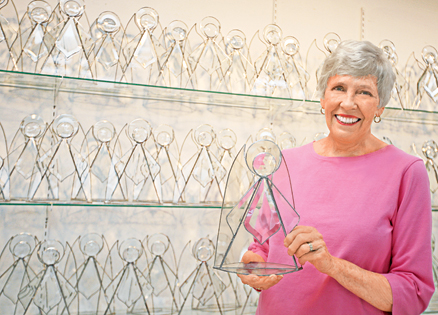
The next morning I got right to work. I used an aqua shade of glass (Susie’s favorite color) for the body and a silvery pearl glass for the wings. It was a long, painstaking process—lining up the pattern, cutting the glass, foiling the sides. I worked a little bit at a time. Susie’s angel stood just over a foot tall and I topped her off with a golden halo and added a holder for a votive candle.

A couple of days before Christmas, I brought the angel to Susie’s hospital room. “I made this for you,” I said.

“Oh, Bobbie!” Susie gasped. “I love it! Put her on the table over there so I can see her all the time.”

Whenever I’d visit Susie, she’d tell me how much she loved the angel. I thought she was just being sweet. One afternoon, though, she mentioned that someone had asked her where they could buy one. “I told them you made it for me,” she said. “And they asked me where you sell them. You really ought to make more of these.”

More? I loved making the angel—but it had taken me almost 20 hours. There was no way I’d have the time to make more and keep up with my other artwork. I was about to tell Susie it was impossible when it hit me: I’d round up the folks who asked her about the angel and teach them how to make one too. Then we could sell them and give the money to Susie and her family to help with her medical expenses.

I invited about a dozen women—mostly Susie’s friends and family—over to my house. Right there in my living room, we cut shapes from sheet glass and wrapped the edges in foil. Even Jerry got in on the act, helping us solder the pieces together. I told Susie about our stained-glass operation. She was thrilled! Within a few months we presented her family with a check for two hundred dollars. It wasn’t much, but it was a start.

Word of mouth spread…fast. Soon we had 30 volunteers and an assembly line that outgrew our living room. Jerry and I cleared the clutter out of our basement and set up shop down there. “It really looks like an angel factory!” Jerry said, laughing, when he saw all of us at work.

A year after we started making angels we’d raised more than a thousand dollars for Susie and her family. Despite aggressive treatment, her health grew worse. On December 15, 1983, Susie died.

Heartbroken, we donated the rest of the profits to Susie’s doctor, who was conducting leukemia research. Several months later, Susie’s husband and parents urged us to make more angels. A lot more. They wanted the money to go to area hospitals so even more folks could benefit.

It was a great idea, but I was worried. Selling a few angels to help Susie was one thing. Would we be able to sell enough to help hundreds, maybe thousands, of patients and doctors? That afternoon I stood and looked around—at the hardworking volunteers, the assembly line. The Angel Factory. I closed my eyes. Lord, I’m putting this in your hands. Show me what to do with these angels.

Almost immediately the phone rang. It was a woman calling from Oregon. “I heard about your angels from a friend of mine who lives in Maryland,” she said. She placed an order for 10 of the larger stained-glass angels—they were forty dollars each! From then on it seemed like the orders never stopped coming. Susie’s family was right—the angels were a hit! I put aside my artwork to make angels full time.

By 1993 we were officially a nonprofit. We called ourselves Caring Collection, Inc., and added other stained-glass figurines, angel pins and sun catchers in every shape from hummingbirds to lighthouses. Orders from all over the world poured in: France, Germany, En­gland, Russia, Australia, South Africa.

It seemed everyone had been touched by cancer. People really wanted to help.

And they still do! To date we’ve donated $845,000 for cancer-research equipment to the Johns Hopkins oncology center, where Susie was treated, and for patient-care equipment to the Anne Arundel oncology center in Annapolis. We’ve helped the hospitals purchase ultrasound machines, blanket warmers, and fiber-optic devices that detect tumors. Our goal is to raise one million dollars—and I know we’ll reach it.

A few major corporations have offered to mass-produce the angels over the years, but I’ve turned them down. Part of what makes these figurines so special is that each one passes through the caring hands of more than 20 of our volunteers before it’s finished. I think each angel carries all that love and hope to the recipient. Susie would be proud of that.

These days my basement is more crowded than ever. Jerry and I don’t have children, but our 90 volunteers make a big extended family. Let me make it clear, though, that these workers don’t come around for free. Oh no. We pay them…in jelly beans and pretzels!

Our youngest is a 14-year-old high-school student. Our oldest? An 89-year-old retired teacher. Each volunteer has her own story, his own reason for being part of the Angel Factory. Some are cancer survivors, some are undergoing treatment and some just want to help because they can. Like Katherine, who started volunteering when she was still in high school. Back then she cut her fingers more than she cut the glass! Now she cuts our patterns like a pro and is teaching me how to use the computer.

Then there’s Sylvie. I met her in 1983. Some of my artwork was going to be displayed in a gallery in the South of France. I had two weeks to learn some French, so I called a local language organization. Sylvie answered.

“You’re not going to learn much in two weeks,” she said. And you know something? She was right. I still can’t speak a lick of French, but in those two weeks I told Sylvie so much about the angels that she’s been volunteering ever since.

Perhaps the three most fervent supporters of the Caring Collection are a dedicated set of siblings whose lives have been forever altered by cancer: Susie’s children, Katie, Jenny and Matt.

I’ve had people ask me, “Do you think you’ll ever stop making angels?” The truth is, I almost did. In 1994, Jerry retired. “Please retire with me,” he said. “You’ve spent years making these angels, and they’ve helped a lot of people. But maybe it’s time for a break. Just think of all the trips we can take.”

I had to admit, seeing the world together sounded enticing. But several months after he retired, Jerry was diagnosed with colon cancer. His prognosis was good, yet I couldn’t help but worry. To lift his spirits I did the best thing I knew how: I made him a stained-glass angel. If I retire, this could be the last angel I make, I thought, hanging it from the IV pole in Jerry’s hospital room. Jerry looked at the angel, then at me. Tears filled his eyes.

“Promise me you’ll never stop making these,” he said. “Everyone needs an angel. Everyone needs hope.”

Jerry’s now in remission and his angel hangs on our living-room wall—a reminder to keep the Caring Collection going for as long as we possibly can.

See what I mean when I said I’ve been moved by angels?

The 2016 Peale Family Reunion

It was the most perfect late June day—cloudless blue sky, no humidity, ideal temperature—as we made our way to Cape Cod for our 2016 Peale Family Reunion.

This annual reunion is something we anticipate with great excitement. For 20 years, our family has gathered together in various parts of our country. We explore, catch up and have fun.

Read More: Be an Angel of Hope for a Sick and Hospitalized Child

We also conduct our Peale Foundation Annual Meeting. The mission of the Foundation is as follows:

The philosophy of the Peale Foundation derives from its founder, Dr. Norman Vincent Peale, whose life and ministry outline its goals.

In his lifetime, Norman Vincent Peale and his wife, Ruth Stafford Peale, founded, promoted, and supported organizations that emphasized the development of a positive attitude towards all aspects of life, and a spiritual faith that fosters change and growth.

It is the purpose of the Peale Foundation to continue to support the causes and organizations that emphasize and carry forward the message of Norman Vincent Peale, and to support causes and organizations that express, promote, and are consistent with the values, beliefs and ideals of Norman Vincent Peale.

Our family is humbled and honored to fulfill this mission through our Peale Foundation work. We are also deeply appreciative of the time we have together as a family at each reunion. Grandma and Grandpa were big proponents of memory-making as a family, and I can assure you we are carrying on that legacy with gusto!

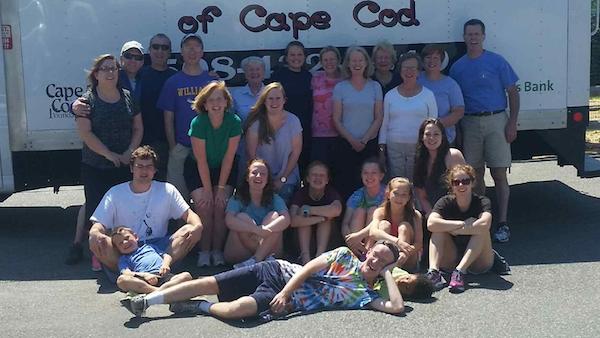
This year’s reunion started off with a service project. As many members of our family as possible (ranging in age from 7 to 82) gathered at The Family Pantry of Cape Cod in Harwich, Massachusetts.

We sorted through bags upon bags of generously donated clothes, discerning which ones were up to standard to be made available to families in need and which ones were best suited for recycling venues.

We were expertly guided by those who serve and volunteer for The Family Pantry. They were kind and thoughtful, as well as patient with our family’s humor and personalities!

Read More: Guideposts Foundation Inspiration

They told us that this big project of clothing-sorting had been on their to-do list for a long time as they never quite had the number of people gathered to accomplish it. They expressed their gratitude that we’d reached out to them offering to help with anything they might need.

What was very clear to our family as we sorted, and as we later reflected upon the experience, was how grateful we were for the opportunity to help through this hands-on work, with a sharp focus on the mission of the Peale Foundation—“to support causes and organizations that express, promote and are consistent with the values, beliefs and ideals of Norman Vincent Peale.”

The Family Pantry of Cape Cod surely fits this purpose beautifully. It was a win/win for all.

Thanksgiving with the Homeless

This seemed more like April Fools Day than Thanksgiving—I was right in the middle of the kind of bizarre mix-up that could only happen to me.

Just a few hours earlier I had been pretty smug about my Thanksgiving plans. Originally I had had nowhere to spend Thanksgiving—my family was 3000 miles away and I hadn’t made any friends yet here in San Francisco—but then I had my bright idea.

A quick phone call to a downtown soup kitchen, and suddenly I had something important and useful to do. More than useful—noble.

ENJOYING THIS STORY? SUBSCRIBE TO GUIDEPOSTS MAGAZINE

When a coworker extended an invitation for me to dine with her family, I didn’t succeed at keeping smugness out of my voice as I said, “No, I decided to do something useful this year.” After I explained, she seemed impressed. As she should, I thought. I was pretty impressed myself.

I awoke at six o’clock on Thanksgiving morning, eager to get to the city. I didn’t envy the families I rode on the train with, who were chatting and admiring one another’s color-coordinated outfits. One day I would have friends here too, but this year my jeans and T-shirt were appropriate. After all, I was on my way to do good work, not enjoy a party.

When I arrived at the shelter, I wasn’t surprised by all the people lined up. Year after year, safe in the cozy confines of my family’s living room, I had seen the pictures on the TV news: hordes of people at long tables, squalling children, toothless old men. I looked around to see where I was supposed to go.

In the alley scores of people were standing in clusters under an oak tag sign reading, “Volunteers Pls. Wait Here.” I made my way over, alongside other volunteers, surprised so many were willing to do a good turn.

Apparently the man holding the clipboard was surprised too, for he stumbled over his words as he said, “I’m Ed. Er, folks…this has never happened before, but we have way too many volunteers. We usually never get the fifty we need, so we had all the radio stations mention it this year. Now we have two hundred, and no place to put you all, even in double shifts.”

He grinned. “Just to remind you, we could sorely use your help the rest of the year.” Then Ed added, “But today you good people get a reprieve. So we would like to thank you all for coming and wish you a happy Thanksgiving. God bless you.”

A surprised murmur ran through the crowd. Everyone besides me seemed delighted to be able to leave. “That’s great news,” the red-cheeked man in front of me said to his pal. “Now I can go over to my sister’s. Vicki’s always claiming she doesn’t see enough of me.”

A woman was thrilled to be going to her cousin’s. “Sarah told me to drop in any time. The kids’ll be tickled by my surprise visit.”

My stomach felt hollow as I realized I didn’t know anyone in town well enough to show up at the last minute saying, “Here I am after all!”

Just then Ed called out, “All you volunteers are welcome to join us for lunch, of course.”

I shuddered as the others left. Obviously he had meant it as a joke, but to me it wasn’t funny. The only contact I had ever had with homeless people was when I had occasionally—and gingerly—handed one a quarter on the street. And I had no desire to deal with them without that plastic barrier—the one that separated me and the food from them—between us.

But when I finally turned to leave, I couldn’t. I had waited too long. When Ed opened the gates, people swarmed in through the narrow corridor. The line surged forward and turned into a crowd, with me somehow in the midst of it. I was carried inside. “I don’t belong here,” I cried out to the burly man behind me.

He shrugged. “Who does?”

“No,” I insisted. “I’ve got to get out.” But all I succeeded in doing was moving back about a dozen feet. The line just kept on coming, taking up every available inch in that corridor. Eventually, I was swept up to the counter where the food was being served.

“I’m a volunteer too,” I said as I accepted two slices of turkey from the woman behind the Plexiglas partition separating me from the food. “I mean, I don’t belong on this line. They had too many of us.”

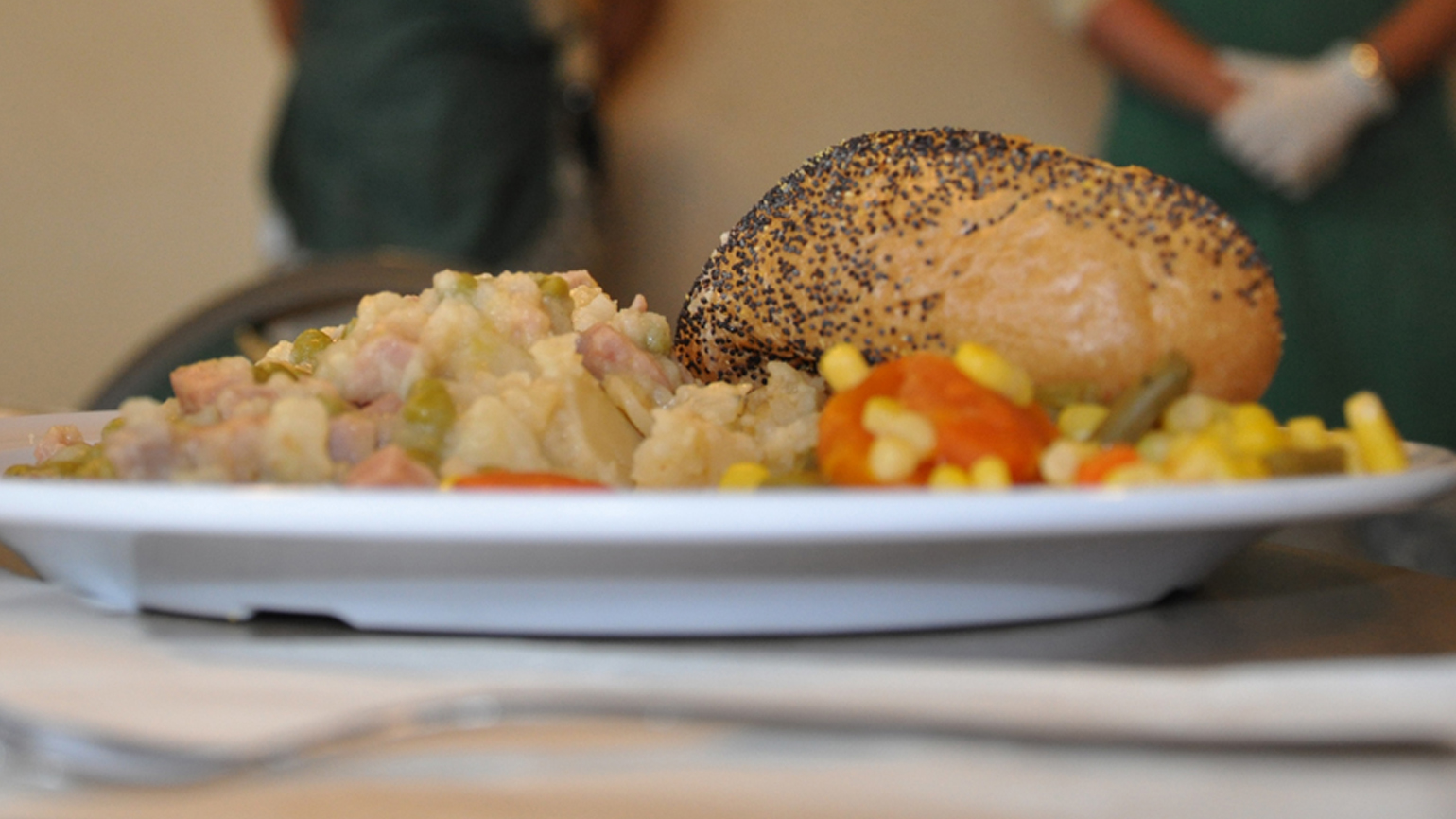
She merely dumped a dollop of sweet potatoes and a tiny pleated cup of cranberry jelly on my paper plate. “Happy Thanksgiving. Next!” she barked. I moved along.

“I’m a volunteer too,” I told the man behind the counter as he handed me a plastic cup of apple juice and a corn muffin.

“Happy Thanksgiving and God bless you, darling,” he said.

Defeated, I slowly made my way toward a long aluminum table covered with a thin paper tablecloth. I settled into one of the empty seats, too tired and discouraged to leave but not wanting to have any of these people get too close.

A man sat down opposite me. He stuck out his hand and shook mine. “I’m Fred,” he told me. “I’m an alcoholic,” he added, going on to say that he was now “on the road back.”

“That’s nice,” I said. “I was supposed to volunteer here.”

“Oh.” His face fell and he turned to the man next to him.

A pregnant woman, somehow managing to hold a toddler as well as two plates of food, slid into the end seat and smiled at me warmly. “It’s nice to sit down,” she said. “You know how it is—this is the first time I’ve been able to eat in peace in days!”

“I’ll feed your son,” I offered.

“Oh, would you? That’s so kind.”

“Well, actually, I’m a volunteer. It’s kind of my job…”

“Oh.” Her face clouded, and she ate quietly, not saying anything else.

The only other people at the table were a father and son—a man in a tank top with a rip in the side, along with a boy with a blond cowlick and a missing front tooth. They bowed their heads briefly and I averted my eyes. I watched them as I picked at my crumbling corn muffin. The turkey was dry, and the room smelled terrible—like my junior high lunchroom.

I heard the boy say, “Daddy! Mmmm! I like this food!”

The father smiled at his son’s exuberance. “Don’t eat too fast, son.” He turned toward me and said in explanation, “It’s been a while since I could afford to give them a good meal like this one. You know?”

“I’m a volunteer,” I said quickly.

The father’s face went bright red, and there was an awkwardness in the air. Unaware of it, the boy chimed in helpfully, “We got a volunteer in our class at school. She sits right down at our table with us. You know, she teaches us better than our teacher—’cause she’s right at the same table,” he repeated, “not way up in front of the room.”

He smiled, then jabbed his plastic fork into the sweet potatoes and ate them with gusto.

I stared at the boy, amazed that he had put his finger right on the heart of the matter. I had been so busy looking for differences between me and everyone else that I was acting as if they were a separate species! But were they so different? Hadn’t I had bad relationships? Hadn’t I had job problems? Didn’t I have friends who were recovering alcoholics?

And what about my 20-year-old niece, who was already the parent of a toddler and an infant? Was this woman in the shelter less worthy just because she didn’t live in a suburban home? Thoughtfully I finished the corn muffin.

By the time I left, I had spoken with Fred, Dave and Ella (my table mates), along with Donald and Fredda (the children). By then the crowd had thinned considerably, and I was able to make my way through the hall easily.

Once outside, I blinked in the bright sun—then cringed when I saw a TV newscaster poking his microphone in the faces of several of the people on line. What do they think these people are—animals in a zoo?

I stopped dead in my tracks then, having to smile at my own indignation. I had been feeling superior too, believing I was better than the people I was volunteering to help. Then I had been thrust into this odd situation of having lunch with them—only to discover we weren’t so different after all!

The only barrier separating us had been one I had erected myself—my unwillingness to see these people as what they were: people.

That was when, caught deep in thought, I bumped directly into one of the newspaper reporters! Holding a pen over his notepad, the man asked me: “How was your meal?”

I considered the question, then surprised myself with my answer. “The food was a traditional Thanksgiving dinner,” I said, “but the best part of the meal was talking to the really nice people I shared it with.”

Did you enjoy this story? Subscribe to Guideposts magazine.

Spreading Kindness Around the World

“Mom, we want to write a book,” my five-year-old twins, Delilah and Nathenial, announced one day.

“Sure, I’ll get some paper,” I said. My kids had made so many “books,” I had all the supplies at the ready.

“No, Mom,” Nathenial said. “We want to make a real book.”

I looked at my kids curiously. “What do you mean?”

“Like this,” Delilah said, holding up some picture books from their room.

Are they joking? I thought. I don’t know the first thing about getting a book published. Still, I didn’t want to squash their creativity. “Okay…what do you want it to be about?”

“An envelope that travels all over the world spreading kindness,” Nathenial said, his eyes shining.

Over the next few months, my kids dreamed up more of the story. The main characters were a pair of twins just like them. I wrote down everything, making sure not to miss a detail. The kids even sketched scenes with colored pencils.

I was impressed with the twins’ ability to think big. But was their dream too big?

God, I don’t want my kids to be let down, I prayed. I really need your help with this.

The theme of Delilah and Nathenial’s story was being kind to others, no matter how little you might have. I wondered if that was partly because I’d told them what my life had been like when I was their age.

I remember the burnt orange suitcases my dad carried as he walked out the door. I was five when he left. My mom, younger sister and I ended up on the streets, sleeping in parks and homeless hotels for more than a year. I found myself standing in any line I could to get donated food.

Despite—or maybe because of—our hardships, I tried to help others. I handed out snacks to people who were homeless, took in stray animals and helped give out donations at a church where the woman in charge would send me home with food.

In fact, churches felt more like home to me than our apartment. I would seek them out and sit in the pews, feeling welcome and safe. My faith in a loving God grew. So did my conviction that the most important thing God asks us to give is kindness.

I finished school, married young and ramped up my efforts to help people around me. Food pantries, coat drives, job fairs, days out for nursing home residents. I wanted so much to be a mother. I was 32 when I gave birth to our twins. I vowed not only to teach Nathenial and Delilah to be kind but also to make sure they knew that anything was possible.

I guess I did a pretty good job, because here the twins were, at age five, wanting to publish a book. They’d come up with great ideas before, but those had all been things I knew how to do. Like the time they said, “We want to bake cookies for soldiers!” That added a new dimension to the volunteer work they’d been helping me with since they were old enough to talk. Delilah and Nathenial made cards and care packages for these heroes. A local group shipped the packages to soldiers overseas.

Writing and publishing a book was way out of my comfort zone. I spent months learning. I looked up information online and watched videos. I joined first-time authors’ groups and asked questions. Self-publishing seemed like our best option. Still, all the steps it would take were daunting.

Even after the kids and I finished writing the story, I wasn’t sure. Can we really turn this into a book? I thought, flipping through the draft. I stopped on one page: “Mama was proud of her son and daughter for always being so nice to each other, to other kids and to everyone.” Yes, this was a fictional story, but I was proud of my kids—for their big dreams and big hearts. Just as God had led me to give the gift of kindness, he had called on my kids to do the same. I could trust that he would help us make the book happen.

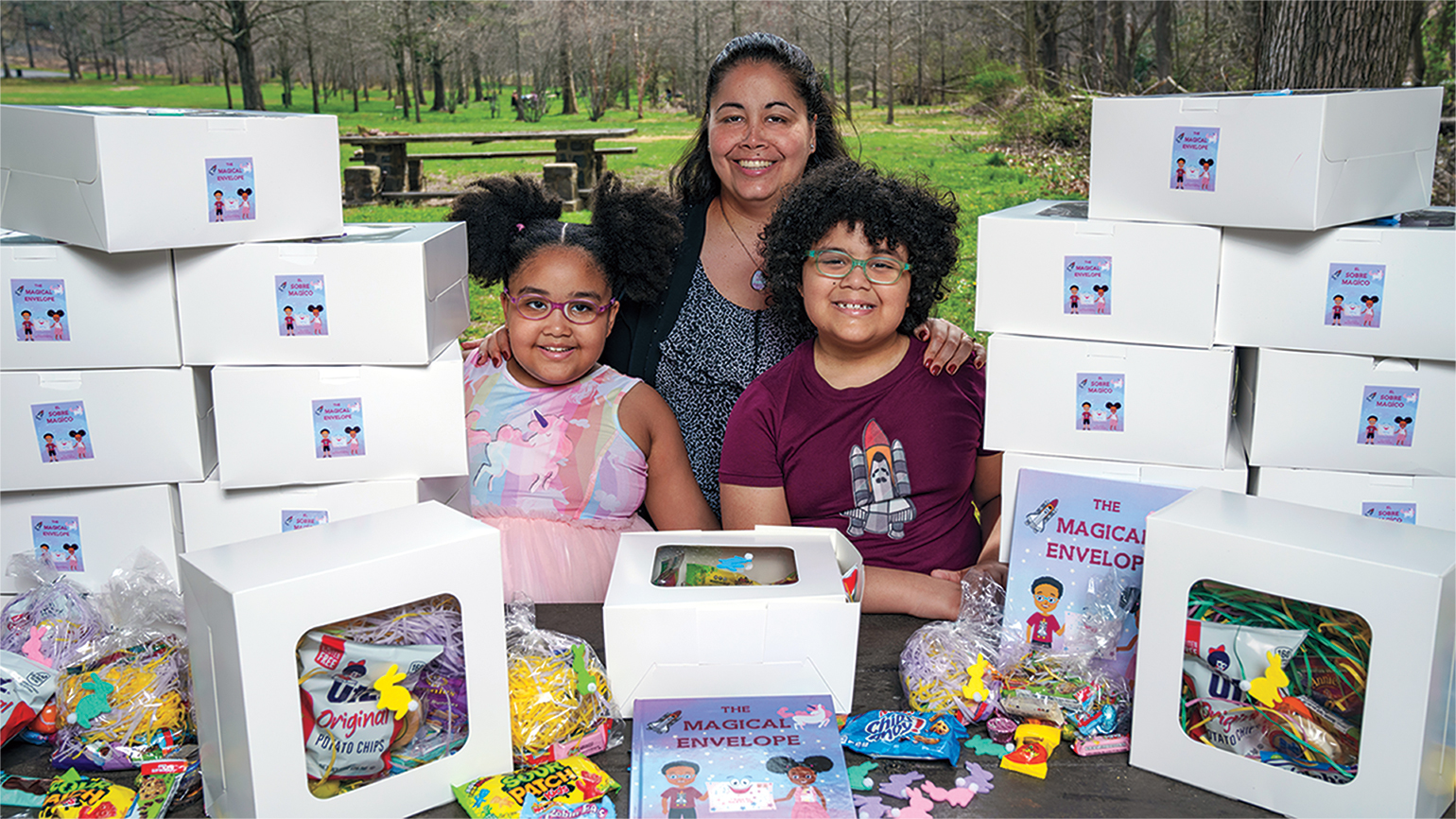
I found an illustrator to complete the twins’ sketches and an editor to tie it all together. We self-published The Magical Envelope last Veteran’s Day. The kids decided that 10 percent of the proceeds would go to The Major Stuart Adam Wolfer Institute, an organization that donates to service members in honor of Maj. Wolfer, who was killed in action in Iraq in 2008.

The twins, now eight, continue to amaze me. They’re creating a coloring-book version of The Magical Envelope. They’re setting up a Facebook page to share what they’re doing and get others involved. They plan to open Delilah and Nathenial’s Magical Cat Café one day. They remind me we can always think bigger, do more. That anything is possible if you believe.

My kids know where I come from, the park I used to sleep in, the hardship I endured. Not long ago, I was watching them make sandwiches for people in desperate need, people who were willing to stand in whatever line they could to get food. All I could think was, I was one of those people.

“Are you okay, Mom?” Delilah asked.

I blinked back tears. “Yes,” I said. “My heart is full.”

Full of faith, hope and big dreams.

For more inspiring stories, subscribe to Guideposts magazine.

Someone Cares: Vacay Replay

Coming home from a wonderful 19-day tour of Australia and New Zealand gave me the post-vacation blues. Jet lag made my body clock feel upside down, and I used the tiredness as an excuse to sit around doing nothing.

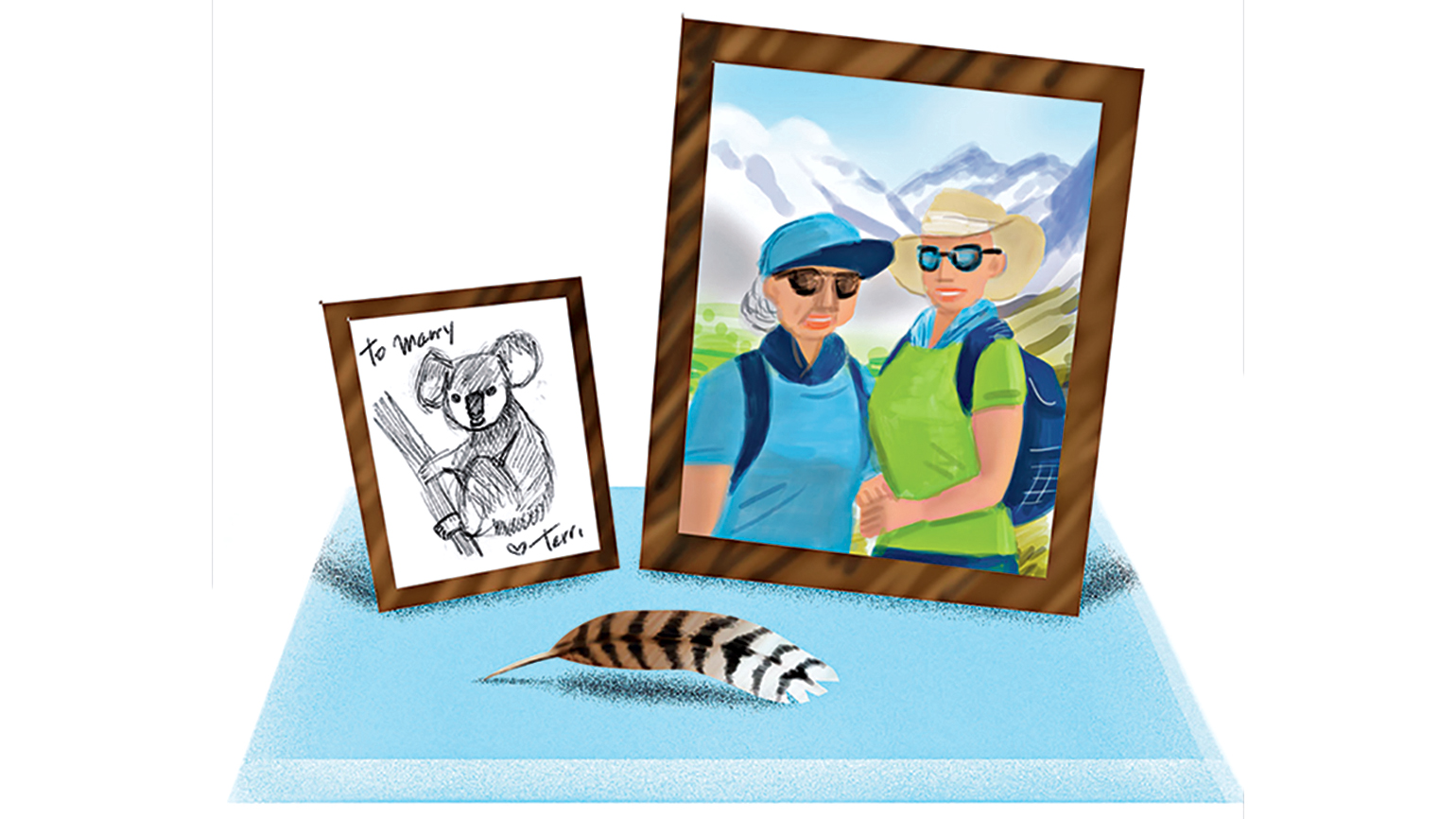
Until a week later, when I saw a Facebook message from Terri, who’d also been on the tour. During the trip, we discovered a shared penchant for silliness—and that we didn’t live far from each other. Had we known each other growing up, we probably would have gotten into trouble together!

“Mary, I so enjoyed meeting you. I can’t wait to meet up again! Here are some of my pictures from the trip,” Terri wrote. Looking at everyone having a good time brought a smile to my face.

“Wow,” I wrote back. “Like Australian kookaburras, we really are birds of a feather!” The more I reflected on the memories of this once-in-a-lifetime trip—seeing God’s handiwork in the scenery, holding a koala and meeting wonderful people—the more my fog lifted. Terri and I made plans to get together. Why let the vacation feeling end?

Learn more about Someone Cares greeting cards!

Did you enjoy this story? Subscribe to Guideposts magazine.

Someone Cares: Sweet Story

My literacy group could use some more volunteers,” a friend told me shortly after I retired from teaching prekindergarten. “Would you read to kindergarteners once a week?”

Would I? I jumped at the chance. I still had a ton of children’s books. I also had a great sour-cream cookie recipe, handed down from my mom, that I thought would add a sweet note to the stories.

I made cutout cookies to accompany each book. When I read the kids The Mitten, I made each child a mitten-shaped cookie with his or her initial on it. I told them about the white monogrammed mittens I had worn as a child.

I covered bear-shaped cookies with chocolate icing for our reading of Brown Bear, Brown Bear, What Do You See?

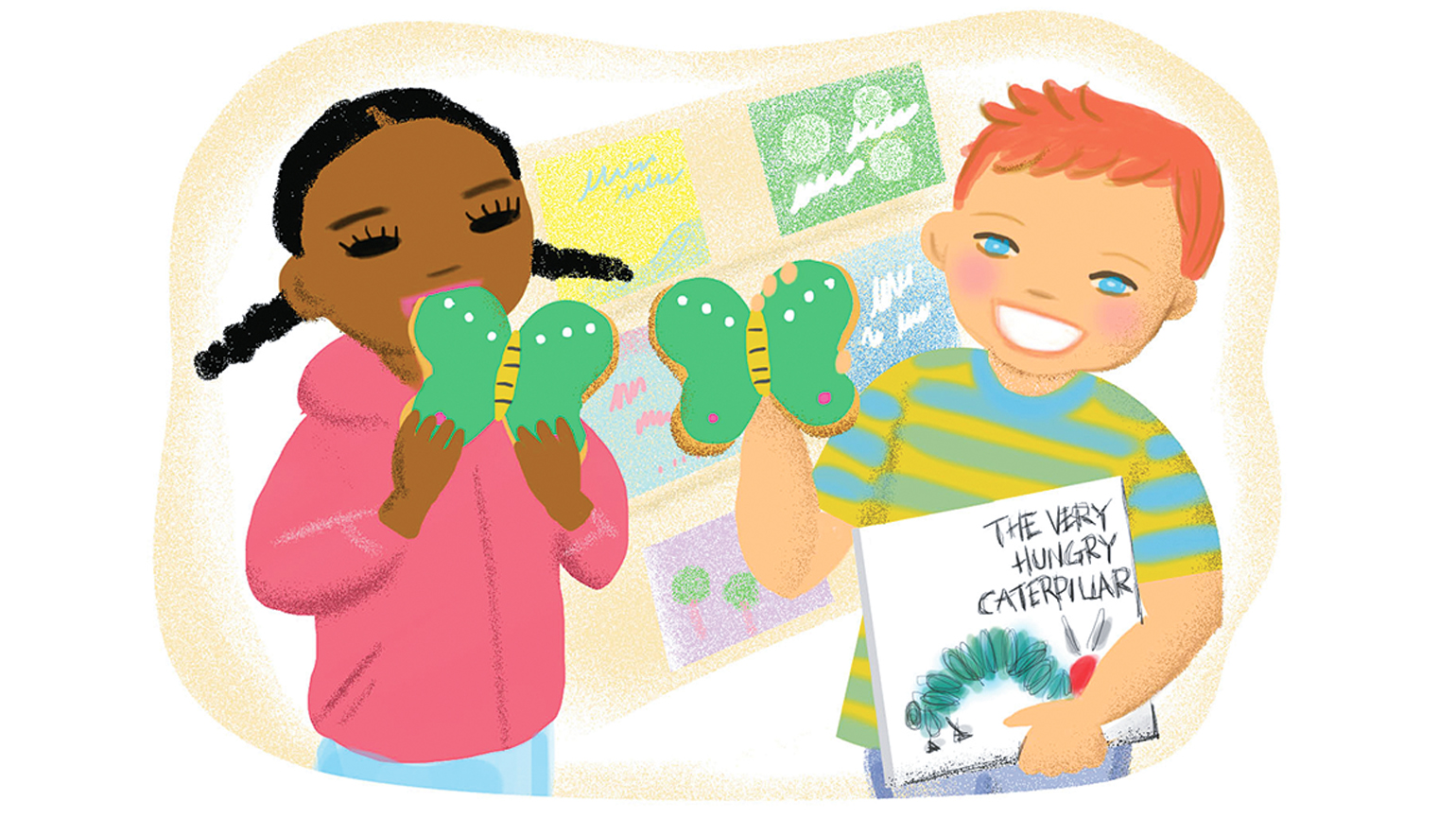
For The Very Hungry Caterpillar, I brought in a caterpillar arm puppet. The children fed it felt food while I read, and at the end of the book, it shed its cocoon and turned into a yellow butterfly. Before I gave out the cookies, I asked the kids what shape they thought I’d made. They guessed correctly—butterflies!

One of the teachers told me once that there was little the kids looked forward to more than our story time together, but their enthusiasm was the real treat for me.

Learn more about Someone Cares greeting cards!

Did you enjoy this story? Subscribe to Guideposts magazine.

Someone Cares: Stuck On You

My military family of five relies on air travel to get back to Wyoming at Christmas. There are no direct flights. It’s stressful, expensive and usually frustrating to make our way through multiple airports.

A few years ago, I packed smiley face stickers in my daughters’ carry-on bags, hoping to keep them busy on the plane. My oldest, Morgan, found them while we were waiting in a mile-long check-in line and handed them out to everybody who helped us.

By the time we made it through all three airports, she had a whole spiel worked out. “Thank you for helping us go to Wyoming,” she said. “We live here because my dad is in the Army, but we’re going to Grandpa’s house….” Everybody stopped to listen: the check-in agent, the TSA agent, restaurant workers, the woman who changed seats so we could all sit together, flight attendants, rental car clerks. We saw more than a few faces light up.

Now we always pack stickers for our holiday travel to give to the people who help us get home. Thanking them takes only a couple seconds, but watching my children express their gratitude and seeing the appreciation from the people they’re thanking get me in the holiday spirit.

Learn more about Someone Cares greeting cards!

Did you enjoy this story? Subscribe to Guideposts magazine.

Someone Cares: Stop and Chat

I live on the very busy main street of a small town. More and more I noticed my neighbors hurrying by, so focused on their cell phones that they didn’t even look up as they went down the sidewalk. Sometimes I’d have to say hello two or three times before anyone responded.

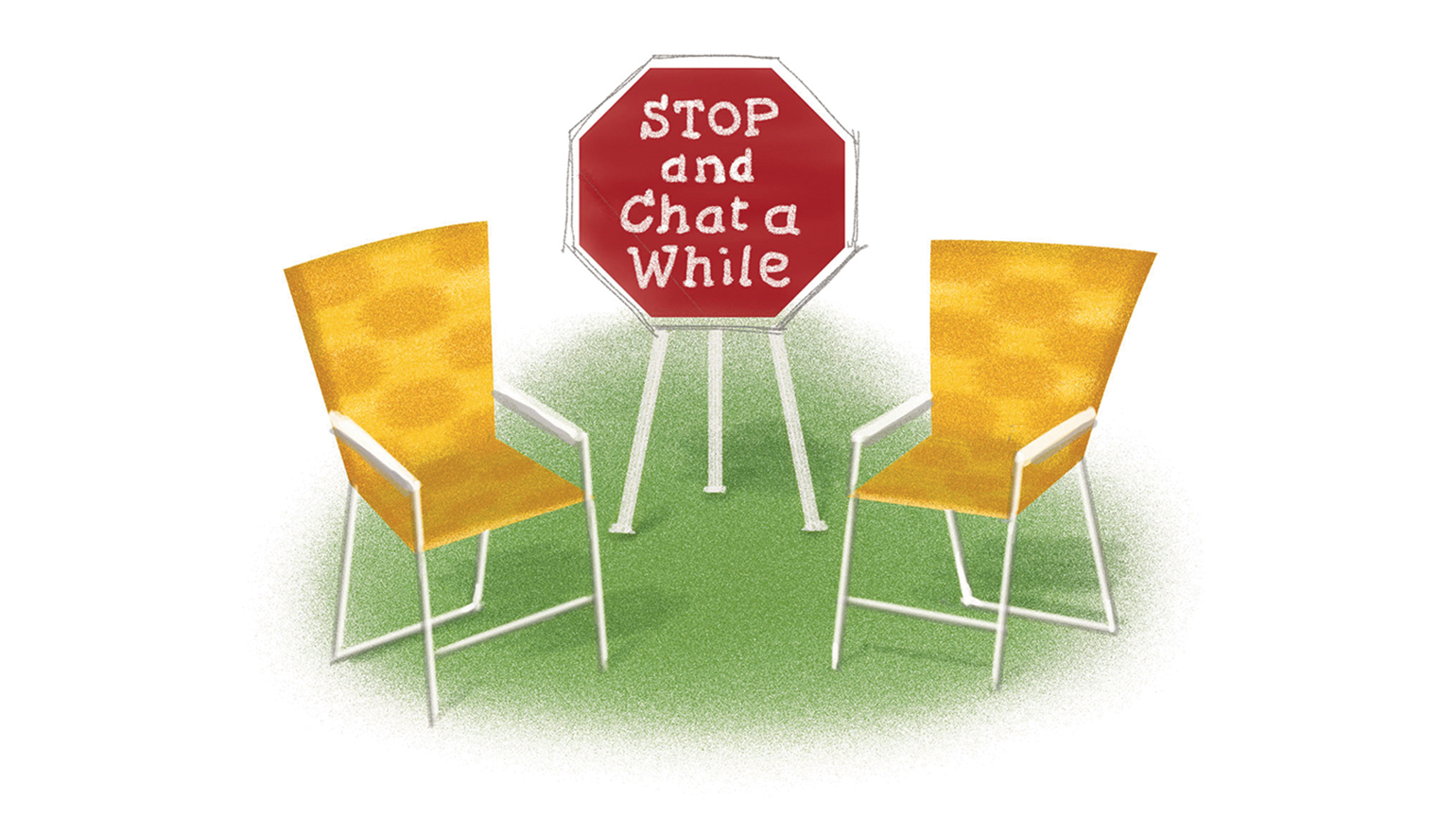
I had an idea. I made a sign that said Stop and Chat a While and put it up in my front lawn. Would anyone take me up on it? All kinds of people did! A grandmother pushing her grandson in a stroller; two young brothers, who shook hands with me; guys covered with tattoos, riding their beat-up skateboards; a woman on her way to the post office (she would come back just about every day to talk about the world’s problems).

My favorite visitor of all was my five-year-old neighbor, Laynie, who played with a plastic tea set I would bring out just for her. Word got out about my sign and people started asking me about it when they saw me at the grocery store, the post office, even church. I invite them— and everyone—to stop by. I love hearing my neighbors’ stories. Sometimes I even make cookies to share while we visit.

Want to get to know your neighbors better? Put up a sign!

Learn more about Someone Cares greeting cards!

Did you enjoy this story? Subscribe to Guideposts magazine.

Someone Cares: Prayer Bears

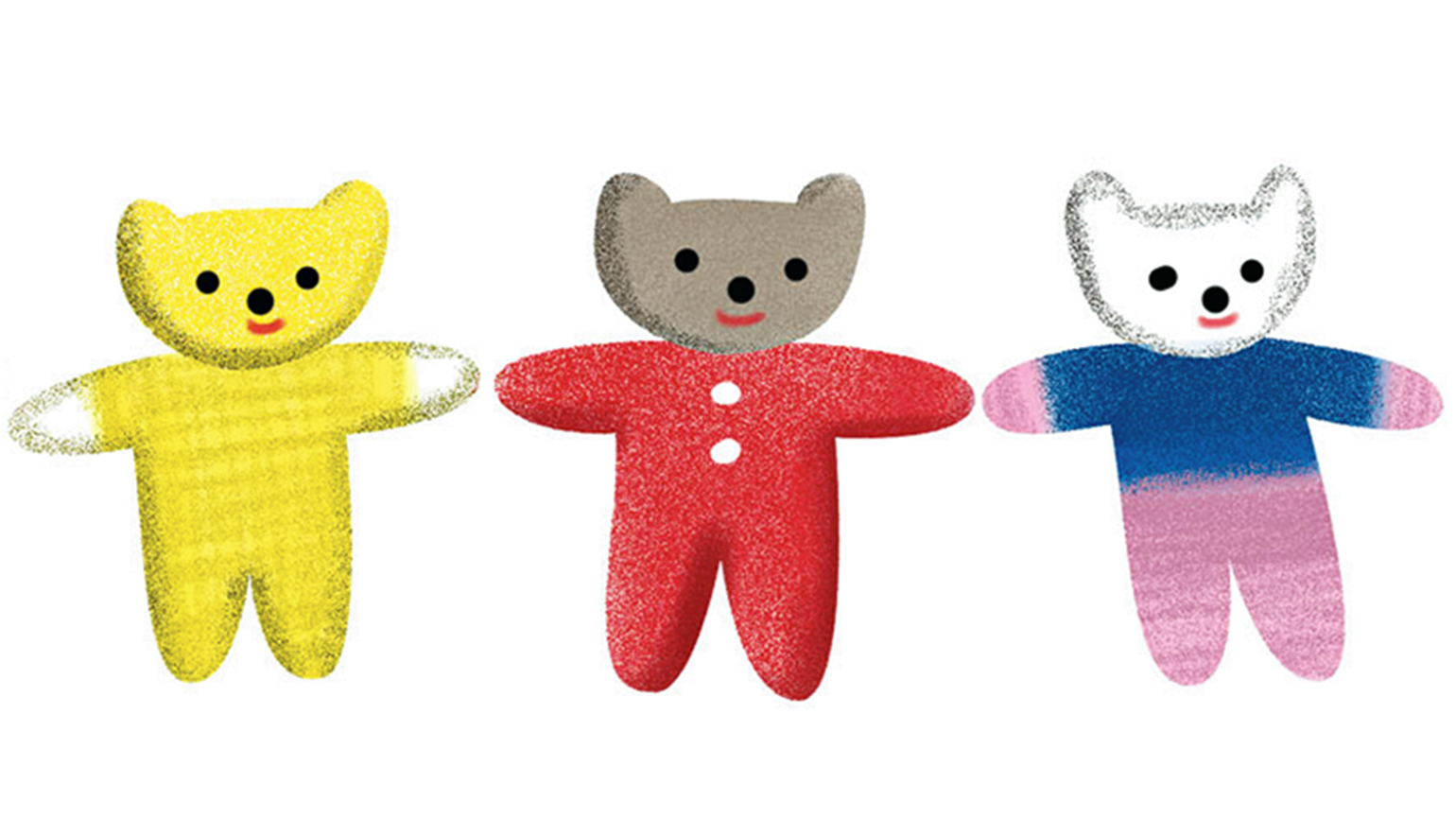
My mother-in-law, Audrey, is a knitter. Friends and family have received blankets, sweaters, hats and dolls. For the past 10 years, she’s been knitting “Prayer Bears.” She got the idea and pattern for the six-inch bears from a newspaper article. She adds a little pouch and a note that says, “God Loves You.”

I think everyone in town has a bear now. Audrey keeps a few in her purse so she’s ready if God shows her a person who needs a little TLC. She’s given them to neighbors, repairmen, staff and fellow patients at her doctor’s office, as well as visitors and children at church. Even the new pastor! Children and adults alike appreciate the extra blessing.

Audrey’s elderly friend Priscilla got two bears: a pink one to take to the hospital with her when she got sick and a blue one when she moved into a nursing home.

Friends say Audrey deserves a big bear hug for how much comfort her bears bring. I have to agree.

Learn more about Someone Cares greeting cards!

Did you enjoy this story? Subscribe to Guideposts magazine.

Audrey has agreed to share her pattern with Guideposts readers:

Prayer Bear Pattern
Size 8 needles
Cast on 36 stitches. Knit 22 rows.
Next row knit 2 together and across 18 stitches. Knit 3 rows
Next row increase 1 in each stitch across 36 stitches. Knit 22 rows

Legs
Next row knit 18 stitches. Turn. Knit 22 rows.
Bind off
Join yarn, and work 1 row 18 stitches for 22 rows (use stitch holder)
Bind off
Use stitch holder for remaining 18 stitches

Arms – make 2
Cast on 12 stitches. Knit 16 rows
Bind off

Finish
Sew center back seam of bear, leaving an opening for stuffing
Sew across to head.
Sew legs closed.
Stuff bear
Sew arm seams and stuff.
Sew arms on bear.
Sew stitches to create ears.

Make pocket
Cast 12 stitches. Knit 6 rows.
Sew on bear for pouch.
Put note in pouch: “God loves you” or other prayer message.
Decorate as desired with eyes, nose, mouth, ribbon around neck, etc.

Download Audrey’s pattern in PDF format (right-click on PC; control-click on Mac).

Someone Cares—Pass It On: He is Risen Just as He Said

It was Easter. But this particular Sunday I was far away from my native New England, in Honolulu, Hawaii. I was uncertain as I walked slowly from my hotel to church. Would it really seem like Easter in a strange city and a strange church? I missed being home.

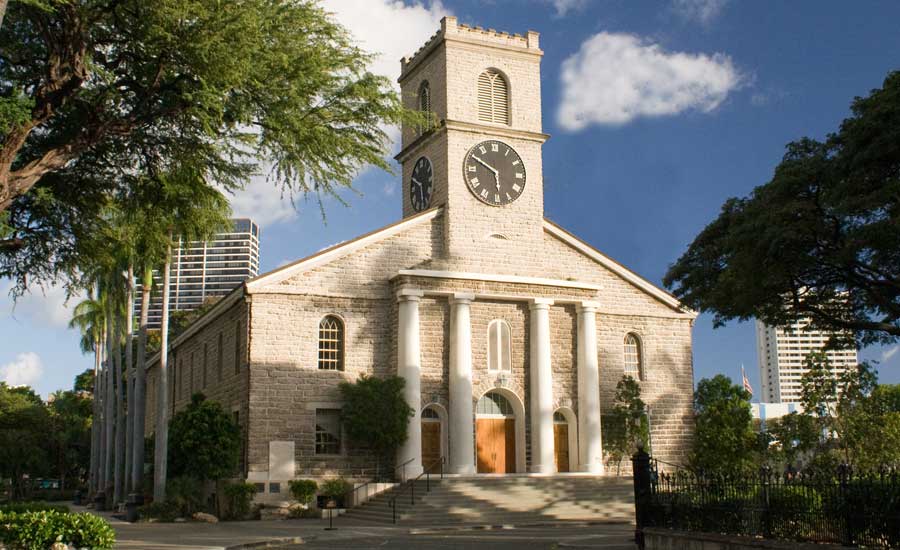
As I entered Kawaiaha’o Church, I was awed by the clean, simple beauty of the building as well as by the sheer glory of the magnificent flowers which filled every available bit of space.

The members of the University of Hawaii concert choir filled several long rows in the large church. Their faces were delightfully youthful, glowing and fresh—I could not even guess how many races were represented.

As my eyes went from face to face, I understood what made Hawaii such a special state—so many backgrounds, so many rich heritages.

When the time arrived for the choir to sing, the director stepped forward with his pitch pipe. He approached the girl on the end of the first row and blew the tone of the pitch pipe softly into her ear. At once the girl hummed the same true note into the ear of the girl next to her. In turn that young lady caught the tone and sounded it to her neighbor.

As choir member passed it to choir member, the sound of the note grew louder and clearer and more lovely to hear. I felt tears spring into my eyes.

When the music was over, the minister stepped forward and asked that we bow our heads in prayer.

“Let us follow the example of these young people from the university choir,” he prayed. “Let us, each and everyone, allow God to sound a true note of Christianity into our ear and then let us pass this note on to the one next to us so that in time the note will be heard throughout the world.”

Suddenly I was sure it was Easter! And you know—of course it’s my imagination—but whenever I speak out for the Lord since that day, I seem to hear that clear note, growing as it is passed on.

Learn more about Someone Cares greeting cards!

Did you enjoy this story? Subscribe to Guideposts magazine.

Someone Cares: Hungry for Connection

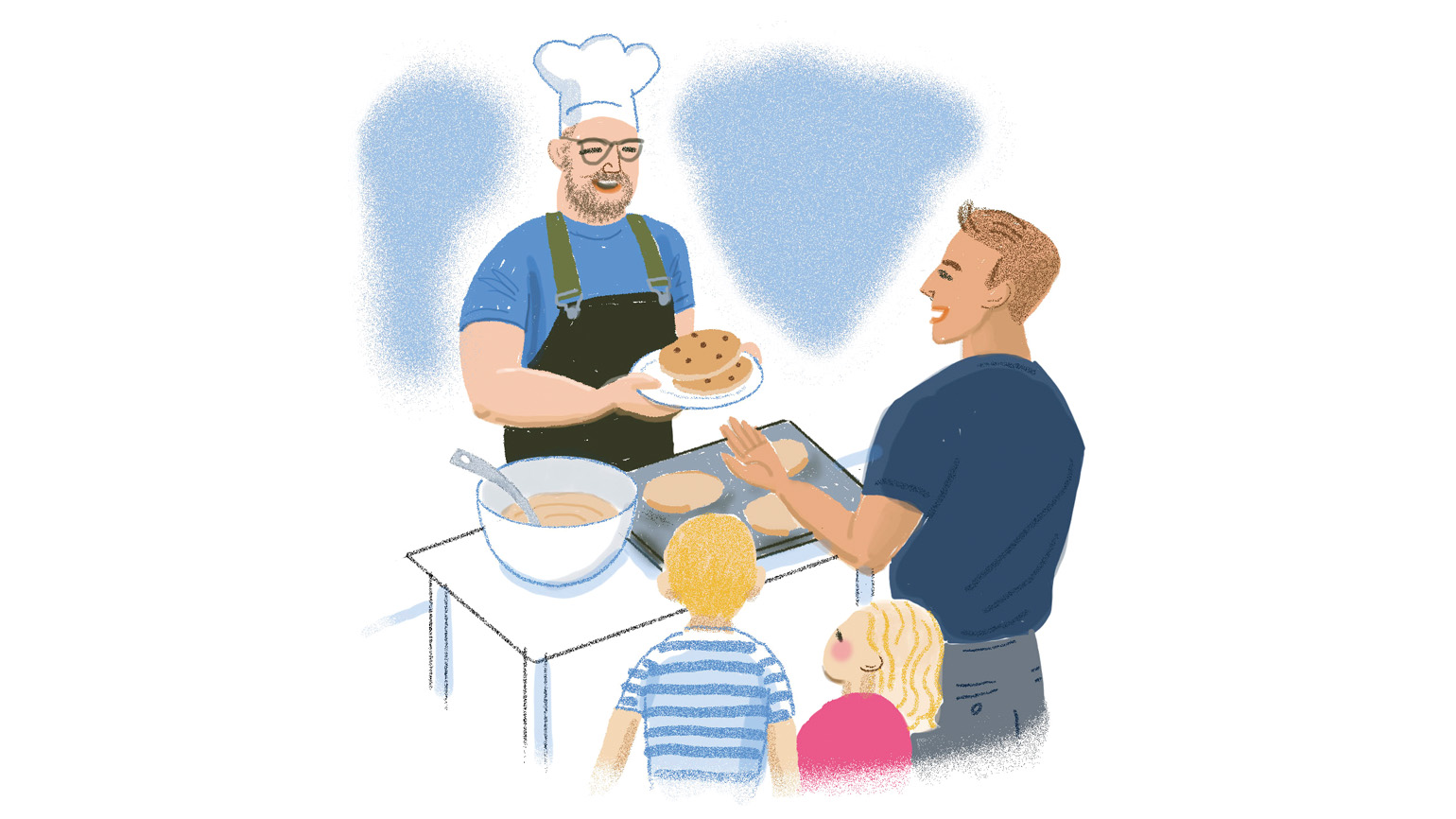
In January 2022, after months of pandemic lockdown, I was looking for a way to reconnect with my neighbors. I had the idea of hosting a free pancake breakfast in front of my house. I put up flyers around the neighborhood that read, “My wife says I’m getting weird. She says I need to make friends. So I’m making pancakes.” I wasn’t sure if anyone would come, but on the following Saturday morning, I set up a table on the sidewalk, turned on my electric griddle and started cooking.

Right away, the neighbors from two doors down showed up, excited. All told, more than 75 people came to enjoy pancakes—plain, blueberry or chocolate chip—and conversation. They brought their kids and dogs, which made it fun for my kids. People stayed to chat, reconnecting with some neighbors and meeting others for the first time.

It was so much fun that we’ve hosted more pancake parties in our neighborhood. My hope is that the idea spreads around the country. People need each other, and pancakes are a great way to bring us together.

Learn more about Someone Cares greeting cards!

Did you enjoy this story? Subscribe to Guideposts magazine.