Embrace God's truth with our new book, The Lies that Bind

Flooding in the Midwest: How You Can Help

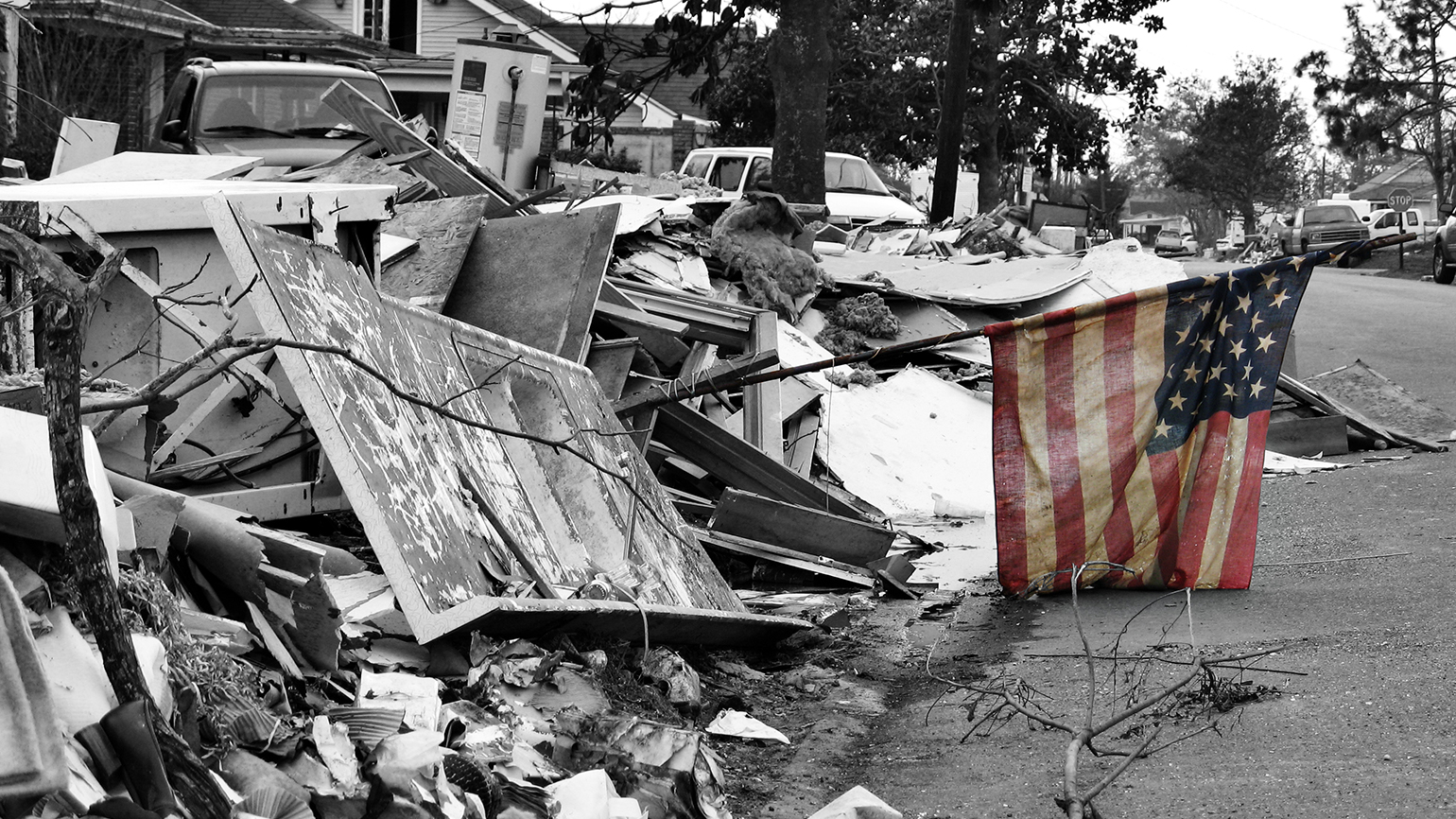
Record-breaking floods continue to sweep through Missouri, Nebraska, Iowa and South Dakota, wreaking havoc on neighborhoods, farms, and small towns, USA Today reports. This just weeks after the region was hit with heavy snow.

The toll has been heavy, with destroyed farmland, machinery and livestock across the states. Thousands of families, forced to evacuate their towns, are returning to find their homes, businesses and roads still underwater. The New York Times is reporting, “three people have died and two Nebraska men have been missing since flooding began.”

The damage, which has not been assessed yet, is expected to hit the billion dollar mark, officials said, and many of those impacted are going to need all the support they can get. Here is a list of local and national organizations bringing their resources together to help flood victims in the Midwest.

The Salvation Army
The Salvation Army compiled a list of all the site and community centers in Kansas and Missouri providing emergency and disaster relief.

Mills County Foundation
This local foundation based in Mills County, Iowa partnered with the Omaha Community Foundation to support flood victims through the Mills County Flood Fund. The fund is being facilitated by the Mills County Public Health agency, according to KMTV 3 News Now, and is available to the entire Mills County. The Omaha Community Foundation also created a resource page with a list of organizations in the Omaha region collecting donations and providing assistance to flood victims.

United Way of the Midlands
The Omaha-Council Bluff based organization set up a flood relief fund to support other local organizations giving emergency shelter, food and other services to flood victims in Nebraska and Iowa.

Nebraska Farm Bureau
Donors can support the Disaster Relief Fund at the Nebraska Farm Bureau Foundation, which is providing emergency aid to farmers, ranchers and the rural communities in Nebraska devastated with the flooding.

Convoy of Hope
Convoy of Hope is asking for donations and working closely with churches, community partners and other emergency management offices throughout the Midwest to distribute disaster relief supplies. The organization’s Disaster Services team has distributed nearly 300,000 pounds of supplies—including bottled waters—to communities across the Midwest, according to the Convoy of Hope’s website.

As always, be diligent in your research of any charities asking for donations following natural disasters. When in doubt, consult watchdog agencies like Charity Navigator or Better Business Bureau’s Wise Giving Alliance.

Finding Peace in a Dog Named Cheeseburger

I couldn’t put my finger on why, exactly, but I had been feeling far away from God lately, like he wasn’t really hearing me.

A case of the spiritual blues, I guess.

The sweltering heat didn’t help—August here in Georgia can get pretty unbearable. It was 100 degrees today, and really sticky. I turned up the air conditioner in my car full blast, ready to head home from my errands.

That’s when I saw the dog.

He lay on top of a lumpy Army-green duffel bag right on the walk outside Applebee’s restaurant. No shade. Sleeping, or at least I hoped he was. Why, he could be dead in this heat!

I pulled in and found a parking spot then I hurried over to the dog. I bent down. “Hi, fella. You thirsty?”

I love dogs and they like me. But this one—he was medium-sized, black, graying around the muzzle—opened one eye, then shut it and turned his head away from me. Deliberately. His tail didn’t budge.

He had a collar, and by the way he was guarding the duffel bag, I figured he was waiting for his owner, who was no doubt sitting inside the restaurant in air-conditioned comfort!

I stormed into Applebee’s, ready to do battle. Right away, I spotted the owner. He sat alone at the counter, a tall glass of iced tea in front of him. Longish wavy blond hair and a goatee.

Thin, like he didn’t always get enough to eat. He was wearing jeans that had seen better days, but they were clean, though his hands had what could have been faint paint stains. He seemed to sense me coming and turned on the stool to face me.

“That your dog?” I demanded.

“Yes, ma’am, he is.”

“He’s in the sun and has no water. I imagine he’s hungry too.” I must have raised my voice because some people stared at me. “Dogs like me, but he wouldn’t even open both eyes when I spoke to him.”

The man broke into a slow, easy grin. He slid off the stool. “That’s because he hasn’t been properly introduced to you. Come on. I’ll do the honors.”

Introduced? I followed him outside.

He squatted down next to the dog, who sat up and fastened his eyes onto his owner. His tail came alive.

“Ma’am, I don’t know your name.”

“Marion.” I bent close to them.

“Marion, I’d like you to meet Cheeseburger. Cheeseburger, this nice lady is Marion.” The dog looked right into my eyes and offered a paw.

I took it. “Hi, Cheeseburger,” I said.

He licked my hand and his tail shifted into high gear.

“And I’m Johnny,” the man said.

“Johnny, I’m afraid he’s thirsty.”

“Oh, he’s okay,” he said. “This spot was shady when I left him here just a few minutes ago.” Johnny picked up his duffel bag. “We’ve been together for nine years. See, his collar has my cell phone number on it, and he’s been vaccinated.”

Johnny moved his bag beneath a Japanese maple tree and Cheeseburger settled down there beside it, in the shade. “How far do you live from here?” I asked.

“Not far,” he said. “Back in those woods across the street. We have a good tent.”

“But couldn’t you go to a shelter?”

“They won’t take Cheeseburger, and I don’t go anywhere without him,” he said.

Each time he said Cheeseburger, the dog’s tail flopped back and forth joyfully.

“Johnny, I’m not going to be able to drive off without first getting Cheeseburger some food and water,” I said. “It’s not you. It’s just, well, I have this thing about dogs…”

“Okeydoke, if it’ll make you happy,” he said. “I’m going back in now and finish up my drink. It was nice to meet you, Marion.”

I zipped into Walgreen’s and came back with a bowl, a big bottle of cold water, a small sack of dog food and a bone. Then I went in and fetched Johnny from the restaurant. “I thought you should be with me when I give the food and water to Cheeseburger,” I told him.

“Okeydoke,” he said. Cheeseburger stood as Johnny and I approached. I set the food down and he nibbled at it—mostly to be polite, I think. He did lap up quite a lot of water.

“I guess he was thirsty,” Johnny said. “Thanks. I’m not going to start giving him bottled water, but don’t worry, I take really good care of him.”

“And who takes care of you?” The words flew out of my mouth before I could stop them, and I knew they sounded sharper than I intended.

Johnny didn’t seem to mind. “Here’s the way it works,” he said gently. “Every morning me and Cheeseburger step out of our tent and look up at the sky. And I say, ‘Lord, we belong to you. We trust you. Take care of us another day. Thank you.’ And then at night when we lie down to sleep, I look out at the stars and say, ‘We still trust you, God.’” He smiled again—that slow, easy grin.

I smiled back. There was just something about his eyes I liked. “Maybe I’ll see you and Cheeseburger again sometime,” I said.

“Okeydoke. Me and Cheeseburger come here or head over to McDonald’s most mornings. Then we walk down toward the post office. I’m a painter by trade, hoping to find some work.”

There was a genuine peace about Johnny, even in the face of my unkind accusations.

I fished around in my purse and found a twenty. “Could I give you this?” I asked hesitantly, not certain how to go about it.

He didn’t reach for the bill, just kept looking at me with that contented expression. “You don’t have to. We’re doing pretty good.”

“I’d like to. Very much.”

“Then I thank you, Marion. God bless you.”

I got back in my car and turned on the air conditioner. At the red light, I leaned forward and gazed up into the blue cloudless sky. “Lord, I belong to you. I trust you. Take care of me today. Thank you.”

The light changed. I pulled out onto the highway, feeling refreshed, not so much by the cool air but by an unmistakable peace, the same peace I had seen in Johnny’s eyes.

Did you enjoy this story? Subscribe to Guideposts magazine.

Finding Faith and Saving a Life

I put up my new 1994 calendar in the kitchen, feeling like I’d finally gotten my life back on track. The past year since my divorce had been a long, hard struggle, but my three boys and I had adjusted to our single-mom household.

My job at a furniture factory kept food on the table and paid the bills. And I’d started going to church again with my mom. I couldn’t quite believe as she did that God had a deep, personal interest in our lives—I figured he had more important things to worry about than me—but I definitely found comfort in being closer to him.

One morning toward the end of January I saw the boys onto the school bus and was about to leave for my shift when the phone rang. “I’m from the Red Cross,” the caller said. “I got your name from a bone-marrow donor registry.”

Donor registry? Then I remembered. Two years earlier I’d seen a picture of a baby in the newspaper. Something in his big blue eyes called out to me, so I read the article. The baby needed a bone-marrow transplant, and the story pleaded for people to go to the Red Cross and take a simple blood test to see if their marrow could save the baby’s life.

Back then things had just about hit rock bottom for me. My marriage was falling apart, and I worried about what it was doing to the kids. I’d had to watch my dream of finding work where I could really see myself helping people, like physical therapy, get swallowed up by the grind of the factory job I’d taken to make ends meet. Well, maybe even a failure like me can help someone, I thought. So I’d gotten tested. Although I hadn’t been a match for the baby, I felt better having at least tried to do something for someone else. But with my husband and I going our separate ways, and all the stress of starting over on my own, I forgot about the donor list until the person from the Red Cross called that morning.

“There’s a chance that you’re a match for a 24-year-old woman with leukemia,” she said. “Could you come in for another blood test? If you’re still willing to become a donor, that is.”

“I’d like to try,” I replied slowly, that old longing to do something for someone else stirring in me. I’d been blessed with good health my whole life. Maybe this was my time to share it.

I turned out to be an almost perfect match for the woman with leukemia. “Only an identical twin,” a doctor informed me, “could be a better donor.” I looked over the booklet on bone-marrow transplants. Even though the picture of the equipment used in the procedure made me shudder—I didn’t know they made needles that long!—there wasn’t any question in my mind that I’d go through with it.

My kids were too young to understand what a bone marrow transplant involved, but my mom was afraid something might go wrong. “I’m putting your name on the prayer chain at church,” she insisted. I wasn’t real big on prayer, but I figured it couldn’t hurt.

On March 10 I went to the transplant center just across the state line in Minneapolis. I was so nervous that the doctors teased me about how badly my hands were shaking. But before I knew it the procedure was over, and the marrow extracted from my pelvic bones was on its way to that 24-year-old woman, who was waiting at another hospital somewhere in the United States.

Except for some soreness that went away pretty quick, I didn’t have any aftereffects from the procedure. I couldn’t stop thinking about it, though, wondering how the woman who’d received the marrow was doing. By law we weren’t allowed to know each other’s identities until a year after the transplant, so all I had to go by were the regular updates from the Red Cross. They said she was suffering complications: double vision, unexplained fevers, graft-versus-host disease.

It worried me enough that I asked Mom to add the woman to the prayer chain. In September the Red Cross told me that the recipient was home from the hospital. It looked like the transplant had worked!

Things in my own life took an upswing after that. Around Christmas I started dating Randy Bertrand, a friend of mine from the factory. I liked how he gave me a smile whenever he drove the forklift by my workstation, and stuck around to help me finish my work when my neck was aching one day. He was the kind of guy I could count on.

On the one-year anniversary of the transplant, the Red Cross sent me a letter with the recipient’s name and address: Rhonda Dietze, Medford, Wisconsin—only 75 miles away! Pretty soon we were trading letters, photos and phone calls.

“I don’t know what to say,” Rhonda confessed the first time we talked. ‘Thank you doesn’t seem like enough, considering what you’ve done for me.”

“Well, I have to admit, helping you made me feel better too,” I said. “I’m just glad everything worked out.”

“So am I.” Rhonda sounded like she looked in her pictures—gentle, unassuming, sweet-natured. I thought Randy and I were quiet, but she was even more shy than we were. Even though I really wanted to meet her in person, and see for myself that she was doing all right, I decided to wait until she brought it up.

In the meantime we got to know each other long-distance. It was uncanny how many things about Rhonda seemed familiar to me. Like me, she loved kids (she was a teacher), dogs, lilacs and being out in the country. Like my mom, she had a strong faith. “I believe God leads us where we need to be,” Rhonda told me. “We just have to trust him. When my doctors told me I only had a 20-percent chance of survival even with a bone marrow transplant and no one in my family was a good match, I didn’t give up. I kept praying. And God brought you to me.”

I didn’t know what to say. I hadn’t looked at things quite that way before.

Randy and I thought about inviting Rhonda to our wedding in August 1996, but since she didn’t mention getting together I held off, hoping she’d be ready to meet someday.

The following spring Rhonda sent me an invitation to her June wedding to her high-school sweetheart, Kevin Jensen. In May I got a phone call from Rhonda’s sister, Brenda. “I thought I’d surprise Rhonda and invite you to the shower I’m throwing her next Saturday,” Brenda said. “If you’d like to come, I mean.”

“Like to? I can’t wait!”

That Saturday, Brenda had me hide in the bedroom. When Rhonda arrived, Brenda led me to the living room and announced, “Here’s our other guest of honor.”

Rhonda gasped. “Elly?” she whispered, her eyes suddenly glistening. Before I could answer, she threw her arms around me and gave me a long hug.

Stepping back, she said to the other guests, “This is Elly Bertrand—the woman who saved my life.”

Everyone started clapping. “I’m just glad everything turned out okay,” I said, embarrassed they were making a big deal out of something that had taken such little effort on my part. Rhonda was the one who’d really been brave.

It wasn’t until a few weeks later, when I sat in a church practically blooming with lilacs and watched Rhonda walk down the aisle, looking absolutely radiant, that it hit me what a big deal the transplant really was. Rhonda now had a future to look forward to.

For the next year and a half Randy, the boys and I moved several times, looking for a place that felt right. We wanted to stay in Mondovi for the boys’ schools, and eventually we found a trailer home on a farm where I took over the care of the owner’s herd of dairy cattle. Milking 85 cows twice a day got my blood pumping (now that my sons were hitting their teens, I needed the energy), and the rhythm of the work was oddly comforting.

Things for Rhonda weren’t going so well. She tried to stay upbeat in her letters and phone calls, but I could hear a tiredness in her voice. It was Brenda who eventually told me that fall that Rhonda was having health problems because the radiation treatment she’d needed before the transplant had damaged her kidneys.

Then one day last February I found out how desperate her situation really was. I went to check our mailbox, and inside was a thick envelope with Rhonda’s handwriting. I opened it right away and started to read as I walked past the barns to our trailer.

“I have been praying for a way to go about telling you,” Rhonda wrote in her five-page letter. She explained that her kidneys were failing, and her doctor had said her best chance for long-term survival was a kidney transplant. “A bone marrow donor is like a twin since they have the same immune system. My body would recognize your kidney as its own…I feel bad presenting you with my situation when you have already done so much for me…But I felt that I had to at least give you the option to decide if this would be something you’d be willing to consider.”

I stopped dead in my tracks. Donating bone marrow was simple, I thought, but how am I going to make this decision? Rhonda had included the number of the transplant coordinator at the hospital where she’d gone for a consultation in case I needed it. I went inside and called.

“This transplant isn’t something you should rush into,” the coordinator warned me. “It means major surgery for you. And think about whether you want to go through the rest of your life with just one kidney. You could injure it in an accident, especially in your line of work.”

I tucked Rhonda’s letter in my jacket pocket and went to do the afternoon milking. As I tended to the cows, questions moved through my mind in almost the same rhythm, one after another. What would my boys do if something happened to me? What if one of them ever needed a kidney? Or if I injured my remaining kidney? But what if I was Rhonda’s only chance?

There was no way I could make this decision on my own. I knew where Mom and Rhonda would turn. God, I’m not used to this, I prayed, feeling a little unpracticed. But I’m trusting this decision to you. Please let me know what to do.

That night after the boys were in bed, I showed Randy the letter. “You know, my uncle donated a kidney to his brother 30 years ago, and both of them have been fine ever since,” he said. “Whatever you decide, I’m behind you a 100 percent.”

Mom said she’d pray that I would come to the right decision, but the rest of my family bristled at the fact that Rhonda had even asked. “It’s too risky,” they insisted. “It’s one thing to make a sacrifice like that for your own flesh and blood, but… “

The only time I could be alone to think was when I was doing the milking. For the next couple of weeks, every morning and afternoon, the long, narrow cowshed became my prayer chapel.

I read everything I could on kidney transplants… how an incision is made under the donor’s ribs to remove the kidney, how it leaves a sizable scar, how the surgery is harder on the donor than the recipient and might require six weeks of recovery time. I’d been so frightened by a picture of a bone marrow aspiration needle, yet nothing I learned this time fazed me. That’s when I knew. God, I’m so at peace with this whole kidney-transplant thing, it must be what you want me to do. I wasn’t scared at all.

The fifth anniversary of our bone marrow transplant was coming up, the perfect time for me to let Rhonda know. I sent her a vase of silk lilacs, the same color as the real ones at her wedding, along with a note: “I think I’ve made my decision, but my family’s against it. Pray for them to come around.”

When she got the gift, Rhonda called, crying so hard she could barely speak.

Once I passed the pre-transplant medical tests and psychological evaluation, I told the boys. They were really proud of me, and by the time the transplant date arrived, the rest of my family was behind me too.

It felt good going into the operating room on May 5 last year, knowing everyone I loved was supporting me. The surgery went well. Six hours later, a nurse had me up and walking. The next morning, I went down the hall to visit Rhonda.

She was sitting up in bed, a healthier glow on her face already. “Elly,” she said, taking my hand, “I am so thankful God made someone as giving as you.”

I knew how she felt. I was grateful to God too, for leading us, as Rhonda had told me, to where we needed to be. How else would an ordinary woman like me have ended up being a part of something so incredible?


Faith After New Orleans’ Darkest Days

What a year this has been! Even as little as six months ago, I couldn’t have imagined what lay ahead. If I’ve learned just one thing from this past year—and I’ve learned a lot—it’s that life can change completely in the blink of an eye.

Back in August, the last person I thought I’d be on the phone with was piano player Harry Connick Jr., a beloved son of the Crescent City. All I cared about and was praying for then was the safety of my own family in and around the Big Easy. You might remember my story in the November 2005 issue of Guideposts. Since we prepare the magazine in advance, I told my story in the immediate aftershock of Katrina. When we went to press there was so much we still didn’t know.

Now some time has passed, and this Christmas, believe it or not, we’re going to count our blessings. Mama called me the other day. “Colleen, I don’t care what’s happened. This will be the best Christmas ever.”

I had to swallow a lump in my throat before I replied. “I know what you mean, Mama.” She has certainly been on an emotional roller coaster these past months. We had good news and bad news as the waters receded from Katrina then rose and receded again in the wake of Rita.

Best Christmas ever? I didn’t know about that. In the excitement of the holidays, and with the way our culture moves so fast these days, I wondered if the poor people of the Gulf Coast would be forgotten. I could no longer turn on CNN at any time and see pictures of New Orleans with up-to-the-minute reports of what was happening.

My new worries extended far beyond my own family’s troubles to the entire Gulf Coast region and what we could honestly expect over time. How would we keep the country’s attention focused on our crisis when we knew there were other challenges at hand? Had the media moved on before we’d had a chance to address this tragedy with all our collective might?

It didn’t seem right to be buying Christmas presents when there was so much work to be done, rebuilding neighborhoods and schools, churches and levees. Lives, families and entire communities were still torn asunder.

I knew that Harry Connick Jr. was involved with Habitat for Humanity and dedicated to the long-term effort to rebuild the Gulf Coast. Guideposts arranged for me to talk to him.

“I’m from Metairie,” I said by way of introduction. “We used to see you at church with your daddy sometimes at St. Louis King of France. My brothers went to Jesuit”—Harry’s high school too—”and my parents are friendly with your aunt Jessie and uncle John.”

“Cool,” Harry said. “I used to go with a girl from Metairie.” Famous or not, every New Orleanian was connected in one way or another. If you reached back far enough and told enough stories, it would come out that somebody knew somebody that you knew. Probably because people who grew up in New Orleans tended to stay there. Harry and I are unusual in that regard. We’d moved to New York.

“I was up north when I got a call from my dad saying Katrina could be a bad one,” Harry said. “He and my stepmom left for higher ground. Hurricane passed. We thought we could breathe easy. A day later I couldn’t believe the images I was seeing on TV.”

Harry did exactly what I wanted to do but couldn’t: He went back. Right into the chaos. “These people,” he said, “our people, needed help and nobody was coming. Nobody! I took what I had and hoped it would bring attention.”

It had worked. Harry took two boat trips into the city, both broadcast on the Today show. He passed people wading chest-deep in water, plastic bags of possessions held high above their heads, their whole lives in bags. Some asked for food or water or where to go for rest.

“We ferried people from their porches to our SUV, and on to shelter. Some insisted on waiting it out. They didn’t want to leave their homes, much less their city. Some of these people had never been out of their neighborhood. The water would go down; they’d just wait.”

Some think we move slow down in New Orleans. I say we’re patient. You learn to wait things out. Like floods. “Yeah,” said Harry, “the water recedes; maybe you have to get new carpets. So what. Hurricanes were just something we got. Remember when we were kids? You grow up with the excitement of them. ‘Hey, hurricane’s coming. School’s closed!’ You know something powerful is on the way, but you know it’ll pass, and maybe you’ll get to splash around in the street, cool off some.” Not that you needed a hurricane for street flooding. A good summer rain would put water in New Orleans.

Harry took a boat to the neighborhoods uptown. Everything looked pretty dry around his dad’s house and Harry reported to him on his cell phone. “You could actually walk around much of the French Quarter downtown,” Harry said. It sits on pretty high ground for New Orleans. But the highest ground in New Orleans, at least in a spiritual sense, is St. Louis Cathedral in Jackson Square.

“We passed by Jackson Square and the cathedral. That’s where I got married.” The proud symbol of our city, one of the oldest cathedrals in the United States, was miraculously unscathed. Harry walked around back to the courtyard, anxious to check out the marble statue of Jesus, who stood guard among the tall oak and magnolia trees, his arms outstretched over the city.

“The courtyard looked like a war zone,” Harry said, shocked. “Two huge oaks toppled over. Torn from the ground. Root systems taller than me.” The trees lay side by side in a tangle of dirt and broken branches. Chaos. Except for what stood in between: The statue of Jesus, untouched, save for a couple fingers. At the statue’s base is an inscription: J’ai confiance en vous. “I have confidence in you.”

“I have faith in my brothers and sisters of New Orleans, Colleen. You can flood the streets, you can burn the buildings, you can leave the city unprotected. But you can’t destroy the spirit of the people who live there. This is why we go to church on Sundays. This is what we’ve been getting ourselves ready for.”

I heard what Harry was saying. This was why we practiced our faith, in church on Sundays and all the days in between. Because there would come a time when we’d have to buckle down and use the faith we’d built up. Put it to the test. Draw on it as a resource of strength and reassurance in our desperate time of need.

There are a million things you can do this holiday season and beyond. A ton of good organizations need your help and your dollars. Visit How You Can Help Katrina Victims to find out more. “Me,” Harry said, “I’m working with Habitat for Humanity‘s hurricane recovery effort, Operation Home Delivery, on the Gulf Coast. We need houses to come home to. We need to rebuild our schools, our churches and synagogues, our communities. This is going to take a while and we will have to stay committed for the long haul. It’s not a short-term deal.”

Like I said, we are patient down in New Orleans. And we will have to be. We will have to ask all who help us to be, to stand by us and support us long after the floodwaters recede. With all of us working together, in faith, we’ll make a new beginning for the Crescent City and the entire Gulf Coast. What better time to celebrate a new beginning than Christmas, when a son born to the world meant rebirth for us all? Yep, Harry’s right. This is why we go to church on Sundays.

Everyday Greatness: Tables Where All Are Welcome

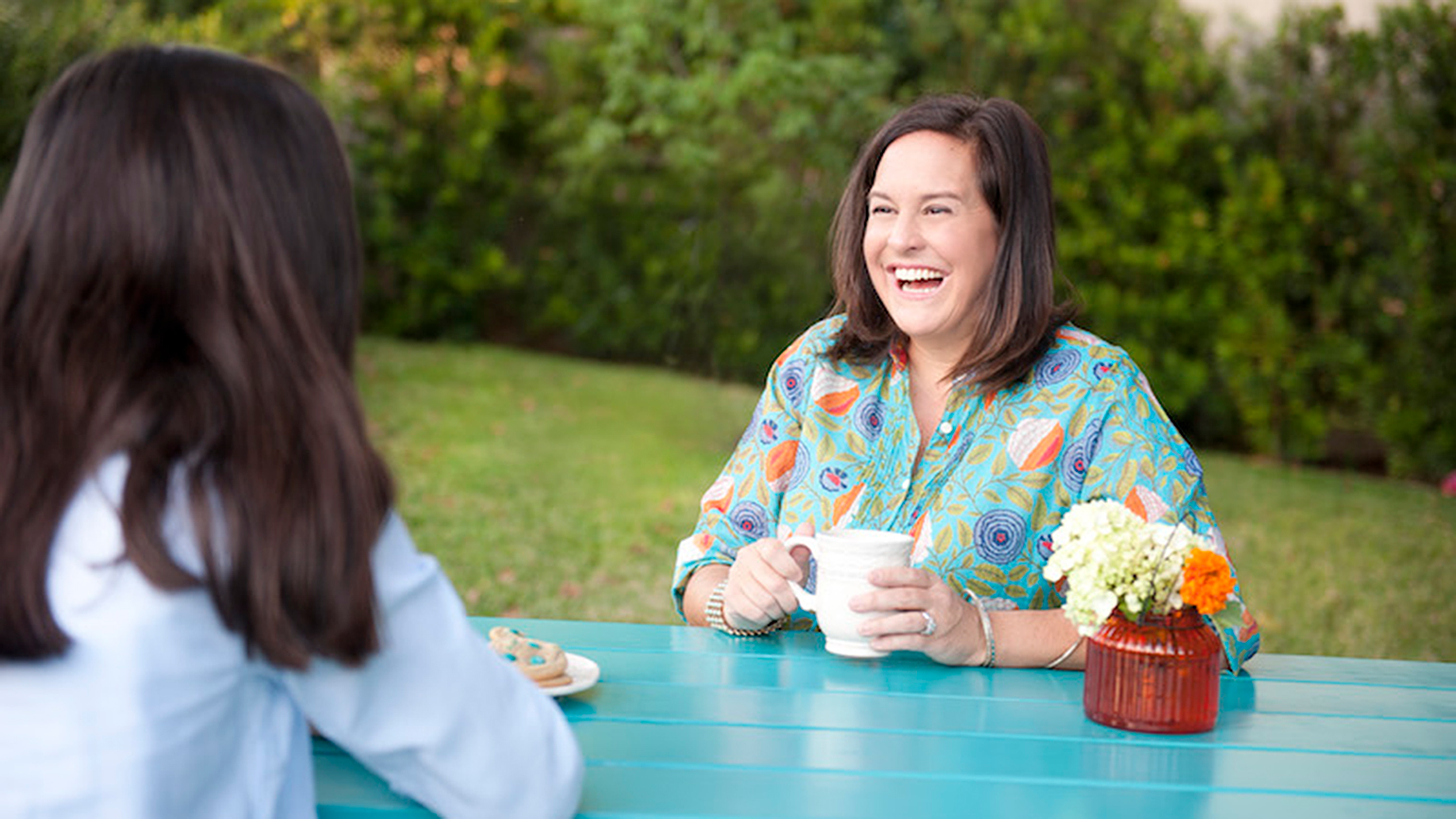
WHO SHE IS Kristin Schell is the founder of The Turquoise Table, a movement of ordinary people who want to create community right in their own front yards. Ten years ago, she and her husband and their four children moved to a new home in Austin, Texas.

Kristin knew God had given her the gift of hospitality, and she tried to connect with her new neighbors by hosting Bible studies and playgroups. But those activities required planning ahead and coordinating schedules, not to mention cooking and cleaning.

One day, Kristin needed backyard furniture for a party and bought a few picnic tables from Lowe’s. The delivery driver set one table down in her front yard by mistake, and Kristin couldn’t get the image out of her head. “After the party, I painted the table turquoise—my favorite color—and put it in the front yard, just a few feet from the sidewalk,” she says.

WHAT SHE DOES That turquoise table became the place where Kristin and her kids hung out. Activities they used to do at the kitchen table, they now did out front at the picnic table. They played games, did crafts and ate snacks. “We got intentional about where we spent our time,” Kristin says. “We became ‘front yard people.’”

Neighbors began to stop by to introduce themselves and sit down for a chat. Kristin invited people to join her at the table for coffee or iced tea. “It was a simple way to slow down and connect with others,” she says. The turquoise table was inviting and had a communal feel.

Construction workers on jobs in the neighborhood took their lunch breaks at the table. A babysitter walking by with her young charges sat down to rest. Then neighbors asked Kristin if their family could put a picnic table in their front yard too. A movement was born.

WHY SHE DOES IT People often hesitate to invite others into their homes. They think their house is too messy, it’s not big enough or they don’t have enough time. “Our perfectionism can cause us to miss out on the joy of connecting with others,” Kristin says. Her picnic table takes away the excuses—and the pressure.

“I’ve learned that hospitality doesn’t always mean entertaining people with a meal or a big party. At the picnic table, all I have to do is show up.” She likes how it enables her to take a small step toward easing loneliness and building relationships in her community. “People’s greatest need is to know that they are loved and that they belong,” she says.

HOW SHE DOES IT A decade after their Texas beginnings, thousands of Turquoise Tables exist in all 50 states and in 13 countries around the world. Not all of them are actually turquoise. Texas Christian University in Fort Worth has several purple tables to match their team colors, for example. “No matter what color it is, it’s a friendship table,” Kristin says.

HOW YOU CAN DO IT TOO Want to build relationships in your community with your own Turquoise Table? You don’t even need a front yard to do it! You can set up a table in the courtyard of your apartment or senior living complex, at a community center, in a neighborhood garden or at your church. Anywhere people naturally gather makes a wonderful spot for a Turquoise Table. For morce information on joining the movement, visit theturquoisetable.com.

Everyday Greatness: Painting to Change the World

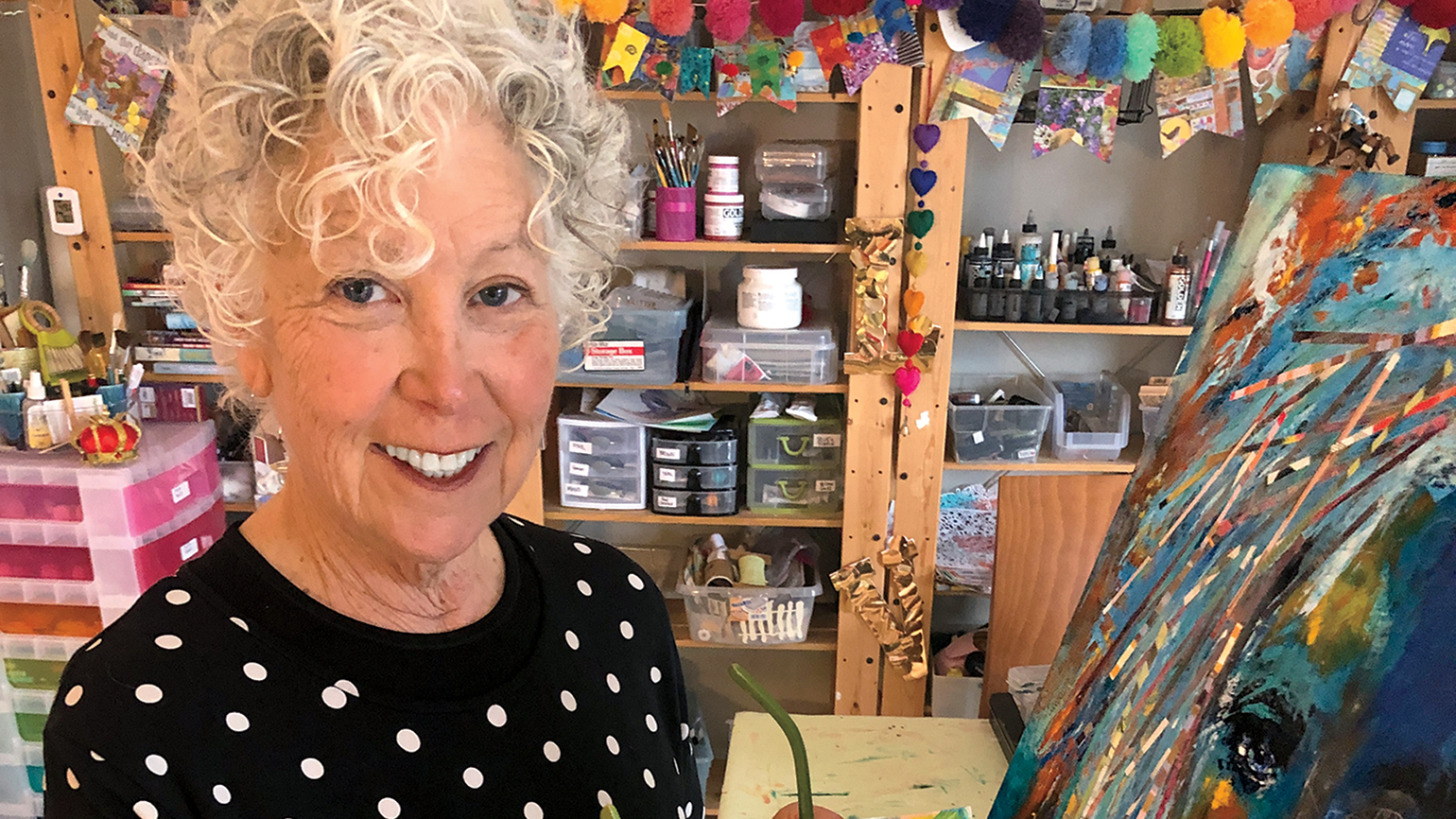
Who she is: Lynn Colwell is a mixed-media artist in Redmond, Washington. In grade school, a teach­er told her she had no artistic talent and Lynn believed her. Until 2015, that is, when she retired from a career in corporate communications. Looking to pursue a new interest, she took a year-long online painting class.

“It blew me away,” she says. She started painting striking portraits of women’s faces, combined with short messages of hope and empowerment. A new one almost every day. In five years, she’s completed about 1,000 paintings.

What she does: Lynn gives her paintings away. She started with friends, but that only went so far. Then she read about a movement called Art Abandonment, which encourages artists to leave their art in public places for anyone to pick up. That gave her the idea of putting her work into the hands of strangers through Facebook. All of it.

Why she does it: Lynn didn’t want to sell her art, but she wanted to feel she was making a difference in the world. She was interested in living simply, protecting the environment and giving back. Could my paintings inspire others? she wondered. What if she asked people to donate to their favorite nonprofit in exchange for one of her works?

How she does it: Nearly every day, Lynn posts a painting on her Facebook page. The first person who responds saying they’re interested has 24 hours to make a donation of $25 or more to their favorite nonprofit or an individual in need. Then the painting is theirs. Lynn doesn’t ask for proof. She trusts that the people who want her paintings share her ideals.

Five years later, she’s still amazed at the results. Her paintings have raised more than $57,000 for nonprofits such as animal rescue cen­ters, homeless shelters and food pantries as well as for people who have lost their jobs or been overwhelmed with medical bills. Sometimes Lynn hears that a painting helped someone at the moment they needed it most. “That gives me chills,” she says.

How you can do it: To be a part of Lynn Colwell’s art-for-a-cause effort, send her a friend request at facebook.com/lynncolwell. Then keep an eye out for a painting that speaks to you. Lynn personally approves each request, so she asks for your patience. Also, she spends most of her time in her art studio—there’s painting to be done. “I wake up every day and can’t wait to get started,” she says.

For more inspiring stories, subscribe to Guideposts magazine.

Everyday Greatness: His ‘Hope Walks’ Uplift the Homeless

WHO HE IS Marty Rogers has spent his life helping people in his South Bronx, New York, neighborhood. As a college student in 1975, he organized a Thanksgiving dinner at the senior center attached to his church, Immaculate Conception. Marty has led the dinner in the decades since.

In 2017, Marty got a call from Trista Rivera, then a teacher (and now the dean) at Immaculate Conception School. Her eighth graders were worried for the people living on the streets. “The kids wanted to help, so Trista asked if I could organize something,” Marty says.

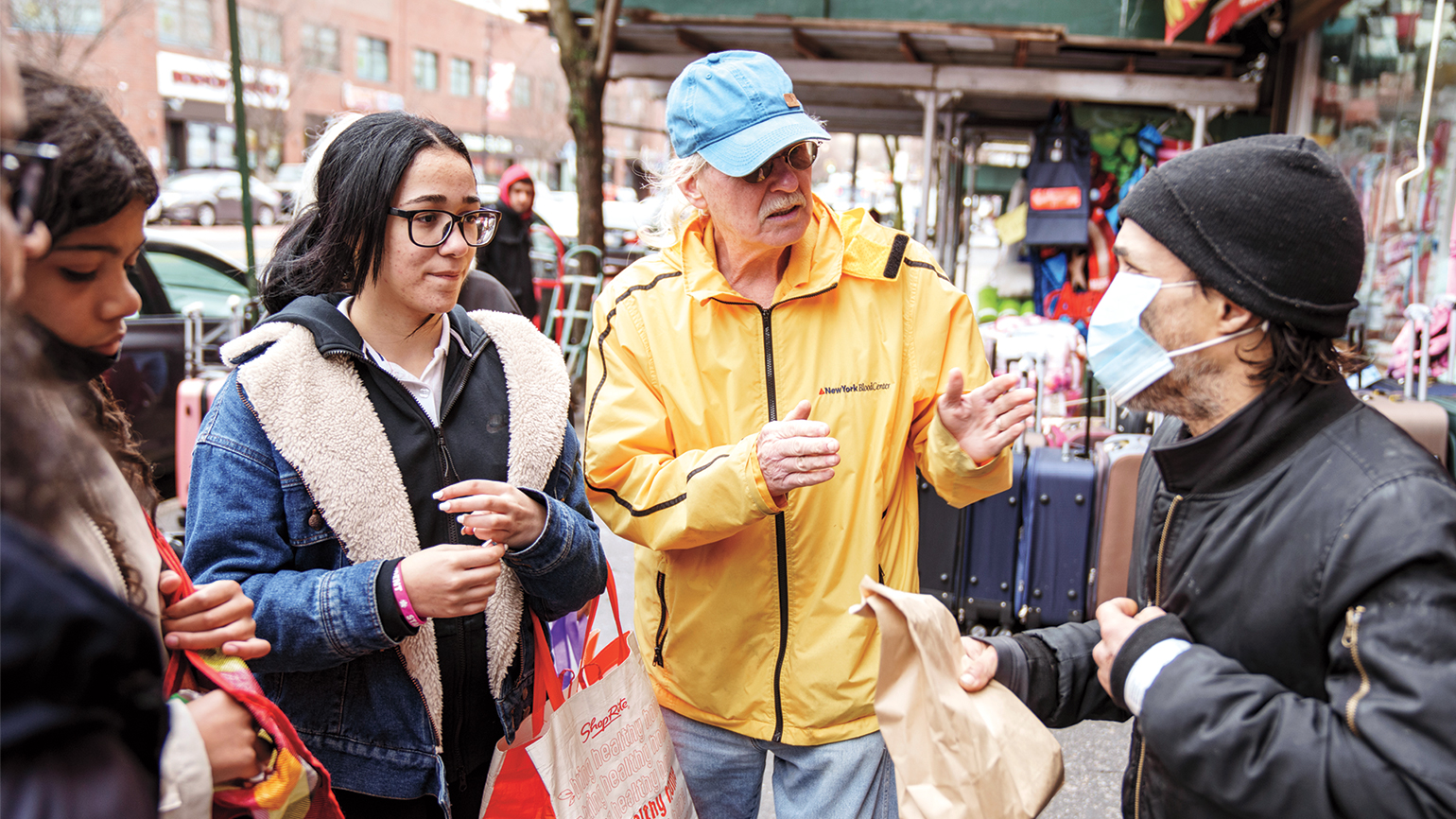
WHAT HE DOES Weeks later, Marty, then-principal Sister Patrice Owens, Trista and other faculty took students on their first Hope Walk. Over a dozen blocks, they handed out sandwiches and bottles of water. They also asked people if they could pray with them. “I encouraged the students to pray a simple prayer of gratitude and to use the person’s name to make it personal,” Marty says.

The Hope Walks took place four or five times a year as a service project for seventh and eighth graders. But when the Covid pandemic hit and shelters closed, Marty knew that people’s need would be even greater. Marty; his wife, Francine; Sister Patrice; and retired teacher Sister Sandy Wardell did Hope Walks three times a week despite the risk.

WHY HE DOES IT Marty is guided by Jesus’ command in Matthew 25 to help the most vulnerable. “We are built to live out the Gospel, and I love seeing the students do that at an early age,” he says. On a Hope Walk in November 2019, they handed out invitations to the church’s Thanksgiving dinner. A student named Janelle gave one to a man who was homeless. At the dinner, which was open to all, the man pulled out the paper Janelle had given him. “I was invited,” he said proudly.

That had a big impact on Janelle—and Marty. “I realized that we are building community through food,” he says. “The food is an excuse to stop and say hello and lift up another person.” Sometimes the walks are heartbreaking. But as a recovering alcoholic with 13 years’ sobriety, Marty is a big fan of the word yet. He says of someone struggling with addiction, “That person just hasn’t gotten clean yet.”

HOW HE DOES IT Three days a week, Marty and Francine prepare 40 bag lunches. With the same Hope Walks route each time, participants know many of the people they see. They also give out a list of local 12-step meetings and the service times at their church, as well as hats and gloves in winter. Mostly, the walks are about connecting.

In spring 2020, students from East Harlem’s Cristo Rey High School joined in. Their school held a fundraiser to buy supplies for the lunches, and local businesses have donated as well. More than 300 students have participated in Hope Walks since 2017.

HOW YOU CAN DO IT Want to start a Hope Walk in your community? Find a few like-minded friends to join you. For safety, Marty always walks in groups. Another idea: Put together bags with a few essentials (snacks, water and hand sanitizer), and keep them in your car. When you see someone in need, you’ll be ready to help.

For more inspiring stories, subscribe to Guideposts magazine.

Everyday Greatness: Helping Young People and Seniors Connect

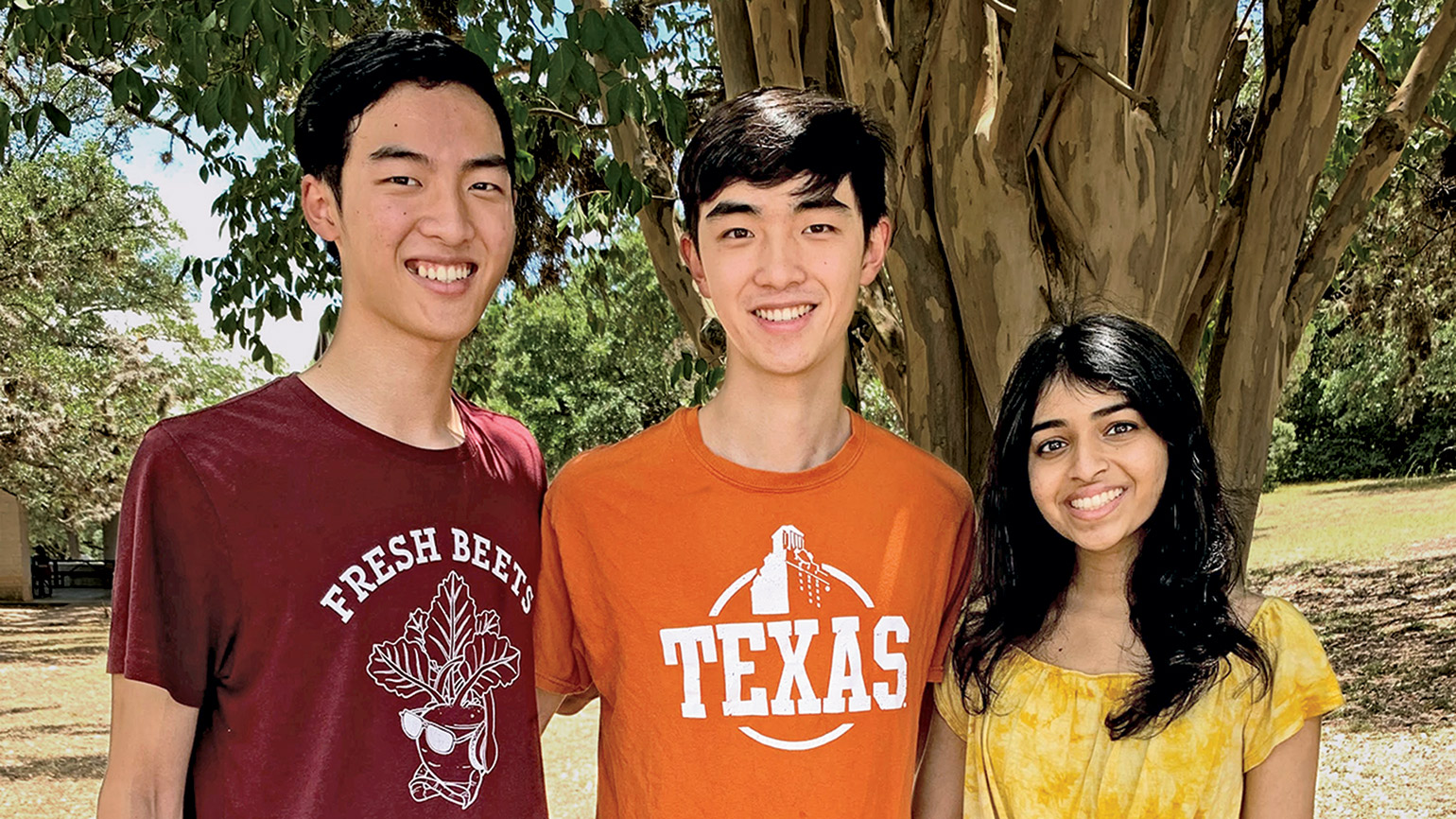
WHO HE IS Allen Zhou, 20, teamed with his younger brother, Anthony, and University of Texas classmate Aditi Merchant to launch Big & Mini, an online, cross-generational social connection platform, last April during the Covid-19 pandemic. Allen and Aditi, both engineering students, met as freshmen on the first day of math class.

“It seemed like a total chance encounter,” Allen recalls. But they quickly discovered a shared passion for creating products that benefit others.

WHAT HE DOES In mid-March last year, UT students went home to continue their studies online. Allen, at his parents’ house in Dallas, missed the camaraderie of campus. Every day, he read about people dying, families separated and the toll of loneliness, particularly on seniors. Clearly there was a need for meaningful connection that traditional social media wasn’t addressing.

Allen thought of the video chats he had with his grandmother in China. “I’ve gained so much in talking with her,” he says. Was there a way to replicate that experience for people across generational, cultural, geographical divides?

He brainstormed with Anthony and Aditi. By early April, Big & Mini was born, a service that matches younger (Minis) and older (Bigs) participants who agree to weekly one-on-one video chats via the platform’s secure connection. By year’s end, more than 2,500 people from every state and 27 countries were visiting with each other online.

WHY HE DOES IT Allen credits his parents for instilling in him and his brother the importance of kindness and service to others. That inspired him to create numerous apps and products, such as a nutritional calculator, none of which caught on. It also led him to play piano and saxophone for residents at a senior care facility. Like the conversations with his grandmother, those experiences stayed with him.

“I want Big & Mini to bring people together,” Allen says. “To bridge across communities. That’s my biggest hope.” He hopes to encourage connection with people with disabilities. “The possibilities are endless.”

HOW HE DOES IT When you sign up to be a Big or Mini, you’re asked about your interests, but unlike the algorithm for a dating site, the goal isn’t to link fellow gardeners, hikers or churchgoers. Instead, participants are matched by connections in areas that are less obvious. A Big & Mini volunteer adds a human dimension to the match. The results, Allen says, have been overwhelmingly successful.

“People find that despite their differences they have more in common than they realize,” he says. Among the platform’s fans is Anita, a retiree from Pittsburgh. A onetime skeptic, she was surprised and delighted to discover the 20-yearold, premed UT student with whom she was matched is “bright, sensitive, sensible and very interesting. One of the lights of my life.”

HOW YOU CAN DO IT Becoming a Big or Mini is easy. Go to bigandmini.org, create an account and answer prompts to write about yourself and your interests and why you want to join. There are no age requirements for becoming a Big or a Mini. Participants agree to certain boundaries to ensure safety and are required to verify identities. Matches are usually made within a few days.

For more inspiring stories, subscribe to Guideposts magazine.

Everyday Greatness: Helping Veterans Feel at Home

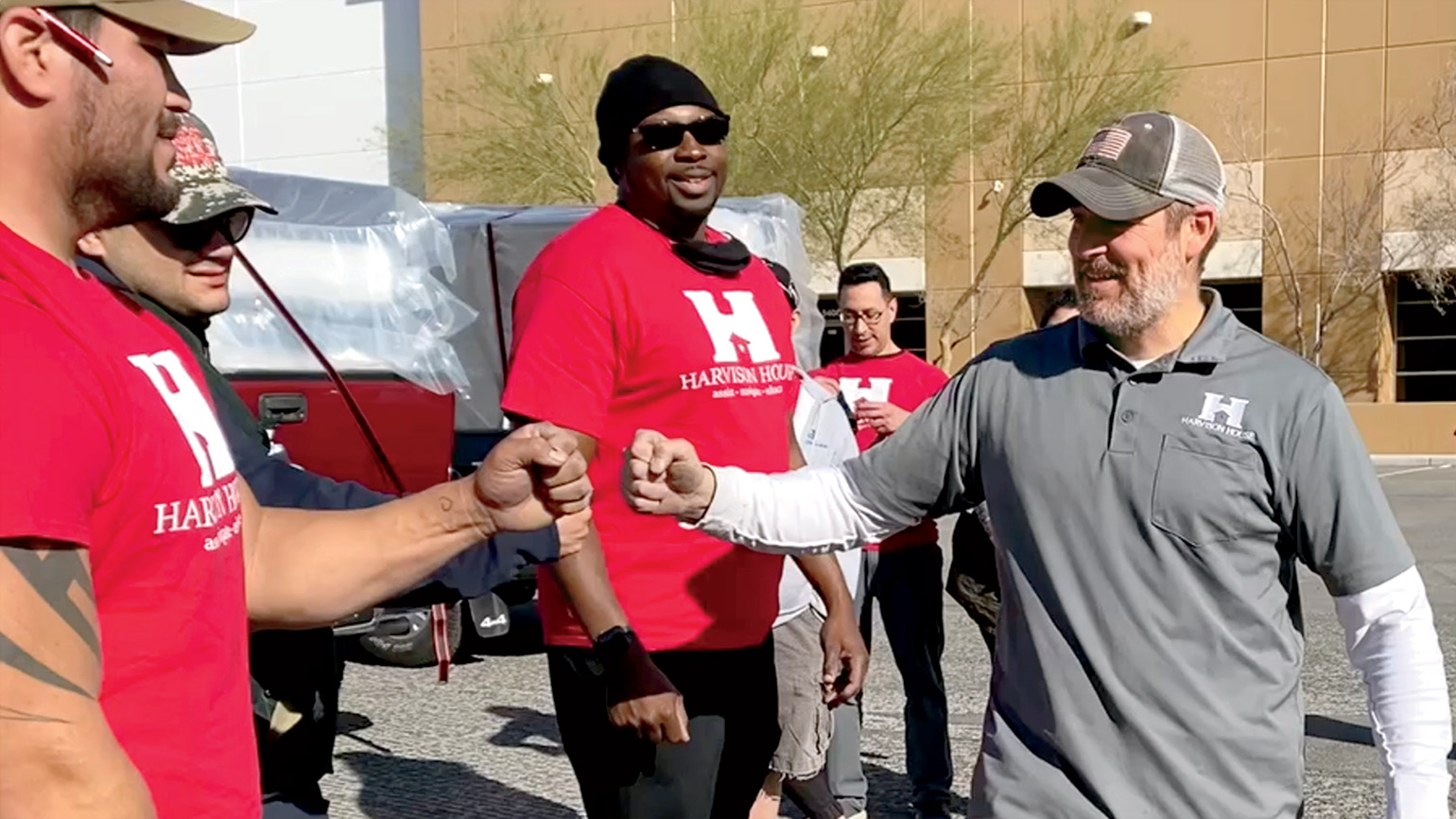
WHO HE IS For Adam Harvison, it all started with an electric wheelchair. He had retired from his Army career in 2013 with one goal: to work with other veterans. He got a job helping homeless veterans in Las Vegas, Nevada, find housing.

Then came the phone call about the wheel­chair. Someone wanted to donate it—but only to a veteran in need. Adam made sure that happened. From there, word spread. “People just started calling me,” Adam says. “Hospitals, other organizations—saying, ‘Hey, we have this and that. Can you guys use it?’ It all basically spiraled to Harvison House.”

WHAT HE DOES Adam founded Harvi­son House, a nonprofit organization, in 2017 to provide low-income veterans with furniture for their homes. It has helped furnish more than 200 households so far. Adam and his team of volunteers collect the donated items from all over Las Vegas, clean and repair them, then deliver them to veter­ans in need.

While other organi­zations can provide these men and women with housing, they can’t always offer them sofas, beds, kitchen tables—the things that make a house into a home. “If someone’s just staring at four walls, they feel like they have nothing to lose,” Adam says. “We give them a place to feel proud of.”

WHY HE DOES IT Adam grew up in Pittsburgh, Pennsylvania. His parents worked hard to provide for him, his brother and sister. Then the steel mills shut down and Adam’s dad lost his job. Community members stepped in to help out. “People would come over to our house on Sunday mornings and give us groceries, clothes and school supplies,” Adam says. “Even as a kid, I could see the impact of that.”

Adam, like all Harvison House staff, isn’t paid for his work. He and his wife, Vanita, both work full-time jobs in addition to running the organiza­tion. If a furniture drop-off location is near his job, Adam will even make deliveries during his lunch break. “Some things in life, you just have to put passion before a paycheck,” he says.

HOW HE DOES IT Veterans connect with Harvison House through organizations that provide housing assistance, such as the VA, HELP USA and U.S. VETS. The case man­ager at the organization gives Adam’s group a list of what the veteran will need in a new place. The team at Harvison House then cross-checks that list against an inventory of donated furniture. Sometimes there’s a waiting period if what’s needed isn’t on hand.

After the donated furniture has been delivered, a photo of it in its new home is sent to the person who do­nated it, along with a letter of thanks. Adam believes that personal touch makes a difference. “We don’t advertise at all,” he says. “But within 20 min­utes, I could get three phone calls with offers for furniture.”

HOW YOU CAN DO IT If you have gently used furniture, call around to see if a nearby veterans’ organization accepts donations. If you live in the Las Vegas area, you can donate to Harvison House itself! Go to harvisonhouse.org to find out more.

For more inspiring stories, subscribe to Guideposts magazine.

Everyday Greatness: He Healed His Pain with Acts of Kindness

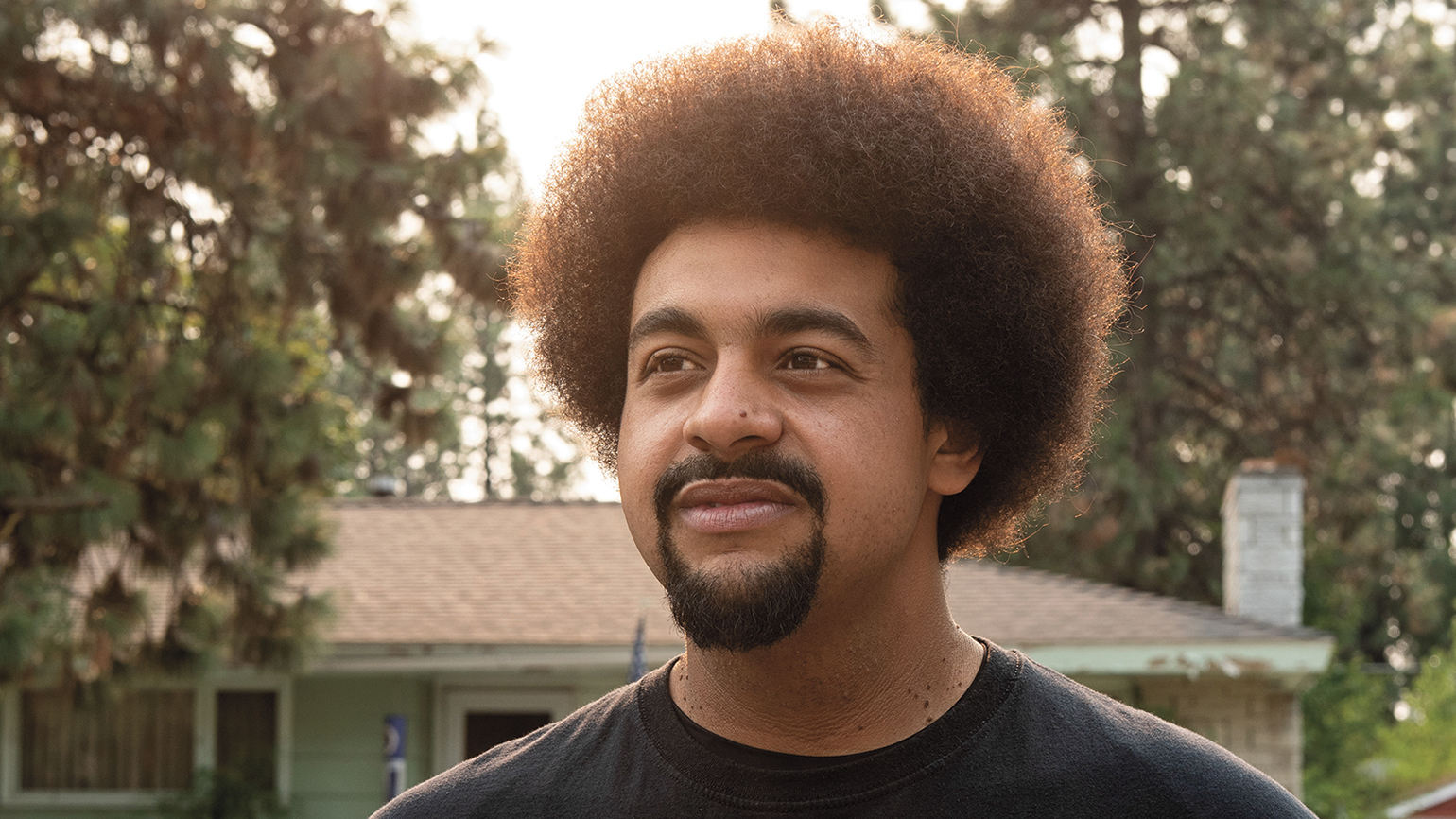
Who he is: Sather Gowdy is a law student at Gonzaga University, a lifelong resident of Spokane, Washington, and the man behind Heal Spokane, a movement and nonprofit focused on improving his community. “Heal Spokane is dedicated to serving our city through acts of kindness,” he says. “I’m just a regular guy who is passionate about helping others and serving my neighbors.”

What he does: “Heal Spokane is all about grassroots acts of service that support our most vulnerable populations,” Sather says. Over the past year, he has spent more than 500 hours doing everything from cleaning up trash and mending fences to buying food for food banks and building relationships with neighbors.

Why he does it: In October 2017, Sather felt as if his world were falling apart. He went through a bad break-up. He totaled his car. Then two close friends passed away within weeks of each other. Sather withdrew, avoiding going out.

Everything changed one day as Sather was returning home from class.

“I was ready to lock myself inside,” he says. “Then an elderly woman yelled from across the street, ‘Could you help me?’ She was tiny, gray-haired and standing by her car—the trunk was open and full of groceries. I helped her get them inside.”

His neighbor was originally from Germany, and the two chatted for a bit about World War II. (Sather is something of a history buff—especially anything that’s related to Winston Churchill.) Then they said their goodbyes.

“As I walked home, I realized my heart felt lighter for the first time in weeks,” Sather says. “I wondered if I could turn all the negative energy in my life into positive energy.” He made a decision: He wasn’t going to close himself off from others anymore. He committed to performing at least one act of kindness every day for someone in his community. “Once I stopped focusing on my own pain and started focusing on serving others, I experienced an immediate difference,” Sather says. “I was no longer waking up angry. Instead, I woke up wondering who I could help today.”

Friends suggested he start a Facebook page to document his journey. He was asked to speak at his old high school’s Martin Luther King, Jr., Day assembly. Sather challenged the more than 2,000 students there to commit to creative acts of kindness and service for seven days to see if this healed some of their own hurt. The movement has spread through Spokane as hundreds have taken the kindness challenge and pledged to serve their community.

How he does it: Sather started small. He noticed a neighbor’s fence was damaged. He wanted to fix it but didn’t know how. “I didn’t let lack of knowledge stop me!” he says. “I found a YouTube video on mending a crossbeam wooden fence, bought a hammer and nails, and repaired it.”

As the movement has grown, so have Sather’s responsibilities. He dedicates a few hours each day to “getting my hands dirty,” finding ways to personally serve others—usually by helping clean up areas of the city or assisting elderly neighbors with yard work and other tasks.

“Nowhere does it say that serving others will always be fun,” Sather says. “It’s hard work to remain committed to spreading kindness through serving others, even in the face of unkindness, skepticism or hate. But even on the toughest days, it’s worth it to see the smile on my neighbors’ faces.” For inspiration, he turns to his hero Churchill: “The task which has been set before us is not above our strength…. Its pangs and toils are not beyond our endurance. As long as we have faith in our cause and an unconquerable willpower!”

How you can do it: Sather says one of the amazing things about serving others is that anyone can do it. It’s as simple as walking outside and picking up a piece of litter or helping a neighbor carry in some groceries.

“Think of something that everyone complains about, that everyone also has the power to fix…and then go do it,” Sather recommends. An alley near his house, for example, was constantly filled with trash. Neighbors talked about how much they hated it, yet no one did anything about it. One of Sather’s first multiday acts of service was spending a few hours daily for two weeks cleaning up the alley.

“When I was done, I saw a visible reaction in people in my neighborhood,” Sather says. “Joy that the alley was clean. And increased pride in our neighborhood.” More than seven months later, the alley is still clean. Sather often sees neighbors checking on it, picking up lingering garbage or cutting back overgrowth.

Says Sather, “Start small. You’ll be amazed at the size of your impact.”

For more inspiring stories, subscribe to Guideposts magazine.

Everyday Greatness: For Veterans, Camaraderie Through Coffee

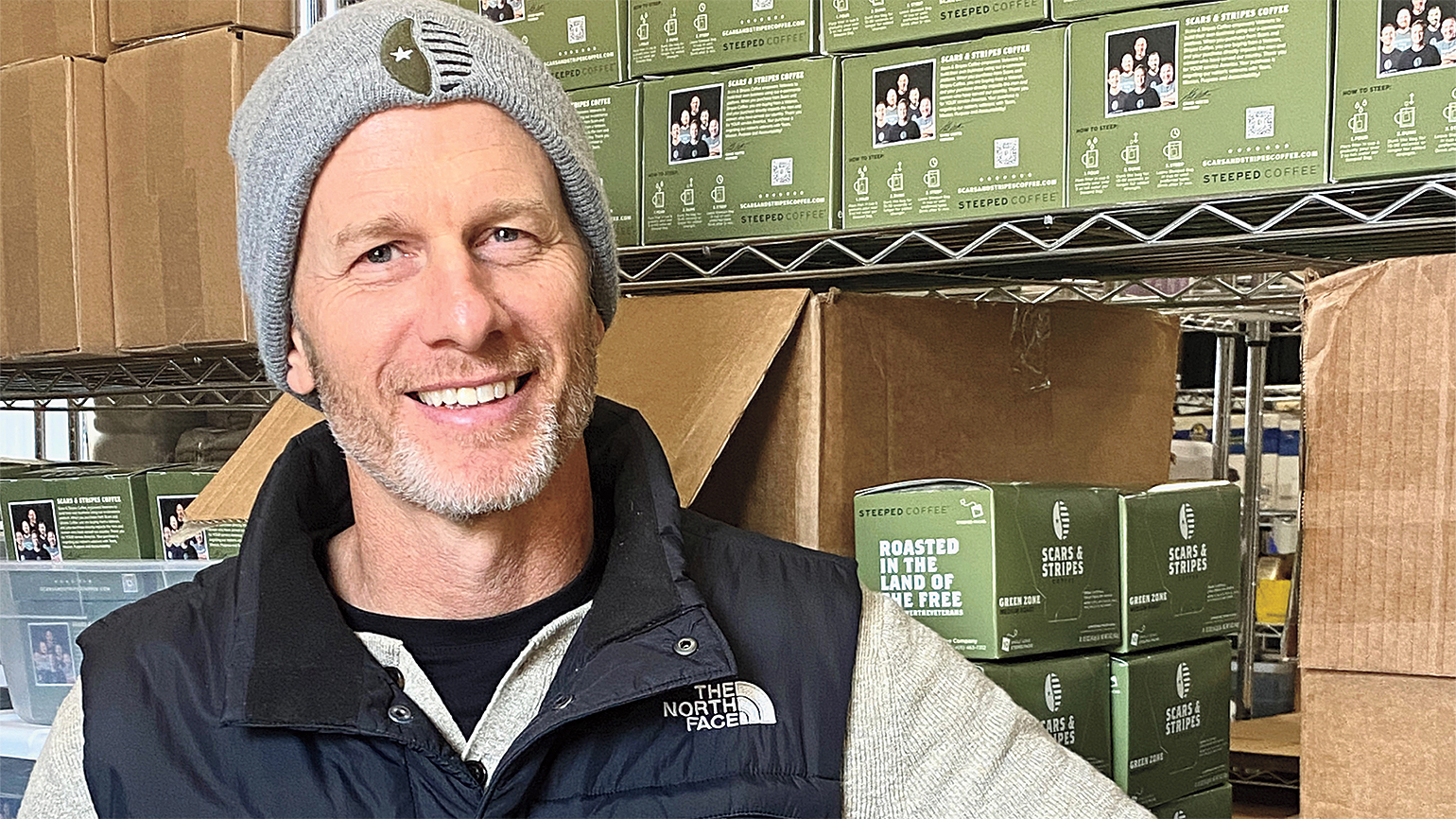
WHO HE IS Chad Watts of Edmond, Oklahoma, launched Scars & Stripes Coffee in 2018 with Brad Dean, a lieutenant colonel in the Army National Guard. Their jobs, in sales for an orthopedics company, put them in frequent contact with veterans at the Oklahoma City VA medical center. Chad, a civilian, had felt God nudging him to do more for these military men and women. He and Brad hit upon the idea of selling small-batch craft coffee through a sales force that was made up exclusively of veterans.

WHAT HE DOES Chad was moved by the physical, mental and emotional struggles of veterans he encountered at the VA. The challenges they faced awaiting treatment. Their difficulties finding purpose in civilian life. He also saw how the vets lit up when they were together, supporting each other—a sacred bond. That’s why empowering veterans to start their own businesses and providing them with the support and camaraderie they knew from the military are at the heart of the Scars & Stripes mission.

WHY HE DOES IT The seed for Scars & Stripes was planted when Chad watched a TV news report about organizations helping veterans. In that moment, he felt God urging him: Do something! “My eyes were opened,” he says. “I thought, what if there was a business that not only creates extra income for veterans but also connects them with other veterans?”

HOW HE DOES IT The Scars & Stripes sales force is structured like a tight-knit military unit. It’s made up of veteran team members, squad leaders who each oversee six team members, platoon sergeants who direct four squads and report to first sergeants. Monday morning musters are held to build enthusiasm and accountability.

Scars & Stripes trains veterans on how to start a small business, including writing a business plan, understanding tax laws and evaluating opportunities. Team members immerse themselves in their communities, setting up booths at farmers markets, street fairs and the like. Income is directly connected to a veteran’s individual sales and not dependent on what others sell. But the business is about more than selling coffee.

Squad leaders act as transition coaches and mentors, offering advice on every aspect of reentering civilian life, from family and mental stresses to workplace practices. “Most of our veterans are scarred in some way, but it’s not easy for them to talk about,” Chad says. “We’re a safe place for them to share.”

HOW YOU CAN DO IT Any veteran can join the sales force by going to scarsandstripescoffee.com. Currently, there are 275 veterans on sales teams in 40 states. In the past three years, they’ve sold almost 60,000 pounds of coffee. You can buy coffee via the website in individual bags or a subscription, plus shop for mugs, shirts and other merchandise. Twenty percent of your online purchase goes directly to veteran sales team members.

Beans are roasted by Eôté (Ends of the Earth), a small-batch coffee roaster in Oklahoma City. “So many veterans have told me they felt like a stranger returning to civilian life,” Chad says. “We’re helping them feel connected again.”

For more inspiring stories, subscribe to Guideposts magazine.

Everyday Greatness: A Teenage Baker Fights Hunger

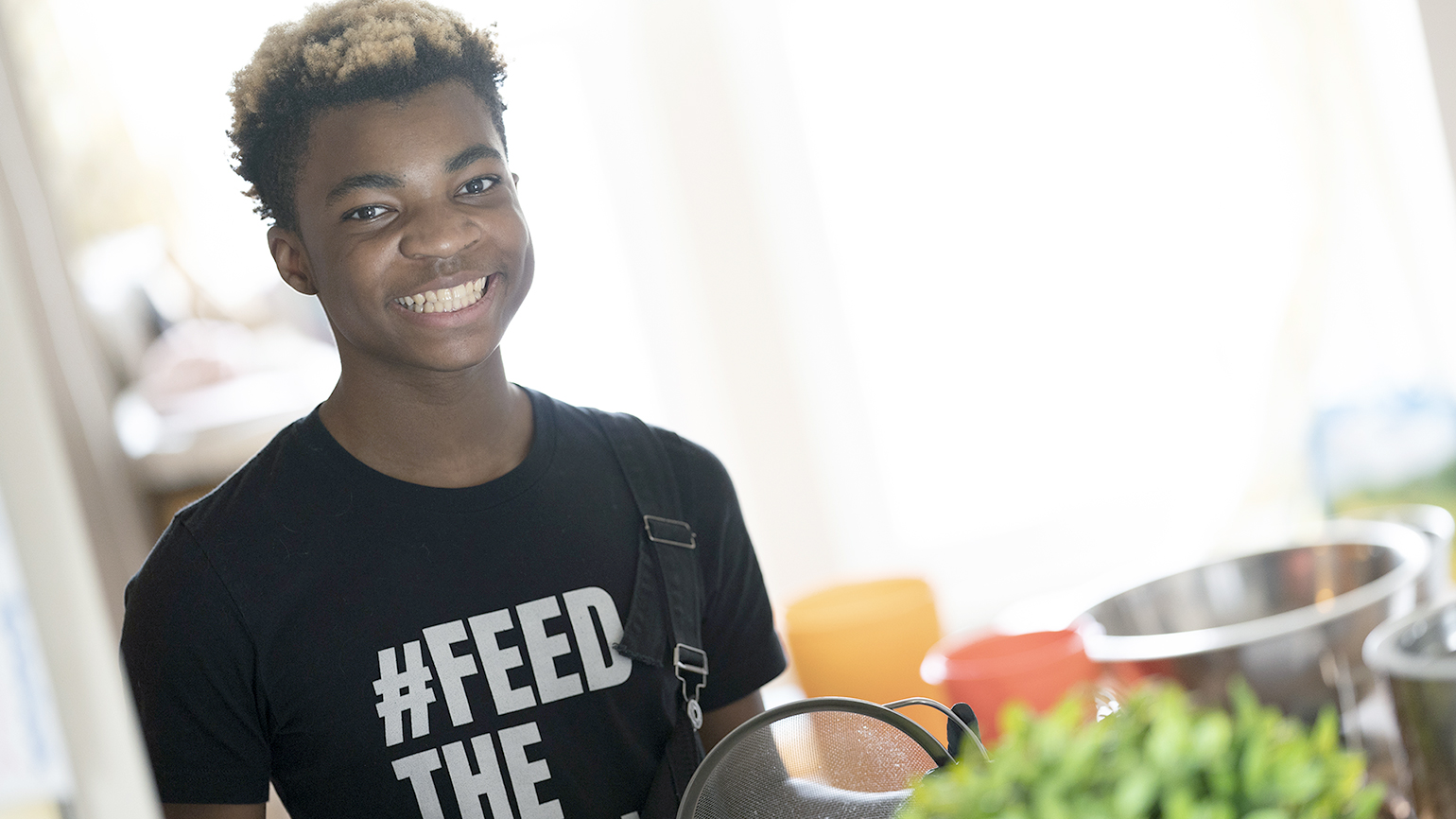
Who he is: Michael Platt, a 14- year-old from Bowie, Maryland, is the founder of Michaels Desserts. Born with “an epic sweet tooth,” he fell in love with baking at age nine, helping his grandmother make a cake. Intrigued, he began watching baking videos. Michael was also learning from his parents about income inequality and childhood hunger, and he wanted to fight those injustices. Since his diagnosis with severe epilepsy at 10, Michael has been homeschooled by his mother, Danita.

With his activities restricted, he threw himself into baking. After his parents gave him Toms shoes, he discovered that firm’s one-for-one model of giving—and inspiration struck. In 2017, with his parents’ help, he founded Michaels Desserts. For every dessert sold, the bakery donates one to the homeless or hungry. Michael deliberately left the apostrophe out of his company’s name as a reminder that he’s baking for others, not himself.

What he does: Michael sells about 170 treats a month, mostly cupcakes, made in the family kitchen. He delivers to domestic violence shelters and transitional housing as well as to the homeless in McPherson Square in Washington, D.C. Flavors range from Spicy S’Mores to Vegan Mocha and cookies such as macarons.

But Michael is most invested in his monthly “Freedom Fighter” cupcakes, which honor such figures as abolitionist Harriet Tubman, whose cupcake is mint chocolate chip (her nickname was Minty), and Martin Luther King Jr., whose cupcake has a sweet potato pie filling based on a traditional African-American dessert. Customer Stephanie Gerstenblith says Michael’s cupcakes are not only delicious and beautiful but have inspired her “to provide everyone with sweetness in their lives.”

Michael also hosts bake sales for the nonprofit No Kid Hungry. Jessica Bomberg, a leader of fund-raising for No Kid Hungry who’s worked closely with Michael, says, “Young heroes like Michael give us hope for the future. He proves that everyone can make an impact in their community and for kids nationwide.”

Why he does it: “My faith means it’s part of my and everyone’s responsibility to take care of others,” Michael says. “When I see people are hungry, I want to give them something. It’s my way of telling them that they haven’t been forgotten.” Michael plans to continue both his advocacy and his baking, with the goal of creating a pay-what-you-can grocery store. The way he sees it, “food is a right, not a privilege.”

How you can do it: Pick a problem you want to solve, big or small, something you’re passionate about, and do all you can to solve it. Volunteer at a soup kitchen. Buy a meal for someone who’s homeless. “Kids can make a big difference,” Michael says. “I’ve always known that cupcakes aren’t going to solve hunger, but I do what I can—and you can too.”

For more inspiring stories, subscribe to Guideposts magazine.