Embrace God's truth with our new book, The Lies that Bind

Earning Their Wings: A Mama Who Inspires Many

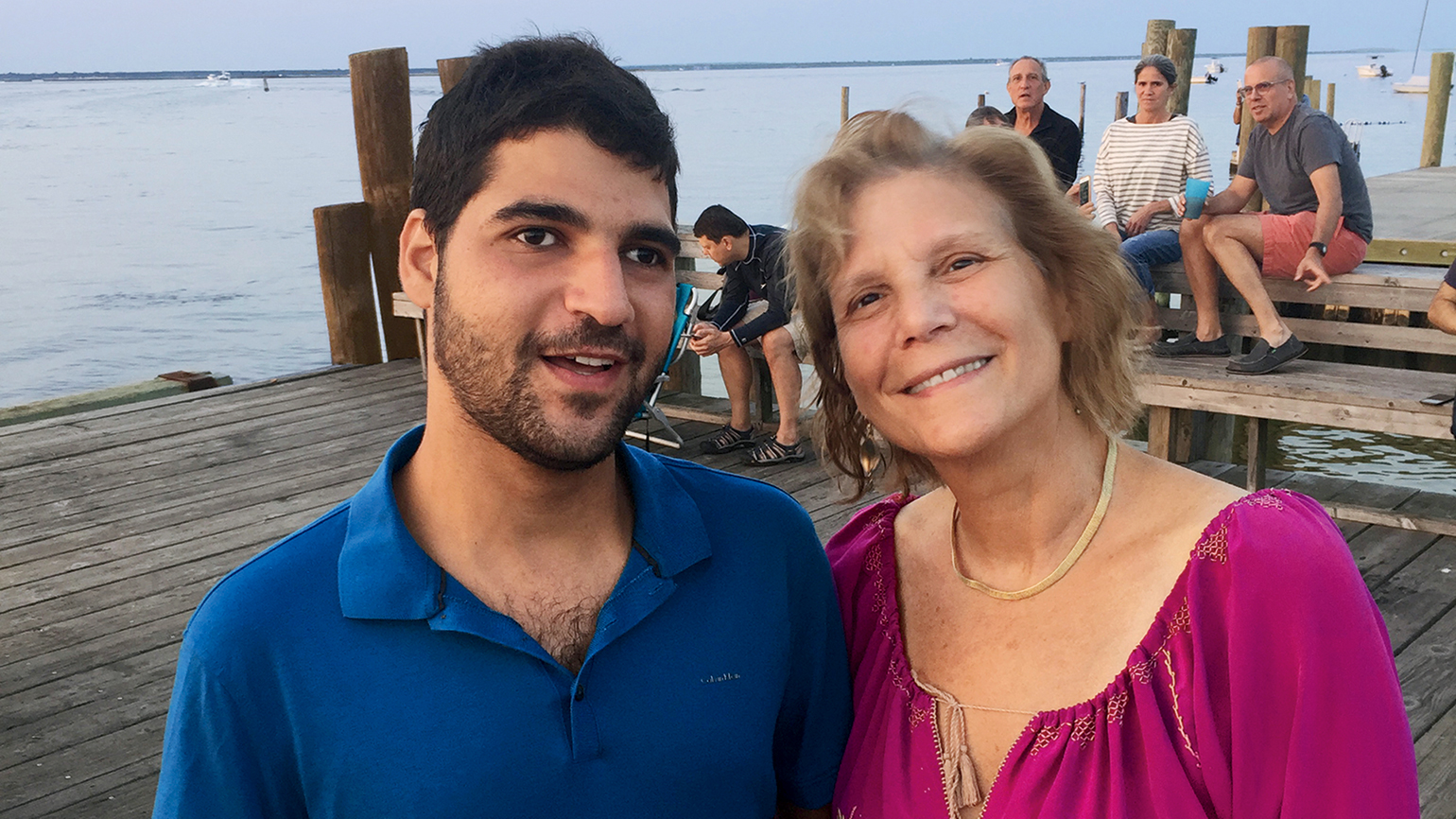
Mama T and I met 10 years ago at an after-school Gang Risk Intervention Program. I was just 12. When the state cut funding, “Mama T,” aka Teresa Goines, saw us kids drift back to our old habits—staying out late, getting into trouble.

So she spent her savings to start Old Skool Café, a youth-led supper club where we learn to cook high-end food, get hands-on experience in the restaurant industry, and come to respect ourselves and others.

“I am so proud,” she tells us before every event. “I can’t wait for our guests to see how amazing you are.”

We call her Mama T because she does what a mother is supposed to do: She goes out of her way for us. She listens to us and has our back no matter what. She’s not like family. She is family.

Download your FREE ebook, The Power of Hope: 7 Inspirational Stories of People Rediscovering Faith, Hope and Love

Does God Want You to Be a Good Samaritan Today?

I was thinking the other day about the story of the Good Samaritan. It’s easy to tsk! tsk! the behavior of the two guys who didn’t stop to help, but it occurs to me I sometimes do the same. I’m guilty of walking past plenty of opportunities God puts right in front of me. Most of the time it’s not because I’m heartless, but because I’m just not that observant. Perhaps I am busy looking at the time or preoccupied with my own priorities. Sometimes I notice something that needs to be done but assume I’m not the one for the job because I already have too much to do.

It’s entirely possible the priest who passed by the beaten man had to get to services on time. That Levite may have been rushing home to take care of his sick wife. Either one could have been squeamish about blood, or freaked out because he didn’t know first aid, or thought it would be better to get an expert on the scene.

Those two passersby could have been cold and calculating men, or they could have been distracted or felt inadequate or didn’t really grasp the situation. We don’t know what went on in their heads, because the passage doesn’t say.

And that, I think, is the point: what is going on in our heads is often irrelevant. What matters are the needs God puts smack-dab in front of us, clamoring for attention. Part of the reason for all that “do not worry about tomorrow” stuff is that worry over the future can obscure our vision of what God wants us to do today.

Fortunately, God usually starts us out with small items on our to-do list: simple acts of kindness, tokens of generosity, moments of thoughtfulness. Let’s see if we can each find a few more of the opportunities the Lord has given us today to be of Christian service to others.

David Buckley Had an Inspiring Idea

The toilet wouldn’t flush.

I looked in the tank to see what was wrong. There was a brick inside!

“Honey,” I yelled to my wife, “how did a brick get into our toilet tank?”

“I put it there.”

“Why?”

“To save water. I read in the newspaper that a brick displaces enough water to save a gallon a day. What’s the matter? Did I put it in wrong?”

Muttering about cockamamy ideas, I reached in, grabbed the brick and deposited the dripping thing in the wastebasket. I’d had it with all this ecology stuff. “Don’t use plastic bags. Save this. Save that.”

Last Sunday in our church parlor, I burned my hand on a paper coffee cup because the United Methodist women had done away with Styrofoam cups, which aren’t biodegradable.

Frankly I was ready to biodegrade all those who preached about everything from pesticides and garbage disposal to recycling and the ozone layer.

After all, what can one person do? Save a few watts here, a couple of gallons there, a few plastic cups in the garbage dump? For me it was getting ridiculous. Then I met David Buckley.

David is a lawyer in Vermont, and he’s also a businessman, a most unusual one. He’s a power-plant builder, and that’s what I decided to investigate. For a long time he’d had the idea for a hydroelectric development at a dam site and a small waterfall to generate electricity outside his hometown of Bellows Falls.

So it was that I found myself tooling through the green hills of southern Vermont, slipping onto Route 103, passing Vrest Orton’s country store, turning at the sign that said Brockway Mills and stopping on a bridge over the Williams River.

I was met by David Buckley, a friendly, soft-spoken fellow with eyes as clear as the water underneath us.

There behind him was the Brockway Mills dam and, below it, the hydroelectric plant hidden in a concrete structure.

When Buckley told me it generated only enough power to supply 400 homes, I was surprised. But after hearing his story, I gained a new appreciation of what some people will do on behalf of our environment.

“My dad used to take me to this spot as a boy,” David said, looking up at the maple-shaded river. “It was my favorite swimming hole. All the years I was away—in the army, then at Notre Dame and later in law school—I used to think about this spot.

“I always knew I’d come back to Bellows Falls to practice law, and when I did, I wanted my wife and two children to enjoy the same things I had relished as a youngster—fresh clean air, sparkling clear streams and woodlands to hike.

“Then in 1979 when President Carter appealed for alternate energy sources during the oil crisis, and we all waited in line at gas stations, I felt I should answer the call.

“I’d always been fascinated by dams. Every spring we kids used to go over to the big Bellows Falls’ dam on the Connecticut River to watch the ice breaking up. When the huge frozen expanses split and fractured, they produced a thundering roar that echoed off the face of Fall Mountain, frowning over our village.

“Even then I was intrigued by the big power plant, which has been there since 1928, and by the way its water-driven turbines spun massive generators to supply New England with electricity. Such dams had been part of our heritage; our village had depended on waterwheels to grind grain and later run paper mills.

“And I loved the terms used in dam construction, terms that stemmed from early farm language. The sluice sending the water to the mill wheel was a pen-stock, and the movable gate allowing water to enter the sluice was a wicket. If floating debris was caught in the gate, the miller complained of a sticky wicket.

“So I decided to develop a hydroelectric plant using a run-of-the-river diversion dam. It was clear that every kilowatt generated from the river would mean less dependence on petroleum and coal. It would cut down on air pollution and send less carbon dioxide into the atmosphere, reducing the greenhouse effect.”

But to make it work, the project would have to be a profit-making venture. With a friend, Sandy Hadden, and other investors, David formed the Williams River Electric Corporation, and purchased a site on the river to build their plant.

They didn’t know the tremendous obstacles that lay in wait. Endless snarls of government red tape, a souring financial prospect, crippling construction costs.

It began in 1981 when they applied to the Federal Energy Regulatory Commission for a permit. Their first roadblock was heartbreaking.

To house the new turbine and generator, Buckley had planned a picturesque structure patterned after the original water mill that operated here almost 200 years ago. On the same site, it would least affect the natural surroundings.

No, said the authorities. The new plant had to be hidden deep in the gorge under a concrete housing. This meant blasting away the natural rock.

“I wondered if it was worth going on,” said David. “But my partner argued we couldn’t let that stop us. ‘It’s crazy not to use this power,’ Sandy said. ‘It’s freely available and does no harm to the environment.’”

So the two men struggled on, running the gauntlet of over two dozen federal, state and local agencies, from the historic preservation division to the Fish and Wildlife Agency, explaining well-worn blueprints and telling the same story over and over again.

This is when they began referring half-humorously to their little company by its initials, WREC.

Finally, after 14 months and spending more than $22,000 in engineering studies and projections, they got the permit.

“What sustained you all that time?” I asked, thinking most people would have thrown in the towel long ago.

“My mother’s prayers,” said David, “and the hope that what we did might encourage somebody else to use our natural resources in an economically intelligent way.”

But in early 1983, after construction had started, oil began flowing from the Middle East again. With the heat off the energy crisis, electricity rates for small producers dropped.

“It was a major blow to expected earnings,” said David. “Interest on our debt was climbing and we had investors to think about. Yet we couldn’t let our dream die. I thought of those early millwrights who built the original water mill here, using oxen and primitive hoists. That took determination. I figured our mill would require the same.”

As construction started on the new concrete dam across the Williams River, the engineers made a surprising find. Excavations showed the new dam followed the same keyway line of the dam that had stood here two centuries ago.

“Seemed a sign from heaven we were on the fight track,” said David.

However, construction costs soared far above original estimates. When a company from Beijing, China, offered the best price on a turbine and generator, David ordered it. What he got was a Chinese puzzle.

“The generator and turbine were not assembled as promised,” said David. “Special tools had to be ordered from mainland China. Though Chinese technicians came over to install it, they couldn’t stay long enough to finish the job.

“On top of that, the translated instructions that came with the equipment were almost incomprehensible.”

David gave a wry laugh. “To make matters worse, the electronic controls had to be replaced with American-made equipment. There went most of our savings. However, by now Sandy and I felt our resolve was stronger than the calamities that challenged it.”

Finally, in January 1987, the Williams River Electric Corporation was on-line.

David Buckley ushered me down concrete steps into the cool powerhouse. I gazed up at the green generator towering over us. Over at the control cabinets, an engineer began the start-up countdown.

A green light flashed, a master switch thunked, the wicket gate opened and Williams River water roared down the penstock to spin the stainless steel turbine blades. The generator thrummed, needles flickered on gauges and a steady hum filled the powerhouse.

I stepped outside, climbed the steps and stood reflecting on the bank of the Williams in the bright afternoon sunlight.

Because of David Buckley, Sandy Hadden and others who shared their dream, the Williams River Electric Corporation was feeding 850 kilowatts of cleanly produced electricity into the Vermont power grid.

True, it was only enough to run refrigerators, washing machines, lights and toasters in some 400 homes. And though it was making a small profit, it wasn’t going to make anyone rich.

Yet something was happening here, something far more satisfying than making money. David Buckley and Sandy Hadden were saving 4,000 barrels of oil each year—not much compared to the millions our nation consumed annually, yet it was something.

And it showed me that if each one of us did what we could, we might—just might—help heal our earth, so that it will once again become what it was when “God saw everything that he had made, and behold, it was very good.”

After arriving back home and greeting my wife, I said, “Honey, about that brick in the toilet tank…”

“No worry,” she said in a conciliatory tone, “I used it in the garden.”

“Well,” I said sheepishly, slipping my arm around her waist, “let’s put a water-filled plastic bleach bottle in there instead. I read in the paper that it will save a gallon a flush.”


“Christmas Don’t Never Come Here”

The call had come in early December 1958 from the regional director of home missions for the Presbyterian Church. He had asked me if I would preach for two weekends to a group of people in the coal-mining area near Castlewood, Viriginia. A student preacher on my Christmas holiday, I leapt at the chance.

That first Sunday, as I turned off the main highway onto a winding gravel road, I felt as though I had driven into a time warp. Clapboard and tar-paper shacks slumped against the hillside. Smoke eased up over each building in columns like gravestones and soft oil lamps shone in the windows. But there was not a sound in the early morning gloom, not even dogs barking to announce a stranger was passing. Just black, cold silence.

The church was a simple cement-block building. It had a flat tar-paper roof with a stovepipe for a steeple. The surrounding shacks were unpainted, the ground was barren, everything was covered with soot, and the smell of coal hung in the air.

As the congregation filed in I noticed their clothing was worn but neat. Their faces were pale and their eyes sunken. Inside, we all gave thanks to God. But there was no indication that this was the Christmas season. No trees, no lights, no wreaths, no red bows.

After the service a woman in a denim jacket introduced herself and her three children, John, Luke and Sarah. Her name was Mrs. Spense, and she invited me to lunch. A solemn, thoughtful woman, probably in her 30s although she looked much older, she hurried home to prepare the meal while the three youngsters and I ambled along behind her on the icy path.

We entered a two-room shack by a front door that was so flimsy I could see through it. The main room was illuminated by three kerosene lamps and a potbellied stove glowing like a jack-o’-lantern. Mr. Spense sat in a wooden rocker next to the stove, chewing a pipe with a chipped bowl and broken stem. “Welcome, Preacher,” he said. I glanced around the room. The thin, cracked walls were covered with newspaper and torn paper bags to keep out the wind. A tattered quilt hung on a wire to hide the two beds and the cooking area. There was running water, but the outhouse in back was the only bathroom.

The children stood quiet at first. My gaze fell on an old bluetick hound stretched out so close to the stove that I thought I could smell his fur being singed. Snuggled up to his stomach was a raccoon. “Them’s Blue and Bandit,” John explained. “And them’s ours.”

We sat for a while, not saying much. Lean and lanky John was intent on whittling the bark off a stick with a broken barlow knife, neatly throwing the scraps into the stove fire. Luke took out a river rock and began polishing it intently with a piece of wool. Like a master craftsman, he held it up to the light and blew the dust off, then resumed polishing. Sarah sat by watching with wide eyes.

Lunch was soon ready. My pie-pan plate had been heaped with potatoes and beans provided by two neighbor ladies. The meat was something Mr. Spense had caught earlier in the week (I didn’t ask what). Mrs. Spense said, “Preacher, would you pray for us?” We held hands over a table made of rough planks covered with oilcloth.

I didn’t linger after lunch. Excusing myself, I thanked the Spenses for their hospitality. As I stood at the door, putting on my overcoat and gloves, the children eyed me curiously. John reached out and patted the cuffed fur lining of my gloves. I asked Luke about the man’s felt hat he wore. He had picked it up along the road. “He don’t never take it off,” Sarah said. “Even when he sleeps.”

I promised to be back the next week, the Sunday before Christmas. Then I asked the children, “What would you like for Christmas?”

“Mr. Preacher,” John said, “Christmas don’t never come here.”

Mrs. Spense put her hand on his shoulder. “Now, John,” she said, “there’s more important things.”

I stepped off the porch, fighting tears. As I drove down the mountain I was determined that somehow I would bring Christmas to the Spense family.

All week I kept wondering what I could do for them. They were proud people; I couldn’t give them a handout. Although the children had no toys, it was clear they entertained themselves easily. They were polite with one another and treated their parents with respect. Their mother’s words rang with new meaning: “There’s more important things.”

The next Sunday, following the morning worship service, I stopped by to drop off some packages for the Spenses. I explained that in my family when people do something kind for us, we have the blessing of sharing some of our resources. It’s the giving that’s important.

The first present I gave them was a two-foot Christmas tree that had sat on the counter of the corner drugstore back home. The store owner heard me talking with some friends about the plight of people in that coal-dusted place. “Flannagan,” he shouted, “how about moving that tree out for me? Maybe someone could use it.” Decorated with tinsel and gold ornaments, it sparkled in the Spenses home.

Next, Mr. Spense unwrapped his pipe. One of my professors, after asking about my weekend, had picked a beautiful pipe from his collection and handed it to me, saying, “Bill, I need to make room for another pipe. Could you pitch this one for me?”

“It’s already broke in,” Mr. Spense noted as he turned it over in his hands.

I witnessed the first smile I had ever seen on Mrs. Spense’s face when she opened a box that held a beautiful wool sweater. My mother had insisted I take it, saying, “Mrs. Spense needs this more than I do.”

When John opened his present and found my old Boy Scout pocketknife, his comment was, “Wow!”

Luke paced like old Blue until he could open his gift—the biggest box of all. He tore through the paper and let out a shout when he found one of my dad’s gray felt hats. “Perfect fit,” he announced, pulling it down over his ears.

Then came Sarah, who had waited patiently for her turn. After opening the wrappings, she exclaimed, “Mama, it’s a real baby doll! My first baby doll!”

I had a huge box of food that had been sent by the grocer back home. Mrs. Spense immediately divided up the groceries for the neighbors who had helped supply my feast. Plus, she put aside a few items for some needy families down the hill.

I had not forgotten Blue or Bandit. Blue took his ham bone and worked on it by the stove. As Bandit began to clean his treats, I asked the Spense family if I could pray for them. But before I did, the children spoke up. “Mr. Preacher,” said John, “we’uns want to give you something.” He proudly gave me the latest stick he had stripped and sharpened. Luke handed me his precious polished river rock. And when sweet Sarah gave me her biggest hug, I wondered, after all, who had brought Christmas to whom?

Chef José Andrés Provides Free Meals to Those in Need

Chef Jose Andrés is transforming seven of his shuttered restaurants in Washington D.C. and New York City to serve residents urged to stay home as a result of the Covid-19 virus.

The Guideposts cover star—who owns the restaurant company, ThinkFoodGroup, and also co-founded the nonprofit, World Central Kitchen nonprofit—is combining his restaurant and nonprofit expertise to create community kitchens. The goal for these “food first responders” is to provide a safe place for people to pick up food while practicing social distancing.

“People have to eat,” The Washington Post reported Chef Andrés as saying at a preview of the kitchens. “Not everybody is going to be able to go to the supermarket. We have areas in America that are food deserts. We have millions of Americans that, if you go to their kitchens, their kitchens are empty. Not everybody has money to fill up for a month. That’s the reality.”

This isn’t the first time the celebrity chef has mobilized his restaurants and cooking tools to provide free food for people impacted by natural disasters. Andrés has been on the ground before for the hurricanes in Puerto Rico, the Bahamas, and most recently served food in Washington D.C. during the 2019 government shutdown.

The converted kitchens offer customers the option to pay a reduced price or donation for their meals. The food is free, however, for those unable to pay. Staff set up six-foot markers so those waiting in line can maintain the recommended social distances.

At ThinkFoodGroup, we always said that we want to change the world through the power of food,” Chef Andrés said in a video posted to his social media accounts. “I do believe that that phrase more than ever today has a big meaning.

Chaplain Makes Inspiring Stories Available to Soldiers

Let me introduce you to someone you help a lot. Col. Ken Sampson has been a chaplain in the U.S. Army for 27 years. He has one of the hardest jobs of any pastor I can imagine. His flock is constantly changing, they’re under incredible stress, they’re young and they’re facing fears that would rattle anyone. When my friend Chaplain Sampson gives soldiers something to read, he knows it can’t sugarcoat the bad things people go through.

Early in his career he came across a booklet from Guideposts called “Thought Conditioners.” “It was great,” he says, “full of Bible verses and practical help.” He gave it to a guy in Special Forces and saw that it hit the mark. Even the size was just right, easy to carry around in a pocket.

Since then Chaplain Sampson has handed out hundreds of our booklets, not to mention countless copies of Guideposts magazine. “The stories have the real-life stuff people struggle with,” he says. “And they offer a wide breadth of spiritual experience and perspective.”

This is especially important because soldiers come from a variety of faith backgrounds.

Another thing he recommends is Daily Guideposts. “I suggest that couples read the devotionals when they’re separated during deployment. It gives them a way of staying in touch spiritually. My wife and I used the book when I was deployed in Afghanistan and it sure helped us.”

Booklets, magazines, Daily Guideposts, including a special edition with a camouflage cover—all are available free of charge to our military chaplains. We can be generous thanks to your donations.

Last year you helped us give our men and women in uniform 50,000 copies of Daily Guideposts, 700,000 magazines and 300,000 booklets. It’s our way of making a hard job a little easier. Chaplain Sampson and I are both very grateful.

Celebrating Heroes Among Us

Ordinary people perform heroic acts each and every day. Many of these acts go unknown to the world, but those who are impacted by their actions see these individuals as heroes…God’s ambassadors. Often, these “heroes” are our neighbors, co-workers, family members, former classmates and church members, but at times they may be complete strangers. These caring individuals that rise up to help others can be of any age, gender or social class.

I was in awe when I learned about the 22-year-old man, Mamoudou Gasssama, in Paris who climbed the balconies of a four-story building to rescue a dangling child. When asked why he did it, Mamoudou replied, “I did it because it was a child… I climbed…Thank God I saved him.” He later said that he was so overcome once he got inside the child’s apartment; he began shaking and felt faint. Due to this heroic act, they are now calling him the “real-life Spider-Man.” It’s unbelievable that Mamoudou risked his own life to save another, but thank God he did.

There are many heroes among us who don’t climb buildings like this young man or stop bullets, have x-ray vision, enhanced hearing or superhuman strength like the Marvel superheroes. Yet, their actions greatly affect the lives of others and may even save them. The helpful person who goes shopping for an elderly neighbor, the teacher who buys her students a small gift for their birthdays and the police officer who, after a long day of work, volunteers at the youth center for at-risk youth—all are heroes.

I’m excited to announce that Guideposts has a new initiative, “Everyday Greatness,” a project created to celebrate the everyday heroes who touch our lives. Readers will learn about acts of greatness performed by others and will be encouraged to share their own stories. This is a great way to honor the hero right next door. These are the heroes who may not be known worldwide, but who have performed heroic acts for others. I invite you to celebrate your hero and share your story here or you can email your story to heroes@guideposts.org.

Lord, we thank you for the acts of kindness and courage among us.

Caring for Her Son with Disabilities Led to a New Career

The conference floor was buzzing last May in Minneapolis, where I was speaking as president of the National Organization on Disability, a private nonprofit that focuses on increasing employment opportunities for Americans with disabilities.

I wasn’t alone at the conference: My 27-year-old son, Jacob, who himself has disabilities, had traveled with me from our home in New York City. “It’s ability, not disability, that counts,” Jacob proudly told the attendees, despite complaining of feeling sick to his stomach earlier.

By the time we landed back in New York the next day, Jacob was in a lot of pain. So as we had more than 40 times before, we rushed to the emergency room at New York University Medical Center, the same hospital where Jacob had been born with hydrocephalus—a rare, potentially fatal fluid blockage surrounding the brain—and had his first surgery to install a shunt to drain the fluid. Was the shunt malfunctioning again?

Yes, but this time it wasn’t the part implanted in his brain. Instead, it was the end of the shunt that emptied fluid out through the peritoneal cavity in his abdomen. The hospital pumped Jacob’s stomach twice, but his bowel was still obstructed. He would need another risky surgery—Surgery Number 31, to be exact. Every time, my own stomach churned knowing there was a chance Jacob wouldn’t survive or would come out of the operation with additional challenges.

Uncertainty had dogged us every step of the way with Jacob. It wasn’t the hydrocephalus itself that had caused his physical and cognitive disabilities. A hospital-acquired bacterial infection had inflicted considerable brain damage, leaving my then-husband and me with nothing but questions and confusion: Would our son ever be able to walk? How much would he be able to see? What would his level of cognitive functioning be?

The answers came, though slowly: Jacob walks with a slight limp; he is severely visually impaired; he reads at a third-grade level.

Through early intervention treatments and multiple therapies, and with New York’s unparalleled special education system, he has thrived—a happy, clever, busy and loving young man.

As he approached puberty, Jacob wanted to be bar mitzvahed to celebrate becoming a man with his faith community. When I inquired, our rabbi said our temple didn’t have the capability to do that for Jacob. I was devastated. “Every Shabbat, we pray for the Jews in Russia, in Argentina, but here you have a member of your own congregation who needs you,” I said. “Where is the inclusivity?”

The next day, the rabbi called and said she hadn’t slept the night before, thinking about Jacob, and that she would help put together a program for him to learn the Hebrew he needed to read his passage from the Torah. Jacob spent more than two years learning the Hebrew phonetically and was bar mitzvahed on time at age 13. There wasn’t a dry eye in the house when he finished reading the sacred text, and the program we developed is still used citywide.

At NYU Medical Center, the staff know us so well, they always let me put on scrubs to go with Jacob into the operating room and stay until they put him under. As he lay on the OR table that day last May, I told him he’d be able to get back to work soon, back to his three-day-a-week job, helping out at the 14th Street Y, even though I didn’t know if that were true.

“What do you like best about your job?” I asked to distract him.

“I like delivering the mail to everyone,” he said. “And I like taking the 6 train to get there!” Jacob is fully travel-trained; at this point, he has the entire New York City subway system memorized.

The nurse slipped the oxygen mask over his face. “And I want to play basketball and go to my songwriting class, and eat pizza with my friends,” Jacob murmured.

His voice trailed off, and I was left to imagine what life might be like if he didn’t wake up. No more making French toast and waffles together on Sunday mornings and quibbling about who does the dishes. No more chatty walks through Central Park after dinner. No more going to see funny movies—Steve Martin is Jacob’s favorite actor—or to Broadway musicals.

Yet even in these extreme situations, I still love being the CEO of Jacob, Inc., as I started calling myself many years ago. My job is to find out his preferences and his needs as he perceives them and to help him, whether it’s presenting him with choices or drawing him out. But that’s not my only job.

When Jacob was little, I worked in affordable housing development. In 2005, when he was 13, I was offered a consultancy for the National Organization on Disability, or NOD, based on my public policy experience. I had to think long and hard about whether to accept the position—did I really want to live disability 24/7?

Work had always been a welcome distraction for me, a much-needed way to keep balance in my life. But then I rewatched Geraldo Rivera’s 1972 exposé on the inhumane conditions at Willowbrook State School, the institution for the intellectually disabled in Staten Island. And I saw, in the wake of that scandal, how the mothers of those children successfully organized to bring about the Education for All Handicapped Children Act.

All those mothers before me had made it possible for Jacob to have a wonderful education, so why on earth wasn’t I giving my talents to a movement that had made such an impact on my family? In 2009, I took over as president of NOD, and I haven’t looked back.

As the hours of Jacob’s surgery ticked by, I lay down on the little pull-out couch in his hospital room, where I’d spent so many sleepless nights. I thought back to the time when he was eight and suffered a shunt malfunction while I was on a business trip to Boston. It was 2000, and I didn’t yet have a cell phone.

After a quick calculation, I realized that between the flight and cab rides to and from the airports, I would be completely in the dark about my son’s condition for well over two hours. Should I jump on the next flight to New York, I thought, or should I stay here close to a phone?

I decided I needed to be there with Jacob, so I rushed for the next flight. On the plane, I sat with my hands gripping the seat rest, looking out into the vastness of the clear blue sky, above even the clouds. This is entirely out of my hands, I thought. I am so insignificant, and as much as I try to take care of everything for my son, I have to trust in the power that’s outside of me, a power greater than myself and even greater than my love for my son.

And so here, almost 20 years later, back at NYU Medical Center, I again opened myself to complete acceptance of the situation before me, although it taxes the entire fiber of my being every time. After several hours, Jacob was out of surgery. The doctor said they’d been able to clear the obstruction, caused by scarring from multiple shunt surgeries.

A couple days later, I listened as Jacob held bedside court with the doctors and residents, regaling them with the song he’d written: “I’m made up of kindness,” he sang. “I have a good heart. Sometimes I’m funny. I’m pretty smart.” I never cease to be amazed by that light, that smile, that spirit that are so manifest in Jacob, this young man of mine who has had his work cut out for him from Day One.

“That’s my mom,” he told the doctors, pointing to me. “She’s a very famous person, and she’s nice.”

It’s an ongoing challenge being both the CEO of Jacob, Inc., and the president of NOD, but they’re forever entwined in my heart, and I wouldn’t trade my life for anything in the world.

For more inspiring stories, subscribe to Guideposts magazine.

Blessing Others By Giving Back

I’ve been going to church since I was a baby, and in all of those services, I’ve never had a pastor distribute offering baskets full of money to give AWAY–until last month.

It was a normal Sunday morning at the Bedford (Indiana) First Church of God (BFCOG) until Pastor Travis Inman announced the “reverse offering,” explaining that every person should take one sealed envelope from the offering baskets. Each envelope was filled with either $5, $10, $20, $50 or $100.

The only stipulation?

Use the money to be a blessing in someone’s life.

We were also instructed not to open our envelopes until we left the building. I had to laugh at the little boy in front of us, holding up his envelope to the light, desperately trying to find out which dollar amount he had received. Of course, truth be known, I wanted to do the same thing.

When we got to our car, Jeff and I and our girls opened our envelopes–we’d all received $5 bills. Jeff and I decided to pool ours and buy baking ingredients so I could make something yummy and be a blessing in that way.

Later that week, I baked three dozen blueberry muffins and took them to our local newspaper office–the place where I began my journalism career–a place that had invested much in me. It was my turn to give back, and it felt so good!

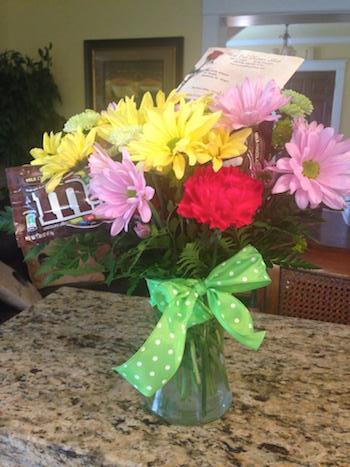
A blessing of flowers!Over the course of that week, people shared their testimonies of how they had used their “Blessed to be a Blessing” money on the BFCOG Facebook page, while others emailed their testimonies to Pastor Travis. The whole City of Bedford, Indiana, seemed to be abuzz about the “Blessed to be a Blessing” project.
The following Sunday, Pastor Travis shared several of the testimonies. One person had been blessed by reading the book 90 Minutes in Heaven, so he bought another copy with his $10 and gave it to a person God had laid on his heart.

He wrote inside the book about the “Blessed to be a Blessing” project and asked that the book continue to be shared–sort of the blessing that keeps on bless-ing.

Another wrote that she used her money to buy a new pair of pants for a young man out of work and who needed new clothes for a job interview.

One testimony after another, Pastor Travis shared how the congregation members of BFCOG had made an impact on the community. And, then he said, “Wouldn’t it be amazing if we embraced that Blessed to be a Blessing mentality every day? What kind of impact would that make in the Kingdom of God?”

I thought about his words all the way home. Finally I said, “Jeff, why don’t we embrace that ‘Blessed to be a Blessing’ mentality every day? At the very least, what if we did something every week to be a blessing to someone?”

“I don’t see why we couldn’t,” he said.

And, so we were in agreement that as the Lord directed, we would be obedient to carry out “Blessed to be a Blessing” deeds–not just when it was a directive of our church but as a way of life.

After all, that’s what God wants us to do.

Philippians 2:4 says, Let each of you look out not only for his own interests, but also for the interests of others. (NKJV)

And, Matthew 5:16 says, In the same way, let your good deeds shine out for all to see, so that everyone will praise your heavenly Father. (NLT)

READ MORE: MISPLACED PRIORITIES

I’ve heard it preached many times that we should live to give, but for some reason, this particular “Blessed to be a Blessing” campaign ignited that “live to give” spark inside me in a way I hadn’t ever experienced before, so I’m here to fan that “live to give” flame nside you.

Need some “blessing” ideas? Here are five to get you started:

1) Offer to do yard work for your elderly neighbor–mowing the lawn, picking weeds, etc.

2) Pay for the person’s order behind you in line at Starbucks.

3) Write a thank you note and tell your local police force and firefighters how much you appreciate all that they do for your community, and maybe bless them with several dozen cookies from your local bakery.

4) Send flowers to a single mom this Mother’s Day, letting her know that God adores her and that she’s doing a great job.

5) Instead of walking past that homeless person this week, why not give him a bag of groceries, a devotional book and a Bible?

Ask God to show you where you can be a blessing, and He will.

Australian Wildfires: 4 Inspiring Stories of Hope and Resilience

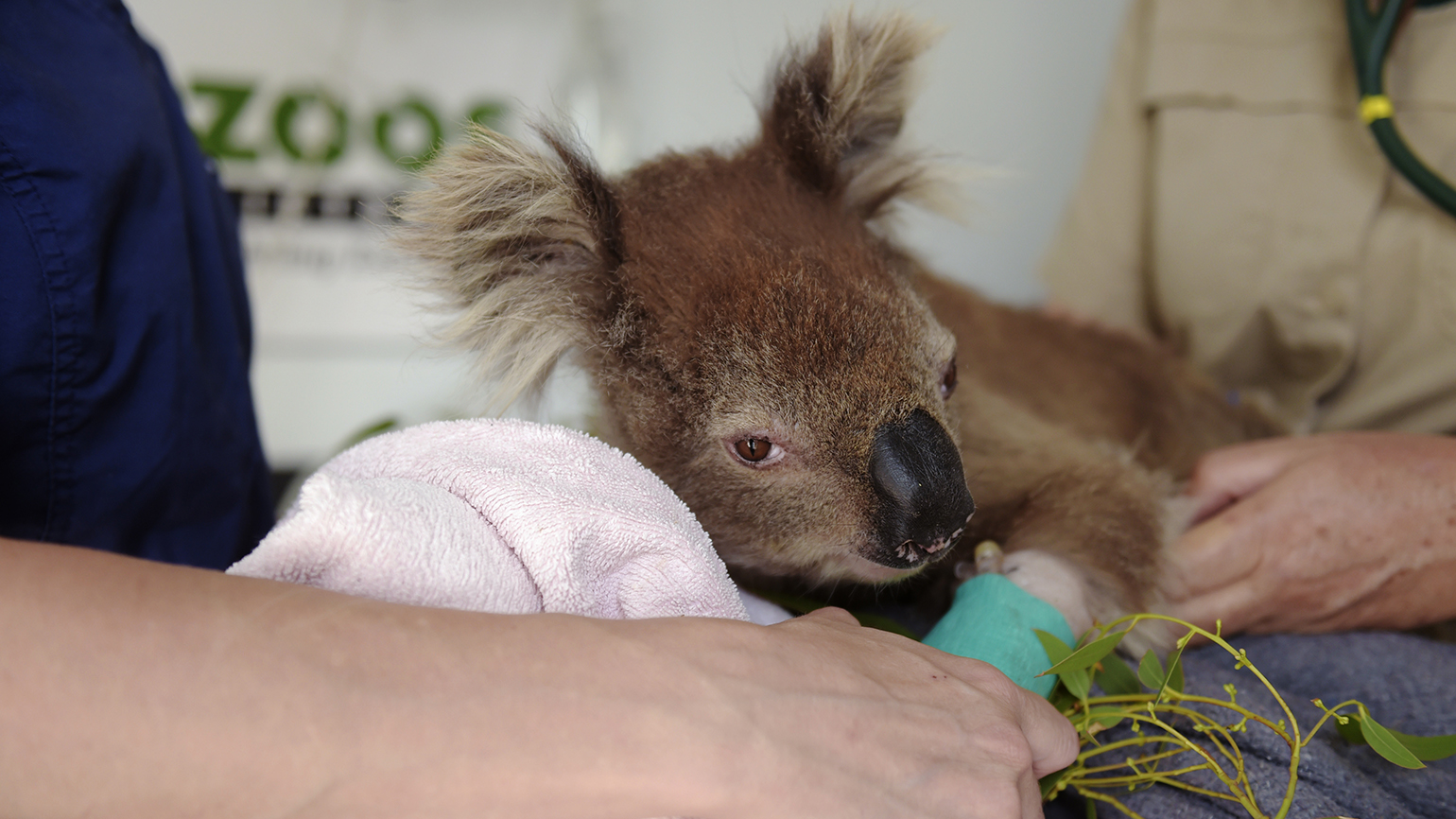
As the world watches in horror, Australia continues to be devastated by the worst wildfires the continent has experienced in decades. Heartbreaking images—burned koalas, flaming forests, smoke-filled Sydney and even a glowing image of the continent taken from outer space—are flooding the Internet.

The wildfires, which have consumed almost 18 million acres and claimed the lives of 24 people and millions of animals, show no signs of stopping, according to CNN. Although international relief organizations are sending help and raising funds, there are also a slew of Good Samaritans around the globe springing into action. Here are four of our favorite hero stories.

A Zookeeper Takes His Job Home

Chad Staples, director of the Mogo Wildlife Park in New South Wales, home to more than 200 endangered and exotic animals, described the scene created by the bushfires to ABC News Australia as “apocalyptic.” But the animals were ultimately saved due to an exceptionally dedicated staff, including Staples, who took home several red pandas and some small monkeys. Other workers stayed at the park to calm and care for the animals. Staples said “not a single animal [was] lost.”

A Koala’s Best Friend: Bear the Dog

The story of Bear, a six-year-old border collie-koolie mix, who is busy sniffing out and saving injured koalas, has gone viral. As People magazine reports, others dogs have been trained to sniff out koala scat, but Bear, who works with Detection Dogs for Conservation, is able to smell and lead rescuers to live koalas. According to the Brisbane Times, even Tom Hanks and Leonardo DiCaprio have become fans of the rescue-dog with the stunning blue eyes. “This is a Disney movie that must be made,” Hanks said during a recent “Nice Tweets with Tom Hanks” session.

Irwin Family Saves More than 90,000 animals

The ‘Crocodile Hunter’ Steve Irwin may have died in 2006 after being stung by a stingray, but his family is continuing his legacy of saving wildlife. In an Instagram post, Bindi Irwin, Steve’s 21-year-old daughter wrote: “With so many devastating fires within Australia, my heart breaks for the people and wildlife who have lost so much,” adding that the Australia Zoo Wildlife Hospital, run by the Irwin family, has treated 90,000 animals injured in the blaze.

A Daring Koala Rescue

A video of an Australian woman, Toni Doherty, running out of a burning forest with a koala wrapped in a blanket has made the rounds on social media; many declare her a hero. According to the Daily Mail, Doherty spotted the little creature around Long Flat, near Port Macquarie, NSW, scooped him up and doused him with water before escaping from the flames. “We just jumped out and I knew I needed to put something around him as I ran to the tree, so I just took off my shirt and covered him with it and tried to get him out of the fire,” she told the Today show. Sadly, the koala, who was named Lewis, died a few days later of his injuries, but his story raised more than $1 million for other koalas.

A Teacher Called to Active Duty Learns What She Means to Her Students

I popped open my front door in Long Island, my arms overflowing with cards, boxes and bags stuffed with colorful tissue paper. I put the goodbye gifts on the kitchen table and sat down with a sigh. I’m going to miss these kids so much, I thought. Today had been my last as a Spanish teacher in a public high school, at least for the foreseeable future.

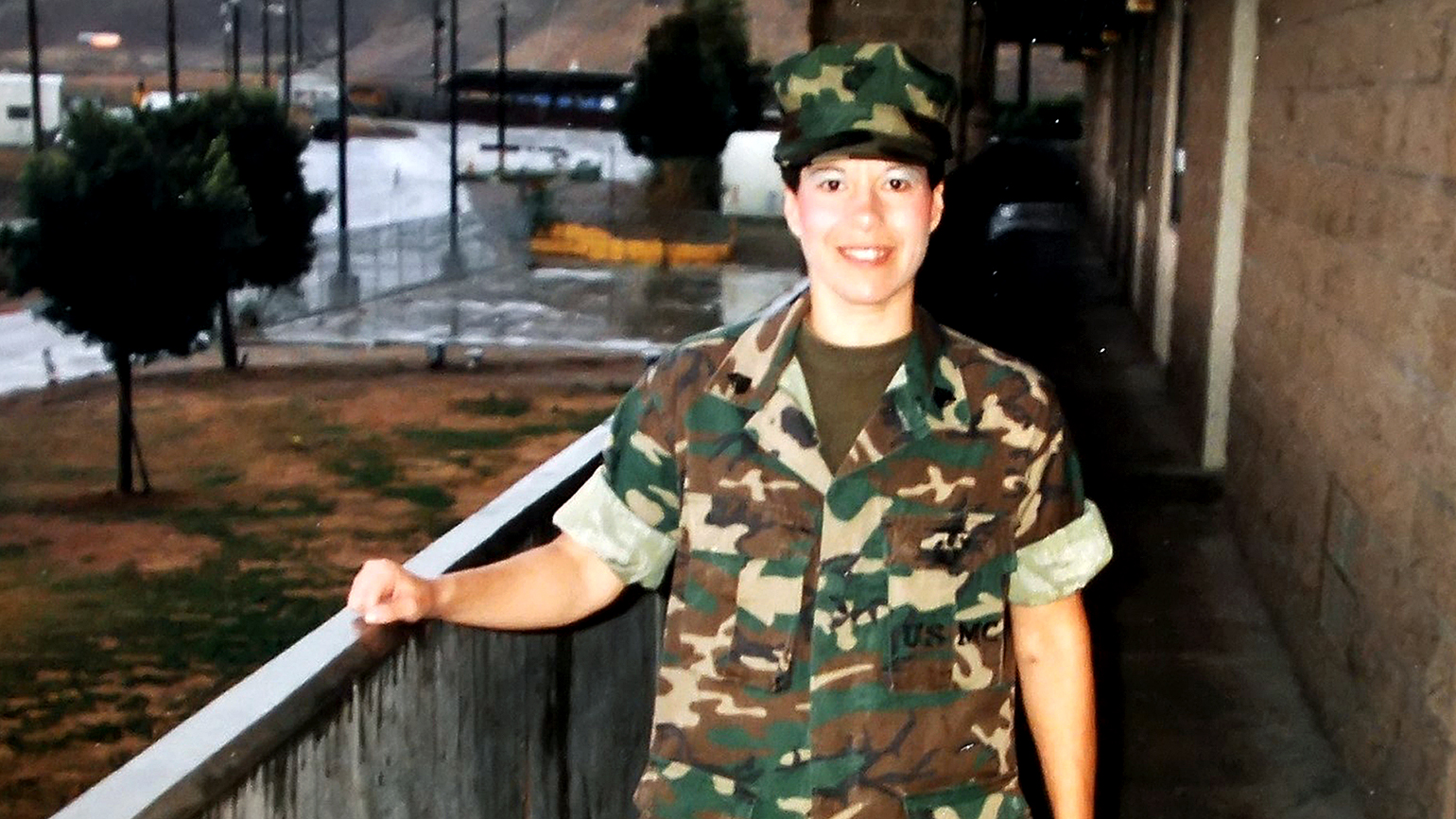
A Marine Corps reservist for 12 years, I’d spent one Friday a month and two weeks every summer as an interrogator and translator in the intelligence field. It was meaningful work, and I was proud to serve—with the comfort of coming home in the evenings. Now, however, I’d been called to active duty for Operation Desert Storm.

Other reservists had been called up, but I didn’t believe it would happen to me. Then I received my activation notice on February 4, 1991. I read the letter, almost shaking from nerves, my mind spiraling. What will this mean for me? In two weeks, I would report to Camp Pendleton in California, but for how long? Would the Marines send me to Kuwait after that? Who would take care of my students?

The next two weeks went by in a rush. Who should get my power of attorney? What did I need to pack? I told my principal, fellow teachers and students all I knew. “I’m sorry I have to leave you,” I said. “I’m going to California to work for the Warrior Training Command.”

Some of my students were visibly nervous. “Are you going to be okay?”

“I’ll be fine,” I said.

I wanted to believe that, but I had no idea what to expect or how I would cope without having school life to ground me. Though I had a reputation as a tough teacher—“Watch out, she’s a Marine!”—I cared so much about my students. Not just their grades but their feelings, challenges and well-being. I poured my heart into teaching. Did the kids know how much they meant to me?

I looked at the pile of gifts on my kitchen table, guessing they held perfume, candy and other traditional going-away presents. I unwrapped a box and unfolded tissue paper to find…a Bible? I opened the note attached.

Dear Miss Nuzzi, This is my most prized possession, my Bible. Prayer is so important, especially in times like these. I want you to have it.

My breath caught. A sophomore girl had passed on something to me so meaningful, so personal! I picked up a brown paper bag with a note from an eleventh-grade Boy Scout. This is so you don’t lose your way in the desert, it said.

Inside the bag was a small compass. Another box held a Saint Christopher medal from a student who was always drawing in my Spanish class. Sorry about the doodles, his note read. Other kids gave me lip balm and hand cream for protection against the desert sun.

With each gift, my eyes grew wider to the real message of teaching. We touch lives not only through classroom les­sons and textbooks but by who we are. And that connection goes both ways. I cared deeply about my students, and they cared about me—enough to send me these tokens of themselves for my journey into the unknown.

For more inspiring stories, subscribe to Guideposts magazine.

A Social Worker Helps a WWII Veteran Survive Covid-19

Remember the television show Quantum Leap? I was fascinated by it as a teenager. In every episode, the main character, a physicist, leaped back in time and into someone else’s body and fixed something that had gone wrong in their lives. The idea of being able to make things right from the past stuck with me well into adulthood. Until fairly recently, in fact.

May 1, 2020. I’d seen my share of death and suffering in the two weeks I’d been deployed as an Army social worker at New York City’s Jacobi Medical Center. The Covid-19 crisis was unrelenting. My job was to sit with patients, a dozen or so visits a day, and listen. Offer comfort and hope. But was it too late for George Crouch, the frail elderly man in the bed in front of me?

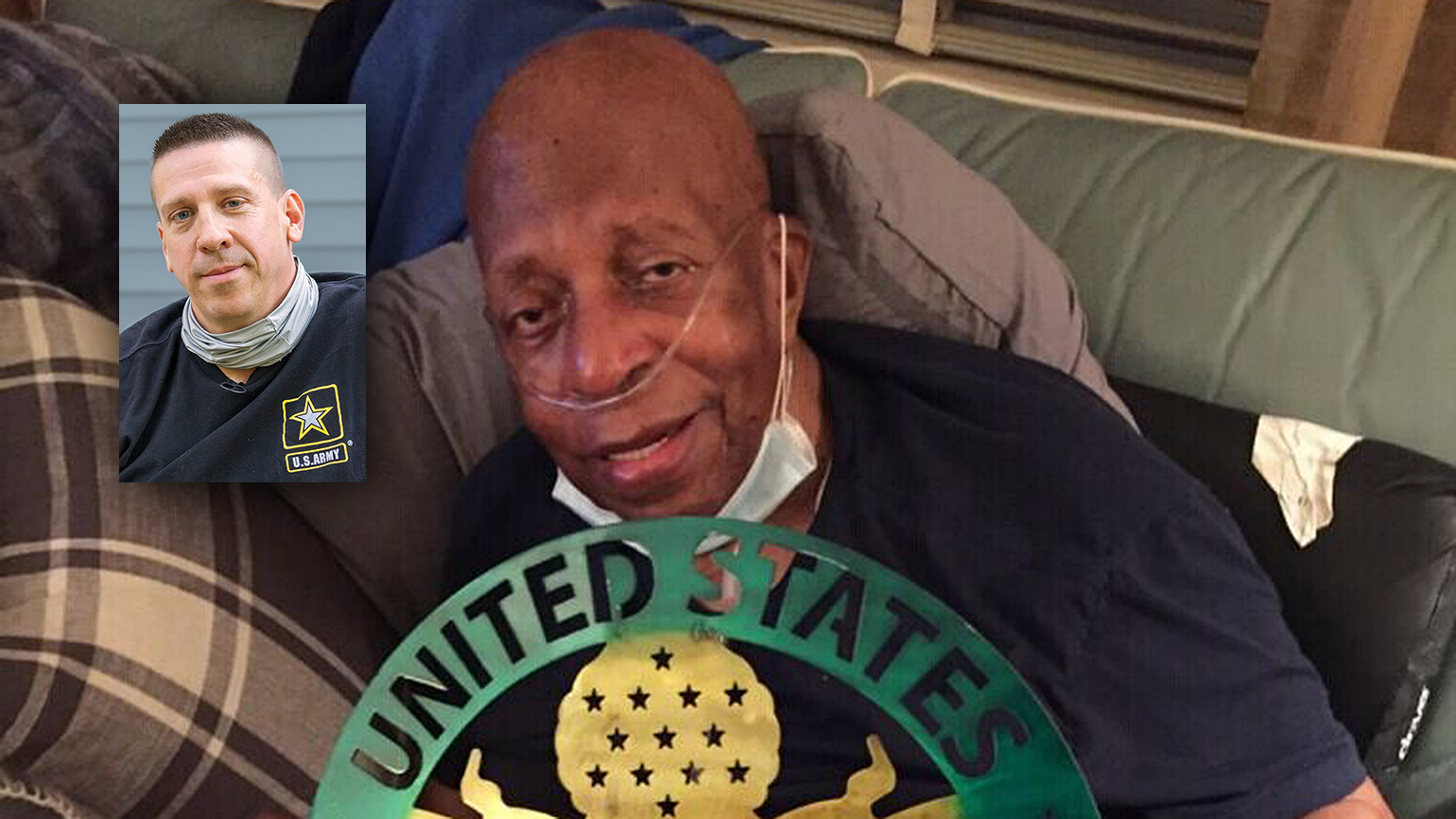
Nurses told me he’d refused medical care and food since he’d lost his wife, Gail, to Covid-19 the day before. I sat next to his bed, outfitted in my PPE. His eyes were barely open, a solitary tear on his cheek. He was 96, a World War II veteran. One of the Greatest Generation.

“Sir, I’m Capt. Eric Dungan,” I said. “U.S. Army.” His eyes opened a crack. “I’m in the Reserves, not the Big Army like you.” An almost imperceptible smile creased his lips. Something, at least. I’d spent years as a social worker, but this deployment was my first time in uniform.

I’d joined the Reserves only six months earlier. My respect for veterans was a big part of why I’d signed up. My father, Jack, was a veteran of the Korean War era. I only wished he could have lived to see me in uniform, but he’d died in 2013.

I fixed my eyes on George’s. “You know what it’s like to battle,” I said. “You’ve got to stay strong.”

I talked for a few more minutes. No response. Finally, I stood, my six-foot, five-inch frame towering over him. I was almost to the door when I heard it.

“Rock steady.” The voice weak, the words unmistakable.

I turned. George looked as if he were asleep. His words echoed in my mind. Something my old man would have said. The same quiet strength.

I went back to see George that afternoon. The room was a hive of activity. “We’re taking him to an area where he can get more care,” a nurse said.

“Rock steady,” I said.

George slowly made a fist and gave a thumbs-up as they wheeled him out. I was off that weekend. all I did was worry about George. I cared about each of my patients, prayed for them each morning. Something about this guy tugged at me, though. It wasn’t just the way he reminded me of my dad. It felt almost as if I were being given a chance to atone for the mistakes of my youth, to make things right.

From the time I could walk, I was in awe of my dad. He was the salt of the earth. He’d served in an infantry unit in the Army. He’d worked on the assembly line at GM and done construction on the side. But he always made time for my older sister and brother and me. From helping people who were down on their luck to teaching me how to hit a jump shot, he was all-in.

Like when I was 15 and broke my leg playing basketball. I had a rod put in and was laid up for weeks. Dad sat with me every evening, boosting my spirits.

I wanted to be like him, the kind of guy you could count on. But several months later, when my sister needed me, I dropped the ball. Angie, 19, was about to have an operation to remove a tumor. She was scared and asked me to talk her through having surgery, since I’d had my leg worked on. I said I would sit with her the night before her operation. Then friends invited me to play video games.

I forgot my promise. Angie’s tumor turned out to be cancerous. I was guilt-stricken. Even though Angie and I were close, I couldn’t bring myself to help my parents with her care, for fear that I’d let her down again. I couldn’t bear to be confronted with her illness and my inadequacy.

I was in college, majoring in criminal justice, when Angie died. I’d failed my sister, my parents, and now I’d never get to make it up to them. I went off the rails. I quit studying. The only way I could escape my guilt and grief was watching that TV show Quantum Leap.

I graduated, barely, in 1997. I tried the police academy but dropped out after a few weeks. Then I decided to join the Army. The recruiter learned about the rod in my leg and said I’d never pass the medical exam. It felt like final confirmation that I’d never be the man Dad was.

Not that Dad ever said he was disappointed in me. He just urged me to trust God to lead me. That’s how he lived his life. But how could I trust God when I couldn’t even trust myself?

I drifted until I landed a job as a case manager for an agency serving troubled youth in Muncie, Indiana. I found myself connecting with the kids. I understood how lost they felt.

By 2004, I’d been working several years as a case manager. A colleague said to me, “You know VA hospitals are looking for clinical social workers. Could be a great opportunity if you got a master’s degree.”

The idea intrigued me. I’d never lost my admiration for veterans. The University of Louisville had a good social work program. Enrolling would mean driving five hours every weekend for two years. I applied, heard nothing from the admissions office. I wasn’t surprised, given my lackluster college GPA. I figured that was that, like so many other things in my life.

But Dad wouldn’t let it go so easily. “Go down there and see someone faceto- face,” he kept saying to me. Finally I took off work and made the drive. The woman I met with put through my admission on the spot. There’d been a mix-up with my application.

Without Dad, I would never have become a licensed clinical social worker. Never have devoted the past 14 years to working with veterans, making him proud. I would never have heard the Army Reserves needed social workers (this time, my leg wasn’t an issue) or deployed to New York City at the height of the Covid-19 pandemic.

Without Dad, I would never have learned to ask God to guide me, to help me in my work and with my patients. The way I asked God on Monday morning before I ran to check on George. He was on forced oxygen. He lay so still, his eyes shut. “Keep fighting,” I whispered. I squeezed his shoulder and went to finish my rounds.

The next day, his eyes were open. The nurse said he wouldn’t eat and had pulled out his IV. “George, you can’t give up,” I said.

He turned his head toward me, then jerked the oxygen mask from his face. “What do you want me to do?”

“I want you to live,” I said. “You don’t have to die.”

He scowled. The room turned still, just the quiet whoosh of the oxygen.

Finally he picked up his spoon and ate some applesauce. He extended his arm to the nurse to reinsert the IV. She shook her head in disbelief. I looked to George. Another tear on his cheek.

“I can’t pretend to know what you’re going through,” I said. “But I promise you, you still have a lot to live for.”

I checked back that afternoon. He was sleeping peacefully. The nurse said he’d eaten his entire breakfast. He was still sleeping Friday afternoon. “He’s really weak,” the nurse said.

I thought of the last hours I’d spent with my dad, who’d died of a respiratory disease. We watched a Louisville basketball game in his hospital room. I wanted to spend the night, but he wanted me to go home. Early the next morning, the hospital called. He’d passed away during the night. Died on his terms. I wondered if George would be the same way.

Monday morning, I found George had been moved to a unit for patients in recovery. “He’s like a new man,” the nurse told me in the hallway. Really? Doctors and nurses were usually cautious in describing a patient’s condition.

I poked my head inside the room. There was George, sitting up in bed. His eyes lit up when he saw me. “Hey, where you been?” he said.

I laughed. “You look great,” I said. “I told you you’re a warrior. Now I want to see you keep it up.”

“You got that right,” George said. “Rock steady.”

I pulled a chair close to his bed. “Where were you in the war?” I asked.

“Okinawa,” he said. “We lost some good men. Then Korea. I made sergeant. Yeah, I’ve seen some things.”

He told me about serving in a segregated unit. The discrimination he’d faced. How it had made him all the more determined. After his service, he’d bought a house in the Williamsbridge section of the Bronx. He had worked as a lab tech at City College and later taught chemistry. He’d married Gail late in life, in his early fifties.

“I miss her so much,” George said, getting choked up. “It took me so long in life to finally find her. It’s hard to think about going on without her.”

“Understood. You don’t get over losing someone you love like that.” I held his hand and thought about my sister.

We fell silent. And in that silence, something passed between us. An understanding. A quantum leap of the spirit. There was no undoing the past. I couldn’t bring back my sister or my dad any more than George could bring back his beloved Gail. But God gave us a life to be lived forward, a life with unexpected gifts, like the bond forming between George and me.

In the days that followed, I told the others in my unit, as well as the doctors and nurses at the hospital who’d served in the military, about George. They streamed into his room, giving him patches from their units.

Word spread outside the hospital. A Marine sent him a World War II Veteran cap. After each visit, George sat up a little straighter, his face more animated. Other patients asked about him. He’d become a source of hope to the entire hospital. Almost a celebrity.

Two weeks after we met, George was discharged to a rehabilitation center. He wore his World War II Veteran cap. Cheering doctors and nurses lined the hallways as he left the hospital. I was at his side. A New York Times article followed. People needed all the hope they could get, and George symbolized that hope amidst the worst of the Covid scourge. He was his own quantum leap.

“I love you, dude,” I said. “You’re not done with me. I’m calling you every day.”

George looked up at me and squeezed my hand. “I love you too,” he said. “Rock steady.”

For more inspiring stories, subscribe to Guideposts magazine.