Embrace God's truth with our new book, The Lies that Bind

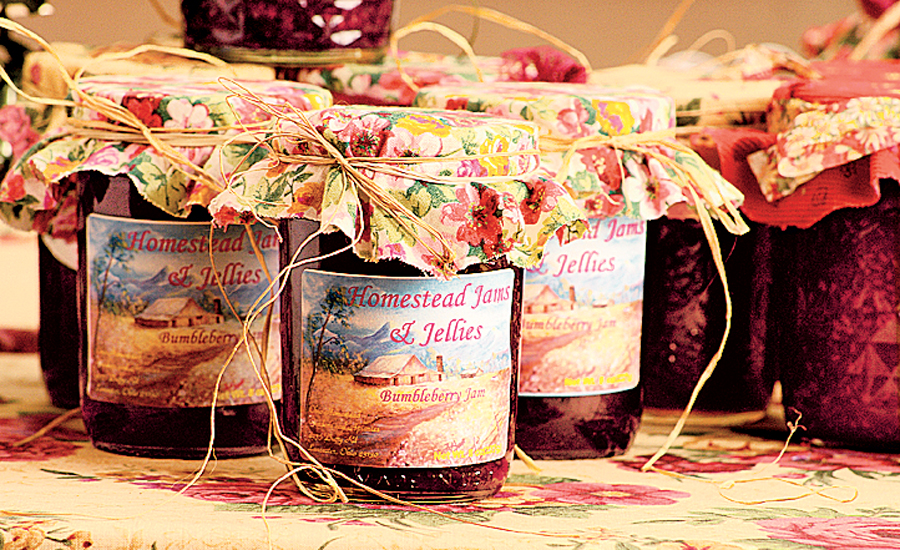
Bumbleberry Jam

Any mixture of berries will do. It depends on what’s ripe and fresh. In June use raspberries and blueberries. Later, it’s blackberries and gold raspberries.

Whatever you use, I promise when you open a jar in January, you’ll taste summer.

Ingredients

4½ pints mixed berries

½ pint cleaned, chopped rhubarb

1 1.75-ounce package low-sugar pectin (I use SureJell)

4½ cups sugar

½ teaspoon butter

Preparation

1. Place mixture of berries and rhubarb in a 6–8-quart saucepan.

2. Mix pectin with a ¼ cup of sugar in a small dish and add to fruit mixture. Add the butter.

3. Bring to a full, rolling boil, stirring constantly to prevent sticking. Stir in the rest of the sugar, still stirring constantly. Bring back to a rolling boil and let boil for 1 minute.

4. Remove from heat and spoon off any foam that has collected on top.

5. Fill sterilized jars with jam, leaving at least a finger’s-width of space at the top.

6. Process according to instructions on homefoodpreservation.com.

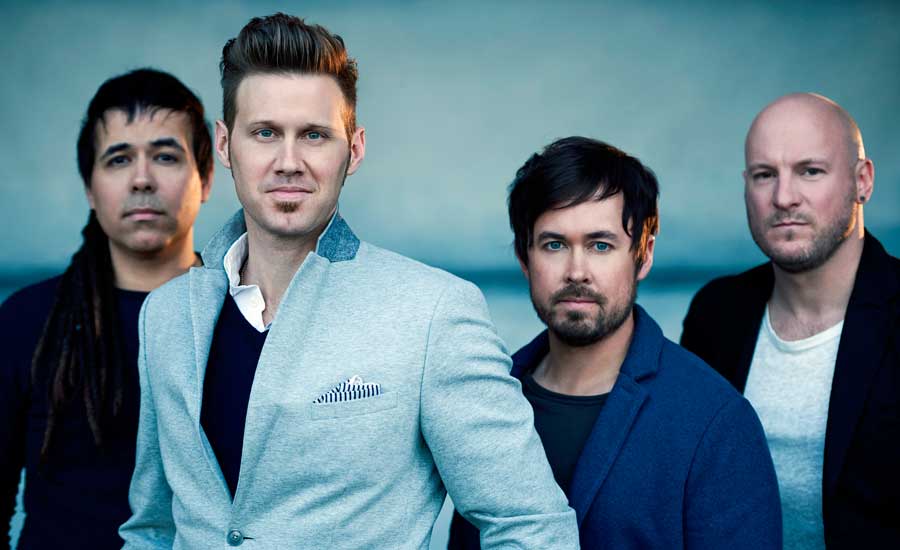
Building 429 Frontman Jason Roy Speaks on Fatherhood and Forgiveness

Jason Roy isn’t afraid to be honest.

I discover this after a late-morning phone call on the day his Christian band Building 429’s new album Unashamed is set to debut. After realizing we hail from the same hometown—Wilmington, North Carolina—trading favorite local haunts and forgiving each other for being alumni of rival high schools, the lead singer confesses something most artists are not wont to admit: he actually reads reviews.

READ MORE: MATT MAHER ON PLAYING FOR THE POPE

“Last night, a review popped up on Twitter and I knew I shouldn’t read it but I had to,” Roy says. “I clicked on it and it was the best review I’ve ever been given for any record I’ve ever made.”

We agree he shouldn’t read any more—in case others prove to be more critical—and start unpacking Unashamed, the Christian band’s 9th studio album, a marked departure in sound from any of their previous records.

Building 429 – whose members include Roy, Michael Anderson, Jesse Garcia and Aaron Branch – is known for their catchy lyrics, sweeping anthems and fist-pumping beats. Their latest album showcases all of that along with a more vulnerable side to the men.

Songs like “Be with Us Now” speak to the late-night theological conversations on tour buses the band had where they questioned why people would ever be ashamed of their faith.

“The idea of the title of the record is that you have to be unashamed of your story of brokenness before you can be truly unashamed of the Gospel,” Roy says.

Roy has seen this play out in his own life.

A child of divorce, Roy was constantly on the move while living with his mom and stepdad. When he felt something missing from his life, he decided to move to Texas to live with the father he only saw once a year. What he hoped would be a fresh start turned out to be something frightening.

A power lifter who was struggling with the aftereffects of extensive steroid use, Roy’s father was, at times, abusive.

“It was a really weird thing,” Roy says. “I knew my dad loved me, but I was scared to death of him at the same time.”

Those early years were tough; Roy faced bullying at school and at home for his Christian beliefs. His father didn’t share his faith and had a hard time connecting with him because of it, but the one thing they did bond over was music.

“He bought me a drum set. He put a guitar in my hand when he had no money. He provided a place for me to learn how to play music.”

Roy also attributes his own work ethic to his father’s strict regimen.

READ MORE: BIG DADDY WEAVE BRINGS ‘BEAUTIFUL OFFERINGS’

“He was a marine drill sergeant,” Roy jokes. “He woke me up every morning at 5 a.m. and we ran 3 miles together. Even when I was tired, wanting to go back to bed, he’d say ‘It’s all a matter of attitude.’ That has served me so well. I would not be a part of Building 429, 15 years later if I didn’t have that in my head; ‘Don’t Give up, don’t quit, It’s all a matter of attitude.’”

Roy addresses his evolving and complicated relationship with his father on the track, “Stronger.” He sings about the bullying he endured and ends with, “Maybe someday we’ll find a way to love each other.”

“A long time ago, I decided that I was not going to hate my father for who he could never be, I was going to love him for who he was,” Roy says.

The singer, who is also a father now, says he’s been grateful for the chance to heal his relationship with his dad and to witness the amazing change he’s undergone – his father is now a man of faith, a fan of Roy’s music and a doting grandfather to Roy’s two children.

Roy hopes that by laying down his shield and baring his own story through this latest record, he’ll help others realize that they’re not alone in their struggles.

“That is the great lie of this life; that you’re the only one,” Roy says. “As believers, we’ve bought into this [idea] that ‘Sunday morning best’ means that we should come into Sunday morning service perfect. The church is not for perfect people. Our story of brokenness is not what disqualifies us for use by God, it’s what qualifies us. God gets the glory when a broken person is used to do something spectacular.”

Bubba Watson on the Bible and the Lessons His Parents Taught Him

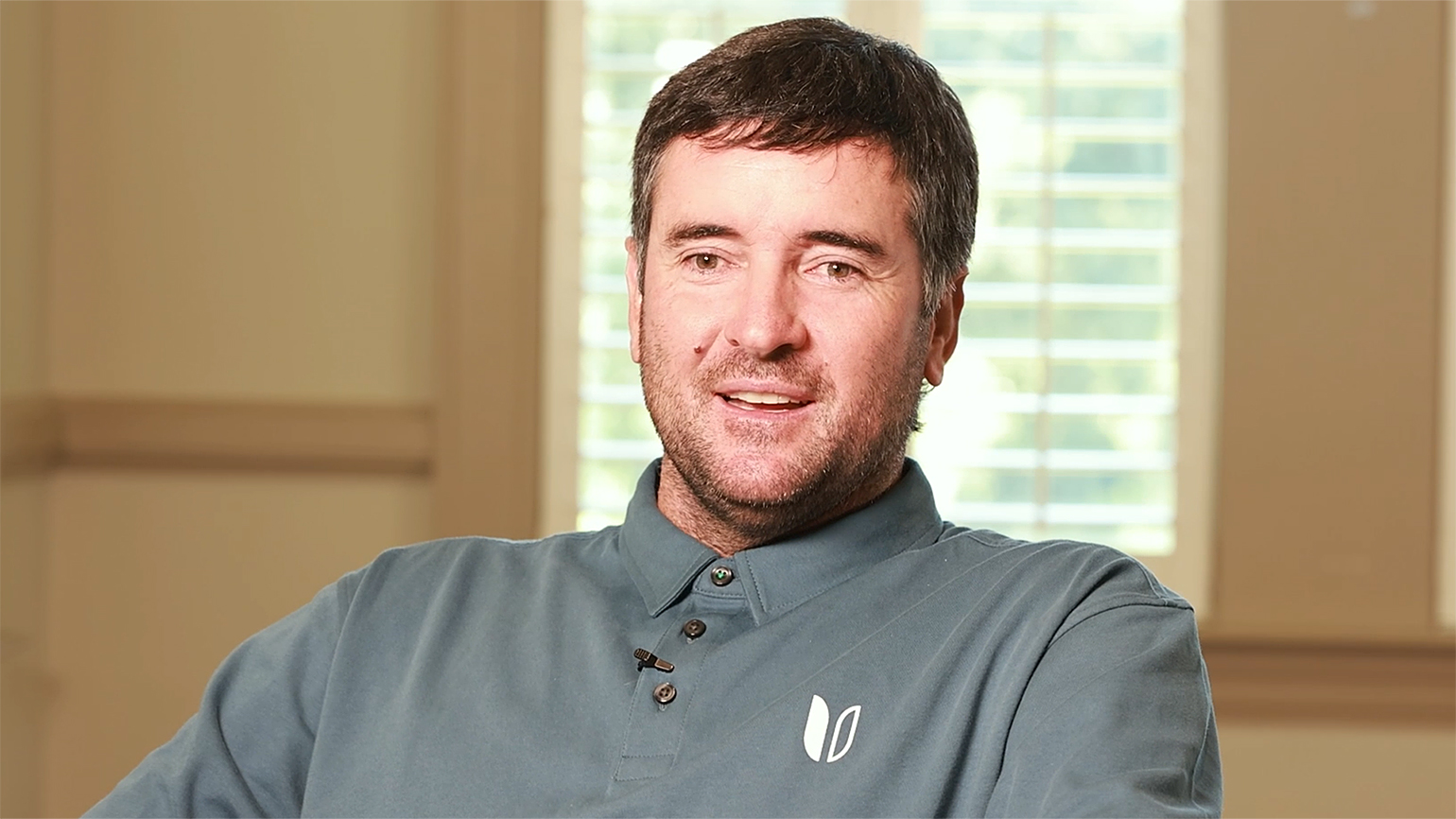
Hi, Guideposts. I’m Bubba Watson. I’m a father, I’m a husband, and I’m two-time Masters champ.

We were at a charity event, a putt-putt goofy golf, and a kid asked me my favorite Bible verse. And I said, “The whole Bible.” Because you’ve got to use the whole Bible. You’ve got to believe 100% of the Bible to get through life, because life is very difficult. It’s very challenging. And so the whole Bible to me is the whole key.

How the Bible helps me cope with anxiety? It goes back to, again, reading, understanding, and knowing what’s most important in life. And I lost that many times over my life trying to gain perspective, but trying to see that there’s more important things than my career, there’s more important things than money, there’s more important things than objects, and it’s not about the trophies.

My trophy should be being the husband my wife needs, being the dad that my kids need, and then friends, family, and keep going. But, you know, it’s realizing what’s most important in life. So when I look at the Bible, it’s the whole story of the Bible that helps me deal with many things.

The most important thing my mom taught me was to work hard, dedicate yourself to whatever you’re doing, grind through it. Because I’m a golfer, doesn’t matter what the weather’s like, practice in the rain, practice in cold weather. The same thing the Bible says, work hard at all you’re doing, everything you do, give it your best.

The most important thing I’ve learned from my dad was telling the truth. He said, “All you have in this world is the truth.” In this book that I put out I try to let everybody know all the things that I go through, all the things that I’ve been through. And again, trying to use that to go forward, to move upward, and to learn from that. And so my dad always put that in me, always put that in my head at a young age, is to tell the truth. No matter if it hurts you or hurts somebody else, you have to tell the truth so they know that they can trust you 100%.

Maintaining my spiritual wellbeing is talking to my wife, talking to my Sunday school class, my Bible study class, trying to understand the Bible more, understand where I’m going in life, and understand what’s most important. So it’s a team effort. It’s a lot of people you got to interact with to make sure they hold you accountable. So it’s a long process and I’m learning it every day, but that’s the goal, is to move forward and move upward closer to Jesus.

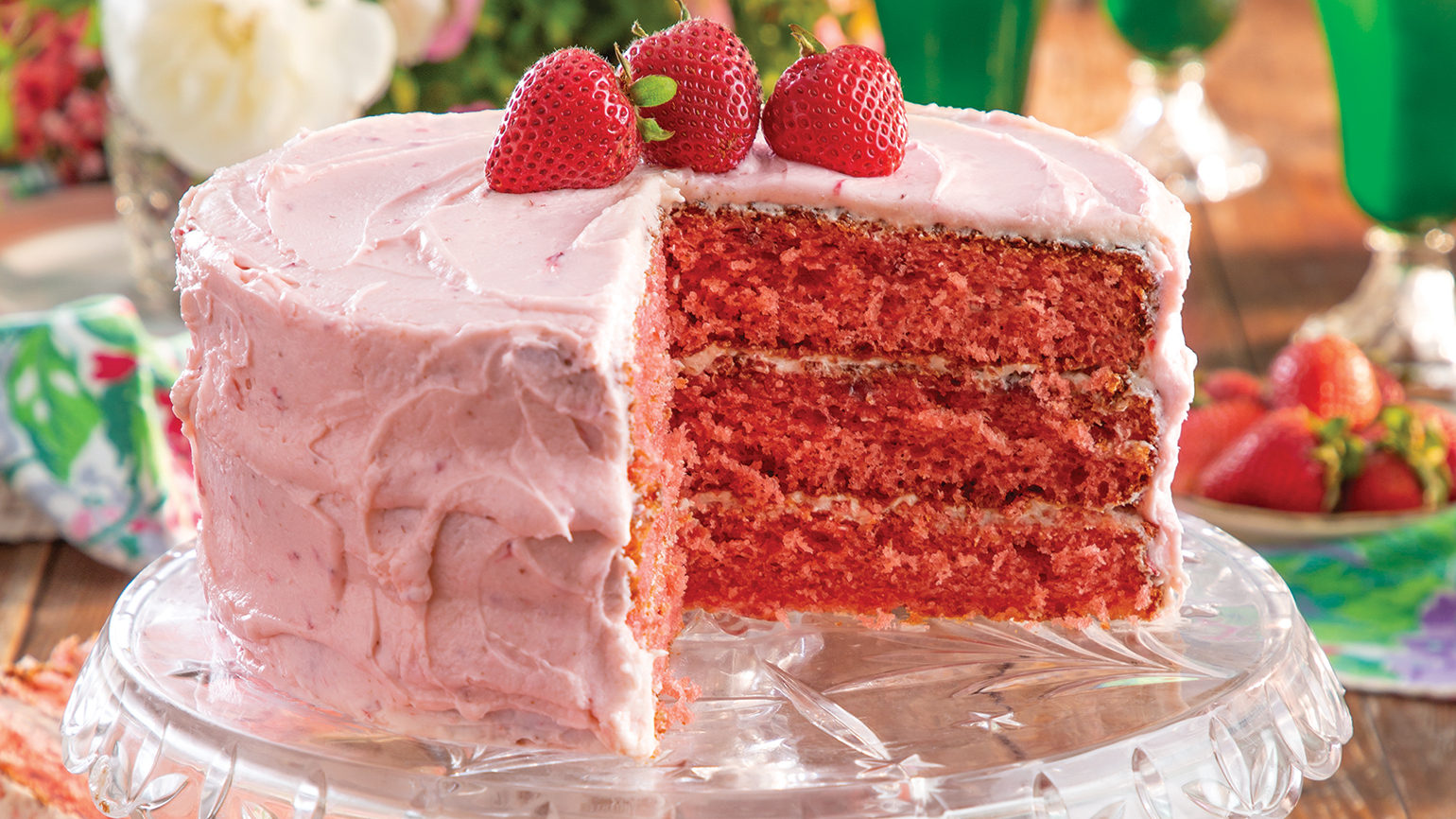
Brenda Gantt’s Strawberry Cake

Ingredients

Cake
1 box white cake mix
1 tablespoon White Lily self-rising flour
1 small box strawberry gelatin
¾ c. vegetab.e po;
1 c. fresh or frozen strawberries (thawed until mushy)
4 large eggs
Icing
1 stick butter
1 box powdered sugar
¼ tsp. vanilla extract
½ c. frozen strawberries (thawed)

Preparation

1.Preheat oven to 350°.

2. For cake, mix together cake mix, flour, gelatin, oil, ½ cup water and strawberries.

3. Add eggs, one at a time, beating well with a mixer after each addition. Divide batter among 3 (8-inch) round cake pans that have been greased and floured.

4. Bake for about 25 minutes. Let cool completely.

5. For icing, beat butter with a mixer, gradually adding sugar, until smooth. Add vanilla and strawberries, and mix well. Avoid adding too much syrup from the strawberries or icing could become too thin.

4. Frost cake layers with icing. Garnish with fresh strawberries, if desired.

Serves 12.

Nutritional Information:  Calories: 390; Fat: 23g; Cholesterol: 80mg; Sodium: 115mg; Total Carbohydrates: 43g; Dietary Fiber: 0g; Sugars: 40g; Protein: 3g.

Recipe from It’s Gonna Be Good, Y’all by Brenda Gantt (83 Press, 2021).

Read Brenda’s inspiring story from the February-March 2022 issue of Guideposts!

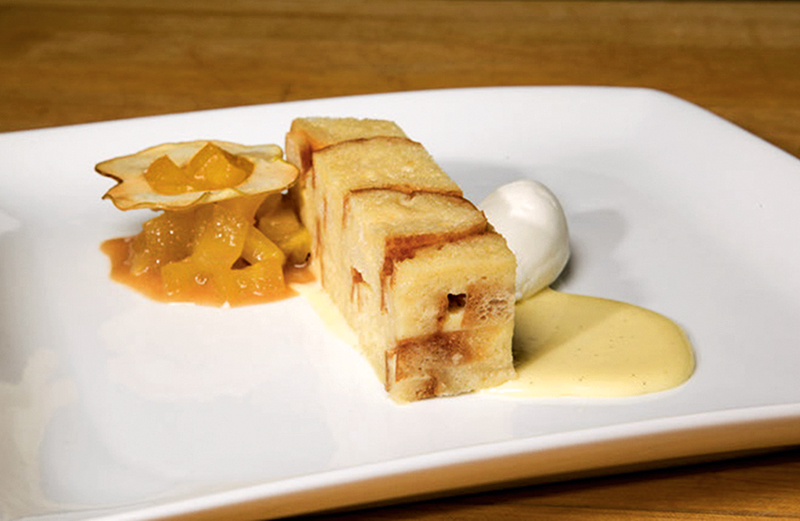
Bread Pudding

This delicious treat is fragrant with cinnamon and vanilla bean.

Ingredients

12 oz. butter 3 c. sugar
2 ½ loaves crusty French baguette 9 whole eggs
6 c. heavy cream Pinch kosher salt
1 vanilla bean or 1 tsp. vanilla extract 1 cinnamon, to taste

Preparation

1. Cut butter into walnut-sized cubes. Bring butter and eggs to room temperature, about 45 minutes.

2. Slice baguettes into 1/2-inch slices and lay them in a baking pan, closely packed. Repeat in two more layers.

3. In a large pot, combine heavy cream, vanilla bean seeds and pod (or vanilla extract). Heat slowly over medium heat for about three minutes, or until mixture reaches 110°F. Turn off heat.

4. With an electric mixer, cream butter and sugar in a large bowl until very smooth, about five minutes.

5. Crack eggs into separate bowl. With mixer on medium, add eggs one at a time, allowing each to fully emulsify before adding next. Scrape down bowl and run mixer for another 15 seconds.

6. Remove vanilla bean pods from cream. While running mixer on medium (use whisk attachment if you have one), slowly and steadily add cream until fully incorporated. Add pinch of salt and mix to combine.

7. Pour custard over bread until all slices are covered. Grate a liberal amount of cinnamon on top. Cover and allow custard to soak into bread for a minimum of 45 minutes.

8. Preheat oven to 350°F. Fill a large pot with water and bring to a boil. When custard has fully soaked into bread, cover with foil and place pan into a slightly larger pan. Carefully fill larger pan halfway with boiling water.

9. Bake for 1 hour. Remove foil and bake 30 minutes more, until brown and bubbly.

Serves 20.

Nutritional Information: Calories: 510; Fat: 43g; Cholesterol: 240mg; Sodium: 200mg; Total Carbohydrates: 30g; Dietary Fiber: 0g; Sugars: 22g; Protein: 9g.

Don’t miss Lance’s inspiring story about how he came to be the winner on the Food Network show, Chopped.

Download your FREE ebook, The Power of Hope: 7 Inspirational Stories of People Rediscovering Faith, Hope and Love.

Bread Made with Love

There’s nothing quite so homey as the smell of baking bread.

I know. I’ve been baking bread as long as I can remember.

Yes, now there are bread machines, but I can’t imagine using one. For me, a loaf of bread is more than flour, yeast and water. It’s what’s kept my family going for generations. It has truly been the staff of life.

One of my earliest memories is watching my grandmother bake bread in her old-fashioned kitchen in a fishing village in the frozen north of Canada. She had a wood-fired stove. I sat in the warmth sipping a tiny cup of tea Grandmother made me.

She stood at the counter kneading dough and telling stories of her childhood. Her mother died in childbirth. Grandmother helped take care of her siblings. She had to learn to bake bread when she was a girl. The family couldn’t afford store-bought. She’d been baking so long I’m sure she could’ve done it blindfolded. She glided around the kitchen like a dancer, every move seeming effortless. It was only when she opened the stove to tend the fire that I saw baking bread was work as well as art.

A blast of heat whooshed out and Grandmother’s face flushed in a single triangle-shaped spot on her forehead. I always watched for that spot. It was a sign of the effort—and the love—that went into her bread.

Grandmother taught my mom to bake bread and Mom continued the tradition. Our kitchen didn’t look like Grandmother’s. It was modern, with pine cabinets, shiny counters with metal trim and a wall-mounted oven. But whenever Mom baked bread, it felt like northern Canada. Just like Grandmother, Mom told stories of her childhood in that Canadian fishing village.

“It was so cold!” she said. “Everywhere snow and ice. I used to sit by the stove while Mom made bread. That was the coziest spot in the house.”

We didn’t have a lot of money growing up and Mom worried about Dad getting laid off. The only indication I ever saw of Mom’s anxiety was when it came time to punch down the dough. She plunged her fist in fiercely, as if she were releasing her worries. Then, calm, she divided the dough and put it into bread pans. While the bread rose, I ran out to play.

When the dough was puffy, Mom dotted it with butter and slipped the loaves into the oven. Soon that heavenly smell wafted out the window. Like clockwork my friends began turning up, asking, “When’s the bread going to be done?” Mom pulled the bread from the oven, dabbed the loaves with butter and set them out to cool. Then came my favorite part, a slice for everyone!

Ordinarily we didn’t bake bread in the summer. Too hot. One year, though, money was tight and our car broke down. We couldn’t afford repairs. Mom walked to the auto shop looking worried. When she returned she was smiling. She pulled down the shades, turned on the fans and set to work. Soon the kitchen was sweltering.

“Why are you baking?” I asked.

“The man at the garage agreed to fix our car in exchange for some of my bread,” she said. “I know it’s hot, but we just have to do it.” Soon the loaves were ready. I saw the sweat trickling down Mom’s neck. On her forehead was a triangular-shaped red spot. Just like Grandmother’s.

I bake bread these days not because I have to but because I love to. When I first began I had to look at the recipe for every step. Now I almost feel Mom and Grandmother moving around the kitchen with me.

Sometimes it’s more than a feeling. If the day is very warm or I’m in the kitchen a long time I feel my face get flushed. I glance in the mirror and see, on my forehead, a triangular-shaped red spot. From Grandmother to Mom to me. A sign of a family tradition, bread made with love.

Try Kimberly Onufrock-Bracco’s bread recipe and watch her make it!

Braised Sausages with Chiles

This hearty, flavorful main dish is just the thing for cool autumn evenings.

Ingredients

1 tsp. canola oil 1 jalapeño pepper, stemmed, seeded and thinly sliced
4 4-oz. pork sausage links 2 garlic cloves, finely chopped
1 12-oz. bottle amber beer 2 Tbl. Creole (or whole-grain) mustard
½ c. red wine vinegar 4 rosemary sprigs
1 medium onion, thinly sliced 1 tsp. salt
1 small red bell pepper, cored, seeded and julienned Steamed rice, for serving

Preparation

1. Heat the canola oil in a large skillet over medium-high heat. Add the sausage and sear for 5 minutes, turning as necessary until evenly browned.

2. Add the beer and vinegar and cook for 1 minute, until slightly reduced.

3. Add the onion, red pepper, jalapeño, garlic, mustard, rosemary, and salt and toss well to combine.

4. Reduce the heat to low, cover and simmer until the peppers are soft, the sausage is cooked through and the sauce begins to reduce and thicken, 10 to 15 minutes.

5. Serve over rice.

Serves 4.

Nutritional Information (using one cup rice per serving): Calories: 530; Fat: 38g; Cholestrol: 85mg; Sodium: 1640mg; Total Carbohydrates: 19g; Dietary Fiber: 1g; Sugars: 3g; Protein: 21g.

Reprinted from the book Real Cajun: Rustic Home Cooking from Donald Link’s Louisiana by Donald Link. Copyright © 2009 by Donald Link. Photographs copyright © 2009 by Chris Granger. Published by Clarkson Potter, a division of Random House, Inc.

Boy Scout Breakfast

There’s nothing better than waking up in the morning to sizzling bacon, potatoes and eggs frying in the skillet.

Ingredients

5 pounds red potatoes, diced once cooled

1 pound thick-sliced bacon, diced

¾ cup green bell pepper, diced

1 medium onion, chopped

6 to 8 ounces sharp Cheddar cheese, shredded

5 to 6 large eggs

Preparation

1. Boil potatoes in a large pot of water until they start to feel soft, but not mushy. Before they cool completely, peel the skins. Dice the potatoes and set aside.

2. Fry the bacon in a large skillet over medium-low heat till fat is rendered. Drain off some of the grease from the skillet.

3. While continuing to brown bacon, add the green pepper and onion and cook thoroughly. Add the potatoes to the pan, and heat until the mixture is hot throughout.

4. Sprinkle the cheese over the top, letting it melt down into the mixture. Then stir in the eggs, cooking them all the way through.

Serves 4 to 6

Read how this dish became a family favorite in Dad’s Boy Scout Breakfast!

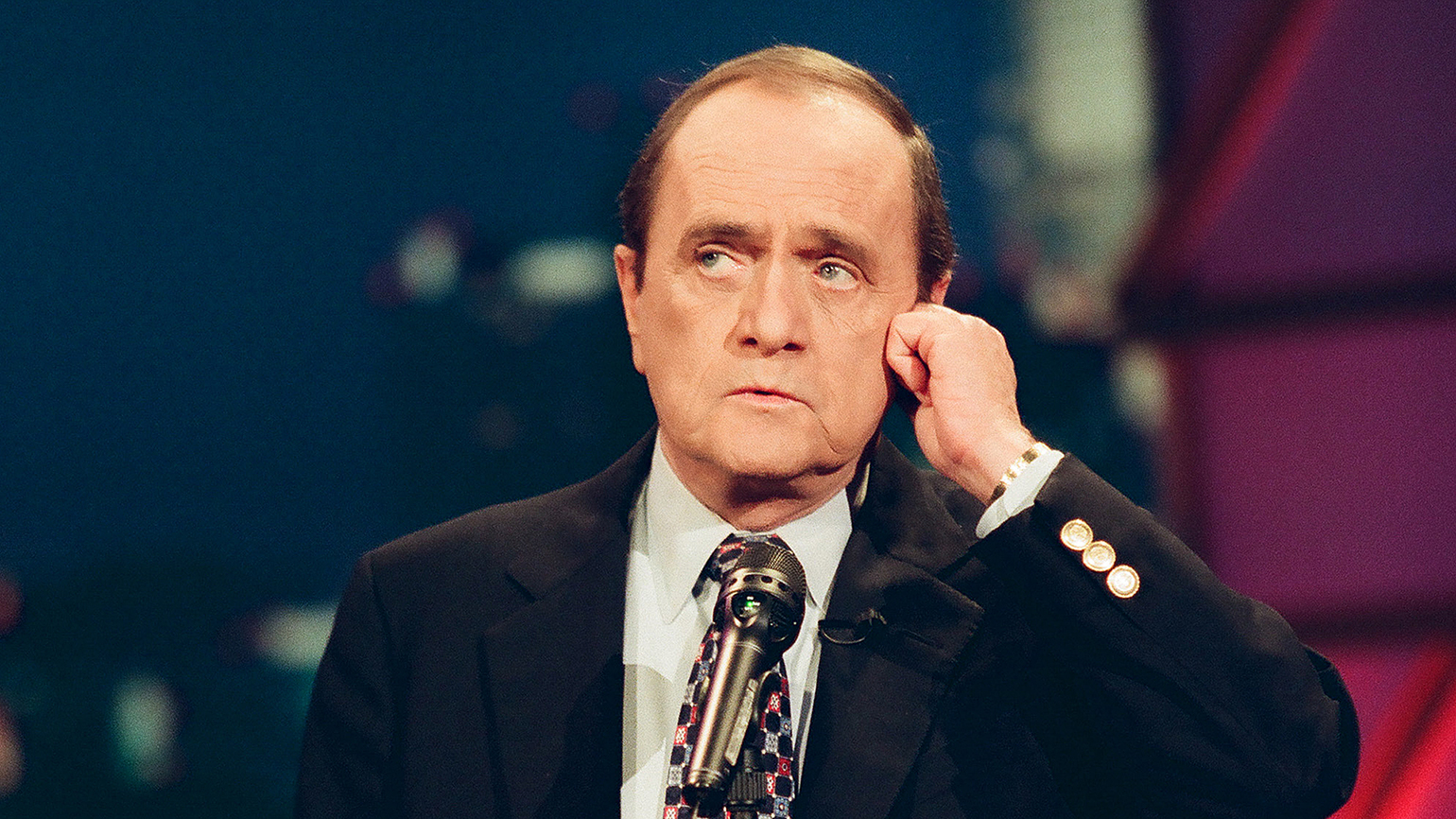
Remembering Bob Newhart: 94 Years of Faith, Family and Funny

Bob Newhart passed away on July 18, 2024, at the age of 94. To celebrate his memory, we share this profile of the beloved comedian, which we originally shared in a slightly different form on his 91st birthday.

Actor and comedian Bob Newhart never considered retiring, even after more than 60 years in show business. As he said in an interview with Closer Weekly magazine, “I don’t think I’ll ever stop performing. It’s in my blood.”

Newhart was born on September 5, 1929, in Oak Park, Illinois, the only boy among four children. One of his three sisters—Mary Joan, who passed away in 2018—was a nun, a member of the Sisters of Charity of the Blessed Virgin Mary. His father was part-owner of a plumbing and heating-supply business.

Newhart was educated in Catholic schools and attended Loyola University of Chicago, graduating with a bachelor’s degree in business management. He was drafted into the Army in in 1952, serving stateside during the Korean War as a personnel manager.

Discharged in 1954, Newhart attended law school for a time but grew disillusioned and withdrew when he was asked to undertake unethical actions while serving an internship. It was then he entered the business world, working as an accountant for United States Gypsum. He later joked about rectifying petty cash imbalances by taking money out of his own pocket.

In 1958, Newhart took a position as an advertising copywriter for Fred A. Niles, a film and television producer in Chicago, and it was there that his unlikely journey to a career in comedy began. He and a colleague used to conduct telephone conversations for laughs, creating humorous scenarios and swapping funny lines. Eventually, they began recording the calls and sending them to local radio stations, hoping to get air time.

Before long, though, the co-worker relocated to New York City, so Newhart adapted the routines, creating the familiar one-sided conversations for which he’s so well-known. A deejay to whom he had sent some tapes shared them with the head of talent at Warner Bros. Records, and in 1958, Newhart signed with the label.

Newhart had a record deal before he’d even performed stand-up before a live audience—certainly not the typical path to success that comedians followed in those days.

On April Fool’s Day, 1960, Newhart’s first album, The Button-Down Mind of Bob Newhart, was released to immediate acclaim. It reached #1 on Billboard’s pop album chart, the first comedy album ever to do so. It also earned a Grammy Award for Album of the Year and Newhart was awarded the Grammy for Best New Artist.

Six months later, Newhart’s follow-up album, The Button-Down Mind Strikes Back!, was released and it also proved to be a success, winning a Grammy in the Best Comedy Performance in the Spoken Word category. The two albums, for a time, were simultaneously ranked #1 and #2 on the Billboard chart.

In 1961, Newhart hosted a variety show on NBC entitled The Bob Newhart Show. Although it lasted just a single season, the show garnered an Emmy Award nomination and a Peabody Award.

Over a seven-year span from 1961, Newhart released five more comedy albums while making frequent guest appearances on variety programs such as The Dean Martin Show and The Ed Sullivan Show. Newhart later guest-hosted The Tonight Show 87 times.

In 1972, Newhart starred as psychologist Bob Hartley on the sitcom The Bob Newhart Show; Suzanne Pleshette played Bob’s wife, Emily. The show, which ran for six seasons, was a hit with audiences and critics alike.

A decade later, Newhart starred in another sitcom, Newhart, this time portraying Dick Louden, an author turned innkeeper in rural Vermont. That very popular program aired for eight seasons.

It wasn’t until 2013, though, when Newhart guested as Arthur Jeffies (a.k.a. Professor Proton) on The Big Bang Theory, that he received his one and only Emmy Award (he was nominated eight other times) in the Outstanding Guest Actor in a Comedy Series category.

Newhart did not lack for accolades and honors, however. A member of the Academy of Television Arts & Sciences Hall of Fame, he was ranked at 17 in TV Guide‘s list of the 50 Greatest TV Stars of All Time, received the Kennedy Center’s Mark Twain Prize for American Humor and is depicted, in his familiar role of psychologist Bob Hartley, in a bronze statue that is on permanent display in the sculpture park at Chicago’s Navy Pier complex. His 2006 memoir, I Shouldn’t Even Be Doing This!, was a New York Times best seller.

A devoted family man, Newhart and his wife, Virginia—or Ginnie, as he called her—raised four children together. The Newharts, who were set up on a blind date by comedian Buddy Hackett (Ginnie babysat Hackett’s kids at the time), celebrated their 60th wedding anniversary shortly before Ginnie’s passing in April 2023.

How did the Newharts manage to stick together for so long in a town where lengthy marriages are rarer than hen’s teeth?

“Being Catholic has a lot to do with it,” Newhart told Patrick Novecosky in an interview for Legatus.org. “You work a little harder. You don’t just have your first fight and walk out the door.”

Though he and Ginnie resided in Los Angeles, Newhart has never had much use for the glitz and glamour of Hollywood. His focus is on his family. “I have four kids and 10 grandchildren,” he told Novecosky. “I’ve always said: I don’t care how successful you’ve been in this business, if you haven’t had a good family life, what have you really achieved? Not an awful lot. You can be the richest man in the world and look back at your marriages that were disasters and what have you really accomplished? That’s the way I look at life.”

Newhart shared with Novecosky his suspicion that the Man Upstairs enjoys a good joke, too: “I think God has an incredible sense of humor. All you have to do is look around the world. There’s no question that He has an incredible sense of humor.”

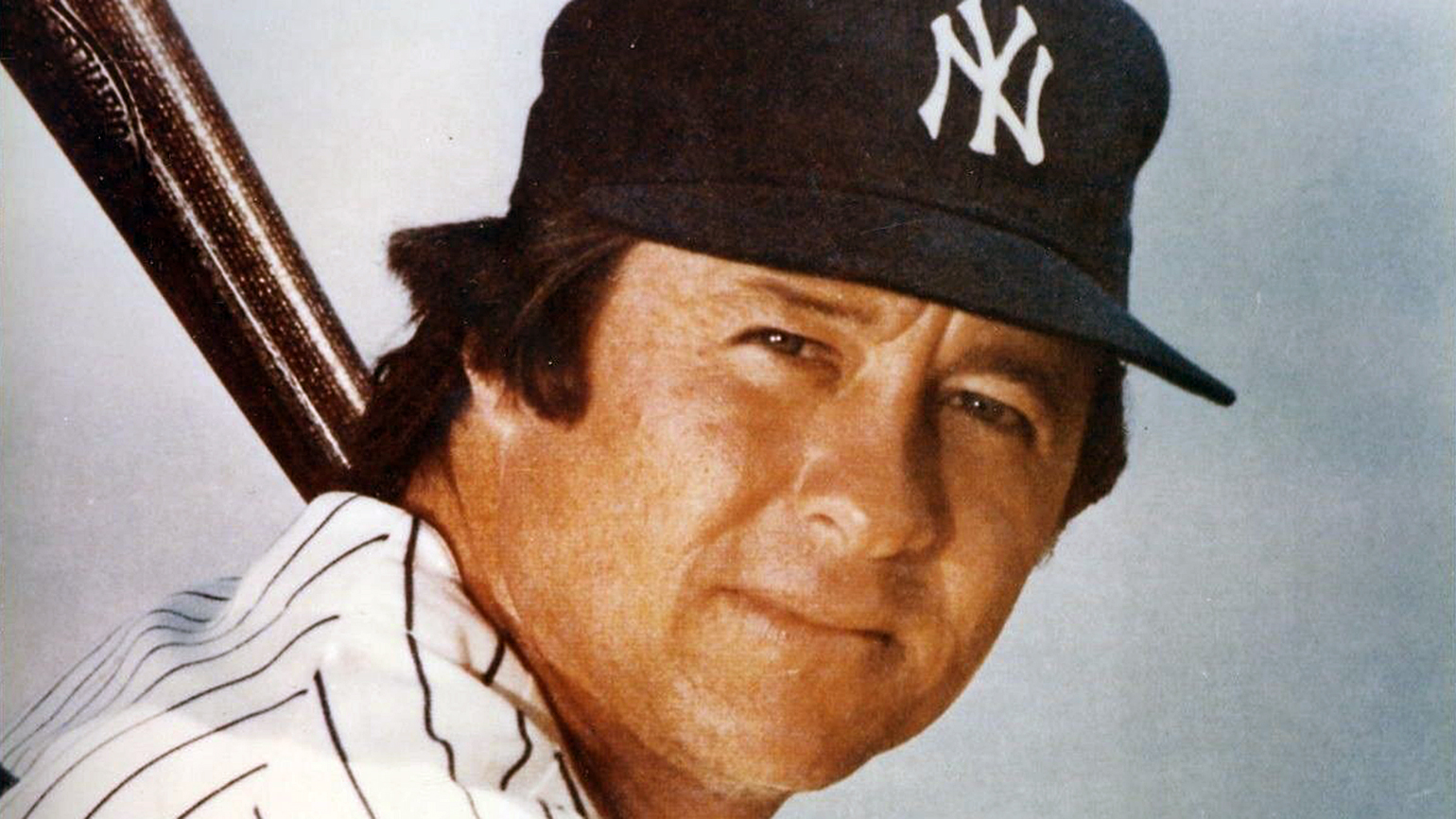
Bobby Murcer’s Return to Yankee Stadium

Opening Day. There’s nothing like it, particularly at Yankee Stadium, one of the world’s most storied ballparks.

The rich history, the celebrities, the sold-out stadium packed with fans—all the promise of spring packed into one baseball game. I’ve been part of Opening Day at the stadium for 37 years—13 as a Yankees player, the last 24 as a Yankees broadcaster.

But I’ve never gotten chills like I did last April 2, when I stepped into the broadcast booth at the start of the third inning, high above the field. Certainly, no one expected me to be there that day, at least not officially to call the game.

Fans—over 55,000 of them—began to clap, some even chanted my name. Yankee players tipped their caps from the top step of the dugout.

But this time it wasn’t for anything I’d said from the broadcast booth or done on the field. They were cheering that I was simply in the ballpark. Four months earlier I’d been diagnosed with brain cancer. Doctors didn’t know if I’d ever even see another Opening Day.

I have played sports all of my life and have always prided myself on being tough—a guy who takes the field even when he’s hurting, and plays through the pain.

So last fall, when the headaches began, I went about my business. But the pain just grew worse and I felt exhausted too. I went to see my doctor. He ordered a series of tests.

On Christmas Eve 2006, while most people were getting ready to celebrate with their families, I was in the car driving home from the hospital with my wife, Kay. I had just undergone an MRI.

What’s wrong with me? I wondered. It just didn’t make any sense. Though I was 60 years old, I still worked out and stayed in shape. Then my cell phone rang. It was the doctor. I pulled over and punched on the speaker phone.

“Bobby, I have your results,” the doctor said. He paused.

“Tell it to me straight,” I told him.

“We found a tumor. I’m going to confer with some specialists and be back in touch with you to talk about the next step.”

Tears ran down Kay’s face and I pulled her close. She and I had known each other since I was 11 and she was nine. We’ve been married for four decades. She likes to tell people that she knows I love the Yankees, but she’s the home team. And she is—my teammate for life.

“We’ll get through this,” I assured Kay. “I’m not going anywhere.”

In bed that night, though, I wasn’t so sure. The doctors wanted to operate in two days. Their haste worried me. I remembered my brother DeWayne, how he lost his battle with lung cancer years ago.

Finally I did the only thing left to do. There in the darkness of my room, I prayed. For strength. For courage. For life.

The day after Christmas, my brother-in-law Dwaine came with Kay and me to Houston, Texas. My Oklahoma City doctor had recommended the head of the neurosurgery department at the University of Texas M.D. Anderson Cancer Center for my surgery.

But when we arrived at the cancer center, another doctor was there to greet me. “Dr. Sawaya is not in the clinic today,” he said. “I’m Jeffrey Weinberg.”

I eyed him suspiciously. Dr. Weinberg looked young, no older than my own kids.

“We can operate tomorrow, or you can wait till Dr. Sawaya returns,” he said. “I’ll leave the room and let you think about it for five minutes.”

“Life and death decisions made in minutes,” I said to Kay, after he left.

We phoned my hometown doctor. There was urgency in his voice. I really couldn’t wait another week, he told me.

My family came to Texas to be with me before the surgery. My son, Todd. My daughter, Tori. My in-laws. Dwaine. I won’t lie; we were all scared and worried. That night we huddled in a hotel room and talked about the good times and the hope that we had.

“There’s a Bible verse that has always helped me,” Dwaine volunteered, pulling a Bible from the bedside drawer and reading: Be strong and courageous. Do not be afraid. The Lord your God will go ahead of you. He will be with you; he will neither fail you nor forsake you.

I had always been a person of faith. I went to church, read my Bible and prayed. But this was like no other situation I had ever faced. Now I had no control over my life. There was nothing I could do to manage this but trust God.

The next day Dr. Weinberg led a team of surgeons through a six-hour procedure, removing a tumor about the size of a golf ball. When I came to, in the critical-care unit, I asked Tori for a mirror.

Minutes later, she was back with a compact. I opened it and looked at my reflection. My head was wrapped in a turban of bandages. I tilted the mirror higher. Behind my head were monitors flashing sets of numbers. I stared at them intently.

“What are you doing?” Kay asked.

“I want to watch the monitors,” I said.

“Bobby, you don’t know how to read them,” she said.

But I stared at those numbers, hard, like I was looking at a box score. Those numbers, I knew, told how I was doing in the same way a player’s batting average described how well he was hitting.

The next day, Dr. Weinberg came by with the pathology results. “Bobby,” he said, “the tumor was malignant.”

The wind went out of me. Cancer. I exchanged glances with Kay, then faced Dr. Weinberg. “What’s the next step?” I managed to ask.

“Chemotherapy and radiation treatments,” Dr. Weinberg said.

“Then I’ll be well?”

The doctor hesitated. “There is no cure,” he said at last. “We’ll treat it as a chronic disease. Life expectancy for this type of cancer averages about 14 months.” Whoa.

“Some people do better. Much better. You need to meet Dr. Hassenbusch, another neurosurgeon on staff here. About two years ago Dr. Hassenbusch had a tumor removed from his brain and had the same prognosis that you’ve been given. He’s been on a vaccine for over a year. It’s still in the experimental stages but we are seeing significant results.”

Kay squeezed my hand. “We’re in this together,” she whispered.

She was right, as she has so often been. There’s strength in team, I realized. In family, in my doctors, in the Lord. I remembered Dwaine’s verse: God had gone ahead of me. He was with me and would not forsake me.

A calm came over me. I don’t have to do this alone, I realized. For the first time since Christmas Eve I felt myself relax. My whole body just sort of let go.

Six weeks of chemotherapy and radiation was grueling. I couldn’t eat, my hair fell out, I felt plain lousy. The one good thing in all of this was that I met Dr. Hassenbusch. He gave me hope. Before I got sick, I awoke each day with all the things I needed to accomplish running through my mind.

But now Kay and I begin the day on the couch by reading a devotional. Then we pray and ask God to guide us.

I had been involved in baseball since Little League, and as a result, measured my life by spring training, the season, play-offs and off-season. I was determined to make it back to Yankee Stadium in April, back in time for Opening Day. Somewhere deep inside of me, I wanted, needed, to be in New York to share in that hope—the beginning of a new season.

We asked friends for prayer. The Yankees told the media about my illness.

One day in late January I heard Kay tapping on her computer keyboard. “Come over here, Bobby, and look at this,” she said.

I bent down over her shoulder and peered at the screen. She had logged on to a sports website. In big letters across the screen, it read, “Yes, a million.”

“What does that mean?” I asked.

“It means that a million people have logged on to this website to wish you well,” she said.

I pulled up a chair. It was true. More than a million people had posted messages to say that they were praying for me. Even Red Sox fans! One man wrote that he had never prayed before, but was starting now, in hopes of my recovery. What a powerful message!

Several shared how they had battled cancer or had loved ones with brain tumors. They wanted to talk to someone who understood. They sought me out not because I’d been a sports hero, but because they needed someone who could relate to what they were going through.

Not only was a new season on the horizon for the Yankees, but I too had entered a new season. Certainly not one I signed up for, but I felt secure in the knowledge that God had gone before me. Often that meant sharing the peace I had found with other cancer sufferers.

Opening Day, April 2, I walked into Yankee Stadium. Yogi Berra, Yankee captain Derek Jeter, manager Joe Torre and the rest of the team raced over and hugged me.

But that was nothing compared to the huge standing ovation I got from the fans. When I got to the broadcast booth, the crew put my picture up on the video screen out in right-center field.

Everyone in Yankee Stadium, it seemed, rose to their feet. Tears pooled in my eyes. I got so choked up, I couldn’t speak, and that’s not like me.

I thought of Kay, my family, Dr. Weinberg, Dr. Hassenbusch and all of the people who had said they were praying for me. And most of all, I thought of that Bible verse Dwaine had read aloud in my hospital room. I stood and waved to the crowd.

Yes, I know now, the good Lord will go before us. He will not fail us.

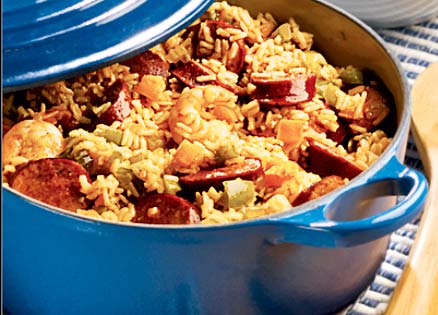
Bluegrass Jambalaya

This delicious jambalaya that will have your family requesting seconds. And here’s a slimming tip: If you omit the rice from this recipe and serve it as a soup, the per-serving calorie count drops to 180.

Ingredients

1 T. canola oil 2 T. no-salt-added tomato paste
1 c. onion, finely diced 4 oz. turkey sausage, cut into bite-sized pieces
½ c. celery, finely diced 3 c. no-salt-added chicken stock
2 c. bell peppers, finely diced 1 c. brown rice
2 cloves garlic, chopped 8 oz. uncooked small (36/45 per lb.) shrimp, peeled and deveined (about 1 cup)
1 t. ground cumin
¼ t. cayenne pepper 4 green onions, sliced

Preparation

1. Place saucepan over medium heat and add oil.

2. Once hot, add onions and celery; reduce heat and cook till vegetables are softened, about 5 minutes.

3. Add peppers, garlic, cumin and cayenne; cook for 3 minutes.

4. Add tomato paste and sausage. Add stock and bring to a boil.

5. Stir in rice, cover, reduce heat to low.

6. Simmer, covered, for 40 minutes.

7. Add shrimp. Cook till shrimp is just cooked through and pink, about 5 minutes.

8. Garnish with green onion.

Serves four.

Nutritional Information: Calories: 386; Fat: 8.8g; Cholesterol: 103.6mg; Sodium: 371mg; Total Carbohydrates: 55.7g; Dietary Fiber: 7.1g; Protein: 17.6g.

Download your FREE ebook, The Power of Hope: 7 Inspirational Stories of People Rediscovering Faith, Hope and Love.

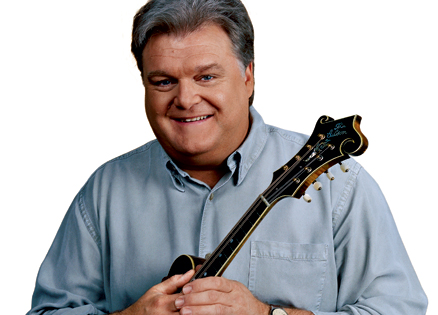
Bluegrass in My Soul

In many ways, 1996 was the worst and the best year of my life. My dad was dying of cancer. And that September, Bill Monroe passed on. People call him the “Father of Bluegrass,” and I’d always thought of him as my musical father. Two men who had been my foundation in life. And I was losing both of them.

Mr. Monroe’s state funeral was held at Nashville’s Ryman Auditorium, the historic home of the Grand Ole Opry. Mandolin in hand and heart in my throat, I took the stage with musicians Vince Gill, Marty Stuart, Roy Husky, Jr., and Stuart Duncan. Looking back at us was a sea of country music royalty. On the stage next to us, Mr. Monroe’s mandolin stood on a pedestal, lit from above. I turned to the other musicians, gave them a nod, and we started playing.

Bluegrass is my life. In the little mountain town of Cordell, Kentucky, where I grew up, I heard bluegrass and gospel music every day, either played live or on the big clunky 78s my parents liked to spin in our living room at the end of the day. I was singing in church by age three. Dad bought me my first mandolin when I turned five. I learned how to play it, and on weekends I’d bring it down to the town grocery store. I’d sit on the counter next to the Coca-Cola cooler and pick away. Folks would clap and throw me change—nickels, dimes, even a quarter now and then. The money was handy, but I’d have played if there weren’t a soul around. The music fed something deep inside me.

I was six when Bill Monroe came to town to perform. It’s hard to describe the kind of figure Mr. Monroe cut in the eyes of a small Kentucky hill town like ours in 1960. Mr. Monroe wasn’t just a famous singer like Elvis. He was a famous singer who sang our music. Pure. Simple. Straight from the heart. Just the way you’d hear it played on a front porch or at a church meeting. Mr. Monroe came from country stock himself, and he’d gone out into the world without changing to suit anybody. When he played in towns like ours, he was welcomed like a returning hero.

Mr. Monroe was a couple of songs into the concert when some people who knew me from the grocery started yelling out my name. Finally, he finished a song, looked out at the crowd, and said, “Wherever you are, Ricky, you better get up here. Sounds like folks want to hear you play.”

I don’t think I even had time to feel nervous. I jumped off my dad’s lap and made my way toward the front of the auditorium. Mr. Monroe reached down and pulled me onto the stage with him.

“What do you play, son?” he said, his eyes twinkling.

“The mandolin, sir,” I managed to say.

Mr. Monroe slid his own mandolin off and held it out to me. I stood there, open-mouthed with awe. Bill Monroe’s mandolin. He slipped the strap over my shoulder. “Okay, son,” he said, adjusting the strap. “Let’s hear some music.”

I started picking a bluegrass hit called “Ruby” and the crowd went wild, clapping and hollering for their hometown kid. I finished the song and Mr. Monroe gave me a nod. He took the mandolin off my shoulder, picked me up and set me back on the ground. I felt like my feet had just hit earth after a trip to heaven.

Folks would bring up that day for years afterward. “You’re the young fellow who played Bill Monroe’s mandolin,” someone would inevitably say at a church social or fair where I was playing. I’d nod my head and feel a sense of pride. Not cocky pride, but the good kind. The kind that comes when you’re doing what you believe God wants you to be doing. And God wanted me to play bluegrass. There was no doubt in my mind about that. Why else would he put such a desire in my heart?

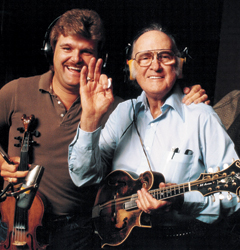
I graduated from high school and played bluegrass full-time with another legendary figure, Ralph Stanley. Every now and then we’d run into Mr. Monroe at a bluegrass festival. Sometimes he’d ask me to get up and play with him. I’d go back to that day when I was six and he had strapped his mandolin onto me. He’d done more than just give a young boy the thrill of his life that day. He’d passed something on. Something strong and vital and meaningful, something I feel every time I pick up my mandolin.

In 1981 I moved to Nashville, my sights set on a record deal. It wasn’t long before I got one. The album wasn’t straight bluegrass. It couldn’t be if I expected it to sell. “Bluegrass is great stuff,” Nashville agents and promoters said. “But it doesn’t have enough excitement, enough crowd appeal.”

Excitement? To my mind, nothing in popular country had the fire of a real down-home bluegrass session. But I needed to move records, so I kept my sound popular enough that the record company and the radio stations were happy.

I enjoyed some great commercial success in mainstream country, but I still managed to play pure bluegrass with Mr. Monroe. Either I’d call him to the stage at a gig I was playing, or he’d call me up at one of his—it didn’t much matter.

Every now and then Mr. Monroe and my dad would ask, “Ricky, when you gonna make a bluegrass album? A real one, through and through?”

I’d always give them the same answer. “When the time is right, I will.”

In the mid nineties, Mr. Monroe’s heart started to give out. After he had bypass surgery, I visited him at least once a week while he recovered in a nursing home. Sometimes on those visits, we wouldn’t say 10 words. Mr. Monroe would reach for a mandolin that was always set close by his bed right next to his Bible and start picking out a tune. Then he’d hand the mandolin to me and I’d pick a tune. Time went right out the window. We’d play for three or four hours until the nurses said visiting hours were up.

Mr. Monroe’s heart problems worsened. During my last visit he was propped up in a wheelchair. His dashing signature white cowboy hat couldn’t disguise how far gone he was. At a loss for what to say, I played a few licks on his mandolin, then held it out to him. He looked at me and shook his head. The sparkle in his eyes had all but disappeared. That sparkle I’d seen the day he first called me up onstage from my daddy’s lap. He was ready to go home. I set the mandolin down and told him I loved him. Then I said, “Mr. Monroe, this music is bigger than one person. God gave you bluegrass and you gave it to the world. I’m going to play bluegrass as long as I live, I promise you that.” I took one last look, left the room and started bawling.

Mr. Monroe passed on a few weeks later. I was as heartbroken as I’d ever been. With Mr. Monroe gone, my path in life now seemed unclear. On top of that, country music was changing. Videos were becoming more important. The music itself was taking a backseat to gloss and image.

Record sales were everything. Tradition? That seemed to have been forgotten. And the more things changed the more old-fashioned I felt, trying to keep up with something I didn’t necessarily believe in. Lord, I wondered, who am I?

That was how I was feeling that day onstage at the Ryman Auditorium for Mr. Monroe’s funeral. I counted off and me and the boys kicked into a full-on version of “Rawhide,” Bill Monroe-style. Just like that the music took over, the way it always did. Raw music, pure and rich, as big and deep as the country that created it. Then, in that glorious tapestry of sound, I heard Mr. Monroe again, alive as ever, living and breathing in the music that was his soul. It was part of my soul too. Always had been. I thought back to my dad and Mr. Monroe’s question, “When you gonna make a bluegrass album?” The Lord was telling me it was time to use the desire he’d put in my heart.

The crowd was on its feet. The light shone down on Mr. Monroe’s instrument. And I knew I was who I had always been. I was the boy who had played Bill Monroe’s mandolin.