

Embrace God's truth with our new book, The Lies that Bind

Mike Rowe’s ‘Somebody’s Gotta Do It’ Shows the Value of Hard Work

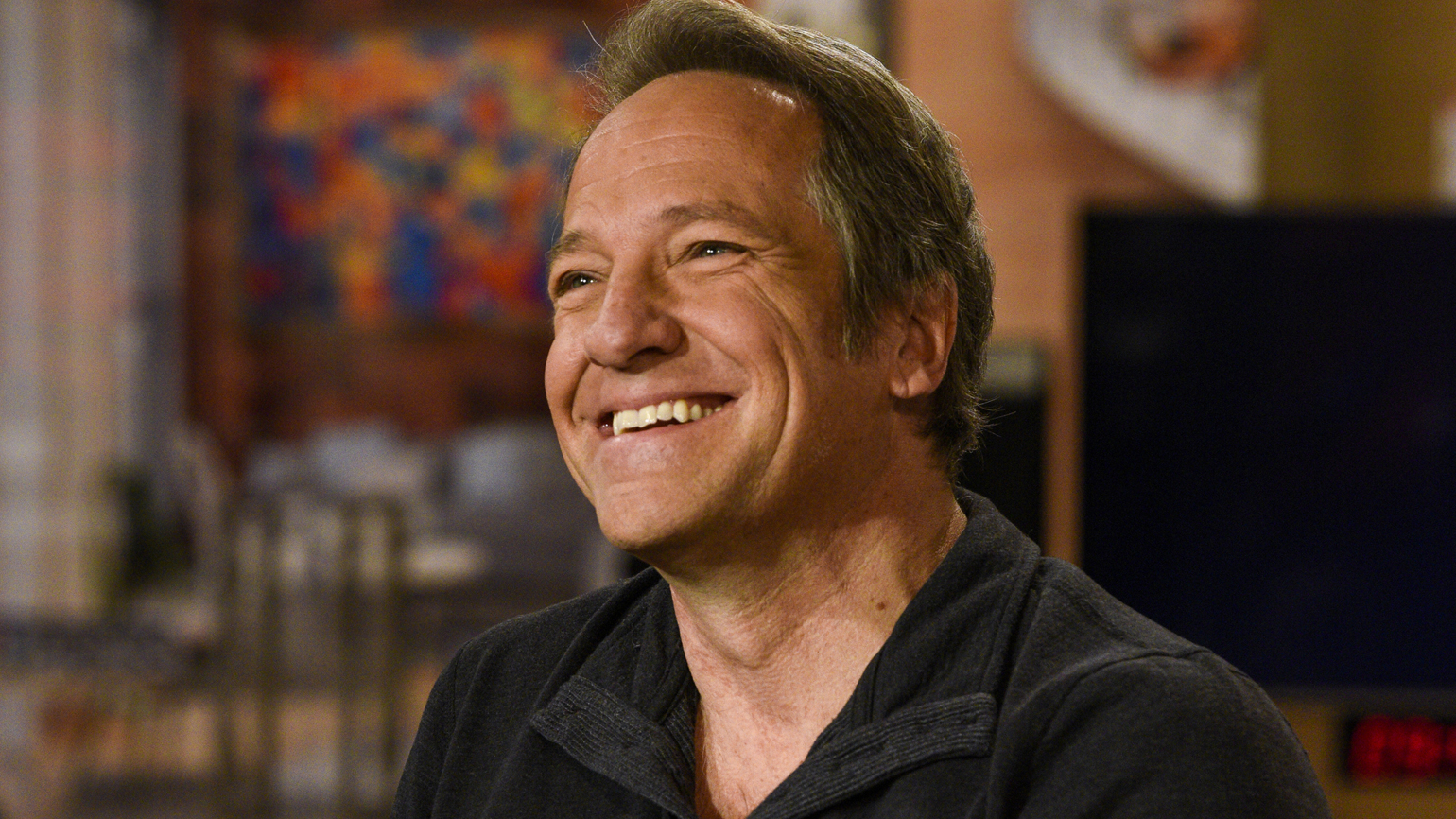
When it comes to highlighting hard-working people of America, ones who do “dirty,” thankless, dangerous jobs, TV host Mike Rowe knows, Somebody’s Gotta Do It.

That’s the new title of Rowe’s docuseries on Trinity Broadcasting Network. Formerly known as Dirty Jobs on the Discovery channel, Somebody’s Gotta Do It will now air its half-hour episodes on Saturdays. Rowe, a former Guideposts magazine cover star, has been open about modeling his career as a TV personality after his grandfather, a salt of the earth kind of man who loved to work with his hands and instilled in Rowe an appreciation for grunt work – jobs that took a skilled hand and determined mind.

Each week, Rowe turns the spotlight over to everyday people like military aircraft carrier workers and the road crews in California, traveling two-lane highways up the sides of mountains creating avalanches on purpose so loose rocks won’t come down randomly and smash cars.

“Ultimately, with Somebody’s Gotta Do It, I just look for people who wake up agitated because the world isn’t the way they want it, or because they’re just so intuitively helplessly purpose driven. They have no choice but to do what they do,” Rowe explains.

Of course, moving to a new network meant reexamining the show’s themes to fit a new audience. Rowe was worried he’d have to drastically alter episodes to squeeze in more faith. He didn’t need to be.

“It’s funny, it really wasn’t difficult to do at all,” Rowe says.

In fact, blending more faith into the show allowed the series’ host to contemplate the nature of passion versus purpose, something he discovered was integral to what the show was trying to accomplish.

“Faith is, I think by definition, inherently spiritual. Passion is not. You can be not a religious person, or maybe not even a faithful person, but you can be passionate,” Rowe explains. “I typically wind up talking about the trap of pursuing your passion, as opposed to passionately pursuing an opportunity. In other words, passion is not honest always. There’s nothing inherently great about passion.”

Instead, it’s purpose he hopes to highlight to a new audience on the network.

“When you find people with purpose, they’re almost always interesting. Because they’re taking their marching orders from someplace else, and I’m always curious about where that place might be.”

This idea of purpose is something that’s taken up Rowe’s thoughts for a long time. The TV show host regularly gives talks about the value of vocational training and the growing problem we’re seeing in younger generations joining the workforce. According to Rowe, it’s not that they’re lazy or entitled, it’s that they’ve been fed a misleading narrative on what it means to succeed.

“We’ve said that people who are happy in their work have successfully identified their passion, pursued it, caught it, and lived it. Likewise, people who find their soulmates went on some great epic search for love, and through some miracle found the one person on the planet with who[m] they can be happy. This is a very basic way of thinking, and I believe it’s a trap,” Rowe says.

In fact, Rowe encounters the exact opposite when he meets people on his show.

“I meet people who by and large don’t follow their passion. They’re passionate people, but what they do is they look around and they say, ‘Where is everyone going? I will go in the other direction,’ and they do. Those people find success, by identifying opportunity, then figuring out a way to become passionate about the jobs that exist, and then finding a way to be great at them,” Rowe continues. “I think the key to being happy isn’t to sit in a vacuum and try to imagine what your passion is. I think the key is to get out into the world and try as many things as you can with an open mind and do everything passionately. Identify an opportunity, and then put your heart and soul in it.”

A simpler job Rowe has taken on with Somebody’s Gotta Do It is to just provide some quality entertainment to families tired of the slog of bad news they see on TV.

“I sold Dirty Jobs in the exact same way I sold Somebody’s Gotta Do It 10 years later,” Rowe says. “I walked into the executive’s office in 2003 and said, ‘Look, this is exhausting. Every time I turn on cable television I see bulging veins and spittle flying, and angry people screaming at each other. I get it. There’s great money in dividing the country and keeping people angry, but I don’t want to do that. I want to do a show that celebrates hard working men and women who do the kinds of jobs that make civilized life possible for the rest of us.’”
Michelle Williams and Deitrick Haddon Are Saving Gospel Music, One Choir At A Time

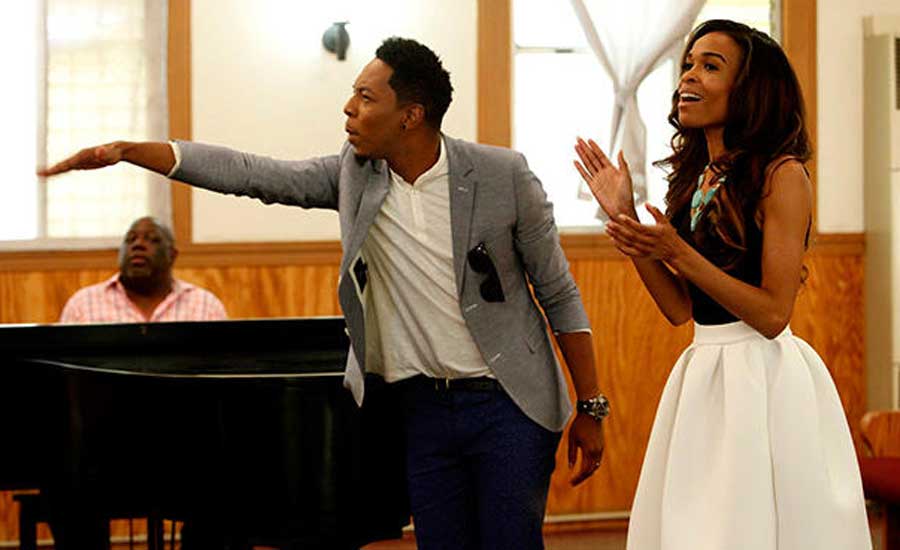
For some gospel groups, finding harmony takes a miracle. For the ones featured on Oxygen’s new show Fix My Choir, it just takes Grammy-winning artist and Guideposts cover star Michelle Williams and Preachers of LA star Deitrick Haddon.

This week, the network debuts its latest installment in faith-based reality entertainment with a new series that follows Williams and Haddon as they travel across the country in search of choirs that need a little help in reaching the right notes. From churches who can’t afford to keep singing to groups that are more interested in hitting each other than hitting the right key, Fix My Choir is entertainment at it’s best. You’ll never get tired of Haddon’s over-the-top personality and Williams’ mothering words of wisdom and most of all, their methods prove effective.

But what really stands out about the series is the fact that it’s paving the way into new musical territory. Gospel choirs are a staple in churches everywhere, but rarely do we get to see their inner workings—the blood, sweat and tears that each member sacrifices in order to bring their congregation the beautiful songs they’ve come to expect every Sunday morning.

For Haddon and Williams, two talents who’ve reached the top in their respective industries, being involved in a show focused on music was a no-brainer. “Music is used to spread a variety of messages,” Williams said. “So anytime that we could use a message to spread God’s love, His hope, His healing, His restoration, and it can be done through music, I think it’s the best way for me to share it. Before I had a Grammy or a passport, I was in the church, so I’m just going to go back to those things that I still am passionate about.”

Haddon shares her passion for the work and his fun personality and tough-love style of mentoring is the heart of the show. “Music has power,” Haddon said. “I decided to sing gospel music because I wanted to inspire people and to spread the love of Jesus Christ and I’m still on that mission.”

It’s a mission both stars hope their show can bring to mainstream audiences. From barbershop quartets, inner city youth choirs and choirs in middle class suburbia, the diversity of the groups featured on the show doesn’t change the stars’ ultimate goal: to spread gospel music beyond the church. But to do that means pushing through traditional boundaries. “I would love for the music to continue to hit mainstream in some kind of way,” Haddon said. “But that means we have to shift the music a little bit and that’s one of the things we were doing with the choirs this season—taking them out of their comfort zone and showing them how they can be effective singing songs other than the Sunday morning [favorite], ‘Amazing Grace.’”

Fix My Choir premieres Wednesday, Nov. 5 at 10 p.m.

Meet the Athletes Behind the Amazons in ‘Wonder Woman’

Wonder Woman continues to make box-office history, becoming the first female superhero blockbuster film, but the titular character Diana Prince isn’t the only role-model worthy character worth watching.

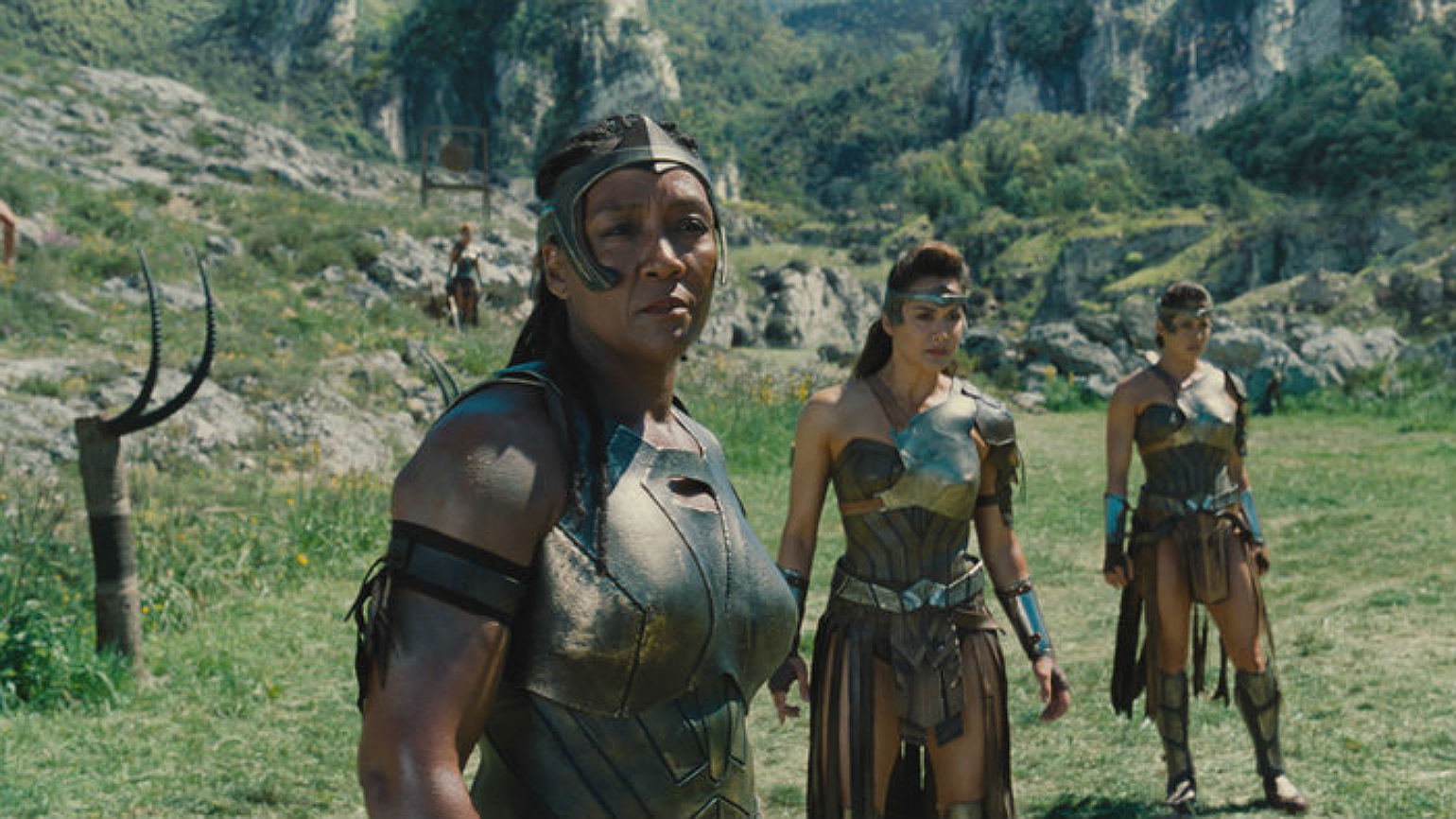
The Amazon warriors who trained Wonder Woman on the island of Themyscira also provide to young people everywhere an image of powerful women supporting each other on screen. Guideposts.org caught up with three of the real-life athletes who brought the Amazons to life: martial arts fighter Samantha Jo (who plays Euboea), boxing champ Ann Wolfe (Artemis), and Swedish Thaiboxer Madeleine Vall Beijner. (Egeria) They share their experience on set, how sports have impacted their lives, and how they hope the film can inspire girls (and boys) everywhere.

Samantha Jo

Samantha Jo already has an impressive resume as a stuntwoman. The martial arts fighter has been in some epic battles, like 300: Rise of an Empire and Man of Steel, but Jo says filming Wonder Woman was a once-in-a-lifetime experience.

“Everybody knew that we were a part of something really special and we knew it was groundbreaking,” Jo tells Guideposts.org.

The actress grew up adoring the character: “When my brothers were playing with Batman and Spiderman, I had to beg my mom to get a Wonder Woman doll,” she says. She also grew up in a family that valued discipline and a good work ethic.

Jo’s mom had a black belt in Jiu-Jitsu and taught classes in the sport. Too young to fight, Jo watched her brothers train while teaching herself some moves.

“I was like the little Diana in the movie,” Jo says. “I was punching and kicking on the side and my mom had to keep telling me to get off of the mat because I was going to get hurt.” Eventually she was allowed to train and discovering her love for the sport has changed her life – professionally and personally.

“That hard work and that sweat equity is such a big part of my life, and I’m excited for it,” Jo says. “I’m so thankful that my mom put me into that and I understood from a very young age that hard work pays off. Not only that, but it feels good, and you can feel proud of yourself and feel like you earned the opportunities that come.”

Opportunities like Wonder Woman, a film Jo hopes teaches girls the importance of strength, commitment, and sisterhood – values she learned from her mother and from the women she fought with in the film.

“I think it’s the fact that they’re represented as not only these strong women but a strong united community,” Jo says when asked how the Amazons inspire her. “There are so many different types of women from different walks of life. I think that was the most interesting part and the most inspiring to other people. Everybody has somebody they can relate to.”

Ann Wolfe

Boxing phenom Ann Wolfe never acted until director Patty Jenkins personally requested she play Artemis in the film, but she’s definitely fought enough battles in her own life to be worthy of the role.

Wolfe grew up in poverty, lost her mother, father, and brother in just a short span, and found herself homeless with two children depending on her. She’d often take her kids to the emergency room on cold nights so they’d have somewhere warm to sleep while waiting in the lobby. That’s where she saw a professional boxing match on TV between two women, sparking her interest in the sport.

She trained for a year, putting on her first pair of gloves at age 25 and going on to hold three world titles simultaneously.

She wants Wonder Woman, and her role in the film, to set an example for young people to follow.

“Girls get told they’re beautiful, pretty, and whatever. When can someone say to a little girl, “You’re strong and you’re worth something; you can do it,” Wolfe tells Guideposts .org. “I don’t want my son to look at girls as objects. I want him to know they’re just as smart, just as strong…they’re your equals.”

She thinks having someone like Diana Prince on screen, a superhero not afraid to show emotion, goes a long way in proving strength can take many different forms.

“What I liked about the Amazons, they didn’t go out to look for a battle,” Wolfe explains. “They didn’t go out to look for a fight. They were not bullies. You saw Diana cry because she was hurt. You saw Diana be strong. You saw her be angry. You saw her be sad. You could see every single emotion that makes a woman strong and it lets you know you can be strong when you need to be strong. You can cry. Then you have people like your Amazon sisters or your family to depend on.”

Madeleine Vall Beijner

Madeleine Vall Beijner was once ranked as the third best Thaiboxer in the world in her weight class. She competed in the sport for years before switching her focus to film and stunt acting. Her role as Egeria in Wonder Woman marks her first big action gig and the experience has been one she won’t forget.

“It’s hard to know what will happen with a movie, but we had a universe-changing feeling on set,” Beijner tells Guideposts.org.

The boxer spent months training with her fellow Amazons, giving A-list actors like Robin Wright fighting tips and spending days filming exhausting fight sequences on the beaches of Italy. All that hard work and bonding helped the women get into character.

“To us, it was real,” Beijner says. “We became those Amazons.”

The athlete never read the Wonder Woman comics growing up, preferring to have real-life role models from the sports she enjoyed, but she hopes young girls might discover something worth admiring in the superhero.

“It has been both a really cool and emotional journey to befriend Wonder Woman as a grown woman,” Beijner says. “I think Diana stands for everything women are in general: smart, powerful, funny, loving, compassionate and curious. She just happens to have a greater [reach]. One of my favorite quotes from the film is when Antiope [Robin Wright] tells Diana: ‘You are stronger than you believe. You have greater powers than you know.’ I think that’s an important message to young girls.”

Meet 8 Inspiring Winter Olympians Representing Team USA

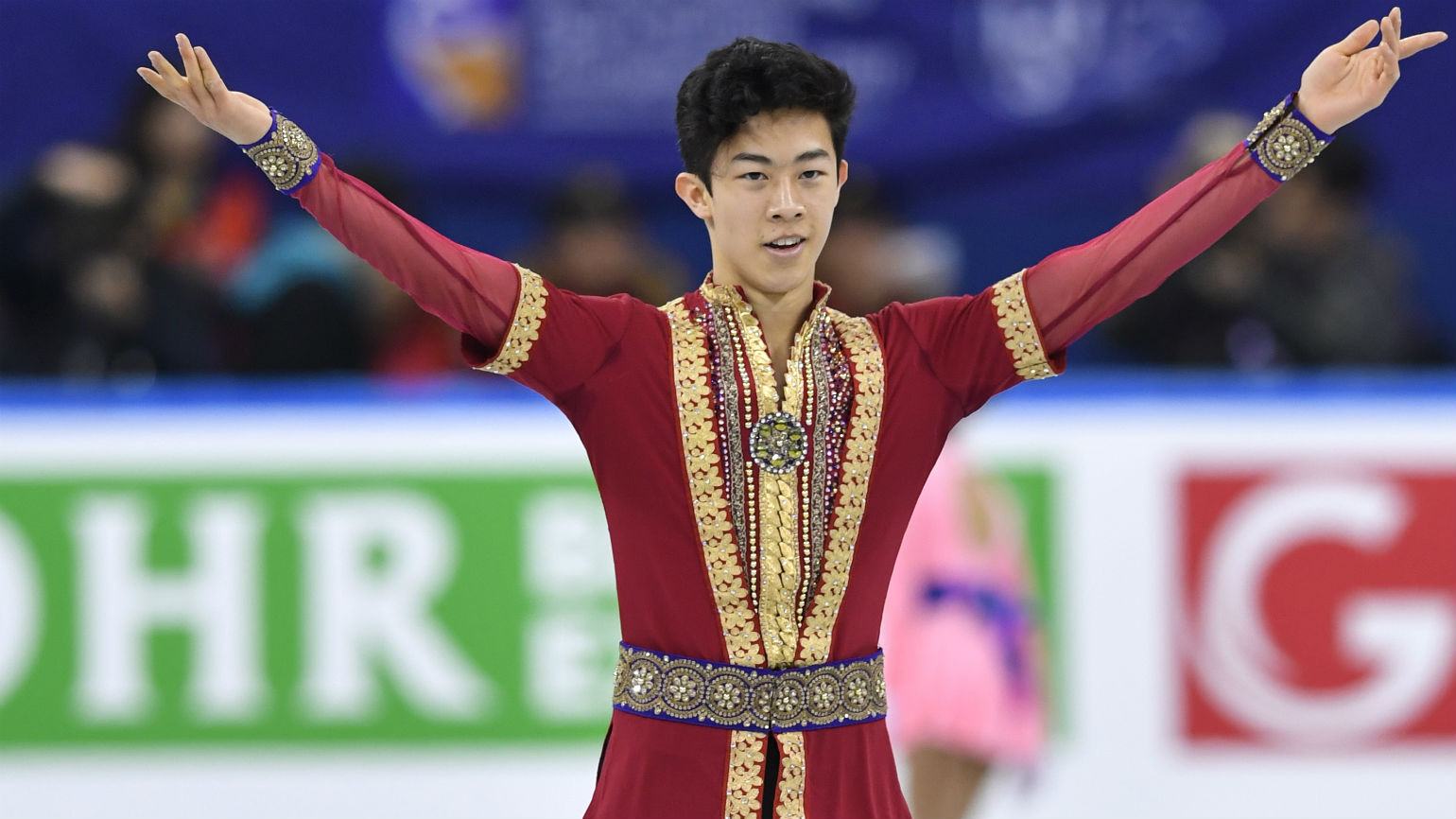
When the 2018 Winter Olympics kick off in South Korea this year, Team USA will be represented by plenty of talented athletes, most of them with inspiring stories to tell. Before the Games begin, we’re highlighting eight men and women whose personal journeys to a potential place on the podium are a testament to the strength of the human spirit and the beauty of the American dream. From figure skaters battling injuries to hockey players busting through barriers, and a couple of speedskaters poised to make history, here are the 2018 Winter Olympians we can’t wait to watch.

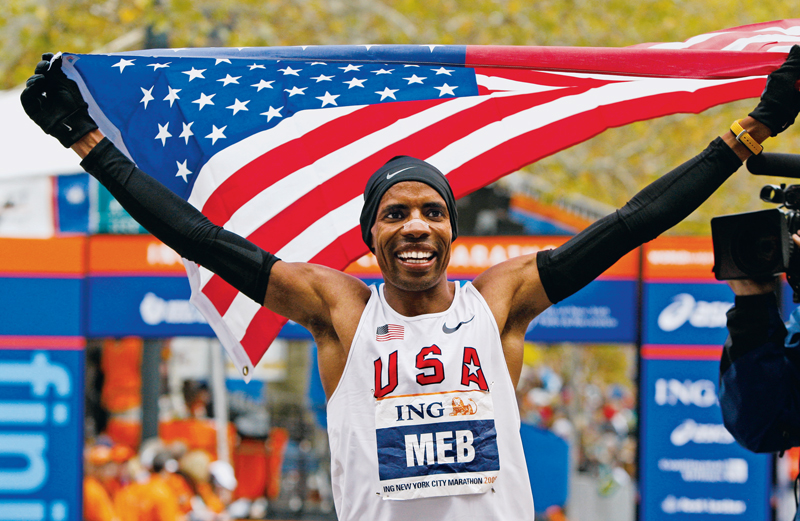
Meb Keflezighi Keeps Running Towards Success

I was one of the favorites to win the race that cool November day in New York City, the marathon to qualify for the U.S. Olympic team.

I’d won the silver medal in Athens, and now my sights were set on Beijing 2008. All I needed was to finish in the top three here. I got off to a good start, looping around Central Park. I was in the front of the pack, right where I wanted to be. I felt good.

READ MORE: HOW DANELL LEYVA IS CONTINUING A LEGACY

Suddenly there was pain in my calves followed by a sharp pain in my right hip. Run through it, I tried to convince myself. Ignore the pain. But it got worse. By mile 12 I knew I couldn’t win the race. If I kept going, doing the best I could, maybe I could hang on to second place.

One runner passed me. Then another. And another. By the end, guys were going by me like I was standing still. I came in eighth. No chance of making the Olympics, even as an alternate. I hobbled away from the finish line. The pain was excruciating.

A friend rushed up to me. His face looked serious, and I assumed he was worried about me. Instead he asked, “Did you hear about Ryan?” Ryan Shay was a good friend, one of my training partners. He’d been right next to me on the bus ride to the race. I shook my head.

“Ryan collapsed maybe five miles in,” he said. “A heart attack. They couldn’t do anything for him. He died.”

My mind refused to accept it. No, not Ryan. How could Ryan be dead?

He and I had trained together in Mammoth, California, with Running USA, racing through the hot dry summer, the autumn when the aspens shimmered, the winter when we raced over snow.

He was one of the strongest, toughest guys I knew. He’d just gotten married. He had so much to live for. And now…

I went to pieces. Tears came so hard I couldn’t stop them.

My friend helped me to a taxi and took me back to my hotel. The pain in my hip had grown so bad I had to crawl around my room on my hands and knees. But the emotional anguish of losing my friend, that was even worse.

My wife, Yordanos, tried to comfort me. “Meb, you don’t have to keep running. You have a college diploma. There are other things you can do.”

True, I had a degree in communications. I could find a job in that field. But I kept thinking of something my father told me when I was growing up, “God has great plans for you.”

Only God could have brought my family safely from Africa to America, only he could have given me my talent for running. Was I wrong to believe he wanted me to make something more of that gift?

READ MORE: DAGMARA WOZNIAK’S OLYMPIC JOURNEY IS THE AMERICAN DREAM

If it hadn’t been for the grace of God, I wouldn’t have been running for America, or even running at all. I might still be in the farming village where I was born in Eritrea, a small country on the horn of Africa.

We lived in a stone hut with no running water, no electricity, no TV, no phone. All my family had were a few cows, donkeys, sheep and goats. And the six of us children had the faith our parents nurtured in us.

My father had been a freedom fighter in the war against Ethiopia and it wasn’t safe for him in Eritrea. When I was five, he had to flee for his life. “How long will it be until we see you again?” my oldest brother asked. My father couldn’t answer. He hid his face, not wanting us to see him crying.

After spending two years in Sudan, he settled in Italy and found work. For five years, our only connection was the letters and gifts he sent. Shirts, sweaters, pants, shoes.

“I told the salesman how old my children are,” my dad wrote. “He thought these would be the proper sizes.” The shoes were always too big.

At last Dad saved enough money to send for us, but Italy was only a stop on our journey. Our destination was America, the land of freedom and opportunity, the country of my father’s dreams.

“It is a beautiful place,” he told us. “Everybody can go to school and get an education. You can become whatever you want to be.”

I was 12 when we arrived in San Diego, California, on October 21, 1987–a date I will never forget. A new sister had been born in Italy, so we were now a family of nine.

We crowded into a small apartment. We walked everywhere, trying to understand this new land of big cars, tall buildings and fast food.

One day my brothers and I went to the park near our apartment to play soccer. We saw dozens of kids running across the grass. A few years later I would find out it was the national high school crosscountry championships, but back then it just seemed strange to me.

What are those crazy people running for? I wondered. What are they chasing? There was no ball, like in soccer. Just a trail through the eucalyptus and palms.

What my father told us made much more sense to me. “The only way you’ll get ahead is through education,” he said. “You must work very hard and get the best grades.” An A minus or a B plus would not do. It had to be an A.

To make sure we learned English and did our homework, he woke us up at 4:30 in the morning to study. Yes, 4:30. It was the only time he had to help us between his night job cleaning offices and his day job driving a taxi.

“Switch on the light,” he said. “Time to study.” There was no argument. We sat at the kitchen table and worked until 6:45, then went off to school.

“I was not able to stay in school past seventh grade,” he told us. “I want you to go further. I want your life to be better than mine. That is every father’s dream.”

Every week in seventh grade we had races in gym class. One Friday the teacher said, “Today we’re going to do the mile. Do your best and I’ll give you an A or a B. But if you just mess around, you’ll get a D.” I had never done a mile, but I knew I had to get an A, so I ran as hard as I could.

I beat all the other boys. The teacher stared at his stopwatch. “You just ran a 5:20 mile…without any training!” he said. He called the high school coach right away and told him, “We’ve got a future Olympian here.”

That had to be part of God’s plans. It was something I never would have dreamed myself! I joined the cross-country and track teams. I won races. Senior year, I was one of those kids running at the park in the high school championship.

Bob Larsen, the track and field and cross-country coach at UCLA, gave me a full scholarship (he is still my coach today at Mammoth Track Club). I won four NCAA titles, but it wasn’t just about doing well on the track. I did well in the classroom too.

I was proud and grateful to receive my diploma in 1998, as proud and grateful as I was to become a U.S. citizen later that year.

I knew my father spoke the truth: In America, my education would take me where I needed to go, even when my legs no longer could.

Yet here I was in a New York City hotel room, nearly a decade after college, grieving the loss of my friend Ryan, nursing my battered body and wondering what I should do with my life.

I’d had an excellent career as an elite distance runner. Had the moment come when my legs could no longer carry me? Was it time to retire?

Finally I said to Yordanos, “Let’s pray.” We took each other’s hands and closed our eyes. “God, thank you for the gift of running,” I said. “I have tried to do my best with it. If it is time for me to move on, please tell me.”

I thought of the many miles I had run with Ryan, stride by stride, seeing the sunlight coming through the trees, the breathtaking mountain views. I loved getting to know a town with each step I ran through its streets and parks and woods.

Just thinking of how more of the world opens up when I’m out running–that filled me with joy, a joy that could only come from God. A joy that I wasn’t ready to give up.

I opened my eyes and looked at Yordanos. “I don’t think I’m meant to quit,” I said. “Not yet. I have to keep trying.” I believed that was what God wanted. I knew it was what Ryan would have wanted.

I needed a year of rehab and physical therapy to recover from what turned out to be a stress fracture of my hip. But eventually I was training again on the trails I’d run with Ryan.

Last fall I went back to New York for a race that would take me through Central Park, where I’d gotten the terrible news of his death. This time I was running the New York City Marathon. No American had won since Alberto Salazar in 1982.

This time an American did, a man who was born in a tiny village halfway across the world. A man who did not make his long journey alone.

He had a mother and father who taught him the power of faith and education, coaches and teachers who helped him believe in himself, good friends who trained with him, a wife who understands him in a way that goes beyond words and, most of all, a God who has boundless love for him.

That cool November day last year, I turned into Central Park with two miles to go and pulled away from my closest competitor. On the homestretch, I passed the spot where my friend Ryan fell. I said a prayer and made the sign of the cross. Then I crossed the finish line first.

Did you enjoy this story? Subscribe to Guideposts magazine.

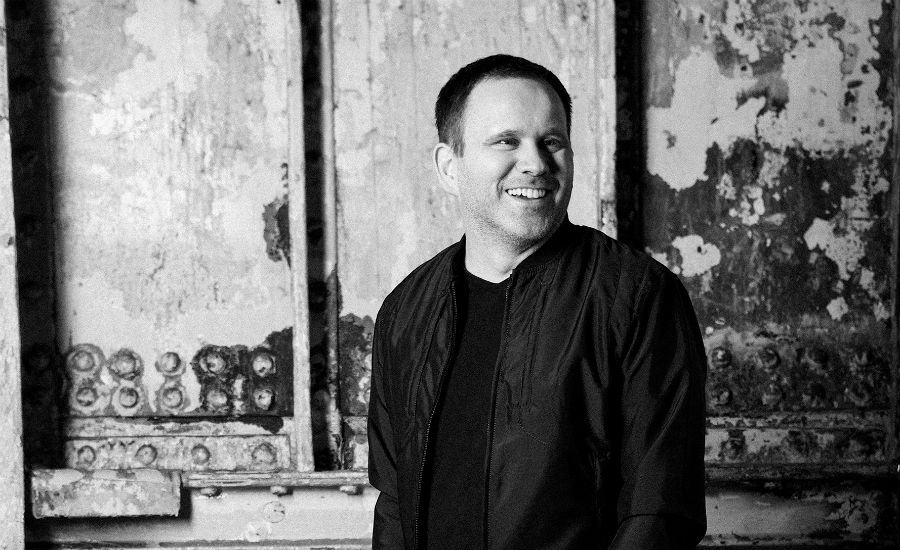
Matt Redman on Fatherhood, Faith and ‘Unbroken Praise’

If you were to chart the origins of some of the top Christian worship singers in the industry today, you’d see that Grammy award-winning artist Matt Redman is an outlier in every sense of the word. While some of the biggest names – Chris Tomlin, MercyMe and tobyMac – were born and bred in the good ol’ Bible Belt of the South, Redman began his career across the pond, in his hometown of Chorleywood, England.

The sleepy little suburb an hour north of London is where Redman was first introduced to faith, courtesy of a tragic event in his childhood. When the singer was 7, his father died suddenly. It wasn’t until years later that Redman learned his dad had actually committed suicide.

Community Newsletter

Get More Inspiration Delivered to Your Inbox


READ MORE: HILLSONG UNITED: BUILDING EMPIRES

“It was almost like a double blow because it brought up a lot more questions,” Redman told Guideposts.org. “’Why did he do that? Was I not enough? Did I have anything to do with that?’ I don’t have a lot of memories of him to be honest, but I do mark that as moment when I started to think about God a bit.”

A young Redman would walk himself to church every Sunday, even on those days when the rest of his family chose to stay at home. Years after his father’s passing, Redman’s mother remarried, but her new husband abused the family’s trust and Redman found himself turning to the church, his faith and music more than ever to make sense of the struggles in his life.

“Things got very dark there in my teenage years,” Redman said, “but again, by the Grace of God, I decided to trust Him and trust that He was in control. Even though I couldn’t understand anything He was doing, just trusting that He was watching over me. I think I can trace a lot of what I do now, the songwriting and all of it, to those key moments.”

Redman would be the first to admit, he never set out to be a Christian recording artist. What began as a young boy just leading worship services in his local church soon morphed into gigs on the road, record deals, Grammy awards, Dove nominations and has now culminated with his fourth -live studio album, Unbroken Praise, recorded at the storied Abbey Road Studios in London.

To hear Redman describe the experience of sharing the space with the legends that have come before him – The Beatles, Pink Floyd and Queen all have a place on those walls – is to hear the dreams of that 7-year-old boy, who never missed a Sunday service, coming true.

“It was brilliant,” Redman said. “You see that studio from the outside and people have their photo taken on the crosswalk or write their name on the wall, but when you go inside, it’s not just a nostalgic, souvenir kind of place. It was very welcoming and it just felt really special. We filled that place with about 350 worshipers and a load of friends and just had church.”

There’s something quintessentially British about Redman. Perhaps it’s his accent – which makes him instantly likable – or the way he compares songwriting to brewing a cup of tea. Whatever it is, it’s gained him legions of fans and quite a few friends in the industry, some of which Redman recruited on his latest record.

“That’s what friends are for,” Redman joked when asked about collaborating with people like Tomlin, David Crowder and Jonas Myrn. “It’s interesting, so many of the people that I look up to are actually my friends.”

“For the first time on this record I got to write something with David Crowder who I’ve known for probably 15 years, so I think that those friendships all show up in those songs. It’s a beautiful thing to kind of lean into each other’s gifts. That whole proverb of iron sharpening iron, that’s really what happens. You sharpen each other as creative people and as disciples of Jesus so you can’t really go wrong.”

READ MORE: CROWDER’S NEW SEASON OF MUSIC

The theme of this latest album is one that is entirely relevant to Redman’s own journey through life.

“One of the things I speak to on the album is just trusting God with your whole life,” Redman said. “The single, “It Is Well With My Soul,” is just about the storms of life. [Saying] ‘God I’m going to lean into You. God, I’m going to trust You are who You say You are, and I’m going to worship You.’”

“’Songs In The Night’” too is a similar theme. In the daylight, anyone can sing a song. When everything is going great in your life, it’s a lot easier to bring a song of worship, but can you still sing to God in the dark times?. I think of it like an evergreen tree. The time when you find out whether a tree’s evergreen or not is in the winter. The way you find out what kind of worshiper you are is in the storms of life.”

Having weathered quite a few storms in his own life, Redman’s ready to continue sharing his faith with others, something he’ll do this August when he joins Louie Giglio, Max Lucado and Chris Tomlin for their Worship Night in America tour. The singer also recently played a song off of his new album at the historic Albert Hall in London.

The track, “The Father’s Song,” centers on the birth of the artist’s first child and his own experiences growing up without a father.

“I’ve never really felt fatherless,” Redman said. “I lost my dad when I was 7, things didn’t go too good after that with the guy who replaced him, but I’ve never really felt fatherless. And it talks about that in the song. It talks about God being a Father. It’s really about how we can sing songs to God, but the song that overwhelms all of them and precedes all of them is His song over us.”

When Redman isn’t on the road, playing for thousands of fans or lending his name and talents to those big events, he’s happy to have his hands full at home, raising his five children with his wife Beth.

“There’s never a boring moment,” Redman said. “If one of my kids ever comes to me and says ‘I’m bored’ I say ‘That’s not possible. Including your mum and me there are seven people in this house, you cannot be bored.’ But honestly, I think it’s just a learning process of how to be a parent. I think about in Scripture when it talks about how God’s slow to anger and quick to show compassion. I’ve sometimes caught myself being the opposite, quick to be angry with my kids or not very quick to be compassionate and I want to be more like my Father in Heaven. I want them to see His heart through my actions.”

And while his own children are certainly old enough to realize the impact their dad has in the Christian music world, they don’t mind teasing him about it either.

.”A couple of my kids are quite cheeky and whenever they want to get my attention, instead of calling me dad they’ll call me Matt Redman. They think they’re funny.”

Magic Mineral Broth

This broth alone can keep people going, especially when they don’t particularly want to eat due to illness. This isn’t just a regular vegetable stock. This pot of yum is high in potassium and numerous trace minerals that are often depleted by cancer therapy.

Sipping this nutrient-rich stock is like giving your body an internal spa treatment. Drink it like a tea, or use it as a base for all your favorite soups and rice dishes. Don’t be daunted by the ingredient list. Simply chop the ingredients in chunks and throw them in the pot, roots, skins, and all.

A caregiver I know who never cooked tried this recipe for his mother, who was fighting colon cancer at the time.

“After I put all the vegetables in the pot and started them simmering, I had to go out of the house for a half hour to get something for Mom.

“When I got home and opened the front door, I couldn’t believe how amazing the house smelled. What was even more incredible was that I had created these smells.

“Before I left home, Mom wrote me a small check to cover the cost. I couldn’t understand why she thought she had to pay me for this. Then I looked at the ‘memo’ part on the front of the check. Next to it she wrote these words: ‘Love Soup.’”

Ingredients

6 unpeeled carrots, cut into thirds 2 Japanese or regular sweet potatoes with skins on, quartered
2 unpeeled medium yellow onions, cut into chunks 1 Garnet yam with skin on, quartered
1 leek, both white and green parts, cut into thirds 1 (8-inch) strip of kombu (seaweed found in health food stores)
1 bunch celery, including the heart, cut into thirds 2 bay leaves
5 unpeeled cloves garlic, halved 12 black peppercorns
½ bunch fresh flat-leaf parsley 4 whole allspice or juniper berries
4 medium red potatoes with skins on,
quartered
1 Tbsp. sea salt

Preparation

1. Rinse all the vegetables well, including the kombu.

2. In a 12-quart or larger stockpot, combine all the ingredients, except the salt.

3. Fill the pot to 2 inches below the rim with water, cover, and bring to a boil.

4. Remove the lid, decrease the heat to low, and simmer for a minimum of 2 hours.

5. As the stock simmers, some of the water will evaporate; add more if the vegetables begin to peek out.

6. Simmer until the full richness of the vegetables can be tasted. Add the salt and stir.

7. Strain the stock using a large coarse-mesh strainer (remember to use a heat-resistant container underneath).

8. Bring to room temperature before refrigerating or freezing

Makes 6–7 quarts

Per serving: Calories: 29; Total Fat: 0g (0g saturated, 0g monounsaturated); Carbohydrates: 6g; Protein: 0g; Fiber: 0g; Sodium: 166mg

If you don’t have time to make this broth from scratch, substitute Pacific or Imagine brand vegetable stock, add an equal quantity of water, a piece of kombu, and one potato. Boil for 20 minutes and strain. Magic Mineral Broth can be frozen for up to 4 months in a variety of airtight containers for every use.

Watch Rebecca make Magic Mineral Broth!

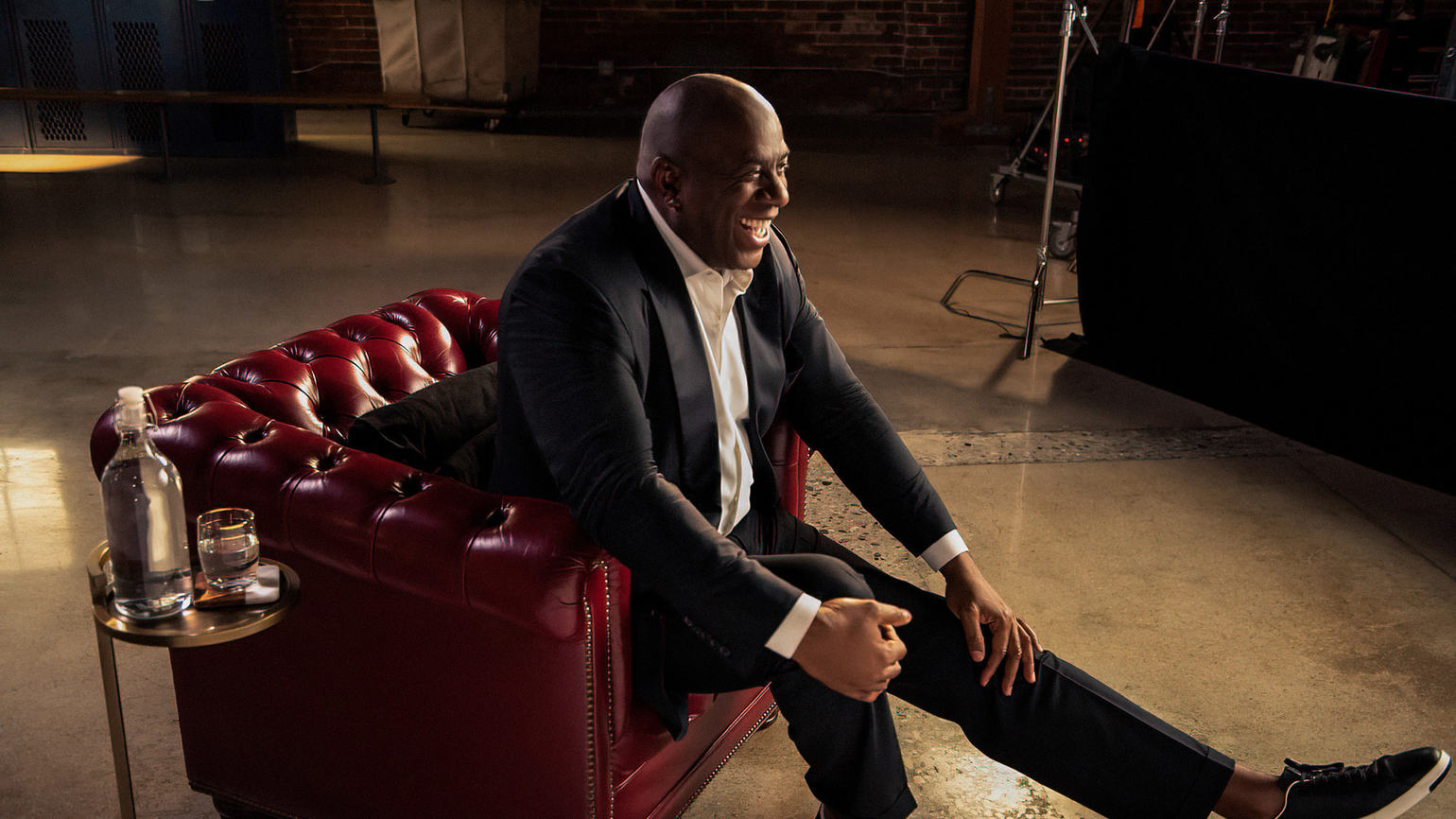
Magic Johnson on Why “Faith is Everything” For Him

Though the documentary is titled They Call Me Magic, that is not his name. He was born Earvin Johnson, Jr.

The new four-part documentary follows the story of Johnson’s life from his birth to working class parents in Lansing, Michigan, all the way to his stardom playing point guard for the Los Angeles Lakers. They Call Me Magic gives audiences a look at both the NBA legend named Magic, and the man behind the title, named Earvin. The film features interviews with Johnson, as well as with his friends and family, and NBA coaches and players – including Michael Jordan, Shaquille O’Neal, and Kareem Abdul-Jabbar.

Director Rick Famuyiwa masterfully takes us through major parts of Johnson’s life, including perfecting his legendary no-look passes, his MVP Awards, his HIV diagnosis, his charity and community work, and accepting his son EJ’s sexual orientation. In a recent interview, Johnson explained that his faith has kept him going through all the ups and downs.

“Faith is everything,” he said. “I always leaned on my faith. God has truly blessed me to come through challenges in my life, especially regarding HIV.”

In 1991, Johnson announced he was retiring from basketball due to being HIV positive. Since then, he has been very open about his condition and has become a prominent spokesperson for AIDS awareness. Through it all, Johnson has relied on his faith and his family.

“I thank Him every day for everything He has blessed me with,” he said. “He blessed me with the best wife a man could have in Cookie and our children and grandchildren.”

READ MORE: Cookie Johnson on Faith, Purpose and Survival

Another member of Johnson’s family that was vital to his faith was his mother. Christine Johnson is a mother of six and worked as a school janitor when her son was young. She instilled in all her children a deep sense of faith and community.

“She’s a woman of huge faith,” said Johnson. “She’s very involved in her church and she raised us the same way. We’re all involved in our different ways. She has influenced [me] to give back.”

Johnson has dedicated his life to charity organizing. He’s opened HIV/AIDS clinics, built empowerment centers in poor neighborhoods, helped young people pay for college and find jobs, and is helping to build infrastructure that supports marginalized communities.

“The pandemic hurt the Black and Brown communities here in America,” he said. “Many kids didn’t have access to the internet. We’re building a broadband so they can be connected and do their homework.”

Johnson is still very much in touch with his Lansing, Michigan, roots. He credits his teachers, counselors, coaches, friends and family members in Lansing for helping him achieve greatness. “Lansing shaped my whole life,” he said. “It really takes a village to raise somebody. And that village of Lansing, Michigan, helped raise me, shape me, and cheered for me.”

Check out the trailer for They Call Me Magic below. It is available to stream on Apple TV +.

Lysa TerKeurst: How Disappointment Taught Her to Trust God

Lysa TerKeurst, the president of Proverbs 31 Ministries, is a well-known author and speaker. Her last book, Uninvited, became a #1 New York Times bestseller. However, while her career reached new heights, her personal world was coming apart. She was diagnosed with breast cancer and discovered her husband had been unfaithful.

Her new book It’s Not Supposed to Be This Way offers a raw look into TerKeurst’s struggles with cancer, infidelity and trusting God in the darkest times.

In this excerpt, TerKeurst shares how she found God in the midst of her hardest disappointment.

Dust

I grabbed my chest while tears slipped down my cheeks in an unending stream. The pain in my heart wasn’t physical. But the stabbing emotional hurt was so intense I could hardly breathe. My hands were shaking. My eyes were wide with fear. My mouth felt paralyzed.

My life had gone from feeling full and whole to being obliterated beyond recognition.

I’d been hurt plenty of times in my life. But nothing like this.

After twenty-five years of marriage partnership, I had no choice but to tell my husband, “I love you. And I can forgive you. But I cannot share you.”

Never had I felt more shattered and alone. And then, adding more salt to the wound, people started talking. I’d kept this hell I was walking through private, telling only a few friends and counselors. They were tender and helped me in ways I’ll never be able to repay. There are some really good people on this earth. But others weren’t so understanding or compassionate. And now realities and rumors were crushing me. I was experiencing the death of my “normal life.” But people don’t have funerals for “normal.” I was dealing with extreme grief from losing the person I loved the very most in this world. But instead of visiting a gravesite and mourning a death, I was visiting the rumor mill and being devastated by all the theories and opinions. My pillow was soaked with tears of which only I knew the real source. Not only was I dealing with deep personal pain, but I was experiencing firsthand the way broken people sometimes contribute to the brokenness of others.

We live in a broken world where broken things happen. So it’s not surprising that things get broken in our lives as well. But what about those times when things aren’t just broken but shattered beyond repair? Shattered to the point of dust. At least when things are broken there’s some hope you can glue the pieces back together. But what if there aren’t even pieces to pick up in front of you? You can’t glue dust.

It’s hard to hold dust. What was once something so very precious is now reduced to nothing but weightless powder even the slightest wind could carry away. We feel desperately hopeless. Dust begs us to believe the promises of God no longer apply to us. That the reach of God falls just short of where we are. And that the hope of God has been snuffed out by the consuming darkness all around us.

We want God to fix it all. Edit this story so it has a different ending. Repair this heartbreaking reality.

But what if fixing, editing, and repairing isn’t at all what God has in mind for us in this shattering?

What if, this time, God desires to make something completely brand-new? Right now. On this side of eternity. No matter how shattered our circumstances may seem.

Dust is the exact ingredient God loves to use.

We think the shattering in our lives could not possibly be for any good. But what if shattering is the only way to get dust back to its basic form so that something new can be made? We can see dust as a result of an unfair breaking. Or we can see dust as a crucial ingredient.

Think about a plain piece of ice. If the ice stays in a cube, it will always be just a square of ice. But if the ice melts it can be poured into a beautiful form to reshape it when frozen again. Dust is much the same; it’s the basic ingredient with such great potential for new life.

Of all the things God could have used to make man, He chose to use dust. “Then the Lord God formed a man from the dust of the ground and breathed into his nostrils the breath of life, and the man became a living being” (Genesis 2:7).

Jesus used the dust of the ground to restore a man’s sight. Jesus said, “ ‘While I am in the world, I am the light of the world.’ After saying this, he spit on the ground, made some mud with the saliva, and put it on the man’s eyes” (John 9:5–6). And after the man washed in the pool of Siloam, he went home seeing.

And, when mixed with water, dust becomes clay. Clay, when placed in the potter’s hands, can be formed into anything the potter dreams up!

Yet You, Lord, are our Father.

We are the clay, you are the potter;

we are all the work of your hand.

(Isaiah 64:8)

“Can I not do with you, Israel, as this potter does?” declares the

Lord. “Like clay in the hand of the potter, so are you in my hand,

Israel.” (Jeremiah 18:6)

Dust doesn’t have to signify the end. Dust is often what must be present for the new to begin.

There isn’t any timing that seems like the right timing to be shattered into dust.

There isn’t any plan God could present where I would willingly agree to be broken into unglueable pieces.

I just wouldn’t.

And what a tragedy that would be. My controlling things would prevent the dust required for God to make the new He desperately desires for me. And isn’t that what all His promises hinge on? Old becoming new. Dead things coming to life. Good from evil. Darkness turning to light.

If I want His promises, I have to trust His process.

I have to trust that first comes the dust, and then comes the making of something even better with us. God isn’t ever going to forsake you, but He will go to great lengths to remake you.

What if disappointment is really the exact appointment your soul needs to radically encounter God?

Taken from It’s Not Supposed to Be This Way: Finding Unexpected Strength When Disappointments Leave You Shattered by Lysa TerKeurst Copyright © 2018 by Lysa TerKeurst Used by permission of Thomas Nelson. www.thomasnelson.com.

Low-Cholesterol Tomato Soup

This wholesome and nutritious tomato soup is made with plenty of vegetables and has a chicken-broth base. It’s an excellent choice for a first course or a great light lunch with a salad and garlic bread.

Ingredients

2 cups sliced carrots

1 cup chopped celery

1 small onion, finely chopped

½ cup chopped green pepper

¼ cup butter or margarine

4½ cups chicken broth

4 medium tomatoes, peeled and chopped (4 cups)

4 teaspoons sugar

½ teaspoon curry powder

½ teaspoon salt, optional

Preparation

1. In a Dutch oven, sauté carrots, celery, onion and green pepper in butter.

2. Add 4 cups broth, tomatoes, sugar, curry powder, salt (if desired) and pepper. Boil, then simmer for 20 minutes.

3. Combine flour and remaining broth until smooth. Gradually add to soup.

4. Bring to a boil; cook and stir for 2 minutes.

Serves 9 (about 2 quarts total)

Nutritional analysis: 1-cup serving (prepared with margarine, low-sodium broth and no salt) has 115 calories, 153 mg sodium, 2 mg cholesterol, 6 gm fat.

Low-Carb Chocolate “Mousse”

This was adapted from an on-line Atkin’s recipe to satisfy my chocolate passion and need for a sweet treat. It is easy and quick to make—but actually tastes better if refrigerated overnight and eaten the next day.

Ingredients

½ ripe avocado 1 tsp. granulated stevia
1 tsp. dark chocolate powder 1 Tbsp. whipping cream

Preparation

1. Combine all ingredients and whip with hand-held beater

2. Put in small bowl and refrigerate.

3. Eat with a dollop of whipped cream on top, with a sprinkle of pecans, almonds or walnuts.

Hints: You may need to add more (or less) Stevia (sweeten to taste). The dark chocolate powder is a bit bitter—add a dash of lemon juice if needed.

Serves 2.

Nutritional Information: Calories: 112; Fat: 10.1g; Sodium: 36mg; Potassium: 244mg; Total Carbohydrates: 7.8g; Dietary Fiber: 4.4g; Protein: 1.4g.

Leon’s Homemade Granola

Leon’s delicious granola opened the door to his wife’s heart, so you know it’s something special!

Ingredients

8 c. old-fashioned oats 2 tsp. vanilla
1 c. unsalted sunflower kernels 1 c. sliced almonds
½ c. vegetable oil 1 c. raisins or dried cranberries (or use some of each)
½ c. honey or molasses (or use some of each)

Preparation

1. Preheat oven to 300°F. Put oats and sunflower kernels in a large bowl.

2. Combine next three ingredients and pour over oat mixture. Stir well. Bake in a roasting pan, stirring every 20 minutes, until brown (an hour or more).

3. Meanwhile, toast almonds in a skillet over low heat, stirring occasionally, until lightly browned.

4. When baking is done, stir in almonds and dried fruit. Cool completely before storing.

Makes about 10 cups.

Nutritional Information (serving size=1 cup): Calories: 580; Fat: 28g; Cholesterol: 0mg; Sodium: 5mg; Total Carbohydrates: 75g; Dietary Fiber: 10g; Sugars: 26g; Protein: 13g.

Don’t miss Leon’s inspiring story about wooing his wife with an assist from this delicious granola.

Download your FREE ebook, The Power of Hope: 7 Inspirational Stories of People Rediscovering Faith, Hope and Love.