Embrace God's truth with our new book, The Lies that Bind

Farewell for Just a While

My dear friends,

I’m going to take a brief break from blogging so that I can work on the final edits of the book I’m writing on my family’s experience with Alzheimer’s that I have been telling you about and will be available next year. Thank you for all of the support and encouragement you have provided on this project. You kept me going when things got hard.

I also want to thank you again for the kindness, sympathy, compassion and understanding you have so generously given since the death of my wife, Julee, in June. I don’t know what I would have done without you.

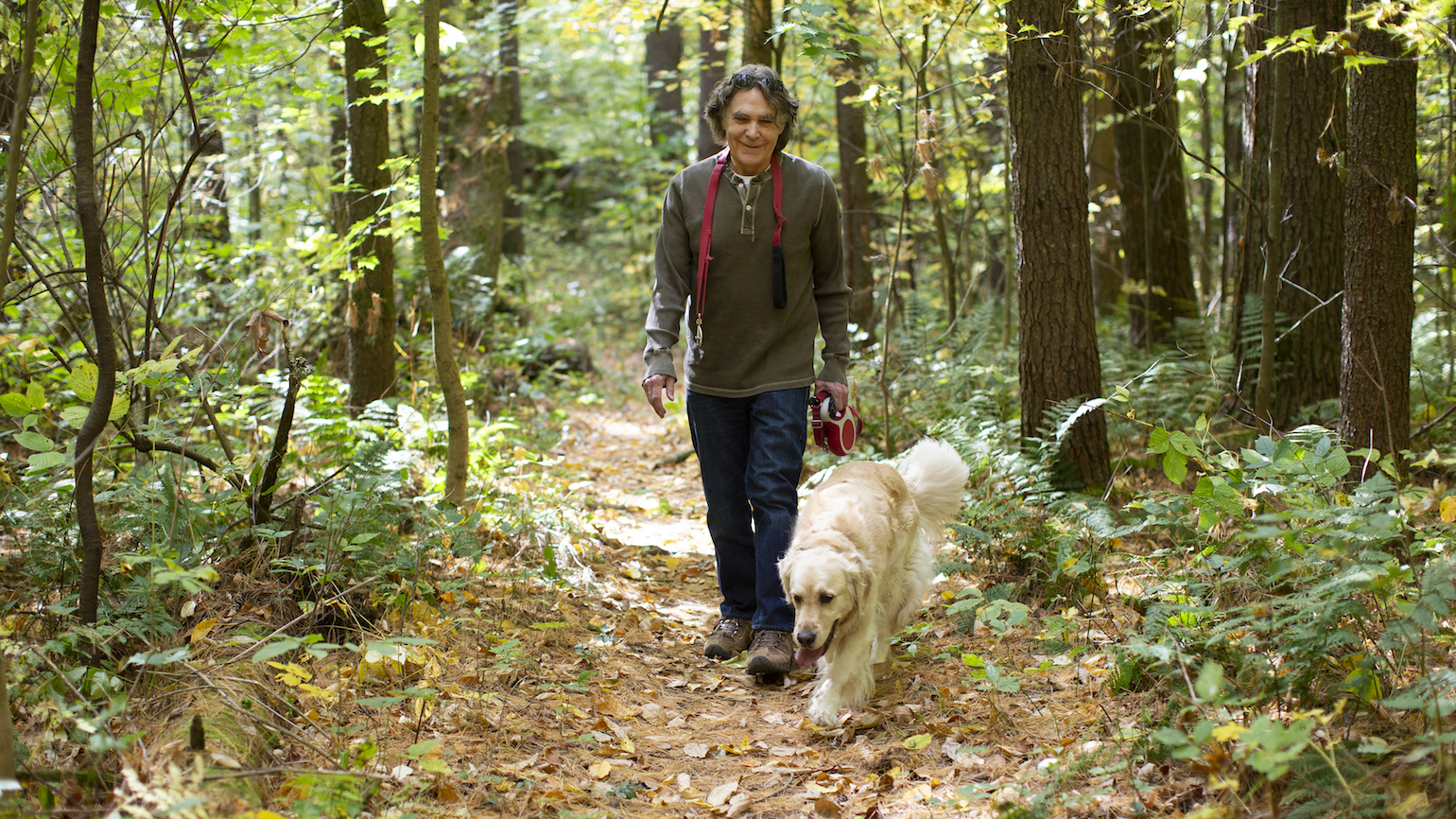
Don’t worry about Gracie while I’m finishing the book and taking a blog break. She’ll still get her daily hikes in the country and walks in the city. In fact, if you are a user of the Abide prayer and meditation app (and I hope you are), I’ve written several stories about our walks in the woods that will be featured as sleep stories soon on the app. It offers a wonderful way to drift off with a faith-based story that will relax your soul and mind, sweep away the cares of the day and prepare you for the next one to come. Hopefully with Gracie and me as your gentle guides.

The next you’re likely to hear from me is from Germany. I’m hosting a Guideposts trip to the famous passion play in Oberammergau at the end of August. We’ll be making a few stops along the way in Switzerland. I’ll be updating you on our trip. Until then, blessings.

Faith, Family, Track and Field

Six days a week, seven hours a day, running, weightlifting, core exercises, plyometrics. Defending Olympic decathlon champion Bryan Clay’s workout regimen is intense. You don’t earn the title of world’s greatest athlete any other way.

The most important part of his training, though, is spiritual. “I have to keep my priorities in order—faith first, family second, track third,” Bryan says.

He wasn’t always so spiritually focused. His parents’ divorce when he was in fifth grade hit him hard. He acted out, getting into fights. Later on it was drinking and drugs. His mom kept praying for him, telling him, “God has big plans for you.”

She took him to a counselor, who suggested he channel his aggression into sports. Fast and strong, he chose track and field. He was so incredibly versatile that he’d compete in six events in a single meet.

No wonder Azusa Pacific University recruited him as a decathlete. His mom was thrilled, thinking that at a Christian college, he’d be on the right path.

Not quite. Bryan was more into partying than praying. He’d blow off chapel because he was hungover. His coach threatened to kick him off the track team. Bryan’s attitude was, “So what if I get tossed? I don’t care.”

He didn’t care enough about his girlfriend, Sarah, either. Sophomore year she broke up with him, fed up with his carousing. Desperate, he prayed that she’d call him again. One day she did. “Are we going to get back together?” he pleaded.

“That’s not going to happen until you become the man of God I know you want to be and that I know he wants you to be,” she said.

That night he took a hard look at himself. What did he have to offer except that he was an athlete? Not even a really good one—he was 1,000 points away from a national-level decathlon score.

But how did one go about becoming a man of God? He was as confused as ever and Sarah wasn’t coming back.

Finally Bryan sought answers in Scripture. He grew intrigued by Jesus’ disciples. They learned by watching him day after day.

“If I was going to change,” he says, “I needed a real-life model, someone who was doing his best to be Christlike in everyday life.” The choice of a mentor was clear: Azusa’s dean of students.

The dean invited him to join a small discipleship group that met every week. It would take total commitment, the dean warned. There was no missing D-group, not even for track practice and certainly not for a hangover.

They talked about everything—classes, work, relationships, putting love for God and for others before yourself. “I didn’t just commit, I surrendered to Christ,” Bryan says.

His track career took off. Junior year, 2001, he qualified for the world cham pionships. Three years later he won the silver medal in the Athens Olympics. In Beijing in 2008, he won gold. By then, he had won Sarah’s heart too, and married her.

This summer Bryan attempted the unprecedented—medaling in decathlon in three Olympics. During the U.S. Olympic Trials, he caught a foot while competing in the hurdles, costing him a spot on the team. Perhaps in four years, when he'll be 36, he'll try again.

No matter the outcome, there is one constant, as he recently posted on Twitter: “In happy moments, praise God. In the difficult moments, seek God. In the quiet moments, trust God. In every moment, thank God.”

Read more inspiring Olympic profiles.

Faith and Football with Earl Smith

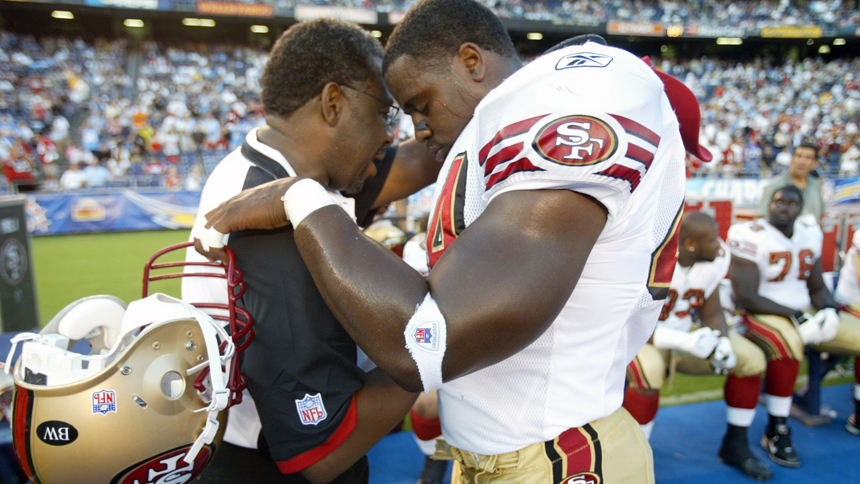
After 23 years as a chaplain at California’s San Quentin State Prison, Earl Smith accepted a different kind of challenge: ministering to some of the world’s most talented athletes as chaplain for both the Golden State Warriors of the NBA and the NFL’s San Francisco 49ers. Enjoy these images of Smith lending spiritual support to the 49ers and even some of their opponents.

Experience ‘The Power of Positive Thinking’ in a New Unabridged Audiobook

Now you can enjoy Norman Vincent Peale’s international bestseller in a whole new way. Originally published in 1952, The Power of Positive Thinking has sold more than five million copies worldwide and has been translated into more than 40 languages. Now, Simon & Schuster Audio is offering the first unabridged audiobook of the Christian classic. Narrated by actor John Bedford Lloyd, this new edition includes extra sermons and stories by Peale. In addition, Simon & Schuster Audio is now releasing even more titles by Peale – some of them for the very first time as audiobooks – like You Can If You Think You Can, Guide to Confident Living, and more!

To celebrate the new releases Guideposts.org talked with Peale’s grandson, Cliff Peale, about why his grandfather’s message of hope and positivity is still vital today.

Cliff Peale, 56, who lives in Covington, Kentucky, wrote the foreword for the new audiobook. He currently works with the Peale Foundation to continue his grandfather’s mission of making the world a better place through positive thinking and positive actions. Just like his grandfather, Cliff started his career as a newspaper reporter. “Something I’ve done for most of my career, and what my grandfather spent his lifetime doing, is talking to people,” said Cliff. “Hearing and telling their stories and looking for the good in people.”

Since his early years as a pastor at Marble Collegiate Church in New York City, Norman Vincent Peale understood the importance of telling people’s stories of faith and the power they had to change other people’s lives. He told these stories through multiple channels, from newspapers to the pulpit to radio to books, like The Power of Positive Thinking. Now this message can reach even more people as an unabridged audiobook.

This year marks the 70th anniversary of Peale’s seminal work, but the message remains relevant today. Cliff says that people still come up to him and tell him how his grandfather’s book changed their lives for the better. “Today everything can seem polarized and competitive,” said Cliff. “It’s important to see the best in people. We should live with a robust kind of joy and enjoy this life that we’ve been blessed with.”

The simple, universal message of hope in The Power of Positive Thinking and Peale’s other works is something anyone can relate to. It meets people where they are on their faith journeys and gives them practical steps they can easily bring into their own lives. “One of the things that I love about my grandfather’s message,” said Cliff, “is how it helps people get joy out of their lives in their own way.”

Order your copy of the unabridged The Power of Positive Thinking audiobook and more titles by Norman Vincent Peale here!

Enter the Norman Vincent Peale Audiobook Sweepstakes, for a chance to win an iPad, the unabridged The Power of Positive Thinking audiobook, and more!

Escape to Alaska

Last summer, while staying at the Kenai Fjords Glacier Lodge, just outside of Seward, Alaska, I heard the story of Rockwell Kent. At the time, I was a freelance editor and travel writer, thrilled to join a press trip to Alaska, but deeply worried about the insecurities of the freelancer life. (I’ve since joined Guideposts as senior digital editor.)

Maybe it was my own worries and doubt that made me feel so connected to Kent, who also escaped to an Alaskan island near Seward in the summer of 1918. The artist hadn’t been able to make a living from his illustrations, and with his wife determined to divorce him, Kent and his 9-year-old son journeyed from New York to Alaska to get some peace. On my own journey from New York to Alaska, my ears perked up when a lodge staffer described the Kents’ 7-month “adventure of the spirit.” The journal and illustrations Kent drew during that odyssey became the popular book, Wilderness: A Journal of Quiet Adventure in Alaska.

The staffer slipped Wilderness into my anxious hands and in the three nights I stayed at the lodge, I devoured every page.

Each night in my private cabin, instead of worrying about the bills piling up from being a freelance editor and travel writer, I imagined Kent and his son braving the Alaskan wild in their own, isolated cabin. In the mornings, I forgot about needing to find a permanent place to live once my press trip was over, and instead got swallowed up in the sheer beauty of the Pedersen Glacier, the green fir trees and snow-capped mountains across an icy lagoon—all of which I could see right outside my cabin window.

During the day, I hiked with a lodge guide and other travelers on a trail to see the Glacier up close. I canoed Aialik Bay, strolled along the beach, spotted American Bald Eagles, brown and black bears and even humpback wales and dolphins!

While the Kents were eating canned beans, canned eggs, rolled oats and cornmeal, I was eating Alaskan salmon and rice and fresh vegetables for dinner in the rustic main lodge, enjoying the company and the stories of the other travelers, and feeling less alone and even more at peace.

But most of all on my epic journey to Alaska, I found rest.

At the beautiful Hotel Aleyeska Resort in Girdwood, I did little else. After an amazing sleep, I awoke only to take the tram up 2,300 feet above sea level to the resort’s award-winning, mountaintop restaurant, Seven Glaciers, which, as you might have guessed, offers panoramic views of 7 glaciers—not to mention the incredible food.

The following morning, I was to attend a yoga session offered in the exercise room on the resort’s top floor. Not wanting to miss a thing the resort had to offer, I pushed myself and went. After 30 minutes, my body couldn’t have been more clear. A little embarrassed, I rolled up my mat, exited quietly out the back door, and returned to my luxurious bed and slept the day away. The resort even graciously gave me a super-late checkout, and I needed it, body and soul.

Down in quirky Homer, Alaska, I took a wildlife cruise on the Danny J to Stillpoint Lodge in Halibut Cove. After a hike to a glacier with a guide, I camped out on the beach and enjoyed lunch over a makeshift fire before the rain snuffed it out. I hiked back a little wet, but dried out in Stillpoint’s intimate sauna before I received the massage of my life from the lodge’s masseuse, Soumaly Inthavong, who put her whole being into that treatment. Then, in my private, tucked-away cabin, I slept.

I took my first floatplane ride to the exclusive and unmatched Winterlake Lodge–the perfect place for a writer to write. In my private cabin (1 of only 5 on the property) overlooking lush green grass, the Finger Lakes and snowy mountains in the distance, I had all the inspiration I needed to write the Great American Novel—but instead, you guessed it, I slept. And I slept well. When I wasn’t sleeping, I was eating the delicious and creative meals in the main lodge by Winterlake’s chef Frank Macias. I kayaked the lake with a Winterlake lodge guide, hiked along the Iditarod dog-sledding trail up Wolverine Mountain, finally got in a yoga class, took a helicopter to the top of the mountain range and spun around like Maria in the Sound of Music.

My employment situation was unsteady, my living situation even more so, but on top of that mountain, I remembered the words of Jesus:

“Therefore I tell you, do not worry about your life, what you will eat or drink; or about your body, what you will wear. Is not life more than food, and the body more than clothes? Look at the birds of the air; they do not sow or reap or store away in barns, and yet your heavenly Father feeds them. Are you not much more valuable than they?”

My economic situation had left me feeling worthless and like a failure. But in that stunning, snowy solitude, God reminded me of my priceless value to Him. And just as He clothed, fed and sheltered me in Alaska, He would do so in New York or wherever He would take me next. Like Kent, my quiet adventure in Alaska proved to be the rest, peace and healing necessary to learn that the only thing I needed an escape from was my worrying.

Emily Proctor on the Friendship That Changed Her Life

I’ve lived in Los Angeles for many years, and for the past eight, I’ve been blessed with what actresses dream of–a starring role on a hit television show, playing Detective Calleigh Duquesne on CSI: Miami.

I’m comfortable here now, content with being my down-to-earth southern self in a tough and glitzy business. But I wasn’t always.

There was a time when I was starting out that I was really struggling. Not so much with acting–I was getting enough work doing guest roles and TV pilots to pay the rent–but with how unmoored I felt.

I’d moved to L.A. after college and I knew there’d be an adjustment. I just hadn’t counted on how hard it would be.

Life out here was nothing like back home in North Carolina, where all of my family was, where I’d had the same friends since kindergarten, people I could count on.

Even after four years in L.A., I still didn’t know who I could trust. I felt lonely. And a little lost, as if something was missing from my life.

So far my closest relationship was with my cat, Kevin. He was rescued as a newborn from a hole in the wall–literally–of a friend’s old beach shack. From the get-go, he was gentle and sweet and had this calm about him that I only wished I could find.

It was like his rough introduction to the world hadn’t closed him off but rather opened him up. He’d come when I called and flop onto his back so I could rub his belly. He’d even jump into the bathtub with me. Kevin was the picture of contentment. How could I help but fall in love?

Still, in the fall of 1996 it hit me that except for taking care of Kevin, my days were all about me. Was I thin enough? Did my hair look right? Did I prepare enough for my next audition? Where was my career going?

I really need to take the focus off myself and do something for someone else, I thought.

I could almost hear my mom saying, “Go for it!” My parents were big on helping others–my dad was a doctor, my mom volunteered at a home for people with AIDS, and we were always signing up for service projects at church.

When I heard about the soup kitchen at All Saints Episcopal a few blocks from my apartment, I decided to volunteer.

Monday lunch was my shift. Every Monday I’d put on my green corduroy overalls–for some reason, that became my serving-line outfit–and walk up Bedford Drive, cross Wilshire Boulevard, then turn right onto Santa Monica Boulevard to get to the soup kitchen.

I kept noticing the same guy at the corner on Wilshire. A homeless man in a wheelchair. He was in his fifties and sat quietly in his shorts and red windbreaker, reading. He didn’t hassle people, just said thanks when someone dropped money into his cup.

I’d say hello, but that was it. He seemed reserved, and I wanted to respect his privacy.

But one Monday in December something made me stop and say, “I work at All Saints soup kitchen. Want to go with me and get lunch?” He looked up at me with these bright blue eyes and said, “Yeah!”

“I’m Emily.”

“Jim.”

I grabbed his wheelchair and started pushing, but I couldn’t maneuver it in my clunky clogs. “I’m sorry, Jim. I’m not going to be able to get you there today…not in these shoes.”

He didn’t say anything.

“I’m going home for Christmas, but I’ll be back. We’ll go the first Monday after New Year’s,” I promised.

“Okay,” he said, but it seemed like he didn’t believe me.

That Monday after New Year’s I put on tennis shoes and ran to Jim’s corner. There he was in his red windbreaker and wheelchair. His eyes got really twinkly when he saw me. “All right!” he exclaimed. “Let’s go.”

I wheeled him to the soup kitchen, got him settled with some food, then took my place in the serving line. After lunch we went back to his corner. “I’ll meet you here next week,” I said.

That became our little ritual every Monday. I’d pick him up at the corner and we’d head to the soup kitchen. We talked a bit, but mostly we just enjoyed each other’s company.

It was a relief not to get into the typical Hollywood conversations–What do you do? Who’s your agent? What roles are you up for?

One day about three months after we met, Jim seemed more serious than usual. He took my hand and pressed some money into it. Forty dollars. What’s this for?

“I want to tell you something,” he said. “I think you’re very pretty, but you need to buy a new outfit. I saved up this money.”

I realized every time he saw me I was wearing my green overalls! “Jim, I didn’t get around to telling you, but I’m an actress. I have other clothes.” We had a good laugh.

Our friendship grew from there. When I didn’t have an acting job or auditions, we’d have breakfast at a place across the street from his corner. We’d sit and talk about our childhoods, our families, our experiences. Well, Jim shared his life wisdom with me because it wasn’t like I’d acquired much yet.

Once I asked Jim, “Were you in Vietnam?” I’d assumed he was a veteran, so I was surprised when he said no. “Then how did you end up in the wheelchair?”

“Emily, ending up in this chair saved my life. So I don’t want you to feel bad about what I’m going to tell you.” He went on. “I was a terrible alcoholic.” During a binge, he got into a fight and was beaten into a coma. When he came to, he realized, “God stood by me even when I wasn’t standing by me.”

He wanted to make the most of the second chance he’d been given. He quit drinking. He read every book he could get his hands on.

He couldn’t afford regular therapy appointments, but there was a nighttime radio show where the host was a therapist. Jim called in every night for two years and worked through his issues.

The closer we’ve gotten–and we’ve been good friends for almost 15 years now–the more I see that Jim really lives by the advice he once gave me: “If you don’t like the way your life looks, change the way you look at it.”

He’s more content and at peace with himself and with the world than anyone I know–well, except maybe my cat.

Jim listens without judging and tells you not what you want to hear but what you need to hear. He savors every moment, even the struggles, because they often turn out to be blessings.

Like the time I felt lost and lonely and set out to do something for someone else. And look what I ended up finding–the contentment that had been missing from my life…and the inspiration for how to live it.

Did you enjoy this story? Subscribe to Guideposts magazine.

‘Emanuel’ Documentary is a Moving Testament to Forgiveness

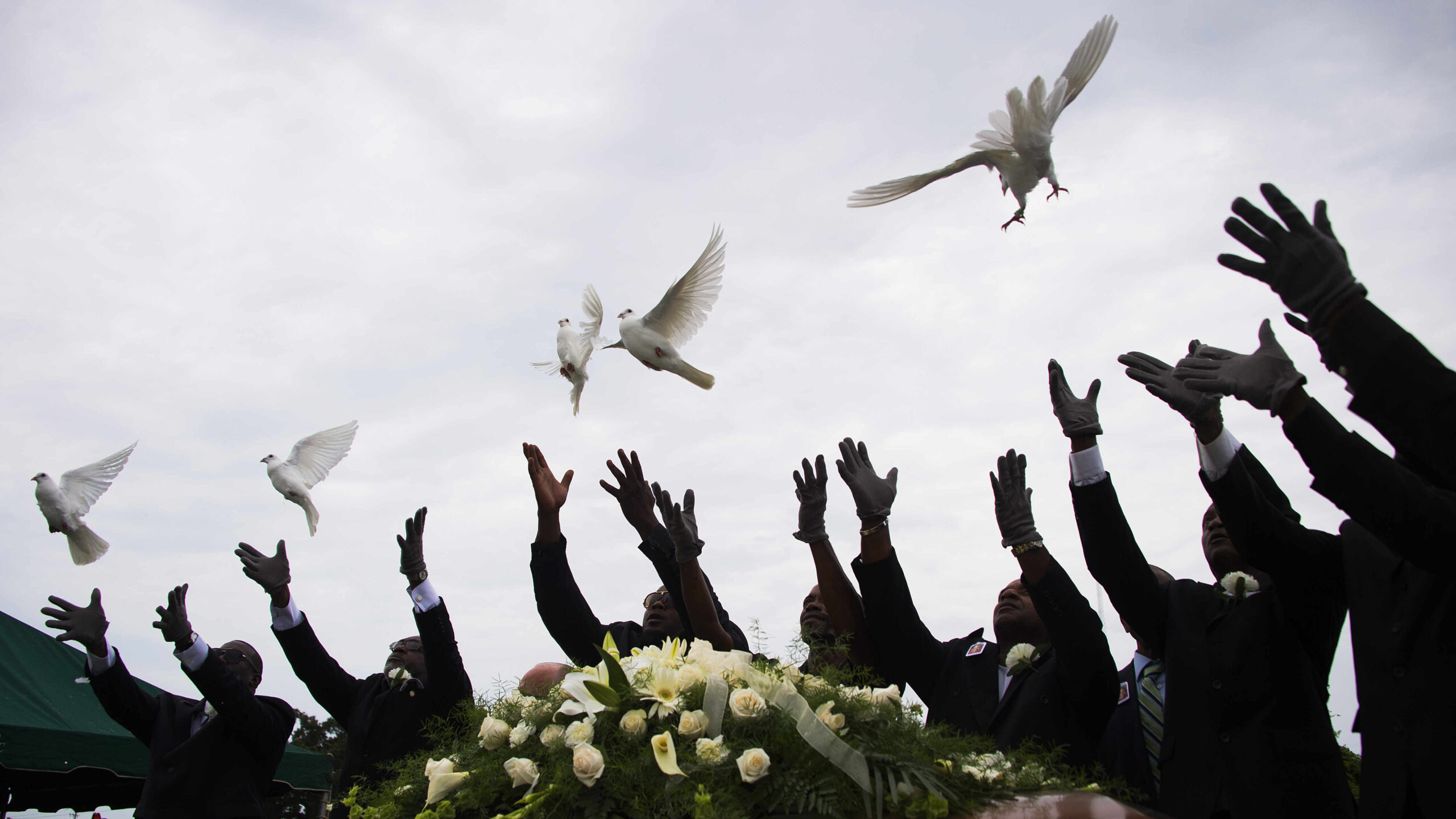
On June 17, 2015 nine members of the Emanuel African Methodist Episcopal Church in Charleston were were murdered by a white supremacist who targeted their Bible study because they were African American. Now, four years later, the documentary Emanuel tells the story of the shooting in a unique way, highlighting the faith of the loved ones left behind.

Rose Simmons is one of those loved ones. Her father, Reverend Daniel Simmons, a retired minister and dedicated member of the church, was the last victim of the shooting. Simmons, who began her work on the film as a family member, went on to part of the film team because of her passion and dedication to the project.

The documentary, produced by basketball star Stephen Curry and award-winning actress Viola Davis, is about much more than a horrifying act of violence. Although it focuses on the history of Charleston and the African Methodist Episcopal Church, the story is ultimately about forgiveness.

Less than two days after the shooting, many of the families of victims spontaneously forgave the perpetrator in court. Their faith inspired a nation. For Simmons, who has said she prayed for the perpetrator during his trial, forgiveness has been essential.

Forgiveness for me is freedom,” Simmons told Guideposts.org. “It is the freedom to remember the great things about my father…I can speak about my father, I can speak about the perpetrator, and I can sleep at night.”

The director, Brian Ivie, said that faith and forgiveness are what set this documentary apart from other retellings of the Charleston shooting.

“There have been other attempts to tell this story,” Ivie told the Charleston Scene. “Many of them do mention forgiveness, but I also think what separates our telling from all the others is our theological understanding of where that forgiveness comes from. And that is the cross of Jesus Christ.”

Simmons agrees, adding that although she always had a strong faith, since losing her father she has found an even closer relationship with God.

“I was blessed supernaturally with that gift to forgive almost instantly,” she said. “I think what this has done [for] me is given me what I need to live out the Word and live out those tough Scriptures,” Simmons said.

Simmons is currently at work on another documentary about her father’s life.

“I want to talk more about his life and his accomplishments and who he was… [so] those that live on after me will know who he was,” Simmons said.

Emanuel is in theaters June 17 & 19.

Elizabeth Sherrill on Gaudi’s Basilica de la Sagrada Familia

Hi, I’m Elizabeth Sherrill. Tib Sherrill is the name I like best. And I’m a Guideposts editor.

As all tourists have, I’ve been to the beautiful, beautiful cathedrals across Europe, but never have I stepped into a church where I felt the holiness of God so wrap you around as you step in. I think it was the light, something about the quality of the light, and the color, the size of the place. They were just something heavenly.

You suddenly were not quite sure where you were, whether you were on this planet or whether you were in another realm altogether. Such imagination had gone into that place. All the work of this one amazing man.

It was an amazing story because he grew up a very poor boy with all the disadvantages of…I know at one point, he was crippled with arthritis from a child, but he still worked in a factory as a bellows-boy. That was going to be his life.

But one day, the foreman, the owner of the factory came by and saw this child reading, sneaking a book, and he asked the boy, “What’s that book you’re reading?” And the little boy was terrified ’cause he knew that he would be fired right away, and he said, “It’s a book about arithmetic, sir.” The owner was so surprised to hear that. He thought it would be a forbidden adult romance, or maybe an adventure story, but instead, a book about arithmetic. He began asking questions and eventually he agreed to sponsor this child through high school, through secondary school, which would not have been possible.

So, from then on, Gaudi went to school, and then he apprenticed himself to a master-builder for another four years, and when he graduated from there, master-builder was no longer the term, there was a new term, which was architect. He was now an architect, which was unheard of, for a boy from his humble circumstances, and he became a very wealthy man.

His designs were original and daring and very much designs of the future. As Barcelona grew and exploded out of its old medieval center, Gaudi became probably the best-known architect in the world. People came from all over to study his work.

Having made a fortune, and having enjoyed having a carriage with matching white horses and with tailor-made clothes and having his beard trimmed in the latest fashion and so on, he was just living the life of a wealthy man, he began less and less to work with his wealthy clients and building, doing the townhouses and so on, and started working on this church which, at the time he inherited it, it was just a hole in the ground.

It had been started by a man who had a vision for a church, but spent 30 years trying to raise enough money to get it started, and on his death, Gaudi inherited this. It was called the Holy Family, I think it was something about the name, Holy Family, because by then Gaudi didn’t have a family. His family had died and also, it was called the People’s Cathedral, mocking. The People’s Cathedral which was a put-down word for the gentry, who would be hiring an architect.

And Gaudi at his heart remained that poor boy, he remained that simple, poor lad. He stopped doing prestigious assignments and taking on townhouses and began turning all his fortune and all his time to this church until it completely monopolized his life. And times were hard, and they were especially after the First World War. He would stand out in the street with his own hat, passing it, asking for donations, begging for donations for this church. So he ended a very poor man, shabby, shabbily dressed, and supremely happy.

Eggless, Milkless, Butterless Cake

Ingredients

1 cup brown sugar, firmly packed

1½ cups water

1/3 cup vegetable oil

2 cups dark raisins

2 teaspoons cinnamon

½ teaspoon ground cloves

½ teaspoon ground nutmeg

1 teaspoon baking soda

1 teaspoon salt

2 teaspoons water

2 cups flour

1 teaspoon baking powder

Preparation

1. Preheat oven to 325°F. Combine sugar, water, oil, raisins and spices in a saucepan, and boil for 3 minutes, stirring frequently. Take pan off heat and let cool for 10 minutes.

2. Dissolve baking soda and salt in 2 teaspoons of water and add to raisin mixture (it will foam). Blend in the flour and baking powder. Mix well.

3. Pour batter into a greased 9-inch-square pan and bake for 55 minutes, or until toothpick inserted in center comes out clean. Let cake cool for about 10 minutes before serving.

Serves 10–12

Edward Grinnan on The Promise of Hope

“Whaddya, writing a book?”

That’s what my big brother, Joe, would say to me when he was home on leave from military college. Apparently it was the standard retort upperclassmen used to silence inquisitive plebes.

At long last I can say yes.

I finished writing The Promise of Hope last fall after a year or so of work, often on weekends or late at night, when I’d sometimes get an aggrieved call from my wife, Julee, asking, “How’s War and Peace coming?”

Tolstoy I’m not, but I do think it’s a pretty good book because the process forced me to be honest about the reasons I was writing the book. Again, Julee played a role. When I told Julee I planned to write about some of the inspiring people whose stories I’d helped tell in Guideposts, she asked, “You’re going to include your own story, right?”

I hadn’t planned to. Julee looked dismayed. “You’re trying to help people, I assume? Then tell your story too. Your story is why I married you.”

So I did, starting with the day that—for reasons I can’t fully fathom—I wandered into the Guideposts offices, desperate for a job. I talk about what led to that point and reveal my personal struggles finding my faith. I journey back to my childhood where I rediscover the love of my family, and share how I found a new sort of family at Guideposts.

This is as much a book about you as me, about your incredible stories of hope and inspiration, and how they changed me, literally how they saved me. I describe this journey of change and identify the 9 steps to powerful personal renewal.

Yes, there is a reason I ended up at Guideposts, and this book might be it.

Eduardo Verástegui Chooses God Over Hollywood

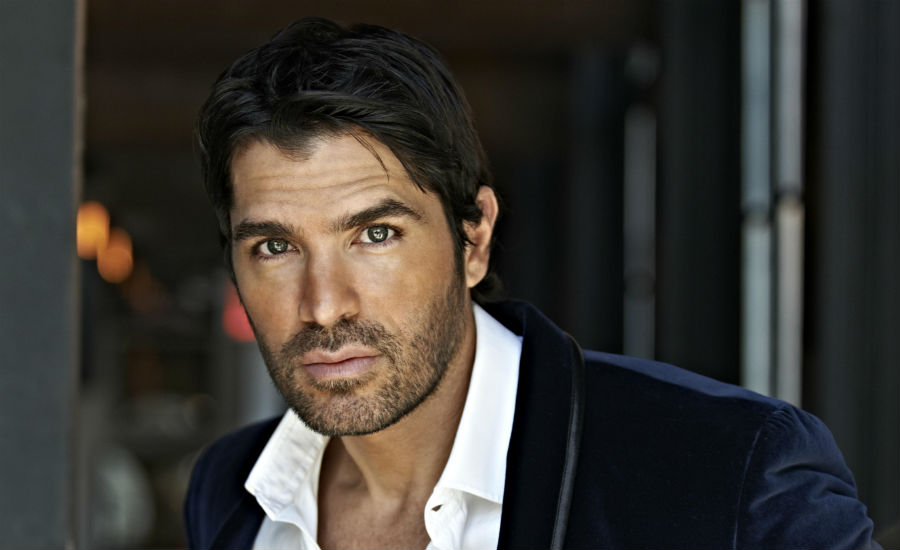
Eduardo Verástegui’s time in Hollywood has been anything but usual. The actor first found success as a telenovela star in his native country of Mexico before heading to the states to pursue the American dream.

He’s done everything in the world of entertainment: from posing for Calvin Klein and starring as the smoldering love interest in a Jennifer Lopez music video, to lighting up the stage as a Latin pop star and the big screen in the 2003 romantic comedy Chasing Papi, alongside Sofia Vergara and Jaci Velasquez. But at 28 years-old, Verástegui walked away from all the fame and fortune he’d amassed while inhabiting the role of a Hollywood sex symbol.

His decision to leave Hollywood began with conversations he’d had with the English tutor he hired so he could audition for more roles.The tutor began gently encouraging him to rethink his career choices.

“In a very subtle way, she was asking me a lot of questions that were challenging me. ‘Are you a part of the problem or the solution?’ ‘You’re Latino. A lot of people think Latinos are what they see on film and television, how are you changing that?’ ‘Are you using your talents in a selfish way or are you using your talents to create things for your community?’ ‘What do you want to do with your life?’ ‘What’s the purpose of your life?’ Imagine six months of that. Simple conversations in the living room, after English class.”

Those conversations sparked a desire in Verástegui to have cohesiveness in his life. Raised Catholic, the actor realized he’d have to make a total life change in order to rededicate himself to his faith and to reshape the way he viewed his craft.

“Every role that I got called to audition for I had to say no to because it didn’t align with [my faith].” But his role in Hollywood was far from over.

Twelve years later, Verástegui is in the spotlight once more. The actor-turned-producer is pouring his renewed sense of faith into the films his company, Metanoia Films, creates. Named for the Greek word meaning “repentance,” Verástegui is atoning for Hollywood’s proclivity for making movies that merely entertain instead of inspire.

“I’m a different kind of actor,” he tells Guideposts.org. “I’m a storyteller. But in order for me to tell a good story that I believed would do good, I needed to produce it because I was tired of waiting for that story. I never got that story in my hands. God led me to open a production company so I can tell those stories that I believe can make this world a better place.”

His first film, an indie flick titled Bella, tackled the tough issue of abortion and was the winner of the People’s Choice Award at the Toronto Film Festival. His follow-up, the drama Little Boy, is the actor’s love letter to the country that helped him achieve his dreams.Jakob Salvati and Tom Wilkinson in "Little Boy"

Jakob Salvati and Tom Wilkinson in “Little Boy”

“The goal was, let’s make a movie where we can capture the heart and soul of this country,” Verástegui said. “When you come to this country, looking for work and the next thing you know, things are happening, it’s great. I came here without even speaking the language and with nothing other than a bag of dreams.”

Verástegui’s first step was to write a great script. He enlisted his friend, fellow producer and writer Alejandro Monteverde to pen a story that would do service to the country he now calls home. Monteverde along with writer Pepe Portillo found inspiration in isolation, though it didn’t come easily. The two signed up for a month-long writer’s retreat which cut them off from the outside world. After 20 days, the men had nothing to present to Verástegui, so they decided to bend the retreat’s rules a little bit and make use of the single, black and white TV at the camp.

The one channel available was airing a documentary on World War II and when the men heard the name “Little Boy” and what it represented – the codename for the atomic bomb dropped on Hiroshima in 1945 – they knew they had their elusive beginning.

“They started writing this fairy tale with a very heavy theme and they were inspired by Life is Beautiful,” Verástegui said. “They thought, ‘Let’s do an experiment but from a different angle, so it’s not about the father but it’s about the kid left behind when a soldier has to go to war.’”

The result is a beautifully wrought look at small-town American life, friendship, faith, love, family and belief, not only in God but in one’s self. The fantastical film shows seven-year-old Pepper believing – much like his favorite magician Ben Eagle – that he can conjure up a way to bring his dad safely home from the front lines.

Shot in a small town in Mexico, the film boasts an all-star cast including two-time Oscar winners Tom Wilkinson and Emily Watson, comedian Kevin James, David Henrie and newcomer Jakob Salvati, who scored the titular role of Little Boy after accompanying his big brother to the film’s auditions.

Veteran actors traveling half-way across the world in order to work on a low-budget indie with a second-time director are a rarity, but this movie has inspired not only its audience, but the cast as well. Henrie, who was struggling to find direction after his time as a Disney star had ended, decided to change his life, rededicate himself to his faith and make a vow to his family to pursue the kinds of films and projects they could watch with pride.

David Henrie in "Little Boy"

David Henrie in “Little Boy”

It’s a decision that mirrors Verástegui’s own, so many years ago, and one Verástegui is also proud of. “David in real life, he was looking for something bigger than himself,” Verástegui said. “That’s very rare. You don’t see guys like that. At that age, they want the world. To see someone like David rejecting projects with a lot of money because of his values after his experience with Little Boy, for me, as a producer and as a friend, it motivates me to keep doing what we’re doing because I know that somehow, that makes a difference with people.”

Leaving a legacy behind is now what inspires some of Verástegui’s greatest storytelling, and the message behind everything he does is an elegantly simple one. “The reality is, you’re born and you die and what matters is what you do in between. I want to make sure that in my between, I do the right thing.”

Edna’s Scalloped Potato Soup

Nothing’s more pleasing in chilly weather than a bowl of hot soup, so get ready to serve seconds and even thirds of this creamy dish. It’s a snap to prepare, and everyone in your family is sure to love it.

Ingredients

2 tablespoons butter 1 tablespoon vegetable bouillon
1 large onion, diced ¼ cup flour
2 garlic cloves, minced 1 quart lowfat milk
2 celery stalks, diced 1 can evaporated milk
2 carrots, diced ½ pound Cheddar cheese, chopped
4 large potatoes, diced Salt and pepper to taste
½ to 1 pound pre-cooked ham, sliced thin ¼ cup fresh parsley, chopped
½ cup water

Preparation

1. In a Dutch oven melt butter over medium-low heat then add vegetables and sauté.

2. Add ham and cook for about 5 minutes.

3. Add water and bouillon. Cover to steam until vegetables are fork tender.

4. Stir in flour, then slowly stir in both types of milk. Allow mixture to get hot, but don’t boil.

5. Stir in cheese and let melt while soup thickens.

6. Stir in salt, pepper and parsley. Serve warm.

Serves 6.

Nutritional Information: Calories: 630; Fat, 26 g; Cholesterol, 100 mg; Sodium, 1140 mg; Total Carbohydrates, 68g; Dietary Fiber, 7g; Sugars, 20g; Protein, 31g.

Don’t miss Ann’s inspiring story about how she managed to nourish the congregation of her church, despite limited resources.